Category: Medical Equipment

  • Mobility Aid Medical Device Market Growth Through 2030 Creates New Strategic Opportunities

    Mobility Aid Medical Device Market Growth Through 2030 Creates New Strategic Opportunities

    Enhanced with market attractiveness analysis, total addressable market evaluation, company benchmarking matrices, interactive Excel dashboards, expanded supply chain intelligence, emerging startup coverage, and detailed product insights, The Business Research Company’s 2026 market reports deliver more actionable and strategically valuable research.

    The mobility aid medical device sector has witnessed significant growth over recent years, driven by various demographic and technological factors. As more people seek enhanced independence and better rehabilitation options, this market is set to experience continued expansion. Let’s explore the current market size, key drivers, segmentation, emerging trends, leading players, and regional outlook to understand the future trajectory of this industry.

    Mobility Aid Medical Device Market Size and Growth Outlook

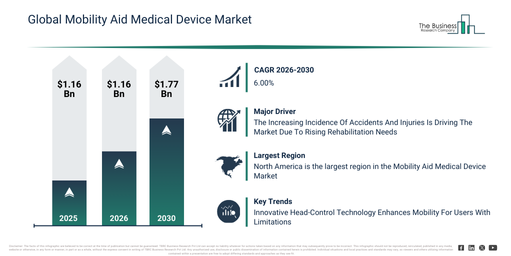
    The market for mobility aid medical devices is showing strong momentum. In 2025, its value is projected at $7.3 billion and is expected to rise to $7.76 billion in 2026, reflecting a compound annual growth rate (CAGR) of 6.3%. Historical growth has been propelled by an aging global population, increasing cases of mobility impairments, development of rehabilitation infrastructure, growing awareness of assistive devices, and advancements in orthopedic and neurological treatments. Looking ahead, the market is forecasted to expand further, reaching $9.78 billion by 2030, with a CAGR of 6.0%. Key factors supporting this growth include continuous innovation in assistive mobility technologies, a growing preference for independent living, rising healthcare spending, broader availability of home healthcare services, and favorable government reimbursement policies. Trends expected to influence the market are the rise of smart and connected mobility aids, AI-powered gait and balance support systems, robotic personal mobility solutions, remote monitoring combined with predictive maintenance, and a shift towards sustainable, lightweight device designs.

    Download A Free Sample Report For Comprehensive Market Insights:

    https://www.thebusinessresearchcompany.com/sample.aspx?id=25838&type=smp

    Factors Fueling Growth in the Mobility Aid Medical Device Market

    One major driver behind the market’s expansion is the growing number of accidents and injuries leading to mobility challenges. These unforeseen incidents, which often cause physical trauma or disability, occur in various settings such as workplaces, public areas, and everyday environments. Factors contributing to the increased frequency of such injuries include hazardous work conditions, physically demanding jobs, an aging workforce, and lapses in safety protocols. As a result, more individuals require mobility aids to regain movement, improve rehabilitation outcomes, and maintain independence during recovery. For example, according to the Bureau of Labor Statistics (BLS) in November 2024, injury cases in healthcare and social assistance sectors in the US rose by 27,800 in 2023, reaching 471,600 incidents. This rise underscores the growing demand for mobility aid medical devices.

    Additional Drivers Propelling Market Expansion

    Besides injuries and accidents, technological advancements in mobility aids are another crucial growth factor. Innovations such as AI-enabled systems and robotics are making devices more user-friendly and effective. Additionally, expanding home-based healthcare services allow more patients to use these devices in comfortable settings, which increases adoption rates. Government policies offering financial support or insurance reimbursement also encourage the use of mobility aids, helping to broaden the market reach.

    Access The Complete Mobility Aid Medical Device Market Report:

    https://www.thebusinessresearchcompany.com/report/mobility-aid-medical-device-global-market-report

    Breakdown of the Mobility Aid Medical Device Market Segments

    This market is divided into distinct segments for a comprehensive understanding:

    1) By Type: Wheelchairs, Walking Aids, Mobility Lifts, Slings, Tricycles, Mobility Scooters

    2) By Age Group: Pediatrics, Adults, Seniors

    3) By Distribution Channel: Online Retail, Pharmacies, Specialty Stores, Medical Equipment Dealers, Direct Sales

    4) By End-User: Hospitals, Home Care Settings, Rehabilitation Centers, Other End-Users

    Further classification within each segment includes:

    – Wheelchairs: Manual, Powered, Pediatric, Sports

    – Walking Aids: Walkers, Rollators, Crutches, Canes

    – Mobility Lifts: Patient Lifts, Stair Lifts, Ceiling Lifts, Vehicle Lifts

    – Slings: Transfer, Positioning, Toilet, Bariatric

    – Tricycles: Adult, Pediatric, Electric, Foldable

    – Mobility Scooters: 3-Wheel, 4-Wheel, Heavy-Duty, Travel or Portable

    Innovations and Trends Shaping the Mobility Aid Medical Device Industry

    Leading companies in this sector are focusing on creating advanced solutions that enhance user independence, especially for those with severe mobility restrictions. For instance, head-controlled drive systems are becoming increasingly popular. These systems allow users to operate powered mobility devices through subtle head movements, offering an intuitive and accessible control method for individuals with limited motor skills.

    A notable example occurred in January 2024 when Sunrise Medical GmbH introduced the Switch-It Vigo Head Control. This German company developed a wireless, discreet headset that accurately tracks small head motions to control powered wheelchairs and connected digital devices. The system’s sophisticated sensors, coupled with customizable app settings, provide users with a comfortable and personalized mobility experience tailored to individual needs.

    Key Players and Competitive Landscape in the Mobility Aid Medical Device Market

    Several prominent firms dominate this market, including Medline Industries LP, Otto Bock HealthCare GmbH, Arjo AB, Invacare Corporation, Sunrise Medical GmbH and Co KG, Drive Medical GmbH and Co KG, Permobil AB, Pride Mobility Products Corporation, Etac AB, GF Health Products Inc., Hoveround Corporation, Carex Health Brands Inc., NOVA Medical Products LLC, MEYRA GmbH, Recare Ltd., Ostrich Mobility Instruments Pvt Ltd, Karman Healthcare Inc., LEVO AG, Magic Mobility Pty Ltd, Shoprider Mobility Products Ltd, Hubang Electric Vehicle Co Ltd, Batec Mobility SLP, and Roma Medical Aids Ltd. These companies compete by focusing on innovation, quality, and expanding product portfolios to meet diverse user needs.

    Regional Market Insights in Mobility Aid Medical Devices

    In 2025, North America led the global mobility aid medical device market in terms of revenue. However, the Asia-Pacific region is anticipated to experience the fastest growth during the forecast period. The market report covers major regions including Asia-Pacific, South East Asia, Western Europe, Eastern Europe, North America, South America, the Middle East, and Africa, offering a comprehensive view of worldwide demand and expansion patterns.

    Get in touch with us:

    The Business Research Company: https://www.thebusinessresearchcompany.com/

    Americas: +1 310-496-7795

    Asia: +44 7882 955267 & +91 8897263534

    Europe: +44 7882 955267

    Email us at: marketing@tbrc.info

    Follow us on:

    LinkedIn: https://in.linkedin.com/company/the-business-research-company

    YouTube: https://www.youtube.com/channel/UC24_fI0rV8cR5DxlCpgmyFQ

    Global Market Model: https://www.thebusinessresearchcompany.com/global-market-model
  • Mobile ECG Devices Market Size Projected To Increase From $131.1 Billion To $182.64 Billion During The Forecast Period

    Mobile ECG Devices Market Size Projected To Increase From $131.1 Billion To $182.64 Billion During The Forecast Period

    Through market attractiveness analysis, total addressable market evaluation, company benchmarking matrices, interactive Excel dashboards, expanded supply chain intelligence, emerging startup coverage, and detailed product insights, The Business Research Company’s 2026 market reports provide more actionable and strategically valuable research.

    The mobile ECG devices market has witnessed impressive growth recently, driven by technological advancements and increasing health awareness worldwide. As cardiovascular conditions continue to rise, the demand for portable, user-friendly ECG solutions is expanding rapidly. Let’s explore the current market size, key growth factors, major players, and future prospects shaping this vital healthcare segment.

    Projected Market Size and Expansion of the Mobile ECG Devices Market

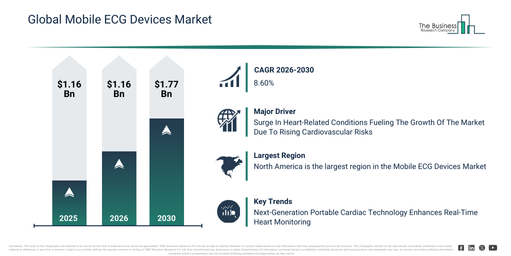
    The mobile ECG devices market has grown significantly in the recent past and is set to continue this upward trajectory. It is forecasted to grow from $121.39 billion in 2025 to $131.1 billion in 2026, reflecting a compound annual growth rate (CAGR) of 8.0%. Looking ahead, the market is expected to reach $182.64 billion by 2030, with an increased CAGR of 8.6%. This expansion is driven by the rising prevalence of cardiovascular diseases, greater adoption of home-based health monitoring solutions, growing demand for non-invasive diagnostic tools, the spread of telehealth services, and improved affordability of portable medical devices. Additionally, the integration of AI-based cardiac analytics and personalized cardiac care approaches are pushing market growth further.

    Download A Free Sample Report For Comprehensive Market Insights:

    https://www.thebusinessresearchcompany.com/sample.aspx?id=12067&type=smp

    Factors Fueling Growth in the Mobile ECG Devices Market

    One of the primary drivers of the mobile ECG devices market is the increasing incidence of heart-related ailments. These include a variety of heart and blood vessel disorders such as coronary heart disease and congenital heart defects. Mobile ECG devices are essential for diagnosing conditions like myocardial infarction and cardiac arrhythmias, which help in managing heart conditions more effectively and reducing the number of unmonitored cases.

    For instance, data released in January 2024 by the American Heart Association showed that the age-adjusted death rate from cardiovascular disease in the U.S. rose to 233.3 per 100,000 in 2024, marking a 4.0% increase from 224.4 per 100,000 in 2023. This alarming rise underscores the urgent need for efficient cardiac monitoring tools, bolstering demand for mobile ECG devices.

    Major Market Segments in the Mobile ECG Devices Industry

    This report categorizes the mobile ECG devices market into several key segments for a detailed understanding:

    1) By Type: Monitoring ECG Systems and Diagnostics ECG Systems

    2) By Modality: Handheld, Pen, Band, and Other Modalities

    3) By End User: Personal Users, Hospitals, Clinics, and Ambulatory Services

    Within these, further classification includes wearable ECG monitors, handheld ECG monitors, and patch-based monitors under Monitoring ECG Systems. Diagnostics ECG Systems include portable ECG devices, smartphone-based ECG devices, and Holter monitors, catering to diverse user needs.

    Access The Complete Mobile ECG Devices Market Report:

    https://www.thebusinessresearchcompany.com/report/mobile-ecg-devices-global-market-report

    Innovations and Industry Trends Driving Mobile ECG Market Growth

    Leading companies in the mobile ECG device market are heavily investing in cutting-edge technologies, particularly AI-powered handheld devices that enhance real-time cardiac monitoring accuracy and improve patient experience. These AI systems analyze health data instantly, providing precise diagnostic insights and facilitating better clinical decisions.

    For example, in July 2025, AliveCor Inc., a U.S.-based medical tech firm, launched the Kardia 12L ECG system in India. This AI-powered device features a unique single-cable design and can detect 35 different cardiac conditions, including myocardial infarction and various arrhythmias. Its lightweight, battery-operated form factor fits easily into a physician’s pocket, allowing for convenient, rapid diagnostics without extensive patient preparation.

    Key Players Leading the Mobile ECG Devices Market

    The competitive landscape of the mobile ECG devices market includes several prominent companies such as Medtronic PLC, Koninklijke Philips N.V., GE Healthcare, Omron Corporation, Mindray Medical International Limited, ZOLL Medical Corporation, Nihon Kohden Corporation, Spacelabs Healthcare, Biotronik SE & Co KG, Fukuda Denshi Co. Ltd., Bittium Biosignals Ltd., Contec Medical Systems Co. Ltd., Schiller AG, Preventice Solutions Inc., BPL Medical Technologies Pvt. Ltd., AliveCor Inc., EB Neuro S.p.A, GETEMED Medical and Information, QT Medical Inc., Qardio Inc., Innomed Medical Inc., MD Biomedical Inc., CardioComm Solutions Inc., Hexoskin, VectraCor Inc., and Cardiocity Limited. These companies are continuously innovating to maintain and expand their market presence.

    Regional Market Distribution and Growth Opportunities

    In 2025, North America represented the largest regional market for mobile ECG devices. However, the Asia-Pacific region is anticipated to experience the fastest growth during the forecast period. The report covers significant regions such as Asia-Pacific, South East Asia, Western Europe, Eastern Europe, North America, South America, as well as the Middle East and Africa, providing a global perspective on emerging opportunities and market dynamics.

    Get in touch with us:

    The Business Research Company: https://www.thebusinessresearchcompany.com/

    Americas: +1 310-496-7795

    Asia: +44 7882 955267 & +91 8897263534

    Europe: +44 7882 955267

    Email us at: marketing@tbrc.info

    Follow us on:

    LinkedIn: https://in.linkedin.com/company/the-business-research-company

    YouTube: https://www.youtube.com/channel/UC24_fI0rV8cR5DxlCpgmyFQ

    Global Market Model: https://www.thebusinessresearchcompany.com/global-market-model
  • Mobile C-arm Market Growth Outlook Reveals A CAGR Of 7.3% And A Market Value Of $2 Billion By 2030

    Mobile C-arm Market Growth Outlook Reveals A CAGR Of 7.3% And A Market Value Of $2 Billion By 2030

    Delivering more actionable and strategically valuable research, The Business Research Company’s 2026 market reports feature market attractiveness analysis, total addressable market evaluation, company benchmarking matrices, interactive Excel dashboards, expanded supply chain intelligence, emerging startup coverage, and detailed product insights.

    The mobile C-arm market has seen significant expansion in recent years, driven by advancements in medical imaging technology and increasing surgical demands. As healthcare providers seek more efficient and precise imaging solutions, the mobile C-arm sector is positioned for continued growth. Below, we explore the market’s current size, key factors propelling its rise, leading players, and promising trends shaping its future.

    Mobile C-arm Market Size and Growth Forecast through 2030

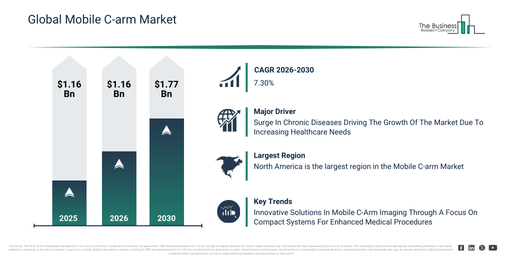
    The mobile C-arm market has experienced strong growth lately, rising from $1.42 billion in 2025 to an estimated $1.51 billion in 2026, reflecting a compound annual growth rate (CAGR) of 6.7%. This expansion has been driven by an increase in orthopedic and trauma surgeries, enhanced hospital imaging infrastructure, a greater reliance on minimally invasive procedures, and the growing need for intraoperative imaging. Additionally, the availability of mobile imaging systems has broadened access to these technologies. Looking ahead, the market is expected to reach $2.01 billion by 2030, growing at a CAGR of 7.3%. Factors contributing to this forecasted growth include the rising use of image-guided surgeries, increased investments in advanced surgical imaging platforms, demand for portable imaging devices, growth of ambulatory surgical centers, and continual advancements in detector and imaging technologies. Key trends powering the market include wider adoption of flat-panel detector C-arms, enhanced high-resolution real-time imaging capabilities, integration of sophisticated imaging software, expansion of hybrid operating rooms, and a stronger emphasis on reducing radiation exposure.

    Download A Free Sample Report For Comprehensive Market Insights:

    https://www.thebusinessresearchcompany.com/sample.aspx?id=12477&type=smp

    Factors Propelling the Mobile C-arm Market Growth

    The mobile C-arm market is being driven by the growing prevalence of chronic diseases worldwide. Chronic illnesses, which persist for three months or longer and tend to worsen over time, increase the need for advanced imaging solutions that support better clinical outcomes. Mobile C-arm devices play a crucial role in managing conditions such as cardiovascular disease and cancer by improving surgical precision and reducing the likelihood of repeat procedures, ultimately lowering healthcare costs. For example, a January 2023 report from the National Library of Medicine in the US highlighted that the population aged 50 and above with at least one chronic condition is expected to nearly double by 2050, reaching 142.66 million. This demographic trend underscores the expanding need for mobile C-arm technology in medical care.

    Mobile C-arm Market Segmentation by Product, Application, and End User

    The mobile C-arm market is categorized into various segments to better understand its revenue streams. By product type, the market includes Mini C-arms, Full-Size C-arms, and Other Product Types. The application segments encompass Orthopedics, Trauma, Cardiovascular, Pain Management, Urology, Gastroenterology, Neurology, and other medical uses. In terms of end users, the market serves Hospitals, Specialty Clinics, and Ambulatory Surgical Centers. Further subcategories break down Mini C-arms into Compact and High-Frequency models, Full-Size C-arms into Fixed, Mobile, and High-Performance variants, and Other Product Types into Specialty C-arms as well as accessories and consumables.

    Access The Complete Mobile C-arm Market Report:

    https://www.thebusinessresearchcompany.com/report/mobile-c-arm-global-market-report

    Innovations and Market Trends Fueling Mobile C-arm Advancements

    Leading companies in the mobile C-arm market are focusing on developing compact and innovative imaging solutions to differentiate themselves and meet clinical demands. Compact mobile C-arm systems are gaining popularity due to their portability and ease of use, benefiting both healthcare providers and patients. For instance, in February 2024, Royal Philips, a technology firm based in the Netherlands, introduced the Zenition 90 Motorized mobile C-arm. This model is notable for its rapid performance and intuitive table-side controls, allowing surgeons greater autonomy during procedures. It delivers high-quality images even for complex vascular surgeries and incorporates automated workflows, a touch screen module for image manipulation, and advanced software features that improve clinical efficiency.

    Top Companies Shaping the Mobile C-arm Market Landscape

    The mobile C-arm industry features several key players, including Siemens Healthineers AG, Koninklijke Philips N.V., GE HealthCare Technologies Inc., Shimadzu Corporation, Hologic Inc., Hitachi Medical Systems, Canon Medical Systems Corporation, Ziehm Imaging GmbH, DMS Group, OrthoScan Inc., and Allengers Medical Systems Limited. Other significant contributors are Eurocolumbus s.r.l., Turner Imaging System, Intermedical S.r.l., Perlong Medical Equipment Co. Ltd., Gemss Medical Systems, ARI Medical Equipment Co. Ltd., SternMed GmbH, Villa Sistemi Medicali S.p.A., MS Westfalia GmbH, Nanjing Perlove Medical Equipment Co. Ltd., Hi-Tech Medi Systems, GMM Group, and Vision Medicaid Equipment Private Limited. These companies continuously invest in research and development to maintain competitive advantage and expand their market presence.

    Geographical Market Leadership and Growth Prospects

    In 2025, North America was the dominant region in terms of revenue for the mobile C-arm market. However, the Asia-Pacific region is expected to experience the fastest growth during the forecast period. The market analysis includes key regions such as Asia-Pacific, South East Asia, Western Europe, Eastern Europe, North America, South America, the Middle East, and Africa, providing a broad perspective on global market dynamics and opportunities.

    Get in touch with us:

    The Business Research Company: https://www.thebusinessresearchcompany.com/

    Americas: +1 310-496-7795

    Asia: +44 7882 955267 & +91 8897263534

    Europe: +44 7882 955267

    Email us at: marketing@tbrc.info

    Follow us on:

    LinkedIn: https://in.linkedin.com/company/the-business-research-company

    YouTube: https://www.youtube.com/channel/UC24_fI0rV8cR5DxlCpgmyFQ

    Global Market Model: https://www.thebusinessresearchcompany.com/global-market-model
  • Mobile Cardiac Telemetry Systems Market Forecast Highlights Expansion From $1.16 Billion To $1.69 Billion Through 2030

    Mobile Cardiac Telemetry Systems Market Forecast Highlights Expansion From $1.16 Billion To $1.69 Billion Through 2030

    Enhanced with market attractiveness analysis, total addressable market evaluation, company benchmarking matrices, interactive Excel dashboards, expanded supply chain intelligence, emerging startup coverage, and detailed product insights, The Business Research Company’s 2026 market reports deliver more actionable and strategically valuable research.

    The mobile cardiac telemetry systems market is witnessing significant momentum as advancements in cardiac care and monitoring technologies continue to evolve. Increasing awareness about cardiovascular health and the need for real-time cardiac monitoring solutions are key factors propelling growth in this sector. Let’s explore the current market size, the main drivers pushing expansion, the segmentation of the market, and the competitive landscape shaping its future.

    Mobile Cardiac Telemetry Systems Market Size and Projected Growth

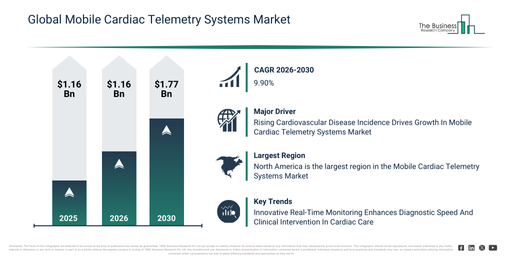
    The market for mobile cardiac telemetry systems has experienced robust growth in recent years. It is expected to rise from $1.06 billion in 2025 to $1.16 billion in 2026, growing at a compound annual growth rate (CAGR) of 10.0%. Looking ahead, the market is forecast to expand further to reach $1.7 billion by 2030, maintaining a CAGR of 9.9%. This growth is underpinned by factors such as the increasing prevalence of cardiovascular diseases, the rising occurrence of arrhythmias, limitations associated with traditional Holter monitors, an aging global population, and the growing adoption of outpatient cardiac diagnostic methods.

    Download A Free Sample Report For Comprehensive Market Insights:

    https://www.thebusinessresearchcompany.com/sample.aspx?id=18674&type=smp

    Key Factors Propelling Mobile Cardiac Telemetry Systems Market Growth

    One major factor fueling this market’s expansion is the rising incidence of cardiovascular diseases globally. These conditions, which include coronary artery disease, heart failure, arrhythmias, and hypertension, lead to serious health risks like heart attacks and strokes. The increasing prevalence is linked to lifestyle risk factors such as sedentary habits, unhealthy diets, obesity, and aging demographics. Mobile cardiac telemetry systems offer continuous, real-time monitoring capabilities that enable early detection of arrhythmias and timely intervention for patients affected by cardiovascular issues.

    The pressing need for effective monitoring is highlighted by recent data. For example, in January 2024, the American Heart Association reported that the age-adjusted death rate from cardiovascular disease in the US rose to 233.3 per 100,000, marking a 4.0% increase compared to 224.4 per 100,000 in 2023. This upward trend signals growing demand for advanced cardiac telemetry solutions that can help reduce cardiovascular morbidity and mortality.

    Access The Complete Mobile Cardiac Telemetry Systems Market Report:

    https://www.thebusinessresearchcompany.com/report/mobile-cardiac-telemetry-systems-global-market-report

    Mobile Cardiac Telemetry Systems Market Segmentation Overview

    This market is categorized into several key segments to reflect product types, service models, and end-use settings. By product, it includes Multiple Lead Mobile Cardiac Telemetry Systems and Mobile Cardiac Telemetry Patches. The monitoring and service models segment encompasses continuous real-time monitoring, intermittent or event-triggered monitoring, prescription-based remote patient monitoring platforms, managed or outsourced monitoring services, device-as-a-service or subscription-based models, as well as hybrid monitoring models. End-use applications cover hospitals, cardiac centers, home care settings, and other facilities.

    Further subcategories break down the product types into wired and wireless multiple lead systems, as well as adhesive and disposable patches, providing a detailed market structure that addresses various clinical needs and technological preferences.

    Innovations Shaping the Mobile Cardiac Telemetry Systems Market

    Leading players in the mobile cardiac telemetry systems arena are focused on developing state-of-the-art wearable ECG devices to improve the accuracy of real-time cardiac data and streamline remote patient management. ECG devices capture the heart’s electrical activity and play a critical role in diagnosing and monitoring cardiovascular conditions.

    For instance, in October 2023, Biotricity Inc., a US-based medical diagnostics firm, introduced BioTresPro, a cutting-edge three-channel wearable cardiac monitor. This device supports uninterrupted real-time telemetry by integrating cellular backup to ensure consistent data transmission. It also offers continuous multi-lead ECG acquisition for superior signal quality and enhanced remote connectivity, even in areas with limited network coverage. These features enable healthcare providers to detect critical cardiac events promptly and make faster clinical decisions during ambulatory monitoring.

    Competitive Landscape and Leading Participants in the Mobile Cardiac Telemetry Systems Market

    The market is highly competitive, with several prominent companies driving innovation and growth. Notable players include Medtronic PLC, Philips Healthcare, Boston Scientific Corporation, iRhythm Technologies Inc., Biotricity Inc., Zoll Medical Corporation, Spacelabs Healthcare, Infobionic Inc., Medicomp Inc., ScottCare Corporation, Medicalgorithmics S.A., Ambucor Health Solutions Inc., Telerhythmics LLC, Vitaphone GmbH, Card Guard, Heart Test Laboratories Inc., Reactdx, Nuvant Health, Bittium Corporation, Fukuda Denshi Co Ltd, GE HealthCare, and Mindray Medical International. These companies are focusing on delivering advanced telemetry solutions to meet the growing demand for remote and continuous cardiac monitoring.

    Regional Distribution and Market Leadership

    In 2025, North America dominated the mobile cardiac telemetry systems market, holding the largest share. Alongside North America, other key regions analyzed in the market report include Asia-Pacific, South East Asia, Western Europe, Eastern Europe, South America, the Middle East, and Africa. The regional insights provide a comprehensive perspective on the global market dynamics and growth opportunities across different geographic areas.

    Get in touch with us:

    The Business Research Company: https://www.thebusinessresearchcompany.com/

    Americas: +1 310-496-7795

    Asia: +44 7882 955267 & +91 8897263534

    Europe: +44 7882 955267

    Email us at: marketing@tbrc.info

    Follow us on:

    LinkedIn: https://in.linkedin.com/company/the-business-research-company

    YouTube: https://www.youtube.com/channel/UC24_fI0rV8cR5DxlCpgmyFQ

    Global Market Model: https://www.thebusinessresearchcompany.com/global-market-model
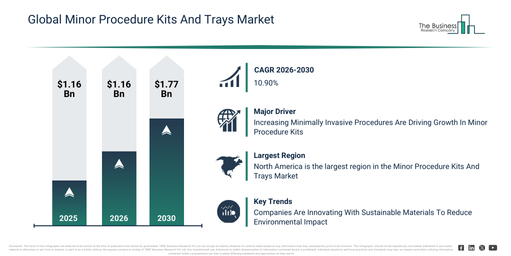
  • Minor Procedure Kits And Trays Market Expected To Reach $13.18 Billion By 2030 As Growth Accelerates At 10.9% CAGR

    Minor Procedure Kits And Trays Market Expected To Reach $13.18 Billion By 2030 As Growth Accelerates At 10.9% CAGR

    Through market attractiveness analysis, total addressable market evaluation, company benchmarking matrices, interactive Excel dashboards, expanded supply chain intelligence, emerging startup coverage, and detailed product insights, The Business Research Company’s 2026 market reports provide more actionable and strategically valuable research.

    The minor procedure kits and trays market has experienced significant advancement recently, reflecting a strong demand for efficient medical solutions. This sector’s rapid expansion is driven by evolving healthcare needs and innovations aimed at improving procedural workflows. Let’s explore the current market size, growth factors, leading players, and emerging trends shaping this industry’s future.

    Market Size and Growth Trajectory of the Minor Procedure Kits and Trays Market

    The market for minor procedure kits and trays has seen swift growth in recent years. It is expected to increase from $7.82 billion in 2025 to $8.7 billion in 2026, representing a compound annual growth rate (CAGR) of 11.3%. The expansion during the historical period is largely due to rising outpatient procedures, the demand for streamlined workflows, increased emphasis on sterility, a surge in emergency room visits, and the standardization of clinical protocols.

    Download A Free Sample Report For Comprehensive Market Insights:

    https://www.thebusinessresearchcompany.com/sample.aspx?id=19596&type=smp

    Looking ahead, the market is projected to continue its rapid ascent, reaching $13.19 billion by 2030 with an anticipated CAGR of 10.9%. This forecasted growth is fueled by the proliferation of urgent care centers, heightened demand for affordable medical procedures, the growth of home care treatments, a shift towards disposable medical supplies, and an increase in minor surgical interventions. Key trends shaping the market include a rising preference for pre-assembled sterile kits, expanded use in outpatient and urgent care environments, a stronger focus on infection prevention and protocol standardization, as well as customizable procedure trays.

    The Growing Need for Minimally Invasive Techniques as a Market Driver

    One of the primary factors propelling growth in the minor procedure kits and trays market is the increasing adoption of minimally invasive procedures. These techniques involve smaller incisions and less tissue disruption compared to traditional surgeries, enabling faster recoveries and fewer complications. Such benefits make minimally invasive procedures highly appealing to both healthcare providers and patients.

    Access The Complete Minor Procedure Kits And Trays Market Report:

    https://www.thebusinessresearchcompany.com/report/minor-procedure-kits-and-trays-global-market-report

    Minor procedure kits and trays play a crucial role in supporting these techniques by supplying pre-assembled, sterile instruments and materials needed for efficient and safe intervention. For example, data from the American Society of Plastic Surgeons indicates that nearly 23.7 million minimally invasive cosmetic surgeries were performed in the United States in 2022, rising by 7% to over 25.4 million in 2023. This clear upward trend in minimally invasive procedures is directly boosting demand for minor procedure kits and trays worldwide.

    Breaking Down the Minor Procedure Kits and Trays Market Segmentation

    The minor procedure kits and trays market can be analyzed through several key segments:

    1) Type: Disposable and Non-Disposable

    2) Material: Polypropylene, Polyethylene, Stainless Steel, Aluminum

    3) Procedure Type: Including Suturing, Wound Care, Biopsy, Injections, and Minor Surgeries

    4) Sterility: Sterile and Non-Sterile

    5) Application: Covering General Practice, Emergency Rooms, Urgent Care, Ambulatory Surgery, and Home Care

    Further distinctions within these categories include disposable kits such as single-use minor procedure kits, pre-packaged disposable trays, and sterile disposable kits. The non-disposable category includes reusable minor procedure kits, customizable trays, and sterilizable kits, catering to diverse clinical needs.

    Sustainability and Innovation Shape Future Market Trends

    Key players in this market are increasingly prioritizing innovation, focusing on developing eco-friendly products to reduce environmental impact. Sustainable materials are designed to minimize plastic waste and lower carbon dioxide equivalent emissions, crucial in high-volume surgical settings.

    An example of this trend is NewGen Surgical Inc.’s introduction in February 2023 of Bio-Based Surgical Compartment Trays. These trays aim to replace single-use plastic products with environmentally responsible alternatives, significantly reducing plastic waste and carbon emissions. Their USDA BioPreferred Certification highlights their commitment to sustainability, especially in procedures with high usage such as ophthalmology.

    Market Leaders Steering Competition in Minor Procedure Kits and Trays

    Several prominent companies are leading the market for minor procedure kits and trays, including:

    Cardinal Health Inc., Johnson & Johnson Services Inc., 3M Company, Medtronic PLC, Becton Dickinson and Company (BD), Stryker Corporation, Henry Schein Inc., Owens & Minor Inc., B. Braun Melsungen AG, Smith & Nephew plc, Steris plc, Teleflex Incorporated, Hartmann Group, Mölnlycke Health Care AB, Halyard Health Inc., Integra LifeSciences Corporation, Aspen Surgical Products Inc., Bioseal LLC, ITL Health Group, Bluekit Medical LLC, and QuickMedical.

    Regional Markets and Growth Hotspots in Minor Procedure Kits and Trays

    In 2025, North America was the largest market for minor procedure kits and trays. However, the Asia-Pacific region is expected to experience the fastest growth during the forecast period. The market coverage also includes regions such as South East Asia, Western Europe, Eastern Europe, South America, the Middle East, and Africa, providing a global perspective on demand and expansion opportunities.

    Get in touch with us:

    The Business Research Company: https://www.thebusinessresearchcompany.com/

    Americas: +1 310-496-7795

    Asia: +44 7882 955267 & +91 8897263534

    Europe: +44 7882 955267

    Email us at: marketing@tbrc.info

    Follow us on:

    LinkedIn: https://in.linkedin.com/company/the-business-research-company

    YouTube: https://www.youtube.com/channel/UC24_fI0rV8cR5DxlCpgmyFQ

    Global Market Model: https://www.thebusinessresearchcompany.com/global-market-model
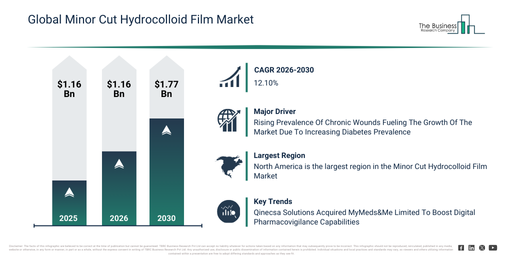
  • Minor Cut Hydrocolloid Film Market Set To Grow From $1.09 Billion In 2026 To $1.72 Billion By 2030 At A CAGR Of 12.1%

    Minor Cut Hydrocolloid Film Market Set To Grow From $1.09 Billion In 2026 To $1.72 Billion By 2030 At A CAGR Of 12.1%

    Delivering more actionable and strategically valuable research, The Business Research Company’s 2026 market reports feature market attractiveness analysis, total addressable market evaluation, company benchmarking matrices, interactive Excel dashboards, expanded supply chain intelligence, emerging startup coverage, and detailed product insights.

    The minor cut hydrocolloid film market has been evolving rapidly, driven by advancements in wound care and increasing awareness about infection prevention. This sector is gaining importance as healthcare systems and consumers alike seek more effective solutions for treating minor wounds and abrasions. The market’s growth prospects appear promising, fueled by both technological innovations and expanding applications in home and clinical care settings.

    Minor Cut Hydrocolloid Film Market Size and Growth Trajectory

    The market for minor cut hydrocolloid films has witnessed significant expansion recently. It is projected to grow from $0.97 billion in 2025 to $1.09 billion in 2026, registering a compound annual growth rate (CAGR) of 12.4%. This historical growth is largely due to the rising incidence of minor cuts and abrasions, broader adoption of hydrocolloid films in hospitals, heightened infection prevention awareness, advancements in adhesive dressing technologies, and an increase in homecare practices. Looking ahead, the market is expected to reach $1.73 billion by 2030 with a CAGR of 12.1%. Future growth will be driven by the emergence of smart and connected hydrocolloid films, integration of AI and sensor technologies in wound care, use of sustainable and biodegradable materials, expansion in emerging markets, and collaborations between healthcare and technology firms. Key trends in the forecast period include smart hydrocolloid dressings, AI-based wound monitoring, IoT integration in homecare devices, and eco-friendly dressing materials.

    Download A Free Sample Report For Comprehensive Market Insights:

    https://www.thebusinessresearchcompany.com/sample.aspx?id=28272&type=smp

    Factors Pushing Growth in the Minor Cut Hydrocolloid Film Market

    One of the primary drivers behind the market expansion is the increasing prevalence of chronic wounds. These wounds fail to heal within the normal timeframe of 4 to 6 weeks despite proper treatment, often linked to conditions such as diabetes which impair blood circulation and delay healing. Minor cut hydrocolloid films contribute significantly by maintaining a moist environment for healing, shielding wounds from infection, and promoting quicker tissue repair compared to conventional dressings. For example, data from July 2025 by National Seniors Australia highlights that over 450,000 Australians suffer from chronic wounds, resulting in more than $6 billion in annual healthcare costs. This growing burden underscores the rising need for effective wound care solutions, thereby stimulating demand in this market.

    Increasing Healthcare Spending as a Catalyst for Market Expansion

    The upward trend in healthcare expenditure is another key factor aiding the growth of the minor cut hydrocolloid film market. Healthcare spending encompasses costs related to medical services, treatment facilities, research, and public health programs aimed at improving health outcomes. The rise in chronic diseases, which often require extensive and expensive treatment, is driving higher healthcare budgets worldwide. Increased financial resources enable wider adoption of advanced wound care technologies, making sophisticated products more accessible to patients and healthcare providers. For instance, the Office for National Statistics in the UK reported a 5.6% nominal increase in total healthcare expenditure in 2023, marking a 0.9% growth from the previous year. Such trends in healthcare funding are enhancing the uptake of innovative wound dressings that improve healing rates and reduce complications.

    Access The Complete Minor Cut Hydrocolloid Film Market Report:

    https://www.thebusinessresearchcompany.com/report/minor-cut-hydrocolloid-film-global-market-report

    Product and Application Segments Highlighting Market Growth in Minor Cut Hydrocolloid Films

    The minor cut hydrocolloid film market is categorized into several segments for more detailed analysis. By product type, it includes Adhesive Hydrocolloid Film and Transparent Hydrocolloid Film. Application areas cover Hospitals, Clinics, Homecare, and Other uses. Distribution channels consist of Hospital Pharmacies, Retail Pharmacies, Online Pharmacies, and Other channels. End-users are divided into Adults, Pediatrics, and Geriatrics. Further subsegments break down adhesive hydrocolloid films into Thin Layers, Flexible Sheets, and Pre-Cut Shapes, while transparent hydrocolloid films are classified as Clear Sheets and Protective Films. This segmentation allows for targeted market strategies and better understanding of growth opportunities across different user groups and product variations.

    Innovations Shaping the Future of Minor Cut Hydrocolloid Film Market

    Leading companies in the minor cut hydrocolloid film market are focusing on developing next-generation wound care products designed to enhance healing and minimize scarring. Advanced hydrocolloid plasters represent one such innovation; they create a moist healing environment, protect wounds from infection, and promote faster recovery than traditional bandages. For instance, in January 2025, Beiersdorf AG introduced their Second Skin Protection plasters featuring advanced hydrocolloid technology. These plasters absorb wound exudate and form a protective healing capsule, while their outer layer is waterproof yet breathable—blocking dirt and bacteria but allowing moisture to evaporate. Their thin, flexible design ensures comfort and durability even on difficult areas like knees and elbows, exemplifying the technological progress driving this market segment.

    Key Players Holding Influence in the Minor Cut Hydrocolloid Film Market

    Several prominent companies hold significant market shares in the minor cut hydrocolloid film industry. These include 3M Company, Beiersdorf Aktiengesellschaft, Paul Hartmann AG, Smith & Nephew plc, Urgo Medical, Coloplast Aktieselskab, ConvaTec Group plc, Mölnlycke Health Care Aktiebolag, BSN medical GmbH, Cardinal Health Inc., Medline Industries LP, Winner Medical Co Ltd, Derma Sciences Inc., Covalon Technologies Ltd., Advanced Medical Solutions Group plc, Nitto Denko Corporation, Lohmann & Rauscher GmbH & Co KG, Avery Dennison Corporation, Essity Aktiebolag, and Johnson & Johnson. Their contributions to innovation, market reach, and product development continue to shape the competitive landscape.

    Global Market Distribution and Regional Growth Patterns

    In 2025, North America accounted for the largest share of the minor cut hydrocolloid film market. However, the Asia-Pacific region is projected to experience the fastest growth during the forecast period. The market analysis encompasses regions such as Asia-Pacific, South East Asia, Western Europe, Eastern Europe, North America, South America, the Middle East, and Africa, providing a comprehensive view of global market trends and regional opportunities.

    Get in touch with us:

    The Business Research Company: https://www.thebusinessresearchcompany.com/

    Americas: +1 310-496-7795

    Asia: +44 7882 955267 & +91 8897263534

    Europe: +44 7882 955267

    Email us at: marketing@tbrc.info

    Follow us on:

    LinkedIn: https://in.linkedin.com/company/the-business-research-company

    YouTube: https://www.youtube.com/channel/UC24_fI0rV8cR5DxlCpgmyFQ

    Global Market Model: https://www.thebusinessresearchcompany.com/global-market-model
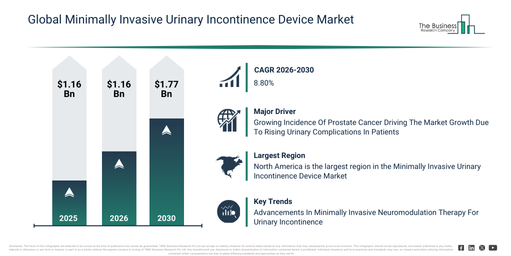
  • Minimally Invasive Urinary Incontinence Device Market Opportunities Are Emerging Beyond Traditional Growth Areas

    Minimally Invasive Urinary Incontinence Device Market Opportunities Are Emerging Beyond Traditional Growth Areas

    Enhanced with market attractiveness analysis, total addressable market evaluation, company benchmarking matrices, interactive Excel dashboards, expanded supply chain intelligence, emerging startup coverage, and detailed product insights, The Business Research Company’s 2026 market reports deliver more actionable and strategically valuable research.

    The market for minimally invasive urinary incontinence devices has been experiencing significant growth, driven by advancements in medical technology and changing patient needs. As awareness about pelvic health rises and new treatment options emerge, this sector is poised for continued expansion. Let’s explore the current market size, key drivers, major players, and evolving trends shaping this important healthcare segment.

    Market Size and Growth Outlook for the Minimally Invasive Urinary Incontinence Device Market

    The minimally invasive urinary incontinence device market has shown strong momentum in recent years. From $1.25 billion in 2025, it is projected to increase to $1.37 billion in 2026, reflecting a compound annual growth rate (CAGR) of 9.1%. This growth during the historical period can be linked to the widespread use of traditional open surgical procedures, limited alternatives for urinary incontinence treatment, increased awareness of female pelvic health, more hospital and clinic-based procedures, and growing adoption of tension-free vaginal tape (TVT) systems.

    Looking ahead, the market is expected to continue its upward trajectory, reaching $1.91 billion by 2030 with an 8.8% CAGR. Several factors will drive this expansion, including the development of sophisticated mid-urethral and single-incision sling systems, rising investments in home healthcare devices, a growing elderly population experiencing incontinence, regulatory approvals for novel bulking agents and artificial urinary sphincters, and integration with smart and robotic-assisted surgical technologies. Key trends include the increased preference for minimally invasive surgeries, a rising number of urinary incontinence cases due to aging populations, greater interest in home healthcare management, the expansion of sling system options, and a focus on minimizing recovery time and surgical complications.

    Download A Free Sample Report For Comprehensive Market Insights:

    https://www.thebusinessresearchcompany.com/sample.aspx?id=27350&type=smp

    Factors Contributing to Market Demand in Minimally Invasive Urinary Incontinence Devices

    One major driver behind the growing demand for minimally invasive urinary incontinence devices is the rising incidence of prostate cancer. This type of cancer involves the uncontrolled growth of cells in the prostate gland, which can significantly affect urinary and reproductive health. The increase in prostate cancer cases is primarily attributed to an aging male demographic, as advanced age is a key risk factor.

    Minimally invasive devices play a crucial role in managing urinary complications linked to prostate cancer by providing targeted support to control bladder leakage, restore normal urinary function, and improve patients’ quality of life during treatment and recovery. For example, in June 2025, the Centers for Disease Control and Prevention reported that about 255,395 new prostate cancer cases were diagnosed in the United States in 2022, with roughly 33,881 deaths attributed to the disease in 2023. This growing prevalence is significantly boosting demand within the minimally invasive urinary incontinence device market.

    Market Segmentation Overview: Types, Age Groups, and End-Users

    The minimally invasive urinary incontinence device market is segmented by type, age group, and end-user settings.

    By type, the market includes Tension Free Vaginal Tape (TVT), Tension Free Vaginal Tape Obturator System (TVTO), and other devices. Further subcategories under TVT cover mid-urethral slings, retropubic slings, and single incision slings. The TVTO system is subdivided by the inside-out and outside-in procedural approaches. Other types include bulking agents, artificial urinary sphincters, and different sling systems.

    Age segmentation divides the market into adults aged 18 to 65 years, seniors aged 65 and above, and the pediatric population.

    Regarding end-users, the devices are utilized in hospitals, clinics, home healthcare settings, and research institutions, reflecting a range of care environments and treatment protocols.

    Access The Complete Minimally Invasive Urinary Incontinence Device Market Report:

    https://www.thebusinessresearchcompany.com/report/minimally-invasive-urinary-incontinence-device-global-market-report

    Innovative Trends Driving the Minimally Invasive Urinary Incontinence Device Market

    Leading companies in this market are focusing on advancing product development, particularly in the area of neuromodulation therapy devices, which offer long-term solutions with minimal surgical intervention. Neuromodulation implants work by stimulating nerves that control bladder function, helping patients better manage urinary incontinence by reducing accidental leakage and improving bladder control.

    For instance, in December 2023, BlueWind Medical Ltd., a US-based manufacturer specializing in neurostimulation devices, introduced its Revi implantable tibial neuromodulation (iTNM) device. This battery-free implant is designed for treating urge urinary incontinence (UUI) and is inserted near the ankle during a simple outpatient procedure under local anesthesia. Patients can activate the device with a lightweight wearable, allowing convenient at-home symptom management. This launch highlights the ongoing trend toward innovative, patient-friendly neuromodulation therapies within the urinary incontinence device market.

    Key Players Shaping the Minimally Invasive Urinary Incontinence Device Industry

    Several prominent companies are driving competition and innovation in the minimally invasive urinary incontinence device market. These include Johnson & Johnson Services Inc., Medtronic plc, Becton Dickinson and Company, Stryker Corporation, Boston Scientific Corporation, Olympus Corporation, Coloplast A/S, Teleflex Incorporated, Hollister Incorporated, CooperSurgical Inc., B. Braun Melsungen Aktiengesellschaft, LiNA Medical ApS, BlueWind Medical Ltd., Caldera Medical Inc., Neuspera Medical Inc., InControl Medical LLC, UroMems Inc., Rigicon Inc., Valencia Technologies Corporation, and Zephyr Surgical Implants SA. Their diverse portfolios and ongoing product advancements continue to shape market dynamics.

    Regional Market Distribution and Growth Trends

    In 2025, North America held the largest share of the minimally invasive urinary incontinence device market. However, the Asia-Pacific region is forecasted to be the fastest-growing market segment during the upcoming years. The report covers several key regions, including Asia-Pacific, South East Asia, Western Europe, Eastern Europe, North America, South America, the Middle East, and Africa, providing a comprehensive overview of global market expansion and regional opportunities.

    Get in touch with us:

    The Business Research Company: https://www.thebusinessresearchcompany.com/

    Americas: +1 310-496-7795

    Asia: +44 7882 955267 & +91 8897263534

    Europe: +44 7882 955267

    Email us at: marketing@tbrc.info

    Follow us on:

    LinkedIn: https://in.linkedin.com/company/the-business-research-company

    YouTube: https://www.youtube.com/channel/UC24_fI0rV8cR5DxlCpgmyFQ

    Global Market Model: https://www.thebusinessresearchcompany.com/global-market-model
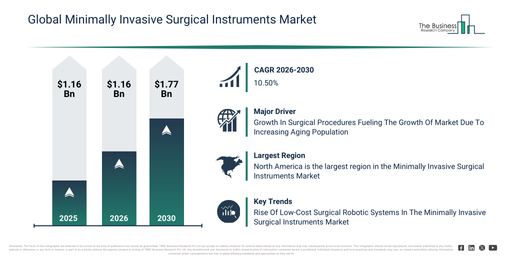
  • Minimally Invasive Surgical Instruments Market Expansion Is Opening New Pathways For Strategic Investment

    Minimally Invasive Surgical Instruments Market Expansion Is Opening New Pathways For Strategic Investment

    Through market attractiveness analysis, total addressable market evaluation, company benchmarking matrices, interactive Excel dashboards, expanded supply chain intelligence, emerging startup coverage, and detailed product insights, The Business Research Company’s 2026 market reports provide more actionable and strategically valuable research.

    The minimally invasive surgical instruments market has been experiencing significant growth, driven by advancements in medical technology and evolving healthcare practices. As the demand for less invasive surgical options rises, this sector is on track to see remarkable expansion in the coming years. Below, we explore the current market size, the factors fueling growth, the key players involved, emerging trends, and the market’s segmentation.

    Current Size and Predicted Growth of the Minimally Invasive Surgical Instruments Market

    The market for minimally invasive surgical instruments has expanded rapidly in recent years. Forecasts indicate it will grow from $42.87 billion in 2025 to $47.55 billion in 2026, representing a compound annual growth rate (CAGR) of 10.9%. This growth is largely due to the increasing adoption of minimally invasive procedures, a growing preference for shorter hospital stays, expanded applications of laparoscopic surgeries, availability of specialized instruments, and enhanced surgeon training programs. Looking further ahead, the market is expected to reach $70.89 billion by 2030, maintaining a CAGR of 10.5%. This optimistic projection is supported by rising demand for robot-assisted surgeries, higher investments in advanced surgical technologies, the proliferation of ambulatory surgical centers, emphasis on patient safety and outcomes, and broader acceptance of minimally invasive techniques across medical specialties. Emerging trends include greater use of robotic-assisted tools, integration of imaging-compatible instruments, demand for precision-controlled devices, expansion of single-use instruments, and improved ergonomic designs.

    Download A Free Sample Report For Comprehensive Market Insights:

    https://www.thebusinessresearchcompany.com/sample.aspx?id=5656&type=smp

    Factors Contributing to Market Growth in Minimally Invasive Surgical Instruments

    One major driver behind the growth of the minimally invasive surgical instruments market is the increasing volume of surgical procedures worldwide. Surgical operations are vital for diagnosing, treating, or managing a wide range of health conditions through manual or instrument-based techniques. The rise in surgeries is closely linked to an aging global population, which leads to a higher incidence of procedures like joint replacements and cardiovascular surgeries. Minimally invasive instruments facilitate these procedures by enabling smaller incisions, reducing tissue trauma, and enhancing surgical accuracy.

    These instruments not only improve patient outcomes by shortening recovery times and minimizing complications but also promote more efficient surgical workflows. To illustrate, in May 2025, the Australian Institute of Health and Welfare reported that 778,500 patients were admitted for surgery from public hospital elective surgery waiting lists during 2023-24. This figure marked a 5.8% increase compared to the previous year, underscoring the growing demand for surgical interventions that support the market’s expansion.

    Access The Complete Minimally Invasive Surgical Instruments Market Report:

    https://www.thebusinessresearchcompany.com/report/minimally-invasive-surgical-instruments-global-market-report

    How the Minimally Invasive Surgical Instruments Market Is Structured

    The market is categorized across several important segments based on product, procedure type, application, and end user. Product segments include handheld instruments (such as scissors, graspers, forceps, needle holders, and trocars), inflation systems (like insufflators and inflation pumps), cutter instruments (including blades, biopsy punches, and snares), and electrosurgical devices (electrosurgical generators, pencils, and argon plasma coagulation devices). In terms of procedure type, the market distinguishes between robotic and non-robotic surgeries. Applications cover a broad range including cardiothoracic, gastrointestinal, gynecological, cosmetic and bariatric, and urological surgeries. End users primarily include hospitals and ambulatory surgical clinics.

    Developments Shaping the Future of the Minimally Invasive Surgical Instruments Market

    Leading companies in this market are heavily focused on innovation, particularly in robotic-assisted surgical technologies designed to improve precision, reduce patient recovery time, and enhance overall outcomes. Robotic systems enable surgeons to perform complex procedures with greater flexibility and control using computer-guided robotic arms, which minimizes complications and the invasiveness of surgeries.

    For example, in June 2023, UK-based medical device firm CMR Surgical introduced Versius, a compact and modular surgical robot, in Belgium. Versius is designed to fit seamlessly into any operating room setup, making it accessible and easy to adopt by surgeons and hospitals. Its modular structure allows customized port placement, which increases versatility across different surgeries and specialties, ultimately broadening patient access to minimally invasive surgical options.

    Key Market Players Driving Innovation and Competition

    Several prominent companies are shaping the minimally invasive surgical instruments market with their technological advancements and extensive product portfolios. These include Aesculap Inc., AMNOTEC International Medical GmbH, Applied Medical Resources Corporation, B. Braun Melsungen AG, Boston Scientific Corporation, CONMED Corporation, EndoMed Systems GmbH, Intuitive Surgical Inc., KARL STORZ SE & Co. KG, KLS Martin Group, Microline Surgical Corp., Olympus Corporation, Scanlan International Inc., Smith & Nephew plc, Ethicon Inc., Medtronic Inc., Stryker Corporation, Richard Wolf GmbH, Zimmer Biomet Holdings Inc., Abbott Laboratories Inc., Becton Dickinson and Company, FUJIFILM Holdings Corporation, HOYA Corporation, Koninklijke Philips N.V., NuVasive Inc., GE Healthcare Technologies Ltd., and Siemens Healthineers AG.

    Geographic Insights on Market Revenue and Growth Rates

    In 2025, North America was the largest regional market for minimally invasive surgical instruments, generating the highest revenue share globally. Meanwhile, the Asia-Pacific region is projected to be the fastest-growing market in this sector, driven by expanding healthcare infrastructure and increasing adoption of advanced surgical techniques. The market analysis also encompasses other key regions such as South East Asia, Western Europe, Eastern Europe, South America, the Middle East, and Africa, providing a comprehensive view of global market trends and opportunities.

    Get in touch with us:

    The Business Research Company: https://www.thebusinessresearchcompany.com/

    Americas: +1 310-496-7795

    Asia: +44 7882 955267 & +91 8897263534

    Europe: +44 7882 955267

    Email us at: marketing@tbrc.info

    Follow us on:

    LinkedIn: https://in.linkedin.com/company/the-business-research-company

    YouTube: https://www.youtube.com/channel/UC24_fI0rV8cR5DxlCpgmyFQ

    Global Market Model: https://www.thebusinessresearchcompany.com/global-market-model
  • Minimally Invasive Surgery Market Trends Are Creating New Opportunities For Industry Leaders

    Minimally Invasive Surgery Market Trends Are Creating New Opportunities For Industry Leaders

    Delivering more actionable and strategically valuable research, The Business Research Company’s 2026 market reports feature market attractiveness analysis, total addressable market evaluation, company benchmarking matrices, interactive Excel dashboards, expanded supply chain intelligence, emerging startup coverage, and detailed product insights.

    The minimally invasive surgery sector has witnessed remarkable growth recently, driven by technological progress and changing patient preferences. With ongoing advancements and increasing adoption across medical facilities worldwide, this market is set to expand significantly in the coming years. Let’s explore the current market size, growth drivers, key players, innovations, and regional outlook for this transformative field.

    Steady Growth and Market Size of the Minimally Invasive Surgery Market

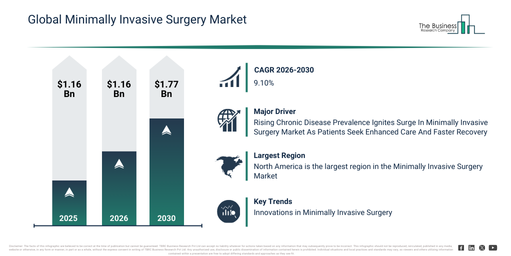
    The minimally invasive surgery market has shown strong expansion in recent years. It is projected to increase from $69.7 billion in 2025 to $76.41 billion in 2026, representing a compound annual growth rate (CAGR) of 9.6%. This rise during the historical period is largely due to a higher volume of surgical procedures, improvements in endoscopic tools, growing patient interest in less invasive options, enhanced surgical infrastructure in hospitals, and the availability of skilled surgeons.

    Download A Free Sample Report For Comprehensive Market Insights:

    https://www.thebusinessresearchcompany.com/sample.aspx?id=7768&type=smp

    Looking ahead, the market is expected to maintain robust growth, reaching $108.09 billion by 2030 with a CAGR of 9.1%. Key factors driving this growth include increased investments in robotic surgery systems, a growing demand for image-guided surgical techniques, expansion of ambulatory surgery centers, wider adoption of AI-supported surgical planning, and a stronger focus on cost-efficient surgical outcomes. Emerging trends poised to influence the market involve a rise in laparoscopic procedures, more frequent use of robotic-assisted systems, demand for advanced visualization technologies, growth in outpatient surgeries, and an emphasis on quicker patient recovery.

    How Chronic Diseases Are Boosting Demand for Minimally Invasive Surgery

    The rising prevalence of chronic illnesses is a major factor fueling demand for minimally invasive surgical procedures. Chronic diseases are often long-term conditions that may not be fully curable but can be managed effectively. Changes in lifestyle, dietary habits, and body weight management contribute to the growing incidence of these conditions, which sometimes elevate the risk of cancer and other serious complications. Patients benefit from minimally invasive surgery due to reduced post-operative pain, fewer complications, shorter hospital stays, faster recovery, less scarring, and less immune system stress.

    Access The Complete Minimally Invasive Surgery Market Report:

    https://www.thebusinessresearchcompany.com/report/minimally-invasive-surgery-global-market-report

    For example, a report published in January 2023 by the National Library of Medicine highlights that in the United States, the number of people aged 50 and above living with one or more chronic diseases is projected to nearly double—rising 99.5% from 71.522 million in 2020 to 142.66 million by 2050. This significant increase in chronic health issues is a key driver behind the expanding minimally invasive surgery market.

    Segments Defining the Minimally Invasive Surgery Market

    The minimally invasive surgery market is categorized into several important segments:

    1) By Product Type: Handheld Instruments, Inflation Devices, Cutter Instruments, Guiding Devices, Electrosurgical Devices, Auxiliary Devices, Monitoring and Visualization Devices

    2) By Application Area: Cardiac, Gastrointestinal, Vascular, Gynecological, Urological, Cosmetic

    3) By End-User: Hospitals and Specialty Clinics, Ambulatory Surgery Centers

    Further subcategories include handheld instruments like scissors, graspers, forceps, and needle holders; inflation devices such as insufflators and pumps; cutter instruments that comprise blades, snares, and biopsy tools; guiding devices including trocar and cannula systems and guidewires; electrosurgical tools like generators and pencils; auxiliary devices like suction and energy tools; and monitoring and visualization equipment such as endoscopes, cameras, and display systems.

    Innovations and Technological Advances Driving Change in the Minimally Invasive Surgery Market

    Leading companies in this market are focusing on developing sophisticated technologies that enhance surgical accuracy, patient safety, and recovery speed. One significant innovation is the advancement of navigation systems, which use maps, sensors, and satellite-based tools like GPS to guide surgeons during procedures.

    For instance, in August 2023, Orthofix Medical Inc., a US-based medical device manufacturer, introduced the 7D FLASH Navigation System Percutaneous Module 2.0. This new product improves the clinical performance of the 7D FLASH Navigation System by offering an integrated solution for minimally invasive surgery. It supports implant planning and provides a wider range of navigated surgical tools, targeting the critical minimally invasive spine navigation market. This enhancement positions the system as a preferred choice for a variety of healthcare settings, from teaching hospitals to ambulatory surgery centers.

    Competitive Landscape of the Minimally Invasive Surgery Industry

    The minimally invasive surgery market features several prominent companies including Arthrex Inc., B. Braun Melsungen AG, Intuitive Surgical Inc., Medtronic Inc., OmniGuide Inc., Olympus Corporation, Smith & Nephew, Johnson & Johnson Ltd., Stryker Corporation, Boston Scientific Corporation, Applied Medical Resources Corporation, KLS Martin Group, Ethicon Inc., DePuy Synthes, NuVasive Inc., Zimmer Biomet Holdings Inc., CONMED Corporation, Karl Storz SE & Co. KG, Becton Dickinson and Company, LiNA Medical, HOYA Corporation, Steris Corporation, GE Healthcare, Siemens Healthineers, Abbott Laboratories, Koninklijke Philips N.V., and Renishaw plc.

    Regional Breakdown and Opportunities in the Minimally Invasive Surgery Market

    In 2025, North America held the largest share of the minimally invasive surgery market. The market is analyzed across various regions including Asia-Pacific, South East Asia, Western Europe, Eastern Europe, North America, South America, the Middle East, and Africa. Among these, Asia-Pacific is expected to be a key growth region in the near future, driven by increasing healthcare infrastructure investments and rising surgical procedure adoption.

    Get in touch with us:

    The Business Research Company: https://www.thebusinessresearchcompany.com/

    Americas: +1 310-496-7795

    Asia: +44 7882 955267 & +91 8897263534

    Europe: +44 7882 955267

    Email us at: marketing@tbrc.info

    Follow us on:

    LinkedIn: https://in.linkedin.com/company/the-business-research-company

    YouTube: https://www.youtube.com/channel/UC24_fI0rV8cR5DxlCpgmyFQ

    Global Market Model: https://www.thebusinessresearchcompany.com/global-market-model
  • Minimally Invasive Spine Surgery Devices Market Growth Is Reshaping Competitive Advantage Across The Industry

    Minimally Invasive Spine Surgery Devices Market Growth Is Reshaping Competitive Advantage Across The Industry

    Enhanced with market attractiveness analysis, total addressable market evaluation, company benchmarking matrices, interactive Excel dashboards, expanded supply chain intelligence, emerging startup coverage, and detailed product insights, The Business Research Company’s 2026 market reports deliver more actionable and strategically valuable research.

    The minimally invasive spine surgery devices market has been steadily gaining traction as advancements in medical technology and shifting patient preferences drive demand. With an increasing number of patients seeking less invasive treatment options for spinal conditions, the industry is set for continued expansion in the coming years. Let’s explore the current market size, key growth factors, leading companies, and future trends shaping this sector.

    Market Size and Growth Outlook of the Minimally Invasive Spine Surgery Devices Market

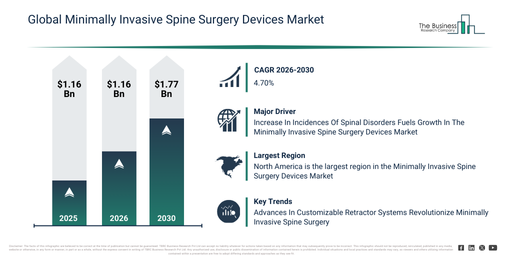
    The market for minimally invasive spine surgery devices has experienced significant growth recently. It is projected to increase from $1.16 billion in 2025 to $1.23 billion in 2026, demonstrating a compound annual growth rate (CAGR) of 5.2%. Looking ahead, steady expansion is expected with the market reaching $1.48 billion by 2030, growing at a CAGR of 4.7%. This upward trend is supported by factors like the rising prevalence of degenerative spinal disorders, an aging global population, drawbacks of traditional open spine surgeries, growing healthcare spending, and the increasing use of spinal fusion procedures.

    Download A Free Sample Report For Comprehensive Market Insights:

    https://www.thebusinessresearchcompany.com/sample.aspx?id=16738&type=smp

    Rising Incidence of Spinal Disorders Boosting Market Expansion

    The increasing number of people suffering from spinal disorders is a primary driver behind the growth of the minimally invasive spine surgery devices market. Conditions such as herniated discs, spinal stenosis, and scoliosis cause pain and mobility issues, and their prevalence is influenced by aging populations, sedentary habits, repetitive strain, and degenerative spine changes. Minimally invasive devices offer treatments that reduce tissue damage, shorten recovery periods, and lessen postoperative pain compared to conventional open surgeries.

    Growing Awareness and Patient Demand for Advanced Treatment Options

    Minimally invasive spine surgery devices are gaining popularity as patients and healthcare providers seek procedures that improve outcomes and reduce hospital stays. For example, in 2024, the National Spinal Cord Injury Statistical Center at the University of Alabama at Birmingham estimated that around 305,000 individuals in the United States live with traumatic spinal cord injuries, up from approximately 302,000 in 2023. This steady increase highlights the demand for innovative spine care technologies that address patient needs more effectively.

    Access The Complete Minimally Invasive Spine Surgery Devices Market Report:

    https://www.thebusinessresearchcompany.com/report/minimally-invasive-spine-surgery-devices-global-market-report

    Market Breakdown by Products, Treatments, and End Users in Minimally Invasive Spine Surgery Devices

    This market can be segmented into various categories:

    – By Product: Cervical Fusion Devices, Vertebral Compression Fracture Treatment Devices, Non-fusion Devices, Spinal Decompression Devices

    – By Treatment: Disk Herniation, Degenerative Spinal Disease, Spinal Stenosis, Other Treatments

    – By Procedure: Discectomy, Laminotomy, Foraminotomy

    – By Application: Fusion Surgery, Non-Fusion Surgery

    – By End User: Ambulatory Surgical Centers (ASCs), Hospitals

    Further subdivisions include specific device types such as Anterior Cervical Discectomy and Fusion (ACDF) Devices, Posterior Cervical Fusion Devices, Vertebroplasty Kits, Dynamic Stabilization Systems, and Minimally Invasive Spinal Decompression Systems, among others.

    Innovations Enhancing Surgical Precision and Patient Recovery

    Leading companies in this market are investing in developing cutting-edge products that improve surgical accuracy and patient outcomes. Customizable retractor systems are a key innovation, providing surgeons with enhanced visibility and access while minimizing tissue damage and recovery time. For instance, in April 2023, Orthofix Medical Inc. introduced two new retractor systems designed for minimally invasive spine surgeries. The Lattus Lateral Access System features versatile blade retraction and compatibility with other Orthofix devices, while the Fathom Pedicle-Based Retractor System offers adjustable blade fixations to tailor visualization and reduce tissue disruption during procedures.

    Top Companies Driving Market Progress

    Several major players dominate the minimally invasive spine surgery devices industry, including Stryker Corporation, Zimmer Biomet Holdings Inc., NuVasive Inc., Globus Medical Inc., MicroPort Scientific Corporation, Orthofix International N.V., Aesculap Inc., Alphatec Holdings Inc., SeaSpine Holdings Corporation, RTI Surgical Inc., Spinal Elements, Xtant Medical, Spine Wave Inc., Zavation Medical Products LLC., Life Spine Inc., Nexxt Spine LLC, CTL Amedica Corporation, Intrinsic Therapeutics Inc., Captiva Spine Inc., DePuy Synthes, Osseus Fusion Systems, and SpineGuard S.A.

    Geographical Trends Highlighting North America’s Market Leadership

    In 2025, North America held the largest share in the minimally invasive spine surgery devices market. The comprehensive market report also covers other important regions such as Asia-Pacific, South East Asia, Western Europe, Eastern Europe, South America, the Middle East, and Africa, each contributing variably to the global market dynamics and growth potential.

    Get in touch with us:

    The Business Research Company: https://www.thebusinessresearchcompany.com/

    Americas: +1 310-496-7795

    Asia: +44 7882 955267 & +91 8897263534

    Europe: +44 7882 955267

    Email us at: marketing@tbrc.info

    Follow us on:

    LinkedIn: https://in.linkedin.com/company/the-business-research-company

    YouTube: https://www.youtube.com/channel/UC24_fI0rV8cR5DxlCpgmyFQ

    Global Market Model: https://www.thebusinessresearchcompany.com/global-market-model