Category: Medical Equipment

  • Medical Coding Market Size Projected To Increase From $20.8 Billion To $30.43 Billion During The Forecast Period

    Medical Coding Market Size Projected To Increase From $20.8 Billion To $30.43 Billion During The Forecast Period

    Delivering more actionable and strategically valuable research, The Business Research Company’s 2026 market reports feature market attractiveness analysis, total addressable market evaluation, company benchmarking matrices, interactive Excel dashboards, expanded supply chain intelligence, emerging startup coverage, and detailed product insights.

    The medical coding industry has experienced rapid expansion recently, driven by the increasing complexity of healthcare documentation and billing processes. As healthcare systems evolve, the demand for efficient, accurate coding solutions continues to rise, setting the stage for substantial market growth. Let’s explore the current market size, key growth drivers, major players, and emerging trends shaping the future of medical coding.

    Medical Coding Market Size and Projected Growth from 2025 to 2030

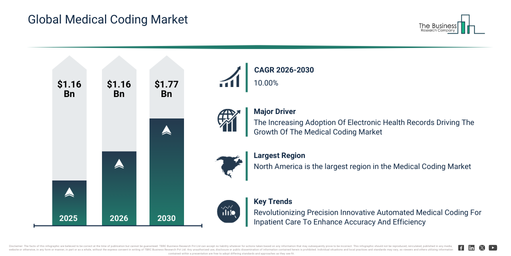
    The medical coding market is on a noteworthy upward trajectory. It is projected to increase from $18.88 billion in 2025 to $20.8 billion in 2026, achieving a compound annual growth rate (CAGR) of 10.1%. This historical growth has been fueled by factors such as escalating volumes of healthcare documentation, the spread of insurance reimbursement models, more complex medical billing standards, widespread use of electronic health records (EHRs), and the need for standardized clinical data. Looking ahead, the market is expected to reach $30.44 billion by 2030, with a steady CAGR of 10.0%. This forecasted growth stems from the rising incorporation of artificial intelligence (AI) and natural language processing, increased demand for value-based care metrics, expansion of telehealth services, a stronger focus on optimizing revenue cycles, and intensified regulatory pressure on coding accuracy.

    Download A Free Sample Report For Comprehensive Market Insights:

    https://www.thebusinessresearchcompany.com/sample.aspx?id=6070&type=smp

    Electronic Health Records as a Primary Growth Driver in the Medical Coding Market

    One of the main factors propelling the medical coding market is the growing adoption of electronic health records. These digital platforms store and manage patient medical histories electronically, allowing healthcare providers quick and secure access to comprehensive health information. Government incentives and healthcare digitization initiatives are encouraging more facilities to transition from paper-based records to these advanced digital systems, improving data accessibility and care coordination. This shift directly benefits medical coding by enabling automated extraction and classification of codes from clinical documentation, streamlining billing processes and minimizing manual errors. For example, in December 2024, the Centers for Disease Control and Prevention (CDC) reported that 88.2% of office-based physicians used electronic health records, with 77.8% adopting certified EHR systems, highlighting the widespread implementation of these technologies.

    Additional Factors Boosting Medical Coding Market Expansion

    Beyond electronic health records, other elements are contributing to the market’s robust growth. Increasing complexity in medical billing requirements necessitates more precise coding services. Additionally, growing regulatory scrutiny emphasizes the importance of accurate coding to avoid compliance issues. The rise of telehealth services also requires adaptable coding solutions, while healthcare providers seek better revenue cycle management to maximize reimbursements. Together, these factors create a strong foundation for ongoing expansion in medical coding.

    Access The Complete Medical Coding Market Report:

    https://www.thebusinessresearchcompany.com/report/medical-coding-global-market-report

    Breakdown of Medical Coding Market Segments and Revenue Sources

    This market is segmented across several key dimensions:

    1) By Component: In-house services and Outsourced solutions

    2) By Classification System: International Classification of Diseases (ICDs), Healthcare Common Procedure Coding System (HCPCS), and Current Procedural Terminology (CPT)

    3) By End User: Diagnostic Centers, Hospitals, and Care Providers

    Further detail includes subcategories such as internal coding staff and in-house software under in-house components, while outsourced services include third-party coding services, remote coding solutions, and hybrid outsourcing models.

    Innovative Trends Shaping the Future of Medical Coding

    Companies within the medical coding market are increasingly focusing on automation and advanced technologies to enhance efficiency and accuracy. One key development is the automation of inpatient care coding, which involves using AI and machine learning to analyze clinical data and extract important information from patient records. For instance, in November 2023, Nym Health, a US-based leader in autonomous medical coding, introduced professional (Profee) coding services tailored for skilled care facilities, observation units, and inpatient stays. Given the high volume of inpatient interactions requiring precise coding and the limited availability of coders, Nym’s offering addresses a critical need by covering diagnostic coding, evaluation and management (E/M) coding, bedside operations coding, modifiers, and provider attribution.

    Top Medical Coding Market Players Influencing Industry Progress

    The competitive landscape of medical coding includes prominent companies such as 3M Company, Advanced Medical Coding Services, AthenaHealth, AAPC (American Association of Professional Coders), Codemasters Inc., EqualizeRCM Services, Alpha Coding Experts LLC, Accurate Medical Coding LLC, American Medical Billing & Coding Services, Apex Medical Billing & Coding, Associated Medical Billing & Coding, Beacon Healthcare Coding, Billing Advantage LLC, Blue Star Medical Billing & Coding, Brite Medical Coding, Care Medical Coding, Central Billing Services LLC, Certified Medical Billing Specialists, Code 1 LLC, Coding Masters, Complete Medical Coding Solutions, Cypress Medical Coding, Data Plus Services, Dedicated Medical Billing & Coding, Empower Medical Billing & Coding Services, Expert Medical Coding, First Class Medical Billing & Coding, Global Medical Billing & Coding, and Greenlight Medical Billing & Coding.

    Geographic Market Insights with Focus on North America and Asia-Pacific

    In 2025, North America led the medical coding market in terms of size. However, the Asia-Pacific region is anticipated to experience the fastest growth throughout the forecast period. The comprehensive market analysis includes regions such as Asia-Pacific, South East Asia, Western Europe, Eastern Europe, North America, South America, the Middle East, and Africa, providing a global perspective on market trends and opportunities.

    Get in touch with us:

    The Business Research Company: https://www.thebusinessresearchcompany.com/

    Americas: +1 310-496-7795

    Asia: +44 7882 955267 & +91 8897263534

    Europe: +44 7882 955267

    Email us at: marketing@tbrc.info

    Follow us on:

    LinkedIn: https://in.linkedin.com/company/the-business-research-company

    YouTube: https://www.youtube.com/channel/UC24_fI0rV8cR5DxlCpgmyFQ

    Global Market Model: https://www.thebusinessresearchcompany.com/global-market-model
  • Minimal Invasive Surgery Devices Market Expansion Is Reshaping Competitive Dynamics Across The Industry

    Minimal Invasive Surgery Devices Market Expansion Is Reshaping Competitive Dynamics Across The Industry

    Delivering more actionable and strategically valuable research, The Business Research Company’s 2026 market reports feature market attractiveness analysis, total addressable market evaluation, company benchmarking matrices, interactive Excel dashboards, expanded supply chain intelligence, emerging startup coverage, and detailed product insights.

    The minimally invasive surgery devices market is gradually evolving, driven by advancements in medical technology and changing healthcare needs. This sector plays a crucial role in improving surgical outcomes and patient recovery times, making it an essential part of modern healthcare. Let’s explore the current market scenario, growth drivers, key companies, trends, and regional insights shaping this market’s future.

    Minimal Invasive Surgery Devices Market Size and Expected Growth

    In recent years, the minimal invasive surgery devices market has seen modest growth. It is projected to increase slightly from $36.61 billion in 2025 to $36.66 billion in 2026, reflecting a very low CAGR of 0.1%. This steady expansion during the historical period is linked to rising surgical procedures, a higher prevalence of chronic illnesses, advancements in laparoscopic techniques, enhanced hospital infrastructure, and a surgeon preference for minimally invasive approaches.

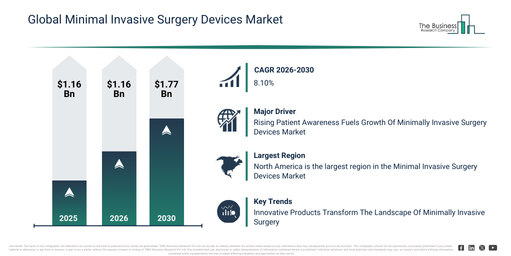
    Looking ahead, the market is expected to expand significantly, reaching $50.02 billion by 2030 with a CAGR of 8.1%. Factors driving this growth include the rise of ambulatory surgical centers, an aging population, demand for quicker recovery methods, improvements in surgical imaging, and increased healthcare spending. Key trends anticipated in the forecast period include the rise of robot-assisted surgeries, greater use of single-use surgical instruments, shorter hospital stays, the growth of outpatient and day-care surgeries, and innovations in visualization technology.

    Download A Free Sample Report For Comprehensive Market Insights:

    https://www.thebusinessresearchcompany.com/sample.aspx?id=2583&type=smp

    Increasing Patient Awareness Boosts Demand for Minimally Invasive Surgery Devices

    A growing number of patients are becoming aware of the benefits of minimally invasive surgeries, which require smaller incisions compared to traditional methods. These procedures result in less pain, reduced hospital stays, minimal scarring, lower risks of bleeding and infection, and decreased tissue damage. For example, in June 2024, the American Society of Plastic Surgeons (ASPS) reported that minimally invasive procedures rose by 7% in 2023, outpacing traditional surgeries by 2%. This rising patient preference is a major factor fueling demand for minimally invasive surgery devices.

    Chronic Disease Prevalence Supports Market Expansion for Minimal Invasive Surgery Devices

    The increasing incidence of chronic diseases is expected to be a vital driver for the minimally invasive surgery market in the coming years. Chronic conditions, which often last three months or more, can seriously affect quality of life and require effective treatment options. Factors like population aging, unhealthy lifestyles, and higher obesity rates contribute to this rise. Minimally invasive surgery offers safer, less painful treatment options that promote faster recovery and fewer complications. For instance, in February 2024, the World Health Organization projected that by 2050, over 35 million new cancer cases will occur globally, a 77% increase from 20 million cases estimated in 2022. Thus, the growing burden of chronic diseases is expected to drive demand in this market throughout the forecast period.

    Access The Complete Minimal Invasive Surgery Devices Market Report:

    https://www.thebusinessresearchcompany.com/report/minimal-invasive-surgery-devices-global-market-report

    Breaking Down the Minimal Invasive Surgery Devices Market Segments

    This market is categorized based on product type, application, and end users. The product types include handheld instruments, inflation devices, cutter instruments, guiding devices, electrosurgical devices, auxiliary devices, and monitoring and visualization equipment. Applications cover laparoscopy, cardiovascular procedures, cosmetic surgery, orthopedic surgery, obstetrics and gynecology, ophthalmology, neurosurgery, urology, and other medical fields. End users comprise hospitals, ambulatory surgical centers (ASCs), and research institutes.

    Further subsegments include handheld instruments such as scissors, forceps, and graspers; inflation devices like balloon inflation devices and CO2 insufflators; cutter instruments divided into mechanical and energy-based cutters; guiding devices including guidewires and sheaths; electrosurgical devices such as generators and pencils; auxiliary tools like suction and irrigation devices; and monitoring and visualization equipment encompassing cameras, monitors, and imaging systems.

    Innovative Trends Enhancing the Minimal Invasive Surgery Devices Market

    Leading companies in this space are focusing on cutting-edge product development to stay competitive. One notable innovation is the creation of microrobotic tools that function like a surgeon’s hand during operations. For example, in June 2023, researchers at the University of Toronto developed a miniature robotic hand for minimally invasive brain surgery, which is controlled by an electromagnetic system. This technology enables surgeons to reach difficult areas in the brain with minimal invasiveness, promising faster patient recovery and improved outcomes.

    Key Players Steering Growth in the Minimal Invasive Surgery Devices Market

    The minimal invasive surgery devices market is shaped by several prominent companies, including Abbott Laboratories, GE Healthcare, Medtronic plc, Siemens Healthineers, Smith & Nephew Plc., Stryker Corporation, Boston Scientific Corporation, Ethicon Inc., B. Braun Melsungen AG, Conmed Corporation, Microline Surgical Inc., Zimmer Biomet Holdings Inc., Aesculap Inc., Koninklijke Philips NV, Cardinal Health Inc., Danaher Corporation, KARL STORZ SE & Co. KG, Richard Wolf GmbH, Cook Medical, Intuitive Surgical Inc., Smiths Medical, Teleflex Incorporated, Terumo Corporation, Merit Medical Systems, AngioDynamics, MicroPort Scientific Corporation, and Lumenis.

    Regional Market Overview Highlighting North America’s Dominance

    In 2025, North America held the largest share in the minimally invasive surgery devices market, maintaining its position as a key geographic region for market activities. Western Europe ranked as the second-largest regional market. Other notable regions covered by the market analysis include Asia-Pacific, South East Asia, Eastern Europe, South America, the Middle East, and Africa. Each region presents unique opportunities and challenges that contribute to the global growth of this market.

    Get in touch with us:

    The Business Research Company: https://www.thebusinessresearchcompany.com/

    Americas: +1 310-496-7795

    Asia: +44 7882 955267 & +91 8897263534

    Europe: +44 7882 955267

    Email us at: marketing@tbrc.info

    Follow us on:

    LinkedIn: https://in.linkedin.com/company/the-business-research-company

    YouTube: https://www.youtube.com/channel/UC24_fI0rV8cR5DxlCpgmyFQ

    Global Market Model: https://www.thebusinessresearchcompany.com/global-market-model
  • Medical Centrifuge Market Growth Outlook Reveals A CAGR Of 7.6% And A Market Value Of $3.07 Billion By 2030

    Medical Centrifuge Market Growth Outlook Reveals A CAGR Of 7.6% And A Market Value Of $3.07 Billion By 2030

    Enhanced with market attractiveness analysis, total addressable market evaluation, company benchmarking matrices, interactive Excel dashboards, expanded supply chain intelligence, emerging startup coverage, and detailed product insights, The Business Research Company’s 2026 market reports deliver more actionable and strategically valuable research.

    The medical centrifuge market is witnessing notable growth, driven by advancements in diagnostic technologies and increasing healthcare demands worldwide. As the healthcare sector evolves, the role of centrifuges in laboratories and clinical settings becomes even more critical, supporting faster and more accurate sample processing. Let’s explore the current market status, growth factors, major players, and emerging trends shaping this industry.

    Medical Centrifuge Market Size and Forecasted Growth

    The medical centrifuge market has seen substantial expansion in recent years. It is projected to rise from $2.13 billion in 2025 to $2.29 billion in 2026, representing a compound annual growth rate (CAGR) of 7.8%. This upward trend during the historical period can be linked to the growth of diagnostic laboratory infrastructure, increased use of blood component separation techniques, higher volumes of clinical testing, expansion of research labs, and broader adoption of centrifugation in medical diagnostics.

    Download A Free Sample Report For Comprehensive Market Insights:

    https://www.thebusinessresearchcompany.com/sample.aspx?id=9388&type=smp

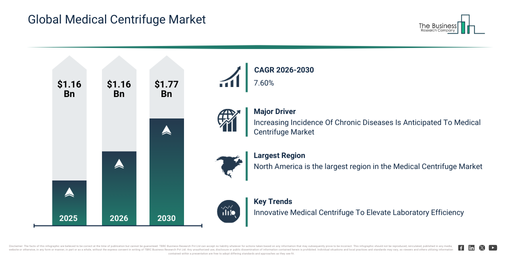
    Looking ahead, the market is expected to maintain strong momentum, reaching $3.08 billion by 2030 with a CAGR of 7.6%. Key factors fueling this growth include rising demand for point-of-care testing devices, increased investments in molecular diagnostics, expansion of decentralized lab facilities, greater emphasis on automation in sample handling, and the growing use of energy-efficient laboratory equipment. Important trends anticipated in the forecast period encompass the growing use of compact and portable centrifuges, heightened demand for high-speed separation technologies, broader incorporation of digital control interfaces, increased application of refrigerated centrifuges, and a stronger focus on improving laboratory workflows.

    Rising Chronic Diseases as a Growth Catalyst for Medical Centrifuges

    One of the major drivers behind the expanding medical centrifuge market is the rising prevalence of chronic diseases. Conditions such as cardiovascular disease, diabetes, cancer, and respiratory illnesses tend to be long-term and require ongoing management. The increasing incidence of these illnesses is largely due to unhealthy lifestyle choices, including sedentary habits and poor diets, which accelerate their development over time.

    Access The Complete Medical Centrifuge Market Report:

    https://www.thebusinessresearchcompany.com/report/medical-centrifuge-global-market-report

    This rise in chronic health issues is pushing healthcare providers and laboratories to adopt advanced sample processing and diagnostic technologies that enhance testing efficiency and support better clinical decision-making. For example, in April 2025, the US Centers for Disease Control and Prevention reported that approximately 76.4% of US adults—around 194 million people—were living with at least one chronic condition in 2023. The prevalence was 59.5% among young adults, 78.4% in midlife adults, and 93.0% among the elderly, highlighting the significant demand for medical centrifuges driven by these health trends.

    Medical Centrifuge Market Segmentation and Product Categories

    The market segments medical centrifuges based on type, capacity, and temperature features. By type, the categories include Bench-Top and Floor-Standing centrifuges. Capacity classifications consist of Microcentrifuge, Medium Capacity Centrifuge, and Large Capacity Centrifuge. Regarding temperature control, centrifuges are divided into Refrigerated and Non-refrigerated models.

    Further subcategories elaborate on the products: Bench-Top centrifuges include Fixed Angle and Swinging Bucket types, while Floor-Standing centrifuges are segmented into Low-Speed, High-Speed, and Ultra-High-Speed variations. This detailed breakdown helps cater to diverse laboratory requirements and application needs.

    Innovations and Trends Shaping the Medical Centrifuge Market

    Companies in the medical centrifuge industry are increasingly focusing on creating versatile and user-friendly products designed to improve laboratory efficiency and operational flexibility. One notable design advancement is the introduction of removable rotors, which allow for quick detachment from the main centrifuge unit. This feature simplifies cleaning, sterilization, and rotor interchangeability for different sample types and testing protocols.

    For example, in August 2023, Boekel Scientific, a US-based manufacturer known for high-quality laboratory instruments, launched a new centrifuge line comprising economy, general-purpose, STAT, and Blood Bank models. These centrifuges come in 6-place, 12-place, and 24-place capacities, all equipped with removable rotors. Additional features include LED light indicators and brushless motors, maintaining the brand’s reputation for durability and quality. Moreover, these devices are dual voltage and meet UL, CSA, and CE certifications, making them suitable for global use.

    Prominent Companies in the Medical Centrifuge Industry

    Key players dominating the medical centrifuge market include a wide range of established firms such as Scilogex LLC, Drucker Diagnostics Inc., Sartorius AG, Thermo Fisher Scientific Inc., Andreas Hettich GmbH & Co. KG, Eppendorf AG, HERMLE Labortechnik GmbH, KUBOTA Corporation, Sigma Laborzentrifugen GmbH, Hitachi Koki Co. Ltd., Labnet International Inc., MSE UK Ltd., REMI GROUP, Centurion Scientific Ltd., LaboGene ApS, MPW MED INSTRUMENTS, Unico Inc., ZIRBUS technology GmbH, NuWind, AccuBioTech Co. Ltd., Danaher Corporation, NuAire Inc., Separation Technology Inc., and Labocon. These companies contribute significantly to innovation, product development, and market expansion worldwide.

    Regional Insights into Medical Centrifuge Market Growth

    In 2025, North America held the largest share of the medical centrifuge market. However, the Asia-Pacific region is expected to experience the fastest growth during the forecast period. The comprehensive market analysis encompasses regions including Asia-Pacific, South East Asia, Western Europe, Eastern Europe, North America, South America, the Middle East, and Africa, providing a broad perspective on global market dynamics.

    Get in touch with us:

    The Business Research Company: https://www.thebusinessresearchcompany.com/

    Americas: +1 310-496-7795

    Asia: +44 7882 955267 & +91 8897263534

    Europe: +44 7882 955267

    Email us at: marketing@tbrc.info

    Follow us on:

    LinkedIn: https://in.linkedin.com/company/the-business-research-company

    YouTube: https://www.youtube.com/channel/UC24_fI0rV8cR5DxlCpgmyFQ

    Global Market Model: https://www.thebusinessresearchcompany.com/global-market-model
  • Medical Carts Market Forecast Highlights Expansion From $3.47 Billion To $6.15 Billion Through 2030

    Medical Carts Market Forecast Highlights Expansion From $3.47 Billion To $6.15 Billion Through 2030

    Through market attractiveness analysis, total addressable market evaluation, company benchmarking matrices, interactive Excel dashboards, expanded supply chain intelligence, emerging startup coverage, and detailed product insights, The Business Research Company’s 2026 market reports provide more actionable and strategically valuable research.

    The medical carts market is experiencing rapid expansion, driven by evolving healthcare needs and technological advancements. As hospitals and clinics continue to modernize their infrastructure and workflows, demand for versatile and efficient medical carts is on the rise. This overview explores the current market size, growth drivers, key segments, strategic innovations, and regional trends shaping the medical carts industry.

    Medical Carts Market Size and Growth Trajectory Through 2030

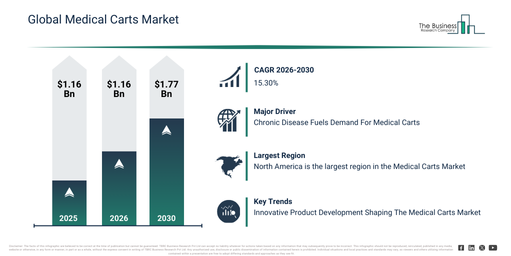
    The medical carts market has seen significant growth recently and is projected to continue this trend. The market size is expected to increase from $3.01 billion in 2025 to $3.48 billion in 2026, reflecting a strong compound annual growth rate (CAGR) of 15.6%. This historic growth is linked to the expansion of hospital infrastructure, a surge in the use of mobile medical equipment, rising demand for streamlined clinical workflows, growth in emergency care facilities, and the availability of standardized medical carts. Looking ahead, the market is anticipated to reach $6.15 billion by 2030, growing at a CAGR of 15.3%. Factors contributing to this future expansion include the rising adoption of digital hospitals, greater integration of IoT-enabled medical devices, the growth of telehealth services, increased focus on automating workflows, and a higher demand for customizable medical carts. Emerging trends to watch are the growing popularity of modular medical cart designs, smart and connected carts, lightweight and ergonomic structures, expanded use of telemedicine carts, and stronger emphasis on infection control features.

    Download A Free Sample Report For Comprehensive Market Insights:

    https://www.thebusinessresearchcompany.com/sample.aspx?id=7230&type=smp

    Increasing Chronic Disease Prevalence as a Market Catalyst

    One of the major forces driving growth in the medical carts market is the rising prevalence of chronic diseases worldwide. Chronic diseases, which last for a year or more and require ongoing medical care, limit daily activities and demand continuous management. Medical carts play a crucial role in chronic disease care by providing healthcare professionals with mobile access to essential medications, necessary equipment, and patient records, enabling timely and effective treatment while improving patient comfort and outcomes. For instance, a January 2023 report from the National Center for Biotechnology Information projects that by 2050, the population aged 50 and older living with at least one chronic illness will nearly double, increasing by 99.5% from 71.522 million in 2020 to 142.66 million. This dramatic rise underscores the expanding need for effective clinical tools such as medical carts.

    Medical Carts Market Breakdown by Type, Material, and End User

    The medical carts market is broadly segmented into categories based on type, material, and end user. By type, the market includes anesthesia carts, emergency carts, procedure carts, and others. Anesthesia carts are further divided into standard and mobile variants. Emergency carts encompass crash carts, trauma carts, and code blue carts. Procedure carts consist of surgical procedure carts, examination carts, and treatment carts, while the other types category includes medication carts, supply carts, and nursing carts. In terms of materials, medical carts are primarily made from metal or plastic. Regarding end users, the market serves hospitals, ambulatory surgical centers, clinics and physician practices, long-term care and nursing facilities, as well as other healthcare settings.

    Access The Complete Medical Carts Market Report:

    https://www.thebusinessresearchcompany.com/report/medical-carts-global-market-report

    Innovations and Technological Advances Steering Market Progress

    Innovation is a key driver in the medical carts industry, with leading companies developing advanced products to improve clinical workflows and ergonomics. One notable advancement is the introduction of powered carts with adjustable height settings, which help healthcare workers maintain better posture, reduce physical strain, and enhance efficiency during patient care. For example, in March 2024, US-based companies Ultralife Corporation and Karta collaborated to launch a medical cart and power solution designed to support laptops, all-in-one systems, and mini PCs used in medical environments. These carts feature adjustable height capabilities, smooth mobility through high-quality castors, and a variety of customizable accessories to fit diverse clinical needs.

    Top Players Defining the Competitive Medical Carts Market

    The medical carts market is shaped by several prominent manufacturers and suppliers. Key players include Harloff Manufacturing Co. Inc., Midmark Corporation, Capsa Healthcare LLC, ITD GmbH, Bergmann Group GmbH & Co. KG, InterMetro Industries Corporation Inc., Waterloo Healthcare Inc., Ergotron Inc., Jaco Inc., Enovate Medical LLC, TouchPoint Medical Inc., Lakeside Manufacturing Inc., Scott-Clark Medical Inc., Medstor Systems USA LLC, Hergo Ergonomic Support Systems Inc., Omnimed Inc., Pedigo Products Inc., Modern Medical Equipment Mfg. Ltd., Bailida Medical, MEDIROLL GmbH, Hammerlit GmbH, and Belintra NV. These companies are continuously innovating to capture market share and meet evolving healthcare requirements.

    Regional Market Leadership and Growth Outlook

    In 2025, North America held the largest share of the medical carts market, driven by advanced healthcare infrastructure and technology adoption. Meanwhile, the Asia-Pacific region is expected to register the fastest growth during the forecast period, fueled by increasing healthcare investments, expanding hospital networks, and growing telehealth adoption. The market report also covers other important regions including South East Asia, Western Europe, Eastern Europe, South America, the Middle East, and Africa, offering a global perspective on market dynamics.

    Get in touch with us:

    The Business Research Company: https://www.thebusinessresearchcompany.com/

    Americas: +1 310-496-7795

    Asia: +44 7882 955267 & +91 8897263534

    Europe: +44 7882 955267

    Email us at: marketing@tbrc.info

    Follow us on:

    LinkedIn: https://in.linkedin.com/company/the-business-research-company

    YouTube: https://www.youtube.com/channel/UC24_fI0rV8cR5DxlCpgmyFQ

    Global Market Model: https://www.thebusinessresearchcompany.com/global-market-model
  • Microwave Ablation Devices Market Forecast Reveals Where Future Industry Value Will Be Created

    Microwave Ablation Devices Market Forecast Reveals Where Future Industry Value Will Be Created

    Enhanced with market attractiveness analysis, total addressable market evaluation, company benchmarking matrices, interactive Excel dashboards, expanded supply chain intelligence, emerging startup coverage, and detailed product insights, The Business Research Company’s 2026 market reports deliver more actionable and strategically valuable research.

    The market for microwave ablation devices is witnessing strong expansion, driven by technological advancements and growing demand for less invasive cancer treatments. This sector is evolving rapidly as healthcare providers seek more effective and efficient ways to manage tumors, particularly in challenging cancer types. Below is a detailed overview of the current market size, growth drivers, key segments, leading players, and regional dynamics shaping the microwave ablation devices industry.

    Microwave Ablation Devices Market Size Forecast and Growth Outlook

    The microwave ablation devices market has experienced significant growth in recent years and is projected to continue this trend. From a valuation of $0.47 billion in 2025, the market is expected to rise to $0.52 billion in 2026, showing a compound annual growth rate (CAGR) of 10.6%. Historically, this expansion has been fueled by the rising incidence of liver and lung cancers, increased use of radiofrequency ablation techniques, limited availability of advanced surgical options, improvements in medical imaging technology, and the growing hospital infrastructure in developed nations.

    Download A Free Sample Report For Comprehensive Market Insights:

    https://www.thebusinessresearchcompany.com/sample.aspx?id=25836&type=smp

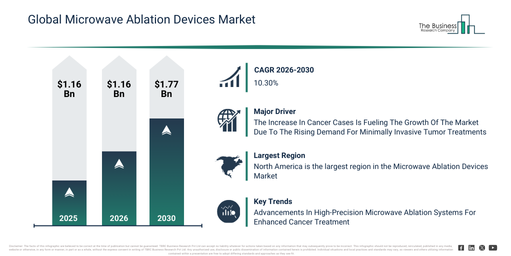
    Looking ahead, the market is anticipated to reach $0.77 billion by 2030, maintaining a strong CAGR of 10.3%. Factors contributing to this projected growth include a greater preference for minimally invasive procedures, integration of artificial intelligence and enhanced imaging technologies, an aging population, healthcare facility expansion in emerging economies, and the need for faster patient recovery times with reduced hospital stays. Key trends expected to influence this market in the forecast period are wider adoption of minimally invasive treatments, optimization of thermal energy application, real-time imaging integration, increased outpatient procedures, and device miniaturization.

    Rising Cancer Prevalence as a Principal Driver for Market Growth

    One of the primary forces propelling the microwave ablation devices market is the increasing number of cancer cases worldwide. Cancer involves the uncontrolled growth of abnormal cells that can spread throughout the body. The rising prevalence is largely due to longer life expectancy, which raises the risk of age-related illnesses, including cancer. Microwave ablation devices target tumor cells by emitting electromagnetic waves that generate heat, effectively destroying cancerous tissue while sparing surrounding healthy areas. This minimally invasive method supports quicker patient recovery and fewer complications.

    Access The Complete Microwave Ablation Devices Market Report:

    https://www.thebusinessresearchcompany.com/report/microwave-ablation-devices-global-market-report

    To illustrate, in February 2024, the World Health Organization, a Switzerland-based intergovernmental organization, projected that by 2050, there will be over 35 million new cancer cases globally. This represents a 77% increase from the estimated 20 million cases reported in 2022. Such a sharp rise in cancer incidence is a key factor driving demand for microwave ablation technologies.

    Additional Market Drivers Encouraging Expansion

    Apart from cancer prevalence, the growing adoption of radiofrequency ablation techniques has supported the microwave ablation devices market’s growth. These procedures offer less invasive alternatives to traditional surgery and have gained popularity due to their reduced risks and shorter recovery periods. Furthermore, advancements in medical imaging have enhanced the accuracy and safety of ablation treatments, encouraging more healthcare providers to adopt these technologies.

    Another important driver is the development of hospital infrastructure, particularly in developed regions where investment in advanced treatment facilities is increasing. This expansion makes cutting-edge ablation devices more accessible to a broader patient base, further propelling market growth.

    Microwave Ablation Devices Market Segmentation Overview

    This market is segmented across several categories to better understand its diverse offerings and applications:

    1) By Product Type:

    – Microwave Ablation Generators

    – Microwave Ablation Applicators and Antennas

    – Integrated Microwave Ablation Systems

    2) By Technology:

    – Solid State Microwave Technology

    – Magnetron-Based Microwave Technology

    – Temperature-Controlled Microwave Ablation Technology

    3) By Frequency Range:

    – 915 Megahertz Microwave Systems

    – 2.45 Gigahertz Microwave Systems

    4) By Application:

    – Oncology

    – Hepatology

    – Pulmonology

    – Urology

    – Nephrology

    – Other Applications

    5) By End User:

    – Hospitals

    – Interventional Radiology Centers

    – Ambulatory Surgical Centers

    – Specialty Clinics

    Subsegment details include variations in generators such as single-channel, multi-channel, portable, cart-based, and high-power models. Applicators and antennas come in single-use, reusable, internally cooled, water cooled, and thin gauge percutaneous types. Integrated systems include image-guided platforms, standalone systems, and multi-modality ablation and navigation technologies.

    Competitive Landscape and Advancements in Microwave Ablation Devices

    Leading companies in the microwave ablation market are heavily investing in developing innovative products that have received regulatory approvals and improve treatment precision and patient outcomes. For example, a high-precision microwave ablation system delivers focused microwave energy to selectively destroy tumors with minimal impact on healthy tissue, enhancing safety and efficacy.

    A notable instance occurred in January 2024, when China-based Hygea Medical Technology Co. Ltd. received FDA clearance for its EXCEED microwave treatment system and EXACT series microwave ablation probes. This followed prior approval from China’s National Medical Products Administration (NMPA) and was achieved through an expedited review process. The FDA approval confirms the safety and effectiveness of Hygea’s devices for treating solid tumors in soft tissues, marking a significant milestone for its international growth, especially in the U.S. market. This system complements existing cancer therapies by offering a precise and minimally invasive thermal ablation option.

    Key Market Players and Their Strategic Positions

    Some of the major companies shaping the microwave ablation devices market include Medtronic plc, Johnson And Johnson Services Inc., Boston Scientific Corporation, AngioDynamics Inc., MicroPort Scientific Corporation, Olympus Corporation, HealthTronics Inc., NeuWave Medical Inc., Perseon Medical BV, Emprint Microwave Ablation System Division, Symple Surgical Inc., MedWaves Inc., TATO Medical Systems, Avecure BV, Surblatec SA, Miramar Labs Inc., Chongqing Haifu Medical Technology Co Ltd, Eco Microwave Inc., Shanghai AOHUA Photoelectric Endoscope Co Ltd, Nanjing Vishee Medical Technology Co Ltd, Hangzhou Wenda Medical Instruments Co Ltd, and Medsphere International.

    Regional Market Insights and Growth Patterns

    In 2025, North America held the largest share of the microwave ablation devices market. However, the Asia-Pacific region is forecasted to exhibit the fastest growth during the coming years. This report covers key geographic areas including Asia-Pacific, South East Asia, Western Europe, Eastern Europe, North America, South America, the Middle East, and Africa, providing a broad perspective on global demand trends.

    Get in touch with us:

    The Business Research Company: https://www.thebusinessresearchcompany.com/

    Americas: +1 310-496-7795

    Asia: +44 7882 955267 & +91 8897263534

    Europe: +44 7882 955267

    Email us at: marketing@tbrc.info

    Follow us on:

    LinkedIn: https://in.linkedin.com/company/the-business-research-company

    YouTube: https://www.youtube.com/channel/UC24_fI0rV8cR5DxlCpgmyFQ

    Global Market Model: https://www.thebusinessresearchcompany.com/global-market-model
  • Medical Bionic Implant/Artificial Organs Market Expected To Reach $36.91 Billion By 2030 As Growth Accelerates At 7.8% CAGR

    Medical Bionic Implant/Artificial Organs Market Expected To Reach $36.91 Billion By 2030 As Growth Accelerates At 7.8% CAGR

    Delivering more actionable and strategically valuable research, The Business Research Company’s 2026 market reports feature market attractiveness analysis, total addressable market evaluation, company benchmarking matrices, interactive Excel dashboards, expanded supply chain intelligence, emerging startup coverage, and detailed product insights.

    The medical bionic implant and artificial organs sector is witnessing rapid advancement as technological innovations and growing healthcare demands drive its expansion. This market is becoming essential in addressing the rising cases of organ failure and physical disabilities, offering new hope through cutting-edge solutions. Let’s explore the current market size, influential factors, key players, and future growth prospects shaping this vital industry.

    Medical Bionic Implant and Artificial Organs Market Size and Growth Outlook

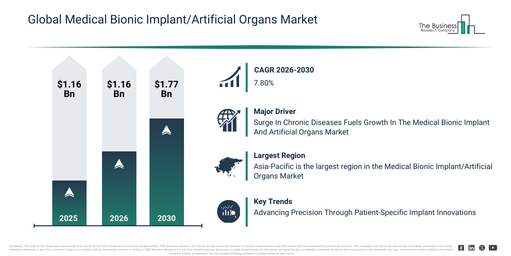
    The market for medical bionic implants and artificial organs has seen significant growth in recent years. From a valuation of $25.22 billion in 2025, it is projected to rise to $27.31 billion by 2026, driven by an annual growth rate of 8.3%. This upward trend reflects the increasing occurrence of organ failure, a higher incidence of physical disabilities, progress in biomedical engineering, and the expansion of transplant alternatives. Additionally, greater clinical acceptance of bionic implants has contributed to this growth. Looking ahead, the market is expected to continue its momentum, reaching $36.91 billion by 2030 with a CAGR of 7.8%. This forecasted expansion is supported by more investments in regenerative medicine, the integration of AI-enabled implant monitoring, and a growing need for healthcare solutions catering to aging populations. Other factors include a stronger focus on minimally invasive procedures and the rising demand for smart therapeutic implants.

    Download A Free Sample Report For Comprehensive Market Insights:

    https://www.thebusinessresearchcompany.com/sample.aspx?id=7870&type=smp

    Factors Stimulating Demand in the Medical Bionic Implant and Artificial Organs Market

    One of the major drivers fueling this market is the rising prevalence of chronic diseases. Conditions such as cardiovascular disorders, diabetes, cancer, and respiratory illnesses are becoming more widespread, largely due to increasing obesity rates which elevate long-term health risks. This growing burden of chronic illnesses is prompting companies to develop advanced implantable solutions that restore organ function and improve patient outcomes over time.

    For example, in April 2025, the Centers for Disease Control and Prevention (CDC) reported that 76.4% of adults in the United States—approximately 194 million people—had one or more chronic conditions in 2023. This reflects a notable increase from the previous year and highlights the particularly high incidence among middle-aged and older adults. As chronic diseases continue to rise, demand for medical bionic implants and artificial organs is expected to grow in tandem.

    Key Segments Defining the Medical Bionic Implant and Artificial Organs Market

    This market is broadly divided into several segments to better understand its dynamics. By type, it covers bionic implants and artificial organs. Technologically, the products fall into electronic and mechanical categories. On the application side, hospitals and clinics remain the primary end users.

    Further subcategories help specify the market landscape: bionic implants include bionic limbs, bionic eyes, and cochlear implants, while artificial organs encompass devices such as artificial hearts, kidneys, livers, and pancreases.

    Access The Complete Medical Bionic Implant/Artificial Organs Market Report:

    https://www.thebusinessresearchcompany.com/report/medical-bionic-implant-or-artificial-organs-global-market-report

    Innovation Trends Transforming the Market Landscape

    Leading companies in the medical bionic implant and artificial organs industry are focusing heavily on innovation, particularly through the development of advanced 3D-printed, patient-specific implants. These customized implants, designed from individual anatomical data, improve surgical precision, reduce operation times, and enhance recovery outcomes.

    A notable example occurred in April 2024, when 3D Systems, a US-based medical device and 3D printing company, received FDA clearance for its VSP PEEK Cranial Implant. This implant utilizes medical-grade polyether ether ketone (PEEK) and employs additive manufacturing techniques to provide highly tailored cranial reconstruction solutions. By supporting reconstructive surgeons with CAD-driven planning and 3D printing workflows, the implant offers better clinical results by closely matching each patient’s unique anatomy.

    Leading Organizations Shaping the Medical Bionic Implant and Artificial Organs Market

    The competitive landscape of this market features several prominent companies including Medtronic PLC, Abbott Laboratories Inc., Ekso Bionics Holdings Inc., Cochlear Limited, Cyberonics Inc., and LivaNova PLC. Other influential players include NeuroPace Inc., Ossur India Private Limited, Vivani Medical Inc., St Jude Medical India Private Limited, Ottobock SE & Co. KGaA, Edwards Lifesciences India Pvt. Ltd., SynCardia Systems LLC, Demant A/S, Berlin Heart GmbH, Abiomed Inc., Asahi Kasei Medical Co. Ltd., Getinge AB, Bornlife Prosthetic and Orthotic Inc., Sonova Holding AG, Biocontrol Medical Ltd., Aleva Neurotherapeutics SA, Second Sight Medical Products Inc., Touch Bionics Inc., Thoratec Corporation, CardiacAssist Inc., HeartWare International Inc., Synapse Biomedical Inc., Neurotech NA Inc., Retina Implant AG, Advanced Bionics AG, and Med-El Elektromedizinische Geräte GmbH.

    Regional Market Distribution and Expansion Patterns

    In 2025, Asia-Pacific led the medical bionic implant and artificial organs market in terms of regional share. The comprehensive market analysis also includes other key regions such as South East Asia, Western Europe, Eastern Europe, North America, South America, the Middle East, and Africa. The dynamic growth in Asia-Pacific reflects the increasing healthcare investments and expanding patient base in the region, positioning it as a critical driver of global market expansion.

    Get in touch with us:

    The Business Research Company: https://www.thebusinessresearchcompany.com/

    Americas: +1 310-496-7795

    Asia: +44 7882 955267 & +91 8897263534

    Europe: +44 7882 955267

    Email us at: marketing@tbrc.info

    Follow us on:

    LinkedIn: https://in.linkedin.com/company/the-business-research-company

    YouTube: https://www.youtube.com/channel/UC24_fI0rV8cR5DxlCpgmyFQ

    Global Market Model: https://www.thebusinessresearchcompany.com/global-market-model
  • Microtome Market Growth Through 2030 Creates New Strategic Opportunities

    Microtome Market Growth Through 2030 Creates New Strategic Opportunities

    Through market attractiveness analysis, total addressable market evaluation, company benchmarking matrices, interactive Excel dashboards, expanded supply chain intelligence, emerging startup coverage, and detailed product insights, The Business Research Company’s 2026 market reports provide more actionable and strategically valuable research.

    The microtome market has been experiencing steady growth recently, driven by advances in histopathology and cancer diagnostics. With ongoing developments in laboratory technology and expanding research initiatives, this sector is set to continue its upward trajectory. Below is an overview of the microtome market’s current status, key drivers, segments, emerging trends, major players, and regional outlook.

    Steady Expansion in Microtome Market Size and Forecast

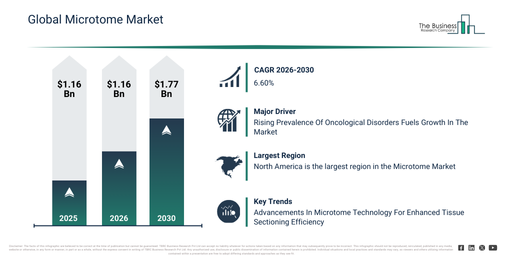
    The microtome market has shown notable growth in recent years, increasing from $0.26 billion in 2025 to $0.28 billion in 2026, which represents a compound annual growth rate (CAGR) of 6.3%. This progress was largely fueled by rising demand for histopathology testing, advancements in cancer diagnostics, greater academic research activity, widespread adoption of microscopy, and modernization efforts in laboratories. Looking ahead, the market is projected to expand further, reaching $0.36 billion by 2030 with a CAGR of 6.6%. Key factors in this forecast include the growth of digital pathology, automation of laboratory workflows, increasing demand for precision diagnostics, enhanced research funding, and upgrades in hospital laboratories. Important trends shaping the future involve automated tissue sectioning, high-precision microtomy, cryostat sectioning techniques, improved blade safety features, and compact lab equipment designs.

    Download A Free Sample Report For Comprehensive Market Insights:

    https://www.thebusinessresearchcompany.com/sample.aspx?id=21223&type=smp

    Factors Contributing to Growth in the Microtome Market

    The increasing incidence of cancer and related oncological disorders is a major catalyst for the expansion of the microtome market. These disorders involve abnormal and uncontrolled cell growth, often leading to malignancies, and their rising prevalence is linked to aging populations, greater exposure to environmental carcinogens, unhealthy lifestyle choices, and genetic factors. Microtomes provide pathologists with the ability to prepare extremely thin tissue slices, facilitating detailed examination to identify tumor types and progression stages. For example, the American Cancer Society reported approximately 297,790 new invasive breast cancer cases among women in the United States in 2023. This growing prevalence of cancer fuels demand for high-quality microtomy instruments.

    Additional Drivers Supporting Market Development

    Beyond oncology, the microtome market benefits from the expanding scope of research and diagnostic activities across medical and academic settings. Increasing investments in laboratory infrastructure and the push for more precise diagnostic techniques encourage adoption of advanced microtome technologies. These factors collectively support sustained growth and innovation within this market.

    Access The Complete Microtome Market Report:

    https://www.thebusinessresearchcompany.com/report/microtome-global-market-report

    Detailed Microtome Market Segmentation and Structure

    This market is organized into several important categories for a clearer understanding:

    1) Product Types: Instruments and Accessories

    2) Technology Types: Fully Automated, Semi-Automated, and Manual systems

    3) Applications: Disease Diagnosis and Medical Research

    4) End-Users: Hospitals, Clinical and Diagnostic Laboratories, Academic Research Centers, and other users

    Further breakdowns include instruments such as Rotary Microtomes, Cryostat Microtomes, Vibrating Microtomes, Ultramicrotomes, and Sledge Microtomes. Accessories encompass blades and knives, blade holders, specimen holders, sectioning aids, safety covers, and disposables.

    Emerging Trends Enhancing Microtomy Capabilities

    Leading companies in the microtome space are focusing on delivering advanced tissue sectioning devices that boost laboratory efficiency and improve clinical and research outcomes. These tools enable the precise and consistent slicing of tissue samples, which is vital for histology and diagnostic processes. For example, in February 2023, US-based Precisionary Instruments launched a new series of rotary microtomes featuring a heavy, stable core ideal for serial sectioning. The RF-600 manual model supports two specimen clamp holders for different cassette sizes, while the RF-800 and RF-1000 models incorporate touchscreen controls. The RF-1000 offers fully automated cutting operable via touchscreen, control panel, or foot pedal, enhancing workflow efficiency. These devices are particularly suited for paraffin-embedded tissue sectioning in histology.

    Additional Trends Driving Innovation

    Innovations such as enhanced automation, improved safety systems for blades, and compact designs are gaining traction. These developments make microtomes more user-friendly and adaptable to modern laboratory demands, supporting higher throughput and precision.

    Prominent Players in the Microtome Market

    The microtome industry features several key companies, including Leica Biosystems Nussloch GmbH, Sakura Finetek Inc., RWD Life Science Co. Ltd., SM Scientific Instruments Pvt. Ltd., Narang Medical Limited, AGD Biomedicals Pvt. Ltd., Diapath S.p.A., Milestone Medical, Boeckeler Instruments Inc., SLEE Medical GmbH, microTec Laborgeräte GmbH, Campden Instruments, Precisionary Instruments LLC, Jinhua YIDI Medical Appliance Co. Ltd., Medimeas, Histo-Line Laboratories, MEDITE Medical GmbH, Erma Inc., CellPath Ltd., and Laboid International.

    Regional Overview and Market Leadership

    In 2025, North America held the largest share of the microtome market, reflecting the presence of advanced healthcare infrastructure and strong research activities. The market report also covers important regions such as Asia-Pacific, South East Asia, Western Europe, Eastern Europe, South America, the Middle East, and Africa, providing a comprehensive global perspective on market dynamics.

    Get in touch with us:

    The Business Research Company: https://www.thebusinessresearchcompany.com/

    Americas: +1 310-496-7795

    Asia: +44 7882 955267 & +91 8897263534

    Europe: +44 7882 955267

    Email us at: marketing@tbrc.info

    Follow us on:

    LinkedIn: https://in.linkedin.com/company/the-business-research-company

    YouTube: https://www.youtube.com/channel/UC24_fI0rV8cR5DxlCpgmyFQ

    Global Market Model: https://www.thebusinessresearchcompany.com/global-market-model
  • Medical Bed Market Set To Grow From $4.68 Billion In 2026 To $6.15 Billion By 2030 At A CAGR Of 7.1%

    Medical Bed Market Set To Grow From $4.68 Billion In 2026 To $6.15 Billion By 2030 At A CAGR Of 7.1%

    Enhanced with market attractiveness analysis, total addressable market evaluation, company benchmarking matrices, interactive Excel dashboards, expanded supply chain intelligence, emerging startup coverage, and detailed product insights, The Business Research Company’s 2026 market reports deliver more actionable and strategically valuable research.

    The medical bed market is experiencing significant growth driven by evolving healthcare needs and technological advancements. As healthcare systems expand and patient care becomes more sophisticated, the demand for advanced medical beds is rising steadily. This overview explores the current market size, key drivers, notable segments, emerging trends, major players, and regional dynamics shaping the future of this essential healthcare equipment sector.

    Medical Bed Market Size and Future Growth Expectations

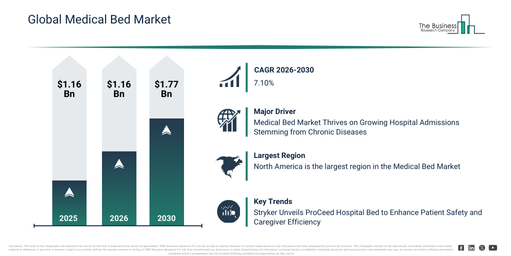
    The medical bed market has shown strong growth in recent years and is projected to continue expanding. From $4.38 billion in 2025, the market is expected to reach $4.68 billion in 2026, growing at a compound annual growth rate (CAGR) of 6.9%. Looking ahead, the market size is forecasted to climb further to $6.16 billion by 2030, with an increased CAGR of 7.1%. This upward trajectory is fueled by several factors including the expansion of hospital infrastructure, a rising elderly population, increasing demand for long-term care, more intensive care unit usage, and the adoption of adjustable patient support furniture.

    Download A Free Sample Report For Comprehensive Market Insights:

    https://www.thebusinessresearchcompany.com/sample.aspx?id=13700&type=smp

    Anticipated Growth Drivers Shaping the Medical Bed Market

    One critical factor driving market growth is the growing demand for home healthcare equipment. As healthcare increasingly shifts toward patient-centered care at home, beds designed for domestic use are gaining prominence. Additionally, investments in smart healthcare infrastructure are accelerating, enabling the integration of advanced features in medical beds. This focus on technology and connectivity supports better patient monitoring and improved care environments.

    Another important influence on market expansion is the rising emphasis on telehealth-supported recovery models and connected medical furniture. Beds that incorporate remote patient monitoring capabilities and smart features enhance patient safety and comfort. The healthcare sector’s growing adoption of electrically adjustable beds and homecare-compatible designs also contributes to this trend, reflecting a broader move toward more adaptable and patient-friendly solutions.

    Access The Complete Medical Bed Market Report:

    https://www.thebusinessresearchcompany.com/report/medical-bed-global-market-report

    Hospital Admissions Due to Chronic Illnesses Fueling Demand

    The increase in hospital admissions related to chronic diseases is a significant driver for the medical bed market. Chronic illnesses, which require long-term medical attention and often limit daily activities, are contributing to higher patient intake in hospitals worldwide. Various factors such as individual health conditions, socioeconomic status, healthcare infrastructure, and public health initiatives influence hospital admissions. Medical beds play a vital role in supporting patient care during these admissions by providing comfort, safety, and better medical management.

    For example, NHS Digital reported that Finished Admission Episodes in England rose from 16.4 million in 2023 to 17.6 million in 2024. This upward trend in hospital admissions underlines the growing need for medical beds capable of meeting the demands of a larger patient population, thus driving market growth.

    Key Segments in the Medical Bed Market Offering Growth Potential

    The medical bed market is categorized into several segments based on type, usage, and end-user. By type, it includes electric medical beds, semi-electric medical beds, and manual medical beds. Usage-wise, the beds are divided into those used in intensive care and non-intensive care settings. Major end-users consist of hospitals, home care settings, rehabilitation centers, and other facilities.

    Further segmentation breaks down electric beds into full electric and adjustable electric models. Semi-electric beds are classified by whether they have adjustable head and foot sections or manual adjustments. Manual beds include fixed manual and basic adjustable manual options. These divisions highlight the diverse range of products available to meet varied care requirements.

    Innovations and Trends Influencing the Medical Bed Market Outlook

    Leading companies in the medical bed market are prioritizing technological advancements to enhance patient comfort and caregiver efficiency. Ergonomically designed multi-functional hospital beds are becoming standard, featuring low bed heights, assistive steering, robust construction, and adaptable headboard options. These innovations are aimed at reducing caregiver fatigue, preventing patient falls, and improving overall care delivery in demanding hospital environments.

    For instance, in February 2025, Stryker Corporation introduced the ProCeed hospital bed in markets outside the U.S. This model offers a low-height frame for safer patient mobility, a fifth wheel to ease maneuvering and reduce strain on caregivers, and two types of headboards—stationary and mobile—catering to different patient positioning needs. The ProCeed bed exemplifies how innovation is shaping more practical and user-friendly solutions in medical beds.

    Prominent Players Driving Competition in the Medical Bed Sector

    Several key companies dominate the medical bed market landscape, including Mediline Industries Inc., Stryker Corporation, Getinge AB, Arjo, Paramount Bed Holdings Co., Invacare Corporation, Linet spol. s r.o., Favero Health Projects SpA, Joerns Healthcare LLC, Stiegelmeyer GmbH & Co. KG, Amico Group of Companies, GF Health Products Inc., Umano Medical Inc., Merivaara, Malvestio SpA, Zhangjiagang Medi Medical Equipment, Gendron Inc., American Medical Equipment, Antano Group srl, Besco Medical, Medical Depot Inc., ProBed Medical Technologies, and Anyang Top Medical Devices Co. Ltd. These companies are contributing to innovation, product diversification, and global reach in the market.

    Regional Market Leadership and Expansion Patterns

    In 2025, North America held the largest share of the global medical bed market, reflecting its advanced healthcare infrastructure and high demand for sophisticated medical equipment. Meanwhile, the Asia-Pacific region is expected to experience the most rapid growth during the forecast period. The market report also covers other important regions such as South East Asia, Western Europe, Eastern Europe, South America, the Middle East, and Africa, providing a comprehensive view of global market dynamics and emerging opportunities.

    Get in touch with us:

    The Business Research Company: https://www.thebusinessresearchcompany.com/

    Americas: +1 310-496-7795

    Asia: +44 7882 955267 & +91 8897263534

    Europe: +44 7882 955267

    Email us at: marketing@tbrc.info

    Follow us on:

    LinkedIn: https://in.linkedin.com/company/the-business-research-company

    YouTube: https://www.youtube.com/channel/UC24_fI0rV8cR5DxlCpgmyFQ

    Global Market Model: https://www.thebusinessresearchcompany.com/global-market-model
  • Microsurgery Robot Market Size Projected To Increase From $2.76 Billion To $4.83 Billion During The Forecast Period

    Microsurgery Robot Market Size Projected To Increase From $2.76 Billion To $4.83 Billion During The Forecast Period

    Delivering more actionable and strategically valuable research, The Business Research Company’s 2026 market reports feature market attractiveness analysis, total addressable market evaluation, company benchmarking matrices, interactive Excel dashboards, expanded supply chain intelligence, emerging startup coverage, and detailed product insights.

    The microsurgery robot market is witnessing remarkable advancements as surgical robotics gain momentum in medical fields requiring high precision. With increasing technological sophistication and expanding applications, this sector is set to experience substantial revenue growth in the coming years. Let’s explore the current market size, key factors driving demand, segmentation details, innovation trends, major players, and geographic insights shaping this evolving market.

    Microsurgery Robot Market Size and Growth Trajectory

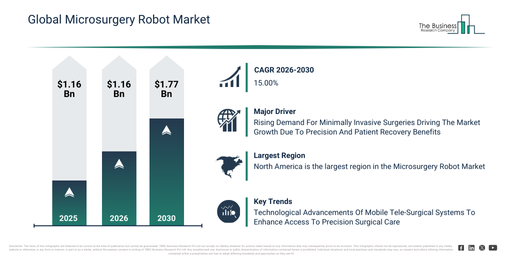
    The microsurgery robot market has demonstrated rapid growth over recent years. It is projected to climb from $2.39 billion in 2025 to $2.76 billion in 2026, achieving a compound annual growth rate (CAGR) of 15.5%. Earlier growth was largely influenced by factors such as the limited availability of advanced robotic systems, the high price of early robotic platforms, increasing demand for minimally invasive procedures, broader adoption in specialized surgical fields, and initial progress in medical imaging technologies.

    Download A Free Sample Report For Comprehensive Market Insights:

    https://www.thebusinessresearchcompany.com/sample.aspx?id=25835&type=smp

    Looking ahead, the microsurgery robot market is expected to expand swiftly, reaching $4.83 billion by 2030 with a CAGR of 15.0%. This anticipated surge is driven by growing investments in artificial intelligence (AI)-powered surgical robots, a rising preference for teleoperated surgeries, the development of compact and handheld robotic devices, incorporation of augmented reality and imaging technologies, and the widening scope of microsurgery in emerging regions. Key trends shaping the future include miniaturization of surgical instruments, real-time imaging integration, enhanced precision and stability during microsurgery, expanding use of remote and teleoperated procedures, and customizable modular robotic systems.

    Rising Demand for Minimally Invasive Procedures Boosting Microsurgery Robots

    An important driver for the microsurgery robot market is the escalating demand for minimally invasive surgeries. These procedures involve conducting operations through small incisions using specialized tools and techniques that minimize tissue damage, reduce recovery times, and lower surgical risks.

    Access The Complete Microsurgery Robot Market Report:

    https://www.thebusinessresearchcompany.com/report/microsurgery-robot-global-market-report

    This demand is especially growing due to the aging global population, which increasingly requires delicate surgical interventions with fewer complications. Microsurgery robots provide the precision, control, and stability needed for such intricate operations, promoting faster patient recovery and less trauma. For instance, in March 2025, the American Hospital Association reported that 2.63 million surgeries in the U.S. were performed using da Vinci robotic systems in 2023, marking a 17% increase from 2022. This surge underscores the strong influence of minimally invasive surgery trends on the microsurgery robot market.

    Microsurgery Robot Market Segmentation and Revenue Contributors

    The market is categorized by product type, component, technology, application, and end-user. Key product divisions include dedicated microsurgery robots, modular microsurgery systems, robotic surgical instruments, and accessories and consumables. Components cover robotic arms, surgical tools, visualization systems, and control systems. Technologies are segmented into teleoperated robots, autonomous robots, and hybrid systems.

    Applications span oncology, urology, obstetrics and gynecology, micro anastomosis, reconstructive surgery, ENT, gastrointestinal, cardiovascular, ureterorenoscopy, and neurovascular surgeries. End-users consist of hospitals, ambulatory surgical centers, specialty clinics, and other healthcare providers. Additional subcategories include application-specific dedicated microsurgery robots, fully integrated robotic units, compact handheld devices, interchangeable robotic modules, hybrid platforms, customizable systems, and specialized robotic surgical tools like micro-scissors and micro-forceps.

    Innovation Trends Accelerating Progress in the Microsurgery Robot Market

    Industry leaders are focusing on pioneering solutions such as mobile telesurgical systems to broaden access to advanced surgical care, especially in remote or underserved areas. These portable units combine robotic surgery technology, telecommunication equipment, and power sources to facilitate real-time remote surgical support or operations.

    For example, in March 2025, US-based SS Innovations International, Inc. unveiled India’s first Mobile Tele-Surgical Unit. This unit integrates the SSI Mantra Surgical Robot within a fully equipped mobile van, featuring satellite communication, independent power, and 4K displays for live telementoring or telesurgery. Its purpose is to bring robotic surgical capabilities to locations lacking conventional surgical infrastructure, such as rural or disaster-stricken regions, aiming to close the gap between expert surgical care and patients regardless of geography.

    Key Industry Players Driving Competition in the Microsurgery Robot Market

    The competitive landscape of the microsurgery robot market is shaped by numerous prominent companies, including Johnson & Johnson Services Inc., Medtronic plc, Stryker Corporation, Intuitive Surgical Inc., MicroPort Scientific Corporation, Renishaw plc, Titan Medical Inc., Vicarious Surgical Inc., CMR Surgical Ltd., Medical Microinstruments S.p.A., Virtual Incision Corporation, Asensus Surgical Inc., MicroSure BV, Medrobotics Corporation, Galen Robotics Inc., Moon Surgical SAS, Robocath SA, EndoQuest Robotics Inc., Distalmotion SA, Memic Innovative Surgery Ltd., Meerecompany Inc., and SS Innovations International Inc.

    Regional Breakdown and Growth Outlook for the Microsurgery Robot Market

    In 2025, North America accounted for the largest share of the microsurgery robot market. Meanwhile, the Asia-Pacific region is expected to lead in growth rate throughout the forecast period. The market analysis encompasses regions such as Asia-Pacific, South East Asia, Western Europe, Eastern Europe, North America, South America, the Middle East, and Africa, providing a detailed perspective on global market dynamics.

    Get in touch with us:

    The Business Research Company: https://www.thebusinessresearchcompany.com/

    Americas: +1 310-496-7795

    Asia: +44 7882 955267 & +91 8897263534

    Europe: +44 7882 955267

    Email us at: marketing@tbrc.info

    Follow us on:

    LinkedIn: https://in.linkedin.com/company/the-business-research-company

    YouTube: https://www.youtube.com/channel/UC24_fI0rV8cR5DxlCpgmyFQ

    Global Market Model: https://www.thebusinessresearchcompany.com/global-market-model
  • Medical Batteries Market Opportunities Are Emerging Beyond Traditional Growth Areas

    Medical Batteries Market Opportunities Are Emerging Beyond Traditional Growth Areas

    Through market attractiveness analysis, total addressable market evaluation, company benchmarking matrices, interactive Excel dashboards, expanded supply chain intelligence, emerging startup coverage, and detailed product insights, The Business Research Company’s 2026 market reports provide more actionable and strategically valuable research.

    The medical batteries market is witnessing significant growth, driven by technological advancements and increasing demand from the healthcare sector. As medical devices become more sophisticated and widespread, the need for reliable, long-lasting power sources intensifies. This overview examines the current market size, growth drivers, key players, emerging trends, and regional prospects shaping the future of medical batteries.

    Medical Batteries Market Size and Growth Projections

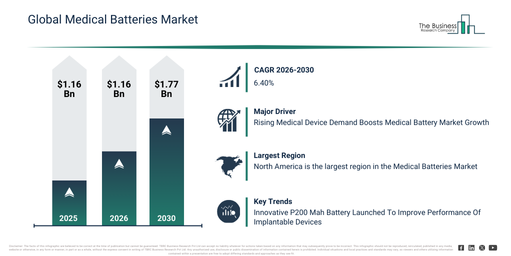
    The medical batteries market has shown strong momentum recently, with its value expected to rise from $1.87 billion in 2025 to $1.99 billion in 2026, marking a compound annual growth rate (CAGR) of 6.8%. This past growth is mainly due to reliance on traditional alkaline and zinc-air batteries, limited battery life in implantable devices, growing adoption of home healthcare, expansion of healthcare facilities, and increased demand for portable medical monitoring equipment. Looking ahead, the market is projected to reach $2.56 billion by 2030, growing at a CAGR of 6.4%. This anticipated expansion is fueled by advancements in lithium-ion and lithium polymer batteries, rising use of wearable medical devices, growth in implantable cardiac and neurological devices, heightened focus on battery safety and biocompatibility, along with integration of Internet of Things (IoT) technology in medical equipment. Key trends expected to influence the market include demand for high-energy-density batteries, greater adoption of rechargeable and long-lasting batteries, expansion of implantable device applications, and stronger regulatory compliance measures.

    Download A Free Sample Report For Comprehensive Market Insights:

    https://www.thebusinessresearchcompany.com/sample.aspx?id=19568&type=smp

    Factors Supporting the Growth of the Medical Batteries Market

    The increasing need for medical devices is a primary factor propelling the medical batteries market forward. Medical devices, which include instruments and machines used to diagnose, treat, or monitor health conditions, are in greater demand due to aging populations, rising chronic illnesses, and ongoing healthcare technological advancements worldwide. Batteries play a crucial role in powering a wide range of these devices, ensuring reliable functioning for patient monitoring systems, diagnostic tools, and life-saving equipment. Illustrating this, in March 2025, the China-based manufacturer Large Battery reported that over 90% of FDA-approved medical devices rely on medical-grade batteries that comply with stringent safety standards. Certifications such as UL2054 and IEC 60086 have helped reduce safety incidents and battery malfunctions by approximately 25%, reinforcing the importance of quality in driving market growth.

    Breakdown of Medical Batteries Market Segments

    This market is divided into several key categories to better understand its scope and applications:

    1) Battery Type: including Lithium-Ion Batteries, Lithium Primary Batteries, Nickel-Metal Hydride (NiMH) Batteries, Nickel-Cadmium (NiCd) Batteries, Zinc-Based Batteries, and other types.

    2) Application: segmented into Implantable Medical Devices, Non-Implantable Medical Devices, and Portable and Wearable Medical Devices.

    3) End-User: covering Hospitals and Clinics, Home Healthcare Settings, Ambulatory Surgical Centers, Diagnostic Centers, and Medical Device Manufacturers.

    Further subcategories provide detailed breakdowns within battery types, such as Lithium-Ion variants like Lithium Cobalt Oxide (LCO), Lithium Iron Phosphate (LFP), Lithium Manganese Oxide (LMO), Lithium Nickel Manganese Cobalt Oxide (NMC), Lithium Nickel Cobalt Aluminum Oxide (NCA), and Lithium Polymer (LiPo). Lithium Primary Batteries include Lithium Iodine, Lithium Silver Vanadium Oxide (Li/SVO), and Lithium Carbon Monofluoride (Li/CFx). NiMH batteries are divided into standard and low self-discharge types, while NiCd batteries are categorized as vented or sealed. Zinc-based batteries include Zinc-Air and Zinc-Carbon variants, and other types feature Silver-Oxide, Alkaline, and Lead-Acid batteries.

    Access The Complete Medical Batteries Market Report:

    https://www.thebusinessresearchcompany.com/report/medical-batteries-global-market-report

    Emerging Trends Impacting Medical Battery Demand

    Innovations in lithium-ion medical batteries are reshaping the market by enhancing device performance, safety, and reliability. These batteries are specially designed to power critical medical equipment such as portable oxygen concentrators, insulin pumps, and various diagnostic and therapeutic devices requiring stable and dependable energy sources. For example, in September 2023, US-based medtech manufacturer Resonetics introduced the Contego P200 mAh primary battery. This implantable lithium/carbon monofluoride (Li-CFx) battery is a lightweight, miniature D-shaped cell delivering high energy density and low self-discharge, ideal for implantable devices with low to medium pulse power requirements. The battery features a hermetically sealed titanium casing, thermal shutdown separator for safety, weighs only 1.75 grams, and measures 21.3 mm × 9.5 mm × 4.4 mm. With a nominal voltage of 2.8V, it is available off-the-shelf or with custom pin configurations and is produced in an ISO 13485-certified facility. The Contego P200 bridges a capacity gap between other Resonetics cells, offering greater design flexibility for applications such as neuromodulation, monitoring, and sleep apnea. Resonetics’ medical power division benefits from over 25 years of specialized expertise in implantable power systems.

    Key Players Influencing the Medical Batteries Market

    The competitive landscape of the medical batteries industry features several prominent companies driving innovation and growth. Leading names include TotalEnergies SE, Panasonic Corporation, 3M Company, Merck KGaA, Texas Instruments Incorporated, STMicroelectronics NV, Murata Manufacturing Co. Ltd, EnerSys Inc., Energizer Holdings Inc., Renata AG SA, VARTA Microbattery GmbH, Vitec Group PLC, EaglePicher Technologies LLC, Ultralife Corporation, Probo Medical LLC, Camelion Battery Co. Ltd., Maxim Integrated Products Inc., Tadiran Batteries Ltd., Blue Spark Technologies Inc., and KAYO Battery Company Limited. These organizations contribute to advancing battery technology, expanding product lines, and meeting evolving medical device power requirements.

    Regional Medical Batteries Market Overview

    In 2025, North America led the medical batteries market in terms of size, reflecting the region’s advanced healthcare infrastructure and early technology adoption. However, the Asia-Pacific region is expected to experience the fastest growth during the forecast period. This dynamic growth is driven by increasing healthcare investments, a rising number of medical device manufacturers, and expanding patient populations. Other geographic areas covered in the market analysis include South East Asia, Western Europe, Eastern Europe, South America, the Middle East, and Africa, providing a comprehensive view of global market opportunities and trends.

    Get in touch with us:

    The Business Research Company: https://www.thebusinessresearchcompany.com/

    Americas: +1 310-496-7795

    Asia: +44 7882 955267 & +91 8897263534

    Europe: +44 7882 955267

    Email us at: marketing@tbrc.info

    Follow us on:

    LinkedIn: https://in.linkedin.com/company/the-business-research-company

    YouTube: https://www.youtube.com/channel/UC24_fI0rV8cR5DxlCpgmyFQ

    Global Market Model: https://www.thebusinessresearchcompany.com/global-market-model