Category: Medical Equipment

  • Glucometer Market Expansion Is Opening New Pathways For Strategic Investment

    Glucometer Market Expansion Is Opening New Pathways For Strategic Investment

    Delivering more actionable and strategically valuable research, The Business Research Company’s 2026 market reports feature market attractiveness analysis, total addressable market evaluation, company benchmarking matrices, interactive Excel dashboards, expanded supply chain intelligence, emerging startup coverage, and detailed product insights.

    The glucometer market is experiencing remarkable growth, driven by rising diabetes prevalence and technological advancements that are reshaping blood glucose monitoring. As healthcare shifts toward personalized and digital management, this market is poised for significant expansion. Below, we explore the current market size, key growth drivers, segmentation, technological innovations, leading companies, and regional dynamics shaping the glucometer industry.

    Steady Growth and Expanding Market Size in the Glucometer Industry

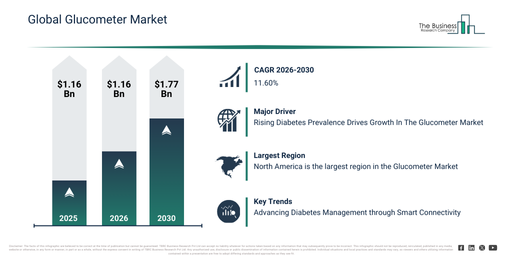
    The glucometer market has seen rapid expansion in recent years and is projected to continue this trajectory. It is forecasted to increase from $15.43 billion in 2025 to $17.25 billion in 2026, representing a compound annual growth rate (CAGR) of 11.8%. This growth reflects heightened global diabetes rates, greater awareness of the importance of blood glucose monitoring, broader adoption of home healthcare, affordability of glucometers, and the growth of chronic disease management programs. Looking further ahead, the market is expected to grow to $26.77 billion by 2030 with a CAGR of 11.6%. Factors fueling this future growth include the increasing use of AI-enabled glucose monitoring, a surge in demand for wearable health devices, expansion of digital diabetes management platforms, and a stronger focus on personalized diabetes care. Additionally, integration with telehealth services will play a pivotal role. Emerging trends during this period involve more widespread adoption of continuous glucose monitoring systems, increased interest in non-invasive monitoring technologies, growing use of mobile health applications, expansion of home-based monitoring solutions, and an emphasis on real-time data analytics.

    Download A Free Sample Report For Comprehensive Market Insights:

    https://www.thebusinessresearchcompany.com/sample.aspx?id=8748&type=smp

    Rising Diabetes Prevalence as a Key Driver of Glucometer Demand

    One of the primary factors propelling the glucometer market forward is the growing incidence of diabetes worldwide. Diabetes is a chronic metabolic disorder marked by elevated blood sugar levels, which can cause damage to vital organs such as the heart, kidneys, eyes, and nerves over time. Regular monitoring of blood glucose levels is essential for managing the disease, making glucometers a critical tool for many patients. As the number of diabetic individuals climbs, so does the need for these devices. For instance, data released in June 2024 by the UK’s National Health Service showed that in 2023, over 549,000 additional people in England were identified as at risk for type 2 diabetes. This brought the total number of individuals registered as having pre-diabetes with general practitioners to 3,615,330, a significant rise from 3,065,825 in 2022. Such increases in diabetes risk populations contribute directly to higher glucometer demand.

    Supporting Factors Boosting Growth in the Glucometer Market

    Beyond rising diabetes cases, other elements reinforce the expansion of the glucometer industry. Widespread adoption of home healthcare services is making it easier for patients to monitor glucose levels conveniently. Additionally, the availability of cost-effective glucometers is broadening access, especially in developing regions. Healthcare initiatives focused on chronic disease management are also fostering greater utilization of glucometers, improving patient outcomes and reducing complications related to diabetes.

    Access The Complete Glucometer Market Report:

    https://www.thebusinessresearchcompany.com/report/glucometer-global-market-report

    Breakdown of Glucometer Market Segments and Distribution Channels

    This market is segmented by product, technique, and distribution method to capture its diverse offerings. Product categories include Continuous Glucose Monitoring (CGM) Devices and Self-Monitoring Blood Glucose (SMBG) Systems. CGM devices further divide into Real-Time CGM Systems and Flash Glucose Monitoring Systems. SMBG encompasses blood glucose meters, test strips, and lancets. In terms of technique, the market is split between invasive and non-invasive glucose monitoring methods. Distribution channels range across institutional sales to hospitals and clinics, retail sales through hospital pharmacies and retail pharmacies, as well as online pharmacies, ensuring wide product availability.

    Innovations Shaping the Future of Glucometer Technology

    Technological advancements are transforming the glucometer landscape, with companies investing heavily in built-in cellular technology to enable real-time data sharing and remote monitoring. This integration allows devices to connect directly to mobile networks without external modules, much like smartphones, enhancing communication between patients and healthcare providers. For example, in May 2024, US-based Smart Meter introduced the iGlucose Plus system, which leverages cellular connectivity to facilitate improved diabetes management. This technology helps deliver timely health information, boosts patient engagement, and enables more effective monitoring by medical professionals, paving the way for personalized care and better health outcomes.

    Key Players Driving Competition and Innovation in the Glucometer Sector

    The glucometer market features several prominent companies competing and innovating to capture market share. Notable industry leaders include Johnson & Johnson Services Inc., Bayer AG, Abbott Laboratories, F. Hoffmann-La Roche Ltd., Medtronic plc., Arkray Inc., Omron Corporation, Dexcom Inc., Bionime Corporation, LifeScan Inc., NOVA Biomedical, Sinocare Inc., TaiDoc Technology Corporation, i-SENS Inc., EKF Diagnostics Holdings plc, ForaCare Inc., LabStyle Innovations Corp., Acon Laboratories Inc., Ascensia Diabetes Care Holdings AG, Ypsomed AG, Medtrum Health Inc., and Cellnovo Group. These organizations are at the forefront of developing new technologies and expanding global reach.

    Regional Market Leadership and Growth Patterns in the Glucometer Industry

    In 2025, North America held the largest share of the glucometer market, underscoring its strong healthcare infrastructure and widespread adoption of advanced technologies. The global market analysis also includes regions such as Asia-Pacific, South East Asia, Western Europe, Eastern Europe, South America, the Middle East, and Africa. While North America leads in revenue, emerging markets in Asia-Pacific and other regions are expected to exhibit rapid growth, driven by increasing healthcare investments and rising diabetes prevalence.

    Get in touch with us:

    The Business Research Company: https://www.thebusinessresearchcompany.com/

    Americas: +1 310-496-7795

    Asia: +44 7882 955267 & +91 8897263534

    Europe: +44 7882 955267

    Email us at: marketing@tbrc.info

    Follow us on:

    LinkedIn: https://in.linkedin.com/company/the-business-research-company

    YouTube: https://www.youtube.com/channel/UC24_fI0rV8cR5DxlCpgmyFQ

    Global Market Model: https://www.thebusinessresearchcompany.com/global-market-model
  • Glaucoma Surgery Devices Market Trends Are Creating New Opportunities For Industry Leaders

    Glaucoma Surgery Devices Market Trends Are Creating New Opportunities For Industry Leaders

    Enhanced with market attractiveness analysis, total addressable market evaluation, company benchmarking matrices, interactive Excel dashboards, expanded supply chain intelligence, emerging startup coverage, and detailed product insights, The Business Research Company’s 2026 market reports deliver more actionable and strategically valuable research.

    The glaucoma surgery devices market is undergoing significant expansion, driven by advances in medical technology and increasing demand for effective glaucoma treatments. As awareness about early intervention grows and eye care infrastructure improves, this sector is set to witness substantial growth in the coming years. Below, we explore the current market size, key growth factors, major players, emerging trends, and regional dynamics shaping the future of this important healthcare segment.

    Market Size Growth Outlook for Glaucoma Surgery Devices

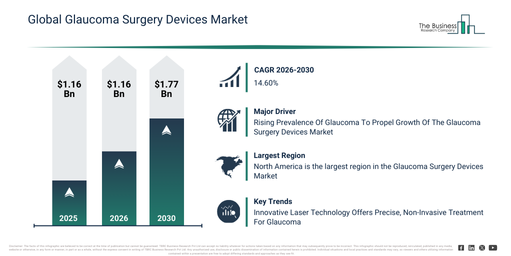
    The market for glaucoma surgery devices has seen rapid growth recently and is anticipated to rise from $2.13 billion in 2025 to $2.44 billion in 2026, reflecting a strong compound annual growth rate (CAGR) of 14.6%. This growth is attributed to factors such as an increasing number of glaucoma cases, more ophthalmic surgeries being performed, heightened awareness of early glaucoma treatment options, expanded eye care facilities, and wider availability of advanced surgical tools. Looking ahead, the market is expected to continue its upward trajectory, reaching $4.21 billion by 2030 with the same CAGR of 14.6%. Key contributors to this forecast include a growing elderly population, increased adoption of minimally invasive glaucoma surgery (MIGS) procedures, rising investment in ophthalmic innovations, greater demand for outpatient eye surgeries, and improved access to advanced glaucoma treatments. Trends like the use of micro-invasive implants, laser-based treatment technologies, personalized therapy approaches, and an emphasis on surgical precision and safety are expected to shape the market during this period.

    Download A Free Sample Report For Comprehensive Market Insights:

    https://www.thebusinessresearchcompany.com/sample.aspx?id=10173&type=smp

    Factors Fueling Growth in the Glaucoma Surgery Devices Market

    The rising prevalence of glaucoma is a significant driver of market expansion. Glaucoma, a progressive eye disease that damages the optic nerve, can lead to irreversible vision loss if not diagnosed and treated timely. Devices used in glaucoma surgery have advanced to make procedures safer, more effective, and less invasive, fueling increased demand. For instance, the Centers for Disease Control and Prevention reported in May 2024 that over 3 million Americans were affected by glaucoma in 2025, with this number projected to more than double to 6.3 million by 2050 due to the aging population. This increase in glaucoma cases directly supports growth in the glaucoma surgery devices market.

    Expanding Eye Care Infrastructure and Technological Advancement

    Another factor contributing to market growth is the ongoing expansion of ophthalmic surgical volumes and enhanced eye care infrastructure worldwide. The availability of sophisticated surgical instruments and increased emphasis on early diagnosis and treatment have helped elevate the demand for glaucoma surgery devices. Advancements in technology have also led to the development of new treatment options, improving outcomes and patient comfort, which further stimulates market growth.

    Access The Complete Glaucoma Surgery Devices Market Report:

    https://www.thebusinessresearchcompany.com/report/glaucoma-surgery-devices-global-market-report

    Detailed Segmentation of the Glaucoma Surgery Devices Market

    This market is divided into several key segments to better understand areas of growth:

    1) By Product: Drainage Systems, Laser-Based Devices, and Implants

    2) By Treatment Type: Open-Angle Glaucoma and Closed-Angle Glaucoma

    3) By Surgery Type: Angle Closure Glaucoma Surgery, Aqueous Shunt Surgery, and Laser Surgery

    4) By Application: Conventional Glaucoma Surgeries and Minimally Invasive Glaucoma Surgeries

    5) By End User: Eye Hospitals, Ophthalmology Clinics, and Outpatient Surgical Centers

    Further subcategories include types of drainage systems like tubes, shunts, and valves; laser-based devices such as laser trabeculoplasty, laser iridotomy, and laser cyclophotocoagulation devices; and implants including gel stents, Ahmed glaucoma valves, and Baerveldt implants.

    Innovations and Trends Steering the Glaucoma Surgery Devices Market Forward

    Leading companies in the sector are focused on the development of innovative technologies to improve patient outcomes and streamline treatment procedures. A notable example is the introduction of direct selective laser trabeculoplasty (DSLT) devices, which provide precise, non-invasive treatment by targeting the eye’s drainage system to lower intraocular pressure without surgery. These devices enhance treatment efficiency and patient comfort.

    For instance, in February 2025, Alcon Inc., a Swiss eye care device manufacturer, launched Voyager DSLT, the first fully automated DSLT device for glaucoma and ocular hypertension treatment. Voyager DSLT delivers 120 laser pulses directly to the trabecular meshwork with advanced eye-tracking technology, eliminating the need for a gonio lens or manual aiming. This innovation simplifies the procedure, making it a promising first-line therapy that may reduce the dependence on medications while maintaining safety and effectiveness.

    Prominent Players in the Glaucoma Surgery Devices Market

    The market features several key companies that hold significant influence, including Alcon, Johnson & Johnson, Carl Zeiss Meditec AG, Bausch & Lomb, Glaukos Corporation, Sight Sciences, Iridex Corporation, Ellex Medical Lasers, Lumenis, Ziemer Ophthalmic Systems, Nidek, Topcon, BVI, Rheon Medical, New World Medical, Haag-Streit, OptoLight Vision Technology, Katalyst Surgical, Aerie Pharmaceuticals, MicroSurgical Technology, and iSTAR Medical.

    Regional Landscape and Opportunities for Growth

    As of 2025, North America dominated the glaucoma surgery devices market, holding the largest share. The report also covers other important geographic regions including Asia-Pacific, South East Asia, Western Europe, Eastern Europe, South America, the Middle East, and Africa, providing a comprehensive perspective on global market trends and regional opportunities for growth.

    Get in touch with us:

    The Business Research Company: https://www.thebusinessresearchcompany.com/

    Americas: +1 310-496-7795

    Asia: +44 7882 955267 & +91 8897263534

    Europe: +44 7882 955267

    Email us at: marketing@tbrc.info

    Follow us on:

    LinkedIn: https://in.linkedin.com/company/the-business-research-company

    YouTube: https://www.youtube.com/channel/UC24_fI0rV8cR5DxlCpgmyFQ

    Global Market Model: https://www.thebusinessresearchcompany.com/global-market-model
  • Glaucoma Drainage Devices Market Growth Is Reshaping Competitive Advantage Across The Industry

    Glaucoma Drainage Devices Market Growth Is Reshaping Competitive Advantage Across The Industry

    Through market attractiveness analysis, total addressable market evaluation, company benchmarking matrices, interactive Excel dashboards, expanded supply chain intelligence, emerging startup coverage, and detailed product insights, The Business Research Company’s 2026 market reports provide more actionable and strategically valuable research.

    The glaucoma drainage devices market has been experiencing steady advancement, driven by the increasing prevalence of glaucoma and improvements in healthcare infrastructure. As the demand for innovative and minimally invasive treatment options rises, the market is set for considerable growth in the coming years. Let’s explore the current market size, key growth drivers, segment performance, industry trends, leading companies, and regional insights shaping this sector.

    The Glaucoma Drainage Devices Market Size and Growth Outlook

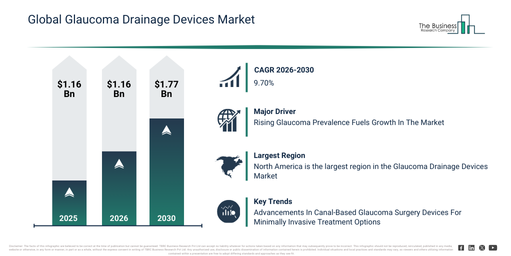
    The market for glaucoma drainage devices has seen significant growth recently and is expected to continue expanding. It is forecasted to increase from $0.89 billion in 2025 to $0.98 billion in 2026, representing a compound annual growth rate (CAGR) of 10.0%. Moving forward, the market is projected to reach $1.42 billion by 2030, with a CAGR of 9.7%. Factors contributing to this expansion include a rising number of glaucoma cases, more ophthalmic surgical centers, greater adoption of glaucoma surgeries, an aging global population, and increased availability of specialized eye care facilities. Additionally, ongoing innovations in device technology and a growing focus on early intervention are set to fuel further growth.

    Download A Free Sample Report For Comprehensive Market Insights:

    https://www.thebusinessresearchcompany.com/sample.aspx?id=20821&type=smp

    Key Factors Supporting Growth in the Glaucoma Drainage Devices Market

    One major driver behind the glaucoma drainage devices market is the growing prevalence of glaucoma worldwide. Glaucoma, a group of eye disorders that damage the optic nerve typically due to elevated intraocular pressure, can lead to irreversible vision loss if untreated. The increasing incidence is linked to factors such as aging populations, urban lifestyles, and changing health patterns. Drainage devices are critical in managing intraocular pressure, especially in refractory glaucoma cases where conventional treatments fail. For example, in October 2025, The NHS Confederation reported that glaucoma affects over 700,000 people in the UK, with nearly half undiagnosed due to its asymptomatic nature and prolonged hospital waiting times. Waiting periods can be as long as 72 weeks, and eye-related conditions are expected to increase by 25% between 2022 and 2032, far exceeding population growth rates. This growing patient base is pushing demand in the glaucoma drainage devices market.

    Healthcare Infrastructure Expansion’s Role in Market Growth

    Another important growth driver is the enhancement of healthcare infrastructure internationally. This includes the development and expansion of hospitals, clinics, diagnostic centers, and other medical facilities that improve access to quality eye care. Increased investments by governments and private sectors, coupled with rising population and demand for advanced treatments, have strengthened healthcare systems. This growth enables the adoption of new technologies and boosts patient accessibility to specialized glaucoma care. For instance, a report from the Office for National Statistics in May 2023 noted that healthcare spending in the UK rose by 5.6% between 2022 and 2023, reaching approximately $317.63 billion (£292 billion) in 2023. Such investment supports the expanding glaucoma drainage devices market by improving treatment availability and infrastructure.

    Access The Complete Glaucoma Drainage Devices Market Report:

    https://www.thebusinessresearchcompany.com/report/glaucoma-drainage-devices-global-market-report

    Segmentation and Market Structure of Glaucoma Drainage Devices

    The glaucoma drainage devices market is categorized into several segments based on product type, surgery type, and end-user.

    1) By Product Type:

    – Valved Glaucoma Drainage Devices

    – Non-Valved Glaucoma Drainage Devices

    2) By Surgery Type:

    – Conventional Glaucoma Surgery

    – Minimally Invasive Glaucoma Surgery

    3) By End-User:

    – Hospitals

    – Specialty Clinics

    – Ambulatory Surgical Centers

    – Other End-Users

    Further breakdown under valved devices includes Ahmed Glaucoma Valve, Baerveldt Glaucoma Implant, Krupin Implant, and others. Non-valved devices comprise Molteno Implant, Schocket Implant, Foster Implant, and others. This segmentation helps to understand market dynamics and identify strategic opportunities for stakeholders.

    Industry Trends Driving Innovation in Glaucoma Drainage Devices

    A notable trend in the glaucoma drainage devices market is the development of next-generation canal-based surgery devices that offer safer and minimally invasive treatment options. These implants focus on the Schlemm’s canal to enhance drainage of aqueous humor, effectively reducing intraocular pressure and slowing glaucoma progression. For example, in March 2023, Nova Eye Medical Limited from Australia received approval for its iTrack Advance canaloplasty device. This microcatheterization and viscodilation tool is designed to lower intraocular pressure in adult patients with primary open-angle glaucoma. It features an ergonomic handpiece and improved technology to boost surgical accuracy and efficiency and can be used alone or alongside cataract surgery.

    Key Competitors Influencing the Glaucoma Drainage Devices Market

    The market is shaped by several leading companies actively engaged in innovation and competition. These include AbbVie Inc., Alcon Inc., Johnson And Johnson Vision Care Inc., Santen Pharmaceutical Co. Ltd., Glaukos Corporation, Ocular Therapeutix Inc., IRIDEX Corporation, New World Medical Inc., Ivantis Inc., iSTAR Medical, Nova Eye Medical Limited, Altomed, Aurolab, G.surgiwear Limited, Eagle Vision Inc., Advanced Ophthalmic Innovations Pte Ltd., Avisi Technologies Inc., iVeena Delivery Systems, Optonol Ltd., and Rheon-medical. These players focus on technological advances, product enhancements, and expanding global reach.

    North America Leads the Market with Asia-Pacific Emerging Rapidly

    In 2025, North America held the largest share of the glaucoma drainage devices market, supported by robust healthcare infrastructure and high adoption rates. Other regions covered in market analysis include Asia-Pacific, Southeast Asia, Western Europe, Eastern Europe, South America, the Middle East, and Africa. Among these, Asia-Pacific is expected to exhibit the fastest growth in the coming years, driven by rising healthcare investments and increasing disease prevalence. This regional diversity provides a broad perspective on global market trends and opportunities.

    Get in touch with us:

    The Business Research Company: https://www.thebusinessresearchcompany.com/

    Americas: +1 310-496-7795

    Asia: +44 7882 955267 & +91 8897263534

    Europe: +44 7882 955267

    Email us at: marketing@tbrc.info

    Follow us on:

    LinkedIn: https://in.linkedin.com/company/the-business-research-company

    YouTube: https://www.youtube.com/channel/UC24_fI0rV8cR5DxlCpgmyFQ

    Global Market Model: https://www.thebusinessresearchcompany.com/global-market-model
  • Genomic And Proteomic Tool Market Forecast Signals New Revenue Opportunities Through 2030

    Genomic And Proteomic Tool Market Forecast Signals New Revenue Opportunities Through 2030

    Delivering more actionable and strategically valuable research, The Business Research Company’s 2026 market reports feature market attractiveness analysis, total addressable market evaluation, company benchmarking matrices, interactive Excel dashboards, expanded supply chain intelligence, emerging startup coverage, and detailed product insights.

    The genomic and proteomic tool market is experiencing rapid expansion as advancements in biotechnology and personalized healthcare continue to accelerate. Growing investments in research and new technology adoption are propelling this sector forward, offering promising opportunities for innovation and market growth through 2030. Below, we explore the current market size, driving forces, segment composition, emerging trends, key players, and geographical developments shaping this dynamic industry.

    Market Size and Growth Trajectory of the Genomic and Proteomic Tool Market

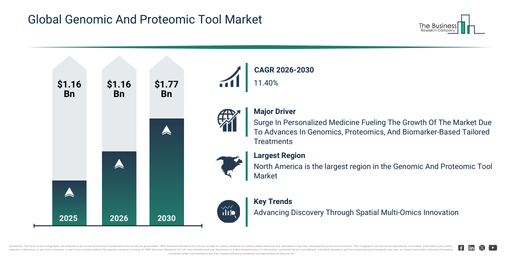
    The genomic and proteomic tool market has demonstrated impressive growth in recent years. It is projected to increase from $33.14 billion in 2025 to $37 billion in 2026, reflecting a robust compound annual growth rate (CAGR) of 11.7%. This upward trend during the historic period has been driven by factors such as increased funding for genomic research, the widespread adoption of next-generation sequencing (NGS) technologies, expanding pharmaceutical research and development, a rise in academic research activities, and decreasing sequencing costs. Looking ahead, the market is expected to continue its rapid expansion, reaching $56.95 billion by 2030 with a CAGR of 11.4%. Key contributors to this forecasted growth include the rise of precision medicine, broader clinical genomics adoption, increasing application of proteomics in drug discovery, growth in personalized diagnostics, and advancements in bioinformatics tools. Emerging trends shaping the market include the uptake of high-throughput sequencing, integrated multi-omics platforms, automation in sample preparation, the expansion of cloud-based bioinformatics services, and biomarker discovery initiatives.

    Download A Free Sample Report For Comprehensive Market Insights:

    https://www.thebusinessresearchcompany.com/sample.aspx?id=28235&type=smp

    Factors Driving Increased Demand in the Genomic and Proteomic Tool Market

    One of the primary forces boosting demand in the genomic and proteomic tool market is the growing acceptance and application of personalized medicine. Personalized medicine customizes prevention, diagnosis, and treatment strategies based on an individual’s molecular profile, utilizing biomarkers derived from DNA, RNA, and proteins. This tailored approach is gaining traction due to breakthroughs in genomics, proteomics, and biomarker discovery, which enable healthcare providers to offer targeted therapies, improve diagnostics, and deliver more precise healthcare outcomes.

    These advances allow genomic and proteomic tools to play an essential role by identifying genetic variations and protein biomarkers that help clinicians optimize treatments and enhance patient results. For instance, the Personalized Medicine Coalition, a nonprofit organization based in the US, reported in February 2024 that the US Food and Drug Administration (USFDA) approved 16 new personalized treatments for rare diseases in 2023—a significant rise from six approvals in 2022. This trend highlights the accelerating adoption of personalized medicine as a major growth driver for the genomic and proteomic tool market.

    Access The Complete Genomic And Proteomic Tool Market Report:

    https://www.thebusinessresearchcompany.com/report/genomic-and-proteomic-tool-global-market-report

    Segmentation and Growth Opportunities within the Genomic and Proteomic Tool Market

    This report breaks down the genomic and proteomic tool market into several key segments to provide a detailed view of its structure and growth potential:

    1) By Product Type: Instruments, Consumables, Software, and Services

    2) By Technology: Sequencing, Microarray, Polymerase Chain Reaction (PCR), Mass Spectrometry, Electrophoresis, and Chromatography

    3) By Workflow Stage: Sample Preparation, Library Preparation, Data Analysis, and Reporting

    4) By Application: Drug Discovery, Diagnostics, Personalized Medicine, Agriculture, and Animal Research

    5) By End User: Academic and Research Institutions, Pharmaceutical and Biotechnology Companies, Diagnostic Laboratories, and Healthcare Providers

    Further subcategories within these include:

    – Instruments such as DNA sequencing systems, PCR systems, microarray analyzers, mass spectrometry instruments, electrophoresis systems, chromatography instruments, and flow cytometers.

    – Consumables covering reagents and kits, assay kits, sample preparation consumables, sequencing consumables, protein assay reagents, microarray chips, and laboratory chemicals.

    – Software options including genomic and proteomic data analysis software, bioinformatics platforms, clinical data interpretation tools, workflow management software, and cloud-based analysis platforms.

    – Services comprise next-generation sequencing (NGS), gene expression and genotyping, protein identification and quantification, biomarker discovery, structural biology analysis, bioinformatics and data interpretation, and molecular diagnostics.

    Innovations and Market Trends Advancing the Genomic and Proteomic Tool Industry

    Key players in the genomic and proteomic tool sector are increasingly focusing on spatial multi-omics technologies, which allow simultaneous detection of RNA and proteins within the same cells while preserving tissue architecture. These technologies integrate multiple layers of molecular data and offer deeper biological insights than traditional single-modality assays.

    For example, in August 2025, 10x Genomics—a US biotechnology firm—launched Xenium Protein, a pioneering assay enabling single-cell RNA and protein analysis on a unified Xenium in situ platform. This innovative solution streamlines workflows by eliminating the need for cross-platform data integration and is delivered with validated protein subpanels to simplify setup and quality control. Such advancements support researchers in maintaining spatial context, expanding biomarker panels, and enhancing studies related to target validation, patient stratification, and mechanism of action.

    Key Players and Competitive Landscape of the Genomic and Proteomic Tool Market

    Several leading companies dominate the genomic and proteomic tool market, driving innovation and expanding product offerings. Notable names include F. Hoffmann-La Roche, Thermo Fisher Scientific Inc., Danaher Corporation, Merck KGaA, Becton Dickinson and Company, GE Healthcare, Eurofins Scientific SE, Agilent Technologies Inc., Illumina Inc., Bruker Corporation, Waters Corporation, Bio-Rad Laboratories Inc., QIAGEN N.V., PerkinElmer Inc., Promega, Novogene Corp., Oxford Nanopore Technologies Ltd., Pacific Biosciences of California Inc., Sophia Genetics, and LC Sciences.

    Geographical Insights and Regional Market Leadership

    In 2025, North America held the largest share of the genomic and proteomic tool market. However, the Asia-Pacific region is anticipated to witness the fastest growth during the forecast period. The market report provides an extensive overview of global trends and regional dynamics covering Asia-Pacific, Southeast Asia, Western Europe, Eastern Europe, North America, South America, the Middle East, and Africa.

    Get in touch with us:

    The Business Research Company: https://www.thebusinessresearchcompany.com/

    Americas: +1 310-496-7795

    Asia: +44 7882 955267 & +91 8897263534

    Europe: +44 7882 955267

    Email us at: marketing@tbrc.info

    Follow us on:

    LinkedIn: https://in.linkedin.com/company/the-business-research-company

    YouTube: https://www.youtube.com/channel/UC24_fI0rV8cR5DxlCpgmyFQ

    Global Market Model: https://www.thebusinessresearchcompany.com/global-market-model
  • Generic Oncology Sterile Injectable Market Growth Is Accelerating As Industry Transformation Continues

    Generic Oncology Sterile Injectable Market Growth Is Accelerating As Industry Transformation Continues

    Enhanced with market attractiveness analysis, total addressable market evaluation, company benchmarking matrices, interactive Excel dashboards, expanded supply chain intelligence, emerging startup coverage, and detailed product insights, The Business Research Company’s 2026 market reports deliver more actionable and strategically valuable research.

    The generic oncology sterile injectable market has experienced significant growth in recent years, driven by rising cancer rates and advancements in treatment options. As healthcare systems worldwide continue to evolve, the demand for affordable and effective injectable cancer therapies is expanding rapidly. This report explores the current market size, key growth drivers, major players, and emerging trends shaping the future of this vital segment.

    Strong Growth Forecast for the Generic Oncology Sterile Injectable Market

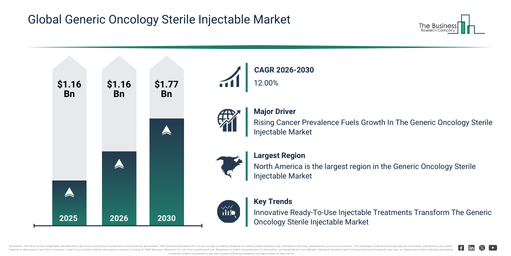
    The market for generic oncology sterile injectables is on a robust growth trajectory. It is anticipated to increase from $18.99 billion in 2025 to $21.25 billion in 2026, reflecting a compound annual growth rate (CAGR) of 11.9%. Looking ahead, this market is projected to reach $33.5 billion by 2030, growing at a CAGR of 12.0%. Factors behind this expansion include rising cancer incidence, broader chemotherapy protocols, increased oncology department capacities in hospitals, availability of patent-expired oncology drugs, and a growing preference for injectable cancer therapies.

    Download A Free Sample Report For Comprehensive Market Insights:

    https://www.thebusinessresearchcompany.com/sample.aspx?id=12223&type=smp

    Key Factors Fueling Market Growth in Coming Years

    The expected surge in healthcare cost-containment efforts plays a significant role in driving demand for generic oncology sterile injectables. Additionally, the rising uptake of biosimilar and generic oncology drugs is expanding treatment accessibility. The market is also benefiting from increased investments in sterile manufacturing facilities and a stronger focus on ensuring continuous drug supply.

    Important Trends Shaping the Market Outlook

    Emerging market trends include a growing preference for cost-effective cancer therapies, which is encouraging the use of generic injectable oncology drugs. Furthermore, there is an increasing emphasis on supply chain reliability to prevent disruptions in drug availability. Expansion of hospital-based oncology treatments and heightened regulatory compliance measures are also influencing market dynamics.

    Access The Complete Generic Oncology Sterile Injectable Market Report:

    https://www.thebusinessresearchcompany.com/report/generic-oncology-sterile-injectable-global-market-report

    How the Rising Cancer Prevalence Boosts Generic Oncology Sterile Injectable Demand

    The growing number of cancer cases worldwide is a primary driver for the generic oncology sterile injectable market. Cancer results from abnormal cell growth that can spread within the body, and its rise is linked to factors like smoking, radiation exposure, carcinogens, obesity, and genetic mutations. These injectable products play a crucial role in reducing tumors and halting cancer cell proliferation. For example, in January 2024, the American Cancer Society reported an increase in new cancer cases in the US from 1,958,310 in 2023 to 2,001,140 in 2024, underlying the urgent need for effective oncology treatments.

    Government Funding Accelerates Expansion of the Generic Oncology Sterile Injectable Market

    Growing government investments in oncology services are significantly propelling market growth. This funding supports cancer research, treatment infrastructure, and healthcare access improvements, enabling better oncology care. For instance, Cancer Research UK allocated £399 million for the 2023-24 financial year, including £93 million for multi-cancer research and £84 million for fundamental cancer biology studies. Such strategic investments are crucial in expanding the reach and quality of oncology sterile injectable treatments.

    Product and Application Breakdown of the Generic Oncology Sterile Injectable Market

    This market is segmented by product types including chemotherapy agents, antimetabolites, plant alkaloids, and antitumor antibiotics. Distribution channels cover hospital pharmacies, oncology specialty pharmacies, and institutional or government procurement. Key disease indications addressed include ovarian, breast, lung, pancreatic cancers, alongside other cancer types. More detailed subsegments include various chemotherapy agents like alkylating agents and mitotic inhibitors, antimetabolites such as purine and pyrimidine analogs, plant alkaloids including vinca alkaloids and taxanes, and different classes of antitumor antibiotics.

    How Innovation is Shaping the Competitive Landscape

    Leading companies in this market are focusing on developing innovative therapies to improve patient outcomes. For example, ready-to-use (RTU) injectable anti-nausea treatments are gaining traction for their ease of use and enhanced patient comfort. In September 2024, Amneal Pharmaceuticals introduced focinveztm (fosaprepitant), an RTU injectable designed to prevent nausea and vomiting in cancer patients undergoing chemotherapy. This product requires no reconstitution and can be administered directly, improving pharmacy efficiency and treatment adherence.

    Key Players Driving Competition in the Generic Oncology Sterile Injectable Market

    The generic oncology sterile injectable sector features several prominent companies such as Teva Pharmaceutical Industries Ltd., Viatris Inc., Sun Pharmaceutical Industries Ltd., Dr. Reddy’s Laboratories Ltd., and Aurobindo Pharma Ltd. Others include Cipla Ltd., Lupin Ltd., Zydus Lifesciences Ltd., Hikma Pharmaceuticals plc, Amneal Pharmaceuticals Inc., Pfizer Inc., Baxter International Inc., and Biocon Ltd., among others. These organizations are actively competing through product innovation and expanding manufacturing capabilities.

    Regional Market Analysis Highlighting Growth Hotspots

    In 2025, North America held the largest share of the generic oncology sterile injectable market. However, the Asia-Pacific region is expected to experience the fastest growth during the forecast period. The report also covers other key regions such as South East Asia, Western and Eastern Europe, South America, the Middle East, and Africa, providing a broad view of global market trends and opportunities.

    Get in touch with us:

    The Business Research Company: https://www.thebusinessresearchcompany.com/

    Americas: +1 310-496-7795

    Asia: +44 7882 955267 & +91 8897263534

    Europe: +44 7882 955267

    Email us at: marketing@tbrc.info

    Follow us on:

    LinkedIn: https://in.linkedin.com/company/the-business-research-company

    YouTube: https://www.youtube.com/channel/UC24_fI0rV8cR5DxlCpgmyFQ

    Global Market Model: https://www.thebusinessresearchcompany.com/global-market-model
  • General Dental Devices And Equipment Market Outlook Highlights The Next Major Growth Opportunities

    General Dental Devices And Equipment Market Outlook Highlights The Next Major Growth Opportunities

    Through market attractiveness analysis, total addressable market evaluation, company benchmarking matrices, interactive Excel dashboards, expanded supply chain intelligence, emerging startup coverage, and detailed product insights, The Business Research Company’s 2026 market reports provide more actionable and strategically valuable research.

    The dental devices and equipment sector has witnessed significant growth driven by advancements in technology and rising awareness of oral health. As the demand for improved dental care increases worldwide, this market is set to expand further, supported by a variety of factors including demographic changes and technological innovations. Here’s a detailed insight into the market’s current status, the factors pushing its growth, key players, and emerging trends shaping its future.

    General Dental Devices and Equipment Market Size and Projected Growth

    The general dental devices and equipment market has seen robust development in recent years. Forecasts indicate it will increase from $13.12 billion in 2025 to $14.3 billion in 2026, reflecting a compound annual growth rate (CAGR) of 9.0%. This growth during the historical period is attributed to the proliferation of dental clinics and laboratories, an increasing occurrence of oral disorders, greater demand for restorative dental procedures, heightened use of diagnostic dental imaging, and improved accessibility to dental care services.

    Download A Free Sample Report For Comprehensive Market Insights:

    https://www.thebusinessresearchcompany.com/sample.aspx?id=2550&type=smp

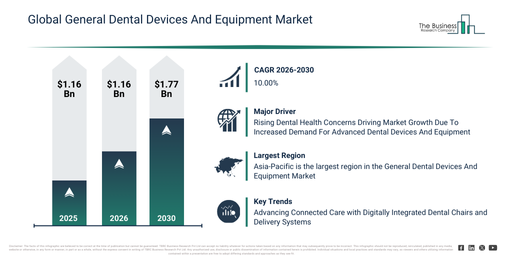
    Looking ahead, the market is expected to accelerate rapidly, reaching $20.94 billion by 2030 with a CAGR of 10.0%. This projected expansion is driven by the rising incorporation of digital dentistry workflows, growing popularity of cosmetic dentistry, introduction of chairside dental solutions, expanding investments in smart dental clinics, and a stronger focus on patient comfort and treatment efficiency. Key trends influencing this growth include the growing use of digital dental imaging systems, adoption of CAD/CAM dental technologies, increased reliance on minimally invasive dental instruments, broader application of dental lasers, and enhanced emphasis on infection control equipment.

    Factors Fueling Growth in the General Dental Devices and Equipment Market

    A primary driver of market expansion is the increasing prevalence of dental health issues. Conditions such as cavities, gum disease, tooth decay, malocclusion, and various oral infections are on the rise, underscoring the need for timely diagnosis, prevention, and effective treatment. Contributing factors include poor oral hygiene, high sugar intake, aging populations, tobacco use, and a growing understanding of the link between oral health and overall well-being.

    Access The Complete General Dental Devices And Equipment Market Report:

    https://www.thebusinessresearchcompany.com/report/general-dental-devices-and-equipment-global-market-report

    This escalation in dental health problems creates a demand for advanced diagnostic tools, therapeutic devices, and treatment equipment that improve the quality of care and patient outcomes. For example, in September 2025, the Royal College of Surgeons of England reported that 21,162 children aged 5 to 9 were hospitalized due to tooth decay during 2024-2025, marking a slight increase from the previous year. Such statistics highlight why rising dental health concerns are a significant growth catalyst for this market.

    Market Segmentation Reveals Diverse Revenue Opportunities in General Dental Devices and Equipment

    This report classifies the general dental devices and equipment market into several segments:

    1) By Type: Systems and Parts, Dental Implants, Crowns and Bridges, Dental Biomaterials, Dental Chairs and Equipment, and Other Dental Devices

    2) By Treatment Type: Orthodontic, Endodontic, Periodontic, Prosthodontic

    3) By Application: Hospitals and Clinics, Dental Laboratories

    Further breakdowns include:

    – Systems and Parts such as dental X-ray systems, CAD/CAM systems, imaging systems and parts, sterilization equipment, diagnostic instruments, handpieces, and motors.

    – Dental Implants covering endosteal, subperiosteal, transosteal implants, and related parts like abutments and screws.

    – Crowns and Bridges including ceramic crowns, porcelain-fused-to-metal crowns, metal crowns, fixed and removable dental bridges, and bridge components like abutments and pontics.

    – Dental Biomaterials such as bone grafts, adhesives, sealants, resin composites, dental cements, and materials used for root canal treatments.

    – Dental Chairs and Equipment including examination and surgical chairs, delivery systems, air compressors, suction systems, operatory lights, and instrument trays.

    – Other Dental Devices like orthodontic appliances (braces, aligners), dental lasers, intraoral cameras, teeth whitening systems, dental hand instruments, and endodontic devices.

    Innovations and Trends Shaping the Future Demand for Dental Devices and Equipment

    Leading companies in this market are increasingly focusing on technological advancements to improve clinical workflows, patient care, and equipment management. A significant trend is the integration of digital connectivity and platform solutions that enable real-time data sharing, remote monitoring, and interoperability with practice management software.

    For instance, in June 2025, A-dec, a US-based dental equipment manufacturer, launched its first digitally connected delivery systems—the A-dec 500 Pro and A-dec 300 Pro. These systems feature the updatable A-dec+ software platform, which enhances connectivity and user experience in dental operatories. This innovation allows dentists to access consolidated insights and remotely update their equipment, paving the way for future smart dental technologies.

    Key Industry Players Leading the General Dental Devices and Equipment Market

    Several major corporations are steering the growth and direction of the general dental devices and equipment market. Some of the prominent names include Straumann Group, 3M Company, Zimmer Biomet Holdings Inc., Danaher Corporation, Dentsply International Inc., A-Dec Inc., Carestream Health Inc., Biolase Inc., Sirona Dental Systems, Noble Biocare, Planmeca OY, Astra Tech Ab, Aap Implantate AG, Biohorizons Implants System Inc., Biomet 3i Inc., Dentatus Ab, Gendex Ltd., Henry Schein Inc., Hoya Conbio Ltd., Hu-Freidy Mfg Co., J. Morita USA Inc., Keystone Dental Inc., Midmark Corp., Nakanishi Inc., GC Corporation, Aseptico Inc., Envista Holdings Corporation, Ivoclar Vivadent AG, KaVo Dental, Patterson Dental, Brasseler USA, American Eagle Instruments Inc., Bien-Air Medical Technologies, Castellini S.p.A., Coltene Whaledent AG, DentalEZ Group, Directa AB, Kerr Corporation, and Premier Dental Products Company.

    Global Market Reach and Regional Leadership in General Dental Devices and Equipment

    In 2025, Asia-Pacific emerged as the largest region in the global general dental devices and equipment market, followed by Western Europe as the second largest. The report covers a broad regional scope that includes Asia-Pacific, Southeast Asia, Western Europe, Eastern Europe, North America, South America, the Middle East, and Africa, providing a comprehensive view of regional market dynamics and opportunities.

    Get in touch with us:

    The Business Research Company: https://www.thebusinessresearchcompany.com/

    Americas: +1 310-496-7795

    Asia: +44 7882 955267 & +91 8897263534

    Europe: +44 7882 955267

    Email us at: marketing@tbrc.info

    Follow us on:

    LinkedIn: https://in.linkedin.com/company/the-business-research-company

    YouTube: https://www.youtube.com/channel/UC24_fI0rV8cR5DxlCpgmyFQ

    Global Market Model: https://www.thebusinessresearchcompany.com/global-market-model
  • Gel Implants Market Trends And Growth Drivers Point To Strong Future Potential

    Gel Implants Market Trends And Growth Drivers Point To Strong Future Potential

    Delivering more actionable and strategically valuable research, The Business Research Company’s 2026 market reports feature market attractiveness analysis, total addressable market evaluation, company benchmarking matrices, interactive Excel dashboards, expanded supply chain intelligence, emerging startup coverage, and detailed product insights.

    The gel implants industry has experienced notable growth in recent years, driven by advances in medical technology and shifting consumer preferences. As demand for aesthetic and reconstructive procedures rises, this market is poised for further expansion. Below, we explore the current market size, key growth drivers, segmentation, innovation trends, leading companies, and regional dynamics shaping the gel implants landscape.

    Gel Implants Market Size and Expected Growth Trajectory

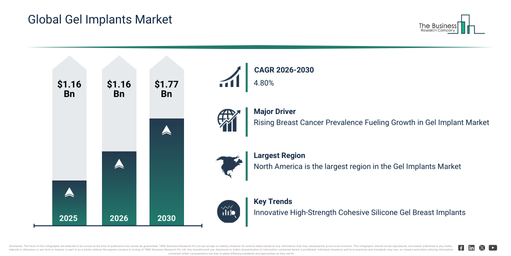
    The gel implants market has steadily increased in value, rising from $1.39 billion in 2025 to $1.46 billion in 2026, growing at a compound annual growth rate (CAGR) of 5.4%. This upward trend is largely due to a surge in cosmetic surgeries, heightened awareness of physical appearance, a growing number of reconstructive procedures, enhancements in implant materials, and the proliferation of specialized cosmetic clinics. Looking ahead, the market is forecasted to expand further, reaching $1.77 billion by 2030 with a CAGR of 4.8%. Factors anticipated to fuel this growth include rising demand for customized aesthetic treatments, broader acceptance of cosmetic procedures across different age groups, increased reconstructive surgeries following breast cancer, growth in medical tourism for cosmetic surgeries, and an emphasis on body contouring and enhancement.

    Download A Free Sample Report For Comprehensive Market Insights:

    https://www.thebusinessresearchcompany.com/sample.aspx?id=16691&type=smp

    Key Factors Encouraging Gel Implants Market Expansion

    One significant driver of market growth is the rising incidence of breast cancer worldwide. Breast cancer, which originates in breast cells and may develop in milk ducts or lobules, leads to many mastectomy surgeries that create a need for reconstruction using implants like gel implants. Increased awareness and screening, an aging population, changing reproductive trends, and lifestyle factors contribute to the rising prevalence of breast cancer. For example, in 2025, over 378,000 new breast cancer cases, both invasive and non-invasive, are expected in the United States alone, where 1 in 8 women will develop the disease. This widespread impact underscores the growing demand for breast reconstruction solutions, thus supporting the gel implants market’s growth.

    Additional Drivers Supporting Market Momentum

    Beyond breast cancer prevalence, improvements in implant technology and expanding specialty clinics also back market growth. Advances in materials have enhanced implant safety and aesthetics, attracting more patients seeking natural-looking results. Furthermore, the expansion of cosmetic surgery clinics worldwide makes these treatments more accessible, contributing to increased procedure volumes and, in turn, driving gel implant demand.

    Access The Complete Gel Implants Market Report:

    https://www.thebusinessresearchcompany.com/report/gel-implants-global-market-report

    Detailed Segmentation of the Gel Implants Market

    The gel implants market is divided into several key categories to better understand product types, applications, and end users. By product, the market splits into Silicone Gel Implants and Gummy Bear Implants. Within Silicone Gel Implants, subtypes include Round Silicone Gel Implants and Anatomical (Teardrop) Silicone Gel Implants. Gummy Bear Implants are further classified into Textured and Smooth variants. Application-wise, the market covers Cosmetic Surgery and Reconstructive Surgery. From an end-user perspective, Specialty Clinics and Hospitals form the primary distribution channels for these implants.

    Innovations Enhancing Gel Implant Market Prospects

    Leading manufacturers in the gel implants sector are focusing on introducing advanced products such as high-strength cohesive silicone gel breast implants. These implants feature a thicker silicone gel that maintains shape better, offering a natural feel alongside increased durability while reducing the risk of rupture or leakage. To illustrate, in July 2023, Sientra, a US-based company, launched its high-strength cohesive silicone gel breast implants in Canada. These implants are designed to deliver a more natural appearance and feel, supported by clinically proven low complication rates. Notably, Sientra became the first new silicone gel breast implant manufacturer approved by Health Canada, marking a significant milestone in product innovation.

    Prominent Players Competing in the Gel Implants Industry

    The gel implants market is shaped by numerous influential companies, including Allergan Aesthetics, Sientra Inc, Establishment Labs Holdings Inc, GC Aesthetics, POLYTECH Health & Aesthetics GmbH, Silimed, Ideal Implant, HansBiomed Co Ltd, Groupe Sebbin SAS, Cereplas, Arion Laboratories, Guangzhou Wanhe Plastic Materials, Aesthetic Medical International, Motiva, AptarGroup, Revolutions Medical, Biodermis, Hugel, DareBio, Keller Medical, Restorative Technologies, Eternal Beauty, Lattice Medical, ImpLite Ltd, Eurosilicone S A S, Nagor Ltd, and Biosil Limited. These key players drive innovation, expand market reach, and influence competitive dynamics globally.

    Regional Market Dynamics and Expansion Drivers

    In 2025, North America held the largest share of the gel implants market, reflecting high procedure volumes and advanced healthcare infrastructure. However, the market report also covers other important regions including Asia-Pacific, South East Asia, Western Europe, Eastern Europe, South America, the Middle East, and Africa. These areas are expected to contribute to future market growth, driven by increasing healthcare investments, rising awareness of cosmetic and reconstructive surgeries, and expanding medical tourism.

    Get in touch with us:

    The Business Research Company: https://www.thebusinessresearchcompany.com/

    Americas: +1 310-496-7795

    Asia: +44 7882 955267 & +91 8897263534

    Europe: +44 7882 955267

    Email us at: marketing@tbrc.info

    Follow us on:

    LinkedIn: https://in.linkedin.com/company/the-business-research-company

    YouTube: https://www.youtube.com/channel/UC24_fI0rV8cR5DxlCpgmyFQ

    Global Market Model: https://www.thebusinessresearchcompany.com/global-market-model
  • Gastrointestinal Devices Market Expansion Is Reshaping Competitive Dynamics Across The Industry

    Gastrointestinal Devices Market Expansion Is Reshaping Competitive Dynamics Across The Industry

    Enhanced with market attractiveness analysis, total addressable market evaluation, company benchmarking matrices, interactive Excel dashboards, expanded supply chain intelligence, emerging startup coverage, and detailed product insights, The Business Research Company’s 2026 market reports deliver more actionable and strategically valuable research.

    The gastrointestinal devices market is experiencing significant growth, driven by advances in technology and the rising incidence of digestive system disorders worldwide. This sector plays a crucial role in diagnosing and treating gastrointestinal diseases, making it an essential part of modern healthcare. Below, we explore the market’s current size, the factors fueling its expansion, key segments, trends shaping its evolution, leading companies, and regional insights.

    Gastrointestinal Devices Market Size and Projected Growth

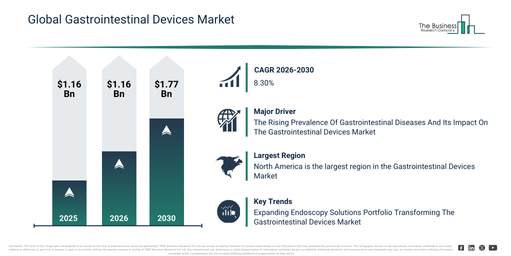
    The market for gastrointestinal devices has witnessed solid growth in recent years. From a valuation of $11.7 billion in 2025, it is expected to reach $12.69 billion in 2026, growing at a compound annual growth rate (CAGR) of 8.5%. This historic growth has been fueled by the increasing prevalence of gastrointestinal disorders, expansion of hospital gastroenterology departments, improvements in endoscopic imaging technology, more widespread screening programs, and greater availability of advanced GI devices. Looking ahead, the market is projected to expand robustly, reaching $17.46 billion by 2030 with a CAGR of 8.3%. Key drivers for this anticipated growth include the rising use of AI-assisted GI diagnostics, growing investments in advanced endoscopy centers, the increasing frequency of outpatient GI procedures, demand for single-use GI devices, and a heightened focus on patient safety and procedural efficiency. Additionally, trends such as the rise in advanced GI endoscopic techniques, adoption of capsule endoscopy systems, preference for minimally invasive treatments, expansion of therapeutic endoscopy applications, and enhanced early disease detection tools are shaping market dynamics.

    Download A Free Sample Report For Comprehensive Market Insights:

    https://www.thebusinessresearchcompany.com/sample.aspx?id=3292&type=smp

    Main Factors Propelling Demand in the Gastrointestinal Devices Market

    One of the primary forces behind the gastrointestinal devices market growth is the increasing prevalence of gastrointestinal diseases. These disorders affect the digestive tract and related organs, resulting in symptoms that range from mild discomfort to severe health complications. The rise in these conditions is significantly influenced by aging populations, as older adults experience higher rates of digestive system ailments requiring medical intervention. This growing patient base leads to increased demand for specialized diagnostic and therapeutic devices that help healthcare providers manage these illnesses more effectively.

    To illustrate this trend, Crohn’s and Colitis Canada reported in July 2023 that the number of inflammatory bowel disease (IBD) sufferers in Canada is expected to rise from approximately 322,600 in 2023 to 470,000 by 2035. This surge clearly highlights how increased disease prevalence is pushing the demand for gastrointestinal devices.

    Access The Complete Gastrointestinal Devices Market Report:

    https://www.thebusinessresearchcompany.com/report/gastrointestinal-devices-global-market-report

    Breakdown of Key Segments in the Gastrointestinal Devices Market

    The gastrointestinal devices market is segmented into several categories to better understand its scope and growth areas. By product type, the market includes GI videoscopes, biopsy devices, endoscopic retrograde cholangiopancreatography (ERCP) devices, capsule endoscopy systems, endoscopic ultrasound tools, endoscopic mucosal resection (EMR) devices, hemostasis devices, and other related products. Sales channels consist of online retailing and medical stores including brand outlets. End users are classified as hospitals, clinics and dialysis centers, and ambulatory surgical centers.

    Further subcategories include types of GI videoscopes, such as flexible and rigid types; biopsy devices like needle, forceps, and punch biopsy tools; ERCP components including cannulas, guidewires, and balloon sweep devices; capsule endoscopes targeting the small intestine, esophagus, and colon; endoscopic ultrasound with scopes and fine-needle aspiration devices; EMR kits and suction tools; hemostasis devices divided into mechanical, thermal, and chemical agents; and other products including enteral feeding devices and gastrostomy tubes.

    Innovations and Trends Influencing the Gastrointestinal Devices Market

    Leading companies in the gastrointestinal devices sector are focusing heavily on broadening their portfolios of endoscopy solutions to stay competitive. Expanding these portfolios means introducing new products and services designed to enhance diagnostic and therapeutic capabilities in GI care. Endoscopy, which involves using flexible or rigid tubular instruments to examine the interior of the body, remains central to this innovation.

    For example, in January 2023, Fujifilm India Private Limited launched new endoscopy products called ClutchCutter and FlushKnife, which target therapeutic gastrointestinal applications. The ClutchCutter is a rotatable forceps that combines coagulation, dissection, and incision functions in a single device. It features an insulated outer edge for durability and serrated jaws for better grip. The FlushKnife is a diathermic slitter that enables a range of tasks including marking, flushing, incising, dissecting, and coagulation, offering a ball-tip option for enhanced precision in tissue dissection and coagulation.

    Key Players Leading the Gastrointestinal Devices Market

    The gastrointestinal devices market features several prominent companies that drive innovation and competition. Notable players include B. Braun Melsungen AG, Olympus Corporation, Interscope Inc., Steris plc, Cook Group Incorporated, MICRO-TECH Co. Ltd., Cantel Medical Corp., CONMED Corporation, PENTAX Medical Company, Karl Storz SE & Co. KG, US Endoscopy Inc., Richard Wolf GmbH, Motus GI Holdings Inc., Congentix Medical Inc., ERBE Elektromedizin GmbH, Creo Medical Group plc, GI Dynamics Inc., Mauna Kea Technologies SA, EndoMaster Pte Ltd., and Fujifilm Holdings Corporation.

    Regional Distribution and Market Leadership in Gastrointestinal Devices

    In 2025, North America held the largest market share in gastrointestinal devices, supported by robust healthcare infrastructure and high adoption of advanced technologies. The Asia-Pacific region ranked as the second largest market, showing strong potential for growth due to rising healthcare investments and increasing awareness of gastrointestinal health. Other regions covered in the analysis include South East Asia, Western Europe, Eastern Europe, South America, the Middle East, and Africa, each contributing to the global landscape of this expanding market.

    Get in touch with us:

    The Business Research Company: https://www.thebusinessresearchcompany.com/

    Americas: +1 310-496-7795

    Asia: +44 7882 955267 & +91 8897263534

    Europe: +44 7882 955267

    Email us at: marketing@tbrc.info

    Follow us on:

    LinkedIn: https://in.linkedin.com/company/the-business-research-company

    YouTube: https://www.youtube.com/channel/UC24_fI0rV8cR5DxlCpgmyFQ

    Global Market Model: https://www.thebusinessresearchcompany.com/global-market-model
  • Gastrointestinal Bleeding Treatment Devices Market Forecast Reveals Where Future Industry Value Will Be Created

    Gastrointestinal Bleeding Treatment Devices Market Forecast Reveals Where Future Industry Value Will Be Created

    Through market attractiveness analysis, total addressable market evaluation, company benchmarking matrices, interactive Excel dashboards, expanded supply chain intelligence, emerging startup coverage, and detailed product insights, The Business Research Company’s 2026 market reports provide more actionable and strategically valuable research.

    The market for gastrointestinal bleeding treatment devices is experiencing steady growth, fueled by advances in technology and increasing demand for effective treatment options. As the prevalence of gastrointestinal disorders rises worldwide, this sector is positioned for expansion, with innovations and clinical needs driving further development. Let’s explore the market size, growth factors, key segments, and competitive landscape shaping this industry.

    Gastrointestinal Bleeding Treatment Devices Market Size and Growth Forecast

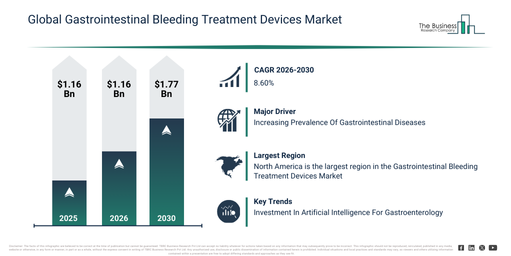
    The gastrointestinal bleeding treatment devices market has witnessed notable expansion recently. It is projected to increase from $0.92 billion in 2025 to $1 billion in 2026, marking a compound annual growth rate (CAGR) of 8.7%. Historical growth has been driven by rising instances of gastrointestinal disorders, increased prevalence of peptic ulcer disease, the expanding use of endoscopic diagnostic procedures, more hospital-based gastrointestinal interventions, and greater availability of advanced endoscopy equipment. Looking ahead, the market is expected to reach $1.39 billion by 2030, growing at a CAGR of 8.6%. This forecast is supported by the adoption of next-generation endoscopic devices, growing demand for outpatient gastrointestinal procedures, heightened focus on early bleeding detection, the rise of ambulatory surgical centers, and increased investments in advanced gastrointestinal care technologies. Key trends expected to influence growth include greater use of advanced endoscopic hemostasis devices, minimally invasive treatment methods, precision thermal ablation tools, expanding mechanical hemostatic solutions, and a strong emphasis on rapid bleeding control.

    Download A Free Sample Report For Comprehensive Market Insights:

    https://www.thebusinessresearchcompany.com/sample.aspx?id=5307&type=smp

    Factors Contributing to the Rising Demand in the Gastrointestinal Bleeding Treatment Devices Market

    One of the main reasons behind the market’s lucrative prospects is the growing burden of gastrointestinal disorders globally. Conditions affecting the digestive system are often linked to factors such as low fiber intake, high stress, insufficient water consumption, excessive dairy intake, sedentary lifestyles, aging, and genetic predispositions. For example, a report released in October 2024 by the US National Library of Medicine highlighted that in 2023, 825 per 100,000 Canadians were diagnosed with inflammatory bowel disease (IBD), affecting over 320,000 people. Projections suggest this number could rise to around 470,000 individuals, or 1.1% of the population, by 2035. This increase in gastrointestinal disease prevalence is a key driver for growth in the gastrointestinal bleeding treatment devices sector.

    Detailed Segment Breakdown of the Gastrointestinal Bleeding Treatment Devices Market

    This market is categorized into several segments based on product type, gastrointestinal tract division, and end user. By product, the market includes Endoscopic Thermal Hemostasis Devices, Mechanical Hemostasis Devices, Injection-Based Hemostasis Devices, Topical Hemostatic Agents and Powders, and Combination or Multimodal Hemostasis Devices. Regarding the GI tract division, the market is split into Upper GI Tract and Lower GI Tract. End users primarily consist of Hospitals or Clinics, Ambulatory Surgical Centers, and other relevant facilities. Further subcategories delve into specific device types, such as Electrocautery and Electrosurgical Coagulation Devices, Argon Plasma Coagulation Devices, Hemostatic Clips, Endoscopic Band Ligation Devices, Epinephrine Injection Systems, Hemostatic Powder Sprays, and integrated multimodal endoscopic platforms, among others.

    Access The Complete Gastrointestinal Bleeding Treatment Devices Market Report:

    https://www.thebusinessresearchcompany.com/report/gastrointestinal-bleeding-treatment-devices-global-market-report

    Innovations and Strategic Developments Defining Market Growth

    Leading companies in this sector are focusing on creating advanced solutions to improve treatment outcomes. One prominent example is Hemospray, a hemostatic powder designed to control active gastrointestinal bleeding during endoscopic procedures. Notably, in January 2024, AIG Hospitals in India introduced Hemospray as a breakthrough technology for managing GI bleeding. Its ease of use, safety, and effectiveness in controlling a wide range of GI bleeds—from peptic ulcers to variceal hemorrhages—make it a significant advancement in the field.

    Key Players and Competitive Landscape in the Gastrointestinal Bleeding Treatment Devices Market

    The industry features several major players driving innovation and market penetration. These include CONMED Corporation, Boston Scientific Corporation, Ovesco Endoscopy AG, Olympus Corporation, Cook Medical, Erbe Elektromedizin GmbH, Steris plc, Medtronic plc, Johnson & Johnson, Abbott Laboratories, Fujifilm Holdings Corporation, Pentax Medical, Merit Medical Systems, Teleflex Incorporated, AngioDynamics, BTG International Ltd., Smiths Medical, Terumo Corporation, Nipro Corporation, C. R. Bard Inc., EndoChoice Holdings Inc., GI Supply Inc., and Hemostasis LLC.

    Regional Market Insights Highlighting Areas of Opportunity

    In 2025, North America held the largest share of the gastrointestinal bleeding treatment devices market. However, the Asia-Pacific region is anticipated to exhibit the fastest growth rate during the forecast period. The market coverage extends across Asia-Pacific, South East Asia, Western Europe, Eastern Europe, North America, South America, the Middle East, and Africa, providing a comprehensive view of global market dynamics and future prospects.

    Get in touch with us:

    The Business Research Company: https://www.thebusinessresearchcompany.com/

    Americas: +1 310-496-7795

    Asia: +44 7882 955267 & +91 8897263534

    Europe: +44 7882 955267

    Email us at: marketing@tbrc.info

    Follow us on:

    LinkedIn: https://in.linkedin.com/company/the-business-research-company

    YouTube: https://www.youtube.com/channel/UC24_fI0rV8cR5DxlCpgmyFQ

    Global Market Model: https://www.thebusinessresearchcompany.com/global-market-model
  • Gastroenteritis Testing Market Growth Through 2030 Creates New Strategic Opportunities

    Gastroenteritis Testing Market Growth Through 2030 Creates New Strategic Opportunities

    Delivering more actionable and strategically valuable research, The Business Research Company’s 2026 market reports feature market attractiveness analysis, total addressable market evaluation, company benchmarking matrices, interactive Excel dashboards, expanded supply chain intelligence, emerging startup coverage, and detailed product insights.

    The gastroenteritis testing market has witnessed significant expansion in recent years, driven by several key factors. With rising cases of gastrointestinal infections and improvements in diagnostic technologies, this industry is positioned for continued growth. Below, we explore the market size, growth drivers, segments, innovations, key players, and regional outlook shaping this sector.

    Gastroenteritis Testing Market Size and Growth Forecast

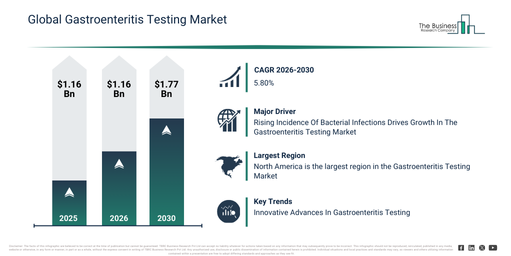
    The gastroenteritis testing market has experienced strong growth historically and is projected to continue on this upward trajectory. From $4.18 billion in 2025, the market is expected to increase to $4.44 billion in 2026, registering a compound annual growth rate (CAGR) of 6.1%. This past growth has largely been driven by reliance on traditional immunoassay and culture-based methods, limited access to advanced molecular diagnostics, rising prevalence of gastrointestinal infections, improved diagnostic capacities in hospitals and clinics, and the expansion of infectious disease research institutions. Looking ahead, the market is forecast to reach $5.55 billion by 2030, growing at a slightly moderated CAGR of 5.8%. This future growth is expected to be fueled by advancements in molecular diagnostic tools, increasing demand for rapid point-of-care testing, more funding for infectious disease research, broader adoption of integrated laboratory information systems, and expansion of testing services in emerging markets. Key trends anticipated during this period include growing emphasis on rapid and precise gastroenteritis diagnostics, increased use of molecular testing methods, broadening of viral, bacterial, and parasitic test panels, expansion of hospital-based and point-of-care diagnostics, and a heightened focus on epidemiological surveillance and outbreak control.

    Download A Free Sample Report For Comprehensive Market Insights:

    https://www.thebusinessresearchcompany.com/sample.aspx?id=20556&type=smp

    Factors Contributing to Gastroenteritis Testing Market Growth

    One of the primary drivers behind the gastroenteritis testing market’s expansion is the rising incidence of bacterial infections. This surge is linked to factors such as increased antibiotic resistance, higher population densities, and greater global travel, all of which facilitate the spread of resistant bacterial strains. Accurate gastroenteritis testing plays a critical role in identifying the exact pathogen causing symptoms like diarrhea and vomiting, enabling appropriate treatment and helping to curb further transmission. For example, data from GOV.UK shows that in 2024, cases of bacteraemia caused by antibiotic-resistant bacteria in the UK rose by 9.3%, increasing from 18,740 cases in 2023 to 20,484 cases. This upward trend in bacterial infections is a significant factor propelling demand within the gastroenteritis testing market.

    Additional Elements Stimulating Market Demand

    Beyond bacterial infection rates, there has been a growing need for faster, more accurate diagnostic solutions to manage gastroenteritis outbreaks effectively. Enhanced awareness about infection control, greater investments in healthcare infrastructure, and technological innovations contribute to the broader adoption of advanced testing methods. These elements collectively support the ongoing expansion of the gastroenteritis testing industry worldwide.

    Access The Complete Gastroenteritis Testing Market Report:

    https://www.thebusinessresearchcompany.com/report/gastroenteritis-testing-global-market-report

    An Overview of Gastroenteritis Testing Market Segmentation

    The gastroenteritis testing market encompasses several important segments, structured by type, disease strains, testing methods, and end-users. By type, the market includes viral gastrointestinal infections, bacterial gastrointestinal infections, and parasitic gastrointestinal infections. Disease strains are categorized as bacterial strains, viral strains, and parasitic strains. Testing approaches comprise immunoassay testing, conventional methods, and molecular diagnostic testing. End-use segments cover hospitals, clinics or medical centers, research institutes, and diagnostic laboratories. Further breakdown reveals specific viral infections such as Norovirus, Rotavirus, Astrovirus, Adenovirus, and Sapovirus; bacterial infections including Escherichia coli (E. coli), Salmonella, Campylobacter, Shigella, and Clostridium perfringens; and parasitic infections like Giardia lamblia, Entamoeba histolytica, Cryptosporidium, Trichinella, and Strongyloides stercoralis. These subdivisions highlight the broad scope and complexity of the gastroenteritis testing market.

    Innovations Driving Transformation in Gastroenteritis Testing

    Leading companies in the gastroenteritis testing space are focusing on developing highly sensitive and specific molecular diagnostic products. Molecular gastrointestinal tests, which utilize techniques such as polymerase chain reaction (PCR), have become essential diagnostic tools as they detect and identify genetic material from pathogens in gastrointestinal samples quickly and accurately. A notable example occurred in June 2024, when Germany-based QIAGEN N.V. introduced the QIAstat-Dx Gastrointestinal Panel 2. This innovative panel can rapidly and comprehensively identify up to 16 clinically significant bacterial, viral, and parasitic pathogens responsible for the majority of gastrointestinal infections. Using real-time PCR technology, it amplifies multiple genetic targets simultaneously in a single test, providing results much faster than traditional culture-based microbiological methods, which often require anywhere from 24 hours to 10 days.

    Key Players and Competitive Landscape of the Gastroenteritis Testing Market

    The gastroenteritis testing market features a range of prominent companies contributing to its growth and innovation. Top participants include F. Hoffmann-La Roche Ltd., Merck & Co. Inc., Abbott Diagnostics, Laboratory Corporation of America Holdings, Thermo Fisher Scientific Inc., Eurofins Scientific SE, Hologic Inc., Becton Dickinson and Company, bioMérieux SA, Quest Diagnostics Incorporated, DiaSorin S.p.A., Bio-Rad Laboratories Inc., Randox Laboratories Ltd., ARUP Laboratories, Meridian Bioscience Inc., MedGenome, Trinity Biotech plc, Savyon Diagnostics Ltd., Coris BioConcept, Aster Clinical Research & Diagnostic Centre Pvt. Ltd., Alimetrix Inc., and Luminex Corporation. These organizations drive research, develop innovative diagnostics, and help expand testing accessibility globally.

    Regional Trends and Market Leadership in Gastroenteritis Testing

    In 2025, North America held the largest share of the gastroenteritis testing market, reflecting the region’s advanced healthcare infrastructure and high adoption of diagnostic technologies. Meanwhile, the Asia-Pacific region is expected to experience the fastest market growth over the coming years, driven by improving healthcare systems, increasing investments, and rising awareness about gastrointestinal diseases. The geographic breakdown of this market includes Asia-Pacific, South East Asia, Western Europe, Eastern Europe, North America, South America, the Middle East, and Africa, providing a comprehensive view of global market dynamics.

    Get in touch with us:

    The Business Research Company: https://www.thebusinessresearchcompany.com/

    Americas: +1 310-496-7795

    Asia: +44 7882 955267 & +91 8897263534

    Europe: +44 7882 955267

    Email us at: marketing@tbrc.info

    Follow us on:

    LinkedIn: https://in.linkedin.com/company/the-business-research-company

    YouTube: https://www.youtube.com/channel/UC24_fI0rV8cR5DxlCpgmyFQ

    Global Market Model: https://www.thebusinessresearchcompany.com/global-market-model