Category: Medical Equipment

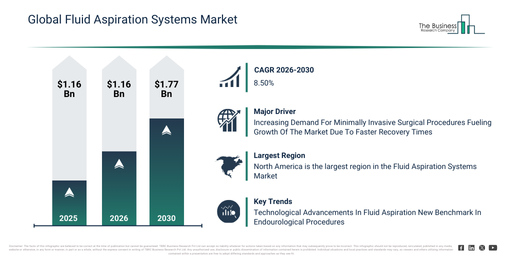
  • Fluid Aspiration Systems Market Set To Grow From $1.4 Billion In 2026 To $1.94 Billion By 2030 At A CAGR Of 8.5%

    Fluid Aspiration Systems Market Set To Grow From $1.4 Billion In 2026 To $1.94 Billion By 2030 At A CAGR Of 8.5%

    Delivering more actionable and strategically valuable research, The Business Research Company’s 2026 market reports feature market attractiveness analysis, total addressable market evaluation, company benchmarking matrices, interactive Excel dashboards, expanded supply chain intelligence, emerging startup coverage, and detailed product insights.

    The fluid aspiration systems market has been experiencing significant growth recently, driven by increasing technological advancements and expanding healthcare infrastructure worldwide. This sector is expected to continue evolving, offering promising revenue opportunities supported by rising demand across various medical and industrial fields. Below is a detailed overview of the market size, key growth drivers, segmentation, latest innovations, major players, and regional prospects.

    Steady Market Growth and Revenue Projections for Fluid Aspiration Systems

    The market for fluid aspiration systems has shown solid expansion in recent years. It is projected to increase from $1.28 billion in 2025 to $1.4 billion in 2026, exhibiting a compound annual growth rate (CAGR) of 9.4%. This historical growth phase has largely been influenced by ongoing reliance on manual aspiration methods, limited automated system options, expanding hospital and laboratory infrastructure, higher demand for fluid management during surgical procedures, and efforts toward standardizing suction devices.

    Download A Free Sample Report For Comprehensive Market Insights:

    https://www.thebusinessresearchcompany.com/sample.aspx?id=27287&type=smp

    Looking ahead, the market is poised for continued strong growth, expected to reach $1.94 billion by 2030 with a CAGR of 8.5%. This forecasted expansion is attributed to the advancement of electromechanical and automated aspiration technologies, integration with smart hospital and laboratory equipment, increased biomedical research and diagnostics activities, adoption of improved safety and contamination control protocols, and broader applications in industrial and aquaculture fluid management. Important trends anticipated to shape this market include the rising use of automated systems, enhanced biocompatible and sterilizable materials, growth in healthcare and medical research uses, development of closed-loop and high-throughput suction systems, and a heightened focus on safety and efficient fluid handling.

    Growing Demand for Fluid Aspiration Systems Driven by Minimally Invasive Surgeries

    One of the strongest factors fueling the fluid aspiration systems market is the increasing preference for minimally invasive surgical techniques. These procedures involve small incisions combined with specialized instruments such as cameras, which minimize tissue damage compared to traditional open surgeries. The popularity of minimally invasive surgeries stems from their benefits, including faster patient recovery, reduced hospital stays, and quicker return to normal activities.

    Access The Complete Fluid Aspiration Systems Market Report:

    https://www.thebusinessresearchcompany.com/report/fluid-aspiration-systems-global-market-report

    Fluid aspiration systems play a critical role in these surgeries by effectively removing blood, bodily fluids, and debris from the operative site, ensuring clear visibility for surgeons and reducing the need for larger incisions. For example, in June 2024, the American Society of Plastic Surgeons reported a 7% increase in minimally invasive procedures during 2023, surpassing 25 million in total. This rising adoption of minimally invasive techniques is a key driver for market growth.

    Impact of Rising Chronic Disease Rates and Aging Population on Market Demand

    Another significant influence on market expansion is the growing prevalence of chronic diseases worldwide, a trend closely linked to the aging global population. Chronic conditions—such as cardiovascular disorders, diabetes, cancer, and respiratory illnesses—typically require ongoing medical management and can limit daily activities.

    Fluid aspiration systems assist in managing these chronic ailments by preventing fluid build-up in the body, thereby reducing risks like infections and organ dysfunction and improving patient health outcomes. For instance, according to the UK’s National Health Service, the number of individuals diagnosed with non-diabetic hyperglycemia (pre-diabetes) registered with general practitioners rose by 18%, reaching 3,615,330 cases in 2023 compared to 3,065,825 in 2022. This increase in chronic diseases supports demand growth for fluid aspiration technologies.

    Detailed Segmentation of the Fluid Aspiration Systems Market

    This market is categorized into various segments to provide a clearer understanding:

    1) Product Type: Manual Fluid Aspiration Systems, Automatic Fluid Aspiration Systems, Electromechanical Fluid Aspiration Systems, Use-Specific Fluid Aspiration Systems

    2) Material Type: Plastic, Metal, Glass, Biocompatible Materials

    3) Distribution Channel: Direct Sales, Online Retail, Distributors, Wholesale Suppliers

    4) Application: Healthcare, Medical Research, Industrial Applications, Aquaculture

    5) End User: Hospitals, Diagnostic Laboratories, Research Institutes, Other End Users

    Further subcategories include:

    – Manual Systems such as syringe-based aspirators, manual vacuum pumps, handheld suction devices, and disposable aspiration kits

    – Automatic Systems including motorized vacuum aspirators, programmable suction units, closed-loop aspiration systems, and high-throughput suction systems

    – Electromechanical Systems like peristaltic pump aspirators, diaphragm pump systems, gear-driven units, and integrated aspiration and dispensing modules

    – Use-Specific Systems for surgical aspiration, laboratory aspiration, dental suction, endoscopic suction, and obstetric or gynecological applications

    Technological Innovations Shaping the Future of Fluid Aspiration Systems

    Leading companies in this market are focusing on cutting-edge innovations, such as continuous vacuum-assisted clearance (CVAC) technology, which improves stone clearance efficiency while maintaining safe intrarenal pressure during endourological procedures. This advanced fluid aspiration method allows continuous removal of stone fragments and irrigation fluids via controlled suction.

    For example, in March 2025, Calyxo Inc., a U.S.-based vacuum-assisted retrieval device provider, introduced the CVAC System. This system actively evacuates stone fragments and irrigation fluids in real time, enhancing procedural efficiency. Unlike traditional aspiration systems, the CVAC maintains stable intrarenal pressure, reducing the chance of renal trauma and postoperative complications. Its closed-loop design ensures effective fragment clearance without sacrificing visibility or control, contributing to faster procedures, improved safety, and better patient outcomes.

    Competitive Landscape and Key Players in the Fluid Aspiration Systems Market

    The fluid aspiration systems market features several influential companies driving innovation and market growth. Notable players include Olympus Corporation, Drägerwerk AG & Co. KGaA, Teleflex Incorporated, Cook Medical LLC, Merit Medical Systems Inc., Penumbra Inc., Hamilton Company, DeRoyal Industries Inc., SKAN AG, INTEGRA Biosciences AG, Gilson Inc., Labconco Corporation, Weinmann Emergency Medical Technology GmbH + Co KG, Clements Medical Equipment Pty Ltd., Vacuubrand GmbH & Co. KG, KNF Group, Nouvag AG, Haeberle GmbH + Co. KG, Hospitech Respiration Ltd., and Welch Vacuum Technology.

    Regional Market Insights Highlighting Growth Hotspots

    In 2025, North America held the largest share of the fluid aspiration systems market. However, the Asia-Pacific region is expected to record the fastest growth over the forecast period. The market analysis also encompasses other key regions, including South East Asia, Western Europe, Eastern Europe, South America, the Middle East, and Africa, providing a comprehensive overview of worldwide market trends and opportunities.

    Get in touch with us:

    The Business Research Company: https://www.thebusinessresearchcompany.com/

    Americas: +1 310-496-7795

    Asia: +44 7882 955267 & +91 8897263534

    Europe: +44 7882 955267

    Email us at: marketing@tbrc.info

    Follow us on:

    LinkedIn: https://in.linkedin.com/company/the-business-research-company

    YouTube: https://www.youtube.com/channel/UC24_fI0rV8cR5DxlCpgmyFQ

    Global Market Model: https://www.thebusinessresearchcompany.com/global-market-model
  • Flow Diverters Market Opportunities Are Emerging Beyond Traditional Growth Areas

    Flow Diverters Market Opportunities Are Emerging Beyond Traditional Growth Areas

    Enhanced with market attractiveness analysis, total addressable market evaluation, company benchmarking matrices, interactive Excel dashboards, expanded supply chain intelligence, emerging startup coverage, and detailed product insights, The Business Research Company’s 2026 market reports deliver more actionable and strategically valuable research.

    The flow diverters market is emerging as a significant segment within neurovascular treatment, driven by advances in technology and increasing awareness of aneurysm management. As medical professionals seek more effective and less invasive treatment options, this market is set to experience notable growth in the coming years. Let’s explore the current market size, key factors driving demand, segmentation, evolving trends, major players, and geographic insights shaping the industry.

    Flow Diverters Market Size and Growth Forecast Through 2030

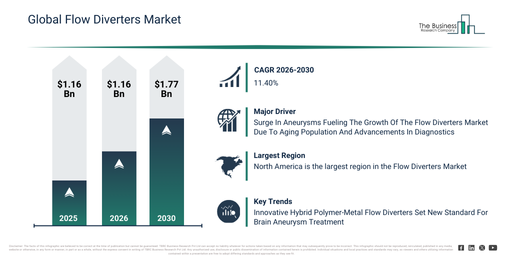
    The flow diverters market has seen rapid expansion over recent years. It is projected to increase from $0.55 billion in 2025 to $0.62 billion in 2026, reflecting a strong compound annual growth rate (CAGR) of 11.7%. This historical growth stems from limited availability of specialized flow diverters, dependence on traditional surgical methods like clipping and coiling, growing awareness about intracranial aneurysm treatments, enhanced neurovascular capabilities in hospitals and clinics, and the use of early-generation nitinol stents. Looking ahead, the market is expected to reach $0.95 billion by 2030, with a CAGR of 11.4%. This anticipated surge is tied to the development of next-generation flow diverters offering improved flexibility, an increasing preference for minimally invasive neurovascular procedures, investments in hospital endovascular infrastructure, rising regulatory approvals for new devices, and integration of imaging with AI-assisted deployment techniques. Key trends forecasted include broader use of flow diverters for complex aneurysms, advancement in nitinol and cobalt-chromium devices, expansion of specialized treatment centers, and a focus on improving patient safety by reducing procedure complications.

    Download A Free Sample Report For Comprehensive Market Insights:

    https://www.thebusinessresearchcompany.com/sample.aspx?id=24539&type=smp

    Primary Factors Supporting Flow Diverters Market Growth

    One of the main forces propelling demand for flow diverters is the rising prevalence of aneurysms. These are abnormal bulges or balloon-like expansions in blood vessel walls caused by weakening, primarily affecting aging populations. Improved diagnostic technologies have increased detection rates, resulting in a higher number of diagnosed aneurysm cases and greater awareness among patients and healthcare providers. Flow diverters address this growing need by redirecting blood flow away from the weakened vessel areas, promoting healing, lowering rupture risks, and providing a less invasive alternative to traditional surgery. For instance, a November 2025 report from PubMed, a U.S.-based biomedical literature database, highlighted that around 3% of adults carry an unruptured intracranial aneurysm, with prevalence rising to 10% among high-risk groups. This growing patient pool is a key driver behind the expanding market for flow diverters.

    Detailed Segmentation and Revenue Opportunities in the Flow Diverters Market

    This market is categorized into several segments to provide a comprehensive view of offerings and applications:

    1) By Type: Pipeline Embolization Device, Silk Flow Diverter, Surpass Flow Diverter, Flow Redirection Endoluminal Device, and Other Types

    2) By Material: Nitinol, Cobalt-Chromium Alloy, Stainless Steel, and Other Materials

    3) By Application: Intracranial Aneurysms, Arteriovenous Malformations, Complex Wide-Neck Aneurysms, and Other Applications

    4) By End-User: Hospitals and Clinics, Ambulatory Surgical Centers

    Access The Complete Flow Diverters Market Report:

    https://www.thebusinessresearchcompany.com/report/flow-diverters-global-market-report

    Further subtypes include various models within each device category, such as Classic, Flex, and Shield technology versions of the Pipeline Embolization Device; Silk+ and Silk Vista Baby for Silk Flow Diverters; Surpass Streamline and Surpass Evolve; FRED Jr. and FRED X under Flow Redirection Endoluminal Devices; and other options like DERIVO Embolization Device, p64 Flow Modulation Device, and Tubridge Flow Diverter. This detailed segmentation highlights diverse product portfolios catering to different clinical and patient needs.

    Innovations and Trends Transforming the Flow Diverters Industry

    Leading companies in the flow diverters market are focusing heavily on material science breakthroughs, especially the development of polymer-based neurovascular stents. These devices aim to improve performance by enhancing biocompatibility, encouraging natural vessel healing, and minimizing reliance on long-term blood-thinning medications. For example, in June 2023, Fluid Biomed, a Canadian medical device startup, announced the world’s first human implantation of a fully polymer-based neurovascular stent called the ReSolv stent, designed specifically to treat brain aneurysms. Unlike conventional hybrid polymer-metal stents, the ReSolv stent dissolves gradually as the vessel heals, potentially reducing the need for extended blood-thinner use while supporting natural vessel recovery. Such innovations are key to advancing patient outcomes and expanding the scope of flow diverter applications.

    Key Players Driving the Flow Diverters Market Forward

    Several prominent companies shape the competitive landscape of the flow diverters market, including Johnson & Johnson, Medtronic plc, Stryker Corporation, Terumo Corporation, MicroPort Scientific Corporation, Penumbra Inc., Phenox GmbH, Sino Medical Sciences Technology Inc., Balt Extrusion S.A.S., Sequent Medical Inc., Wallaby Medical Ltd., Zylox Tonbridge Medical Technology Co. Ltd., Acandis GmbH & Co. KG, Fluid Biomed Inc., Oxford Endovascular Ltd., EndoStream Medical Ltd., Rapid Medical Ltd., Cerus Endovascular Ltd., NeuroVasc Technologies Inc., Shape Memory Medical Inc., and Vesalio LLC. These organizations lead innovation, product development, and market expansion efforts globally.

    Regional Growth Patterns in the Flow Diverters Market

    In 2025, North America held the largest share of the flow diverters market, underscoring its mature healthcare infrastructure and high adoption rates of advanced neurovascular technologies. Meanwhile, the Asia-Pacific region is anticipated to experience the fastest growth during the forecast period, driven by increasing healthcare investments, rising awareness of neurovascular conditions, and expanding hospital capabilities. The overall market report includes insights across key regions such as Asia-Pacific, Southeast Asia, Western Europe, Eastern Europe, North America, South America, the Middle East, and Africa, providing a broad perspective on global market dynamics.

    Get in touch with us:

    The Business Research Company: https://www.thebusinessresearchcompany.com/

    Americas: +1 310-496-7795

    Asia: +44 7882 955267 & +91 8897263534

    Europe: +44 7882 955267

    Email us at: marketing@tbrc.info

    Follow us on:

    LinkedIn: https://in.linkedin.com/company/the-business-research-company

    YouTube: https://www.youtube.com/channel/UC24_fI0rV8cR5DxlCpgmyFQ

    Global Market Model: https://www.thebusinessresearchcompany.com/global-market-model
  • Flexible Endoscopes Market Expansion Is Opening New Pathways For Strategic Investment

    Flexible Endoscopes Market Expansion Is Opening New Pathways For Strategic Investment

    Through market attractiveness analysis, total addressable market evaluation, company benchmarking matrices, interactive Excel dashboards, expanded supply chain intelligence, emerging startup coverage, and detailed product insights, The Business Research Company’s 2026 market reports provide more actionable and strategically valuable research.

    The flexible endoscopes market has experienced significant growth in recent years and continues to demonstrate strong potential for expansion. Driven by advancements in medical technology and increasing demand for minimally invasive procedures, this market is poised for notable development over the coming years. Let’s explore the current market size, key drivers, segmentation, industry trends, and regional perspectives to understand the factors shaping this sector.

    Flexible Endoscopes Market Size and Growth Outlook

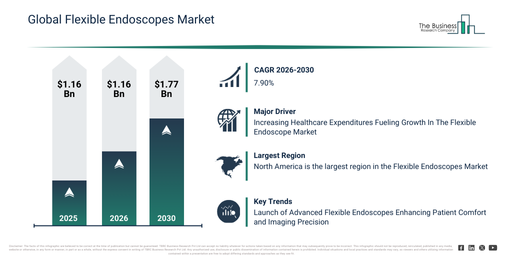
    The flexible endoscopes market has grown steadily, with its value rising from $10.41 billion in 2025 to $11.13 billion in 2026, representing a compound annual growth rate (CAGR) of 6.9%. This historical growth has been fueled by the increasing preference for minimally invasive surgeries, expansion of hospital endoscopy units, wider availability of flexible endoscopic devices, rising numbers of diagnostic procedures, and advances in fiber optic technology. Looking ahead, the market is expected to reach $15.08 billion by 2030, with an accelerated CAGR of 7.9%. The anticipated growth is supported by expanding use of outpatient endoscopic procedures, growing investments in artificial intelligence (AI)-aided visualization tools, broader application of endoscopy across various specialties, rising adoption of disposable endoscopes, and an intensified focus on improving procedural efficiency and patient outcomes.

    Download A Free Sample Report For Comprehensive Market Insights:

    https://www.thebusinessresearchcompany.com/sample.aspx?id=12993&type=smp

    Key Factors Supporting Flexible Endoscopes Market Growth

    One of the main forces propelling the growth of the flexible endoscopes market is the steady increase in healthcare expenditures worldwide. Investments in healthcare services allow for the acquisition of advanced endoscopic technologies, enhanced training of medical personnel, and greater support for research and innovation. For example, in April 2025, the UK’s Office for National Statistics reported a 6.5% nominal rise in healthcare spending between 2023 and 2024, and a 2.4% increase after adjusting for inflation. This upward trend in healthcare budgets directly contributes to the expansion of the flexible endoscope market by enabling better patient care.

    Additional Drivers Accelerating Market Expansion

    Another significant driver is the growing demand for minimally invasive diagnostic and surgical procedures, which offer reduced recovery times and improved patient comfort compared to traditional methods. The continuous development of flexible endoscope technologies, including enhanced imaging capabilities and improved ergonomics, further stimulates adoption across medical settings. This combination of financial support and clinical preference is creating a favorable environment for market growth.

    Access The Complete Flexible Endoscopes Market Report:

    https://www.thebusinessresearchcompany.com/report/flexible-endoscopes-global-market-report

    Overview of Flexible Endoscopes Market Segmentation

    This market is segmented by product type into Fiberscope and Video Endoscope categories. Within these, fiberscopes are divided into standard and specialty types, while video endoscopes include both rigid and flexible video models. By application, the market covers gastrointestinal (GI) endoscopy, pulmonary endoscopy, ear, nose, and throat (ENT) endoscopy, obstetrics and gynecology, urology, and other medical fields. End users are primarily hospitals, ambulatory surgery centers, and other healthcare facilities, reflecting the broad utilization of flexible endoscopes across various clinical environments.

    Emerging Innovation Trends in Flexible Endoscopes

    Industry leaders are continuously innovating to maintain competitive advantages, bringing products to market that offer better patient comfort, superior imaging, and improved handling. For instance, in September 2023, Olympus Corporation from Japan introduced the EVIS X1 flexible endoscopy system. This advanced platform includes the GIF 1100 gastrointestinal videoscope and CF HQ1100DL/I colonovideoscope, designed for thorough examination of both upper and lower digestive tracts. These devices boast a lighter control section for ease of use, high-definition imaging clarity, and enhanced maneuverability in challenging anatomical areas. Such innovation enhances procedural accuracy, reduces patient discomfort, and supports efficient workflow for healthcare providers.

    Competitive Landscape of the Flexible Endoscopes Market

    Key players dominating this market include Medtronic Plc, Fujifilm Holdings Corporation, Stryker Corporation, Boston Scientific Corporation, Olympus Corporation, HOYA Corporation, Smith & Nephew Plc, EndoChoice International, Pentax Medical, Ambu Inc., Richard Wolf GmbH, Cooper Surgical Inc, Ethicon Endo-Surgery LLC, Vimex Endoscopy, Endo-Flex GmbH, Machida Endoscope Co Ltd, XION GmbH, Huger Medical Instrument Co. Ltd., Endomed Systems GmbH, Karl Storz GmbH & Co. KG., Laborie Medical Technologies Inc, and ACMI Corporation. These companies focus on product development, regulatory approvals, and expanding their global footprint to strengthen their positions in this competitive market.

    Geographical Markets: North America Leads While Asia-Pacific Grows Fastest

    In 2025, North America held the largest share of the flexible endoscopes market, supported by advanced healthcare infrastructure and high adoption rates of cutting-edge medical devices. However, the Asia-Pacific region is expected to exhibit the fastest growth during the forecast period, driven by increasing healthcare investments, expanding patient populations, and rising awareness of minimally invasive procedures. The market analysis also includes regions such as South East Asia, Western Europe, Eastern Europe, South America, the Middle East, and Africa, offering a comprehensive global view.

    Get in touch with us:

    The Business Research Company: https://www.thebusinessresearchcompany.com/

    Americas: +1 310-496-7795

    Asia: +44 7882 955267 & +91 8897263534

    Europe: +44 7882 955267

    Email us at: marketing@tbrc.info

    Follow us on:

    LinkedIn: https://in.linkedin.com/company/the-business-research-company

    YouTube: https://www.youtube.com/channel/UC24_fI0rV8cR5DxlCpgmyFQ

    Global Market Model: https://www.thebusinessresearchcompany.com/global-market-model
  • Fixed-Dose Combination Inhalers Market Trends Are Creating New Opportunities For Industry Leaders

    Fixed-Dose Combination Inhalers Market Trends Are Creating New Opportunities For Industry Leaders

    Delivering more actionable and strategically valuable research, The Business Research Company’s 2026 market reports feature market attractiveness analysis, total addressable market evaluation, company benchmarking matrices, interactive Excel dashboards, expanded supply chain intelligence, emerging startup coverage, and detailed product insights.

    The fixed-dose combination inhalers market is experiencing strong growth driven by increasing respiratory health challenges and innovations in treatment options. As awareness of respiratory diseases rises and new therapeutic combinations become available, this market is set to expand significantly over the coming years. Below is an overview of the market size, key driving factors, segments, major players, and regional insights shaping its future.

    Fixed-Dose Combination Inhalers Market Size and Growth Projections

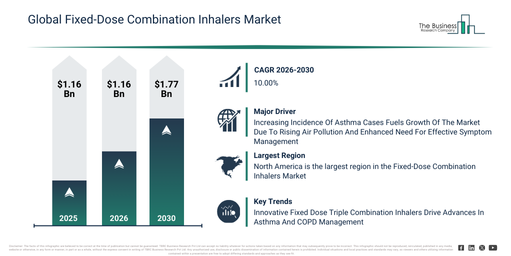
    The fixed-dose combination inhalers market has seen rapid expansion in recent years. It is projected to increase from $14.12 billion in 2025 to $15.58 billion in 2026, growing at a compound annual growth rate (CAGR) of 10.3%. This historical growth has been propelled by limited availability of combination inhalers, rising prevalence of respiratory illnesses, dependence on single-drug therapies, heightened healthcare awareness, and the expansion of hospital pharmacy networks. Looking ahead, the market is expected to reach $22.83 billion by 2030, with a steady CAGR of 10.0%. Innovations such as triple and multi-drug inhalers, broader chronic respiratory disease management programs, increased telehealth and e-pharmacy use, regulatory approvals for combination therapies, and greater patient preference for convenient inhaler options are key factors driving this forecasted growth. Emerging trends in the coming years include wider adoption of fixed-dose combination therapy, enhanced patient adherence, growth of asthma and COPD treatment markets, development of easier-to-use inhaler devices, and expansion of online and retail pharmacy distribution channels.

    Download A Free Sample Report For Comprehensive Market Insights:

    https://www.thebusinessresearchcompany.com/sample.aspx?id=25766&type=smp

    Rising Asthma Cases Propel Market Demand

    One of the primary forces boosting the fixed-dose combination inhalers market is the growing incidence of asthma. Asthma is a chronic inflammatory condition that narrows the airways and increases mucus production, causing breathing difficulties. Factors such as increasing air pollution irritate and inflame airways, making individuals more vulnerable to respiratory problems. Fixed-dose combination inhalers deliver two medications—usually a corticosteroid to reduce inflammation and a bronchodilator to relax airway muscles—in a single device. This combination improves symptom management and patient compliance. For example, in October 2024, the National Asthma Council of Australia reported 474 asthma-related deaths in 2023, including 325 females and 149 males, slightly higher than the 473 fatalities in 2022. This rising asthma burden is a significant factor driving fixed-dose combination inhaler market growth.

    Advancements in Combination Therapies Enhance Treatment Options

    Innovation in fixed-dose inhalers, especially the development of triple and multi-drug combinations, is another critical market driver. These advanced inhalers provide more comprehensive treatment for chronic respiratory diseases, improving efficacy and patient adherence. Pairing multiple medications in a single device simplifies disease management for asthma and chronic obstructive pulmonary disease (COPD) patients, encouraging wider usage and better health outcomes.

    Access The Complete Fixed-Dose Combination Inhalers Market Report:

    https://www.thebusinessresearchcompany.com/report/fixed-dose-combination-inhalers-global-market-report

    Categories Expanding Rapidly in the Fixed-Dose Combination Inhalers Market

    This market is segmented by combination type, indication, and distribution channel. Key combination categories include corticosteroid and bronchodilator inhalers, long-acting beta agonist and inhaled corticosteroid inhalers, triple combinations, and other combinations. Indications covered are asthma, chronic obstructive pulmonary disorder, and other respiratory conditions. Distribution channels consist of retail pharmacies, hospital pharmacies, and online pharmacies. Specific subsegments under combination types include:

    – Corticosteroid and bronchodilator inhalers like Beclomethasone + Salbutamol, Fluticasone + Salmeterol, and Budesonide + Formoterol

    – Long-acting beta agonist and inhaled corticosteroid inhalers such as Salmeterol + Fluticasone, Vilanterol + Fluticasone, and Formoterol + Budesonide

    – Triple combinations including Fluticasone + Umeclidinium + Vilanterol, Beclometasone + Formoterol + Glycopyrronium, and Budesonide + Glycopyrrolate + Formoterol

    – Other combinations like Tiotropium + Olodaterol, Mometasone + Formoterol, and Indacaterol + Glycopyrronium are also gaining traction.

    Innovative Products Transforming Patient Care

    Leading pharmaceutical companies are focusing on cutting-edge solutions such as fixed-dose triple combination dry powder inhalers. These devices enhance treatment effectiveness, simplify chronic disease management, and encourage adherence. For instance, in November 2023, Lupin Limited from India introduced Vilfuro G, a fixed-dose triple combination inhaler designed to treat moderate to severe COPD. This inhaler improves lung function, alleviates symptoms like breathlessness and cough, and reduces exacerbations through once-daily dosing and a triple-action formulation, offering significant benefits for long-term COPD management.

    Key Players Driving Growth in the Fixed-Dose Combination Inhalers Market

    The competitive landscape includes major pharmaceutical companies such as Novartis AG, AstraZeneca plc, GlaxoSmithKline plc, Viatris Inc., Teva Pharmaceutical Industries Ltd., Boehringer Ingelheim, Chiesi Farmaceutici S.p.A., Dr. Reddy’s Laboratories, Cipla Ltd., Hikma Pharmaceuticals plc., Amneal Pharmaceuticals Inc., Lupin Limited, Zydus Lifesciences Ltd., Glenmark Pharmaceuticals Ltd., Orion Corporation, Alembic Pharmaceuticals Ltd., Sava Healthcare Limited, Micro Labs Limited, Indoco Remedies Ltd., Vectura Group plc., and Pulmatrix Inc. These companies are actively investing in research, development, and market expansion to maintain strong positions.

    Regional Market Dynamics and Revenue Leadership

    In 2025, North America held the largest share of the fixed-dose combination inhalers market, driven by high healthcare spending, developed infrastructure, and widespread adoption of advanced therapies. Meanwhile, the Asia-Pacific region is expected to experience the fastest growth during the forecast period. Other regions analyzed in the market report include South East Asia, Western Europe, Eastern Europe, South America, the Middle East, and Africa, providing a comprehensive global perspective on market trends and opportunities.

    Get in touch with us:

    The Business Research Company: https://www.thebusinessresearchcompany.com/

    Americas: +1 310-496-7795

    Asia: +44 7882 955267 & +91 8897263534

    Europe: +44 7882 955267

    Email us at: marketing@tbrc.info

    Follow us on:

    LinkedIn: https://in.linkedin.com/company/the-business-research-company

    YouTube: https://www.youtube.com/channel/UC24_fI0rV8cR5DxlCpgmyFQ

    Global Market Model: https://www.thebusinessresearchcompany.com/global-market-model

  • Filter Needles Market Growth Is Reshaping Competitive Advantage Across The Industry

    Filter Needles Market Growth Is Reshaping Competitive Advantage Across The Industry

    Enhanced with market attractiveness analysis, total addressable market evaluation, company benchmarking matrices, interactive Excel dashboards, expanded supply chain intelligence, emerging startup coverage, and detailed product insights, The Business Research Company’s 2026 market reports deliver more actionable and strategically valuable research.

    The filter needles market has been showing impressive growth recently, driven by increasing healthcare demands and safety concerns related to injectable medications. As safety standards rise and medical infrastructure expands globally, this sector is poised for continued development through 2030. Let’s explore the current market size, key growth factors, major segments, leading players, and regional trends shaping this market’s future.

    Market Size and Growth Forecast in the Filter Needles Market

    The filter needles market has experienced significant expansion over the past years. It is projected to grow from $1.72 billion in 2025 to $1.86 billion in 2026, reflecting a compound annual growth rate (CAGR) of 8.4%. This upward trend stems from the increasing use of injectable drugs, heightened awareness of contamination risks, growth in hospital and clinical facilities, expanding pharmaceutical compounding activities, and a stronger focus on patient safety. Looking ahead, the market is expected to reach $2.48 billion by 2030, growing at a CAGR of 7.5%. This forecasted growth is supported by rising demand for safer injection methods, broader use of reconstituted and ampoule medications, stricter regulations around drug safety, growth in outpatient care centers, and increasing diagnostic and laboratory testing volumes. Key trends include an emphasis on safe drug preparation, wider adoption of single-use sterile products, and growing application of filter needles across hospitals, clinics, and labs.

    Download A Free Sample Report For Comprehensive Market Insights:

    https://www.thebusinessresearchcompany.com/sample.aspx?id=15811&type=smp

    Factors Propelling Demand: Increase in Surgical Procedures

    One of the prominent drivers behind the filter needles market growth is the rising number of surgical interventions. Surgical procedures, performed to treat various medical conditions, have surged due to technological advancements, improved healthcare access, and a growing burden of chronic illnesses that require operative treatment. Filter needles play a crucial role during these procedures by ensuring medication solutions remain pure and sterile, thereby minimizing contamination risks and safeguarding patient health. For example, in July 2024, the American Society of Plastic Surgeons reported that liposuction remained the most popular surgical procedure in the US, with a 1% rise in popularity compared to 2023. This increasing volume of surgeries fuels demand for filter needles in clinical settings.

    Healthcare Spending as a Catalyst for Filter Needle Market Expansion

    Another key factor contributing to market growth is the rise in healthcare expenditures worldwide. Healthcare spending encompasses financial resources allocated for disease prevention, treatment, and management by individuals, healthcare providers, and governments. Advances in medical technology often come with higher costs, pushing overall spending upward. This increased investment enables medical facilities to procure safer, high-quality injectable consumables like filter needles. Illustratively, in December 2024, data from the US Centers for Medicare & Medicaid Services showed that healthcare expenditures in the United States grew by 7.5% in 2023, reaching approximately $4.9 trillion or about $14,570 per person. This trend supports greater adoption of filter needles, further driving market growth.

    Access The Complete Filter Needles Market Report:

    https://www.thebusinessresearchcompany.com/report/filter-needles-global-market-report

    Detailed Segmentation of the Filter Needles Market

    The filter needles market is divided into several key segments to better understand its scope:

    1) By Type: Membrane Filter Needles, Depth Filter Needles, and Other Types

    2) By Raw Material: Stainless Steel, Glass, and Other Materials

    3) By Application: Drug Preparation, Laboratory Procedures, and Other Uses

    4) By End User: Hospitals, Clinics, Ambulatory Surgery Centers, and Other End Uses

    Within these categories, subsegments include specific membrane filter needles such as polypropylene, nylon, and PVDF; depth filter needles like fiberglass, cellulose, and polypropylene; as well as other types including activated carbon, glass fiber, and stainless steel filter needles.

    Emerging Innovations Influencing Filter Needle Market Growth

    Leading companies in the filter needles industry are focusing on innovative product development to stand out in a competitive landscape. One notable advancement is the creation of all-in-one filter needles, which streamline medication preparation by eliminating the need to switch needles after filtration. For example, in May 2024, CarrTech Corp., a US medical device manufacturer, introduced the FROG (Filter Removal of Glass) device. This patented filter needle allows healthcare professionals to withdraw medication from glass ampoules safely and efficiently without changing needles, reducing risks such as needle sticks, contamination, and patient harm. Such innovations are poised to enhance workflow and safety, boosting market demand.

    Key Players Driving the Filter Needles Industry

    Several major companies dominate the filter needles market globally, including Becton Dickinson and Company, B Braun Medical Inc, Terumo Corporation, Nipro Medical Corporation, Cardinal Health, Baxter International Inc, Vygon SA, SOL Millennium Medical Inc, ICU Medical Inc, Merit Medical Systems Inc, Medline Industries Inc, Hindustan Syringes and Medical Devices Ltd, Shandong Weigao Group Medical Polymer Co Ltd, Zhejiang Kindly Medical Devices Co Ltd, Jiangsu Kangjin Medical Co Ltd, Anhui Tiankang Medical Technology Co Ltd, Changzhou Jinlong Medical Plastic Appliance Co Ltd, Shanghai Mekon Medical Devices Co Ltd, Changzhou SUNTON Medical Technology Co Ltd, and Bionic Medizintechnik GmbH. These players focus on innovation, quality, and expanding their product portfolios to meet growing demand.

    Regional Distribution and Growth Prospects in the Filter Needles Market

    In 2025, North America emerged as the largest regional market for filter needles, driven by advanced healthcare infrastructure and regulatory support. Meanwhile, the Asia-Pacific region is expected to be the fastest-growing market during the forecast period. Other important regions covered in the market analysis include South East Asia, Western Europe, Eastern Europe, South America, the Middle East, and Africa. These areas present diverse opportunities based on their healthcare development levels, regulatory frameworks, and growing patient populations.

    Get in touch with us:

    The Business Research Company: https://www.thebusinessresearchcompany.com/

    Americas: +1 310-496-7795

    Asia: +44 7882 955267 & +91 8897263534

    Europe: +44 7882 955267

    Email us at: marketing@tbrc.info

    Follow us on:

    LinkedIn: https://in.linkedin.com/company/the-business-research-company

    YouTube: https://www.youtube.com/channel/UC24_fI0rV8cR5DxlCpgmyFQ

    Global Market Model: https://www.thebusinessresearchcompany.com/global-market-model
  • Fifth Generation (5G) Tele-Mentored Robotic Surgery Market Forecast Signals New Revenue Opportunities Through 2030

    Fifth Generation (5G) Tele-Mentored Robotic Surgery Market Forecast Signals New Revenue Opportunities Through 2030

    Through market attractiveness analysis, total addressable market evaluation, company benchmarking matrices, interactive Excel dashboards, expanded supply chain intelligence, emerging startup coverage, and detailed product insights, The Business Research Company’s 2026 market reports provide more actionable and strategically valuable research.

    The fifth generation (5G) tele-mentored robotic surgery market is rapidly evolving, driven by technological advancements and increasing adoption in healthcare. As medical professionals seek more precise and remote operative solutions, this market is set for significant expansion. Let’s explore the current market size, key growth drivers, prominent segments, industry trends, major players, and regional insights shaping this dynamic field.

    Current Market Size and Growth Projections for the Fifth Generation (5G) Tele-Mentored Robotic Surgery Market

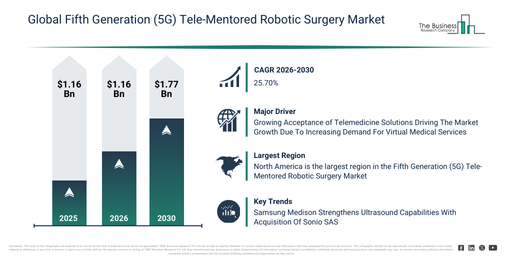
    The 5G tele-mentored robotic surgery market has seen impressive growth recently, with its value projected to rise from $1.95 billion in 2025 to $2.46 billion in 2026, representing a strong compound annual growth rate (CAGR) of 26.0%. This earlier expansion was driven by factors such as early adoption of telemedicine, the increasing use of robotic surgery, the urgent need for surgeon training, advancements in wireless network infrastructure, and demand for enhanced surgical accuracy. Looking ahead, the market is forecasted to reach $6.15 billion by 2030, growing at a CAGR of 25.7%. The anticipated surge is attributed to the low-latency communication capabilities enabled by 5G technology, a global shortage of specialist surgeons, rising preferences for sophisticated surgical techniques, expansion of surgical education platforms, and increased investments in digital health technologies. Notable trends expected to influence the market include remote expert surgical mentorship, real-time transfer of surgical skills, broader adoption of virtual surgical training, more frequent use in complex surgeries, and growth of collaborative surgical networks.

    Download A Free Sample Report For Comprehensive Market Insights:

    https://www.thebusinessresearchcompany.com/sample.aspx?id=28223&type=smp

    Telemedicine Acceptance as a Growth Catalyst in the 5G Tele-Mentored Robotic Surgery Market

    The increasing embrace of telemedicine solutions is a critical factor accelerating the expansion of the fifth generation tele-mentored robotic surgery market. Telemedicine enables healthcare professionals to deliver consultations and perform medical procedures remotely through digital communication technologies, eliminating the need for physical presence. This rising acceptance is largely fueled by the digital transformation of healthcare systems, supported by integrated electronic health records and advanced communication frameworks that enable smooth virtual care delivery. As telemedicine use grows, so does the demand for 5G tele-mentored robotic surgery systems, which rely on ultra-fast, low-latency connectivity to facilitate immediate surgical mentorship and precise robotic guidance from afar. For example, in April 2025, the American Hospital Association reported that over 12.6% of Medicare beneficiaries utilized telehealth services during the last quarter of 2023, underscoring the expanding role of telemedicine in healthcare.

    Rising Popularity of Minimally Invasive Procedures Boosting the 5G Tele-Mentored Robotic Surgery Market

    An increasing preference for minimally invasive surgeries is another powerful driver supporting growth in this market. These procedures involve smaller incisions and less trauma to patients, resulting in reduced pain, faster recovery, and fewer postoperative complications compared to traditional open surgeries. The heightened demand stems from these patient benefits, alongside the ability of surgeons to perform operations remotely with high accuracy using robotic assistance. This capability improves outcomes and encourages wider adoption of tele-mentored robotic surgeries. For instance, in June 2024, the American Society of Plastic Surgeons noted a 7% rise in minimally invasive procedures in 2023, surpassing the overall growth rate of surgical operations. Additionally, hand surgeries such as carpal tunnel release and arthritis treatments totaled 207,887 procedures, marking a 2% increase from 2022. These trends illustrate how the growing appeal of minimally invasive surgery fuels the tele-mentored robotic surgery market.

    Access The Complete Fifth Generation (5G) Tele-Mentored Robotic Surgery Market Report:

    https://www.thebusinessresearchcompany.com/report/fifth-generation-5g-tele-mentored-robotic-surgery-global-market-report

    Market Segmentation in the Fifth Generation (5G) Tele-Mentored Robotic Surgery Industry

    This market can be broken down into several key segments:

    1) By Component: Hardware, Software, and Services

    2) By Surgery Type: General Surgery, Orthopedic Surgery, Neurosurgery, Urology, Gynecology, and Other Surgery Types

    3) By Application: Training and Education, Remote Surgery, Consultation, and Other Applications

    4) By End-User: Hospitals, Ambulatory Surgical Centers, Specialty Clinics, and Other End-Users

    Further subcategories within components include: Hardware such as surgical robots, imaging devices, communication devices, haptic devices, and sensors; Software including surgical planning, remote monitoring, data analytics, simulation, and control programs; and Services like installation and integration, training and education, maintenance and support, consulting, and telecommunication services.

    Innovative Trends Reshaping Demand in the 5G Tele-Mentored Robotic Surgery Market

    Leading companies in this market are focusing on cutting-edge technologies, including real-time force feedback systems that enhance surgical precision by providing tactile sensations remotely. These systems allow surgeons to feel the interaction between robotic instruments and tissues, improving control, reducing damage, and increasing safety during minimally invasive procedures. For example, in December 2024, Shanghai MicroPort MedBot Group received regulatory approval from Brazil’s National Health Surveillance Agency for its Toumai Laparoscopic Surgical Robot. This device features real-time force-sensing technology that delivers tactile feedback to surgeons during operations and supports remote surgeries over long distances, including intercontinental procedures. This innovation marks a significant milestone in Latin America’s adoption of 5G-enabled robotic surgery, advancing patient access to high-quality care and demonstrating the integration of robotics, AI, and advanced networks within healthcare.

    Major Players Driving the Fifth Generation (5G) Tele-Mentored Robotic Surgery Market

    The competitive landscape includes prominent firms such as Huawei Technologies Co. Ltd., Telefonaktiebolaget LM Ericsson (publ), Nokia Corporation, Siemens Healthineers AG, Stryker Corporation, Intuitive Surgical Inc., PT Telekomunikasi Selular, Karl Storz SE & Co. KG, CMR Surgical Limited, Proximie Ltd., Mentice AB, Tianjin Tinavi Medical Technology Co. Ltd., Sovato Inc., Virtual Incision Corporation, Avatera Medical GmbH, SS Innovations International Inc., Medicaroid Corporation, Shenzhen Edge Medical Co. Ltd., KangDuo Robot Co. Ltd., and Sina Robotics Inc.

    Regional Insights and Market Share in the 5G Tele-Mentored Robotic Surgery Market

    In 2025, North America held the largest revenue share in the 5G tele-mentored robotic surgery market. Meanwhile, the Asia-Pacific region is expected to experience the fastest growth throughout the forecast period. The market analysis covers major regions including Asia-Pacific, Southeast Asia, Western Europe, Eastern Europe, North America, South America, the Middle East, and Africa, providing a global perspective on emerging opportunities and challenges in this field.

    Get in touch with us:

    The Business Research Company: https://www.thebusinessresearchcompany.com/

    Americas: +1 310-496-7795

    Asia: +44 7882 955267 & +91 8897263534

    Europe: +44 7882 955267

    Email us at: marketing@tbrc.info

    Follow us on:

    LinkedIn: https://in.linkedin.com/company/the-business-research-company

    YouTube: https://www.youtube.com/channel/UC24_fI0rV8cR5DxlCpgmyFQ

    Global Market Model: https://www.thebusinessresearchcompany.com/global-market-model
  • Fifth Generation (5G) Remote Orthopedic Robot Surgery Market Growth Is Accelerating As Industry Transformation Continues

    Fifth Generation (5G) Remote Orthopedic Robot Surgery Market Growth Is Accelerating As Industry Transformation Continues

    Delivering more actionable and strategically valuable research, The Business Research Company’s 2026 market reports feature market attractiveness analysis, total addressable market evaluation, company benchmarking matrices, interactive Excel dashboards, expanded supply chain intelligence, emerging startup coverage, and detailed product insights.

    The rapid advancement of fifth generation (5G) technology is revolutionizing orthopedic surgery by enabling remote robotic procedures with enhanced precision and efficiency. This innovative approach is transforming how orthopedic care is delivered, paving the way for improved patient outcomes and broader access to specialized treatment. Let’s explore the current state, key factors fueling growth, market segments, innovations, and leading players in the 5G remote orthopedic robot surgery market.

    Steady Growth Trajectory of the Fifth Generation (5G) Remote Orthopedic Robot Surgery Market

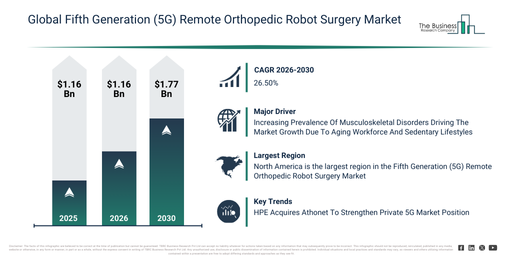
    The market for fifth generation (5G) remote orthopedic robot surgery has witnessed remarkable expansion recently. It is projected to increase from $1.55 billion in 2025 to $1.96 billion in 2026, marking a compound annual growth rate (CAGR) of 26.8%. This robust growth during the historical period is largely due to the rising incidence of orthopedic disorders, early adoption of robotic surgery, heightened demand for minimally invasive procedures, a shortage of skilled surgeons, and the ongoing digital transformation in hospitals. Looking ahead, the market is expected to surge further, reaching $5.03 billion by 2030 with a CAGR of 26.5%, driven by expanded 5G infrastructure, growing remote healthcare delivery models, increased healthcare investments, rising demand for precision surgeries, and an aging global population. Emerging trends such as broader application of remote orthopedic procedures, improved real-time robotic accuracy, international surgical collaborations, advanced remote surgeon training, and integration of multi-robot surgical suites are anticipated to shape the market landscape.

    Download A Free Sample Report For Comprehensive Market Insights:

    https://www.thebusinessresearchcompany.com/sample.aspx?id=28220&type=smp

    Rising Occurrence of Musculoskeletal Disorders Propelling Market Demand

    The growing prevalence of musculoskeletal conditions is a significant driver behind the expansion of the 5G remote orthopedic robot surgery market. These disorders, which impact bones, joints, muscles, and connective tissues, cause pain and limit mobility. The increase in such conditions is closely linked to aging populations in developed nations, where degenerative joint and bone diseases like osteoarthritis, osteoporosis, and chronic back pain are more common. Fifth generation (5G) remote orthopedic robotic solutions offer precise and minimally invasive treatments that enhance patient recovery and outcomes. For instance, in January 2024, the UK Office for Health Improvement and Disparities reported that 18.4% of individuals aged 16 and older had long-term musculoskeletal issues in 2023, up from 17.6% the previous year, with females being more affected than males. This rising disease burden is stimulating demand for advanced surgical technologies in this market.

    Growing Preference for Minimally Invasive Orthopedic Treatments Accelerates Market Expansion

    Another key factor driving the fifth generation (5G) remote orthopedic robot surgery market is the heightened demand for minimally invasive surgical procedures. These techniques use smaller incisions and specialized tools to reduce tissue damage and speed up patient recovery compared to traditional open surgeries. The increase in demand stems largely from the aging global population, which experiences higher rates of joint degeneration, fractures, and musculoskeletal disorders requiring surgical intervention. Fifth generation (5G) remote robotic surgery enhances these procedures by utilizing ultra-low latency and high-bandwidth connections, allowing surgeons to perform precise, remote-controlled operations with real-time tactile feedback and improved visualization. This leads to smaller incisions, less tissue trauma, and greater accuracy even when the surgeon and patient are located far apart. For example, according to the American Academy of Orthopaedic Surgeons in November 2024, more than 4 million hip and knee arthroplasty procedures have been recorded, with a 27% increase in registry participation, indicating growing adoption of advanced techniques. Thus, the rising preference for minimally invasive orthopedic surgeries is substantially supporting market growth.

    Access The Complete Fifth Generation (5G) Remote Orthopedic Robot Surgery Market Report:

    https://www.thebusinessresearchcompany.com/report/fifth-generation-5g-remote-orthopedic-robot-surgery-global-market-report

    Key Segments Defining the Fifth Generation (5G) Remote Orthopedic Robot Surgery Market

    This market is structured into several important categories to better understand its dynamics:

    1) Components: Robotic Systems, Fifth Generation (5G) Communication Devices, Software, and Services

    2) Applications: Joint Replacement, Spine Surgery, Trauma Surgery, Sports Medicine, and other fields

    3) End-Users: Hospitals, Ambulatory Surgical Centers, Specialty Clinics, and additional users

    Further breakdown includes:

    – Robotic Systems such as Surgical Robots, Navigation Systems, Imaging Robots, and Rehabilitation Robots

    – 5G Communication Devices including Network Hardware, Communication Modules, Antenna Systems, and Monitoring Devices

    – Software offerings like Surgical Planning Software, Imaging and Visualization Software, Data Management Software, and Artificial Intelligence Software

    – Services encompassing Installation, Training, Maintenance, and Technical Support

    Such segmentation highlights the comprehensive nature of this technology-driven market.

    Innovations Revolutionizing the Fifth Generation (5G) Remote Orthopedic Robot Surgery Market

    Leading players in this industry are focusing on cutting-edge advancements including the integration of advanced imaging technologies that greatly enhance surgical accuracy and patient safety. Combining medical imaging with robotic systems enables real-time visualization of patient anatomy during procedures, which supports highly precise and minimally invasive surgeries while reducing risks. For example, in May 2023, Shanghai MicroPort MedBot (Group) Co. Ltd. received regulatory approval in Brazil for its Honghu (marketed internationally as SkyWalker) orthopedic surgical robot. This device integrates 5G remote capabilities with CT-guided imaging to assist surgeons in performing exact joint replacement surgeries, including minimally invasive techniques. It employs robotic arms for improved accuracy, supports detailed preoperative planning, and can manage complex cases like severe rheumatoid arthritis and fracture-related surgeries. With approvals in various regions and validation through hundreds of robotic-assisted surgeries, this innovation exemplifies the ongoing technological progress in the market.

    Leading Players Influencing Competitive Dynamics in the 5G Remote Orthopedic Robot Surgery Market

    The market features several prominent companies driving innovation and competition, such as Huawei Technologies Co. Ltd., Johnson & Johnson, Medtronic plc, Stryker Corporation, Zimmer Biomet Holdings Inc., Intuitive Surgical Inc., Smith & Nephew plc, Globus Medical Inc., Renishaw plc, Brainlab AG, CMR Surgical Limited, Vicarious Surgical Inc., Curexo Inc., Shanghai MicroPort MedBot (Group) Co. Ltd., Avatera Medical GmbH, Virtual Incision Corporation, Moon Surgical SAS, EndoQuest Robotics Inc., Medicaroid Corporation, and Galen Robotics Inc. These organizations are at the forefront of developing and deploying sophisticated robotic surgery solutions powered by 5G technology.

    Geographical Insights Highlight North America’s Market Leadership

    In 2025, North America emerged as the largest regional market for fifth generation (5G) remote orthopedic robot surgery. The global landscape also includes key regions such as Asia-Pacific, South East Asia, Western Europe, Eastern Europe, South America, the Middle East, and Africa. These regions represent diverse opportunities for market expansion, driven by varying healthcare infrastructure developments, technological adoption rates, and demographic trends.

    Get in touch with us:

    The Business Research Company: https://www.thebusinessresearchcompany.com/

    Americas: +1 310-496-7795

    Asia: +44 7882 955267 & +91 8897263534

    Europe: +44 7882 955267

    Email us at: marketing@tbrc.info

    Follow us on:

    LinkedIn: https://in.linkedin.com/company/the-business-research-company

    YouTube: https://www.youtube.com/channel/UC24_fI0rV8cR5DxlCpgmyFQ

    Global Market Model: https://www.thebusinessresearchcompany.com/global-market-model
  • Field Hospital Oxygen Generator Market Outlook Highlights The Next Major Growth Opportunities

    Field Hospital Oxygen Generator Market Outlook Highlights The Next Major Growth Opportunities

    Enhanced with market attractiveness analysis, total addressable market evaluation, company benchmarking matrices, interactive Excel dashboards, expanded supply chain intelligence, emerging startup coverage, and detailed product insights, The Business Research Company’s 2026 market reports deliver more actionable and strategically valuable research.

    The demand for field hospital oxygen generators has surged significantly in recent years, reflecting their crucial role in emergency medical care. As healthcare systems worldwide adapt to new challenges, this market is poised for strong expansion, driven by technological innovations and increasing needs in disaster and remote healthcare settings. Let’s explore the current market size, key growth factors, leading companies, and future trends shaping this vital industry.

    Steady Growth Trajectory in the Field Hospital Oxygen Generator Market

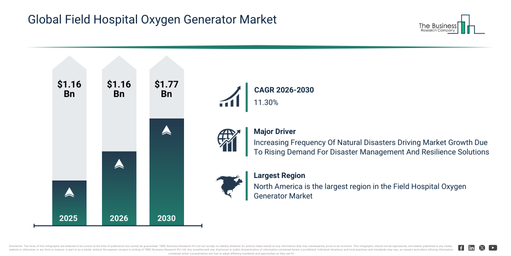
    The field hospital oxygen generator market has experienced rapid growth and is forecasted to continue expanding. From a valuation of $1.58 billion in 2025, the market is projected to reach $1.77 billion in 2026, growing at a compound annual growth rate (CAGR) of 11.6%. Looking further ahead, the market is expected to rise to $2.71 billion by 2030, with a CAGR of 11.3%. Past growth was driven by demand during disaster relief efforts, the development of portable oxygen generators, government initiatives supporting field healthcare, increasing military applications, and advances in PSA and membrane oxygen generation technologies. The future growth prospects are supported by integration with IoT monitoring systems, wider adoption of modular and portable units, technological progress in cryogenic oxygen solutions, and heightened global preparedness for emergencies. Important trends unfolding include on-site oxygen production, rapid deployment capabilities in crisis situations, portable modular designs, remote monitoring and control, and production of high-purity oxygen.

    Download A Free Sample Report For Comprehensive Market Insights:

    https://www.thebusinessresearchcompany.com/sample.aspx?id=29062&type=smp

    Natural Disasters as a Significant Growth Catalyst for Field Hospital Oxygen Generators

    The rising incidence of natural disasters is a crucial factor fueling demand in this market. Natural disasters—such as hurricanes, floods, and wildfires—cause severe damage and disrupt essential services, including medical oxygen supply chains. Climate change is intensifying the frequency and severity of these extreme weather events, making reliable, on-site oxygen generation ever more critical. Field hospital oxygen generators provide a dependable source of medical oxygen during emergencies when traditional systems may fail. For example, in 2023, the United States experienced 28 weather and climate disasters costing over one billion dollars each, a marked increase from 18 such events in 2022, according to the National Oceanic and Atmospheric Administration (NOAA). This upward trend in natural disasters directly supports growth in field hospital oxygen generator demand.

    Increasing Respiratory Disease Prevalence Accelerates Market Expansion

    Another important driver of market growth is the rising occurrence of respiratory illnesses, which heightens the need for supplemental oxygen therapy in various settings. Conditions like chronic obstructive pulmonary disease (COPD), asthma, and respiratory syncytial virus (RSV) are becoming more widespread, partly due to environmental exposures and an aging population. Field hospital oxygen generators enable rapid deployment of essential respiratory support in emergency and temporary medical facilities, stabilizing patients who require immediate oxygen therapy. For instance, the Australian Institute of Health and Welfare reported in June 2024 that COPD accounted for 3.6% of Australia’s total disease burden in 2023 and represented half of the respiratory disease burden. This growing patient base significantly contributes to market demand.

    Access The Complete Field Hospital Oxygen Generator Market Report:

    https://www.thebusinessresearchcompany.com/report/field-hospital-oxygen-generator-global-market-report

    Expanding Investments in Emergency Healthcare Infrastructure Boost Demand

    The market growth is further propelled by rising investments aimed at strengthening emergency healthcare services. These investments focus on enhancing critical care infrastructure to better manage urgent and life-threatening conditions. Post-pandemic recovery efforts have accelerated funding to increase hospital capacity and improve critical care capabilities. Field hospital oxygen generators play a key role in this infrastructure by providing reliable, mobile oxygen supply systems necessary for respiratory therapies and life-saving interventions. For example, in April 2023, the UK’s National Health Service (NHS) announced plans to allocate an additional USD 1.22 billion (£1 billion) to bolster urgent and emergency services, building on previous investments of USD 610 million (£500 million). Such financial commitments drive demand for deployable oxygen generation equipment.

    Product and Market Segmentation in the Field Hospital Oxygen Generator Industry

    This market is segmented based on several key criteria:

    1) Product Type: Pressure Swing Adsorption (PSA) Oxygen Generators and Membrane Oxygen Generators

    2) Capacity: Small, Medium, and Large units

    3) Distribution Channel: Direct Sales and Distributors

    4) Application: Emergency Medical Services, Military Field Hospitals, Disaster Relief, Remote Healthcare Facilities, and Other uses

    5) End-User: Government and Defense bodies, Non-Governmental Organizations (NGOs), Private Healthcare Providers, and other users

    Subcategories within product types include portable, modular, containerized, and high-capacity PSA oxygen generators; and flat sheet, hollow fiber, high-purity, and compact membrane oxygen generators.

    Key Industry Players Shaping the Field Hospital Oxygen Generator Market

    Several prominent companies are actively competing in this market, including Linde plc, Air Liquide S.A., Atlas Copco AB, Jiangsu Yuyue Medical Equipment Co. Ltd. (Yuwell), Universal Boschi S.p.A., PCI Gases Ltd., Denair Energy Saving Technology (Shanghai) PLC, MVS Engineering Pvt. Ltd., Nidek Medical Products Inc., Equinox Oxygen Solutions (India) Pvt. Ltd., Trimech Engineers Pvt. Ltd., MultiTech Compressors Pvt. Ltd., Absstem Inc., Thermo Sag S.A., Oxair Gas Systems Ltd., Mil’s SAS, Oxygen Solutions Inc. (OSI), Shenzhen Keyhub Medical Equipment Co. Ltd., Beijing Cape Golden Gas System Co. Ltd., and CAN GAS Systems Company Limited. These players are leveraging innovation and strategic collaborations to capture growing market opportunities.

    Regional Demand Patterns and Market Outlook

    As of 2025, North America holds the dominant position in the field hospital oxygen generator market in terms of size. Meanwhile, the Asia-Pacific region is projected to be the fastest-growing market during the forecast period. The market analysis encompasses regions including Asia-Pacific, South East Asia, Western Europe, Eastern Europe, North America, South America, the Middle East, and Africa, providing a comprehensive view of global demand dynamics.

    Get in touch with us:

    The Business Research Company: https://www.thebusinessresearchcompany.com/

    Americas: +1 310-496-7795

    Asia: +44 7882 955267 & +91 8897263534

    Europe: +44 7882 955267

    Email us at: marketing@tbrc.info

    Follow us on:

    LinkedIn: https://in.linkedin.com/company/the-business-research-company

    YouTube: https://www.youtube.com/channel/UC24_fI0rV8cR5DxlCpgmyFQ

    Global Market Model: https://www.thebusinessresearchcompany.com/global-market-model
  • Fibrin Sealants Market Trends And Growth Drivers Point To Strong Future Potential

    Fibrin Sealants Market Trends And Growth Drivers Point To Strong Future Potential

    Through market attractiveness analysis, total addressable market evaluation, company benchmarking matrices, interactive Excel dashboards, expanded supply chain intelligence, emerging startup coverage, and detailed product insights, The Business Research Company’s 2026 market reports provide more actionable and strategically valuable research.

    The fibrin sealants market has been showing notable growth recently, driven by innovations in surgical technology and increasing demand across various medical fields. As advances continue and awareness about hemostasis rises, this market is set to expand further. Let’s explore the current market size, key growth factors, segmentation, industry trends, competitive players, and regional dynamics shaping the future of fibrin sealants.

    Fibrin Sealants Market Size and Expected Growth Trajectory

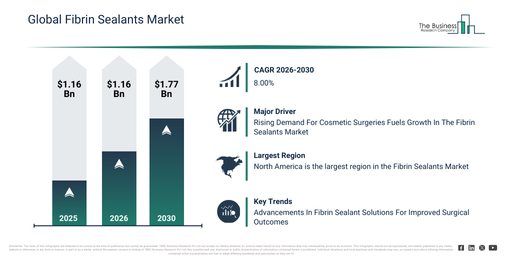
    The fibrin sealants market has witnessed strong expansion in recent years. It is projected to grow from $1.17 billion in 2025 to $1.27 billion in 2026, achieving a compound annual growth rate (CAGR) of 8.4%. This upward trend during the historical period is largely due to the limited availability of recombinant and synthetic sealants, dependence on autologous and bovine-derived options, a rise in surgical procedures, increasing awareness of hemostasis, and broader adoption of fibrin sealants in general surgeries. Looking ahead, the market is expected to reach $1.73 billion by 2030, maintaining a CAGR of 8.0%. The forecasted growth is fueled by progress in recombinant fibrin production, the proliferation of minimally invasive and robotic surgeries, higher demand in cardiovascular and orthopedic procedures, regulatory approvals, and the development of bioabsorbable and multifunctional sealants. Key trends anticipated include greater use of fibrin sealants in minimally invasive surgeries, rising adoption of recombinant and synthetic alternatives, growth in orthopedic and cardiovascular surgical volumes, an increased focus on blood conservation, and preference for bioabsorbable and patch-based products.

    Download A Free Sample Report For Comprehensive Market Insights:

    https://www.thebusinessresearchcompany.com/sample.aspx?id=19434&type=smp

    Factors Contributing to the Expansion of the Fibrin Sealants Market

    One significant driver of the fibrin sealants market is the growing number of cosmetic surgeries worldwide. Cosmetic procedures, which primarily aim to enhance or alter an individual’s appearance, are becoming more common due to societal emphasis on physical looks, advances in surgical methods, and wider availability of minimally invasive techniques. Fibrin sealants play an important role in these surgeries by promoting faster wound healing, reducing bleeding, and minimizing scarring, which collectively improve surgical outcomes and patient recovery. For example, in September 2023, CosmetAssure, affiliated with the American Society of Plastic Surgeons, reported that liposuction was the most requested plastic surgery in the US, with 347,782 procedures performed—a 7% increase from 2022. Additionally, tummy tuck surgeries rose by 5%, totaling 170,110 procedures. This rising trend in cosmetic interventions is a crucial factor propelling the fibrin sealants market forward.

    How the Fibrin Sealants Market Is Organized Across Key Segments

    This report categorizes the fibrin sealants market based on various parameters:

    1) By Type: Liquid, Patch, Powder

    2) By Technology: Autologous Donation, Viral Inactivation, Recombinant Production, Other Technologies

    3) By Application: General Surgery, Cardiovascular Surgery, Wound Management, Orthopedic Surgery, Urological Surgeries, Ophthalmic Surgeries, Transplant Surgery, and Other Applications

    4) By End-User: Hospitals, Ambulatory Surgical Centers, and Other End-Users

    Access The Complete Fibrin Sealants Market Report:

    https://www.thebusinessresearchcompany.com/report/fibrin-sealants-global-market-report

    Further breakdowns include:

    – Liquid Sealants: Bovine-Derived, Human-Derived, Synthetic, Recombinant

    – Patch Sealants: Bovine-Derived, Human-Derived, Synthetic, Bioabsorbable

    – Powder Sealants: Bovine-Derived, Human-Derived, Synthetic, Recombinant

    Key Industry Developments Driving Revenue Growth in the Fibrin Sealants Market

    Leading firms in the fibrin sealants sector are consistently innovating to improve hemostasis, reduce surgical complications, enhance wound healing, and optimize patient recovery across different surgeries. Fibrin sealants, also called fibrin glues, are biological adhesives derived from blood components that replicate the final phase of natural blood clot formation. For example, in October 2024, Spain-based biopharmaceutical company Grifols S.A. secured FDA approval for its fibrin sealant designed specifically to manage surgical bleeding in pediatric patients. This product aims to improve surgical safety by promoting clot formation at wound sites and lowering postoperative complication risks. It offers versatility for use in various surgical settings and represents an advancement over traditional hemostatic methods, especially in pediatric care where precise bleeding control is essential.

    Top Competitors Influencing the Fibrin Sealants Market Landscape

    The fibrin sealants market features prominent players such as Johnson & Johnson, Takeda Pharmaceutical Company Limited, Asahi Kasei Medical Co. Ltd., Baxter International Inc., CSL Behring, Grifols S.A., Sigma-Aldrich, Nordson Corporation, Integra LifeSciences Corporation, Shanghai RAAS Blood Products Co. Ltd., Mallinckrodt Pharmaceuticals, Biotest AG, LFB Group, Hualan Biological Engineering Inc., Corza Medical, Aesculap Inc., Ethicon Inc., CryoLife Inc., VIVEX Biologics Inc., MediWound Ltd., and Cohesion Technologies Inc. These companies are actively developing new products and enhancing existing solutions to meet the growing demand and evolving needs of surgical care.

    Regional Market Leadership and Growth Outlook for Fibrin Sealants

    In 2025, North America held the largest share of the fibrin sealants market. Looking to the future, the Asia-Pacific region is projected to experience the fastest growth during the forecast period. The report covers regional markets including Asia-Pacific, South East Asia, Western Europe, Eastern Europe, North America, South America, the Middle East, and Africa, providing a comprehensive perspective on global market trends and opportunities.

    Get in touch with us:

    The Business Research Company: https://www.thebusinessresearchcompany.com/

    Americas: +1 310-496-7795

    Asia: +44 7882 955267 & +91 8897263534

    Europe: +44 7882 955267

    Email us at: marketing@tbrc.info

    Follow us on:

    LinkedIn: https://in.linkedin.com/company/the-business-research-company

    YouTube: https://www.youtube.com/channel/UC24_fI0rV8cR5DxlCpgmyFQ

    Global Market Model: https://www.thebusinessresearchcompany.com/global-market-model
  • Fiberscopes Market Expansion Is Reshaping Competitive Dynamics Across The Industry

    Fiberscopes Market Expansion Is Reshaping Competitive Dynamics Across The Industry

    Delivering more actionable and strategically valuable research, The Business Research Company’s 2026 market reports feature market attractiveness analysis, total addressable market evaluation, company benchmarking matrices, interactive Excel dashboards, expanded supply chain intelligence, emerging startup coverage, and detailed product insights.

    The fiberscopes market is witnessing notable growth as industries and healthcare sectors increasingly rely on advanced inspection and diagnostic tools. With technological innovations driving adoption across various applications, the market is set for significant expansion in the coming years. Let’s explore the current market size, key factors propelling growth, segmentation insights, major industry players, and regional trends shaping this sector.

    Current Market Size and Forecast for the Fiberscopes Market

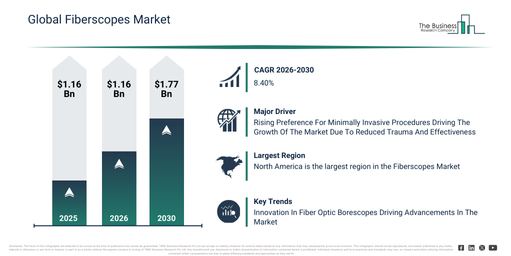
    The fiberscopes market has shown substantial growth recently and is projected to continue on this upward trajectory. It is expected to increase from $1.55 billion in 2025 to $1.68 billion in 2026, growing at a compound annual growth rate (CAGR) of 8.5%. This growth during the historical period has been driven by rising demand for industrial maintenance, advancements in endoscopic diagnostics, innovations in optical fiber technology, aerospace inspection requirements, and the growing use of medical imaging. Looking ahead, the market is forecasted to reach $2.32 billion by 2030, maintaining a strong CAGR of 8.4%. Factors contributing to this future expansion include increased spending on preventive maintenance, heightened attention to healthcare infection control, the rising integration of automation in inspection processes, demand for advanced imaging solutions, and the popularity of portable inspection devices. Noteworthy trends anticipated in the forecast period involve growing use of disposable fiberscopes, expansion of industrial inspection applications, adoption of HD video fiberscopes, focus on infection control in medical endoscopy, and ongoing miniaturization of optical systems.

    Download A Free Sample Report For Comprehensive Market Insights:

    https://www.thebusinessresearchcompany.com/sample.aspx?id=21966&type=smp

    Key Factors Boosting Demand in the Fiberscopes Market

    One of the main drivers fueling the fiberscopes market is the growing preference for minimally invasive medical procedures. These techniques involve smaller or no incisions, resulting in less trauma and faster recovery compared to traditional surgery. The increasing adoption of such procedures is supported by technological improvements that allow high-resolution imaging and flexible navigation in hard-to-reach areas. Fiberscopes play a critical role by enabling precise diagnostics and treatment while minimizing tissue damage. For example, in June 2024, the American Society of Plastic Surgeons reported a 7% rise in minimally invasive procedures in 2023, surpassing the growth of surgical interventions. That year saw over 9 million neuromodulator injections and 5 million hyaluronic acid filler treatments, along with 347,782 liposuction procedures, a 7% increase compared to 2022. These numbers highlight how the shift toward less invasive techniques is contributing to fiberscope market growth.

    Additional Drivers Supporting Fiberscope Market Expansion

    Beyond minimally invasive surgeries, the fiberscopes market is boosted by growing interest in preventive maintenance across industries, increasing awareness of infection control in healthcare, and the need for efficient, portable inspection tools. Automation in inspection processes and demand for higher-quality imaging continue to push companies toward developing more advanced, user-friendly fiberscope technologies. These factors collectively open new revenue opportunities and widen the scope of fiberscope applications in both medical and industrial fields.

    Access The Complete Fiberscopes Market Report:

    https://www.thebusinessresearchcompany.com/report/fiberscopes-global-market-report

    Detailed Market Segmentation within the Fiberscopes Industry

    This report breaks down the fiberscopes market into several important categories:

    By Product Type: Disposable Fiberscopes, Flexible Fiberscopes, Rigid Fiberscopes, Video Fiberscopes

    By Application: Industrial Inspection, Medical Diagnostics, Research and Development

    By End User: Aerospace Maintenance Facilities, Automotive Facilities, Clinics, Diagnostic Laboratories, Hospitals

    Key subsegments include:

    Disposable Fiberscopes divided into Medical Disposable Fiberscopes and Industrial Disposable Fiberscopes

    Flexible Fiberscopes split into Diagnostic Flexible Fiberscopes and Therapeutic Flexible Fiberscopes

    Rigid Fiberscopes categorized as Short Rigid Fiberscopes and Long Rigid Fiberscopes

    Video Fiberscopes segmented into HD Video Fiberscopes and Standard-Definition Video Fiberscopes

    This segmentation highlights the diverse range of products and applications driving the fiberscopes market forward.

    How Industry Innovations Are Shaping Fiberscopes Market Growth

    Leading companies in the fiberscope industry are prioritizing the development of cutting-edge products like fiber optic borescopes, which improve imaging accuracy, flexibility, and durability for both industrial and medical inspections. Fiber optic borescopes provide visual access to otherwise inaccessible areas through a flexible tube equipped with fiber optic bundles, a light source, and cameras or lenses at the tip. For instance, in June 2023, Titan Tool Supply Inc., a US-based manufacturer, introduced its Industrial Micro Fiberscope Series. This lineup includes the L-Series models—the L-1 (featuring a 1 mm diameter, 42-degree field of view, and a 6-inch working range) and the L-2 (with a 2 mm diameter). These tools are designed for remote visual inspections in challenging environments, making them especially useful in automotive, aerospace, and manufacturing sectors. The series also features the Model TR.L1 16-LED Ring Illuminator, providing adjustable, shadow-free lighting to enhance inspection visibility.

    Prominent Companies Leading the Fiberscopes Market Competition

    Several major players dominate the fiberscopes market, including:

    Stryker Corporation, Boston Scientific Corporation, B. Braun Melsungen AG, Intuitive Surgical Inc., Olympus Corporation, Hill-Rom Holdings Inc., Richard Wolf GmbH, Moritex Corporation, Karl Storz GmbH & Co. KG, Optim Inc., Scope Technology Inc., Clarus Medical LLC, Zistos Corporation, Gradient Lens Corporation, Zibra Inc., Lenox Instrument Company Inc., Global Borescope Inspection Inc., Fiberscope.net Inc., Advanced Inspection Technologies Inc., and Schölly Fiberoptic GmbH.

    These organizations are at the forefront of competition and innovation, advancing fiberscope technology and expanding market reach.

    Regional Market Overview and Growth Hotspots for Fiberscopes

    In 2025, North America accounted for the largest share of the fiberscopes market. Other key regions examined in the report include Asia-Pacific, South East Asia, Western Europe, Eastern Europe, South America, the Middle East, and Africa. While North America currently leads in market size, emerging economies in Asia-Pacific and South East Asia are expected to drive significant growth in the coming years, driven by rising industrial inspections and expanding healthcare infrastructure. This global regional outlook provides a comprehensive understanding of where market expansion is most pronounced.

    Get in touch with us:

    The Business Research Company: https://www.thebusinessresearchcompany.com/

    Americas: +1 310-496-7795

    Asia: +44 7882 955267 & +91 8897263534

    Europe: +44 7882 955267

    Email us at: marketing@tbrc.info

    Follow us on:

    LinkedIn: https://in.linkedin.com/company/the-business-research-company

    YouTube: https://www.youtube.com/channel/UC24_fI0rV8cR5DxlCpgmyFQ

    Global Market Model: https://www.thebusinessresearchcompany.com/global-market-model