Category: Medical Equipment

  • Hemostasis Diagnostic Devices And Equipment Market Set To Grow From $6.42 Billion In 2026 To $10.12 Billion By 2030 At A CAGR Of 12%

    Hemostasis Diagnostic Devices And Equipment Market Set To Grow From $6.42 Billion In 2026 To $10.12 Billion By 2030 At A CAGR Of 12%

    Enhanced with market attractiveness analysis, total addressable market evaluation, company benchmarking matrices, interactive Excel dashboards, expanded supply chain intelligence, emerging startup coverage, and detailed product insights, The Business Research Company’s 2026 market reports deliver more actionable and strategically valuable research.

    The market for hemostasis diagnostic devices and equipment has experienced swift growth in recent years, driven by several key factors. This report explores the current market size, underlying growth drivers, segment performance, technological trends, leading players, and regional dynamics shaping the future of this important medical sector.

    Hemostasis Diagnostic Devices and Equipment Market Size and Growth Prospects

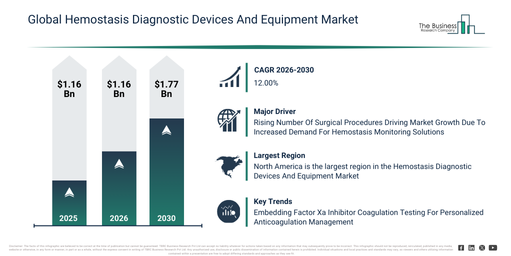
    The hemostasis diagnostic devices and equipment market is expanding at a significant pace. It is projected to increase from $5.66 billion in 2025 to $6.42 billion in 2026, reflecting a compound annual growth rate (CAGR) of 13.4%. Looking ahead, the market is expected to reach $10.12 billion by 2030, growing at a CAGR of 12.0%. This surge is largely attributed to the rising prevalence of bleeding disorders, a growing number of surgical procedures requiring coagulation monitoring, increased hospital laboratory services, the adoption of standardized clotting tests, and the availability of advanced coagulation reagents. Future growth will also be supported by demand for rapid bedside diagnostic tools, the integration of AI-assisted coagulation analysis, expanded personalized anticoagulant therapy, investments in laboratory infrastructure, and a stronger focus on preventive diagnostics. Key trends predicted include the use of automated coagulation analyzers, point-of-care testing, digital tools for result interpretation, and comprehensive clotting analysis systems that provide quicker diagnostic outcomes.

    Download A Free Sample Report For Comprehensive Market Insights:

    https://www.thebusinessresearchcompany.com/sample.aspx?id=2598&type=smp

    Increasing Surgical Procedures as a Growth Catalyst in the Hemostasis Market

    One of the main factors propelling the hemostasis diagnostic devices and equipment market is the rising volume of surgical procedures worldwide. Surgical interventions, which involve incisions or invasive techniques to treat various medical conditions, are increasing due to an aging population and the corresponding rise in chronic and complex diseases requiring surgery. Effective management of blood clotting during these procedures is critical, and hemostasis diagnostic devices play a vital role in improving surgical safety and outcomes.

    For instance, in April 2025, the British Broadcasting Corporation reported that approximately 27,462 cosmetic surgical procedures were performed in the UK in 2024, marking a 5 percent increase from the previous year, with women accounting for more than 90 percent of these surgeries. This growing number of surgeries continuously drives demand for advanced hemostasis diagnostic equipment that enhances monitoring and management of coagulation during operations.

    Access The Complete Hemostasis Diagnostic Devices And Equipment Market Report:

    https://www.thebusinessresearchcompany.com/report/hemostasis-diagnostic-devices-and-equipment-global-market-report

    Segment Overview and Strategic Opportunities in the Hemostasis Diagnostic Devices and Equipment Market

    The market is segmented by product types, device technologies, and end users to provide a detailed view of its landscape. Product categories include analyzers, coagulation instruments, other hemostasis instruments, and reagents and kits. Device technology is classified into automated, semi-automated, and manual systems. End users encompass hospitals, clinics, independent diagnostic laboratories, and other healthcare facilities.

    Further breakdowns within these categories include analyzers such as hematology analyzers, platelet function analyzers, and thromboelastography (TEG) analyzers. Coagulation instruments are divided into devices for prothrombin time (PT), activated partial thromboplastin time (aPTT), fibrinogen testing, and thrombin time (TT). Other hemostasis instruments cover blood clotting time (BCT) and bleeding time (BT) test devices. Reagents and kits consist of coagulation reagents, blood collection kits, point-of-care testing kits, and thrombosis kits, allowing for comprehensive coverage of diagnostic needs.

    Technological Advancements and Market Trends Shaping the Hemostasis Diagnostic Devices Sector

    Leading companies in this market are focusing on innovative technologies that improve patient safety and treatment outcomes. One notable advancement is inhibitor-specific coagulation testing, which helps in optimizing anticoagulation therapy and reducing risks associated with bleeding or thrombotic events, particularly for patients on direct oral anticoagulants (DOACs). These specialized tests enable clinicians to accurately measure anticoagulant effects, adjust dosages appropriately, and offer personalized therapy management.

    For example, in February 2024, Roche Diagnostics introduced three new Factor Xa inhibitor coagulation tests for its cobas platforms. These tests target apixaban, rivaroxaban, and edoxaban activity in patient plasma and provide rapid, reliable results crucial for clinical decision-making during surgeries, emergency care, or suspected bleeding incidents. This launch exemplifies the market’s trend toward personalized anticoagulation management supported by automated, standardized assay solutions.

    Prominent Companies Defining Competition in the Hemostasis Diagnostic Devices and Equipment Market

    Several major players dominate the hemostasis diagnostic devices and equipment industry, including Baxter International Inc., Johnson & Johnson, Abbott Laboratories, Beckman Coulter Inc., Becton Dickinson and Company, Chrono-Log Corporation, F. Hoffmann-La Roche Ltd., Grifols S.A., Siemens AG, Thermo Fisher Scientific Inc., Trinity Biotech plc., Ethicon Inc., B. Braun Interventional Systems Inc., Bio-Rad Laboratories Inc., CareFusion Corporation, Danaher Corporation, Diagnostica Stago SAS, Haemonetics Corporation, QuidelOrtho Corp, and STAGO. These companies drive innovation, technological development, and market expansion globally.

    Regional Market Leadership and Growth Patterns for Hemostasis Diagnostic Devices

    In 2025, North America accounted for the largest share of the global hemostasis diagnostic devices and equipment market, benefiting from advanced healthcare infrastructure and high adoption of diagnostic technologies. Meanwhile, Asia-Pacific ranked as the second-largest market and is expected to witness substantial growth due to improving healthcare systems and rising demand for advanced diagnostic tools. The market analysis covers key global regions including Asia-Pacific, South East Asia, Western Europe, Eastern Europe, North America, South America, the Middle East, and Africa, presenting a comprehensive view of geographic market dynamics.

    Get in touch with us:

    The Business Research Company: https://www.thebusinessresearchcompany.com/

    Americas: +1 310-496-7795

    Asia: +44 7882 955267 & +91 8897263534

    Europe: +44 7882 955267

    Email us at: marketing@tbrc.info

    Follow us on:

    LinkedIn: https://in.linkedin.com/company/the-business-research-company

    YouTube: https://www.youtube.com/channel/UC24_fI0rV8cR5DxlCpgmyFQ

    Global Market Model: https://www.thebusinessresearchcompany.com/global-market-model
  • Hemostasis Analyzers Market Opportunities Are Emerging Beyond Traditional Growth Areas

    Hemostasis Analyzers Market Opportunities Are Emerging Beyond Traditional Growth Areas

    Through market attractiveness analysis, total addressable market evaluation, company benchmarking matrices, interactive Excel dashboards, expanded supply chain intelligence, emerging startup coverage, and detailed product insights, The Business Research Company’s 2026 market reports provide more actionable and strategically valuable research.

    The hemostasis analyzers market has been on a strong upward trajectory, reflecting growing demand driven by advances in medical diagnostics and increasing awareness of blood-related disorders. This report explores the current market size, key factors steering growth, important industry players, and emerging trends shaping the future of this vital healthcare segment.

    Hemostasis Analyzers Market Size and Projected Growth

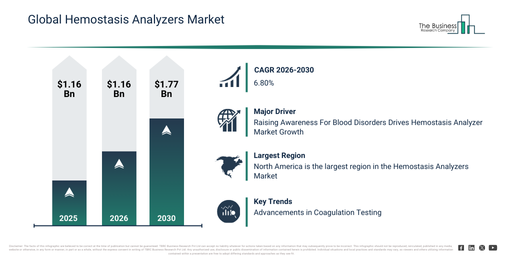
    The market for hemostasis analyzers has experienced significant expansion, expected to increase from $4.05 billion in 2025 to $4.34 billion in 2026, representing a compound annual growth rate (CAGR) of 7.2%. This historical growth is largely attributed to the rising prevalence of bleeding and clotting disorders, higher volumes of hospital-based diagnostic testing, dependence on centralized clinical labs, more surgical interventions, and widespread adoption of standardized coagulation assays. Looking ahead, the market is forecasted to reach $5.66 billion by 2030 with a CAGR of 6.8%, supported by advancements in optical and electrochemical testing technologies, growth in point-of-care diagnostic solutions, an increasing elderly population, and greater investments in diagnostic infrastructure.

    Download A Free Sample Report For Comprehensive Market Insights:

    https://www.thebusinessresearchcompany.com/sample.aspx?id=2545&type=smp

    Key Factors Supporting Hemostasis Analyzers Market Expansion

    Growing awareness about blood disorders is a crucial factor propelling the hemostasis analyzers market forward. Many blood-related diseases such as Hemophilia and Von Willebrand disease (vWD) are genetic and often go undiagnosed due to lack of public knowledge, leading to delayed treatment. For instance, Cancer Research UK reported in July 2024 that new cases of Hodgkin lymphoma in the UK are projected to rise from around 2,400 annually during 2023-2025 to nearly 2,900 cases by 2038-2040. Increased awareness is expected to improve early diagnosis rates, thereby boosting demand for hemostasis analyzers.

    Additional Drivers Fueling Market Growth

    The growing burden of cardiovascular diseases globally also contributes to market expansion, as patients with such conditions require regular coagulation testing for effective management. Furthermore, the shift toward point-of-care testing and automated systems enhances accessibility and efficiency, encouraging healthcare providers to adopt sophisticated hemostasis analyzers. Investments in healthcare infrastructure, particularly in emerging economies, also play a significant role in supporting sustained growth.

    Access The Complete Hemostasis Analyzers Market Report:

    https://www.thebusinessresearchcompany.com/report/hemostasis-analyzers-global-market-report

    The Hemostasis Analyzers Market Segmentation and Opportunities

    This market is segmented into several categories based on product type, test type, technology, and end use. The product categories include Clinical Laboratory Analyzers, Point-of-Care Testing Analyzers, and Consumables. Tests covered in the market include APTT tests, D Dimer tests, Platelet Function tests, Fibrinogen tests, Prothrombin Time tests, and others. Technological classifications comprise Optical, Mechanical, Electrochemical, and other related technologies. End-use sectors range from Hospitals and Clinics, Diagnostic Centers, Research and Development organizations, Ambulatory Surgical Centers, to other healthcare settings. Specific subcategories include automated and semi-automated coagulation analyzers, portable and handheld point-of-care devices, as well as a variety of reagents, test strips, and control solutions.

    Recent Innovations and Trends Reshaping Hemostasis Analyzer Demand

    Leading companies in the hemostasis analyzers market are emphasizing innovation to improve diagnostic precision and streamline laboratory operations. Coagulation tests, which assess blood clotting capability and clotting time, are a major focus. For example, in February 2024, Roche AG introduced three new Factor Xa inhibitor coagulation tests designed for precise measurement of blood levels of anticoagulants like apixaban and rivaroxaban. These ready-to-use liquid reagents deliver fast and standardized results on Roche’s cobas t 711 and cobas t 511 analyzers. This advancement is critical for emergency clinical situations where understanding drug concentration quickly is essential for personalized patient care, marking a significant improvement over traditional PT/INR tests.

    Top Hemostasis Analyzers Market Players Leading Industry Development

    The competitive landscape of the hemostasis analyzers market includes prominent companies such as Thermo Fisher Scientific Inc., Alere Inc., Siemens AG, F-Hoffmann La Roche, Nihon Kohden Corporation, Sysmex Corporation, Helena Laboratories, International Technidyne Corporation, Abbott Laboratories, Diagnostica Stago Inc., Grifols S.A., Beckman Coulter Inc., Diamond Diagnostics, Mindray Medical International Limited, Horiba Ltd., Becton Dickinson and Company, Transasia Bio-Medicals Ltd., Medtronic Inc., Sekisui Diagnostics, Technoclone, Trinity Biotech plc, Werfen S.A., ACON LABS INC., and Accriva Diagnostics. These companies continue to invest in developing innovative products and solutions to stay competitive and meet evolving healthcare demands.

    Regional Market Distribution and Growth Dynamics

    In 2025, North America was the largest market for hemostasis analyzers, reflecting advanced healthcare infrastructure and high adoption rates. Western Europe ranked as the second-largest market region. The market analysis also includes regions such as Asia-Pacific, South East Asia, Eastern Europe, South America, the Middle East, and Africa, providing a comprehensive global outlook on growth opportunities and regional dynamics.

    Get in touch with us:

    The Business Research Company: https://www.thebusinessresearchcompany.com/

    Americas: +1 310-496-7795

    Asia: +44 7882 955267 & +91 8897263534

    Europe: +44 7882 955267

    Email us at: marketing@tbrc.info

    Follow us on:

    LinkedIn: https://in.linkedin.com/company/the-business-research-company

    YouTube: https://www.youtube.com/channel/UC24_fI0rV8cR5DxlCpgmyFQ

    Global Market Model: https://www.thebusinessresearchcompany.com/global-market-model
  • Hemoglobin Testing Market Expansion Is Opening New Pathways For Strategic Investment

    Hemoglobin Testing Market Expansion Is Opening New Pathways For Strategic Investment

    Delivering more actionable and strategically valuable research, The Business Research Company’s 2026 market reports feature market attractiveness analysis, total addressable market evaluation, company benchmarking matrices, interactive Excel dashboards, expanded supply chain intelligence, emerging startup coverage, and detailed product insights.

    The hemoglobin testing market has witnessed significant growth in recent years, reflecting increased awareness and demand for efficient blood diagnostics. This upward trajectory is expected to continue as advancements in technology and healthcare trends drive the industry forward. Let’s explore the current market size, growth drivers, innovations, key players, and regional dynamics shaping this vital sector.

    Market Size and Projected Growth for the Hemoglobin Testing Market

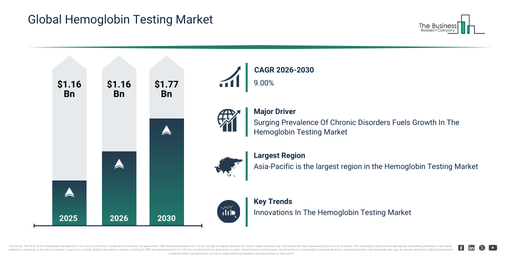
    The hemoglobin testing market has shown strong expansion and is forecasted to increase from $2.79 billion in 2025 to $3.03 billion in 2026, marking a compound annual growth rate (CAGR) of 8.7%. This past growth primarily stems from the wider implementation of routine blood tests, enhanced anemia screening initiatives, increasing diagnostic workloads in hospitals, availability of affordable testing kits, and growing public health campaigns. Looking ahead, the market is expected to reach $4.28 billion by 2030, growing at a CAGR of 9.0%. Factors contributing to this future rise include growing demand for decentralized diagnostic solutions, rising use of home testing devices, expansion in digital health monitoring, increased focus on early disease detection, and ongoing improvements in test accuracy. Key trends for the forecast period involve the adoption of point-of-care hemoglobin tests, portable analyzers, rapid blood screening methods, home-centric diagnostics, and a stronger emphasis on preventive healthcare screening.

    Download A Free Sample Report For Comprehensive Market Insights:

    https://www.thebusinessresearchcompany.com/sample.aspx?id=10059&type=smp

    Key Factors Fueling Growth in the Hemoglobin Testing Market

    The increasing prevalence of chronic diseases such as diabetes is a major growth driver for the hemoglobin testing industry. Diabetes results from insufficient insulin production or ineffective insulin usage by the body. Hemoglobin A1c (HbA1c) tests are widely used to monitor glucose levels among diabetic patients and are endorsed by the American Diabetes Association as an effective alternative to fasting blood glucose tests for diagnosing diabetes. To illustrate, in November 2022, the US Census Bureau reported that over 34 million Americans suffer from diabetes, with an additional 88 million at risk. Similarly, the International Diabetes Federation’s 10th edition of the IDF Diabetes Atlas, published in December 2021, stated that globally, 536,000 people were affected by diabetes in 2021, with projections rising to 642,800 by 2030 and 783,700 by 2045. Besides diabetes, growing incidents of anemia and other chronic conditions also contribute to expanding demand for hemoglobin testing devices.

    Segment Breakdown of the Hemoglobin Testing Market by Product and Application

    The hemoglobin testing market is segmented into various categories for a detailed understanding:

    1) By Product: Reagents and Consumables, Equipment

    2) By Technology: Spectrophotometry, Chromatography, Biosensor-Based, Electrochemical-Based

    3) By End User: Hospitals, Clinics, Laboratories, Home Care Settings, Blood Banks, Other Users

    Access The Complete Hemoglobin Testing Market Report:

    https://www.thebusinessresearchcompany.com/report/hemoglobin-testing-global-market-report

    Further subcategories include:

    – Reagents and Consumables such as hemoglobin testing kits, control solutions, test strips, and quality control products

    – Equipment including hemoglobin meters, analyzers, and point-of-care devices

    Innovations Driving Change in the Hemoglobin Testing Market

    Leading companies in this sector are focusing on developing innovative fingerstick blood testing solutions that empower patients to monitor their hemoglobin levels conveniently at home. These advanced methods allow quick and minimally invasive blood collection through a simple finger prick, facilitating early anemia detection and improving health management. For example, in February 2024, Sanguina Inc., a US-based health tech firm, launched AnemoCheck Home, the first FDA-cleared home hemoglobin test kit. This user-friendly kit provides accurate hemoglobin readings with an easy finger prick and includes all necessary components for self-testing, eliminating the need for laboratory visits. AnemoCheck Home helps individuals regularly track their hemoglobin levels and promptly identify potential health concerns.

    Key Players Competing in the Hemoglobin Testing Market

    The hemoglobin testing market is dominated by several prominent companies including Abbott Laboratories Inc, F Hoffmann La Roche Ltd, Danaher Corporation, Thermo Fisher Scientific Inc, Bio Rad Laboratories Inc, Sysmex Corporation, Siemens Healthineers AG, Mindray Medical International Limited, Nihon Kohden Corporation, EKF Diagnostics Holdings plc, ARKRAY Inc, Nova Biomedical Corporation, Beckman Coulter Inc, Radiometer A S, DiaSys Diagnostic Systems GmbH, Erba Diagnostics Inc, Tosoh Corporation, ACON Laboratories Inc, Diazyme Laboratories Inc, Humasis Co Ltd, BioMedomics Inc, and NanoEntek Inc.

    Regional Insights Highlighting Hemoglobin Testing Market Leadership

    In 2025, Asia-Pacific emerged as the largest regional market for hemoglobin testing and is also expected to be the fastest-growing region over the forecast period. The market report covers critical geographic areas including Asia-Pacific, South East Asia, Western Europe, Eastern Europe, North America, South America, the Middle East, and Africa, providing a broad perspective on global market trends and opportunities.

    Get in touch with us:

    The Business Research Company: https://www.thebusinessresearchcompany.com/

    Americas: +1 310-496-7795

    Asia: +44 7882 955267 & +91 8897263534

    Europe: +44 7882 955267

    Email us at: marketing@tbrc.info

    Follow us on:

    LinkedIn: https://in.linkedin.com/company/the-business-research-company

    YouTube: https://www.youtube.com/channel/UC24_fI0rV8cR5DxlCpgmyFQ

    Global Market Model: https://www.thebusinessresearchcompany.com/global-market-model
  • Hemoglobin Meter Market Trends Are Creating New Opportunities For Industry Leaders

    Hemoglobin Meter Market Trends Are Creating New Opportunities For Industry Leaders

    Enhanced with market attractiveness analysis, total addressable market evaluation, company benchmarking matrices, interactive Excel dashboards, expanded supply chain intelligence, emerging startup coverage, and detailed product insights, The Business Research Company’s 2026 market reports deliver more actionable and strategically valuable research.

    The hemoglobin meter market has witnessed significant expansion in recent years, driven by growing health concerns and advancements in diagnostic technology. As the demand for efficient and accessible blood health monitoring rises, this sector is poised for continued growth. Below is an overview of the market size, key factors propelling this growth, segmentation insights, emerging trends, leading companies, and regional prospects shaping the future of hemoglobin meters.

    Steady Growth and Market Size Projections in the Hemoglobin Meter Market

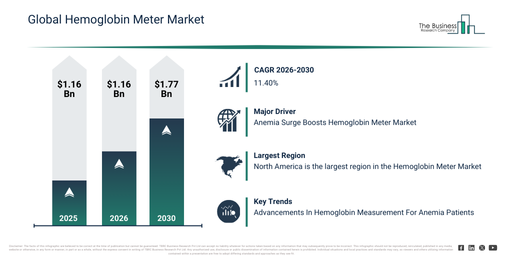
    The hemoglobin meter market has expanded swiftly, with its valuation expected to increase from $2.75 billion in 2025 to $3.07 billion in 2026, marking a compound annual growth rate (CAGR) of 11.8%. This historical growth is largely due to the global rise in anemia cases, increased diagnostic testing in hospitals, dependence on laboratory-based hemoglobin measurement, heightened awareness of blood health, and the growth of clinical laboratory facilities. Looking ahead, the market is projected to reach $4.74 billion by 2030, growing at a CAGR of 11.4%. The anticipated growth is fueled by the rise in home healthcare diagnostics, greater use of portable and handheld devices, expanded anemia screening programs, technological enhancements in sensor precision, and the broader adoption of point-of-care testing, especially in remote and rural areas. Notable trends forecasted include the growing popularity of home-use hemoglobin meters, demand for rapid testing, early anemia detection focus, and improvements in handheld device accuracy and usability.

    Download A Free Sample Report For Comprehensive Market Insights:

    https://www.thebusinessresearchcompany.com/sample.aspx?id=19505&type=smp

    Key Drivers Behind the Expansion of the Hemoglobin Meter Market

    The increasing prevalence of anemia is a primary factor driving market growth. Anemia, which results from a deficiency of red blood cells or hemoglobin, reduces oxygen delivery throughout the body. The rise in anemia cases is attributed to nutrient deficiencies—such as iron, vitamin B12, and folate—largely stemming from poor nutrition and limited access to nutrient-rich foods. Socioeconomic factors like poverty, lack of healthcare access, and hereditary conditions also contribute to chronic anemia by interfering with red blood cell production. Hemoglobin meters play a vital role by measuring hemoglobin concentrations in blood, aiding in diagnosis and monitoring of anemia severity.

    Concrete data highlights the growing impact of anemia worldwide. For example, in July 2023, the Institute for Health Metrics and Evaluation (IHME), a UK-based public health research institute, reported that nearly 2 billion people globally are affected by anemia, with women experiencing a higher prevalence than men. Specifically, 31.2% of women suffer from anemia compared to 17.5% of men, with the gender gap especially pronounced in reproductive-age women (15–49 years), where 33.7% of women have anemia relative to 11.3% of men. This widespread occurrence underscores the market opportunity for hemoglobin meters.

    Access The Complete Hemoglobin Meter Market Report:

    https://www.thebusinessresearchcompany.com/report/hemoglobin-meter-global-market-report

    Detailed Segment Breakdown and Revenue Potential in the Hemoglobin Meter Market

    This report categorizes the hemoglobin meter market into several segments:

    1) By Type: Full Automatic and Semi Automatic devices

    2) By Form Factor: Bench Top and Portable meters

    3) By Application: Hospitals, Laboratories, and Other end uses

    Further subcategories include:

    – Full Automatic: Portable, Desktop, Integrated, and Advanced full automatic hemoglobin meters

    – Semi-Automatic: Basic models, Digital Display variants, Microcuvette-based, and Handheld devices

    These segments reflect the diverse product offerings tailored to different healthcare settings and diagnostic requirements.

    Emerging Trends Shaping the Hemoglobin Meter Industry

    Major players in the hemoglobin meter sector are focusing on innovations such as fingerstick blood tests to lower healthcare costs linked to lab visits. The fingerstick method is a minimally invasive and rapid technique to collect small blood samples via a tiny skin puncture, enabling convenient health monitoring at home.

    For instance, in October 2023, Sanguina Inc., a US-based biotechnology firm, received FDA approval for its AnemoCheck Home kit. This home-use hemoglobin test allows users to monitor their blood hemoglobin levels comfortably and efficiently. It is the only FDA-cleared home hemoglobin test kit in the United States and supports individuals managing anemia due to nutritional deficiencies, thalassemia, or sickle cell disease. The kit’s simple fingerstick collection method ensures minimal discomfort and easy sample acquisition.

    Leading Hemoglobin Meter Manufacturers Influencing Market Direction

    The hemoglobin meter market features several prominent companies, including F Hoffmann-La Roche Ltd, Thermo Fisher Scientific Inc, Abbott Laboratories, Danaher Corporation, Siemens Healthcare GmbH, Terumo Corporation, Shenzhen Mindray Bio-Medical Electronics Co Ltd, Beckman Coulter Inc, Sysmex Corporation, Nihon Kohden Corporation, Nova Biomedical Corporation, Instrumentation Laboratory Company, ACON Laboratories Inc, Erba Diagnostics Mannheim GmbH, Transasia Bio-Medicals Ltd, Trinity Biotech, HemoCue AB, EKF Diagnostics Holdings plc, Boule Diagnostics AB, PTS Diagnostics, HUMAN Diagnostics Worldwide, and PixCell Medical Technologies Ltd.

    Regional Overview of Hemoglobin Meter Market Opportunities

    In 2025, North America was the largest market for hemoglobin meters. The market analysis covers key regions such as Asia-Pacific, Southeast Asia, Western Europe, Eastern Europe, North America, South America, the Middle East, and Africa, providing a comprehensive view of global market trends and opportunities.

    Get in touch with us:

    The Business Research Company: https://www.thebusinessresearchcompany.com/

    Americas: +1 310-496-7795

    Asia: +44 7882 955267 & +91 8897263534

    Europe: +44 7882 955267

    Email us at: marketing@tbrc.info

    Follow us on:

    LinkedIn: https://in.linkedin.com/company/the-business-research-company

    YouTube: https://www.youtube.com/channel/UC24_fI0rV8cR5DxlCpgmyFQ

    Global Market Model: https://www.thebusinessresearchcompany.com/global-market-model
  • Hemoglobin A1c Testing Devices Market Growth Is Reshaping Competitive Advantage Across The Industry

    Hemoglobin A1c Testing Devices Market Growth Is Reshaping Competitive Advantage Across The Industry

    Through market attractiveness analysis, total addressable market evaluation, company benchmarking matrices, interactive Excel dashboards, expanded supply chain intelligence, emerging startup coverage, and detailed product insights, The Business Research Company’s 2026 market reports provide more actionable and strategically valuable research.

    The hemoglobin A1c testing devices market is experiencing significant growth as the need for effective diabetes management intensifies globally. Advances in technology and increasing awareness about glycemic control are driving demand for reliable and convenient testing solutions. Let’s explore the current market size, key growth drivers, segmentation, industry trends, competitive landscape, and regional outlook shaping this sector’s future.

    Market Size and Growth Prospects in the Hemoglobin A1c Testing Devices Market

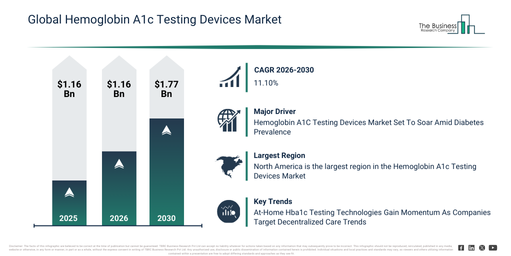
    The hemoglobin A1c testing devices market has rapidly expanded, with its value expected to rise from $2.08 billion in 2025 to $2.32 billion in 2026, reflecting a strong compound annual growth rate (CAGR) of 11.7%. This earlier growth phase was largely influenced by the increasing prevalence of diabetes, wider use of routine blood glucose monitoring, improved accessibility to lab diagnostics, heightened awareness about glycemic control, and the adoption of standardized diabetes testing procedures. Looking ahead, the market is forecasted to continue its upward trajectory, reaching $3.53 billion by 2030 at a CAGR of 11.1%. This anticipated growth is fueled by expanding demand for home-based diabetes monitoring, integration of AI-driven analytics, the rise of remote patient monitoring technologies, a growing focus on personalized diabetes care, and the acceptance of smart diagnostic devices. Key trends expected to define the market include greater adoption of point-of-care HbA1c testing, increased use of portable and handheld devices, stronger connectivity with digital diabetes management platforms, development of rapid and highly accurate assays, and a stronger emphasis on patient-centered monitoring.

    Download A Free Sample Report For Comprehensive Market Insights:

    https://www.thebusinessresearchcompany.com/sample.aspx?id=9077&type=smp

    Primary Factors Contributing to the Hemoglobin A1c Testing Devices Market Growth

    The rising incidence of diabetes worldwide is a major factor propelling the hemoglobin A1c testing devices market. Diabetes, a chronic metabolic disease characterized by elevated blood sugar levels, requires ongoing monitoring. Hemoglobin A1c testing provides essential information about average blood glucose levels over time, aiding in diagnosing type 2 diabetes, prediabetes, and managing diabetes effectively. This testing enables patients and healthcare providers to make informed treatment decisions to prevent complications. For example, in June 2024, the UK’s National Health Service reported that in 2023, over half a million additional people in England were identified as at risk for developing type 2 diabetes, increasing the number of individuals with prediabetes registered with general practitioners to 3,615,330—a nearly 20% rise compared to 2022. Such statistics underscore the growing patient population needing HbA1c testing devices.

    Expanding Routine Blood Glucose Testing Drives Demand

    The widespread use of routine blood glucose monitoring practices has further supported market growth. More frequent testing and monitoring have become integral to managing diabetes, encouraging the adoption of advanced devices that provide accurate and timely results. Improved laboratory diagnostic capabilities have also made HbA1c testing more accessible and reliable for both patients and healthcare professionals.

    Access The Complete Hemoglobin A1c Testing Devices Market Report:

    https://www.thebusinessresearchcompany.com/report/hemoglobin-a1c-testing-devices-global-market-report

    Detailed Segmentation of the Hemoglobin A1c Testing Devices Market

    This market is segmented by type, technology, and end use to provide a comprehensive understanding of its structure:

    1) By Type:

    – Bench Top Devices

    – Handheld Devices

    2) By Technology:

    – Ion-Exchange High-Performance Liquid Chromatography (HPLC)

    – Immunoassay

    – Boronate Affinity Chromatography

    – Direct Enzymatic Assay

    – Other Technologies

    3) By End Use:

    – Hospitals

    – Pharmaceuticals

    – Medical Devices

    – Laboratory Testing

    Further subcategories include:

    – Bench Top Devices: Automated Hemoglobin A1c Analyzers, Laboratory-Grade Analyzers, Multi-Parameter Testing Devices

    – Handheld Devices: Portable HbA1c Testers, Point-of-Care Testing Devices, Smartphone-Integrated Testing Devices

    Innovative Industry Trends Shaping the Future of Hemoglobin A1c Testing Devices

    Key players in the hemoglobin A1c testing devices market are focusing on innovation, particularly developing at-home or micro-sample collection kits to meet growing demand. These kits enable patients to conveniently collect small blood samples at home via finger-pricks, stabilize the sample for transport, and send it to certified labs for accurate analysis. This approach supports decentralized care models, telehealth services, and patient preferences for easy, cost-effective monitoring tools. For instance, in February 2023, Hurdle, a US-based diagnostics-as-a-service company, introduced an at-home HbA1c test through its Chronomics direct-to-consumer platform. The kit includes lancets and sample cards, secure registration, and courier service to CLIA-certified laboratories. It offers lab-grade results with typical turnaround times of around three days, integrated explanations, and optional one-on-one consultations with healthcare professionals, combining convenience with clinical accuracy.

    Major Competitors and Market Leaders in Hemoglobin A1c Testing Devices

    Several prominent companies drive the hemoglobin A1c testing devices market, including:

    – Arkray Inc

    – Abbott Laboratories

    – Polymer Technology Systems Inc

    – Bio-Rad Laboratories Inc

    – Menarini Group

    – F Hoffmann-La Roche AG

    – Siemens Healthineers AG

    – Tosoh Corporation

    – Trinity Biotech plc

    – Transasia Bio-Medicals Limited

    – Beckman Coulter Inc

    – Diazyme Laboratories Inc

    – EKF Diagnostics Holdings plc

    – HemoCue AB

    – OSANG Healthcare Co Ltd

    – Danaher

    – Thermo Fisher Scientific Inc.

    – PTS Diagnostics India Private Limited

    – Nova Biomedical

    – Randox Laboratories Ltd.

    – ACON Laboratories Inc.

    – DiaSys Diagnostic Systems GmbH

    – Erba Mannheim

    – Green Cross Medical Science Corp.

    – Infopia Co. Ltd.

    – TaiDoc Technology Corporation

    – Werfen

    – Zhejiang Orient Gene Biotech Co. Ltd.

    Regional Market Leadership and Growth Projections for Hemoglobin A1c Testing Devices

    In 2025, North America held the largest share in the hemoglobin A1c testing devices market due to advanced healthcare infrastructure and high diabetes prevalence. Meanwhile, Asia-Pacific is projected to be the fastest-growing region during the forecast period. Other regions covered in the analysis include South East Asia, Western Europe, Eastern Europe, South America, the Middle East, and Africa, providing a global perspective on market trends and opportunities.

    Get in touch with us:

    The Business Research Company: https://www.thebusinessresearchcompany.com/

    Americas: +1 310-496-7795

    Asia: +44 7882 955267 & +91 8897263534

    Europe: +44 7882 955267

    Email us at: marketing@tbrc.info

    Follow us on:

    LinkedIn: https://in.linkedin.com/company/the-business-research-company

    YouTube: https://www.youtube.com/channel/UC24_fI0rV8cR5DxlCpgmyFQ

    Global Market Model: https://www.thebusinessresearchcompany.com/global-market-model
  • Hemodynamic Flow Alteration Devices Market Forecast Signals New Revenue Opportunities Through 2030

    Hemodynamic Flow Alteration Devices Market Forecast Signals New Revenue Opportunities Through 2030

    Delivering more actionable and strategically valuable research, The Business Research Company’s 2026 market reports feature market attractiveness analysis, total addressable market evaluation, company benchmarking matrices, interactive Excel dashboards, expanded supply chain intelligence, emerging startup coverage, and detailed product insights.

    The hemodynamic flow alteration devices sector has been witnessing significant progress lately, driven by advancements in medical technology and increasing demand for improved cardiovascular care. This market is set to continue expanding as innovations emerge and healthcare providers seek more effective solutions to manage blood flow in patients with various vascular conditions. Let’s explore the market’s current standing, growth drivers, key players, and emerging trends shaping its future.

    Market Size and Forecasted Growth in the Hemodynamic Flow Alteration Devices Market

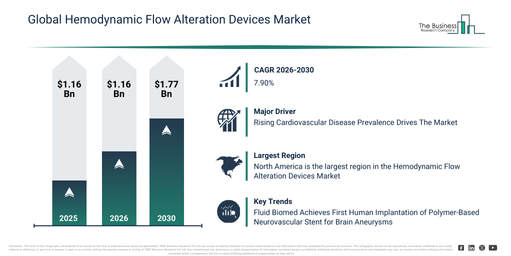
    The market for hemodynamic flow alteration devices has demonstrated strong expansion in recent years. It is forecasted to increase from $0.88 billion in 2025 to $0.96 billion in 2026, growing at a compound annual growth rate (CAGR) of 8.2%. This upward trend is largely due to the rising prevalence of cardiovascular diseases, a growing number of vascular intervention procedures, improvements in catheter-based technology, increased availability of specialized devices for intervention, and better clinical outcomes related to flow management. Looking ahead, the market is expected to reach $1.3 billion by 2030, with a CAGR of 7.9%, fueled by factors such as the rise of precision medicine in vascular care, higher demand for minimally invasive cardiac procedures, expanded neurovascular intervention capabilities, and greater investments in advanced interventional cardiology devices.

    Download A Free Sample Report For Comprehensive Market Insights:

    https://www.thebusinessresearchcompany.com/sample.aspx?id=20831&type=smp

    Key Factors Propelling Growth in the Hemodynamic Flow Alteration Devices Market – Part One

    One of the main drivers behind the growth of this market is the increasing prevalence of cardiovascular diseases worldwide. Cardiovascular disease (CVD) includes a range of conditions affecting the heart and blood vessels. The rise in CVD cases is linked to an aging population, unhealthy diets, sedentary lifestyles, and increasing rates of conditions such as hypertension and diabetes. This surge in cardiovascular conditions creates a greater need for devices that help manage and improve blood flow in patients suffering from heart failure, arterial blockages, and hypertension.

    Key Factors Propelling Growth in the Hemodynamic Flow Alteration Devices Market – Part Two

    For instance, in September 2024, the British Heart Foundation reported that around 7.6 million people in the UK are affected by heart and circulatory diseases, with 4 million men and 3.6 million women impacted. By 2030, this figure is expected to increase by 1 million, and by 2040, it may rise by an additional 2 million. This growing patient base highlights the expanding need for hemodynamic flow alteration devices, emphasizing their crucial role in managing cardiovascular health.

    Access The Complete Hemodynamic Flow Alteration Devices Market Report:

    https://www.thebusinessresearchcompany.com/report/hemodynamic-flow-alteration-devices-global-market-report

    Segments Showing the Fastest Growth in the Hemodynamic Flow Alteration Devices Market

    The hemodynamic flow alteration devices market is categorized into several segments for detailed analysis:

    1) By Type: Embolic Protection Devices and Chronic Total Occlusion (CTO) Devices

    2) By Application: Cardiovascular Diseases, Neurological Disorders, Renal Disorders, and Respiratory Disorders

    3) By End User: Hospitals, Clinics, Ambulatory Care Centers, Home Care Settings, and Other End Users

    Subcategories include various embolic protection devices such as distal, proximal, filter-based, balloon-based, and mesh or cage-based types. For CTO devices, subsegments cover crossing guidewires, CTO balloon catheters, microcatheters, re-entry devices, and support catheters.

    Innovations Driving Strategic Growth in the Hemodynamic Flow Alteration Devices Market

    Leading companies in this market are investing heavily in technological advancements to enhance patient outcomes and safety. A notable innovation is the development of hybrid polymer-metal flow-diverting stents, which blend the mechanical strength of metal with the biocompatibility and flexibility of polymers. This combination allows for precise hemodynamic flow control, reduced risk of thrombosis, and improved vessel healing, especially for patients with brain aneurysms. For example, in June 2023, Fluid Biomed Inc., a Canadian medical device company, initiated the REDIRECT first-in-human clinical trial, implanting ReSolv—the world’s first hybrid polymer-metal neurovascular stent. The Phase 1 trial demonstrated safe implantation with no adverse effects at the 30-day follow-up, marking a significant advancement in minimally invasive neurovascular therapy.

    Competitive Landscape and Leading Players in the Hemodynamic Flow Alteration Devices Industry

    The hemodynamic flow alteration devices market features prominent companies such as Cardinal Health Inc., Abbott Laboratories, Medtronic plc, Siemens Healthcare GmbH, Becton Dickinson and Company, Stryker Corporation, Boston Scientific Corporation, Edwards Lifesciences Corporation, W. L. Gore & Associates Inc., ZOLL Medical Corporation, Getinge AB, Lepu Medical Technology (Beijing) Co. Ltd., Abiomed Inc., LivaNova PLC, Cordis US Corp., Silk Road Medical Inc., Berlin Heart GmbH, CorWave SA, Jarvik Heart Inc., and CARMAT SA.

    Geographic Insights Highlighting North America’s Market Leadership

    As of 2025, North America held the largest share of the hemodynamic flow alteration devices market. The comprehensive market analysis includes regions such as Asia-Pacific, South East Asia, Western Europe, Eastern Europe, North America, South America, the Middle East, and Africa, providing a global perspective on market dynamics and growth opportunities.

    Get in touch with us:

    The Business Research Company: https://www.thebusinessresearchcompany.com/

    Americas: +1 310-496-7795

    Asia: +44 7882 955267 & +91 8897263534

    Europe: +44 7882 955267

    Email us at: marketing@tbrc.info

    Follow us on:

    LinkedIn: https://in.linkedin.com/company/the-business-research-company

    YouTube: https://www.youtube.com/channel/UC24_fI0rV8cR5DxlCpgmyFQ

    Global Market Model: https://www.thebusinessresearchcompany.com/global-market-model
  • Hemodialysis Chairs Market Growth Is Accelerating As Industry Transformation Continues

    Hemodialysis Chairs Market Growth Is Accelerating As Industry Transformation Continues

    Enhanced with market attractiveness analysis, total addressable market evaluation, company benchmarking matrices, interactive Excel dashboards, expanded supply chain intelligence, emerging startup coverage, and detailed product insights, The Business Research Company’s 2026 market reports deliver more actionable and strategically valuable research.

    The hemodialysis chairs market is experiencing steady and promising growth, driven by rising healthcare needs and technological advancements. With the increasing global burden of chronic kidney disease and improvements in patient-centered care, this market is set to expand significantly over the coming years. Here is a detailed overview of the current market status, key growth drivers, segmentation, competitive landscape, and regional insights.

    Hemodialysis Chairs Market Size and Projected Growth Trajectory

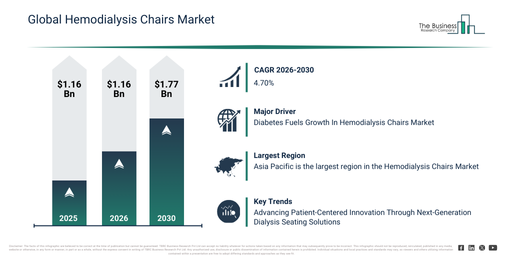
    The market for hemodialysis chairs has shown consistent expansion in recent times. It is anticipated to grow from $90.7 billion in 2025 to $95 billion in 2026, featuring a compound annual growth rate (CAGR) of 4.7%. This upward trend during the historical period was driven by factors such as the rising number of chronic kidney disease cases, the growing number of dialysis centers, increased demand for patient-focused care spaces, investments in healthcare infrastructure, and the availability of durable medical furniture. Looking ahead, the market is expected to reach $114.04 billion by 2030, maintaining a CAGR of 4.7%. The forecasted growth is supported by greater adoption of home dialysis treatments, a stronger emphasis on patient comfort and mobility, expansion of outpatient dialysis facilities, rising demand for smart and adjustable medical furniture, and further investments in renal care infrastructure. Key trends shaping the market include the growing use of electrically adjustable dialysis chairs, enhanced patient comfort features, integration of ergonomic and safety elements, expansion of home dialysis furniture options, and improved support for long-duration treatments.

    Download A Free Sample Report For Comprehensive Market Insights:

    https://www.thebusinessresearchcompany.com/sample.aspx?id=13452&type=smp

    Increasing Diabetes Prevalence Boosts Demand in the Hemodialysis Chairs Market

    The rising prevalence of diabetes is a significant factor propelling the hemodialysis chairs market forward. Diabetes, a chronic metabolic disorder characterized by elevated blood sugar levels, is becoming more common due to factors like obesity linked to high-calorie and processed diets. Excess body weight contributes to insulin resistance, thereby increasing diabetes cases. Since patients with diabetes often require hemodialysis treatment to manage complications, the demand for specialized equipment such as hemodialysis chairs is also rising. For instance, in April 2025, the International Diabetes Federation—a global alliance of over 250 national diabetes associations based in Belgium—reported that in 2024, more than 9.5 million individuals were living with type 1 diabetes, including 1.9 million children and adolescents under age 20. Projections indicate that by 2050, the worldwide diabetes population will climb to 853 million. This upward trend in diabetes cases is a key driver supporting market growth.

    Key Product and End-User Segments Within the Hemodialysis Chairs Market

    This market is categorized into several important segments:

    1) By Product Type: Manual Hemodialysis Chairs and Electrical Hemodialysis Chairs

    2) By Material: Leather, Vinyl, and Other Materials

    3) By End User: Hospitals, Hemodialysis Research Centers, Government Organizations, Ambulatory Centers, and Home Care settings

    Further breakdowns include subcategories like fixed and adjustable manual hemodialysis chairs, as well as fully electric and semi-electric versions of electrical hemodialysis chairs. These segments help identify specific market niches and opportunities for targeted product development.

    Access The Complete Hemodialysis Chairs Market Report:

    https://www.thebusinessresearchcompany.com/report/hemodialysis-chairs-global-market-report

    Emerging Market Trends Transforming the Hemodialysis Chairs Industry

    Market participants are increasingly focusing on technological innovation to differentiate their offerings and improve patient outcomes. One key development is the creation of ergonomically optimized, electrically adjustable therapy chairs designed for home hemodialysis. These chairs feature motorized position controls, user-friendly handsets, rapid emergency or Trendelenburg positioning, and upholstery designed specifically for dialysis procedures. Such features aim to enhance patient comfort, support stable vascular access, reduce caregiver strain, and improve workflow efficiency during frequent treatments.

    For example, in June 2024, Digiterm Ltd., a Hungary-based manufacturer specializing in medical equipment, launched the Comfort-1 Eco therapy chair. This product offers simultaneous electric adjustment of the backrest and leg rest through an intuitive remote, along with quick Trendelenburg positioning to help patients reach comfortable or emergency postures during home hemodialysis. Its optional transport mode and dialysis-focused design facilitate easier patient movement within facilities while preserving ergonomic working conditions and safety. The chair’s easy-to-clean, customizable upholstery and compact, cost-effective build are intended to promote wider use of dedicated hemodialysis seating in both home and clinical environments.

    Major Players Driving Competition in the Hemodialysis Chairs Market

    The competitive landscape of the hemodialysis chairs market features well-established companies such as Fresenius Medical Care AG & Co KGaA, Baxter International Inc, B Braun Melsungen AG, Nipro Corporation, Champion Manufacturing Inc, Digiterm Ltd, Guangdong Dongpin Beauty & Medical Technology Co Ltd, Likamed GmbH, Acime-Frame (Acime), IBIOM Instruments Ltée, Diasol Inc, SEERS Medical Limited, Toray Medical Co Ltd, JMS Co Ltd, Quanta Dialysis (Italy), Nanjing KangQiao Medical Equipment Co Ltd, Jiangsu Fengyuan Medical Equipment Co Ltd, Dongpin Beauty & Medical Co Ltd (China), Indtech Healthcare Pvt Ltd, and Meditek Engineers Pvt Ltd. These organizations are continuously investing in research and development to enhance product features and meet evolving patient and healthcare provider needs.

    Regional Market Outlook with Asia Pacific Leading Revenues

    In 2025, the Asia Pacific region emerged as the dominant market for hemodialysis chairs in terms of revenue. The regional analysis within this market report covers key areas including Asia-Pacific, South East Asia, Western Europe, Eastern Europe, North America, South America, the Middle East, and Africa. While Asia Pacific currently leads, ongoing developments in healthcare infrastructure and rising disease prevalence across various regions will continue to influence global market dynamics.

    Get in touch with us:

    The Business Research Company: https://www.thebusinessresearchcompany.com/

    Americas: +1 310-496-7795

    Asia: +44 7882 955267 & +91 8897263534

    Europe: +44 7882 955267

    Email us at: marketing@tbrc.info

    Follow us on:

    LinkedIn: https://in.linkedin.com/company/the-business-research-company

    YouTube: https://www.youtube.com/channel/UC24_fI0rV8cR5DxlCpgmyFQ

    Global Market Model: https://www.thebusinessresearchcompany.com/global-market-model
  • Hemodialysis And Peritoneal Dialysis Market Outlook Highlights The Next Major Growth Opportunities

    Hemodialysis And Peritoneal Dialysis Market Outlook Highlights The Next Major Growth Opportunities

    Through market attractiveness analysis, total addressable market evaluation, company benchmarking matrices, interactive Excel dashboards, expanded supply chain intelligence, emerging startup coverage, and detailed product insights, The Business Research Company’s 2026 market reports provide more actionable and strategically valuable research.

    The hemodialysis and peritoneal dialysis market has experienced significant growth in recent years, driven by rising health challenges and technological advancements. With a growing number of patients requiring renal care, this market is poised for continued expansion. Let’s explore the current market size, key growth factors, leading players, emerging trends, and regional insights shaping the future of this vital healthcare segment.

    Steady Expansion in Hemodialysis and Peritoneal Dialysis Market Size

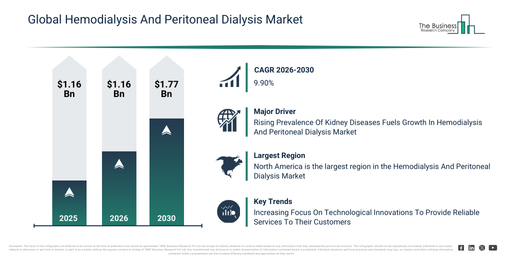
    The market for hemodialysis and peritoneal dialysis has witnessed robust growth recently. It is projected to increase from $88.26 billion in 2025 to $97.07 billion in 2026, reflecting a compound annual growth rate (CAGR) of 10.0%. The historical growth can be linked to factors such as the rising incidence of chronic kidney disease, an aging population, the expansion of dialysis centers, better awareness about renal replacement therapies, and advancements in dialysis access technologies. Looking ahead, the market is expected to reach $141.72 billion by 2030, with a CAGR of 9.9%. This future growth will be supported by increasing demand for home dialysis treatments, investments in connected dialysis devices, more personalized renal care methods, a rise in remote patient monitoring, and progress in dialyzer and catheter technologies.

    Download A Free Sample Report For Comprehensive Market Insights:

    https://www.thebusinessresearchcompany.com/sample.aspx?id=7246&type=smp

    Key Factors Propelling Hemodialysis and Peritoneal Dialysis Market Growth

    One of the main drivers behind market expansion is the growing prevalence of kidney diseases worldwide. These conditions, which affect kidney structure and function, can lead to severe complications requiring dialysis for survival. Hemodialysis and peritoneal dialysis serve as life-sustaining treatments by filtering waste and excess fluids from the blood using specialized machines and filters known as artificial kidneys. For example, a report published in January 2023 by PubMed, a US government agency, estimated that 788 million people aged 20 years and above globally had chronic kidney disease in 2023. This widespread prevalence is a significant factor fueling demand for dialysis therapies.

    Additional Catalysts Enhancing Market Momentum

    Advancements in dialysis technology and expanding infrastructure also contribute to the growing market. Improved dialysis access methods and greater awareness about treatment options have made therapies more accessible and effective. Moreover, the rising aging population, who are more susceptible to kidney ailments, further intensifies the need for comprehensive renal care solutions such as hemodialysis and peritoneal dialysis.

    Access The Complete Hemodialysis And Peritoneal Dialysis Market Report:

    https://www.thebusinessresearchcompany.com/report/hemodialysis-and-peritoneal-dialysis-global-market-report

    Defining Market Segments and Identifying Opportunities in Hemodialysis and Peritoneal Dialysis

    This market can be segmented based on various criteria:

    1) By Type: Hemodialysis and Peritoneal Dialysis

    2) By Modality: Conventional and Daily (which includes Day Time and Night Time sessions)

    3) By End User: Hospitals, Clinics, Dialysis Centers, and Home Dialysis

    Further subcategories include:

    1) Hemodialysis: In-Center Hemodialysis and Home Hemodialysis

    2) Peritoneal Dialysis: Continuous Ambulatory Peritoneal Dialysis (CAPD) and Automated Peritoneal Dialysis (APD)

    These segments highlight areas with significant growth potential, especially home-based therapies and advanced dialysis modalities.

    Emerging Trends Shaping Future Demand in the Hemodialysis and Peritoneal Dialysis Market

    Leading companies in this field are focusing on cutting-edge technologies to improve patient experiences and outcomes. One notable innovation is the Versi HD with GuideMe software, designed to enhance chronic home hemodialysis systems. This technology offers a user-friendly touchscreen interface that simplifies treatment management, making home dialysis more accessible.

    For example, in September 2023, Fresenius Medical Care AG and Co. KGaA, a healthcare leader from Germany specializing in kidney care, introduced this new HD version equipped with GuideMe software. This advancement is expected to increase the number of patients opting for home-based therapies, providing greater flexibility and comfort for individuals managing renal failure.

    Top Players Steering Competition in the Hemodialysis and Peritoneal Dialysis Market

    The market features several key companies driving innovation and growth, including Fresenius Medical Care AG & Co. KGaA, Baxter International Inc., Nipro Corporation, B. Braun Melsungen AG, Nikkiso Co. Ltd., DaVita Inc., Asahi Kasei Corporation, Medtronic plc, Becton Dickinson and Company, Rockwell Medical Inc., NxStage Medical Inc., Quanta Dialysis Technologies Ltd., Outset Medical Inc., Toray Medical Co. Ltd., Medcomp, Medline Industries Inc., Diaverum, Satellite Healthcare Inc., U.S. Renal Care Inc., American Renal Associates Holdings Inc., and Northwest Kidney Centers. These organizations continue to invest in R&D to offer innovative products and services.

    Regional Market Insights and Growth Potential in Hemodialysis and Peritoneal Dialysis

    In 2025, North America held the largest share of the hemodialysis and peritoneal dialysis market. However, the fastest growth is forecasted to occur in the Asia-Pacific region during the coming years. The market analysis covers key regions including Asia-Pacific, South East Asia, Western Europe, Eastern Europe, North America, South America, the Middle East, and Africa, providing a comprehensive view of global developments and opportunities.

    Get in touch with us:

    The Business Research Company: https://www.thebusinessresearchcompany.com/

    Americas: +1 310-496-7795

    Asia: +44 7882 955267 & +91 8897263534

    Europe: +44 7882 955267

    Email us at: marketing@tbrc.info

    Follow us on:

    LinkedIn: https://in.linkedin.com/company/the-business-research-company

    YouTube: https://www.youtube.com/channel/UC24_fI0rV8cR5DxlCpgmyFQ

    Global Market Model: https://www.thebusinessresearchcompany.com/global-market-model
  • Hemodialysis Market Trends And Growth Drivers Point To Strong Future Potential

    Hemodialysis Market Trends And Growth Drivers Point To Strong Future Potential

    Delivering more actionable and strategically valuable research, The Business Research Company’s 2026 market reports feature market attractiveness analysis, total addressable market evaluation, company benchmarking matrices, interactive Excel dashboards, expanded supply chain intelligence, emerging startup coverage, and detailed product insights.

    The hemodialysis market has experienced significant expansion recently, driven by various healthcare advancements and demographic changes. As the demand for kidney failure treatment rises, this sector shows promising growth prospects fueled by technological innovations and shifting care preferences. Let’s explore the current market size, key growth drivers, segment classifications, emerging trends, leading players, and regional insights shaping the future of the hemodialysis market.

    Hemodialysis Market Size and Projected Growth Trajectory

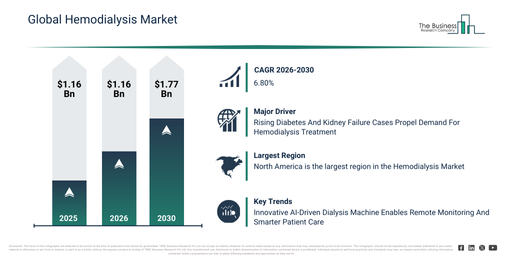
    The hemodialysis market has demonstrated strong growth in recent years and is expected to continue expanding. From a valuation of $95.52 billion in 2025, the market is projected to reach $101.58 billion by 2026, reflecting a compound annual growth rate (CAGR) of 6.3%. This upward trend in the historical period is largely due to the increasing prevalence of chronic kidney disease, the expansion of dialysis centers, an aging global population, enhanced reimbursement policies for dialysis treatments, and ongoing technological improvements in dialyzers. Looking ahead, the market is anticipated to grow further, reaching $132.17 billion by 2030 with a CAGR of 6.8%. Factors driving this future growth include a rising shift toward home-based dialysis care, increased investments in remote dialysis monitoring technologies, growing demand for compact dialysis devices, expansion of personalized dialysis treatment regimens, and continuous innovation in dialysis consumables. Key trends for the forecast period encompass greater adoption of home hemodialysis systems, higher demand for state-of-the-art dialysis machines, increased integration of digital patient monitoring, growth in portable dialysis solutions, and a stronger focus on patient-centered dialysis care.

    Download A Free Sample Report For Comprehensive Market Insights:

    https://www.thebusinessresearchcompany.com/sample.aspx?id=10174&type=smp

    Key Factors Fueling Growth in the Hemodialysis Market

    One of the main drivers behind the rapid expansion of the hemodialysis market is the rising incidence of kidney failure worldwide. Kidney failure occurs when the kidneys lose their ability to effectively filter waste, excess fluids, and toxins from the bloodstream. This condition is commonly linked to chronic illnesses such as diabetes and hypertension, along with aging populations and lifestyle factors. Patients suffering from kidney failure depend on hemodialysis machines to perform the vital function of cleansing their blood artificially, compensating for the impaired kidney function.

    For example, according to data published in June 2023 by the UK-based journal Nephrology Dialysis Transplantation (NDT), the number of individuals with Chronic Kidney Disease (CKD) in the United Kingdom is expected to increase by 4% from 8.27 million in 2022 to 8.61 million by 2032. This growing patient base directly contributes to the expanding demand for hemodialysis treatments and equipment.

    Detailed Breakdown of the Hemodialysis Market Segments

    The hemodialysis market can be segmented into several major categories to better understand its structure and dynamics. By type, it includes Conventional Hemodialysis, Short Daily or Daily Hemodialysis, and Nocturnal Hemodialysis. Component-wise, the market covers dialyzers, dialysis solutions, tubes, and catheters. Regarding end users, the key segments include hospitals, specialty clinics, and home-care settings.

    Further sub-segments provide a more detailed view: Conventional Hemodialysis splits into in-center and home-based hemodialysis; Short Daily Hemodialysis is classified into home-based and in-center treatments; and Nocturnal Hemodialysis is also divided between home and in-center options. This segmentation highlights the diversity of treatment settings and technologies catering to different patient needs.

    Access The Complete Hemodialysis Market Report:

    https://www.thebusinessresearchcompany.com/report/hemodialysis-global-market-report

    Innovation Trends Shaping the Future of the Hemodialysis Market

    Leading companies in the hemodialysis sector are increasingly focusing on creating innovative technologies to improve patient outcomes and treatment efficiency. One significant development is the introduction of cloud-enabled hemodialysis machines that allow remote monitoring of patient data, optimizing therapy protocols and enhancing healthcare provider oversight.

    For instance, in June 2025, Renalyx Health Systems Pvt. Ltd., an Indian technology firm, launched the country’s first fully indigenous AI-powered smart hemodialysis machine called RENALYX–RxT 21. This advanced machine integrates nephrology information systems on the cloud, AI-based smart algorithms, real-time remote monitoring with telemetry alerts, and Electronic Medical Records (EMR) integration. It also features sophisticated image processing and Internet of Medical Things (IoMT) capabilities for continuous performance tracking. Such innovations are designed to make dialysis more affordable, accessible, and safer, particularly targeting patients in semi-urban and rural areas.

    Top Companies Leading Competition in the Hemodialysis Market

    The hemodialysis market features several prominent corporations that drive innovation and competitive growth. Key players include Fresenius Medical Care AG & Co. KGaA, Baxter International Inc., B. Braun Melsungen AG, Nipro Corporation, Asahi Kasei Corporation, Nikkiso Co. Ltd., Toray Medical Co. Ltd., DaVita Inc., Diaverum AB, Outset Medical Inc., Quanta Dialysis Technologies Ltd., Rockwell Medical Inc., JMS Co. Ltd., Kawasumi Laboratories Inc., Terumo Corporation, Poly Medicure Ltd., Renax Biomedical Tech. Co. Ltd., Allmed Medical Care Corporation, Hemoclean Co. Ltd., and Medcomp Holdings Inc. These companies continue to invest heavily in research and development to maintain their market positions.

    Regional Analysis of Hemodialysis Market Revenue and Growth

    In 2025, North America accounted for the largest share of the hemodialysis market by revenue. However, the Asia-Pacific region is expected to experience the fastest growth throughout the forecast period. The market analysis encompasses several key regions including Asia-Pacific, South East Asia, Western Europe, Eastern Europe, North America, South America, the Middle East, and Africa. This broad geographic coverage provides insights into varying regional dynamics and growth opportunities in the global hemodialysis market.

    Get in touch with us:

    The Business Research Company: https://www.thebusinessresearchcompany.com/

    Americas: +1 310-496-7795

    Asia: +44 7882 955267 & +91 8897263534

    Europe: +44 7882 955267

    Email us at: marketing@tbrc.info

    Follow us on:

    LinkedIn: https://in.linkedin.com/company/the-business-research-company

    YouTube: https://www.youtube.com/channel/UC24_fI0rV8cR5DxlCpgmyFQ

    Global Market Model: https://www.thebusinessresearchcompany.com/global-market-model
  • Hematology Diagnostic Devices And Equipment Market Expansion Is Reshaping Competitive Dynamics Across The Industry

    Hematology Diagnostic Devices And Equipment Market Expansion Is Reshaping Competitive Dynamics Across The Industry

    Enhanced with market attractiveness analysis, total addressable market evaluation, company benchmarking matrices, interactive Excel dashboards, expanded supply chain intelligence, emerging startup coverage, and detailed product insights, The Business Research Company’s 2026 market reports deliver more actionable and strategically valuable research.

    The hematology diagnostic devices and equipment market is undergoing significant expansion, driven by advancements in technology and increasing healthcare demands worldwide. This sector plays a crucial role in diagnosing and monitoring various blood-related conditions, offering critical support to medical professionals and patients alike. Let’s explore the current market size, key growth factors, segment breakdown, industry trends, and leading players shaping this important market.

    Current Market Size and Future Growth Outlook for Hematology Diagnostic Devices and Equipment

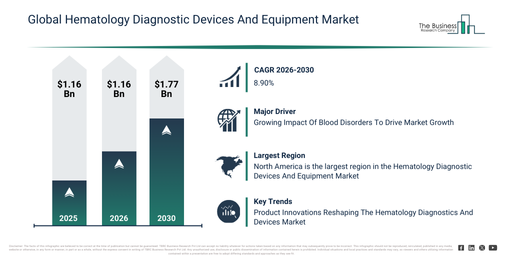
    The market for hematology diagnostic devices and equipment has experienced rapid growth recently. It is projected to rise from $8.29 billion in 2025 to $9.13 billion in 2026, reflecting a robust compound annual growth rate (CAGR) of 10.2%. This past expansion has been fueled by an increasing prevalence of blood disorders, growth in clinical diagnostic laboratories, heightened demand for routine blood testing, advancements in laboratory automation, and the availability of standardized hematology reagents. Looking ahead, the market is expected to continue its upward trajectory, reaching $12.86 billion by 2030 at a CAGR of 8.9%. Factors driving this future growth include wider adoption of AI-assisted diagnostic technologies, a surge in point-of-care hematology testing, growth in personalized medicine, increased investments in laboratory automation, and a strong focus on early disease detection.

    Download A Free Sample Report For Comprehensive Market Insights:

    https://www.thebusinessresearchcompany.com/sample.aspx?id=2536&type=smp

    Prevalence of Blood Disorders as a Catalyst for Market Expansion

    One of the primary factors propelling the hematology diagnostic devices and equipment market is the rising number of blood disorders globally. Blood disorders, which affect the levels and functions of red and white blood cells as well as platelets, are becoming more common, especially among the aging population who are at greater risk for such conditions. Hematology diagnostic tools are essential because they allow for early detection, precise classification, and ongoing monitoring of these disorders, ensuring timely and appropriate treatment. For example, the Canadian Cancer Society estimates that around 23,600 Canadians will be diagnosed with blood cancer in 2024, highlighting the growing need for advanced diagnostic solutions in hematology.

    The Impact of Chronic Diseases on Hematology Diagnostic Market Growth

    Another significant driver of market growth is the increasing prevalence of chronic diseases worldwide. Chronic conditions such as cardiovascular diseases, diabetes, cancer, and chronic respiratory illnesses require continuous management and regular blood monitoring. Hematology diagnostic devices play a vital role in assessing blood parameters, identifying abnormalities, and facilitating accurate diagnoses and treatment plans for these long-term diseases. A report from the National Center for Biotechnology Information (NCBI) in January 2023 projects that by 2050, the population aged 50 and above with at least one chronic illness will nearly double to between 99.5 and 142.66 million. This trend underscores the growing dependence on hematology diagnostics to support chronic disease management.

    Access The Complete Hematology Diagnostic Devices And Equipment Market Report:

    https://www.thebusinessresearchcompany.com/report/hematology-diagnostic-devices-and-equipment-global-market-report

    Product and Application Segments Driving Revenue in the Hematology Diagnostic Market

    This market is segmented across several categories to address diverse needs. By product, it includes instruments and consumables. Instruments are further divided into analyzers, flow cytometers, and other equipment, while consumables include reagents, stains, and additional materials. Applications span autoimmune diseases, cancer, infectious diseases, and other medical conditions. End users mainly consist of hospitals, specialized diagnostic centers, and research institutes. Key subcategories under instruments include hematology analyzers, flow cytometers, coagulation analyzers, hemoglobin analyzers, and blood gas analyzers. Consumables encompass reagents, test strips, blood collection tubes, slides, cover slips, and calibration or quality control materials.

    Innovative Trends Enhancing Hematology Diagnostics Industry Growth

    Leading companies in the hematology diagnostics market are concentrating on innovation to strengthen their market positions. Hematology analyzers, widely used in clinical labs and healthcare facilities, help automate blood sample analysis and improve efficiency. For instance, in May 2023, Siemens Healthineers introduced the Atellica HEMA 570 and Atellica HEMA 580 analyzers. These devices are designed to streamline high-volume hematology testing by integrating automation, intelligent data management, and user-friendly interfaces. Capable of processing up to 120 tests per hour, these analyzers enable healthcare professionals to quickly interpret complex results and integrate findings directly into laboratory information systems, enhancing workflow and patient care.

    Key Players and Their Role in the Hematology Diagnostic Devices Market

    Several major corporations lead the hematology diagnostic devices and equipment market. Some of the prominent players include Abbott Diagnostics, Beckman Coulter Inc., Bio-Rad Laboratories Inc., Drucker Diagnostics Inc., Horiba Ltd., Instrumentation Laboratory Inc., Siemens Healthcare, Shenzhen Mindray Bio-Medical Electronics Co. Ltd., F. Hoffmann-La Roche AG, Thermo Fisher Scientific Inc., HemoCue AB, Mindray Medical International Limited, Danaher Corporation, Edan Instruments Inc., Sysmex Corporation, CellaVision, Maccura Biotechnology Co., DY mind Biotech, Balio Diagnostics, BioSystems Diagnostics Pvt. Ltd., Wiener Lab, Accurex Biomedical Pvt. Ltd., ARKRAY USA, Boule Diagnostics AB, Diatron Group, EKF Diagnostics Holdings, Grifols S.A., Nihon Kohden Corporation, Ortho Clinical Diagnostics, PixCell Medical, STRATEC Biomedical AG, and Terumo BCT. These companies are continuously investing in research and development to bring novel and efficient diagnostic solutions to market.

    Regional Market Leaders and Growth Patterns in Hematology Diagnostic Devices and Equipment

    In 2025, North America was the largest market for hematology diagnostic devices and equipment, holding the most significant share globally. Following closely, Asia-Pacific was the second-largest market with substantial growth potential. The overall market analysis includes regions such as Asia-Pacific, South East Asia, Western Europe, Eastern Europe, North America, South America, the Middle East, and Africa, providing a comprehensive global perspective on the trends and opportunities shaping this market’s future.

    Get in touch with us:

    The Business Research Company: https://www.thebusinessresearchcompany.com/

    Americas: +1 310-496-7795

    Asia: +44 7882 955267 & +91 8897263534

    Europe: +44 7882 955267

    Email us at: marketing@tbrc.info

    Follow us on:

    LinkedIn: https://in.linkedin.com/company/the-business-research-company

    YouTube: https://www.youtube.com/channel/UC24_fI0rV8cR5DxlCpgmyFQ

    Global Market Model: https://www.thebusinessresearchcompany.com/global-market-model