Category: Pharmaceuticals

  • Gynecological Cancer Drugs Market 2026: Market Size, Growth Drivers And Emerging Opportunities

    Gynecological Cancer Drugs Market 2026: Market Size, Growth Drivers And Emerging Opportunities

    Featuring market attractiveness scoring, total addressable market sizing, company benchmarking matrices, interactive Excel dashboards, deeper supply chain intelligence, emerging startup tracking, and granular product-level insights, The Business Research Company’s 2026 market reports are built to deliver research that is both more actionable and more strategically valuable.

    Gynecological Cancer Drugs Market Size Forecast: How Big Could The Market Get By 2030?

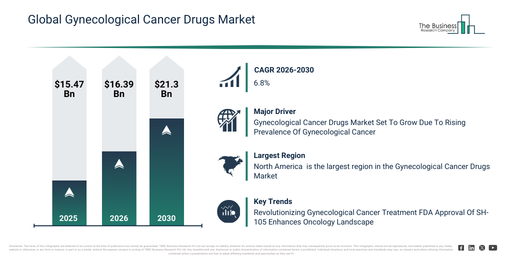
    The gynecological cancer drugs market has seen robust growth in recent years. It is anticipated to expand from $15.47 billion in 2025 to $16.39 billion in 2026, achieving a compound annual growth rate (CAGR) of 5.9%. Historically, this growth can be ascribed to factors such as limited treatment alternatives, elevated mortality rates, diagnoses made at advanced stages, a reliance on conventional chemotherapy, and inadequate awareness programs.

    The gynecological cancer drugs market size is expected to experience significant expansion in the coming years. Its valuation is projected to attain $21.3 billion in 2030, demonstrating a compound annual growth rate (CAGR) of 6.8%. This anticipated growth during the forecast period is driven by factors such as increased adoption of precision medicine, higher investments in research and development, the rise of targeted therapies, the broadening of screening programs, and advancements in drug delivery technology. Dominant trends anticipated for this period include customized cancer treatments, improvements in immunotherapy, regimens combining multiple drugs, less invasive treatment methodologies, and initiatives for early detection and screening.

    Get A Free Sample Report With In-Depth Market Insights:

    https://thebusinessresearchcompany.com/sample_request?id=91528290&type=smp&name=Gynecological%20Cancer%20Drugs%20Market%20Report%202026&utm_source=Blogs&utm_medium=Paid&utm_campaign=Oct_PR

    Gynecological Cancer Drugs Market Growth Factors: What’s Supporting Expansion?

    The increasing incidence of gynecological cancer is projected to drive the expansion of the gynecological cancer drugs market in the future. Gynecological cancer is defined as any malignancy originating in the reproductive organs of women. These drugs contribute to lowering the incidence of gynecological cancer by offering treatment and management, averting its return, and enhancing patient prognosis through various therapeutic approaches. As an illustration, figures from August 2025 by the American Cancer Society, a US-based non-profit body, estimate that in 2025, around 20,890 women in the United States will receive a new diagnosis of ovarian cancer, and approximately 12,730 are anticipated to succumb to the condition. Consequently, the widespread occurrence of gynecological cancer is fueling the expansion of the gynecological cancer drugs market.

    Gynecological Cancer Drugs Market Segment Breakdown: Which Categories Lead On Revenue?

    The gynecological cancer drugs market covered in this report is segmented –

    1) By Type: Alkylating Agent, Plant Alkaloid, Anthracyclines, Antitumor Antibiotic, Other Types

    2) By Therapeutic Modality: Chemotherapy, Targeted Therapy, Hormonal Therapy

    3) By Indication: Cervical Cancer, Uterine Cancer, Ovarian And Fallopian Tube Cancer, Vulvar Cancer, Vaginal Cancer

    4) By End Users: Hospitals, Clinics, Specialized Cancer Treatment Centers, Other End Users

    Subsegments:

    1) By Alkylating Agent: Cyclophosphamide, Ifosfamide, Carmustine

    2) By Plant Alkaloid: Paclitaxel, Docetaxel, Vincristine

    3) By Anthracyclines: Doxorubicin, Epirubicin, Daunorubicin

    4) By Antitumor Antibiotic: Actinomycin D, Mitomycin C

    5) By Other Types: Hormonal Therapies, Targeted Therapies, Immunotherapies

    Gynecological Cancer Drugs Market Industry Trends: What’s Reshaping Demand?

    Leading companies in the gynecological cancer drugs market are developing alkylating agents to enhance treatment effectiveness by targeting the DNA of cancer cells, thereby preventing them from multiplying. Alkylating agents operate by adding alkyl groups to DNA, causing the strands to break or form abnormal cross-links, which disrupts the cell cycle. For instance, in June 2024, Shorla Oncology, an Ireland-based pharmaceutical company, announced FDA approval for Tepylute, an alkylating agent. Tepylute is presented as a liquid formulation, eliminating the need for complex reconstitution processes typically required with powder forms. Tepylute is indicated for patients with adenocarcinoma of the breast and ovary, conditions often challenging to treat due to late-stage diagnosis and varying responses to existing therapies.

    Gynecological Cancer Drugs Market Leading Players And Competitive Positioning

    Major companies operating in the gynecological cancer drugs market are Pfizer Inc., Johnson & Johnson, F. Hoffmann-La Roche AG, AbbVie Inc., Bayer AG, Novartis AG, Bristol-Myers Squibb, Sanofi S.A., AstraZeneca, GlaxoSmithKline, Takeda Pharmaceutical Company Limited, Eli Lilly and Company, Amgen Inc., Merck KGaA, Baxter International Inc., Eisai Co. Ltd., Sun Pharmaceutical Industries Ltd., Teva Pharmaceutical Industries, Ipsen, Dr. Reddy’s Laboratories, Cipla Ltd., Apotex Inc., Hikma Pharmaceuticals, Seagen Inc., CSL Vifor, Accord Healthcare

    View The Full Gynecological Cancer Drugs Market Report:

    https://thebusinessresearchcompany.com/report/gynecological-cancer-drugs-global-market-report?utm_source=Blogs&utm_medium=Paid&utm_campaign=Oct_PR

    Gynecological Cancer Drugs Market Regional Analysis And Leading Geography

    North America was the dominant region in the gynecological cancer drugs market in 2025. The regions covered in the gynecological cancer drugs market report are Asia-Pacific, South East Asia, Western Europe, Eastern Europe, North America, South America, Middle East, Africa.

    Reach Out To Our Team:

    The Business Research Company: https://www.thebusinessresearchcompany.com/

    Americas: +1 310-496-7795

    Asia: +44 7882 955267 & +91 8897263534

    Europe: +44 7882 955267

    Email us at: marketing@tbrc.info

    Follow us on:

    LinkedIn: https://in.linkedin.com/company/the-business-research-company

    YouTube: https://www.youtube.com/channel/UC24_fI0rV8cR5DxlCpgmyFQ

    Global Market Model: https://www.thebusinessresearchcompany.com/global-market-model
  • Gummy Vitamins Market Set To Expand From $12.75 Billion In 2026: Growth Outlook Through 2030

    Gummy Vitamins Market Set To Expand From $12.75 Billion In 2026: Growth Outlook Through 2030

    Built to provide research that’s more actionable and strategically valuable, The Business Research Company’s 2026 market reports include market attractiveness analysis, total addressable market sizing, company benchmarking matrices, interactive Excel dashboards, broader supply chain intelligence, emerging startup tracking, and in-depth product insights.

    Gummy Vitamins Market Revenue Outlook: What CAGR Lies Ahead Through 2030?

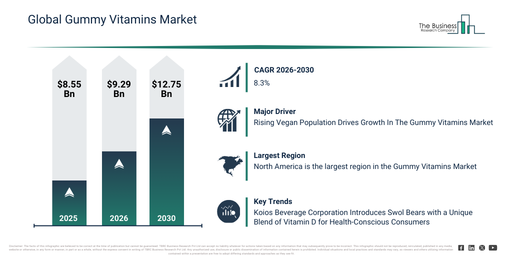
    The gummy vitamins market has experienced significant growth in recent years. Its value is set to increase from $8.55 billion in 2025 to $9.29 billion in 2026, demonstrating a compound annual growth rate (CAGR) of 8.6%. Historically, this growth can be ascribed to several factors, including heightened awareness of vitamin deficiencies, a preference for child-friendly supplements, the expansion of retail pharmacy chains, a rise in health consciousness, and the wide availability of diverse gummy formulations.

    The gummy vitamins market size is anticipated to experience robust expansion in the upcoming years. Its value is projected to reach $12.75 billion by 2030, exhibiting a compound annual growth rate (CAGR) of 8.3%. This growth during the forecast period can be attributed to factors such as an increase in personalized nutrition, the flourishing of e-commerce and online sales channels, advancements in flavor and formulation, a growing consumer base of adults and seniors, and market broadening into emerging regions. Key trends expected in the forecast period include an uptick in chewable supplement consumption, creative innovations in gummy flavor and texture, tailored nutrition and vitamin formulations, wider adoption among adults and seniors, and the continued expansion of online and e-commerce sales channels.

    Get A Free Sample Report With In-Depth Market Insights:

    https://thebusinessresearchcompany.com/sample_request?id=41671294&type=smp&name=Gummy%20Vitamins%20Market%20Report%202026&utm_source=Blogs&utm_medium=Paid&utm_campaign=Oct_PR

    Gummy Vitamins Market Demand Drivers: What’s Powering Industry Growth?

    The expanding vegan demographic is projected to drive the growth of the gummy vitamins market. A vegan is an individual who follows a vegan lifestyle, which involves abstaining from the consumption of animal products and, in many cases, avoiding the use of other animal-derived goods or by-products. This growing vegan population presents a market opportunity for gummy vitamin manufacturers to align their products with the values and preferences of an increasing consumer segment. For instance, in May 2024, according to the Food Navigator USA, a US-based association, plant-based foods achieved a sales increased 16.4% over three years to $394 million in 2023, and captured 6.8% of online market share compared to 3.8% in retail. Therefore, the increasing vegan population is expected to support the demand for the growth of the gummy vitamins market.

    Gummy Vitamins Market Segmentation: How Does The Market Break Down By Category?

    The gummy vitamins market covered in this report is segmented –

    1) By Product Type: Single Vitamin, Multi Vitamin, Probiotics

    2) By Source: Plant, Animal

    3) By End User: Adult, Children

    4) By Sales Channel: Hypermarket, Supermarket, Specialty Stores, Retail Pharmacies, Online Sales Channel, Other Sales Channel

    Subsegments:

    1) By Single Vitamin: Vitamin C Gummies, Vitamin D Gummies, Vitamin B12 Gummies

    2) By Multi-Vitamin: Adult Multi-Vitamin Gummies, Children’s Multi-Vitamin Gummies, Women’s And Men’s Specific Multi-Vitamin Gummies

    3) By Probiotics: Probiotic Gummies For Digestive Health, Immune Support Probiotic Gummies, Probiotic Gummies For Women’s Health

    Gummy Vitamins Market Innovation Trends: What Developments Are Reshaping The Industry?

    Leading businesses within the gummy vitamins market are concentrating on creating a novel gummy product range designed to offer consumers a tasty and more health-conscious snack choice. Among these offerings are Swol Bears, formulated with a unique blend of vitamin D to deliver essential daily nutrients in every bag. An example of this is Koios Beverage Corporation, a Canada-based firm specializing in unique food and wellness items, which introduced a new gummy product line featuring Swol Bears in May 2023. Composed of natural ingredients and containing only 1g of sugar per bag, Swol Bears present an excellent choice for individuals desiring a sweet treat without compromising their health and wellness goals.

    Gummy Vitamins Market Competitive Overview And Top Companies

    Major companies operating in the gummy vitamins market are Church & Dwight Co Inc, Unilever PLC, Otsuka Pharmaceutical, Reckitt Benckiser Group plc, Sirio Pharma Co., Hero Nutritionals Llc, Herbaland Naturals Inc, Nature’s Way Products Llc, Zanon Lifesciences Private Limited, India Private Label Supplements, Biovencer Healthcare Private Limited, Radius Healthcare Private Limited, Estrellas Life Sciences Private Limited, Nanchang Xinouli Trading Co. Ltd, Jiangsu Handian Biotechnology Co. Ltd, Biocaro Pharmaceutical Co. Ltd, Shantou Sweet Road Industry And Trading Co. Ltd, The Good Vitamin Co, Garden Of Life, Vegums, Amway Corp, Noreva Biotech, Vtf, Solgar, Evalar, Biovea, Terezia, Zarbee’s Inc, Olly Public Benefit Corporation, Atrium Innovations, Pfizer Inc, Now Foods, Healthvit, Ascendis Health, Inova Pharmaceuticals, Vitabiotics Ltd, GlaxoSmithKline Plc, Abbott Laboratories, Nestle S.A, Gnc Holdings Inc., Life Science Nutritionals, Bettera Brands Llc, Bayer Ag, Santa Cruz Nutritionals Inc, Makers Nutrition Llc, Nutra Solutions, Ferrara Candy Company

    View The Full Gummy Vitamins Market Report:

    https://thebusinessresearchcompany.com/report/gummy-vitamins-global-market-report?utm_source=Blogs&utm_medium=Paid&utm_campaign=Oct_PR

    Gummy Vitamins Market Geographic Analysis: Where Is Demand Accelerating Fastest?

    North America was the largest region in the gummy vitamins market in 2025. Asia-Pacific is expected to be the fastest-growing region in the forecast period. The regions covered in the gummy vitamins market report are Asia-Pacific, South East Asia, Western Europe, Eastern Europe, North America, South America, Middle East, Africa.

    Reach Out To Our Team:

    The Business Research Company: https://www.thebusinessresearchcompany.com/

    Americas: +1 310-496-7795

    Asia: +44 7882 955267 & +91 8897263534

    Europe: +44 7882 955267

    Email us at: marketing@tbrc.info

    Follow us on:

    LinkedIn: https://in.linkedin.com/company/the-business-research-company

    YouTube: https://www.youtube.com/channel/UC24_fI0rV8cR5DxlCpgmyFQ

    Global Market Model: https://www.thebusinessresearchcompany.com/global-market-model
  • Guillain-Barre Syndrome Drugs Market Size And Growth In 2026: Key Factors Shaping Future Demand

    Guillain-Barre Syndrome Drugs Market Size And Growth In 2026: Key Factors Shaping Future Demand

    Backed by market attractiveness analysis, total addressable market sizing, company benchmarking matrices, interactive Excel dashboards, wider supply chain intelligence, emerging startup coverage, and detailed product-level insights, The Business Research Company’s 2026 market reports are designed to offer research that is more actionable and strategically valuable than ever.

    Guillain-Barre Syndrome Drugs Market Growth Analysis: How Will Revenue Trend Over The Forecast Period?

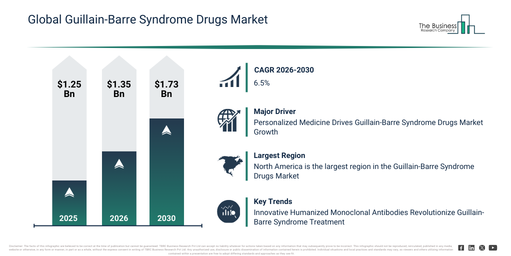
    The guillain-barre syndrome drugs market size has experienced significant growth in recent years. It is projected to expand from $1.25 billion in 2025 to $1.35 billion in 2026, at a compound annual growth rate (CAGR) of 7.5%. This historical growth can be attributed to the established clinical effectiveness of IVIG therapy, the enduring application of plasma exchange in neurological disorders, the availability of corticosteroids for symptom management, the expansion of hospital neurology departments, and an increased recognition of GBS as a medical emergency.

    The guillain-barre syndrome drugs market size is set for robust expansion over the next few years. It is forecast to grow to $1.73 billion in 2030, achieving a compound annual growth rate (CAGR) of 6.5%. This projected growth can be attributed to several factors including a rising incidence of autoimmune neurological disorders, increasing awareness of post-infectious GBS cases, enhanced access to advanced hospital care, the expansion of IVIG manufacturing capacity, and a growing demand for rapid immune-modulating therapies in acute care. Throughout the forecast period, major trends are expected to include continued reliance on intravenous immunoglobulin as the primary line of therapy, an increase in the use of plasma exchange for severe guillain-barre cases, a heightened emphasis on early diagnosis and prompt treatment initiation, a rising need for hospital-based intensive GBS management, and the steady application of supportive and adjunctive drug therapies.

    Get A Free Sample Report With In-Depth Market Insights:

    https://thebusinessresearchcompany.com/sample_request?id=44807287&type=smp&name=Guillain-Barre%20Syndrome%20Drugs%20Market%20Report%202026&utm_source=Blogs&utm_medium=Paid&utm_campaign=Oct_PR

    Guillain-Barre Syndrome Drugs Market Growth Drivers: What’s Behind The Acceleration?

    The escalating need for personalized medicine is projected to stimulate the expansion of the Guillain-Barré syndrome drugs market in the future. Personalized medicine defines medical treatment that is tailored to an individual’s distinct genetic composition, specific biological markers, or lifestyle elements, with the goal of enhancing therapeutic efficacy and mitigating adverse reactions. The increasing requirement for personalized medicine arises from progress in genomics, the increasing complexity of various diseases, advancements in diagnostic technologies, and robust regulatory backing. The Guillain-Barré syndrome drugs market benefits from personalized medicine through the implementation of customized treatment plans, which lead to improved patient results and a reduction in complications often associated with more general therapeutic approaches. For instance, in February 2024, the US-based non-profit organization Personalized Medicine Coalition reported that the U.S. Food and Drug Administration (FDA) approved 16 novel personalized therapies for patients with rare diseases in 2023, an increase from six therapies approved in 2022. Consequently, the rising demand for personalized medicine is a primary force behind the growth of the Guillain-Barré syndrome drugs market.

    Guillain-Barre Syndrome Drugs Market Segment Trends And Revenue Contributors

    The guillain-barre syndrome drugs market covered in this report is segmented –

    1) By Drug Class: Immunoglobulins (IVIG), Corticosteroids, Plasma Exchange

    2) By Treatment Type: First-Line Treatment, Adjunctive Or Supportive Treatment

    3) By Application: Clinic, Hospital, Other Applications

    Subsegments:

    1) By Immunoglobulins (Ivig): Intravenous Immunoglobulin (Ivig) Therapy, Human Normal Immunoglobulin (Hnig), Hyperimmune Immunoglobulin Products, Ivig Formulations For GBS Treatment

    2) By Corticosteroids: Methylprednisolone, Prednisolone, Dexamethasone, Hydrocortisone, Betamethasone

    3) By Plasma Exchange: Therapeutic Plasma Exchange (TPE), Plasmapheresis

    Guillain-Barre Syndrome Drugs Market Trends: What’s Defining The Industry’s Next Phase?

    Leading companies within the Guillain-Barré syndrome (GBS) drugs market are concentrating on developing innovative products, such as humanized monoclonal antibodies, to enhance therapeutic precision, reduce immune-mediated nerve damage, and strengthen their competitive standing. A humanized monoclonal antibody is defined as a laboratory-engineered antibody primarily composed of human antibody sequences, with a small part derived from mouse or rat monoclonal antibodies, specifically designed to target immune components involved in GBS pathology and limit complement-mediated inflammation. For instance, in October 2023, Annexon Inc., a US-based clinical-stage biopharmaceutical company, announced that ANX005, a humanized monoclonal antibody that selectively inhibits C1q to prevent complement-driven neuronal injury in GBS, had been granted orphan drug designation by both the European Medicines Agency and the U.S. Food and Drug Administration. The company further reported having completed target enrollment for its Phase 3 trial, with topline results anticipated in the first half of 2024, emphasizing ANX005’s potential to rapidly halt autoimmune damage and support muscle strength recovery in affected patients.

    Guillain-Barre Syndrome Drugs Market Competitive Landscape: Which Companies Lead The Industry?

    Major companies operating in the guillain-barre syndrome drugs market are CSL Behring LLC, Grifols SA, Octapharma AG, Takeda Pharmaceutical Company Limited, Biotest AG, Kedrion Biopharma Inc., Alexion Pharmaceuticals Inc., Argenx SE, Annexon Inc., Hansa Medical AB, F. Hoffmann-La Roche Ltd., Novartis AG, AbbVie Inc., Biogen Inc., Chugai Pharmaceutical Co. Ltd., Cadila Healthcare Limited, Akari Therapeutics Plc, Cellenkos Inc., Regenesance BV, Cresence AS

    View The Full Guillain-Barre Syndrome Drugs Market Report:

    https://thebusinessresearchcompany.com/report/guillain-barre-syndrome-drugs-global-market-report?utm_source=Blogs&utm_medium=Paid&utm_campaign=Oct_PR

    Guillain-Barre Syndrome Drugs Market Global Footprint: Which Region Leads The Industry?

    North America was the largest region in the guillain-barre syndrome drugs market in 2025. Asia-Pacific is expected to be the fastest-growing region in the forecast period. The regions covered in the guillain-barre syndrome drugs market report are Asia-Pacific, South East Asia, Western Europe, Eastern Europe, North America, South America, Middle East, Africa.

    Reach Out To Our Team:

    The Business Research Company: https://www.thebusinessresearchcompany.com/

    Americas: +1 310-496-7795

    Asia: +44 7882 955267 & +91 8897263534

    Europe: +44 7882 955267

    Email us at: marketing@tbrc.info

    Follow us on:

    LinkedIn: https://in.linkedin.com/company/the-business-research-company

    YouTube: https://www.youtube.com/channel/UC24_fI0rV8cR5DxlCpgmyFQ

    Global Market Model: https://www.thebusinessresearchcompany.com/global-market-model
  • Grand Mal Seizure Treatment Market Forecast 2026–2030: Market Size, Trends And Growth Opportunities

    Grand Mal Seizure Treatment Market Forecast 2026–2030: Market Size, Trends And Growth Opportunities

    Featuring market attractiveness scoring, total addressable market sizing, company benchmarking matrices, interactive Excel dashboards, deeper supply chain intelligence, emerging startup tracking, and granular product-level insights, The Business Research Company’s 2026 market reports are built to deliver research that is both more actionable and more strategically valuable.

    Grand Mal Seizure Treatment Market Forecast: What Value Will The Market Reach By 2030?

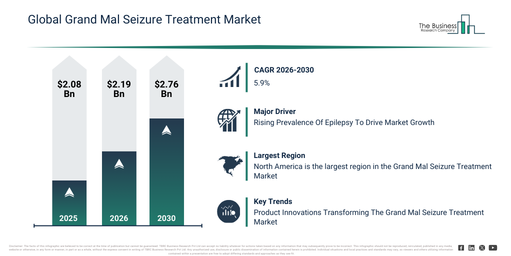
    The grand mal seizure treatment market has demonstrated strong expansion in recent years. It is anticipated to increase from $2.08 billion in 2025 to $2.19 billion in 2026, exhibiting a compound annual growth rate (CAGR) of 5.1%. The historical growth in this market can be ascribed to elements like the constrained access to advanced antiepileptic medications, the widespread incidence of tonic-clonic seizures, a growing understanding of epilepsy care, a reliance on hospital-centric treatment approaches, and the scarcity of individualized therapeutic alternatives.

    The grand mal seizure treatment market is projected to experience robust expansion over the coming years. This sector is forecast to reach $2.76 billion in 2030, exhibiting a compound annual growth rate (CAGR) of 5.9%. This anticipated growth is driven by several factors, including advancements in AI-driven seizure prediction, the increasing adoption of precision medicine in neurology, the broadening reach of telehealth platforms, intensified research and development in new drug formulations, and the integration of wearable seizure monitoring devices. Key trends emerging during this forecast period encompass personalized epilepsy management, the rise of minimally invasive surgical techniques, widespread home-based seizure monitoring, the introduction of novel antiepileptic drug formulations, and the increased reliance on telehealth and remote neurological consultations.

    Get A Free Sample Report With In-Depth Market Insights:

    https://thebusinessresearchcompany.com/sample_request?id=83973542&type=smp&name=Grand%20Mal%20Seizure%20Treatment%20Market%20Report%202026&utm_source=Blogs&utm_medium=Paid&utm_campaign=Oct_PR

    Grand Mal Seizure Treatment Market Growth Factors Behind Sustained Expansion

    The significant occurrence of epilepsy is projected to fuel expansion within the grand mal seizure treatment market in the future. This neurological condition involves individuals experiencing repeated seizures. These severe seizures, frequently triggered by epilepsy, manifest as violent episodes. An escalating prevalence intensifies the demand for more effective therapies, which grand mal seizure treatment can provide. For example, data from February 2023, released by the World Health Organization, the United Nations’ public health agency based in Switzerland, indicated that around 50 million individuals globally were afflicted with epilepsy, positioning it as one of the world’s most widespread neurological conditions. Annually, roughly 5 million new diagnoses of epilepsy are made. Consequently, the widespread incidence of epilepsy is stimulating the expansion of the grand mal seizure treatment market.

    Grand Mal Seizure Treatment Market Segment Analysis Spotlighting Growth Areas

    The grand mal seizure treatment market covered in this report is segmented –

    1) By Type: Barbiturates, Hydantoin, Phenyltriazine, Iminostilbenes, Benzodiazepines, Aliphatic Carboxylic Acids, Other Types

    2) By Diagnosis: Magnetic Resonance Imaging (MRI), Electroencephalogram (EEG), Blood Tests, Computed Tomography (CT), Other Diagnosis

    3) By Treatment: Antiepileptic Drugs, Surgery, Vagus Nerve Stimulation, Ketogenic Diet, Other Treatments

    4) By End Users: Academic And Research Centers, Neurological Centers, Hospitals, Other End Users

    Subsegments:

    1) By Barbiturates: Phenobarbital, Primidone

    2) By Hydantoins: Phenytoin, Phenytek

    3) By Phenyltriazines: Lamotrigine, Subvenite

    4) By Iminostilbenes: Carbamazepine, Oxcabazepine

    5) By Benzodiazepines: Clonazepam, Diazepam, Lorazepam

    6) By Aliphatic Carboxylic Acids: Valproic Acid, Divalproex Sodium

    7) By Other Types: Levetiracetam, Topiramate, Zonisamide

    Grand Mal Seizure Treatment Market Industry Trends Fueling Future Revenue Growth

    Leading firms within the grand mal seizure treatment market are creating innovative offerings, including anti-epilepsy medications, to enhance their market position. These anti-epilepsy medications, interchangeably referred to as antiepileptic drugs (AEDs) or anticonvulsants, constitute a category of pharmaceutical agents formulated to control and address epileptic seizures and associated conditions. As an illustration, in January 2023, Zydus Lifesciences Limited, an Indian pharmaceutical enterprise, introduced its Topiramate extended-release capsules into the U.S. market. This generic anti-epilepsy drug is provided in dosages of USP 25 mg, 50 mg, and 100 mg, establishing Zydus as the first company to obtain ultimate approval and launch the product in these specific strengths. The capsules are prescribed for the treatment of epilepsy, particularly as an initial single therapy for individuals six and older experiencing partial-onset or primary generalized tonic-clonic seizures, and also for preventing migraines in patients aged 12 and older.

    Grand Mal Seizure Treatment Market Leading Companies: Who Holds The Strongest Market Presence?

    Major companies operating in the grand mal seizure treatment market are Novartis AG, Sanofi S.A., GlaxoSmithKline PLC, Takeda Pharmaceuticals Inc., Mylan N.V., UCB Celltech Ltd., Sun Pharmaceutical Industries Ltd., Teva Pharmaceutical Industries Ltd., Aurobindo Pharma Limited, Lupin Pharmaceuticals Inc., Dr. Reddy’s Laboratories Ltd., Cipla Inc., Apotex Inc., Hikma Pharmaceuticals PLC, Alkem Laboratories Ltd., Jubilant Life Sciences Limited, Torrent Pharmaceuticals Ltd., Zydus Cadila, Strides Pharma Science Limited, Glenmark Pharmaceuticals Ltd., Wockhardt Ltd., Macleods Pharmaceuticals Ltd., Intas Pharmaceuticals Ltd., Alembic Pharmaceuticals Limited, Indoco Remedies Limited

    View The Full Grand Mal Seizure Treatment Market Report:

    https://thebusinessresearchcompany.com/report/grand-mal-seizure-treatment-global-market-report?utm_source=Blogs&utm_medium=Paid&utm_campaign=Oct_PR

    Grand Mal Seizure Treatment Market Regional Distribution: Which Areas Power Market Growth?

    North America was the largest region in the grand mal seizure treatment market in 2025. The regions covered in the grand mal seizure treatment market report are Asia-Pacific, South East Asia, Western Europe, Eastern Europe, North America, South America, Middle East, Africa.

    Reach Out To Our Team:

    The Business Research Company: https://www.thebusinessresearchcompany.com/

    Americas: +1 310-496-7795

    Asia: +44 7882 955267 & +91 8897263534

    Europe: +44 7882 955267

    Email us at: marketing@tbrc.info

    Follow us on:

    LinkedIn: https://in.linkedin.com/company/the-business-research-company

    YouTube: https://www.youtube.com/channel/UC24_fI0rV8cR5DxlCpgmyFQ

    Global Market Model: https://www.thebusinessresearchcompany.com/global-market-model
  • Gonadotropin-Releasing Hormone (GnRH) Receptor Antagonists Market Size Reaches $1.72 Billion In 2026: What Is Driving Growth?

    Gonadotropin-Releasing Hormone (GnRH) Receptor Antagonists Market Size Reaches $1.72 Billion In 2026: What Is Driving Growth?

    Built to provide research that’s more actionable and strategically valuable, The Business Research Company’s 2026 market reports include market attractiveness analysis, total addressable market sizing, company benchmarking matrices, interactive Excel dashboards, broader supply chain intelligence, emerging startup tracking, and in-depth product insights.

    Gonadotropin-Releasing Hormone (GnRH) Receptor Antagonists Market Size Outlook: How Quickly Will Revenue Expand Through 2030?

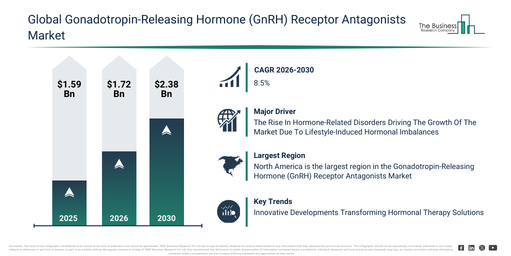
    The gonadotropin-releasing hormone (gnrh) receptor antagonists market has witnessed significant expansion over recent years. It is projected to further expand, reaching $1.72 billion in 2026 from $1.59 billion in 2025, demonstrating a compound annual growth rate (CAGR) of 8.2%. The growth observed in earlier periods can be ascribed to several factors, including the initial limited availability of gnrh receptor antagonists, the prevalent reliance on injectable peptide formulations, increasing public awareness of hormone-related disorders, a rise in hospital and oncology clinic procedures, and the successful approval of early-generation drugs.

    The gonadotropin-releasing hormone (gnrh) receptor antagonists market is projected to experience substantial expansion in the coming years. This market is anticipated to reach $2.38 billion by 2030, exhibiting a compound annual growth rate (CAGR) of 8.5%. Factors driving this growth during the forecast period include the introduction of oral and transdermal non-peptide antagonists, the increasing occurrence of prostate and breast cancer, a wider array of endometriosis treatment choices, greater use in pediatric precocious puberty cases, and the rise of telemedicine along with remote prescription services. Key trends expected during the forecast period involve the growing incidence of hormone-dependent cancers, enhanced acceptance of non-peptide gnrh antagonists, an increase in treatments for endometriosis and uterine fibroids, broader management strategies for pediatric precocious puberty, and the creation of patient-focused administration methods.

    Get A Free Sample Report With In-Depth Market Insights:

    https://thebusinessresearchcompany.com/sample_request?id=27698963&type=smp&name=Gonadotropin-Releasing%20Hormone%20%28GnRH%29%20Receptor%20Antagonists%20Market%20Report%202026&utm_source=Blogs&utm_medium=Paid&utm_campaign=Oct_PR

    Gonadotropin-Releasing Hormone (GnRH) Receptor Antagonists Market Demand Drivers Opening New Revenue Streams

    The expanding occurrence of hormone-related conditions is anticipated to stimulate the growth of the gonadotropin-releasing hormone (GnRH) receptor antagonists market in the future. These disorders are medical states stemming from an imbalance or impaired functioning in the body’s hormone creation, release, or activity, impacting diverse bodily processes like metabolism, growth, reproduction, and mood. The rising incidence of hormone-related ailments is largely attributed to shifts in lifestyle, including inadequate diet, insufficient physical activity, stress, and irregular sleep cycles, all of which can considerably influence hormonal equilibrium. GnRH receptor antagonists aid in addressing hormone-related conditions by directly obstructing gonadotropin-releasing hormone receptors, thereby decreasing the synthesis of sex hormones that foster disease advancement. As an illustration, in February 2025, data from the World Health Organization, an intergovernmental body situated in Switzerland, indicated that polycystic ovary syndrome, a prevalent hormonal disorder among women of childbearing age, impacts an estimated 6–13% women annually, with as many as 70% of these instances going undiagnosed. Consequently, the growing frequency of hormone-related disorders is propelling the expansion of the gonadotropin-releasing hormone (GnRH) receptor antagonists market.

    Gonadotropin-Releasing Hormone (GnRH) Receptor Antagonists Market Segment Performance And Emerging Opportunities

    The gonadotropin-releasing hormone (gnrh) receptor antagonists market covered in this report is segmented –

    1) By Type: Peptide Gonadotropin-Releasing Hormone Receptor Antagonists, Non-Peptide Gonadotropin-Releasing Hormone Receptor Antagonists

    2) By Route Of Administration: Oral, Injectable, Transdermal

    3) By Patient Demographics: Adult Males, Adult Females, Pediatric Patients

    4) By Application: Prostate Cancer, Breast Cancer, Endometriosis, Uterine Fibroids, Precocious Puberty

    5) By Distribution Channel: Hospital Pharmacies, Retail Pharmacies, Online Pharmacies, Other Distribution Channels

    Subsegments:

    1) By Peptide Gonadotropin-Releasing Hormone Receptor Antagonists: Cetrorelix, Ganirelix, Degarelix

    2) By Non-Peptide Gonadotropin-Releasing Hormone Receptor Antagonists: Elagolix, Relugolix, Linzagolix

    Gonadotropin-Releasing Hormone (GnRH) Receptor Antagonists Market Trends Powering Strategic Industry Growth

    Leading companies in the gonadotropin-releasing hormone (GnRH) receptor antagonists market are concentrating on integrating therapeutic innovations, such as advanced oral GnRH receptor antagonist formulations, to enhance the effectiveness of treatment, patient convenience, and safety outcomes. Oral GnRH receptor antagonists are small-molecule therapies that directly block GnRH receptors in the pituitary gland, enabling capabilities like rapid testosterone suppression, fewer complications related to injections, and improved patient adherence. For instance, in October 2023, Sumitomo Pharma Canada Inc., a Canada-based pharmaceutical company specializing in oncology and specialty therapeutics, secured approval for ORGOVYX (relugolix), an oral GnRH receptor antagonist developed to manage androgen-deprivation therapy in adult men with advanced prostate cancer. This treatment offers rapid testosterone reduction, once-daily oral dosing, and a decreased risk of cardiovascular adverse events compared to traditional injectable GnRH agonists. ORGOVYX improves the accessibility of treatment, patient comfort, and the clinical management of hormone-sensitive prostate cancer.

    Gonadotropin-Releasing Hormone (GnRH) Receptor Antagonists Market Key Players: Which Companies Lead Industry Competition?

    Major companies operating in the gonadotropin-releasing hormone (gnrh) receptor antagonists market are Pfizer Inc, AbbVie Inc., Bayer AG, Novartis AG, Takeda Pharmaceutical Company Limited., Merck KGaA, Astellas Pharma Inc., Intas Pharmaceuticals Ltd., Organon And Co., Sun Pharmaceutical Industries Ltd., Jiangsu Hengrui Medicine Co. Ltd., Dr. Reddy’s Laboratories Ltd., Zydus Lifesciences Limited., Gland Pharma Limited., Bachem Holding AG, Kissei Pharmaceutical Co. Ltd., Myovant Sciences GmbH, Ferring International Center S.A., Theramex HQ UK Limited, Veru Inc

    View The Full Gonadotropin-Releasing Hormone (GnRH) Receptor Antagonists Market Report:

    https://thebusinessresearchcompany.com/report/gonadotropin-releasing-hormone-gnrh-receptor-antagonists-global-market-report?utm_source=Blogs&utm_medium=Paid&utm_campaign=Oct_PR

    Gonadotropin-Releasing Hormone (GnRH) Receptor Antagonists Market Leading Geography: Which Region Contributes The Most Revenue?

    North America was the largest region in the gonadotropin-releasing hormone (GnRH) receptor antagonists receptor antagonists market in 2025. Asia-Pacific is expected to be the fastest-growing region in the forecast period. The regions covered in the gonadotropin-releasing hormone (gnrh) receptor antagonists market report are Asia-Pacific, South East Asia, Western Europe, Eastern Europe, North America, South America, Middle East, Africa.

    Reach Out To Our Team:

    The Business Research Company: https://www.thebusinessresearchcompany.com/

    Americas: +1 310-496-7795

    Asia: +44 7882 955267 & +91 8897263534

    Europe: +44 7882 955267

    Email us at: marketing@tbrc.info

    Follow us on:

    LinkedIn: https://in.linkedin.com/company/the-business-research-company

    YouTube: https://www.youtube.com/channel/UC24_fI0rV8cR5DxlCpgmyFQ

    Global Market Model: https://www.thebusinessresearchcompany.com/global-market-model
  • Gonadotropin-Releasing Hormone (GnRH) Agonists And Antagonists Drugs Market Valued At $2.72 Billion In 2026: Key Trends And Growth Drivers

    Gonadotropin-Releasing Hormone (GnRH) Agonists And Antagonists Drugs Market Valued At $2.72 Billion In 2026: Key Trends And Growth Drivers

    Backed by market attractiveness analysis, total addressable market sizing, company benchmarking matrices, interactive Excel dashboards, wider supply chain intelligence, emerging startup coverage, and detailed product-level insights, The Business Research Company’s 2026 market reports are designed to offer research that is more actionable and strategically valuable than ever.

    Gonadotropin-Releasing Hormone (GnRH) Agonists And Antagonists Drugs Market Size, Value And Growth Trajectory Through 2030

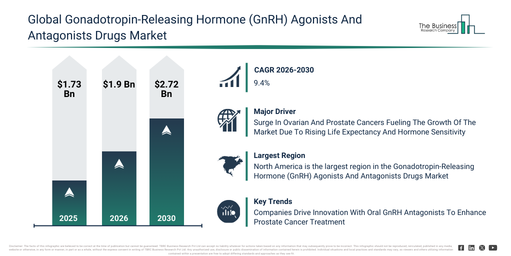
    The gonadotropin-releasing hormone (gnrh) agonists and antagonists drugs market has experienced substantial growth in recent years. It is projected to expand from $1.73 billion in 2025 to $1.9 billion in 2026, at a compound annual growth rate (CAGR) of 9.8%. The historical growth in this market can be attributed to factors such as the limited availability of synthetic gnrh drugs, a reliance on conventional hormone therapies, the growing prevalence of prostate and gynecological cancers, increasing awareness of fertility treatments, and the adoption of depot and implant formulations.

    The gonadotropin-releasing hormone (gnrh) agonists and antagonists drugs market is projected to experience substantial expansion over the upcoming years. This market is anticipated to reach a valuation of $2.72 billion by 2030, exhibiting a compound annual growth rate (CAGR) of 9.4%. The expansion anticipated during this period is driven by the creation of long-acting and sustained-release formulations, increasing capital allocation in oncology and reproductive healthcare, a rise in regulatory approvals for new gnrh antagonists, the growth of specialty clinics and hospitals, and the incorporation of precision medicine with customized treatment approaches. Key developments expected during the forecast timeframe encompass a growing embrace of long-acting gnrh formulations, wider application in oncology and gynecology therapies, an increase in fertility and assisted reproductive treatments, rising consumer demand for pediatric and adult prostate cancer interventions, and a heightened emphasis on individualized hormonal therapy.

    Get A Free Sample Report With In-Depth Market Insights:

    https://thebusinessresearchcompany.com/sample_request?id=94350520&type=smp&name=Gonadotropin-Releasing%20Hormone%20%28GnRH%29%20Agonists%20And%20Antagonists%20Drugs%20Market%20Report%202026&utm_source=Blogs&utm_medium=Paid&utm_campaign=Oct_PR

    Gonadotropin-Releasing Hormone (GnRH) Agonists And Antagonists Drugs Market Growth Backed By Core Demand Fundamentals

    The anticipated rise in the occurrence of ovarian and prostate cancers is projected to fuel the expansion of the gonadotropin-releasing hormone (GnRH) agonists and antagonists drugs market in the foreseeable future. These specific cancers are classified as hormone-sensitive, meaning their development is impacted by hormones like estrogen and testosterone, necessitating treatment approaches that regulate hormones, including GnRH agonists or antagonists. A contributing factor to the upward trend in ovarian and prostate cancer diagnoses is the global increase in life expectancy, given that the likelihood of developing these age-related, hormone-sensitive cancers escalates with advancing age. Gonadotropin-releasing hormone (GnRH) agonists and antagonists play a crucial role in managing ovarian and prostate cancers by inhibiting the synthesis of sex hormones like estrogen and testosterone, which are known to promote the progression of these hormone-dependent tumors. As an illustration, data from Cancer Australia, an Australian government body, indicates that around 1,786 new cases of ovarian cancer were anticipated in Australia in 2023. Furthermore, women face approximately a 1 in 87 chance (or 1.2% risk) of receiving an ovarian cancer diagnosis by the age of 85. Consequently, the growing incidence of ovarian and prostate cancers is serving as a primary catalyst for the expansion of the gonadotropin-releasing hormone (GnRH) agonists and antagonists drugs market.

    Gonadotropin-Releasing Hormone (GnRH) Agonists And Antagonists Drugs Market Segment Landscape And Growth Outlook

    The gonadotropin-releasing hormone (gnrh) agonists and antagonists drugs market covered in this report is segmented –

    1) By Drug Type: GnRH Agonists, Leuprorelin, Goserelin, Triptorelin, Histrelin, Buserelin, GnRH Antagonists, Degarelix, Abarelix, Other Drug Types

    2) By Application: Gynecology, Oncology, Other Applications

    3) By End-User: Hospitals, Specialty Clinics, Other End-Users

    Subsegments:

    1) By GnRH Agonists: Deslorelin, Gonadorelin, Zoladex Long-Acting Goserelin Variant, Lupron Depot-Ped, Sustained-Release Microsphere Formulations

    2) By Leuprorelin: Depot Injection, Implant, Combination Therapy Formulations

    3) By Goserelin: Subcutaneous Implant, Oncology-Specific Formulation, Gynecology-Specific Formulation

    4) By Triptorelin: Intramuscular Injection, Long-Acting (1-, 3-, 6-Month) Depot, Fertility Treatment Formulation

    5) By Histrelin: Subcutaneous Implant, Pediatric (Precocious Puberty) Formulation, Adult Prostate Cancer-Specific Version

    6) By Buserelin: Nasal Spray, Subcutaneous Injection, In Vitro Fertilization And Fertility Cycle Formulations

    7) By GnRH Antagonists: Teverelix DP, Elagolix, Relugolix, Ganirelix, Linzagolix

    8) By Degarelix: Subcutaneous Injection, Monthly Dosing, Prostate Cancer-Specific Formulation

    9) By Abarelix: Intramuscular Injection, Advanced Prostate Cancer, Short-Acting Formulation

    10) By Other Drug Types: Subcutaneous Injection, In Vitro Fertilization-Specific Use, Multiple Dosing Regimens

    Gonadotropin-Releasing Hormone (GnRH) Agonists And Antagonists Drugs Market Growth Trends Reshaping The Competitive Landscape

    Leading companies within the gonadotropin-releasing hormone (GnRH) agonists and antagonists drugs market are concentrating on developing innovative solutions, such as oral gonadotropin-releasing hormone (GnRH) receptor antagonists. This focus aims to enhance patient convenience, improve treatment adherence, and minimize the need for injectable therapies. An oral gonadotropin-releasing hormone (GnRH) receptor antagonist operates as a pill that blocks GnRH receptors, swiftly reducing sex hormone levels and aiding in the treatment of hormone-related conditions like prostate cancer and endometriosis. For instance, in March 2024, Sumitomo Pharma Co. Ltd., a Japan-based pharmaceutical company, announced the availability of ORGOVYX (relugolix) in Canada, following Health Canada’s approval. This drug is notable as the first and only oral androgen deprivation therapy (ADT) specifically for advanced prostate cancer. ORGOVYX is a once-daily oral gonadotropin-releasing hormone (GnRH) receptor antagonist that works by suppressing testosterone production, a crucial element in prostate cancer progression. Its approval was founded on the Phase 3 HERO study, which exhibited effective and sustained testosterone suppression, a reduction in major cardiovascular events, and a castration resistance-free survival comparable to established injectable therapies.

    Gonadotropin-Releasing Hormone (GnRH) Agonists And Antagonists Drugs Market Competitive Landscape: Who Leads The Industry?

    Major companies operating in the gonadotropin-releasing hormone (gnrh) agonists and antagonists drugs market are AbbVie Inc., Merck KGaA, Intas Pharmaceuticals Limited, Ipsen S.A., Dr. Reddy’s Laboratories Limited, Gedeon Richter Plc, Zydus Lifesciences Limited, Bachem Holding AG, Ferring International Center S.A., Tolmar Inc., Debiopharm International SA, TerSera Therapeutics LLC, TiumBio Co. Ltd.

    View The Full Gonadotropin-Releasing Hormone (GnRH) Agonists And Antagonists Drugs Market Report:

    https://thebusinessresearchcompany.com/report/gonadotropin-releasing-hormone-gnrh-agonists-and-antagonists-drugs-global-market-report?utm_source=Blogs&utm_medium=Paid&utm_campaign=Oct_PR

    Gonadotropin-Releasing Hormone (GnRH) Agonists And Antagonists Drugs Market Regional Outlook: Where Is Opportunity Concentrated?

    North America was the largest region in the gonadotropin-releasing hormone (GnRH) agonists and antagonists drugs market in 2025. Asia-Pacific is expected to be the fastest-growing region in the forecast period. The regions covered in the gonadotropin-releasing hormone (gnrh) agonists and antagonists drugs market report are Asia-Pacific, South East Asia, Western Europe, Eastern Europe, North America, South America, Middle East, Africa.

    Reach Out To Our Team:

    The Business Research Company: https://www.thebusinessresearchcompany.com/

    Americas: +1 310-496-7795

    Asia: +44 7882 955267 & +91 8897263534

    Europe: +44 7882 955267

    Email us at: marketing@tbrc.info

    Follow us on:

    LinkedIn: https://in.linkedin.com/company/the-business-research-company

    YouTube: https://www.youtube.com/channel/UC24_fI0rV8cR5DxlCpgmyFQ

    Global Market Model: https://www.thebusinessresearchcompany.com/global-market-model
  • Glycopeptide Antibiotics Market Size In 2026: Growth Outlook And Forecast Through 2030

    Glycopeptide Antibiotics Market Size In 2026: Growth Outlook And Forecast Through 2030

    Featuring market attractiveness scoring, total addressable market sizing, company benchmarking matrices, interactive Excel dashboards, deeper supply chain intelligence, emerging startup tracking, and granular product-level insights, The Business Research Company’s 2026 market reports are built to deliver research that is both more actionable and more strategically valuable.

    Glycopeptide Antibiotics Market CAGR Outlook And Future Development

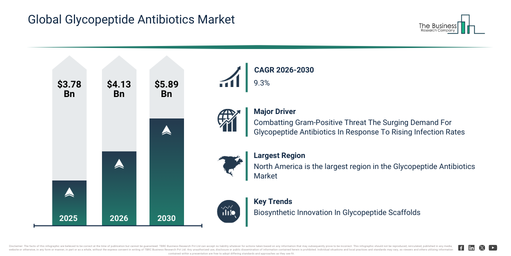
    The glycopeptide antibiotics market has experienced substantial growth in recent years. This market is expected to expand from $3.78 billion in 2025 to $4.13 billion in 2026, achieving a compound annual growth rate (CAGR) of 9.0%. Historically, this growth can be attributed to factors such as an increase in hospital-acquired infections, the widespread application of vancomycin as a standard therapeutic option, the rising prevalence of gram-positive bacterial infections, the limited availability of alternative antibiotics, and the ongoing expansion of inpatient healthcare infrastructure.

    The glycopeptide antibiotics market size is anticipated to experience substantial growth over the next few years, projecting to reach $5.89 billion in 2030 with a compound annual growth rate (CAGR) of 9.3%. This expansion during the forecast period can be attributed to the rise in multidrug-resistant pathogens, the increasing uptake of long-acting glycopeptides, a growing demand for outpatient and home-based antibiotic therapies, ongoing research and development in next-generation glycopeptides, and increasing global healthcare expenditure. Prominent trends for the forecast period include an escalating reliance on glycopeptides for resistant infections, an expansion of the lipoglycopeptide antibiotics portfolio, increased hospital utilization of intravenous glycopeptides, an enhanced focus on optimized dosing and therapeutic monitoring, and broader adoption in severe gram-positive infections.

    Get A Free Sample Report With In-Depth Market Insights:

    https://thebusinessresearchcompany.com/sample_request?id=83826269&type=smp&name=Glycopeptide%20Antibiotics%20Market%20Report%202026&utm_source=Blogs&utm_medium=Paid&utm_campaign=Oct_PR

    Glycopeptide Antibiotics Market Growth Catalysts And Demand Drivers

    The increasing incidence of gram-positive infections is projected to drive the expansion of the glycopeptide antibiotic market in the upcoming years. Gram-positive infections are caused by specific gram-positive bacteria such as *Staphylococcus aureus*, *Streptococcus pneumoniae*, and *Streptococcus pyogenes*. Glycopeptide antibiotics effectively combat many gram-positive bacteria by targeting their cell wall formation through a unique mechanism. As an illustration, in June 2023, the “Group A Streptococcal Infections: Report on Seasonal Activity in England 2022–2023” from the UK Health Security Agency, a UK-based government body focused on public health and infectious-disease protection, indicated a sharp increase in invasive Group A Streptococcus (iGAS) activity, with 509 laboratory-confirmed iGAS notifications recorded by week 46 of 2023, including a weekly high of 73 cases. This surge highlights a growing burden from infectious diseases, thereby escalating the demand for effective antimicrobial therapies throughout the healthcare system. Thus, the rising prevalence of gram-positive infections is a significant driver for the glycopeptide antibiotic market.

    Glycopeptide Antibiotics Market Breakdown By Product Type And Application

    The glycopeptide antibiotics market covered in this report is segmented –

    1) By Drug: Vancomycin, Dalbavancin, Oritavancin, Other Drugs

    2) By Route of Administration: Oral, Parenteral, Other Routes

    3) By Indication: Skin And Structure Infection, Meningitis, Clostridioides Difficile Infection, Enterocolitis, Other Indications

    4) By End-User: Hospitals, Specialty Clinics, Homecare, Other End-Users

    Subsegments:

    1) By Vancomycin: Vancomycin Injection, Vancomycin Oral Solution, Vancomycin Capsules, Vancomycin Powder for Solution

    2) By Dalbavancin: Dalbavancin IV (Intravenous) Formulation, Dalbavancin Powder for Injection

    3) By Oritavancin: Oritavancin IV (Intravenous) Formulation, Oritavancin Powder for Injection

    4) By Other Drugs: Teicoplanin, Glycopeptide and Lipoglycopeptide Antibiotics

    Glycopeptide Antibiotics Market Trends Shaping Long-Term Demand

    Leading companies in the glycopeptide antibiotics market are concentrating on developing innovative products, such as novel glycopeptide scaffolds, to achieve a competitive edge. These novel glycopeptide scaffolds represent structurally distinct antibiotic backbones, derived through advanced biosynthetic methods or natural-product mining techniques. For instance, in May 2025, a Chinese-European research consortium, a China-based cross-continental expertise, unveiled Saarvienin A, a newly discovered glycopeptide featuring a halogenated peptide core, an unusual ureido linkage, and five distinct sugar or aminosugar units. Saarvienin A does not bind the traditional cell-wall target of other glycopeptides, indicating a potentially novel mechanism, and exhibits potent in vitro activity against resistant Gram-positive pathogens such as MRSA and vancomycin-resistant Enterococcus. While this innovation marks a significant step forward in addressing antibiotic resistance, it faces challenges including clinical translation, optimization for safety, and the scale-up of production.

    Glycopeptide Antibiotics Market Company Landscape And Competitive Strategy

    Major companies operating in the glycopeptide antibiotics market are ANI Pharmaceuticals Inc., Fresenius SE & Co. KGaA, Pfizer Inc., Novartis AG, Hikma Pharmaceuticals Plc., Aurobindo Pharma Limited, Abbvie Inc., Cumberland Pharmaceuticals Inc., Janssen Global, Bristol-Myers Squibb Company, Shenwei Pharmaceutical Hainan Co. Ltd., Zhejiang Hisun Pharmaceutical Co. Ltd., Alvogen, Bayer AG, Merck & Co. Inc., Teva Pharmaceutical Industries Ltd., Sanofi SA, GlaxoSmithKline plc, Johnson & Johnson, AstraZeneca, Boehringer Ingelheim GmbH, Cipla Inc.

    View The Full Glycopeptide Antibiotics Market Report:

    https://thebusinessresearchcompany.com/report/glycopeptide-antibiotics-global-market-report?utm_source=Blogs&utm_medium=Paid&utm_campaign=Oct_PR

    Glycopeptide Antibiotics Market Geographic Landscape: Which Region Leads Industry Growth?

    North America was the largest region in the glycopeptide antibiotics market in 2025. The regions covered in the glycopeptide antibiotics market report are Asia-Pacific, South East Asia, Western Europe, Eastern Europe, North America, South America, Middle East, Africa.

    Reach Out To Our Team:

    The Business Research Company: https://www.thebusinessresearchcompany.com/

    Americas: +1 310-496-7795

    Asia: +44 7882 955267 & +91 8897263534

    Europe: +44 7882 955267

    Email us at: marketing@tbrc.info

    Follow us on:

    LinkedIn: https://in.linkedin.com/company/the-business-research-company

    YouTube: https://www.youtube.com/channel/UC24_fI0rV8cR5DxlCpgmyFQ

    Global Market Model: https://www.thebusinessresearchcompany.com/global-market-model
  • GLP-1 Receptor Agonist Market Trends Supporting 5.4% CAGR Growth Through 2030

    GLP-1 Receptor Agonist Market Trends Supporting 5.4% CAGR Growth Through 2030

    Built to provide research that’s more actionable and strategically valuable, The Business Research Company’s 2026 market reports include market attractiveness analysis, total addressable market sizing, company benchmarking matrices, interactive Excel dashboards, broader supply chain intelligence, emerging startup tracking, and in-depth product insights.

    GLP-1 Receptor Agonist Market Set To Climb From $14.83 Billion In 2026 To $18.32 Billion By 2030

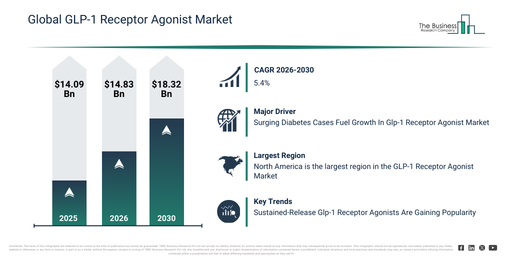
    The glp-1 receptor agonist market has experienced strong growth in recent years. It is forecast to grow from $14.09 billion in 2025 to $14.83 billion in 2026, at a compound annual growth rate (CAGR) of 5.3%. This historic growth is attributable to the increasing prevalence of type 2 diabetes, greater awareness of glycemic control therapies, robust clinical efficacy compared to traditional antidiabetics, physician preference for incretin-based therapies, and favorable reimbursement in developed markets.

    The glp-1 receptor agonist market is projected to experience substantial expansion in the coming years, with its size anticipated to reach $18.32 billion in 2030, demonstrating a compound annual growth rate (CAGR) of 5.4%. This growth during the forecast period can be attributed to factors such as the increasing global obesity population, broader approvals for cardiovascular risk reduction, advancements in oral and combination treatments, deeper market penetration in developing regions, and a growing patient preference for the benefits of weight loss. Furthermore, key trends expected during this period include the application of glp-1 therapies extending beyond diabetes, a heightened demand for long-acting and once-weekly dosage forms, the development of oral glp-1 receptor agonists, an intensified focus on managing weight, and the formation of strategic alliances and licensing deals.

    Get A Free Sample Report With In-Depth Market Insights:

    https://thebusinessresearchcompany.com/sample_request?id=9631&type=smp&name=GLP-1%20Receptor%20Agonist%20Market%20Report%202026&utm_source=Blogs&utm_medium=Paid&utm_campaign=Oct_PR

    GLP-1 Receptor Agonist Market Opportunity Drivers: What’s Unlocking New Revenue Potential?

    The increasing occurrence of diabetes is anticipated to propel the GLP-1 receptor agonist market moving forward. This chronic condition arises when the pancreas either fails to produce enough insulin or when the body struggles to use the insulin it produces effectively. Diabetes mellitus is a metabolic disorder characterized by elevated blood sugar. GLP-1 receptor agonists are utilized in diabetes management to encourage the body’s insulin production, thereby assisting in the reduction of blood sugar levels, which is why the rising prevalence of diabetes is set to drive market expansion. For instance, in March 2024, the Office for Health Improvement and Disparities, a UK-based government department, reported that between March 2022 and March 2023, the percentage of individuals with type 1 diabetes receiving all eight recommended care processes increased by 22%. For type 2 diabetes, this percentage grew by 21%, while the proportion achieving target HbA1c levels climbed to 37.9%. These developments underscore how the rising prevalence of diabetes is driving the GLP-1 receptor agonist market.

    GLP-1 Receptor Agonist Market Segment Analysis And Revenue Potential

    The glp-1 receptor agonist market covered in this report is segmented –

    1) By Drug Class: Exenatide, Liraglutide, Dulaglutide, Lixisenatide, Other Drugs

    2) By Route Of Administration: Parenteral, Oral

    3) By End Users: Hospitals, Surgical Clinics, Other Users

    GLP-1 Receptor Agonist Market Innovation Trends Shaping Future Development

    Leading companies in the GLP-1 receptor agonist market are prioritizing the development of sustained-release GLP-1 receptor agonists to enhance their market competitiveness. These medications, known as sustained-release GLP-1RAs, are designed to gradually introduce the agonist into the bloodstream, resulting in prolonged effects and fewer required injections compared to conventional GLP-1RAs. For instance, in April 2023, the Japan-based pharmaceuticals firm, Mitsubishi Tanabe Pharma Corporation, introduced Mounjaro 2.5 mg or 5 mg Ateos. This product stands as the world’s inaugural sustained-release GIP/GLP-1 receptor agonist, targeting both GLP-1 and GIP receptors for type 2 diabetes management. While the GLP-1 receptor helps regulate blood sugar, the GIP receptor is crucial for stimulating insulin release and curbing appetite.

    GLP-1 Receptor Agonist Market Key Players Shaping Industry Direction

    Major companies operating in the glp-1 receptor agonist market are Novo Nordisk A/S, Sanofi SA, Eli Lilly and Company, AstraZeneca Inc., Boehringer Ingelheim International GmbH, Hanmi Pharm Co. Ltd., Pfizer Inc., Amgen Inc., Innovent Biologics Inc., Jiangsu Hengrui Medicine Co., Sun Pharmaceuticals Industries Ltd., PegBio Co. Ltd., Zealand Pharma A/S, Bristol-Myers Squibb Company, Chongqing Lummy Pharmaceutical Co. Ltd., Daiichi Sankyo Company Limited, Dong-A ST Co. Ltd., Eisai Co. Ltd., HanAll Biopharma Co. Ltd., Ipsen SA, Johnson & Johnson, Merck & Co. Inc., Novartis AG.

    View The Full GLP-1 Receptor Agonist Market Report:

    https://thebusinessresearchcompany.com/report/GLP-1-receptor-agonist-global-market-report?utm_source=Blogs&utm_medium=Paid&utm_campaign=Oct_PR

    GLP-1 Receptor Agonist Market Largest Region: Which Geography Holds The Biggest Share?

    North America was the largest region in the GLP-1 receptor agonist market in 2025. Asia-Pacific is expected to be the fastest-growing region in the GLP-1 receptor agonist market report during the forecast period. The regions covered in the glp-1 receptor agonist market report are Asia-Pacific, South East Asia, Western Europe, Eastern Europe, North America, South America, Middle East, Africa.

    Reach Out To Our Team:

    The Business Research Company: https://www.thebusinessresearchcompany.com/

    Americas: +1 310-496-7795

    Asia: +44 7882 955267 & +91 8897263534

    Europe: +44 7882 955267

    Email us at: marketing@tbrc.info

    Follow us on:

    LinkedIn: https://in.linkedin.com/company/the-business-research-company

    YouTube: https://www.youtube.com/channel/UC24_fI0rV8cR5DxlCpgmyFQ

    Global Market Model: https://www.thebusinessresearchcompany.com/global-market-model
  • Genomic Cancer Panel And Profiling Market Forecast Highlights A $15.44 Billion Opportunity For Industry Participants

    Genomic Cancer Panel And Profiling Market Forecast Highlights A $15.44 Billion Opportunity For Industry Participants

    Backed by market attractiveness analysis, total addressable market sizing, company benchmarking matrices, interactive Excel dashboards, wider supply chain intelligence, emerging startup coverage, and detailed product-level insights, The Business Research Company’s 2026 market reports are designed to offer research that is more actionable and strategically valuable than ever.

    Genomic Cancer Panel And Profiling Market Forecast: Value Set To Climb From $11.17 Billion To $15.44 Billion

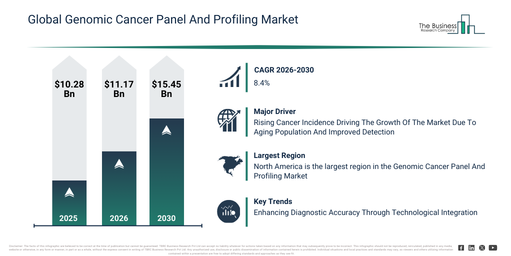
    The genomic cancer panel and profiling market size has demonstrated robust growth in recent years. It will grow from $10.28 billion in 2025 to $11.17 billion in 2026 at a compound annual growth rate (CAGR) of 8.7%. This historical expansion is primarily attributable to factors such as an increase in cancer prevalence, progress in sequencing technologies, the broadening of oncology diagnostics, enhanced funding for genomic research, and the escalating adoption of precision medicine.

    The genomic cancer panel and profiling market is anticipated to experience substantial growth over the coming years. Projections indicate it will reach $15.45 billion by 2030, exhibiting a compound annual growth rate (CAGR) of 8.4%. This expansion during the forecast period is driven by factors such as the increasing use of companion diagnostics, the rising adoption of liquid biopsy, the incorporation of AI into genomic analysis, the proliferation of oncology screening programs, and the creation of more affordable sequencing platforms. Key developments expected in this period include the wider acceptance of multi-gene cancer panels, the growing application of next-generation sequencing, the broadening of liquid biopsy testing, the escalating need for personalized oncology solutions, and the seamless integration of genomic data into clinical decision-making processes.

    Get A Free Sample Report With In-Depth Market Insights:

    https://thebusinessresearchcompany.com/sample_request?id=41197447&type=smp&name=Genomic%20Cancer%20Panel%20And%20Profiling%20Market%20Report%202026&utm_source=Blogs&utm_medium=Paid&utm_campaign=Oct_PR

    Genomic Cancer Panel And Profiling Market Growth Momentum: What Factors Are Shaping Demand?

    The genomic cancer panel and profiling market is projected to expand in the future due to an increasing incidence of cancer. Cancer is a disease characterized by the uncontrolled proliferation and dissemination of abnormal cells throughout the body. The rise in cancer cases is attributable to an aging global population, where a longer life expectancy correlates with an elevated probability of developing cancer. Genomic cancer panels and profiling are instrumental in oncology care by identifying genetic mutations and biomarkers, facilitating personalized treatment strategies, and enhancing early detection and monitoring. For instance, in January 2024, according to the American Cancer Society, a U.S.-based nonprofit organization, around 20 million new cancer cases were reported globally in 2022, resulting in 9.7 million deaths; primarily driven by population growth, the global cancer burden is forecasted to increase to 35 million cases by 2050. Therefore, the growing incidence of cancer will stimulate the growth of the genomic cancer panel and profiling market.

    Genomic Cancer Panel And Profiling Market Segmentation And Category Overview

    The genomic cancer panel and profiling market covered in this report is segmented –

    1) By Tissue Testing: Solid Tissue Testing, Liquid Tissue Testing

    2) By Technology: Next-Generation Sequencing (NGS), Polymerase Chain Reaction (PCR), Fluorescence In-Situ Hybridization (FISH), Immunohistochemistry (IHC), Other Technologies

    3) By Cancer Panel Type: Single-Gene Panel, Multi-Gene Panel

    4) By Application: Clinical, Research

    5) By End User: Hospitals, Research And Academic Institutes, Clinical And Diagnostic Laboratories, Other End Users

    Subsegments:

    1) By Solid Tissue Testing: Biopsy Samples, Surgical Resection Samples, Formalin-Fixed Paraffin-Embedded (FFPE) Tissues, Fresh Frozen Tissues

    2) By Liquid Tissue Testing: Blood, Urine, Saliva, Cerebrospinal Fluid (CSF), Other Bodily Fluids

    Genomic Cancer Panel And Profiling Market Trends Redefining Industry Growth

    Leading firms within the genomic cancer panel and profiling market are prioritizing innovations such as next-generation sequencers to enhance the accuracy, speed, and comprehensiveness of cancer diagnostics, thereby facilitating more personalized treatment decisions. Next-generation sequencers represent sophisticated DNA sequencing methods that allow for swift and extensive examination of genetic material for pinpointing mutations, variations, and other genomic features. For instance, in April 2025, QIAGEN N.V., a Netherlands-based biotechnology company, introduced QIAseq panels tailored for use with next-generation sequencers, which facilitate thorough genomic profiling through the analysis of over 700 genes. These panels serve both research and clinical applications, with the objective of enhancing cancer diagnostics and treatment strategies.

    Genomic Cancer Panel And Profiling Market Competitive Analysis Of Leading Industry Participants

    Major companies operating in the genomic cancer panel and profiling market are Hoffmann-La Roche Ltd, Thermo Fisher Scientific Inc., Agilent Technologies Inc., Hologic Inc., Illumina Inc., Sysmex Corporation, QIAGEN N.V., Exact Sciences Corporation, ARUP Laboratories, Tempus Labs, Genscript Biotech Corporation, NeoGenomics Inc., Foundation Medicine, Invitae Corporation, Guardant Health Inc., Caris Life Sciences, Fulgent Genetics, NanoString Technologies Inc., Genecast Biotechnology Co. Ltd, Burning Rock DX, HTG Molecular Diagnostics Inc., Predictive Oncology Inc.

    View The Full Genomic Cancer Panel And Profiling Market Report:

    https://thebusinessresearchcompany.com/report/genomic-cancer-panel-and-profiling-global-market-report?utm_source=Blogs&utm_medium=Paid&utm_campaign=Oct_PR

    Genomic Cancer Panel And Profiling Market Regional Analysis: Which Geography Leads On Revenue?

    North America was the largest region in the genomic cancer panel and profiling market in 2025. The regions covered in the genomic cancer panel and profiling market report are Asia-Pacific, South East Asia, Western Europe, Eastern Europe, North America, South America, Middle East, Africa.

    Reach Out To Our Team:

    The Business Research Company: https://www.thebusinessresearchcompany.com/

    Americas: +1 310-496-7795

    Asia: +44 7882 955267 & +91 8897263534

    Europe: +44 7882 955267

    Email us at: marketing@tbrc.info

    Follow us on:

    LinkedIn: https://in.linkedin.com/company/the-business-research-company

    YouTube: https://www.youtube.com/channel/UC24_fI0rV8cR5DxlCpgmyFQ

    Global Market Model: https://www.thebusinessresearchcompany.com/global-market-model
  • Genomic Biomarker Market Analysis: How The Industry Is Evolving Toward A $22.22 Billion Future

    Genomic Biomarker Market Analysis: How The Industry Is Evolving Toward A $22.22 Billion Future

    Featuring market attractiveness scoring, total addressable market sizing, company benchmarking matrices, interactive Excel dashboards, deeper supply chain intelligence, emerging startup tracking, and granular product-level insights, The Business Research Company’s 2026 market reports are built to deliver research that is both more actionable and more strategically valuable.

    Genomic Biomarker Market Revenue Growth On Track For A 17.5% CAGR Through 2030

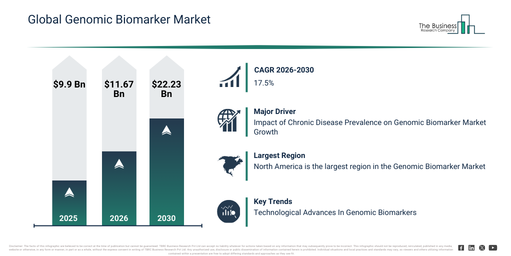
    The genomic biomarker market has experienced substantial growth in recent years. This market is projected to expand from $9.9 billion in 2025 to reach $11.67 billion by 2026, demonstrating a compound annual growth rate (CAGR) of 17.8%. Factors contributing to its historical growth include greater investment in genomic investigations, wider scope of biomarker studies concentrating on oncology, enhanced accessibility of next-generation sequencing methods, increasing partnerships between diagnostic firms and pharmaceutical enterprises, and the pioneering embrace of tailored medicine strategies.

    The genomic biomarker market is set to undergo significant expansion in the coming years. It is projected to achieve a size of $22.23 billion in 2030, exhibiting a compound annual growth rate (CAGR) of 17.5%. The projected increase in this period can be attributed to factors like the escalating demand for precision medicine therapies, the expanding utilization of biomarkers in drug development, the wider adoption of companion diagnostics, an increased emphasis on detecting diseases early, and strengthened regulatory backing for biomarker-based approvals. Key trends anticipated during the forecast period include the rising acceptance of predictive genomic biomarkers, an increase in pharmacogenomic testing, the growing integration of genomic data into clinical decision-making, the broadening scope of biomarker-based oncology diagnostics, and a sharpened focus on clinical validation standards.

    Get A Free Sample Report With In-Depth Market Insights:

    https://thebusinessresearchcompany.com/sample_request?id=91788221&type=smp&name=Genomic%20Biomarker%20Market%20Report%202026&utm_source=Blogs&utm_medium=Paid&utm_campaign=Oct_PR

    Genomic Biomarker Market Expansion Drivers: What’s Shaping Future Growth?

    The expanding occurrence of chronic illnesses is anticipated to boost the development of the genomic biomarker market in the future. Chronic ailments represent enduring health states that persist for extended periods and frequently advance gradually. The growing frequency of chronic diseases stems from an aging global populace and escalating instances of lifestyle-associated issues like obesity and diabetes. Through the identification of genetic predispositions and the customization of interventions, genomic biomarkers facilitate early diagnosis and individualized preventive approaches for chronic illnesses. Such a forward-thinking method aids in lowering the incidence by focusing on susceptible individuals prior to the emergence of the disease. As an illustration, in September 2023, the World Health Organization (WHO), a Switzerland-based intergovernmental body, reported that 41 million global deaths occur annually, constituting 74% of all deaths linked to chronic diseases. These figures encompass 17.9 million fatalities from cardiovascular diseases, 9.3 million from cancer, 4.1 million from chronic respiratory diseases, and 2.0 million from diabetes. Consequently, the rising incidence of chronic diseases fuels the expansion of genomic biomarkers.

    Genomic Biomarker Market Segment Outlook: Which Categories Are Growing Fastest?

    The genomic biomarker market covered in this report is segmented –

    1) By Type: Predictive Biomarkers, Prognostic Biomarkers

    2) By Disease Indication: Oncology, Cardiovascular Diseases, Neurological Diseases, Renal Disorders, Other Disease Indications

    3) By Validation: Analytical Validation, Clinical Validation, Clinical Utility

    4) By End-User: Hospitals, Diagnostic Centers, Research Laboratories, Other End Users

    Subsegments:

    1) By Predictive Biomarkers: Genetic Biomarkers For Disease Susceptibility, Pharmacogenomic Biomarkers For Drug Response, Early Detection Biomarkers For Disease Prediction, Biomarkers For Treatment Response Prediction

    2) By Prognostic Biomarkers: Biomarkers For Disease Progression, Biomarkers For Outcome Prediction, Survival And Recurrence Biomarkers, Biomarkers For Treatment Efficacy And Prognosis

    Genomic Biomarker Market Strategic Trends: What Defines The Next Growth Phase?

    Major companies operating in the genomic biomarker market are concentrating on creating sophisticated products, such as advanced liquid biopsy assays, to enable thorough genomic profiling of solid tumors. A liquid biopsy assay serves as a diagnostic test that examines genetic material, typically circulating tumor DNA (ctDNA), obtained from a blood sample to identify and track cancer. Pinpointing genomic biomarkers can yield information about specific mutations, gene expression profiles, or other genetic modifications associated with cancer. For example, in November 2023, Illumina Inc., a US-based biotechnology company, introduced an advanced liquid biopsy assay, the TruSight Oncology 500 ctDNA v2 (TSO 500 ctDNA v2), designed for comprehensive genomic profiling of solid tumors. This assay offers improved analytical sensitivity by detecting low-frequency variants with just 20 ng of cell-free DNA, a reduction from the prior 30 ng. It provides results in under four days, significantly expediting genomic profiling compared to conventional techniques. The optimized workflow and forthcoming automation are expected to simplify lab integration and enhance efficiency.

    Genomic Biomarker Market Leading Companies And Competitive Benchmarking

    Major companies operating in the genomic biomarker market are Pfizer Inc., Roche Diagnostics, Thermo Fisher Scientific Inc., Merck KGaA, Eurofins Scientific SE, Agilent Technologies Inc., Illumina Inc., PerkinElmer Inc., Beckman Coulter Inc., Bio-Rad Laboratories Inc., Foundation Medicine Inc., QIAGEN N.V., Almac Group Ltd., Myriad Genetics Inc., Invitae Inc., Guardant Health Inc., Novogene Inc., Twist Bioscience Corp., NanoString Technologies Inc., Quanterix Corp., Personalis Inc., GENEWIZ Inc., Agena Bioscience Inc., Creative Diagnostics Ltd., OncoDNA SA, Genome Life Sciences Ltd., Epigenomics AG.

    View The Full Genomic Biomarker Market Report:

    https://thebusinessresearchcompany.com/report/genomic-biomarker-global-market-report?utm_source=Blogs&utm_medium=Paid&utm_campaign=Oct_PR

    Genomic Biomarker Market Geographic Spread And Regional Opportunities

    North America was the largest region in the genomic biomarker market in 2025. Asia-Pacific is expected to be the fastest-growing region in the forecast period. The regions covered in the genomic biomarker market report are Asia-Pacific, South East Asia, Western Europe, Eastern Europe, North America, South America, Middle East, Africa.

    Reach Out To Our Team:

    The Business Research Company: https://www.thebusinessresearchcompany.com/

    Americas: +1 310-496-7795

    Asia: +44 7882 955267 & +91 8897263534

    Europe: +44 7882 955267

    Email us at: marketing@tbrc.info

    Follow us on:

    LinkedIn: https://in.linkedin.com/company/the-business-research-company

    YouTube: https://www.youtube.com/channel/UC24_fI0rV8cR5DxlCpgmyFQ

    Global Market Model: https://www.thebusinessresearchcompany.com/global-market-model