Category: Pharmaceuticals

  • General Anesthesia Drugs Market Forecast: Breaking Down The Numbers Behind Future Expansion

    General Anesthesia Drugs Market Forecast: Breaking Down The Numbers Behind Future Expansion

    Backed by market attractiveness analysis, total addressable market sizing, company benchmarking matrices, interactive Excel dashboards, wider supply chain intelligence, emerging startup coverage, and detailed product-level insights, The Business Research Company’s 2026 market reports are designed to offer research that is more actionable and strategically valuable than ever.

    General Anesthesia Drugs Market Forecast: What Value Will The Market Reach By 2030?

    The market size for general anesthesia drugs has experienced consistent expansion in recent years. It is anticipated to grow from $5.17 billion in 2025 to $5.35 billion in 2026, achieving a compound annual growth rate (CAGR) of 3.5%. This historical growth can be largely attributed to an increase in surgical interventions, global hospital expansion, the established clinical efficacy of anesthetic agents, a rise in trauma and emergency surgeries, and advancements in surgical infrastructure.

    The general anesthesia drugs market size is anticipated to experience consistent expansion over the upcoming years. This market is projected to reach $6.16 billion in 2030, exhibiting a compound annual growth rate (CAGR) of 3.6%. This projected growth is driven by several factors, including a rise in minimally invasive surgical procedures, the expansion of ambulatory surgical centers, an aging global population, increased demand for cosmetic and elective surgeries, and advancements in anesthesia monitoring technology. Noteworthy trends for the forecast period encompass a global increase in surgical procedure volumes, a growing inclination towards short-acting anesthetic agents, their expanded application in outpatient and day-care settings, the broadening adoption of multimodal anesthesia protocols, and an elevated demand from an aging surgical demographic.

    Get A Free Sample Report With In-Depth Market Insights:

    https://thebusinessresearchcompany.com/sample_request?id=27945245&type=smp&name=General%20Anesthesia%20Drugs%20Market%20Report%202026&utm_source=Blogs&utm_medium=Paid&utm_campaign=Oct_PR

    General Anesthesia Drugs Market Growth Momentum: What Factors Are Shaping Demand?

    The general anesthesia drugs market is projected to grow due to the increasing volume of surgical procedures. These procedures involve medical operations performed by trained professionals to address diseases, injuries, or abnormalities, often requiring an incision or specialized instruments to access internal structures and tissues. The uptick in surgical procedures is primarily driven by the escalating prevalence of chronic diseases, which frequently necessitate surgical intervention for effective treatment. General anesthesia drugs are vital during these operations to induce unconsciousness and eliminate pain, ensuring patients remain immobile and unaware throughout complex or invasive surgeries. For instance, in June 2024, the American Society of Plastic Surgeons, a US-based non-profit organization focused on minimally invasive procedures, reported a 7% growth in 2023, which was a 2% increase from 2022. Thus, the rising number of surgical procedures is a key factor propelling the expansion of the general anesthesia drugs market.

    General Anesthesia Drugs Market Segment Analysis And Revenue Potential

    The general anesthesia drugs market covered in this report is segmented –

    1) By Drug: Sevoflurane, Propofol, Dexmedetomidine, Remifentanil, Desflurane, Midazolam, Other Drugs

    2) By Route Of Administration: Intravenous, Inhaled

    3) By Application: Cardiovascular Surgery, Orthopedic Surgery, Neurosurgery, General Surgery, Cosmetic Surgery, Other Applications

    4) By End-Use: Hospitals, Ambulatory Surgical Centers, Clinics, Other End-Users

    Subsegments:

    1) By Sevoflurane: Inhalation Anesthesia, Pediatric Anesthesia, Outpatient Procedures

    2) By Propofol: Induction Anesthesia, Maintenance Anesthesia, ICU Sedation

    3) By Dexmedetomidine: Procedural Sedation, ICU Sedation, Postoperative Sedation

    4) By Remifentanil: Opioid-Based Anesthesia, Short Surgical Procedures, Pain Management

    5) By Desflurane: Inhalation Anesthesia, Rapid Recovery Procedures, Outpatient Surgeries

    6) By Midazolam: Preoperative Sedation, Procedural Sedation, ICU Sedation

    7) By Other Drugs: Thiopental Sodium, Etomidate, Isoflurane, Ketamine

    General Anesthesia Drugs Market Trends Redefining Industry Growth

    Leading companies in the general anesthesia drugs market are concentrating on creating innovative anesthetic medications, such as fast-acting benzodiazepines, to boost patient safety, speed up recuperation, and enhance surgical effectiveness. A fast-acting benzodiazepine, like midazolam, is frequently employed for procedural sedation because of its quick start and short effect. For instance, in August 2023, PAION AG, a Germany-based biotechnology firm, introduced Byfavo (remimazolam) for general anesthesia in the Netherlands, marking its initial commercial availability within Europe. It is characterized by a swift onset and termination of action, with effects typically appearing within 1 to 1.5 minutes and patients recovering within 11 to 14 minutes after administration, rendering it a highly effective choice for brief surgical procedures. Its primary breakdown mechanism involves hepatic esterases, enzymes that are extensively distributed, rather than cytochrome-dependent liver pathways in humans. Similar to other benzodiazepines, it possesses a readily accessible antagonist, flumazenil, capable of promptly reversing sedation or anesthesia when required.

    General Anesthesia Drugs Market Key Players Shaping Industry Direction

    Major companies operating in the general anesthesia drugs market are Baxter International Inc., Fresenius Kabi USA LLC, Piramal Critical Care, B. Braun SE, Hikma Pharmaceuticals PLC, Mylan N.V., Viatris Inc., Jiangsu Hengrui Pharmaceutical Co. Ltd., Sun Pharmaceutical Industries Ltd., Aspen Pharmacare Holdings Limited, Claris Lifesciences Limited, Pfizer CentreOne, Abbott Laboratories Inc., Dr. Reddy’s Laboratories Ltd., Aurobindo Pharma Limited, Lupin Limited, Sini Pharma Pvt Ltd., Safeline Pharmaceuticals (Pty) Ltd, Rouzel Pharma Pvt Ltd, Avet Pharmaceuticals Inc.

    View The Full General Anesthesia Drugs Market Report:

    https://thebusinessresearchcompany.com/report/general-anesthesia-drugs-global-market-report?utm_source=Blogs&utm_medium=Paid&utm_campaign=Oct_PR

    General Anesthesia Drugs Market Geographic Distribution And Regional Opportunities

    North America was the largest region in the general anesthesia drugs market in 2025. Asia-Pacific is expected to be the fastest-growing region in the forecast period. The regions covered in the general anesthesia drugs market report are Asia-Pacific, South East Asia, Western Europe, Eastern Europe, North America, South America, Middle East, Africa.

    Reach Out To Our Team:

    The Business Research Company: https://www.thebusinessresearchcompany.com/

    Americas: +1 310-496-7795

    Asia: +44 7882 955267 & +91 8897263534

    Europe: +44 7882 955267

    Email us at: marketing@tbrc.info

    Follow us on:

    LinkedIn: https://in.linkedin.com/company/the-business-research-company

    YouTube: https://www.youtube.com/channel/UC24_fI0rV8cR5DxlCpgmyFQ

    Global Market Model: https://www.thebusinessresearchcompany.com/global-market-model
  • Gene-Editing Transfection Chemicals Market Expected To Grow At 7.7% CAGR Through 2030: What Businesses Need To Know

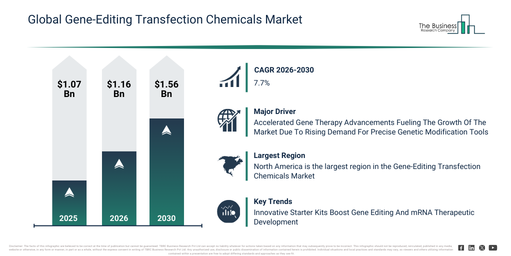
    Gene-Editing Transfection Chemicals Market Expected To Grow At 7.7% CAGR Through 2030: What Businesses Need To Know

    Featuring market attractiveness scoring, total addressable market sizing, company benchmarking matrices, interactive Excel dashboards, deeper supply chain intelligence, emerging startup tracking, and granular product-level insights, The Business Research Company’s 2026 market reports are built to deliver research that is both more actionable and more strategically valuable.

    nan

  • Gene-Circuit Cell Therapy Market Forecast To Reach $3.56 Billion By 2030: Key Trends Explained

    Gene-Circuit Cell Therapy Market Forecast To Reach $3.56 Billion By 2030: Key Trends Explained

    Built to provide research that’s more actionable and strategically valuable, The Business Research Company’s 2026 market reports include market attractiveness analysis, total addressable market sizing, company benchmarking matrices, interactive Excel dashboards, broader supply chain intelligence, emerging startup tracking, and in-depth product insights.

    Gene-Circuit Cell Therapy Market Size, Value And Growth Trajectory Through 2030

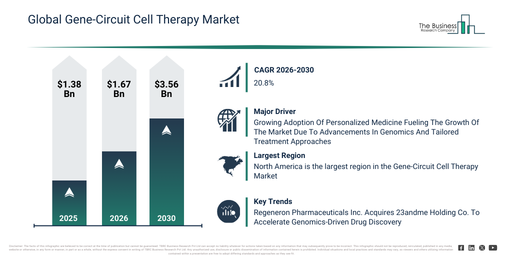
    The gene-circuit cell therapy market has observed substantial growth in recent years. It is anticipated to expand from $1.38 billion in 2025 to $1.67 billion in 2026, exhibiting a compound annual growth rate (CAGR) of 21.1%. This historical growth can be linked to progress in cell engineering technologies, the successful application of CAR-T cell therapies, the development of gene editing platforms, increasing clinical expertise with cell therapies, and a rise in biotechnology investments.

    The gene-circuit cell therapy market size is anticipated to experience substantial growth over the next few years. It is projected to expand to $3.56 billion in 2030, demonstrating a compound annual growth rate (CAGR) of 20.8%. This expansion in the forecast period is driven by factors such as the increasing commercialization of gene-circuit cell therapies, a rising demand for controllable immunotherapies, the expansion of oncology-focused pipelines, a growing embrace of allogeneic platforms, and advancements in scalable cell manufacturing. Key trends expected during this period include the increased adoption of synthetic gene circuits in cell therapy, the rising development of logic-controlled immune cells, the growing utilization of off-the-shelf allogeneic therapies, the expansion of dynamic cellular response systems, and an enhanced focus on treatment safety and control.

    Get A Free Sample Report With In-Depth Market Insights:

    https://thebusinessresearchcompany.com/sample_request?id=77777270&type=smp&name=Gene-Circuit%20Cell%20Therapy%20Market%20Report%202026&utm_source=Blogs&utm_medium=Paid&utm_campaign=Oct_PR

    Gene-Circuit Cell Therapy Market Development Factors: What’s Supporting Demand?

    The future expansion of the gene-circuit cell therapy market is anticipated due to the increasing integration of personalized medicine. Personalized medicine is defined as a healthcare strategy that customizes treatment and prevention plans based on an individual’s distinct genetic profile, way of life, and surroundings. This rising acceptance of personalized medicine stems largely from breakthroughs in genomics, allowing for accurate detection of genetic differences and customized therapies for patients. Gene-circuit cell therapy complements personalized medicine by offering precise and controllable therapeutic methods, making it highly suitable for managing intricate and persistent illnesses. It elevates the accuracy of treatments by adapting interventions to each patient’s specific requirements, thereby boosting therapeutic success and general health results. For example, data from February 2024, released by the US-based nonprofit Personalized Medicine Coalition (PMC), shows that the U.S. Food and Drug Administration (FDA) sanctioned 26 novel personalized medicines in 2023, representing a notable rise from the 12 approved in 2022. Consequently, the expanding use of personalized medicine is fueling the development of the gene-circuit cell therapy market.

    Gene-Circuit Cell Therapy Market Segment Outlook: Which Categories Are Growing Fastest?

    The gene-circuit cell therapy market covered in this report is segmented –

    1) By Product Type: Autologous, Allogeneic

    2) By Technology: Clustered Regularly Interspaced Short Palindromic Repeats (CRISPR), Transcription Activator-Like Effector Nuclease (TALEN), Zinc Finger Nuclease (ZFN), Other Technologies

    3) By Application: Oncology, Genetic Disorders, Infectious Diseases, Other Applications

    4) By End-User: Hospitals And Clinics, Research Institutes, Biotechnology And Pharmaceutical Companies, Other End Users

    Subsegments:

    1) By Autologous: Chimeric Antigen Receptor (CAR)-T Cell Therapies, T-Cell Receptor (TCR)-T Cell Therapies, Natural Killer (NK) Cell Therapies, Stem Cell-Based Therapies

    2) By Allogeneic: Off-The-Shelf Chimeric Antigen Receptor (CAR)-T Cell Therapies, Off-The-Shelf Natural Killer (NK) Cell Therapies, TT-Cell Receptor (TCR)-T Cell Therapies, Stem Cell-Derived Therapies

    Gene-Circuit Cell Therapy Market Transformation Trends: What Innovations Are Driving Change?

    Leading companies in the gene-circuit cell therapy market are prioritizing the development of advanced therapeutic platforms, such as CRISPR-based gene editing systems. This focus aims to enhance treatment precision, improve therapeutic outcomes, and tackle genetic conditions that were previously untreatable. CRISPR-based gene editing systems represent innovative technologies designed for making exact alterations to the genome, facilitating either the rectification of genetic defects or the introduction of therapeutic genes into cells. As an illustration, in December 2023, Vertex Pharmaceuticals Inc., a US-based biopharmaceutical company, collaborated with CRISPR Therapeutics Inc., a US-based biotechnology research company. This partnership resulted in conditional marketing authorization from the United Kingdom (U.K.) Medicines and Healthcare products Regulatory Agency (MHRA) for CASGEVY (exagamglogene autotemcel, exa-cel). It is indicated for patients aged 12 and older with sickle cell disease (SCD) experiencing recurrent vaso-occlusive crises, or those with transfusion-dependent beta thalassemia (TDT). Casgevy operates by editing a patient’s hematopoietic stem cells to reactivate fetal hemoglobin production, which in turn reduces or eliminates disease symptoms and offers a potential functional cure for these conditions.

    Gene-Circuit Cell Therapy Market Leading Companies And Competitive Benchmarking

    Major companies operating in the gene-circuit cell therapy market are Tmunity Therapeutics Inc., Ginkgo Bioworks Holdings Inc., Arcellx Inc., Beam Therapeutics Inc., CRISPR Therapeutics AG, Intellia Therapeutics Inc., Orchard Therapeutics plc, Fate Therapeutics Inc., Rubius Therapeutics Inc., BlueRock Therapeutics LP (a subsidiary of Bayer AG), Precigen Inc., SparingVision, Alaunos Therapeutics Inc., Cartesian Therapeutics Inc., Lyell Immunopharma Inc., Synlogic Inc., Senti Biosciences Inc., Autolus Therapeutics plc, Cellectis S.A., Sotio Biotech

    View The Full Gene-Circuit Cell Therapy Market Report:

    https://thebusinessresearchcompany.com/report/gene-circuit-cell-therapy-global-market-report?utm_source=Blogs&utm_medium=Paid&utm_campaign=Oct_PR

    Gene-Circuit Cell Therapy Market Regional Analysis And Leading Geography

    North America was the largest region in the gene-circuit cell therapy market in 2025. The regions covered in the gene-circuit cell therapy market report are Asia-Pacific, South East Asia, Western Europe, Eastern Europe, North America, South America, Middle East, Africa.

    Reach Out To Our Team:

    The Business Research Company: https://www.thebusinessresearchcompany.com/

    Americas: +1 310-496-7795

    Asia: +44 7882 955267 & +91 8897263534

    Europe: +44 7882 955267

    Email us at: marketing@tbrc.info

    Follow us on:

    LinkedIn: https://in.linkedin.com/company/the-business-research-company

    YouTube: https://www.youtube.com/channel/UC24_fI0rV8cR5DxlCpgmyFQ

    Global Market Model: https://www.thebusinessresearchcompany.com/global-market-model
  • Gene Therapy On Neurological Diseases Market Analysis Through 2030: Market Size, Growth Trends And Industry Outlook

    Gene Therapy On Neurological Diseases Market Analysis Through 2030: Market Size, Growth Trends And Industry Outlook

    Backed by market attractiveness analysis, total addressable market sizing, company benchmarking matrices, interactive Excel dashboards, wider supply chain intelligence, emerging startup coverage, and detailed product-level insights, The Business Research Company’s 2026 market reports are designed to offer research that is more actionable and strategically valuable than ever.

    Gene Therapy On Neurological Diseases Market CAGR Outlook And Future Development

    The gene therapy on neurological diseases market size has experienced swift expansion in recent years. It is projected to increase from $3.55 billion in 2025 to $4.01 billion in 2026, demonstrating a compound annual growth rate (CAGR) of 13.0%. The market’s past growth can be attributed to elements such as the scarcity of gene therapy alternatives for neurological conditions, the rising occurrence of Alzheimer’s and Parkinson’s disease, a dependence on traditional treatment methods, growing recognition of genetic methodologies, and the initial clinical testing of viral vectors.

    The market size for gene therapy on neurological diseases is anticipated to experience substantial expansion in the coming years. It is projected to grow to $6.48 billion in 2030, demonstrating a compound annual growth rate (CAGR) of 12.7%. This growth over the forecast period can be attributed to the advancement of adeno-associated virus and lentiviral therapies, the broadening of non-viral delivery platforms, a rise in regulatory approvals for neurological gene therapies, increased investment in research and development for targeted genetic interventions, and the incorporation of digital monitoring and AI-based patient management. Significant trends during the forecast period involve heightened investment in viral and non-viral gene therapy platforms, the expanding application of gene therapy across various neurological disorders, a growing emphasis on personalized and targeted genetic treatments, an increase in hospital and clinic-based gene therapy initiatives, and the creation of advanced delivery methods for neurological gene therapy.

    Get A Free Sample Report With In-Depth Market Insights:

    https://thebusinessresearchcompany.com/sample_request?id=27294&type=smp&name=Gene%20Therapy%20On%20Neurological%20Diseases%20Market%20Report%202026&utm_source=Blogs&utm_medium=Paid&utm_campaign=Oct_PR

    Gene Therapy On Neurological Diseases Market Industry Drivers: What’s Behind The Revenue Growth?

    The expanding occurrence of neurological conditions is projected to boost the gene therapy on neurological diseases market moving forward. These disorders are health conditions impacting the brain, spinal cord, and nerves, resulting in various symptoms like cognitive, motor, and sensory difficulties. Their rising frequency is associated with an aging demographic, given that aging progressively harms neuronal function, diminishes brain plasticity, and heightens oxidative stress, thus aiding in the onset and advancement of these conditions. Gene therapy on neurological diseases assists in managing neurological disorders by addressing their underlying genetic origins, providing potential enduring or permanent treatment options. This therapy enhances patient results through restoring or altering gene function, alleviating symptoms, and lessening the requirement for repeated medical procedures, consequently improving overall quality of life. For example, data from the National Health Service, a UK government body, indicated that by June 30, 2024, 487,432 patients had been diagnosed with dementia (a progressive brain disorder affecting memory, thinking, and daily activities) in July 2024, marking an increase of 3,155 cases from May 31, 2024. Consequently, the growing incidence of neurological disorders is fueling the expansion of the gene therapy on neurological diseases market.

    Gene Therapy On Neurological Diseases Market Segment Landscape: Which Areas Lead Development?

    The gene therapy on neurological diseases market covered in this report is segmented –

    1) By Type: Viral Gene Therapy, Non-Viral Gene Therapy

    2) By Target Disease: Alzheimer’s Disease, Parkinsons Disease, Amyotrophic Lateral Sclerosis (ALS), Huntington’s Disease, Multiple Sclerosis

    3) By Administration Route: Intravenous, Intrathecal, Intranasal, Intracerebral, Other Administration Routes

    4) By Application: Hospital, Clinic, Other Applications

    Subsegments:

    1) By Viral Gene Therapy Type: Adeno Associated Virus, Lentivirus, Retrovirus, Herpes Simplex Virus, Adenovirus

    2) By Non-Viral Gene Therapy Type: Liposomes, Nanoparticles, Electroporation, Gene Gun, Naked Plasmid Deoxyribonucleic Acid (DNA)

    #Gene Therapy On Neurological Diseases Market Growth Trends: What’s Shaping The Future Outlook?

    Leading companies in the gene therapy on neurological diseases market are prioritizing the development of advanced viral delivery systems, such as the adeno-associated virus serotype 2 (AAV2) vector. Their aim is to enhance targeted gene delivery, increase efficacy, lessen immune reactions, and enable prolonged treatments. The adeno-associated virus serotype 2 (AAV2) vector is a modified, non-pathogenic viral delivery system employed in gene therapy to transport therapeutic genes into specific cells, especially neurons, for sustained expression. As an illustration, in November 2024, PTC Therapeutics Inc., a biopharmaceutical company located in the US, obtained U.S. Food and Drug Administration (FDA) approval for a gene therapy designed for the treatment of aromatic L-amino acid decarboxylase (AADC) deficiency. This therapy utilizes an AAV2 vector to deliver a functional copy of the DDC gene into the putamen, which facilitates dopamine production and improves motor functions. It is characterized by a single, intraputaminal infusion engineered to provide sustained therapeutic benefits, leading to significant improvements in motor function and a reduction in debilitating symptoms without the necessity for repeated interventions.

    Gene Therapy On Neurological Diseases Market Industry Leaders And Competitive Landscape

    Major companies operating in the gene therapy on neurological diseases market are Novartis AG, Biogen Inc., Sarepta Therapeutics Inc., PTC Therapeutics Inc., Oxford Biomedica plc, Regenxbio Inc., Passage Bio Inc., Intellia Therapeutics Inc., Voyager Therapeutics Inc., UniQure N.V., AviadoBio Ltd., Capsida Biotherapeutics Inc., StrideBio Inc., Lysogene S.A., Wave Life Sciences Ltd., Taysha Gene Therapies Inc., Abeona Therapeutics Inc., CRISPR Therapeutics AG

    View The Full Gene Therapy On Neurological Diseases Market Report:

    https://thebusinessresearchcompany.com/report/gene-therapy-on-neurological-diseases-global-market-report?utm_source=Blogs&utm_medium=Paid&utm_campaign=Oct_PR

    Gene Therapy On Neurological Diseases Market Geographic Analysis: Where Is Demand Accelerating Fastest?

    North America was the largest region in the gene therapy on neurological diseases market in 2025. Asia-Pacific is expected to be the fastest-growing region in the forecast period. The regions covered in the gene therapy on neurological diseases market report are Asia-Pacific, South East Asia, Western Europe, Eastern Europe, North America, South America, Middle East, Africa.

    Reach Out To Our Team:

    The Business Research Company: https://www.thebusinessresearchcompany.com/

    Americas: +1 310-496-7795

    Asia: +44 7882 955267 & +91 8897263534

    Europe: +44 7882 955267

    Email us at: marketing@tbrc.info

    Follow us on:

    LinkedIn: https://in.linkedin.com/company/the-business-research-company

    YouTube: https://www.youtube.com/channel/UC24_fI0rV8cR5DxlCpgmyFQ

    Global Market Model: https://www.thebusinessresearchcompany.com/global-market-model

  • Gene Therapy For Parkinson’s Disease Market Outlook From 2026 To 2030: Key Growth Factors And Future Opportunities

    Gene Therapy For Parkinson’s Disease Market Outlook From 2026 To 2030: Key Growth Factors And Future Opportunities

    Featuring market attractiveness scoring, total addressable market sizing, company benchmarking matrices, interactive Excel dashboards, deeper supply chain intelligence, emerging startup tracking, and granular product-level insights, The Business Research Company’s 2026 market reports are built to deliver research that is both more actionable and more strategically valuable.

    Gene Therapy For Parkinson’s Disease Market Set To Climb From $0.81 Billion In 2026 To $2.04 Billion By 2030

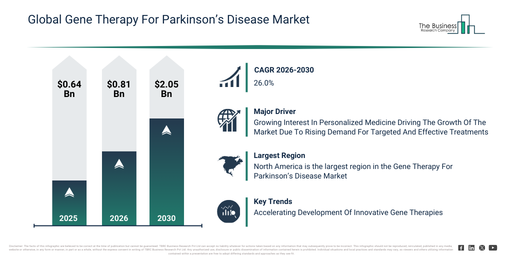
    The market for gene therapy targeting Parkinson’s disease has experienced significant expansion in recent years. This market is projected to expand from $0.64 billion in 2025 to $0.81 billion in 2026, at a compound annual growth rate (CAGR) of 26.3%. The growth observed in the historic period can be attributed to several factors, including advancements in viral vector engineering, a deeper understanding of Parkinson’s disease pathology, increased funding for neuroscience research, the availability of enhanced delivery technologies, and promising outcomes from initial clinical trials.

    The gene therapy sector for Parkinson’s disease is anticipated to undergo substantial expansion in the upcoming years. Its valuation is predicted to reach $2.05 billion by 2030, demonstrating a compound annual growth rate (CAGR) of 26.0%. This projected growth can be attributed to several factors including increased funding for neurodegenerative disease treatments, the rising adoption of personalized gene therapy approaches, the expansion of late-stage clinical trial pipelines, an escalating demand for disease-modifying therapies, and advancements in minimally invasive delivery methods. Prominent trends for the forecast period encompass the increasing development of viral vector-based therapies, a growing focus on dopamine restoration strategies, the expanding application of neurotrophic factor gene delivery, the proliferation of precision intracerebral delivery techniques, and an elevated emphasis on long-term therapeutic efficacy.

    Get A Free Sample Report With In-Depth Market Insights:

    https://thebusinessresearchcompany.com/sample_request?id=11194409&type=smp&name=Gene%20Therapy%20For%20Parkinson%E2%80%99s%20Disease%20Market%20Report%202026&utm_source=Blogs&utm_medium=Paid&utm_campaign=Oct_PR

    Gene Therapy For Parkinson’s Disease Market Growth Factors: What’s Supporting Expansion?

    The gene therapy for Parkinson’s disease market is anticipated to expand propelled by the increasing focus on personalized medicine. This medical strategy customizes treatment and prevention plans based on an individual’s genetic makeup, lifestyle, and environment. The rising demand for targeted therapies, which improve treatment effectiveness and minimize adverse side effects, is fueling the growing interest in personalized medicine. In this context, gene therapy for Parkinson’s disease delivers tailored genetic modifications to restore dopamine function and address unique patient-specific disease mechanisms. For example, in February 2024, the Personalized Medicine Coalition, a US-based non-profit organization, stated that in 2023, the US Food and Drug Administration (FDA) approved 16 new personalized treatments for rare disease patients, representing a notable increase from the 6 approvals in 2022. Therefore, the surging interest in personalized medicine is a primary driver for the growth of the gene therapy for Parkinson’s disease market.

    Gene Therapy For Parkinson’s Disease Market Segments: Where Is Growth Concentrated?

    The gene therapy for parkinson’s disease market covered in this report is segmented –

    1) By Therapy Type: In Vivo Gene Therapy, Ex Vivo Gene Therapy

    2) By Vector Type: Viral Vectors, Non-Viral Vectors

    3) By Target Gene: Aromatic L-Amino Acid Decarboxylase (AADC), Glial Cell Line-Derived Neurotrophic Factor (GDNF), Neurturin, Other Target Genes

    4) By Delivery Method: Intracerebral, Intravenous, Other Delivery Methods

    5) By End-User: Hospitals, Specialty Clinics, Research Institutes, Other End-Users

    Subsegments:

    1) By In Vivo Gene Therapy: Viral Vectors, Non-Viral Vectors

    2) By Ex Vivo Gene Therapy: Autologous Cell-Based Gene Therapy, Allogeneic Cell-Based Gene Therapy

    Gene Therapy For Parkinson’s Disease Market Industry Trends: What’s Reshaping Demand?

    Within the gene therapy for Parkinson’s disease market, major companies are actively developing more precise therapies, such as regenerative medicine advanced therapy, aiming to improve neuronal survival, restore dopamine function, and offer long-lasting disease-modifying advantages for patients. Regenerative medicine advanced therapy (RMAT) is a specific designation from the United States Food and Drug Administration (FDA), granted to regenerative medicine products like cell therapies, gene therapies, and tissue-engineered products, designed to treat, modify, reverse, or cure serious or life-threatening conditions. For example, in February 2025, Asklepios BioPharmaceutical, Inc. (AskBio), a US-based gene therapy company, introduced AB-1005, an investigational AAV2-GDNF gene therapy that received FDA regenerative medicine advanced therapy (RMAT) designation. This designation, intended to accelerate the development and review of promising therapies, was provided based on data submitted by AskBio, including clinical evidence from its Phase Ib open-label, uncontrolled trial, which demonstrated AB-1005’s potential to slow disease progression and enhance motor function in Parkinson’s patients.

    Gene Therapy For Parkinson’s Disease Market Key Participants And Competitive Landscape

    Major companies operating in the gene therapy for parkinson’s disease market are Merck & Co. Inc., Bayer AG, Sanofi S.A., Eli Lilly and Company, Biogen Inc., PTC Therapeutics Inc., Zambon S.p.A., Oxford BioMedica plc, Voyager Therapeutics Inc., Insilico Medicine Inc., Spur Therapeutics Inc., Cerevance Inc., MeiraGTx Holdings plc, BlackfinBio Inc., Partner Therapeutics Inc., Kenai Therapeutics Inc., CureSen Therapeutics Inc., BioVie Inc., Clexio Biosciences Ltd., Tetraneuron S.L.

    View The Full Gene Therapy For Parkinson’s Disease Market Report:

    https://thebusinessresearchcompany.com/report/gene-therapy-for-parkinsons-disease-global-market-report?utm_source=Blogs&utm_medium=Paid&utm_campaign=Oct_PR

    Gene Therapy For Parkinson’s Disease Market Global Footprint: Which Region Leads The Industry?

    North America was the largest region in the gene therapy for parkinson’s disease market in 2025. Asia-Pacific is expected to be the fastest-growing region in the forecast period. The regions covered in the gene therapy for parkinson’s disease market report are Asia-Pacific, South East Asia, Western Europe, Eastern Europe, North America, South America, Middle East, Africa.

    Reach Out To Our Team:

    The Business Research Company: https://www.thebusinessresearchcompany.com/

    Americas: +1 310-496-7795

    Asia: +44 7882 955267 & +91 8897263534

    Europe: +44 7882 955267

    Email us at: marketing@tbrc.info

    Follow us on:

    LinkedIn: https://in.linkedin.com/company/the-business-research-company

    YouTube: https://www.youtube.com/channel/UC24_fI0rV8cR5DxlCpgmyFQ

    Global Market Model: https://www.thebusinessresearchcompany.com/global-market-model
  • Gene Therapy For Inherited Genetic Disorders Market Growth Forecast: Market Size, Key Trends And Emerging Opportunities Through 2030

    Gene Therapy For Inherited Genetic Disorders Market Growth Forecast: Market Size, Key Trends And Emerging Opportunities Through 2030

    Built to provide research that’s more actionable and strategically valuable, The Business Research Company’s 2026 market reports include market attractiveness analysis, total addressable market sizing, company benchmarking matrices, interactive Excel dashboards, broader supply chain intelligence, emerging startup tracking, and in-depth product insights.

    Gene Therapy For Inherited Genetic Disorders Market Forecast: Value Set To Climb From $4.83 Billion To $9.68 Billion

    The market for gene therapy targeting inherited genetic disorders has experienced substantial growth recently. This market is projected to expand from $4.05 billion in 2025 to $4.84 billion in 2026, demonstrating a compound annual growth rate (CAGR) of 19.3%. The market’s historical expansion was driven by factors including the limited availability of advanced gene therapy techniques, a reliance on conventional treatments for genetic conditions, a growing incidence of inherited genetic diseases, early clinical investigations into viral vectors, and increasing awareness regarding rare disease management.

    The gene therapy for inherited genetic disorders market size is projected to experience substantial expansion in the coming years. This sector is anticipated to reach a valuation of $9.69 billion by 2030, exhibiting a compound annual growth rate (CAGR) of 19.0%. Key factors driving this growth during the forecast period include advancements in novel viral vectors and gene editing technologies, the broadening scope of RNA-based therapies, increased adoption of ex vivo stem cell treatments, growing investments in personalized gene therapies, and enhanced capabilities in hospitals and specialty clinics for administering gene therapy. Prominent trends expected over the forecast period encompass the wider application of viral vector-based therapies for rare genetic conditions, an increase in ex vivo gene therapy uses, greater uptake of RNA-based therapeutics, a heightened focus on addressing neurological and ophthalmic disorders, and the incorporation of personalized medicine into gene therapy practices.

    Get A Free Sample Report With In-Depth Market Insights:

    https://thebusinessresearchcompany.com/sample_request?id=27293&type=smp&name=Gene%20Therapy%20For%20Inherited%20Genetic%20Disorders%20Market%20Report%202026&utm_source=Blogs&utm_medium=Paid&utm_campaign=Oct_PR

    Gene Therapy For Inherited Genetic Disorders Market Demand Drivers: What’s Powering Industry Growth?

    The increasing need for personalized medicine is anticipated to drive the expansion of the gene therapy for inherited genetic disorders market moving ahead. This approach involves customizing medical interventions based on an individual’s genetic makeup and unique attributes to achieve optimal patient care. The prevalence of personalized medicine is growing, driven by progress in genetic technologies that facilitate more accessible and cost-effective treatment customization according to an individual’s distinct genetic profile. By adapting treatments to suit each patient’s specific genetic profile, personalized medicine enhances gene therapy, guaranteeing accurate gene targeting and delivery, thereby boosting efficacy and minimizing adverse reactions. As an example, in February 2024, data from the Personalized Medicine Coalition, a US-based non-profit organization, indicated that in 2023, the United States Food and Drug Administration (FDA) granted approval to 16 new personalized treatments intended for rare disease patients, which is an increase from 6 in 2022. Among the personalized treatments newly approved for 2023 were also seven cancer drugs and three for other diseases and conditions. Consequently, the escalating demand for personalized medicine is propelling the growth of the gene therapy for inherited genetic disorders market.

    Gene Therapy For Inherited Genetic Disorders Market Segment Analysis: What Are The Core Market Categories?

    The gene therapy for inherited genetic disorders market covered in this report is segmented –

    1) By Type: Viral Vector-Based Therapies, Gene Editing Techniques, Ribonucleic Acid-Based Therapies, Ex Vivo Gene Therapy

    2) By Application: Inherited Metabolic Disorders, Neurological Disorders, Cardiovascular Disorders, Musculoskeletal Disorders, Ophthalmic Disorders

    3) By End-User: Hospitals, Specialty Clinics, Research Institutes, Other End-Users

    Subsegments:

    1) By Viral Vector-Based Therapies: Adenovirus Vectors, Adeno-Associated Virus (AAV) Vectors, Lentivirus Vectors

    2) By Gene Editing Techniques: Zinc Finger Nucleases (ZFNs), Transcription Activator-Like Effector Nucleases (TALENs), Meganucleases

    3) By Ribonucleic Acid-Based Therapies: Small Interfering Ribonucleic Acid, Antisense Oligonucleotides (ASOs), Messenger Ribonucleic Acid (mRNA) Therapies

    4) By Ex Vivo Gene Therapy: Hematopoietic Stem Cell Gene Therapy, Mesenchymal Stem Cell Gene Therapy, Induced Pluripotent Stem Cell (iPSC) Therapy

    Gene Therapy For Inherited Genetic Disorders Market Innovation Trends: What Developments Are Reshaping The Industry?

    Companies operating within the gene therapy for inherited genetic disorders market are prioritizing the development of innovative solutions, such as ex-vivo CRISPR/Cas9-based gene-edited cell therapies. This effort aims to address the increasing demand for single-administration, potentially curative treatments that can mitigate lifelong reliance on transfusions, frequent hospitalizations, and substantial chronic-care expenditures associated with inherited blood and metabolic disorders. The ex-vivo CRISPR/Cas9 gene-edited cell therapy process entails harvesting a patient’s hematopoietic stem cells, employing CRISPR/Cas9 to precisely modify disease-causing genes (or regulatory elements that elevate protective fetal hemoglobin), and subsequently reintroducing the modified cells so they can engraft and deliver prolonged therapeutic benefits. For instance, in December 2023, Vertex Pharmaceuticals, a US-based biopharmaceutical company, obtained U.S. Food and Drug Administration (FDA) approval and commercial availability for CASGEVY (exagamglogene autotemcel). This is a CRISPR/Cas9-based, ex-vivo gene-edited cell therapy developed for sickle cell disease, an inherited genetic disorder. CASGEVY is manufactured from a patient’s own hematopoietic stem cells that undergo gene editing to increase fetal hemoglobin. The product’s makeup is centered on autologous stem cells modified with CRISPR/Cas9; its function is to raise durable fetal hemoglobin levels, which prevent red-blood-cell sickling. Distinctive features include precise genome editing (CRISPR/Cas9) performed ex vivo and a one-time administration with a lasting effect. Its primary application is the treatment of severe sickle cell disease, with related indications currently under regulatory review. The main benefits observed in trials include significant reductions in vaso-occlusive crises and transfusion dependence compared with previous standard-of-care.

    Gene Therapy For Inherited Genetic Disorders Market Top Companies Driving Competitive Growth

    Major companies operating in the gene therapy for inherited genetic disorders market are Sanofi S.A., Novartis AG, Astellas Pharma Inc., Vertex Pharmaceuticals Incorporated, Genentech, Biomarin Pharmaceutical Inc, Sarepta Therapeutics Inc., Krystal Biotech Inc., Rocket Pharmaceuticals Inc., Sangamo Therapeutics Inc., REGENXBIO Inc., Passage Bio Inc., Voyager Therapeutics Inc., Generation Bio Co., Avrobio Inc, Editas Medicine Inc., MeiraGTx Holdings Plc, uniQure N.V., Intellia Therapeutics Inc., Bluebird Bio Inc, 4D Molecular Therapeutics Inc., CRISPR Therapeutics AG

    View The Full Gene Therapy For Inherited Genetic Disorders Market Report:

    https://thebusinessresearchcompany.com/report/gene-therapy-for-inherited-genetic-disorders-global-market-report?utm_source=Blogs&utm_medium=Paid&utm_campaign=Oct_PR

    Gene Therapy For Inherited Genetic Disorders Market Regional Distribution: Which Areas Power Market Growth?

    North America was the largest region in the gene therapy for inherited genetic disorders market in 2025. Asia-Pacific is expected to be the fastest-growing region in the forecast period. The regions covered in the gene therapy for inherited genetic disorders market report are Asia-Pacific, South East Asia, Western Europe, Eastern Europe, North America, South America, Middle East, Africa.

    Reach Out To Our Team:

    The Business Research Company: https://www.thebusinessresearchcompany.com/

    Americas: +1 310-496-7795

    Asia: +44 7882 955267 & +91 8897263534

    Europe: +44 7882 955267

    Email us at: marketing@tbrc.info

    Follow us on:

    LinkedIn: https://in.linkedin.com/company/the-business-research-company

    YouTube: https://www.youtube.com/channel/UC24_fI0rV8cR5DxlCpgmyFQ

    Global Market Model: https://www.thebusinessresearchcompany.com/global-market-model

  • Gene Therapy Market CAGR Forecast Through 2030: Key Trends Shaping Industry Expansion

    Gene Therapy Market CAGR Forecast Through 2030: Key Trends Shaping Industry Expansion

    Backed by market attractiveness analysis, total addressable market sizing, company benchmarking matrices, interactive Excel dashboards, wider supply chain intelligence, emerging startup coverage, and detailed product-level insights, The Business Research Company’s 2026 market reports are designed to offer research that is more actionable and strategically valuable than ever.

    Gene Therapy Market Revenue Growth On Track For A 13.5% CAGR Through 2030

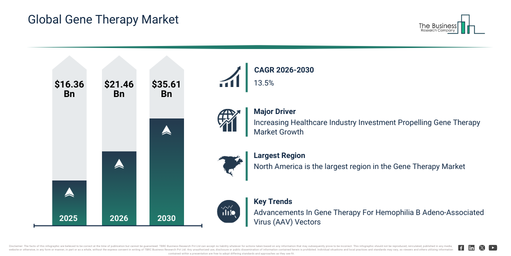
    The gene therapy market size has seen substantial growth in recent years. It is projected to increase from $16.36 billion in 2025 to $21.46 billion in 2026, demonstrating a compound annual growth rate (CAGR) of 31.2%. This growth in the past can be ascribed to the increasing occurrence of genetic disorders, advancements in viral vector technology, greater research and development investments in gene therapy, favorable government policies, and an uplifted awareness of rare diseases.

    The gene therapy market size is anticipated to undergo significant expansion in the next few years, with projections indicating a rise to $35.61 billion by 2030, exhibiting a compound annual growth rate (CAGR) of 13.5%. This growth throughout the forecast period is primarily fueled by factors such as the broadening scope of personalized medicine, the advent of CRISPR and gene editing therapies, increased public and private sector funding, the integration of artificial intelligence into gene therapy research, and an uptick in collaborative international clinical trials. Key developments expected during this period encompass the progression of personalized gene therapy, widespread acceptance of CRISPR and gene editing technologies, the expansion of regulatory and ethical frameworks, innovation in advanced viral and non-viral vectors, and enhanced collaborative research and clinical trials.

    Get A Free Sample Report With In-Depth Market Insights:

    https://thebusinessresearchcompany.com/sample_request?id=12776506&type=smp&name=Gene%20Therapy%20Market%20Report%202026&utm_source=Blogs&utm_medium=Paid&utm_campaign=Oct_PR

    Gene Therapy Market Growth Drivers: What’s Behind The Acceleration?

    Increased financial commitment in the healthcare sector is projected to fuel the expansion of the gene therapy market in the future. This type of investment involves dedicating capital to entities involved in delivering medical care, producing medical devices or pharmaceuticals, offering health coverage, or generally participating in the healthcare domain. Such capital injection is crucial for the gene therapy industry because numerous pharmaceutical firms are investing to strengthen their patent holdings and forge profitable collaborations. Furthermore, strategic funding facilitates the creation of innovative and advanced gene therapy solutions. A notable example is provided by the American Medical Association, a US-based professional organization, which reported in April 2025 that U.S. health spending in 2023 rose by 7.5% to reach $4.9 trillion, equivalent to $14,570 per capita, a growth rate that exceeded the 4.6% increase observed in 2022. Consequently, the increasing financial outlay within the healthcare industry is indeed stimulating the expansion of the gene therapy market.

    Gene Therapy Market Segment Breakdown: Which Categories Lead On Revenue?

    The gene therapy market covered in this report is segmented –

    1) By Gene Therapy Type: Germline Therapy, Somatic Cell Therapy

    2) By Vector: Viral Vector, Non-Viral Vector

    3) By Application: Oncology, Orphan Disease, Knee Osteoarthritis, Neurological Disorders

    4) By End Users: Biopharmaceutical Companies, Research Institutes, Other End Users

    Subsegments:

    1) By Germline Therapy: Inherited Disease Treatment, Genetic Modification Of Embryos, Gene Editing Techniques, Ethical And Regulatory Considerations

    2) By Somatic Cell Therapy: Cancer Gene Therapy, Monogenic Disorder Treatment, Gene Replacement Therapy, RNA-Based Therapies, Gene Editing Techniques

    Gene Therapy Market Trends: What’s Defining The Industry’s Next Phase?

    Companies operating in the gene therapy market are concentrating on developing advanced products, such as adeno-associated virus (AAV) vectors, to enhance the precision and efficacy of gene delivery for treating various genetic disorders. An adeno-associated virus (AAV) vector is a common tool utilized in gene therapy to deliver genetic material into cells. For instance, in April 2024, Pfizer Inc., a US-based global biopharmaceutical company, obtained approval from the Food and Drug Administration (FDA), a US-based federal agency responsible for protecting public health, for BEQVEZ (fidanacogene elaparvovec-dzkt). BEQVEZ (fidanacogene elaparvovec-dzkt) is a gene therapy intended for treating adults with moderate to severe hemophilia B, which is a genetic bleeding disorder. This condition is marked by a deficiency in clotting factor IX (FIX), leading to potential excessive bleeding. It leverages an adeno-associated virus (AAV) vector to deliver a functional copy of the FIX gene directly into liver cells, thereby enabling the natural production of this crucial clotting factor.

    Gene Therapy Market Leading Players And Competitive Positioning

    Major companies operating in the gene therapy market are UniQure NV, REGENXBIO Inc., Bristol-Myers Squibb, BioMarin Pharmaceuticals Inc., Jazz Pharmaceuticals Inc., Biocon, EdiGene Inc, Takeda Pharmaceutical, Daiichi Sankyo Company, Mitsubishi Tanabe Pharma, Merck, Lonza, Pfizer, Cellular Biomedicine Group, GenScript, Albumedix Ltd, Catalent, Freeline Therapeutics, DiNAQOR AG, Vivet Therapeutics, Allergan, Amgen, Biocad, Celgene Corporation, Johnson & Johnson, Eli Lilly and Company, AstraZeneca, Bayer AG, Juno Therapeutics, Allogene Therapeutics, Bluebird Bio, Regen BioPharma, Bellicum, BrainStorm Cell Therapeutics, Pluristem, Sanofi

    View The Full Gene Therapy Market Report:

    https://thebusinessresearchcompany.com/report/Genes-Therapy-global-market-report?utm_source=Blogs&utm_medium=Paid&utm_campaign=Oct_PR

    Gene Therapy Market Leading Geography: Which Region Contributes The Most Revenue?

    North America was the largest region in the gene therapy market in 2025. The regions covered in the gene therapy market report are Asia-Pacific, South East Asia, Western Europe, Eastern Europe, North America, South America, Middle East, Africa.

    Reach Out To Our Team:

    The Business Research Company: https://www.thebusinessresearchcompany.com/

    Americas: +1 310-496-7795

    Asia: +44 7882 955267 & +91 8897263534

    Europe: +44 7882 955267

    Email us at: marketing@tbrc.info

    Follow us on:

    LinkedIn: https://in.linkedin.com/company/the-business-research-company

    YouTube: https://www.youtube.com/channel/UC24_fI0rV8cR5DxlCpgmyFQ

    Global Market Model: https://www.thebusinessresearchcompany.com/global-market-model
  • Gene Synthesis Market To Witness 21.7% CAGR Growth Through 2030: Key Industry Drivers

    Gene Synthesis Market To Witness 21.7% CAGR Growth Through 2030: Key Industry Drivers

    Featuring market attractiveness scoring, total addressable market sizing, company benchmarking matrices, interactive Excel dashboards, deeper supply chain intelligence, emerging startup tracking, and granular product-level insights, The Business Research Company’s 2026 market reports are built to deliver research that is both more actionable and more strategically valuable.

    Gene Synthesis Market Value Growth And Long-Term Outlook

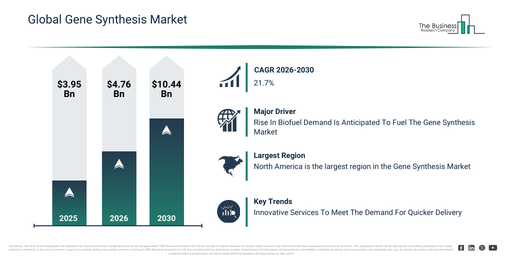
    The gene synthesis market size has experienced significant expansion in recent years. It is forecast to grow from $3.95 billion in 2025 to $4.76 billion in 2026, achieving a compound annual growth rate (CAGR) of 20.7%. This past growth can be attributed to several factors including advancements in recombinant DNA technology, increased research and development activities in pharmaceuticals, the adoption of automated synthesis platforms, the expansion of academic research institutes, and a rising demand for gene editing tools.

    The gene synthesis market is projected to experience substantial growth over the coming years, reaching $10.44 billion by 2030, driven by a compound annual growth rate (CAGR) of 21.7%. This anticipated expansion is fueled by factors such as the surge in gene and cell therapy development, heightened investment in synthetic biology, the proliferation of vaccine development efforts, the broadening scope of contract research organizations, and the increasing application of viral dna synthesis in diagnostic procedures. Key trends expected during this period involve the broadening applications of synthetic biology, the progression of personalized gene therapies, an escalating need for high-fidelity dna synthesis, innovations in enzyme-based synthesis methods, and an increase in academic and governmental research projects.

    Get A Free Sample Report With In-Depth Market Insights:

    https://thebusinessresearchcompany.com/sample_request?id=40180530&type=smp&name=Gene%20Synthesis%20Market%20Report%202026&utm_source=Blogs&utm_medium=Paid&utm_campaign=Oct_PR

    Gene Synthesis Market Growth Factors Behind Sustained Expansion

    The increasing demand for biofuel is expected to propel the growth of the gene synthesis market going forward. Biofuels are renewable energy sources derived from organic materials, such as plants or animal waste, and serve as an alternative to traditional fossil fuels. Gene synthesis finds application in biofuel production to engineer microorganisms with enhanced metabolic pathways, facilitating the efficient conversion of organic materials into biofuels. For instance, in June 2023, the International Energy Agency (IEA), a France-based intergovernmental organization, projected that biofuel demand would rise by 6%, or 5700 million liters, between 2022 and 2024 in advanced economies, with most of this increase occurring in the United States and Europe. Therefore, the rising demand for biofuel is driving the gene synthesis market.

    Gene Synthesis Market Segmentation: How Does The Market Break Down By Category?

    The gene synthesis market covered in this report is segmented –

    1) By Method: Solid-Phase Synthesis, Chip-Based Synthesis, PCR-Based Enzyme Synthesis

    2) By Service: Antibody DNA Synthesis, Viral DNA Synthesis, Other Services

    3) By Application: Gene And Cell Therapy Development, Vaccine Development, Disease Diagnosis, Other Applications

    4) By End-User: Biotechnology And Pharmaceutical Companies, Academic And Government Research Institutes, Contract Research Organizations

    Subsegments:

    1) By Solid-Phase Synthesis: Phosphoramidite Method, H-phosphonate Method

    2) By Chip-Based Synthesis: Microarray Technology, Light-Directed Synthesis

    3) By PCR-Based Enzyme Synthesis: Polymerase Chain Reaction (PCR), Reverse Transcription PCR (RT-PCR)

    Gene Synthesis Market Industry Trends Fueling Future Revenue Growth

    Leading companies in the gene synthesis market are concentrating on delivering advanced platforms, such as silicon-based DNA synthesis platforms, to satisfy the need for quicker delivery and gain a competitive edge in the market. A silicon-based DNA synthesis platform is a technology that employs silicon wafers to facilitate the miniaturization of the chemical reactions involved in generating DNA during the gene synthesis process. For instance, in November 2023, Twist Bioscience Corporation, a US-based biotechnology company, launched Twist Express Genes, a rapid gene synthesis service providing a five to seven business days turnaround time. This service utilizes a silicon-based DNA synthesis platform to meet customer expectations for faster delivery. The Express Genes service is intended for researchers in both industry and academia who either purchase DNA from suppliers or synthesize genes independently, offering a comprehensive solution for their gene production requirements. GenScript further ensures plasmid yield and 100% sequence accuracy, thereby upholding high standards of quality and reliability in its offerings.

    Gene Synthesis Market Competitive Overview And Top Companies

    Major companies operating in the gene synthesis market are Genscript Biotech Corporation, Twist Bioscience Corp., ProteoGenix Inc., Biomatik Corporation, ProMab Biotechnologies Inc., Thermo Fisher Scientific Inc., Integrated DNA Technologies Inc., OriGene Technologies Inc., GenScript Corp., Merck KGaA, Codex DNA Inc., Genewiz Inc., Eurofins Genomics LLC, BioCat GmbH, Bioneer Pacific Co. Ltd., Bio Basic Inc., Beijing SBS Genetech Co. Ltd, Creative Biogene Inc, Exonbio LLC., Trenzyme GmbH, Polygen GmbH, MACROGEN CO. LTD., Synbio Technologies LLC

    View The Full Gene Synthesis Market Report:

    https://thebusinessresearchcompany.com/report/gene-synthesis-global-market-report?utm_source=Blogs&utm_medium=Paid&utm_campaign=Oct_PR

    Gene Synthesis Market Regional Outlook: Where Is Opportunity Concentrated?

    North America was the largest region in the gene synthesis market in 2025. Asia-Pacific is expected to be the fastest-growing region in the global gene synthesis market report during the forecast period. The regions covered in the gene synthesis market report are Asia-Pacific, South East Asia, Western Europe, Eastern Europe, North America, South America, Middle East, Africa.

    Reach Out To Our Team:

    The Business Research Company: https://www.thebusinessresearchcompany.com/

    Americas: +1 310-496-7795

    Asia: +44 7882 955267 & +91 8897263534

    Europe: +44 7882 955267

    Email us at: marketing@tbrc.info

    Follow us on:

    LinkedIn: https://in.linkedin.com/company/the-business-research-company

    YouTube: https://www.youtube.com/channel/UC24_fI0rV8cR5DxlCpgmyFQ

    Global Market Model: https://www.thebusinessresearchcompany.com/global-market-model
  • Gene Silencing Market Projected For Strong Expansion Through 2030: Key Trends And Future Outlook

    Gene Silencing Market Projected For Strong Expansion Through 2030: Key Trends And Future Outlook

    Built to provide research that’s more actionable and strategically valuable, The Business Research Company’s 2026 market reports include market attractiveness analysis, total addressable market sizing, company benchmarking matrices, interactive Excel dashboards, broader supply chain intelligence, emerging startup tracking, and in-depth product insights.

    Gene Silencing Market Poised To Hit $12.09 Billion By 2030 With A 12.6% CAGR

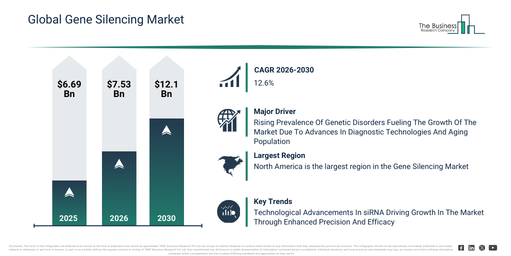
    The gene silencing market has shown rapid expansion in recent years. It is expected to grow from $6.69 billion in 2025 to $7.53 billion in 2026, achieving a compound annual growth rate (CAGR) of 12.5%. This historical growth can be linked to advancements in molecular biology research, the identification of RNA interference mechanisms, increased academic research funding, a rise in genetic disease studies, and greater pharmaceutical research and development spending.

    The gene silencing market is projected to experience substantial expansion over the coming years, reaching $12.1 billion by 2030, exhibiting a compound annual growth rate (CAGR) of 12.6%. This growth anticipated during the forecast period is primarily driven by factors such as the expansion of gene therapy pipelines, an increasing need for targeted therapeutics, the broadening scope of CRISPR applications, intensified clinical trial activity, and advancements in next-generation gene editing tools. Key trends emerging in this period encompass the growing integration of RNA interference technologies, a greater reliance on CRISPR-based gene silencing techniques, the broadened application of therapeutic gene targeting, an elevated emphasis on precision medicine applications, and enhanced investment in genetic research.

    Get A Free Sample Report With In-Depth Market Insights:

    https://thebusinessresearchcompany.com/sample_request?id=67521265&type=smp&name=Gene%20Silencing%20Market%20Report%202026&utm_source=Blogs&utm_medium=Paid&utm_campaign=Oct_PR

    Gene Silencing Market Demand Drivers Opening New Revenue Streams

    The anticipated expansion of the gene silencing market is linked to an increase in genetic disorder cases moving forward. These conditions are defined by irregularities found within an individual’s DNA, with their detection becoming more frequent, driven by advancements in diagnostics, greater public understanding, and wider availability of genetic screening. The increase in genetic disorders stems from parents having children later in life, which heightens the likelihood of genetic mutations transferring to their descendants. Gene silencing presents a hopeful method for managing genetic disorders, operating by precisely deactivating the expression of defective or pathogenic genes. As an illustration, data from August 2023, provided by the UK-based charity Down Syndrome UK, indicates that approximately 40,000 people in the UK are impacted by Down syndrome, with roughly 1 in every 800 babies born with the condition. Consequently, the growing occurrence of genetic disorders is a key factor propelling the expansion of the gene silencing market.

    Gene Silencing Market Segment Trends And Revenue Contributors

    The gene silencing market covered in this report is segmented –

    1) By Type: Transcriptional, Post-Transcriptional, Meiotic

    2) By Gene Silencing: RNA Interference (RNAi), Antisense Oligonucleotides (ASOs), Clustered Regularly Interspaced Short Palindromic Repeats(CRISPR) Or Cas9 -Based Gene Silencing, Other Gene Silencings

    3) By Application: Neurology, Oncology, Infectious Diseases, Metabolic Diseases, Therapeutics Manufacturing, Other Applications

    4) By End-Users: Pharmaceutical And Biotechnology Companies, Research Institutes and Academic Centers, Hospitals, Clinics, Other End-Users

    Subsegments:

    1) By Transcriptional: DNA Methylation, Histone Modification

    2) By Post-Transcriptional: RNA Interference (RNAi), Antisense Oligonucleotides, MicroRNA (miRNA) Mediated Silencing

    3) By Meiotic: Meiotic Gene Conversion, Transposable Element Silencing

    Gene Silencing Market Trends Powering Strategic Industry Growth

    Leading companies in the gene silencing market are prioritizing the development of innovative technologies, such as small interfering RNA (siRNA), to enhance precision and efficacy within gene therapy. Small interfering RNA (siRNA) is defined as a specific type of RNA molecule that plays a vital role in the RNA interference (RNAi) pathway by attaching to particular messenger RNA (mRNA) and promoting its degradation, thereby preventing the creation of disease-causing proteins. For example, in October 2024, Judo Bio Inc., a US-based biotechnology company, launched siRNA, a next-generation medication that employs small interfering RNA (siRNA) to silence genes. Its unique attributes include proprietary delivery systems like lipid nanoparticles or conjugated ligands, which ensure efficient uptake by specific cells or tissues, and AI-driven platforms that accelerate the identification of viable gene targets.

    Gene Silencing Market Competitive Landscape: Which Companies Lead The Industry?

    Major companies operating in the gene silencing market are Roche Holding AG, Merck & Co. Inc., AstraZeneca plc, Novartis International AG, Thermo Fisher Scientific Inc., Danaher Corporation, Agilent Technologies Inc., Illumina Inc., Bio-Rad Laboratories Inc., Bio-Techne Corporation, Alnylam Pharmaceuticals Inc., GenScript Biotech Corporation, Oxford BioMedica plc, Ionis Pharmaceuticals Inc., Arrowhead Pharmaceuticals Inc., Dicerna Pharmaceuticals Inc., New England Biolabs Inc., Quark Pharmaceuticals Inc., Sirion Biotech GmbH, Benitec Biopharma Limited, GeneCopoeia Inc., Revvity Inc.

    View The Full Gene Silencing Market Report:

    https://thebusinessresearchcompany.com/report/gene-silencing-global-market-report?utm_source=Blogs&utm_medium=Paid&utm_campaign=Oct_PR

    Gene Silencing Market Geographic Landscape: Which Region Leads Industry Growth?

    North America was the largest region in the gene silencing market in 2025. Asia-Pacific is expected to be the fastest-growing region in the forecast period. The regions covered in the gene silencing market report are Asia-Pacific, South East Asia, Western Europe, Eastern Europe, North America, South America, Middle East, Africa.

    Reach Out To Our Team:

    The Business Research Company: https://www.thebusinessresearchcompany.com/

    Americas: +1 310-496-7795

    Asia: +44 7882 955267 & +91 8897263534

    Europe: +44 7882 955267

    Email us at: marketing@tbrc.info

    Follow us on:

    LinkedIn: https://in.linkedin.com/company/the-business-research-company

    YouTube: https://www.youtube.com/channel/UC24_fI0rV8cR5DxlCpgmyFQ

    Global Market Model: https://www.thebusinessresearchcompany.com/global-market-model
  • Gene Expression Market Outlook 2026–2030: Growth Trends, Market Dynamics And Emerging Opportunities

    Gene Expression Market Outlook 2026–2030: Growth Trends, Market Dynamics And Emerging Opportunities

    Backed by market attractiveness analysis, total addressable market sizing, company benchmarking matrices, interactive Excel dashboards, wider supply chain intelligence, emerging startup coverage, and detailed product-level insights, The Business Research Company’s 2026 market reports are designed to offer research that is more actionable and strategically valuable than ever.

    Gene Expression Market Size And Revenue Outlook Through 2030

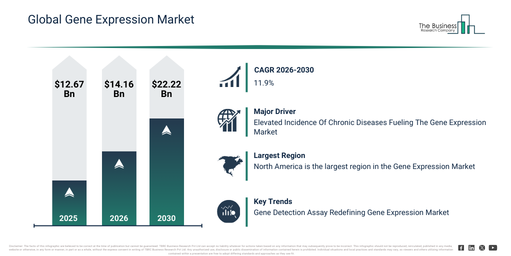
    The gene expression market has seen rapid expansion in recent years. It is projected to increase from $12.67 billion in 2025 to $14.16 billion in 2026, achieving a compound annual growth rate (CAGR) of 11.7%. This historical growth can be attributed to several factors, including the increase in academic genomics research funding, the growing prevalence of chronic and genetic diseases, the early adoption of microarray technologies, the expansion of pharmaceutical R&D pipelines, and the rising utilization of PCR-based techniques.

    The gene expression market is projected to experience substantial growth over the coming years. Its valuation is anticipated to reach $22.22 billion by 2030, demonstrating a compound annual growth rate (CAGR) of 11.9%. This growth during the projected period can be ascribed to advancements in RNA sequencing technologies, a heightened emphasis on precision medicine, expansion in clinical diagnostics applications, the incorporation of AI into gene expression data analysis, and increased investments within the biotechnology industry. Key trends expected over the forecast horizon encompass the broadening of single-cell gene expression analysis, enhanced utilization of spatial transcriptomics, an increasing need for high-throughput PCR platforms, the growing acceptance of multi-omics integration, and the establishment of standardized gene expression workflows.

    Get A Free Sample Report With In-Depth Market Insights:

    https://thebusinessresearchcompany.com/sample_request?id=60111260&type=smp&name=Gene%20Expression%20Market%20Report%202026&utm_source=Blogs&utm_medium=Paid&utm_campaign=Oct_PR

    Gene Expression Market Growth Backed By Core Demand Fundamentals

    The future expansion of the gene expression market is anticipated to be propelled by the increasing prevalence of chronic diseases. These are defined as long-term medical conditions that persist for an extended duration, typically three months or more. Gene expression analysis is instrumental in chronic diseases for deciphering the underlying molecular mechanisms, pinpointing potential biomarkers, and developing targeted therapeutic approaches. For example, as reported in June 2024 by the National Health Service, a UK-based government department, 3,615,330 individuals registered with a general practitioner (GP) received a diagnosis of non-diabetic hyperglycemia or pre-diabetes (a condition with elevated blood sugar levels, not high enough to be classified as diabetes) in 2023. This figure marked an 18% increase from the 3,065,825 cases observed in 2022. Thus, the growing incidence of chronic diseases will be a significant driver for the gene expression market’s growth.

    Gene Expression Market Segment Analysis Spotlighting Growth Areas

    The gene expression market covered in this report is segmented –

    1) By Product: Kits And Reagents, DNA Chip Or Microarray, Other Products

    2) By Process: Sample Collection, Purification, cDNA Synthesis And Conversion, PCR Analysis, Data Analysis And Interpretation

    3) By Technique: RNA Exp, Promoter Analysis, Protein Exp. And Posttranslational Modification Analysis

    4) By Application: Drug Discovery And Development, Clinical Diagnostics, Biotechnology And Microbiology, Other Applications

    Subsegments:

    1) By Kits And Reagents: RNA Isolation Kits, cDNA Synthesis Kits, qPCR Kits, Reverse Transcription Kits, Other Reagents

    2) By DNA Chip Or Microarray: Expression Microarrays, Genotyping Microarrays, Comparative Genomic Hybridization Arrays

    3) By Other Products: Software For Data Analysis, Lab Instruments, Consumables

    Gene Expression Market Growth Trends Reshaping The Competitive Landscape

    Leading companies in the gene expression market are concentrating on developing innovative products, such as gene detection assays, to achieve a competitive advantage and increase their revenue. A gene detection assay within gene expression refers to a method for identifying and quantifying genetic molecules, offering insights into the activity and abundance of specific genes. For instance, in January 2023, Bio-Techne Corporation, a US-based biotech company specializing in research instruments, expanded its Advanced Cell Diagnostics (ACD)-branded RNAscope in situ hybridization (ISH) portfolio by introducing the RNAscope Plus smRNA-RNA detection assay. This new assay enables the simultaneous fluorescent detection of a small regulatory RNA alongside three target RNAs or RNA biomarkers in a single tissue section, providing single-cell and subcellular resolution. Designed to accommodate large studies, the assay is compatible with the Leica Bond Rx platform and is available as a manual assay for convenient use. These therapeutic nucleic acids hold the potential to modulate the expression and functionality of specific target genes, thereby facilitating the creation of customized treatments for inherited or acquired diseases that have proven resistant to conventional therapies.

    Gene Expression Market Leading Companies: Who Holds The Strongest Market Presence?

    Major companies operating in the gene expression market are Thermo Fisher Scientific Inc., Qiagen NV, Illumina Inc., Bio-Rad Laboratories Inc., Agilent Technologies Inc., PerkinElmer Inc., GE Healthcare, F Hoffmann-La Roche Ltd, Oxford Gene Technology IP Limited, Promega Corporation, OriGene Technologies Inc., Luminex Corporation, Takara Bio Inc., Danaher Corporation, ELITechGroup, Biocartis Group NV, Integragen SA, Oxford Nanopore Technologies Limited, Phalanx Biotech Group, Roche Holding AG, Sengenics Corporation Pte Ltd., GenXPro GmbH, Twist Bioscience Corporation, Zymo Research Corporation, Abcam plc., Bio-Techne Corporation

    View The Full Gene Expression Market Report:

    https://thebusinessresearchcompany.com/report/gene-expression-global-market-report?utm_source=Blogs&utm_medium=Paid&utm_campaign=Oct_PR

    Gene Expression Market Largest Region: Which Geography Holds The Biggest Share?

    North America was the largest region in the gene expression market in 2025. Asia-Pacific is expected to be the fastest-growing region in the gene expression market in the forecast period. The regions covered in the gene expression market report are Asia-Pacific, South East Asia, Western Europe, Eastern Europe, North America, South America, Middle East, Africa.

    Reach Out To Our Team:

    The Business Research Company: https://www.thebusinessresearchcompany.com/

    Americas: +1 310-496-7795

    Asia: +44 7882 955267 & +91 8897263534

    Europe: +44 7882 955267

    Email us at: marketing@tbrc.info

    Follow us on:

    LinkedIn: https://in.linkedin.com/company/the-business-research-company

    YouTube: https://www.youtube.com/channel/UC24_fI0rV8cR5DxlCpgmyFQ

    Global Market Model: https://www.thebusinessresearchcompany.com/global-market-model