Category: Pharmaceuticals

  • Key Insights On The Immunotoxin Market 2024 – Size, Driver, And Major Players

    Key Insights On The Immunotoxin Market 2024 – Size, Driver, And Major Players

    The Business Research Company’s global market reports are now updated with the latest market sizing information for the year 2024 and forecasted to 2033

    As per The Business Research Company’s Immunotoxin Global Market Report 2024, the immunotoxin market is expected to show significant growth in the forecast period.

    Market Overview

    • Strong Market Growth: The immunotoxin market has shown strong growth, increasing from $55.94 billion in 2023 to an estimated $60.97 billion in 2024, at a compound annual growth rate (CAGR) of 9.0%.
    • Key Drivers: This growth can be attributed to several factors, including the discovery of target antigens, advancements in monoclonal antibody technology, preclinical efficacy studies, clinical trials, regulatory approvals, and identification of resistance mechanisms.

    Future Market Projections

    • Continued Expansion: The market is expected to grow to $86.29 billion by 2028, with a CAGR of 9.1%.
    • Growth Factors: The increase in the incidence of cancer, demand for natural and organic products, expansion of the cosmetic industry, R&D financing, and improvements in healthcare infrastructure are all contributing to this growth.
    • Emerging Trends: Major trends driving the market include the precision medicine approach, enhanced targeting strategies, multifunctional immunotoxins, combination therapies, and advancements in monoclonal antibody technology.

    Impact of Increasing Breast Cancer Incidence on the Immunotoxin Market

    • Rising Breast Cancer Cases: The increasing incidence of breast cancer is a significant factor driving the growth of the immunotoxin market.
    • Targeted Treatment: Immunotoxins offer a targeted approach to cancer treatment, killing cancer cells while sparing healthy cells and minimizing side effects compared to traditional chemotherapy.
    • Statistics: In 2023, the American Cancer Society reported 300,590 new cases of breast cancer in the U.S., up from 290,560 cases in 2022. This rise in breast cancer cases highlights the growing need for effective treatments like immunotoxins.

    View More On The Immunotoxin Market Report 2024 – https://www.thebusinessresearchcompany.com/report/immunotoxin-global-market-report

    Key Players in the Immunotoxin Market

    • Major Companies: Leading companies in the market include Pfizer Inc., Roche Holding AG, AbbVie Inc., Bayer AG, Bristol Myers Squibb, Thermo Fisher Scientific Inc., AstraZeneca plc, Merck KGaA, BioNTech SE, and many others.
    • Innovation and Development: These companies are actively involved in developing new treatments and enhancing the effectiveness of existing therapies through research and innovation.

    Innovation Spotlight: FDA Approves First ADC for Metastatic or Recurrent Cervical Cancer

    • Antibody-Drug Conjugates (ADCs): Companies in the immunotoxin market are developing ADCs to improve cancer treatment specificity and efficacy. ADCs are biopharmaceuticals combining an antibody with a cytotoxic drug to target cancer cells more precisely.
    • Recent Approval: In April 2024, Pfizer Inc. and Genmab A/S received FDA approval for TIVDAK, the first ADC designed to treat metastatic or recurrent cervical cancer. This innovative treatment uses monomethyl auristatin E, a microtubule-disrupting agent, to effectively kill cancer cells while minimizing damage to healthy cells.
    • Impact: TIVDAK demonstrated statistically significant increases in overall survival, presenting a promising new option for patients with recurrent or metastatic cervical cancer.

    Strategic Acquisitions: Pfizer’s Expansion in Oncology

    • Acquisition of Trillium Therapeutics: In November 2021, Pfizer acquired Trillium Therapeutics for $2.22 billion, enhancing its oncology portfolio with next-generation immunotherapies for hematological malignancies.
    • Objectives: The acquisition allows Pfizer to extend its range of potentially best-in-class compounds, accelerating advancements in cancer treatment.
    • Trillium Therapeutics: Based in Canada, Trillium focuses on developing immunotoxins, further strengthening Pfizer’s capabilities in immuno-oncology.

    Market Segmentation

    • By Type: The immunotoxin market is segmented into anthrax-based toxins, diphtheria toxin (DT) and derivatives, Pseudomonas exotoxin (PE) and derivatives, ribosome inactivating proteins-based immunotoxins, ribonucleases-based immunotoxins, and other types.
    • By Application: Applications include solid tumors, leukemias, and other cancer types.
    • By End User: End users are hospitals and clinics, cancer and radiation therapy centers, research labs, and other entities.

    Regional Insights

    • Leading Region: North America was the largest market for immunotoxins in 2023.
    • Growth Potential: Asia-Pacific is expected to be the fastest-growing region during the forecast period, driven by increasing healthcare investments and rising cancer incidences.

    The immunotoxin market continues to expand rapidly, driven by technological advancements, rising cancer incidences, and strategic industry moves. With ongoing innovation and increasing demand for targeted cancer therapies, the market is poised for significant growth in the coming years.

    Request A Sample Of The Global Immunotoxin Market Report 2024:
    https://www.thebusinessresearchcompany.com/sample_request?id=15828&type=smp
  • Global Vasodilators Market Report 2024 – Top Market Trends And Opportunities

    Global Vasodilators Market Report 2024 – Top Market Trends And Opportunities

    The Business Research Company’s market reports offer an in-depth analysis on the market’s growth potential, major drivers, key trends and more.

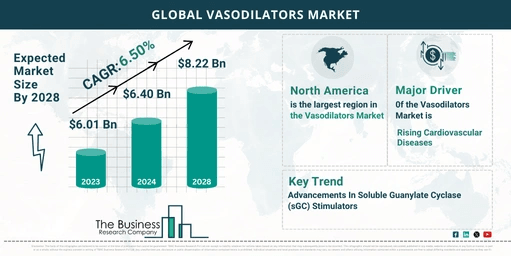
    • Current Market Size and Growth: The vasodilators market will grow from $6.01 billion in 2023 to $6.40 billion in 2024, at a compound annual growth rate (CAGR) of 6.4%.
    • Historic Growth Drivers: Key factors include increased awareness and diagnosis, supportive government initiatives and healthcare policies, advancements in gene therapy, and the adoption of artificial intelligence.

    Future Outlook and Trends

    • Projected Growth: The market is expected to reach $8.22 billion by 2028, driven by a CAGR of 6.5%.
    • Growth Drivers: Future growth is fueled by the rising prevalence of hypertension and cardiovascular diseases, demand for advanced medical technologies, the increasing geriatric population, and the growing importance of personalized medicine.
    • Emerging Trends: Notable trends include strategic mergers and acquisitions, a shift towards outpatient and home-based care, product innovations, technological advancements, and expanded healthcare infrastructure. 

    Read More On The Vasodilators Market Report 2024 – https://www.thebusinessresearchcompany.com/report/vasodilators-global-market-report

    Rising Cardiovascular Diseases Driving Market Expansion

    • Cardiovascular Diseases Impact: The prevalence of cardiovascular diseases such as coronary artery disease (CAD) is a significant driver for the vasodilators market. These conditions are linked to high blood pressure and other risk factors.
    • Market Role: Vasodilators are crucial for managing cardiovascular diseases by relaxing blood vessels and improving blood flow. For example, CAD was responsible for a significant number of deaths in 2021, highlighting the need for effective treatments.

    Sedentary Lifestyles and Market Growth

    • Sedentary Lifestyle Impact: Sedentary lifestyles, characterized by prolonged inactivity, are increasing due to modern conveniences and work environments. This trend contributes to hypertension and cardiovascular risks.
    • Market Role: Vasodilators help mitigate these risks by improving blood flow and reducing hypertension. For instance, the rise in obesity rates due to sedentary behavior underscores the need for vasodilators.

    Key Companies and Innovations

    • Leading Companies: Major players include Pfizer Inc., Merck & Co. Inc., AbbVie Inc., Novartis AG, Sanofi S.A., and others.
    • Innovative Solutions: Companies are developing advanced products like soluble guanylate cyclase (sGC) stimulators. For instance, Bayer AG’s Vericiguat (Verquvo), launched in September 2022, targets a novel pathway for treating chronic heart failure, reducing cardiovascular risks.

    Market Segmentation and Regional Insights

    • Segmentation: The market is segmented by type (arterial, venous, mixed dilators), drugs (nitroglycerin, alprostadil, minoxidil), indication (hypertension, angina, heart failure), route of administration (oral, parenteral), and end user (hospitals, homecare).
    • Regional Insights: North America was the largest market region in 2023. Asia-Pacific is expected to be the fastest-growing region in the forecast period.

    Request for A Sample Of The Global Vasodilators Market Report:
    https://www.thebusinessresearchcompany.com/sample_request?id=16565&type=smp

  • Top 5 Insights From The Cellulose Gel Market Report 2024

    Top 5 Insights From The Cellulose Gel Market Report 2024

    The Business Research Company’s global market reports are now updated with the latest market sizing information for the year 2024 and forecasted to 2033

    Current Market Size and Growth

    • Impressive Market Expansion: The cellulose gel market has seen robust growth in recent years.
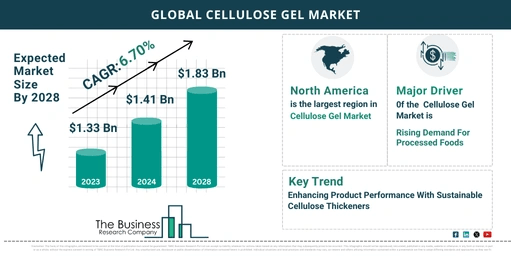
    • 2023 Market Size: Valued at $1.33 billion in 2023.
    • Projected Growth for 2024: Expected to increase to $1.41 billion with a CAGR of 6.3%.

    Key Drivers of Growth

    • Low-Fat and Low-Calorie Foods: Increasing demand for healthier food options is driving growth.
    • Pharmaceutical Industry Usage: Cellulose gel is increasingly used as an excipient in pharmaceuticals.
    • Health Awareness: Rising awareness about health and wellness boosts demand.
    • Processed Food Industry: Growth in the processed food sector fuels market expansion.
    • Convenience Foods: Higher consumption of ready-to-eat meals supports market growth.

    Future Market Projections

    • Strong Growth Forecast: The market is expected to reach $1.83 billion by 2028.
    • CAGR for 2024-2028: A projected growth rate of 6.7%.
    • Consumer Preferences: Increasing preference for clean-label products is a significant growth driver.
    • Pharmaceutical Industry: Continued growth in pharmaceutical applications.
    • Cosmetics and Personal Care: Rising use in skincare and beauty products.
    • Vegan and Vegetarian Foods: The expanding market for plant-based foods supports growth.
    • Food Industry Applications: Enhanced usage for texture improvement in various food products.

    Major Market Trends

    • Sustainable Practices: Companies are adopting eco-friendly and sustainable practices.
    • Advanced Production Techniques: Innovation in manufacturing processes is enhancing product quality.
    • Novel Applications: Development of new uses for cellulose gel across different industries.
    • Smart Technologies: Integration of smart technologies in production and application.
    • Food and Beverage Industry: Growing implementation in food and beverage products for better texture and stability.

    View More On The Cellulose Gel Market Report 2024 – https://www.thebusinessresearchcompany.com/report/cellulose-gel-global-market-report

    Processed Foods: A Key Growth Driver

    • Rising Demand: The increasing consumption of processed food is a significant factor in market growth.
    • Versatile Ingredient: Cellulose gel is used in various products like sauces, dressings, desserts, and ready-to-eat meals.
    • Enhanced Food Quality: It improves texture, stability, and shelf life in processed foods.
    • Market Example: In 2022, Canada’s processed food exports hit a record high, indicating strong demand.

    Industry Leaders

    • Key Players:Major companies in the cellulose gel market include Thermo Fisher Scientific, DuPont, Clariant AG, Sigma-Aldrich, and more.
    • Focus on Innovation:These companies are focusing on developing sustainable and innovative solutions.

    Sustainable Cellulose Thickeners

    • Environmental Focus: Companies are innovating with sustainable cellulose thickeners.
    • Improved Product Performance: These thickeners enhance the viscosity and stability of products in various industries.
    • Case Study: Nouryon’s Bermocoll flow cellulose ethers provide a more sustainable alternative for paint formulations.

    Regional Insights

    • North America: The largest region in the cellulose gel market as of 2023.
    • Asia-Pacific: Expected to be the fastest-growing region during the forecast period.

    Market Segmentation

    • Source:Wood cellulose, cotton cellulose.
    • Derivative Type:Includes cellulose ethers, microcrystalline cellulose, and nanocellulose.
    • Property:Functions as a thickening agent, stabilizer, binder, and more.
    • Application:Spans food and beverages, pharmaceuticals, cosmetics, and more.

    Conclusion

    The cellulose gel market is on a strong growth path, driven by increasing demand across various industries. As consumer preferences shift towards healthier, more sustainable options, and technological advancements continue to enhance product applications, the market is expected to see continued robust growth in the coming years.

    Request A Sample Of The Global Cellulose Gel Market Report 2024:
    https://www.thebusinessresearchcompany.com/sample_request?id=16648&type=smp

  • Future Growth Forecast For The Medicinal Mushroom Global Market 2024-2033

    Future Growth Forecast For The Medicinal Mushroom Global Market 2024-2033

    The Business Research Company’s global market reports provide comprehensive analysis on the various markets in 27 industries across 60 geographies.

    Current Market Growth and Projections

    • 2023 Market Size: $34.09 billion
    • 2024 Market Size Projection: $37.88 billion
    • CAGR: 11.1%

    The medicinal mushroom market has experienced rapid growth, driven by several factors:

    • Rising Awareness of Health Benefits: Increasing knowledge about the potential health benefits of medicinal mushrooms.
    • Growth in Functional Foods: Consumers’ desire for functional foods that offer health benefits beyond basic nutrition.
    • Sports Nutrition: Growing use of medicinal mushrooms in sports nutrition for their potential to enhance performance and recovery.
    • High Utilization of Medicinal Mushrooms: Expanding applications in various health-related products.

    Future Market Outlook

    • 2028 Market Size Projection: $57.95 billion
    • CAGR: 11.2%

    View More On The Medicinal Mushroom Market Report 2024 –
    https://www.thebusinessresearchcompany.com/report/medicinal-mushroom-global-market-report

    Key drivers of future growth include:

    • Growing Vegan Population: Increased adoption of vegan lifestyles boosts demand for plant-based nutritional options like medicinal mushrooms.
    • Preventative Health and Wellness: A shift towards preventative healthcare and wellness-oriented lifestyles promotes the use of medicinal mushrooms.
    • Demand for Mushroom-Based Products: Expanding product lines and consumer interest in mushroom-based supplements and foods.
    • Health-Promoting Benefits: Continued recognition of the various health benefits associated with medicinal mushrooms.

    Emerging Trends in the Market

    • Alternative and Natural Medicines: Growing consumer interest in natural and holistic health approaches, leading to a rise in the use of medicinal mushrooms.
    • Research and Development: Increased R&D activities focused on discovering new applications and benefits of medicinal mushrooms.
    • Product Diversity and Accessibility: Expansion of product offerings and improved accessibility in various markets.
    • Advancements in Cultivation and Processing: New technologies and methods enhance the quality and yield of medicinal mushrooms.

    Rising Vegan Population and Market Impact

    • Increasing Vegan Population: Driven by ethical, environmental, and health factors, more people are adopting vegan diets.
    • Nutritional Support: Medicinal mushrooms provide essential nutrients and health benefits, making them a key component of vegan diets.
    • Example: According to the Vegan Society, 2.6 million people in Europe were vegan in 2023, representing 3.2% of the population, up from 2020 levels.

    Major Players in the Market
    Key companies in the medicinal mushroom market include:

    • Costa Group
    • Monterey Mushrooms LLC
    • Nature’s Way Brands
    • Bio-Botanica
    • Banken Champignons B.V.
    • Aloha Medicinals
    • Fungi Perfecti
    • Hirano Mushroom LLC
    • Fungi Ally
    • Far West Fungi

    These companies are leading innovations and expanding their presence in the global market.
    Technological Innovations in the Market

    • Pulsed UV Light Technology: Enhances cultivation efficiency and increases bioactive compounds in medicinal mushrooms.
    • Nammex’s New Products: In October 2023, Nammex launched ErgoGold and mushroom-derived vitamin D, produced using pulsed UV light technology. ErgoGold offers a non-synthetic, full-spectrum ingredient option, while the mushroom-derived vitamin D provides a plant-based source of this essential nutrient.

    Strategic Acquisitions: Vibe Mushrooms and Qi Mushrooms

    • Vibe Mushrooms’ Acquisition of Qi Mushrooms: In March 2022, Vibe Mushrooms acquired Qi Mushrooms, leveraging their systems and R&D pipeline to expand their medicinal mushroom offerings.
    • Impact: This acquisition strengthens Vibe Mushrooms’ supply chain and accelerates their growth in the medicinal mushroom market.

    Market Segmentation
    The medicinal mushroom market is segmented by:

    1. Type: Shiitake, Reishi, Maitake, Chaga, Cordyceps, Turkey Tail, Other Types.
    2. Form: Fresh, Dried, Other Forms.
    3. Application: Antioxidants, Immune Enhancer, Anti-Cancer, Skin Care, Other Applications.
    4. Distribution Channel: Supermarkets and Hypermarkets, Convenience Stores, E-Commerce.

    Regional Insights

    • North America: The largest market region in 2023, driven by high consumer awareness and demand for natural health products.
    • Asia-Pacific: Expected to be the fastest-growing region during the forecast period, supported by traditional uses of medicinal mushrooms and increasing health-consciousness.

    The medicinal mushroom market is poised for continued growth, fueled by rising consumer interest in natural health products, innovations in cultivation and processing, and expanding vegan lifestyles. As demand increases, companies in the market are likely to further develop new products and technologies to meet diverse consumer needs.

    Request A Sample Of The Global Medicinal Mushroom Market Report 2024:
    https://www.thebusinessresearchcompany.com/sample_request?id=16733&type=smp

  • Top 5 Insights From The Mucolipidosis II Market Report 2024

    Top 5 Insights From The Mucolipidosis II Market Report 2024

    The Business Research Company’s global market reports are now updated with the latest market sizing information for the year 2024 and forecasted to 2033

    According to The Business Research Company’s Mucolipidosis II Global Market Report 2023, the mucolipidosis II market is expected to show promising growth in the forecast period.

    Market Overview

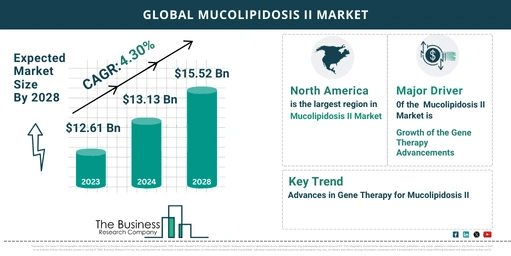
    • 2023 Market Size: $12.61 billion.
    • 2024 Forecast: Expected to grow to $13.13 billion.
    • CAGR: 4.1% from 2023 to 2024.

    Key Drivers of Growth

    • Increasing Regulatory Approvals: More orphan drugs receive the green light.
    • Rise in Disease Awareness: Public and healthcare professionals become more informed.
    • Surge in Clinical Trials: More trials lead to better treatments.
    • Growing Genetic Testing: Early detection aids in timely treatment.
    • Increased Funding for Rare Diseases: Governments and organizations boost research.
    • Enhanced Diagnosis Rates: More patients are correctly diagnosed.

    Future Market Projections

    • 2028 Market Size: Expected to reach $15.52 billion.
    • CAGR: 4.3% from 2024 to 2028.

     View More On The Mucolipidosis II Market Report 2024 – https://www.thebusinessresearchcompany.com/report/mucolipidosis-ii-global-market-report

    Drivers for Future Growth

    • Rising Awareness: Healthcare professionals and patients become more knowledgeable.
    • Boost in R&D Activities: More innovation in treatments and diagnostics.
    • Emerging Biomarkers: Early diagnosis becomes more accurate.
    • Investment in Rare Disease Therapies: Companies focus on niche markets.
    • Improved Reimbursement Policies: Patients can access treatments more easily.
    • Growing Demand for Gene Therapy: This promising treatment option gains traction.

    Trends Shaping the Market

    • Advancements in AI in Medicine: AI improves diagnosis and treatment options.
    • Innovations in Genetic Testing: New technologies enhance precision.
    • Improved Diagnostic Methods: Early detection becomes more reliable.
    • Progress in Therapeutic Treatments: New treatments offer better outcomes.
    • Growth of Telemedicine: Patients receive care remotely, expanding access.

    Gene Therapy Advancements Propel Market Growth

    • Importance of Gene Therapy:
      • Core Function: Corrects faulty genes or introduces new ones.
      • Application to Mucolipidosis II: Addresses the root genetic cause.
      • Gene Therapy Techniques: Gene addition, editing, silencing, and regulation.
    • Recent Developments:
      • Example: In April 2024, the American Society of Gene & Cell Therapy reported a 10% increase in phase III clinical trials for gene therapies.
      • Impact: Gene therapy is expected to be a key driver of market growth.

    Impact of Increased R&D Activities

    • Importance of R&D:
      • Objective: Discover new knowledge, products, and processes.
      • Focus Areas: Understanding of mucolipidosis II, developing gene therapies, and improving delivery methods.
      • Examples:
        • UK Government Investment: In 2022, research and development spending increased to £15.5 billion ($19.67 billion), a 10.5% rise from 2021.
      • Impact: Continuous R&D efforts are expected to propel the market forward.

    Leading Companies in the Mucolipidosis II Market

    • Major Players:
      • Pfizer Inc., Merck & Co. Inc., Sanofi S.A., Novartis AG, Takeda Pharmaceutical Company Limited.
      • Teva Pharmaceutical Industries Ltd., Sun Pharmaceutical Industries Limited, Jazz Pharmaceuticals, Cipla Limited.
      • Lupin Limited, Zydus Lifesciences Limited, Alembic Pharmaceuticals, Ultragenyx Pharmaceutical Inc.
      • Regenxbio Inc., Denali Therapeutics Inc., Mylan N.V., Intellia Therapeutics Inc., Avrobio Inc.
      • Orchard Therapeutics plc, Eloxx Pharmaceuticals Inc., Lysogene S.A., Sio Gene Therapies.
      • Homology Medicines Inc., BSN medical GmbH, Abeona Therapeutics Inc.

    Advances in Gene Therapy for Mucolipidosis II

    • Focus on Gene Therapy:
      • Objective: Correct metabolic dysfunctions by delivering functional genes.
      • Recent Developments:
        • M6P Therapeutics: Received orphan drug designation for its M002 S1S3 PTase AAV gene therapy in February 2021.
        • Mechanism: Uses an AAV-9 vector to deliver a truncated phosphotransferase (PTase) enzyme, restoring function in transduced cells within three weeks.
      • Impact: These innovations are expected to significantly advance the treatment of mucolipidosis II.

    Market Segmentation

    • By Treatment:
      • Categories: Antibiotics, Physical Therapy, Hip Replacement, Experimental Therapies, Other Treatments.
    • By Mode of Administration:
      • Types: Injectable, Oral, Other Modes.
    • By Symptoms:
      • Conditions: Deafness, Hypotonia, Abnormal Spine Curvature, Mental Retardation, Low Motor Skills Growth, Other Symptoms.
    • By End-User:
      • Sectors: Hospitals, Homecare, Specialty Clinics, Other End-Users.

    Geographic Insights

    • Largest Region: North America led the market in 2023.
    • Growth Potential: Further growth is expected in various global regions due to increasing awareness and advancements in treatment options.

    The mucolipidosis II market is on a steady growth trajectory, driven by advancements in gene therapy, research and development activities, and increased awareness. As innovations continue to emerge, particularly in gene therapy, the market is poised for further expansion.

    Request A Sample Of The Global Mucolipidosis II Market Report 2024:
    https://www.thebusinessresearchcompany.com/sample_request?id=16746&type=smp

  • Global Peptide Based Metabolic Disorders Therapeutics Market Analysis: Estimated Market Size

    Global Peptide Based Metabolic Disorders Therapeutics Market Analysis: Estimated Market Size

    The Business Research Company’s global market reports are now updated with the latest market sizing information for the year 2024 and forecasted to 2033

     Market Overview

    The peptide-based metabolic disorders therapeutics market has seen significant growth in recent years.

    • 2023 Market Size: $26.03 billion.
    • 2024 Forecast: Expected to reach $29.89 billion.
    • CAGR: 14.8% from 2023 to 2024.

    Factors Driving Growth

    • Prevalence of Metabolic Disorders: Increase in disorders like diabetes and obesity.
    • Advancements in Peptide Synthesis: Improved technologies boosting drug development.
    • Healthcare Expenditure: Rising global healthcare spending.
    • Aging Population: Growing number of elderly patients requiring treatment.
    • Biopharmaceutical Expansion: Industry growth leading to more peptide-based therapies.
    • Regulatory Approvals: More therapies receiving green light from authorities.
    • Personalized Medicine: Increased awareness and adoption.

    View More On The Peptide Based Metabolic Disorders Therapeutics Market Report 2024 –
    https://www.thebusinessresearchcompany.com/report/peptide-based-metabolic-disorders-therapeutics-global-market-report

    Future Market Projections

    • 2028 Market Size: Expected to grow to $52.16 billion.
    • CAGR: 14.9% from 2024 to 2028.

    Key Drivers for Future Growth

    • Development of Novel Peptide Analogs: Introduction of new and effective treatments.
    • R&D Investments: Increasing investments in research for metabolic disorders.
    • Precision Medicine: Growing adoption of targeted therapies.
    • Emerging Markets: Expansion in regions like Asia-Pacific.
    • Collaborations in Drug Development: Partnerships accelerating innovation.
    • Advancements in Delivery Technologies: Enhanced drug delivery methods.
    • Patient-Centric Therapies: Focus on improving patient experiences and outcomes.

    Emerging Trends in the Market

    • AI in Drug Discovery: Artificial intelligence accelerating research.
    • Personalized Therapies: Tailored treatments becoming mainstream.
    • CRISPR/Cas9 Utilization: Gene-editing technologies being integrated.
    • Wearable Devices: Devices for continuous patient monitoring.
    • Oral Peptide Formulations: Development of oral delivery options.
    • Digital Therapeutics: Rise in digital tools for managing diseases.
    • Biobanking: Expansion of biobanks for personalized treatment options.

    Obesity’s Role in Market Expansion

    • Obesity’s Impact: Rising obesity rates driving demand for peptide-based therapies.
    • Contributing Factors:
      • Sedentary lifestyles.
      • Unhealthy diets.
      • Genetic predisposition.
    • Therapeutic Focus:
      • Regulating metabolic functions.
      • Improving insulin sensitivity.
      • Controlling appetite.

    Notable Companies in the Market

    • Key Players:
      • Pfizer Inc., Johnson & Johnson, Roche Holding AG.
      • Merck & Co. Inc., AbbVie Inc., Sanofi SA.
      • Bristol-Myers Squibb, AstraZeneca, Novartis AG.
      • Takeda Pharmaceutical, GlaxoSmithKline, Boehringer Ingelheim.
      • Eli Lilly, Amgen, Gilead Sciences, Novo Nordisk.
      • Teva Pharmaceutical, Regeneron, Biogen, Vertex, Jazz Pharmaceuticals.

    Innovation in Biosimilars

    • Biosimilars in Focus:
      • Companies developing peptide-based anti-diabetic biosimilars.
      • Example: Glenmark Pharmaceuticals launched Lirafit, a biosimilar of Liraglutide, in January 2024.
      • Benefits:
    • Lowering glycemic levels.
    • Promoting weight reduction.
    • Enhancing cardiovascular safety.

    Strategic Acquisitions

    • Roche’s Acquisition of Carmot Therapeutics:
      • Deal Value: $2.7 billion in December 2023.
      • Acquisition Focus: Clinical-stage incretins like CT-388 for obesity treatment.
      • Company Overview: Carmot Therapeutics specializes in peptide-based therapeutics for metabolic disorders.

    Geographic Insights

    • Largest Region: North America dominated the market in 2023.
    • Fastest-Growing Region: Asia-Pacific expected to lead growth in the coming years.

    The peptide-based metabolic disorders therapeutics market is poised for robust expansion, driven by innovation, strategic investments, and a growing need for effective treatments.

    Request A Sample Of The Global Peptide Based Metabolic Disorders Therapeutics Market Report 2024:
    https://www.thebusinessresearchcompany.com/sample_request?id=16764&type=smp

  • Understand How The Gastroparesis Drugs Market Is Poised To Grow Through 2024-2033

    Understand How The Gastroparesis Drugs Market Is Poised To Grow Through 2024-2033

    The Business Research Company’s global market reports are now updated with the latest market sizing information for the year 2024 and forecasted to 2033

    As per The Business Research Company’s Gastroparesis Drugs Global Market Report 2024, the gastroparesis drugs market is expected to show significant growth in the forecast period.

    The gastroparesis drugs market has experienced substantial growth in recent years and is expected to continue its upward trajectory. Here’s a detailed look at the market dynamics, key trends, and major players driving this expansion.

    Market Growth and Forecast

    • Current Market Size: The gastroparesis drugs market was valued at $5.09 billion in 2023.
    • Short-Term Growth: It is projected to reach $5.39 billion in 2024, reflecting a compound annual growth rate (CAGR) of 5.8%.
    • Long-Term Outlook: By 2028, the market size is anticipated to grow to $6.81 billion, with a CAGR of 6.0%.

    Key Drivers of Growth:

    • Historic Growth: The increase in market size from 2023 to 2024 is attributed to side effects of existing treatments, advancements in gastrointestinal motility research, clinical needs, patient advocacy, and regulatory support.
    • Future Growth: In the forecast period, growth will be driven by the rising prevalence of diabetes, an aging population, improved awareness and diagnosis rates, higher healthcare expenditure, and increased funding from both government and private sectors.

    View More On The Gastroparesis Drugs Market Report 2024 – https://www.thebusinessresearchcompany.com/report/gastroparesis-drugs-global-market-report

    Increasing Prevalence of Diabetes

    • Impact on Market: The rising prevalence of diabetes significantly influences the growth of the gastroparesis drugs market. Diabetes, characterized by high blood sugar levels, often leads to complications such as gastroparesis, which affects gastrointestinal motility.
    • Contributing Factors: Factors such as sedentary lifestyles, unhealthy diets, genetic predisposition, urbanization, and aging populations contribute to the growing number of diabetic patients.
    • Market Demand: Gastroparesis drugs are crucial for managing symptoms like nausea and delayed gastric emptying, thus improving the quality of life for diabetic patients. The International Diabetes Federation projects that the number of individuals with diabetes will rise to 643 million by 2030 and 783 million by 2045.

    Major Companies and Innovations

    • Key Players: Major companies in the gastroparesis drugs market include Pfizer Inc., AbbVie Inc., Bayer AG, Sanofi SA, AstraZeneca plc, Abbott Laboratories, GSK plc, Takeda Pharmaceutical Inc., Teva Pharmaceutical Inc., and many others.
    • Innovative Treatments: Companies are focusing on developing new drugs to stay competitive. Notable innovations include:
      • Gimoti (metoclopramide) Nasal Spray: Introduced by Evoke Pharma Inc., this drug improves stomach emptying and gastrointestinal motility by bypassing the gastrointestinal tract and being absorbed through the nasal mucosa. The FDA granted new drug exclusivity for Gimoti in April 2022, protecting it from generic competition for three years.

    Strategic Acquisitions and Market Expansion

    • Eagle Pharmaceuticals’ Acquisition: In June 2022, Eagle Pharmaceuticals Inc. acquired Acacia Pharma Group plc for $102 million. This acquisition aims to enhance Eagle’s portfolio with Acacia’s FDA-approved antiemetic drugs, such as BARHEMSYS and BYFAVO, addressing unmet needs in acute care settings.

    Market Segmentation

    • By Drug Type: Over-the-counter (OTC) Drugs, Prescription Drugs
    • By Drug Class: Prokinetic Agents, Antiemetic Drugs, Proton Pump Inhibitors, Other Drug Classes
    • By Disease Type: Diabetic Gastroparesis, Post-Surgical Gastroparesis, Idiopathic Gastroparesis, Other Disease Types
    • By Route of Administration: Oral, Injectables, Other Routes of Administration
    • By Distribution Channel: Hospitals, Pharmacies, Clinics, E-commerce

    Regional Insights

    • Current Leader: North America was the largest market for gastroparesis drugs in 2023.
    • Future Growth: Asia-Pacific is expected to be the fastest-growing region in the forecast period due to increasing healthcare investments and rising awareness.

    In conclusion, the gastroparesis drugs market is poised for robust growth driven by advancements in treatment options, increasing diabetes prevalence, and strategic market expansions. As new drugs and innovative treatments emerge, the market will likely continue to expand, offering improved solutions for managing gastroparesis.

    Request A Sample Of The Global Gastroparesis Drugs Market Report 2024:
    https://www.thebusinessresearchcompany.com/sample_request?id=15812&type=smp

  • What’s The Growth Forecast For Porcine Epidemic Diarrhea Vaccines Market Through 2024-2033?

    What’s The Growth Forecast For Porcine Epidemic Diarrhea Vaccines Market Through 2024-2033?

    The Business Research Company’s global market reports provide comprehensive analysis on the various markets in 27 industries across 60 geographies.

    The porcine epidemic diarrhea (PED) vaccines market has experienced significant growth in recent years and is poised for continued expansion. Below, we explore the driving factors, major trends, and key developments shaping this market.

    Recent Market Growth and Projections

    Steady Growth in Recent Years

    • The PED vaccines market grew from $1.56 billion in 2023 to $1.67 billion in 2024.
    • This growth is driven by a compound annual growth rate (CAGR) of 7.4%.
    • Key contributors include large-scale vaccination campaigns, expanded immunization programs (EPI), and increased efforts to eradicate diarrhea.

    Strong Future Outlook

    • The market is projected to reach $2.25 billion by 2028, with a CAGR of 7.7%.
    • Growth drivers include an expanding vaccine development pipeline, a growing pig population, and increased awareness of preventive healthcare.
    • Advancements in vaccine delivery technology and cold chain management are also expected to play a significant role.

    View More On The Porcine Epidemic Diarrhea Vaccines Market Report 2024 – https://www.thebusinessresearchcompany.com/report/porcine-epidemic-diarrhea-vaccines-global-market-report

    Driving Factors Behind Market Expansion

    Increasing Pig Farming

    • The rise in pig farming is a significant driver of the PED vaccines market.
    • Increased global demand for pork products and advancements in farming techniques contribute to this growth.
    • For instance, the U.S. raised around 75 million hogs and pigs as of December 2023.
    • In the UK, pork on agricultural holdings increased by 9% from December 2020 to December 2021.

    Importance of Vaccination in Pig Farming

    • PED vaccines are critical in preventing and managing outbreaks in pig farming.
    • These vaccines are administered to sows during gestation to provide passive immunity to newborn piglets.
    • The growing pig farming industry is directly driving the demand for PED vaccines.

    Major Trends in the PED Vaccines Market

    Innovations in Vaccine Delivery

    • The market is witnessing continuous innovations in vaccine delivery devices.
    • A significant trend is the shift towards needle-free solutions, which offer a safer and more efficient vaccination process.

    Advancements in Personalized Medicine

    • There is a growing preference for personalized medicine in the animal health sector.
    • Personalized vaccines tailored to specific needs are expected to become more prevalent.

    Strengthening Animal Healthcare Infrastructure

    • Efforts to strengthen animal healthcare infrastructure and distribution networks are underway.
    • This includes expanding veterinary services and ensuring efficient cold chain management for vaccine storage and distribution.

    Key Developments in the Market

    Innovative Porcine Parvovirus (PPV) Vaccines

    • Leading companies are developing new products, such as the Porcine Parvovirus (PPV) vaccine, to combat reproductive failure in pigs.
    • Boehringer Ingelheim launched the ReproCyc ParvoFLEX PPV vaccine in March 2022, offering comprehensive protection against PPV-induced reproductive losses.

    Strategic Acquisitions

    • In September 2021, Vaxxinova International BV acquired Newport Laboratories from Boehringer Ingelheim.
    • This acquisition strengthens Vaxxinova’s portfolio of livestock vaccines, particularly in the swine sector.

    Market Segmentation and Regional Insights

    Product Segmentation

    • The PED vaccines market is segmented by product into live vaccines and killed vaccines.
    • Both product types are crucial for different stages of piglet and adult pig care.

    Application and End-User

    • The vaccines are used for piglets and adult pigs, with end-users including veterinary hospitals and hog production farms.

    Regional Insights

    • Asia-Pacific was the largest region in the PED vaccines market in 2023, reflecting the region’s significant pork production industry.

    The porcine epidemic diarrhea vaccines market is set to continue its robust growth trajectory, driven by innovations in vaccine technology, expanding pig farming practices, and strategic industry developments.

    Request A Sample Of The Global Porcine Epidemic Diarrhea Vaccines Market Report 2024:
    https://www.thebusinessresearchcompany.com/sample_request?id=16514&type=smp

  • Peripheral Vasodilator Drugs Market Report 2024: Market Size, Drivers, And Trends

    Peripheral Vasodilator Drugs Market Report 2024: Market Size, Drivers, And Trends

    The Business Research Company’s global market reports are now updated with the latest market sizing information for the year 2024 and forecasted to 2033

    The peripheral vasodilator drugs market has seen significant growth in recent years, driven by a combination of medical advancements, changing patient preferences, and increasing awareness of cardiovascular health. Below is a detailed look at the key factors influencing this market.

    Market Growth Overview

    • Current Market Size: The peripheral vasodilator drugs market was valued at $5.92 billion in 2023.
    • Projected Growth: The market is expected to reach $6.27 billion in 2024, with a CAGR of 6%.
    • Future Projections: By 2028, the market size is anticipated to grow to $7.97 billion, expanding at a CAGR of 6.2%.

    Key Drivers of Market Growth

    1. Shift to Less Invasive Techniques:
      • Increased demand for minimally invasive structural heart devices.
      • Rising patient preference for non-surgical treatment options.
      • Ongoing education and training programs for healthcare professionals.
    2. Aging Population & Heart Health Awareness:
      • Growing aging population contributes to increased heart health issues.
      • Greater awareness of cardiovascular diseases and their management.
      • Implementation of screening programs and favorable reimbursement policies.

    View More On The Peripheral Vasodilator Drugs Market Report 2024 – https://www.thebusinessresearchcompany.com/report/peripheral-vasodilator-drugs-global-market-report

    Rising Cardiovascular Disease Prevalence Fuels Market Expansion

    • Cardiovascular Disease Impact: CVDs, including heart attacks and strokes, remain a leading cause of death globally.
    • Driving Factors:
      • Sedentary lifestyles and unhealthy diets.
      • Aging populations and rising obesity rates.
      • Increased cases of hypertension and diabetes.
    • Market Influence: The rising prevalence of CVDs is directly increasing the demand for peripheral vasodilator drugs, which help improve blood flow and reduce heart strain.

    Major Industry Players

    • Key Companies: Pfizer Inc., Bayer AG, Sanofi S.A., AstraZeneca PLC, Abbott Laboratories, Novartis AG, and more.
    • Industry Trends:
      • Increased collaboration among major pharmaceutical companies.
      • Focus on real-world evidence, gene therapy, and preventive interventions.
      • Shift towards value-based healthcare solutions.

    Innovation in Drug Development

    • Triple-Drug Combination Therapy:
      • Companies are developing advanced drug combinations to improve treatment outcomes.
      • Case Example: Ajanta Pharma’s Met XL AMT, a triple-drug combination for hypertension, highlights innovation in this space.
      • Impact: Such developments are expected to expand market share in cardiovascular therapeutics.

    Strategic Acquisitions Strengthen Market Position

    • Recent Acquisition: In March 2022, Advent International Corporation acquired pharmaceutical businesses in Mexico and Brazil from Perrigo Company plc.
    • Strategic Impact:
      • Strengthens Advent’s position in the Latin American pharmaceutical market.
      • Supports the regional expansion of cardiovascular treatment options, including vasodilators.

    Market Segmentation and Regional Insights

    1. By Drug Type:
      • Includes Calcium Channel Blockers, Direct-Acting Vasodilators, Alpha-Adrenergic Blockers, Potassium Channel Activators, and Nitrates.
    2. By Indication:
      • Focus on Hypertension, Angina, and Heart Failure.
    3. By Application:
      • Hospital, Retail Pharmacies, and other healthcare settings.
    • Regional Leadership: North America was the largest region in the peripheral vasodilator drugs market in 2023, driven by advanced healthcare infrastructure and high awareness levels.

    Conclusion

    The peripheral vasodilator drugs market is poised for continued growth, driven by a combination of demographic shifts, rising cardiovascular disease prevalence, and innovation in drug development. As companies continue to focus on improving treatment outcomes and expanding their market presence, the future of this market looks promising.

    Request A Sample Of The Global Peripheral Vasodilator Drugs Market Report 2024:
    https://www.thebusinessresearchcompany.com/sample_request?id=16508&type=smp

  • What’s The Growth Forecast For Critical Care Antiarrhythmic Drugs Market Through 2024-2033?

    What’s The Growth Forecast For Critical Care Antiarrhythmic Drugs Market Through 2024-2033?

    The Business Research Company’s global market reports provide comprehensive analysis on the various markets in 27 industries across 60 geographies.

    Recent Market Growth and Projections

    The critical care antiarrhythmic drugs market has experienced robust growth in recent years. The market size increased from $0.95 billion in 2023 to $1.01 billion in 2024, reflecting a compound annual growth rate (CAGR) of 6.1%. This growth is driven by several factors:

    • Increased Prevalence of Cardiac Arrhythmias: A surge in cardiac arrhythmias boosts the demand for effective treatment options.
    • Expansion of Critical Care Facilities: More facilities lead to higher drug utilization.
    • Regulatory Approvals and Guidelines: New guidelines and approvals support market growth.
    • Growing Healthcare Expenditure: Higher spending on healthcare enhances drug accessibility.
    • Public Health Initiatives: Initiatives targeting cardiac care contribute to market expansion.

    Looking ahead, the market is projected to grow to $1.29 billion by 2028, at a CAGR of 6.3%.

    Key drivers include:

    • Adoption of Precision Medicine: Tailored treatments improve patient outcomes.
    • Rising Incidence of Cardiovascular Diseases: Increased disease rates drive drug demand.
    • Emerging Markets and Healthcare Infrastructure: Growth in these areas supports market expansion.
    • Regulatory Approvals for Novel Therapies: New therapies offer more treatment options.
    • Focus on Patient Safety and Efficacy: Enhanced safety measures boost drug utilization.

    View More On The Critical Care Antiarrhythmic Drugs Market Report 2024 – https://www.thebusinessresearchcompany.com/report/critical-care-antiarrhythmic-drugs-global-market-report

    Growing Demand Amid Rising Cardiovascular Disease Prevalence

    The critical care antiarrhythmic drugs market is significantly influenced by the rising prevalence of cardiovascular diseases. Factors contributing to this trend include:

    • Sedentary Lifestyles: Lack of physical activity increases cardiovascular risks.
    • Poor Dietary Habits: Unhealthy diets lead to heart disease.
    • Smoking and Obesity: These are major risk factors for cardiovascular conditions.
    • Hypertension: High blood pressure exacerbates heart disease.

    According to the World Heart Federation, cardiovascular disease deaths are projected to increase from 18.9 million in 2020 to 22.2 million in 2030 and 32.3 million by 2050. This escalating burden drives the need for effective antiarrhythmic treatments to manage and prevent life-threatening cardiac arrhythmias.

    Innovation and Major Players in the Market

    Advanced Therapeutic Equivalents: Companies are developing innovative products to stay competitive. For example:

    • Mexitil Therapeutic Equivalents: Senores Pharmaceuticals Inc. launched Mexiletine Hydrochloride Capsules USP in 2022, offering a therapeutic alternative for managing ventricular arrhythmias.

    Expansion of Portfolios:

    • Melinta Therapeutics Acquisition: In April 2022, Melinta Therapeutics acquired the U.S. rights to TOPROL-XL (metoprolol succinate) from New American Therapeutics Inc., enhancing its portfolio and growth strategy.

    Market Segmentation

    The critical care antiarrhythmic drugs market is segmented into:

    1. By Type:
      • Beta Blockers
      • Calcium Channel Blockers
      • Sodium Channel Blockers
      • Potassium Channel Blockers
      • Other Types
    2. By Disease Type:
      • Ventricular Arrhythmias
      • Supraventricular Arrhythmias
      • Other Diseases
    3. By Application:
      • Hospitals
      • Clinics
      • Ambulatory Centers
      • Other Applications

    Regional Insights

    • North America: The largest market for critical care antiarrhythmic drugs in 2023.
    • Europe: Expected to be the fastest-growing region in the forecast period, driven by increasing demand and advancements in healthcare infrastructure.

    Conclusion

    The critical care antiarrhythmic drugs market is set for continued growth, driven by rising cardiovascular disease prevalence, innovations in drug therapies, and expanding healthcare infrastructure. As the market evolves, technological advancements and a focus on patient safety will play crucial roles in shaping its future trajectory.

    Request A Sample Of The Global Critical Care Antiarrhythmic Drugs Market Report 2024:
    https://www.thebusinessresearchcompany.com/sample_request?id=16386&type=smp