Category: Pharmaceuticals

  • Cholinergic Drugs Market Growth Analysis Till 2033 By The Business Research Company

    Cholinergic Drugs Market Growth Analysis Till 2033 By The Business Research Company

    The Business Research Company’s market reports offer an in-depth analysis on the market’s growth potential, major drivers, key trends and more.

    The cholinergic drugs market has demonstrated consistent growth in recent years. From a market size of $7.56 billion in 2023, it is expected to reach $7.83 billion in 2024, reflecting a compound annual growth rate (CAGR) of 3.7%. This growth is driven by factors such as the increasing aging population, regulatory approvals, rising healthcare expenditure, and ongoing research and development.

    Projected Growth and Key Trends

    Looking ahead, the cholinergic drugs market is poised for steady expansion, with projections indicating it will grow to $9.21 billion by 2028. This represents a CAGR of 4.1%. The anticipated growth is attributed to:

    • Expanding Applications: Broader use cases and applications for cholinergic drugs.
    • Economic Growth in Emerging Markets: Increased access and demand in developing regions.
    • Growing Awareness and Diagnosis: Improved detection and understanding of relevant conditions.
    • Regulatory Developments: Supportive regulatory environments facilitating market growth.
    • Rising Prevalence of Chronic Diseases: Higher incidence rates driving demand for treatment.

    Read More On The Cholinergic Drugs Market Report 2024 – https://www.thebusinessresearchcompany.com/report/cholinergic-drugs-global-market-report

    Major Trends Impacting the Market

    • Technological Advancements: Innovations in drug delivery and formulation.
    • Sustainable and Eco-Friendly Products: Increasing preference for environmentally conscious options.
    • Development of Advanced Drugs: New cholinergic drugs with fewer side effects.
    • Increased R&D Activities: More research focused on drug development and efficacy.
    • Technology Innovation: Enhanced drug delivery mechanisms and treatment options.

    Rising Demand Due to Neurological and Psychiatric Disorders

    The increasing prevalence of neurological and psychiatric disorders is a significant driver for the cholinergic drugs market. Key conditions include:

    • Alzheimer’s Disease: The number of Americans aged 65 and older with Alzheimer’s is expected to nearly double by 2050.
    • Psychiatric Disorders: Conditions such as mood and psychosis spectrum disorders are leading to significant hospitalizations.

    Cholinergic drugs play a crucial role in managing these disorders by enhancing acetylcholine action, which improves neurotransmission and alleviates symptoms. This growing need is pushing the market forward.

    Innovations in Cholinergic Drug Delivery

    Recent advancements in drug delivery technologies have further boosted the cholinergic drugs market. A notable example is the development of neostigmine methyl sulfate injections. For instance, in June 2023, Hikma Pharmaceuticals launched a neostigmine methyl sulfate injection in a prefilled syringe format. This product:

    • Enhances Cholinergic Activity: By inhibiting acetylcholine breakdown.
    • Offers Convenience: Prefilled syringes eliminate manual filling, reduce preparation time, and minimize dosage errors.
    • Improves Safety and Accuracy: Facilitates efficient administration, particularly in reversing neuromuscular blockades post-surgery.

    Market Segmentation

    The cholinergic drugs market is segmented as follows:

    • By Type: Powder, Tablet, Capsule
    • By Drug Type: Muscarinic Agonists, Nicotinic Agonists, Acetylcholinesterase Inhibitors
    • By Indication: Alzheimer’s Disease, Myasthenia Gravis, Glaucoma, Overactive Bladder, Schizophrenia
    • By Application: Hospital Pharmacy, Retail Pharmacy

    Regional Insights

    In 2023, North America emerged as the largest market for cholinergic drugs. The region’s dominance can be attributed to its advanced healthcare infrastructure, high prevalence of relevant conditions, and significant investments in pharmaceutical research and development.

    Conclusion

    The cholinergic drugs market is experiencing steady growth, driven by an aging population, increasing prevalence of neurological and psychiatric disorders, and advancements in drug delivery technologies. With projected growth through 2028 and ongoing innovations, the market is set to expand, offering promising opportunities for stakeholders and improving patient outcomes across various conditions.

    Request for A Sample Of The Global Cholinergic Drugs Market Report:
    https://www.thebusinessresearchcompany.com/sample_request?id=16374&type=smp
  • Key Trends And Drivers In The Anticholinergic Drugs Market 2024

    Key Trends And Drivers In The Anticholinergic Drugs Market 2024

    The Business Research Company’s market reports offer an in-depth analysis on the market’s growth potential, major drivers, key trends and more.

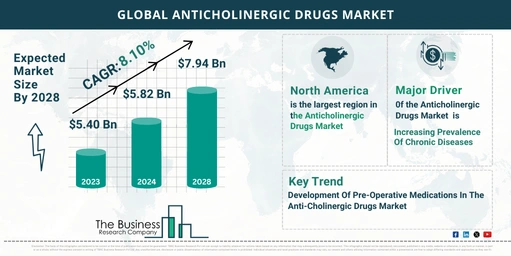
    The anticholinergic drugs market has witnessed significant growth recently, expanding from $5.40 billion in 2023 to an expected $5.82 billion in 2024, reflecting a robust CAGR of 7.7%. Several key factors have driven this growth:

    • Aging Population: The rising number of elderly individuals has led to an increased demand for medications to manage age-related conditions.
    • Chronic Diseases: The prevalence of chronic illnesses like Parkinson’s disease and COPD has contributed to higher demand for anticholinergic drugs.
    • Healthcare Infrastructure: Improved healthcare systems worldwide have facilitated better access to these medications.
    • Lifestyle Changes: Modern lifestyles and environmental factors have exacerbated conditions that anticholinergic drugs can treat.
    • Enhanced Diagnostics: Advances in diagnostic techniques have enabled earlier detection and treatment, boosting market demand.

    Future Growth Projections

    The anticholinergic drugs market is expected to continue its strong growth trajectory, reaching $7.94 billion by 2028, with a CAGR of 8.1%. Several factors will drive this future growth:

    • Healthcare Expenditure: Increased spending on healthcare, particularly in emerging markets, will fuel demand for anticholinergic drugs.
    • Expanding Applications: Broader applications of these drugs in various therapeutic areas will boost market expansion.
    • Patient Awareness: Growing awareness and education about available treatments will lead to higher adoption rates.
    • Personalized Treatment: A focus on personalized medicine will drive innovation and demand for tailored anticholinergic therapies.
    • Research Expansion: New research centers, especially in developing countries, will contribute to market growth.

    Read More On The Anticholinergic Drugs Market Report 2024 – https://www.thebusinessresearchcompany.com/report/anticholinergic-drugs-global-market-report

    Impact of Chronic Diseases on Market Growth

    Chronic diseases are a significant driver of the anticholinergic drugs market. These long-term conditions require ongoing medical management, often involving anticholinergic medications:

    • Increased Prevalence: The rising prevalence of chronic diseases is due to factors such as genetics, lifestyle, and environmental exposure to harmful substances.
    • Effective Management: Anticholinergic drugs play a crucial role in managing these diseases by mitigating excessive cholinergic activity in the body.
    • Growing Demand: As the global population ages, the number of people with chronic illnesses is expected to rise, further driving demand for these drugs.

    Technological Innovations and Strategic Collaborations

    Innovation is at the heart of the anticholinergic drugs market, with companies focusing on developing new products and forming strategic partnerships:

    • Pre-Operative Medications: Companies are developing innovative pre-operative anticholinergic medications to enhance surgical outcomes.
    • Product Innovation: The introduction of new formulations and drug delivery systems is expanding the market.
    • Collaborations: Strategic partnerships and acquisitions are enabling companies to broaden their product portfolios and improve drug delivery technologies.

    Case Study: Acquisition of Antares Pharma by Halozyme Therapeutics

    A significant development in the market was Halozyme Therapeutics Inc.’s acquisition of Antares Pharma Inc. in May 2022 for $960 million:

    • Portfolio Expansion: The acquisition aims to enhance Halozyme’s portfolio of self-administered parenteral pharmaceutical products, focusing on advanced drug delivery systems.
    • Strategic Focus: This move underscores the importance of innovation and strategic growth in the anticholinergic drugs market.

    Market Segmentation and Regional Insights

    The anticholinergic drugs market is segmented based on type, route of administration, application, and distribution channel:

    • Type: Includes synthetic, natural, and semi-synthetic compounds.
    • Route of Administration: Parental, oral, and topical.
    • Application: Overactive bladder, Parkinson’s disease, COPD, muscle spasms, and irritable bowel syndrome.
    • Distribution Channel: Hospital pharmacies, retail pharmacies, and online pharmacies.

    Regional Insights:

    • North America: The largest market for anticholinergic drugs in 2023.
    • Asia-Pacific: Expected to be the fastest-growing region during the forecast period, driven by expanding healthcare infrastructure and increasing healthcare expenditure.

    Conclusion

    The anticholinergic drugs market is poised for continued growth, driven by rising healthcare needs, innovative products, and strategic industry moves. As the market evolves, key players will likely continue to expand their offerings, focusing on personalized medicine and advanced drug delivery systems.

    Request for A Sample Of The Global Anticholinergic Drugs Market Report:
    https://www.thebusinessresearchcompany.com/sample_request?id=16340&type=smp

  • Key Trends And Drivers In The TCR Therapy Market 2024

    Key Trends And Drivers In The TCR Therapy Market 2024

    The Business Research Company’s market reports offer an in-depth analysis on the market’s growth potential, major drivers, key trends and more.

    Rapid Growth in the TCR Therapy Market

    • Exponential Growth: The T-cell receptor (TCR) therapy market has seen remarkable growth in recent years, driven by the increasing incidence of cancer and a rising interest in immunotherapy. The market size surged from $0.13 billion in 2023 to an expected $0.18 billion in 2024, reflecting a compound annual growth rate (CAGR) of 40.6%.
    • Historic Growth Drivers: Several factors contributed to this rapid growth, including encouraging clinical trial results and robust financial support from investors. The increasing number of cancer cases has further fueled the demand for TCR therapies, as they offer a targeted approach to treatment.

    Future Market Projections and Drivers

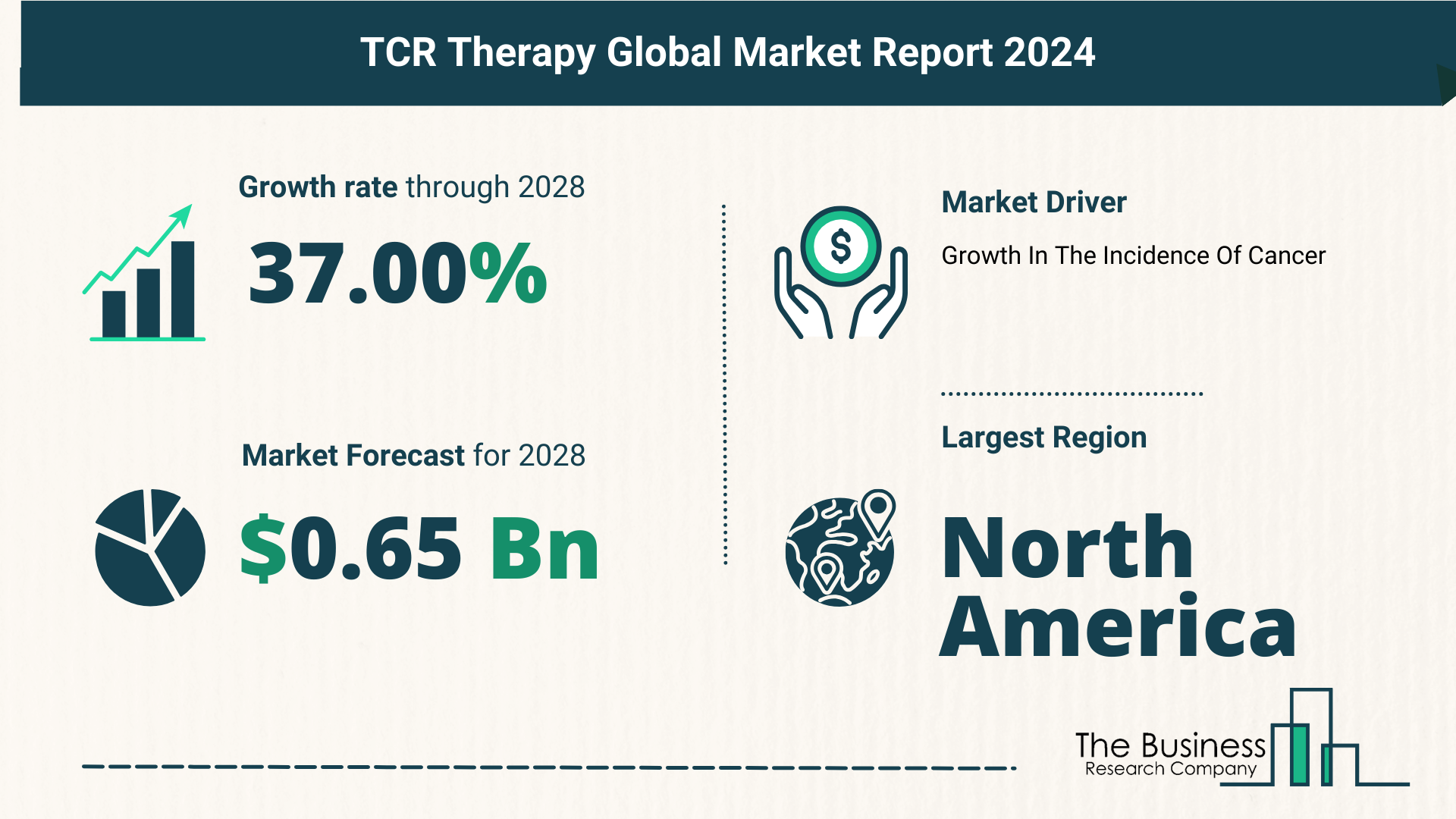
    • Projected Growth: Looking ahead, the TCR therapy market is expected to continue its exponential growth, reaching $0.65 billion by 2028 at a CAGR of 37.0%. This growth is anticipated due to ongoing clinical trials, the use of innovative technologies in healthcare, and the expanding application of TCR therapy in treating solid tumors.
    • Key Growth Drivers: The forecasted growth is supported by factors such as regulatory support, streamlined approval processes, and the integration of TCR therapy with complementary treatments. The adoption of next-generation TCR engineering and increased personalization of treatments are also expected to play a significant role in the market’s expansion.

    Read More On The TCR Therapy Market Report 2024 – https://www.thebusinessresearchcompany.com/report/tcr-therapy-global-market-report

    Growing Incidence of Cancer as a Key Market Driver

    • Cancer Incidence: The rising incidence of cancer globally is a critical driver for the TCR therapy market. Cancer, characterized by the uncontrolled growth of abnormal cells, poses significant health challenges, leading to increased demand for advanced treatment options like TCR therapy.
    • TCR Therapy’s Potential: TCR therapy harnesses the immune system’s power to target and destroy cancer cells, offering a potentially transformative approach to treatment. With the number of cancer cases projected to rise significantly by 2040, the demand for TCR therapies is expected to grow in parallel.

    Strategic Partnerships Fueling Innovation

    • Partnerships: Major companies in the TCR therapy industry are increasingly adopting strategic partnerships to enhance innovation and gain a competitive edge. These partnerships allow companies to leverage each other’s strengths and resources, accelerating the development of new treatments.
    • Example: In December 2023, ImmunoScape partnered with the Experimental Drug Development Centre (EDDC) to develop new TCR-based bispecific molecules for solid tumors. This collaboration aims to combine expertise in immunology and computational biology to advance cancer treatment research.

    AstraZeneca’s Acquisition Strengthening TCR-T Therapy Portfolio

    • Acquisition: In January 2023, AstraZeneca acquired Neogene Therapeutics Inc. for $320 million, significantly boosting its TCR-T therapy portfolio. This acquisition provided AstraZeneca with cutting-edge technology and expertise, further solidifying its position in the TCR therapy market.
    • Strategic Impact: The acquisition aligns with AstraZeneca’s strategy to enhance its oncology pipeline and develop personalized TCR-T therapies for various cancer types, ultimately aiming to improve patient outcomes.

    Market Segmentation and Regional Insights

    • Product Segmentation: The TCR therapy market is segmented by product type, indication, distribution channel, and end-user. Key product types include infusions and injectables, with indications ranging from leukemia and lymphoma to other cancer types.
    • Regional Insights: North America dominated the TCR therapy market in 2023, driven by advanced healthcare infrastructure and high investment in cancer research. However, the Asia-Pacific region is expected to be the fastest-growing market during the forecast period, attributed to increasing healthcare investments and expanding clinical trials.

    Conclusion

    The TCR therapy market is poised for continued exponential growth, driven by the rising incidence of cancer, strategic partnerships, and advancements in technology. As the market expands, major companies are focusing on innovation and personalized therapies, setting the stage for a transformative impact on cancer treatment.

    Request for A Sample Of The Global TCR Therapy Market Report:
    https://www.thebusinessresearchcompany.com/sample_request?id=14517&type=smp

  • Synthetic Hormones Market Growth Analysis Till 2033 By The Business Research Company

    Synthetic Hormones Market Growth Analysis Till 2033 By The Business Research Company

    The Business Research Company’s market reports offer an in-depth analysis on the market’s growth potential, major drivers, key trends and more.

    The synthetic hormones market has experienced significant growth in recent years, driven by various factors such as the promotion of animal growth, fertility treatments, and menopausal symptom management. This blog explores the market’s current state, future growth prospects, major trends, and key players.

    Market Overview

    • Strong Recent Growth:
      • The synthetic hormones market size increased from $6.0 billion in 2023 to $6.38 billion in 2024, reflecting a CAGR of 6.3%.
      • Growth in the recent period was fueled by animal growth promotion, performance enhancement, and fertility treatments.
    • Future Growth Expectations:
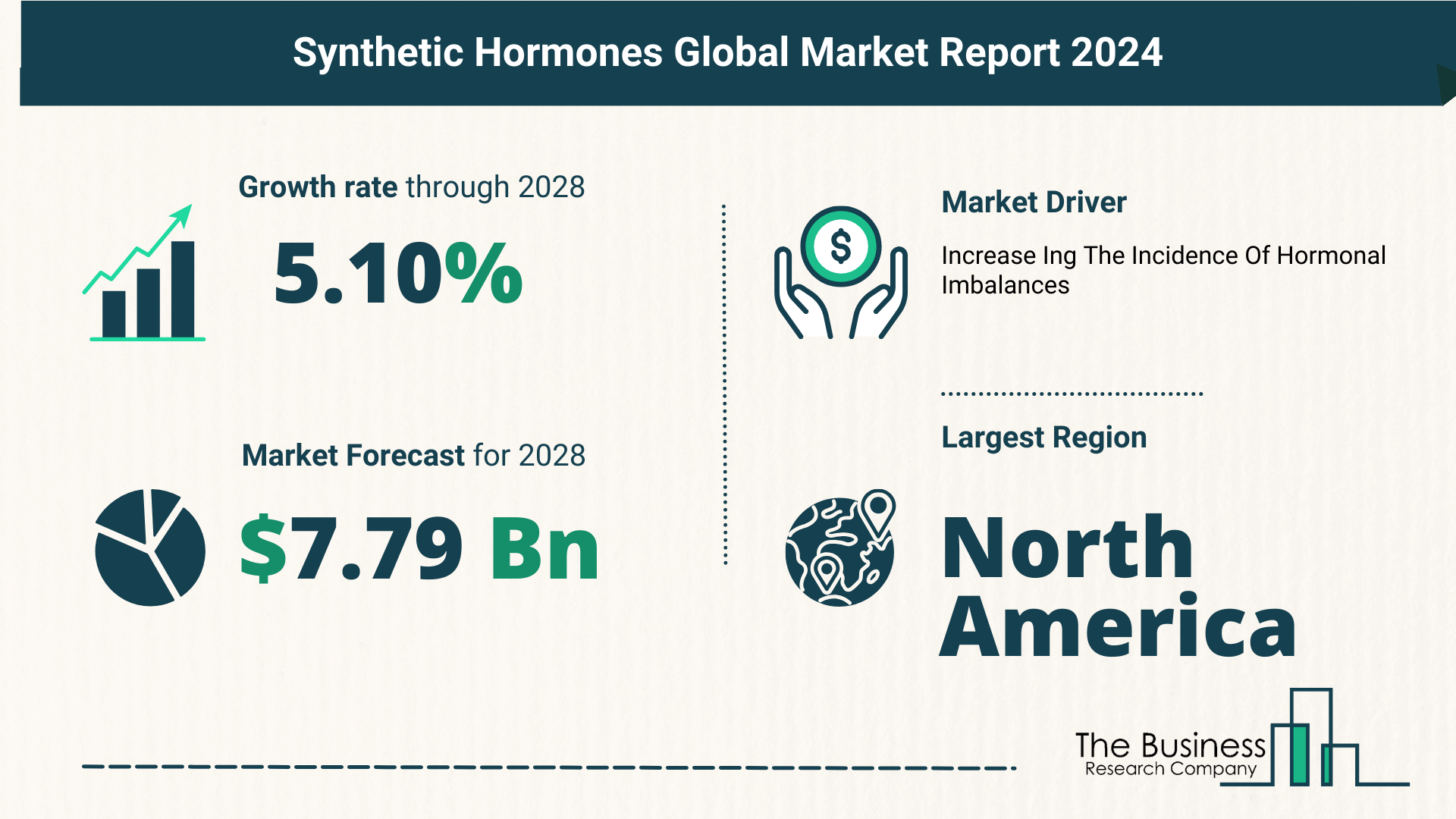
      • The market is expected to grow to $7.79 billion by 2028, with a CAGR of 5.1%.
      • Future growth is attributed to expanding the transgender healthcare market, increased healthcare expenditure, and regulatory approvals.

    Key Drivers of Market Growth

    • Rising Hormonal Imbalances:
      • The growing incidence of hormonal imbalances is a major driver of the synthetic hormones market.
      • Hormonal imbalances, caused by stress, aging, and lifestyle choices, lead to a need for synthetic hormones to regulate bodily functions.
      • Example: In 2022, the UK saw a 35% increase in hormone replacement therapy (HRT) prescriptions, highlighting the rising demand.

    Read More On The Synthetic Hormones Market Report 2024 – https://www.thebusinessresearchcompany.com/report/synthetic-hormones-global-market-report

    Major Trends Shaping the Market

    • Emergence of Plant-Based Hormone Therapy:
      • Increasing interest in plant-based alternatives is shaping the synthetic hormones market.
      • These therapies offer a natural and sustainable approach, attracting consumers seeking less invasive treatments.
    • Integration in Anti-Aging Treatments:
      • Hormone therapy is increasingly integrated into anti-aging treatments, driving market growth.
      • This trend is supported by a growing focus on wellness and longevity among consumers.
    • Technological Advancements in Drug Delivery:
      • Innovation in drug delivery systems, such as long-acting injections, is enhancing the effectiveness and convenience of synthetic hormones.
      • Example: Pfizer and OPKO Health’s once-weekly NGENLA (somatrogon) injections received EU approval in 2022, offering a new option for pediatric growth hormone deficiency.
    • Focus on Hormone-Free Birth Control:
      • The market is also witnessing a shift toward hormone-free birth control options, catering to those seeking alternatives to synthetic hormones.

    Strategic Moves by Key Players

    • Development of Long-Acting Recombinant Human Growth Hormone Products:
      • Companies like Pfizer are focusing on innovative products like recombinant human growth hormone to boost profitability.
      • Example: Pfizer’s NGENLA injections provide a long-lasting alternative for growth hormone deficiencies, requiring only weekly administration.
    • Aspen Pharmacare’s Expansion in China:
      • In November 2023, Aspen Pharmacare acquired Sandoz’s Chinese business for $100 million, including products like the synthetic hormone injectable Sandostatin.
      • This acquisition strengthens Aspen’s presence in the fast-growing Chinese pharmaceutical market.

    Market Segmentation

    • By Product Type:
      • Steroid Hormones
      • Peptide Hormones
      • Amino Acid Derivatives
      • Other Product Types
    • By Route of Administration:
      • Oral
      • Nasal
      • Topical
      • Intravenous
    • By Application:
      • Growth Hormone Deficiency
      • Thyroid Hormone Deficiency
      • Menopause
      • Male Hypogonadism
      • Other Applications
    • By End User:
      • Hospital Pharmacies
      • Retail Pharmacies
      • Online Pharmacies

    Regional Insights

    • North America Dominates:
      • In 2023, North America was the largest region in the synthetic hormones market, driven by advanced healthcare infrastructure and high demand.
    • Asia-Pacific’s Rapid Growth:
      • The Asia-Pacific region is expected to be the fastest-growing market during the forecast period, supported by expanding healthcare access and rising awareness of hormone treatments.

    Conclusion

    The synthetic hormones market is poised for strong growth, driven by the rising incidence of hormonal imbalances, technological advancements, and expanding applications in healthcare. With significant investments and strategic moves by key players, the market is set to continue evolving, offering new opportunities and challenges in the coming years.

    Request for A Sample Of The Global Synthetic Hormones Market Report:
    https://www.thebusinessresearchcompany.com/sample_request?id=14515&type=smp

  • Understand How The Lab Automation In Drug Discovery Market Is Poised To Grow Through 2024-2033

    Understand How The Lab Automation In Drug Discovery Market Is Poised To Grow Through 2024-2033

    The Business Research Company’s global market reports are now updated with the latest market sizing information for the year 2024 and forecasted to 2033

    As per The Business Research Company’s Lab Automation In Drug Discovery Global Market Report 2024, the lab automation in drug discovery market is expected to show significant growth in the forecast period.

    • Market Size Expansion: The lab automation in drug discovery market has experienced substantial growth, rising from $6.13 billion in 2023 to an expected $6.47 billion in 2024, with a CAGR of 5.6%. This growth is driven by factors like the increasing complexity of drug discovery, the need for efficiency and cost reduction, and rising labor costs.
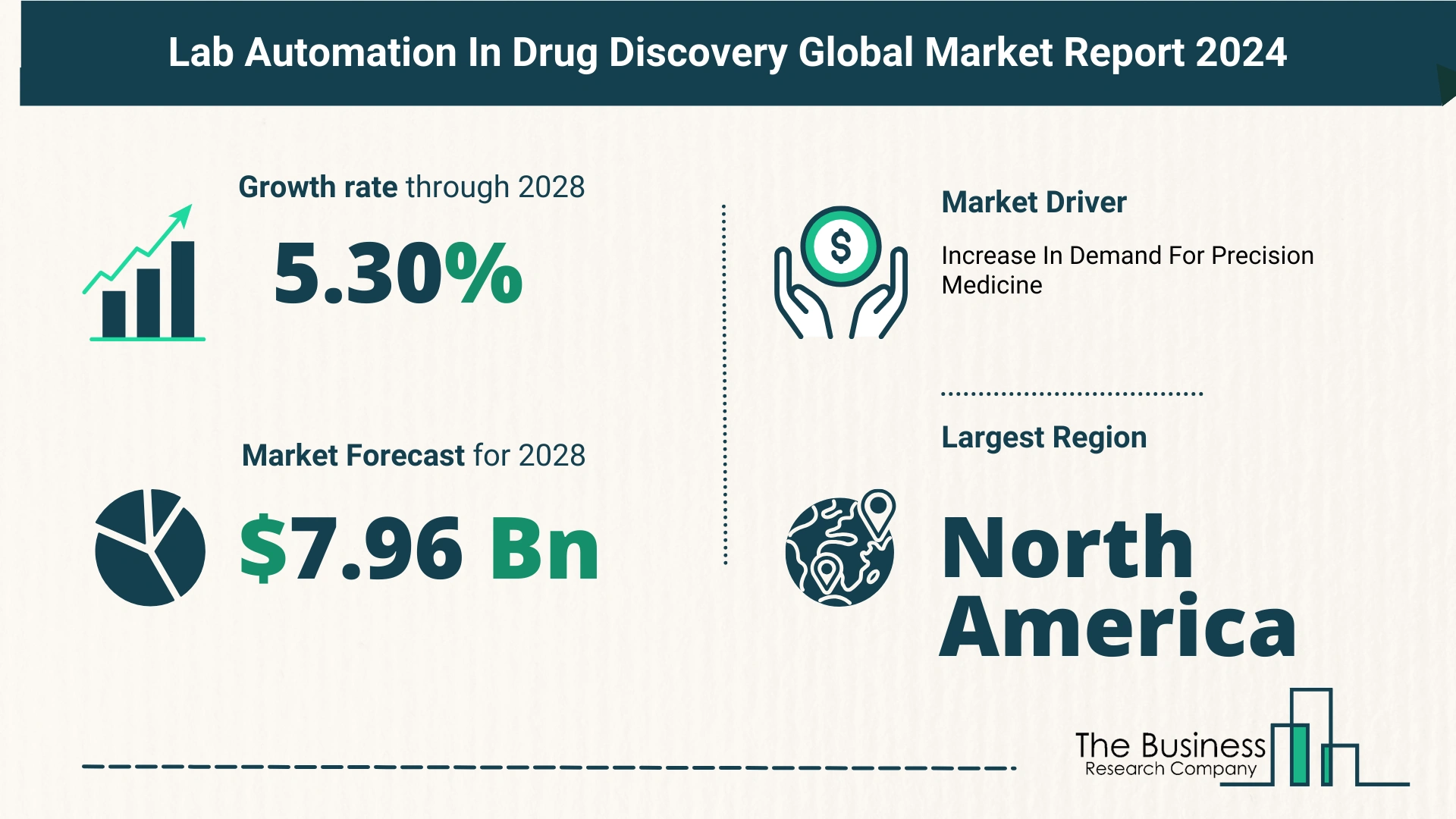
    • Future Projections: The market is projected to reach $7.96 billion by 2028, growing at a CAGR of 5.3%. Key drivers include the expansion of drug pipelines, the rise in personalized medicine, and the focus on rare diseases and orphan drugs.

    Precision Medicine Driving Market Growth

    • Importance of Precision Medicine: Precision medicine, which tailors treatment based on individual genetic, environmental, and lifestyle factors, is a significant growth driver for lab automation in drug discovery. Automation enhances research efficiency and accuracy, leading to more effective, personalized treatments.
    • Market Impact: The increasing demand for precision medicine is contributing to the rapid growth of the lab automation market, with over 75,000 genetic testing products and 300 personalized medicines available as of October 2022.

    View More On The Lab Automation In Drug Discovery Market Report 2024 – https://www.thebusinessresearchcompany.com/report/lab-automation-in-drug-discovery-global-market-report

    Key Industry Players and Technological Innovations

    • Major Companies: Leading companies in the market include Thermo Fisher Scientific, Abbott Diagnostics, Roche Holdings, and Siemens Healthineers, among others. These companies are focusing on developing advanced automation solutions to stay competitive.
    • Technological Advances: Innovations like Strateos Inc.’s rapid idea-to-data solution, launched in April 2022, are transforming drug discovery. This platform enables quick transformation of ideas into actionable data through linked robotic automation and cloud-based design.

    Strategic Acquisitions Boosting Market Presence

    • Brooks Automation’s Acquisition: In March 2023, Brooks Automation acquired Aim Lab Automation Technologies Pty Ltd., an Australian company specializing in robotic automation. This acquisition is expected to enhance Brooks’ presence in clinical diagnostics and accelerate technological advancements in lab automation for drug discovery.

    Market Segmentation and Regional Insights

    • Market Segments: The lab automation market is segmented by type (e.g., automated liquid handlers, robotic arms), component (instruments, software), application (high-throughput screening, sample preparation), and end-user (biotech and pharmaceutical industries).
    • Regional Growth: North America was the largest market in 2023, while Asia-Pacific is expected to be the fastest-growing region during the forecast period, driven by increasing investments in drug discovery and automation technologies.

    Request A Sample Of The Global Lab Automation In Drug Discovery Market Report 2024:
    https://www.thebusinessresearchcompany.com/sample_request?id=14410&type=smp

  • Key Trends And Drivers In The HERG Screening Market 2024

    Key Trends And Drivers In The HERG Screening Market 2024

    The Business Research Company’s market reports offer an in-depth analysis on the market’s growth potential, major drivers, key trends and more.

    Rapid Growth in the HERG Screening Market

    • Current Market Overview: The HERG screening market is experiencing significant growth, with its size increasing from $1.42 billion in 2023 to an expected $1.62 billion in 2024, reflecting a compound annual growth rate (CAGR) of 14.2%.
    • Growth Drivers: This rapid expansion can be attributed to increased drug development activities, stricter regulatory requirements, heightened awareness of cardiac safety, and a rising incidence of cardiac disorders.

    Forecasted Market Expansion and Emerging Trends

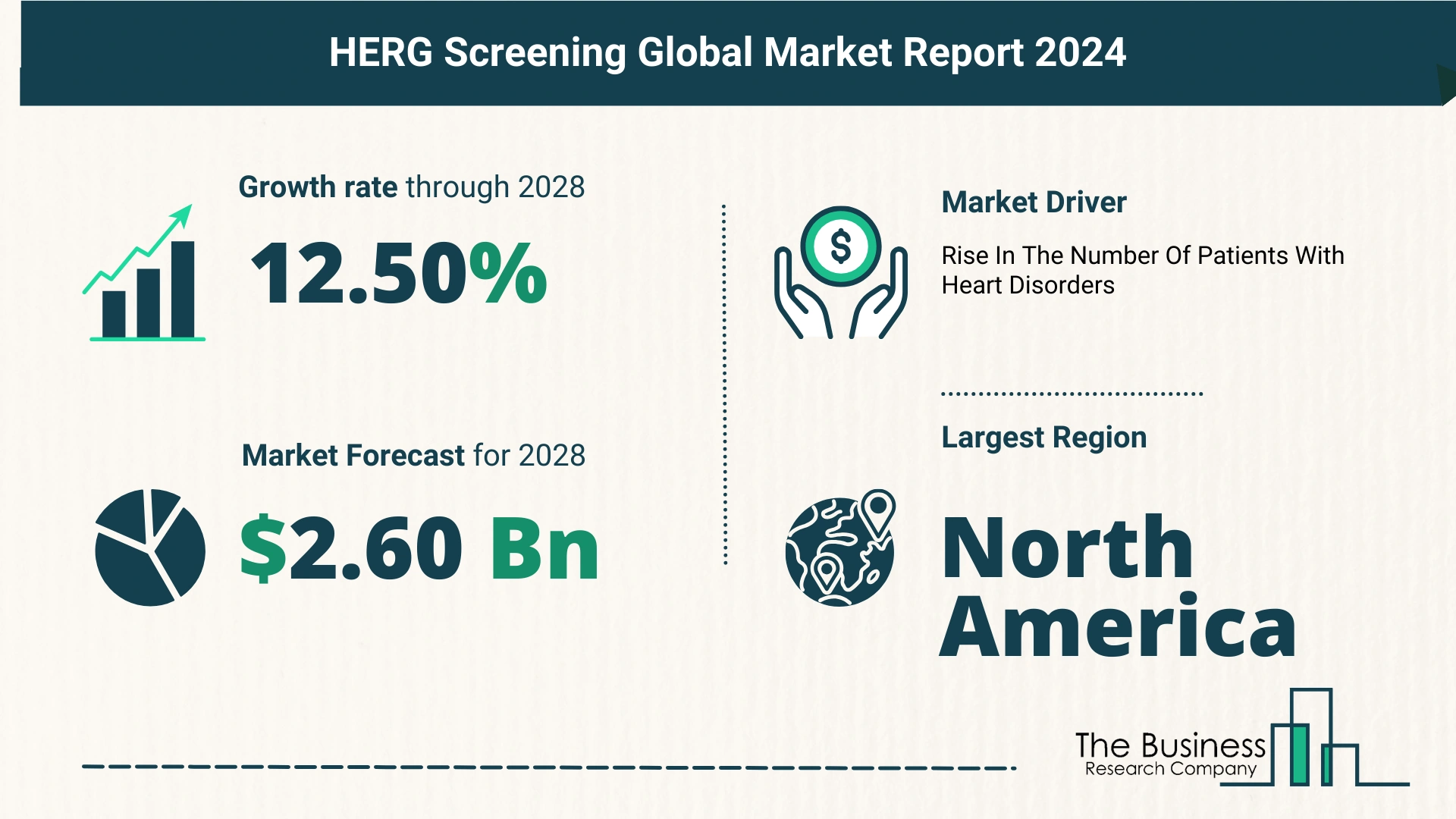
    • Future Market Projections: The HERG screening market is projected to grow to $2.60 billion by 2028, with a CAGR of 12.5%.
    • Key Factors for Growth: The expansion of personalized medicine, increased outsourcing of drug development activities, growth in emerging markets and research, and a focus on non-cardiac safety assessments are key contributors to this expected growth.
    • Major Trends: Advanced in vitro models, integration of genomic and proteomic data, advancements in computational approaches, a focus on pediatric drug safety, and collaborations for data sharing and standardization are anticipated to shape the market.

    Read More On The HERG Screening Market Report 2024 – https://www.thebusinessresearchcompany.com/report/herg-screening-global-market-report

    Impact of Rising Cardiovascular Disorders on Market Growth

    • Prevalence of Heart Disorders: The increase in cardiovascular disorders, driven by unhealthy lifestyles, an aging population, genetic factors, diabetes, and metabolic syndrome, is fueling the demand for HERG screening.
    • Cardiac Safety: HERG screening plays a crucial role in identifying potential drug candidates, preventing adverse cardiac events like torsade de pointes (TdP), and improving patient outcomes.
    • Statistical Evidence: For example, in the U.S., 1 in 20 adults aged 20 and older have cardiovascular diseases, with 695,000 cases and 375,476 deaths reported in 2021. In the UK, heart attack deaths increased from 19,440 in 2020 to 20,061 in 2021.

    Leading Companies and Innovations in HERG Screening

    • Key Market Players: Major companies in the HERG screening market include Eurofins-Cerep SA., Aviva Biosciences Inc., AstraZeneca Public Limited Company, Merck KGaA, and Charles River Laboratories Inc.
    • Innovation in Screening Services: Metrion Biosciences Ltd., for instance, launched a GLP-certified HERG screening service in August 2023. This service enhances cardiac safety in drug development by using the whole-cell patch-clamp technique and adhering to regulatory guidelines like ICH S7A and ICH S7B.

    Strategic Collaborations for Enhanced Cardiac Safety

    • Collaborative Efforts: In September 2021, ApconiX partnered with PhysioStim to establish a European Center of Excellence for preclinical cardiovascular safety evaluation. This collaboration aims to provide a comprehensive range of preclinical cardiac safety tests, including automated electrophysiology for HERG screening and GLP compliance assays.

    Regional Insights and Market Segmentation

    • Regional Market Leaders: In 2023, North America was the largest region in the HERG screening market. However, Asia-Pacific is expected to be the fastest-growing region during the forecast period.
    • Market Segmentation: The HERG screening market is segmented by type (Gene KCNH2, Mutant KCNH2), ion channel (Voltage-Gated, Ligand Gated), and applications (Antiarrhythmic, Antipsychotic, Antibiotics, and Other Applications).

    The HERG screening market is poised for continued expansion, driven by advancements in drug development, increased awareness of cardiac safety, and ongoing innovations in screening technologies. As the prevalence of cardiovascular disorders rises globally, the demand for HERG screening is set to grow, supported by strategic collaborations and the entry of new players in the market.

    Request for A Sample Of The Global HERG Screening Market Report:
    https://www.thebusinessresearchcompany.com/sample_request?id=14392&type=smp

  • Artificial Intelligence (AI) In Predictive Toxicology Global Market Outlook 2024-2033: Size And Growth Rate Analysis

    Artificial Intelligence (AI) In Predictive Toxicology Global Market Outlook 2024-2033: Size And Growth Rate Analysis

    The Business Research Company’s global market reports provide comprehensive analysis on the various markets in 27 industries across 60 geographies.

    Rapid Growth of the Market

    • The artificial intelligence (AI) in predictive toxicology market is witnessing exponential growth, expanding from $0.38 billion in 2023 to $0.50 billion in 2024 at a compound annual growth rate (CAGR) of 30.3%.
    • The surge in market size during this period is driven by several factors including increased regulatory pressure for toxicity assessment, rising concerns about chemical safety, and the availability of large datasets for model training.
    • Additionally, the rising costs and ethical concerns associated with animal testing, coupled with the demand for faster and more cost-effective toxicity screening methods, are propelling this market forward.

    Key Trends and Future Market Expansion

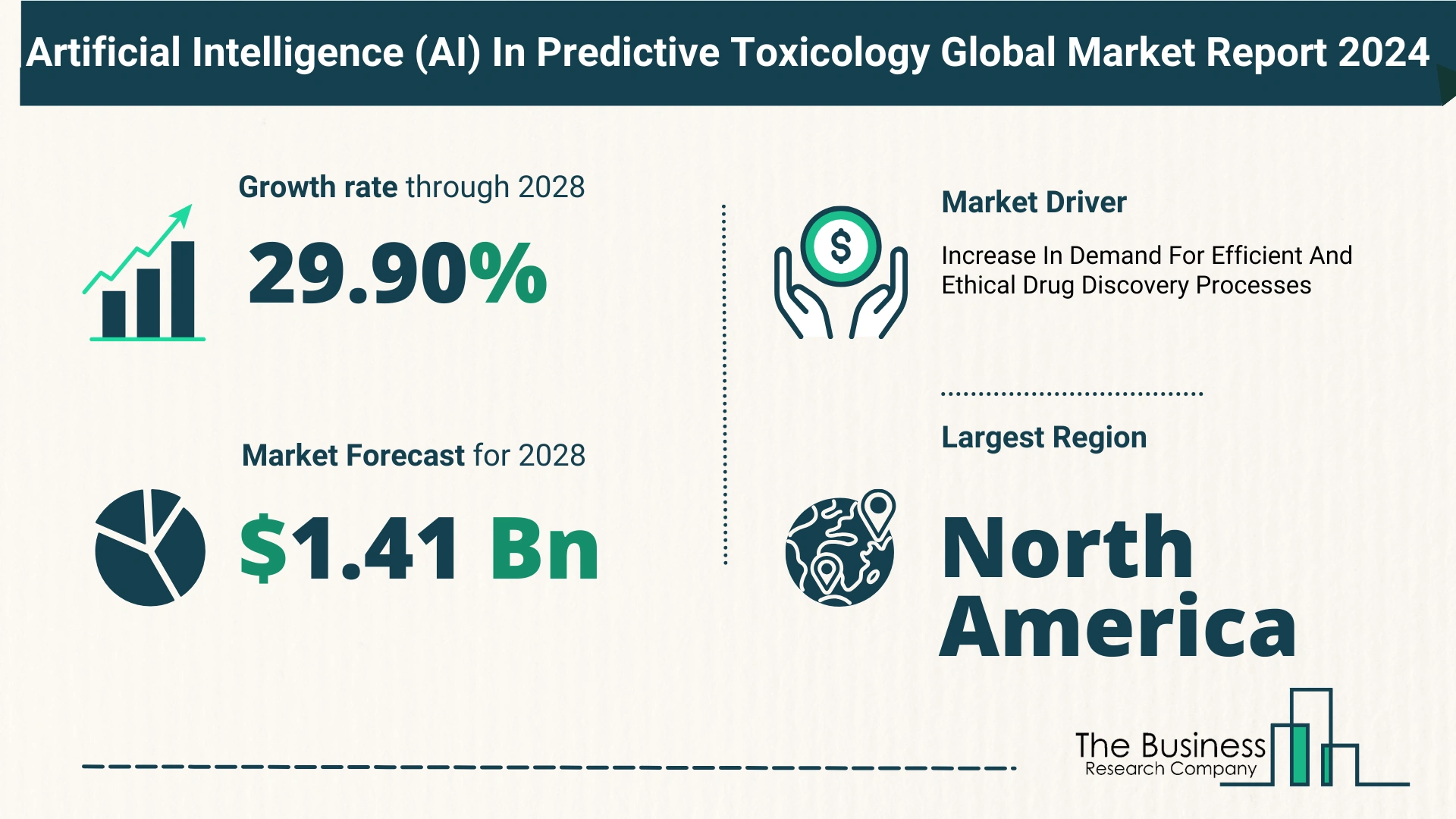
    • Looking ahead, the AI in predictive toxicology market is expected to grow to $1.41 billion by 2028, maintaining a strong CAGR of 29.9%.
    • Future growth will be fueled by the emergence of explainable AI in toxicology predictions, an increased demand for personalized toxicity assessments, and regulatory acceptance and standardization of AI-based toxicity predictions.
    • Major trends to watch include a shift towards 3D cell culture models for toxicity testing, the rise of federated learning approaches for collaborative toxicity prediction, and the application of generative models for predicting chemical toxicity pathways.
    • Additional innovations such as incorporating natural language processing for extracting toxicity data from literature and the growth of virtual screening platforms for prioritizing chemical testing will also contribute to market expansion.

    View More On The Artificial Intelligence (AI) In Predictive Toxicology Market Report 2024 – https://www.thebusinessresearchcompany.com/report/artificial-intelligence-ai-in-predictive-toxicology-global-market-report

    The Growing Demand for Efficient and Ethical Drug Discovery

    • The increasing need for efficient and ethical drug discovery processes is a significant driver of the AI in predictive toxicology market.
    • As the drug discovery process becomes more intricate and dynamic, the role of AI in predictive toxicology becomes crucial in efficiently analyzing vast datasets to predict potential toxicological outcomes.
    • This technological advancement accelerates drug development while ensuring adherence to ethical standards, a critical factor given the rising prevalence of chronic and age-related diseases.
    • For instance, pharmaceutical R&D expenditure in Europe increased by approximately 6.45% in 2022, reflecting the industry’s commitment to advancing drug discovery through AI.

    Strategic Collaborations Fueling Innovation

    • Major players in the AI predictive toxicology market are increasingly adopting strategic collaborations to enhance their market presence and drive innovation.
    • These collaborations often aim to leverage AI and machine learning techniques to improve the prediction and assessment of the toxicity of chemical compounds and pharmaceuticals.
    • An example is the partnership between SyntheticGestalt and Enamine in January 2024, focusing on developing AI models that optimize the physicochemical and ADME or Tox properties of compounds.
    • Such collaborations not only strengthen the capabilities of these companies but also contribute to the broader goal of advancing AI-driven drug discovery.

    Strategic Acquisitions Strengthening Market Position

    • Strategic acquisitions are playing a crucial role in amplifying the portfolios and market positions of key players in the AI predictive toxicology market.
    • A notable example is Clarivate’s acquisition of Bioinfogate in August 2021, which enhanced Clarivate’s portfolio with the OFF-X portal, improving drug toxicity data and streamlining processes.
    • This acquisition signifies a significant advancement in meeting the growing demand for AI in predictive toxicology, further solidifying Clarivate’s position in the life sciences sector.

    Conclusion: A Dynamic Market Poised for Continued Growth

    • The artificial intelligence in predictive toxicology market is experiencing rapid growth, driven by advancements in technology, increasing demand for ethical drug discovery processes, and strategic collaborations and acquisitions.
    • As the market continues to evolve, innovations such as 3D cell culture models, federated learning approaches, and generative models for predicting chemical toxicity pathways will play a pivotal role in shaping the future of this dynamic industry.
    • With North America leading the market in 2023 and Asia-Pacific expected to be the fastest-growing region, the AI in predictive toxicology market is well-positioned for sustained expansion in the years to come.

    Request A Sample Of The Global Artificial Intelligence (AI) In Predictive Toxicology Market Report 2024:
    https://www.thebusinessresearchcompany.com/sample_request?id=14253&type=smp

  • 5 Key Insights On The Artificial Intelligence (AI) In Biopharmaceuticals Market 2024

    5 Key Insights On The Artificial Intelligence (AI) In Biopharmaceuticals Market 2024

    The Business Research Company’s global market reports are now updated with the latest market sizing information for the year 2024 and forecasted to 2033

    As per The Business Research Company’s Artificial Intelligence (AI) In Biopharmaceuticals Global Market Report 2024, the artificial intelligence (AI) in biopharmaceuticals market is expected to show significant growth in the forecast period.

    • Exponential Market Growth: The artificial intelligence (AI) in biopharmaceuticals market has experienced significant growth, expanding from $1.19 billion in 2023 to a projected $1.59 billion in 2024. This growth, marked by a compound annual growth rate (CAGR) of 33.8%, is driven by advancements in computational power, the explosion of biomedical data, the precision medicine paradigm, and regulatory support.
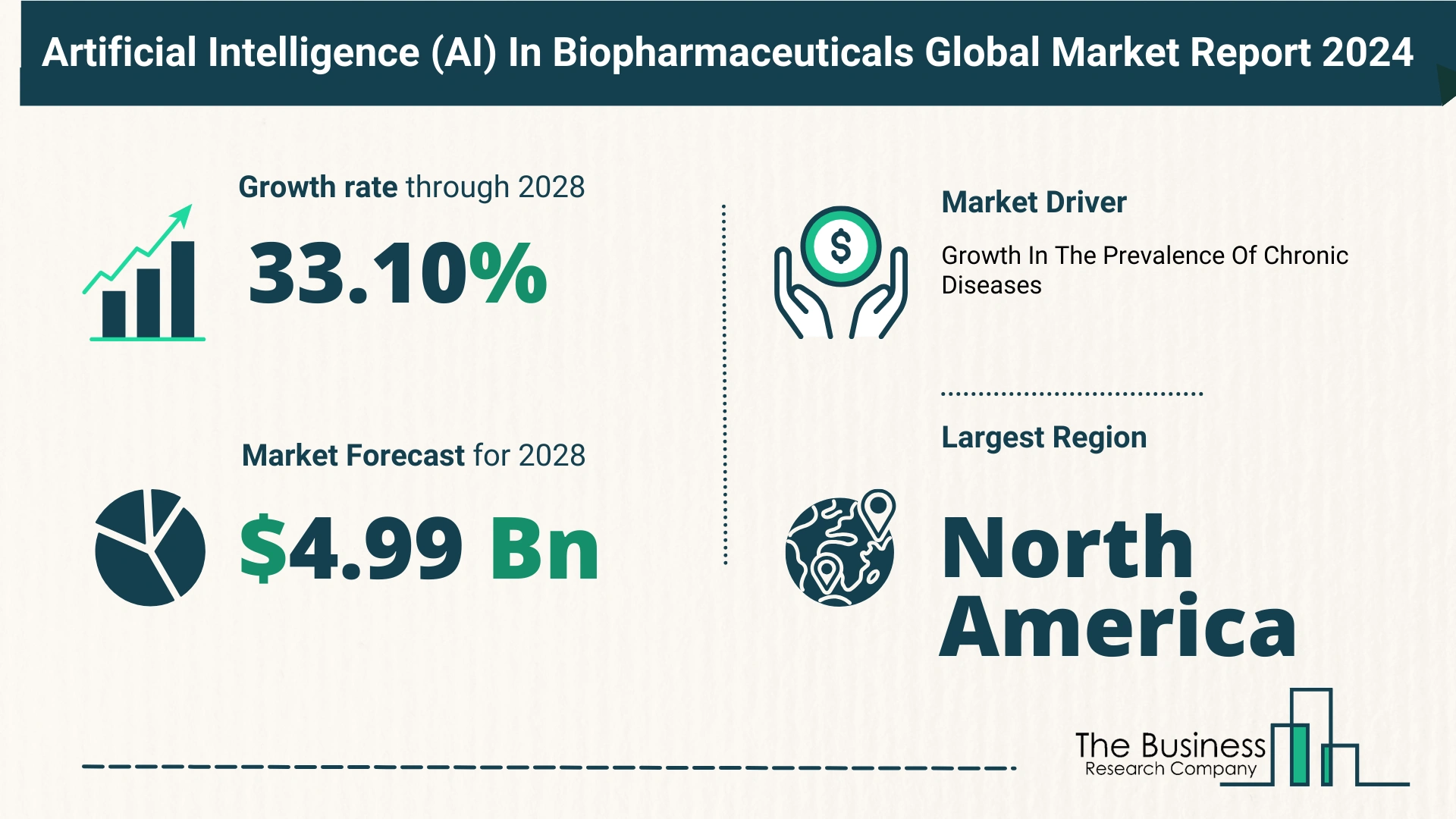
    • Future Market Projections: The market is expected to continue its upward trajectory, reaching $4.99 billion by 2028 with a CAGR of 33.1%. This anticipated growth is attributed to advancements in computational biology, the integration of multi-modal data, the convergence of AI and life sciences, and the establishment of regulatory frameworks emphasizing ethical and fair AI principles.

    Chronic Disease Prevalence Driving Market Expansion

    • Impact of Chronic Diseases: The increasing prevalence of chronic diseases is a significant factor fueling the growth of AI in biopharmaceuticals. These long-lasting conditions, often resulting from lifestyle factors, aging populations, and genetic predispositions, require sophisticated tools for management. AI’s ability to analyze large datasets, identify patterns, and personalize treatments makes it an invaluable resource in managing chronic diseases.
    • Future Projections: According to the National Library of Medicine, the number of chronic disease cases is expected to surge by 99.5% by 2050. This trend underscores the growing need for AI-driven solutions in the biopharmaceutical industry to address the rising demand for effective chronic disease management.

    View More On The Artificial Intelligence (AI) In Biopharmaceuticals Market Report 2024 – https://www.thebusinessresearchcompany.com/report/artificial-intelligence-ai-in-biopharmaceuticals-global-market-report

    Advancements in AI-Powered Drug Discovery and Precision Medicine

    • Innovative AI Solutions: Leading companies in the AI in biopharmaceuticals market are developing advanced AI-powered tools for drug discovery and precision medicine. These solutions aim to streamline the drug development process, reduce costs, and bring new treatments to market faster.
    • Case Study – Google LLC: In May 2023, Google launched AI-powered tools designed to predict and understand protein structures, a crucial aspect of drug development. These tools also enable researchers to manage and analyze vast amounts of genomic data, facilitating the advancement of precision medicine. Such innovations are poised to revolutionize life sciences and improve patient outcomes.

    ZS Associates’ Acquisition of Trials.ai Inc.

    • Strategic Acquisition: In February 2023, ZS Associates acquired Trials.ai Inc. to enhance the design of clinical trials using AI. This acquisition aims to optimize trial speed, improve participant experiences, and expedite the delivery of pharmaceutical therapies to the market.
    • Focus on AI in Clinical Trials: Trials.ai Inc. specializes in leveraging AI and machine learning technologies to revolutionize clinical trials. The integration of these technologies is expected to streamline trial processes, making them more efficient and effective.

    Regional Market Insights and Segmentation

    • Regional Growth: North America led the AI in biopharmaceuticals market in 2023, with Asia-Pacific expected to be the fastest-growing region in the coming years. This growth is driven by the rapid adoption of AI technologies and the increasing demand for innovative biopharmaceutical solutions.
    • Market Segmentation: The AI in biopharmaceuticals market is segmented by offering (hardware, software, services), deployment (cloud, on-premises), technology (machine learning, natural language processing, deep learning), application (business process and supply chain, drug discovery, medical imaging, diagnostics, precision medicine), and end-users (manufacturers, contract research organizations, academic and government research institutes).

    Conclusion

    • Future Outlook: The artificial intelligence in biopharmaceuticals market is set for continued exponential growth, driven by technological advancements, the increasing prevalence of chronic diseases, and strategic industry collaborations. With AI playing a pivotal role in transforming drug discovery, precision medicine, and clinical trials, the market’s potential for innovation and improved patient outcomes is immense.

    Request A Sample Of The Global Artificial Intelligence (AI) In Biopharmaceuticals Market Report 2024:
    https://www.thebusinessresearchcompany.com/sample_request?id=14251&type=smp

  • Microbial API Market Growth Analysis Till 2033 By The Business Research Company

    Microbial API Market Growth Analysis Till 2033 By The Business Research Company

    The Business Research Company’s market reports offer an in-depth analysis on the market’s growth potential, major drivers, key trends and more.

    Overview of Market Growth

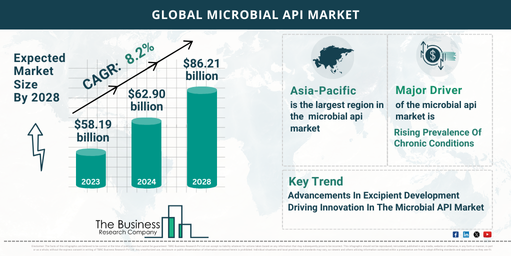
    • The microbial API market has experienced significant growth, expanding from $58.19 billion in 2023 to a projected $62.90 billion in 2024, at a compound annual growth rate (CAGR) of 8.1%.
    • Key drivers of this growth include increased demand for drugs, government focus on healthcare and pharmaceuticals, the need for better nutritional solutions, sustainability, cost-efficiency, and a growing demand for biological drugs.

    Future Growth Projections

    • The market is expected to continue its upward trajectory, reaching $86.22 billion by 2028, with a CAGR of 8.2%.
    • This growth is fueled by the pharmaceutical industry’s expanding applications, the rising prevalence of chronic conditions, increased healthcare spending, access to advanced medical infrastructure, and growing challenges like infections and antibiotic resistance.

    Read More On The Microbial API Market Report 2024 – https://www.thebusinessresearchcompany.com/report/microbial-api-global-market-report

    The Role of Chronic Conditions in Market Expansion

    • The rise in chronic conditions is a major factor driving the microbial API market. Chronic diseases, exacerbated by aging populations, sedentary lifestyles, poor diets, and environmental changes, are on the rise.
    • Microbial APIs are increasingly used in managing these conditions, providing therapeutic solutions derived from microorganisms. For example, the global number of people with diabetes is expected to rise significantly, underscoring the need for effective treatments powered by microbial APIs.

    Innovation and Technological Advancements

    • The microbial API market is witnessing significant advancements in fermentation and downstream processing technologies, as well as innovations in microbial fermentation and bioprocessing.
    • Companies are investing heavily in these areas, leading to product innovation and improvements in molecular and synthetic biology. This focus on innovation is essential for meeting the evolving demands of the pharmaceutical industry.

    Key Industry Players and Regional Insights

    • Leading companies in the microbial API market include BASF SE, Merck & Co Inc., AbbVie Inc., Bayer AG, and Sanofi S.A., among others.
    • The Asia-Pacific region emerged as the largest market in 2023, reflecting the region’s strong demand and production capabilities in the microbial API sector.

    Case Study: Recipharm’s Strategic Expansion

    • Recipharm’s acquisition of Arranta Bio MA LLC in February 2022 highlights the trend of strategic expansions in the microbial API market.
    • This acquisition aims to enhance Recipharm’s biologics manufacturing capabilities and strengthen its presence in the US market, particularly in the development and manufacturing services for Advanced Therapy Medicinal Products (ATMPs).

    Conclusion: A Promising Future for the Microbial API Market

    • With the market projected to continue its strong growth, driven by rising chronic conditions, technological advancements, and strategic industry moves, the microbial API sector is set to play a crucial role in the future of pharmaceuticals.
    • The ongoing innovation and investment in this field will likely yield new solutions that meet the increasing global demand for effective, sustainable, and cost-efficient medical treatments.

    Request for A Sample Of The Global Microbial API Market Report:
    https://www.thebusinessresearchcompany.com/sample_request?id=15861&type=smp

  • Oxycodone Drugs Market Growth Analysis Till 2033 By The Business Research Company

    Oxycodone Drugs Market Growth Analysis Till 2033 By The Business Research Company

    The Business Research Company’s market reports offer an in-depth analysis on the market’s growth potential, major drivers, key trends and more.

    Market Overview: Strong Growth Trajectory

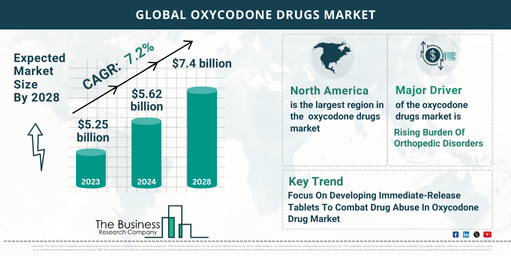
    • Significant Market Expansion: The oxycodone drugs market has seen robust growth, with market size increasing from $5.25 billion in 2023 to an anticipated $5.62 billion in 2024, reflecting a CAGR of 7.0%.
    • Historical Drivers: This growth is largely due to aggressive marketing campaigns, especially for OxyContin, which was heavily promoted for both chronic non-malignant pain and cancer-related pain. Post-World War II, the introduction of synthetic opiates like oxycodone further fueled market demand.

    Future Outlook: Continued Growth and Innovations

    • Forecasted Growth: The oxycodone drugs market is expected to grow to $7.41 billion by 2028, at a CAGR of 7.2%.
    • Key Growth Drivers:
      • Increasing prevalence of chronic pain.
      • Rising number of surgical procedures.
      • Advancements in drug delivery systems.
      • A growing elderly population, which experiences higher incidences of chronic pain.
    • Emerging Trends:
      • Development of abuse-deterrent formulations (ADFs).
      • Innovations in drug delivery systems.
      • Growing use of combination therapies.
      • Technological advancements in manufacturing.

    Read More On The Oxycodone Drugs Market Report 2024 – https://www.thebusinessresearchcompany.com/report/oxycodone-drugs-global-market-report

    Orthopedic Disorder Surge Fuels Market Growth

    • High Burden of Orthopedic Disorders: The rising incidence of orthopedic conditions due to aging populations, sedentary lifestyles, and other factors is driving demand for oxycodone drugs.
    • Impact on Market:
      • Oxycodone is used to alleviate pain from fractures, joint injuries, and post-surgical discomfort.
      • A significant increase in musculoskeletal disorders is expected, with projected cases rising by 115% from 2020 to 2050, reaching over 1 billion cases by 2050.

    Focus on Developing Immediate-Release Tablets to Combat Drug Abuse

    • Innovative Drug Development: Companies in the oxycodone market are focusing on creating formulations that reduce the potential for abuse.
    • Key Example:
      • In July 2022, Protega Pharmaceuticals launched RoxyBond, an FDA-approved immediate-release oxycodone tablet designed to deter abuse through physical and chemical resistance.

    UNC Kenan-Flagler and Acadia Healthcare Partner to Combat Opioid Crisis

    • Strategic Partnership: In February 2023, UNC Kenan-Flagler Business School and Acadia Healthcare collaborated to create an opioid settlement playbook, aiming to guide communities in effectively using funds from opioid settlements.
    • Objective:
      • The partnership focuses on optimizing the use of settlement funds for opioid recovery efforts, particularly in communities affected by the opioid crisis.

    Market Segmentation and Regional Insights

    • Segmentation:
      • By Drug Type: Short-acting oxycodone, long-acting oxycodone.
      • By Dosage Form: Tablets, capsules, injections.
      • By Indication: Neuropathic pain, musculoskeletal pain, cancer pain, post-operative pain, other indications.
      • By Distribution Channel: Hospital pharmacies, retail pharmacies, online pharmacies.
    • Regional Insights:
      • North America was the largest market in 2023.
      • Asia-Pacific is expected to be the fastest-growing region during the forecast period.

    Key Players in the Market

    • Leading Companies: The market is dominated by major pharmaceutical players such as Pfizer Inc., Johnson & Johnson, Teva Pharmaceutical Industries, Purdue Pharma, and others.

    The oxycodone drugs market is set for significant growth, driven by increasing demand due to chronic pain, innovations in drug delivery, and strategic partnerships aimed at addressing the opioid crisis.

    Request for A Sample Of The Global Oxycodone Drugs Market Report:
    https://www.thebusinessresearchcompany.com/sample_request?id=15886&type=smp