Blog

  • Histology And Cytology Market Forecast To Reach $32.42 Billion By 2030: Key Growth Drivers And Industry Trends

    Histology And Cytology Market Forecast To Reach $32.42 Billion By 2030: Key Growth Drivers And Industry Trends

    Built to provide research that’s more actionable and strategically valuable, The Business Research Company’s 2026 market reports include market attractiveness analysis, total addressable market sizing, company benchmarking matrices, interactive Excel dashboards, broader supply chain intelligence, emerging startup tracking, and in-depth product insights.

    Histology And Cytology Market CAGR Outlook And Future Development

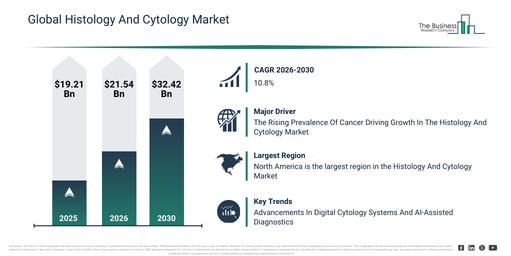
    The histology and cytology market size has experienced rapid growth in recent years. It is projected to expand from $19.21 billion in 2025 to $21.54 billion in 2026, at a compound annual growth rate (CAGR) of 12.1%. This historic growth can be attributed to several factors, including increasing volumes of cancer diagnostic testing, the expansion of hospital laboratory infrastructure, a rising adoption of microscopy-based diagnostics, an increase in clinical research activities, and the availability of standardized staining reagents.

    The histology and cytology market is projected to experience substantial expansion in the coming years. It is forecast to reach $32.42 billion by 2030, exhibiting a compound annual growth rate (CAGR) of 10.8%. This anticipated growth during the forecast period can be largely attributed to factors such as a heightened demand for early disease detection, the increasing integration of AI-driven diagnostics, the broadening of personalized medicine approaches, rising investments in laboratory automation, and the greater adoption of remote pathology solutions. Key trends expected during the same period encompass the growing adoption of digital pathology systems, an increased utilization of automated tissue processing solutions, the expanding integration of AI-based image analysis, the development of advanced cytology screening techniques, and a sharpened focus on high-throughput laboratory workflows.

    Get A Free Sample Report With In-Depth Market Insights:

    https://thebusinessresearchcompany.com/sample_request?id=50391869&type=smp&name=Histology%20And%20Cytology%20Market%20Report%202026&utm_source=Blogs&utm_medium=Paid&utm_campaign=Nov_PR

    Histology And Cytology Market Demand Drivers: What’s Powering Industry Growth?

    The histology and cytology market is anticipated to expand due to the rising occurrence of cancer. Cancer encompasses a range of illnesses marked by the unregulated proliferation and dissemination of atypical cells within the body. Such cells are capable of invading and obliterating healthy tissue, along with potentially spreading to different bodily regions through metastasis. Multiple elements contribute to cancer’s widespread occurrence, including an aging populace, inadequate nutrition, insufficient exercise, heavy alcohol intake, industrial contaminants, and genetic mutations passed down through generations. In oncology, histology and cytology play a vital role across the entire spectrum of cancer care, from initial diagnostic procedures and treatment strategy development to monitoring treatment efficacy, thereby significantly influencing patient results. As an illustration, in July 2024, the Australian Institute of Health and Welfare, an Australia-based government agency, reported that in 2023, approximately 165,000 Australians received a new cancer diagnosis, translating to more than 450 daily cases, with males accounting for about 55% of these diagnoses. Consequently, the escalating incidence of cancer propels demand within the histology and cytology market.

    Histology And Cytology Market Segment Trends And Revenue Contributors

    The histology and cytology market covered in this report is segmented –

    1) By Product: Instruments And Analysis Software System, Consumable And Reagents

    2) By Test Type: Microscopy Methods, Flow Cytometry, Molecular Genetic Methods

    3) By Application: Drug Discovery And Designing, Clinical Diagnostics, Academic Research

    4) By End User: Pharma And Biotech Companies, Diagnostic Laboratories, Other End Users

    Subsegments:

    1) By Instruments And Analysis Software System: Microtomes, Tissue Processors, Stainers, Coverslippers, Cytology Slide Preparation Instruments, Digital Imaging Systems, Histology And Cytology Analysis Software

    2) By Consumables And Reagents: Staining Reagents, Fixatives, Embedding Media, Antibodies, Cytology Collection Kits, Histology Slides

    Histology And Cytology Market Innovation Trends Shaping Future Development

    Leading companies within the histology and cytology market are prioritizing the creation of advanced solutions, like AI-powered cervical cytology platforms, to elevate diagnostic precision, optimize operational processes, and achieve superior patient outcomes. An AI-assisted cervical cytology platform functions as a diagnostic mechanism that utilizes artificial intelligence for the analysis of cervical cell samples, thereby boosting detection accuracy, mitigating errors, and expediting Pap smear screenings. For example, in February 2024, Hologic Inc., a US-based medical technology organization, secured approval for the Genius™ Digital Diagnostics System, which is the initial and exclusive FDA-cleared digital cytology system that unites deep-learning artificial intelligence (AI) with sophisticated volumetric imaging technology. It is developed to assist in identifying precancerous lesions and cervical cancer cells with greater accuracy than conventional microscopy approaches.

    Histology And Cytology Market Competitive Landscape: Which Companies Lead The Industry?

    Major companies operating in the histology and cytology market are Thermo Fisher Scientific Inc., Roche Diagnostics International Ltd., Agilent Technologies Inc., Hologic Inc., Leica Microsystems Nussloch GmbH, Sakura Finetechnical Company Ltd., Biogenex Laboratories Inc., StatLab Medical Products Inc., Biocare Medical LLC, A. Menarini Diagnostics S.r.l, Milestone Medical Inc., Diapath S.p.A., CellPath USA, Medite Medical GmbH, Histo-Line Laboratories s.r.l., Hacker Instruments & Industries Inc., Amos Scientific Pty. Ltd., TissueGnostics GmbH, Konfoong Bioinformation Tech Co. Ltd., Intelsint Srl

    View The Full Histology And Cytology Market Report:

    https://thebusinessresearchcompany.com/report/histology-and-cytology-global-market-report?utm_source=Blogs&utm_medium=Paid&utm_campaign=Nov_PR

    Histology And Cytology Market Regional Analysis And Top Geography

    North America was the largest region in the histology and cytology market in 2025. Asia-Pacific is expected to be the fastest-growing region in the forecast period. The regions covered in the histology and cytology market report are Asia-Pacific, South East Asia, Western Europe, Eastern Europe, North America, South America, Middle East, Africa.

    Reach Out To Our Team:

    The Business Research Company: https://www.thebusinessresearchcompany.com/

    Americas: +1 310-496-7795

    Asia: +44 7882 955267 & +91 8897263534

    Europe: +44 7882 955267

    Email us at: marketing@tbrc.info

    Follow us on:

    LinkedIn: https://in.linkedin.com/company/the-business-research-company

    YouTube: https://www.youtube.com/channel/UC24_fI0rV8cR5DxlCpgmyFQ

    Global Market Model: https://www.thebusinessresearchcompany.com/global-market-model
  • Histidine Tag (His-Tag) Antibody Market Research 2026: Market Size, Trends, Segments And Growth Forecast

    Histidine Tag (His-Tag) Antibody Market Research 2026: Market Size, Trends, Segments And Growth Forecast

    Backed by market attractiveness analysis, total addressable market sizing, company benchmarking matrices, interactive Excel dashboards, wider supply chain intelligence, emerging startup coverage, and detailed product-level insights, The Business Research Company’s 2026 market reports are designed to offer research that is more actionable and strategically valuable than ever.

    Histidine Tag (His-Tag) Antibody Market Set To Climb From $1.6 Billion In 2026 To $2.48 Billion By 2030

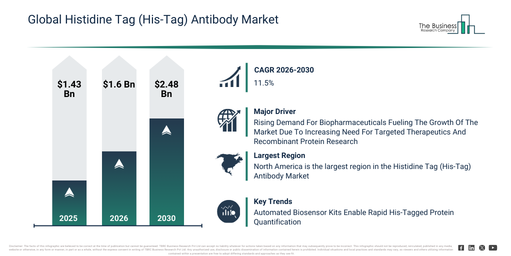
    The histidine tag (his-tag) antibody market size has seen rapid growth recently. It is projected to expand from $1.43 billion in 2025 to $1.6 billion in 2026, achieving a compound annual growth rate (CAGR) of 11.8%. This historical growth can be attributed to several factors, including the increase in recombinant protein research, the expansion of academic life science laboratories, the rising adoption of affinity purification techniques, the widespread availability of standardized tagging methods, and augmented funding for molecular biology research.

    The histidine tag (his-tag) antibody market is anticipated to experience substantial expansion in the coming years. This market is projected to reach $2.48 billion by 2030, exhibiting a compound annual growth rate (CAGR) of 11.5%. This growth during the forecast period is primarily driven by an increasing need for sophisticated protein analysis instruments, the expanding scope of biopharmaceutical research pipelines, the rising acceptance of recombinant and nanobody formats, a heightened emphasis on assay sensitivity and accuracy, and greater automation within laboratory workflows. Key trends anticipated for the forecast period encompass a surging demand for highly specific research antibodies, the increasing application of his-tag antibodies for protein purification, the wider adoption of recombinant antibody formats, an expansion in studies involving tagged protein expression, and an intensified focus on reproducibility in life science research.

    Get A Free Sample Report With In-Depth Market Insights:

    https://thebusinessresearchcompany.com/sample_request?id=11854658&type=smp&name=Histidine%20Tag%20%28His-Tag%29%20Antibody%20Market%20Report%202026&utm_source=Blogs&utm_medium=Paid&utm_campaign=Nov_PR

    Histidine Tag (His-Tag) Antibody Market Growth Drivers: What’s Behind The Acceleration?

    The increasing demand for biopharmaceuticals is anticipated to drive the expansion of the histidine tag (His-Tag) antibody market in the coming years. Biopharmaceuticals are therapeutic products created using biological sources or biotechnology methods, as opposed to conventional chemical synthesis. This growing need for biopharmaceuticals is a result of the rising prevalence of chronic and complex diseases, which necessitates advanced targeted therapies that traditional medications cannot effectively address. Histidine tag (His-Tag) antibodies support biopharmaceutical research by enabling the precise detection and purification of recombinant proteins, making them crucial for drug development and the production of therapeutic proteins. They reduce experimental errors by offering high specificity and reproducibility, thereby enhancing research efficiency and bioprocess reliability. For instance, in June 2025, according to the Centers for Medicare & Medicaid Services (CMS), a US-based federal agency, prescription drug outlays increased by 11.4% in 2023, reaching $449.7 billion, an acceleration from the 7.8% growth observed in 2022. Thus, the escalating demand for biopharmaceuticals is fueling the growth of the histidine tag (His-Tag) antibody market.

    Histidine Tag (His-Tag) Antibody Market Segment Analysis Spotlighting Growth Areas

    The histidine tag (his-tag) antibody market covered in this report is segmented –

    1) By Product Type: Monoclonal Antibodies, Polyclonal Antibodies, Recombinant Antibodies, Nanobodies, Other Product Types

    2) By Application: Western Blotting, Immunoprecipitation, Flow Cytometry, Other Applications

    3) By End-User: Pharmaceutical Companies, Biotechnology Companies, Academic and Research Institutions, Contract Research Organizations (CROs), Other End-Users

    Subsegments:

    1) By Monoclonal Antibodies: Mouse Monoclonal, Rabbit Monoclonal, Rat Monoclonal, Humanized Monoclonal, Chimeric Monoclonal, Isotype Control Monoclonal

    2) By Polyclonal Antibodies: Rabbit Polyclonal, Goat Polyclonal, Chicken Polyclonal, Donkey Polyclonal, Sheep Polyclonal, Serum Free Polyclonal

    3) By Recombinant Antibodies: Recombinant Rabbit Monoclonal, Recombinant Mouse Monoclonal, Single Chain Variable Fragment, Fragment Antigen Binding, Multispecific Engineered Antibody, Recombinant Antibody Pair Capture And Detection

    4) By Nanobodies: Single Domain Antibody Camelid, Single Domain Antibody Alpaca, Fluorescent Protein Fused Nanobody, Enzyme Conjugated Nanobody, Immobilized Nanobody For Affinity Purification, Intrabody Nanobody For Intracellular Detection

    5) By Other Product Types: Secondary Antibodies Against Histidine Tag, Conjugated Secondary Antibodies Against Histidine Tag, Magnetic Beads Nickel Nitrilotriacetic Acid, Agarose Beads Nickel Nitrilotriacetic Acid, Enzyme Linked Immunosorbent Assay Kits For Histidine Tag, Lateral Flow Assays For Histidine Tag

    Histidine Tag (His-Tag) Antibody Market Trends Redefining Industry Growth

    Key players within the histidine tag (His-Tag) antibody market are concentrating on developing advanced offerings, such as automated biosensor-based His-tag quantification kits, with the goal of expediting and standardizing protein detection from both crude and purified samples. These automated biosensor-based His-tag quantification kits are defined as commercial assay systems that utilize biosensor technology to automatically identify and quantify His-tagged proteins. For instance, in November 2025, HexagonFab Limited (trading as Abselion), a UK-based life-science tools firm, unveiled its Tagged Protein Quantification Kit (His-tag) and Tagged Protein Sensor (His-tag Quantification). This solution is built for the Amperia platform and was developed using GenScript’s THE His Tag monoclonal antibodies. The automated biosensor-based His-tag quantification kit provides a fast, mix-and-read, antibody-free technique for directly quantifying His-tagged proteins in crude samples. When employed with Abselion’s Amperia biosensors, the system enables real-time, label-free analysis, streamlining the protein characterization workflow and eliminating the need for multiple, separate instruments. Its principal aim is to accelerate expression screening, optimize bioprocesses, and enhance quality control by delivering dependable His-tagged protein measurements without requiring specialized training.

    Histidine Tag (His-Tag) Antibody Market Leading Companies: Who Holds The Strongest Market Presence?

    Major companies operating in the histidine tag (his-tag) antibody market are Thermo Fisher Scientific Inc., Danaher Corporation, Merck KGaA, Bio-Rad Laboratories Inc., GeneTex Inc., Bio-Techne Corporation, GenScript Biotech Corporation, Sino Biological Inc., Cell Signaling Technology Inc., Wuhan Elabscience Biotechnology Co. Ltd., ABclonal Technology Co. Ltd., Proteintech Group Inc., Santa Cruz Biotechnology Inc., Rockland Immunochemicals Inc., Creative Diagnostics Inc., Aviva Systems Biology Corporation, Abnova Corporation, Boster Biological Technology Co. Ltd., Columbia Biosciences Corporation, NSJ Bioreagents

    View The Full Histidine Tag (His-Tag) Antibody Market Report:

    https://thebusinessresearchcompany.com/report/global-histidine-tag-his-tag-antibody-market-report?utm_source=Blogs&utm_medium=Paid&utm_campaign=Nov_PR

    Histidine Tag (His-Tag) Antibody Market Geographic Analysis: Where Is Demand Rising Fastest?

    North America was the largest region in the histidine tag (His-Tag) antibody market in 2025. Asia-Pacific is expected to be the fastest-growing region in the forecast period. The regions covered in the histidine tag (his-tag) antibody market report are Asia-Pacific, South East Asia, Western Europe, Eastern Europe, North America, South America, Middle East, Africa.

    Reach Out To Our Team:

    The Business Research Company: https://www.thebusinessresearchcompany.com/

    Americas: +1 310-496-7795

    Asia: +44 7882 955267 & +91 8897263534

    Europe: +44 7882 955267

    Email us at: marketing@tbrc.info

    Follow us on:

    LinkedIn: https://in.linkedin.com/company/the-business-research-company

    YouTube: https://www.youtube.com/channel/UC24_fI0rV8cR5DxlCpgmyFQ

    Global Market Model: https://www.thebusinessresearchcompany.com/global-market-model
  • Hip Replacement Market Forecast 2026: Market Size, Competitive Landscape And Growth Drivers

    Hip Replacement Market Forecast 2026: Market Size, Competitive Landscape And Growth Drivers

    Featuring market attractiveness scoring, total addressable market sizing, company benchmarking matrices, interactive Excel dashboards, deeper supply chain intelligence, emerging startup tracking, and granular product-level insights, The Business Research Company’s 2026 market reports are built to deliver research that is both more actionable and more strategically valuable.

    Hip Replacement Market Forecast: Value Set To Climb From $8.16 Billion To $10.42 Billion

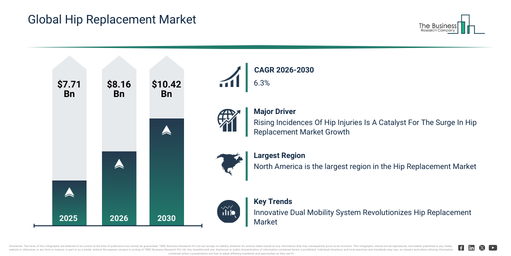
    The hip replacement market size has experienced significant expansion in recent years. It is anticipated to increase from $7.71 billion in 2025 to $8.16 billion in 2026, reflecting a compound annual growth rate (CAGR) of 5.9%. The market’s historic growth is attributable to several factors, including the rising prevalence of osteoarthritis, an aging global population, improved access to orthopedic surgery, the enlargement of hospital surgical capacity, and ongoing advancements in implant design.

    The hip replacement market size is poised for substantial growth in the upcoming years. It is projected to expand to $10.42 billion by 2030, achieving a compound annual growth rate (CAGR) of 6.3%. This expansion over the forecast period is fueled by elements such as the rising adoption of robotic-assisted surgeries, an increasing demand for personalized orthopedic implants, the broadening of outpatient joint replacement procedures, a growing emphasis on faster patient recovery, and greater investments in orthopedic innovation. Significant trends anticipated within the forecast period include the expanding acceptance of minimally invasive hip replacement procedures, a rising utilization of advanced implant materials, an increasing need for revision surgeries, the growth of robotic-assisted orthopedic surgery, and an enhanced focus on post-surgical outcomes.

    Get A Free Sample Report With In-Depth Market Insights:

    https://thebusinessresearchcompany.com/sample_request?id=35405458&type=smp&name=Hip%20Replacement%20Market%20Report%202026&utm_source=Blogs&utm_medium=Paid&utm_campaign=Nov_PR

    Hip Replacement Market Growth Factors Behind Sustained Expansion

    The rising prevalence of hip injuries is projected to stimulate the expansion of the hip replacement market in the coming years. Hip injuries arise when a muscle supporting the hip joint becomes overstretched or damaged. Individuals afflicted with arthritis, avascular necrosis, or other forms of hip joint deterioration may suffer from hip pain and stiffness, conditions treatable by a hip replacement. For example, in August 2024, the National Library of Medicine, a US-based government agency, indicated that annual incidences are expected to be between 3 and 11 million by 2030 and potentially escalate to 5 to 21 million by 2050, depending on various estimating assumptions. Therefore, the increasing occurrences of hip injuries are acting as a driver for the growth of the hip replacement market moving forward.

    Hip Replacement Market Segment Performance And Emerging Opportunities

    The hip replacement market covered in this report is segmented –

    1) By Procedure: Total Hip Replacement, Partial Hip Replacement, Revision Hip Replacement, Hip Resurfacing

    2) By Material: Metal-On-Metal, Metal-On-Polyethylene, Ceramic-On-Polyethylene, Ceramic-On-Metal, Ceramic-On-Ceramic

    3) By End-User: Hospitals, Specialty Clinics, Ambulatory Surgery Centers

    Subsegments:

    1) By Total Hip Replacement: Cemented Total Hip Replacement, Cementless Total Hip Replacement

    2) By Partial Hip Replacement: Hemiarthroplasty, Bipolar Hip Replacement

    3) By Revision Hip Replacement: Acetabular Component Revision, Femoral Component Revision

    4) By Hip Resurfacing: Metal-on-Metal Hip Resurfacing, Ceramic-on-Ceramic Hip Resurfacing

    Hip Replacement Market Strategic Trends: What Defines The Next Growth Phase?

    Leading companies in the hip replacement market are concentrating on innovative offerings like dual mobility systems to enhance their revenues. A dual mobility system is a form of artificial hip joint engineered to minimize the risk of dislocation. It is primarily utilized in patients at a high risk for dislocation, such as those with a history of hip dislocation, a weak hip capsule, or individuals undergoing a revision hip replacement surgery. For instance, in August 2023, Smith & Nephew plc, a UK-based medical equipment manufacturing company, launched its OR3O dual mobility system. The system features characteristics that simplify the dual mobility method, including acetabular cup selection and straightforward liner insertion and removal. The OR3O dual mobility system is composed of an insert made from highly cross-linked polyethylene and an oxidized, diffusion-hardened zirconium acetabular liner (OR3O liner). This represents the first system to incorporate the latest OXINIUM DH advanced bearing technology, which redefines the next generation of total hip bearing technology and offers stability.

    Hip Replacement Market Key Players: Which Companies Lead Industry Competition?

    Major companies operating in the hip replacement market are Johnson & Johnson, Stryker Corporation, Smith & Nephew PLC, B. Braun Melsungen AG, ConforMIS Inc., Exactech Inc., MicroPort Scientific Corporation, Zimmer Biomet Holdings Inc., Corin Group PLC, Gruppo Bioimpianti S.R.L., Integra LifeSciences, Medacta International, Merete GmbH, MicroPort Orthopedics Inc., DJO Global Inc., Waldemar Link GmbH & Co. KG, Peter Brehm GmbH, Synimed Synergie Ingénierie Médicale S.A.R.L., Elite Surgical Industries, Corentec Co. Ltd., FH Ortho S.A.S

    View The Full Hip Replacement Market Report:

    https://thebusinessresearchcompany.com/report/hip-replacement-global-market-report?utm_source=Blogs&utm_medium=Paid&utm_campaign=Nov_PR

    Hip Replacement Market Global Footprint: Which Region Leads The Market?

    North America was the largest region in the hip replacement market in 2025.Asia-Pacific is expected to be the fastest-growing region in the global hip replacement market report during the forecast period. The regions covered in the hip replacement market report are Asia-Pacific, South East Asia, Western Europe, Eastern Europe, North America, South America, Middle East, Africa.

    Reach Out To Our Team:

    The Business Research Company: https://www.thebusinessresearchcompany.com/

    Americas: +1 310-496-7795

    Asia: +44 7882 955267 & +91 8897263534

    Europe: +44 7882 955267

    Email us at: marketing@tbrc.info

    Follow us on:

    LinkedIn: https://in.linkedin.com/company/the-business-research-company

    YouTube: https://www.youtube.com/channel/UC24_fI0rV8cR5DxlCpgmyFQ

    Global Market Model: https://www.thebusinessresearchcompany.com/global-market-model
  • High Level Disinfection Services Market Size In 2026: Regional Growth, Key Segments And Future Outlook

    High Level Disinfection Services Market Size In 2026: Regional Growth, Key Segments And Future Outlook

    Built to provide research that’s more actionable and strategically valuable, The Business Research Company’s 2026 market reports include market attractiveness analysis, total addressable market sizing, company benchmarking matrices, interactive Excel dashboards, broader supply chain intelligence, emerging startup tracking, and in-depth product insights.

    High Level Disinfection Services Market Revenue Growth On Track For A 10.1% CAGR Through 2030

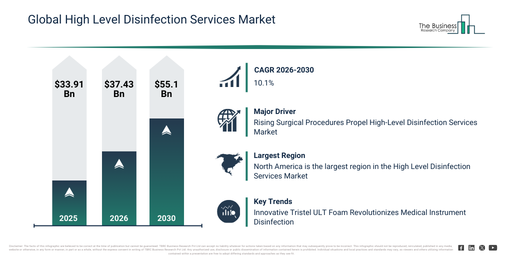
    The high level disinfection services market size has experienced rapid expansion recently. This market is projected to expand from $33.91 billion in 2025 to $37.43 billion in 2026, demonstrating a compound annual growth rate (CAGR) of 10.4%. In the past, this growth was primarily driven by the increasing incidence of healthcare-associated infections, wider adoption of reusable medical devices, rising regulatory emphasis on sterilization, the growth of hospital infrastructure, and improved availability of chemical disinfectants.

    The high level disinfection services market is projected to experience swift expansion in the coming years. By 2030, this market is anticipated to reach $55.1 billion, demonstrating a compound annual growth rate (CAGR) of 10.1%. This expansion during the forecast period is driven by factors such as a heightened demand for infection control solutions, the escalating integration of automated disinfection technologies, the proliferation of outpatient care facilities, an increased emphasis on sustainable healthcare methods, and growing financial commitments to preventive healthcare infrastructure. Key trends expected over the forecast period encompass a greater acceptance of outsourced disinfection offerings, the expanding utilization of automated high-level disinfection systems, an intensified focus on infection prevention guidelines, the development of more eco-friendly disinfectant compounds, and improved adherence to sterilization requirements.

    Get A Free Sample Report With In-Depth Market Insights:

    https://thebusinessresearchcompany.com/sample_request?id=33894309&type=smp&name=High%20Level%20Disinfection%20Services%20Market%20Report%202026&utm_source=Blogs&utm_medium=Paid&utm_campaign=Nov_PR

    High Level Disinfection Services Market Demand Drivers Opening New Revenue Streams

    A rising volume of surgical procedures is anticipated to fuel the expansion of the high-level disinfection services market. Surgery, a medical field, involves using manual and instrumental operative methods on an individual to diagnose or treat pathological conditions like illnesses or injuries, improve bodily function and appearance, or repair unwanted ruptures. During all invasive procedures, medical devices or surgical instruments come into contact with a patient’s sterile tissues or mucous membranes. Insufficient disinfection or sterilization of reusable medical equipment presents a risk of compromising host barriers. For instance, data from the US-based federal government’s National Library of Medicine indicated that by 2023, as of September 2023, 7,733 robotic surgical systems had been globally deployed, with over 10 million robotic surgeries performed. Consequently, a rising need for antibiotics is anticipated to fuel the expansion of the high-level disinfection market.

    High Level Disinfection Services Market Segment Landscape And Growth Outlook

    The high level disinfection services market covered in this report is segmented –

    1) By Services: In House, Outsource

    2) By Compound: Formaldehyde, Glutaraldehyde, Ortho-Phthalaldehyde, Hydrogen Peroxide, Peracetic Acid, Other Compounds

    3) By End-User: Hospitals And Clinics, Diagnostic Laboratories, Pharmaceutical And Biotechnology Companies, Academic And Research Institutes, Other End Users

    Subsegments:

    1) By In House: Facility-Based Disinfection, Staff Training And Protocol Development

    2) By Outsource: Third-Party Disinfection Services, Contract Cleaning Services

    High Level Disinfection Services Market Transformation Trends: What Innovations Are Driving Change?

    Companies operating within the high-level disinfection services market are increasingly focusing on introducing innovative products, such as Tristel ULT disinfecting foam, to enhance their competitive standing. Tristel ULT disinfecting foam offers a highly efficient and user-friendly method for sanitizing medical instruments, ensuring rapid and dependable hygiene in healthcare environments. As an illustration, in July 2023, Parker Laboratories, Inc., a chemical company based in the US, secured approval from the United States Food and Drug Administration (USFDA) for its Tristel ULT disinfecting foam. This foam, formulated with chlorine dioxide, is specifically designed as a high-level disinfectant for ultrasound probes. Tristel ULT stands out as the sole high-level disinfectant foam deemed safe for ultrasound probes, having demonstrated efficacy against pathogens including SARS-CoV-2 and Mycobacterium tuberculosis. The product is dispensed from a dual-chambered pump bottle containing two distinct chemicals—a base and an activator. Upon activation of the pump, these two chemicals merge to produce a consistent amount of chlorine dioxide foam. This foam is remarkably safe to handle, posing at most a mild irritation to skin and eyes.

    High Level Disinfection Services Market Competitive Landscape: Who Leads The Industry?

    Major companies operating in the high level disinfection services market are Altapure LLC, Steris Corporation, Microchem Laboratory LLC, Metrex Research LLC, Rentokil Initial PLC., Advanced Sterilization Products Services Inc., Aseptic Health LLC, Bio Decontamination Ltd., Getinge AB, ISS World Services A/S, Ecolab Inc., Olympus Corporation, Sterigenics U.S.LLC, Belimed Deutschland GmbH, Cantel Medical Corp, Matachana Group, MMM Münchener Medizin Mechanik GmbH, Steelco S.p.A., Tuttnauer Ltd., Becton Dickinson and Company, Johnson & Johnson Inc., CISA Group, Diversey Inc.

    View The Full High Level Disinfection Services Market Report:

    https://thebusinessresearchcompany.com/report/high-level-disinfection-services-global-market-report?utm_source=Blogs&utm_medium=Paid&utm_campaign=Nov_PR

    High Level Disinfection Services Market Regional Split: Which Areas Are Fueling Growth?

    North America was the largest region in the high-level disinfection services market in 2025 and is expected to be the fastest-growing region in the forecast period. The regions covered in the high level disinfection services market report are Asia-Pacific, South East Asia, Western Europe, Eastern Europe, North America, South America, Middle East, Africa.

    Reach Out To Our Team:

    The Business Research Company: https://www.thebusinessresearchcompany.com/

    Americas: +1 310-496-7795

    Asia: +44 7882 955267 & +91 8897263534

    Europe: +44 7882 955267

    Email us at: marketing@tbrc.info

    Follow us on:

    LinkedIn: https://in.linkedin.com/company/the-business-research-company

    YouTube: https://www.youtube.com/channel/UC24_fI0rV8cR5DxlCpgmyFQ

    Global Market Model: https://www.thebusinessresearchcompany.com/global-market-model
  • High Acuity Information Systems Market Growth Forecast Through 2030: Market Size And Trends In 2026

    High Acuity Information Systems Market Growth Forecast Through 2030: Market Size And Trends In 2026

    Backed by market attractiveness analysis, total addressable market sizing, company benchmarking matrices, interactive Excel dashboards, wider supply chain intelligence, emerging startup coverage, and detailed product-level insights, The Business Research Company’s 2026 market reports are designed to offer research that is more actionable and strategically valuable than ever.

    High Acuity Information Systems Market Value Growth And Long-Term Outlook

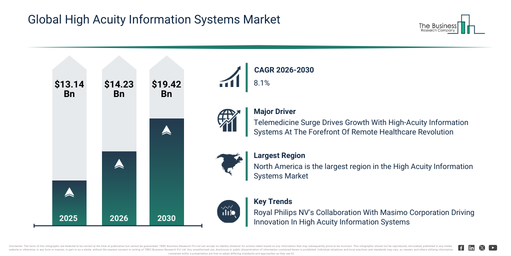
    The high acuity information systems market has experienced substantial growth in recent years. This market is projected to expand from $13.14 billion in 2025 to $14.23 billion in 2026, showcasing a compound annual growth rate (CAGR) of 8.3%. Historically, this expansion has been driven by factors including an increasing number of critical care admissions, the expansion of intensive care infrastructure, the rising adoption of electronic health records, a growing need for clinical workflow optimization, and improved healthcare IT funding.

    The high acuity information systems market size is projected to experience significant expansion over the next few years. It is expected to reach $19.42 billion by 2030, exhibiting a compound annual growth rate (CAGR) of 8.1%. This anticipated growth during the forecast period can be attributed to factors such as increased investments in smart hospital infrastructure, a rising need for predictive analytics in acute care, the broadening of tele-ICU services, a greater emphasis on obtaining real-time clinical insights, and the increasing adoption of cloud-based healthcare systems. Noteworthy trends for the forecast period include the expanding utilization of AI-enabled clinical decision support, a growing integration of real-time patient monitoring systems, an escalating demand for interoperable health IT platforms, further development in ICU workflow automation, and a strengthened focus on data-driven care coordination.

    Get A Free Sample Report With In-Depth Market Insights:

    https://thebusinessresearchcompany.com/sample_request?id=26718822&type=smp&name=High%20Acuity%20Information%20Systems%20Market%20Report%202026&utm_source=Blogs&utm_medium=Paid&utm_campaign=Nov_PR

    High Acuity Information Systems Market Growth Backed By Core Demand Fundamentals

    The increasing adoption of telemedicine is projected to fuel the expansion of the high acuity information systems market in the future. This involves the diagnosis and treatment of individuals from a distance using telecommunications technology. High-acuity information systems improve telemedicine by supplying crucial, real-time patient data, which is essential for making prompt and intricate medical choices remotely. As an illustration, in September 2024, the Australian Bureau of Statistics (ABS), Australia’s national statistical agency, reported that in 2023–24, 83.5% of males utilized telehealth services, representing an increase from 78.6% in 2022–23. Consequently, the growing need for telemedicine is a key factor boosting the high acuity information systems market’s development.

    High Acuity Information Systems Market Breakdown By Product Type And Application

    The high acuity information systems market covered in this report is segmented –

    1) By Type: Intensive Care Unit (ICU) Systems, Perioperative Systems, Emergency Department Systems

    2) By Application: Patient Monitoring Systems, Clinical Decision Support Systems, Documentation Systems

    3) By End User: Hospitals, Ambulatory Surgical Centers, Nursing Care Facilities, Other End Users

    Subsegments:

    1) By Intensive Care Unit (ICU) Systems: Patient Monitoring Systems, Data Management Systems, Alarm Management Systems, Clinical Decision Support Systems

    2) By Perioperative Systems: Surgical Management Systems, Anesthesia Information Management Systems (AIMS), Operating Room Scheduling Systems, Post-Anesthesia Care Unit (PACU) Systems

    3) By Emergency Department Systems: Emergency Department Management Systems, Triage Systems, Electronic Health Record (EHR) Systems For ED, Patient Tracking Systems

    #High Acuity Information Systems Market Growth Trends: What’s Shaping The Future Outlook?

    Leading firms within the high acuity information systems market are increasingly emphasizing strategic partnerships to devise innovative product solutions. A strategic partnership typically involves a collaborative agreement between two or more entities, usually businesses, aimed at achieving shared beneficial outcomes. For example, in June 2023, Royal Philips NV, a Netherlands-based health technology company, collaborated with Masimo Corporation, a US-based health technology and consumer electronics company, to develop advanced high acuity patient monitors. The objective of this partnership is to enhance access to patient data by integrating Masimo technology into Philips’ monitors, ensuring the availability of contextual and relevant information both at the bedside and during patient transport.

    High Acuity Information Systems Market Company Landscape And Competitive Strategy

    Major companies operating in the high acuity information systems market are Epic Systems Corporation, Meditech Information Technology Inc., McKesson Corporation, Siemens Healthineers AG, GE Healthcare, Philips, Dragerwerk AG, Nihon Kohden Corporation, Athenahealth Inc., CompuGroup Medical SE & Co. KGaA, eClinicalWorks, Computer Programs and Systems Inc., Allscripts Healthcare Solutions Inc., Masimo Corporation, Getinge AB, Baxter International Inc., Becton Dickinson and Company, Oracle Health, Dedalus Group, InterSystems Corporation

    View The Full High Acuity Information Systems Market Report:

    https://thebusinessresearchcompany.com/report/high-acuity-information-systems-global-market-report?utm_source=Blogs&utm_medium=Paid&utm_campaign=Nov_PR

    High Acuity Information Systems Market Top Region: Where Does Most Revenue Come From?

    North America was the largest region in the high acuity information systems market in 2025. The regions covered in the high acuity information systems market report are Asia-Pacific, South East Asia, Western Europe, Eastern Europe, North America, South America, Middle East, Africa.

    Reach Out To Our Team:

    The Business Research Company: https://www.thebusinessresearchcompany.com/

    Americas: +1 310-496-7795

    Asia: +44 7882 955267 & +91 8897263534

    Europe: +44 7882 955267

    Email us at: marketing@tbrc.info

    Follow us on:

    LinkedIn: https://in.linkedin.com/company/the-business-research-company

    YouTube: https://www.youtube.com/channel/UC24_fI0rV8cR5DxlCpgmyFQ

    Global Market Model: https://www.thebusinessresearchcompany.com/global-market-model
  • Hidradenitis Suppurativa Market Analysis: $1.33 Billion Market Size In 2026 And Future Growth Prospects

    Hidradenitis Suppurativa Market Analysis: $1.33 Billion Market Size In 2026 And Future Growth Prospects

    Featuring market attractiveness scoring, total addressable market sizing, company benchmarking matrices, interactive Excel dashboards, deeper supply chain intelligence, emerging startup tracking, and granular product-level insights, The Business Research Company’s 2026 market reports are built to deliver research that is both more actionable and more strategically valuable.

    Hidradenitis Suppurativa Market Poised To Hit $1.75 Billion By 2030 With A 7% CAGR

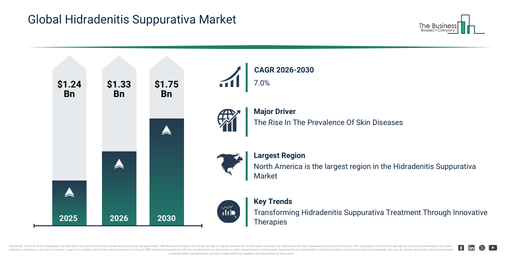
    The hidradenitis suppurativa market has experienced robust expansion recently. Its valuation is projected to rise from $1.24 billion in 2025 to $1.33 billion in 2026, advancing at a compound annual growth rate (CAGR) of 6.8%. This past growth was propelled by several factors, including the rising incidence of chronic inflammatory skin conditions, advancements in dermatological diagnostic methods, heightened recognition of HS symptoms, the proliferation of dermatology clinics, and the accessibility of antibiotic therapeutic choices.

    The hidradenitis suppurativa market is projected for significant expansion over the upcoming years. It is set to reach $1.75 billion by 2030, exhibiting a compound annual growth rate (CAGR) of 7.0%. This anticipated growth during the forecast period is driven by several factors, including an escalating demand for targeted biologic medications, an enhanced emphasis on managing the disease over the long term, the broadening scope of personalized dermatology services, the increasing uptake of sophisticated laser treatments, and greater investment in research for chronic skin conditions. Key trends projected for the forecast period encompass a greater acceptance of biologic therapies for HS, an uptick in the utilization of minimally invasive surgical procedures, an intensified focus on diagnosing the disease early, the broadening of combination therapy strategies, and improved patient-centered care frameworks.

    Get A Free Sample Report With In-Depth Market Insights:

    https://thebusinessresearchcompany.com/sample_request?id=67092849&type=smp&name=Hidradenitis%20Suppurativa%20Market%20Report%202026&utm_source=Blogs&utm_medium=Paid&utm_campaign=Nov_PR

    Hidradenitis Suppurativa Market Growth Catalysts And Demand Drivers

    The increasing prevalence of various skin diseases is propelling the future expansion of the hidradenitis suppurativa market. These skin conditions encompass a wide array of problems, including those resulting from bacterial, viral, or fungal infections, allergic reactions, skin malignancies, and parasites. Hidradenitis suppurativa (HS) itself, being a chronic and severe skin disorder, is stimulating the creation of new products and services for its management, supported by heightened awareness, more accurate diagnoses, a growing patient population, and advancements in research. For example, in January 2024, the American Cancer Society, a US-based non-profit organization dedicated to eliminating cancer, reported 108,270 projected cases of skin cancer, marking a 3.2% increase from the 104,930 cases recorded in 2023. This rising incidence of skin diseases, therefore, significantly drives the growth of the hidradenitis suppurativa market.

    Hidradenitis Suppurativa Market Segment Analysis And Revenue Potential

    The hidradenitis suppurativa market covered in this report is segmented –

    1) By Disease Severity: Hurley Stage I, Hurley Stage II, Hurley Stage III

    2) By Treatment: Medications, Surgical Treatment

    3) By Route of Administration: Oral, Subcutaneous, Topical

    4) By Distribution Channel: Hospital Pharmacies, Retail Pharmacies, Online Pharmacies, Specialty Pharmacies

    5) By End User: Hospitals, Dermatology Clinics Or Specialty Clinics, Ambulatory Surgical Centers

    Subsegments:

    1) By Medications: Antibiotics, Biologics, Hormonal Therapy, Immunosuppressants, Retinoids

    2) By Surgical Treatment: Incision and Drainage, Deroofing, Wide Excision, Laser & Light-Based Therapy

    Hidradenitis Suppurativa Market Industry Trends: What’s Reshaping Demand?

    Leading companies in the hidradenitis suppurativa market are dedicating efforts to develop advanced biologic treatments to improve patient outcomes and address existing medical needs. Biologics are medicines originating from living organisms that specifically target immune system components involved in the progression of the disease. For example, in June 2023, Novartis AG, a Switzerland-based pharmaceutical company, obtained European regulatory clearance for Cosentyx to treat hidradenitis suppurativa. Cosentyx represents the first and only fully human biologic designed to specifically inhibit interleukin-17A, a crucial cytokine implicated in hidradenitis suppurativa. With a foundation of over 14 years of clinical research, Cosentyx offers a well-established and targeted treatment alternative, solidifying Novartis’s position in the hidradenitis suppurativa market.

    Hidradenitis Suppurativa Market Key Players Shaping Industry Direction

    Major companies operating in the hidradenitis suppurativa market are AbbVie Inc., Pfizer Inc., Johnson & Johnson, Novartis AG, Eli Lilly and Company, UCB S.A., LEO Pharma A/S, Almirall S.A., AstraZeneca plc, Bayer AG, Otsuka Pharmaceutical Co. Ltd., Sun Pharmaceutical Industries Ltd., Taro Pharmaceutical Industries Ltd., AnaptysBio Inc., Acelyrin Inc., Arcutis Biotherapeutics Inc., Priovant Therapeutics, Aristea Therapeutics, Union Therapeutics, Revance Therapeutics

    View The Full Hidradenitis Suppurativa Market Report:

    https://thebusinessresearchcompany.com/report/hidradenitis-suppurativa-global-market-report?utm_source=Blogs&utm_medium=Paid&utm_campaign=Nov_PR

    Hidradenitis Suppurativa Market Regional Breakdown: Where Is Demand Concentrated?

    North America was the largest region in the hidradenitis suppurativa market in 2025. The regions covered in the hidradenitis suppurativa market report are Asia-Pacific, South East Asia, Western Europe, Eastern Europe, North America, South America, Middle East, Africa.

    Reach Out To Our Team:

    The Business Research Company: https://www.thebusinessresearchcompany.com/

    Americas: +1 310-496-7795

    Asia: +44 7882 955267 & +91 8897263534

    Europe: +44 7882 955267

    Email us at: marketing@tbrc.info

    Follow us on:

    LinkedIn: https://in.linkedin.com/company/the-business-research-company

    YouTube: https://www.youtube.com/channel/UC24_fI0rV8cR5DxlCpgmyFQ

    Global Market Model: https://www.thebusinessresearchcompany.com/global-market-model

  • Heterozygous Familial Hypercholesterolemia Management Market 2026 Market Size And Growth Forecast: Key Trends To Watch

    Heterozygous Familial Hypercholesterolemia Management Market 2026 Market Size And Growth Forecast: Key Trends To Watch

    Built to provide research that’s more actionable and strategically valuable, The Business Research Company’s 2026 market reports include market attractiveness analysis, total addressable market sizing, company benchmarking matrices, interactive Excel dashboards, broader supply chain intelligence, emerging startup tracking, and in-depth product insights.

    Heterozygous Familial Hypercholesterolemia Management Market Size And Revenue Outlook Through 2030

    The heterozygous familial hypercholesterolemia management market size has experienced swift growth in recent years. It is projected to expand from $12.04 billion in 2025 to $13.37 billion in 2026, achieving a compound annual growth rate (CAGR) of 11.1%. Historically, this growth can be attributed to an increase in the diagnosis of inherited hypercholesterolemia, broader availability of statin therapies, improved clinical awareness of CVD risk, the expansion of lipid clinics, and the growing utilization of cholesterol screening programs.

    The heterozygous familial hypercholesterolemia management market is anticipated to experience swift expansion over the coming years. Its valuation is projected to reach $20.12 billion by 2030, demonstrating a compound annual growth rate (CAGR) of 10.8%. This expansion during the forecast period is largely driven by the greater uptake of sophisticated biologic treatments, a heightened emphasis on individualized cardiovascular patient care, the broadening scope of genetic testing programs, an escalating need for sustained LDL-C management, and increased healthcare funding directed towards preventive cardiology. Key developments anticipated within this timeframe involve the growing acceptance of PCSK9 inhibitor treatments, an elevated application of combined lipid-lowering strategies, a stronger focus on early genetic screening efforts, the wider availability of injectable cholesterol medications, and an intensified concentration on tailored treatment plans.

    Get A Free Sample Report With In-Depth Market Insights:

    https://thebusinessresearchcompany.com/sample_request?id=98444991&type=smp&name=Heterozygous%20Familial%20Hypercholesterolemia%20Management%20Market%20Report%202026&utm_source=Blogs&utm_medium=Paid&utm_campaign=Nov_PR

    Heterozygous Familial Hypercholesterolemia Management Market Opportunity Drivers: What’s Unlocking New Revenue Potential?

    The increasing incidence of cardiovascular ailments is projected to drive expansion within the heterozygous familial hypercholesterolemia management market in the future. Cardiovascular diseases (CVDs) encompass a category of conditions impacting the heart and circulatory system, featuring issues like coronary artery disease, heart failure, and stroke. The global prevalence of CVDs is on the rise, attributed to escalating risk factors including unhealthy lifestyle decisions, poor dietary habits, physical inactivity, excess weight, and an aging demographic. Managing heterozygous familial hypercholesterolemia is vital for averting cardiovascular diseases, achieved by effectively regulating elevated cholesterol levels, a major contributor to atherosclerosis and cardiac issues. As an illustration, in October 2024, data from the US government agency, the Centers for Disease Control and Prevention, revealed that cardiovascular disease was responsible for 919,032 fatalities in 2023, representing roughly one out of every three deaths. Consequently, the growing occurrence of cardiovascular diseases is fueling the expansion of the heterozygous familial hypercholesterolemia management market.

    Heterozygous Familial Hypercholesterolemia Management Market Segmentation And Category Overview

    The heterozygous familial hypercholesterolemia management market covered in this report is segmented –

    1) By Treatment Type: Statins, Ezetimibe, PCSK9 Inhibitors

    2) By Route Of Administration: Oral, Injectable

    3) By Patient Demographics: Children, Adults, Elderly

    4) By Application: Hospitals, Medical Centers, Clinics, Other Applications

    Subsegments:

    1) By Statins: Atorvastatin, Simvastatin, Rosuvastatin, Pravastatin

    2) By Ezetimibe: Ezetimibe (Monotherapy), Ezetimibe Combination Therapy (With Statins)

    3) By PCSK9 Inhibitors: Alirocumab, Evolocumab

    Heterozygous Familial Hypercholesterolemia Management Market Innovation Trends: What Developments Are Reshaping The Industry?

    Major companies operating in the heterozygous familial hypercholesterolemia management market are concentrating on creating innovative products, such as angiopoietin, to address lipid metabolism and lower cholesterol levels. Angiopoietin refers to a group of proteins crucial for regulating blood vessel formation (angiogenesis) and maintaining vessel stability. As an example, in March 2023, Regeneron Pharmaceuticals Inc., a US-based biotechnology company, obtained U.S. Food and Drug Administration (FDA) approval for Evkeeza (evinacumab-dgnb) for children aged 5 to 11 years with homozygous familial hypercholesterolemia (HoFH). This pioneering monoclonal antibody functions by inhibiting ANGPTL3, a protein that interferes with lipid metabolism, thereby decreasing low-density lipoprotein (LDL) cholesterol and triglyceride levels. The authorization presents a novel therapeutic choice for pediatric patients who have limited treatment options and a high probability of cardiovascular events.

    Heterozygous Familial Hypercholesterolemia Management Market Competitive Analysis Of Leading Industry Participants

    Major companies operating in the heterozygous familial hypercholesterolemia management market are Pfizer Inc., Johnson & Johnson, Roche Holding AG, Merck & Co. Inc., AbbVie Inc., Sanofi S.A., Bristol-Myers Squibb, AstraZeneca plc, Novartis International AG, Takeda Pharmaceutical Company Limited, Eli Lilly and Company, Gilead Sciences Inc., Amgen Inc., Merck KGaA, Regeneron Pharmaceuticals Inc., Ipsen S.A., Chiesi Farmaceutici S.p.A., Ferring Pharmaceuticals Limited, Esperion Therapeutics Inc., Aegerion Pharmaceuticals Inc., Verve Therapeutics Inc.

    View The Full Heterozygous Familial Hypercholesterolemia Management Market Report:

    https://thebusinessresearchcompany.com/report/heterozygous-familial-hypercholesterolemia-management-global-market-report?utm_source=Blogs&utm_medium=Paid&utm_campaign=Nov_PR

    Heterozygous Familial Hypercholesterolemia Management Market Geographic Landscape: Which Region Leads Industry Growth?

    North America was the largest region in the heterozygous familial hypercholesterolemia management market in 2025. The regions covered in the heterozygous familial hypercholesterolemia management market report are Asia-Pacific, South East Asia, Western Europe, Eastern Europe, North America, South America, Middle East, Africa.

    Reach Out To Our Team:

    The Business Research Company: https://www.thebusinessresearchcompany.com/

    Americas: +1 310-496-7795

    Asia: +44 7882 955267 & +91 8897263534

    Europe: +44 7882 955267

    Email us at: marketing@tbrc.info

    Follow us on:

    LinkedIn: https://in.linkedin.com/company/the-business-research-company

    YouTube: https://www.youtube.com/channel/UC24_fI0rV8cR5DxlCpgmyFQ

    Global Market Model: https://www.thebusinessresearchcompany.com/global-market-model

  • Herpes Simplex Virus Treatment Market Size Forecast: How The Industry Is Expected To Grow From 2026 To 2030

    Herpes Simplex Virus Treatment Market Size Forecast: How The Industry Is Expected To Grow From 2026 To 2030

    Backed by market attractiveness analysis, total addressable market sizing, company benchmarking matrices, interactive Excel dashboards, wider supply chain intelligence, emerging startup coverage, and detailed product-level insights, The Business Research Company’s 2026 market reports are designed to offer research that is more actionable and strategically valuable than ever.

    Herpes Simplex Virus Treatment Market Growth From $2.73 Billion In 2026 To $3.67 Billion By 2030 At A CAGR Of 7.7%

    Recent years have witnessed substantial growth in the herpes simplex virus treatment market. The market is anticipated to expand from $2.55 billion in 2025 to $2.73 billion in 2026, at a compound annual growth rate (CAGR) of 7.2%. This historical growth can be attributed to factors such as the increasing prevalence of HSV infections, widespread availability of acyclovir-based treatments, expansion of sexual health clinics, improved diagnostic testing access, and the growth in public health awareness campaigns.

    The herpes simplex virus treatment market size is projected to experience substantial expansion over the upcoming years, anticipated to reach $3.67 billion by 2030, exhibiting a compound annual growth rate (CAGR) of 7.7%. Factors contributing to this growth during the forecast period include the advancement of next-generation antiviral drug development, increased funding for HSV vaccine research, the heightened use of telemedicine for accessing treatment, a stronger emphasis on patient-centric care approaches, and better long-term infection management strategies. Key trends anticipated during this period encompass a greater uptake of long-term antiviral suppressive therapy, an escalating demand for oral antiviral medications, an intensified focus on managing symptoms and preventing recurrence, the broadening of vaccine research initiatives, and improved patient awareness leading to earlier diagnosis.

    Get A Free Sample Report With In-Depth Market Insights:

    https://thebusinessresearchcompany.com/sample_request?id=46300012&type=smp&name=Herpes%20Simplex%20Virus%20Treatment%20Market%20Report%202026&utm_source=Blogs&utm_medium=Paid&utm_campaign=Nov_PR

    Herpes Simplex Virus Treatment Market Growth Momentum: What Factors Are Shaping Demand?

    The increasing occurrence of sexually transmitted infections is anticipated to boost the expansion of the herpes simplex virus treatment market in the future. Sexually transmitted diseases (STDs), also known as sexually transmitted infections (STIs), are conditions caused by infections from particular bacteria, viruses, or other microorganisms. These can be transferred between individuals via blood, semen, vaginal fluids, or other bodily secretions during sexual activity with an infected partner. Treatment for the herpes simplex virus (HSV) is mainly applied to manage sexually transmitted conditions such as urethritis, cervicitis, and infections leading to genital ulcers. For example, data from August 2024, provided by the Minority HIV/AIDS Fund (MHAF), a government agency based in the US, indicated that in 2023, around 39.9 million people globally were living with HIV. This total comprised 38.6 million adults and 1.4 million children, representing an increase from prior years. Consequently, the rising incidence of sexually transmitted infections is fueling the expansion of the herpes simplex virus treatment market.

    Herpes Simplex Virus Treatment Market Segment Outlook: Which Categories Are Growing Fastest?

    The herpes simplex virus treatment market covered in this report is segmented –

    1) By Type: Herpes Simplex Virus-1 Infection, Herpes Simplex Virus-2 Infection

    2) By Drug Type: Acyclovir, Valacyclovir, Famciclovir, Other Drugs

    3) By Route Of Administration: Oral, Injection, Topical

    4) By Distribution Channel: Hospital Pharmacies, Drug store, Retail Pharmacies, Online Providers

    Subsegments:

    1) By Herpes Simplex Virus-1 Infection: Oral Herpes, Cold Sores, Herpes Labialis

    2) By Herpes Simplex Virus-2 Infection: Genital Herpes, Neonatal Herpes, Other Complications

    Herpes Simplex Virus Treatment Market Trends: What’s Defining The Industry’s Next Phase?

    Leading companies in the herpes simplex virus treatment market are concentrating on developing advanced diagnostic tools, such as the chip-based RT-PCR test, to meet the demand for efficient solutions and maximize their market profitability. This diagnostic technique, the chip-based RT-PCR test, leverages microchip technology to conduct reverse transcription-polymerase chain reaction for swift and effective nucleic acid amplification. For example, in January 2023, Molbio Diagnostics, an India-based molecular diagnostics manufacturer, introduced Truenat HSV 1/2, a CDSCO-approved chip-based RT-PCR test for rapid herpes diagnosis. Compatible with the Truelab infrastructure, this test delivers sample-to-results in an hour without requiring additional setup. Operating on real-time PCR technology, it distinguishes between HSV-1 and HSV-2, thereby aiding in the prompt identification of oral and genital herpes, respectively.

    Herpes Simplex Virus Treatment Market Leading Companies And Competitive Benchmarking

    Major companies operating in the herpes simplex virus treatment market are GlaxoSmithKline plc, Pfizer Inc., Teva Pharmaceuticals Industries Ltd., Viatris Inc., AbbVie Inc., Gilead Sciences Inc., Merck & Co. Inc., Merck KGaA, Novartis AG, Sanofi S.A., Bayer AG, Eli Lilly and Company, Bristol Myers Squibb Company, F. Hoffmann-La Roche AG, Johnson & Johnson, AstraZeneca plc, BioCryst Pharmaceuticals Inc., Chimerix Inc., AiCuris Anti-infective Cures GmbH, CureVac AG, Takeda Pharmaceutical Company Limited

    View The Full Herpes Simplex Virus Treatment Market Report:

    https://thebusinessresearchcompany.com/report/herpes-simplex-virus-treatment-global-market-report?utm_source=Blogs&utm_medium=Paid&utm_campaign=Nov_PR

    Herpes Simplex Virus Treatment Market Largest Region: Which Geography Holds The Biggest Share?

    North America was the largest region in the herpes simplex virus treatment market in 2025.Asia-Pacific is expected to be the fastest-growing region in the global herpes simplex virus treatment market report during the forecast period. The regions covered in the herpes simplex virus treatment market report are Asia-Pacific, South East Asia, Western Europe, Eastern Europe, North America, South America, Middle East, Africa.

    Reach Out To Our Team:

    The Business Research Company: https://www.thebusinessresearchcompany.com/

    Americas: +1 310-496-7795

    Asia: +44 7882 955267 & +91 8897263534

    Europe: +44 7882 955267

    Email us at: marketing@tbrc.info

    Follow us on:

    LinkedIn: https://in.linkedin.com/company/the-business-research-company

    YouTube: https://www.youtube.com/channel/UC24_fI0rV8cR5DxlCpgmyFQ

    Global Market Model: https://www.thebusinessresearchcompany.com/global-market-model
  • Herpes Simplex Keratitis Treatment Market Reaches $7.57 Billion In 2026: Forecast And Growth Opportunities

    Herpes Simplex Keratitis Treatment Market Reaches $7.57 Billion In 2026: Forecast And Growth Opportunities

    Featuring market attractiveness scoring, total addressable market sizing, company benchmarking matrices, interactive Excel dashboards, deeper supply chain intelligence, emerging startup tracking, and granular product-level insights, The Business Research Company’s 2026 market reports are built to deliver research that is both more actionable and more strategically valuable.

    Herpes Simplex Keratitis Treatment Market Expansion Outlook: What Revenue Opportunities Are Ahead?

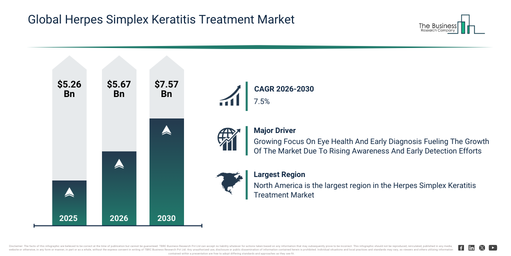
    The herpes simplex keratitis treatment market size has experienced significant growth in recent years. It is projected to increase from $5.26 billion in 2025 to $5.67 billion in 2026, with a compound annual growth rate (CAGR) of 7.8%. This historic growth can be attributed to the rising prevalence of HSV infections, broader access to antiviral medications, enhanced ophthalmic diagnostic capabilities, increased awareness of corneal viral diseases, and the expansion of hospital-based ophthalmology services.

    The herpes simplex keratitis treatment market size is anticipated to experience robust expansion over the coming years. This market is projected to reach $7.57 billion by 2030, growing at a compound annual growth rate (CAGR) of 7.5%. The expansion during the forecast period can be attributed to intensifying research into novel antiviral molecules, the increasing embrace of personalized ophthalmic treatments, the broadening of outpatient eye care services, a heightened focus on averting vision loss, and the growing implementation of advanced drug delivery systems. Significant trends expected in the forecast period include the increasing development of targeted antiviral therapies, a wider adoption of combination drug regimens, an escalating focus on early diagnosis and intervention, the proliferation of steroid-sparing treatment approaches, and improved surveillance of disease recurrence.

    Get A Free Sample Report With In-Depth Market Insights:

    https://thebusinessresearchcompany.com/sample_request?id=19545317&type=smp&name=Herpes%20Simplex%20Keratitis%20Treatment%20Market%20Report%202026&utm_source=Blogs&utm_medium=Paid&utm_campaign=Nov_PR

    Herpes Simplex Keratitis Treatment Market Expansion Drivers: What’s Shaping Future Growth?

    The herpes simplex keratitis treatment market is anticipated to expand, driven by an increasing emphasis on eye health and the importance of early diagnosis. This involves preserving optimal vision and identifying ocular issues promptly to avert vision loss and enhance treatment effectiveness. Heightened public awareness, stemming from a greater understanding of how routine eye check-ups can prevent severe visual impairments, is fueling the uptake of eye health and early diagnosis practices. Herpes simplex keratitis treatment supports eye health and early diagnosis by delivering specific antiviral treatments, which are crucial for preventing damage to the cornea and loss of vision. It mitigates potential complications through prompt action and consistent oversight, thereby improving patient results and overall eye wellness. For instance, in May 2024, according to the Office for Health Improvement and Disparities, a UK-based government agency, the vision outpatient attendances in England reached over 8.9 million in 2023, an increase from 8.4 million in 2022, with a rate of 15,362 per 100,000 population. Consequently, the heightened attention to eye health and early detection is boosting the expansion of the herpes simplex keratitis treatment market.

    Herpes Simplex Keratitis Treatment Market Segment Landscape: Which Areas Lead Development?

    The herpes simplex keratitis treatment market covered in this report is segmented –

    1) By Treatment Type: Topical Antiviral Drugs, Oral Antiviral Drugs, Antibiotics, Corticosteroids, Other Therapies

    2) By Drug: Famciclovir, Valacyclovir, Acyclovir, Other Drugs

    3) By Disease Severity: Mild, Moderate, Severe

    4) By Route of Administration: Topical, Oral, Intravenous

    5) By End-User: Hospitals, Clinics, Ambulatory Surgical Centers, Home Care Settings

    Subsegments:

    1) By Topical Antiviral Drugs: Trifluridine, Ganciclovir, Acyclovir

    2) By Oral Antiviral Drugs: Acyclovir, Valacyclovir, Famciclovir

    3) By Antibiotics: Erythromycin, Gentamicin, Tobramycin

    4) By Corticosteroids: Prednisolone Acetate, Dexamethasone, Loteprednol

    5) By Other Therapies: Debridement, Amniotic Membrane Transplantation, Corneal Transplantation

    Herpes Simplex Keratitis Treatment Market Industry Leaders And Competitive Landscape

    Major companies operating in the herpes simplex keratitis treatment market are Pfizer Inc., Merck & Co. Inc., Novartis AG, GlaxoSmithKline plc, Bausch Health Companies Inc., Aurobindo Pharma Limited, Dr. Reddy’s Laboratories Limited, Cipla Limited, Micro Labs Limited, Ocular Therapeutix Inc., Chimerix Inc., AiCuris Anti-infective Cures GmbH, Taj Pharmaceuticals Limited, Fera Pharmaceuticals LLC, Kevy’s Labs Private Limited, A.S. Lifesciences Private Limited, Sun Pharmaceutical Industries Limited, Alcon Inc., AbbVie Inc., Santen Pharmaceutical Co. Ltd., Lupin Limited, Hikma Pharmaceuticals PLC

    View The Full Herpes Simplex Keratitis Treatment Market Report:

    https://thebusinessresearchcompany.com/report/herpes-simplex-keratitis-treatment-global-market-report?utm_source=Blogs&utm_medium=Paid&utm_campaign=Nov_PR

    Herpes Simplex Keratitis Treatment Market Regional Analysis: Which Geography Leads On Revenue?

    North America was the largest region in the herpes simplex keratitis treatment market in 2025. Asia-Pacific is expected to be the fastest-growing region in the forecast period. The regions covered in the herpes simplex keratitis treatment market report are Asia-Pacific, South East Asia, Western Europe, Eastern Europe, North America, South America, Middle East, Africa.

    Reach Out To Our Team:

    The Business Research Company: https://www.thebusinessresearchcompany.com/

    Americas: +1 310-496-7795

    Asia: +44 7882 955267 & +91 8897263534

    Europe: +44 7882 955267

    Email us at: marketing@tbrc.info

    Follow us on:

    LinkedIn: https://in.linkedin.com/company/the-business-research-company

    YouTube: https://www.youtube.com/channel/UC24_fI0rV8cR5DxlCpgmyFQ

    Global Market Model: https://www.thebusinessresearchcompany.com/global-market-model
  • Hereditary Transthyretin Amyloidosis Market Growth In 2026: Market Size, Key Drivers And Future Outlook

    Hereditary Transthyretin Amyloidosis Market Growth In 2026: Market Size, Key Drivers And Future Outlook

    Built to provide research that’s more actionable and strategically valuable, The Business Research Company’s 2026 market reports include market attractiveness analysis, total addressable market sizing, company benchmarking matrices, interactive Excel dashboards, broader supply chain intelligence, emerging startup tracking, and in-depth product insights.

    Hereditary Transthyretin Amyloidosis Market Growth Potential: How Will Market Size Shift Through 2030?

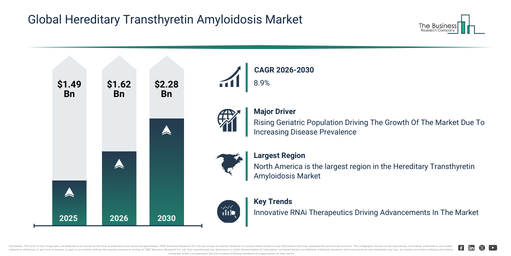
    The market size for hereditary transthyretin amyloidosis has experienced robust growth in recent years. It is projected to expand from $1.49 billion in 2025 to $1.62 billion in 2026, achieving a compound annual growth rate (CAGR) of 9.0%. Historically, this expansion has been fueled by several factors, including heightened clinical recognition of ATTR amyloidosis, the accessibility of tafamidis therapy, the proliferation of specialized neurology and cardiology centers, enhancements in genetic testing for TTR mutations, and the growth of patient registry programs.

    The hereditary transthyretin amyloidosis market is poised for robust expansion in the coming years. It is projected to attain a value of $2.28 billion in 2030, advancing at a compound annual growth rate (CAGR) of 8.9%. This anticipated growth during the forecast period stems from the proliferation of next-generation gene therapies, increased investment in rare disease research, the rising embrace of precision medicine approaches, the escalating development of CRISPR-based treatments, and enhanced technologies for monitoring disease outcomes. Prominent trends expected in the forecast period feature the increasing adoption of gene silencing therapies, a growing reliance on RNAi-based treatments, a heightened focus on early cardiac and neurological diagnosis, the broadening of oral therapeutic options, and improved long-term disease management strategies.

    Get A Free Sample Report With In-Depth Market Insights:

    https://thebusinessresearchcompany.com/sample_request?id=10201475&type=smp&name=Hereditary%20Transthyretin%20Amyloidosis%20Market%20Report%202026&utm_source=Blogs&utm_medium=Paid&utm_campaign=Nov_PR

    Hereditary Transthyretin Amyloidosis Market Development Factors: What’s Supporting Demand?

    The increasing number of elderly individuals is projected to drive expansion within the hereditary transthyretin amyloidosis market in the future. The term “geriatric population” encompasses people aged 65 and above, who frequently need specialized medical attention and assistance as they age. This demographic is expanding because of longer life expectancies, a result of improvements in medical care and general living standards. Hereditary transthyretin amyloidosis (hATTR) has a substantial effect on the elderly, inducing progressive nerve damage and heart muscle disease, which contributes to higher rates of illness among older people. For example, data from January 2024, provided by the US-based nonprofit Population Reference Bureau, indicates that the United States’ population aged 65 and older is predicted to climb from 58 million in 2022 to 82 million by 2050, representing a 47% rise. Consequently, the expanding elderly demographic is a key impetus for the hereditary transthyretin amyloidosis market’s development.

    Hereditary Transthyretin Amyloidosis Market Segments: Where Is Growth Concentrated?

    The hereditary transthyretin amyloidosis market covered in this report is segmented –

    1) By Type: Oral, Subcutaneous Injection, Other Types

    2) By Drug Class: RNAi Agents (Patisiran), Small Interfering RNAs (siRNAs) (Vutrisiran)

    3) By Distribution Channel: Hospital Pharmacies, Retail Pharmacies

    4) By Application: Hospital, Clinic, Other Applications

    Subsegments:

    1) By Oral: Tafamidis, Experimental Oral Therapies

    2) By Subcutaneous Injection: Inotersen, Vutrisiran

    3) By Other Types: Intravenous Therapies, Gene Silencing Therapies, CRISPR-Based Therapies

    Hereditary Transthyretin Amyloidosis Market Trends Powering Strategic Industry Growth

    Leading companies in the hereditary transthyretin amyloidosis market are actively developing innovative treatments, such as RNAi therapeutics, aimed at targeting and diminishing the generation of transthyretin (TTR) protein. These RNAi therapeutics constitute a class of medications that utilize RNA interference technology to silence specific genes, thereby reducing the synthesis of disease-causing proteins. For example, in October 2024, Alnylam Pharmaceuticals, Inc., a US-based biopharmaceutical company, submitted a supplemental new drug application (sNDA) to the US FDA for Vutrisiran (AMVUTTRA) for the treatment of transthyretin amyloidosis with cardiomyopathy. This submission emphasizes its inventive RNAi therapeutic strategy, specifically engineered to target and lower the transthyretin (TTR) protein, a crucial factor in the disease’s progression. Vutrisiran’s subcutaneous administration offers a more convenient and patient-friendly dosing regimen compared to conventional intravenous treatments, establishing it as a potentially transformative alternative for individuals suffering from this severe condition.

    Hereditary Transthyretin Amyloidosis Market Key Participants And Competitive Landscape

    Major companies operating in the hereditary transthyretin amyloidosis market are Alnylam Pharmaceuticals Inc., Ionis Pharmaceuticals Inc., BridgeBio Pharma Inc., Pfizer Inc., Eli Lilly and Company, Intellia Therapeutics Inc., Regeneron Pharmaceuticals Inc., AstraZeneca plc, Novartis AG, Roche Holding AG, Sanofi S.A., Takeda Pharmaceutical Company Limited, GlaxoSmithKline plc, Bristol Myers Squibb, Merck and Co Inc., Johnson and Johnson, AbbVie Inc., Biogen Inc., Vertex Pharmaceuticals Incorporated, Amgen Inc.

    View The Full Hereditary Transthyretin Amyloidosis Market Report:

    https://thebusinessresearchcompany.com/report/hereditary-transthyretin-amyloidosis-global-market-report?utm_source=Blogs&utm_medium=Paid&utm_campaign=Nov_PR

    Hereditary Transthyretin Amyloidosis Market Geographic Spread And Regional Opportunities

    North America was the largest region in the hereditary transthyretin amyloidosis market in 2025. Asia-Pacific is expected to be the fastest-growing region in the forecast period. The regions covered in the hereditary transthyretin amyloidosis market report are Asia-Pacific, South East Asia, Western Europe, Eastern Europe, North America, South America, Middle East, Africa.

    Reach Out To Our Team:

    The Business Research Company: https://www.thebusinessresearchcompany.com/

    Americas: +1 310-496-7795

    Asia: +44 7882 955267 & +91 8897263534

    Europe: +44 7882 955267

    Email us at: marketing@tbrc.info

    Follow us on:

    LinkedIn: https://in.linkedin.com/company/the-business-research-company

    YouTube: https://www.youtube.com/channel/UC24_fI0rV8cR5DxlCpgmyFQ

    Global Market Model: https://www.thebusinessresearchcompany.com/global-market-model