Blog

  • Robotic Process Automation In Healthcare Market Size In 2026: Regional Growth, Key Segments And Future Outlook

    Robotic Process Automation In Healthcare Market Size In 2026: Regional Growth, Key Segments And Future Outlook

    Built to provide research that’s more actionable and strategically valuable, The Business Research Company’s 2026 market reports include market attractiveness analysis, total addressable market sizing, company benchmarking matrices, interactive Excel dashboards, broader supply chain intelligence, emerging startup tracking, and in-depth product insights.

    Robotic Process Automation In Healthcare Market Size Outlook: How Quickly Will Revenue Expand Through 2030?

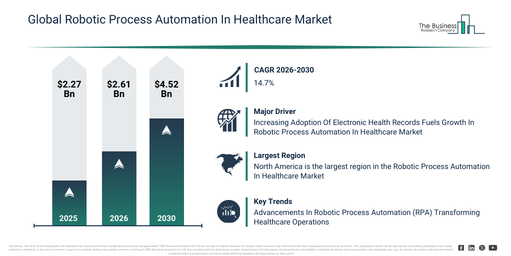
    The robotic process automation in healthcare market size has experienced rapid growth in recent years. It is anticipated to increase from $2.27 billion in 2025 to $2.61 billion in 2026, at a compound annual growth rate (CAGR) of 14.9%. This historical growth can be linked to factors such as increasing healthcare administrative workloads, growing digitization of healthcare records, rising pressure to reduce operational costs, the adoption of rule-based automation tools, and the expansion of healthcare IT infrastructure.

    The market size for robotic process automation in healthcare is expected to undergo significant expansion over the next few years. This sector is forecast to reach $4.52 billion by 2030, growing at a compound annual growth rate (CAGR) of 14.7%. The projected growth can be attributed to several factors, including the increasing adoption of AI-enabled RPA solutions, a rising demand for real-time workflow automation, the expansion of value-based healthcare models, a greater focus on data-driven operational insights, and growing investments in healthcare digital transformation. Key trends anticipated within this forecast period involve the increasing deployment of software robots in administrative tasks, a surge in the use of intelligent automation for claims processing, the deepening integration of RPA with EHR systems, the broader expansion of automated scheduling and billing workflows, and an enhanced emphasis on boosting operational efficiency and reducing errors.

    Get A Free Sample Report With In-Depth Market Insights:

    https://thebusinessresearchcompany.com/sample_request?id=27200870&type=smp&name=Robotic%20Process%20Automation%20In%20Healthcare%20Market%20Report%202026&utm_source=Blogs&utm_medium=Paid&utm_campaign=Nov_PR

    Robotic Process Automation In Healthcare Market Demand Drivers Opening New Revenue Streams

    Growing implementation of electronic health records (EHR) is anticipated to drive the expansion of the robotic process automation in healthcare market moving ahead. EHRs represent digital versions of patient medical histories accessible to approved healthcare practitioners. The proliferation of EHR platforms offers a central, readily available database for patient data, enabling medical personnel to prioritize patient treatment over administrative duties. Robotic process automation (RPA) in healthcare proves advantageous by enhancing data precision, simplifying recurrent processes, and boosting operational effectiveness in managing patient data.

    Robotic Process Automation In Healthcare Market Segment Breakdown: Which Categories Lead On Revenue?

    The robotic process automation in healthcare market covered in this report is segmented –

    1) By Solution: Software, Services, Implementation, Support And Maintenance, Training And Consulting

    2) By Operations: Rule-based Operation, Knowledge-based Operation

    3) By Application: Claims Management, Clinical Documentation, Billing And Compliance Management, Appointment Scheduling, Workflow Management

    Subsegments:

    1) By Software: RPA Software for Healthcare Workflow Automation, Intelligent Automation Software, AI And Machine Learning Integration Software

    2) By Services: RPA as a Service (RPAaaS), Managed RPA Services, Custom RPA Solutions

    3) By Implementation: RPA Deployment And Integration in Healthcare Systems, System Configuration And Customization, Workflow Design And Automation

    4) By Support And Maintenance: RPA Monitoring And Optimization Services, Post-Deployment Support, Software Updates And Patches

    5) By Training And Consulting: RPA Training for Healthcare Staff, Consulting Services for RPA Strategy And Roadmap, Change Management And RPA Adoption Assistance

    Robotic Process Automation In Healthcare Market Transformation Trends: What Innovations Are Driving Change?

    Major companies engaged in the robotic process automation in the healthcare market are concentrating on introducing cutting-edge solutions, such as generative AI, to enhance efficiency, reduce costs, and elevate patient care. Generative AI is a form of artificial intelligence capable of creating new content, including text, images, or music, by learning patterns from existing data.

    Robotic Process Automation In Healthcare Market Leading Players And Competitive Positioning

    Major companies operating in the robotic process automation in healthcare market are International Business Machines Corporation, NICE Ltd, Thoughtonomy Limited, Datamatics Global Services Limited, Pegasystems Inc, UiPath Inc, Verint System, Celonis SE, Automation Anywhere Inc, HelpSystems LLC, Kofax Inc, Appian Corp, Kryon Systems Ltd, Digital Workforce Service, Redwood Software Inc, OpenConnect Systems Incorporated, AutomationEdge Solutions Limited, WorkFusion Inc, FortressIQ Inc, Blue Prism Group, SS And C Blue Prism, EdgeVerve Systems Limited, Tata Consultancy Services Healthcare Automation, Accenture Healthcare RPA

    View The Full Robotic Process Automation In Healthcare Market Report:

    https://thebusinessresearchcompany.com/report/robotic-process-automation-in-healthcare-global-market-report?utm_source=Blogs&utm_medium=Paid&utm_campaign=Nov_PR

    Robotic Process Automation In Healthcare Market Top Region By Revenue And Market Share

    North America was the largest region in the robotic process automation in healthcare market in 2025. The regions covered in the robotic process automation in healthcare market report are Asia-Pacific, South East Asia, Western Europe, Eastern Europe, North America, South America, Middle East, Africa.

    Reach Out To Our Team:

    The Business Research Company: https://www.thebusinessresearchcompany.com/

    Americas: +1 310-496-7795

    Asia: +44 7882 955267 & +91 8897263534

    Europe: +44 7882 955267

    Email us at: marketing@tbrc.info

    Follow us on:

    LinkedIn: https://in.linkedin.com/company/the-business-research-company

    YouTube: https://www.youtube.com/channel/UC24_fI0rV8cR5DxlCpgmyFQ

    Global Market Model: https://www.thebusinessresearchcompany.com/global-market-model
  • Robotic Dentistry Market Growth Forecast Through 2030: Market Size And Trends In 2026

    Robotic Dentistry Market Growth Forecast Through 2030: Market Size And Trends In 2026

    Backed by market attractiveness analysis, total addressable market sizing, company benchmarking matrices, interactive Excel dashboards, wider supply chain intelligence, emerging startup coverage, and detailed product-level insights, The Business Research Company’s 2026 market reports are designed to offer research that is more actionable and strategically valuable than ever.

    Robotic Dentistry Market Size, Value And Growth Trajectory Through 2030

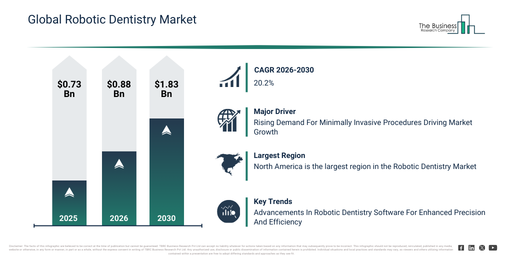
    The market for robotic dentistry has experienced significant expansion in recent years. Its valuation is set to climb from $0.73 billion in 2025 to $0.88 billion in 2026, achieving a compound annual growth rate (CAGR) of 20.6%. Historically, this market growth has been propelled by increased adoption of advanced dental technologies, a rising need for dental implants, the proliferation of specialized dental clinics, a heightened focus on precision dentistry, and innovations in dental imaging systems.

    The robotic dentistry market is poised for significant expansion in the coming years. It is projected to achieve a size of $1.83 billion by 2030, advancing at a compound annual growth rate (CAGR) of 20.2%. This growth throughout the forecast period stems from increasing investments in robotic dental platforms, a rising patient preference for minimally invasive treatments, the wider adoption of AI-assisted dental workflows, the growing integration of robotics into orthodontics, and an increasing focus on optimizing treatment outcomes. Prominent trends anticipated in this period include the expanding use of robot-assisted implant procedures, an increase in image-guided dental robotics applications, a heightened demand for minimally invasive dental surgeries, the broader implementation of robotic navigation systems in dentistry, and an intensified commitment to treatment precision and consistency.

    Get A Free Sample Report With In-Depth Market Insights:

    https://thebusinessresearchcompany.com/sample_request?id=21092948&type=smp&name=Robotic%20Dentistry%20Market%20Report%202026&utm_source=Blogs&utm_medium=Paid&utm_campaign=Nov_PR

    Robotic Dentistry Market Growth Backed By Core Demand Fundamentals

    The increasing need for minimally invasive procedures is anticipated to drive the robotic dentistry market in the future. A minimally invasive procedure constitutes a medical method involving minimal or no incisions, which results in reduced tissue damage, faster healing, and decreased risks compared to traditional surgery. Key factors fueling the demand for minimally invasive procedures include quicker recuperation, a lower likelihood of complications, and enhanced patient comfort. Robotic dentistry systems enhance dental procedures through superior precision, facilitating smaller cuts, lessening tissue harm, mitigating dangers, and ultimately achieving improved results.

    Robotic Dentistry Market Segmentation: How Does The Market Break Down By Category?

    The robotic dentistry market covered in this report is segmented –

    1) By Products And Services: Standalone Robots, Robot-Assisted System, Services

    2) By Applications: Implantology, Endodontics, Other Applications

    3) By End-Users: Dental Hospitals And Clinics, Dental Academics, Other End-Users

    Subsegments:

    1) By Standalone Robots: Robotic Surgery Systems, Robotic Tooth Restoration Systems, Robotic Implant Placement Systems, Robotic Orthodontic Systems

    2) By Robot-Assisted Systems: Image-Guided Robotic Systems, Dental Navigation Systems, Robotic-Assisted Drilling And Cutting Systems, Robotic-Assisted Endodontic Systems, Robotic-Assisted Tooth Extraction Systems

    3) By Services: Installation Services, Maintenance And Repair Services, Training And Support Services, Consulting Services For Robotic Integration, Software Upgrades And Customization Services

    #Robotic Dentistry Market Growth Trends: What’s Shaping The Future Outlook?

    Major companies operating in the robotic dentistry market are concentrating on developing advanced dental robotic software suites with the aim of providing more personalized care to patients. These dental robotic software suites represent sophisticated platforms engineered to optimize robotic systems for various dental procedures, offering capabilities that facilitate precise, efficient, and minimally invasive treatments for superior patient outcomes.

    Robotic Dentistry Market Competitive Overview And Top Companies

    Major companies operating in the robotic dentistry market are Planmeca Oy, Neocis, X Nav Technologies, Image Navigation Ltd, Perceptive Io, YakeBot Beijing Technology Co Ltd, Dentroid, VELMENI, Overjet, Videa Health, Diagnocat, Denti AI, Pearl Dental AI, Manchester Imaging, AI Dent, Navident, Robotic Assisted Solutions Dental, Blue Sky Bio Robotics, Straumann Digital Solutions, Nobel Biocare Digital Dentistry, Align Technology Robotics, Carestream Dental Robotics, Zimmer Biomet Dental Robotics

    View The Full Robotic Dentistry Market Report:

    https://thebusinessresearchcompany.com/report/robotic-dentistry-global-market-report?utm_source=Blogs&utm_medium=Paid&utm_campaign=Nov_PR

    Robotic Dentistry Market Regional Analysis And Top Geography

    North America was the largest region in the robotic dentistry market in 2025. Asia-Pacific is expected to be the fastest-growing region in the forecast period. The regions covered in the robotic dentistry market report are Asia-Pacific, South East Asia, Western Europe, Eastern Europe, North America, South America, Middle East, Africa.

    Reach Out To Our Team:

    The Business Research Company: https://www.thebusinessresearchcompany.com/

    Americas: +1 310-496-7795

    Asia: +44 7882 955267 & +91 8897263534

    Europe: +44 7882 955267

    Email us at: marketing@tbrc.info

    Follow us on:

    LinkedIn: https://in.linkedin.com/company/the-business-research-company

    YouTube: https://www.youtube.com/channel/UC24_fI0rV8cR5DxlCpgmyFQ

    Global Market Model: https://www.thebusinessresearchcompany.com/global-market-model
  • Robotic Cardiology Surgery Market Analysis: $0.98 Billion Market Size In 2026 And Future Growth Prospects

    Robotic Cardiology Surgery Market Analysis: $0.98 Billion Market Size In 2026 And Future Growth Prospects

    Featuring market attractiveness scoring, total addressable market sizing, company benchmarking matrices, interactive Excel dashboards, deeper supply chain intelligence, emerging startup tracking, and granular product-level insights, The Business Research Company’s 2026 market reports are built to deliver research that is both more actionable and more strategically valuable.

    Robotic Cardiology Surgery Market CAGR Outlook And Future Development

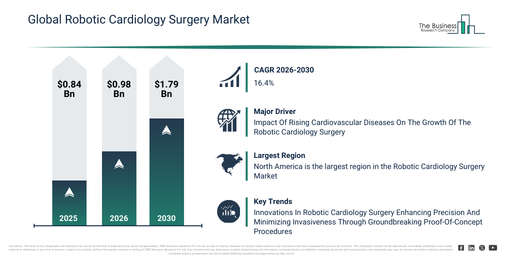
    The robotic cardiology surgery market size has experienced significant expansion in recent years. This market is projected to grow from $0.84 billion in 2025 to $0.98 billion in 2026, demonstrating a compound annual growth rate (CAGR) of 16.7%. The historical growth of the market can be linked to the increasing prevalence of cardiovascular diseases, rising adoption of minimally invasive surgery techniques, expansion of robotic surgical installations in hospitals, growing surgeon familiarity with robotic platforms, and improved clinical outcomes from robotic procedures.

    The robotic cardiology surgery market size is anticipated to undergo significant expansion in the coming years. It is projected to reach $1.79 billion by 2030, demonstrating a compound annual growth rate (CAGR) of 16.4%. This growth during the forecast period can be attributed to factors such as the increasing demand for advanced cardiac surgery solutions, escalating investments in next-generation robotic platforms, the broadening of robotic surgery training programs, a wider adoption of precision-guided cardiac interventions, and ongoing innovation in robotic cardiology technologies. Prominent trends identified for this timeframe encompass a greater embrace of minimally invasive robotic procedures, the growing integration of sophisticated imaging and navigation systems, the expansion of surgeon training and simulation platforms, an uptick in the use of robotic-assisted cardiac interventions, and a heightened emphasis on surgical precision and patient outcomes.

    Get A Free Sample Report With In-Depth Market Insights:

    https://thebusinessresearchcompany.com/sample_request?id=83144045&type=smp&name=Robotic%20Cardiology%20Surgery%20Market%20Report%202026&utm_source=Blogs&utm_medium=Paid&utm_campaign=Nov_PR

    Robotic Cardiology Surgery Market Growth Catalysts And Demand Drivers

    The expanding occurrence of cardiovascular diseases is anticipated to propel the future growth of the robotic cardiology surgery market. Cardiovascular disease (CVD) refers to a category of illnesses involving the heart or blood vessels. This increasing prevalence of cardiovascular diseases stems from a combination of lifestyle choices, underlying medical conditions, genetic susceptibility, and environmental factors. Robotic cardiology surgery plays a critical role in advancing cardiovascular disease treatment by offering safer, more precise, and less invasive surgical solutions, which ultimately lead to improved patient outcomes and superior quality of care.

    Robotic Cardiology Surgery Market Segment Trends And Revenue Contributors

    The robotic cardiology surgery market covered in this report is segmented –

    1) By Product And Service: Robotic Systems, Instruments and Accessories, Maintenance Services, System Services

    2) By Equipment Type: Robot Machines, Navigation Systems, Planners And Simulators, Other Equipment Types

    3) By End-User: Hospitals, Research Centers

    Subsegments:

    1) By Robotic Systems: Robotic Surgical Platforms, Minimally Invasive Robotic Systems, Integrated Robotic Systems

    2) By Instruments And Accessories: Surgical Instruments, Endoscopic Cameras And Imaging Systems, Accessory Kits For Robotic Systems

    3) By Maintenance Services: Preventive Maintenance Services, Repair And Replacement Services, Calibration Services

    4) By System Services: Installation and Setup Services, Training And Support Services, Upgrades And Software Maintenance

    Robotic Cardiology Surgery Market Industry Trends: What’s Reshaping Demand?

    Leading companies within the robotic cardiology surgery market are prioritizing the creation of innovative surgical solutions, including assistive robotic devices (ARD), to improve precision in cardiac interventions, minimize invasiveness, and enhance patient recovery through sophisticated technology integration and real-time data analysis. Assistive robotic devices (ARD) are defined as robotic systems engineered to support individuals with disabilities or restricted mobility by assisting with actions such as movement, communication, or daily living activities. These systems bolster independence and elevate the quality of life for their users.

    Robotic Cardiology Surgery Market Competitive Landscape: Which Companies Lead The Industry?

    Major companies operating in the robotic cardiology surgery market are Abbott Laboratories, Medtronic PLC, Siemens Healthineers AG, Boston Scientific Corporation, Edwards Lifesciences Corporation, KARL STORZ SE & Co. KG, Renishaw PLC, CMR Surgical Limited, Corindus Vascular Robotics Inc., XACT Robotics Ltd., Titan Medical Inc., Asensus Surgical Inc., Intuitive Surgical Inc., Aurora Surgical Robotics Inc., Hansen Medical Inc., Stereotaxis Inc., SS Innovations International Inc., MicroPort Scientific Corporation, GE HealthCare Technologies Inc., Stryker Corporation

    View The Full Robotic Cardiology Surgery Market Report:

    https://thebusinessresearchcompany.com/report/robotic-cardiology-surgery-global-market-report?utm_source=Blogs&utm_medium=Paid&utm_campaign=Nov_PR

    Robotic Cardiology Surgery Market Geographic Analysis: Where Is Demand Rising Fastest?

    North America was the largest region in the robotic cardiology surgery market in 2025. The regions covered in the robotic cardiology surgery market report are Asia-Pacific, South East Asia, Western Europe, Eastern Europe, North America, South America, Middle East, Africa.

    Reach Out To Our Team:

    The Business Research Company: https://www.thebusinessresearchcompany.com/

    Americas: +1 310-496-7795

    Asia: +44 7882 955267 & +91 8897263534

    Europe: +44 7882 955267

    Email us at: marketing@tbrc.info

    Follow us on:

    LinkedIn: https://in.linkedin.com/company/the-business-research-company

    YouTube: https://www.youtube.com/channel/UC24_fI0rV8cR5DxlCpgmyFQ

    Global Market Model: https://www.thebusinessresearchcompany.com/global-market-model
  • RNA Sequencing Services Market 2026 Market Size And Growth Forecast: Key Trends To Watch

    RNA Sequencing Services Market 2026 Market Size And Growth Forecast: Key Trends To Watch

    Built to provide research that’s more actionable and strategically valuable, The Business Research Company’s 2026 market reports include market attractiveness analysis, total addressable market sizing, company benchmarking matrices, interactive Excel dashboards, broader supply chain intelligence, emerging startup tracking, and in-depth product insights.

    RNA Sequencing Services Market Set To Climb From $4.44 Billion In 2026 To $6.38 Billion By 2030

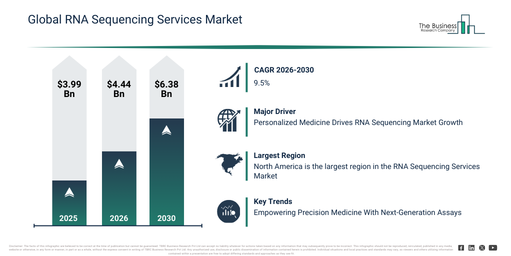
    The rna sequencing services market has seen substantial expansion in recent years. Its size is anticipated to expand from $3.99 billion in 2025 to $4.44 billion in 2026, demonstrating a compound annual growth rate (CAGR) of 11.2%. The market’s past growth has been driven by increased funding for genomic research, the broadening of academic and government research endeavors, a rise in sequencing’s application in fundamental biology studies, the decreasing expenses associated with sequencing technologies, and better access to sequencing service providers.

    The rna sequencing services market is projected to experience substantial expansion in the coming years, reaching a valuation of $6.38 billion by 2030, driven by a compound annual growth rate (CAGR) of 9.5%. This projected growth is largely attributable to factors such as the increasing embrace of precision medicine approaches, a heightened need for transcriptomic data in diagnostic applications, the expansion of pharmaceutical r&d activities, the greater incorporation of AI-powered data analytics, and the rising trend of outsourcing sequencing services. Key trends anticipated during this period encompass a surging demand for high-throughput transcriptomic analysis, the expanding use of NGS-based rna sequencing, the development of sequencing services integrated with bioinformatics, an uptick in the application of rna sequencing in clinical research, and a sharpened emphasis on the precision and replicability of data.

    Get A Free Sample Report With In-Depth Market Insights:

    https://thebusinessresearchcompany.com/sample_request?id=95240194&type=smp&name=RNA%20Sequencing%20Services%20Market%20Report%202026&utm_source=Blogs&utm_medium=Paid&utm_campaign=Nov_PR

    RNA Sequencing Services Market Opportunity Drivers: What’s Unlocking New Revenue Potential?

    The expanding need for personalized medicine significantly fuels the growth of the RNA sequencing services market. Personalized medicine entails adapting medical treatment to an individual’s unique characteristics, such as their genetics or lifestyle, to maximize effectiveness and minimize adverse effects. The increasing demand for personalized medicine stems from its potential to offer more effective treatments, advancements in genomics, the growing complexity of diseases, and supportive regulations. RNA sequencing services are instrumental in identifying disease subtypes, discovering biomarkers, pinpointing therapeutic targets, predicting therapy responses, and monitoring disease progression and treatment outcomes. Personalized medicine approaches leverage RNA sequencing technologies to deliver individualized and effective medications that target the specific molecular features of patients.

    RNA Sequencing Services Market Segment Analysis Spotlighting Growth Areas

    The rna sequencing services market covered in this report is segmented –

    1) By Type: Ribosomal RNA (rRNA), Transfer RNA (tRNA), Long non-coding RNA (lncRNA)

    2) By Sequencing Method: Next Generation Sequencing Methods, Other Sequencing Methods

    3) By Application Area: Research Purposes, Diagnostic Purposes

    4) By End Users: Academic And Government Institutes And Research Centers, Hospitals And Clinics, Pharmaceutical And Biotechnology Companies, Other End Users

    Subsegments:

    1) By Ribosomal RNA (rRNA): Total RRNA Sequencing, RRNA Depletion

    2) By Transfer RNA (tRNA): TRNA Profiling, TRNA Sequencing

    3) By Long Non-Coding RNA (lncRNA): lncRNA Profiling, lncRNA Sequencing

    RNA Sequencing Services Market Innovation Trends: What Developments Are Reshaping The Industry?

    Companies prominent in the RNA sequencing services market are increasingly focusing on automation, such as the next-generation sequencing (NGS) assay, to mitigate potential human error and improve the efficiency and accuracy of data generation and analysis. The RNA next-generation sequencing (RNA-seq) assay is a potent instrument utilized in molecular biology and genomics for analyzing a biological sample’s transcriptome.

    RNA Sequencing Services Market Leading Companies: Who Holds The Strongest Market Presence?

    Major companies operating in the rna sequencing services market are Thermo Fisher Scientific Inc., Illumina Inc., Qiagen NV, BGI Genomics Co Ltd, Azenta Inc., Novogene Co Ltd, Genewiz Inc., Diagenode LLC, CD Genomics, CeGaT GmbH, Lexogen GmbH, BaseClear BV, Active Motif Inc., Microsynth AG, Genomax Technologies Pte Ltd, Creative Biogene, SeqMatic LLC, Genohub Inc., Otogenetics, LC Sciences, Admera Health, Arraystar Inc., IGA Technology, Yaazh Xenomics, Novaseq Services Ltd

    View The Full RNA Sequencing Services Market Report:

    https://thebusinessresearchcompany.com/report/rna-sequencing-services-global-market-report?utm_source=Blogs&utm_medium=Paid&utm_campaign=Nov_PR

    RNA Sequencing Services Market Global Footprint: Which Region Leads The Market?

    North America was the largest region in the RNA sequencing services market in 2025. Asia-Pacific is expected to be the fastest-growing region in the forecast period. The regions covered in the rna sequencing services market report are Asia-Pacific, South East Asia, Western Europe, Eastern Europe, North America, South America, Middle East, Africa.

    Reach Out To Our Team:

    The Business Research Company: https://www.thebusinessresearchcompany.com/

    Americas: +1 310-496-7795

    Asia: +44 7882 955267 & +91 8897263534

    Europe: +44 7882 955267

    Email us at: marketing@tbrc.info

    Follow us on:

    LinkedIn: https://in.linkedin.com/company/the-business-research-company

    YouTube: https://www.youtube.com/channel/UC24_fI0rV8cR5DxlCpgmyFQ

    Global Market Model: https://www.thebusinessresearchcompany.com/global-market-model
  • Ringworm Treatment Market Size Forecast: How The Industry Is Expected To Grow From 2026 To 2030

    Ringworm Treatment Market Size Forecast: How The Industry Is Expected To Grow From 2026 To 2030

    Backed by market attractiveness analysis, total addressable market sizing, company benchmarking matrices, interactive Excel dashboards, wider supply chain intelligence, emerging startup coverage, and detailed product-level insights, The Business Research Company’s 2026 market reports are designed to offer research that is more actionable and strategically valuable than ever.

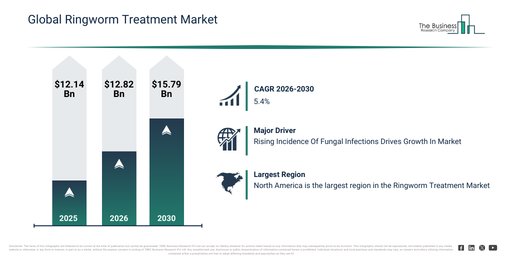
    Ringworm Treatment Market Forecast: Value Set To Climb From $12.82 Billion To $15.79 Billion

    The ringworm treatment market size has experienced significant growth in recent years. This market is projected to expand from $12.14 billion in 2025 to $12.82 billion in 2026, demonstrating a compound annual growth rate (CAGR) of 5.6%. Historically, this growth was driven by factors such as the increasing prevalence of fungal skin infections, enhanced awareness regarding personal hygiene, expanding access to retail pharmacy networks, the widespread availability of topical antifungal medications, and a rise in the diagnosis of dermatological conditions.

    The ringworm treatment market is projected to experience substantial expansion over the next few years. Its valuation is forecast to reach $15.79 billion by 2030, progressing at a compound annual growth rate (CAGR) of 5.4%. This anticipated growth is driven by factors such as an increasing need for effective long-term antifungal treatments, greater utilization of online pharmacy distribution channels, heightened attention to managing antifungal resistance, broader application of combination therapies, and improved access to healthcare services in emerging markets. Key developments during this forecast period include a rising demand for broad-spectrum antifungal therapies, more frequent use of combination drug formulations, an increasing inclination towards topical treatment options, wider availability of over-the-counter antifungal products, and an intensified emphasis on strategies for recurrence prevention.

    Get A Free Sample Report With In-Depth Market Insights:

    https://thebusinessresearchcompany.com/sample_request?id=96395057&type=smp&name=Ringworm%20Treatment%20Market%20Report%202026&utm_source=Blogs&utm_medium=Paid&utm_campaign=Nov_PR

    Ringworm Treatment Market Growth Momentum: What Factors Are Shaping Demand?

    The anticipated expansion of the ringworm treatment market is driven by the increasing occurrence of fungal infections. These infections arise from fungi proliferating or invading the body, causing symptoms in diverse organs and tissues. Their growing commonness stems from factors like more widespread immunosuppressive therapies, global climate change, and an expanding population with weakened immune systems. Ringworm treatment manages fungal infections by providing effective antifungal solutions that hinder their spread, lessen complications, and control infection rates, particularly for susceptible groups. For example, data from May 2025 from the Centers for Disease Control and Prevention, a US-based public health agency, indicates that in the United States, fungal illnesses contribute to approximately 7,300 deaths, 130,000 hospitalizations, and 13 million outpatient visits each year, with the total national economic cost estimated at roughly $19 billion. Consequently, the increased occurrence of fungal infections is boosting the expansion of the ringworm treatment market. The ringworm treatment market is projected to expand due to advancements in healthcare facilities. These facilities encompass hospitals, clinics, and diagnostic centers, providing medical care and support to patients. Their enhancement is attributed to various elements, including greater investment in infrastructure, an emphasis on patient-focused care, population expansion, and an aging demographic. Ringworm treatment contributes to better healthcare facilities by promoting specialized dermatological services, improving patient understanding of fungal infections, and encouraging the use of effective and accessible treatment methods. This, in turn, allows healthcare systems to more effectively manage skin conditions and enhance general public health.

    Ringworm Treatment Market Segment Performance And Emerging Opportunities

    The ringworm treatment market covered in this report is segmented –

    1) By Drug Classes: Antifungals, Combination Drugs

    2) By Treatment Types: Tinea Corpois, Tinea Pedis, Tinea Cruris, Tinea Capitis, Tinea Manuum, Other Treatment Types

    3) By Route Of Administrations: Topical, Oral

    4) By Distribution Channels: Hospital Pharmacies, Retail Pharmacies, Online Pharmacies

    Subsegments:

    1) By Antifungals: Topical Antifungals, Oral Antifungals, Antifungal Shampoos

    2) By Combination Drugs: Antifungal Plus Steroid Combinations, Antifungal Plus Antiseptic Combinations

    Ringworm Treatment Market Key Players: Which Companies Lead Industry Competition?

    Major companies operating in the ringworm treatment market are Pfizer Inc., Merck And Co Inc., Bayer Healthcare, Sanofi Aventis, Abbott Laboratories, Novartis AG, GlaxoSmithKline Plc, Teva Pharmaceutical Industries Ltd, Sun Pharmaceutical Industries Ltd, Perrigo Company plc, Aurobindo Pharma Ltd, Dr Reddys Laboratories Ltd, Cipla Ltd, Intas Pharmaceuticals Ltd, Zydus Group, Glenmark Pharmaceuticals Inc, Biocon Limited, Torrent Pharmaceuticals Ltd, Taro Pharmaceutical Industries Ltd, Lupin Limited, Amneal Pharmaceuticals LLC, Hikma Pharmaceuticals plc, Alkem Laboratories Ltd, Mankind Pharma Ltd

    View The Full Ringworm Treatment Market Report:

    https://thebusinessresearchcompany.com/report/ringworm-treatment-global-market-report?utm_source=Blogs&utm_medium=Paid&utm_campaign=Nov_PR

    Ringworm Treatment Market Regional Split: Which Areas Are Fueling Growth?

    North America was the largest region in the ringworm treatment market in 2025. Asia-Pacific is expected to be the fastest-growing region in the forecast period. The regions covered in the ringworm treatment market report are Asia-Pacific, South East Asia, Western Europe, Eastern Europe, North America, South America, Middle East, Africa.

    Reach Out To Our Team:

    The Business Research Company: https://www.thebusinessresearchcompany.com/

    Americas: +1 310-496-7795

    Asia: +44 7882 955267 & +91 8897263534

    Europe: +44 7882 955267

    Email us at: marketing@tbrc.info

    Follow us on:

    LinkedIn: https://in.linkedin.com/company/the-business-research-company

    YouTube: https://www.youtube.com/channel/UC24_fI0rV8cR5DxlCpgmyFQ

    Global Market Model: https://www.thebusinessresearchcompany.com/global-market-model
  • Richter Syndrome Market Reaches $0.64 Billion In 2026: Forecast And Growth Opportunities

    Richter Syndrome Market Reaches $0.64 Billion In 2026: Forecast And Growth Opportunities

    Featuring market attractiveness scoring, total addressable market sizing, company benchmarking matrices, interactive Excel dashboards, deeper supply chain intelligence, emerging startup tracking, and granular product-level insights, The Business Research Company’s 2026 market reports are built to deliver research that is both more actionable and more strategically valuable.

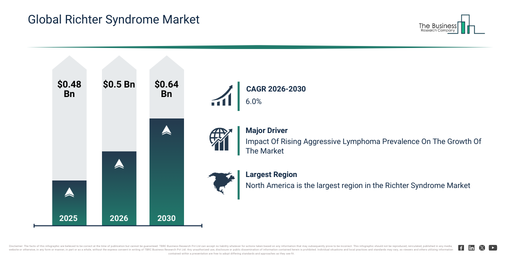
    Richter Syndrome Market Revenue Growth On Track For A 6% CAGR Through 2030

    The richter syndrome market has experienced substantial growth in recent years. Projections indicate its expansion from $0.48 billion in 2025 to $0.5 billion in 2026, demonstrating a compound annual growth rate (CAGR) of 6.2%. Historically, this growth can be ascribed to factors such as the rising occurrence of chronic lymphocytic leukemia, the constrained efficacy of conventional treatments, heightened recognition of aggressive lymphoma transformations, the proliferation of oncology research facilities, and the accessibility of chemotherapy regimens.

    The Richter syndrome market is projected to experience robust expansion over the coming years, with an anticipated growth to $0.64 billion by 2030, exhibiting a compound annual growth rate (CAGR) of 6.0%. This projected growth during the forecast period is primarily driven by factors such as the accelerated development of innovative immunotherapies, the increasing embrace of precision oncology strategies, the broadening of stem cell transplantation initiatives, augmented investments in rare cancer research, and a heightened emphasis on individualized treatment routes. Key trends anticipated for the forecast timeframe encompass the expanding use of targeted therapies and immunotherapies, a greater emphasis on early diagnosis and risk assessment, the escalating application of combined treatment methods, an increase in clinical research and trials, and improved integration of supportive and palliative care.

    Get A Free Sample Report With In-Depth Market Insights:

    https://thebusinessresearchcompany.com/sample_request?id=35390764&type=smp&name=Richter%20Syndrome%20Market%20Report%202026&utm_source=Blogs&utm_medium=Paid&utm_campaign=Nov_PR

    Richter Syndrome Market Expansion Drivers: What’s Shaping Future Growth?

    The increasing occurrence of aggressive lymphoma is anticipated to fuel the expansion of the Richter syndrome market in the coming years. Lymphoma is a form of cancer that originates within the lymphatic system, a crucial part of the body’s immune defense, affecting lymph nodes and associated tissues. The rising incidence of aggressive lymphoma is attributed to factors like advancements in diagnostic techniques, an aging population, and greater public awareness, leading to more identified cases. Richter syndrome treatment aids patients with aggressive lymphoma through a combination of intensive chemotherapy, targeted therapies such as BTK and BCL-2 inhibitors, monoclonal antibodies, and cutting-edge options like CAR T-cell therapy and stem cell transplantation. These treatments aim to control disease progression, boost response rates, and extend survival, while also incorporating new therapies and clinical trials for refractory cases. For instance, in January 2025, according to the American Cancer Society, a US-based non-profit organization, approximately 80,350 people (45,140 males and 35,210 females) are expected to be diagnosed with non-Hodgkin lymphoma (NHL), while around 19,390 (11,060 males and 8,330 females) are projected to die from the disease. Therefore, the expanding prevalence of aggressive lymphoma is a significant driver for the growth of the Richter syndrome market.

    Richter Syndrome Market Segment Landscape And Growth Outlook

    The richter syndrome market covered in this report is segmented –

    1) By Disease Type: Chronic Lymphocytic Leukemia (CLL)-Associated Richter Syndrome, Non-CLL-Associated Richter Syndrome

    2) By Treatment Type: Chemotherapy, Targeted Therapy, Immunotherapy, Immune Checkpoint Inhibitors, Stem Cell Transplantation, Supportive Care And Palliative Treatments

    3) By Route Of Administration: Oral, Intravenous

    4) By Distribution Channel: Hospital Pharmacies, Retail Pharmacies, Online Pharmacies

    5) By End-User: Hospitals, Specialty Clinics, Cancer Treatment Centers, Research And Academic Institutes

    Subsegments:

    1) By Chronic Lymphocytic Leukemia (CLL)-Associated Richter Syndrome: Transformation To Diffuse Large B-cell Lymphoma, Transformation To Hodgkin Lymphoma

    2) By Non-CLL-Associated Richter Syndrome: De Novo Diffuse Large B-cell Lymphoma, De Novo Hodgkin Lymphoma

    Richter Syndrome Market Competitive Landscape: Who Leads The Industry?

    Major companies operating in the richter syndrome market are Pfizer Inc., Janssen Pharmaceuticals Inc., F Hoffmann La Roche Ltd, AbbVie Inc., Bristol Myers Squibb Company, AstraZeneca PLC, Novartis AG, Takeda Pharmaceutical Company Limited, Gilead Sciences Inc., Chugai Pharmaceutical Co Ltd, Genentech Inc., Incyte Corporation, Kyowa Kirin Co Ltd, Celltrion Healthcare Co Ltd, BeiGene Ltd, Nippon Shinyaku Co Ltd, MorphoSys AG, TG Therapeutics Inc., Amgen Inc., Sanofi SA, Bayer AG, Daiichi Sankyo Company, Merck And Co Inc., Seagen Inc., Roche Diagnostics Oncology

    View The Full Richter Syndrome Market Report:

    https://thebusinessresearchcompany.com/report/richter-syndrome-global-market-report?utm_source=Blogs&utm_medium=Paid&utm_campaign=Nov_PR

    Richter Syndrome Market Top Region: Where Does Most Revenue Come From?

    North America was the largest region in the richter syndrome market in 2025. Asia-Pacific is expected to be the fastest-growing region in the forecast period. The regions covered in the richter syndrome market report are Asia-Pacific, South East Asia, Western Europe, Eastern Europe, North America, South America, Middle East, Africa.

    Reach Out To Our Team:

    The Business Research Company: https://www.thebusinessresearchcompany.com/

    Americas: +1 310-496-7795

    Asia: +44 7882 955267 & +91 8897263534

    Europe: +44 7882 955267

    Email us at: marketing@tbrc.info

    Follow us on:

    LinkedIn: https://in.linkedin.com/company/the-business-research-company

    YouTube: https://www.youtube.com/channel/UC24_fI0rV8cR5DxlCpgmyFQ

    Global Market Model: https://www.thebusinessresearchcompany.com/global-market-model
  • Ribose-Nucleic Acid (RNA)-Based Therapeutics Market Growth In 2026: Market Size, Key Drivers And Future Outlook

    Ribose-Nucleic Acid (RNA)-Based Therapeutics Market Growth In 2026: Market Size, Key Drivers And Future Outlook

    Built to provide research that’s more actionable and strategically valuable, The Business Research Company’s 2026 market reports include market attractiveness analysis, total addressable market sizing, company benchmarking matrices, interactive Excel dashboards, broader supply chain intelligence, emerging startup tracking, and in-depth product insights.

    Ribose-Nucleic Acid (RNA)-Based Therapeutics Market Value Growth And Long-Term Outlook

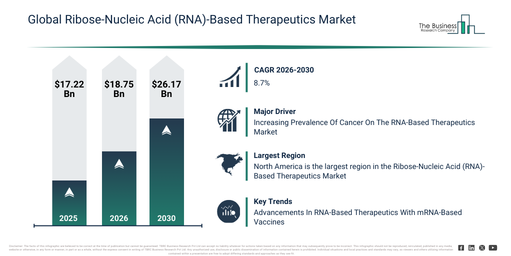
    The ribose-nucleic acid (rna)-based therapeutics market has experienced significant growth in recent years. It is projected to expand from $17.22 billion in 2025 to $18.75 billion in 2026, achieving a compound annual growth rate (CAGR) of 8.9%. This historical expansion can be attributed to advancements in molecular biology research, the initial success of rna-based drugs, the broadening scope of genetic disease research, increased pharmaceutical R&D investments, and an evolving understanding of gene regulation.

    The ribose-nucleic acid (rna)-based therapeutics market size is anticipated to experience substantial expansion over the forthcoming years. This market is projected to reach $26.17 billion by 2030, exhibiting a compound annual growth rate (CAGR) of 8.7%. This expansion throughout the forecast period stems from factors such as a rise in regulatory clearances for RNA treatments, increasing need for customized medicine, the broadening of RNA pipelines concentrating on oncology, greater capital deployment in delivery innovations, and more partnerships among biotechnology enterprises. Key developments expected during this period involve the increasing creation of RNA-based targeted therapies, wider adoption of siRNA and ASO technologies, an amplified focus on rare and inherited conditions, the growth in clinical trials for RNA therapeutics, and improvements in drug delivery systems.

    Get A Free Sample Report With In-Depth Market Insights:

    https://thebusinessresearchcompany.com/sample_request?id=39951602&type=smp&name=Ribose-Nucleic%20Acid%20%28RNA%29-Based%20Therapeutics%20Market%20Report%202026&utm_source=Blogs&utm_medium=Paid&utm_campaign=Nov_PR

    Ribose-Nucleic Acid (RNA)-Based Therapeutics Market Development Factors: What’s Supporting Demand?

    The market for ribose-nucleic acid (RNA)-based therapeutics is projected to expand due to the rising incidence of cancer. Cancer is defined as an illness characterized by the uncontrolled proliferation and dissemination of abnormal cells, which can be fatal without intervention. This widespread occurrence of cancer stems from factors such as an aging demographic, shifts in lifestyle, increased risk exposure, and improved diagnostic techniques. RNA-based therapies present a hopeful approach for managing cancer, as they directly address the genetic and molecular processes underpinning the disease.

    Ribose-Nucleic Acid (RNA)-Based Therapeutics Market Breakdown By Product Type And Application

    The ribose-nucleic acid (rna)-based therapeutics market covered in this report is segmented –

    1) By Type: RNA Interference (RNAi), RNA Antisense

    2) By Technology: Enabling Technology, Enabled Technology

    3) By Therapeutic Area: Oncology, Genetic Disorder, Ophthalmology, Hematological Disorders, Acute Hepatic Porphyria (AHP), Other Therapeutic Areas

    4) By End User: Research Institutes, Hospitals And Clinics

    Subsegments:

    1) By RNA Interference (RNAi): Small Interfering RNA (siRNA), MicroRNA (miRNA)

    2) By RNA Antisense: Antisense Oligonucleotides (ASOs), Antisense RNA

    Ribose-Nucleic Acid (RNA)-Based Therapeutics Market Trends Powering Strategic Industry Growth

    Major companies in the ribose nucleic acid (RNA)-based therapeutics market are focusing on creating innovative medication solutions, including messenger RNA (mRNA)-based booster vaccines. These efforts are aimed at enhancing the effectiveness of immunization, tackling emerging viral variants, and improving the long-term durability of vaccine-induced immunity. An mRNA-based booster vaccine operates by using messenger RNA to stimulate cells to generate a protein that boosts the body’s immune response against a specific pathogen.

    Ribose-Nucleic Acid (RNA)-Based Therapeutics Market Company Landscape And Competitive Strategy

    Major companies operating in the ribose-nucleic acid (rna)-based therapeutics market are F Hoffmann La Roche AG, Eli Lilly And Company, Novo Nordisk AS, Regeneron Pharmaceuticals, Biogen Inc., BioNTech, Alnylam Pharmaceuticals, Sarepta Therapeutics, Ionis Pharmaceuticals, Akcea Therapeutics Inc, Arrowhead Pharmaceuticals, Dicerna Pharmaceuticals, Wave Life Sciences, Quark Pharmaceuticals, Tekmira Pharmaceuticals, ReCode Therapeutics, Arbutus Biopharma Corporation, Benitec Biopharma Inc., Olix Pharmaceuticals, Alltrna Inc., Orbital Therapeutics, Moderna Inc., CureVac NV, Silence Therapeutics plc, ProQR Therapeutics NV

    View The Full Ribose-Nucleic Acid (RNA)-Based Therapeutics Market Report:

    https://thebusinessresearchcompany.com/report/ribose-nucleic-acid-rna-based-therapeutics-global-market-report?utm_source=Blogs&utm_medium=Paid&utm_campaign=Nov_PR

    Ribose-Nucleic Acid (RNA)-Based Therapeutics Market Regional Breakdown: Where Is Demand Concentrated?

    North America was the largest region in the ribose-nucleic acid (RNA)-based therapeutics market in 2025. The regions covered in the ribose-nucleic acid (rna)-based therapeutics market report are Asia-Pacific, South East Asia, Western Europe, Eastern Europe, North America, South America, Middle East, Africa.

    Reach Out To Our Team:

    The Business Research Company: https://www.thebusinessresearchcompany.com/

    Americas: +1 310-496-7795

    Asia: +44 7882 955267 & +91 8897263534

    Europe: +44 7882 955267

    Email us at: marketing@tbrc.info

    Follow us on:

    LinkedIn: https://in.linkedin.com/company/the-business-research-company

    YouTube: https://www.youtube.com/channel/UC24_fI0rV8cR5DxlCpgmyFQ

    Global Market Model: https://www.thebusinessresearchcompany.com/global-market-model
  • Ribonucleic Acid (RNA) Sequencing Market Size And Forecast 2026–2030: Trends Driving Industry Expansion

    Ribonucleic Acid (RNA) Sequencing Market Size And Forecast 2026–2030: Trends Driving Industry Expansion

    Backed by market attractiveness analysis, total addressable market sizing, company benchmarking matrices, interactive Excel dashboards, wider supply chain intelligence, emerging startup coverage, and detailed product-level insights, The Business Research Company’s 2026 market reports are designed to offer research that is more actionable and strategically valuable than ever.

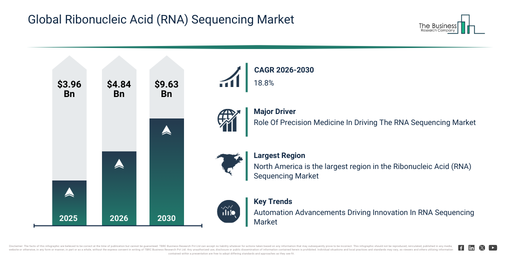
    Ribonucleic Acid (RNA) Sequencing Market Poised To Hit $9.63 Billion By 2030 With A 18.8% CAGR

    The ribonucleic acid (rna) sequencing market has experienced significant expansion in recent years. It is anticipated to grow from $3.96 billion in 2025 to $4.84 billion in 2026, achieving a compound annual growth rate (CAGR) of 22.3%. The market’s past growth is primarily attributable to the increase in genomics research initiatives, the reduction in sequencing costs, the broadening of academic research funding, enhanced utilization of next-generation sequencing, and a heightened demand for gene expression analysis.

    The ribonucleic acid (rna) sequencing market is projected to experience substantial expansion in the coming years. Its valuation is set to reach $9.63 billion by 2030, exhibiting a compound annual growth rate (CAGR) of 18.8%. This anticipated growth during the forecast period is fueled by the heightened uptake of precision medicine approaches, augmented investments in transcriptomics research, the broadening scope of clinical diagnostic sequencing, an escalating integration of AI-driven data analysis, and a magnified emphasis on personalized therapeutics. Key trends foreseen over this period encompass the wider adoption of single-cell rna sequencing, an increase in the utilization of high-throughput sequencing platforms, the progressive integration of sophisticated bioinformatics tools, the expansion of clinical and translational research applications, and a strengthened commitment to data accuracy and reproducibility.

    Get A Free Sample Report With In-Depth Market Insights:

    https://thebusinessresearchcompany.com/sample_request?id=57763351&type=smp&name=Ribonucleic%20Acid%20%28RNA%29%20Sequencing%20Market%20Report%202026&utm_source=Blogs&utm_medium=Paid&utm_campaign=Nov_PR

    Ribonucleic Acid (RNA) Sequencing Market Industry Drivers: What’s Behind The Revenue Growth?

    The ribonucleic acid (RNA) sequencing market is anticipated to expand due to a growing emphasis on precision medicine. Precision medicine, or personalized medicine, is an innovative approach to medical treatment and prevention that considers individual variability in genes, environment, and lifestyle for each person. Personalized medicine holds the potential to provide more effective treatments, driven by advancements in genomics, increasing disease complexity, and regulatory support. RNA sequencing technologies are employed to determine the sequence and quantify the expression levels of RNA molecules within a sample. This enables comprehensive analysis of transcriptomes and offers insights into gene expression patterns, alternative splicing events, and RNA modifications.

    Ribonucleic Acid (RNA) Sequencing Market Segment Analysis And Revenue Potential

    The ribonucleic acid (rna) sequencing market covered in this report is segmented –

    1) By Product Type: Instruments, Reagents And Kits, Software

    2) By Technology: Single Molecule Based Sequencing, Sequence By Synthesis Technology, Nanopore Sequencing Technology, Ion Torrent Semiconductor Sequencing

    3) By Applications: Diagnostics, Drug Discovery, Translational Medicine, Other Applications

    4) By End User: Research And Academia, Hospitals And Clinics, Pharmaceutical And Biotechnology Companies, Other End Users

    Subsegments:

    1) By Instruments: Next-Generation Sequencers, Microarray Instruments, Single-Cell Rna Sequencing Instruments

    2) By Reagents And Kits: Rna Extraction Kits, Rna Sequencing Kits, Library Preparation Kits

    3) By Software: Data Analysis Software, Data Management Software, Bioinformatics Software

    Ribonucleic Acid (RNA) Sequencing Market Growth Trends Reshaping The Competitive Landscape

    Major companies within the ribonucleic acid (RNA) sequencing market are concentrating on RNA next-generation sequencing assays to advance patient care via data-driven insights and precision medicine. An RNA next-generation sequencing assay is defined as a next-generation exome sequencing platform that employs sophisticated genomic sequencing technologies to analyze a patient’s complete exome.

    Ribonucleic Acid (RNA) Sequencing Market Key Players Shaping Industry Direction

    Major companies operating in the ribonucleic acid (rna) sequencing market are F Hoffmann La Roche Ltd, Thermo Fisher Scientific Inc, Danaher Corporation, Merck KGaA, Becton Dickinson And Company, Eurofins Scientific SE, Agilent Technologies Inc, Illumina Inc, PerkinElmer Inc, Beckman Coulter Inc, Bio Rad Laboratories Inc, QIAGEN NV, Tecan Genomics Inc, BGI Genomics Co Ltd, Takara Bio Inc, Abcam Limited, Oxford Nanopore Technologies plc, Pacific Biosciences Of California Inc, Macrogen Inc, Standard BioTools Inc, CD Genomics, Genewiz Inc, Novogene Co Ltd, GENEWIZ Germany GmbH, Azenta Life Sciences

    View The Full Ribonucleic Acid (RNA) Sequencing Market Report:

    https://thebusinessresearchcompany.com/report/ribonucleic-acid-rna-sequencing-global-market-report?utm_source=Blogs&utm_medium=Paid&utm_campaign=Nov_PR

    Ribonucleic Acid (RNA) Sequencing Market Geographic Landscape: Which Region Leads Industry Growth?

    North America was the largest region in the ribonucleic acid (RNA) sequencing market in 2025. Asia-Pacific is expected to be the fastest-growing region in the forecast period. The regions covered in the ribonucleic acid (rna) sequencing market report are Asia-Pacific, South East Asia, Western Europe, Eastern Europe, North America, South America, Middle East, Africa.

    Reach Out To Our Team:

    The Business Research Company: https://www.thebusinessresearchcompany.com/

    Americas: +1 310-496-7795

    Asia: +44 7882 955267 & +91 8897263534

    Europe: +44 7882 955267

    Email us at: marketing@tbrc.info

    Follow us on:

    LinkedIn: https://in.linkedin.com/company/the-business-research-company

    YouTube: https://www.youtube.com/channel/UC24_fI0rV8cR5DxlCpgmyFQ

    Global Market Model: https://www.thebusinessresearchcompany.com/global-market-model
  • Rhinoplasty Market 2026 Outlook: Market Size, CAGR And Key Growth Opportunities

    Rhinoplasty Market 2026 Outlook: Market Size, CAGR And Key Growth Opportunities

    Featuring market attractiveness scoring, total addressable market sizing, company benchmarking matrices, interactive Excel dashboards, deeper supply chain intelligence, emerging startup tracking, and granular product-level insights, The Business Research Company’s 2026 market reports are built to deliver research that is both more actionable and more strategically valuable.

    Rhinoplasty Market Size And Revenue Outlook Through 2030

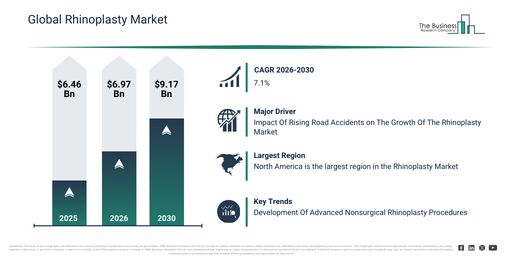
    The rhinoplasty market has experienced robust expansion in recent years. Its size is projected to increase from $6.46 billion in 2025 to $6.97 billion by 2026, demonstrating a compound annual growth rate (CAGR) of 8.0%. Key factors contributing to this historical growth include rising social acceptance of cosmetic surgery, increased availability of trained plastic surgeons, growth of private aesthetic clinics, advancements in surgical techniques, and growing demand for functional nasal corrections.

    The rhinoplasty market size is projected to experience robust expansion over the coming years. This market is anticipated to reach $9.17 billion by 2030, demonstrating a compound annual growth rate (CAGR) of 7.1%. The anticipated growth during this period stems from factors such as the greater acceptance of virtual surgical planning, an increased desire for aesthetic enhancement procedures, the broadening scope of medical tourism, a heightened emphasis on optimizing post-surgical results, and the expanding application of injectable fillers. Key developments expected within the forecast timeframe encompass a heightened preference for minimally invasive procedures, the rising prevalence of non-surgical rhinoplasty methods, the expanded utilization of 3D imaging and simulation tools, an increase in revision and reconstructive interventions, and a stronger focus on individualized aesthetic outcomes.

    Get A Free Sample Report With In-Depth Market Insights:

    https://thebusinessresearchcompany.com/sample_request?id=11753347&type=smp&name=Rhinoplasty%20Market%20Report%202026&utm_source=Blogs&utm_medium=Paid&utm_campaign=Nov_PR

    Rhinoplasty Market Growth Factors: What’s Supporting Expansion?

    The increasing frequency of road accidents is anticipated to stimulate the expansion of the rhinoplasty market in the future. A road accident, also known as a traffic or motor vehicle incident, constitutes an unforeseen occurrence on a public road, involving one or more vehicles, resulting in property damage, injury, or fatalities. The surge in road accidents is attributed to a higher volume of vehicles, driver distraction, and insufficient road safety protocols. In instances of road accidents, rhinoplasty serves to reconstruct and mend nasal injuries, thereby restoring both functionality and aesthetic appeal. This procedure addresses deformities resulting from trauma and breathing difficulties stemming from nasal fractures. As an illustration, in April 2025, data from the National Highway Traffic Safety Administration (NHTSA), a US-based U.S.

    Rhinoplasty Market Segmentation And Category Overview

    The rhinoplasty market covered in this report is segmented –

    1) By Treatment Type: Augmentation, Reduction, Post traumatic, Reconstructive, Revision, Filler, Other Treatment Types

    2) By Technique: Open Rhinoplasty, Closed Rhinoplasty

    3) By End User: Hospitals, Specialty Clinics, Aesthetic Clinic, Others End Users

    Subsegments:

    1) By Augmentation: Nasal Implants, Bone Grafting, Cartilage Grafting

    2) By Reduction: Alar Reduction, Nasal Tip Reduction, Dorsal Hump Reduction

    3) By Post Traumatic: Functional Surgery, Cosmetic Surgery

    4) By Reconstructive: Post-Surgical Reconstruction, Congenital Reconstruction

    5) By Revision: Secondary Rhinoplasty, Tertiary Rhinoplasty

    6) By Filler: Injectable Fillers, Fat Grafting

    7) By Other Treatment Types: Non-Surgical Rhinoplasty, Hybrid Surgical

    Rhinoplasty Market Trends Shaping Long-Term Demand

    Leading companies within the rhinoplasty market are increasingly focusing on developing advanced nonsurgical procedures to sustain their position in the market. Nonsurgical procedures encompass medical treatments and interventions that do not involve making incisions into the body or removing tissue. These methods are less invasive than surgical alternatives and typically require minimal recovery time.

    Rhinoplasty Market Competitive Analysis Of Leading Industry Participants

    Major companies operating in the rhinoplasty market are Medtronic PLC, Stryker Corporation, Zimmer Biomet, Integra Lifesciences Holdings Corporation, MTF Biologics, KLS Martin Group, Syneron Medical Ltd, Sientra Inc., Koken Co Ltd, GC Aesthetics, Merz Aesthetics, Suneva Medical Inc., Implantech Associates Inc., Luminera Derm Ltd, NOUVAG AG, COMEG Medical Technologies, Contura Ltd, Anthony Products Inc, Osteopore, Allergan Aesthetics, Galderma SA, Mentor Worldwide LLC, Establishment Labs Holdings Inc

    View The Full Rhinoplasty Market Report:

    https://thebusinessresearchcompany.com/report/rhinoplasty-global-market-report?utm_source=Blogs&utm_medium=Paid&utm_campaign=Nov_PR

    Rhinoplasty Market Largest Region: Which Geography Holds The Biggest Share?

    North America was the largest region in the rhinoplasty market in 2025. Asia-Pacific is expected to be the fastest-growing region in the forecast period. The regions covered in the rhinoplasty market report are Asia-Pacific, South East Asia, Western Europe, Eastern Europe, North America, South America, Middle East, Africa.

    Reach Out To Our Team:

    The Business Research Company: https://www.thebusinessresearchcompany.com/

    Americas: +1 310-496-7795

    Asia: +44 7882 955267 & +91 8897263534

    Europe: +44 7882 955267

    Email us at: marketing@tbrc.info

    Follow us on:

    LinkedIn: https://in.linkedin.com/company/the-business-research-company

    YouTube: https://www.youtube.com/channel/UC24_fI0rV8cR5DxlCpgmyFQ

    Global Market Model: https://www.thebusinessresearchcompany.com/global-market-model
  • Rheumatic Heart Disease Market Size Growth: From $2.88 Billion In 2026 To $3.6 Billion By 2030

    Rheumatic Heart Disease Market Size Growth: From $2.88 Billion In 2026 To $3.6 Billion By 2030

    Built to provide research that’s more actionable and strategically valuable, The Business Research Company’s 2026 market reports include market attractiveness analysis, total addressable market sizing, company benchmarking matrices, interactive Excel dashboards, broader supply chain intelligence, emerging startup tracking, and in-depth product insights.

    Rheumatic Heart Disease Market Growth From $2.88 Billion In 2026 To $3.6 Billion By 2030 At A CAGR Of 5.8%

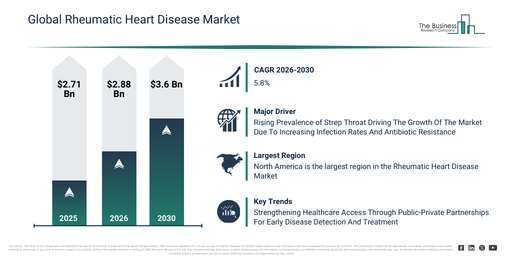
    The size of the rheumatic heart disease market has experienced significant growth in recent years. This market is projected to expand from $2.71 billion in 2025 to $2.88 billion in 2026, demonstrating a compound annual growth rate (CAGR) of 6.1%. Key drivers of this historical expansion include the widespread occurrence of untreated streptococcal infections, inadequate access to early medical care in developing regions, the persistent challenge of rheumatic fever, reliance on traditional clinical diagnostic approaches, and the scarcity of advanced cardiac services.

    The market size for rheumatic heart disease is projected to experience substantial growth in the upcoming years, reaching $3.6 billion by 2030, at a compound annual growth rate (CAGR) of 5.8%. This anticipated expansion over the forecast period is attributed to several factors, including increasing investments in public health screening programs, the rising adoption of digital cardiac diagnostics, a growing awareness of the benefits of early intervention, the expansion of cardiac surgical infrastructure, and an increased focus on disease prevention strategies. Significant trends during the forecast period involve a greater uptake of early diagnostic screening programs, an increasing utilization of echocardiography and other imaging tools, a heightened focus on preventive antibiotic therapies, the expansion of valve repair and replacement procedures, and enhanced monitoring for pediatric and adolescent patients.

    Get A Free Sample Report With In-Depth Market Insights:

    https://thebusinessresearchcompany.com/sample_request?id=95182684&type=smp&name=Rheumatic%20Heart%20Disease%20Market%20Report%202026&utm_source=Blogs&utm_medium=Paid&utm_campaign=Nov_PR

    Rheumatic Heart Disease Market Demand Drivers: What’s Powering Industry Growth?

    The rising occurrence of strep throat is anticipated to fuel the expansion of the rheumatic heart disease market in the future. Strep throat is defined as a bacterial infection stemming from Streptococcus pyogenes (group A streptococcus), causing inflammation and soreness in the throat, frequently accompanied by fever, enlarged lymph nodes, and difficulty in swallowing. The growing resistance to antibiotics is rendering streptococcal infections more challenging to treat successfully, leading to extended periods of illness and increased rates of transmission within populations. Rheumatic heart disease emerges as a chronic consequence of strep throat infections that are either untreated or recur, underscoring the critical need for prompt diagnosis and treatment of streptococcal infections to avert severe damage to the heart.

    Rheumatic Heart Disease Market Segment Outlook: Which Categories Are Growing Fastest?

    The rheumatic heart disease market covered in this report is segmented –

    1) By Type: Valve, Myocarditis, Pericarditis

    2) By Age Group: Pediatric, Adolescent, Adult, Geriatric

    3) By Application: Hospital, Diagnostic Centre, Research Centre

    4) By Distribution Channel: Hospital Pharmacies, Retail Pharmacies, Online Pharmacies, Direct Sales

    Subsegments:

    1) By Valve: Mitral Valve Disease, Aortic Valve Disease, Tricuspid Valve Disease, Pulmonary Valve Disease

    2) By Myocarditis: Acute Myocarditis, Chronic Myocarditis, Fulminant Myocarditis

    3) By Pericarditis: Acute Pericarditis, Chronic Pericarditis, Constrictive Pericarditis, Effusive Pericarditis

    Rheumatic Heart Disease Market Innovation Trends Shaping Future Development

    Leading companies operating in the rheumatic heart disease market are increasingly adopting a strategic partnership approach to develop innovative treatments and diagnostic solutions. These strategic collaborations in rheumatic heart disease (RHD) management effectively combine resources and expertise to drive progress in research and development, improve diagnostic and therapeutic innovations, extend market presence, and expedite commercialization.

    Rheumatic Heart Disease Market Leading Companies And Competitive Benchmarking

    Major companies operating in the rheumatic heart disease market are Pfizer Inc., Merck And Co Inc., Bayer AG, Sanofi SA, AstraZeneca plc, Novartis AG, Abbott Laboratories, GlaxoSmithKline plc, Medtronic plc, Siemens Healthineers AG, Becton Dickinson And Company, GE HealthCare Technologies Inc., Boston Scientific Corporation, Terumo Corporation, Apollo Hospitals Enterprise Limited, Fortis Healthcare Limited, Medanta, Johnson And Johnson Services Inc., Roche Holding AG, Bristol Myers Squibb Company, Takeda Pharmaceutical Company Limited, Daiichi Sankyo Company, Boehringer Ingelheim International GmbH, Edwards Lifesciences Corporation

    View The Full Rheumatic Heart Disease Market Report:

    https://thebusinessresearchcompany.com/report/rheumatic-heart-disease-global-market-report?utm_source=Blogs&utm_medium=Paid&utm_campaign=Nov_PR

    Rheumatic Heart Disease Market Regional Analysis: Which Geography Leads On Revenue?

    North America was the largest region in the rheumatic heart disease market in 2025. The regions covered in the rheumatic heart disease market report are Asia-Pacific, South East Asia, Western Europe, Eastern Europe, North America, South America, Middle East, Africa.

    Reach Out To Our Team:

    The Business Research Company: https://www.thebusinessresearchcompany.com/

    Americas: +1 310-496-7795

    Asia: +44 7882 955267 & +91 8897263534

    Europe: +44 7882 955267

    Email us at: marketing@tbrc.info

    Follow us on:

    LinkedIn: https://in.linkedin.com/company/the-business-research-company

    YouTube: https://www.youtube.com/channel/UC24_fI0rV8cR5DxlCpgmyFQ

    Global Market Model: https://www.thebusinessresearchcompany.com/global-market-model