Blog

  • STD Diagnostics Market Trends Reshaping Industry Growth Through 2030

    STD Diagnostics Market Trends Reshaping Industry Growth Through 2030

    Backed by market attractiveness analysis, total addressable market sizing, company benchmarking matrices, interactive Excel dashboards, wider supply chain intelligence, emerging startup coverage, and detailed product-level insights, The Business Research Company’s 2026 market reports are designed to offer research that is more actionable and strategically valuable than ever.

    STD Diagnostics Market Size Outlook: How Quickly Will Revenue Expand Through 2030?

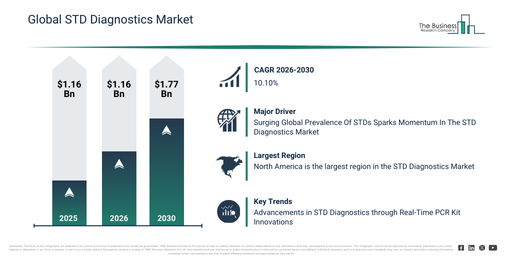
    The std diagnostics market size has shown rapid expansion in recent years. This market is set to increase from $10.77 billion in 2025 to $11.91 billion in 2026, exhibiting a compound annual growth rate (CAGR) of 10.6%. Historically, this growth can be attributed to factors such as the increasing prevalence of sexually transmitted infections, the expansion of diagnostic laboratory infrastructure, the development of public health screening programs, rising awareness of sexual health, and the availability of advanced nucleic acid testing.

    The std diagnostics market size is projected to experience swift expansion over the coming years. By 2030, this market is anticipated to reach $17.52 billion, exhibiting a compound annual growth rate (CAGR) of 10.1%. The expansion during the forecast period is fueled by several factors, including a heightened demand for rapid diagnostics, the growing acceptance of home-based testing kits, broader penetration of molecular diagnostics, increased investments in public health surveillance, and a stronger emphasis on confidential and accessible testing services. Key trends for the forecast duration involve a greater uptake of rapid and point-of-care std tests, the expanding utilization of molecular diagnostic technologies, increasing incorporation of automated laboratory systems, the proliferation of at-home std testing solutions, and an intensified focus on early and precise disease detection.

    Get A Free Sample Report With In-Depth Market Insights:

    https://thebusinessresearchcompany.com/sample_request?id=47092716&type=smp&name=STD%20Diagnostics%20Market%20Report%202026&utm_source=Blogs&utm_medium=Paid&utm_campaign=Oct_PR

    STD Diagnostics Market Growth Drivers: What’s Behind The Acceleration?

    The increasing occurrence of sexually transmitted diseases is anticipated to propel the expansion of the STD diagnostics market in the future. Sexually transmitted diseases (STDs) are infections spread via sexual contact, necessitating professional medical diagnosis and intervention. This rise in STD prevalence stems from heightened sexual activity and evolving social norms among younger demographics, where diminished stigma regarding sexual health and enhanced mobility foster broader sexual networks and accelerate transmission rates. The expanding prevalence of STDs directly fuels a greater need for diagnostic testing services and products, given that healthcare professionals depend on precise laboratory tests, screening kits, and detection methods to identify infections and curb their spread. As an illustration, in September 2025, the Centers for Disease Control and Prevention, a US-based government administration, reported that congenital syphilis had escalated for the twelfth successive year, totaling nearly 4,000 reported cases in 2024. Consequently, the increasing incidence of STDs is a key factor propelling the expansion of the STD diagnostics market.

    STD Diagnostics Market Breakdown By Product Type And Application

    The std diagnostics market covered in this report is segmented –

    1) By Type: Chlamydia Testing, Syphilis Testing, Gonorrhea Testing, Herpes Simplex Virus Testing, Human Papilloma Virus Testing, Human Immunodeficiency Virus Testing, Chancroid Testing

    2) By Location Of Testing: Laboratory Testing, Point Of Care (PoC) Testing

    3) By End-User: Hospitals And Clinics, Diagnostic Centers, Homecare

    Subsegments:

    1) By Chlamydia Testing: Nucleic Acid Amplification Tests (NAAT), Antigen Tests

    2) By Syphilis Testing: Rapid Plasma Reagin (RPR) Tests, Treponemal Tests

    3) By Gonorrhea Testing: Nucleic Acid Amplification Tests (NAAT), Culture Tests

    4) By Herpes Simplex Virus Testing: PCR Tests, Serological Tests

    5) By Human Papilloma Virus Testing: HPV DNA Tests, HPV RNA Tests

    6) By Human Immunodeficiency Virus Testing: Antibody Tests, Antigen Or Antibody Tests, Nucleic Acid Tests (NAT)

    7) By Chancroid Testing: Culture Tests, Nucleic Acid Tests

    STD Diagnostics Market Trends: What’s Defining The Industry’s Next Phase?

    Leading companies in the STD diagnostics market are dedicated to developing innovative products, such as real-time PCR kits, to address outstanding medical needs and enhance diagnostic capabilities. A real-time PCR kit comprises a set of reagents utilized for performing real-time polymerase chain reaction (qPCR), which is a highly sensitive and widely adopted technique for detecting and quantifying specific nucleic acid sequences. For instance, in March 2023, Jiangsu Bioperfectus Technologies Co. Ltd., a China-based research and development company, launched the Mycoplasma Hominis Real Time PCR Kit and the Treponema Pallidum Real Time PCR Kit, which are designed for the identification of Mycoplasma hominis and Treponema pallidum. Moreover, these products exhibit high sensitivity and specificity, ease of use, rapid turnaround time, and the capability to detect several pathogens in a single test.

    STD Diagnostics Market Key Players Shaping Industry Direction

    Major companies operating in the std diagnostics market are Abbott Laboratories, Qiagen Inc., Danaher Corporation, F. Hoffmann-La Roche AG, Hologic Inc., Bio-Rad Laboratories Inc., Becton Dickinson and Company, Thermo Fisher Scientific Inc., Biocartis NV, Trinity Biotech PLC, Binx Health Inc., NOWDiagnostics Inc., Atlas Genetics Ltd., BioFire Diagnostics LLC, BioMérieux SA, Chembio Diagnostic Systems Inc., Corgenix Medical Corporation, Creative Diagnostics, Curetis AG, Daktari Diagnostics, Enzo Biochem Inc., Fujirebio Diagnostics Inc., GenePOC Inc., GenMark Diagnostics Inc., Grifols Diagnostic Solutions Inc., Hain Lifescience GmbH, Luminex Corporation, Meridian Bioscience Inc., Mesa Biotech Inc., Mobidiag Oy

    View The Full STD Diagnostics Market Report:

    https://thebusinessresearchcompany.com/report/STD-diagnostics-global-market-report?utm_source=Blogs&utm_medium=Paid&utm_campaign=Oct_PR

    STD Diagnostics Market Regional Analysis: Which Geography Leads On Revenue?

    North America was the largest region in the STD diagnostics market share in 2025. Asia-Pacific is expected to be the fastest-growing region in the forecast period. The regions covered in the std diagnostics market report are Asia-Pacific, South East Asia, Western Europe, Eastern Europe, North America, South America, Middle East, Africa.

    Reach Out To Our Team:

    The Business Research Company: https://www.thebusinessresearchcompany.com/

    Americas: +1 310-496-7795

    Asia: +44 7882 955267 & +91 8897263534

    Europe: +44 7882 955267

    Email us at: marketing@tbrc.info

    Follow us on:

    LinkedIn: https://in.linkedin.com/company/the-business-research-company

    YouTube: https://www.youtube.com/channel/UC24_fI0rV8cR5DxlCpgmyFQ

    Global Market Model: https://www.thebusinessresearchcompany.com/global-market-model
  • Spirometer Market Growth To $1.83 Billion Creates New Opportunities Across The Industry

    Spirometer Market Growth To $1.83 Billion Creates New Opportunities Across The Industry

    Featuring market attractiveness scoring, total addressable market sizing, company benchmarking matrices, interactive Excel dashboards, deeper supply chain intelligence, emerging startup tracking, and granular product-level insights, The Business Research Company’s 2026 market reports are built to deliver research that is both more actionable and more strategically valuable.

    Spirometer Market Size, Value And Growth Trajectory Through 2030

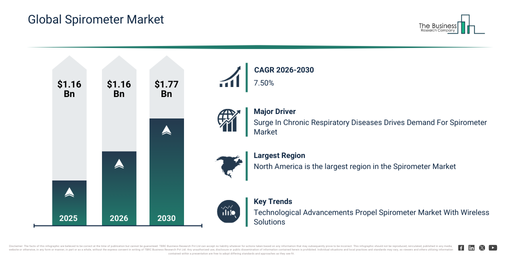
    The spirometer market has demonstrated significant growth over recent years. Its valuation is anticipated to climb from $1.27 billion in 2025 to $1.37 billion in 2026, reflecting a compound annual growth rate (CAGR) of 7.9%. This historical expansion can be attributed to a combination of factors, including the increasing prevalence of respiratory disorders, the rise in hospital-based pulmonary diagnostics, greater awareness surrounding lung health assessment, the establishment of standardized spirometry guidelines, and the wider adoption of diagnostic equipment.

    The spirometer market is anticipated to experience substantial expansion over the coming years. Its valuation is set to reach $1.83 billion by 2030, demonstrating a compound annual growth rate (CAGR) of 7.5%. This projected increase during the forecast period is driven by factors such as the rising acceptance of home-based respiratory monitoring, the escalating need for telehealth-enabled diagnostic tools, increasing financial commitments to digital healthcare infrastructure, a heightened emphasis on identifying diseases earlier, and the broader availability of software-integrated spirometry systems. Prominent developments anticipated in this period include the wider adoption of digital and connected spirometers, a growing integration of software for analyzing lung function, the increased use of portable and handheld spirometers, an expansion of capabilities for remote respiratory monitoring, and a reinforced focus on the accuracy and standardization of diagnoses.

    Get A Free Sample Report With In-Depth Market Insights:

    https://thebusinessresearchcompany.com/sample_request?id=76874853&type=smp&name=Spirometer%20Market%20Report%202026&utm_source=Blogs&utm_medium=Paid&utm_campaign=Oct_PR

    Spirometer Market Growth Factors Behind Sustained Expansion

    The growing occurrence of chronic respiratory illnesses is anticipated to fuel the demand for the spirometer market in the future. These conditions are long-term ailments affecting the airways and various lung components, including conditions like asthma, chronic obstructive pulmonary disease (COPD), lung cancer, cystic fibrosis, sleep apnea, and occupational lung diseases. Factors contributing to chronic respiratory diseases encompass smoking, exposure to air pollution, occupational hazards, and genetic predispositions. Spirometers assist in managing chronic respiratory diseases by enabling the measurement of lung function, which in turn permits medical professionals to track disease advancement and gauge the efficacy of treatments. This data is crucial for tailoring medications and formulating individualized care strategies, ultimately improving patients’ respiratory well-being. As an illustration, in November 2024, the Australian Institute of Health and Welfare, an Australian government agency, reported that in 2023, the category of respiratory conditions accounted for 7.2% of the total disease burden, 8.5% of disabling illnesses that are not fatal, and 5.8% of premature fatalities. Consequently, the rising prevalence of chronic respiratory ailments is stimulating demand for the spirometer market.

    Spirometer Market Segment Analysis And Revenue Potential

    The spirometer market covered in this report is segmented –

    1) By Type: Handheld, Table Top, Desktop

    2) By Technology: Volume Measurement, Flow Measurement

    3) By Application: Asthma, COPD, Cystic Fibrosis, Pulmonary Fibrosis, Other Applications

    4) By End-Use: Hospitals And Clinics, Home Healthcare

    Subsegments:

    1) By Hand-held: Digital Hand-held Spirometers, Mechanical Hand-held Spirometers

    2) By Table Top: Electronic Table Top Spirometers, Ultrasonic Table Top Spirometers

    3) By Desktop: Digital Desktop Spirometers, Software-Integrated Desktop Spirometers

    Spirometer Market Industry Trends Fueling Future Revenue Growth

    Leading companies within the spirometer market are concentrating on creating advanced solutions, such as application-based platforms, to assist individuals in monitoring their lung health and sharing information with healthcare providers. These platforms in the spirometer market offer users the capability to track their lung function, receive immediate feedback, and transmit data to medical professionals, thereby enhancing the management of various respiratory ailments. For example, in May 2023, CMI Health Inc., a medical equipment manufacturer based in the US, introduced AsthmaGo. This innovative application-based platform is designed for asthma management, incorporating the SpiroLink digital spirometer, which allows users to conveniently measure lung performance and oxygen levels from their homes. The system empowers asthma sufferers, including pediatric patients, to effectively control their condition and share health metrics with caregivers for tailored support.

    Spirometer Market Competitive Analysis Of Leading Industry Participants

    Major companies operating in the spirometer market are Fukuda Sangyo Co. Ltd., Geratherm Respiratory GmbH, Jones Medical Instrument Company, Koninklijke Philips N.V., Ndd Medical Technologies Inc., nSpire Health Inc., Schiller AG, Sibelmed Sau, Smiths Medical Inc., Vitalograph Ltd., Vyaire Medical Inc., Welch Allyn Inc., Baxter International Inc., Benson Medical Instruments Co., Chest M.I. Inc., COSMED srl, Depisteo LLC, Henry Schein Inc., ICU Medical Inc., MGC Diagnostics Corporation, Midmark Corporation, Minato Medical Science Co Ltd., Nuvoair AB, OHD (SCHAUENBURG International, Recorders & Medicare Systems Pvt Ltd., Teleflex Incorporated, Morgan Scientific Inc., Futuremed America Inc.

    View The Full Spirometer Market Report:

    https://thebusinessresearchcompany.com/report/spirometer-global-market-report?utm_source=Blogs&utm_medium=Paid&utm_campaign=Oct_PR

    Spirometer Market Geographic Spread And Regional Opportunities

    North America was the largest region in the spirometer market share in 2025. The regions covered in the spirometer market report are Asia-Pacific, South East Asia, Western Europe, Eastern Europe, North America, South America, Middle East, Africa.

    Reach Out To Our Team:

    The Business Research Company: https://www.thebusinessresearchcompany.com/

    Americas: +1 310-496-7795

    Asia: +44 7882 955267 & +91 8897263534

    Europe: +44 7882 955267

    Email us at: marketing@tbrc.info

    Follow us on:

    LinkedIn: https://in.linkedin.com/company/the-business-research-company

    YouTube: https://www.youtube.com/channel/UC24_fI0rV8cR5DxlCpgmyFQ

    Global Market Model: https://www.thebusinessresearchcompany.com/global-market-model
  • Spine Implants Market Forecast: Breaking Down The Numbers Behind Future Expansion

    Spine Implants Market Forecast: Breaking Down The Numbers Behind Future Expansion

    Built to provide research that’s more actionable and strategically valuable, The Business Research Company’s 2026 market reports include market attractiveness analysis, total addressable market sizing, company benchmarking matrices, interactive Excel dashboards, broader supply chain intelligence, emerging startup tracking, and in-depth product insights.

    Spine Implants Market CAGR Outlook And Future Development

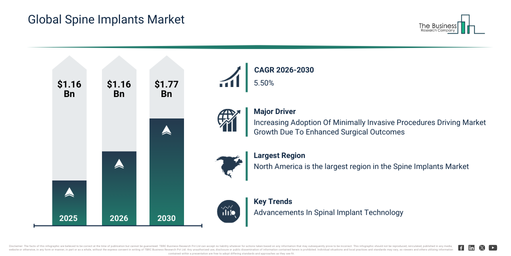
    Recent years have witnessed strong growth in the spine implants market size. This market is anticipated to expand from $11.95 billion in 2025 to $12.62 billion by 2026, maintaining a compound annual growth rate (CAGR) of 5.6%. The historical expansion can be linked to an increase in degenerative spine disorders, elevated surgical intervention rates, the proliferation of spine specialty hospitals, better availability of spinal implant materials, and a wider embrace of fusion procedures.

    The spine implants market is projected to experience substantial expansion over the upcoming years, with expectations to reach $15.65 billion by 2030, demonstrating a compound annual growth rate (CAGR) of 5.5%. This growth during the prediction period stems from several factors, including a heightened need for personalized implants, the increasing embrace of less invasive spine surgeries, the broader availability of spine solutions utilizing biologics, an intensified emphasis on quicker patient recovery, and ongoing technological advancements in implant design. Key trends during this period are expected to encompass the growing acceptance of devices designed for motion preservation, a greater call for sophisticated spinal fusion implants, the expanded application of biologic substances in spine operations, the proliferation of minimally invasive implant methods, and a sharpened focus on the enduring effectiveness of implants.

    Get A Free Sample Report With In-Depth Market Insights:

    https://thebusinessresearchcompany.com/sample_request?id=22936090&type=smp&name=Spine%20Implants%20Market%20Report%202026&utm_source=Blogs&utm_medium=Paid&utm_campaign=Oct_PR

    Spine Implants Market Demand Drivers Opening New Revenue Streams

    The expanding use of minimally invasive techniques is projected to stimulate the future expansion of the spine implants market. These procedures encompass medical and surgical approaches that employ small cuts, precise tools, and sophisticated imaging systems to identify, manage, or conduct operations within the body. The surge in minimally invasive procedures stems from substantial advantages for patients, notably smaller incisions, which lead to decreased pain after surgery, quicker hospital discharges, and a significantly accelerated overall recuperation period relative to conventional open operations. In spine implant operations, minimally invasive methods are becoming more prevalent, providing benefits like less tissue harm and faster healing. For example, data from Intuitive Surgical, a US-based medical technology company, indicated in January 2025 that global da Vinci procedures, a form of minimally invasive robotic-assisted surgery, saw growth of approximately 18% in the fourth quarter of 2024 compared to the fourth quarter of 2023. Additionally, full-year 2024 procedures expanded by roughly 17% over 2023, and the company anticipates worldwide da Vinci procedures will rise by about 13% to 16% in 2025 relative to 2024. Consequently, the growing acceptance of minimally invasive techniques is propelling the expansion of the spine implants market.

    Spine Implants Market Segmentation And Category Overview

    The spine implants market covered in this report is segmented –

    1) By Product: Spinal Fusion Devices, Non-Fusion Devices/Motion Preservation Devices, Vertebral Compression Fracture (VCF) Treatment Devices, Spinal Bone Stimulators, Spine Biologics

    2) By Procedure: Open Surgery, Minimally Invasive Surgery (MIS)

    3) By Material: Metallic, Polymeric, Ceramic

    4) By End User: Hospitals, Specialty Orthopedic And Spine Centers, Ambulatory Surgical Centers

    Subsegments:

    1) By Spinal Fusion Devices: Interbody Fusion Cages, Pedicle Screws And Rods, Bone Grafts And Substitutes

    2) By Non-Fusion Devices / Motion Preservation Devices: Artificial Discs, Dynamic Stabilization Devices, Interspinous Spacers

    3) By Vertebral Compression Fracture (VCF) Treatment Devices: Kyphoplasty Balloons, Vertebroplasty Kits

    4) By Spinal Bone Stimulators: Electrical Bone Stimulators, Ultrasound Bone Stimulators

    5) By Spine Biologics: Bone Graft Materials (Synthetic And Natural), Growth Factors And Stem Cell Products

    Spine Implants Market Trends Powering Strategic Industry Growth

    Major companies in the spinal implants market are developing advanced products, such as vertebral compression fracture repair systems, to provide minimally invasive options that effectively ease pain, restore vertebral height, and facilitate quicker recovery. Vertebral compression fracture repair systems are medical devices and techniques used to stabilize and reinstate the height of fractured vertebrae, typically through minimally invasive procedures like vertebroplasty or kyphoplasty, to alleviate pain and improve spinal function. For instance, in January 2024, Accelus, a US-based provider of surgical instruments and implants, launched the Linesider Modular-Cortical System, which will be utilized during spinal implant procedures. A key feature of this technology is its capacity for surgeons to place screw shanks early in the procedure, boosting efficiency. It permits customization of the construct using modular tulips and rods, offering flexibility during surgery. Additionally, the system is offered in both open modular and cortical modular sets, catering to various surgical approaches.

    Spine Implants Market Leading Companies And Competitive Benchmarking

    Major companies operating in the spine implants market are Medtronic, Johnson & Johnson, Stryker, NuVasive, Zimmer Biomet, Orthofix, SeaSpine, Atlas Surgical, Auxein Medical, Sharma Spine Medical, Teijin Nakashima Medical, Seikagaku, Anatomics, NZOA, Tianjin Walkman Biomaterials, Sunan Zimede, Smith & Nephew, aap Implantate AG, Orthopaedic & Spine Development (OSD), Waldemar Link, Amplitude SAS, Precision Medical Technologies, Baltic Implants, Beznoska Company Ltd, SpineGuard, Integra Life Sciences, B. Braun, Benvenue Medical, DePuy Synthes, Globus Medical, Aesculap, Alphatec Spine, Neoortho, NOVAX DMA, Spine Argentina, SAI, Shaarani Group, SASpine, EliteSurgical, TiTaMED

    View The Full Spine Implants Market Report:

    https://thebusinessresearchcompany.com/report/spine-implants-global-market-report?utm_source=Blogs&utm_medium=Paid&utm_campaign=Oct_PR

    Spine Implants Market Top Region By Revenue And Market Share

    North America was the largest region in the spine implants market in 2025. Western Europe was the second largest region in the spine implants market report. The regions covered in the spine implants market report are Asia-Pacific, South East Asia, Western Europe, Eastern Europe, North America, South America, Middle East, Africa.

    Reach Out To Our Team:

    The Business Research Company: https://www.thebusinessresearchcompany.com/

    Americas: +1 310-496-7795

    Asia: +44 7882 955267 & +91 8897263534

    Europe: +44 7882 955267

    Email us at: marketing@tbrc.info

    Follow us on:

    LinkedIn: https://in.linkedin.com/company/the-business-research-company

    YouTube: https://www.youtube.com/channel/UC24_fI0rV8cR5DxlCpgmyFQ

    Global Market Model: https://www.thebusinessresearchcompany.com/global-market-model
  • Spine Augmentation Systems Market Expected To Grow At 7.5% CAGR Through 2030: What Businesses Need To Know

    Spine Augmentation Systems Market Expected To Grow At 7.5% CAGR Through 2030: What Businesses Need To Know

    Backed by market attractiveness analysis, total addressable market sizing, company benchmarking matrices, interactive Excel dashboards, wider supply chain intelligence, emerging startup coverage, and detailed product-level insights, The Business Research Company’s 2026 market reports are designed to offer research that is more actionable and strategically valuable than ever.

    Spine Augmentation Systems Market Set To Climb From $2.31 Billion In 2026 To $3.08 Billion By 2030

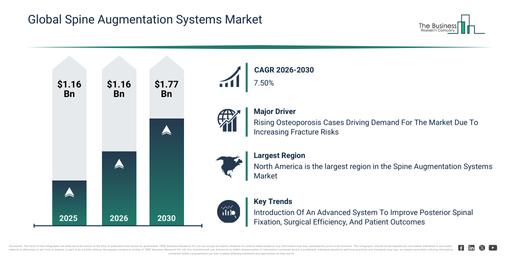
    The spine augmentation systems market size has experienced strong growth in recent years. This market is projected to expand from $2.14 billion in 2025 to $2.31 billion in 2026, achieving a compound annual growth rate (CAGR) of 7.6%. The expansion observed in the historic period can be ascribed to a rising frequency of vertebral compression fractures, increasing utilization of kyphoplasty and vertebroplasty procedures, advancements in bone cement technologies, the expansion of minimally invasive spine surgery practices, and growing awareness regarding osteoporosis management.

    The market size for spine augmentation systems is anticipated to experience robust growth in the coming years. This market is set to expand to $3.08 billion by 2030, achieving a compound annual growth rate (CAGR) of 7.5%. This projected growth can be attributed to an aging population with increasing instances of osteoporosis, a rising demand for outpatient spine augmentation procedures, the growing adoption of bioactive bone cements, the expansion of image-guided spine interventions, and an increasing focus on solutions for rapid pain relief. Prominent trends for the forecast period include the increasing uptake of minimally invasive vertebral augmentation procedures, a rising utilization of advanced bone cement formulations, the growing deployment of expandable vertebral implants, the expansion of image-guided spine augmentation systems, and an enhanced focus on treating osteoporosis-related fractures.

    Get A Free Sample Report With In-Depth Market Insights:

    https://thebusinessresearchcompany.com/sample_request?id=19026131&type=smp&name=Spine%20Augmentation%20Systems%20Market%20Report%202026&utm_source=Blogs&utm_medium=Paid&utm_campaign=Oct_PR

    Spine Augmentation Systems Market Growth Backed By Core Demand Fundamentals

    The widespread occurrence of osteoporosis is expected to fuel the expansion of the spine augmentation systems market. Osteoporosis is a medical condition characterized by weakened bones, making them fragile and more susceptible to fractures due to diminished bone density and structural degradation. The increasing incidence of osteoporosis is partially influenced by lifestyle choices, including poor nutrition, insufficient physical activity, and inadequate calcium intake. Spine augmentation systems assist osteoporosis patients by stabilizing fractured vertebrae, easing pain, and correcting spinal alignment through minimally invasive interventions. For example, according to the Institute for Health Transformation, an Australia-based health research institute, Australia registered a fracture every 2.7 minutes in 2023, and this frequency is anticipated to dramatically rise to one fracture every 30 seconds by 2033, as reported in July 2025. Therefore, the high prevalence of osteoporosis is a primary driver for the growth of the spine augmentation systems market.

    Spine Augmentation Systems Market Segment Outlook: Which Categories Are Growing Fastest?

    The spine augmentation systems market covered in this report is segmented –

    1) By Product: Vertebroplasty Systems, Kyphoplasty Systems, Bone Cement Systems, Biologic Agents, Implants

    2) By Material: Polymethylmethacrylate (PMMA), Calcium Phosphate, Hydroxyapatite, Bioactive Glass

    3) By Application: Spinal Fractures, Spinal Deformities, Spinal Tumors, Degenerative Disc Disease, Osteoporosis-Related Fractures

    4) By End User: Hospitals, Ambulatory Surgery Centers, Orthopedic Clinics, Spine Specialty Centers, Interventional Spine Centers

    Subsegments:

    1) By Vertebroplasty Systems: Bone Cement Delivery Devices, Needles And Cannulas, Guidance And Navigation Systems

    2) By Kyphoplasty Systems: Balloon Catheters, Inflation Devices, Bone Cement Delivery Systems

    3) By Bone Cement Systems: Polymethyl Methacrylate (PMMA) Cement, Calcium Phosphate Cement, Composite Bone Cements

    4) By Biologic Agents: Bone Grafts, Bone Morphogenetic Proteins (BMPs)

    5) By Implants: Expandable Implants, Vertebral Body Stents, Pedicle Screws And Fixation Devices

    Spine Augmentation Systems Market Growth Trends Reshaping The Competitive Landscape

    Leading companies within the spine augmentation systems market are concentrating on creating sophisticated technological solutions, including posterior spinal fixation systems, to improve patient results and operational effectiveness. A posterior spinal fixation system is defined as a surgical approach and a collection of medical instruments utilized to stabilize and immobilize the spine from the rear during spinal fusion surgeries. For instance, in February 2025, Globus Medical Inc., a US-based orthopedic medical device company, unveiled the HILINE System, an advanced posterior spinal fixation solution crafted to elevate surgical efficiency, adaptability, and precision in challenging spinal operations. This system incorporates streamlined instrumentation, modular implants, and innovative screw delivery mechanisms, all designed to enhance procedural outcomes. Its construction is intended to give surgeons increased flexibility and accuracy, thereby advancing patient care and facilitating recovery.

    Spine Augmentation Systems Market Industry Leaders And Competitive Landscape

    Major companies operating in the spine augmentation systems market are Johnson & Johnson, Medtronic plc, Stryker Corporation, Zimmer Biomet Holdings Inc., NuVasive Inc., Globus Medical Inc., Orthofix Medical Inc., Aesculap Implant Systems LLC, Alphatec Spine Inc., RTI Surgical Inc., B. Braun Melsungen AG, Autocam Medical Devices LLC, ulrich GmbH & Co. KG, ChoiceSpine LLC, Spine Wave Inc., Benvenue Medical Inc., CarboFix Orthopedics Ltd., Amber Implants BV, Osseus Fusion Systems LLC, GS Medical LLC, Neuro France Implants SAS

    View The Full Spine Augmentation Systems Market Report:

    https://thebusinessresearchcompany.com/report/spine-augmentation-systems-global-market-report?utm_source=Blogs&utm_medium=Paid&utm_campaign=Oct_PR

    Spine Augmentation Systems Market Regional Analysis And Top Geography

    North America was the largest region in the spine augmentation systems market in 2025. Asia-Pacific is expected to be the fastest-growing region in the forecast period. The regions covered in the spine augmentation systems market report are Asia-Pacific, South East Asia, Western Europe, Eastern Europe, North America, South America, Middle East, Africa.

    Reach Out To Our Team:

    The Business Research Company: https://www.thebusinessresearchcompany.com/

    Americas: +1 310-496-7795

    Asia: +44 7882 955267 & +91 8897263534

    Europe: +44 7882 955267

    Email us at: marketing@tbrc.info

    Follow us on:

    LinkedIn: https://in.linkedin.com/company/the-business-research-company

    YouTube: https://www.youtube.com/channel/UC24_fI0rV8cR5DxlCpgmyFQ

    Global Market Model: https://www.thebusinessresearchcompany.com/global-market-model
  • Spinal Trauma Devices Market Forecast To Reach $13.08 Billion By 2030: Key Trends Explained

    Spinal Trauma Devices Market Forecast To Reach $13.08 Billion By 2030: Key Trends Explained

    Featuring market attractiveness scoring, total addressable market sizing, company benchmarking matrices, interactive Excel dashboards, deeper supply chain intelligence, emerging startup tracking, and granular product-level insights, The Business Research Company’s 2026 market reports are built to deliver research that is both more actionable and more strategically valuable.

    Spinal Trauma Devices Market Forecast: Value Set To Climb From $9.64 Billion To $13.08 Billion

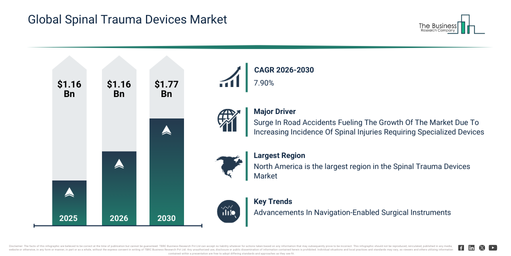
    The market for spinal trauma devices has experienced significant growth recently. This market is projected to expand from $8.91 billion in 2025 to reach $9.64 billion in 2026, demonstrating a compound annual growth rate (CAGR) of 8.1%. Historically, this growth has been driven by several factors, including a rise in road accidents and subsequent spinal injuries, the expanded application of spinal fusion devices in trauma settings, innovations in treatments for vertebral fractures, an increase in the number of specialized trauma centers, and the greater embrace of surgical spinal stabilization procedures.

    The spinal trauma devices market is anticipated to experience substantial expansion over the coming years. It is projected to reach $13.08 billion in 2030, exhibiting a compound annual growth rate (CAGR) of 7.9%. This projected growth during the forecast period is driven by factors such as the increasing demand for minimally invasive trauma surgeries, greater investments in sophisticated trauma care infrastructure, the expanding application of biologics for spinal healing, the proliferation of ambulatory spine surgery facilities, and a heightened emphasis on achieving faster patient recovery outcomes. Key trends observed during this period encompass the growing adoption of minimally invasive trauma fixation devices, the escalating utilization of advanced spinal biologics, a rising inclination towards motion preservation technologies, the wider deployment of rapid stabilization systems for acute trauma, and an intensified focus on post-trauma spinal alignment.

    Get A Free Sample Report With In-Depth Market Insights:

    https://thebusinessresearchcompany.com/sample_request?id=45775231&type=smp&name=Spinal%20Trauma%20Devices%20Market%20Report%202026&utm_source=Blogs&utm_medium=Paid&utm_campaign=Oct_PR

    Spinal Trauma Devices Market Growth Catalysts And Demand Drivers

    An increasing incidence of road accidents is anticipated to fuel the expansion of the spinal trauma devices market in the future. These accidents encompass vehicular incidents, as well as those involving pedestrians or cyclists, frequently resulting in serious injuries, notably spinal trauma. The surge in road accidents stems from irresponsible driving practices like speeding, distracted driving, impaired driving, and disregarding traffic signals, all of which substantially elevate the likelihood of collisions and subsequent injuries. Such accidents can inflict spinal injuries via abrupt impacts or forceful motions, thereby creating a demand for spinal trauma devices to ensure spinal stability and protection. For example, data from the Road Safety Data Hub, an Australia-based government initiative offering a central repository for road safety statistics, indicated that the national road fatality rate for the 12 months ending October 2025 was 4.9 deaths per 100,000 population. This figure marked a 5.2% year-on-year increase compared to the previous corresponding period. Consequently, the escalating occurrence of road accidents is a key factor propelling the expansion of the spinal trauma devices market.

    Spinal Trauma Devices Market Segment Landscape: Which Areas Lead Development?

    The spinal trauma devices market covered in this report is segmented –

    1) By Product: Spinal Fusion Devices, Spinal Biologics, Vertebral Compression Fracture Treatment Devices, Spinal Bone Growth Stimulators, Spinal Bone Grafts

    2) By Technology: Fusion And Fixation Technology, Vertebral Compression Fracture Treatment, Motion Preservation Technologies

    3) By Type Of Surgery: Open Surgery, Minimally Invasive Surgery

    4) By End User: Hospitals And Clinics, Ambulatory Surgery Centers

    Subsegments:

    1) By Spinal Fusion Devices: Pedicle Screw Systems, Plates, Rods, Cages

    2) By Spinal Biologics: Bone Graft Substitutes, Platelet-Rich Plasma (PRP), Bone Morphogenetic Proteins (BMPs)

    3) By Vertebral Compression Fracture Treatment Devices: Balloon Kyphoplasty Devices, Vertebroplasty Devices

    4) By Spinal Bone Growth Stimulators: Implanted Bone Growth Stimulators, External Bone Growth Stimulators, Ultrasonic Bone Growth Stimulators

    5) By Spinal Bone Grafts: Autografts, Allografts, Synthetic Bone Grafts

    Spinal Trauma Devices Market Trends Shaping Long-Term Demand

    Major companies operating in the spinal trauma devices market are prioritizing the creation of sophisticated products, such as integrated navigation-enabled instruments, to elevate surgical precision, optimize operational workflows, and achieve better patient results. An integrated navigation-enabled instrument system involves the combination of advanced implants with instruments specifically engineered for smooth compatibility with enabling technologies, thereby aiming to more effectively manage intricate spine conditions. As an illustration, DePuy Synthes, a US-based medical device manufacturer, introduced the TriALTIS Spine System in April 2024. This innovative posterior thoracolumbar pedicle screw system provides an extensive implant selection along with advanced instrumentation crafted for integration with both power and navigation technologies. By blending a fresh collection of implants with a digital ecosystem, the TriALTIS Spine System endeavors to address unmet clinical requirements and support surgeons in obtaining more reliable outcomes for various complex spine conditions, including those related to degeneration, tumors, trauma, and deformities.

    Spinal Trauma Devices Market Key Participants And Competitive Landscape

    Major companies operating in the spinal trauma devices market are Johnson & Johnson, Medtronic plc, Stryker Corporation, Zimmer Biomet Holdings Inc., Smith & Nephew plc, Globus Medical Inc., MicroPort Scientific Corporation, ZimVie Inc., Orthofix Medical Inc., Alphatec Holdings Inc., RTI Surgical Inc., B. Braun SE, Xtant Medical Holdings Inc., Spineart SA, GS Medical, Genesys Orthopedic Systems LLC, ChoiceSpine LLC, DePuy Synthes, NuVasive Inc., SeaSpine Holdings Corporation, K2M Group Holdings Inc., Life Spine Inc.

    View The Full Spinal Trauma Devices Market Report:

    https://thebusinessresearchcompany.com/report/spinal-trauma-devices-global-market-report?utm_source=Blogs&utm_medium=Paid&utm_campaign=Oct_PR

    Spinal Trauma Devices Market Geographic Analysis: Where Is Demand Rising Fastest?

    North America was the largest region in the spinal trauma devices market in 2025. Asia-Pacific is expected to be the fastest-growing region in the forecast period. The regions covered in the spinal trauma devices market report are Asia-Pacific, South East Asia, Western Europe, Eastern Europe, North America, South America, Middle East, Africa.

    Reach Out To Our Team:

    The Business Research Company: https://www.thebusinessresearchcompany.com/

    Americas: +1 310-496-7795

    Asia: +44 7882 955267 & +91 8897263534

    Europe: +44 7882 955267

    Email us at: marketing@tbrc.info

    Follow us on:

    LinkedIn: https://in.linkedin.com/company/the-business-research-company

    YouTube: https://www.youtube.com/channel/UC24_fI0rV8cR5DxlCpgmyFQ

    Global Market Model: https://www.thebusinessresearchcompany.com/global-market-model
  • Portable Transcranial Stimulation Device Market Analysis Through 2030: Market Size, Growth Trends And Industry Outlook

    Portable Transcranial Stimulation Device Market Analysis Through 2030: Market Size, Growth Trends And Industry Outlook

    Backed by market attractiveness analysis, total addressable market sizing, company benchmarking matrices, interactive Excel dashboards, wider supply chain intelligence, emerging startup coverage, and detailed product-level insights, The Business Research Company’s 2026 market reports are designed to offer research that is more actionable and strategically valuable than ever.

    Portable Transcranial Stimulation Device Market Size, Value And Growth Trajectory Through 2030

    The portable transcranial stimulation device market has experienced significant expansion in recent years. It will grow from $1.37 billion in 2025 to $1.51 billion in 2026 at a compound annual growth rate (CAGR) of 10.1%. Historically, this growth has been fueled by factors such as an increase in neurological disorders, advancements in neurostimulation technology, growing mental health awareness, the demand for non-invasive therapies, and increased clinical research.

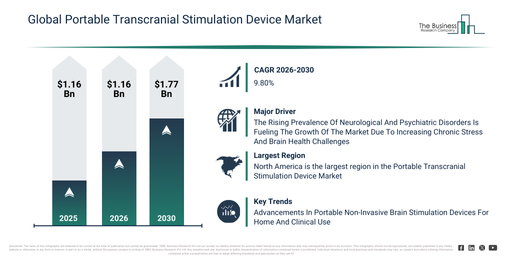
    The portable transcranial stimulation device market is projected for significant expansion in the coming years. It will grow to $2.18 billion in 2030 at a compound annual growth rate (CAGR) of 9.8%. This anticipated expansion is fueled by factors such as AI-driven stimulation optimization, the increasing availability of home neurotherapy, a rising demand for improved cognitive performance, the integration with digital therapeutic solutions, and an expanding elderly demographic. Key developments expected during this period encompass non-invasive brain stimulation techniques, the adoption of neuromodulation devices for home use, portable tools designed for cognitive enhancement, customized stimulation protocols, and wearable neurotherapy devices.

    Get A Free Sample Report With In-Depth Market Insights:

    https://thebusinessresearchcompany.com/sample_request?id=88288482&type=smp&name=Portable%20Transcranial%20Stimulation%20Device%20Market%20Report%202026&utm_source=Blogs&utm_medium=Paid&utm_campaign=Oct_PR

    Portable Transcranial Stimulation Device Market Growth Factors Behind Sustained Expansion

    The increasing occurrence of neurological and psychiatric conditions is anticipated to fuel the expansion of the portable transcranial stimulation device market in the future. These conditions affect the brain and nervous system, causing alterations in cognitive processes, emotional states, or conduct. The surge in neurological and psychiatric disorders primarily stems from persistent stress, which modifies brain chemistry and neural operations, diminishing mental fortitude and heightening vulnerability to such ailments. Portable transcranial stimulation devices regulate brain activity through the application of mild electrical currents to specific regions, enhancing neural connections and performance, and assisting in the non-invasive and accessible relief of symptoms associated with neurological and psychiatric disorders. For example, in October 2023, data from the World Federation of Neurology, a UK-based collective of national neurological societies, indicated that over 40% of the world’s population currently suffers from a neurological condition, with this impact projected to almost double by 2050. Consequently, the increasing occurrence of neurological and psychiatric disorders is propelling the expansion of the portable transcranial stimulation device market.

    Portable Transcranial Stimulation Device Market Segment Analysis Spotlighting Growth Areas

    The portable transcranial stimulation device market covered in this report is segmented –

    1) By Product Type: Portable Transcranial Direct Current Stimulation (tDCS) Devices, Portable Transcranial Alternating Current Stimulation (tACS) Devices, Portable Transcranial Random Noise Stimulation (tRNS) Devices, Portable Transcranial Magnetic Stimulation (TMS) Devices, Wearable Transcranial Neurostimulation Devices, Hybrid Portable Transcranial Stimulation Devices

    2) By Distribution Channel: Online, Offline

    3) By Application: Depression, Anxiety, Pain Management, Cognitive Enhancement, Other Applications

    4) By End-User: Homecare, Research Institutes, Other End-Users

    Subsegments:

    1) By Portable Transcranial Direct Current Stimulation (tDCS) Devices: Home-Use tDCS Devices, Clinical-Grade Portable tDCS Devices, Wearable tDCS Devices, Smartphone-Controlled tDCS Devices

    2) By Portable Transcranial Alternating Current Stimulation (tACS) Devices: Frequency-Specific tACS Devices, Programmable tACS Devices, Wearable tACS Devices, Research-Grade Portable tACS Devices

    3) By Portable Transcranial Random Noise Stimulation (tRNS) Devices: High-Frequency tRNS Devices, Low-Frequency tRNS Devices, Multi-Mode tRNS Devices, Home-Use tRNS Devices

    4) By Portable Transcranial Magnetic Stimulation (TMS) Devices: Compact Coil Portable TMS Devices, Battery-Operated Portable TMS Devices, Handheld Portable TMS Devices, Home-Use Portable TMS Devices

    5) By Wearable Transcranial Neurostimulation Devices: Headband-Based Neurostimulation Devices, Cap-Based Neurostimulation Devices, Patch-Based Neurostimulation Devices, Wireless Wearable Neurostimulation Devices

    6) By Hybrid Portable Transcranial Stimulation Devices: tDCS-tACS Hybrid Devices, tDCS-tRNS Hybrid Devices, Multi-Modal Electrical Stimulation Devices, Electrical-Magnetic Hybrid Stimulation Devices

    Portable Transcranial Stimulation Device Market Industry Trends Fueling Future Revenue Growth

    Key companies operating within the portable transcranial stimulation device market are focusing on developing advanced products like transcranial direct current stimulation (tDCS) devices to offer non-invasive, user-friendly options for both home and clinical applications. Transcranial direct current stimulation (tDCS) devices serve as non-invasive instruments that deliver a low-intensity electrical current to specific brain regions, aiming to modulate neuronal activity, enhance cognitive functions, and assist in managing neurological and psychiatric conditions. As an example, in October 2023, Sooma Oy, a Finland-based medical device company, introduced Sooma Duo. This portable brain stimulation device, utilizing transcranial direct current stimulation (tDCS), is engineered to provide clinician-prescribed neuromodulation therapies for conditions such as depression and chronic pain, incorporating features like remote clinician monitoring, preset electrode positioning, and automatic resistance control. Sooma Duo subsequently improves treatment adherence, therapeutic outcomes, and the overall accessibility of brain stimulation therapies in both domestic and professional healthcare settings.

    Portable Transcranial Stimulation Device Market Competitive Overview And Top Companies

    Major companies operating in the portable transcranial stimulation device market are Neuroelectrics Barcelona S.L.U., Flow Neuroscience AB, Soterix Medical Inc., Sooma Medical Inc., Fisher Wallace Laboratories Inc., Caputron LLC, PlatoScience Inc., TheBrainDriver GmbH, Neurosoft Ltd., G.Tec Medical Engineering, Ybrain Co. Ltd., Remed Co. Ltd., Nexalin Technology Inc., NeuroSigma Inc., Mind Alive Inc., Ionclinics GmbH, NeuroEM Therapeutics Inc., Salvia BioElectronics B.V., RPW Technology LLC, Neurocare Group AG

    View The Full Portable Transcranial Stimulation Device Market Report:

    https://thebusinessresearchcompany.com/report/portable-transcranial-stimulation-device-global-market-report?utm_source=Blogs&utm_medium=Paid&utm_campaign=Oct_PR

    Portable Transcranial Stimulation Device Market Top Region: Where Does Most Revenue Come From?

    North America was the largest region in the portable transcranial stimulation device market in 2025. Asia-Pacific is expected to be the fastest-growing region in the forecast period. The regions covered in the portable transcranial stimulation device market report are Asia-Pacific, South East Asia, Western Europe, Eastern Europe, North America, South America, Middle East, Africa.

    Reach Out To Our Team:

    The Business Research Company: https://www.thebusinessresearchcompany.com/

    Americas: +1 310-496-7795

    Asia: +44 7882 955267 & +91 8897263534

    Europe: +44 7882 955267

    Email us at: marketing@tbrc.info

    Follow us on:

    LinkedIn: https://in.linkedin.com/company/the-business-research-company

    YouTube: https://www.youtube.com/channel/UC24_fI0rV8cR5DxlCpgmyFQ

    Global Market Model: https://www.thebusinessresearchcompany.com/global-market-model
  • Portable Medical Devices Market Outlook From 2026 To 2030: Key Growth Factors And Future Opportunities

    Portable Medical Devices Market Outlook From 2026 To 2030: Key Growth Factors And Future Opportunities

    Featuring market attractiveness scoring, total addressable market sizing, company benchmarking matrices, interactive Excel dashboards, deeper supply chain intelligence, emerging startup tracking, and granular product-level insights, The Business Research Company’s 2026 market reports are built to deliver research that is both more actionable and more strategically valuable.

    Portable Medical Devices Market CAGR Outlook And Future Development

    The portable medical devices market has observed rapid expansion in recent years. Its valuation is anticipated to rise from $60.79 billion in 2025 to $67.83 billion in 2026, achieving a compound annual growth rate (CAGR) of 11.6%. In the preceding period, this growth was primarily fueled by an increasing prevalence of chronic diseases, a growing need for home healthcare solutions, the broadening of outpatient care services, better access to portable diagnostics, and the wider adoption of digital health tools.

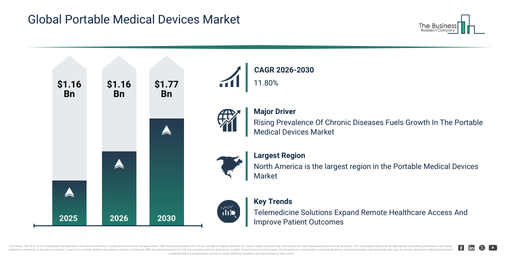
    The portable medical devices sector is projected to experience substantial expansion over the upcoming years. This market is anticipated to reach a valuation of $105.87 billion by 2030, exhibiting a compound annual growth rate (CAGR) of 11.8%. This projected growth can be attributed to several factors during the forecast period, including the wider adoption of telemedicine platforms, greater investments in interconnected healthcare systems, a rising need for ongoing patient monitoring, the development of personalized medicine strategies, and an increased emphasis on preventive healthcare measures. Key trends expected during the forecast period involve a greater uptake of remote patient monitoring devices, an increasing appetite for wearable health monitoring solutions, the expanding incorporation of mobile diagnostic platforms, the proliferation of medical care devices designed for home use, and a heightened focus on designs that are both compact and easy for users.

    Get A Free Sample Report With In-Depth Market Insights:

    https://thebusinessresearchcompany.com/sample_request?id=10909550&type=smp&name=Portable%20Medical%20Devices%20Market%20Report%202026&utm_source=Blogs&utm_medium=Paid&utm_campaign=Oct_PR

    Portable Medical Devices Market Demand Drivers Opening New Revenue Streams

    An increasing incidence of chronic illnesses is projected to fuel expansion in the portable medical devices market in the future. These diseases are generally defined as conditions lasting a year or more, requiring ongoing medical care, and impacting daily life. Portable medical devices help individuals with chronic conditions monitor various health parameters, including physiological states, particularly in post-acute care, rehabilitation, and long-term illness management. For example, data from April 2025, reported by the Centers for Disease Control and Prevention (CDC), a US government body, indicated that 76.4% of U.S. adults, totaling around 194 million individuals, had at least one chronic condition. Additionally, 51.4%, or approximately 130 million people, suffered from multiple chronic conditions. Consequently, the rising occurrence of chronic diseases is a significant driver for the portable medical devices market.

    Portable Medical Devices Market Segment Performance And Emerging Opportunities

    The portable medical devices market covered in this report is segmented –

    1) By Product: Therapeutics, Smart Wearable Medical Devices, Diagnostic Imaging, Monitoring Devices, Neuromonitoring, Respiratory Monitoring, Neonatal Monitoring, Fetal Monitoring

    2) By Application: Cardiology, Gynecology, Urology, Gastrointestinal, Neurology, Other Applications

    3) By End-User: Hospitals, Clinics, Homecare Patient, Ambulatory Care Centers, Other End Users

    Subsegments:

    1) By Therapeutics: Portable Infusion Pumps, Portable Oxygen Concentrators, Portable Dialysis Devices

    2) By Smart Wearable Medical Devices: Smartwatches With Health Monitoring, Fitness Trackers, Smart Clothing

    3) By Diagnostic Imaging: Portable Ultrasound Devices, Handheld X-ray Devices, Portable MRI Systems

    4) By Monitoring Devices: Blood Glucose Monitors, Portable ECG Monitors, Portable Blood Pressure Monitors

    5) By Neuromonitoring: Portable EEG Devices, Wearable Neuromodulation Devices

    6) By Respiratory Monitoring: Portable Spirometers, Home Sleep Apnea Testing Devices, Portable Respiratory Rate Monitors

    7) By Neonatal Monitoring: Portable Pulse Oximeters For Infants, Portable Cardiac Monitors For Neonates

    8) By Fetal Monitoring: Portable Fetal Heart Rate Monitors, Wireless Fetal Monitoring Systems

    Portable Medical Devices Market Trends Powering Strategic Industry Growth

    Leading companies within the portable medical devices market are concentrating on developing innovative products, such as telemedicine solutions, to enhance remote patient monitoring and broaden access to quality healthcare across diverse environments. A telemedicine solution is a technology-driven platform enabling healthcare providers to deliver medical attention remotely through digital communication tools, including video consultations and remote monitoring devices. For instance, in January 2024, Rudolf Riester GmbH, a German manufacturer specializing in medical devices for primary, hospital, and specialist care, introduced a comprehensive telemedicine solution crafted to integrate various medical devices for smooth remote consultations and patient oversight. This advanced platform, which features the ri-sonic E-stethoscope combined with eMurmur AI for heart murmur detection, significantly improves the quality and accessibility of healthcare, especially in remote areas.

    Portable Medical Devices Market Competitive Landscape: Which Companies Lead The Industry?

    Major companies operating in the portable medical devices market are Cardinal Health Inc., Johnson & Johnson Services Inc., Panasonic Holdings Corporation, Abbott Laboratories, Medtronic PLC, Siemens Healthcare Private Limited, Fujifilm Holdings Corporation, Becton Dickinson and Company, Koninklijke Philips N.V., Stryker Corporation, Baxter International Inc., Boston Scientific Corporation, Biotricity Inc., Grifols S.A, Terumo Corporation, Fresenius Kabi AG, GE HealthCare Technologies Inc., Hologic Inc., Dexcom Inc., QIAGEN GmbH, Nipro Corporation, Omnivision Technologies Inc., Shockwave Medical Inc., SARSTEDT GROUP, Morepen Laboratories Ltd., Omron Healthcare Inc., Natus Medical Incorporated, Samsung Healthcare, Pulsatom Health Care Pvt. Ltd.

    View The Full Portable Medical Devices Market Report:

    https://thebusinessresearchcompany.com/report/portable-medical-devices-global-market-report?utm_source=Blogs&utm_medium=Paid&utm_campaign=Oct_PR

    Portable Medical Devices Market Regional Breakdown: Where Is Demand Concentrated?

    North America was the largest region in the portable medical devices market in 2025. The regions covered in the portable medical devices market report are Asia-Pacific, South East Asia, Western Europe, Eastern Europe, North America, South America, Middle East, Africa.

    Reach Out To Our Team:

    The Business Research Company: https://www.thebusinessresearchcompany.com/

    Americas: +1 310-496-7795

    Asia: +44 7882 955267 & +91 8897263534

    Europe: +44 7882 955267

    Email us at: marketing@tbrc.info

    Follow us on:

    LinkedIn: https://in.linkedin.com/company/the-business-research-company

    YouTube: https://www.youtube.com/channel/UC24_fI0rV8cR5DxlCpgmyFQ

    Global Market Model: https://www.thebusinessresearchcompany.com/global-market-model
  • Portable Internet Of Things (IoT) Vaccine Fridge Market Growth Forecast: Market Size, Key Trends And Emerging Opportunities Through 2030

    Portable Internet Of Things (IoT) Vaccine Fridge Market Growth Forecast: Market Size, Key Trends And Emerging Opportunities Through 2030

    Built to provide research that’s more actionable and strategically valuable, The Business Research Company’s 2026 market reports include market attractiveness analysis, total addressable market sizing, company benchmarking matrices, interactive Excel dashboards, broader supply chain intelligence, emerging startup tracking, and in-depth product insights.

    Portable Internet Of Things (IoT) Vaccine Fridge Market Set To Climb From $6 Billion In 2026 To $10.78 Billion By 2030

    The market size for portable Internet of Things (IoT) vaccine fridges has experienced significant expansion recently. This market is projected to expand from $5.17 billion in 2025 to $6 billion in 2026, demonstrating a compound annual growth rate (CAGR) of 16.1%. Factors contributing to its historical growth include worldwide immunization efforts, the necessity to minimize vaccine spoilage, deficiencies in cold chain infrastructure, an increase in mobile healthcare units, and the rising demand for portable refrigeration solutions.

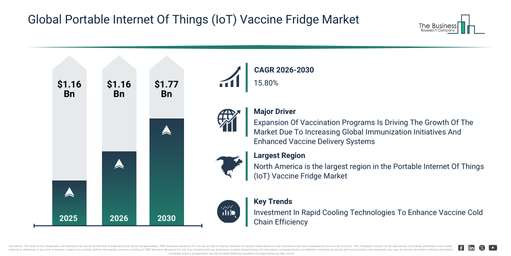
    The portable internet of things (iot) vaccine fridge market size is expected to experience rapid expansion in the coming years. It is forecast to grow to $10.78 billion in 2030, demonstrating a compound annual growth rate (CAGR) of 15.8%. This projected growth can be attributed to factors such as smart cold chain digitization, the broader reach of vaccination in remote areas, increasing demand for renewable-powered refrigeration, more rigorous vaccine storage regulations, and real-time compliance monitoring. Key trends for the forecast period include real-time temperature monitoring, the widening of portable cold chain infrastructure, sophisticated alert and alarm systems, remote vaccine storage management, and energy-efficient vaccine refrigeration solutions.

    Get A Free Sample Report With In-Depth Market Insights:

    https://thebusinessresearchcompany.com/sample_request?id=48045675&type=smp&name=Portable%20Internet%20Of%20Things%20%28IoT%29%20Vaccine%20Fridge%20Market%20Report%202026&utm_source=Blogs&utm_medium=Paid&utm_campaign=Oct_PR

    Portable Internet Of Things (IoT) Vaccine Fridge Market Growth Backed By Core Demand Fundamentals

    The portable internet of things (IoT) vaccine fridge market is anticipated to experience growth due to the ongoing expansion of vaccination programs. This expansion refers to the systematic increase in immunization initiatives, the introduction of new vaccines into national schedules, and broader population coverage through enhanced delivery systems. The growing scale of vaccination programs is primarily driven by global health initiatives targeting preventable diseases, as international organizations and governments prioritize closing immunity gaps created by pandemic-related disruptions in healthcare delivery systems. Internet of Things (IoT) vaccine fridges support vaccination programs by maintaining precise temperatures and ensuring vaccine effectiveness, while also delivering real-time monitoring and alerts to minimize spoilage and optimize inventory management. For instance, in July 2024, according to the United Nations Children’s Fund (UNICEF), the global proportion of adolescent girls receiving at least one dose of the HPV vaccine rose from 20% in 2022 to 27% in 2023, marking a 7-percentage-point increase. Therefore, the broadening of vaccination programs is driving the growth of the portable internet of things (IoT) vaccine fridge market.

    Portable Internet Of Things (IoT) Vaccine Fridge Market Segment Landscape And Growth Outlook

    The portable internet of things (iot) vaccine fridge market covered in this report is segmented –

    1) By Product Type: Solar-Powered, Battery-Powered, Hybrid

    2) By Connectivity: Wireless Fidelity (Wi-Fi), Cellular, Other Connectivities

    3) By Capacity: Below 50 Liters, 50 To 100 Liters

    4) By Application: Hospitals And Clinics, Vaccination Centers, Mobile Healthcare Units

    5) By End-User: Public Health Agencies, Non-Governmental Organizations (NGOs), Private Healthcare Providers

    Subsegments:

    1) By Solar-Powered: Photovoltaic-Powered Compressor Refrigerators, Solar-Powered Portable Coolers

    2) By Battery-Powered: Rechargeable Lithium-Ion Battery Units, Removable Battery Pack Models

    3) By Hybrid: Solar And Battery Combination Units, Alternating Current (AC) Or Direct Current (DC) Hybrid Refrigerators

    Portable Internet Of Things (IoT) Vaccine Fridge Market Growth Trends Reshaping The Competitive Landscape

    Leading firms within the portable internet of things (IoT) vaccine fridge market are concentrating their efforts on funding rapid cooling systems, aiming to boost temperature consistency and bolster real-time surveillance features. This investment in rapid cooling systems entails allocating capital to sophisticated technologies designed to expedite temperature reduction and maintain stability in refrigeration equipment, thereby safeguarding vaccines by minimizing thermal fluctuations and providing dependable cooling across various settings. As an illustration, in July 2025, the Global Innovation Fund (GIF), which is a UK-based non-profit, impact-first investment fund, committed $1 million to Blackfrog Technologies, an India-based medical device company renowned for its cold chain technology critical for secure last-mile delivery of vaccines and medical specimens. This funding was channeled via GIF’s newly established $120 million climate-health impact fund named Thrive. This particular transaction, occurring within a pre-Series A funding round, also saw participation from Manipal Education and Medical Group and Rainmatter Foundation. The capital infusion is intended to bolster Blackfrog’s rapid cooling technology and their Emvólio portable temperature-controlled refrigerators, which are currently being utilized in rural health centers throughout India, Nigeria, and Kenya to enhance vaccine distribution and curtail wastage, especially in the face of climate-related difficulties.

    Portable Internet Of Things (IoT) Vaccine Fridge Market Competitive Landscape: Who Leads The Industry?

    Major companies operating in the portable internet of things (iot) vaccine fridge market are Trane Technologies Public Limited Company, Liebherr International AG, Dometic Group AB publ, Haier Group Corporation, Godrej Enterprises Group, Aucma Co. Ltd., Blue Star Limited, Accucold by Felix Storch Inc., Vestfrost Solutions A S, Dulas Limited, Elan Professional Appliances Private Limited, Roemer Industries Inc., Zhongke Meiling Cryogenics Company Limited, TruMed Systems Inc., Labcold Limited, TempArmour Corporation, SureChill Company Limited, SunDanzer Refrigeration Inc., Blackfrog Technologies Pvt. Ltd., Biobase Biodustry Co. Ltd.

    View The Full Portable Internet Of Things (IoT) Vaccine Fridge Market Report:

    https://thebusinessresearchcompany.com/report/portable-internet-of-things-iot-vaccine-fridge-global-market-report?utm_source=Blogs&utm_medium=Paid&utm_campaign=Oct_PR

    Portable Internet Of Things (IoT) Vaccine Fridge Market Geographic Landscape: Which Region Dominates Industry Growth?

    North America was the largest region in the portable internet of things (IoT) vaccine fridge market in 2025. Asia-Pacific is expected to be the fastest-growing region in the forecast period. The regions covered in the portable internet of things (iot) vaccine fridge market report are Asia-Pacific, South East Asia, Western Europe, Eastern Europe, North America, South America, Middle East, Africa.

    Reach Out To Our Team:

    The Business Research Company: https://www.thebusinessresearchcompany.com/

    Americas: +1 310-496-7795

    Asia: +44 7882 955267 & +91 8897263534

    Europe: +44 7882 955267

    Email us at: marketing@tbrc.info

    Follow us on:

    LinkedIn: https://in.linkedin.com/company/the-business-research-company

    YouTube: https://www.youtube.com/channel/UC24_fI0rV8cR5DxlCpgmyFQ

    Global Market Model: https://www.thebusinessresearchcompany.com/global-market-model
  • Portable Electrocardiogram (ECG) Device Subscription Market CAGR Forecast Through 2030: Key Trends Shaping Industry Expansion

    Portable Electrocardiogram (ECG) Device Subscription Market CAGR Forecast Through 2030: Key Trends Shaping Industry Expansion

    Backed by market attractiveness analysis, total addressable market sizing, company benchmarking matrices, interactive Excel dashboards, wider supply chain intelligence, emerging startup coverage, and detailed product-level insights, The Business Research Company’s 2026 market reports are designed to offer research that is more actionable and strategically valuable than ever.

    Portable Electrocardiogram (ECG) Device Subscription Market Forecast: Value Set To Climb From $1.99 Billion To $4.27 Billion

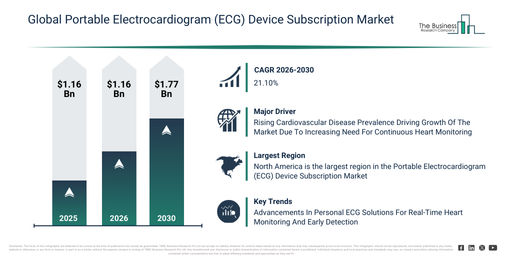
    The portable electrocardiogram (ecg) device subscription market has experienced rapid expansion in recent years. It is projected to grow from $1.64 billion in 2025 to $1.99 billion in 2026, exhibiting a compound annual growth rate (CAGR) of 21.4%. This historical growth can be attributed to several factors including the rising prevalence of cardiovascular diseases, the considerable expense of diagnostic equipment, the increasing adoption of home healthcare solutions, the expanded use of wearable ecg devices, and the broader availability of telecardiology services.

    The portable electrocardiogram (ecg) device subscription market is poised for significant expansion in the coming years. Its value is projected to reach $4.27 billion by 2030, exhibiting a compound annual growth rate (CAGR) of 21.1%. This projected increase is driven by factors such as AI-enabled ecg interpretation, the expansion of preventive cardiac care, the integration with telehealth platforms, the rising demand for continuous monitoring models, and the broadening of value-based healthcare. Key developments anticipated during this period encompass remote cardiac monitoring services, access to diagnostics via subscriptions, cloud-based ecg data management, ongoing arrhythmia detection, and at-home cardiac monitoring solutions.

    Get A Free Sample Report With In-Depth Market Insights:

    https://thebusinessresearchcompany.com/sample_request?id=28887614&type=smp&name=Portable%20Electrocardiogram%20%28ECG%29%20Device%20Subscription%20Market%20Report%202026&utm_source=Blogs&utm_medium=Paid&utm_campaign=Oct_PR

    Portable Electrocardiogram (ECG) Device Subscription Market Growth Catalysts And Demand Drivers

    The anticipated expansion of the portable electrocardiogram (ECG) device subscription market is linked to the escalating incidence of cardiovascular disease. Cardiovascular disease encompasses various conditions affecting the heart or blood vessels, resulting in issues like heart attacks, strokes, and elevated blood pressure. The rise in cardiovascular disease is fueled by inactive lifestyles and inadequate eating habits, which contribute to increased blood pressure, cholesterol levels, and obesity, thereby causing disorders of the heart and blood vessels. Portable electrocardiogram (ECG) device subscriptions facilitate the management of cardiovascular disease through ongoing or as-needed heart monitoring, which allows for prompt identification of irregular heart rhythms, arrhythmias, and other cardiac anomalies, aiding in timely medical intervention and enhancing overall disease management. For example, data from August 2025 by the National Institutes of Health, a US-based government agency, indicates that from 2025 to 2050, cardiovascular prevalence is anticipated to grow by 90%, mortality by 73%, and DALYs by 55%, with total deaths predicted to climb from 20.5 million to 35.6 million. Consequently, the escalating occurrence of cardiovascular disease is a primary factor propelling the expansion of the portable electrocardiogram (ECG) device subscription market.

    Portable Electrocardiogram (ECG) Device Subscription Market Breakdown By Product Type And Application

    The portable electrocardiogram (ecg) device subscription market covered in this report is segmented –

    1) By Product Type: Handheld Electrocardiogram Devices, Wearable Electrocardiogram Devices, Patch-based Electrocardiogram Devices

    2) By Subscription Model: Monthly, Quarterly, Annual

    3) By Distribution Channel: Online Platforms, Direct Sales, Other Distribution Channels

    4) By End-User: Hospitals And Clinics, Homecare Settings

    Subsegments:

    1) By Handheld Electrocardiogram (ECG) Devices: Single-Lead Handheld Electrocardiogram Devices, Multi-Lead Handheld Electrocardiogram Devices, Wireless Handheld Electrocardiogram Devices

    2) By Wearable Electrocardiogram (ECG) Devices: Chest Strap Electrocardiogram Devices, Smartwatch Electrocardiogram Devices, Arm Band Electrocardiogram Devices

    3) By Patch-Based Electrocardiogram (ECG) Devices: Rechargeable Electrocardiogram Patches, Wireless Electrocardiogram Patches

    Portable Electrocardiogram (ECG) Device Subscription Market Trends Shaping Long-Term Demand

    Companies at the forefront of the portable electrocardiogram (ECG) device subscription market are prioritizing the creation of advanced solutions, including sophisticated personal electrocardiogram systems, to facilitate real-time heart monitoring, prompt detection of cardiac abnormalities, and enhanced remote patient management. An advanced personal electrocardiogram (ECG) solution is defined as a portable device, often wearable or handheld, integrated with software that enables individuals to continuously or on-demand track their heart’s electrical activity, identify irregularities, and transmit data to healthcare providers for distant analysis and early intervention. For example, in May 2025, AliveCor Inc., a US-based medical device AI company, unveiled its AI-powered KardiaMobile 6L Max, alongside a novel capability named KardiaAlert, designed to automatically identify heart rhythm abnormalities and inform users instantly. This product offers medical-grade, six-lead ECG technology, supplying six times more heart data compared to single-lead devices. Its KardiaAlert feature continually observes ECG variations over time, notifying both users and clinicians of slight alterations in heart conditions for prompt intervention. Collectively, these innovations equip users with precise, readily available, and remote heart rhythm monitoring, supported by advanced AI and cardiologist reviews, thereby fostering improved management of cardiovascular health with confidence and timely medical insights.

    Portable Electrocardiogram (ECG) Device Subscription Market Company Landscape And Competitive Strategy

    Major companies operating in the portable electrocardiogram (ecg) device subscription market are AliveCor, iRhythm Technologies, SHL Telemedicine, Preventice Solutions, BioTelemetry, Medicalgorithmics, Bittium, CardioComm Solutions, InfoBionic.Ai, Vivalink, LifeSignals, Wellysis, WearLinq, VitalConnect, Bardy Diagnostics, ZOLL, Philips, GE HealthCare, Omron Healthcare, Withings

    View The Full Portable Electrocardiogram (ECG) Device Subscription Market Report:

    https://thebusinessresearchcompany.com/report/portable-electrocardiogram-ecg-device-subscription-global-market-report?utm_source=Blogs&utm_medium=Paid&utm_campaign=Oct_PR

    Portable Electrocardiogram (ECG) Device Subscription Market Largest Region: Which Geography Holds The Highest Market Share?

    North America was the largest region in the portable electrocardiogram (ECG) device subscription market in 2025. Asia-Pacific is expected to be the fastest-growing region in the forecast period. The regions covered in the portable electrocardiogram (ecg) device subscription market report are Asia-Pacific, South East Asia, Western Europe, Eastern Europe, North America, South America, Middle East, Africa.

    Reach Out To Our Team:

    The Business Research Company: https://www.thebusinessresearchcompany.com/

    Americas: +1 310-496-7795

    Asia: +44 7882 955267 & +91 8897263534

    Europe: +44 7882 955267

    Email us at: marketing@tbrc.info

    Follow us on:

    LinkedIn: https://in.linkedin.com/company/the-business-research-company

    YouTube: https://www.youtube.com/channel/UC24_fI0rV8cR5DxlCpgmyFQ

    Global Market Model: https://www.thebusinessresearchcompany.com/global-market-model
  • Portable Dialysis Machines Market To Witness 6.6% CAGR Growth Through 2030: Key Industry Drivers

    Portable Dialysis Machines Market To Witness 6.6% CAGR Growth Through 2030: Key Industry Drivers

    Featuring market attractiveness scoring, total addressable market sizing, company benchmarking matrices, interactive Excel dashboards, deeper supply chain intelligence, emerging startup tracking, and granular product-level insights, The Business Research Company’s 2026 market reports are built to deliver research that is both more actionable and more strategically valuable.

    Portable Dialysis Machines Market Revenue Growth On Track For A 6.6% CAGR Through 2030

    The portable dialysis machines market size has experienced robust growth in recent years. It is anticipated to increase from $22.16 billion in 2025 to $23.51 billion in 2026, at a compound annual growth rate (CAGR) of 6.1%. This historical growth can be attributed to several factors, including the rising prevalence of chronic kidney disease and renal failure, the increasing demand for long-term dialysis support outside hospital settings, the early introduction of portable peritoneal and hemodialysis machines, the expansion of dialysis care delivery through clinics and home care, and growing patient awareness regarding home-based renal therapy.

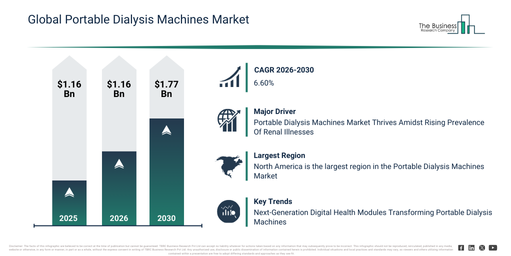
    The portable dialysis machines market size is expected to experience substantial growth in the coming years. It is projected to reach $30.33 billion in 2030, showing a compound annual growth rate (CAGR) of 6.6%. The expansion anticipated during the forecast period is due to factors such as the increasing adoption of wearable and ultra-portable dialysis technologies, a rising move toward patient-centric and home dialysis treatment models, the growing utilization of portable machines for frequent low-intensity dialysis, expanding access to portable dialysis in emerging healthcare markets, and an increased focus on improving the quality of life and treatment convenience for dialysis patients. Major trends during this period include the rising adoption of portable dialysis machines for home-based renal care, increasing utilization of peritoneal and hemodialysis portable systems for chronic kidney disease patients, a growing preference for compact and user-friendly dialysis devices for self-care, the expansion of wearable dialysis machine development to enhance patient mobility, and the increasing deployment of portable dialysis solutions across hospitals, clinics, and home care settings.

    Get A Free Sample Report With In-Depth Market Insights:

    https://thebusinessresearchcompany.com/sample_request?id=67875658&type=smp&name=Portable%20Dialysis%20Machines%20Market%20Report%202026&utm_source=Blogs&utm_medium=Paid&utm_campaign=Oct_PR

    Portable Dialysis Machines Market Opportunity Drivers: What’s Unlocking New Revenue Potential?

    The rising occurrence of renal illnesses is projected to fuel the expansion of the portable dialysis machines market in the coming years. Renal illnesses, also referred to as kidney diseases, involve various conditions that impair the kidneys’ capacity to filter waste and excess fluids, regulate blood pressure, and sustain general health. Portable dialysis machines play a crucial role in treating these conditions, particularly in managing chronic kidney disease and end-stage kidney failure, by filtering a patient’s blood to eliminate extra water and waste when their kidneys are compromised. As an illustration, a report released in June 2023 by Kidney Research UK, a non-profit organization based in the UK, indicated that approximately 7.2 million people in the UK, exceeding 10% of its population, currently suffer from chronic kidney disease. This figure includes 3.25 million individuals in severe stages and another 3.9 million in early stages, often undiagnosed and asymptomatic. Furthermore, predictions suggest that by 2033, the overall number of people with chronic kidney disease will increase to 7.61 million. Consequently, the growing prevalence of renal illnesses is a significant factor driving the growth of the portable dialysis machines market.

    Portable Dialysis Machines Market Segment Analysis And Revenue Potential

    The portable dialysis machines market covered in this report is segmented –

    1) By Product Type: Portable Dialysis Machine For Home Use, Wearable Dialysis Machine

    2) By Analysis Type: Peritoneal Dialysis, Hemodialysis

    3) By End User: Hospital, Clinic, Home Care

    Subsegments:

    1) By Portable Dialysis Machines: Portable Dialysis Machine For Home Use, Hemodialysis Machines, Peritoneal Dialysis Machines

    2) By Wearable Dialysis Machines: Wearable Dialysis Machine, Wearable Hemodialysis Devices, Wearable Peritoneal Dialysis Devices

    Portable Dialysis Machines Market Innovation Trends Shaping Future Development

    Leading companies within the portable dialysis machine market are concentrating on developing and launching technologically advanced solutions, such as next-generation digital health modules, to improve their market profitability. These next-generation digital health modules function as a clinical management resource, designed to help patients remain on home dialysis by assisting in the identification of potential therapy complications. For example, in June 2023, AWAK Technologies, a medical technology company based in Singapore, in partnership with Singapore General Hospital, a general hospital also located in Singapore, commenced the pre-pivotal clinical trial for its Wearable Dialysis Device. This ground-breaking, ultra-portable system allows patients with end-stage kidney disease to undergo dialysis treatment while mobile, significantly elevating their quality of life. The current trial seeks to evaluate the safety and efficacy of this refined device, following a successful initial human study that reported no severe adverse events.

    Portable Dialysis Machines Market Key Players Shaping Industry Direction

    Major companies operating in the portable dialysis machines market are Fresenius Kabi AG, Baxter International Inc, B. Braun Melsungen AG, Nipro Corporation, Nikkiso Co., Allmed Medical Products Co Ltd, NxStage Medical Inc, Outset Medical Inc, SWS Hemodialysis Care Co Ltd, Zylox Medical Devices, DEKA Research & Development Corporation, Biolight Co Ltd, Quanta Dialysis Technologies Ltd, AWAK Technologies, Toray Medical Co Ltd, Medica S.p.A, Medica Biomedical Systems, Wuzhou Suntech Medical Co Ltd, Asahi Kasei Medical Co Ltd, Wuhan Biokangtai Biotechnology Co Ltd, Nanjing Jiancheng Bioengineering Institute, Starbright Medical Devices

    View The Full Portable Dialysis Machines Market Report:

    https://thebusinessresearchcompany.com/report/portable-dialysis-machines-global-market-report?utm_source=Blogs&utm_medium=Paid&utm_campaign=Oct_PR

    Portable Dialysis Machines Market Regional Analysis: Which Region Leads By Revenue?

    North America was the largest region in the portable dialysis machines market in 2025. Asia-Pacific is expected to be the fastest-growing region in the forecast period. The regions covered in the portable dialysis machines market report are Asia-Pacific, South East Asia, Western Europe, Eastern Europe, North America, South America, Middle East, Africa.

    Reach Out To Our Team:

    The Business Research Company: https://www.thebusinessresearchcompany.com/

    Americas: +1 310-496-7795

    Asia: +44 7882 955267 & +91 8897263534

    Europe: +44 7882 955267

    Email us at: marketing@tbrc.info

    Follow us on:

    LinkedIn: https://in.linkedin.com/company/the-business-research-company

    YouTube: https://www.youtube.com/channel/UC24_fI0rV8cR5DxlCpgmyFQ

    Global Market Model: https://www.thebusinessresearchcompany.com/global-market-model