Blog

  • Polyp Biopsy Market Projected For Strong Expansion Through 2030: Key Trends And Future Outlook

    Polyp Biopsy Market Projected For Strong Expansion Through 2030: Key Trends And Future Outlook

    Built to provide research that’s more actionable and strategically valuable, The Business Research Company’s 2026 market reports include market attractiveness analysis, total addressable market sizing, company benchmarking matrices, interactive Excel dashboards, broader supply chain intelligence, emerging startup tracking, and in-depth product insights.

    Polyp Biopsy Market Value Growth And Long-Term Outlook

    The polyp biopsy market size has experienced significant growth in recent years. It is anticipated to expand from $1.39 billion in 2025 to $1.5 billion in 2026, reflecting a compound annual growth rate (CAGR) of 8.5%. This market’s historical growth can be attributed to factors such as the increasing occurrence of gastrointestinal and cervical cancers, advancements in endoscopic technologies, the expansion of screening programs, heightened awareness regarding the benefits of early diagnosis, and the establishment of more specialty clinics.

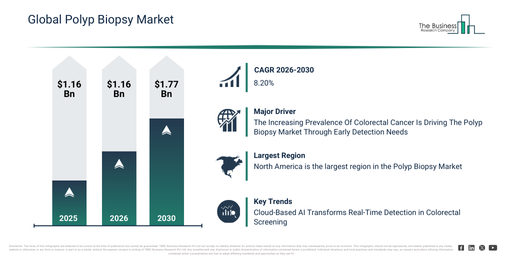
    The polyp biopsy market size is anticipated to demonstrate significant expansion in the coming years. It is projected to achieve a value of $2.06 billion in 2030, progressing at a compound annual growth rate (CAGR) of 8.2%. The increase expected during this forecast period can be attributed to several factors, including AI-assisted biopsy procedures, the utilization of minimally invasive techniques, a broader adoption by hospitals and diagnostic laboratories, integration with imaging and cloud platforms, and the creation of innovative biopsy tools. Prominent trends observed in the forecast timeframe include colonoscopy biopsy, colposcopy-directed biopsy, esophagogastroduodenoscopy biopsy, laryngoscopy biopsy, and endoscopic mucosal resection (emr).

    Get A Free Sample Report With In-Depth Market Insights:

    https://thebusinessresearchcompany.com/sample_request?id=39642744&type=smp&name=Polyp%20Biopsy%20Market%20Report%202026&utm_source=Blogs&utm_medium=Paid&utm_campaign=Oct_PR

    Polyp Biopsy Market Growth Momentum: What Factors Are Shaping Demand?

    The growing occurrence of colorectal cancer is anticipated to drive expansion in the polyp biopsy market in the coming years. This malignant condition, colorectal cancer, develops in the colon or rectum due to the unregulated proliferation of epithelial cells within the large intestine, known for its capacity to infiltrate adjacent tissues and spread to other parts of the body. A key factor contributing to this rise in colorectal cancer cases is prevalent dietary habits rich in processed items and lacking fiber, which can lead to persistent inflammation, changes in gut bacteria, and foster the formation of precancerous growths capable of evolving into cancer. Polyp biopsy plays a crucial role in lessening the effects of the increasing incidence of colorectal cancer by allowing for the early identification and microscopic assessment of abnormal lesions, thus facilitating prompt treatment and hindering the disease’s advancement. As an illustration, the American Cancer Society (ACS), a US-based non-profit, forecasts that in 2025, approximately 107,320 new cases of colon cancer and 46,950 cases of rectal cancer will be diagnosed in the United States, with an estimated 52,900 deaths attributed to these cancers. Consequently, the escalating incidence of colorectal cancer is fueling the expansion of the polyp biopsy market.

    Polyp Biopsy Market Segmentation And Category Overview

    The polyp biopsy market covered in this report is segmented –

    1) By Type: Colonoscopy, Colposcopy-Directed Biopsy, Esophagogastroduodenoscopy

    2) By Technique: Endoscopic Mucosal Resection (EMR), Endoscopic Submucosal Dissection (ESD), Conventional Biopsy

    3) By Application: Colorectal Cancer, Gastrointestinal Disorders, Other Applications

    4) By End-User: Hospitals, Specialty Clinics

    Subsegments:

    1) By Colonoscopy: Diagnostic Colonoscopy, Therapeutic Colonoscopy

    2) By Colposcopy-Directed Biopsy: Cervical Biopsy, Vaginal Biopsy, Vulvar Biopsy

    3) By Esophagogastroduodenoscopy: Diagnostic Esophagogastroduodenoscopy, Therapeutic Esophagogastroduodenoscopy

    Polyp Biopsy Market Trends Redefining Industry Growth

    Leading companies in the polyp biopsy market are concentrating on developing innovative advancements, such as AI-assisted detection systems, to improve the identification of colorectal polyps and facilitate the early recognition of potential cancerous lesions. An AI-assisted detection system is a technology designed to analyze medical imaging in real-time, pinpointing potential abnormalities and issuing visual alerts to clinicians, thereby supporting clinical decision-making without requiring therapeutic interventions. For example, in September 2024, Odin Medical Ltd., a US-based medical technology company associated with Olympus Corporation, introduced CADDIE, a cloud-based AI endoscopic system. The CADDIE device uses cloud-based artificial intelligence to analyze colonoscopy video live and emphasize areas with suspected colorectal polyps, enabling endoscopists to make informed choices during procedures. Clinical trials have indicated that the system enhances the adenoma detection rate without increasing procedural time or risk, emphasizing its potential to improve early detection and patient care.

    Polyp Biopsy Market Competitive Analysis Of Leading Industry Participants

    Major companies operating in the polyp biopsy market are Johnson & Johnson (Ethicon), Medtronic plc, Medline Industries LP, FUJIFILM Holdings Corporation, Stryker Corporation, Becton Dickinson and Company (BD), Boston Scientific Corporation, B. Braun Melsungen AG, Olympus Corporation, STERIS plc, Hologic Inc., CooperSurgical Inc., KARL STORZ SE & Co. KG, Cook Medical, ConMed Corporation, Ambu A/S, Richard Wolf GmbH, INRAD, Acheron Instruments (Pvt) Ltd., Innovia Medical

    View The Full Polyp Biopsy Market Report:

    https://thebusinessresearchcompany.com/report/polyp-biopsy-global-market-report?utm_source=Blogs&utm_medium=Paid&utm_campaign=Oct_PR

    Polyp Biopsy Market Geographic Distribution And Regional Opportunities

    North America was the largest region in the polyp biopsy market in 2025. Asia-Pacific is expected to be the fastest-growing region in the forecast period. The regions covered in the polyp biopsy market report are Asia-Pacific, South East Asia, Western Europe, Eastern Europe, North America, South America, Middle East, Africa.

    Reach Out To Our Team:

    The Business Research Company: https://www.thebusinessresearchcompany.com/

    Americas: +1 310-496-7795

    Asia: +44 7882 955267 & +91 8897263534

    Europe: +44 7882 955267

    Email us at: marketing@tbrc.info

    Follow us on:

    LinkedIn: https://in.linkedin.com/company/the-business-research-company

    YouTube: https://www.youtube.com/channel/UC24_fI0rV8cR5DxlCpgmyFQ

    Global Market Model: https://www.thebusinessresearchcompany.com/global-market-model
  • Polymethyl Methacrylate (PMMA) Bone Cements Market Outlook 2026–2030: Growth Trends, Market Dynamics And Emerging Opportunities

    Polymethyl Methacrylate (PMMA) Bone Cements Market Outlook 2026–2030: Growth Trends, Market Dynamics And Emerging Opportunities

    Backed by market attractiveness analysis, total addressable market sizing, company benchmarking matrices, interactive Excel dashboards, wider supply chain intelligence, emerging startup coverage, and detailed product-level insights, The Business Research Company’s 2026 market reports are designed to offer research that is more actionable and strategically valuable than ever.

    Polymethyl Methacrylate (PMMA) Bone Cements Market Poised To Hit $1.73 Billion By 2030 With A 6.6% CAGR

    The market size for polymethyl methacrylate (pmma) bone cements has experienced significant growth in recent years. It is projected to expand from $1.25 billion in 2025 to $1.34 billion in 2026, with a compound annual growth rate (CAGR) of 6.9%. This historical growth can be linked to factors such as an increasing aging population, a rise in orthopedic procedures, the growing prevalence of osteoarthritis, the expansion of hospital infrastructure, and the demand for implant stability.

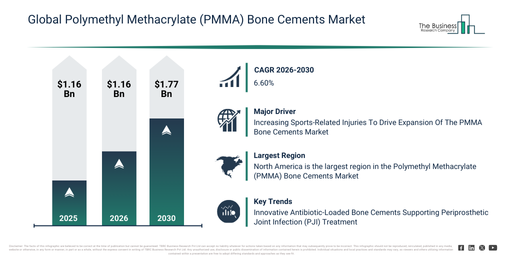
    The market for polymethyl methacrylate (pmma) bone cements is projected to experience robust expansion over the coming years, reaching $1.73 billion in 2030 at a compound annual growth rate (CAGR) of 6.6%. This anticipated growth during the forecast period is fueled by several factors, including an increase in minimally invasive surgical procedures, a rise in sports-related injuries, the proliferation of ambulatory surgery centers, a growing need for quicker recovery options, and advancements in cement formulations. Key trends identified for this period involve an uptick in joint replacement surgeries, a heightened preference for high-viscosity cements, an expansion in vertebral repair interventions, greater application in trauma surgeries, and enhancements in the handling characteristics of cements.

    Get A Free Sample Report With In-Depth Market Insights:

    https://thebusinessresearchcompany.com/sample_request?id=49329317&type=smp&name=Polymethyl%20Methacrylate%20%28PMMA%29%20Bone%20Cements%20Market%20Report%202026&utm_source=Blogs&utm_medium=Paid&utm_campaign=Oct_PR

    Polymethyl Methacrylate (PMMA) Bone Cements Market Expansion Drivers: What’s Shaping Future Growth?

    The growing incidence of sports-related injuries is anticipated to drive the expansion of the polymethyl methacrylate (PMMA) bone cement market moving forward. Sports-related injuries refer to physical harm or damage to the body that occurs during participation in sports or exercise activities, often stemming from increased engagement in high-intensity physical activities, inadequate training, and a lack of proper injury prevention measures. Polymethyl methacrylate (PMMA) bone cement is extensively utilized in orthopedic surgeries for the treatment of these injuries. It provides crucial structural support and stability to fractured or damaged bones, facilitating the secure fixation of implants during joint replacements or fracture repairs. For instance, according to the Injury Facts of the National Safety Council, a US-based nonprofit organization, exercise and exercise equipment injuries rose by 8% to 482,886 injuries in 2023 from 445,642 injuries in 2022. Therefore, the increase in sports-related injuries is stimulating the growth of the polymethyl methacrylate (PMMA) bone cement market.

    Polymethyl Methacrylate (PMMA) Bone Cements Market Segment Outlook: Which Categories Are Growing Fastest?

    The polymethyl methacrylate (pmma) bone cements market covered in this report is segmented –

    1) By Type: Low Viscosity Cements, Medium Viscosity Cements, High Viscosity Cements

    2) By Application: Joint, Vertebral, Other Applications

    3) By End-Use: Hospitals, Ambulatory Surgical Centers, Orthopedic Clinics

    Subsegments:

    1) By Low Viscosity Cements: Single-Component Low Viscosity Cements, Two-Component Low Viscosity Cements

    2) By Medium Viscosity Cements: Hand-Mixed Medium Viscosity Cements, Pre-Mixed Medium Viscosity Cements

    3) By High Viscosity Cements: Self-Mixed High Viscosity Cements, Pre-Mixed High Viscosity Cements

    Polymethyl Methacrylate (PMMA) Bone Cements Market Strategic Trends: What Defines The Next Growth Phase?

    Leading companies in the polymethylmethacrylate (PMMA) bone cement market are concentrating on developing innovative solutions, such as antibiotic-loaded bone cement, to support the treatment of periprosthetic joint infection (PJI). Antibiotic-loaded bone cement is a specialized material for bone repair, infused with antibiotics to both prevent and treat infections during orthopedic procedures, including joint replacements. For instance, in August 2024, Heraeus Medical GmbH, a Germany-based medical technology manufacturer, introduced the COPAL G+V Dual Antibiotic-loaded Bone Cement. This product from Heraeus Medical GmbH features a combination of gentamicin and vancomycin, offering broad-spectrum antimicrobial coverage. It is designed to lower infection risk in high-risk orthopedic surgeries and provides targeted antibiotic release to optimize postoperative outcomes.

    Polymethyl Methacrylate (PMMA) Bone Cements Market Leading Companies And Competitive Benchmarking

    Major companies operating in the polymethyl methacrylate (pmma) bone cements market are Stryker Corporation, Zimmer Biomet Holdings Inc., Heraeus Medical GmbH, Exactech Inc., Mathys AG Bettlach, Aap Implantate AG, Cambridge Polymer Group Inc., Teknimed SA, Tecres S.p.A., BioMedtrix LLC, Smith & Nephew plc, G21 srl, Graftys, Noblus, B Braun Melsungen AG, DJO Global Inc, Aegis Spine Inc, Alphatec Spine Inc, Cook Medical Inc, Elite Surgical, Evolutis, Meril Life Sciences Private Limited, Tecomet Inc, Merete Medical GmbH, Solco Biomedical, Orthoplastics, Medacta International, Somatex Medical Technologies

    View The Full Polymethyl Methacrylate (PMMA) Bone Cements Market Report:

    https://thebusinessresearchcompany.com/report/polymethyl-methacrylate-pmma-bone-cements-global-market-report?utm_source=Blogs&utm_medium=Paid&utm_campaign=Oct_PR

    Polymethyl Methacrylate (PMMA) Bone Cements Market Largest Region By Revenue And Market Share

    North America was the largest region in the polymethyl methacrylate (PMMA) bone cement market in 2025. Asia-Pacific is expected to be the fastest-growing region in the forecast period. The regions covered in the polymethyl methacrylate (pmma) bone cements market report are Asia-Pacific, South East Asia, Western Europe, Eastern Europe, North America, South America, Middle East, Africa.

    Reach Out To Our Team:

    The Business Research Company: https://www.thebusinessresearchcompany.com/

    Americas: +1 310-496-7795

    Asia: +44 7882 955267 & +91 8897263534

    Europe: +44 7882 955267

    Email us at: marketing@tbrc.info

    Follow us on:

    LinkedIn: https://in.linkedin.com/company/the-business-research-company

    YouTube: https://www.youtube.com/channel/UC24_fI0rV8cR5DxlCpgmyFQ

    Global Market Model: https://www.thebusinessresearchcompany.com/global-market-model
  • Polymerase Chain Reactions (PCR) Devices, Reagents And Uses Market Growth Outlook From $6.97 Billion In 2026 To $9.84 Billion By 2030

    Polymerase Chain Reactions (PCR) Devices, Reagents And Uses Market Growth Outlook From $6.97 Billion In 2026 To $9.84 Billion By 2030

    Featuring market attractiveness scoring, total addressable market sizing, company benchmarking matrices, interactive Excel dashboards, deeper supply chain intelligence, emerging startup tracking, and granular product-level insights, The Business Research Company’s 2026 market reports are built to deliver research that is both more actionable and more strategically valuable.

    Polymerase Chain Reactions (PCR) Devices, Reagents And Uses Market Size And Revenue Outlook Through 2030

    The market size for polymerase chain reactions (pcr) devices, reagents, and uses has shown robust growth in recent years. This market is set to expand from $6.51 billion in 2025 to $6.97 billion in 2026, achieving a compound annual growth rate (CAGR) of 7.2%. Historically, this growth has been fueled by factors like infectious disease outbreaks, the expansion of genomics research, an increase in clinical diagnostics labs, the demand for COVID-19 testing, and the adoption of molecular biology techniques.

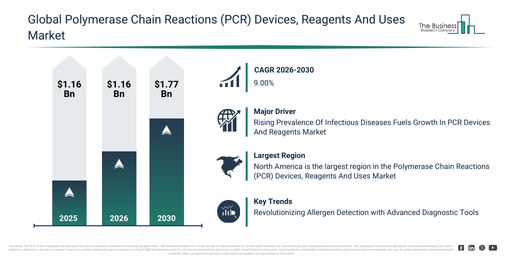
    The market for polymerase chain reactions (PCR) devices, reagents, and their applications is projected to experience robust expansion in the coming years. This market is anticipated to reach a valuation of $9.84 billion by 2030, exhibiting a compound annual growth rate (CAGR) of 9.0%. This anticipated growth during the forecast period is primarily fueled by factors such as the advancement of personalized medicine, an increase in cancer diagnostics, the broadening scope of genetic screening, enhanced research funding, and a strong demand for quick diagnostic solutions. Key trends characterizing this period are an escalating need for molecular diagnostics, the broadening of infectious disease testing capabilities, greater uptake of real-time PCR technology, the proliferation of PCR applications in research, and the progressive miniaturization of PCR instruments.

    Get A Free Sample Report With In-Depth Market Insights:

    https://thebusinessresearchcompany.com/sample_request?id=23055810&type=smp&name=Polymerase%20Chain%20Reactions%20%28PCR%29%20Devices%2C%20Reagents%20And%20Uses%20Market%20Report%202026&utm_source=Blogs&utm_medium=Paid&utm_campaign=Oct_PR

    Polymerase Chain Reactions (PCR) Devices, Reagents And Uses Market Development Factors: What’s Supporting Demand?

    The increasing occurrence of infectious diseases is projected to drive the expansion of the polymerase chain reactions (PCR) devices, reagents and uses market. These diseases are illnesses caused by pathogenic microorganisms such as bacteria, viruses, fungi, or parasites, which can spread directly or indirectly between individuals. The incidence rate of infectious diseases is climbing, largely due to increased travel that facilitates the rapid, cross-border transmission of pathogens. PCR devices, reagents, and their applications are instrumental in diagnosing infectious diseases by enabling quick and accurate detection of these pathogens. They boost laboratory efficiency by amplifying genetic material, thereby allowing for timely identification and effective management of infections. For instance, in February 2024, the UK Health Security Agency, a UK-based government body, stated that tuberculosis (a contagious bacterial infection primarily affecting the lungs) cases in England increased to 4,850 in 2023, representing a 10.7% rise from 4,380 cases reported in 2022. Thus, the escalating prevalence of infectious diseases is a significant factor fueling the growth of the polymerase chain reactions (PCR) devices, reagents and uses market.

    Polymerase Chain Reactions (PCR) Devices, Reagents And Uses Market Segment Landscape: Which Areas Lead Development?

    The polymerase chain reactions (pcr) devices, reagents and uses market covered in this report is segmented –

    1) By Product: Instruments, Reagents, Consumables

    2) By Instruments: Standard PCR, RT-PCR, Digital PCR

    3) By End User: Pharmaceutical And Biotechnology Industries, Clinical Diagnostics Labs And Hospitals, Academics And Research Organization

    Subsegments:

    1) By Instruments: Thermal Cyclers, Real-Time PCR Systems, Digital PCR Systems

    2) By Reagents: Master Mixes, Primers And Probes, Enzymes, Nucleotides

    3) By Consumables: PCR Tubes, PCR Plates, Seals And Films, Pipette Tips

    Polymerase Chain Reactions (PCR) Devices, Reagents And Uses Market Transformation Trends: What Innovations Are Driving Change?

    Leading companies engaged in the polymerase chain reactions (PCR) devices, reagents, and uses market are prioritizing the creation of sophisticated products, such as advanced diagnostic tools, to enhance the precision and speed of genetic testing, enable prompt disease identification, and strengthen research capabilities across diverse sectors like healthcare, environmental monitoring, and food safety. Advanced diagnostic tools are sophisticated medical instruments and technologies that enhance the accuracy, speed, and efficiency of diagnosing health conditions, enabling healthcare professionals to make informed decisions for patient care. For instance, in August 2023, Gold Standard Diagnostics, a Germany-based company that develops and manufactures diagnostic test kits, instruments, and reagents for a variety of industries, launched DNAllergen RT-PCR kits. DNAllergen RT-PCR kits are specialized molecular tools designed for the precise detection of specific allergens in food products, utilizing real-time polymerase chain reaction (PCR) technology. These kits provide enhanced sensitivity and specificity, allowing for the identification of allergens such as almond, celery, and fish, which can be challenging to detect with traditional methods.

    Polymerase Chain Reactions (PCR) Devices, Reagents And Uses Market Industry Leaders And Competitive Landscape

    Major companies operating in the polymerase chain reactions (pcr) devices, reagents and uses market are Bio-Rad Laboratories Inc., F. Hoffmann-La Roche AG, Thermo Fisher Scientific Inc., Becton Dickinson and Company, Abbott Laboratories, bioMérieux S.A., Agilent Technologies Inc., QIAGEN N.V., Siemens Healthcare GmbH (Siemens AG), Fluidigm Corporation, SYGNIS Pharma AG, Takara Bio Inc., Cepheid, Lontech Laboratories, Eppendorf India Private Limited, GE Healthcare, Kapa Biosystems, Maxim Biomedical Inc., Promega Corporation, RainDance Technologies Inc., Affymetrix Inc., Beckman Coulter Inc., Enzo Life Sciences Inc., Roche Diagnostics GmbH, Merck KGaA, Danaher Corporation, Stilla Technologies, Meridian Bioscience Inc., BioFire Diagnostics LLC, Luminex Corporation, GenMark Diagnostics Inc.

    View The Full Polymerase Chain Reactions (PCR) Devices, Reagents And Uses Market Report:

    https://thebusinessresearchcompany.com/report/polymerase-chain-reactions-devices-reagents-and-uses-global-market-report?utm_source=Blogs&utm_medium=Paid&utm_campaign=Oct_PR

    Polymerase Chain Reactions (PCR) Devices, Reagents And Uses Market Regional Analysis And Leading Geography

    North America was the largest region in the polymerase chain reactions (PCR) devices and reagents market in 2025. Western Europe was the second-largest region in the global polymerase chain reactions (PCR) devices and reagents market report. The regions covered in the polymerase chain reactions (pcr) devices, reagents and uses market report are Asia-Pacific, South East Asia, Western Europe, Eastern Europe, North America, South America, Middle East, Africa.

    Reach Out To Our Team:

    The Business Research Company: https://www.thebusinessresearchcompany.com/

    Americas: +1 310-496-7795

    Asia: +44 7882 955267 & +91 8897263534

    Europe: +44 7882 955267

    Email us at: marketing@tbrc.info

    Follow us on:

    LinkedIn: https://in.linkedin.com/company/the-business-research-company

    YouTube: https://www.youtube.com/channel/UC24_fI0rV8cR5DxlCpgmyFQ

    Global Market Model: https://www.thebusinessresearchcompany.com/global-market-model
  • Polymer Biomaterial Market Forecast To Reach $197.22 Billion By 2030: Key Growth Drivers And Industry Trends

    Polymer Biomaterial Market Forecast To Reach $197.22 Billion By 2030: Key Growth Drivers And Industry Trends

    Built to provide research that’s more actionable and strategically valuable, The Business Research Company’s 2026 market reports include market attractiveness analysis, total addressable market sizing, company benchmarking matrices, interactive Excel dashboards, broader supply chain intelligence, emerging startup tracking, and in-depth product insights.

    Polymer Biomaterial Market Growth From $109.73 Billion In 2026 To $197.22 Billion By 2030 At A CAGR Of 15.8%

    The polymer biomaterial market has witnessed significant expansion in recent years. It is projected to grow from $94.98 billion in 2025 to $109.73 billion in 2026, achieving a compound annual growth rate (CAGR) of 15.5%. This historic period of growth can be attributed to factors such as an increase in orthopedic procedures, the proliferation of dental implants, a rise in cardiovascular surgeries, greater demand for plastic surgery, and the adoption of synthetic materials.

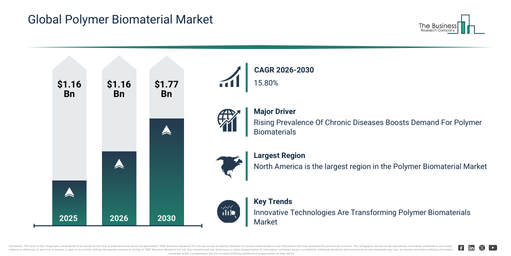
    The polymer biomaterial market is projected for significant expansion in the coming years, with its size anticipated to reach $197.22 billion by 2030, exhibiting a compound annual growth rate (CAGR) of 15.8%. This growth during the forecast period is primarily driven by factors such as the expansion of regenerative medicine, a rise in chronic diseases, the proliferation of implant technologies, an escalating need for biodegradable materials, and innovations in polymer chemistry. Key trends expected over the forecast period encompass a growing appetite for biocompatible polymers, the development of implantable medical devices, an uptick in the utilization of synthetic biomaterials, broadening applications in tissue engineering, and the creation of highly durable polymers for extended use.

    Get A Free Sample Report With In-Depth Market Insights:

    https://thebusinessresearchcompany.com/sample_request?id=23758220&type=smp&name=Polymer%20Biomaterial%20Market%20Report%202026&utm_source=Blogs&utm_medium=Paid&utm_campaign=Oct_PR

    Polymer Biomaterial Market Industry Drivers: What’s Behind The Revenue Growth?

    The increasing prevalence of chronic diseases is anticipated to propel the growth of the polymer biomaterial market in the coming years. Chronic diseases, also known as non-communicable diseases (NCDs), are medical conditions that endure for a long time and typically progress gradually. Polymer biomaterials are utilized to develop implantable devices like drug pumps or electrodes for neuromodulation. These devices aid in controlling symptoms and enhancing the patient’s quality of life. As an illustration, in June 2024, according to the National Health Service, a UK-based publicly funded healthcare system, in 2023, 3,615,330 people registered with a GP were identified with non-diabetic hyperglycemia (pre-diabetes), which was an increase from 3,065,825 in 2022, indicating an 18% rise year-on-year. Consequently, the rising number of chronic diseases is driving the expansion of the polymer biomaterial market.

    Polymer Biomaterial Market Segments: Where Is Growth Concentrated?

    The polymer biomaterial market covered in this report is segmented –

    1) By Type: Nylon, Silicone Rubber, Polyester, Polymethyl Methacrylate (PMMA), Polyethylene (PE), Polyvinyl Chloride, Other Types

    2) By Nature: Natural, Synthetic

    3) By Application: Cardiovascular, Ophthalmology, Dental, Plastic Surgery, Wound Healing, Tissue Engineering, Orthopedics, Neurological Disorders Or Central Nervous System, Other Applications

    Subsegments:

    1) By Nylon: Nylon 6, Nylon 66

    2) By Silicone Rubber: Liquid Silicone Rubber (LSR), Solid Silicone Rubber (SSR)

    3) By Polyester: Polyethylene Terephthalate (PET), Polybutylene Terephthalate (PBT)

    4) By Polymethyl Methacrylate (PMMA): Clear PMMA, Colored PMMA

    5) By Polyethylene (PE): High-Density Polyethylene (HDPE), Low-Density Polyethylene (LDPE), Linear Low-Density Polyethylene (LLDPE)

    6) By Polyvinyl Chloride: Rigid PVC, Flexible PVC

    7) By Other Types: Polyurethane (PU), Polycarbonate (PC)

    #Polymer Biomaterial Market Growth Trends: What’s Shaping The Future Outlook?

    Leading firms within the polymer biomaterial sector are introducing novel technologies, including designed enzymatic biomaterials (DEB) technology, aiming to boost their market profitability. Designed enzymatic biomaterials (DEB) represents an entirely new technological platform providing a unique approach to manufacturing high-performance polysaccharides. An example is the launch of Enzymatic Biomaterials (DEB) technology by International Flavors & Fragrances Inc., a US-based cosmetic and flavor company, in June 2023. This platform is a sustainable biopolymer solution that facilitates the creation of biopolymers possessing outstanding performance and characteristics comparable to petroleum-derived polymers. It allows for the customization and precise adjustment of the resulting biopolymers’ features through the direct integration of functionalities from petroleum-based polymer materials into biopolymer constituents.

    Polymer Biomaterial Market Key Participants And Competitive Landscape

    Major companies operating in the polymer biomaterial market are BASF SE, Corbion N.V., Zimmer Biomet Holdings Inc., Royal DSM N.V., Covestro AG, Evonik Industries AG, Starch Medical Inc., Victrex plc, W. L. Gore and Associates Inc., DSM Biomedical B.V., Purac Biomaterials, Ticona LLC, Invibo LLC, Covalon Technologies Ltd., Osteotech Inc., Medtronic plc, Stryker Corporation, Synthes Inc., Polyfibre Industries Pte Ltd., Toray Industries Inc., Stein Fibers Ltd., Bezwada Biomedical LLC, Collagen Solutions plc, Gelita AG, AorTech Biomaterials Pty Ltd., Berkeley Advanced Biomaterials Inc., Biocomposites Ltd., BioHorizons IPH Inc., Biomerics LLC, Bioteque Corporation, CollPlant Holdings Ltd., EndoShape Inc., PolyNovo Biomaterials Pty Ltd., Secant Group LLC

    View The Full Polymer Biomaterial Market Report:

    https://thebusinessresearchcompany.com/report/polymer-biomaterial-global-market-report?utm_source=Blogs&utm_medium=Paid&utm_campaign=Oct_PR

    Polymer Biomaterial Market Geographic Analysis: Where Is Demand Accelerating Fastest?

    North America was the largest region in the polymer biomaterials market in 2025. Western Europe was the second-largest region in the global polymer biomaterials market report. The regions covered in the polymer biomaterial market report are Asia-Pacific, South East Asia, Western Europe, Eastern Europe, North America, South America, Middle East, Africa.

    Reach Out To Our Team:

    The Business Research Company: https://www.thebusinessresearchcompany.com/

    Americas: +1 310-496-7795

    Asia: +44 7882 955267 & +91 8897263534

    Europe: +44 7882 955267

    Email us at: marketing@tbrc.info

    Follow us on:

    LinkedIn: https://in.linkedin.com/company/the-business-research-company

    YouTube: https://www.youtube.com/channel/UC24_fI0rV8cR5DxlCpgmyFQ

    Global Market Model: https://www.thebusinessresearchcompany.com/global-market-model
  • Poly-L-Lactic Acid (PLA) Thread Lift Market Research 2026: Market Size, Trends, Segments And Growth Forecast

    Poly-L-Lactic Acid (PLA) Thread Lift Market Research 2026: Market Size, Trends, Segments And Growth Forecast

    Backed by market attractiveness analysis, total addressable market sizing, company benchmarking matrices, interactive Excel dashboards, wider supply chain intelligence, emerging startup coverage, and detailed product-level insights, The Business Research Company’s 2026 market reports are designed to offer research that is more actionable and strategically valuable than ever.

    Poly-L-Lactic Acid (PLA) Thread Lift Market Expansion Outlook: What Revenue Opportunities Are Ahead?

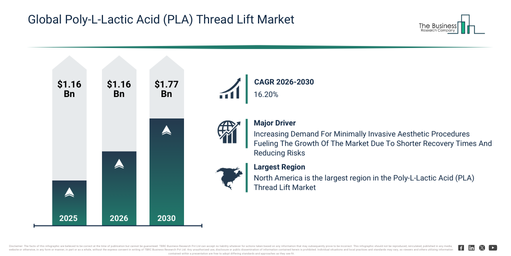
    The poly-l-lactic acid (pla) thread lift market has experienced significant expansion in recent years. It is projected to grow from $1.49 billion in 2025 to $1.74 billion in 2026, at a compound annual growth rate (CAGR) of 16.5%. The historical growth of this market can be attributed to the increasing demand for minimally invasive cosmetic procedures, advancements in thread materials, heightened aesthetic awareness, higher disposable incomes, and the proliferation of specialized clinics.

    The market size for poly-l-lactic acid (PLA) thread lifts is anticipated to experience swift expansion in the coming years. It is projected to increase to $3.17 billion by 2030, growing at a compound annual growth rate (CAGR) of 16.2%. This growth over the forecast period can be attributed to the emergence of new thread designs, customized cosmetic interventions, the proliferation of outpatient and specialty clinics, AI-supported procedure planning, and alliances between aesthetic device manufacturers and clinics. Significant trends expected during this period include the use of barbed threads, smooth threads, screw threads, combination threads, and absorbable threads.

    Get A Free Sample Report With In-Depth Market Insights:

    https://thebusinessresearchcompany.com/sample_request?id=74547464&type=smp&name=Poly-L-Lactic%20Acid%20%28PLA%29%20Thread%20Lift%20Market%20Report%202026&utm_source=Blogs&utm_medium=Paid&utm_campaign=Oct_PR

    Poly-L-Lactic Acid (PLA) Thread Lift Market Growth Factors: What’s Supporting Expansion?

    The growing consumer preference for minimally invasive aesthetic procedures is anticipated to fuel the expansion of the poly-L-lactic acid (PLA) thread lift market. These aesthetic procedures involve treatments that enhance appearance using minor implements or injections, resulting in little discomfort, no significant incisions, and rapid recovery. The appeal of minimally invasive aesthetic procedures stems from their benefits, including quicker recovery periods, diminished complication risks, less pain, and smaller scars, making them attractive to individuals seeking faster and safer cosmetic solutions. Poly-L-lactic Acid (PLA) Thread Lift complements minimally invasive aesthetic procedures by providing effective skin tightening and lifting without requiring surgical intervention. It stimulates collagen synthesis, enhancing skin firmness and elasticity, thereby offering a practical option for facial rejuvenation with minimal interruption to daily life. For instance, as reported in November 2024 by the American Society of Plastic Surgeons, a US-based non-profit organization, the total number of cosmetic minimally invasive procedures reached 25,442,640 in 2023, representing a 7% increase from 23,672,269 in 2022. Consequently, the escalating demand for minimally invasive aesthetic procedures is a key driver for the poly-L-lactic acid (PLA) thread lift market.

    Poly-L-Lactic Acid (PLA) Thread Lift Market Segment Analysis: What Are The Core Market Categories?

    The poly-l-lactic acid (pla) thread lift market covered in this report is segmented –

    1) By Product Type: Barbed Threads, Smooth Threads, Screw Threads, Other Product Types

    2) By Application: Face Lift, Neck Lift, Nose Lift, Eyebrow Lift, Other Applications

    3) By End User: Hospitals, Ambulatory Surgical Centers, Specialty Clinics, Other End Users

    Subsegments:

    1) By Barbed Threads: Mono Threads, Cog Threads, Spiral Threads, Anchor Threads

    2) By Smooth Threads: Monofilament Threads, Twisted Threads, Braided Threads, Polished Threads

    3) By Screw Threads: Single Helix Threads, Double Helix Threads, Triple Helix Threads, Barrel Threads

    4) By Other Product Types: Combination Threads, Absorbable Threads, Specialty Threads

    Poly-L-Lactic Acid (PLA) Thread Lift Market Top Companies Driving Competitive Growth

    Major companies operating in the poly-l-lactic acid (pla) thread lift market are Aptos LLC, HansBiomed Co. Ltd., Croma-Pharma GmbH, Sinclair Pharmaceuticals Ltd., Merz Pharma GmbH & Co. KGaA, Healux Corporation, N-Finders Co. Ltd., Intraline Technologies Inc., NovaThreads Inc., Surgiform Technology Ltd., Yavo Medical Technology Suzhou Co. Ltd., Metro Korea Co. Ltd., Diaminy Aesthetics Inc., Les Encres SAS, GEM S.r.l., River Aesthetics Inc., Yastrid Inc., Aesthetic Experts Labs Inc., Dr. Korman Laboratories Ltd., Auro Inc., Amabelle Medical Technologies Pvt. Ltd.

    View The Full Poly-L-Lactic Acid (PLA) Thread Lift Market Report:

    https://thebusinessresearchcompany.com/report/poly-l-lactic-acid-pla-thread-lift-global-market-report?utm_source=Blogs&utm_medium=Paid&utm_campaign=Oct_PR

    Poly-L-Lactic Acid (PLA) Thread Lift Market Global Footprint: Which Region Leads The Industry?

    North America was the largest region in the poly-L-lactic acid (PLA) thread lift market in 2025. Asia-Pacific is expected to be the fastest-growing region in the forecast period. The regions covered in the poly-l-lactic acid (pla) thread lift market report are Asia-Pacific, South East Asia, Western Europe, Eastern Europe, North America, South America, Middle East, Africa.

    Reach Out To Our Team:

    The Business Research Company: https://www.thebusinessresearchcompany.com/

    Americas: +1 310-496-7795

    Asia: +44 7882 955267 & +91 8897263534

    Europe: +44 7882 955267

    Email us at: marketing@tbrc.info

    Follow us on:

    LinkedIn: https://in.linkedin.com/company/the-business-research-company

    YouTube: https://www.youtube.com/channel/UC24_fI0rV8cR5DxlCpgmyFQ

    Global Market Model: https://www.thebusinessresearchcompany.com/global-market-model
  • Polyetheretherketone (PEEK) Implants Market Forecast 2026: Market Size, Competitive Landscape And Growth Drivers

    Polyetheretherketone (PEEK) Implants Market Forecast 2026: Market Size, Competitive Landscape And Growth Drivers

    Featuring market attractiveness scoring, total addressable market sizing, company benchmarking matrices, interactive Excel dashboards, deeper supply chain intelligence, emerging startup tracking, and granular product-level insights, The Business Research Company’s 2026 market reports are built to deliver research that is both more actionable and more strategically valuable.

    Polyetheretherketone (PEEK) Implants Market Growth Potential: How Will Market Size Shift Through 2030?

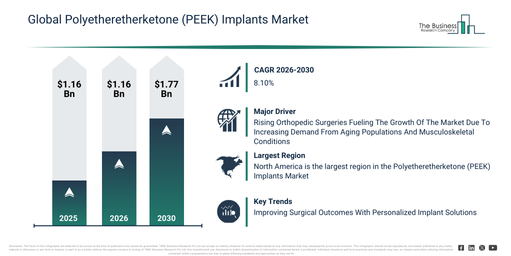
    The polyetheretherketone (peek) implants market has demonstrated strong growth in recent years. It is projected to expand from $1.55 billion in 2025 to $1.68 billion in 2026, registering a compound annual growth rate (CAGR) of 8.4%. The growth experienced in the historic period can be attributed to a combination of rising spinal and orthopedic surgeries, growing awareness of biocompatible implants, increasing demand for trauma surgery devices, advancements in polymer technology, and the expansion of healthcare infrastructure.

    The polyetheretherketone (peek) implants market is projected to experience substantial expansion in the coming years. By 2030, this market is anticipated to reach a valuation of $2.29 billion, driven by a compound annual growth rate (CAGR) of 8.1%. Factors contributing to this growth during the projected period include the increasing uptake of 3D-printed implants, a growing elderly demographic, the rise in minimally invasive surgical techniques, advancements in PEEK material technology, and the development of nascent markets. Key trends shaping the forecast period encompass the embrace of radiolucent implants, a focus on minimally invasive surgical approaches, the development of personalized 3D-printed PEEK implants, enhanced biocompatibility and prolonged implant durability, and the use of lightweight implant materials.

    Get A Free Sample Report With In-Depth Market Insights:

    https://thebusinessresearchcompany.com/sample_request?id=30430465&type=smp&name=Polyetheretherketone%20%28PEEK%29%20Implants%20Market%20Report%202026&utm_source=Blogs&utm_medium=Paid&utm_campaign=Oct_PR

    Polyetheretherketone (PEEK) Implants Market Demand Drivers: What’s Powering Industry Growth?

    A rising volume of orthopedic procedures is projected to fuel expansion within the polyetheretherketone (PEEK) implants market moving ahead. These surgeries encompass medical interventions designed to address ailments impacting the musculoskeletal system, such as bones, joints, ligaments, tendons, and muscles, frequently necessitating implants for either restoration or substitution. The uptick in orthopedic operations is largely attributed to the world’s aging populace, a demographic more susceptible to musculoskeletal issues like arthritis, joint deterioration, and fractures. With greater life expectancy, there’s a corresponding increase in the need for surgical treatments to preserve mobility and overall quality of life. PEEK implants find application in orthopedic procedures as robust, biocompatible alternatives to their metal counterparts, offering strength, adaptability, and radiolucency for enhanced imaging and sustained stabilization of joints or bones. For example, data from December 2023, reported by the UK Health Security Agency (UKHSA), a UK government body, indicates that from the financial year 2022 to 2023, mandatory orthopedic surveillance procedures witnessed a 7.3% increase, climbing from 102,027 operations. Consequently, the growing volume of orthopedic surgeries is propelling expansion within the polyetheretherketone (PEEK) implants market.

    Polyetheretherketone (PEEK) Implants Market Segment Breakdown: Which Categories Lead On Revenue?

    The polyetheretherketone (peek) implants market covered in this report is segmented –

    1) By Type: Interbody Devices, Screws, Fixation Plates, Rods, Cages

    2) By Application: Spinal Fusion, Trauma Surgery, Craniomaxillofacial Surgery, Sports Medicine

    3) By End User: Hospitals And Clinics, Ambulatory Surgical Centers, Other End Users

    Subsegments:

    1) By Interbody Devices: Cervical Interbody Cages, Lumbar Interbody Cages, Thoracic Interbody Cages, 3D-printed Interbody Implants

    2) By Screws: Pedicle Screws, Cortical Screws, Cannulated Screws, Locking Screws

    3) By Fixation Plates: Cranial Fixation Plates, Maxillofacial Fixation Plates, Orthopedic Trauma Plates, Spinal Fixation Plates

    4) By Rods: Spinal Stabilization Rods, Dynamic Stabilization Rods, Posterior Fixation Rods, Custom Contoured Rods

    5) By Cages: Anterior Lumbar Interbody Fusion (ALIF) Cages, Posterior Lumbar Interbody Fusion (PLIF) Cages, Transforaminal Lumbar Interbody Fusion (TLIF) Cages, Expandable Cages

    Polyetheretherketone (PEEK) Implants Market Innovation Trends: What Developments Are Reshaping The Industry?

    Major companies within the polyetheretherketone (PEEK) implants market are increasingly focusing on technological breakthroughs like 3D-printed implants to enhance personalized patient customization, improve surgical outcomes, and accelerate recovery times. A 3D-printed implant is a bespoke medical device created through additive manufacturing technology, designed to perfectly match a patient’s unique anatomy, thereby improving fit, functionality, and overall treatment effectiveness. For example, in April 2024, 3D Systems, Inc., a US-based company specializing in 3D printing solutions, obtained 510(k) clearance from the U.S. Food and Drug Administration (FDA) for its VSP PEEK Cranial Implant, which is a 3D-printed, patient-specific cranial implant solution. This offering includes a fully FDA-cleared operational workflow featuring advanced segmentation and 3D modeling software, the EXT 220 MED 3D printer from 3D Systems, Evonik’s VESTAKEEP i4 3DF PEEK material, and a standardized production methodology. By leveraging additive manufacturing, this technology allows for the creation of customized cranial implants using up to 85% less material compared to traditional machining methods, significantly reducing costs associated with high-priced implant-grade PEEK.

    Polyetheretherketone (PEEK) Implants Market Leading Players And Competitive Positioning

    Major companies operating in the polyetheretherketone (peek) implants market are Stryker Corporation, NuVasive Inc., 3D Systems Inc., Zypeek Medical Technology Co. Ltd., Innovasis Inc., HAPPE Spine LLC, Cavendish Implants Ltd., Junsun Medical Technology Co. Ltd., Medtronic plc, Zimmer Biomet Holdings Inc., Globus Medical Inc., Orthofix Medical Inc., Alphatec Spine Inc., Xtant Medical Holdings Inc., Life Spine Inc., SeaSpine Holdings Corporation, CoreLink LLC, Aurora Spine Corporation, ChoiceSpine LLC, DePuy Synthes Spine, Aesculap Spine, K2M Group Holdings Inc., Curiteva Inc.

    View The Full Polyetheretherketone (PEEK) Implants Market Report:

    https://thebusinessresearchcompany.com/report/polyetheretherketone-peek-implants-global-market-report?utm_source=Blogs&utm_medium=Paid&utm_campaign=Oct_PR

    Polyetheretherketone (PEEK) Implants Market Regional Distribution: Which Areas Power Market Growth?

    North America was the largest region in the polyetheretherketone (PEEK) implants market in 2025. Asia-Pacific is expected to be the fastest-growing region in the forecast period. The regions covered in the polyetheretherketone (peek) implants market report are Asia-Pacific, South East Asia, Western Europe, Eastern Europe, North America, South America, Middle East, Africa.

    Reach Out To Our Team:

    The Business Research Company: https://www.thebusinessresearchcompany.com/

    Americas: +1 310-496-7795

    Asia: +44 7882 955267 & +91 8897263534

    Europe: +44 7882 955267

    Email us at: marketing@tbrc.info

    Follow us on:

    LinkedIn: https://in.linkedin.com/company/the-business-research-company

    YouTube: https://www.youtube.com/channel/UC24_fI0rV8cR5DxlCpgmyFQ

    Global Market Model: https://www.thebusinessresearchcompany.com/global-market-model
  • Polyether Ether Ketone (PEEK) Interbody Devices Market Size In 2026: Regional Growth, Key Segments And Future Outlook

    Polyether Ether Ketone (PEEK) Interbody Devices Market Size In 2026: Regional Growth, Key Segments And Future Outlook

    Built to provide research that’s more actionable and strategically valuable, The Business Research Company’s 2026 market reports include market attractiveness analysis, total addressable market sizing, company benchmarking matrices, interactive Excel dashboards, broader supply chain intelligence, emerging startup tracking, and in-depth product insights.

    Polyether Ether Ketone (PEEK) Interbody Devices Market Value Analysis: What Growth Lies Ahead Over The Forecast Period?

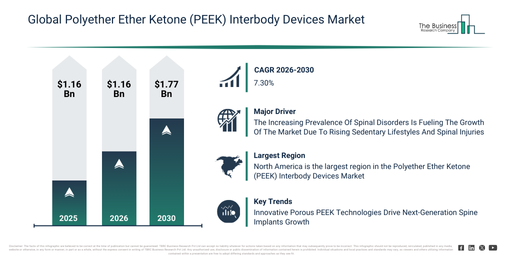
    The polyether ether ketone (peek) interbody devices market has experienced robust growth in its size over recent years. It is projected to expand from $1.92 billion in 2025 to $2.07 billion in 2026, reflecting a compound annual growth rate (CAGR) of 7.8%. The historical growth can be ascribed to factors such as the increasing prevalence of degenerative disc disease, a rise in spinal trauma cases, the adoption of conventional spinal implants, an expanding geriatric population, and limited awareness about advanced interbody devices.

    The polyether ether ketone (peek) interbody devices market size is poised for substantial growth in the upcoming years. It is projected to expand to $2.74 billion in 2030, achieving a compound annual growth rate (CAGR) of 7.3%. This anticipated growth during the forecast period can be attributed to enhancements in PEEK material and design, an increase in minimally invasive surgeries, the development of hospital infrastructure, a heightened demand for personalized implants, and the global expansion of spinal fusion procedures. Significant trends identified for the forecast period encompass minimally invasive surgical techniques, improved biocompatibility and material innovation, the creation of radiolucent implants, the customization of spinal implants, and the rising prevalence of spinal fusion surgeries.

    Get A Free Sample Report With In-Depth Market Insights:

    https://thebusinessresearchcompany.com/sample_request?id=64816050&type=smp&name=Polyether%20Ether%20Ketone%20%28PEEK%29%20Interbody%20Devices%20Market%20Report%202026&utm_source=Blogs&utm_medium=Paid&utm_campaign=Oct_PR

    Polyether Ether Ketone (PEEK) Interbody Devices Market Growth Drivers: What’s Behind The Acceleration?

    The increasing occurrence of spinal conditions is anticipated to drive the expansion of the PEEK interbody devices market moving forward. Spinal disorders encompass medical issues affecting the spine, including its bones, discs, nerves, and muscles. These disorders are becoming more common due to sedentary lifestyles, as extended periods of sitting and reduced physical activity weaken muscles supporting the spine and increase stress on it. PEEK interbody devices assist in treating spinal disorders by providing strong yet flexible support between vertebrae, thereby promoting spinal stability and encouraging natural bone growth, all while maintaining clear imaging for subsequent scans. For instance, in May 2023, according to Spinal Cord Inc., a US-based resource for individuals affected by spinal cord injuries and their families, the United States recorded approximately 18,000 new cases of spinal cord injuries (SCI) in 2023, with an estimated 302,000 people living with SCI across the country. Therefore, the rising prevalence of spinal disorders is a key factor boosting the PEEK interbody devices market’s growth.

    Polyether Ether Ketone (PEEK) Interbody Devices Market Segmentation: How Does The Market Break Down By Category?

    The polyether ether ketone (peek) interbody devices market covered in this report is segmented –

    1) By Product Type: Posterolateral Fusion Devices, Interbody Fusion Devices, Anterior Lumbar Interbody Fusion Devices (Alif), Extreme Lateral Interbody Fusion Devices (Xlif), Posterior Lumbar Interbody Fusion Devices (Plif), Transforaminal Lumbar Interbody Fusion Devices (Tlif)

    2) By Application: Spinal Fusion Surgery, Degenerative Disc Disease, Spinal Trauma, Spinal Deformity

    3) By Distribution Channel: Direct Sales, Third-Party Distributors

    4) By End-User: Hospitals And Clinics, Ambulatory Surgery Clinics, Specialty Spine Centers

    Subsegments:

    1) By Posterolateral Fusion Devices: Single-Level Devices, Multi-Level Devices, Expandable Devices

    2) By Interbody Fusion Devices: Cervical Fusion Devices, Lumbar Fusion Devices, Hybrid Devices

    3) By Anterior Lumbar Interbody Fusion Devices (ALIF): Flat-Profile Devices, Curved-Profile Devices, Cage-Style Devices

    4) By Extreme Lateral Interbody Fusion Devices (XLIF): Plated Devices, Cage-Style Devices, Oblique Devices

    5) By Posterior Lumbar Interbody Fusion Devices (PLIF): Lordotic Devices, Flat-Cage Devices, Mesh Or Porous Devices

    6) By Transforaminal Lumbar Interbody Fusion Devices (TLIF): Hollow Devices, Expandable Cages, Radiolucent Devices

    Polyether Ether Ketone (PEEK) Interbody Devices Market Trends: What’s Defining The Industry’s Next Phase?

    Leading firms within the polyether ether ketone (PEEK) interbody devices market are concentrating on creating novel solutions, including porous PEEK interbody spacers, with the aim of enhancing osseointegration and fostering superior spinal fusion results. These porous PEEK interbody spacers represent spinal implants constructed from polyether ether ketone, featuring a bone-like porous architecture that facilitates bone ingrowth, thereby contributing to improved osseointegration and increased spinal fusion stability. An example of this innovation occurred in March 2025 when Globus Medical Inc., a musculoskeletal technology company based in the US, introduced the COHERE ALIF Spacer. The company characterized this product as the inaugural Porous PEEK interbody spacer specifically engineered for anterior lumbar interbody fusion (ALIF) surgery. Comprising Globus Medical’s Porous PEEK advanced materials architecture, the COHERE ALIF Spacer is designed to stimulate bone ingrowth while preserving PEEK’s benefits in imaging and mechanical properties. This spacer is designated for ALIF procedures, forms part of an expanded anterior spine product lineup, and incorporates a porous surface/structure intended to boost biological fixation more effectively than smooth PEEK implants.

    Polyether Ether Ketone (PEEK) Interbody Devices Market Competitive Overview And Top Companies

    Major companies operating in the polyether ether ketone (peek) interbody devices market are Medtronic Inc., Stryker Corporation, Zimmer Biomet Holdings Inc., Globus Medical Inc., NuVasive Inc., Orthofix Medical Inc., Xtant Medical Holdings Inc., Alphatec Spine Inc., Spinal Elements Inc., Providence Medical Technology Inc., FossiLabs LLC, Life Spine Inc., Curiteva Inc., Medacta International S.A., LDR Holding Corporation, Cavendish Implants Limited, DePuy Synthes Spine, SeaSpine Holdings Corporation, Aesculap Spine, CoreLink LLC, Aurora Spine Corporation, ChoiceSpine LLC, K2M Group Holdings Inc.

    View The Full Polyether Ether Ketone (PEEK) Interbody Devices Market Report:

    https://thebusinessresearchcompany.com/report/polyether-ether-ketone-peek-interbody-devices-global-market-report?utm_source=Blogs&utm_medium=Paid&utm_campaign=Oct_PR

    Polyether Ether Ketone (PEEK) Interbody Devices Market Leading Geography: Which Region Contributes The Most Revenue?

    North America was the largest region in the polyether ether ketone (PEEK) interbody devices market in 2025. Asia-Pacific is expected to be the fastest-growing region in the forecast period. The regions covered in the polyether ether ketone (peek) interbody devices market report are Asia-Pacific, South East Asia, Western Europe, Eastern Europe, North America, South America, Middle East, Africa.

    Reach Out To Our Team:

    The Business Research Company: https://www.thebusinessresearchcompany.com/

    Americas: +1 310-496-7795

    Asia: +44 7882 955267 & +91 8897263534

    Europe: +44 7882 955267

    Email us at: marketing@tbrc.info

    Follow us on:

    LinkedIn: https://in.linkedin.com/company/the-business-research-company

    YouTube: https://www.youtube.com/channel/UC24_fI0rV8cR5DxlCpgmyFQ

    Global Market Model: https://www.thebusinessresearchcompany.com/global-market-model
  • Point-Of-Care-Testing (POCT) Market Growth Forecast Through 2030: Market Size And Trends In 2026

    Point-Of-Care-Testing (POCT) Market Growth Forecast Through 2030: Market Size And Trends In 2026

    Backed by market attractiveness analysis, total addressable market sizing, company benchmarking matrices, interactive Excel dashboards, wider supply chain intelligence, emerging startup coverage, and detailed product-level insights, The Business Research Company’s 2026 market reports are designed to offer research that is more actionable and strategically valuable than ever.

    Point-Of-Care-Testing (POCT) Market Size Forecast: How Big Could The Market Get By 2030?

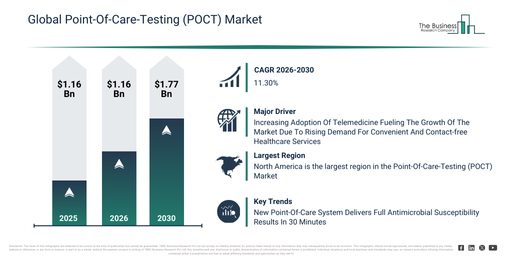
    The point-of-care-testing (poct) market size has experienced significant growth in recent years. It is projected to expand from $50.79 billion in 2025 to $56.68 billion in 2026, at a compound annual growth rate (CAGR) of 11.6%. The market’s historical growth can be attributed to the rising prevalence of chronic diseases, an increasing necessity for rapid clinical decision-making, the expansion of emergency and critical care services, limited access to centralized laboratories, and the demand for immediate diagnostic results.

    The point-of-care-testing (POCT) market is projected to experience substantial expansion in the coming years. This market is anticipated to reach $86.91 billion by 2030, exhibiting a compound annual growth rate (CAGR) of 11.3%. This growth during the projection period is driven by factors such as progress in POCT device miniaturization, the expansion of home care and remote patient monitoring, an increase in infectious disease outbreaks, greater healthcare decentralization, and the rising uptake of self-testing diagnostics. Key trends expected during the forecast period encompass the increasing integration of rapid diagnostic testing at the point of care, a growing need for home-based and self-testing options, the wider availability of over-the-counter diagnostic products, an intensified focus on early disease detection and screening, and enhancements in the accuracy and sensitivity of POCT devices.

    Get A Free Sample Report With In-Depth Market Insights:

    https://thebusinessresearchcompany.com/sample_request?id=83696966&type=smp&name=Point-Of-Care-Testing%20%28POCT%29%20Market%20Report%202026&utm_source=Blogs&utm_medium=Paid&utm_campaign=Oct_PR

    Point-Of-Care-Testing (POCT) Market Growth Factors Behind Sustained Expansion

    The expanding use of telemedicine is anticipated to drive the point-of-care-testing (POCT) market’s growth in the future. Telemedicine is defined as the remote provision of medical care, leveraging digital communication methods like video calls, phone calls, or secure messaging. The uptake of telemedicine stems from an increasing need for convenient, prompt, and contact-free healthcare, especially hastened by the COVID-19 pandemic. Point-of-care testing (POCT) facilitates telemedicine by offering quick, dependable diagnostic outcomes that can be immediately transmitted to distant healthcare professionals. For example, in April 2025, the American Hospital Association, a US-based professional organization, reported that over 12.6% of Medicare beneficiaries used telehealth services in 2023. Projections indicate that the physician count will reach up to 86,000 by 2036. Telehealth is crucial in addressing the growing shortage of physicians. Consequently, the widespread use of telemedicine is propelling the expansion of the point-of-care-testing (POCT) market.

    Point-Of-Care-Testing (POCT) Market Segment Trends And Revenue Contributors

    The point-of-care-testing (poct) market covered in this report is segmented –

    1) By Type: Blood Glucose Testing, Infectious Diseases Testing, Cardiac Markers Testing, Coagulation Testing, Pregnancy And Fertility Testing, Blood Gas Or Electrolytes Testing, Urinalysis Testing, Other Types

    2) By Mode Of Purchase: Over-The-Counter Products, Prescribed Based Products

    3) By Technology: Immunoassays, Molecular Diagnostics, Microbial Detection, Polymerase Chain Reaction (PCR) Testing, Biochemical Testing

    4) By End-User: Clinical Laboratories, Ambulatory Care Facilities And Physician Offices, Pharmacies, Retail Clinics And E-Comm Platforms, Hospitals, Critical Care Centres, Urgent Care Centres, Home Care And Self-Testing, Other End-Users

    Subsegments:

    1) By Blood Glucose Testing: Self-Monitoring Blood Glucose Devices, Continuous Glucose Monitoring Devices, Flash Glucose Monitoring Devices

    2) By Infectious Diseases Testing: Human Immunodeficiency Virus (HIV) Testing, Hepatitis Testing, Influenza Testing, COVID-19 Testing, Other Infectious Diseases Testing

    3) By Cardiac Markers Testing: Troponin Testing, Creatine Kinase-MB (CK-MB) Testing, Myoglobin Testing, B-type Natriuretic Peptide (BNP) Testing

    4) By Coagulation Testing: Prothrombin Time (PT) Testing, Activated Partial Thromboplastin Time (aPTT) Testing, International Normalized Ratio (INR) Testing

    5) By Pregnancy And Fertility Testing: Pregnancy Test Kits, Ovulation Test Kits, Fertility Hormone Testing

    6) By Blood Gas Or Electrolytes Testing: Arterial Blood Gas Testing, Venous Blood Gas Testing, Electrolyte Testing

    7) By Urinalysis Testing: Urine Chemistry Analysis, Microscopic Urine Analysis, Urine Culture Testing

    8) By Other Types: Drug Abuse Testing, Allergy Testing, Cholesterol Testing, Thyroid Function Testing

    Point-Of-Care-Testing (POCT) Market Industry Trends Fueling Future Revenue Growth

    Leading companies in the point-of-care testing (POCT) market are increasingly directing their efforts towards technological innovations, including microfluidic rapid antimicrobial-susceptibility testing (AST) systems. This focus aims to address the rising demand for quicker, clinic-level diagnostics and enhanced antimicrobial stewardship in primary care. This microfluidic AST technology utilizes fluid channels at the micrometer scale to cultivate and identify bacteria from patient samples, such as urine, and determine their antibiotic susceptibility in a significantly reduced timeframe compared to conventional culture-based methods, which often take several days. For instance, in June 2023, Sysmex Corporation, a Japan-based diagnostics company, unveiled the PA 100 AST System. This compact POCT analyser incorporates Sysmex Astrego’s proprietary microfluidic cartridges to identify bacteria in approximately 15 minutes and deliver comprehensive AST results in about 30 minutes. The system is highly intuitive: healthcare professionals simply place the sample into a single-use cartridge, insert it into the desktop analyser, and receive automated AST readouts without needing specialized laboratory training. This swift turnaround enables timely antibiotic decisions during the first patient visit, thereby supporting initiatives to lessen inappropriate prescriptions and combat antimicrobial resistance (AMR).

    Point-Of-Care-Testing (POCT) Market Competitive Landscape: Which Companies Lead The Industry?

    Major companies operating in the point-of-care-testing (poct) market are Johnson & Johnson, F. Hoffmann‑La Roche Ltd., Abbott Laboratories, Danaher Corporation, Siemens Healthineers AG, Becton Dickinson and Company, BioMérieux SA, QuidelOrtho Corporation, Sysmex Corporation, Nova Biomedical Corporation, LifeScan Inc., Ascensia Diabetes Care Holdings AG, Trividia Health Inc., Trinity Biotech Plc, Sinocare Inc., Menarini Diagnostics, Princeton BioMeditech, Helena Laboratories, Chembio Diagnostics, ARKRAY, Accriva, ACON Laboratories, Sekisui Diagnostics, PTS Diagnostics, Meridian Bioscience

    View The Full Point-Of-Care-Testing (POCT) Market Report:

    https://thebusinessresearchcompany.com/report/point-of-care-testing-poct-global-market-report?utm_source=Blogs&utm_medium=Paid&utm_campaign=Oct_PR

    Point-Of-Care-Testing (POCT) Market Regional Outlook: Where Is Opportunity Concentrated?

    North America was the largest region in the point-of-care testing (POCT) market in 2025. Asia-Pacific is expected to be the fastest-growing region in the forecast period. The regions covered in the point-of-care-testing (poct) market report are Asia-Pacific, South East Asia, Western Europe, Eastern Europe, North America, South America, Middle East, Africa.

    Reach Out To Our Team:

    The Business Research Company: https://www.thebusinessresearchcompany.com/

    Americas: +1 310-496-7795

    Asia: +44 7882 955267 & +91 8897263534

    Europe: +44 7882 955267

    Email us at: marketing@tbrc.info

    Follow us on:

    LinkedIn: https://in.linkedin.com/company/the-business-research-company

    YouTube: https://www.youtube.com/channel/UC24_fI0rV8cR5DxlCpgmyFQ

    Global Market Model: https://www.thebusinessresearchcompany.com/global-market-model
  • Point-of-Care Technology Market Analysis: $47.41 Billion Market Size In 2026 And Future Growth Prospects

    Point-of-Care Technology Market Analysis: $47.41 Billion Market Size In 2026 And Future Growth Prospects

    Featuring market attractiveness scoring, total addressable market sizing, company benchmarking matrices, interactive Excel dashboards, deeper supply chain intelligence, emerging startup tracking, and granular product-level insights, The Business Research Company’s 2026 market reports are built to deliver research that is both more actionable and more strategically valuable.

    Point-of-Care Technology Market Revenue Outlook: What CAGR Lies Ahead Through 2030?

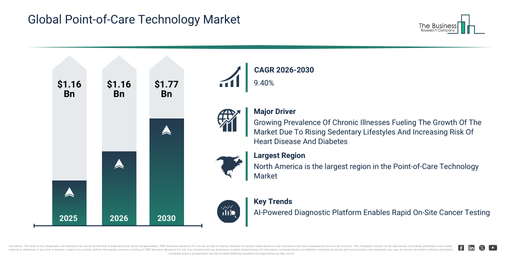
    The point-of-care technology market size has demonstrated robust growth over recent years. Projections indicate it will expand from $43.21 billion in 2025 to $47.41 billion in 2026, achieving a compound annual growth rate (CAGR) of 9.7%. This historical expansion is attributable to factors such as reliance on centralized laboratory testing, restricted availability of rapid diagnostics in isolated regions, the increasing prevalence of infectious diseases, a rise in hospital patient numbers, and the early uptake of fundamental point-of-care instruments.

    The point-of-care technology market is projected to experience substantial expansion in the coming years, with its size forecast to reach $67.94 billion by 2030, exhibiting a compound annual growth rate (CAGR) of 9.4%. This anticipated growth can be ascribed to advancements in microfluidics and PCR technologies, an increasing prevalence of chronic and lifestyle diseases, the expansion of homecare and decentralized healthcare models, greater healthcare digitization, and supportive regulatory frameworks for rapid diagnostics. Prominent trends expected during this forecast period include an escalating demand for rapid diagnostic testing at the point of care, a rise in the adoption of home-based and remote testing solutions, the development of portable and handheld diagnostic devices, an broadening of infectious and chronic disease testing, and an enhanced focus on user-friendliness and quicker turnaround times for results.

    Get A Free Sample Report With In-Depth Market Insights:

    https://thebusinessresearchcompany.com/sample_request?id=77621095&type=smp&name=Point-of-Care%20Technology%20Market%20Report%202026&utm_source=Blogs&utm_medium=Paid&utm_campaign=Oct_PR

    Point-of-Care Technology Market Demand Drivers Opening New Revenue Streams

    The increasing prevalence of chronic illnesses is anticipated to propel the growth of the point-of-care technology market. Chronic illnesses are enduring health conditions that persist for extended periods, typically requiring ongoing care and adjustments to daily life. These conditions are on the rise due to inactive lifestyles, as prolonged sitting and insufficient physical activity elevate the risk of diseases such as heart conditions and diabetes. Point-of-care technology assists in managing chronic illnesses by offering quick, on-site diagnostic testing, proving ideal for clinics, homes, and remote care environments. It minimizes delays in treatment by delivering real-time results, thereby enhancing patient monitoring and overall healthcare convenience. For instance, in June 2024, according to the National Health Service, a UK-based government department, 3,615,330 individuals registered with a general practitioner (GP) were diagnosed with non-diabetic hyperglycemia or pre-diabetes in 2023, marking an 18% increase from 3,065,825 cases in 2022. Therefore, the growing occurrence of chronic illnesses is a significant factor driving the point-of-care technology market.

    Point-of-Care Technology Market Segment Analysis Spotlighting Growth Areas

    The point-of-care technology market covered in this report is segmented –

    1) By Product Type: Diagnostics Devices, Monitoring Devices, Therapeutic Devices, Data Management Systems

    2) By Ownership Model: Standalone Solutions, Integrated Solutions, Cloud-Based Solutions

    3) By Technology: Microfluidics, Polymerase Chain Reaction (PCR), Immunoassays

    4) By Application: Infectious Disease Testing, Glucose Monitoring, Cardiometabolic Monitoring, Pregnancy And Fertility Testing, Other Applications

    5) By End-User: Hospitals, Clinics, Homecare Settings, Ambulatory Surgical Centers

    Subsegments:

    1) By Diagnostics Devices: Blood Glucose Monitoring Devices, Infectious Disease Testing Devices, Cardiac Marker Testing Devices, Coagulation Testing Devices, Pregnancy And Fertility Testing Devices, Urinalysis Testing Devices, Hematology Testing Devices, Cholesterol Testing Devices

    2) By Monitoring Devices: Vital Signs Monitoring Devices, Continuous Glucose Monitoring Devices, Cardiac Monitoring Devices, Respiratory Monitoring Devices

    3) By Therapeutic Devices: Insulin Delivery Devices, Nebulizers, Dialysis Machines, Infusion Pumps

    4) By Data Management Systems: Point Of Care (POC) Data Integration Systems, Point Of Care (POC) Middleware Solutions, Point Of Care (POC) Data Analytics Platforms

    Point-of-Care Technology Market Trends Powering Strategic Industry Growth

    Leading companies in the point-of-care technology market are concentrating on creating technologically advanced solutions, particularly AI-powered diagnostic platforms, to boost accuracy, speed, and accessibility in detecting diseases. AI-powered diagnostic platforms are sophisticated systems that harness artificial intelligence to quickly analyze medical data, enabling real-time, on-site testing for severe conditions like cancer. For instance, in February 2025, Avitia Inc., a Canada-based point-of-care diagnostics company, introduced an AI-powered platform tailored for rapid, point-of-care cancer testing. This platform merges machine learning algorithms with portable diagnostic devices, allowing healthcare providers to perform fast, precise cancer screening outside traditional lab environments. Such innovation reduces turnaround times, improves early detection, and minimizes the need for complex infrastructure, thereby making advanced diagnostics more reachable in remote or underserved areas.

    Point-of-Care Technology Market Competitive Landscape: Who Leads The Industry?

    Major companies operating in the point-of-care technology market are F. Hoffmann-La Roche AG, Thermo Fisher Scientific Inc., Abbott Laboratories, Danaher Corporation, Siemens Healthineers AG, Hologic Inc., bioMérieux SA, Quidel Corporation, Sysmex Corporation, Cepheid Inc., Radiometer Medical ApS, Nova Biomedical, Sekisui Diagnostics LLC, Abaxis Inc., BHR Biosynex, EKF Diagnostics Holdings plc, Acon Laboratories Inc., Trinity Biotech plc, Chembio Diagnostics Inc., Arkray Inc., Orchard Software Corporation, Point of Care Biomedical Private Limited

    View The Full Point-of-Care Technology Market Report:

    https://thebusinessresearchcompany.com/report/point-of-care-technology-global-market-report?utm_source=Blogs&utm_medium=Paid&utm_campaign=Oct_PR

    Point-of-Care Technology Market Geographic Landscape: Which Region Leads Industry Growth?

    North America was the largest region in the point-of-care technology market in 2025. Asia-Pacific is expected to be the fastest-growing region in the forecast period. The regions covered in the point-of-care technology market report are Asia-Pacific, South East Asia, Western Europe, Eastern Europe, North America, South America, Middle East, Africa.

    Reach Out To Our Team:

    The Business Research Company: https://www.thebusinessresearchcompany.com/

    Americas: +1 310-496-7795

    Asia: +44 7882 955267 & +91 8897263534

    Europe: +44 7882 955267

    Email us at: marketing@tbrc.info

    Follow us on:

    LinkedIn: https://in.linkedin.com/company/the-business-research-company

    YouTube: https://www.youtube.com/channel/UC24_fI0rV8cR5DxlCpgmyFQ

    Global Market Model: https://www.thebusinessresearchcompany.com/global-market-model
  • Point-Of-Care Molecular Diagnostics Market 2026 Market Size And Growth Forecast: Key Trends To Watch

    Point-Of-Care Molecular Diagnostics Market 2026 Market Size And Growth Forecast: Key Trends To Watch

    Built to provide research that’s more actionable and strategically valuable, The Business Research Company’s 2026 market reports include market attractiveness analysis, total addressable market sizing, company benchmarking matrices, interactive Excel dashboards, broader supply chain intelligence, emerging startup tracking, and in-depth product insights.

    Point-Of-Care Molecular Diagnostics Market Growth Analysis: How Will Revenue Trend Over The Forecast Period?

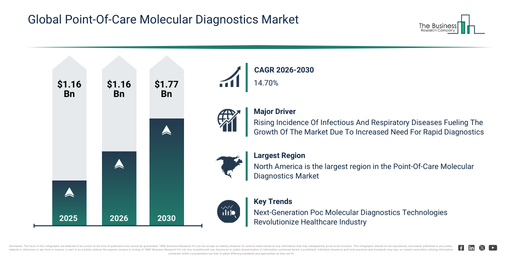
    The point-of-care molecular diagnostics market size has experienced swift expansion over the last few years. It is projected to increase from $3.98 billion in 2025 to $4.58 billion in 2026, demonstrating a compound annual growth rate (CAGR) of 15.0%. The growth observed in previous periods stems from factors such as the rising occurrence of infectious diseases, the broadening scope of emergency diagnostic testing, an elevated need for swift clinical decision support, advancements in molecular assay technologies, and the expanding implementation of POC diagnostics in hospital environments.

    The point-of-care molecular diagnostics market is anticipated to expand rapidly in the near future. By 2030, this market is set to reach a valuation of $7.91 billion, demonstrating a compound annual growth rate (CAGR) of 14.7%. Key drivers for this growth during the projected timeframe include the rising popularity of home-based molecular testing, greater investments in infrastructure for rapid diagnostics, broader applications for respiratory and oncology testing, increased incorporation of cloud-based diagnostic platforms, and a heightened emphasis on detecting diseases at early stages. Significant trends anticipated in the forecast period encompass a wider uptake of rapid molecular testing platforms, a growing need for decentralized diagnostic options, more widespread integration of automated sample processing, an enlargement of syndromic testing panels, and an intensified focus on achieving quick turnaround times.

    Get A Free Sample Report With In-Depth Market Insights:

    https://thebusinessresearchcompany.com/sample_request?id=74699384&type=smp&name=Point-Of-Care%20Molecular%20Diagnostics%20Market%20Report%202026&utm_source=Blogs&utm_medium=Paid&utm_campaign=Oct_PR

    Point-Of-Care Molecular Diagnostics Market Growth Backed By Core Demand Fundamentals

    The quick rise in the incidence of infectious and respiratory ailments is anticipated to substantially fuel the expansion of the point-of-care molecular diagnostics market. Respiratory infections, which include viruses or bacteria, originate from microorganisms affecting the respiratory system. These tiny organisms can spread via coughing, sneezing, or physical contact. Treating severe respiratory conditions involves various methods like inhalers, oral medicines, intravenous therapies, and point-of-care molecular diagnostic tools for patient recovery. For example, data from June 2024, released by the UK Health Security Agency, a UK-based government body, indicated that from week 40 of 2022 to week 15 of 2023, 108 NHS trusts in England recorded 1,681 critical care admissions due to confirmed influenza. This contrasts with the prior season, where 182 admissions were noted across 114 trusts, rising to 316 by week 39 of 2022. Consequently, the swift emergence of infectious and respiratory diseases, along with associated fatalities, will propel the point-of-care molecular diagnostics market forward.

    Point-Of-Care Molecular Diagnostics Market Segment Performance And Emerging Opportunities

    The point-of-care molecular diagnostics market covered in this report is segmented –

    1) By Product: Assays And Kits, Instruments And Analyzers

    2) By Application: Respiratory Infections, Gastrointestinal Infections, Sexually Transmitted Infections (STIs), Hospital-Acquired Infections (HAIs), Bloodstream and Sepsis-Related Infections

    3) By End-User: Decentralized Labs, Hospitals, Home Care, Assisted Living Healthcare Facilities

    Subsegments:

    1) By Assays And Kits: Nucleic Acid Amplification Tests (NAATs), Rapid Diagnostic Tests, Molecular Detection Kits, Reagents And Consumables

    2) By Instruments And Analyzers: Microfluidic Devices, Point-of-Care Analyzers

    Point-Of-Care Molecular Diagnostics Market Growth Trends Reshaping The Competitive Landscape

    Leading companies operating within the point-of-care molecular diagnostics market are concentrating on delivering technologically advanced solutions to strengthen their market standing. These businesses are adopting next-generation point-of-care molecular diagnostics technologies solutions and associated services, such as enzyme-linked immunosorbent assay (ELISA), polymerase chain reaction (PCR), and mass spectrometry (MS), situ hybridizations, spectral karyotyping imaging, DNA microarrays, among others, for implementation on POC devices designed to accelerate analysis times and lower costs. For instance, in May 2023, Sensible Diagnostics, a US-based diagnostics company, introduced a 10-minute point-of-care PCR system. Sensible Diagnostics is drawing upon the experience Curative gained with its diagnostics business throughout the pandemic. The firm stated it has conducted over two million molecular point-of-care COVID-19 tests, and its PCR platform offers a 10-minute time-to-result.

    Point-Of-Care Molecular Diagnostics Market Company Landscape And Competitive Strategy

    Major companies operating in the point-of-care molecular diagnostics market are Abbott Laboratories, F Hoffmann La Roche Ltd, BioMérieux SA, Hologic Inc, Becton Dickinson and Company, Siemens Healthineers AG, QuidelOrtho Corporation, Bio Rad Laboratories Inc, Qiagen N V, Biocartis Group NV, DiaSorin S p A, SD Biosensor Inc, Cue Health Inc, Visby Medical Inc, Binx Health Inc, Molbio Diagnostics Pvt Ltd, Credo Diagnostics Biomedical Pvt Ltd, Genetron Health, Mammoth Biosciences Inc, Seegene Inc

    View The Full Point-Of-Care Molecular Diagnostics Market Report:

    https://thebusinessresearchcompany.com/report/point-of-care-molecular-diagnostics-global-market-report?utm_source=Blogs&utm_medium=Paid&utm_campaign=Oct_PR

    Point-Of-Care Molecular Diagnostics Market Largest Region: Which Geography Holds The Biggest Share?

    North America was the largest region in the point-of-care molecular diagnostics market in 2025. Asia-Pacific is expected to be the fastest-growing region in the forecast period. The regions covered in the point-of-care molecular diagnostics market report are Asia-Pacific, South East Asia, Western Europe, Eastern Europe, North America, South America, Middle East, Africa.

    Reach Out To Our Team:

    The Business Research Company: https://www.thebusinessresearchcompany.com/

    Americas: +1 310-496-7795

    Asia: +44 7882 955267 & +91 8897263534

    Europe: +44 7882 955267

    Email us at: marketing@tbrc.info

    Follow us on:

    LinkedIn: https://in.linkedin.com/company/the-business-research-company

    YouTube: https://www.youtube.com/channel/UC24_fI0rV8cR5DxlCpgmyFQ

    Global Market Model: https://www.thebusinessresearchcompany.com/global-market-model