Blog

  • Personal Mobility Devices Market Trends Reshaping Industry Growth Through 2030

    Personal Mobility Devices Market Trends Reshaping Industry Growth Through 2030

    Backed by market attractiveness analysis, total addressable market sizing, company benchmarking matrices, interactive Excel dashboards, wider supply chain intelligence, emerging startup coverage, and detailed product-level insights, The Business Research Company’s 2026 market reports are designed to offer research that is more actionable and strategically valuable than ever.

    Personal Mobility Devices Market Value Analysis: What Growth Lies Ahead Over The Forecast Period?

    The personal mobility devices market has experienced robust expansion in recent years. Its valuation is projected to increase from $12.57 billion in 2025 to $13.53 billion in 2026, demonstrating a compound annual growth rate (CAGR) of 7.6%. This historical growth has been driven by factors such as the restricted availability of electric mobility choices, a strong reliance on conventional walking aids, a rising urban demographic requiring mobility solutions, growing demands for mobility within hospitals and clinics, and an emerging understanding of smart mobility devices.

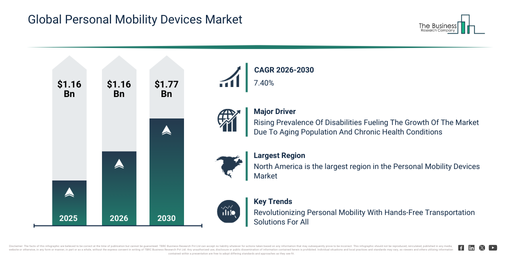
    The personal mobility devices market is projected to experience substantial growth in the upcoming years. It is anticipated to expand to $18.03 billion in 2030 at a compound annual growth rate (CAGR) of 7.4%. This expansion during the forecast period is primarily driven by technological advancements in electric and hybrid PMDs, increasing investments in smart and connected mobility solutions, a rise in government initiatives aimed at accessible urban transportation, growth in homecare and outpatient services, and the increasing adoption of IoT-enabled and autonomous mobility devices. Key trends for this period include the rising use of personal mobility devices for urban commuting, an escalating demand for compact and lightweight mobility solutions, a stronger emphasis on accessibility for elderly and differently-abled individuals, the integration of smart features and IoT connectivity into PMDs, and the expansion of homecare and outpatient mobility services.

    Get A Free Sample Report With In-Depth Market Insights:

    https://thebusinessresearchcompany.com/sample_request?id=28192890&type=smp&name=Personal%20Mobility%20Devices%20Market%20Report%202026&utm_source=Blogs&utm_medium=Paid&utm_campaign=Oct_PR

    Personal Mobility Devices Market Growth Factors: What’s Supporting Expansion?

    The growing incidence of disabilities is projected to drive the expansion of the personal mobility devices market. Disabilities are defined as long-term physical, mental, intellectual, or sensory impairments that, when interacting with various obstacles, can impede an individual’s full and effective participation in society on an equal footing. This increase in the prevalence of disabilities is primarily attributed to an aging global population, as age-related conditions such as arthritis, vision impairment, and dementia become more widespread with extended life expectancy. Personal mobility devices, such as wheelchairs and scooters, are indispensable for individuals with disabilities, as they boost independence, improve accessibility to daily activities, and facilitate greater involvement in social and professional life. For example, in June 2025, a report published by the Department for Work and Pensions, a UK-based government department, revealed that during the 2023-24 period, the count of working-age individuals reporting a long-term health condition climbed by 300,000 (2.0%), the number categorized as disabled increased by 290,000 (3.1%), and those whose day-to-day activities are significantly limited saw a rise of 170,000 (4.4%). Thus, the escalating prevalence of disabilities is a significant catalyst for the growth of the personal mobility devices market.

    Personal Mobility Devices Market Segment Outlook: Which Categories Are Growing Fastest?

    The personal mobility devices market covered in this report is segmented –

    1) By Product Type: Walking Aids, Handbikes, Mobility Scooters, Medical Beds, Stair-lifts, Power Add On Products, Wheelchairs, Other Product Types

    2) By Distribution Channel: Wholesalers Or Distributors, Online Retailers, Multi-Brand Stores, Specialty Stores

    3) By End User: Hospital And Clinics, Ambulatory Surgical Centers, Rehabilitation Centers, Homecare Setting, Other End Users

    Subsegments:

    1) By Walking Aids: Canes, Crutches, Walkers, Rollators

    2) By Handbikes: Manual Handbikes, Electric Handbikes, Hybrid Handbikes

    3) By Mobility Scooters: 3-Wheel Scooters, 4-Wheel Scooters, Foldable Or Portable Scooters, Heavy-Duty Scooters

    4) By Medical Beds: Manual Beds, Semi-Electric Beds, Fully Electric Beds, Bariatric Beds

    5) By Stair-Lifts: Straight Stair-Lifts, Curved Stair-Lifts, Outdoor Stair-Lifts, Platform Stair-Lifts

    6) By Power Add On Products: Power Assist Wheels, Power Drive Units, Motorized Attachments

    7) By Wheelchairs: Manual Wheelchairs, Power Wheelchairs, Transport Wheelchairs, Sports Wheelchairs

    8) By Other Product Types: Patient Lifts, Transfer Aids, Standing Frames, Mobility Accessories

    Personal Mobility Devices Market Industry Trends: What’s Reshaping Demand?

    Major companies operating in the personal mobility devices market are prioritizing the development of technologically advanced products, such as hands-free personal mobility devices, to improve personal mobility by blending movement assistance with immersive digital experiences for wider utility. A hands-free personal mobility device is defined as a self-balancing, motorized transport solution allowing individuals to move without hand operation, typically controlled via body movements or posture for short-distance, personal travel. For example, in February 2024, Honda Motor Co., Ltd., an automotive manufacturer based in Japan, unveiled the UNI-ONE, a hands-free personal mobility device designed to boost user interaction and mobility through advanced self-balancing technology and intuitive control mechanisms. The UNI-ONE features an adjustable seat that can be raised or lowered, enabling users to maintain eye-level communication with people who are both standing and seated, thereby fostering more natural social interactions. Additionally, the device is equipped with Honda’s Omni Traction Drive Systems, which facilitates smooth, multi-directional movement guided by the user’s body posture, not only providing a seamless mobility experience but also enhancing accessibility for users with diverse mobility needs.

    Personal Mobility Devices Market Competitive Landscape: Which Companies Lead The Industry?

    Major companies operating in the personal mobility devices market are Medline Industries Inc., Stryker Corporation, Hill Rom Holdings Inc., Ottobock, Arjo AB, Invacare Holdings Corporation, NOVA Medical Products, Permobil, Sunrise Medical LLC, DRIVE MEDICAL GMBH & CO. KG, Performance Health Supply Inc., Pride Mobility Products Corp., Carex Health Brands Inc., Compass Health Brands, GF Health Products Inc., Handicare Group, Golden Technologies, Falcon Mobility Singapore, Rehabilitation Manufacturing Services Limited (RMS), Karman Healthcare, Triride srl, Eurovema Mobility AB, Rollz International.

    View The Full Personal Mobility Devices Market Report:

    https://thebusinessresearchcompany.com/report/personal-mobility-devices-global-market-report?utm_source=Blogs&utm_medium=Paid&utm_campaign=Oct_PR

    Personal Mobility Devices Market Regional Breakdown: Where Is Demand Concentrated?

    North America was the largest region in the personal mobility devices market in 2025. Asia-Pacific is expected to be the fastest-growing region in the forecast period. The regions covered in the personal mobility devices market report are Asia-Pacific, South East Asia, Western Europe, Eastern Europe, North America, South America, Middle East, Africa.

    Reach Out To Our Team:

    The Business Research Company: https://www.thebusinessresearchcompany.com/

    Americas: +1 310-496-7795

    Asia: +44 7882 955267 & +91 8897263534

    Europe: +44 7882 955267

    Email us at: marketing@tbrc.info

    Follow us on:

    LinkedIn: https://in.linkedin.com/company/the-business-research-company

    YouTube: https://www.youtube.com/channel/UC24_fI0rV8cR5DxlCpgmyFQ

    Global Market Model: https://www.thebusinessresearchcompany.com/global-market-model
  • Personal Emergency Response Systems (PERS) Market Growth To $12.6 Billion Creates New Opportunities Across The Industry

    Personal Emergency Response Systems (PERS) Market Growth To $12.6 Billion Creates New Opportunities Across The Industry

    Featuring market attractiveness scoring, total addressable market sizing, company benchmarking matrices, interactive Excel dashboards, deeper supply chain intelligence, emerging startup tracking, and granular product-level insights, The Business Research Company’s 2026 market reports are built to deliver research that is both more actionable and more strategically valuable.

    Personal Emergency Response Systems (PERS) Market Size Forecast: How Big Could The Market Get By 2030?

    The personal emergency response systems (pers) market has experienced strong growth in recent years. It is projected to climb from $8.23 billion in 2025 to $8.97 billion in 2026, at a compound annual growth rate (CAGR) of 9.0%. The expansion observed in the historic period can be attributed to aging population growth, rise in independent living seniors, emergency healthcare demand, caregiver shortage, and awareness of elderly safety.

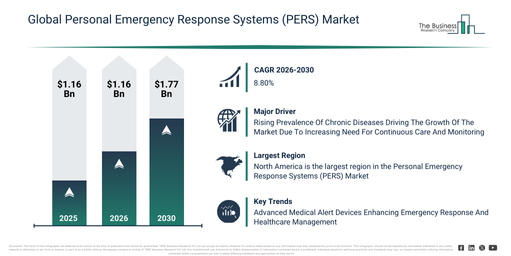
    The personal emergency response systems (pers) market is projected to experience substantial expansion over the coming years. This market is anticipated to reach a valuation of $12.6 billion by 2030, exhibiting a compound annual growth rate (CAGR) of 8.8%. Factors driving this growth during the forecast period include the integration with smart home technologies, AI-powered emergency detection, the increasing scope of home healthcare services, governmental initiatives for elderly care, and the widespread adoption of mobile health solutions. Key trends identified for the upcoming period involve the rise of wearable emergency devices, the uptake of GPS-enabled mobile PERS, the incorporation of fall detection sensors, the development of home-based safety solutions for the elderly, and the implementation of voice-activated emergency systems.

    Get A Free Sample Report With In-Depth Market Insights:

    https://thebusinessresearchcompany.com/sample_request?id=81708607&type=smp&name=Personal%20Emergency%20Response%20Systems%20%28PERS%29%20Market%20Report%202026&utm_source=Blogs&utm_medium=Paid&utm_campaign=Oct_PR

    Personal Emergency Response Systems (PERS) Market Demand Drivers: What’s Powering Industry Growth?

    An increasing incidence of chronic illnesses is anticipated to boost the personal emergency response systems (PERS) market moving ahead. These conditions are long-term health issues that evolve slowly and demand ongoing management, encompassing ailments such as diabetes, heart disease, and arthritis. This surge in chronic disease prevalence stems from poor lifestyle decisions and an expanding elderly demographic. Such detrimental behaviors heighten the likelihood of obesity, insulin resistance, and inflammation, factors critically involved in the emergence of chronic ailments. The growing presence of chronic diseases intensifies the need for personal emergency response systems (PERS), given their provision of continuous oversight and prompt medical assistance. PERS serves as a crucial tool, enabling individuals to notify emergency responders or caretakers during medical emergencies, thereby safeguarding patients and offering reassurance. As an illustration, in June 2024, data from the National Health Service, a UK government department, indicated that in 2023, half a million (549,000) more people in England were identified as being at risk of developing type 2 diabetes. This raised the total count of individuals with non-diabetic hyperglycemia, or pre-diabetes, registered with a GP to 3,615,330. This marks a notable rise when contrasted with 3,065,825 in 2022, underscoring an increase of nearly 20%. Consequently, the expanding occurrence of chronic illnesses stimulates the expansion of the personal emergency response systems (PERS) market.

    Personal Emergency Response Systems (PERS) Market Segment Landscape: Which Areas Lead Development?

    The personal emergency response systems (pers) market covered in this report is segmented –

    1) By Type: Landline Personal Emergency Response System (PERS), Mobile Personal Emergency Response System (PERS)

    2) By Component: Smoke Detectors, Bed Sensors, Pull-Cord Residential, Fall Detection Sensors, Flood Detectors

    3) By End-User: Nursing Home, Home-Based User, Assisted Living Facilities, Hospices, Senior Living Facilities

    Subsegments:

    1) By Landline Personal Emergency Response System (PERS): Basic Landline PERS, Auto-Alert Landline PERS, Voice-Activated Landline PERS

    2) By Mobile Personal Emergency Response System (PERS): GPS-enabled Mobile PERS, Non-GPS Mobile PERS, Wearable Mobile PERS, Smartphone-based Mobile PERS

    Personal Emergency Response Systems (PERS) Market Innovation Trends: What Developments Are Reshaping The Industry?

    Leading companies within the personal emergency response systems (PERS) market are concentrating on developing advanced products, such as medical alert devices, to enhance real-time monitoring for better emergency response and proactive healthcare management. A medical alert device is an electronic system that provides immediate assistance during medical emergencies, typically featuring a wearable help button that links users to emergency response services. For instance, in February 2025, LogicMark, Inc., a US-based medical equipment manufacturing company, unveiled its next-generation Guardian Alert 911 Plus. This advanced personal emergency response device includes fall detection, 4G LTE technology, and a sleek, discreet design, offering crucial, hands-free fall detection and direct access to emergency services, thereby providing aging adults and individuals with medical conditions enhanced safety and independence without recurring costs.

    Personal Emergency Response Systems (PERS) Market Competitive Landscape: Who Leads The Industry?

    Major companies operating in the personal emergency response systems (pers) market are ADT Inc, Tunstall Healthcare, Lifeline Systems Company, Medical Guardian, LifeStation, LifeFone Medical Alert Services, LifeWatch, Rescue Alert, AlertOne Services LLC, GreatCall, Bay Alarm Medical, Lifelink USA, Galaxy Medical Alert Systems, Alarm Systems, MediPendant, QMedic, Life Guardian LLC, Philips Lifeline, Bay Alarm Medical (Expanded Division), Philips Personal Emergency Response Solutions

    View The Full Personal Emergency Response Systems (PERS) Market Report:

    https://thebusinessresearchcompany.com/report/personal-emergency-response-systems-pers-global-market-report?utm_source=Blogs&utm_medium=Paid&utm_campaign=Oct_PR

    Personal Emergency Response Systems (PERS) Market Geographic Landscape: Which Region Dominates Industry Growth?

    North America was the largest region in the personal emergency response systems market in 2025. The regions covered in the personal emergency response systems (pers) market report are Asia-Pacific, South East Asia, Western Europe, Eastern Europe, North America, South America, Middle East, Africa.

    Reach Out To Our Team:

    The Business Research Company: https://www.thebusinessresearchcompany.com/

    Americas: +1 310-496-7795

    Asia: +44 7882 955267 & +91 8897263534

    Europe: +44 7882 955267

    Email us at: marketing@tbrc.info

    Follow us on:

    LinkedIn: https://in.linkedin.com/company/the-business-research-company

    YouTube: https://www.youtube.com/channel/UC24_fI0rV8cR5DxlCpgmyFQ

    Global Market Model: https://www.thebusinessresearchcompany.com/global-market-model
  • Personal Care Robotics Market Forecast: Breaking Down The Numbers Behind Future Expansion

    Personal Care Robotics Market Forecast: Breaking Down The Numbers Behind Future Expansion

    Built to provide research that’s more actionable and strategically valuable, The Business Research Company’s 2026 market reports include market attractiveness analysis, total addressable market sizing, company benchmarking matrices, interactive Excel dashboards, broader supply chain intelligence, emerging startup tracking, and in-depth product insights.

    Personal Care Robotics Market Revenue Outlook: What CAGR Lies Ahead Through 2030?

    The personal care robotics market has demonstrated rapid expansion in recent years. This market is expected to increase from $16.69 billion in 2025 to $18.92 billion in 2026, achieving a compound annual growth rate (CAGR) of 13.3%. The rise observed in the past can be ascribed to factors including the restricted presence of personal care robots, dependence on semi-automated devices, an expanding elderly demographic, increasing consciousness regarding assisted living solutions, and the initial embrace of AI-based healthcare technologies.

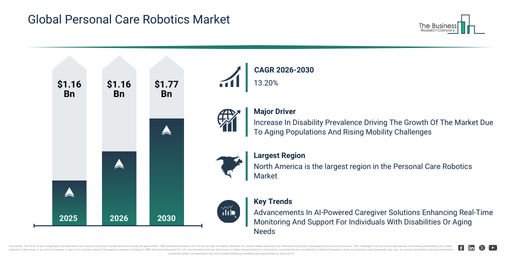
    The personal care robotics market is anticipated to experience substantial growth over the next few years. It is projected to achieve a valuation of $31.02 billion by 2030, exhibiting a compound annual growth rate (CAGR) of 13.2%. The expansion during the forecast period is fueled by advancements in AI and machine learning for robotics, increasing smart home adoption, growing investment in home care and nursing facilities, the spread of sensor and actuator technologies, and a rising demand for personalized elderly and disability care solutions. Prominent trends for this period include the wider uptake of personal care robots in elderly care, an enhanced focus on health monitoring and remote assistance, the increasing integration of robotic wearables for daily activities, the proliferation of companion robots for mental well-being, and improved hygiene and cleaning automation in home care settings.

    Get A Free Sample Report With In-Depth Market Insights:

    https://thebusinessresearchcompany.com/sample_request?id=86493095&type=smp&name=Personal%20Care%20Robotics%20Market%20Report%202026&utm_source=Blogs&utm_medium=Paid&utm_campaign=Oct_PR

    Personal Care Robotics Market Growth Drivers: What’s Behind The Acceleration?

    The personal care robotics market is projected to expand in the coming years, driven by the rising incidence of disabilities. Disabilities encompass physical, mental, sensory, or cognitive impairments that may limit a person’s ability to perform everyday activities or interact with their environment. The increase in disabilities is linked to aging populations, as extended lifespans elevate the likelihood of developing conditions such as mobility challenges, cognitive decline, and chronic health issues. Through assistive technologies, personal care robotics supports individuals with disabilities by boosting their independence, safety, and overall quality of life. These robotic systems can execute routine tasks that some individuals find difficult or impossible, including feeding, dressing, grooming, and mobility support. For example, in October 2024, a report from the House of Commons Library, a UK-based research department of the British Parliament, revealed that during the 2022–2023 fiscal year, 16.1 million people in the UK had a disability, representing approximately 24% of the entire population. Disability prevalence escalated with age, affecting about 11% of children, 23% of working-age individuals, and 45% of those beyond the State Pension age. Consequently, the growing incidence of disabilities is expected to fuel expansion in the personal care robotics market.

    Personal Care Robotics Market Segments: Where Is Growth Concentrated?

    The personal care robotics market covered in this report is segmented –

    1) By Product: Smart Robots, Half Smart Robots

    2) By Technology: Artificial Intelligence (AI) And Machine Learning, Sensors And Actuators, Speech Recognition, Other Technologies

    3) By Application: Elderly Care, Disabled Assistance, Personal Hygiene, Others Applications

    4) By End-User: Hospitals, Nursing Homes, Home Care Settings, Other End-Users

    Subsegments:

    1) By Smart Robots: Personal Assistants, Health Monitoring Robots, Cleaning Robots, Robotic Wearables, Companion Robots

    2) By Half Smart Robots: Semi-Automated Cleaning Robots, Semi-Automated Health Monitoring Devices, Semi-Automated Personal Care Robots

    Personal Care Robotics Market Trends: What’s Defining The Industry’s Next Phase?

    Leading companies in the personal care robotics market are prioritizing the creation of technologically advanced products, such as artificial intelligence (AI)-powered caregiver solutions, designed for continuously monitoring and responding to a person’s needs in real-time. AI-powered caregiver solutions are technology-driven systems that employ machine learning and other AI technologies to assist with caregiving tasks, thereby enhancing efficiency and providing support for individuals with disabilities or aging needs. For instance, in January 2025, Intuition Robotics Inc., an Israel-based developer of digital companion technology, launched the ElliQ Caregiver Solution. This system integrates the ElliQ companion robot with a dedicated Caregiver App for remote care management. Together, they form a comprehensive platform that uses artificial intelligence to support the care of senior citizens. The solution enables caregivers to stay connected, informed, and actively involved in their loved one’s care, even from a distance. ElliQ helps monitor health and activity, establish personalized care goals, and deliver proactive, AI-driven updates, ensuring caregivers are always aware of important changes. By serving as both a companion and a care assistant, ElliQ alerts caregivers to significant shifts in behavior or health, making effective remote care possible without requiring physical presence.

    Personal Care Robotics Market Company Landscape And Competitive Strategy

    Major companies operating in the personal care robotics market are SoftBank Robotics, Blue Ocean Robotics, Aethon Inc, Toyota Motor Corporation, Omron Corporation, Cyberdyne Care Robotics GmbH, ReWalk Robotics Ltd, REX Bionics Ltd, Paro Therapeutic Robots, Blue Frog Robotics, Labrador Systems Inc, Pillo Health, KOMPAÏ Robotics, Service Robotics Limited, PAL Robotics, Ekso Bionics Holdings Inc, Sarcos Technology and Robotics Corporation, Honda Robotics, Focal Meditech BV, Intuition Robotics, Ubtech Robotics, Giraff Technologies AB

    View The Full Personal Care Robotics Market Report:

    https://thebusinessresearchcompany.com/report/personal-care-robotics-global-market-report?utm_source=Blogs&utm_medium=Paid&utm_campaign=Oct_PR

    Personal Care Robotics Market Largest Region: Which Geography Holds The Highest Market Share?

    North America was the largest region in the personal care robotics market in 2025. Asia-Pacific is expected to be the fastest-growing region in the forecast period. The regions covered in the personal care robotics market report are Asia-Pacific, South East Asia, Western Europe, Eastern Europe, North America, South America, Middle East, Africa.

    Reach Out To Our Team:

    The Business Research Company: https://www.thebusinessresearchcompany.com/

    Americas: +1 310-496-7795

    Asia: +44 7882 955267 & +91 8897263534

    Europe: +44 7882 955267

    Email us at: marketing@tbrc.info

    Follow us on:

    LinkedIn: https://in.linkedin.com/company/the-business-research-company

    YouTube: https://www.youtube.com/channel/UC24_fI0rV8cR5DxlCpgmyFQ

    Global Market Model: https://www.thebusinessresearchcompany.com/global-market-model
  • Peripherally Inserted Central Catheter (PICC) Market Expected To Grow At 4.3% CAGR Through 2030: What Businesses Need To Know

    Peripherally Inserted Central Catheter (PICC) Market Expected To Grow At 4.3% CAGR Through 2030: What Businesses Need To Know

    Backed by market attractiveness analysis, total addressable market sizing, company benchmarking matrices, interactive Excel dashboards, wider supply chain intelligence, emerging startup coverage, and detailed product-level insights, The Business Research Company’s 2026 market reports are designed to offer research that is more actionable and strategically valuable than ever.

    Peripherally Inserted Central Catheter (PICC) Market Growth Analysis: How Will Revenue Trend Over The Forecast Period?

    The peripherally inserted central catheter (picc) market size has demonstrated steady expansion in recent years. This market is projected to grow from $1.07 billion in 2025 to $1.12 billion in 2026, at a compound annual growth rate (CAGR) of 4.4%. The historical growth can be attributed to the increasing incidence of chronic diseases requiring long-term IV therapy, the rising hospital adoption of picc lines for chemotherapy and antibiotic delivery, the early clinical acceptance of single and double lumen conventional kits, the expansion of catheterization lab services supporting vascular access, and the growing utilization of piccs in inpatient and critical care settings.

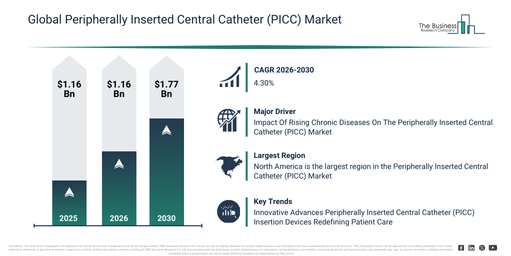
    The peripherally inserted central catheter (picc) market size is anticipated to show steady growth over the next few years, with projections indicating it will reach $1.32 billion in 2030 at a compound annual growth rate (CAGR) of 4.3%. This projected expansion during the forecast period stems from factors such as increasing demand for power-injectable and multi-lumen picc systems, a rising utilization of tip-placement kits to enhance procedural accuracy, growing procedure volumes in ambulatory surgical centers, an expanding application of piccs in home infusion and outpatient therapy, and a heightened focus on reducing complications while improving long-term vascular access outcomes. Significant trends expected during this period include the rising adoption of power-injectable picc lines for advanced diagnostic and therapeutic procedures, increased utilization of multi-lumen piccs for complex long-term IV therapy, a growing preference for tip-placement and navigation-assisted picc insertion kits, the expansion of picc usage in oncology nutrition support and chronic infection management, and the increasing deployment of picc lines across hospitals, ambulatory surgical centers (ASCs), and catheterization laboratories.

    Get A Free Sample Report With In-Depth Market Insights:

    https://thebusinessresearchcompany.com/sample_request?id=92418449&type=smp&name=Peripherally%20Inserted%20Central%20Catheter%20%28PICC%29%20Market%20Report%202026&utm_source=Blogs&utm_medium=Paid&utm_campaign=Oct_PR

    Peripherally Inserted Central Catheter (PICC) Market Growth Factors Behind Sustained Expansion

    The increasing incidence of chronic illnesses is anticipated to fuel the expansion of the peripherally inserted central catheter market over the forthcoming period. These are defined as long-lasting health conditions that endure for a prolonged duration and typically advance gradually, encompassing conditions like cancer, diabetes, high blood pressure, stroke, cardiac issues, respiratory ailments, arthritis, obesity, and oral health problems. Peripherally inserted central catheters (PICC) serve patients with chronic conditions by offering extended intravenous access for medications, fluids, nutritional support (parenteral nutrition), and blood collection. An illustrative example comes from January 2023, where the National Library of Medicine, a US agency, reported projections indicating that the population of individuals aged 50 and above suffering from one or more chronic illnesses in the United States is expected to surge by 99.5%, escalating from 71.522 million in 2022 to 142.66 million by 2050. Consequently, the expanding occurrence of chronic diseases is a primary catalyst for the development of the peripherally inserted central catheter (PICC) market.

    Peripherally Inserted Central Catheter (PICC) Market Segment Analysis: What Are The Core Market Categories?

    The peripherally inserted central catheter (picc) market covered in this report is segmented –

    1) By Device Type: Power-Injectable, Non-Power Injectable

    2) By Lumen Type: Single, Double, Triple

    3) By Kit Type: Tip-Placement Kit, Conventional Kit

    4) By End User: Hospitals and Clinics, Ambulatory Surgical Centers, Catheterization Laboratories

    Subsegments:

    1) By Power-Injectable PICCs: Single Lumen Power-Injectable PICCs, Double Lumen Power-Injectable PICCs, Triple Lumen Power-Injectable PICCs

    2) By Non-Power Injectable PICCs: Single Lumen Non-Power Injectable PICCs, Double Lumen Non-Power Injectable PICCs, Triple Lumen Non-Power Injectable PICCs

    Peripherally Inserted Central Catheter (PICC) Market Industry Trends Fueling Future Revenue Growth

    Leading companies in the peripherally inserted central catheter (PICC) market are concentrating on innovative technologies, such as peripherally inserted central catheter insertion devices, to better serve their customers with advanced functionalities. Peripherally inserted central catheter insertion devices are medical instruments specifically designed for the placement of peripherally inserted central catheters (PICCs), facilitating their insertion into a peripheral vein, typically in the arm, and guiding them through the vascular system until the tip reaches a larger vein near the heart. For instance, in May 2023, Teleflex Incorporated, a US-based medical device company, launched two new peripherally inserted central catheter insertion devices: the Arrow VPS Rhythm DLX Device and the NaviCurve Stylet. The VPS Rhythm DLX Device utilizes cardiac electrical activity to provide real-time information on catheter tip position. This device also incorporates optional integrated ultrasonography with a catheter-to-vessel ratio tool, which aids in consistent vessel measurement. This tool, when combined with the Arrow PICC featuring the NaviCurve Stylet, offers new tip navigation or location technology. The VPS Rhythm DLX Device, equipped with TipTracker Technology, removes the need for a confirmatory x-ray, allowing physicians to perform smooth insertions through ultrasound vascular evaluation, peripherally inserted central catheter navigation, and final tip verification in the bottom third of the superior vena cava.

    Peripherally Inserted Central Catheter (PICC) Market Key Players Shaping Industry Direction

    Major companies operating in the peripherally inserted central catheter (picc) market are Cardinal Health Inc., Medtronic plc, Becton Dickinson and Company, B. Braun Medical Ltd, Teleflex Incorporated, ICU Medical Inc., Cook Medical, AngioDynamics, Argon Medical, PFM Medical Inc., Poly Medicure Ltd., Kimal Plc, Utah Medical Products Inc., Martech Medical Products, NeoMedical, Medical Components Inc, DeltaMed Solutions Inc., Access Vascular Inc., Medi-Tech Devices, Footprint Medical Incorporated, Biowy Corporation, Husk Medical B.V., Medcomp, Vygon Ltd, Haolang Technology (Foshan) Limited Co. Ltd

    View The Full Peripherally Inserted Central Catheter (PICC) Market Report:

    https://thebusinessresearchcompany.com/report/peripherally-inserted-central-catheter-picc-global-market-report?utm_source=Blogs&utm_medium=Paid&utm_campaign=Oct_PR

    Peripherally Inserted Central Catheter (PICC) Market Regional Analysis: Which Region Leads By Revenue?

    North America was the largest region in the peripherally inserted central catheter (PICC) market in 2025. Asia-Pacific is expected to be the fastest-growing region in the forecast period. The regions covered in the peripherally inserted central catheter (picc) market report are Asia-Pacific, South East Asia, Western Europe, Eastern Europe, North America, South America, Middle East, Africa.

    Reach Out To Our Team:

    The Business Research Company: https://www.thebusinessresearchcompany.com/

    Americas: +1 310-496-7795

    Asia: +44 7882 955267 & +91 8897263534

    Europe: +44 7882 955267

    Email us at: marketing@tbrc.info

    Follow us on:

    LinkedIn: https://in.linkedin.com/company/the-business-research-company

    YouTube: https://www.youtube.com/channel/UC24_fI0rV8cR5DxlCpgmyFQ

    Global Market Model: https://www.thebusinessresearchcompany.com/global-market-model
  • Peripheral Vascular Devices And Equipment Market Forecast To Reach $13.15 Billion By 2030: Key Trends Explained

    Peripheral Vascular Devices And Equipment Market Forecast To Reach $13.15 Billion By 2030: Key Trends Explained

    Featuring market attractiveness scoring, total addressable market sizing, company benchmarking matrices, interactive Excel dashboards, deeper supply chain intelligence, emerging startup tracking, and granular product-level insights, The Business Research Company’s 2026 market reports are built to deliver research that is both more actionable and more strategically valuable.

    Peripheral Vascular Devices And Equipment Market Forecast: What Value Will The Market Reach By 2030?

    The peripheral vascular devices and equipment market has shown consistent expansion over recent years. It will grow from $10.29 billion in 2025 to $10.56 billion in 2026 at a compound annual growth rate (CAGR) of 2.5%. Key drivers for its past growth include the escalating occurrence of peripheral artery disease, an expanding elderly demographic, the broadening application of interventional cardiology procedures, increased usage of catheter-based treatments, and enhanced investments in hospital facilities.

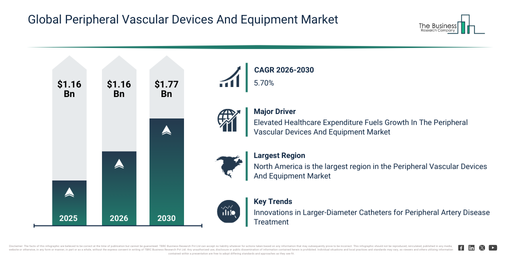
    The peripheral vascular devices and equipment market is projected to demonstrate significant growth in the coming years. Its size is expected to escalate to $13.15 billion by 2030, growing at a compound annual growth rate (CAGR) of 5.7%. This expansion during the forecast period is primarily driven by factors such as the increasing demand for minimally invasive vascular treatments, a rising adoption of bioresorbable materials, the broadening scope of outpatient vascular procedures, a growing emphasis on precision-guided interventions, and continuous innovation in peripheral stent technologies. Dominant trends anticipated for the forecast period include the wider acceptance of drug-coated vascular devices, an increased reliance on minimally invasive endovascular procedures, a surging demand for advanced atherectomy systems, the expansion of image-guided peripheral interventions, and an enhanced focus on ensuring long-term device patency.

    Get A Free Sample Report With In-Depth Market Insights:

    https://thebusinessresearchcompany.com/sample_request?id=72585222&type=smp&name=Peripheral%20Vascular%20Devices%20And%20Equipment%20Market%20Report%202026&utm_source=Blogs&utm_medium=Paid&utm_campaign=Oct_PR

    Peripheral Vascular Devices And Equipment Market Demand Drivers Opening New Revenue Streams

    The peripheral vascular devices and equipment market is anticipated to be boosted by the increasing healthcare expenditure going forward. Healthcare expenditure encompasses the total amount of money spent by individuals, organizations, or governments on healthcare-related goods and services within a specific period. A rise in healthcare expenditure can drive greater demand for peripheral vascular devices and equipment as healthcare systems invest in advanced medical technologies to improve the diagnosis and treatment of conditions like peripheral artery disease, ultimately enhancing patient care and outcomes. For instance, in April 2025, according to The Office for National Statistics (ONS), a UK-based producer of official statistics and the government’s principal source of data, government-financed healthcare reached USD 2.91 billion (£258 billion) in 2024, representing a real-terms increase of 2.5% from 2023, which signals stronger funding for care delivery and equipment. Therefore, the growing healthcare expenditure will propel the peripheral vascular devices and equipment market forward.

    Peripheral Vascular Devices And Equipment Market Segment Breakdown: Which Categories Lead On Revenue?

    The peripheral vascular devices and equipment market covered in this report is segmented –

    1) By Type: Peripheral vascular stents, Percutaneous transluminal angioplasty balloons, Catheters, PTA guide wires, Atherectomy devices, Chronic total acclusion devices, Aortic stents, Synthetic surgical grafts, Embolic protection devices, Inferior vena cava filters

    2) By Application: Treatment of Peripheral Blood Vessels Damaged, Treatment of Peripheral Blood Vessels Blockage

    3) By End User: Hospital applications, Clinic applications

    Subsegments:

    1) By Peripheral Vascular Stents: Balloon-expandable Stents, Self-expanding Stents

    2) By Percutaneous Transluminal Angioplasty Balloons: Drug-coated Balloons, Non-drug-Coated Balloons

    3) By Catheters: Diagnostic Catheters, Therapeutic Catheters

    4) By PTA Guide Wires: Hydrophilic Guide Wires, Non-hydrophilic Guide Wires

    5) By Atherectomy Devices: Rotational Atherectomy Devices, Orbital Atherectomy Devices, Laser Atherectomy Devices, Directional Atherectomy Devices

    6) By Chronic Total Occlusion Devices: CTO crossing devices, CTO re-entry devices

    7) By Aortic Stents: Self-expanding Aortic Stents, Balloon-expandable Aortic Stents

    8) By Synthetic Surgical Grafts: Polyester Grafts, Polytetrafluoroethylene (PTFE) Grafts, Dacron Grafts

    9) By Embolic Protection Devices: Distal Protection Devices, Proximal Protection Devices

    10) By Inferior Vena Cava Filters: Permanent Filters, Retrievable Filters

    Peripheral Vascular Devices And Equipment Market Trends Powering Strategic Industry Growth

    Major companies in the peripheral vascular devices and equipment market are focused on developing advanced products, such as larger-diameter catheters, to enhance the treatment of peripheral artery diseases. These larger-diameter catheters are medical devices designed to facilitate the drainage or administration of fluids, medications, or other substances. For instance, in March 2023, Shockwave Medical Inc., a US-based medical device company, introduced the peripheral intravascular lithotripsy (IVL) catheter. The unique feature of the Shockwave L6 Peripheral IVL catheter is its specialized design to effectively modify calcification in challenging lesions within large peripheral vessels, such as the iliac and common femoral arteries. This targeted approach addresses the common issue of calcification in these arteries, which is often linked to reduced procedural success and higher complication rates with standard endovascular techniques.

    Peripheral Vascular Devices And Equipment Market Competitive Analysis Of Leading Industry Participants

    Major companies operating in the peripheral vascular devices and equipment market are Medtronic plc, Boston Scientific Corporation, Abbott Laboratories, Cook Group, Angiomed GmbH & Co. Medizintechnik KG, Terumo Corporation, ENDOLOGIX Inc., Bolton Medical Inc., JOTEC GmbH, Clearstream Technologies, Aesculap AG, Curative Medical Devices, Lepu Medical Technology, MicroPort, Bioteque Corporation Co.Ltd., Cardinal Health, iVascular, B. Braun Group, Biosensors International Group, BIOTRONIK SE & Co., COVIDien, Volcano Corporation, AngioScore, Edwards Lifesciences Corporation, Cordis Corporation, Koninklijke Philips N.V., Nipro Corporation, Bluesail Medical Co. Ltd, Rex Medical, Teleflex Incorporated, Penumbra Inc., Lombard Medical Technologies PLC, W.L. Gore & Associates Inc., Merit Medical Systems Inc., Vascular Solutions Inc., LeMaitre Vascular Inc., Spectranetics Corporation

    View The Full Peripheral Vascular Devices And Equipment Market Report:

    https://thebusinessresearchcompany.com/report/peripheral-vascular-devices-and-equipment-global-market-report?utm_source=Blogs&utm_medium=Paid&utm_campaign=Oct_PR

    Peripheral Vascular Devices And Equipment Market Geographic Distribution And Regional Opportunities

    North America was the largest region in global peripheral vascular devices and equipment market in 2025. Western Europe was the second-largest region in global peripheral vascular devices and equipment market. The regions covered in the peripheral vascular devices and equipment market report are Asia-Pacific, South East Asia, Western Europe, Eastern Europe, North America, South America, Middle East, Africa.

    Reach Out To Our Team:

    The Business Research Company: https://www.thebusinessresearchcompany.com/

    Americas: +1 310-496-7795

    Asia: +44 7882 955267 & +91 8897263534

    Europe: +44 7882 955267

    Email us at: marketing@tbrc.info

    Follow us on:

    LinkedIn: https://in.linkedin.com/company/the-business-research-company

    YouTube: https://www.youtube.com/channel/UC24_fI0rV8cR5DxlCpgmyFQ

    Global Market Model: https://www.thebusinessresearchcompany.com/global-market-model
  • Peripheral Nerve Repair Devices Market Analysis Through 2030: Market Size, Growth Trends And Industry Outlook

    Peripheral Nerve Repair Devices Market Analysis Through 2030: Market Size, Growth Trends And Industry Outlook

    Backed by market attractiveness analysis, total addressable market sizing, company benchmarking matrices, interactive Excel dashboards, wider supply chain intelligence, emerging startup coverage, and detailed product-level insights, The Business Research Company’s 2026 market reports are designed to offer research that is more actionable and strategically valuable than ever.

    Peripheral Nerve Repair Devices Market Size Outlook: How Quickly Will Revenue Expand Through 2030?

    The peripheral nerve repair devices market size has shown strong growth in recent years. It is anticipated to expand from $6.67 billion in 2025 to $7.24 billion in 2026, achieving a compound annual growth rate (CAGR) of 8.5%. The expansion witnessed in the historic period can be attributed to an increase in trauma injuries, growth in reconstructive surgeries, the adoption of nerve grafting, orthopedic surgery expansion, and microsurgical advancements.

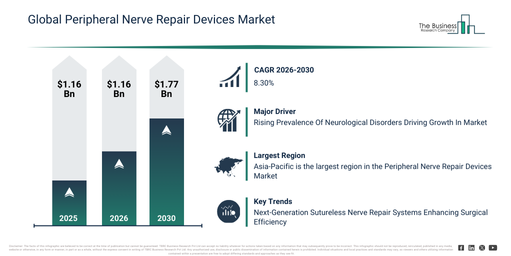
    The peripheral nerve repair devices market is projected for substantial expansion in the coming years. It will grow to $9.96 billion in 2030 at a compound annual growth rate (CAGR) of 8.3%. This anticipated growth over the forecast period is driven by factors such as bioengineered nerve scaffolds, the proliferation of regenerative medicine, nerve disorders affecting an aging population, the adoption of robotic-assisted surgeries, and innovations in synthetic grafts. Prominent trends emerging in this period include biodegradable nerve conduits, sophisticated nerve regeneration materials, minimally invasive nerve repair techniques, bespoke nerve graft solutions, and enhancements in surgical handling designs.

    Get A Free Sample Report With In-Depth Market Insights:

    https://thebusinessresearchcompany.com/sample_request?id=74629881&type=smp&name=Peripheral%20Nerve%20Repair%20Devices%20Market%20Report%202026&utm_source=Blogs&utm_medium=Paid&utm_campaign=Oct_PR

    Peripheral Nerve Repair Devices Market Growth Backed By Core Demand Fundamentals

    The rising occurrence of neurological conditions is anticipated to fuel the expansion of the peripheral nerve repair devices market in the future. These conditions encompass a range of ailments impacting the brain, spinal cord, and nerves, resulting in impairments related to movement, cognitive abilities, and other nervous system functions. An aging demographic, enhanced diagnostic approaches, environmental influences, genetic susceptibilities, and lifestyle factors like inadequate nutrition and insufficient physical activity contribute to the growing incidence of neurological disorders. Peripheral nerve repair devices offer assistance in addressing neurological disorders by encouraging nerve regrowth, boosting functionality, and accelerating recovery through techniques such as electrical stimulation and the use of bioactive substances. As an illustration, data from May 2024, provided by the Alzheimer’s Society, a dementia charity based in the UK, indicated that around one million individuals in the UK are currently afflicted with a type of dementia in 2024, with this figure projected to rise to 1.4 million by 2040. Consequently, the escalating occurrence of neurological conditions is a significant impetus behind the growth of the peripheral nerve repair devices market.

    Peripheral Nerve Repair Devices Market Segmentation: How Does The Market Break Down By Category?

    The peripheral nerve repair devices market covered in this report is segmented –

    1) By Type: Nerve Grafts, Nerve Protectors, Nerve Conduit

    2) By Application: Extremity Trauma, Breast Neurotization, Carpal And Cubital Tunnel Revision, Oral And Maxillofacial

    3) By End-User: Hospitals, Ambulatory Surgical Centers, Clinics

    Subsegments:

    1) By Nerve Grafts: Autografts, Allografts, Xenografts, Synthetic Nerve Grafts

    2) By Nerve Protectors: Nerve Wrapping Devices, Nerve Repair Gels And Films, Nerve Protection Matrices, Biodegradable Nerve Protectors

    3) By Nerve Conduit: Hollow Nerve Conduits, Collagen-Based Nerve Conduits, Silicone-Based Nerve Conduits, Tubular Nerve Conduits, Biodegradable Nerve Conduits

    Peripheral Nerve Repair Devices Market Growth Trends Reshaping The Competitive Landscape

    Leading companies in the peripheral nerve repair devices market are prioritizing innovative solutions, specifically sutureless nerve-coaptation technologies, to enhance surgical efficiency and nerve-regeneration outcomes. These sutureless devices enable the alignment and secure fixation of severed nerve ends without microsutures, employing microhooks, adhesives, or mechanical clips to minimize trauma and reduce operative time. For example, in June 2024, BioCircuit Technologies, a US-based medical device company, announced the first human implants of Nerve Tape, a sutureless nerve-repair device featuring a resorbable SIS backing with embedded nitinol microhooks, designed to allow rapid, precise coaptation of peripheral nerves and simplify repair procedures. This innovation aims to reduce the technical complexity and time involved in nerve repair, offering surgeons a more consistent method compared to traditional suturing techniques. The initial clinical application of Nerve Tape also highlights advancements in regenerative technologies focused on improving functional recovery for patients with peripheral nerve injuries.

    Peripheral Nerve Repair Devices Market Leading Companies And Competitive Benchmarking

    Major companies operating in the peripheral nerve repair devices market are Abbott Laboratories Inc., Medtronic Plc, Stryker Corporation, Baxter International Inc., Boston Scientific Corporation, Terumo Corporation, Teleflex Incorporated, Integra LifeSciences Holdings Corporation, LivaNova PLC, Nevro Corp., KLS Martin Group, Axonics Modulation Technologies Inc., Axogen Corporation, Toyobo Co. Ltd., NeuroPace Inc., SPR Therapeutics Inc., Biotronik, Neuraptive Therapeutics Inc., Synovis Micro Companies Alliance Inc., Synapse Biomedical Inc.

    View The Full Peripheral Nerve Repair Devices Market Report:

    https://thebusinessresearchcompany.com/report/peripheral-nerve-repair-devices-global-market-report?utm_source=Blogs&utm_medium=Paid&utm_campaign=Oct_PR

    Peripheral Nerve Repair Devices Market Largest Region By Revenue And Market Share

    Asia-Pacific was the largest region in the peripheral nerve repair devices market in 2025. North America is expected to be the fastest-growing region in the forecast period. The regions covered in the peripheral nerve repair devices market report are Asia-Pacific, South East Asia, Western Europe, Eastern Europe, North America, South America, Middle East, Africa.

    Reach Out To Our Team:

    The Business Research Company: https://www.thebusinessresearchcompany.com/

    Americas: +1 310-496-7795

    Asia: +44 7882 955267 & +91 8897263534

    Europe: +44 7882 955267

    Email us at: marketing@tbrc.info

    Follow us on:

    LinkedIn: https://in.linkedin.com/company/the-business-research-company

    YouTube: https://www.youtube.com/channel/UC24_fI0rV8cR5DxlCpgmyFQ

    Global Market Model: https://www.thebusinessresearchcompany.com/global-market-model
  • Peripheral Nerve Injuries Market Outlook From 2026 To 2030: Key Growth Factors And Future Opportunities

    Peripheral Nerve Injuries Market Outlook From 2026 To 2030: Key Growth Factors And Future Opportunities

    Featuring market attractiveness scoring, total addressable market sizing, company benchmarking matrices, interactive Excel dashboards, deeper supply chain intelligence, emerging startup tracking, and granular product-level insights, The Business Research Company’s 2026 market reports are built to deliver research that is both more actionable and more strategically valuable.

    Peripheral Nerve Injuries Market Size, Value And Growth Trajectory Through 2030

    The peripheral nerve injuries market has shown substantial growth in recent years. It is projected to expand from $4.41 billion in 2025 to $4.97 billion in 2026, exhibiting a compound annual growth rate (CAGR) of 12.7%. This historical increase can be attributed to the rising incidence of traumatic injuries, an increase in surgical nerve repair procedures, advancements in microsurgical techniques, growing awareness of nerve injury treatment options, and improved post-surgical rehabilitation services.

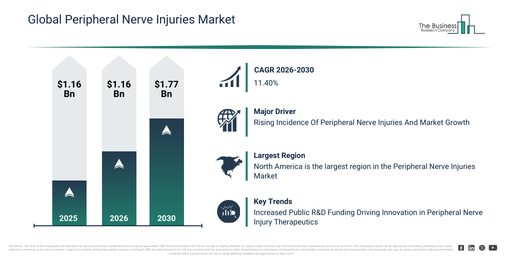
    The peripheral nerve injuries market is projected to experience substantial expansion in the coming years, anticipated to reach $7.65 billion by 2030, exhibiting a compound annual growth rate (CAGR) of 11.4%. This projected growth is driven by factors such as the increasing integration of stem cell-assisted nerve repair, heightened investments in regenerative medicine research, the broader application of advanced biomaterials, a rising demand for minimally invasive nerve repair solutions, and an intensified focus on achieving long-term functional recovery. Key trends during this period are expected to involve the expanding utilization of bioabsorbable nerve repair products, a surge in the adoption of sophisticated nerve conduits and wraps, deeper integration of regenerative medicine methodologies, wider application of microsurgical nerve repair techniques, and a stronger emphasis on actual functional recovery outcomes.

    Get A Free Sample Report With In-Depth Market Insights:

    https://thebusinessresearchcompany.com/sample_request?id=89380703&type=smp&name=Peripheral%20Nerve%20Injuries%20Market%20Report%202026&utm_source=Blogs&utm_medium=Paid&utm_campaign=Oct_PR

    Peripheral Nerve Injuries Market Growth Catalysts And Demand Drivers

    The rising number of accidents is anticipated to stimulate the expansion of the peripheral nerve injuries market in the future. This upward trend in accidents stems from several contributing elements, such as evolving urbanization leading to increased traffic congestion, shifts in lifestyle, prevailing environmental conditions, and various forms of distracted behaviors. Addressing peripheral nerve injuries typically demands extensive treatment approaches to lessen their effects and aid in patient recuperation. Furthermore, experimental therapies like stem cell treatment, growth factor delivery, or gene therapy show potential for improving nerve regeneration and functional recovery in individuals who have sustained injuries from accidents. For example, the International Transport Forum, a France-based intergovernmental organization, reported in August 2025 that Australia registered 1,297 road fatalities in 2024, an increase of 4% compared to 2023. Consequently, the growing frequency of accidents is a key factor propelling the development of the peripheral nerve injuries market.

    Peripheral Nerve Injuries Market Segment Trends And Revenue Contributors

    The peripheral nerve injuries market covered in this report is segmented –

    1) By Product: Nerve Conduit, Nerve Protector, Nerve Connector, Nerve Wraps

    2) By Injury: Traumatic Injuries, Compression Injuries, Surgical Injuries

    3) By Surgery: Direct Nerve Repair, Nerve Grafting

    4) By Application: Upper Extremities, Lower Extremities

    5) By End-User: Hospitals And Clinics, Rehabilitation Centers, Home Care Settings

    Subsegments:

    1) By Nerve Conduit: Collagen Nerve Conduits, Silicone Nerve Conduits, Polymeric Nerve Conduits

    2) By Nerve Protector: Nerve Guarding Agents, Nerve Protecting Gel And Films

    3) By Nerve Connector: Nerve Suture Connectors, Nerve Stitching Connectors

    4) By Nerve Wraps: Collagen Nerve Wraps, Tubular Nerve Wraps, Bioabsorbable Nerve Wraps

    Peripheral Nerve Injuries Market Trends Shaping Long-Term Demand

    Leading companies in the peripheral nerve injuries market are concentrating on developing innovative solutions, such as resorbable soft-tissue barrier allografts, to enhance nerve protection and improve surgical recovery outcomes. These allografts function as temporary physical barriers, preventing adhesions and unwanted soft-tissue attachments during the critical early phase of nerve repair. This offers advantages over traditional methods like synthetic wraps or no coverage, which often lead to scarring, tethering, or compromised nerve gliding. For instance, in June 2024, Axogen Inc., a US-based biotechnology company, launched Avive+ Soft Tissue Matrix, a resorbable, multi-layer amniotic membrane allograft intended to provide temporary protection and tissue separation during the early stages of peripheral nerve healing. Avive+ is composed of a multi-layer placental (amniotic) membrane, processed in compliance with FDA HCT/P regulations (21 CFR Part 1271), and is designed to remain in place for up to 16 weeks, offering robust handling, suturability, and a strong barrier function while preserving the natural properties of the amniotic tissue. Its applications include acutely traumatized nerves, crushed (non-transected) injuries, and surgical settings where soft-tissue protection is critical.

    Peripheral Nerve Injuries Market Industry Leaders And Competitive Landscape

    Major companies operating in the peripheral nerve injuries market are Medtronic Plc, Stryker Corporation, Integra LifeSciences Holdings Corp., Bioventus LLC, MicroPort Scientific Corporation, AxoGen Inc., Bioness Inc., SPR Therapeutics Inc., NeuroMetrix Inc., Polyganics BV, Regenity Biosciences, Renerva LLC, Neuraptive Therapeutics Inc., Neuros Medical Inc., Synapse Biomedical Inc., Orthocell Ltd., NeuraLace Medical Inc., Epineuron LLC, Checkpoint Surgical Inc., Collagen Matrix Inc.

    View The Full Peripheral Nerve Injuries Market Report:

    https://thebusinessresearchcompany.com/report/peripheral-nerve-injuries-global-market-report?utm_source=Blogs&utm_medium=Paid&utm_campaign=Oct_PR

    Peripheral Nerve Injuries Market Regional Analysis And Leading Geography

    North America was the largest region in the peripheral nerve injuries market in 2025. The regions covered in the peripheral nerve injuries market report are Asia-Pacific, South East Asia, Western Europe, Eastern Europe, North America, South America, Middle East, Africa.

    Reach Out To Our Team:

    The Business Research Company: https://www.thebusinessresearchcompany.com/

    Americas: +1 310-496-7795

    Asia: +44 7882 955267 & +91 8897263534

    Europe: +44 7882 955267

    Email us at: marketing@tbrc.info

    Follow us on:

    LinkedIn: https://in.linkedin.com/company/the-business-research-company

    YouTube: https://www.youtube.com/channel/UC24_fI0rV8cR5DxlCpgmyFQ

    Global Market Model: https://www.thebusinessresearchcompany.com/global-market-model
  • Peripheral Interventions Market Growth Forecast: Market Size, Key Trends And Emerging Opportunities Through 2030

    Peripheral Interventions Market Growth Forecast: Market Size, Key Trends And Emerging Opportunities Through 2030

    Built to provide research that’s more actionable and strategically valuable, The Business Research Company’s 2026 market reports include market attractiveness analysis, total addressable market sizing, company benchmarking matrices, interactive Excel dashboards, broader supply chain intelligence, emerging startup tracking, and in-depth product insights.

    Peripheral Interventions Market CAGR Outlook And Future Development

    The peripheral interventions market has experienced robust expansion in recent years. It is projected to grow from $10 billion in 2025 to $10.91 billion in 2026, demonstrating a compound annual growth rate (CAGR) of 9.1%. This historical growth can be attributed to the rising prevalence of peripheral artery disease, an aging population affected by vascular disorders, advancements in catheter-based technologies, increased clinical awareness regarding limb ischemia, and improved reimbursement for endovascular procedures.

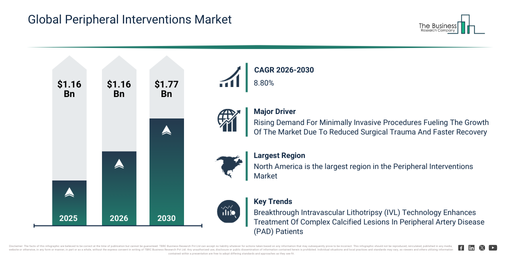
    The peripheral interventions market is anticipated to experience substantial expansion in the coming years. By 2030, this market is projected to reach a value of $15.28 billion, demonstrating a compound annual growth rate (CAGR) of 8.8%. This expansion over the forecast period is primarily driven by factors such as a heightened inclination towards less invasive therapeutic options, advancements in stent and guide wire technologies, the proliferation of ambulatory surgical centers, increased spending on healthcare in developing economies, and a greater need for swift recuperation methods. Key developments anticipated during this time include a move towards less invasive peripheral approaches, increased utilization of drug-eluting and covered stents, a surge in image-guided endovascular procedures, growing demand for atherectomy and thrombectomy equipment, and the broadening application of peripheral interventions in outpatient environments.

    Get A Free Sample Report With In-Depth Market Insights:

    https://thebusinessresearchcompany.com/sample_request?id=19341882&type=smp&name=Peripheral%20Interventions%20Market%20Report%202026&utm_source=Blogs&utm_medium=Paid&utm_campaign=Oct_PR

    Peripheral Interventions Market Opportunity Drivers: What’s Unlocking New Revenue Potential?

    The peripheral interventions market is anticipated to experience growth driven by the increasing demand for minimally invasive procedures. These medical techniques involve performing surgeries or interventions through small incisions or natural body openings, leading to less trauma, reduced pain, and faster recovery compared to traditional open surgery. The rise in minimally invasive procedures is attributed to advancements in medical imaging and surgical technologies, which enhance precision and safety during operations. Peripheral interventions facilitate minimally invasive procedures by enabling targeted treatment of vascular conditions through small incisions, thereby reducing the need for open surgery. For instance, in June 2024, according to the American Society of Plastic Surgeons, a US-based professional organization, the total number of minimally invasive procedures performed in 2023 reached approximately 25.4 million, reflecting a 7% increase compared to 2022. Therefore, the escalating demand for minimally invasive procedures is a key factor propelling the growth of the peripheral interventions market.

    Peripheral Interventions Market Segment Analysis Spotlighting Growth Areas

    The peripheral interventions market covered in this report is segmented –

    1) By Product Type: Catheters, Sheath, Stents, Guide Wires, Atherectomy Devices, Embolic Devices, Thrombectomy Devices, Inferior Vena Cava (IVC) Filters, Other Types

    2) By Technology: Drug-Eluting Stents, Balloon-Expandable Stents, Self-Expanding Stents, Rotational Atherectomy, Directional Atherectomy

    3) By Application: Peripheral Artery Disease, Venous Thromboembolism, Other Applications

    4) By End User: Hospitals, Ambulatory Surgical Centers, Clinics, Specialty Vascular Centers

    Subsegments:

    1) By Catheters: Angiographic Catheters, Balloon Catheters, Guiding Catheters, Support Catheters

    2) By Sheath: Introducer Sheaths, Guiding Sheaths

    3) By Stents: Bare Metal Stents, Drug-Eluting Stents, Covered Stents, Self-Expanding Stents, Balloon-Expandable Stents

    4) By Guide Wires: Hydrophilic Guide Wires, Nitinol Guide Wires, Stainless Steel Guide Wires

    5) By Atherectomy Devices: Directional Atherectomy Devices, Rotational Atherectomy Devices, Orbital Atherectomy Devices, Laser Atherectomy Devices

    6) By Embolic Devices: Embolization Coils, Embolic Protection Devices, Liquid Embolic Agents

    7) By Thrombectomy Devices: Mechanical Thrombectomy Devices, Aspiration Thrombectomy Devices, Rheolytic Thrombectomy Devices

    8) By Inferior Vena Cava (IVC) Filters: Permanent Filters, Retrievable Filters

    9) By Other Types: Vascular Closure Devices, Hemostatic Agents, Guide Catheter

    Peripheral Interventions Market Innovation Trends Shaping Future Development

    Major companies within the peripheral interventions market are prioritizing the development of innovative solutions, such as peripheral intravascular lithotripsy catheters, to boost the safety and effectiveness of treating calcified peripheral artery disease. These peripheral intravascular lithotripsy catheters are devices that utilize sonic pressure waves to break down calcified plaque in peripheral arteries, thus facilitating easier and safer angioplasty or stent placement. For instance, in March 2025, Shockwave Medical Inc., a US-based medical device company, introduced the Shockwave Javelin Peripheral IVL Catheter, a novel forward IVL platform specifically designed to treat patients with peripheral artery disease (PAD) who have difficult-to-cross, heavily calcified lesions. This advanced catheter is equipped with a 150 cm working length and a single distal emitter that delivers up to 120 shockwave pulses, generating a spherical energy field that modifies calcium and enables the device to navigate extremely narrowed or occluded vessels where other devices might be unsuccessful. Clinical trials have demonstrated that Javelin possesses a safety and effectiveness profile comparable to existing balloon-based IVL catheters, providing a transformative approach to managing complex calcified peripheral lesions and improving procedural success for PAD patients.

    Peripheral Interventions Market Key Participants And Competitive Landscape

    Major companies operating in the peripheral interventions market are Abbott Laboratories, Medtronic plc, Boston Scientific Corporation, Johnson & Johnson, Terumo Corporation, B. Braun Melsungen AG, Nipro Corporation, Teleflex Incorporated, Cook Group Incorporated, Merit Medical Systems Inc., Lepu Medical Technology Beijing Co. Ltd., Cordis Corporation, MicroPort Scientific Corporation, Penumbra Inc., W. L. Gore & Associates Inc., Reflow Medical Inc., ArtVentive Medical Group Inc., AngioDynamics Inc., Cook Medical Inc., BD Bard Peripheral Vascular Inc., Endologix Inc., Cardiovascular Systems Inc., Surmodics Inc.

    View The Full Peripheral Interventions Market Report:

    https://thebusinessresearchcompany.com/report/peripheral-interventions-global-market-report?utm_source=Blogs&utm_medium=Paid&utm_campaign=Oct_PR

    Peripheral Interventions Market Geographic Analysis: Where Is Demand Accelerating Fastest?

    North America was the largest region in the peripheral interventions market in 2025. Asia-Pacific is expected to be the fastest-growing region in the forecast period. The regions covered in the peripheral interventions market report are Asia-Pacific, South East Asia, Western Europe, Eastern Europe, North America, South America, Middle East, Africa.

    Reach Out To Our Team:

    The Business Research Company: https://www.thebusinessresearchcompany.com/

    Americas: +1 310-496-7795

    Asia: +44 7882 955267 & +91 8897263534

    Europe: +44 7882 955267

    Email us at: marketing@tbrc.info

    Follow us on:

    LinkedIn: https://in.linkedin.com/company/the-business-research-company

    YouTube: https://www.youtube.com/channel/UC24_fI0rV8cR5DxlCpgmyFQ

    Global Market Model: https://www.thebusinessresearchcompany.com/global-market-model
  • Perfusion Systems Market CAGR Forecast Through 2030: Key Trends Shaping Industry Expansion

    Perfusion Systems Market CAGR Forecast Through 2030: Key Trends Shaping Industry Expansion

    Backed by market attractiveness analysis, total addressable market sizing, company benchmarking matrices, interactive Excel dashboards, wider supply chain intelligence, emerging startup coverage, and detailed product-level insights, The Business Research Company’s 2026 market reports are designed to offer research that is more actionable and strategically valuable than ever.

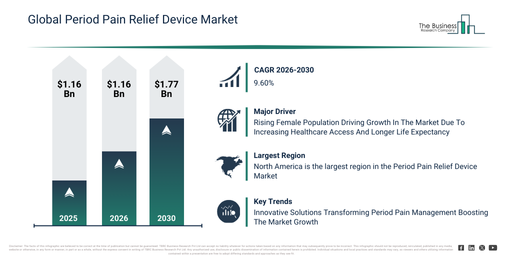
    Period Pain Relief Device Market Set To Climb From $1.21 Billion In 2026 To $1.74 Billion By 2030

    The period pain relief device market size has demonstrated robust growth in recent years. It is projected to expand from $1.1 billion in 2025 to $1.21 billion in 2026, at a compound annual growth rate (CAGR) of 9.9%. The market’s historical growth can be attributed to factors such as increasing awareness of menstrual health, the rising prevalence of dysmenorrhea, the adoption of non-pharmacological pain relief methods, the expansion of wearable health technology, and technological advancements in portable devices.

    The period pain relief device market is set for significant expansion in the upcoming years. It is projected to reach a value of $1.74 billion by 2030, exhibiting a compound annual growth rate (CAGR) of 9.6%. This anticipated growth during the forecast period is primarily due to factors such as the integration with mobile apps and IoT, the increasing adoption of smart wearable devices, the personalization of therapy, the broadening of home care markets, and strategic partnerships between device manufacturers and healthcare providers. Key trends expected in this period include wearable TENS devices, heat therapy devices, vibration therapy devices, smart menstrual pain wearables, and combination therapy devices.

    Get A Free Sample Report With In-Depth Market Insights:

    https://thebusinessresearchcompany.com/sample_request?id=49272990&type=smp&name=Period%20Pain%20Relief%20Device%20Market%20Report%202026&utm_source=Blogs&utm_medium=Paid&utm_campaign=Oct_PR

    Period Pain Relief Device Market Growth Momentum: What Factors Are Shaping Demand?

    The increasing women population is projected to boost the expansion of the period pain relief device market in the future. The term “women population” denotes the aggregate count of female individuals within a particular region at a specified moment. This demographic is growing as a result of advancements in healthcare and increased life expectancy, enabling a greater number of women to experience longer, healthier lives. A period pain relief device assists the women population by alleviating menstrual discomfort, boosting daily productivity, and improving general well-being during their menstrual cycles. For example, data from Jun 2025, provided by Global Media Insight, a web solutions agency based in the UAE, indicates that the female population in the UAE stood at 3.87 million in 2024 and rose to 4.11 million in 2025. Consequently, the expanding women population is a key factor stimulating the growth of the period pain relief device market.

    Period Pain Relief Device Market Segment Performance And Emerging Opportunities

    The period pain relief device market covered in this report is segmented –

    1) By Product Type: Heating Pads, Massage Devices, Wearable Devices, Acupressure Devices, Other Product Types

    2) By Technology: Electric Heating, Battery-Powered Devices, Infrared Therapy

    3) By Distribution Channel: Online Retail, Offline Retail, Pharmacies, Medical Stores

    4) By Application: Menstrual Cramps Relief, Abdominal Pain Relief, Lower Back Pain Relief

    Subsegments:

    1) By Heating Pads: Electric Heating Pads, Microwaveable Heating Pads, Battery-Powered Heating Pads

    2) By Massage Devices: Handheld Massagers, Vibrating Massagers

    3) By Wearable Devices: Smart Heat Wearables, Transcutaneous Electrical Nerve Stimulation Wearables, Infrared Therapy Wearables

    4) By Acupressure Devices: Acupressure Belts, Acupressure Mats

    Period Pain Relief Device Market Trends Redefining Industry Growth

    Leading companies in the period pain relief device market are concentrating on creating novel solutions, such as dual-mode devices, to improve pain management, enhance user comfort, and expand their customer base. A dual-mode period pain relief device employs two complementary methods, like heat and vibration or heat and electrical stimulation, to relieve menstrual pain more effectively than single-mode devices. For example, in May 2025, Matri, an India-based menstrual wellness company, introduced Matri Pro, a smart device aimed at delivering personalized period pain relief. This device is engineered to provide instant, drug-free relief from menstrual cramps using advanced TENS technology. It features customizable comfort with 30 intensity levels, supports both wired and wireless modes, and is lightweight for discreet, on-the-go usage. Certified and clinically tested, it enables women to manage pain effectively without medication side effects, thus improving their quality of life during periods.

    Period Pain Relief Device Market Top Companies Driving Competitive Growth

    Major companies operating in the period pain relief device market are Omron Healthcare Inc., Beurer GmbH, Ovira Pty Ltd, Myoovi, PainPod BioTechnology Limited, Alpha Femtech GmbH, BioElectronics Corporation, iPulse Medical Ltd., Be Me Woman Pvt. Ltd., Matri Technologies Pvt. Ltd., Livia Healthcare Ltd., Femometer Ltd., ElleTENS Ltd., TensCare Ltd., TruMedic Inc., iReliev Inc., HealthmateForever Inc., Auvon Health LLC, Oxa Health Ltd., NeuroMetrix Inc., Carex Health Brands Inc.

    View The Full Period Pain Relief Device Market Report:

    https://thebusinessresearchcompany.com/report/period-pain-relief-device-global-market-report?utm_source=Blogs&utm_medium=Paid&utm_campaign=Oct_PR

    Period Pain Relief Device Market Global Footprint: Which Region Leads The Industry?

    North America was the largest region in the period pain relief device market in 2025. Asia-Pacific is expected to be the fastest-growing region in the forecast period. The regions covered in the period pain relief device market report are Asia-Pacific, South East Asia, Western Europe, Eastern Europe, North America, South America, Middle East, Africa.

    Reach Out To Our Team:

    The Business Research Company: https://www.thebusinessresearchcompany.com/

    Americas: +1 310-496-7795

    Asia: +44 7882 955267 & +91 8897263534

    Europe: +44 7882 955267

    Email us at: marketing@tbrc.info

    Follow us on:

    LinkedIn: https://in.linkedin.com/company/the-business-research-company

    YouTube: https://www.youtube.com/channel/UC24_fI0rV8cR5DxlCpgmyFQ

    Global Market Model: https://www.thebusinessresearchcompany.com/global-market-model
  • Perfusion Systems Market To Witness 10.5% CAGR Growth Through 2030: Key Industry Drivers

    Perfusion Systems Market To Witness 10.5% CAGR Growth Through 2030: Key Industry Drivers

    Featuring market attractiveness scoring, total addressable market sizing, company benchmarking matrices, interactive Excel dashboards, deeper supply chain intelligence, emerging startup tracking, and granular product-level insights, The Business Research Company’s 2026 market reports are built to deliver research that is both more actionable and more strategically valuable.

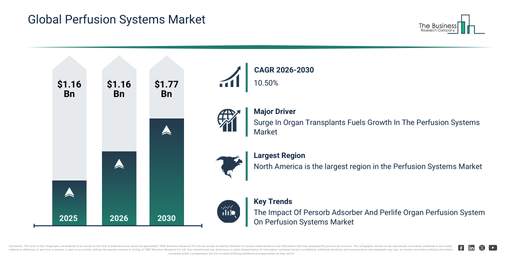
    Perfusion Systems Market Forecast: Value Set To Climb From $1.6 Billion To $2.38 Billion

    The perfusion systems market has seen rapid expansion in recent years. It is anticipated to increase from $1.45 billion in 2025 to $1.6 billion in 2026, exhibiting a compound annual growth rate (CAGR) of 10.4%. Historically, this growth was primarily driven by the increase in complex cardiac surgical procedures, a rising number of organ transplantation surgeries, the expansion of extracorporeal life support programs, greater adoption of cardiopulmonary bypass systems, and enhancements in critical care infrastructure.

    The perfusion systems market is anticipated to experience substantial growth in the coming years. It is projected to reach $2.38 billion by 2030, with a compound annual growth rate (CAGR) of 10.5%. This growth throughout the forecast period can be attributed to several factors, including increasing investments in advanced surgical care facilities, a rising demand for portable and modular perfusion systems, the expansion of organ preservation applications, a growing emphasis on patient safety and outcome optimization, and continuous innovation in perfusion device automation. Additionally, major trends during this forecast period are expected to include the increasing adoption of advanced ECMO platforms, a rising use of normothermic perfusion techniques, the growing integration of perfusion monitoring systems, the expansion of portable perfusion solutions, and an enhanced focus on organ preservation technologies.

    Get A Free Sample Report With In-Depth Market Insights:

    https://thebusinessresearchcompany.com/sample_request?id=13009804&type=smp&name=Perfusion%20Systems%20Market%20Report%202026&utm_source=Blogs&utm_medium=Paid&utm_campaign=Oct_PR

    Perfusion Systems Market Expansion Drivers: What’s Shaping Future Growth?

    An anticipated increase in organ transplant procedures is projected to fuel expansion within the perfusion systems market in the future. An organ transplant involves a surgical intervention where an unhealthy or impaired organ is taken from a donor and placed into a recipient requiring it because of organ dysfunction or illness. Perfusion systems serve the purpose of preserving and transporting organs throughout the transplantation process, being essential for sustaining the health of the donated organs. For example, data from January 2024, provided by the Organ Procurement and Transplantation Network (OPTN), a US-based federally authorized system responsible for equitable organ transplant allocation, indicated that 46,632 organ transplants were carried out in the United States during 2023, marking an 8.7% rise compared to 2022. Consequently, the growing volume of organ transplants is stimulating demand within the perfusion systems market.

    Perfusion Systems Market Segment Landscape And Growth Outlook

    The perfusion systems market covered in this report is segmented –

    1) By Product: Cardiopulmonary Perfusion System, Extracorporeal membrane oxygenation (ECMO), Isolated Organ Perfusion Systems

    2) By Type Of Organ: Heart, Lung, Kidney, Liver, Other Type Of Organs

    3) By Technique: Hypothermic, Normothermic

    4) By End-User: Hospital, Clinic

    Subsegments:

    1) By Cardiopulmonary Perfusion System: Heart-Lung Machines, Blood Pumps, Oxygenators

    2) By Extracorporeal Membrane Oxygenation (ECMO): Veno-Arterial (VA) ECMO Systems, Veno-Venous (VV) ECMO Systems, Portable ECMO Systems

    3) By Isolated Organ Perfusion Systems: Liver Perfusion Systems, Kidney Perfusion Systems, Heart Perfusion Systems

    Perfusion Systems Market Strategic Trends: What Defines The Next Growth Phase?

    Key companies in the perfusion systems market are dedicated to developing innovative products, like the Essenz patient monitor, aiming to enhance clinical efficiency and patient care throughout cardiopulmonary bypass procedures. This advanced monitoring system features a central display that continuously presents patient parameters, enabling personalized patient management strategies. For instance, in February 2023, LivaNova, a UK-based provider of neuromodulation devices and cardiopulmonary products, launched the Essenz perfusion system in Europe. The Essenz system is a compact, modular, portable cardiopulmonary bypass (CPB) system specifically designed for cardiac surgeries. The system’s modular construction allows for its customization to meet the unique needs of individual patients and specific surgical procedures. Its compact and portable nature also permits easy transport and setup in various clinical settings.

    Perfusion Systems Market Leading Players And Competitive Positioning

    Major companies operating in the perfusion systems market are Getinge AB, Medtronic plc, LivaNova PLC, Terumo Corporation, Lifeline Scientific Inc., XVIVO Perfusion AB, XENIOS AG, Sorin Group, Organ Assist Products B.V., Organ Recovery Systems Inc., TransMedics Inc., Paragonix Technologies Inc., Bridge to Life Europe Ltd., OrganOx Limited, Preservation Solutions Inc., Repligen Corporation, Spectrum Laboratories Inc., Harvard Bioscience Inc., ALA Scientific Instruments Inc., Bioptechs Inc., Cytiva

    View The Full Perfusion Systems Market Report:

    https://thebusinessresearchcompany.com/report/perfusion-systems-global-market-report?utm_source=Blogs&utm_medium=Paid&utm_campaign=Oct_PR

    Perfusion Systems Market Regional Distribution: Which Areas Power Market Growth?

    North America was the largest region in the perfusion systems market in 2025. The regions covered in the perfusion systems market report are Asia-Pacific, South East Asia, Western Europe, Eastern Europe, North America, South America, Middle East, Africa.

    Reach Out To Our Team:

    The Business Research Company: https://www.thebusinessresearchcompany.com/

    Americas: +1 310-496-7795

    Asia: +44 7882 955267 & +91 8897263534

    Europe: +44 7882 955267

    Email us at: marketing@tbrc.info

    Follow us on:

    LinkedIn: https://in.linkedin.com/company/the-business-research-company

    YouTube: https://www.youtube.com/channel/UC24_fI0rV8cR5DxlCpgmyFQ

    Global Market Model: https://www.thebusinessresearchcompany.com/global-market-model