Blog

  • Patient Monitoring Devices Market Growth Outlook For 2026: Drivers, Trends And Future Opportunities

    Patient Monitoring Devices Market Growth Outlook For 2026: Drivers, Trends And Future Opportunities

    Featuring market attractiveness scoring, total addressable market sizing, company benchmarking matrices, interactive Excel dashboards, deeper supply chain intelligence, emerging startup tracking, and granular product-level insights, The Business Research Company’s 2026 market reports are built to deliver research that is both more actionable and more strategically valuable.

    Patient Monitoring Devices Market Size And Revenue Outlook Through 2030

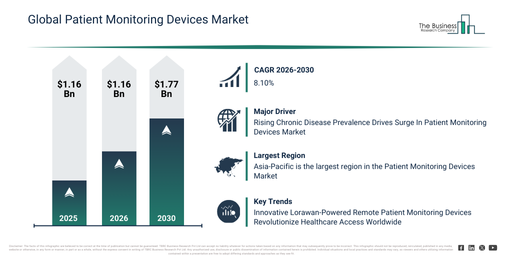
    The patient monitoring devices market size has experienced strong growth in recent years. It is forecast to increase from $26.08 billion in 2025 to $28.03 billion in 2026, demonstrating a compound annual growth rate (CAGR) of 7.5%. This historical expansion can be attributed to factors such as escalating hospitalization rates, the rising prevalence of chronic diseases, the expansion of intensive care units, the increasing adoption of electronic health records, and a heightened demand for continuous patient observation.

    The patient monitoring devices market is projected to experience substantial expansion over the upcoming years. It is anticipated to reach $38.2 billion in 2030, exhibiting a compound annual growth rate (CAGR) of 8.1%. This anticipated growth during the forecast period is primarily driven by factors such as the rising need for home-based patient surveillance, increased capital allocation towards telehealth infrastructure, the broadening of connected healthcare environments, a heightened emphasis on proactive healthcare measures, and the expanding implementation of real-time data analysis in patient management. Key developments expected during the forecast timeframe encompass the wider acceptance of remote patient supervision technologies, a growing prevalence of wearable devices for vital sign tracking, the broadening scope of continuous observation in intensive care settings, the increasing incorporation of AI-powered alert mechanisms, and a strengthened commitment to timely disease detection.

    Get A Free Sample Report With In-Depth Market Insights:

    https://thebusinessresearchcompany.com/sample_request?id=84929631&type=smp&name=Patient%20Monitoring%20Devices%20Market%20Report%202026&utm_source=Blogs&utm_medium=Paid&utm_campaign=Oct_PR

    Patient Monitoring Devices Market Growth Catalysts And Demand Drivers

    The rising incidence of chronic diseases is anticipated to stimulate the expansion of the patient monitoring device market. These are persistent health conditions which, while often not curable, can be managed, and patient monitoring devices significantly aid in their control. A notable example is the projection made in February 2024 by the World Health Organization, a Switzerland-based intergovernmental organization, which forecasted over 35 million new cancer cases by 2050. This figure represents a substantial 77% increase when compared to the approximately 20 million cases estimated in 2022. Consequently, the escalating presence of chronic diseases is a key factor driving demand within the patient monitoring device market.

    Patient Monitoring Devices Market Segment Breakdown: Which Categories Lead On Revenue?

    The patient monitoring devices market covered in this report is segmented –

    1) By Monitoring: Fetal And Neonatal Monitoring Devices, Weight Monitoring And Body Temperature Monitoring Devices And Equipment, Vital Parameter Monitoring Devices And Equipment, Remote Patient Monitoring Devices And Equipment

    2) By End User: Hospitals And Clinics, Diagnostic Laboratories, Other End Users

    3) By Type of Expenditure: Public, Private

    Subsegments:

    1) By Fetal And Neonatal Monitoring Devices: Fetal Dopplers, Fetal Monitors, Neonatal ICU Monitors

    2) By Weight Monitoring And Body Temperature Monitoring Devices And Equipment: Digital Scales, Thermometers (Digital, Infrared, And Mercury-Free), Body Temperature Monitors

    3) By Vital Parameter Monitoring Devices And Equipment: Blood Pressure Monitors, Pulse Oximeters, ECG/EKG Monitors, Cardiac Monitors, Respiratory Rate Monitors

    4) By Remote Patient Monitoring Devices And Equipment: Telemedicine Devices, Wearable Monitoring Devices, Home Health Monitoring Devices

    Patient Monitoring Devices Market Trends Shaping Long-Term Demand

    Key companies operating within the patient monitoring devices market are prioritizing the creation of innovative technologies, such as remote patient monitoring (RPM) hardware supported by LoRaWAN technology, to enhance their market profitability. LoRaWAN is defined as a wireless communication protocol built upon the LoRa radio modulation technique. For instance, in January 2023, Senet, a US-based provider of cloud-based software and services platforms, and Telli Health, a US-based provider of medical remote patient monitoring devices, introduced the inaugural remote patient monitoring (RPM) hardware powered by LoRaWAN technology. This advancement will empower healthcare providers to extend their services to a greater number of patients residing in distant and underserved regions, including indigenous communities worldwide, thereby fostering healthcare equity and inclusivity. The RPM device can be linked to a specialized private LoRaWAN network, which offers an approximate coverage range of 10 miles and simply requires a dial-up modem for transmitting health readings.

    Patient Monitoring Devices Market Top Companies Driving Competitive Growth

    Major companies operating in the patient monitoring devices market are General Electric Company, Koninklijke Philips NV, Dragerwerk AG & Co KGaA, Cardinal Health Inc., Masimo Corporation, Medtronic plc, Edwards Lifesciences Crop., Flex Ltd., Nihon Kohden Corporation, Abbott Laboratories, Johnson & Johnson, Siemens Healthineers AG, Becton Dickinson and Company, Cardinal Health Inc., Baxter International Inc., Boston Scientific Corporation, Danaher Corporation, 3M Company, Hill-Rom Holdings Inc., Terumo Corporation, Smith & Nephew plc, B. Braun Melsungen AG, ResMed Inc., Dexcom Inc., Fresenius Medical Care AG & Co. KGaA, Getinge, Mindray Medical International Limited, Nihon Kohden Corporation, Spacelabs Healthcare LLC, Nonin Medical Inc., OSI Systems Inc., Schiller AG, Welch Allyn Inc., OMRON Healthcare Co. Ltd.

    View The Full Patient Monitoring Devices Market Report:

    https://thebusinessresearchcompany.com/report/patient-monitoring-devices-global-market-report?utm_source=Blogs&utm_medium=Paid&utm_campaign=Oct_PR

    Patient Monitoring Devices Market Global Footprint: Which Region Leads The Industry?

    Asia-Pacific was the largest region in the global patient monitoring devices market in 2025. North America was the second-largest region in the global patient monitoring devices market. The regions covered in the patient monitoring devices market report are Asia-Pacific, South East Asia, Western Europe, Eastern Europe, North America, South America, Middle East, Africa.

    Reach Out To Our Team:

    The Business Research Company: https://www.thebusinessresearchcompany.com/

    Americas: +1 310-496-7795

    Asia: +44 7882 955267 & +91 8897263534

    Europe: +44 7882 955267

    Email us at: marketing@tbrc.info

    Follow us on:

    LinkedIn: https://in.linkedin.com/company/the-business-research-company

    YouTube: https://www.youtube.com/channel/UC24_fI0rV8cR5DxlCpgmyFQ

    Global Market Model: https://www.thebusinessresearchcompany.com/global-market-model
  • Patient Lifting Equipment Market Size Forecast From 2026 To 2030: Key Industry Trends

    Patient Lifting Equipment Market Size Forecast From 2026 To 2030: Key Industry Trends

    Built to provide research that’s more actionable and strategically valuable, The Business Research Company’s 2026 market reports include market attractiveness analysis, total addressable market sizing, company benchmarking matrices, interactive Excel dashboards, broader supply chain intelligence, emerging startup tracking, and in-depth product insights.

    Patient Lifting Equipment Market Growth From $5.81 Billion In 2026 To $8.01 Billion By 2030 At A CAGR Of 8.4%

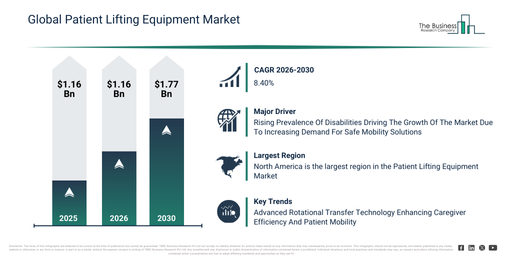
    The market for patient lifting equipment has experienced substantial growth in recent years. This market is set to expand from $5.34 billion in 2025 to $5.81 billion in 2026, reflecting a compound annual growth rate (CAGR) of 8.7%. Historically, this growth can be linked to factors such as a rising patient load in hospitals and nursing homes, the dangers associated with manual handling for caregivers, the restricted access to mechanized lifting solutions, the increasing number of aging individuals, and a greater emphasis on workplace safety within the healthcare sector.

    The patient lifting equipment market is projected to experience substantial expansion in the coming years. Its valuation is set to reach $8.01 billion by 2030, exhibiting a compound annual growth rate (CAGR) of 8.4%. This anticipated growth during the forecast period is driven by several factors, including ongoing technological advancements in mobile and ceiling lift systems, an increasing geriatric and bariatric demographic, expanded investment in home healthcare facilities, the incorporation of smart and IoT-enabled lifting devices, and an increased emphasis on minimizing caregiver injuries while enhancing patient comfort. Key developments expected throughout this period encompass the growing integration of patient lifting equipment within home healthcare settings, a surge in demand for bariatric and critical care solutions, the incorporation of ergonomic and safety functionalities for caregivers, the expansion of rehabilitation and assisted living services, and the creation of versatile lifting accessories and slings.

    Get A Free Sample Report With In-Depth Market Insights:

    https://thebusinessresearchcompany.com/sample_request?id=89964960&type=smp&name=Patient%20Lifting%20Equipment%20Market%20Report%202026&utm_source=Blogs&utm_medium=Paid&utm_campaign=Oct_PR

    Patient Lifting Equipment Market Opportunity Drivers: What’s Unlocking New Revenue Potential?

    The rising occurrence of disabilities is expected to drive the expansion of the patient lifting equipment market in the coming years. Disabilities encompass physical, mental, sensory, or cognitive conditions that significantly impede a person’s capacity to perform daily tasks or fully engage in societal interactions. The increase in disabilities is attributed to the world’s aging population, which leads to a greater prevalence of chronic illnesses and age-related impairments causing long-term functional limitations. This surge in disabilities necessitates patient lifting equipment, as individuals with mobility issues frequently require mechanical aid for safe and comfortable transfers, thereby reducing the risk of injury for both patients and caregivers. For instance, in October 2024, according to the House of Commons Library, about 16.1 million individuals in the UK were identified as having a disability during the 2022-23 financial year, constituting nearly 24% of the total population. Consequently, the growing prevalence of disabilities will stimulate the growth of the patient lifting equipment market.

    Patient Lifting Equipment Market Segmentation: How Does The Market Break Down By Category?

    The patient lifting equipment market covered in this report is segmented –

    1) By Clinical Indication: Bariatric Care, Fall Prevention, Critical Care, Wound Care

    2) By Product: Ceiling Lifts, Stair And Wheelchair Lifts, Mobile Lifts, Sit-To-Stand Lifts, Bath And Pool Lifts, Lifting Slings, Lifting Accessories

    3) By Weight: Below 250 Lbs, 250-500 Lbs, 500-1000 Lbs, Above 1000 Lbs

    4) By End-User: Hospitals And Healthcare Facilities, Nursing Homes And Assisted Living Facilities, Home Healthcare, Rehabilitation Centers, Emergency Responders, Other End-Users

    Subsegments:

    1) By Bariatric Care: Bariatric Beds, Bariatric Patient Lifts, Bariatric Wheelchairs And Transport Chairs, Bariatric Slings, Bariatric Stretchers

    2) By Fall Prevention: Floor Lifts, Sit-To-Stand Lifts, Transfer Aids

    3) By Critical Care: Medical Beds, ICU Stretchers, Patient Transfer Devices, Critical Care Lifts

    4) By Wound Care: Lateral Transfer Devices, Turning And Repositioning Systems

    Patient Lifting Equipment Market Innovation Trends Shaping Future Development

    Leading firms within the patient lifting equipment market are concentrating their efforts on creating sophisticated solutions, including patient transfer lifts, aimed at enhancing caregiving efficiency through reduced physical exertion and time commitment. These patient transfer lifts serve as apparatuses designed for the secure relocation of individuals with restricted mobility, facilitating movement between various positions or surfaces, for example, transitioning from a bed to a wheelchair or from a chair to a toilet. An illustrative example is the launch of the ORBIT patient transfer lift by EZ-ACCESS, a US-based accessibility solutions provider, in July 2023. This product boasts a distinctive construction incorporating both an articulating arm and a pivoting stanchion capable of a full 360 degrees rotation, thereby ensuring total maneuverability. Such comprehensive rotation considerably improves flexibility and accessibility in both domestic and care facility settings. Furthermore, two height configurations are offered to accommodate ceiling heights between 8 to 12 feet, while its minimal footprint promotes efficient use of space. In addition, the arm provides three adjustable height positions, can clear doorways, and comes in four- and five-foot length options.

    Patient Lifting Equipment Market Leading Players And Competitive Positioning

    Major companies operating in the patient lifting equipment market are Medline Industries Inc, Stryker Corporation, Arjo AB, Savaria Corporation, Drive DeVilbiss Healthcare, Invacare Corporation, Joerns Healthcare LLC, Proactive Medical, Etac AB, GF Health Products Inc, Prism Medical UK Ltd, Handicare Group, EZ Way Inc, V Guldmann A S, SureHands Lift And Care Systems, Bestcare LLC, Texas Medical Industries Inc, Benmor Medical Ltd, Vancare Inc, Hill Rom Holdings Inc, Sunrise Medical LLC, LINAK A S

    View The Full Patient Lifting Equipment Market Report:

    https://thebusinessresearchcompany.com/report/patient-lifting-equipment-global-market-report?utm_source=Blogs&utm_medium=Paid&utm_campaign=Oct_PR

    Patient Lifting Equipment Market Regional Distribution: Which Areas Power Market Growth?

    North America was the largest region in the patient lifting equipment market in 2025. Asia-Pacific is expected to be the fastest-growing region in the forecast period. The regions covered in the patient lifting equipment market report are Asia-Pacific, South East Asia, Western Europe, Eastern Europe, North America, South America, Middle East, Africa.

    Reach Out To Our Team:

    The Business Research Company: https://www.thebusinessresearchcompany.com/

    Americas: +1 310-496-7795

    Asia: +44 7882 955267 & +91 8897263534

    Europe: +44 7882 955267

    Email us at: marketing@tbrc.info

    Follow us on:

    LinkedIn: https://in.linkedin.com/company/the-business-research-company

    YouTube: https://www.youtube.com/channel/UC24_fI0rV8cR5DxlCpgmyFQ

    Global Market Model: https://www.thebusinessresearchcompany.com/global-market-model
  • Patient Lateral Transfer Market 2026: Market Size, Growth Drivers And Emerging Opportunities

    Patient Lateral Transfer Market 2026: Market Size, Growth Drivers And Emerging Opportunities

    Backed by market attractiveness analysis, total addressable market sizing, company benchmarking matrices, interactive Excel dashboards, wider supply chain intelligence, emerging startup coverage, and detailed product-level insights, The Business Research Company’s 2026 market reports are designed to offer research that is more actionable and strategically valuable than ever.

    Patient Lateral Transfer Market Expansion Outlook: What Revenue Opportunities Are Ahead?

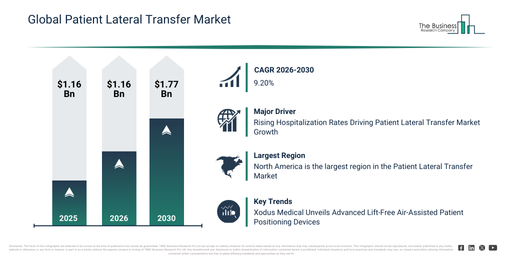
    The patient lateral transfer market has seen substantial growth in recent years. It will grow from $4.88 billion in 2025 to $5.32 billion in 2026 at a compound annual growth rate (CAGR) of 9.1%. Historically, this expansion can be attributed to escalating hospitalization and surgical admission volumes, increased understanding of patient handling safety protocols, the early adoption of sliding sheets and manual transfer aids, a rising priority placed on reducing caregiver injuries in hospital environments, and the extended use of lateral transfer techniques in intensive care and emergency departments.

    The patient lateral transfer market is projected to experience robust expansion over the coming years. Its value is anticipated to reach $7.58 billion by 2030, demonstrating a compound annual growth rate (CAGR) of 9.2%. Factors contributing to this growth during the forecast period include an aging patient demographic necessitating frequent transfers, an escalating demand for air-assisted powered transfer mattresses, the increasing uptake of single-patient-use and disposable transfer products, broader utilization of lateral transfer methods in ambulatory surgical centers, and the expanding rollout of safe patient handling programs across various healthcare facilities. Key trends expected within this period encompass the increasing integration of air-assisted lateral transfer mattresses in acute and critical care environments, enhanced use of sliding sheets and transfer aids for secure patient repositioning, a heightened demand for single-patient-use transfer products aimed at minimizing cross-contamination, the expansion of lateral transfer solutions into ambulatory surgical and day-care settings, and a greater emphasis on caregiver safety and the prevention of musculoskeletal injuries during patient transfers.

    Get A Free Sample Report With In-Depth Market Insights:

    https://thebusinessresearchcompany.com/sample_request?id=17816940&type=smp&name=Patient%20Lateral%20Transfer%20Market%20Report%202026&utm_source=Blogs&utm_medium=Paid&utm_campaign=Oct_PR

    Patient Lateral Transfer Market Growth Momentum: What Factors Are Shaping Demand?

    The patient lateral transfer market is projected to expand due to the increasing hospitalization rate going forward. Hospitalization refers to a patient’s admission to a hospital for medical care, treatment, or surgery, necessitating at least an overnight stay under professional supervision. The rising hospitalization rate indicates a growing number of individuals admitted to hospitals for medical treatment. Lateral transfer is employed for hospital patients to facilitate changes in position, provide care, and assess their condition. For instance, in February 2024, data from the Canadian Institute for Health Information, a Canada-based healthcare company, revealed 2.96 million acute inpatient hospitalizations in Canada during 2022–2023, marking an increase from 2.88 million visits in 2022. Therefore, the surge in hospitalizations is a key driver for the growth of the patient lateral transfer market.

    Patient Lateral Transfer Market Segment Trends And Revenue Contributors

    The patient lateral transfer market covered in this report is segmented –

    1) By Products: Air-Assisted Lateral Transfer Mattress, Sliding Sheets, Accessories

    2) By Usage Type: Single Patient Use, Reusable

    3) By End-User: Hospital, Ambulatory Surgical Center, Other End-Users

    Subsegments:

    1) By Air-Assisted Lateral Transfer Mattress: Powered Air-Assisted Mattresses, Manual Air-Assisted Mattresses, Disposable Air-Assisted Mattresses

    2) By Sliding Sheets: Standard Sliding Sheets, Gliding Sheets With Handles, Disposable Sliding Sheets, Reusable Sliding Sheets

    3) By Accessories: Transfer Straps And Belts, Positioning Cushions, Lifting Slings, Support Pads For Lateral Transfer

    Patient Lateral Transfer Market Trends Redefining Industry Growth

    Leading companies within the patient lateral transfer market are prioritizing technological advancements, such as lift-free, air-assisted patient positioning devices. These innovations boost patient transfer, repositioning capabilities, and staff safety, simultaneously alleviating physical burden on caregivers. Such lift-free, air-assisted systems function through air channels, low-friction surfaces, and enhanced pad designs, enabling effortless lateral transfers, facilitating complex procedural stances like Trendelenburg and lithotomy, and catering to patients with high BMI or specific mobility requirements. For example, in February 2024, Xodus Medical, a US-based medical device company, unveiled two new variants of its Pink Pad Air-Assist system. The Pink Pad Air-Assist Trendelenburg incorporates an additional distal air channel to improve the lifting and transfer of heavier patients. Meanwhile, the Pink Pad Air-Assist EXT + Trendelenburg expands to 72 inches, featuring revised air channels and pad strips, thereby delivering secure, flexible, and effective patient repositioning across numerous clinical scenarios.

    Patient Lateral Transfer Market Competitive Overview And Top Companies

    Major companies operating in the patient lateral transfer market are Stryker Corporation, Medline Industries Inc., Scan Medical Co Inc., Hill-Rom Holdings Inc., Wideblue Ltd., Arjo AB, Etac AB, Handicare Group AB, AliMed Inc., Prism Medical Inc., EZ Way Inc., HoverTech International, Blue Chip Medical Products Inc., Airpal Inc., McAuley Medical Inc., Samarit Medical AG, Patient Positioning Systems LLC, David Scott Company, Haines Medical Australia, WY East Medical Company, GBUK Ltd.

    View The Full Patient Lateral Transfer Market Report:

    https://thebusinessresearchcompany.com/report/patient-lateral-transfer-global-market-report?utm_source=Blogs&utm_medium=Paid&utm_campaign=Oct_PR

    Patient Lateral Transfer Market Leading Geography: Which Region Contributes The Most Revenue?

    North America was the largest region in the patient lateral transfer market in 2025. The regions covered in the patient lateral transfer market report are Asia-Pacific, South East Asia, Western Europe, Eastern Europe, North America, South America, Middle East, Africa.

    Reach Out To Our Team:

    The Business Research Company: https://www.thebusinessresearchcompany.com/

    Americas: +1 310-496-7795

    Asia: +44 7882 955267 & +91 8897263534

    Europe: +44 7882 955267

    Email us at: marketing@tbrc.info

    Follow us on:

    LinkedIn: https://in.linkedin.com/company/the-business-research-company

    YouTube: https://www.youtube.com/channel/UC24_fI0rV8cR5DxlCpgmyFQ

    Global Market Model: https://www.thebusinessresearchcompany.com/global-market-model
  • Patient Identification Wristbands Market Set To Expand From $1.03 Billion In 2026: Growth Outlook Through 2030

    Patient Identification Wristbands Market Set To Expand From $1.03 Billion In 2026: Growth Outlook Through 2030

    Featuring market attractiveness scoring, total addressable market sizing, company benchmarking matrices, interactive Excel dashboards, deeper supply chain intelligence, emerging startup tracking, and granular product-level insights, The Business Research Company’s 2026 market reports are built to deliver research that is both more actionable and more strategically valuable.

    Patient Identification Wristbands Market Growth Potential: How Will Market Size Shift Through 2030?

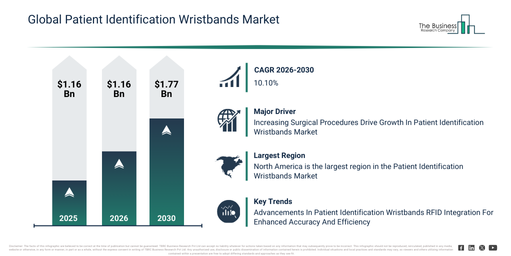
    The patient identification wristbands market has seen rapid expansion in recent years. The market is projected to expand from $0.64 billion in 2025 to $0.7 billion in 2026, achieving a compound annual growth rate (CAGR) of 10.4%. Historically, this growth can be attributed to initiatives aimed at reducing medical errors, the ongoing digitization of hospitals, the implementation of patient safety regulations, an increase in inpatient admissions, and the standardization of patient identification protocols.

    The market for patient identification wristbands is projected to experience swift expansion over the coming years. This market is set to reach $1.03 billion by 2030, exhibiting a compound annual growth rate (CAGR) of 10.1%. Key factors contributing to this anticipated growth include the increasing adoption of RFID technology, evolving interoperability needs, the broadening of outpatient care services, mandates for regulatory compliance, and investments in smart hospitals. Noteworthy trends identified for this period encompass the expanded deployment of barcode-based wristbands, a surge in color-coded alert wristbands, escalating demand for waterproof wristbands, a growing inclination towards tamper-resistant closures, and the wider availability of pediatric and infant wristbands.

    Get A Free Sample Report With In-Depth Market Insights:

    https://thebusinessresearchcompany.com/sample_request?id=33192980&type=smp&name=Patient%20Identification%20Wristbands%20Market%20Report%202026&utm_source=Blogs&utm_medium=Paid&utm_campaign=Oct_PR

    Patient Identification Wristbands Market Expansion Drivers: What’s Shaping Future Growth?

    The patient identification wristbands market is anticipated to expand due to the growing occurrence of surgical interventions. Surgical intervention refers to the application of surgical methods to address and manage various health issues. The increasing frequency of these procedures can be ascribed to the rising prevalence of chronic diseases, which often lead to complications necessitating corrective or restorative surgeries. Patient identification wristbands play a vital role in surgical interventions by ensuring accurate matching of the patient with their medical records and intended surgical procedures, thereby minimizing errors and enhancing overall patient safety. For example, in May 2025, the Australian Institute of Health and Welfare, an Australia-based government agency, reported that 778,500 patients were admitted for surgery from public hospital elective surgery waiting lists in 2023-24, representing a 5.8% increase compared with 2022-23. Thus, the escalating incidence of surgical interventions is a key driver for the patient identification wristbands market.

    Patient Identification Wristbands Market Segment Analysis Spotlighting Growth Areas

    The patient identification wristbands market covered in this report is segmented –

    1) By Product: Laser Wristband, Thermal Wristband, Alert Wristband, Radio Frequency Identification (RFID) Wristband, Write On Wristband

    2) By Material: Non Tear Paper, Plastics, Vinyl, Trilaminate, Tyvek, Synthetic

    3) By Closure Type: Adhesive, Permanent Snap, Plastic Closure, Adjustable Clasp, Single Post Snap, Hook And Loop

    4) By Age Group: Adult, Pediatric, Infant

    5) By End User: Hospitals, Ambulatory Surgical Centers, Specialty Clinics, Rehabilitation Centers, Long Term Care Centers

    Subsegments:

    1) By Laser Wristband: High-Density Laser Wristbands, Printable Laser Wristbands, Multi-Color Laser Wristbands

    2) By Thermal Wristband: Direct Thermal Wristbands, Thermal Transfer Wristbands, Waterproof Thermal Wristbands

    3) By Alert Wristband: Medical Alert Wristbands, Allergy Alert Wristbands, Emergency Alert Wristbands, Color-Coded Alert Wristbands

    4) By Radio Frequency Identification (RFID) Wristband: Passive RFID Wristbands, Active RFID Wristbands, UHF RFID Wristbands, NFC RFID Wristbands

    5) By Write-On Wristband: Paper Write-On Wristbands, Vinyl Write-On Wristbands, Plastic Write-On Wristbands, Customizable Write-On Wristbands

    Patient Identification Wristbands Market Strategic Trends: What Defines The Next Growth Phase?

    Key companies operating in the patient identification wristbands market are focusing on technological advancements, such as incorporating radio frequency technology into patient identification wristbands, to improve the accuracy and efficiency of patient monitoring, enhance data management, and reduce errors in healthcare environments. The integration of radio frequency technology into patient identification wristbands bolsters patient tracking and data management through wireless communication capabilities and real-time updates. For example, in July 2024, SATO, a Japan-based auto-ID industry firm, launched an ultra-high frequency (UHF) radio frequency identification (RFID) technology direct thermal wristband, engineered for comfortable and precise patient tracking in hospitals. This wristband, manufactured from antimicrobial material, integrates seamlessly with Sato’s ct4-lx UHF printer for efficient identification and tracking, presenting a hygienic, contactless solution that elevates patient care and safety within the patient identification wristband market.

    Patient Identification Wristbands Market Competitive Landscape: Which Companies Lead The Industry?

    Major companies operating in the patient identification wristbands market are McKesson Corporation, Thermo Fisher Scientific Inc., Honeywell International Inc., Medline Industries LP, Avery Dennison Corporation, Brother Industries Ltd., Zebra Technologies Corporation, ScanSource Inc., Toshiba Tec Corporation, Sato Holdings Corporation, Datalogic SpA, TIDI Products LLC, Precision Dynamics Corporation, Invengo Technology Pte Ltd, Identification Systems Group, TAB Products Co LLC, Weldon Williams & Lick Inc., IdentiSys Inc., P3 Medical Ltd, Typenex Medical LLC, Wristco Inc., Etilux S.A., Printina Inc., Endur ID Inc., Dongguan OSRFID Technology Co. Ltd.

    View The Full Patient Identification Wristbands Market Report:

    https://thebusinessresearchcompany.com/report/patient-identification-wristbands-global-market-report?utm_source=Blogs&utm_medium=Paid&utm_campaign=Oct_PR

    Patient Identification Wristbands Market Regional Outlook: Where Is Opportunity Concentrated?

    North America was the largest region in the patient identification wristbands market in 2025. Asia-Pacific is expected to be the fastest-growing region in the forecast period. The regions covered in the patient identification wristbands market report are Asia-Pacific, South East Asia, Western Europe, Eastern Europe, North America, South America, Middle East, Africa.

    Reach Out To Our Team:

    The Business Research Company: https://www.thebusinessresearchcompany.com/

    Americas: +1 310-496-7795

    Asia: +44 7882 955267 & +91 8897263534

    Europe: +44 7882 955267

    Email us at: marketing@tbrc.info

    Follow us on:

    LinkedIn: https://in.linkedin.com/company/the-business-research-company

    YouTube: https://www.youtube.com/channel/UC24_fI0rV8cR5DxlCpgmyFQ

    Global Market Model: https://www.thebusinessresearchcompany.com/global-market-model
  • Patient Handling Equipment Market Size And Growth In 2026: Key Factors Shaping Future Demand

    Patient Handling Equipment Market Size And Growth In 2026: Key Factors Shaping Future Demand

    Built to provide research that’s more actionable and strategically valuable, The Business Research Company’s 2026 market reports include market attractiveness analysis, total addressable market sizing, company benchmarking matrices, interactive Excel dashboards, broader supply chain intelligence, emerging startup tracking, and in-depth product insights.

    Patient Handling Equipment Market Value Analysis: What Growth Lies Ahead Over The Forecast Period?

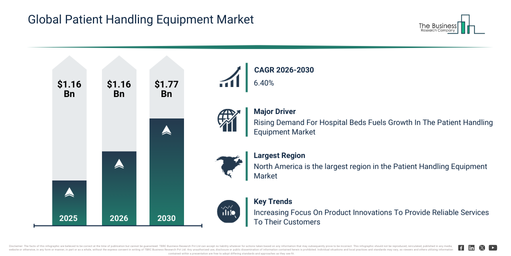
    The patient handling equipment market has experienced a modest expansion in size during recent years. Its value is expected to grow from $23.19 billion in 2025 to $23.25 billion in 2026, exhibiting a compound annual growth rate (CAGR) of 0.3%. The market’s past growth can be attributed to an increase in hospitalized patients, regulations addressing workplace injuries, the expanding aging population, the growth of long-term care facilities, and a higher prevalence of disabilities.

    The patient handling equipment market size is anticipated to experience robust expansion over the forthcoming years. This market is projected to reach $29.78 billion in 2030, demonstrating a compound annual growth rate (CAGR) of 6.4%. The forecasted growth is primarily propelled by factors such as the expansion of home healthcare, an increase in bariatric patient populations, the development of smart hospital infrastructure, a growing shortage of labor in the healthcare sector, and a heightened emphasis on patient safety protocols. Furthermore, significant trends anticipated during this period encompass the increasing integration of bariatric handling devices, a stronger focus on preventing injuries among caregivers, the demand for equipment that is compact and foldable, the development of more homecare-centric handling solutions, and a continued emphasis on ergonomic product design.

    Get A Free Sample Report With In-Depth Market Insights:

    https://thebusinessresearchcompany.com/sample_request?id=39580755&type=smp&name=Patient%20Handling%20Equipment%20Market%20Report%202026&utm_source=Blogs&utm_medium=Paid&utm_campaign=Oct_PR

    Patient Handling Equipment Market Development Factors: What’s Supporting Demand?

    The future expansion of the patient-handling equipment market is anticipated to be driven by the escalating need for hospital beds. These specialized beds, found in healthcare settings, are crucial for ensuring patient comfort, support, and safety. The surge in demand for hospital beds stems from a growing number of hospital admissions, largely due to an aging demographic and a higher incidence of chronic illnesses, which results in more individuals needing inpatient services. Patient-handling equipment is vital for enhancing hospital care, as it improves patient safety, comfort, and mobility within facilities. Furthermore, this equipment helps to alleviate strain on caregivers by facilitating easier lifting, repositioning, and transport of patients, thereby boosting overall operational efficiency. For instance, in March 2025, according to the Department of Health, an Ireland-based government agency, there were 15,372 hospital inpatient beds in 2023 in public, private and psychiatric hospital settings, an increase of 2.4% compared to 2022. Consequently, the rising requirement for hospital beds is a significant catalyst for the growth of the patient-handling equipment market.

    Patient Handling Equipment Market Segment Performance And Emerging Opportunities

    The patient handling equipment market covered in this report is segmented –

    1) By Product Type: Wheelchairs, Mobility Scooters, Medical Beds, Patient Transfer Equipment, Other Product Types

    2) By Care Type: Critical Care, Fall Prevention, Bariatric Care, Wound Care, Other Care Types

    3) By End-User: Homecare, Hospitals, Other End-Users

    Subsegments:

    1) By Wheelchairs: Manual Wheelchairs, Powered Wheelchairs, Lightweight Wheelchairs

    2) By Mobility Scooters: 3-Wheel Mobility Scooters, 4-Wheel Mobility Scooters, Heavy-Duty Mobility Scooters

    3) By Medical Beds: Manual Hospital Beds, Electric Hospital Beds, Bariatric Beds

    4) By Patient Transfer Equipment: Patient Slings, Transfer Boards, Patient Lifts

    5) By Other Product Types: Walkers And Rollators, Bedside Commodes, Gait Trainers

    Patient Handling Equipment Market Transformation Trends: What Innovations Are Driving Change?

    Companies operating in the patient handling equipment market are prioritizing innovative products, such as the Progressa+ ICU bed, to boost their market revenues. The Progressa+ Next Gen ICU Bed is specifically engineered for the realities of critical care, where patients have significant needs and clinical staff may be stretched thin. As an illustration, in June 2023, Baxter International Inc., a US-based healthcare company specializing in the development and manufacturing of medical products and therapies, introduced the Progressa+ Next Gen ICU Bed. This particular bed assists medical teams in tackling common intensive care unit challenges, including respiratory, cutaneous, and mobility issues. The new features and technologies integrated into Progressa+ simplify patient care for nurses while also promoting patient recovery. Progressa+ is designed to deliver advanced capabilities and features to support critically ill patients.

    Patient Handling Equipment Market Competitive Landscape: Who Leads The Industry?

    Major companies operating in the patient handling equipment market are Invacare Corporation, Hill-Rom Holdings Inc., ArjoHuntleigh Inc., Joerns Healthcare LLC, Handicare Group AB, Drive Divilbiss Healthcare Inc., ETAC AB, Gf Health Products Inc., Prism Medical UK, Guldmann Inc., Etac Limited, Arjo, Handicare (Xiamen) Co. Ltd., Linet Inc., Stryker Corporation, V. Guldmann A/S, Hill-Rom India Private Limited, Ottobock SE & Co, LINET, Malvestio, Ossenberg, Antano Group, Stiegelmeyer, Mangar Health, Lojer Oy, KNESTEL Technologie & Elektronik GmbH, Imaxdi, Karma, Reac Poland Sp.Zoo, Paramount Bed Holdings, Umano Medical, MEDITEK, AGA Sanitätsartikel GmbH, Drive DeVilbiss Healthcare, Brumaba GmbH & Co. KG, medifa-hesse GmbH & Co. KG, UFSK-International OSYS GmbH, Stiegelmeyer GmbH & Co. Kg, OpeMed Ltd., DJO LLC, Hill-Rom Services Inc, Getinge AB, Sunrise Medical LLC, Benmor Medical Limited, Paramount Bed Co. Ltd., Drive DeVilbiss Sidhil Ltd., Medline Industries Inc.

    View The Full Patient Handling Equipment Market Report:

    https://thebusinessresearchcompany.com/report/patient-handling-equipment-global-market-report?utm_source=Blogs&utm_medium=Paid&utm_campaign=Oct_PR

    Patient Handling Equipment Market Geographic Landscape: Which Region Leads Industry Growth?

    North America was the largest region in the patient handling equipment market in 2025. Western Europe was the second largest region in the global patient handling equipment market report. The regions covered in the patient handling equipment market report are Asia-Pacific, South East Asia, Western Europe, Eastern Europe, North America, South America, Middle East, Africa.

    Reach Out To Our Team:

    The Business Research Company: https://www.thebusinessresearchcompany.com/

    Americas: +1 310-496-7795

    Asia: +44 7882 955267 & +91 8897263534

    Europe: +44 7882 955267

    Email us at: marketing@tbrc.info

    Follow us on:

    LinkedIn: https://in.linkedin.com/company/the-business-research-company

    YouTube: https://www.youtube.com/channel/UC24_fI0rV8cR5DxlCpgmyFQ

    Global Market Model: https://www.thebusinessresearchcompany.com/global-market-model
  • Patient Controlled Injectors Market Forecast 2026–2030: Market Size, Trends And Growth Opportunities

    Patient Controlled Injectors Market Forecast 2026–2030: Market Size, Trends And Growth Opportunities

    Backed by market attractiveness analysis, total addressable market sizing, company benchmarking matrices, interactive Excel dashboards, wider supply chain intelligence, emerging startup coverage, and detailed product-level insights, The Business Research Company’s 2026 market reports are designed to offer research that is more actionable and strategically valuable than ever.

    Patient Controlled Injectors Market Size Forecast: How Big Could The Market Get By 2030?

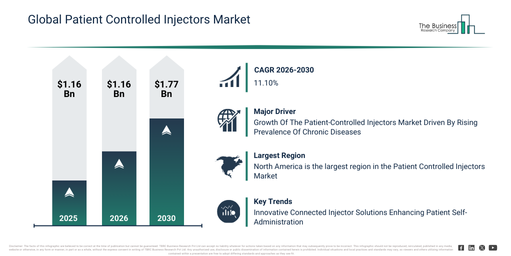
    The patient controlled injectors market has experienced rapid expansion in recent years. This market is forecast to increase from $5.08 billion in 2025 to $5.71 billion in 2026, achieving a compound annual growth rate (CAGR) of 12.5%. The historical growth of this market is primarily due to the increasing prevalence of chronic diseases, the expansion of biologics-based therapies, rising demand for self-administration devices, improvements in injector safety mechanisms, and the growth of outpatient treatment models.

    The market for patient controlled injectors is projected to experience swift expansion in the coming years. This market is anticipated to reach a valuation of $8.72 billion by 2030, demonstrating a compound annual growth rate (CAGR) of 11.1%. This anticipated growth throughout the forecast period stems from factors such as the rising uptake of connected drug delivery systems, a heightened emphasis on personalized medicine administration, the expansion of home-based therapies for oncology and autoimmune conditions, increasing investments in intelligent infusion technologies, and a greater focus on remote patient monitoring. Key trends foreseen during this period involve the increasing adoption of smart wearable injectors, an escalating demand for drug delivery devices used at home, the growing integration of connectivity and dose tracking functionalities, the expansion of disposable and programmable injector systems, and an elevated focus on ensuring patient convenience and adherence.

    Get A Free Sample Report With In-Depth Market Insights:

    https://thebusinessresearchcompany.com/sample_request?id=58251137&type=smp&name=Patient%20Controlled%20Injectors%20Market%20Report%202026&utm_source=Blogs&utm_medium=Paid&utm_campaign=Oct_PR

    Patient Controlled Injectors Market Industry Drivers: What’s Behind The Revenue Growth?

    The patient-controlled injectors market is anticipated to expand due to the increasing prevalence of chronic diseases. Chronic illness is characterized as a long-term health condition that typically persists for three months or more and may deteriorate over time. The surge in chronic illnesses is attributed to various factors including an aging population, the obesity epidemic, socioeconomic factors, and environmental exposures. Patient-controlled injectors facilitate the self-administration of medications for patients with chronic diseases, offering precision, ease, and adherence to their treatment schedules. For example, in January 2023, the National Center for Biotechnology Information (NCBI), a US-based medicine library, reported that the number of individuals aged 50 and above afflicted with one or more chronic illnesses is projected to increase by 99.5% by 2050, from 71.52 million in 2020 to 142.66 million. Consequently, the rising incidence of chronic diseases is expected to propel the growth of the patient-controlled injectors market.

    Patient Controlled Injectors Market Segment Landscape And Growth Outlook

    The patient controlled injectors market covered in this report is segmented –

    1) By Product: Electronic Wearable Injector, Mechanical Wearable Injector, Infusion Pumps

    2) By Application: Cancer Treatment, Auto-Immune Treatment, Blood Disorder Treatment, Other Application

    3) By Distribution Channel: Hospital Pharmacies, Retail Pharmacies, Mail Order Pharmacies

    Subsegments:

    1) By Electronic Wearable Injector: Pre-Filled Electronic Wearable Injectors, Programmable Electronic Wearable Injectors, Smart Electronic Wearable Injectors, Rechargeable Electronic Wearable Injectors, Bluetooth-Enabled Electronic Wearable Injectors, Disposable Electronic Wearable Injectors

    2) By Mechanical Wearable Injector: Spring-Loaded Mechanical Wearable Injectors, Piston-Based Mechanical Wearable Injectors, Auto-Injectors (Mechanical), Manual Mechanical Wearable Injectors, Disposable Mechanical Wearable Injectors

    3) By Infusion Pumps: Disposable Infusion Pumps, Programmable Infusion Pumps, Insulin Infusion Pumps, Syringe Infusion Pumps, Ambulatory Infusion Pumps, Large Volume Infusion Pumps, Implantable Infusion Pumps

    #Patient Controlled Injectors Market Growth Trends: What’s Shaping The Future Outlook?

    Major companies in the patient-controlled injectors market are concentrating on developing advanced solutions, such as connected, patient-centric injector devices, to replace traditional manual drug-administration methods. A connected injector solution refers to an innovative drug-delivery technology that enhances treatment adherence, improves self-administration safety, and supports remote patient monitoring by integrating smart features and optimized dosing mechanisms. For instance, in October 2023, Apellis Pharmaceuticals, a US-based biopharmaceutical company, received US FDA approval for its Empavelir Injector Device, a patient-controlled on-body injector designed to simplify the self-administration of pegcetacoplan. This wearable device enables patients to deliver treatment at home with improved convenience and reduced clinic visits, while also offering streamlined dosing, user-friendly functionality, and compatibility with chronic therapy regimens, thereby enhancing patient experience and overall treatment efficiency.

    Patient Controlled Injectors Market Company Landscape And Competitive Strategy

    Major companies operating in the patient controlled injectors market are Medtronic plc, Becton Dickinson And Company, Gerresheimer AG, Phillips-Medisize, Stevanato Group, Ypsomed AG, Nemera, B. Braun Melsungen AG, Elcam Medical, Owen Mumford, Bespak, Unilife Corporation, Crossject, SHL Group, AptarGroup Inc., Credence MedSystems, Weibel CDS AG, Sorrel Medical, Enable Injections Inc., Insulet Corporation

    View The Full Patient Controlled Injectors Market Report:

    https://thebusinessresearchcompany.com/report/patient-controlled-injectors-global-market-report?utm_source=Blogs&utm_medium=Paid&utm_campaign=Oct_PR

    Patient Controlled Injectors Market Largest Region: Which Geography Holds The Biggest Share?

    North America was the largest region in the patient controlled injectors market in 2025. Asia-Pacific is expected to be the fastest-growing region in the forecast period. The regions covered in the patient controlled injectors market report are Asia-Pacific, South East Asia, Western Europe, Eastern Europe, North America, South America, Middle East, Africa.

    Reach Out To Our Team:

    The Business Research Company: https://www.thebusinessresearchcompany.com/

    Americas: +1 310-496-7795

    Asia: +44 7882 955267 & +91 8897263534

    Europe: +44 7882 955267

    Email us at: marketing@tbrc.info

    Follow us on:

    LinkedIn: https://in.linkedin.com/company/the-business-research-company

    YouTube: https://www.youtube.com/channel/UC24_fI0rV8cR5DxlCpgmyFQ

    Global Market Model: https://www.thebusinessresearchcompany.com/global-market-model
  • Patient Blood Management Market Size Reaches $15.95 Billion In 2026: What Is Driving Growth?

    Patient Blood Management Market Size Reaches $15.95 Billion In 2026: What Is Driving Growth?

    Featuring market attractiveness scoring, total addressable market sizing, company benchmarking matrices, interactive Excel dashboards, deeper supply chain intelligence, emerging startup tracking, and granular product-level insights, The Business Research Company’s 2026 market reports are built to deliver research that is both more actionable and more strategically valuable.

    Patient Blood Management Market Revenue Outlook: What CAGR Lies Ahead Through 2030?

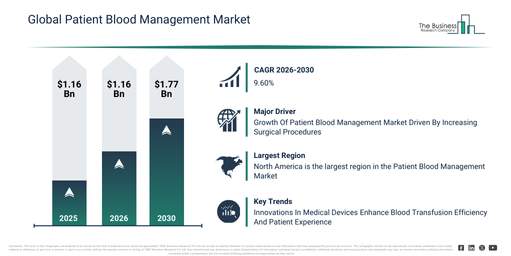
    The patient blood management market size has experienced modest growth in recent years. It will grow from $15.94 billion in 2025 to $15.95 billion in 2026 at a compound annual growth rate (CAGR) of 0.1%. The expansion observed in prior periods stems from various factors, including an increase in surgical volumes, scarcity in blood supply, heightened awareness regarding complications related to transfusions, pressure on hospitals for cost containment, and the establishment of standardized clinical guidelines.

    The patient blood management market size is anticipated to demonstrate robust growth in the upcoming years. It is predicted to expand to $22.98 billion in 2030, exhibiting a compound annual growth rate (CAGR) of 9.6%. This expected growth throughout the forecast period stems from factors such as an increasing aging population, a rise in elective surgeries, more stringent transfusion regulations, the adoption of value-based healthcare, and the expansion of pbm in emerging markets. Noteworthy trends during this period encompass preoperative anemia screening protocols, point-of-care hemoglobin testing, the widespread adoption of standardized transfusion guidelines, the establishment of multidisciplinary PBM programs within hospitals, and an increase in clinician education on PBM.

    Get A Free Sample Report With In-Depth Market Insights:

    https://thebusinessresearchcompany.com/sample_request?id=43594115&type=smp&name=Patient%20Blood%20Management%20Market%20Report%202026&utm_source=Blogs&utm_medium=Paid&utm_campaign=Oct_PR

    Patient Blood Management Market Growth Factors: What’s Supporting Expansion?

    The increasing volume of surgical procedures is anticipated to propel the growth of the patient blood management market going forward. These medical interventions, which involve the physical manipulation of tissues or organs to diagnose, treat, or prevent health conditions, often requiring incisions and the use of surgical instruments, are experiencing an increase. This rise can be attributed to the growing prevalence of chronic diseases, advancements in medical technology, improved surgical techniques, and an aging population. Patient blood management, in turn, enhances surgical outcomes by optimizing blood use, reducing transfusion needs, minimizing complications, and improving results through effective preoperative assessment and anemia management. For instance, in August 2023, according to The Aesthetic Society, a US-based organization of plastic surgery and cosmetic medicine, Americans spent more than $11.8 billion on aesthetic procedures overall, up 2% from 2022. Consequently, the escalating number of surgical procedures is driving the growth of the patient blood management production market.

    Patient Blood Management Market Breakdown By Product Type And Application

    The patient blood management market covered in this report is segmented –

    1) By Product: Instruments, Accessories, Reagents And Kits, Software

    2) By Component: Plasma, Whole Blood, Red Blood Cells

    3) By Application: Hospital, Clinic, Other Applications

    Subsegments:

    1) By Instruments: Blood Collection Devices, Blood Processing Devices, Blood Transfusion Devices

    2) By Accessories: Blood Bags, Transfer Sets, Filters

    3) By Reagents And Kits: Blood Typing Reagents, Coagulation Test Kits, Hemoglobin Test Kits

    4) By Software: Blood Management Information Systems, Data Management Software, Inventory Management Software

    Patient Blood Management Market Industry Trends: What’s Reshaping Demand?

    Leading companies in the patient blood management market are concentrating on innovative products, such as medical devices for blood transfusions, to boost their revenues within the market. Medical devices utilized in blood transfusions are developed to securely and effectively transfer blood or blood products from donors to recipients. For instance, in May 2024, Becton, Dickinson, and Company, a US-based medical technology company, unveiled UltraTouch, specifically engineered to streamline the process of obtaining blood samples while simultaneously minimizing patient discomfort. It incorporates advanced technology to facilitate quick and efficient venipuncture, ensuring high accuracy in sample collection. Featuring a user-friendly interface and ergonomic design, it is highly suitable for healthcare professionals across various environments, including hospitals, clinics, and laboratories. This device is particularly beneficial for patients who experience anxiety during blood draws, as its innovative design helps lessen pain and improve their overall experience. Additionally, it integrates safety mechanisms to reduce the risk of needle-stick injuries, establishing it as a favored option in contemporary medical practice.

    Patient Blood Management Market Key Players Shaping Industry Direction

    Major companies operating in the patient blood management market are Haemonetics Corporation, Fresenius SE & Co. KGaA, Terumo Corporation, Immucor Inc., B. Braun Melsungen AG, Macopharma, bioMérieux SA, Asahi Kasei Corporation, KANEKA CORPORATION, Bio-Rad Laboratories Inc, Abbott Laboratories, Grifols, Roche, LIVANOVA PLC, Danaher, Mediware information systems, Kawasumi Laboratories, Haier Biomedical, Diatron MI Zrt., BAG Diagnostics GmbH, Hitachi Ltd., Ortho Clinical Diagnostics, Beckman Coulter Inc., Siemens Healthineers, Thermo Fisher Scientific Inc., Sysmex Corporation, Nihon Kohden Corporation, Radiometer Medical ApS, Instrumentation Laboratory, F. Hoffmann-La Roche Ltd, Grifols Diagnostic Solutions Inc., HemoCue AB

    View The Full Patient Blood Management Market Report:

    https://thebusinessresearchcompany.com/report/patient-blood-management-global-market-report?utm_source=Blogs&utm_medium=Paid&utm_campaign=Oct_PR

    Patient Blood Management Market Regional Analysis: Which Geography Leads On Revenue?

    North America was the largest region in the patient blood management market in 2025. Western Europe was the second-largest region in the patient blood management market share. The regions covered in the patient blood management market report are Asia-Pacific, South East Asia, Western Europe, Eastern Europe, North America, South America, Middle East, Africa.

    Reach Out To Our Team:

    The Business Research Company: https://www.thebusinessresearchcompany.com/

    Americas: +1 310-496-7795

    Asia: +44 7882 955267 & +91 8897263534

    Europe: +44 7882 955267

    Email us at: marketing@tbrc.info

    Follow us on:

    LinkedIn: https://in.linkedin.com/company/the-business-research-company

    YouTube: https://www.youtube.com/channel/UC24_fI0rV8cR5DxlCpgmyFQ

    Global Market Model: https://www.thebusinessresearchcompany.com/global-market-model
  • Particle Therapy Market Valued At $2.44 Billion In 2026: Key Trends And Growth Drivers

    Particle Therapy Market Valued At $2.44 Billion In 2026: Key Trends And Growth Drivers

    Built to provide research that’s more actionable and strategically valuable, The Business Research Company’s 2026 market reports include market attractiveness analysis, total addressable market sizing, company benchmarking matrices, interactive Excel dashboards, broader supply chain intelligence, emerging startup tracking, and in-depth product insights.

    Particle Therapy Market Growth Analysis: How Will Revenue Trend Over The Forecast Period?

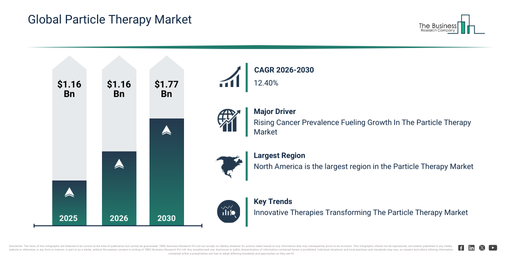
    The particle therapy market size has seen rapid growth in recent years. It is anticipated to expand from $1.36 billion in 2025 to $1.53 billion in 2026, achieving a compound annual growth rate (CAGR) of 12.1%. The expansion observed in the past can be credited to rising cancer incidence rates, the early adoption of proton therapy technologies, the establishment of more specialized oncology centers, growing clinical evidence supporting particle therapy, and investments made by academic research hospitals.

    The particle therapy market is projected to experience substantial expansion in the coming years, with its size forecast to reach $2.44 billion in 2030, exhibiting a compound annual growth rate (CAGR) of 12.4%. Factors contributing to this growth during the forecast period include the broader implementation of personalized cancer therapies, increased investment in sophisticated oncology treatments, a heightened need for accurate radiation therapies, continuous innovation in accelerator technologies, and the increasing uptake in developing healthcare sectors. Key trends anticipated within this period involve the wider acceptance of pencil beam scanning systems, the increasing establishment of single-room particle therapy facilities, the expanding application of carbon ion therapy, advancements in precise treatment planning tools, and a sharpened emphasis on oncological care for children.

    Get A Free Sample Report With In-Depth Market Insights:

    https://thebusinessresearchcompany.com/sample_request?id=19804340&type=smp&name=Particle%20Therapy%20Market%20Report%202026&utm_source=Blogs&utm_medium=Paid&utm_campaign=Oct_PR

    Particle Therapy Market Demand Drivers: What’s Powering Industry Growth?

    The increasing prevalence of cancer is projected to drive the expansion of the particle therapy market. Cancer is defined as a diverse group of diseases characterized by the abnormal proliferation and growth of cells within the body. Particle therapy offers a precise and effective method for treating cancer through radiation, where positively charged particles (protons) are accelerated to high speeds and accurately targeted at tumors. For example, data released in April 2024 by the International Agency for Research on Cancer (IARC), a France-based intergovernmental agency, indicated that in 2022, nearly 20 million new cancer cases were reported globally, resulting in almost 10 million deaths due to the disease. Projections based on demographic trends further suggest that the annual number of new cancer cases could escalate to 35 million by 2050, which represents a 77% increase from the 2022 figures. This growing prevalence of cancer is therefore a key driver for the particle therapy market’s growth.

    Particle Therapy Market Segment Analysis And Revenue Potential

    The particle therapy market covered in this report is segmented –

    1) By Type: Proton Therapy, Heavy Ion Therapy

    2) By System: Single-Room Systems, Multi-Room Systems

    3) By Cancer Type: Pediatric Cancer, Prostate Cancer, Lung Cancer, Brain And Spinal Cord Cancer, Other Cancer Types

    4) By End-User: Hospital, Academic And Research Centers

    Subsegments:

    1) By Proton Therapy: Pencil Beam Scanning Proton Therapy, Passive Scattering Proton Therapy, Intensity-Modulated Proton Therapy (IMPT)

    2) By Heavy Ion Therapy: Carbon Ion Therapy, Helium Ion Therapy

    Particle Therapy Market Innovation Trends: What Developments Are Reshaping The Industry?

    Leading companies in the particle therapy sector are increasingly focusing on developing innovative therapies, such as the proton therapy solution, to gain a competitive edge. Proton therapy technology is an advanced form of cancer treatment that utilizes protons, which are positively charged particles, to deliver precise and targeted radiation to cancer cells. For example, in April 2023, P-Cure, an Israel-based high-med-tech company, received clearance from the United States Food and Drug Administration (USFDA) for its Adaptive Proton Therapy Solution, allowing sales in the USA. This solution provides an affordable proton therapy technology for the targeted treatment of cancer, significantly reducing treatment-related side effects. P-Cure’s innovative upright solution is also the world’s first FDA-approved methodology for patient positioning, allowing patients to be treated while seated, which enhances both patient comfort and clinical results.

    Particle Therapy Market Competitive Analysis Of Leading Industry Participants

    Major companies operating in the particle therapy market are Hitachi Ltd., Mitsubishi Electric Corporation, Sumitomo Heavy Industries Ltd., Varian Medical Systems Inc., IBA Worldwide, Mevion Medical Systems Inc., ProNova Solutions LLC, Advanced Oncotherapy plc, Shinva Medical Instrument Co. Ltd., Optivus Proton Therapy Inc., Protom International Inc., Danfysik AS, Toshiba Energy Systems And Solutions Corporation, Canon Medical Systems Corporation, Siemens Healthineers AG, Koninklijke Philips N.V., GE Healthcare, Elekta AB, Accuray Incorporated, Xstrahl Inc.

    View The Full Particle Therapy Market Report:

    https://thebusinessresearchcompany.com/report/particle-therapy-global-market-report?utm_source=Blogs&utm_medium=Paid&utm_campaign=Oct_PR

    Particle Therapy Market Geographic Spread And Regional Opportunities

    North America was the largest region in the particle therapy market in 2025. Asia-Pacific is expected to be the fastest-growing region in the particle therapy market report during the forecast period. The regions covered in the particle therapy market report are Asia-Pacific, South East Asia, Western Europe, Eastern Europe, North America, South America, Middle East, Africa.

    Reach Out To Our Team:

    The Business Research Company: https://www.thebusinessresearchcompany.com/

    Americas: +1 310-496-7795

    Asia: +44 7882 955267 & +91 8897263534

    Europe: +44 7882 955267

    Email us at: marketing@tbrc.info

    Follow us on:

    LinkedIn: https://in.linkedin.com/company/the-business-research-company

    YouTube: https://www.youtube.com/channel/UC24_fI0rV8cR5DxlCpgmyFQ

    Global Market Model: https://www.thebusinessresearchcompany.com/global-market-model
  • Partially Absorbable Mesh Market Size In 2026: Growth Outlook And Forecast Through 2030

    Partially Absorbable Mesh Market Size In 2026: Growth Outlook And Forecast Through 2030

    Backed by market attractiveness analysis, total addressable market sizing, company benchmarking matrices, interactive Excel dashboards, wider supply chain intelligence, emerging startup coverage, and detailed product-level insights, The Business Research Company’s 2026 market reports are designed to offer research that is more actionable and strategically valuable than ever.

    Partially Absorbable Mesh Market Forecast: What Value Will The Market Reach By 2030?

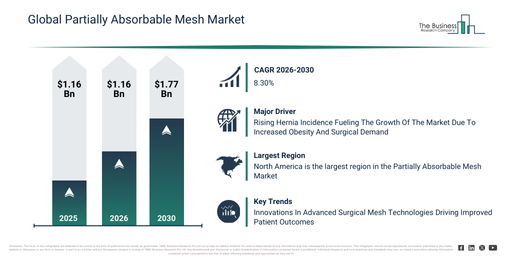
    The partially absorbable mesh market has experienced strong growth in recent years. It is forecast to increase from $1.72 billion in 2025 to $1.87 billion in 2026, at a compound annual growth rate (CAGR) of 8.6%. The expansion observed historically is due to factors such as dependence on non-absorbable mesh materials, the limited availability of hybrid mesh, a rise in surgical interventions for hernia and pelvic organ prolapse, increasing demand for abdominal wall reconstruction, and greater awareness of post-surgical complications.

    The partially absorbable mesh market is forecast to experience robust growth in the upcoming years. Its value is expected to reach $2.57 billion in 2030, demonstrating a compound annual growth rate (CAGR) of 8.3%. This expansion during the forecast period can be attributed to several factors, including innovation in composite and biologic mesh, an increasing preference for minimally invasive surgical interventions, the expansion of specialty clinics and ambulatory surgical centers, rising investment in surgical research and development, and the adoption of coated and dual-layer mesh for superior outcomes. Key trends for the forecast period include the growing application of partially absorbable mesh in hernia and pelvic repairs, the development of hybrid mesh materials to enhance biocompatibility, an increase in minimally invasive surgical procedures, a heightened focus on minimizing post-surgical complications, and intensified research and development in advanced surgical implants.

    Get A Free Sample Report With In-Depth Market Insights:

    https://thebusinessresearchcompany.com/sample_request?id=21528273&type=smp&name=Partially%20Absorbable%20Mesh%20Market%20Report%202026&utm_source=Blogs&utm_medium=Paid&utm_campaign=Oct_PR

    Partially Absorbable Mesh Market Growth Drivers: What’s Behind The Acceleration?

    The increasing occurrence of hernias is anticipated to boost the expansion of the partially absorbable mesh market in the future. A hernia is defined as a medical condition in which an organ or tissue protrudes through a weakened area or gap in the surrounding muscle or connective tissue, frequently resulting in pain or unease. The growing number of hernia cases stems from rising obesity rates, which exert additional strain on abdominal muscles, thereby weakening them and increasing the susceptibility to hernias. Partially absorbable mesh aids in hernia repair by offering a combination of robust reinforcement and materials that dissolve over time, facilitating healing and minimizing the likelihood of long-term complications. For example, data from March 2024, provided by the American Society of Anesthesiologists, a US-based nonprofit professional medical association, indicates that over 20 million hernia repair procedures are conducted worldwide annually. This includes around 800,000 yearly inguinal hernia cases in the United States, primarily affecting men between 75 and 80 years old. Consequently, the increasing prevalence of hernias is a key factor propelling the expansion of the partially absorbable mesh market.

    Partially Absorbable Mesh Market Segmentation And Category Overview

    The partially absorbable mesh market covered in this report is segmented –

    1) By Product Type: Polypropylene Mesh, Polytetrafluoroethylene (PTFE) Mesh, Composite Mesh, Biologic Mesh, Other Product Types

    2) By Material Composition: Synthetic Materials, Natural Materials, Hybrid Materials, Coated Materials, Other Material Compositions

    3) By Distribution Channel: Direct Sales, Distributors, Online Sales, Medical Supply Companies, Other Distribution Channels

    4) By Application: Heia Repair, Pelvic Organ Prolapse Repair, Abdominal Wall Reconstruction, Other Surgical Applications

    5) By End-User: Hospitals, Ambulatory Surgical Centers, Specialty Clinics, Research Institutes, Other Healthcare Facilities

    Subsegments:

    1) By Polypropylene Mesh: Lightweight Polypropylene Mesh, Heavyweight Polypropylene Mesh, Coated Polypropylene Mesh

    2) By Polytetrafluoroethylene (PTFE) Mesh: Expanded Polytetrafluoroethylene (PTFE) Mesh, Dual-Layer Polytetrafluoroethylene (PTFE) Mesh, Microporous Polytetrafluoroethylene (PTFE) Mesh

    3) By Composite Mesh: Synthetic Biologic Composite Mesh, Synthetic Absorbable Polymer Composite Mesh, Dual-Sided Composite Mesh (Anti-Adhesion)

    4) By Biologic Mesh, By Type: Porcine Dermis Mesh, Bovine Dermis Mesh, Human Cadaveric Dermis Mesh

    5) By Other Product Types: Polyester Mesh, Polyvinylidene Fluoride (PVDF) Mesh, Silk Mesh

    Partially Absorbable Mesh Market Trends: What’s Defining The Industry’s Next Phase?

    Leading companies in the partially absorbable mesh market are focusing on developing innovative solutions, such as composite meshes, to improve patient outcomes, enhance biocompatibility, and reduce post-surgical complications. Composite meshes are surgical implants crafted from a combination of absorbable and non-absorbable materials, engineered to provide both long-term support and improved biocompatibility for procedures like hernia repair. For instance, in April 2025, W. L. Gore & Associates, a US-based manufacturer of medical implantable devices, introduced the GORE SYNECOR Preperitoneal Biomaterial in Europe, the Middle East, and South Africa. This next-generation composite surgical mesh is designed for tension-free and minimally invasive hernia repairs, offering both permanent structural support and temporary tissue reinforcement. Notably, the mesh combines a permanent polytetrafluoroethylene (PTFE) layer with a bioabsorbable polyglycolide-co-trimethylene carbonate (PGA:TMC) scaffold, which enhances tissue integration, vascularization, and postoperative healing.

    Partially Absorbable Mesh Market Leading Companies And Competitive Benchmarking

    Major companies operating in the partially absorbable mesh market are Johnson And Johnson, Medtronic plc, Medline Industries Inc, Integra LifeSciences Corporation, Meril Life Sciences Pvt Ltd, B Braun Melsungen AG, Gore Medical, Demetech Corporation, TELA Bio Inc, pfm Medical AG, AFS Medical, Dolphin Mesh, Lotus Surgicals Pvt Ltd, KATSAN Medical Devices, Betatech Medical, Orion Sutures India Pvt Ltd, Vitrex Medical A S, BioHealth Medical Tech, Assut Europe S p A, Herniamesh Srl, FEG Textiltechnik mbH

    View The Full Partially Absorbable Mesh Market Report:

    https://thebusinessresearchcompany.com/report/partially-absorbable-mesh-global-market-report?utm_source=Blogs&utm_medium=Paid&utm_campaign=Oct_PR

    Partially Absorbable Mesh Market Top Region By Revenue And Market Share

    North America was the largest region in the partially absorbable mesh market in 2025. Asia-Pacific is expected to be the fastest-growing region in the forecast period. The regions covered in the partially absorbable mesh market report are Asia-Pacific, South East Asia, Western Europe, Eastern Europe, North America, South America, Middle East, Africa.

    Reach Out To Our Team:

    The Business Research Company: https://www.thebusinessresearchcompany.com/

    Americas: +1 310-496-7795

    Asia: +44 7882 955267 & +91 8897263534

    Europe: +44 7882 955267

    Email us at: marketing@tbrc.info

    Follow us on:

    LinkedIn: https://in.linkedin.com/company/the-business-research-company

    YouTube: https://www.youtube.com/channel/UC24_fI0rV8cR5DxlCpgmyFQ

    Global Market Model: https://www.thebusinessresearchcompany.com/global-market-model

  • Parcel Delivery Vehicle Market Trends Supporting 10.3% CAGR Growth Through 2030

    Parcel Delivery Vehicle Market Trends Supporting 10.3% CAGR Growth Through 2030

    Featuring market attractiveness scoring, total addressable market sizing, company benchmarking matrices, interactive Excel dashboards, deeper supply chain intelligence, emerging startup tracking, and granular product-level insights, The Business Research Company’s 2026 market reports are built to deliver research that is both more actionable and more strategically valuable.

    Parcel Delivery Vehicle Market Size Outlook: How Quickly Will Revenue Expand Through 2030?

    The parcel delivery vehicle market has demonstrated significant growth in recent years. It is projected to expand from $126.72 billion in 2025 to $138.81 billion in 2026, at a compound annual growth rate (CAGR) of 9.5%. The historical development in this sector can be attributed to several factors including the expansion of e-commerce logistics, the proliferation of courier and parcel services, increasing urbanization, a rising need for faster delivery options, and the accessibility of light commercial vehicles.

    The parcel delivery vehicle market is anticipated to experience significant expansion over the next few years. It is predicted to reach $205.12 billion by 2030, exhibiting a compound annual growth rate (CAGR) of 10.3%. This expansion during the forecast period is largely due to increasing investments in zero-emission delivery fleets, the growing adoption of autonomous logistics solutions, the expansion of smart city delivery infrastructure, a rising demand for cost-efficient fleet operations, and increasing regulatory support for electric vehicles. Prominent trends expected over this time include the increasing adoption of electric delivery vehicles, a rising deployment of autonomous delivery fleets, growing demand for last-mile optimization vehicles, the expansion of fleet telematics integration, and an enhanced focus on urban-friendly vehicle designs.

    Get A Free Sample Report With In-Depth Market Insights:

    https://thebusinessresearchcompany.com/sample_request?id=86046164&type=smp&name=Parcel%20Delivery%20Vehicle%20Market%20Report%202026&utm_source=Blogs&utm_medium=Paid&utm_campaign=Oct_PR

    Parcel Delivery Vehicle Market Growth Factors Behind Sustained Expansion

    The expanding adoption of e-commerce and online shopping platforms is anticipated to stimulate the expansion of the parcel delivery vehicle market in the future. An e-commerce platform is defined as any online site facilitating buying and selling over the internet. Internet shopping platforms are types of electronic commerce platforms where consumers can buy items straight from sellers via a web browser and the Internet. The increasing prevalence of e-commerce and internet shopping platforms is enhancing the parcel delivery vehicle market because these platforms rely on such vehicles for the door-to-door distribution of goods purchased through e-commerce or online retail sites. For example, data from the United States Census Bureau, a government agency based in the US, indicated that in August 2024, U.S. retail e-commerce sales during the second quarter of 2024 hit an estimated $282.3 billion. This represented a 5.3% rise when contrasted with the first quarter of 2023. Consequently, the ongoing expansion of e-commerce and Internet shopping platforms is a key factor propelling the growth of the parcel delivery vehicle market.

    Parcel Delivery Vehicle Market Segment Outlook: Which Categories Are Growing Fastest?

    The parcel delivery vehicle market covered in this report is segmented –

    1) By Type: Class 2a, Class 2b, Class 3, Class 4

    2) By Vehicle Type: Light Duty Vehicle, Medium Duty Vehicle, Heavy Duty Vehicle

    3) By Gross Weight: 3.5-5 Ton, 6-7.5 Ton, >8 Ton

    4) By End-Use: Courier Companies, Fleet Management Companies, Medical Courier Companies, Warehouse Service Providers, E-Commerce

    Subsegments:

    1) By Class 2a: Light Commercial Vehicles (LCVs), Small Vans

    2) By Class 2b: Medium Commercial Vehicles (MCVs), Larger Vans

    3) By Class 3: Heavy Commercial Vehicles (HCVs), Box Trucks

    4) By Class 4: Trucks Over 7.5 Tonnes, Delivery Trucks

    Parcel Delivery Vehicle Market Industry Trends Fueling Future Revenue Growth

    Leading companies in the parcel delivery vehicle market are concentrating on developing advanced solutions to improve delivery efficiency, reduce operational costs, and support sustainable mobility. For instance, in September 2024, LOXO, a Switzerland-based autonomous delivery technology company, collaborated with Planzer to launch the Planzer Dynamic Micro Hub with the LOXO project, an innovative solution designed to enhance last-mile parcel delivery. As part of this initiative, LOXO integrated its LOXO Digital Driver autonomous navigation software into a VW ID. vehicle, enabling automated front-door parcel delivery in urban environments. The Dynamic Micro Hub represents one of the most sophisticated applications of autonomous technology in parcel logistics, improving delivery speed, operational efficiency, and environmental sustainability.

    Parcel Delivery Vehicle Market Industry Leaders And Competitive Landscape

    Major companies operating in the parcel delivery vehicle market are Toyota Motor Corporation, Ashok Leyland, Daimler AG, Ford Motor Company, General Motors, Hyundai Motor Company, Tesla Inc., Nissan Motor Co. Ltd., Kia Corporation, Renault Group, BYD Motors Inc., Isuzu Motors Limited, Mitsubishi Motors Corporation, Iveco Group, Jeep, Mahindra & Mahindra Ltd., MAN Truck & Bus AG, Navistar International Corporation, Peugeot S.A., Rivian Automotive Inc., Mack Trucks Inc., Kenworth Truck Company, Freightliner Trucks, London EV Company Limited, StreetScooter Engineering GmbH, FCA Group Marketing S.p.A.

    View The Full Parcel Delivery Vehicle Market Report:

    https://thebusinessresearchcompany.com/report/parcel-delivery-vehicle-global-market-report?utm_source=Blogs&utm_medium=Paid&utm_campaign=Oct_PR

    Parcel Delivery Vehicle Market Regional Analysis And Top Geography

    North America is expected to be the fastest-growing region in the forecast period. The regions covered in the parcel delivery vehicle market report are Asia-Pacific, South East Asia, Western Europe, Eastern Europe, North America, South America, Middle East, Africa.

    Reach Out To Our Team:

    The Business Research Company: https://www.thebusinessresearchcompany.com/

    Americas: +1 310-496-7795

    Asia: +44 7882 955267 & +91 8897263534

    Europe: +44 7882 955267

    Email us at: marketing@tbrc.info

    Follow us on:

    LinkedIn: https://in.linkedin.com/company/the-business-research-company

    YouTube: https://www.youtube.com/channel/UC24_fI0rV8cR5DxlCpgmyFQ

    Global Market Model: https://www.thebusinessresearchcompany.com/global-market-model