Blog

  • Veterinary Skin Substitute Matrices Market Analysis: $1.37 Billion Market Size In 2026 And Future Growth Prospects

    Veterinary Skin Substitute Matrices Market Analysis: $1.37 Billion Market Size In 2026 And Future Growth Prospects

    Featuring market attractiveness scoring, total addressable market sizing, company benchmarking matrices, interactive Excel dashboards, deeper supply chain intelligence, emerging startup tracking, and granular product-level insights, The Business Research Company’s 2026 market reports are built to deliver research that is both more actionable and more strategically valuable.

    Veterinary Skin Substitute Matrices Market Growth Analysis: How Will Revenue Trend Over The Forecast Period?

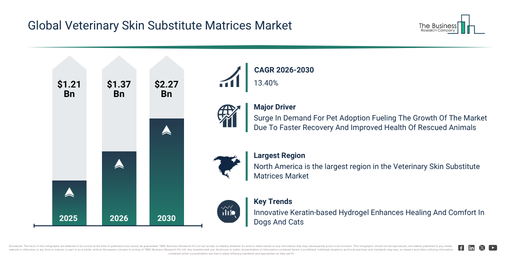
    The veterinary skin substitute matrices market has seen substantial expansion in recent years. Its size is projected to increase from $1. 21 billion in 2025 to $1. 37 billion in 2026, achieving a compound annual growth rate (CAGR) of 13. 2%. The market’s historical growth was driven by factors such as a greater occurrence of traumatic injuries in animals, a rising number of veterinary surgical procedures, the restricted supply of donor skin grafts in veterinary care, enhanced awareness of advanced wound healing solutions, and the broadening of veterinary dermatology practices.

    The veterinary skin substitute matrices market is anticipated to expand significantly in the coming years, projected to reach $2.27 billion by 2030, demonstrating a compound annual growth rate (CAGR) of 13.4%. This expansion is primarily driven by progress in bioengineered tissue regeneration technologies, the rising acceptance of precision veterinary regenerative medicine, a greater need for affordable chronic wound management options, an increase in spending on companion animal healthcare, and the creation of advanced bioactive scaffold materials. Key trends during this period encompass the wider utilization of bioengineered collagen-based skin matrices for improved veterinary wound healing, the increasing application of hydrogel-based regenerative scaffolds for managing chronic wounds in animals, the development of combination biomaterial matrices incorporating growth factors for quicker tissue regeneration, a surging demand for minimally invasive skin graft substitutes in veterinary surgeries, and the expanding use of biodegradable synthetic matrices to enhance post-operative recovery in animals.

    Get A Free Sample Report With In-Depth Market Insights:

    https://thebusinessresearchcompany.com/sample_request?id=69360687&type=smp&name=Veterinary%20Skin%20Substitute%20Matrices%20Market%20Report%202026&utm_source=Blogs&utm_medium=Paid&utm_campaign=Oct_PR

    Veterinary Skin Substitute Matrices Market Growth Factors: What’s Supporting Expansion?

    The expanding trend of pet adoption is anticipated to fuel the growth of the veterinary skin substitute matrices market moving forward. Pet adoption refers to the act of assuming responsibility for an animal, providing it with a permanent dwelling, necessary care, and companionship. The increase in pet adoption rates is driven by a heightened awareness of animal welfare, as this practice offers emotional support, companionship, and helps in managing stray animal populations. Veterinary skin substitute matrices contribute to successful pet adoption by enhancing the recovery process for injured or rescued animals, ensuring quicker healing and improved health, which significantly raises their prospects of finding permanent homes. A notable example is the report from the American Society for the Prevention of Cruelty to Animals, a US-based nonprofit organization dedicated to preventing cruelty to animals, which stated in February 2026 that overall animal adoptions across US reached 4.2 million animals in 2025, marking a 0.7% increase from 2024. Thus, the escalating pet adoption is undeniably a key driver for the veterinary skin substitute matrices market’s expansion.

    Veterinary Skin Substitute Matrices Market Segment Landscape: Which Areas Lead Development?

    The veterinary skin substitute matrices market covered in this report is segmented –

    1) By Product Type: Acellular Matrices, Cellular Matrices, Synthetic Matrices, Other Product Types

    2) By Animal Type: Companion Animals, Livestock Animals, Other Animal Types

    3) By Application: Wound Care, Burn Care, Surgical Procedures, Other Applications

    4) By End-User: Veterinary Hospitals, Veterinary Clinics, Research Institutes, Other End-Users

    Subsegments:

    1) By Acellular Matrices: Collagen Based, Amniotic Membrane Based, Extracellular Matrix Based, Other Acellular Matrices

    2) By Cellular Matrices: Autologous Cell Based, Allogeneic Cell Based, Xenogeneic Cell Based, Other Cellular Matrices

    3) By Synthetic Matrices: Polymer Based, Hydrogel Based, Biodegradable Scaffold Based, Other Synthetic Matrices

    4) By Other Product Types: Combination Matrices, Bioactive Matrices, Composite Matrices, Other Veterinary Matrices

    Veterinary Skin Substitute Matrices Market Industry Trends: What’s Reshaping Demand?

    Leading firms within the veterinary skin substitute matrices market are prioritizing the development and wider distribution of advanced wound care and skin support options for animals, aiming to boost healing outcomes, cut down recovery times, and improve patient well-being. Veterinary skin substitute matrices are defined as specially designed biological or synthetic materials utilized in wound treatment that imitate the skin’s extracellular matrix, thereby assisting tissue regrowth, cell migration, and effective recovery for dermatological issues and surgical sites. As an illustration, in July 2024, KeraVet Bio, a US-based veterinary wound care specialist, broadened the national availability of its primary keratin-based wound management item, KeraVet Gel, through all significant veterinary product distributors, including Covetrus, Patterson Veterinary, Victor Medical Company, MWI Animal Health, and Midwest Veterinary Supply. This prescription-only hydrogel incorporates IP-protected keratin technology and an effective bitterant to facilitate superior and more rapid wound healing for dogs and cats, simultaneously mitigating self-trauma behaviors such as licking, streamlining the wound care process, and minimizing the requirement for restraint tools like E-collars in veterinary practices across the nation.

    Veterinary Skin Substitute Matrices Market Leading Players And Competitive Positioning

    Major companies operating in the veterinary skin substitute matrices market are Medtronic plc, Stryker Corporation, Zimmer Biomet Holdings Inc., Smith & Nephew plc, Coloplast A/S, Arthrex Vet Systems Inc., Integra LifeSciences Holdings Corporation, Organogenesis Holdings Inc., Aetna Inc., LifeCell Corporation a subsidiary of AbbVie Inc., Aroa Biosurgery Ltd., PolyNovo Biomaterials Pty Ltd., Merck Animal Health, Tissue Regenix Group plc, Imbed Biosciences Inc., MedSkin Solutions Dr. Suwelack AG, Vetrix LLC, Cook Animal Health a division of Cook Medical LLC, HiFarmaX Inc., Equine Amnio Solutions LLC, Royal Biologics Inc., VetStem Biopharma Inc., CelluHeal Inc.

    View The Full Veterinary Skin Substitute Matrices Market Report:

    https://thebusinessresearchcompany.com/report/veterinary-skin-substitute-matrices-market-report?utm_source=Blogs&utm_medium=Paid&utm_campaign=Oct_PR

    Veterinary Skin Substitute Matrices Market Regional Split: Which Areas Are Fueling Growth?

    North America was the largest region in the veterinary skin substitute matrices market in 2025. Asia-Pacific is expected to be the fastest-growing region in the forecast period. The regions covered in the veterinary skin substitute matrices market report are Asia-Pacific, South East Asia, Western Europe, Eastern Europe, North America, South America, Middle East and Africa.

    Reach Out To Our Team:

    The Business Research Company: https://www.thebusinessresearchcompany.com/

    Americas: +1 310-496-7795

    Asia: +44 7882 955267 & +91 8897263534

    Europe: +44 7882 955267

    Email us at: marketing@tbrc.info

    Follow us on:

    LinkedIn: https://in.linkedin.com/company/the-business-research-company

    YouTube: https://www.youtube.com/channel/UC24_fI0rV8cR5DxlCpgmyFQ

    Global Market Model: https://www.thebusinessresearchcompany.com/global-market-model
  • Veterinary Signal Detection Analytics Market 2026 Market Size And Growth Forecast: Key Trends To Watch

    Veterinary Signal Detection Analytics Market 2026 Market Size And Growth Forecast: Key Trends To Watch

    Built to provide research that’s more actionable and strategically valuable, The Business Research Company’s 2026 market reports include market attractiveness analysis, total addressable market sizing, company benchmarking matrices, interactive Excel dashboards, broader supply chain intelligence, emerging startup tracking, and in-depth product insights.

    Veterinary Signal Detection Analytics Market Forecast: What Value Will The Market Reach By 2030?

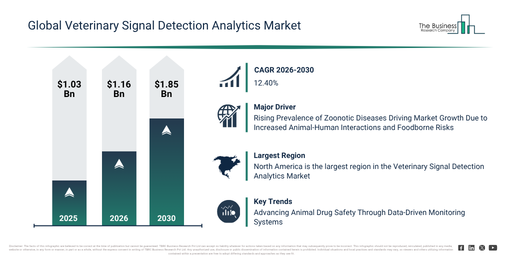
    The veterinary signal detection analytics market size has seen rapid growth in recent years. It is forecast to grow from $1.03 billion in 2025 to $1.16 billion in 2026, progressing at a compound annual growth rate (CAGR) of 12.1%. The expansion observed in prior periods is attributable to the increased reporting of adverse drug reactions in veterinary medicine, a heightened regulatory focus on monitoring animal drug safety, the wider use of veterinary pharmaceuticals, growing understanding of zoonotic disease transmission risks, and the initial lack of structured veterinary pharmacovigilance systems.

    The veterinary signal detection analytics market is set for substantial expansion in the near future. It is anticipated to reach $1. 85 billion by 2030, exhibiting a compound annual growth rate (CAGR) of 12. 4%. This expansion during the forecast period is fueled by several factors, including the proliferation of AI-powered pharmacovigilance platforms, the increasing digitalization of animal health reporting regulations, a growing uptake of real-time data analytics for veterinary safety oversight, the incorporation of genomics and precision medicine into risk evaluations, and the development of worldwide veterinary drug safety compliance structures. Key developments anticipated in the coming period encompass a greater embrace of predictive signal detection models for prompt identification of veterinary drug safety hazards, a surge in the deployment of real-time adverse event monitoring dashboards within veterinary pharmacovigilance systems, the broadening of cloud-based platforms for collecting veterinary safety data, the deeper merging of diverse veterinary health data sources for triangulating risk signals, and the increased implementation of automated anomaly detection algorithms for reporting veterinary adverse events.

    Get A Free Sample Report With In-Depth Market Insights:

    https://thebusinessresearchcompany.com/sample_request?id=58406646&type=smp&name=Veterinary%20Signal%20Detection%20Analytics%20Market%20Report%202026&utm_source=Blogs&utm_medium=Paid&utm_campaign=Oct_PR

    Veterinary Signal Detection Analytics Market Demand Drivers: What’s Powering Industry Growth?

    The increasing occurrence of zoonotic diseases is projected to drive the expansion of the veterinary signal detection analytics market in the coming years. Zoonotic diseases are infections naturally transmissible between animals and humans via bacteria, viruses, fungi, or parasites, impacting global veterinary and public health. This escalation in zoonotic diseases stems from greater human-animal interactions, intensive agricultural methods, and extended food supply chains that promote pathogen spread. Consequently, the surge in these diseases necessitates veterinary signal detection analytics, which aids in the early identification of new risks and transmission patterns within animal populations, facilitating prompt actions to hinder human transmission. For example, the European Food Safety Authority, an Italy-based public health body, reported in December 2024 that in 2023, campylobacteriosis incidents grew by 4. 3% to 148,181, salmonellosis cases climbed by 16. 9% to 77,486, and Shiga toxin-producing Escherichia coli infections soared by 30% to 10,217, all relative to 2022 figures. Thus, the escalating prevalence of zoonotic diseases is a key factor propelling the growth of the veterinary signal detection analytics market. The expansion of the veterinary signal detection analytics market is expected to be fueled by rising pet ownership, driven by a higher demand for monitoring veterinary drug safety data. The increasing number of pet owners is projected to propel the market’s growth moving forward. A pet is an animal maintained by humans primarily for companionship, emotional connection, or personal enjoyment, rather than for economic or utilitarian purposes. The upswing in pet ownership is due to increased social isolation and stress in modern life, prompting more individuals to adopt animals as companions to improve their emotional well-being and mitigate loneliness. This growing trend in pet ownership leads to more extensive use of veterinary medicines, thereby creating a greater need for signal detection analytics to efficiently track safety data and identify potential adverse effects. For example, in March 2025, the American Pet Products Association, a US-based non-profit trade association, indicated that pet ownership has rebounded, with 94 million U. S. households owning at least one pet, an increase from 82 million in 2023. Overall ownership has increased for both dogs and cats, with dogs present in 51% of households (68 million) and cats in 37% (49 million). Therefore, the growing pet ownership is a significant driver for the growth of the veterinary signal detection analytics market.

    Veterinary Signal Detection Analytics Market Segments: Where Is Growth Concentrated?

    The veterinary signal detection analytics market covered in this report is segmented –

    1) By Component: Software, Services

    2) By Animal Type: Companion Animals, Livestock Animals, Other Animal Types

    3) By Deployment Mode: On-Premises, Cloud-Based

    4) By Application: Pharmacovigilance, Risk Assessment, Real-Time Monitoring, Adverse Event Detection

    5) By End-User: Veterinary Hospitals And Clinics, Research Institutes, Pharmaceutical Companies, Government Agencies, Other End-Users

    Subsegments:

    1) By Software: Data Analytics Software, Predictive Analytics Software, Reporting And Visualization Software, Database Management Software

    2) By Services: Consulting Services, Implementation Services, Support And Maintenance Services, Training Services

    Veterinary Signal Detection Analytics Market Innovation Trends: What Developments Are Reshaping The Industry?

    Leading companies within the veterinary signal detection analytics market are prioritizing the development of sophisticated solutions, particularly pharmacovigilance systems, to enhance decision-making by providing real-time data insights into drug performance and risk profiles. These pharmacovigilance solutions comprise systems and procedures designed to monitor, identify, assess, and prevent adverse effects or safety issues related to medicinal product usage. For instance, in August 2024, the Ministry of Agriculture and Rural Development, a Mexico-based federal cabinet-level executive body, launched the Veterinary Pharmacovigilance System with the aim of improving the safety, quality, and effectiveness of animal medications. This system specifically focuses on identifying, evaluating, and mitigating risks associated with veterinary drugs distributed within Mexico. It integrates data collection from veterinary product administrators, enabling continuous monitoring and prevention of adverse reactions throughout the entire treatment lifecycle. Moreover, it advocates for the responsible application of veterinary medicines while simultaneously supporting the production of safe and high-quality food.

    Veterinary Signal Detection Analytics Market Competitive Overview And Top Companies

    Major companies operating in the veterinary signal detection analytics market are ProPharma Group, PQE Group, Ennov Software For Life, Cloudbyz Inc., Knoell GmbH, Maven Solutions, Biologit Ltd., Delta PV, Navatio Pharma, Pvpharm, Tekrolab

    View The Full Veterinary Signal Detection Analytics Market Report:

    https://thebusinessresearchcompany.com/report/veterinary-signal-detection-analytics-market-report?utm_source=Blogs&utm_medium=Paid&utm_campaign=Oct_PR

    Veterinary Signal Detection Analytics Market Top Region: Where Does Most Revenue Come From?

    North America was the largest region in the Veterinary signal detection analytics market in 2025. Asia-Pacific is expected to be the fastest-growing region in the forecast period. The regions covered in the veterinary signal detection analytics market report are Asia-Pacific, South East Asia, Western Europe, Eastern Europe, North America, South America, Middle East and Africa.

    Reach Out To Our Team:

    The Business Research Company: https://www.thebusinessresearchcompany.com/

    Americas: +1 310-496-7795

    Asia: +44 7882 955267 & +91 8897263534

    Europe: +44 7882 955267

    Email us at: marketing@tbrc.info

    Follow us on:

    LinkedIn: https://in.linkedin.com/company/the-business-research-company

    YouTube: https://www.youtube.com/channel/UC24_fI0rV8cR5DxlCpgmyFQ

    Global Market Model: https://www.thebusinessresearchcompany.com/global-market-model
  • Veterinary Robotic Surgery Enablers Market Size Forecast: How The Industry Is Expected To Grow From 2026 To 2030

    Veterinary Robotic Surgery Enablers Market Size Forecast: How The Industry Is Expected To Grow From 2026 To 2030

    Backed by market attractiveness analysis, total addressable market sizing, company benchmarking matrices, interactive Excel dashboards, wider supply chain intelligence, emerging startup coverage, and detailed product-level insights, The Business Research Company’s 2026 market reports are designed to offer research that is more actionable and strategically valuable than ever.

    Veterinary Robotic Surgery Enablers Market Size Outlook: How Quickly Will Revenue Expand Through 2030?

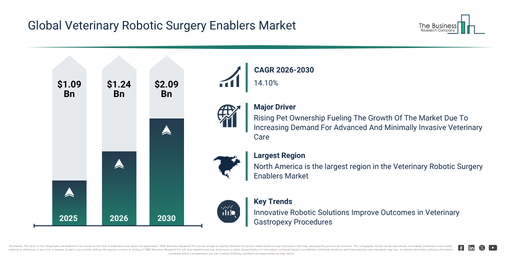
    The veterinary robotic surgery enablers market size has experienced swift expansion in recent years. This market is anticipated to expand from $1. 09 billion in 2025 to $1. 24 billion in 2026, at a compound annual growth rate (CAGR) of 13. 8%. The historical growth can be attributed to increasing demand for minimally invasive veterinary surgeries, rising adoption of advanced diagnostic imaging systems, growth in companion animal surgical procedures, limited availability of skilled veterinary surgeons, and early adoption of robotic-assisted human surgical technologies influencing veterinary use.

    The veterinary robotic surgery enablers market is set for considerable expansion in the coming years, with expectations to reach $2.09 billion by 2030, exhibiting a compound annual growth rate (CAGR) of 14.1%. This expansion during the forecast period can be attributed to the growing adoption of AI-driven surgical robotics platforms, increased investment in veterinary automation infrastructure, a rising demand for precise and error-free surgical outcomes, the integration of real-time imaging and navigation systems, and advancements in tele-operated and remote robotic surgery capabilities. Significant trends anticipated for this period encompass the increasing use of AI-assisted robotic surgical decision support systems in veterinary procedures, greater integration of precision imaging-guided robotic navigation for minimally invasive animal surgeries, the broadening of automated robotic instrument calibration and control systems in veterinary operating rooms, the expanded deployment of cloud-connected robotic surgery platforms for remote monitoring and analytics, and the intensified application of high-precision multi-articulating robotic instruments for complex veterinary surgical procedures.

    Get A Free Sample Report With In-Depth Market Insights:

    https://thebusinessresearchcompany.com/sample_request?id=39160483&type=smp&name=Veterinary%20Robotic%20Surgery%20Enablers%20Market%20Report%202026&utm_source=Blogs&utm_medium=Paid&utm_campaign=Oct_PR

    Veterinary Robotic Surgery Enablers Market Growth Drivers: What’s Behind The Acceleration?

    The escalating trend of pet ownership is anticipated to stimulate the growth of the veterinary robotic surgery enablers market. A pet is characterized as an animal kept by humans primarily for companionship, emotional connection, or personal enjoyment, rather than for economic or utilitarian purposes. The increase in pet ownership is attributed to heightened social isolation and stress prevalent in modern lifestyles, prompting more individuals to adopt animals as companions to enhance emotional well-being and alleviate loneliness. This surge in pet ownership consequently boosts the demand for veterinary robotic surgery enablers, given that a growing number of pet owners are seeking advanced, minimally invasive procedures offering superior precision and faster recovery for their animals. For example, data from March 2025, published by the American Pet Products Association, a US-based non-profit trade organization, indicates a recovery in pet ownership. Specifically, 94 million U. S. households now own at least one pet, an increase from 82 million in 2023. This growth encompasses both dogs and cats, with dogs found in 51% of households (68 million) and cats in 37% (49 million). Thus, the expanding trend of pet ownership is a significant driver for the growth of the veterinary robotic surgery enablers market.

    Veterinary Robotic Surgery Enablers Market Segment Analysis: What Are The Core Market Categories?

    The veterinary robotic surgery enablers market covered in this report is segmented –

    1) By Product Type: Robotic Surgery Systems, Surgical Navigation Systems, Imaging Systems, Robotic Arms, Automated Anesthesia Systems, Endoscopic Robotic Tools

    2) By Animal Type: Companion Animals, Livestock Animals, Other Animal Types

    3) By Application: Orthopedic Surgery, Soft Tissue Surgery, Neurological Surgery, Oncological Surgery, Other Applications

    4) By End-User: Veterinary Hospitals, Veterinary Clinics, Research And Academic Institutes, Other End-Users

    Subsegments:

    1) By Robotic Surgery Systems: General Surgery Robotic Systems, Orthopedic Surgery Robotic Systems, Neurological Surgery Robotic Systems, Cardiovascular Surgery Robotic Systems, Minimally Invasive Surgery Robotic Systems

    2) By Surgical Navigation Systems: Optical Tracking Navigation Systems, Electromagnetic Tracking Navigation Systems, Hybrid Tracking Navigation Systems, Real Time Surgical Navigation Systems, Augmented Reality Navigation Systems

    3) By Imaging Systems: Magnetic Resonance Imaging Systems, Computed Tomography Imaging Systems, Ultrasound Imaging Systems, Fluoroscopy Imaging Systems, Intraoperative Imaging Systems

    4) By Robotic Arms: Articulated Robotic Arms, Cartesian Robotic Arms, Selective Compliance Assembly Robot Arm Robotic Arms, Delta Robotic Arms, Modular Robotic Arms

    5) By Automated Anesthesia Systems: Gas Delivery Anesthesia Systems, Intravenous Anesthesia Systems, Closed Loop Anesthesia Systems, Monitoring Integrated Anesthesia Systems, Portable Anesthesia Systems

    6) By Endoscopic Robotic Tools: Rigid Endoscopic Robotic Tools, Flexible Endoscopic Robotic Tools, Single Port Endoscopic Robotic Tools, Articulating Endoscopic Robotic Tools, High Definition Endoscopic Robotic Tools

    Veterinary Robotic Surgery Enablers Market Trends: What’s Defining The Industry’s Next Phase?

    Companies operating within the veterinary robotic surgery enablers market are prioritizing the development of advanced robotic-assisted surgical solutions, such as minimally invasive robotic gastropexy, to enhance surgical accuracy, improve clinical results, and broaden the adoption of robotics in veterinary care. Robotic gastropexy itself is a minimally invasive surgical procedure executed with robotic assistance to prevent gastric dilatation-volvulus (GDV) by securing the stomach to the abdominal wall, offering superior precision and reduced recovery time compared to conventional methods. For instance, in January 2024, R2 Surgical, a US-based medical technology company, partnered with Cornell University College of Veterinary Medicine to perform the first live animal robotic-assisted gastropexy using its Dexter robotic system. This landmark procedure showcased the system’s capability to support minimally invasive veterinary surgeries with enhanced dexterity, improved visualization, and greater control for surgeons, marking a significant step forward in integrating robotic technologies into veterinary surgical practice.

    Veterinary Robotic Surgery Enablers Market Competitive Landscape: Which Companies Lead The Industry?

    Major companies operating in the veterinary robotic surgery enablers market are Johnson & Johnson, Medtronic plc, Karl Storz SE & Co. KG, Stäubli International AG, Renishaw plc, Accuray Incorporated, Meere Company Inc., Kinova Inc., CMR Surgical Ltd., Mecademic Inc., Vicarious Surgical Inc., Shanghai MicroPort MedBot Co. Ltd., Mindray Medical International Limited, Robocath Inc., R2 Surgical Inc., Panda Surgical Inc., VetOvation Inc., Avante Health Solutions, Apixia Inc., Harbin Sagebot Intelligent Medical Equipment Co. Ltd.

    View The Full Veterinary Robotic Surgery Enablers Market Report:

    https://thebusinessresearchcompany.com/report/veterinary-robotic-surgery-enablers-market-report?utm_source=Blogs&utm_medium=Paid&utm_campaign=Oct_PR

    Veterinary Robotic Surgery Enablers Market Regional Breakdown: Where Is Demand Concentrated?

    North America was the largest region in the veterinary robotic surgery enablers market in 2025. Asia-Pacific is expected to be the fastest-growing region in the forecast period. The regions covered in the veterinary robotic surgery enablers market report are Asia-Pacific, South East Asia, Western Europe, Eastern Europe, North America, South America, Middle East and Africa.

    Reach Out To Our Team:

    The Business Research Company: https://www.thebusinessresearchcompany.com/

    Americas: +1 310-496-7795

    Asia: +44 7882 955267 & +91 8897263534

    Europe: +44 7882 955267

    Email us at: marketing@tbrc.info

    Follow us on:

    LinkedIn: https://in.linkedin.com/company/the-business-research-company

    YouTube: https://www.youtube.com/channel/UC24_fI0rV8cR5DxlCpgmyFQ

    Global Market Model: https://www.thebusinessresearchcompany.com/global-market-model

  • Veterinary Reusable Gown Systems Market Reaches $1.53 Billion In 2026: Forecast And Growth Opportunities

    Veterinary Reusable Gown Systems Market Reaches $1.53 Billion In 2026: Forecast And Growth Opportunities

    Featuring market attractiveness scoring, total addressable market sizing, company benchmarking matrices, interactive Excel dashboards, deeper supply chain intelligence, emerging startup tracking, and granular product-level insights, The Business Research Company’s 2026 market reports are built to deliver research that is both more actionable and more strategically valuable.

    Veterinary Reusable Gown Systems Market Size, Value And Growth Trajectory Through 2030

    The veterinary reusable gown systems market size has demonstrated robust growth in recent years. It is projected to expand from $1.05 billion in 2025 to $1.13 billion in 2026, demonstrating a compound annual growth rate (CAGR) of 7.6%. This historic growth can be ascribed to several factors, including the rising incidence of zoonotic infections requiring infection control, increasing veterinary surgical procedure volumes, growth in veterinary hospital infrastructure, high cost of disposable protective apparel, and increasing awareness of hospital-acquired infection risks.

    The veterinary reusable gown systems market is set to experience substantial growth in the upcoming years, with projections indicating it will expand to $1.53 billion by 2030, demonstrating a compound annual growth rate (CAGR) of 7.9%. This growth over the forecast period is largely driven by factors such as the expansion of circular economy-based healthcare textile systems, the integration of advanced washable antimicrobial fabrics, increased regulatory focus on veterinary hygiene compliance standards, the rise of centralized textile sterilization services, and a growing demand for sustainable, cost-efficient clinical apparel systems. Major trends anticipated during this period include the increased implementation of reusable gown sterilization and laundering infrastructure in veterinary facilities, a rising need for antimicrobial and fluid-resistant textile coatings in protective gowns, the broadening of centralized hospital laundry and infection control systems for veterinary apparel, an intensified focus on cost optimization through multi-cycle reusable protective clothing programs, and the strengthening of regulatory guidelines pertaining to veterinary infection prevention and hygiene compliance protocols.

    Get A Free Sample Report With In-Depth Market Insights:

    https://thebusinessresearchcompany.com/sample_request?id=23055519&type=smp&name=Veterinary%20Reusable%20Gown%20Systems%20Market%20Report%202026&utm_source=Blogs&utm_medium=Paid&utm_campaign=Oct_PR

    Veterinary Reusable Gown Systems Market Growth Factors Behind Sustained Expansion

    The expansion of veterinary clinics and hospitals is anticipated to drive forward the growth of the veterinary reusable gown systems market. These healthcare facilities are where licensed veterinarians deliver medical, surgical, and preventive services to animals. A surge in pet ownership is leading to an increase in veterinary clinics and hospitals, as more individuals adopt animals for companionship, thereby boosting the need for routine care, vaccinations, and various medical procedures. As these veterinary establishments grow, the elevated volume of medical and surgical operations necessitates a greater supply of reusable veterinary gowns to safeguard staff and ensure rigorous infection control. For example, in October 2025, data from the American Veterinary Medical Association indicated that in 2023, the US contained 34,296 veterinary practices, with each practice generating an approximate gross revenue of $1.5 million in 2024. Consequently, the increasing number of veterinary clinics and hospitals is a key factor propelling the expansion of the veterinary reusable gown systems market. The expanding ownership of companion animals is projected to fuel the growth of the veterinary reusable gown systems market in the coming years. A companion animal is a domesticated creature primarily kept for companionship, emotional support, or enjoyment, rather than for labor, consumption, or commercial purposes. Companion animal ownership is increasing because of a growing human desire for emotional support and companionship. This rise in companion animal ownership leads to a greater frequency of veterinary visits and procedures, which in turn elevates the need for reusable veterinary gowns to protect personnel and uphold stringent hygiene standards during medical and surgical interventions. For instance, in March 2025, according to the American Pet Products Association, pet ownership has seen a resurgence, with 94 million U. S. households now owning at least one pet, an increase from 82 million in 2023, and overall ownership for both dogs and cats has grown, with dogs present in 51% of households (68 million) and cats in 37% (49 million). Consequently, the growing prevalence of companion animal ownership is propelling the veterinary reusable gown systems market forward.

    Veterinary Reusable Gown Systems Market Segment Breakdown: Which Categories Lead On Revenue?

    The veterinary reusable gown systems market covered in this report is segmented –

    1) By Product Type: Surgical Gowns, Isolation Gowns, Procedure Gowns, Other Product Types

    2) By Material: Polyester, Cotton, Polypropylene, Other Materials

    3) By Distribution Channel: Direct Sales, Distributors, Online Stores, Other Distribution Channels

    4) By End User: Veterinary Hospitals, Veterinary Clinics, Research Institutes, Other End Users

    Subsegments:

    1) By Surgical Gowns: Standard Surgical Gowns, Reinforced Surgical Gowns, High Barrier Surgical Gowns, Sterile Surgical Gowns

    2) By Isolation Gowns: Disposable Isolation Gowns, Reusable Isolation Gowns, Fluid Resistant Isolation Gowns, Non Fluid Resistant Isolation Gowns

    3) By Procedure Gowns: Non Sterile Procedure Gowns, Lightweight Procedure Gowns, Moderate Barrier Procedure Gowns, Heavy Duty Procedure Gowns

    4) By Other Product Types: Protective Cover Gowns, Examination Gowns, Wrap Around Gowns, Specialty Protective Gowns

    Veterinary Reusable Gown Systems Market Competitive Landscape: Who Leads The Industry?

    Major companies operating in the veterinary reusable gown systems market are Patterson Companies, Pennine Healthcare, Jorgensen Laboratories, AdvaCare Pharma, Med Vet International, Veterinary Apparel Company, Animal Hospital Supply Inc., Elite Veterinary Products, Revolution-ZERO, Kshama Surgical

    View The Full Veterinary Reusable Gown Systems Market Report:

    https://thebusinessresearchcompany.com/report/veterinary-reusable-gown-systems-market-report?utm_source=Blogs&utm_medium=Paid&utm_campaign=Oct_PR

    Veterinary Reusable Gown Systems Market Geographic Landscape: Which Region Dominates Industry Growth?

    North America was the largest region in the veterinary reusable gown systems market in 2025. Asia-Pacific is expected to be the fastest-growing region in the forecast period. The regions covered in the veterinary reusable gown systems market report are Asia-Pacific, South East Asia, Western Europe, Eastern Europe, North America, South America, Middle East and Africa.

    Reach Out To Our Team:

    The Business Research Company: https://www.thebusinessresearchcompany.com/

    Americas: +1 310-496-7795

    Asia: +44 7882 955267 & +91 8897263534

    Europe: +44 7882 955267

    Email us at: marketing@tbrc.info

    Follow us on:

    LinkedIn: https://in.linkedin.com/company/the-business-research-company

    YouTube: https://www.youtube.com/channel/UC24_fI0rV8cR5DxlCpgmyFQ

    Global Market Model: https://www.thebusinessresearchcompany.com/global-market-model
  • Veterinary Rapid Syndromic Polymerase Chain Reaction (PCR) Panels Market Growth In 2026: Market Size, Key Drivers And Future Outlook

    Veterinary Rapid Syndromic Polymerase Chain Reaction (PCR) Panels Market Growth In 2026: Market Size, Key Drivers And Future Outlook

    Built to provide research that’s more actionable and strategically valuable, The Business Research Company’s 2026 market reports include market attractiveness analysis, total addressable market sizing, company benchmarking matrices, interactive Excel dashboards, broader supply chain intelligence, emerging startup tracking, and in-depth product insights.

    Veterinary Rapid Syndromic Polymerase Chain Reaction (PCR) Panels Market CAGR Outlook And Future Development

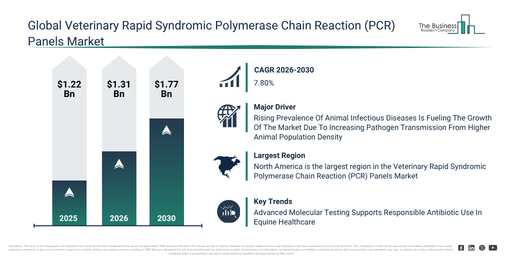
    The veterinary rapid syndromic polymerase chain reaction (PCR) panels market has observed substantial growth in its size over recent years. It will grow from $1. 22 billion in 2025 to $1. 31 billion in 2026 at a compound annual growth rate (CAGR) of 7. 5%. This historical expansion is attributable to factors such as zoonotic disease outbreaks increasing diagnostic requirements, the rise of intensive livestock farming systems, increased expenditure on companion animal healthcare, the limitations inherent in conventional culture-based diagnostic methods, and heightened awareness regarding antimicrobial resistance concerns.

    The veterinary rapid syndromic polymerase chain reaction (PCR) panels market size is anticipated to experience substantial growth in the coming years. It is projected to expand to $1.77 billion by 2030, achieving a compound annual growth rate (CAGR) of 7.8%. This expansion over the forecast period is attributable to several factors, including the increasing availability of AI-assisted diagnostic interpretation tools, a rise in the adoption of precision veterinary medicine approaches, regulatory enforcement of antimicrobial stewardship programs, growing demand for decentralized rapid testing solutions, and the integration of high-throughput multiplex molecular diagnostics into veterinary workflows. Prominent trends for the forecast period involve the expansion of point-of-care rapid molecular diagnostic testing in veterinary clinics, a growing acceptance of syndromic pathogen detection for early disease differentiation in animals, increasing demand for multiplex PCR assays to reduce diagnostic turnaround time, a heightened emphasis on diagnostic decision-making driven by antibiotic stewardship, and the broadening of centralized veterinary reference laboratory testing networks.

    Get A Free Sample Report With In-Depth Market Insights:

    https://thebusinessresearchcompany.com/sample_request?id=87446875&type=smp&name=Veterinary%20Rapid%20Syndromic%20Polymerase%20Chain%20Reaction%20%28PCR%29%20Panels%20Market%20Report%202026&utm_source=Blogs&utm_medium=Paid&utm_campaign=Oct_PR

    Veterinary Rapid Syndromic Polymerase Chain Reaction (PCR) Panels Market Demand Drivers Opening New Revenue Streams

    The expanding occurrence of infectious diseases in animals is projected to fuel the growth of the veterinary rapid syndromic polymerase chain reaction (PCR) panels market. These animal illnesses are caused by pathogenic microorganisms invading animal hosts, capable of spreading directly or indirectly among animals or from animals to humans. The surge in infectious disease prevalence among animals stems from increased animal population density, which facilitates quicker pathogen transmission and dispersal through closer contact. Veterinary rapid syndromic PCR panels assist in detecting these infectious diseases by enabling swift and precise identification of multiple pathogens simultaneously, thereby aiding early diagnosis, prompt treatment, and effective disease management. For instance, in November 2023, the Colorado Department of Agriculture, a US-based state government agency overseeing animal health, reported canine infectious respiratory disease cases that were double the levels typically observed during a standard outbreak period, with similar spikes documented across at least 10 U. S. states between 2022 and 2023. Consequently, the rising prevalence of infectious diseases in animals is propelling the expansion of the veterinary rapid syndromic polymerase chain reaction (PCR) panels market. The growing ownership of companion animals is anticipated to drive the expansion of the veterinary rapid syndromic polymerase chain reaction (PCR) panels market in the future. Companion animal ownership describes the practice of individuals or households keeping domesticated animals like dogs and cats as pets, establishing bonds that involve providing healthcare and veterinary services. This increasing trend of companion animal ownership is primarily influenced by evolving societal perspectives, where pets are increasingly viewed as family members, motivating more households to adopt animals and invest in their overall well-being, including health monitoring and disease management. Veterinary rapid syndromic PCR panels enable fast, accurate multi-pathogen detection in companion animals, facilitating early diagnosis, targeted treatment, and enhanced overall pet care. For instance, in December 2024, the American Veterinary Medical Association (AVMA), a US-based nonprofit organization and leading authority on veterinary medicine, stated that the total population of pet dogs in the United States reached 89. 7 million in 2024, a rebound from 80. 1 million in 2023, showing an increase of approximately 9. 6 million dogs within a single year. Therefore, growing companion animal ownership is fueling the growth of the veterinary rapid syndromic polymerase chain reaction (PCR) panels market.

    Veterinary Rapid Syndromic Polymerase Chain Reaction (PCR) Panels Market Segmentation: How Does The Market Break Down By Category?

    The veterinary rapid syndromic polymerase chain reaction (pcr) panels market covered in this report is segmented –

    1) By Product Type: Respiratory Panels, Gastrointestinal Panels, Vector-Borne Disease Panels, Other Product Types

    2) By Animal Type: Companion Animals, Livestock, Other Animal Types

    3) By Component: Test Kits, Reagents And Master Mixes, Sample Collection Swabs And Tubes, Laboratory Consumables, Instruments And Equipment

    4) By End User: Veterinary Hospitals And Clinics, Diagnostic Laboratories, Research Institutes, Other End Users

    Subsegments:

    1) By Respiratory Panels: Canine Respiratory Pathogen Panel, Feline Respiratory Pathogen Panel, Equine Respiratory Pathogen Panel, Avian Respiratory Pathogen Panel, Multi Species Respiratory Pathogen Panel

    2) By Gastrointestinal Panels: Canine Gastrointestinal Pathogen Panel, Feline Gastrointestinal Pathogen Panel, Bovine Gastrointestinal Pathogen Panel, Swine Gastrointestinal Pathogen Panel, Multi Species Gastrointestinal Pathogen Panel

    3) By Vector-Borne Disease Panels: Tick Borne Disease Panel, Flea Borne Disease Panel, Mosquito Borne Disease Panel, Canine Vector Borne Disease Panel, Multi Species Vector Borne Disease Panel

    4) By Other Product Types: Neurological Disease Panel, Dermatological Infection Panel, Reproductive Disease Panel, Urinary Tract Infection Panel, Zoonotic Disease Panel

    Veterinary Rapid Syndromic Polymerase Chain Reaction (PCR) Panels Market Trends Powering Strategic Industry Growth

    Leading companies in the veterinary rapid syndromic polymerase chain reaction (PCR) panels market are concentrating on developing swift, multiplex PCR-based veterinary diagnostics to enhance overall animal health outcomes. These rapid, multiplex PCR-based veterinary diagnostics are molecular testing methods designed to promptly identify multiple pathogens in animal samples concurrently, thereby facilitating precise diagnosis and timely treatment decisions. For instance, in June 2025, bioMérieux, a France-based in vitro diagnostics company, introduced the VETFIRE PCR kit specifically for testing equine infectious respiratory diseases. This introduction utilizes the BIOFIRE SPOTFIRE System to offer rapid, point-of-care detection of seven respiratory pathogens in horses, providing highly accurate results in less than 20 minutes. The system operates with a simple nasopharyngeal swab, which supports informed veterinary choices for the treatment, isolation, and management of suspected infections. The convergence of advanced PCR technology with the SPOTFIRE platform allows for quicker outbreak containment, betterment of equine health management, and provides a scalable, user-friendly solution for both routine and competition-related health screenings across the United Kingdom, Ireland, and France.

    Veterinary Rapid Syndromic Polymerase Chain Reaction (PCR) Panels Market Company Landscape And Competitive Strategy

    Major companies operating in the veterinary rapid syndromic polymerase chain reaction (pcr) panels market are Thermo Fisher Scientific Inc., Zoetis Inc., bioMérieux SA, IDEXX Laboratories Inc., Bio-Rad Laboratories Inc., QIAGEN N. V., Neogen Corporation, Seegene Inc., Bioneer Corporation, Molbio Diagnostics Private Limited, Sansure Biotech Inc., INDICAL BIOSCIENCE GmbH, Royal GD, GeneReach Biotechnology Corp., Ring Biotechnology Co. Ltd., Biomeme Inc., BioNote Inc., Agrolabo S. p. A., Genekam Biotechnology AG, MEGACOR Diagnostik GmbH

    View The Full Veterinary Rapid Syndromic Polymerase Chain Reaction (PCR) Panels Market Report:

    https://thebusinessresearchcompany.com/report/veterinary-rapid-syndromic-polymerase-chain-reaction-pcr-panels-market-report?utm_source=Blogs&utm_medium=Paid&utm_campaign=Oct_PR

    Veterinary Rapid Syndromic Polymerase Chain Reaction (PCR) Panels Market Largest Region: Which Geography Holds The Highest Market Share?

    North America was the largest region in the veterinary rapid syndromic polymerase chain reaction (PCR) panels market in 2025. Asia-Pacific is expected to be the fastest-growing region in the forecast period. The regions covered in the veterinary rapid syndromic polymerase chain reaction (PCR) panels market report are Asia-Pacific, South East Asia, Western Europe, Eastern Europe, North America, South America, Middle East and Africa.

    Reach Out To Our Team:

    The Business Research Company: https://www.thebusinessresearchcompany.com/

    Americas: +1 310-496-7795

    Asia: +44 7882 955267 & +91 8897263534

    Europe: +44 7882 955267

    Email us at: marketing@tbrc.info

    Follow us on:

    LinkedIn: https://in.linkedin.com/company/the-business-research-company

    YouTube: https://www.youtube.com/channel/UC24_fI0rV8cR5DxlCpgmyFQ

    Global Market Model: https://www.thebusinessresearchcompany.com/global-market-model

  • Veterinary Radio-Frequency Identification (RFID) Medication Tracking Market Size And Forecast 2026–2030: Trends Driving Industry Expansion

    Veterinary Radio-Frequency Identification (RFID) Medication Tracking Market Size And Forecast 2026–2030: Trends Driving Industry Expansion

    Backed by market attractiveness analysis, total addressable market sizing, company benchmarking matrices, interactive Excel dashboards, wider supply chain intelligence, emerging startup coverage, and detailed product-level insights, The Business Research Company’s 2026 market reports are designed to offer research that is more actionable and strategically valuable than ever.

    Veterinary Radio-Frequency Identification (RFID) Medication Tracking Market Set To Climb From $1.23 Billion In 2026 To $2.07 Billion By 2030

    The market size for veterinary radio-frequency identification (RFID) medication tracking has experienced rapid growth in recent years. This market is projected to expand from $1.08 billion in 2025 to $1.23 billion in 2026, demonstrating a compound annual growth rate (CAGR) of 13.6%. Historically, this growth stemmed from issues such as manual medication tracking errors in veterinary clinics, a deficit in real-time inventory visibility within animal healthcare facilities, the constrained adoption of automated identification technologies, elevated rates of medication misplacement and wastage, and reliance on paper-based compliance systems.

    The veterinary radio-frequency identification (RFID) medication tracking market is projected to experience substantial expansion over the upcoming years. It is anticipated to reach $2. 07 billion by 2030, exhibiting a compound annual growth rate (CAGR) of 13. 9%. This anticipated expansion during the forecast period is fueled by several factors, including the increasing need for automated veterinary supply chain management, greater implementation of digital traceability systems, an elevated regulatory emphasis on medication accountability, the development of intelligent veterinary hospital infrastructure, and the incorporation of IoT-enabled tracking systems within animal healthcare. Key developments expected during this timeframe encompass the wider deployment of RFID-enabled smart medication tracking systems to enhance real-time visibility of veterinary pharmaceuticals, the broader implementation of automated inventory reconciliation systems utilizing radio-frequency tagging in animal healthcare settings, the increasing integration of cloud-based medication traceability platforms with RFID infrastructure, the growing installation of accurate medication dispensing systems powered by RFID identification in veterinary hospitals, and the expanded application of RFID-based compliance monitoring solutions designed to curb medication misuse and improve readiness for audits.

    Get A Free Sample Report With In-Depth Market Insights:

    https://thebusinessresearchcompany.com/sample_request?id=90560049&type=smp&name=Veterinary%20Radio-Frequency%20Identification%20%28RFID%29%20Medication%20Tracking%20Market%20Report%202026&utm_source=Blogs&utm_medium=Paid&utm_campaign=Oct_PR

    Veterinary Radio-Frequency Identification (RFID) Medication Tracking Market Growth Backed By Core Demand Fundamentals

    The veterinary radio-frequency identification (RFID) medication tracking market is anticipated to expand due to an increase in the livestock population. Livestock population encompasses the total count of domesticated farm animals like cattle, sheep, goats, pigs, and poultry within a specified region at a particular moment. This rise in livestock numbers primarily stems from a growing global appetite for animal-derived foods, as demographic expansion and evolving dietary habits lead to greater consumption of meat, milk, and similar products. With larger livestock populations, the management of medications for numerous animals becomes more intricate, thereby heightening the demand for veterinary radio-frequency identification (RFID) medication tracking to guarantee precise identification and appropriate treatment for every animal. For example, in December 2025, the Department of Agriculture, a US-based government department, projected that global chicken meat production would climb by approximately 2% in 2026, reaching an unprecedented 109. 6 million tons. Furthermore, US production is forecast to grow by around 1% to 22. 0 million tons. Consequently, the expansion of the livestock population is a key catalyst for the growth of the veterinary radio-frequency identification (RFID) medication tracking market.

    Veterinary Radio-Frequency Identification (RFID) Medication Tracking Market Segment Trends And Revenue Contributors

    The veterinary radio-frequency identification (rfid) medication tracking market covered in this report is segmented –

    1) By Component: Hardware, Software, Services

    2) By Animal Type: Companion Animals, Livestock Animals, Other Animal Types

    3) By Technology: Passive Radio Frequency Identification Tags, Active Radio Frequency Identification Tags

    4) By Application: Medication Administration, Inventory Management, Compliance Monitoring, Other Applications

    5) By End User: Veterinary Hospitals And Clinics, Research Institutes, Animal Farms, Other End Users

    Subsegments:

    1) By Hardware: Antennas, Controllers, Reader Devices, Scanners, Tags

    2) By Software: Data Analytics Software, Integration Software, Inventory Management Software, Monitoring Software, Tracking Software

    3) By Services: Consulting Services, Installation Services, Support Services, Training Services, Maintenance Services

    Veterinary Radio-Frequency Identification (RFID) Medication Tracking Market Key Players Shaping Industry Direction

    Major companies operating in the veterinary radio-frequency identification (rfid) medication tracking market are Honeywell International Inc., Avery Dennison Corporation, Zebra Technologies Inc., HID Global Corp., Checkpoint Systems Inc., Brady Corporation, Datamars SA, Impinj Inc., Allflex USA Inc., CenTrak Inc., Invengo Technology Pte Ltd., Alien Technology Corp., GAO RFID Inc., WaveMark Inc., Terso Solutions Inc., GAO Tek Inc., Tageos, SATO Holdings Corporation, SML Group Ltd., Trovan Ltd.

    View The Full Veterinary Radio-Frequency Identification (RFID) Medication Tracking Market Report:

    https://thebusinessresearchcompany.com/report/veterinary-radio-frequency-identification-rfid-medication-tracking-market-report?utm_source=Blogs&utm_medium=Paid&utm_campaign=Oct_PR

    Veterinary Radio-Frequency Identification (RFID) Medication Tracking Market Regional Analysis: Which Region Leads By Revenue?

    North America was the largest region in the veterinary radio-frequency identification (RFID) medication tracking market in 2025. Asia-Pacific is expected to be the fastest-growing region in the forecast period. The regions covered in the veterinary radio-frequency identification (RFID) medication tracking market report are Asia-Pacific, South East Asia, Western Europe, Eastern Europe, North America, South America, Middle East and Africa.

    Reach Out To Our Team:

    The Business Research Company: https://www.thebusinessresearchcompany.com/

    Americas: +1 310-496-7795

    Asia: +44 7882 955267 & +91 8897263534

    Europe: +44 7882 955267

    Email us at: marketing@tbrc.info

    Follow us on:

    LinkedIn: https://in.linkedin.com/company/the-business-research-company

    YouTube: https://www.youtube.com/channel/UC24_fI0rV8cR5DxlCpgmyFQ

    Global Market Model: https://www.thebusinessresearchcompany.com/global-market-model
  • Veterinary Orodispersible Tablets Market 2026 Outlook: Market Size, CAGR And Key Growth Opportunities

    Veterinary Orodispersible Tablets Market 2026 Outlook: Market Size, CAGR And Key Growth Opportunities

    Featuring market attractiveness scoring, total addressable market sizing, company benchmarking matrices, interactive Excel dashboards, deeper supply chain intelligence, emerging startup tracking, and granular product-level insights, The Business Research Company’s 2026 market reports are built to deliver research that is both more actionable and more strategically valuable.

    Veterinary Orodispersible Tablets Market Forecast: Value Set To Climb From $1.21 Billion To $1.65 Billion

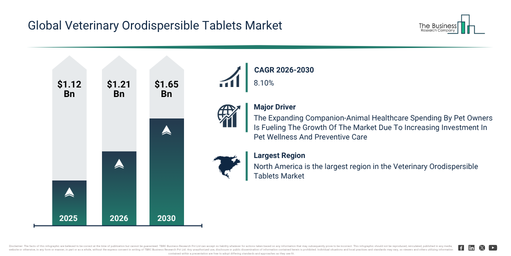
    The veterinary orodispersible tablets market has experienced substantial growth in recent years. Its value is projected to climb from $1.12 billion in 2025 to $1.21 billion in 2026, driven by a compound annual growth rate (CAGR) of 7.9%. Historically, this growth has been influenced by factors such as poor medication compliance in companion animals, the difficulties involved in orally dosing traditional veterinary tablets, the restricted availability of palatable veterinary formulations, a dependence on conventional solid oral dosage forms, and a lack of advanced drug delivery technologies in veterinary medicine.

    The market for veterinary orodispersible tablets is projected to experience substantial expansion in the coming years. This sector is anticipated to reach a valuation of $1.65 billion by 2030, exhibiting a compound annual growth rate (CAGR) of 8.1%. This anticipated growth is driven by several factors, including increasing consumer demand for convenient pet medication forms, the rising uptake of precision drug delivery methods, an increase in spending on companion animal healthcare, innovations in veterinary pharmaceutical formulations, and a greater emphasis on ensuring treatment adherence and ease of administration. Key trends anticipated during this period involve the creation of taste-masked formulations to enhance the palatability of veterinary orodispersible tablets, the growing use of rapidly disintegrating polymer matrices for improved drug dissolution in animal oral delivery, an uptick in the application of precisely compounded low-dose orodispersible tablets for companion animal treatments, the increasing incorporation of advanced excipient engineering to boost stability and disintegration speed in veterinary tablets, and the broader implementation of stress-free pet medication delivery systems to improve treatment compliance in animals.

    Get A Free Sample Report With In-Depth Market Insights:

    https://thebusinessresearchcompany.com/sample_request?id=34226006&type=smp&name=Veterinary%20Orodispersible%20Tablets%20Market%20Report%202026&utm_source=Blogs&utm_medium=Paid&utm_campaign=Oct_PR

    Veterinary Orodispersible Tablets Market Growth Catalysts And Demand Drivers

    The growing expenditure by pet owners on companion-animal healthcare is anticipated to boost the growth of the veterinary orodispersible tablets market. This spending refers to the total financial investment by individuals in veterinary services, preventive care, treatments, and related health products for their pets. The increase in this spending is expanding due to the rising perception of pets as family members, which encourages owners to invest more in preventive care, advanced treatments, and overall well-being. This rising demand for companion-animal healthcare spending by pet owners drives the adoption of veterinary orodispersible tablets, as these convenient and palatable formulations improve compliance, ensure accurate dosing, and support the growing focus on pet wellness and preventive care. For instance, in March 2025, according to the American Pet Products Association (APPA), a US-based trade association for the pet industry, total US pet industry expenditures reached $147 billion in 2023, rising further to $152 billion in 2024, reflecting continued year-over-year growth. Therefore, expanding companion-animal healthcare spending by pet owners is driving the growth of the veterinary orodispersible tablets market. The increasing pet ownership worldwide is anticipated to drive the growth of the veterinary orodispersible tablets market in the future. Global pet ownership refers to the proportion of households around the globe that keep companion animals, reflecting their widespread prevalence and cultural adoption across different regions. This increase in global pet ownership is attributed to the growing trend of viewing pets as family members, which motivates individuals and households to adopt companion animals for companionship, emotional support, and lifestyle enrichment. The rising global pet ownership fuels demand for veterinary orodispersible tablets, as a larger companion-animal population increases the need for convenient, palatable, and easily administered medications to ensure health, compliance, and overall well-being. For instance, in March 2025, according to the American Pet Products Association, a US-based non-profit association, currently, 94 million households in the U. S. own at least one pet, marking an increase from 82 million households in 2023. Therefore, rising pet ownership globally is driving the growth of the veterinary orodispersible tablets market.

    Veterinary Orodispersible Tablets Market Segment Analysis Spotlighting Growth Areas

    The veterinary orodispersible tablets market covered in this report is segmented –

    1) By Product Type: Analgesics, Antibiotics, Anthelmintics, Antipyretics, Other Product Types

    2) By Animal Type: Companion Animals, Livestock Animals, Other Animal Types

    3) By Application: Infectious Diseases, Pain Management, Gastrointestinal Disorders, Other Applications

    4) By End User: Veterinary Clinics, Veterinary Hospitals, Research Institutes, Other End Users

    Subsegments:

    1) By Analgesics: Non Steroidal Anti Inflammatory Analgesics, Opioid Analgesics, Local Analgesics, Combination Analgesics, Herbal Analgesics

    2) By Antibiotics: Beta Lactam Antibiotics, Tetracycline Antibiotics, Aminoglycoside Antibiotics, Macrolide Antibiotics, Fluoroquinolone Antibiotics

    3) By Anthelmintics: Benzimidazole Anthelmintics, Macrocyclic Lactone Anthelmintics, Imidazothiazole Anthelmintics, Praziquantel Based Anthelmintics, Combination Anthelmintics

    4) By Antipyretics: Non Steroidal Anti Inflammatory Antipyretics, Acetaminophen Based Antipyretics, Aspirin Based Antipyretics, Herbal Antipyretics, Combination Antipyretics

    5) By Other Product Types: Antihistamines, Vitamins And Supplements, Probiotics, Cardiovascular Agents, Respiratory Agents

    Veterinary Orodispersible Tablets Market Competitive Analysis Of Leading Industry Participants

    Major companies operating in the veterinary orodispersible tablets market are Zoetis Inc., Elanco Animal Health Incorporated, Ceva Santé Animale S. A., Merck & Co. Inc., Virbac S. A., Phibro Animal Health Corporation, HIPRA S. A., Vetoquinol S. A., Norbrook Laboratories Limited, KRKA d. d. Novo mesto, Intas Pharmaceuticals Limited, Boehringer Ingelheim Animal Health GmbH, Hester Biosciences Limited, Huvepharma EOOD, AdvaCare Pharma, ODT Pharmaceuticals Inc., Provet Pharma Private Limited, Kyoritsu Seiyaku Corporation, Ani Healthcare Private Limited, Vee Remedies Private Limited, Skyec Drugs and Pharmaceuticals Private Limited, Dotcom Pharma Private Limited, Alicanto Vetcare Private Limited, Vetraise Remedies Private Limited, Vetson Healthcare Private Limited

    View The Full Veterinary Orodispersible Tablets Market Report:

    https://thebusinessresearchcompany.com/report/veterinary-orodispersible-tablets-market-report?utm_source=Blogs&utm_medium=Paid&utm_campaign=Oct_PR

    Veterinary Orodispersible Tablets Market Geographic Distribution And Regional Opportunities

    North America was the largest region in the veterinary orodispersible tablets market in 2025. Asia-Pacific is expected to be the fastest-growing region in the forecast period. The regions covered in the veterinary orodispersible tablets market report are Asia-Pacific, South East Asia, Western Europe, Eastern Europe, North America, South America, Middle East and Africa.

    Reach Out To Our Team:

    The Business Research Company: https://www.thebusinessresearchcompany.com/

    Americas: +1 310-496-7795

    Asia: +44 7882 955267 & +91 8897263534

    Europe: +44 7882 955267

    Email us at: marketing@tbrc.info

    Follow us on:

    LinkedIn: https://in.linkedin.com/company/the-business-research-company

    YouTube: https://www.youtube.com/channel/UC24_fI0rV8cR5DxlCpgmyFQ

    Global Market Model: https://www.thebusinessresearchcompany.com/global-market-model
  • Veterinary Oral Ulcer Treatments Market Size Growth: From $1.19 Billion In 2026 To $1.67 Billion By 2030

    Veterinary Oral Ulcer Treatments Market Size Growth: From $1.19 Billion In 2026 To $1.67 Billion By 2030

    Built to provide research that’s more actionable and strategically valuable, The Business Research Company’s 2026 market reports include market attractiveness analysis, total addressable market sizing, company benchmarking matrices, interactive Excel dashboards, broader supply chain intelligence, emerging startup tracking, and in-depth product insights.

    Veterinary Oral Ulcer Treatments Market Revenue Growth On Track For A 8.8% CAGR Through 2030

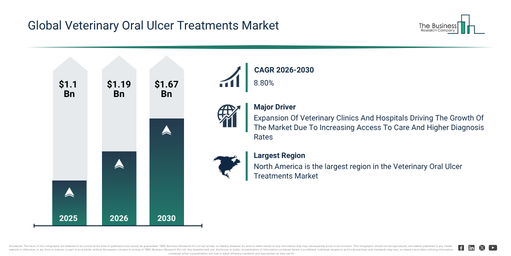
    The veterinary oral ulcer treatments market has experienced significant growth in recent years. This market is projected to expand from $1.1 billion in 2025 to $1.19 billion in 2026, at a compound annual growth rate (CAGR) of 8.6%. The historical growth can be attributed to several factors, including the limited availability of specialized veterinary oral ulcer therapies, a high prevalence of untreated oral infections in animals, a reliance on conventional antibiotics and antiseptics, a lack of targeted oral mucosal drug delivery systems, and low awareness of advanced oral care in veterinary practice.

    The veterinary oral ulcer treatments market size is anticipated to experience substantial growth in the coming years, projected to reach $1.67 billion by 2030, with a compound annual growth rate (CAGR) of 8.8%. This expansion over the forecast period is driven by advancements in regenerative veterinary medicine, a rising demand for specific and fast-acting oral therapies, increased adoption of precision drug delivery systems, a greater focus on animal welfare and pain management, and the proliferation of biologically active and microbiome-based treatment solutions. Key trends influencing this period include advanced regenerative oral tissue therapies for faster healing of veterinary oral ulcers, a growing adoption of nano-formulated antimicrobial gels for enhanced mucosal penetration in animal oral treatments, increasing utilization of plant-based and bioactive compounds for natural veterinary oral ulcer management, the ongoing development of targeted drug delivery systems for localized oral ulcer treatment in animals, and the expansion of probiotic and microbiome-modulating therapies to improve oral healing responses in veterinary patients.

    Get A Free Sample Report With In-Depth Market Insights:

    https://thebusinessresearchcompany.com/sample_request?id=58199104&type=smp&name=Veterinary%20Oral%20Ulcer%20Treatments%20Market%20Report%202026&utm_source=Blogs&utm_medium=Paid&utm_campaign=Oct_PR

    Veterinary Oral Ulcer Treatments Market Opportunity Drivers: What’s Unlocking New Revenue Potential?

    The increasing number of veterinary clinics and hospitals is projected to fuel the expansion of the veterinary oral ulcer treatments market moving forward. These establishments function as animal healthcare facilities where licensed veterinarians offer medical, surgical, and preventive services for animals. The rise in veterinary clinics and hospitals is directly linked to growing pet ownership, as more people adopt animals for companionship, thereby boosting the demand for routine care, vaccinations, and medical services. This increased access to veterinary care results in more frequent diagnoses of oral ulcers and a subsequent higher need for relevant treatments. For instance, in October 2025, the American Veterinary Medical Association, a US-based non-profit association, reported that in 2023, the US had 34,296 veterinary practices, each generating an average gross revenue of approximately $1.5 million in 2024. Consequently, the proliferation of veterinary clinics and hospitals is a significant driver for the growth of the veterinary oral ulcer treatments market.

    Veterinary Oral Ulcer Treatments Market Segment Performance And Emerging Opportunities

    The veterinary oral ulcer treatments market covered in this report is segmented –

    1) By Product Type: Topical Treatments, Systemic Medications, Oral Rinses, Nutritional Supplements, Other Product Types

    2) By Animal Type: Companion Animals, Livestock, Other Animal Types

    3) By Indication: Infectious Oral Ulcers, Traumatic Ulcers, Immune-Mediated Ulcers, Nutritional Deficiency-Related Ulcers, Drug-Induced Oral Ulcers, Other Oral Conditions

    4) By Distribution Channel: Veterinary Hospitals And Clinics, Retail Pharmacies, Online Pharmacies, Other Distribution Channel

    Subsegments:

    1) By Topical Treatments: Antimicrobial Gels, Anti Inflammatory Creams, Antiseptic Sprays, Healing Ointments, Protective Barrier Pastes

    2) By Systemic Medications: Antibiotic Drugs, Anti Inflammatory Drugs, Pain Relief Medications, Immunosuppressive Agents, Antiviral Medications

    3) By Oral Rinses: Antiseptic Mouth Rinses, Herbal Mouth Rinses, Chlorhexidine Based Rinses, Enzyme Based Rinses, Alcohol Free Oral Rinses

    4) By Nutritional Supplements: Vitamin Supplements, Mineral Supplements, Omega Fatty Acid Supplements, Probiotic Supplements, Immune Support Supplements

    5) By Other Product Types: Dental Chews, Oral Care Powders, Water Additives, Dental Wipes, Oral Care Sprays

    Veterinary Oral Ulcer Treatments Market Leading Companies And Competitive Benchmarking

    Major companies operating in the veterinary oral ulcer treatments market are Zoetis Inc., Elanco Animal Health Incorporated, Merck & Co. Inc., Virbac SA, Vetoquinol SA, Indian Immunologicals Limited, Rallis India Limited, Ceva Santé Animale Société Anonyme, Alivira Animal Health Limited, Kyoritsu Seiyaku Corporation, Hester Biosciences Limited, Huvepharma EOOD, Norbrook Laboratories Ltd.

    View The Full Veterinary Oral Ulcer Treatments Market Report:

    https://thebusinessresearchcompany.com/report/veterinary-oral-ulcer-treatments-market-report?utm_source=Blogs&utm_medium=Paid&utm_campaign=Oct_PR

    Veterinary Oral Ulcer Treatments Market Largest Region By Revenue And Market Share

    North America was the largest region in the veterinary oral ulcer treatments market in 2025. Asia-Pacific is expected to be the fastest-growing region in the forecast period. The regions covered in the veterinary oral ulcer treatments market report are Asia-Pacific, South East Asia, Western Europe, Eastern Europe, North America, South America, Middle East and Africa.

    Reach Out To Our Team:

    The Business Research Company: https://www.thebusinessresearchcompany.com/

    Americas: +1 310-496-7795

    Asia: +44 7882 955267 & +91 8897263534

    Europe: +44 7882 955267

    Email us at: marketing@tbrc.info

    Follow us on:

    LinkedIn: https://in.linkedin.com/company/the-business-research-company

    YouTube: https://www.youtube.com/channel/UC24_fI0rV8cR5DxlCpgmyFQ

    Global Market Model: https://www.thebusinessresearchcompany.com/global-market-model
  • Veterinary Oral Liquid Stability Systems Market Analysis 2026: Market Size, Growth Trends And Industry Outlook

    Veterinary Oral Liquid Stability Systems Market Analysis 2026: Market Size, Growth Trends And Industry Outlook

    Backed by market attractiveness analysis, total addressable market sizing, company benchmarking matrices, interactive Excel dashboards, wider supply chain intelligence, emerging startup coverage, and detailed product-level insights, The Business Research Company’s 2026 market reports are designed to offer research that is more actionable and strategically valuable than ever.

    Veterinary Oral Liquid Stability Systems Market Value Growth And Long-Term Outlook

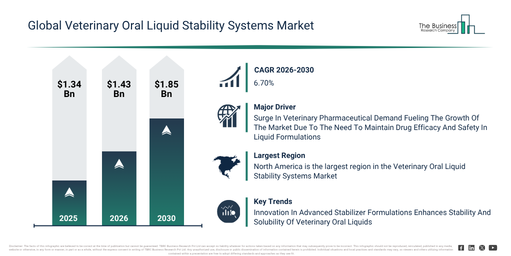
    The veterinary oral liquid stability systems market has experienced robust growth in recent years. This market is projected to expand from $1.34 billion in 2025 to $1.43 billion in 2026, exhibiting a compound annual growth rate (CAGR) of 6.5%. Historically, this expansion has been driven by factors such as the limited stability duration of traditional veterinary oral formulations, a lack of advanced excipient technologies in animal drug manufacturing, high microbial contamination risks in liquid veterinary drugs, inconsistent formulation standards across veterinary pharmaceutical producers, and a dependence on manual formulation and storage practices.

    The veterinary oral liquid stability systems market is projected to experience substantial expansion in the coming years. It is anticipated to reach $1. 85 billion by 2030, demonstrating a compound annual growth rate (CAGR) of 6. 7%. This projected growth throughout the forecast period stems from factors such as advancements in veterinary pharmaceutical formulation technologies, a heightened demand for veterinary medicines with extended shelf-lives, the increasing embrace of precision excipient engineering, a sharpened regulatory emphasis on drug stability and safety, and the broader implementation of automated formulation and quality control systems. Key trends anticipated during this period encompass sophisticated excipient engineering designed to bolster oral liquid stability in veterinary formulations, the wider incorporation of nanotechnology-based solubilization systems aimed at enhancing veterinary liquid drug uniformity, a surge in the utilization of smart packaging solutions for continuous stability monitoring of veterinary oral liquids, the increasing incorporation of predictive formulation modeling for optimizing stability in veterinary pharmaceuticals, and the spread of stabilization technologies for veterinary liquid medications that do not require a cold chain.

    Get A Free Sample Report With In-Depth Market Insights:

    https://thebusinessresearchcompany.com/sample_request?id=61775328&type=smp&name=Veterinary%20Oral%20Liquid%20Stability%20Systems%20Market%20Report%202026&utm_source=Blogs&utm_medium=Paid&utm_campaign=Oct_PR

    Veterinary Oral Liquid Stability Systems Market Growth Momentum: What Factors Are Shaping Demand?

    The expanding requirement for veterinary pharmaceuticals is projected to spur the growth of the veterinary oral liquid stability systems market moving forward. Veterinary pharmaceuticals encompass therapeutic products and medications developed to prevent, treat, or manage illnesses in animals, covering both livestock and companion species, thereby ensuring their health and productivity. The heightened need for these pharmaceuticals is a direct result of increasing livestock farming and a rise in pet ownership, both necessitating more medical interventions to maintain animal well-being. This surge in demand for veterinary pharmaceuticals consequently drives the need for veterinary oral liquid stability systems, as greater production of liquid formulations heightens the imperative to preserve drug efficacy and safety over time, ensuring active ingredients remain stable and effective through storage and administration. For instance, data from May 2025 by the Food and Drug Administration, a US-based government regulatory agency, indicated that US sales and distribution of medically important antimicrobial drugs approved for use in food-producing animals experienced a 16% increase between 2023 and 2024. This demonstrates how the escalating demand for veterinary pharmaceuticals is a key driver for the growth of the veterinary oral liquid stability systems market.

    Veterinary Oral Liquid Stability Systems Market Segment Landscape And Growth Outlook

    The veterinary oral liquid stability systems market covered in this report is segmented –

    1) By Product Type: Preservative Systems, Buffering Agents, Flavoring Agents, Sweeteners, Other Product Types

    2) By Animal Type: Companion Animals, Livestock, Other Animal Types

    3) By Distribution Channel: Veterinary Hospitals, Retail Pharmacies, Online Pharmacies, Other Distribution Channels

    4) By Application: Antibiotics, Nutritional Supplements, Anti-inflammatory Drugs, Other Applications

    Subsegments:

    1) By Preservative Systems: Natural Preservatives, Synthetic Preservatives, Antioxidants, Antimicrobial Agents

    2) By Buffering Agents: Phosphate Buffers, Citrate Buffers, Acetate Buffers, Carbonate Buffers

    3) By Flavoring Agents: Natural Flavors, Artificial Flavors, Sweet Flavors, Savory Flavors

    4) By Sweeteners: Natural Sweeteners, Artificial Sweeteners, Sugar Alcohols, High Intensity Sweeteners

    5) By Other Product Types: Emulsifiers, Stabilizers, Chelating Agents, Thickeners

    Veterinary Oral Liquid Stability Systems Market Trends Redefining Industry Growth

    Major companies operating in the veterinary oral liquid stability systems market are concentrating on developing advanced solutions, such as high-purity excipient systems, to enhance the chemical stability, solubility, and safety of veterinary oral liquid medications. High-purity excipient systems are specialized co-solvents, solubilizers, and stabilizers designed to maintain ingredient homogeneity, prevent degradation, reduce microbial load, and improve the bioavailability of sensitive active pharmaceutical ingredients in liquid formulations. For instance, in October 2024, Clariant AG, a Switzerland-based specialty chemicals company, launched its VitiPure LEX, VitiPure Superior, and VitiPure HCO excipient lines to support sensitive APIs and veterinary vaccines. These excipients feature ultra-low residual impurities, low endotoxin and microbial levels, and improved solubility for poorly water-soluble APIs, ensuring enhanced stability, colorless formulations, and consistent dosing in oral liquids.

    Veterinary Oral Liquid Stability Systems Market Industry Leaders And Competitive Landscape

    Major companies operating in the veterinary oral liquid stability systems market are Merck KGaA, Evonik Industries AG, DuPont de Nemours Inc., Ingredion Incorporated, Lonza Group AG, Wacker Chemie AG, Lubrizol Corporation, Clariant AG, IMCD N. V, Roquette Frères, Stepan Company, Croda International Plc, Ashland Global Holdings Inc., BASF SE, Colorcon Inc., Seppic SA, SPI Pharma Inc., Gattefossé SAS, Sigachi Industries Limited, ABITEC Corporation

    View The Full Veterinary Oral Liquid Stability Systems Market Report:

    https://thebusinessresearchcompany.com/report/veterinary-oral-liquid-stability-systems-market-report?utm_source=Blogs&utm_medium=Paid&utm_campaign=Oct_PR

    Veterinary Oral Liquid Stability Systems Market Regional Analysis And Leading Geography

    North America was the largest region in the veterinary oral liquid stability systems market in 2025. Asia-Pacific is expected to be the fastest-growing region in the forecast period. The regions covered in the veterinary oral liquid stability systems market report are Asia-Pacific, South East Asia, Western Europe, Eastern Europe, North America, South America, Middle East and Africa.

    Reach Out To Our Team:

    The Business Research Company: https://www.thebusinessresearchcompany.com/

    Americas: +1 310-496-7795

    Asia: +44 7882 955267 & +91 8897263534

    Europe: +44 7882 955267

    Email us at: marketing@tbrc.info

    Follow us on:

    LinkedIn: https://in.linkedin.com/company/the-business-research-company

    YouTube: https://www.youtube.com/channel/UC24_fI0rV8cR5DxlCpgmyFQ

    Global Market Model: https://www.thebusinessresearchcompany.com/global-market-model
  • Veterinary Last-Mile Cold Chain Boxes Market Reaches $1.44 Billion In 2026: Key Developments Shaping Expansion

    Veterinary Last-Mile Cold Chain Boxes Market Reaches $1.44 Billion In 2026: Key Developments Shaping Expansion

    Backed by market attractiveness analysis, total addressable market sizing, company benchmarking matrices, interactive Excel dashboards, wider supply chain intelligence, emerging startup coverage, and detailed product-level insights, The Business Research Company’s 2026 market reports are designed to offer research that is more actionable and strategically valuable than ever.

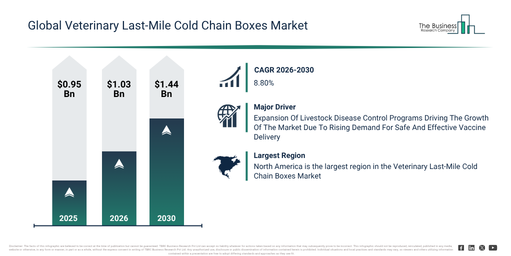
    Veterinary Last-Mile Cold Chain Boxes Market Growth From $1.03 Billion In 2026 To $1.44 Billion By 2030 At A CAGR Of 8.8%

    The veterinary last-mile cold chain boxes market size has experienced strong growth in recent years. It is forecast to increase from $0.95 billion in 2025 to $1.03 billion in 2026, at a compound annual growth rate (CAGR) of 8.6%. The expansion observed in the historic period is attributable to the increasing need for vaccine integrity in veterinary healthcare, the rising number of livestock vaccination programs worldwide, the broadening of veterinary pharmaceutical distribution networks, the growing utilization of temperature-sensitive biologics in animal health, and the insufficient cold chain infrastructure in rural veterinary supply chains.

    The market for veterinary last-mile cold chain boxes is projected to experience substantial expansion over the upcoming years. This market is predicted to reach a valuation of $1.44 billion by 2030, exhibiting a compound annual growth rate (CAGR) of 8.8%. This anticipated growth during the forecast period is driven by several factors, including the increasing integration of sophisticated temperature-controlled logistics, a surge in the need for veterinary biologics and specialized vaccines, enhanced digital oversight of cold chain networks, the broadening scope of pet healthcare and livestock vaccination initiatives, and greater investment in environmentally friendly and re-usable packaging solutions. Key trends anticipated for this period encompass the growing integration of intelligent temperature-monitoring cold chain boxes featuring real-time tracking for veterinary vaccine transport, a wider application of insulated boxes utilizing phase-change materials to boost thermal stability, the expanding implementation of re-usable and ecologically sound cold chain packaging options within veterinary supply chains, the development of last-mile biologics delivery mechanisms with superior thermal safeguarding, and a rising requirement for light yet effective insulated shippers for veterinary supplies destined for remote locations.

    Get A Free Sample Report With In-Depth Market Insights:

    https://thebusinessresearchcompany.com/sample_request?id=15382420&type=smp&name=Veterinary%20Last-Mile%20Cold%20Chain%20Boxes%20Market%20Report%202026&utm_source=Blogs&utm_medium=Paid&utm_campaign=Oct_PR

    Veterinary Last-Mile Cold Chain Boxes Market Industry Drivers: What’s Behind The Revenue Growth?

    The future growth of the veterinary last-mile cold chain boxes market is anticipated to be significantly boosted by the broadening scope of livestock disease control programs. Livestock disease encompasses any ailment, whether infectious or non-infectious, that negatively impacts the health, productivity, or normal bodily functions of domesticated farm animals. The rise in these control programs is largely attributed to the heightened danger of zoonotic disease transmission, prompting governments to strengthen preventive actions aimed at safeguarding both animal and human well-being and mitigating economic setbacks in the agricultural industry. These initiatives generate a need for veterinary last-mile cold chain boxes, as vaccines require strict temperature maintenance during storage and transit to distant farms to ensure their efficacy and safety. A notable example is the 2025 national livestock vaccination campaign launched in September 2025 by the Food and Agriculture Organization, an Italy-based specialized UN agency, in collaboration with the Government of Sudan. This campaign aimed to secure the livelihoods of over three million pastoralists and agro-pastoralists in a nation grappling with a severe food crisis. Executed from October 2025 to January 2026, the project successfully protected roughly 9. 4 million animals from highly contagious and fatal transboundary and zoonotic diseases, specifically addressing peste des petits ruminants (PPR), sheep and goat pox (SGP), contagious bovine pleuro-pneumonia (CBPP), African horse sickness (AHS), and anthrax. Consequently, the increasing prevalence of livestock disease control programs is a key driver for the expansion of the veterinary last-mile cold chain boxes market.

    Veterinary Last-Mile Cold Chain Boxes Market Segmentation And Category Overview

    The veterinary last-mile cold chain boxes market covered in this report is segmented –

    1) By Product Type: Passive Cooling Boxes, Active Cooling Boxes, Insulated Shippers, Other Product Types

    2) By Material: Polyurethane, Expanded Polystyrene, Polypropylene, Other Materials

    3) By Distribution Channel: Direct Sales, Distributors, Online Retail, Other Distribution Channels

    4) By Application: Vaccines, Biologics, Pharmaceuticals, Diagnostics, Other Applications

    5) By End User: Veterinary Clinics, Animal Hospitals, Research Laboratories, Other End Users

    Subsegments:

    1) By Passive Cooling Boxes: Single Use Passive Cooling Boxes, Reusable Passive Cooling Boxes, Gel Pack Based Cooling Boxes, Phase Change Material Based Cooling Boxes, Ice Pack Based Cooling Boxes

    2) By Active Cooling Boxes: Battery Operated Cooling Boxes, Electric Powered Cooling Boxes, Solar Powered Cooling Boxes, Compressor Based Cooling Boxes, Thermoelectric Cooling Boxes

    3) By Insulated Shippers: Expanded Polystyrene Insulated Shippers, Polyurethane Insulated Shippers, Vacuum Insulated Panel Shippers, Corrugated Insulated Shippers, Multi Layer Insulated Shippers

    4) By Other Product Types: Hybrid Cooling Boxes, Smart Temperature Monitored Boxes, Custom Designed Cold Chain Boxes, Reusable Thermal Containers, High Performance Thermal Packaging

    Veterinary Last-Mile Cold Chain Boxes Market Leading Players And Competitive Positioning

    Major companies operating in the veterinary last-mile cold chain boxes market are Sealed Air Corporation, Ranpak Holdings Corp., Global Cold Chain Packaging Limited, Ernest Packaging Solutions Inc., Dulas Limited, Polar Tech Industries Inc., TPC Packaging Solutions Ltd., Sofrigam SA, Nordic Cold Chain Solutions LLC, Intelsius Limited, Helapet Limited, EcoCool GmbH, Inmark Packaging LLC, Tessol Thermal Energy Service Solutions Private Limited, Topa Thermal GmbH, Vericool Inc., Allwin Roto Plast Private Limited, CryoStore Packaging Limited, Coldkeepers LLC, Nilkamal Limited

    View The Full Veterinary Last-Mile Cold Chain Boxes Market Report:

    https://thebusinessresearchcompany.com/report/veterinary-last-mile-cold-chain-boxes-market-report?utm_source=Blogs&utm_medium=Paid&utm_campaign=Oct_PR

    Veterinary Last-Mile Cold Chain Boxes Market Regional Distribution: Which Areas Power Market Growth?

    North America was the largest region in the veterinary last-mile cold chain boxes market in 2025. Asia-Pacific is expected to be the fastest-growing region in the forecast period. The regions covered in the veterinary last-mile cold chain boxes market report are Asia-Pacific, South East Asia, Western Europe, Eastern Europe, North America, South America, Middle East and Africa.

    Reach Out To Our Team:

    The Business Research Company: https://www.thebusinessresearchcompany.com/

    Americas: +1 310-496-7795

    Asia: +44 7882 955267 & +91 8897263534

    Europe: +44 7882 955267

    Email us at: marketing@tbrc.info

    Follow us on:

    LinkedIn: https://in.linkedin.com/company/the-business-research-company

    YouTube: https://www.youtube.com/channel/UC24_fI0rV8cR5DxlCpgmyFQ

    Global Market Model: https://www.thebusinessresearchcompany.com/global-market-model