Blog

  • Pet Teletriage Services Market CAGR Forecast Through 2030: Key Trends Shaping Industry Expansion

    Pet Teletriage Services Market CAGR Forecast Through 2030: Key Trends Shaping Industry Expansion

    Backed by market attractiveness analysis, total addressable market sizing, company benchmarking matrices, interactive Excel dashboards, wider supply chain intelligence, emerging startup coverage, and detailed product-level insights, The Business Research Company’s 2026 market reports are designed to offer research that is more actionable and strategically valuable than ever.

    Pet Teletriage Services Market Size, Value And Growth Trajectory Through 2030

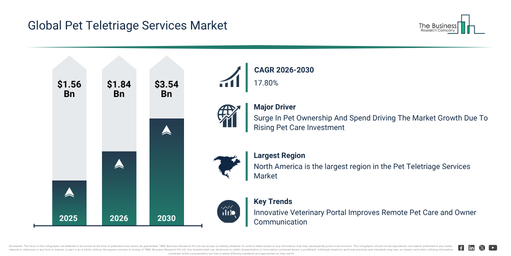
    The pet teletriage services market has seen substantial growth in recent years. It is projected to increase from $1.56 billion in 2025 to $1.84 billion in 2026, at a compound annual growth rate (CAGR) of 17.6%. The historical expansion can be attributed to several factors including limited access to veterinary services in rural areas, a reliance on in-person veterinary consultations, rising pet ownership globally, increasing smartphone penetration among pet owners, and a growing awareness of animal healthcare needs.

    The pet teletriage services market is forecast to undergo significant expansion in the coming years. It is predicted to attain a value of $3.54 billion by 2030, progressing at a compound annual growth rate (CAGR) of 17.8%. This anticipated growth is driven by several factors, including AI-driven symptom analysis tools, the increasing availability of telehealth infrastructure in veterinary care, a heightened demand for immediate remote diagnosis services, the integration of data from wearable pet health monitoring devices, and the development of digital veterinary ecosystems and platforms. Noteworthy trends for the forecast period encompass the advancement of AI-assisted veterinary symptom triage systems, a growing embrace of cloud-based pet consultation platforms, the extension of 24/7 remote veterinary care options, an escalating demand for subscription-based pet telehealth models, and the incorporation of real-time video diagnostics into animal care workflows.

    Get A Free Sample Report With In-Depth Market Insights:

    https://thebusinessresearchcompany.com/sample_request?id=91442279&type=smp&name=Pet%20Teletriage%20Services%20Market%20Report%202026&utm_source=Blogs&utm_medium=Paid&utm_campaign=Oct_PR

    Pet Teletriage Services Market Development Factors: What’s Supporting Demand?

    Increased pet ownership and associated expenditures are anticipated to boost the pet teletriage services market moving forward. This refers to the total number of households owning pets and the financial outlay for their care, goods, and associated services. The uptick in pet ownership and spending stems from the growing trend of pet humanization, where more families view pets as integral members, leading to investments in high-quality care, products, and services aimed at improving their pets’ health, comfort, and general welfare. The expanding pet population and increased spending on pet healthcare fuel the need for prompt veterinary advice, establishing teletriage services as a practical and commonly utilized initial point of contact for care. As an illustration, in March 2025, data from the American Pet Products Association (APPA), a US-based trade association for the pet industry, indicated that overall US pet industry spending hit $147 billion in 2023, then climbed to $152 billion in 2024, demonstrating consistent annual expansion. Consequently, the increase in pet ownership and associated spending is a key factor propelling the expansion of the pet teletriage services market.

    Pet Teletriage Services Market Segment Landscape And Growth Outlook

    The pet teletriage services market covered in this report is segmented –

    1) By Service Type: Video Consultation, Phone Consultation, Chat Or Text Consultation, Other Service Types

    2) By Animal Type: Dogs, Cats, Horses, Other Animal Types

    3) By Technology: AI And Machine Learning, Cloud-Based Platforms, IoT-Enabled Devices, Data Analytics, Other Technologies

    4) By Distribution Channel: Online Platforms, Veterinary Service Providers, Other Distribution Channels

    5) By End User: Pet Owners, Veterinary Clinics, Animal Hospitals, Other End Users

    Subsegments:

    1) By Video Consultation: Live One-on-One Consultation, Group Consultation, Follow-Up Consultation, Emergency Consultation, Specialist Consultation

    2) By Phone Consultation: Immediate Consultation, Scheduled Consultation, Follow-Up Consultation, Triage Consultation, Specialist Consultation

    3) By Chat Or Text Consultation: Asynchronous Messaging, Photo And Video Sharing Consultation, Follow-Up Consultation, Triage Consultation, Specialist Consultation

    4) By Other Service Types: Email Consultation, Mobile App Notification Consultation, Hybrid Consultation, Remote Monitoring Consultation, Subscription-Based Consultation

    Pet Teletriage Services Market Transformation Trends: What Innovations Are Driving Change?

    Key companies in the pet teletriage service market are concentrating on developing digital veterinary care, including veterinarian-facing portals, to enable quicker, more precise remote evaluations and improve the continuity of care. A veterinarian-facing portal is a digital platform designed for veterinarians to efficiently manage patient records, review treatment plans, and coordinate care in real time. For instance, in July 2024, Heart + Paw, a US-based multi-service pet care company, expanded its offerings by introducing an online pharmacy and after-hours teletriage, significantly enhancing its digital veterinary services. The online pharmacy, developed with Wedgewood’s Blue Rabbit platform, provides a centralized location for managing pet prescriptions, complete with tools for veterinarians, automated updates for pet owners, and subscription options for routine preventive medicines. Simultaneously, the teletriage service, established in partnership with Pet Vet Connection, offers 24/7 access to licensed veterinarians, aiding pet owners in deciding whether urgent care is required or if an appointment can be scheduled later. Both services contribute to improved ongoing care, reduce unnecessary emergency visits, create a less stressful experience for pets, and integrate with Heart + Paw’s portal and mobile app to deliver real-time and convenient care directly to pet owners.

    Pet Teletriage Services Market Competitive Landscape: Who Leads The Industry?

    Major companies operating in the pet teletriage services market are PetDesk Inc, Vetster Inc, FirstVet Inc, Dutch Pet Inc, WhiskerDocs Inc, Airvet Inc, Petriage Inc, VetRelief Inc, Veterly Inc, TeleVet Inc, Activ4Pets Ltd, VetCareShare Inc, VetNow Inc, GuardianVets Inc, AskVet Inc, PetsApp Ltd, TeleTails Inc, Dial A Vet Pty Ltd, Benevet Inc, Virtuwoof Ltd, Access. Vet Inc

    View The Full Pet Teletriage Services Market Report:

    https://thebusinessresearchcompany.com/report/pet-teletriage-services-market-report?utm_source=Blogs&utm_medium=Paid&utm_campaign=Oct_PR

    Pet Teletriage Services Market Geographic Landscape: Which Region Leads Industry Growth?

    North America was the largest region in the pet teletriage services market in 2025. Asia-Pacific is expected to be the fastest-growing region in the forecast period. The regions covered in the pet teletriage services market report are Asia-Pacific, South East Asia, Western Europe, Eastern Europe, North America, South America, Middle East and Africa.

    Reach Out To Our Team:

    The Business Research Company: https://www.thebusinessresearchcompany.com/

    Americas: +1 310-496-7795

    Asia: +44 7882 955267 & +91 8897263534

    Europe: +44 7882 955267

    Email us at: marketing@tbrc.info

    Follow us on:

    LinkedIn: https://in.linkedin.com/company/the-business-research-company

    YouTube: https://www.youtube.com/channel/UC24_fI0rV8cR5DxlCpgmyFQ

    Global Market Model: https://www.thebusinessresearchcompany.com/global-market-model
  • Pet Joint Range-Of-Motion Sensors Market To Witness 11.6% CAGR Growth Through 2030: Key Industry Drivers

    Pet Joint Range-Of-Motion Sensors Market To Witness 11.6% CAGR Growth Through 2030: Key Industry Drivers

    Featuring market attractiveness scoring, total addressable market sizing, company benchmarking matrices, interactive Excel dashboards, deeper supply chain intelligence, emerging startup tracking, and granular product-level insights, The Business Research Company’s 2026 market reports are built to deliver research that is both more actionable and more strategically valuable.

    Pet Joint Range-Of-Motion Sensors Market CAGR Outlook And Future Development

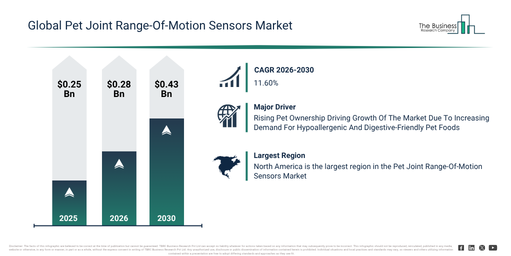
    The pet joint range-of-motion sensors market has experienced substantial growth recently. It is projected to expand from $0.25 billion in 2025 to $0.28 billion in 2026, demonstrating a compound annual growth rate (CAGR) of 11.4%. This historical expansion can be ascribed to several factors, including manual veterinary orthopedic assessment techniques, the restricted availability of pet mobility monitoring tools, the increasing incidence of arthritis among aging pets, the growing acceptance of veterinary clinical diagnostics, and the rise in pet ownership coupled with enhanced awareness of animal health.

    The pet joint range-of-motion sensors market is poised for significant expansion in the coming years, projected to reach $0.43 billion by 2030, exhibiting a compound annual growth rate (CAGR) of 11.6%. This expansion during the forecast period is driven by factors such as AI-powered predictive joint health analytics, the proliferation of smart wearable veterinary devices, the integration of cloud-based pet health monitoring platforms, increasing demand for remote veterinary care solutions, and advancements in non-invasive biosensor technologies for animals. Key trends expected over the same period encompass the emergence of continuous pet mobility health monitoring systems, growing adoption of wearable veterinary diagnostic devices, increased integration of AI-based gait and joint analysis, the expansion of remote pet rehabilitation monitoring solutions, and a rising focus on preventive musculoskeletal health tracking in companion animals.

    Get A Free Sample Report With In-Depth Market Insights:

    https://thebusinessresearchcompany.com/sample_request?id=52529317&type=smp&name=Pet%20Joint%20Range-Of-Motion%20Sensors%20Market%20Report%202026&utm_source=Blogs&utm_medium=Paid&utm_campaign=Oct_PR

    Pet Joint Range-Of-Motion Sensors Market Industry Drivers: What’s Behind The Revenue Growth?

    The anticipated expansion of the pet joint range-of-motion sensors market is linked to the rising trend of pet ownership. Pet ownership involves the keeping and nurturing of animals as companions, with a focus on their health and overall welfare. This increase in pet ownership stems from a heightened understanding of mental health advantages, prompting individuals to acquire pets for companionship and to alleviate stress. Veterinary gastrointestinal diets play a role in supporting pet ownership by addressing pets’ digestive well-being, averting gut problems, and enhancing general health, simplifying pet care for owners. These sensors assist pet owners in observing and overseeing their pets’ joint health, facilitating prompt issue identification, monitoring recovery, and boosting mobility for an improved quality of life. For instance, in October 2025, the American Veterinary Medical Association, a US-based nonprofit organization, reported that the percentage of respondents who had obtained a cat climbed to 47.6%, an increase from 43.5% in 2023. Consequently, the growing rate of pet ownership is propelling the expansion of the pet joint range-of-motion sensors market. The upward trend in spending on pet healthcare and well-being is projected to boost the expansion of the pet joint range-of-motion sensors market in the coming years. This spending encompasses all funds allocated by pet owners for veterinary services, medications, preventative measures, wellness items, and associated services aimed at preserving and enhancing their pets’ health and comfort. The rise in pet healthcare and wellness expenditure is fueled by the increasing humanization of pets, leading owners to invest more in sophisticated care and wellness products to guarantee their pets’ health and contentment. This financial outlay supports pet joint range-of-motion sensors by facilitating the acquisition of advanced monitoring tools that track joint status, identify mobility problems early, and allow for customized preventative care for animals. For instance, in July 2024, a March-April 2024 survey of 2,300 consumers, as per Morgan Stanley, a US-based financial service company, revealed that 80% of pet owners had consulted a veterinarian in the last six months—almost two-thirds between one and three times, an increase from 2022. Additionally, vet-recommended food and treats constituted 44% of total pet spending, amounting to $147 billion in 2023. Therefore, the growing expenditure on pet healthcare and wellness is a key factor driving the growth of the pet joint range-of-motion sensors market.

    Pet Joint Range-Of-Motion Sensors Market Breakdown By Product Type And Application

    The pet joint range-of-motion sensors market covered in this report is segmented –

    1) By Product Type: Wearable Sensors, Implantable Sensors, External Monitoring Devices

    2) By Animal Type: Dogs, Cats, Horses, Other Animal Types

    3) By Distribution Channel: Online Stores, Veterinary Pharmacies, Specialty Stores, Other Distribution Channels

    4) By Application: Veterinary Hospitals, Veterinary Clinics, Research Institutes, Home Care, Other Applications

    Subsegments:

    1) By Wearable Sensors: Collar Based Sensors, Harness Based Sensors, Sleeve Based Sensors, Limb Strap Sensors, Paw Mounted Sensors, Joint Band Sensors

    2) By Implantable Sensors: Subcutaneous Motion Sensors, Intra Articular Sensors, Bone Attached Sensors, Soft Tissue Embedded Sensors, Micro Implant Motion Sensors

    3) By External Monitoring Devices: Camera Based Motion Tracking Systems, Floor Sensor Monitoring Systems, Pressure Mat Systems, Optical Tracking Systems, Marker Based Motion Capture Systems, Non Contact Infrared Monitoring Systems

    Pet Joint Range-Of-Motion Sensors Market Company Landscape And Competitive Strategy

    Major companies operating in the pet joint range-of-motion sensors market are Merck & Co. Inc., PetSmart LLC, Zoetis Inc., Garmin Ltd., Petco Health and Wellness Co. Inc., Pet Supplies Plus LLC, Datamars SA, Tractive GmbH, Petcube Inc., Dogness (International) Corp., Delsys Inc., Eureka Technology Partners LLC, Invoxia SAS, Halo Collar Inc., FitBark Inc., PitPatpet Ltd., Radio Systems, SpotOn Fence LLC, PetPace LLC, Wagz Inc., Scollar Inc.

    View The Full Pet Joint Range-Of-Motion Sensors Market Report:

    https://thebusinessresearchcompany.com/report/pet-joint-range-of-motion-sensors-market-report?utm_source=Blogs&utm_medium=Paid&utm_campaign=Oct_PR

    Pet Joint Range-Of-Motion Sensors Market Largest Region: Which Geography Holds The Biggest Share?

    North America was the largest region in the pet joint range-of-motion sensors market in 2025. Asia-Pacific is expected to be the fastest-growing region in the forecast period. The regions covered in the pet joint range-of-motion sensors market report are Asia-Pacific, South East Asia, Western Europe, Eastern Europe, North America, South America, Middle East and Africa.

    Reach Out To Our Team:

    The Business Research Company: https://www.thebusinessresearchcompany.com/

    Americas: +1 310-496-7795

    Asia: +44 7882 955267 & +91 8897263534

    Europe: +44 7882 955267

    Email us at: marketing@tbrc.info

    Follow us on:

    LinkedIn: https://in.linkedin.com/company/the-business-research-company

    YouTube: https://www.youtube.com/channel/UC24_fI0rV8cR5DxlCpgmyFQ

    Global Market Model: https://www.thebusinessresearchcompany.com/global-market-model
  • Pet Heart Rhythm Monitors Market Projected For Strong Expansion Through 2030: Key Trends And Future Outlook

    Pet Heart Rhythm Monitors Market Projected For Strong Expansion Through 2030: Key Trends And Future Outlook

    Built to provide research that’s more actionable and strategically valuable, The Business Research Company’s 2026 market reports include market attractiveness analysis, total addressable market sizing, company benchmarking matrices, interactive Excel dashboards, broader supply chain intelligence, emerging startup tracking, and in-depth product insights.

    Pet Heart Rhythm Monitors Market Set To Climb From $1.51 Billion In 2026 To $2.18 Billion By 2030

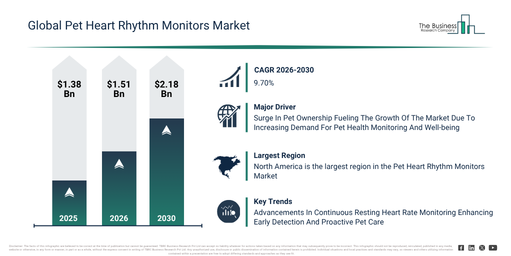
    The market size for pet heart rhythm monitors has experienced robust growth in recent years. It is projected to expand from $1.38 billion in 2025 to $1.51 billion in 2026, demonstrating a compound annual growth rate (CAGR) of 9.4%. The historical expansion of this market can be attributed to factors such as rising global pet ownership, an increasing prevalence of animal cardiac disorders, limited access to advanced veterinary diagnostics in rural regions, the high cost associated with traditional veterinary ECG systems, and low awareness concerning preventive pet heart health monitoring.

    The pet heart rhythm monitors market is anticipated to experience robust growth over the next few years. It is expected to grow to $2.18 billion by 2030, exhibiting a compound annual growth rate (CAGR) of 9.7%. This expansion during the forecast period can be attributed to several factors, including increased spending on preventive veterinary healthcare, a global expansion in pet insurance adoption, a rising demand for home-based animal monitoring solutions, an increasing geriatric pet population requiring cardiac care, and a stronger emphasis on the early diagnosis of chronic animal diseases. Significant trends during this period include the evolution of ultra-lightweight and comfortable pet wearable designs, the development of multi-species anatomical adaptive sensor designs, optimization of battery life for extended duration through low-power hardware engineering, an increase in preventive veterinary cardiac screening awareness programs, and the expansion of cost-effective consumer-grade pet heart monitoring devices.

    Get A Free Sample Report With In-Depth Market Insights:

    https://thebusinessresearchcompany.com/sample_request?id=37032968&type=smp&name=Pet%20Heart%20Rhythm%20Monitors%20Market%20Report%202026&utm_source=Blogs&utm_medium=Paid&utm_campaign=Oct_PR

    Pet Heart Rhythm Monitors Market Growth Factors: What’s Supporting Expansion?

    The increasing prevalence of pet ownership is anticipated to propel the expansion of the pet heart rhythm monitors market. Pet ownership encompasses the practice of keeping and caring for animals such as dogs, cats, or other companion animals within a household, reflecting both the desire for companionship and the responsibility for their well-being. The growth in pet ownership is fueled by a heightened demand for companionship and emotional support, as pets enhance overall well-being and seamlessly integrate into modern lifestyles. Pet heart rhythm monitors support pet ownership by providing continuous cardiac monitoring, which enables owners and veterinarians to detect heart issues early and ensure pets remain healthy and active. For instance, in March 2025, the American Pet Products Association, a US-based trade association, reported a rebound in pet ownership in the US, with 94 million households owning at least one pet, an increase from 82 million in 2023, and notably, 51% of these households owned a dog while 37% owned a cat. Consequently, the rising trend of pet ownership is expected to drive the growth of the pet heart rhythm monitors market.

    Pet Heart Rhythm Monitors Market Segment Analysis And Revenue Potential

    The pet heart rhythm monitors market covered in this report is segmented –

    1) By Product Type: Wearable Monitors, Handheld Monitors, Implantable Monitors, Other Product Types

    2) By Animal Type: Dogs, Cats, Horses, Other Animal Types

    3) By Distribution Channel: Online Stores, Veterinary Pharmacies, Retail Stores, Other Distribution Channels

    4) By Application: Arrhythmia Detection, Heart Disease Monitoring, Post Surgical Cardiac Monitoring, General Cardiac Health Monitoring

    5) By End User: Veterinary Hospitals And Clinics, Veterinary Diagnostic Centers, Pet Owners And Homecare Settings, Veterinary Research Institutes

    Subsegments:

    1) By Wearable Monitors: Collar Based Heart Rhythm Monitors, Harness Based Heart Rhythm Monitors, Patch Based Heart Rhythm Monitors, Strap Based Heart Rhythm Monitors

    2) By Handheld Monitors: Portable Electrocardiography Monitors, Hand Operated Cardiac Rhythm Monitors, Battery Powered Heart Rhythm Monitors, Veterinary Diagnostic Handheld Monitors

    3) By Implantable Monitors: Subcutaneous Cardiac Rhythm Monitors, Long Term Implantable Cardiac Monitors, Wireless Implantable Heart Rhythm Monitors, Veterinary Implantable Monitoring Devices

    4) By Other Product Types: Tabletop Cardiac Rhythm Monitoring Systems, Telemetry Based Cardiac Monitoring Systems, Holter Based Heart Rhythm Monitoring Devices, Remote Veterinary Cardiac Monitoring Devices

    Pet Heart Rhythm Monitors Market Industry Trends: What’s Reshaping Demand?

    Major companies in the pet heart rhythm monitors market are concentrating on developing advanced solutions, such as continuous resting heart rate monitoring, with the goal of enhancing early detection of cardiac irregularities, improving pet health management, and preventing serious cardiovascular events. Continuous resting heart rate monitoring involves the constant tracking of a pet’s heart rate while at rest to identify abnormalities and evaluate overall cardiac health. For instance, in May 2025, Tractive, an Austria-based technology company, released its next-generation Tractive Health Monitor, a wearable device designed for the continuous tracking of resting heart rate and activity levels in cats and dogs. This solution empowers pet owners and veterinarians to detect abnormal heart rhythms promptly, monitor long-term cardiovascular health, and make informed decisions to prevent serious and expensive health problems, thereby supporting proactive pet care.

    Pet Heart Rhythm Monitors Market Key Players Shaping Industry Direction

    Major companies operating in the pet heart rhythm monitors market are Medtronic Plc, IDEXX Laboratories, Shenzhen Mindray Bio-Medical Electronics, Midmark Corporation, Antech Diagnostics, Nihon Kohden Corporation, Heal Force Bio-Meditech, Edan Instruments, Zomedica Corp., AliveCor Inc., Contec Medical Systems, Bionet Co Ltd., Schiller AG, Bionet America Inc., Fukuda Denshi, Digicare Biomedical Technology Inc., CardioComm Solutions Inc., VectraCor, New Gen Medical Systems

    View The Full Pet Heart Rhythm Monitors Market Report:

    https://thebusinessresearchcompany.com/report/pet-heart-rhythm-monitors-market-report?utm_source=Blogs&utm_medium=Paid&utm_campaign=Oct_PR

    Pet Heart Rhythm Monitors Market Regional Analysis: Which Geography Leads On Revenue?

    North America was the largest region in the pet heart rhythm monitors market in 2025. Asia Pacific is expected to be the fastest-growing region in the forecast period. The regions covered in the pet heart rhythm monitors market report are Asia-Pacific, South East Asia, Western Europe, Eastern Europe, North America, South America, Middle East and Africa.

    Reach Out To Our Team:

    The Business Research Company: https://www.thebusinessresearchcompany.com/

    Americas: +1 310-496-7795

    Asia: +44 7882 955267 & +91 8897263534

    Europe: +44 7882 955267

    Email us at: marketing@tbrc.info

    Follow us on:

    LinkedIn: https://in.linkedin.com/company/the-business-research-company

    YouTube: https://www.youtube.com/channel/UC24_fI0rV8cR5DxlCpgmyFQ

    Global Market Model: https://www.thebusinessresearchcompany.com/global-market-model
  • Pet Health Records Apps Market Outlook 2026–2030: Growth Trends, Market Dynamics And Emerging Opportunities

    Pet Health Records Apps Market Outlook 2026–2030: Growth Trends, Market Dynamics And Emerging Opportunities

    Backed by market attractiveness analysis, total addressable market sizing, company benchmarking matrices, interactive Excel dashboards, wider supply chain intelligence, emerging startup coverage, and detailed product-level insights, The Business Research Company’s 2026 market reports are designed to offer research that is more actionable and strategically valuable than ever.

    Pet Health Records Apps Market Forecast: Value Set To Climb From $1.77 Billion To $3.07 Billion

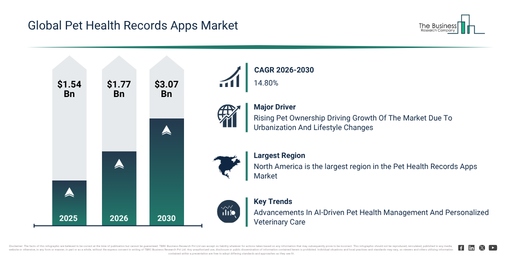
    The pet health records apps market size has experienced rapid expansion in recent years. This market is projected to grow from $1.54 billion in 2025 to $1.77 billion in 2026, demonstrating a compound annual growth rate (CAGR) of 14.6%. The historical growth can be attributed to several factors, including rising global pet adoption rates, increased awareness regarding animal healthcare management, the growing digitization of veterinary clinics, expanded smartphone penetration among pet owners, and the early adoption of pet care mobile applications.

    The pet health records apps market size is anticipated to experience significant expansion over the next few years. It is projected to reach $3.07 billion by 2030, exhibiting a compound annual growth rate (CAGR) of 14.8%. This growth during the forecast period is attributable to factors like the escalating demand for tailored pet healthcare solutions, the rising integration of AI-enabled veterinary diagnostics, the broadening of telehealth services for pets, the increasing incorporation of wearable pet health devices, and a surge in investment across pet care digital ecosystems. Prominent trends for the upcoming period include the increasing integration of AI-driven pet health monitoring and predictive wellness insights, a growing adoption of cloud-based pet medical record storage platforms, the rising utilization of mobile-first veterinary engagement and telehealth communication tools, the expansion of subscription-based pet care management ecosystems, and an increased emphasis on preventive pet healthcare through digital tracking and reminders.

    Get A Free Sample Report With In-Depth Market Insights:

    https://thebusinessresearchcompany.com/sample_request?id=96480690&type=smp&name=Pet%20Health%20Records%20Apps%20Market%20Report%202026&utm_source=Blogs&utm_medium=Paid&utm_campaign=Oct_PR

    Pet Health Records Apps Market Demand Drivers: What’s Powering Industry Growth?

    The increasing prevalence of pet ownership is projected to drive the expansion of the pet health records apps market moving forward. Pet ownership entails the responsibility of nurturing and ensuring a companion animal’s health, safety, and overall well-being. This rise in pet ownership is attributed to growing urbanization and busy lifestyles, as individuals increasingly turn to pets for companionship and emotional support to alleviate stress and loneliness. Pet health records apps facilitate pet ownership by enabling owners to consolidate their pets’ medical history, vaccinations, medications, and appointments in one accessible location, thus ensuring timely care and more effective health management. For instance, according to the American Veterinary Medical Association, a US-based nonprofit organization, in October 2025, the proportion of respondents reporting they had acquired a cat reached 47.6% in 2025, an increase from 43.5% in 2023. Therefore, the growing trend of pet ownership is a significant force propelling the growth of the pet health records apps market.

    Pet Health Records Apps Market Segmentation And Category Overview

    The pet health records apps market covered in this report is segmented –

    1) By Component: Software, Services

    2) By Platform: iOS, Android, Web-based

    3) By Subscription Model: Free, Paid, Freemium

    4) By Application: Vaccination Tracking, Medical History Management, Appointment Scheduling, Prescription Management, Other Applications

    5) By End User: Pet Owners, Veterinary Clinics, Animal Shelters, Other End-Users

    Subsegments:

    1) By Software: Medical Record Management Software, Vaccination Tracking Software, Appointment Scheduling Software, Medication Reminder Software, Health Analytics And Reporting Software

    2) By Services: Implementation And Integration Services, Maintenance And Support Services, Data Storage And Management Services, Consulting And Advisory Services, Training And User Support Services

    Pet Health Records Apps Market Innovation Trends: What Developments Are Reshaping The Industry?

    Leading companies within the pet health records apps market are prioritizing the creation of technological innovations, notably AI-powered pet health apps, designed to offer individualized health data, monitor immunizations and medical histories, and facilitate instant interactions with veterinary professionals. Such an application functions as a digital utility employing artificial intelligence to observe the well-being of pets, deliver customized suggestions for care, and maintain a real-time record of medical backgrounds and overall health. An illustrative example is the launch of VetGPT by VetGPT LLC, a US-based technology company, in March 2026. This AI-powered pet health app was developed in response to the unfortunate demise of three dogs due to cancer. This individual endeavor offers customized health monitoring and assistance for more than 64 species, encompassing dogs, cats, and various exotic animals such as bearded dragons. Its practical functionalities include AI-driven transcription of veterinary appointments for recording diagnoses and medications, symptom assessment through photo examination incorporating the pet’s past data, and the ability to scan prescriptions or aquarium test results for immediate data input. Furthermore, it features a chat function specifically adapted to individual pet profiles, thereby preventing generalized replies.

    Pet Health Records Apps Market Competitive Analysis Of Leading Industry Participants

    Major companies operating in the pet health records apps market are IDEXX Laboratories Inc., Instinct Science Inc., Digitail Technologies Ltd., Hippo Manager Veterinary Software Inc., Patterson Veterinary Supply Inc., Shepherd Veterinary Software Ltd., Covetrus Inc., DaySmart Software Inc., PetsApp Ltd., Vetport LLC, Vetspire Inc., Pawprint Inc., Pemilyy Technologies Ltd., Petofy Solutions Pvt. Ltd., VetDesk Pty Ltd, Foxtastic SRL, Boop Inc., Vet Record Ltd., PetVitality Ltd., Appic Softwares Pvt. Ltd.

    View The Full Pet Health Records Apps Market Report:

    https://thebusinessresearchcompany.com/report/pet-health-records-apps-market-report?utm_source=Blogs&utm_medium=Paid&utm_campaign=Oct_PR

    Pet Health Records Apps Market Geographic Spread And Regional Opportunities

    North America was the largest region in the pet health records apps market in 2025. Asia-Pacific is expected to be the fastest-growing region in the forecast period. The regions covered in the pet health records apps market report are Asia-Pacific, South East Asia, Western Europe, Eastern Europe, North America, South America, Middle East and Africa.

    Reach Out To Our Team:

    The Business Research Company: https://www.thebusinessresearchcompany.com/

    Americas: +1 310-496-7795

    Asia: +44 7882 955267 & +91 8897263534

    Europe: +44 7882 955267

    Email us at: marketing@tbrc.info

    Follow us on:

    LinkedIn: https://in.linkedin.com/company/the-business-research-company

    YouTube: https://www.youtube.com/channel/UC24_fI0rV8cR5DxlCpgmyFQ

    Global Market Model: https://www.thebusinessresearchcompany.com/global-market-model
  • Pancreatic Stone Protein Testing Market Analysis: $1.31 Billion Market Size In 2026 And Future Growth Prospects

    Pancreatic Stone Protein Testing Market Analysis: $1.31 Billion Market Size In 2026 And Future Growth Prospects

    Featuring market attractiveness scoring, total addressable market sizing, company benchmarking matrices, interactive Excel dashboards, deeper supply chain intelligence, emerging startup tracking, and granular product-level insights, The Business Research Company’s 2026 market reports are built to deliver research that is both more actionable and more strategically valuable.

    Pancreatic Stone Protein Testing Market Growth Potential: How Will Market Size Shift Through 2030?

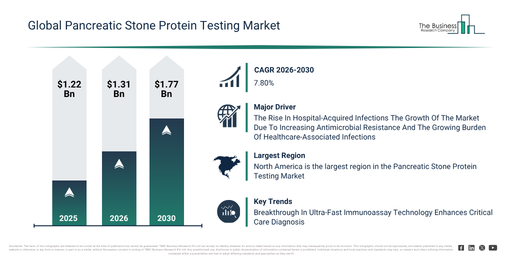
    The pancreatic stone protein testing market has experienced robust growth in recent years. It is projected to expand from $1. 22 billion in 2025 to $1. 31 billion in 2026, demonstrating a compound annual growth rate (CAGR) of 7. 5%. The historical market expansion can be attributed to the increasing incidence of sepsis and critical care conditions, rising awareness of early disease biomarker testing, the expansion of hospital laboratory infrastructure, growth in immunoassay diagnostic adoption, and increasing clinical research on pancreatic and inflammatory biomarkers.

    The pancreatic stone protein testing market is projected to experience substantial expansion in the coming years, with its size expected to reach $1.77 billion by 2030, exhibiting a compound annual growth rate (CAGR) of 7.8%. This anticipated growth is linked to factors such as an increasing need for early sepsis detection tools, greater adoption of point-of-care diagnostic testing, advancements in precision medicine and biomarker-based diagnostics, the expansion of automated laboratory systems, and rising investment in critical care diagnostic innovation. Key trends during this period are expected to involve the growing acceptance of pancreatic stone protein testing as an initial biomarker for sepsis and systemic inflammation detection, a rise in immunoassay-based diagnostic platforms for rapid PSP quantification, the wider integration of PSP testing into critical care and emergency diagnostics workflows, the development of point-of-care testing devices enabling faster PSP measurement in hospitals, and an increasing preference for multiplex biomarker panels that merge PSP with other inflammatory indicators.

    Get A Free Sample Report With In-Depth Market Insights:

    https://thebusinessresearchcompany.com/sample_request?id=73411241&type=smp&name=Pancreatic%20Stone%20Protein%20Testing%20Market%20Report%202026&utm_source=Blogs&utm_medium=Paid&utm_campaign=Oct_PR

    Pancreatic Stone Protein Testing Market Growth Momentum: What Factors Are Shaping Demand?

    The increasing occurrence of hospital-acquired infections (HAIs) is anticipated to boost the growth of the pancreatic stone protein testing market in the future. Hospital-acquired infections are defined as infections a patient contracts while receiving medical care in a hospital or healthcare facility, which were not present at the time of their admission. The escalating incidence of these infections is largely propelled by rising antimicrobial resistance, where microorganisms develop the ability to withstand common antibiotics, making infections more difficult to treat and control in healthcare environments. Pancreatic stone protein testing assists in combating hospital-acquired infections by enabling the early detection of infection and sepsis risk, which allows for timely intervention and improved patient management within hospital settings. For instance, in November 2024, data from the Australian Institute of Health and Welfare, an Australia-based government agency, showed that hospital-acquired complications (HACs) were recorded in 115,000 public hospitalizations (2.0%) and 34,200 private hospitalizations (0.8%) during 2022–23, with healthcare-associated infections representing the largest share (37%), followed by delirium (13%) and cardiac complications (12%). Thus, the growing incidence of hospital-acquired infections is a significant factor driving the expansion of the pancreatic stone protein testing market.

    Pancreatic Stone Protein Testing Market Segment Trends And Revenue Contributors

    The pancreatic stone protein testing market covered in this report is segmented –

    1) By Product Type: Assay Kits, Instruments, Reagents, Other Product Types

    2) By Technology: Immunoassay Based Testing, Enzyme-Linked Immunosorbent Assay Based Testing, Rapid Diagnostic Technologies, Other Technologies

    3) By Sample Type: Blood, Serum, Plasma, Other Sample Types

    4) By Application: Sepsis Diagnosis, Pancreatitis Diagnosis, Other Applications

    5) By End User: Hospitals, Diagnostic Laboratories, Research Institutes, Other End Users

    Subsegments:

    1) By Assay Kits: Enzyme Linked Immunosorbent Assay Kits, Chemiluminescence Immunoassay Kits, Fluorescence Immunoassay Kits, Rapid Diagnostic Test Kits, Multiplex Assay Kits

    2) By Instruments: Immunoassay Analyzers, Clinical Chemistry Analyzers, Automated Laboratory Analyzers, Point Of Care Testing Devices, Microplate Readers

    3) By Reagents: Antibodies, Calibrators, Controls, Buffers, Substrates

    4) By Other Product Types: Sample Collection Kits, Quality Control Materials, Diagnostic Consumables, Laboratory Accessories, Data Management Software

    Pancreatic Stone Protein Testing Market Trends Redefining Industry Growth

    Leading companies in the pancreatic stone protein testing market are concentrating on developing innovative platforms, such as ultra-rapid point-of-care immunoassay platforms, to enable prompt and accurate sepsis detection, enhance the speed of clinical decision-making, and decrease patient mortality in critical care environments. These ultra-rapid point-of-care immunoassay platforms represent diagnostic systems engineered to swiftly detect specific biomarkers in a patient’s sample at or near the bedside via antibody-based reactions, delivering results within minutes rather than hours or days. For example, in October 2024, Abionic SA, a Switzerland-based in vitro diagnostics company, secured approval from the U. S. Food and Drug Administration (FDA) for its IVD CAPSULE Pancreatic Stone Protein (PSP) test. This test is specifically designed for rapid, near-patient detection of PSP levels, thereby allowing for the early identification of sepsis in critically ill patients. It operates on ultra-rapid point-of-care immunoassay platforms, which enable biomarker detection at the bedside through antibody-based reactions, with results provided in minutes.

    Pancreatic Stone Protein Testing Market Competitive Landscape: Which Companies Lead The Industry?

    Major companies operating in the pancreatic stone protein testing market are Cusabio Technology Llc, Fapon Biotech Inc, BioVendor Laboratorní medicína a. s, RayBiotech Life Inc, Creative Diagnostics Inc, Abnova Corporation, Abionic SA, LASCCO SA, Abbexa Ltd

    View The Full Pancreatic Stone Protein Testing Market Report:

    https://thebusinessresearchcompany.com/report/pancreatic-stone-protein-testing-market-report?utm_source=Blogs&utm_medium=Paid&utm_campaign=Oct_PR

    Pancreatic Stone Protein Testing Market Regional Breakdown: Where Is Demand Concentrated?

    North America was the largest region in the pancreatic stone protein testing market in 2025. Asia-Pacific is expected to be the fastest-growing region in the forecast period. The regions covered in the pancreatic stone protein testing market report are Asia-Pacific, South East Asia, Western Europe, Eastern Europe, North America, South America, Middle East and Africa.

    Reach Out To Our Team:

    The Business Research Company: https://www.thebusinessresearchcompany.com/

    Americas: +1 310-496-7795

    Asia: +44 7882 955267 & +91 8897263534

    Europe: +44 7882 955267

    Email us at: marketing@tbrc.info

    Follow us on:

    LinkedIn: https://in.linkedin.com/company/the-business-research-company

    YouTube: https://www.youtube.com/channel/UC24_fI0rV8cR5DxlCpgmyFQ

    Global Market Model: https://www.thebusinessresearchcompany.com/global-market-model
  • Over-The-Counter (OTC) Veterinary Drugs Market Size And Forecast 2026–2030: Trends Driving Industry Expansion

    Over-The-Counter (OTC) Veterinary Drugs Market Size And Forecast 2026–2030: Trends Driving Industry Expansion

    Backed by market attractiveness analysis, total addressable market sizing, company benchmarking matrices, interactive Excel dashboards, wider supply chain intelligence, emerging startup coverage, and detailed product-level insights, The Business Research Company’s 2026 market reports are designed to offer research that is more actionable and strategically valuable than ever.

    Over-The-Counter (OTC) Veterinary Drugs Market Forecast: What Value Will The Market Reach By 2030?

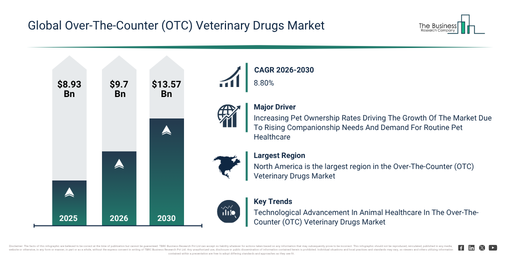
    The over-the-counter (OTC) veterinary drugs market has experienced substantial growth in recent years. Its valuation is projected to increase from $8.93 billion in 2025 to $9.7 billion in 2026, demonstrating a compound annual growth rate (CAGR) of 8.5%. This historical expansion can be linked to several factors, including a rise in pet ownership, the global increase in livestock populations, enhanced availability of veterinary pharmaceuticals through retail channels, a heightened focus on animal health and hygiene, and the development of animal healthcare infrastructure in rural areas.

    The over-the-counter (OTC) veterinary drugs market size is anticipated to undergo significant growth in the coming years. It is projected to expand to $13. 57 billion by 2030, with a compound annual growth rate (CAGR) of 8. 8%. The expansion during the forecast period is fueled by an escalating demand for preventive animal healthcare solutions, the rising integration of e-commerce in veterinary drug sales, increased spending on companion animal healthcare, the broadening scope of nutraceutical and supplement-based veterinary care, and a growing emphasis on mitigating antimicrobial resistance through OTC alternatives. Dominant trends expected in this period include the increased uptake of over-the-counter antiparasitic and anti-infective veterinary drugs for straightforward livestock and companion animal maintenance, a heightened demand for nutraceutical-based OTC veterinary supplements supporting immunity and joint health, an escalating preference for dermatological OTC animal care products for skin and coat upkeep, the proliferation of e-commerce platforms enabling direct access to veterinary OTC medications, and the increasing utilization of broad-spectrum OTC formulations for proactive animal health management.

    Get A Free Sample Report With In-Depth Market Insights:

    https://thebusinessresearchcompany.com/sample_request?id=84467303&type=smp&name=Over-The-Counter%20%28OTC%29%20Veterinary%20Drugs%20Market%20Report%202026&utm_source=Blogs&utm_medium=Paid&utm_campaign=Oct_PR

    Over-The-Counter (OTC) Veterinary Drugs Market Demand Drivers: What’s Powering Industry Growth?

    The rise in pet ownership figures is projected to fuel the expansion of the over-the-counter (OTC) veterinary drugs market in the coming period. Pet ownership rates denote the proportion or percentage of households or persons possessing one or more pets within a defined population or geographical region. This increase in pet ownership is attributed to growing needs for companionship, as more individuals look for emotional support, comfort, and a sense of connection from pets in their daily routines. Consequently, elevated pet ownership rates result in a greater demand for over-the-counter (OTC) veterinary drugs, given that more pet owners are seeking accessible and economical options for their pets’ regular health management and preventative care. For example, in March 2025, the American Pet Products Association (APPA), a US-based trade association, reported an increase in the number of U. S. households owning at least one pet from 82 million in 2023 to 94 million. Hence, the growing pet ownership rates are set to propel the over-the-counter (OTC) veterinary drugs market forward.

    Over-The-Counter (OTC) Veterinary Drugs Market Segment Analysis And Revenue Potential

    The over-the-counter (otc) veterinary drugs market covered in this report is segmented –

    1) By Product Type: Antiparasitics, Anti Infectives, Analgesics And Anti Inflammatory Drugs, Nutritional Supplements, Dermatological Products, Vaccines, Other Product Types

    2) By Animal Type: Companion Animals, Livestock And Production Animals, Equine

    3) By Formulation Type: Tablets, Liquids, Powders, Topical Formulations, Injectables, Other Formulation Types

    4) By Sales Channels: Hospital Pharmacies, Retail Pharmacies, Drug Stores, E-commerce

    5) By Application: Infection Treatment, Parasitic Control, Pain Management, Nutritional Support, Skin And Coat Care, Other Applications

    Subsegments:

    1) By Antiparasitics: Ectoparasiticides, Endoparasiticides, Combination Parasiticides, Topical Parasiticides, Oral Parasiticides

    2) By Anti Infectives: Antibacterial Drugs, Antiviral Drugs, Antifungal Drugs, Antiprotozoal Drugs, Broad Spectrum Anti Infectives

    3) By Analgesics And Anti Inflammatory Drugs: Non Steroidal Anti Inflammatory Drugs, Opioid Analgesics, Local Anesthetics, Corticosteroids, Combination Pain Relief Drugs

    4) By Nutritional Supplements: Vitamin Supplements, Mineral Supplements, Probiotic Supplements, Protein Supplements, Joint Health Supplements

    5) By Dermatological Products: Medicated Shampoos, Topical Creams And Ointments, Antiseptic Sprays, Skin Condition Treatments, Anti Allergy Dermatological Products

    6) By Vaccines: Live Attenuated Vaccines, Inactivated Vaccines, Subunit Vaccines, Recombinant Vaccines, Toxoid Vaccines

    7) By Other Product Types: Disinfectants And Sanitizers, Wound Care Products, Immune Support Products, Digestive Health Products, Eye And Ear Care Products

    Over-The-Counter (OTC) Veterinary Drugs Market Innovation Trends: What Developments Are Reshaping The Industry?

    Leading companies operating in the over-the-counter (OTC) veterinary drugs market are concentrating on technological progress in animal healthcare, such as developing science-backed, veterinarian-formulated supplement systems, to secure a competitive advantage. This approach employs advanced nutraceutical formulations and clinically studied ingredients to support preventive care and the management of chronic conditions in companion animals through non-prescription oral products. For instance, in February 2025, Elanco animal health, a US-based animal health company, introduced pet protect, a veterinarian-formulated supplement range for dogs and cats, which comprises fast-acting calming chews, joint-health and skin-health formulations, and multi-vitamin and omega-3 blends designed to address common wellness requirements. Pet protect integrates species-specific palatability engineering, proprietary ingredient blends, and transparent, evidence-driven labeling, consequently reinforcing Elanco’s presence in the OTC veterinary-supplement segment while aligning with owners’ demand for user-friendly, at-home wellness solutions.

    Over-The-Counter (OTC) Veterinary Drugs Market Leading Companies And Competitive Benchmarking

    Major companies operating in the over-the-counter (otc) veterinary drugs market are Merck And Co Inc, Boehringer Ingelheim Animal Health GmbH, Zoetis Inc., Elanco Animal Health Incorporated, Intas Pharmaceuticals Limited, Ceva Santé Animale, Virbac S. A., Phibro Animal Health Corporation, Dechra Pharmaceuticals PLC, Laboratorios Hipra S. A., Vetoquinol S. A., Indian Immunologicals Limited, Sequent Scientific Limited, Ourofino Saúde Animal, Bioveta A. S, Huvepharma EOOD, Ashish Life Science Private Limited, Zydus Animal Health and Investments Limited, Norbrook Laboratories Limited, Kyoritsu Seiyaku Corporation

    View The Full Over-The-Counter (OTC) Veterinary Drugs Market Report:

    https://thebusinessresearchcompany.com/report/over-the-counter-otc-veterinary-drugs-market-report?utm_source=Blogs&utm_medium=Paid&utm_campaign=Oct_PR

    Over-The-Counter (OTC) Veterinary Drugs Market Largest Region By Revenue And Market Share

    North America was the largest region in the over-the-counter (OTC) veterinary drugs market in 2025. Asia-Pacific is expected to be the fastest-growing region in the forecast period. The regions covered in the over-the-counter (OTC) veterinary drugs market report are Asia-Pacific, South East Asia, Western Europe, Eastern Europe, North America, South America, Middle East and Africa.

    Reach Out To Our Team:

    The Business Research Company: https://www.thebusinessresearchcompany.com/

    Americas: +1 310-496-7795

    Asia: +44 7882 955267 & +91 8897263534

    Europe: +44 7882 955267

    Email us at: marketing@tbrc.info

    Follow us on:

    LinkedIn: https://in.linkedin.com/company/the-business-research-company

    YouTube: https://www.youtube.com/channel/UC24_fI0rV8cR5DxlCpgmyFQ

    Global Market Model: https://www.thebusinessresearchcompany.com/global-market-model
  • Oral Obesity Therapies Market Size Growth: From $4.32 Billion In 2026 To $6.32 Billion By 2030

    Oral Obesity Therapies Market Size Growth: From $4.32 Billion In 2026 To $6.32 Billion By 2030

    Built to provide research that’s more actionable and strategically valuable, The Business Research Company’s 2026 market reports include market attractiveness analysis, total addressable market sizing, company benchmarking matrices, interactive Excel dashboards, broader supply chain intelligence, emerging startup tracking, and in-depth product insights.

    Oral Obesity Therapies Market Size, Value And Growth Trajectory Through 2030

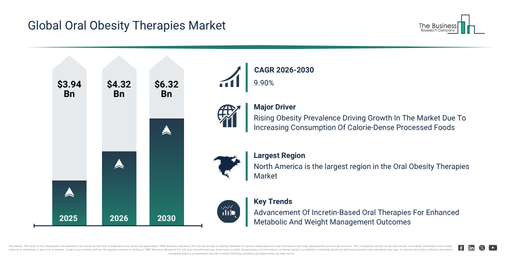
    The market size for oral obesity therapies has experienced robust expansion over recent years. Projections indicate it will increase from $3.94 billion in 2025 to $4.32 billion in 2026, achieving a compound annual growth rate (CAGR) of 9.7%. This historical growth can be attributed to several factors, including the escalating global prevalence of obesity, a rising awareness of metabolic health risks, the expansion of prescription-based weight management drugs, a surge in clinical research on appetite regulation mechanisms, and an increasing healthcare focus on non-invasive obesity treatments.

    The oral obesity therapies market size is projected to experience substantial growth in the upcoming years. It is anticipated to grow to $6. 32 billion by 2030 at a compound annual growth rate (CAGR) of 9. 9%. This expansion during the forecast period is driven by the increasing adoption of oral GLP-1 therapies, a rising demand for personalized metabolic treatments, the growth in telemedicine-based obesity care, the expansion of next-generation oral incretin drugs, and increased investment in obesity drug pipelines by pharmaceutical companies. Notable trends for the forecast period include the expanding acceptance of oral GLP-1 based therapies for appetite regulation and weight management, a surge in the utilization of combination oral obesity drugs targeting multiple metabolic pathways, an escalating need for personalized obesity treatment based on genetic and metabolic profiling, the broadening of telehealth-enabled prescription access for oral weight loss therapies, and the ongoing development of gut hormone modulating oral drugs for improved metabolic control.

    Get A Free Sample Report With In-Depth Market Insights:

    https://thebusinessresearchcompany.com/sample_request?id=24599992&type=smp&name=Oral%20Obesity%20Therapies%20Market%20Report%202026&utm_source=Blogs&utm_medium=Paid&utm_campaign=Oct_PR

    Oral Obesity Therapies Market Growth Factors Behind Sustained Expansion

    The increasing incidence of obesity is projected to drive the expansion of the oral obesity therapies market moving ahead. Obesity is defined as a medical condition marked by an excessive buildup of body fat, which raises the risk of health issues like heart disease, diabetes, and high blood pressure. This condition is primarily on the rise because of greater consumption of calorie-rich processed foods, leading to surplus energy intake and progressive weight gain when not compensated by physical activity. Oral treatments for obesity manage the condition by regulating hunger-related hormones and decreasing calorie absorption, resulting in sustained weight management and enhanced health outcomes. For instance, data from May 2025, released by the Office for Health Improvement and Disparities, a UK-based government body, showed that in 2023–2024, the prevalence of overweight (including obesity) among adults was greater in men (69.7%) compared to women (59.2%). Conversely, obesity by itself was marginally more prevalent in women (26.9%) than in men (26.2%). Consequently, the escalating occurrence of obesity is fueling the growth of the oral obesity therapies market.

    Oral Obesity Therapies Market Segment Outlook: Which Categories Are Growing Fastest?

    The oral obesity therapies market covered in this report is segmented –

    1) By Drug Class: Lipase Inhibitors, Sympathomimetic Appetite Suppressants, Combination Therapies, Oral GLP-1 Agonists, Other Oral Mechanisms

    2) By Patient Indication: BMI =30 Primary Obesity, Overweight + Metabolic Comorbidities, Short-term Weight Reduction, Weight Maintenance, Adolescent Populations

    3) By Sales Channel: Retail Pharmacies, Mail-order Pharmacies, Telehealth Platforms, Hospital Outpatient Pharmacies, Specialty Pharmacies

    4) By Application: Obesity Management, Weight Loss Maintenance, Cardiometabolic Risk Reduction, Pre-Surgical Weight Control

    5) By End User: Hospitals, Clinics, Homecare Settings

    Subsegments:

    1) By Lipase Inhibitors: Prescription Lipase Inhibitors, Over The Counter Lipase Inhibitors, High Dose Lipase Inhibitors, Low Dose Lipase Inhibitors, Generic Lipase Inhibitors, Branded Lipase Inhibitors

    2) By Sympathomimetic Appetite Suppressants: Short Acting Appetite Suppressants, Long Acting Appetite Suppressants, Central Nervous System Stimulants, Adrenergic Appetite Suppressants, Prescription Appetite Suppressants, Extended Release Appetite Suppressants

    3) By Combination Therapies: Appetite Suppressant And Antidepressant Combinations, Appetite Suppressant And Anticonvulsant Combinations, Multi Mechanism Combination Therapies, Fixed Dose Combination Therapies, Dual Mechanism Combination Therapies, Triple Mechanism Combination Therapies

    4) By Oral Glucagon Like Peptide One Agonists: Daily Oral Glucagon Like Peptide One Agonists, Weekly Oral Glucagon Like Peptide One Agonists, High Potency Glucagon Like Peptide One Agonists, Sustained Release Glucagon Like Peptide One Agonists, Next Generation Incretin Agonists

    5) By Other Oral Mechanisms: Serotonin Receptor Modulators, Metabolic Enhancers, Thermogenic Agents, Gut Hormone Modulators, Energy Expenditure Regulators, Dual Incretin Agonists

    Oral Obesity Therapies Market Industry Trends Fueling Future Revenue Growth

    Leading companies active in the oral obesity therapies market are prioritizing the development of innovative solutions, such as incretin-based therapy, to enhance the effectiveness of weight loss, improve metabolic outcomes, and provide patients with convenient non-injectable treatment options. Incretin-based therapy refers to a category of treatments that either mimic or intensify the action of incretin hormones (like GLP-1) to regulate blood sugar levels, reduce appetite, and promote weight loss. As an illustration, in January 2026, Denmark A/S, a healthcare company from Denmark, launched an LP-1 pill for obesity, known as the Wegovy pill (oral semaglutide), for the chronic management of weight in adults suffering from obesity or who are overweight with related conditions, in addition to diet and exercise. It is also authorized to lower cardiovascular risks such as heart attacks and strokes in individuals with pre-existing heart disease.

    Oral Obesity Therapies Market Key Participants And Competitive Landscape

    Major companies operating in the oral obesity therapies market are F. Hoffmann-La Roche AG, Merck & Co. Inc., Pfizer Inc., AstraZeneca PLC, Eli Lilly and Company, Novo Nordisk A/S, Takeda Pharmaceutical Company Limited, Boehringer Ingelheim GmbH, Sun Pharmaceutical Industries Ltd., Jiangsu Hengrui Medicine Co. Ltd., Celltrion Inc., Zydus Lifesciences Limited, Jiangsu Hansoh Pharmaceutical Group Co. Ltd., Hanmi Pharmaceutical Co. Ltd., Innovent Biologics Inc., Viking Therapeutics Inc., Rhythm Pharmaceuticals Inc., Septerna Therapeutics, Eccogene Inc., Currax Pharmaceuticals LLC, Ascletis Pharma Inc., Structure Therapeutics

    View The Full Oral Obesity Therapies Market Report:

    https://thebusinessresearchcompany.com/report/oral-obesity-therapies-market-report?utm_source=Blogs&utm_medium=Paid&utm_campaign=Oct_PR

    Oral Obesity Therapies Market Geographic Analysis: Where Is Demand Accelerating Fastest?

    North America was the largest region in the oral obesity therapies market in 2025. Asia-Pacific is expected to be the fastest-growing region in the forecast period. The regions covered in the oral obesity therapies market report are Asia-Pacific, South East Asia, Western Europe, Eastern Europe, North America, South America, Middle East and Africa.

    Reach Out To Our Team:

    The Business Research Company: https://www.thebusinessresearchcompany.com/

    Americas: +1 310-496-7795

    Asia: +44 7882 955267 & +91 8897263534

    Europe: +44 7882 955267

    Email us at: marketing@tbrc.info

    Follow us on:

    LinkedIn: https://in.linkedin.com/company/the-business-research-company

    YouTube: https://www.youtube.com/channel/UC24_fI0rV8cR5DxlCpgmyFQ

    Global Market Model: https://www.thebusinessresearchcompany.com/global-market-model
  • Oral Microbiome Products Market Analysis 2026: Market Size, Growth Trends And Industry Outlook

    Oral Microbiome Products Market Analysis 2026: Market Size, Growth Trends And Industry Outlook

    Backed by market attractiveness analysis, total addressable market sizing, company benchmarking matrices, interactive Excel dashboards, wider supply chain intelligence, emerging startup coverage, and detailed product-level insights, The Business Research Company’s 2026 market reports are designed to offer research that is more actionable and strategically valuable than ever.

    Oral Microbiome Products Market CAGR Outlook And Future Development

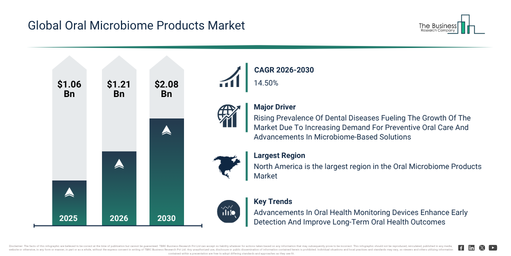
    The market size for oral microbiome products has seen considerable expansion in recent years. It will grow from $1.06 billion in 2025 to $1.21 billion in 2026 at a compound annual growth rate (CAGR) of 14.3%. The historical increase in this market can be attributed to several factors, including the rising prevalence of dental caries and periodontal diseases, growing consumer awareness regarding oral hygiene, advancements in probiotic research for gut and oral health, the expansion of retail pharmacy distribution networks, and the increasing adoption of preventive dental care practices.

    The oral microbiome products market size is projected to experience substantial expansion over the coming years. This market is set to reach $2.08 billion by 2030, exhibiting a compound annual growth rate (CAGR) of 14.5%. This projected increase during the forecast period stems from several factors, including a growing need for tailored microbiome-based oral care solutions, the increasing incorporation of AI in oral health diagnostics, an uptick in preventive healthcare and wellness practices, the broadening reach of e-commerce for oral care product distribution, and greater investment in biotechnology-driven oral therapeutics. Key developments anticipated in this period encompass the increasing acceptance of probiotic-based oral care formulations designed to optimize microbiome balance, the expanded application of next-generation sequencing for profiling the oral microbiome, an escalating desire for customized oral health supplements derived from microbiome analysis, the advancement of AI-powered microbiome diagnostics for early identification of oral diseases, and a developing preference for functional oral care items like probiotic toothpastes and rinses.

    Get A Free Sample Report With In-Depth Market Insights:

    https://thebusinessresearchcompany.com/sample_request?id=40232069&type=smp&name=Oral%20Microbiome%20Products%20Market%20Report%202026&utm_source=Blogs&utm_medium=Paid&utm_campaign=Oct_PR

    Oral Microbiome Products Market Demand Drivers Opening New Revenue Streams

    The anticipated rise in dental disease cases is projected to stimulate the growth of the oral microbiome products market. These dental ailments, which encompass conditions such as dental caries, gingivitis, and periodontal diseases, are becoming more prevalent due to factors like inadequate oral hygiene, excessive sugar intake, tobacco consumption, and restricted access to preventive dental care. The growing incidence of dental diseases is observed as global health systems report increased rates, and improved diagnosis and reporting stem from heightened awareness. Oral microbiome products offer support in managing these conditions by re-establishing microbial equilibrium in the mouth, preventing the multiplication of disease-causing bacteria linked to caries and periodontal issues, and fostering beneficial oral flora to sustain oral health and impede disease progression. For example, in March 2025, the World Health Organization, a Switzerland-based global public health authority, indicated that approximately 3.7 billion individuals worldwide were impacted by oral diseases, with untreated dental caries in permanent teeth identified as the most common global health condition. Consequently, the increasing prevalence of dental diseases is a key factor boosting the oral microbiome products market. The expanding global aging population is set to propel the growth of the oral microbiome products market in the coming years. This demographic shift refers to the increasing proportion of older individuals globally, primarily influenced by longer life expectancies and reduced birth rates. The elderly population is growing as advancements in healthcare, better living standards, and more effective disease management allow people to live longer, healthier lives. Oral microbiome products assist the aging population by fostering a balanced oral microbial environment, reducing harmful bacteria associated with various oral diseases, and enhancing overall oral health through both preventive and restorative care approaches. For instance, according to the World Health Organization (WHO), a Switzerland-based specialized agency of the United Nations which coordinates responses to international public health issues and emergencies, people aged 60+ accounted for roughly 1.1 billion in 2023 and are expected to reach about 1.4 billion by 2030. Therefore, the global increase in the aging population is a significant driver for the oral microbiome products market.

    Oral Microbiome Products Market Segment Landscape: Which Areas Lead Development?

    The oral microbiome products market covered in this report is segmented –

    1) By Product Type: Probiotics, Prebiotics, Oral Rinses, Toothpastes, Supplements, Other Products

    2) By Technology: Next-Generation Sequencing, Polymerase Chain Reaction-Based Analysis, Artificial Intelligence-Based Microbiome Analysis, Bioinformatics Platforms

    3) By Distribution Channel: Online Stores, Pharmacies, Supermarkets Or Hypermarkets, Specialty Stores, Other Distribution Channels

    4) By Application: Dental Health, Halitosis Control, Gum Health, Other Applications

    5) By End-User: Adults, Children, Elderly

    Subsegments:

    1) By Probiotics: Streptococcus Salivarius Strains, Lactobacillus Reuteri Strains, Lactobacillus Paracasei Strains, Multi Strain Probiotic Blends

    2) By Prebiotics: Inulin, Fructooligosaccharides, Galactooligosaccharides, Xylooligosaccharides

    3) By Oral Rinses: Probiotic Mouth Rinses, Herbal Mouth Rinses, Antibacterial Mouth Rinses, Alcohol Free Mouth Rinses

    4) By Toothpastes: Probiotic Toothpastes, Fluoride Free Toothpastes, Herbal Toothpastes, Sensitive Care Toothpastes

    5) By Supplements: Capsules And Tablets, Powder Supplements, Chewable Tablets, Liquid Supplements

    6) By Other Products: Oral Sprays, Lozenges, Chewing Gums, Oral Strips

    Oral Microbiome Products Market Trends Powering Strategic Industry Growth

    Major companies operating in the oral microbiome products market are prioritizing the creation of innovative microbiome-based solutions, such as advanced oral health monitoring and probiotic formulations, to meet the rising consumer demand for preventive, natural, and personalized oral care. These advancements enable a targeted modulation of the oral microbiota, presenting a more precise and sustainable approach compared to conventional products that might disrupt the overall microbial balance. For example, in October 2024, Boka, a US-based oral care company, introduced Boka Well Pre and Probiotic Supplements, an innovative product line focused on the microbiome designed to support oral and overall health. This product line features Vital Bite Pre + Probiotic Tablets and Pro Stix Pre + Probiotic Powder, which are formulated with ingredients like Streptococcus salivarius K12, inulin, and essential vitamins to promote beneficial bacterial growth and maintain oral microbial balance. The supplements are engineered to enhance breath freshness, support gum health, and improve immunity by targeting the oral microbiome as the gateway to systemic health. Unlike conventional oral care solutions that provide temporary relief, these formulations function at the microbial level to deliver long-term benefits. Additionally, the products are non-toxic, fluoride-free, and devoid of artificial additives, aligning with the growing demand for clean-label and science-backed oral care innovations.

    Oral Microbiome Products Market Top Companies Driving Competitive Growth

    Major companies operating in the oral microbiome products market are Cargill Incorporated, Archer-Daniels-Midland Company, Johnson & Johnson, Procter & Gamble (P&G), Unilever PLC, GlaxoSmithKline plc, 3M Company, Colgate-Palmolive Company, Kao Corporation, Kerry Group, Nestlé Health Science, Church & Dwight Co. Inc., Lion Corporation, Novozymes A/S, Sunstar, Biogaia AB, U. S. Oral Care Inc., Blis Technologies Limited, Lallemand Health Solutions, Hyperbiotics, GLG Life Tech, Oragenics Inc., Evora Biosciences

    View The Full Oral Microbiome Products Market Report:

    https://thebusinessresearchcompany.com/report/oral-microbiome-products-market-report?utm_source=Blogs&utm_medium=Paid&utm_campaign=Oct_PR

    Oral Microbiome Products Market Global Footprint: Which Region Leads The Industry?

    North America was the largest region in the oral microbiome products market in 2025. Asia-Pacific is expected to be the fastest-growing region in the forecast period. The regions covered in the oral microbiome products market report are Asia-Pacific, South East Asia, Western Europe, Eastern Europe, North America, South America, Middle East and Africa.

    Reach Out To Our Team:

    The Business Research Company: https://www.thebusinessresearchcompany.com/

    Americas: +1 310-496-7795

    Asia: +44 7882 955267 & +91 8897263534

    Europe: +44 7882 955267

    Email us at: marketing@tbrc.info

    Follow us on:

    LinkedIn: https://in.linkedin.com/company/the-business-research-company

    YouTube: https://www.youtube.com/channel/UC24_fI0rV8cR5DxlCpgmyFQ

    Global Market Model: https://www.thebusinessresearchcompany.com/global-market-model
  • Ophthalmology Devices Market Forecast To 2030: Starting From $99.22 Billion In 2026

    Ophthalmology Devices Market Forecast To 2030: Starting From $99.22 Billion In 2026

    Featuring market attractiveness scoring, total addressable market sizing, company benchmarking matrices, interactive Excel dashboards, deeper supply chain intelligence, emerging startup tracking, and granular product-level insights, The Business Research Company’s 2026 market reports are built to deliver research that is both more actionable and more strategically valuable.

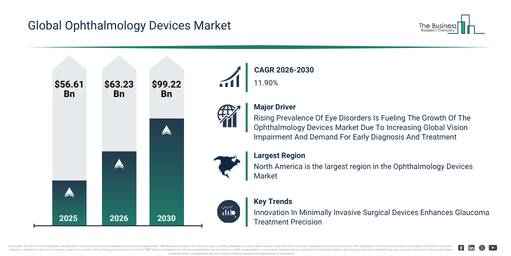
    Ophthalmology Devices Market Set To Climb From $63.23 Billion In 2026 To $99.22 Billion By 2030

    The ophthalmology devices market has seen rapid expansion in its size over recent years. This market is anticipated to expand from $56. 61 billion in 2025 to $63. 23 billion in 2026, achieving a compound annual growth rate (CAGR) of 11. 7%. Factors contributing to its historical growth include an escalating aging population, a surge in cataract and glaucoma cases, the expansion of hospital-based ophthalmology infrastructure, increased eye care awareness initiatives, and enhanced access to fundamental diagnostic ophthalmic equipment.

    The ophthalmology devices market size is anticipated to experience rapid expansion over the next few years. It is projected to reach $99.22 billion by 2030, demonstrating a compound annual growth rate (CAGR) of 11.9%. This expansion throughout the forecast period is driven by several factors, including the increasing demand for minimally invasive eye surgeries, a rise in healthcare expenditure on vision care, the proliferation of specialized eye care centers in emerging markets, innovations in precision surgical tools, and the growing adoption of advanced refractive correction procedures. Significant trends for this period encompass the wider embrace of minimally invasive ophthalmic surgical systems and advanced phacoemulsification techniques, a rising preference for precision-guided platforms for cataract and refractive surgeries, advancements in laser-based vision correction technologies, the increased availability of disposable ophthalmic surgical instruments to reduce infection risks, and a heightened demand for premium intraocular lens implantation and sophisticated lens customization solutions.

    Get A Free Sample Report With In-Depth Market Insights:

    https://thebusinessresearchcompany.com/sample_request?id=37017566&type=smp&name=Ophthalmology%20Devices%20Market%20Report%202026&utm_source=Blogs&utm_medium=Paid&utm_campaign=Oct_PR

    Ophthalmology Devices Market Growth Backed By Core Demand Fundamentals

    The rising incidence of eye conditions is projected to boost the expansion of the ophthalmology devices market in the future. Eye disorders are defined as health issues that degrade vision or impact the eye’s structure and function, such as glaucoma, cataracts, macular degeneration, and refractive errors. The increase in these conditions stems from an aging global populace and a greater number of people exposed to risk factors like chronic illnesses and lifestyle factors. Ophthalmology devices contribute to public health by offering diagnostic, monitoring, and therapeutic equipment that facilitates the early identification and treatment of eye problems, thereby preventing vision loss and enhancing care quality. For example, in February 2026, the World Health Organization, an international public health body based in Switzerland, reported that a minimum of 2.2 billion individuals worldwide experienced near or distance vision impairment, with almost 1 billion of these instances being preventable or still requiring attention, underscoring the escalating global burden of eye disorders. Consequently, the increasing occurrence of eye disorders is fueling the growth of the ophthalmology devices market.

    Ophthalmology Devices Market Segments: Where Is Growth Concentrated?

    The ophthalmology devices market covered in this report is segmented –

    1) By Product: Corneal Topography Systems, Specular Microscopes, Retinoscopes

    2) By Technology: Optical Imaging Technology, Laser Based Technology, Ultrasound Technology, Micro Surgical Technology

    3) By Application: Vision Care, Ophthalmic Wound Care, Cataract Surgery, Oculoplastic, Other Applications

    4) By End Users: Hospitals, Diagnosis Clinics, Franchise Optical Stores, Eye Research Institutes, Government Agencies And Academics

    Subsegments:

    1) By Corneal Topography Systems: Placido Disc Based Systems, Slit Scanning Systems, Scheimpflug Imaging Systems, Optical Coherence Tomography Systems

    2) By Specular Microscopes: Noncontact Specular Microscopes, Contact Specular Microscopes, Confocal Specular Microscopes

    3) By Retinoscopes: Streak Retinoscopes, Spot Retinoscopes, Portable Retinoscopes, Tabletop Retinoscopes

    Ophthalmology Devices Market Growth Trends Reshaping The Competitive Landscape

    Leading companies within the ophthalmology devices market are concentrating on creating minimally invasive surgical tools, specifically laser endoscopy ophthalmic systems. This effort is directed towards improving surgical precision, reducing tissue trauma, and achieving more effective intraocular pressure reduction. Such laser endoscopy ophthalmic systems merge endoscopic visualization with targeted laser therapy via an ab interno procedure, allowing surgeons to access and treat delicate intraocular structures with minimal disruption while simultaneously enhancing procedural accuracy and workflow efficiency. For example, in April 2025, BVI Medical, a US-based ophthalmic device company, introduced Leos, its laser endoscopy ophthalmic system. Leos offers high-quality endoscopic visualization of eye anatomy, integrates a new ab interno laser procedure for lowering intraocular pressure, and provides an intuitive surgical workflow designed to boost precision and ease of use for a broad range of glaucoma types.

    Ophthalmology Devices Market Leading Players And Competitive Positioning

    Major companies operating in the ophthalmology devices market are EssilorLuxottica S. A., NIDEK Co. Ltd., Alcon Inc., HOYA Corporation, Bausch + Lomb Corporation, Canon Medical Systems Corporation, Topcon Corporation, Menicon Co. Ltd., STAAR Surgical Company, Glaukos Corporation, Lumibird Medical, BVI Medical Inc., Heidelberg Engineering GmbH, Carl Zeiss Meditec AG, Reichert Inc., Oertli Instrumente AG, Konan Medical USA Inc., Sterimedix Ltd, Haag Streit Group, Ziemer Ophthalmic Systems AG, Katena Products Inc., Marco Ophthalmic Inc.

    View The Full Ophthalmology Devices Market Report:

    https://thebusinessresearchcompany.com/report/ophthalmology-devices-market-report?utm_source=Blogs&utm_medium=Paid&utm_campaign=Oct_PR

    Ophthalmology Devices Market Regional Distribution: Which Areas Power Market Growth?

    North America was the largest region in the ophthalmology devices market in 2025. Asia-Pacific is expected to be the fastest-growing region in the forecast period. The regions covered in the ophthalmology devices market report are Asia-Pacific, South East Asia, Western Europe, Eastern Europe, North America, South America, Middle East and Africa.

    Reach Out To Our Team:

    The Business Research Company: https://www.thebusinessresearchcompany.com/

    Americas: +1 310-496-7795

    Asia: +44 7882 955267 & +91 8897263534

    Europe: +44 7882 955267

    Email us at: marketing@tbrc.info

    Follow us on:

    LinkedIn: https://in.linkedin.com/company/the-business-research-company

    YouTube: https://www.youtube.com/channel/UC24_fI0rV8cR5DxlCpgmyFQ

    Global Market Model: https://www.thebusinessresearchcompany.com/global-market-model
  • Non-Animal Stabilized Hyaluronic Acid Fillers Market Size In 2026: Growth Outlook And Forecast Through 2030

    Non-Animal Stabilized Hyaluronic Acid Fillers Market Size In 2026: Growth Outlook And Forecast Through 2030

    Backed by market attractiveness analysis, total addressable market sizing, company benchmarking matrices, interactive Excel dashboards, wider supply chain intelligence, emerging startup coverage, and detailed product-level insights, The Business Research Company’s 2026 market reports are designed to offer research that is more actionable and strategically valuable than ever.

    Non-Animal Stabilized Hyaluronic Acid Fillers Market Revenue Outlook: What CAGR Lies Ahead Through 2030?

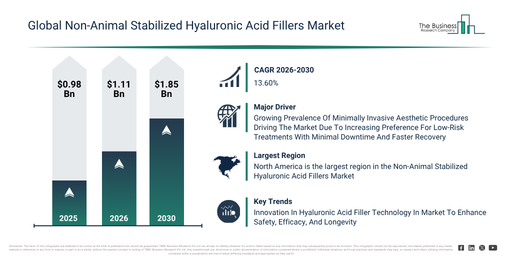
    The non-animal stabilized hyaluronic acid fillers market has witnessed rapid expansion in recent years. This market is set to expand from $0.98 billion in 2025 to $1.11 billion in 2026, achieving a compound annual growth rate (CAGR) of 13.3%. The historical development can be attributed to an escalating demand for non-surgical cosmetic treatments, the limited durability of earlier dermal fillers, a notable shift in preference from animal-derived to synthetic fillers, increased awareness regarding aesthetic dermatology treatments, and the growth in urban disposable income enabling cosmetic enhancements.

    The non-animal stabilized hyaluronic acid fillers market is projected to experience substantial expansion in the coming years. This market is anticipated to reach a valuation of $1.85 billion by the year 2030, demonstrating a compound annual growth rate (CAGR) of 13.6%. This projected growth is primarily driven by several factors, including developments in bioengineered hyaluronic acid technologies, a rise in the uptake of minimally invasive aesthetic treatments, an increasing desire for customized facial aesthetics, the expansion of dermatology and aesthetic clinic infrastructures, and the growing impact of social media on beauty perceptions. Key trends anticipated during this period encompass AI-assisted facial aesthetic planning and injection outcome simulation for tailored NASHA filler applications, bioengineered hyaluronic acid formulations featuring improved cross-linking for prolonged dermal persistence, controlled-release hyaluronic acid fillers based on nanotechnology for progressive volumization, minimally invasive aesthetic interventions powered by precision injection robotics, and advanced skin hydration boosters incorporating stabilized HA to enhance dermal elasticity and regeneration.

    Get A Free Sample Report With In-Depth Market Insights:

    https://thebusinessresearchcompany.com/sample_request?id=73359475&type=smp&name=Non-Animal%20Stabilized%20Hyaluronic%20Acid%20Fillers%20Market%20Report%202026&utm_source=Blogs&utm_medium=Paid&utm_campaign=Oct_PR

    Non-Animal Stabilized Hyaluronic Acid Fillers Market Demand Drivers Opening New Revenue Streams

    The increasing popularity of minimally invasive aesthetic procedures is anticipated to fuel the expansion of the non-animal-stabilized hyaluronic acid fillers market in the future. These procedures are defined as cosmetic interventions that utilize non-surgical or minor approaches to improve appearance, offering benefits such as minimal recovery time, lower risks, and faster recuperation when contrasted with conventional surgical options. The rising incidence of minimally invasive aesthetic procedures stems from a growing consumer desire for treatments that provide minimal disruption and rapid healing, enabling people to return to their regular routines very soon after the treatment. Non-animal-stabilized hyaluronic acid fillers find extensive application in these procedures because of their excellent biocompatibility, robust safety record, and capacity to provide effective, temporary aesthetic improvements with little to no downtime. Being among the most frequently utilized injectable treatments, these fillers are crucial in satisfying the increasing need for non-surgical facial revitalization. For example, data from June 2024, released by the American Society of Plastic Surgeons, a US-based organization of board-certified plastic surgeons, indicated that around 25.4 million minimally invasive cosmetic procedures were conducted in 2023, representing a 7% rise from 2022. Consequently, the increasing widespread use of minimally invasive aesthetic procedures is propelling the expansion of the non-animal-stabilized hyaluronic acid fillers market.

    Non-Animal Stabilized Hyaluronic Acid Fillers Market Segment Outlook: Which Categories Are Growing Fastest?

    The non-animal stabilized hyaluronic acid fillers market covered in this report is segmented –

    1) By Product: Hyaluronic Acid Dermal Fillers, Injectable Facial Fillers, Lip Augmentation Fillers, Wrinkle Correction Fillers, Cheek Volumizing Fillers, Under Eye Fillers, Chin Augmentation Fillers, Jawline Contouring Fillers, Skin Booster Injectables

    2) By Concentration And Viscosity: Low Viscosity Fillers, Medium Viscosity Fillers, High Viscosity Fillers

    3) By Distribution Channel: Hospital Pharmacy, Retail Pharmacy, Online Pharmacy

    4) By Application: Wrinkle Reduction, Facial Line Correction, Lip Enhancement, Facial Volume Restoration, Skin Rejuvenation, Facial Contouring

    5) By End-Users: Hospitals, Specialty And Dermatology Clinics, Medical Spas, Other End User

    Subsegments:

    1) By Hyaluronic Acid Dermal Fillers: Cross Linked Hyaluronic Acid Fillers, Non Cross Linked Hyaluronic Acid Fillers, Monophasic Hyaluronic Acid Fillers, Biphasic Hyaluronic Acid Fillers

    2) By Injectable Facial Fillers: Temporary Injectable Fillers, Semi Permanent Injectable Fillers, Biodegradable Injectable Fillers, Collagen Stimulating Injectable Fillers

    3) By Lip Augmentation Fillers: Volume Enhancing Lip Fillers, Shape Defining Lip Fillers, Hydrating Lip Fillers, Long Lasting Lip Fillers

    4) By Wrinkle Correction Fillers: Fine Line Correction Fillers, Deep Wrinkle Fillers, Dynamic Wrinkle Fillers, Static Wrinkle Fillers

    5) By Cheek Volumizing Fillers: Mid Face Volume Fillers, Cheekbone Enhancing Fillers, Lift And Contour Fillers, Deep Tissue Volume Fillers

    6) By Under Eye Fillers: Tear Trough Fillers, Dark Circle Correction Fillers, Fine Line Under Eye Fillers, Hydrating Under Eye Fillers

    7) By Chin Augmentation Fillers: Projection Enhancing Chin Fillers, Contour Defining Chin Fillers, Structural Support Chin Fillers, Non Surgical Chin Enhancement Fillers

    8) By Jawline Contouring Fillers: Jawline Definition Fillers, Angle Enhancement Fillers, Structural Jawline Fillers, Lift And Tightening Jawline Fillers

    9) By Skin Booster Injectables: Hydration Boosting Injectables, Collagen Stimulating Injectables, Elasticity Enhancing Injectables, Skin Texture Improving Injectables

    Non-Animal Stabilized Hyaluronic Acid Fillers Market Trends Powering Strategic Industry Growth

    Leading companies within the non-animal-stabilized hyaluronic acid fillers market are concentrating on advancing hyaluronic acid filler technology, exemplified by innovations like First OBT, to boost flexibility, achieve natural-looking outcomes, and improve personalized patient treatment results. First OBT, or Optimal Balance Technology, is a sophisticated hyaluronic acid filler approach that precisely balances gel flexibility and structural support to deliver aesthetically pleasing, natural, expressive, and long-lasting effects. For instance, in February 2025, Galderma, a dermatology company based in Switzerland, unveiled Restylane Defyne and Restylane Refyne in Japan, thereby introducing Optimal Balance Technology (OBT) hyaluronic acid injectables to the country for the first time. These products are engineered for administration into the mid-to-deep dermis to correct moderate to severe facial wrinkles and folds, utilizing advanced OBT technology to ensure an optimal combination of softness, flexibility, and structural support, which facilitates natural facial movement while sustaining shape and lift, ultimately elevating aesthetic outcomes.

    Non-Animal Stabilized Hyaluronic Acid Fillers Market Leading Players And Competitive Positioning

    Major companies operating in the non-animal stabilized hyaluronic acid fillers market are Galderma, Allergan Aesthetics (AbbVie), Sinclair Pharma plc, Hugel Inc., Medytox Inc., Caregen Co. Ltd., IMEIK Technology Development Co. Ltd., Prollenium Medical Technologies Inc., Koru Pharma Co. Ltd., Laboratoires Vivacy, Merz Pharma GmbH & Co. KGaA, Teoxane SA, Bloomage Biotech Co. Ltd., ExoCoBio Inc., Regen Biotech Inc., Bioxis Pharmaceuticals, BioPlus Co. Ltd., LG Chem Life Sciences, Shanghai Haohai Biological Technology Co. Ltd., Croma-Pharma GmbH, SciVision Biotech Inc., Across Co. Ltd., Jetema Co. Ltd.

    View The Full Non-Animal Stabilized Hyaluronic Acid Fillers Market Report:

    https://thebusinessresearchcompany.com/report/non-animal-stabilized-hyaluronic-acid-fillers-market-report?utm_source=Blogs&utm_medium=Paid&utm_campaign=Oct_PR

    Non-Animal Stabilized Hyaluronic Acid Fillers Market Regional Split: Which Areas Are Fueling Growth?

    North America was the largest region in the non-animal stabilized hyaluronic acid fillers market in 2025. Asia-Pacific is expected to be the fastest-growing region in the forecast period. The regions covered in the non-animal stabilized hyaluronic acid fillers market report are Asia-Pacific, South East Asia, Western Europe, Eastern Europe, North America, South America, Middle East and Africa.

    Reach Out To Our Team:

    The Business Research Company: https://www.thebusinessresearchcompany.com/

    Americas: +1 310-496-7795

    Asia: +44 7882 955267 & +91 8897263534

    Europe: +44 7882 955267

    Email us at: marketing@tbrc.info

    Follow us on:

    LinkedIn: https://in.linkedin.com/company/the-business-research-company

    YouTube: https://www.youtube.com/channel/UC24_fI0rV8cR5DxlCpgmyFQ

    Global Market Model: https://www.thebusinessresearchcompany.com/global-market-model