Blog

  • Gene Transplant Industry Overview 2025: Growth Projections and Market Trends

    Gene Transplant Industry Overview 2025: Growth Projections and Market Trends

    Unlock Global Insights – Save 20% on Market Reports with Code ONLINE20

    What Is The Future Market Size Estimation For The Gene Transplant Market Covering 2025–2034?

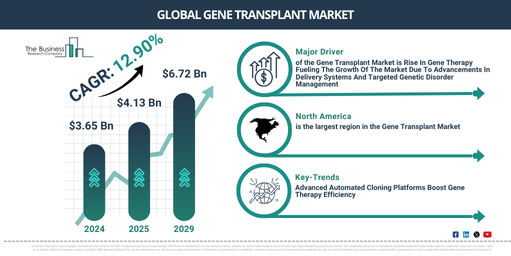
    The gene transplant market size has experienced rapid expansion over recent years. It is projected to grow from $3.65 billion in 2024 to $4.13 billion in 2025, demonstrating a compound annual growth rate (CAGR) of 13.3%. The historical increase can be attributed to rising success rates in early clinical studies, increasing adoption of next-generation sequencing (NGS), rising development of cell-based therapies, and increasing availability of orphan drug designations.

    The gene transplant market size is anticipated to experience swift expansion over the coming years. It is projected to reach $6.72 billion by 2029, demonstrating a compound annual growth rate (CAGR) of 12.9%. This growth during the forecast period stems from factors such as an intensified focus on singular curative therapies, an expansion in manufacturing capabilities for gene therapies, enhanced regulatory alignment, broader applications for neurological conditions, and the increased adoption of synthetic biology platforms. Key trends expected over this period involve the merging of artificial intelligence with gene editing technologies, the incorporation of gene therapy into regenerative medicine, the use of wearable biosensors in gene therapy trials, the application of 3D bioprinting utilizing gene-modified cells, and the integration of blockchain for clinical data management.

    Unlock Your Free Sample Report for Exclusive Market Data:

    https://www.thebusinessresearchcompany.com/sample.aspx?id=28232&type=smp

    What Are The Emerging Market Drivers Creating New Opportunities In The Gene Transplant Industry?

    The increasing prevalence of gene therapy is anticipated to propel the future expansion of the gene transplant market. This medical technique involves modifying or manipulating an individual’s genes to treat or prevent disease. The surge in gene therapy adoption is attributed to advancements in delivery systems, which facilitate the safe, efficient, and targeted transport of genetic material into cells. Gene therapy assists in managing genetic disorders by providing targeted treatments that correct or replace defective genes, positioning it as a promising approach for previously untreatable conditions. It lessens disease symptoms and slows progression by addressing the underlying genetic cause, thereby improving patient outcomes and quality of life. For instance, in December 2024, according to the American Society of Gene & Cell Therapy (ASGCT), a US-based non-profit medical and scientific organization, the Food and Drug Administration (FDA) approved six gene therapy products in 2023, an increase from five approvals in 2022. Consequently, the expansion of gene therapy is driving the growth of the gene transplant market.

    What Are The Major Segments Identified In The Gene Transplant Market?

    The gene transplant market covered in this report is segmented as

    1) By Type: Autologous, Allogeneic

    2) By Application: Genetic Disorders, Cancer, Rare Diseases, Other Application

    3) By End-User: Hospitals, Research Institutes, Biotechnology Companies, Other End-Users

    Subsegments:

    1) By Autologous: Hematopoietic Stem Cell Transplantation, Gene-Modified Autologous Cell Therapy, Chimeric Antigen Receptor T (CAR-T) Cell Therapy

    2) By Allogeneic: Hematopoietic Stem Cell Transplantation, Gene-Modified Allogeneic Cell Therapy, Allogeneic Chimeric Antigen Receptor T (CAR-T) Cell Therapy, Off-The-Shelf Gene Therapies

    Which Market Trends Are Creating New Opportunities In The Gene Transplant Industry?

    Key companies active in the gene transplant market are concentrating on advancing solutions, such as automated cloning platforms, to boost efficacy, refine accuracy, and hasten the progression of gene therapies. These platforms represent mechanisms that autonomously separate and cultivate individual cells into monoclonal lineages, thereby enhancing velocity, exactness, and uniformity for gene transplant and therapeutic applications. As an illustration, in November 2024, iotaSciences Ltd., a UK-based life sciences technology company, unveiled the XT Single-Cell Cloning Platform, an automated cloning platform. It incorporates automated microfluidics, AI-powered image analysis, and nano-dispensing technology to facilitate high-volume, accurate isolation and cloning of singular cells. Its design aims to expedite gene therapy development by guaranteeing monoclonality, a crucial regulatory mandate, simultaneously cutting down processing time from multiple weeks to mere days. The system additionally supports CRISPR-based gene editing uses by allowing effective delivery of editing components into target cells, consequently advancing the creation of next-generation treatments.

    Which Leading Companies Dominate The Gene Transplant Market Share?

    Major companies operating in the gene transplant market are Bayer AG, Novartis AG, CSL Behring LLC, Charles River Laboratories International Inc., BioMarin Pharmaceutical Inc., Sarepta Therapeutics Inc., Ultragenyx Pharmaceutical Inc., CRISPR Therapeutics AG, Beam Therapeutics Inc., Rocket Pharmaceuticals Inc., Voyager Therapeutics Inc., Sangamo Therapeutics Inc., Editas Medicine Inc., Krystal Biotech Inc., bluebird bio Inc., Orchard Therapeutics plc, 4D Molecular Therapeutics Inc., Solid Biosciences Inc., uniQure N.V., and MeiraGTx Holdings plc.

    Download The Full Report For Exclusive Market Findings:

    https://www.thebusinessresearchcompany.com/report/gene-transplant-global-market-report

    What Regional Growth Trends Are Shaping The Gene Transplant Market Outlook?

    North America was the largest region in the gene transplant market in 2024. Asia-Pacific is expected to be the fastest-growing region in the forecast period. The regions covered in gene transplant report are Asia-Pacific, Western Europe, Eastern Europe, North America, South America, Middle East and Africa.

    Request A Customized Version Of The Gene Transplant Market Report:

    https://www.thebusinessresearchcompany.com/customise?id=28232&type=smp

    Browse Through More Reports Similar to the Global Gene Transplant Market 2025, By The Business Research Company

    Genes Therapy Global Market Report 2025

    https://www.thebusinessresearchcompany.com/report/genes-therapy-global-market-report

    Gene Editing Global Market Report 2025

    https://www.thebusinessresearchcompany.com/report/gene-editing-global-market-report

    Kidney Transplant Global Market Report 2025

    https://www.thebusinessresearchcompany.com/report/kidney-transplant-global-market-report

    Get in touch with us:

    The Business Research Company: https://www.thebusinessresearchcompany.com/

    Americas +1 310-496-7795

    Asia +44 7882 955267 & +91 8897263534

    Europe +44 7882 955267

    Email us at info@tbrc.info

    Follow us on:

    LinkedIn: https://in.linkedin.com/company/the-business-research-company

    YouTube: https://www.youtube.com/channel/UC24_fI0rV8cR5DxlCpgmyFQ

    Global Market Model: https://www.thebusinessresearchcompany.com/global-market-model
  • Gene Therapy For Parkinson’s Disease Market Size Forecast: Revenue and CAGR by 2029

    Gene Therapy For Parkinson’s Disease Market Size Forecast: Revenue and CAGR by 2029

    Unlock Global Insights – Save 20% on Market Reports with Code ONLINE20

    What Is The Expected Total Market Size Of The Gene Therapy For Parkinson’s Disease Industry By The Forecast Year 2029?

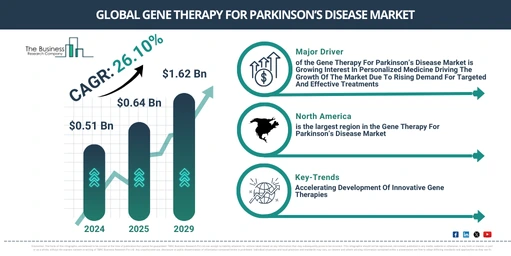
    The gene therapy for parkinson’s disease market has seen substantial growth over the past few years. This market is projected to expand from $0.51 billion in 2024 to $0.64 billion by 2025, demonstrating a compound annual growth rate (CAGR) of 26.5%. Historically, this growth has been driven by factors such as the increasing incidence of Parkinson’s disease, a heightened need for personalized treatment options, greater understanding and acceptance of gene therapy, the enlargement of clinical trial infrastructure, and augmented investment in research for neurodegenerative conditions.

    The gene therapy for parkinson’s disease market is poised for significant expansion in the coming years. This market is forecast to expand to $1.62 billion by 2029, achieving a compound annual growth rate (CAGR) of 26.1%. Factors driving this growth throughout the forecast period include the increasing uptake of viral vector-based therapies, heightened investments in gene therapy startups, enhanced government assistance for rare disease treatments, the expansion of research partnerships, and the advancing healthcare infrastructure in emerging markets. Key trends during the forecast period involve technological progress in viral delivery systems, novel developments in neurotrophic factor therapies, the creation of targeted gene-editing constructs, increased research and development investments, and evolving precision medicine approaches.

    Unlock Your Free Sample Report for Exclusive Market Data:

    https://www.thebusinessresearchcompany.com/sample.aspx?id=28231&type=smp

    Which Drivers Are Impacting The Gene Therapy For Parkinson’s Disease Market?

    The expanding focus on personalized medicine is anticipated to fuel the expansion of the gene therapy for Parkinson’s disease market in the future. Personalized medicine defines a medical methodology that customizes treatment and prevention tactics according to an individual’s unique genetic profile, way of life, and surroundings. The demand for personalized medicine is increasing, driven by the need for specific therapies that enhance treatment efficacy while reducing negative side effects. Within personalized medicine, gene therapy for Parkinson’s disease is utilized to provide customized genetic alterations that restore dopamine function and target disease mechanisms unique to each patient. As an illustration, in February 2024, the Personalized Medicine Coalition, a US-based non-profit organization, announced that in 2023, the US Food and Drug Administration (FDA) approved 16 new personalized treatments for patients with rare diseases, which represents a significant rise from the 6 approvals observed in 2022. Consequently, the heightened interest in personalized medicine is propelling the development of the gene therapy for Parkinson’s disease market.

    What Are The Emerging Segments Gaining Attention In The Gene Therapy For Parkinson’s Disease Market?

    The gene therapy for parkinson’s disease market covered in this report is segmented as

    1) By Therapy Type: In Vivo Gene Therapy, Ex Vivo Gene Therapy

    2) By Vector Type: Viral Vectors, Non-Viral Vectors

    3) By Target Gene: Aromatic L-Amino Acid Decarboxylase (AADC), Glial Cell Line-Derived Neurotrophic Factor (GDNF), Neurturin, Other Target Genes

    4) By Delivery Method: Intracerebral, Intravenous, Other Delivery Methods

    5) By End-User: Hospitals, Specialty Clinics, Research Institutes, Other End-Users

    Subsegment:

    1) By In Vivo Gene Therapy: Viral Vectors, Non-Viral Vectors

    2) By Ex Vivo Gene Therapy: Autologous Cell-Based Gene Therapy, Allogeneic Cell-Based Gene Therapy

    How Are Trends Influencing The Gene Therapy For Parkinson’s Disease Market?

    Within the gene therapy for Parkinson’s disease market, leading companies are concentrating on creating more exact treatments, such as regenerative medicine advanced therapy. The aim is to improve neuronal survival, bring back dopamine function, and offer sustained disease-modifying advantages for individuals suffering from Parkinson’s disease. Regenerative medicine advanced therapy (RMAT) represents a specific United States Food and Drug Administration (FDA) designation awarded to regenerative medicine products, including cell therapies, gene therapies, and tissue-engineered products, that aim to treat, modify, reverse, or cure serious or life-threatening conditions. For example, in February 2025, Asklepios BioPharmaceutical, Inc. (AskBio), a US-based gene therapy firm, launched AB-1005, an investigational AAV2-GDNF gene therapy that obtained FDA regenerative medicine advanced therapy (RMAT) designation. This designation, designed to accelerate the development and review process for promising therapies, was awarded based on data provided by AskBio, including clinical findings from its Phase Ib open-label, uncontrolled trial, showing AB-1005’s capacity to slow the progression of the disease and enhance motor function in Parkinson’s patients.

    Who Are The Major Companies Operating In The Gene Therapy For Parkinson’s Disease Market?

    Major companies operating in the gene therapy for parkinson’s disease market are Merck & Co. Inc., Bayer AG, Sanofi S.A., Eli Lilly and Company, Biogen Inc., PTC Therapeutics Inc., Zambon S.p.A., Oxford BioMedica plc, Voyager Therapeutics Inc., Insilico Medicine Inc., Spur Therapeutics Inc., Cerevance Inc., MeiraGTx Holdings plc, BlackfinBio Inc., Partner Therapeutics Inc., Kenai Therapeutics Inc., CureSen Therapeutics Inc., BioVie Inc., Clexio Biosciences Ltd., Tetraneuron S.L.

    Download The Full Report For Exclusive Market Findings:

    https://www.thebusinessresearchcompany.com/report/gene-therapy-for-parkinsons-disease-global-market-report

    Which Regional Markets Are Contributing Most To The Gene Therapy For Parkinson’s Disease Industry Expansion?

    North America was the largest region in the gene therapy for parkinson’s disease market in 2024. Asia-Pacific is expected to be the fastest-growing region in the forecast period. The regions covered in gene therapy for parkinson’s disease report are Asia-Pacific, Western Europe, Eastern Europe, North America, South America, Middle East and Africa.

    Request A Customized Version Of The Gene Therapy For Parkinson’s Disease Market Report:

    https://www.thebusinessresearchcompany.com/customise?id=28231&type=smp

    Browse Through More Reports Similar to the Global Gene Therapy For Parkinson’s Disease Market 2025, By The Business Research Company

    Genes Therapy Global Market Report 2025

    https://www.thebusinessresearchcompany.com/report/genes-therapy-global-market-report

    Anti Parkinson Drugs Global Market Report 2025

    https://www.thebusinessresearchcompany.com/report/anti-parkinson-drugs-global-market-report

    Nucleic Acid Based Gene Therapy Global Market Report 2025

    https://www.thebusinessresearchcompany.com/report/nucleic-acid-based-gene-therapy-global-market-report

    Get in touch with us:

    The Business Research Company: https://www.thebusinessresearchcompany.com/

    Americas +1 310-496-7795

    Asia +44 7882 955267 & +91 8897263534

    Europe +44 7882 955267

    Email us at info@tbrc.info

    Follow us on:

    LinkedIn: https://in.linkedin.com/company/the-business-research-company

    YouTube: https://www.youtube.com/channel/UC24_fI0rV8cR5DxlCpgmyFQ

    Global Market Model: https://www.thebusinessresearchcompany.com/global-market-model
  • Global Gene Circuit Therapeutics Market Trends and Growth Analysis 2025–2029

    Global Gene Circuit Therapeutics Market Trends and Growth Analysis 2025–2029

    Unlock Global Insights – Save 20% on Market Reports with Code ONLINE20

    How Does The Market Size Of The Gene Circuit Therapeutics Industry Compare Between 2025 And 2029?

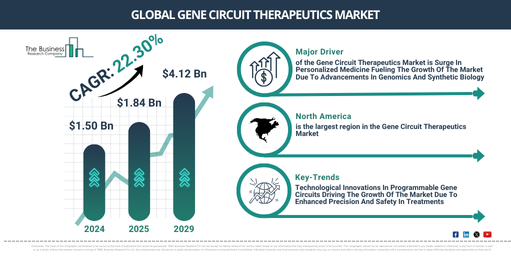
    The gene circuit therapeutics market has experienced substantial expansion in recent years. It is projected to increase from $1.50 billion in 2024 to $1.84 billion by 2025, demonstrating a compound annual growth rate (CAGR) of 22.5%. This growth observed in the historical period can be attributed to several factors, including the increasing exploration of quorum sensing-based gene circuits, rising utilization of epigenetic regulatory modules, the development of bio-computational therapeutic frameworks, increased incorporation of optogenetic control systems, and a growing interest in non-coding RNA-mediated circuit designs.

    The gene circuit therapeutics market size is anticipated to undergo significant growth in the forthcoming years. It is projected to expand to $4.12 billion by 2029, exhibiting a compound annual growth rate (CAGR) of 22.3%. This expansion during the forecast period is propelled by factors such as the increasing acceptance of cell-based therapies, escalating investment in synthetic biology research, a rise in the need for personalized medicine, augmented government funding for gene therapy development, and continuous advancements in gene editing technologies. Prominent trends for the forecast period include enhancements in programmable gene network therapies, sophisticated cell-specific gene circuit modulation, novelties in synthetic feedback loop design, the integration of computational modeling for circuit optimization, and progress in controllable therapeutic gene switches.

    Unlock Your Free Sample Report for Exclusive Market Data:

    https://www.thebusinessresearchcompany.com/sample.aspx?id=28230&type=smp

    Which Industry Drivers Are Expected To Accelerate The Gene Circuit Therapeutics Market From 2025 To 2029?

    The increasing need for individualized healthcare solutions is projected to drive the expansion of the gene circuit therapeutics market in the future. Personalized medicine involves customizing medical care to suit a patient’s unique attributes, frequently utilizing genetic, biomarker, or molecular profiles. This heightened demand for personalized medicine stems from progress in genomics and synthetic biology, which facilitates more accurate disease targeting and better treatment results. Gene circuit therapeutics are vital in assisting personalized medicine through the engineering of cells and microbes with programmable logic designed to detect, process, and react to particular disease states, thereby creating safer, more potent, and patient-tailored therapies. As an illustration, data from NHS England’s Genomics Statistical Commentary, a government body in the UK, indicated that the overall count of personalized genomic tests reached 65,884 in 2024, showing a 14% increase from 2023, which underscores the expanding need for personalized medicine. Consequently, the rising demand for personalized medicine has spurred the expansion of the gene circuit therapeutics market.

    What Are The Major Segment Types Covered In The Gene Circuit Therapeutics Market?

    The gene circuit therapeutics market covered in this report is segmented as

    1) By Product Type: Synthetic Gene Circuits, Programmable Cell Therapies, Gene Editing Tools, Other Product Types

    2) By Technology: Clustered Regularly Interspaced Short Palindromic Repeats (CRISPR), Transcription Activator-Like Effector Nuclease (TALEN), Zinc Finger Nucleases, Other Technologies

    3) By Application: Oncology, Rare Diseases, Infectious Diseases, Regenerative Medicine, Other Applications

    4) By End-User: Pharmaceutical And Biotechnology Companies, Academic And Research Institutes, Hospitals And Clinics, Other End-Users

    Subsegments:

    1) Synthetic Gene Circuits: Switch-based Circuits, Logic Gate Circuits, Oscillatory Circuits, Memory Circuits

    2) Programmable Cell Therapies: CAR-T Cell Therapy, TCR-T Cell Therapy, NK Cell Therapy, Stem Cell-Based Therapies

    3) Gene Editing Tools: CRISPR-Cas Systems, TALENs, Zinc Finger Nucleases (ZFNs), Meganucleases

    4) Others: RNA-Based Therapeutics, Antisense Oligonucleotides, Epigenome Editing Tools

    What Key Innovation Trends Are Fueling Advancements In The Gene Circuit Therapeutics Market?

    Leading companies in the gene circuit therapeutics market are concentrating on the development of programmable gene circuits to enable more precise disease targeting, controlled therapeutic responses, and improved safety profiles. These programmable circuits represent engineered genetic networks, constructed from DNA, RNA, and regulatory proteins, that are designed to mimic logical operations found in cells, allowing them to sense biological inputs, process information, and generate specific outputs. An illustrative example occurred in May 2023, when Synlogic, Inc., a US-based clinical-stage biotechnology company, presented novel data at the Synthetic Biology: Engineering, Evolution & Design (SEED) Conference concerning SYNB1353, a Synthetic Biotic drug candidate intended for homocystinuria (HCU). SYNB1353 leverages genetically programmed probiotic bacteria featuring metabolic gene circuits engineered to consume methionine and reduce toxic homocysteine levels. This case highlights the broader applicability of programmable circuits beyond oncology, extending to rare metabolic disorders, and emphasizes their capacity to create accurate, durable, and patient-friendly medicines.

    Which Global Market Leaders Are Shaping The Future Of The Gene Circuit Therapeutics Sector?

    Major companies operating in the gene circuit therapeutics market are GenScript Biotech, Agilent Technologies, Cellectis S.A., CRISPR Therapeutics, Beam Therapeutics, Twist Bioscience, Ginkgo Bioworks, Sangamo Therapeutics, Senti Biosciences, Editas Medicine, BlueRock Therapeutics, Synthego Corporation, Manus Bio, Strand Therapeutics, Dyno Therapeutics, Obsidian Therapeutics, Rubius Therapeutics, Precigen Inc., Aurealis Therapeutics, Synlogic Inc., Azalea Therapeutics.

    Download The Full Report For Exclusive Market Findings:

    https://www.thebusinessresearchcompany.com/report/gene-circuit-therapeutics-global-market-report

    How Does The Gene Circuit Therapeutics Market Perform Across Key Geographic Regions?

    North America was the largest region in the gene circuit therapeutics market in 2024. Asia-Pacific is expected to be the fastest-growing region in the forecast period. The regions covered in gene circuit therapeutics report are Asia-Pacific, Western Europe, Eastern Europe, North America, South America, Middle East and Africa.

    Request A Customized Version Of The Gene Circuit Therapeutics Market Report:

    https://www.thebusinessresearchcompany.com/customise?id=28230&type=smp

    Browse Through More Reports Similar to the Global Gene Circuit Therapeutics Market 2025, By The Business Research Company

    Genes Therapy Global Market Report 2025

    https://www.thebusinessresearchcompany.com/report/genes-therapy-global-market-report

    Nucleic Acid Based Gene Therapy Global Market Report 2025

    https://www.thebusinessresearchcompany.com/report/nucleic-acid-based-gene-therapy-global-market-report

    Gene Editing Global Market Report 2025

    https://www.thebusinessresearchcompany.com/report/gene-editing-global-market-report

    Get in touch with us:

    The Business Research Company: https://www.thebusinessresearchcompany.com/

    Americas +1 310-496-7795

    Asia +44 7882 955267 & +91 8897263534

    Europe +44 7882 955267

    Email us at info@tbrc.info

    Follow us on:

    LinkedIn: https://in.linkedin.com/company/the-business-research-company

    YouTube: https://www.youtube.com/channel/UC24_fI0rV8cR5DxlCpgmyFQ

    Global Market Model: https://www.thebusinessresearchcompany.com/global-market-model
  • G Protein-Coupled Receptors (GPCR) Structure-Based Drug Design Market Forecast: What to Expect by 2029

    G Protein-Coupled Receptors (GPCR) Structure-Based Drug Design Market Forecast: What to Expect by 2029

    Unlock Global Insights – Save 20% on Market Reports with Code ONLINE20

    What Is The Predicted Market Size Trajectory For The G Protein-Coupled Receptors (GPCR) Structure-Based Drug Design Market From 2025 To 2034?

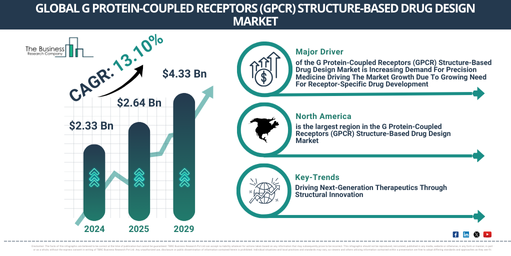
    The G protein-coupled receptors (GPCR) structure-based drug design market has witnessed substantial growth in recent years. Its value is anticipated to rise from $2.33 billion in 2024 to $2.64 billion in 2025, achieving a compound annual growth rate (CAGR) of 13.5%. This historical growth can be attributed to factors like the increasing adoption of structure-based drug discovery methods, a heightened demand for targeted therapeutics, the growing prevalence of chronic diseases, expanding healthcare expenditure, and the development of biomarker-driven drug development strategies.

    The G protein-coupled receptors (GPCR) structure-based drug design market is poised for significant expansion in the upcoming years. This market is projected to reach $4.33 billion by 2029, demonstrating a compound annual growth rate (CAGR) of 13.1%. The forecasted growth is primarily driven by the increasing demand for personalized medicine, the ongoing expansion of contract research organizations (CROs), a rise in funding for drug discovery initiatives, growing collaborations between biotechnology and pharmaceutical firms, and the persistent need for drugs with high specificity. Furthermore, prominent trends during this period include technological breakthroughs in cryo-electron microscopy and x-ray crystallography, innovative strides in computational docking software, the progression of artificial intelligence-driven drug design, substantial investment in high-throughput screening platforms, and novel advancements in peptide and antibody therapeutics.

    Unlock Your Free Sample Report for Exclusive Market Data:

    https://www.thebusinessresearchcompany.com/sample.aspx?id=28229&type=smp

    What Are The Top Growth Drivers Impacting The G Protein-Coupled Receptors (GPCR) Structure-Based Drug Design Market Outlook?

    The future expansion of the G protein-coupled receptors (GPCR) structure-based drug design market is anticipated to be fueled by the rising need for precision medicine. Precision medicine encompasses therapeutic strategies that leverage distinct biological indicators to direct the selection and creation of treatments customized to individual patient attributes and disease patterns. This growing requirement for precision medicine stems from its enhanced effectiveness and fewer adverse reactions in contrast to conventional therapies, as healthcare increasingly favors individualized methods focusing on particular molecular pathways over generalized interventions. The heightened focus on precision medicine directly hastens the uptake of GPCR structure-based drug design platforms, given that pharmaceutical firms increasingly need advanced computational instruments to pinpoint and refine receptor-specific compounds capable of providing the molecular exactness required by personalized therapeutic strategies. As an illustration, in February 2024, the Personalized Medicine Coalition, a US-based non-profit entity, reported that in 2023, the FDA sanctioned 16 novel personalized treatments for individuals with rare conditions, a notable rise from the six approvals in 2022. Of these recent approvals, seven are oncology medications, with three targeting other ailments and states. Consequently, the expanding demand for precision medicine is stimulating the expansion of the G protein-coupled receptors (GPCR) structure-based drug design market.

    What Are The Major Segment Categories Driving The G Protein-Coupled Receptors (GPCR) Structure-Based Drug Design Market Growth?

    The G protein-coupled receptors (GPCR) structure-based drug design market covered in this report is segmented as

    1) By Drug Type: Small Molecule Drugs, Biologics, Peptides, Other Drug Types

    2) By Technology: X-Ray Crystallography, Cryo-Electron Microscopy, Computational Modeling, Nuclear Magnetic Resonance Spectroscopy, Other Technologies

    3) By Application: Oncology, Cardiovascular Diseases, Neurological Disorders, Metabolic Disorders, Other Applications

    4) By End-User: Pharmaceutical Companies, Biotechnology Companies, Academic And Research Institutes, Other End-Users

    Subsegments:

    1) By Small Molecule Drugs: Agonists, Antagonists, Allosteric Modulators, Enzyme Inhibitors

    2) By Biologics: Monoclonal Antibodies, Therapeutic Proteins, Vaccines, Fusion Proteins

    3) By Peptides: Linear Peptides, Cyclic Peptides, Modified Peptides, Peptidomimetics

    4) By Other Drug Types: Nucleic Acid Based Drugs, Cell Based Therapies, Gene Therapies, Conjugated Drugs

    Which Ongoing Trends Are Expected To Shape The G Protein-Coupled Receptors (GPCR) Structure-Based Drug Design Market Outlook?

    Leading companies in the G-protein coupled receptor (GPCR) structure-based drug design market are concentrating on developing innovative solutions, such as structure-based drug design platforms, to accelerate novel drug discovery and enhance therapeutic targeting. These platforms represent computational and experimental tools that leverage the three-dimensional (3D) structure of target proteins to design and optimize potential drug candidates, thereby aiding in the identification of more precise, effective, and safer treatments. For instance, in January 2025, Septerna Inc., a US-based pharmaceutical company, initiated new efforts to advance its Native Complex Platform, building upon the $100 million Series A financing it had previously secured. This platform enables structure-based drug design for GPCRs by maintaining their native structure and dynamics outside the cellular environment, supporting the development of a pipeline of GPCR-targeted therapies aimed at previously undruggable targets across multiple therapeutic areas. It also provides a scalable foundation for industrialized drug discovery, integration of novel screening technologies, and the identification of new mechanisms of GPCR modulation. Additionally, the platform creates opportunities to systematically explore the entire GPCR superfamily, paving the way for a wider array of therapeutic interventions.

    Which Industry Leaders Are Driving Innovation Across The G Protein-Coupled Receptors (GPCR) Structure-Based Drug Design Market?

    Major companies operating in the g protein-coupled receptors (gpcr) structure-based drug design market are F. Hoffmann-La Roche Ltd., Pfizer Inc., Sanofi S.A., AstraZeneca plc, Thermo Fisher Scientific Inc., Boehringer Ingelheim International GmbH, WuXi AppTec Co. Ltd., Charles River Laboratories International Inc., Evotec SE, Acadia Pharmaceuticals Inc., Promega Corporation, Domain Therapeutics SA, Schrödinger Inc., Kallyope Inc., Domainex Ltd., Structure Therapeutics Inc., Creative Biolabs Inc., InterAx Biotech Inc., Abalone Bio Inc., Octant Inc.

    Download The Full Report For Exclusive Market Findings:

    https://www.thebusinessresearchcompany.com/report/g-protein-coupled-receptors-gpcr-structure-based-drug-design-global-market-report

    Which Region Is Expected To Witness The Fastest Growth In The G Protein-Coupled Receptors (GPCR) Structure-Based Drug Design Market?

    North America was the largest region in the G protein-coupled receptors (GPCR) structure-based drug design market in 2024. The regions covered in G protein-coupled receptors (GPCR) structure-based drug design report are Asia-Pacific, Western Europe, Eastern Europe, North America, South America, Middle East and Africa.

    Request A Customized Version Of The G Protein-Coupled Receptors (GPCR) Structure-Based Drug Design Market Report:

    https://www.thebusinessresearchcompany.com/customise?id=28229&type=smp

    Browse Through More Reports Similar to the Global G Protein-Coupled Receptors (GPCR) Structure-Based Drug Design Market 2025, By The Business Research Company

    G Protein Coupled Receptors Global Market Report 2025

    https://www.thebusinessresearchcompany.com/report/g-protein-coupled-receptors-global-market-report

    Bioengineered Protein Drugs Global Market Report 2025

    https://www.thebusinessresearchcompany.com/report/bioengineered-protein-drugs-global-market-report

    Glp 1 Receptor Agonist Global Market Report 2025

    https://www.thebusinessresearchcompany.com/report/glp-1-receptor-agonist-global-market-report

    Get in touch with us:

    The Business Research Company: https://www.thebusinessresearchcompany.com/

    Americas +1 310-496-7795

    Asia +44 7882 955267 & +91 8897263534

    Europe +44 7882 955267

    Email us at info@tbrc.info

    Follow us on:

    LinkedIn: https://in.linkedin.com/company/the-business-research-company

    YouTube: https://www.youtube.com/channel/UC24_fI0rV8cR5DxlCpgmyFQ

    Global Market Model: https://www.thebusinessresearchcompany.com/global-market-model
  • Functional Genomics Industry Insights: Market Forecast to 2029

    Functional Genomics Industry Insights: Market Forecast to 2029

    Unlock Global Insights – Save 20% on Market Reports with Code ONLINE20

    How Much Larger Is The Functional Genomics Market Expected To Become By 2029 Compared With Its 2025 Level?

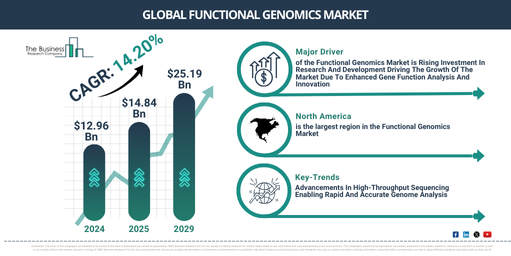
    The functional genomics market has seen rapid expansion in recent years. Its value is expected to increase from $12.96 billion in 2024 to $14.84 billion in 2025, reflecting a compound annual growth rate (CAGR) of 14.5%. This historical growth can be attributed to a heightened focus on gene expression studies, the rising application of functional assays in drug discovery, the emergence of more biotech firms, increasing advancements in high-throughput screening methods, and a greater integration of bioinformatics within genomics research.

    The functional genomics market is projected to experience substantial expansion over the coming years, reaching $25.19 billion by 2029, exhibiting a compound annual growth rate (CAGR) of 14.2%. This anticipated growth during the forecast period is primarily driven by several factors, including escalating investments in precision medicine, wider acceptance of multi-omics approaches, a heightened need for advanced genetic testing, the expanding utility of functional genomics in oncology, and increased funding for research and development initiatives. Key trends shaping the market within this period encompass progress in single-cell sequencing technologies, the creation of cloud-based genomic data platforms, breakthroughs in high-throughput functional screening methods, enhanced integration of genomics with proteomics, and the formulation of personalized therapeutic strategies utilizing functional genomics.

    Unlock Your Free Sample Report for Exclusive Market Data:

    https://www.thebusinessresearchcompany.com/sample.aspx?id=28228&type=smp

    Which Major Market Drivers Are Shaping The Future Of The Functional Genomics Market?

    Increased investment in research and development is anticipated to propel the expansion of the functional genomics market moving forward. Research and development refers to the structured effort to generate, improve, and innovate products, processes, or understanding through systematic investigation and experimentation. Funding in research and development is on the rise as businesses increasingly pursue innovation to remain competitive, prompting them to allocate greater resources towards developing novel products, enhancing technologies, and capturing emerging market opportunities. Investment in research and development benefits functional genomics by furthering the identification and analysis of gene functions, thereby improving our comprehension of complex biological processes and supporting the creation of precise therapeutic strategies. For instance, in December 2022, the Department of Health and Social Care, a UK-based government department, disclosed that the government announced an investment of £105 million to expedite the diagnosis of rare genetic conditions in newborns, with the aim of providing critical, potentially life-saving treatments for many infants. This funding will back research focused on advancing genomic healthcare by examining the DNA of patients. Therefore, the growing investment in research and development is driving the growth of the functional genomics market.

    How Is The Functional Genomics Market Segmented?

    The functional genomics market covered in this report is segmented as

    1) By Product: Kits And Assays, Instruments

    2) By Technology: Next-Generation Sequencing (NGS), Microarray Analysis, CRISPR And Gene Editing Technologies, RNA Sequencing (RNA-Seq)

    3) By End-User: Academic And Research Institutes, Pharmaceutical And Biopharmaceutical Companies, Contract Research Organizations (CROs), Clinical Laboratories, Agricultural Biotechnology Companies

    Subsegments:

    1) By Kits And Assays: PCR Kits, Microarray Kits, NGS Kits, Reagents, Enzymes

    2) By Instruments: Sequencers, Microarray Scanners, PCR Instruments, Automation Systems

    Which Competitive Trends Are Defining The Functional Genomics Market Structure?

    Leading companies in the functional genomics market are prioritizing the development of sophisticated techniques, such as high-throughput sequencing, to offer remarkably accurate and comprehensive insights into complex genomes. High-throughput sequencing is a methodology that allows for the rapid and simultaneous sequencing of significant quantities of DNA or RNA, enabling broad-scale genetic information analysis. For example, in February 2025, Roche, a Switzerland-based pharmaceutical firm, introduced its sequencing by expansion (SBX) technology, thereby creating a new category within next-generation sequencing. This SBX chemistry, coupled with an advanced sensor module, facilitates ultra-fast, high-throughput sequencing that is both adaptable and scalable for various applications. This innovative approach converts the DNA or RNA sequence into a detectable surrogate polymer called an Xpandomer via a precise biochemical process. Xpandomers, which are fifty times longer than the original nucleic acid, translate sequence information into strong, low-noise signals for clear and dependable detection. By leveraging a CMOS-based sensor with parallel processing, this technique achieves highly accurate single-molecule nanopore sequencing, notable for its exceptional speed and versatility.

    Who Are The Key Multinational Companies Dominating The Functional Genomics Market?

    Major companies operating in the functional genomics market are Hoffmann-La Roche Ltd., Thermo Fisher Scientific Inc., Merck KGaA, Becton Dickinson and Company, Agilent Technologies Inc., Illumina Inc., Perkin Elmer Inc., Revvity Inc., Exact Sciences Corporation, Bio-Rad Laboratories Inc., QIAGEN NV, Integrated DNA Technologies Inc., Promega Corporation, Pacific Biosciences of California Inc., Genomics Ltd., MEDiC LLC, Enhanc3D Genomics Ltd., Samplix, Arima Genomics Inc., Phase Genomics Inc.

    Download The Full Report For Exclusive Market Findings:

    https://www.thebusinessresearchcompany.com/report/functional-genomics-global-market-report

    Which Global Regions Are Influencing The Competitive Landscape Of The Functional Genomics Market?

    North America was the largest region in the functional genomics market in 2024. Asia-Pacific is expected to be the fastest-growing region in the forecast period. The regions covered in functional genomics report are Asia-Pacific, Western Europe, Eastern Europe, North America, South America, Middle East and Africa.

    Request A Customized Version Of The Functional Genomics Market Report:

    https://www.thebusinessresearchcompany.com/customise?id=28228&type=smp

    Browse Through More Reports Similar to the Global Functional Genomics Market 2025, By The Business Research Company

    Genomics Global Market Report 2025

    https://www.thebusinessresearchcompany.com/report/genomics-global-market-report

    Metagenomics Global Market Report 2025

    https://www.thebusinessresearchcompany.com/report/metagenomics-global-market-report

    Genomics Services Global Market Report 2025

    https://www.thebusinessresearchcompany.com/report/genomics-services-global-market-report

    Get in touch with us:

    The Business Research Company: https://www.thebusinessresearchcompany.com/

    Americas +1 310-496-7795

    Asia +44 7882 955267 & +91 8897263534

    Europe +44 7882 955267

    Email us at info@tbrc.info

    Follow us on:

    LinkedIn: https://in.linkedin.com/company/the-business-research-company

    YouTube: https://www.youtube.com/channel/UC24_fI0rV8cR5DxlCpgmyFQ

    Global Market Model: https://www.thebusinessresearchcompany.com/global-market-model
  • Fractional Radio Frequency Body Device Market Size and Growth Forecast for Businesses 2025–2029

    Fractional Radio Frequency Body Device Market Size and Growth Forecast for Businesses 2025–2029

    Unlock Global Insights – Save 20% on Market Reports with Code ONLINE20

    #What Are The Current (2025) And Forecast (2029) Sizes Of The Fractional Radio Frequency Body Device Market?

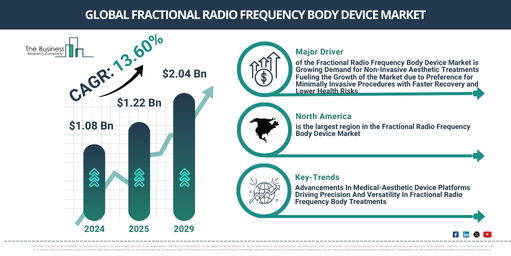
    The market for fractional radio frequency body devices has experienced significant expansion in recent years. It is projected to increase from $1.08 billion in 2024 to $1.22 billion in 2025, demonstrating a compound annual growth rate (CAGR) of 13.9%. This past growth can be attributed to a rising demand for non-invasive aesthetic treatments, an increased awareness of anti-aging solutions, greater disposable income among consumers, the growing influence of social media beauty trends, and an expanding number of aesthetic clinics and medspas.

    The market for fractional radio frequency body devices is projected to experience swift expansion over the coming years. This market is anticipated to reach $2.04 billion by 2029, exhibiting a compound annual growth rate (CAGR) of 13.6%. Several factors are contributing to this growth during the forecast period, including the greater uptake of at-home aesthetic devices, the increasing acceptance of cosmetic procedures, the expanding integration of radio frequency with other technologies, the rising demand for tailored and customized treatments, and an aging population pursuing a more youthful look. Key trends foreseen in this period encompass the combination of radio frequency with microneedling devices, the creation of portable and at-home radio frequency units, the implementation of artificial intelligence-driven treatment planning systems, the advent of hybrid aesthetic platforms, and the growing application of fractional radio frequency in medical dermatology.

    Unlock Your Free Sample Report for Exclusive Market Data:

    https://www.thebusinessresearchcompany.com/sample.aspx?id=28227&type=smp

    What Are The Main Drivers Boosting The Fractional Radio Frequency Body Device Industry’s Expansion?

    The rising consumer preference for non-invasive aesthetic treatments is anticipated to drive the expansion of the fractional radio frequency body device market. Non-invasive aesthetic treatments are defined as cosmetic procedures designed to improve appearance without surgical intervention, offering benefits such as faster recovery times and reduced health risks. The escalating demand for these treatments stems from patients’ growing inclination towards minimally invasive options for skin tightening and body contouring. Fractional RF body devices align perfectly with this trend, providing visible results with minimal downtime and supporting the broader shift towards non-surgical aesthetic solutions. For instance, data from June 2025, published by the American Society of Plastic Surgeons (ASPS), a US-based professional association for plastic surgeons, indicated that practitioners performed 28.5 million aesthetic minimally invasive treatments in 2024. This represented an increase from 28.1 million in 2023, reflecting a 1.5% year-over-year growth. Thus, the increasing requirement for non-invasive aesthetic treatments is a significant catalyst for the fractional radio frequency body device market’s growth.

    What Are The Key Segments In The Fractional Radio Frequency Body Device Market?

    The fractional radio frequency body device market covered in this report is segmented as

    1) By Product Type: Portable Fractional Radio Frequency Body Devices, Non-Portable Fractional Radio Frequency Body Devices

    2) By Distribution Channel: Direct Sales, Online Retail, Other Distribution Channels

    3) By Application: Skin Tightening, Body Contouring, Cellulite Reduction, Wrinkle Reduction, Other Applications

    4) By End-User: Hospitals, Dermatology Clinics, Medical Spas, Other End Users

    Subsegments:

    1) By Portable Fractional Radio Frequency Body Devices, Handheld Devices, Battery-Operated Devices, Rechargeable Devices, Wireless or Smart-Connected Devices

    2) By Non-Portable Fractional Radio Frequency Body Devices, Tabletop Devices, Trolley-Based Devices, Stationary Clinical Systems, Multi-Functional Integrated Systems

    What Are The Latest Industry Trends Transforming The Fractional Radio Frequency Body Device Market?

    Companies active in the fractional radio frequency body device market are emphasizing technological advancements, particularly medical-aesthetic device platforms, to enhance treatment accuracy, improve patient comfort, and provide multi-application flexibility. A medical-aesthetic device platform signifies an integrated system that incorporates multiple technologies and applicators into a single unit, enabling a comprehensive array of skin and body treatments. For example, in February 2023, Candela Corporation, a US-based medical aesthetic device company, unveiled the Profound Matrix system, which is a long-pulse radio frequency microneedling platform. This system is developed for minimally invasive skin and body treatments, primarily addressing issues like skin laxity, wrinkles, and body contouring. Its Matrix Pro applicator allows for precise microneedling with radio frequency energy, and the Depth Intelligence technology ensures consistent penetration and energy delivery specifically adapted to individual tissue characteristics.

    Which Leading Players Are Enhancing Their Fractional Radio Frequency Body Device Market Presence Worldwide?

    Major companies operating in the fractional radio frequency body device market are Hologic Inc., InMode Ltd., BTL Industries Inc., Lumenis Ltd., Cynosure LLC, Venus Concept, Cutera Inc., Lutronic Corporation, Alma Lasers, Solta Medical, Fotona d.o.o., Sciton Inc., Sisram Medical, Quanta System S.p.A., Sharplight Technologies Ltd., Jeisys Medical Inc., Candela Corporation, EndyMed Medical Ltd., Syneron Medical Ltd., Viora Ltd.

    Download The Full Report For Exclusive Market Findings:

    https://www.thebusinessresearchcompany.com/report/fractional-radio-frequency-body-device-global-market-report

    What Are The Regional Market Dynamics Impacting The Fractional Radio Frequency Body Device Industry?

    North America was the largest region in the fractional radio frequency body device market in 2024. Asia-Pacific is expected to be the fastest-growing region in the forecast period. The regions covered in fractional radio frequency body device report are Asia-Pacific, Western Europe, Eastern Europe, North America, South America, Middle East and Africa.

    Request A Customized Version Of The Fractional Radio Frequency Body Device Market Report:

    https://www.thebusinessresearchcompany.com/customise?id=28227&type=smp

    Browse Through More Reports Similar to the Global Fractional Radio Frequency Body Device Market 2025, By The Business Research Company

    Radio Frequency Rf Diplexer Global Market Report 2025

    https://www.thebusinessresearchcompany.com/report/radio-frequency-rf-diplexer-global-market-report

    Radiofrequency Ablation Devices Global Market Report 2025

    https://www.thebusinessresearchcompany.com/report/radiofrequency-ablation-devices-global-market-report

    Radio Frequency Front End Global Market Report 2025

    https://www.thebusinessresearchcompany.com/report/radio-frequency-front-end-global-market-report

    Get in touch with us:

    The Business Research Company: https://www.thebusinessresearchcompany.com/

    Americas +1 310-496-7795

    Asia +44 7882 955267 & +91 8897263534

    Europe +44 7882 955267

    Email us at info@tbrc.info

    Follow us on:

    LinkedIn: https://in.linkedin.com/company/the-business-research-company

    YouTube: https://www.youtube.com/channel/UC24_fI0rV8cR5DxlCpgmyFQ

    Global Market Model: https://www.thebusinessresearchcompany.com/global-market-model
  • Global Fractional Radio Frequency (RF) Microneedle Device Market Overview: Trends Shaping Growth to 2029

    Global Fractional Radio Frequency (RF) Microneedle Device Market Overview: Trends Shaping Growth to 2029

    Unlock Global Insights – Save 20% on Market Reports with Code ONLINE20

    What Market Value Is The Fractional Radio Frequency (RF) Microneedle Device Industry Expected To Reach By 2029, Starting From 2025 Levels?

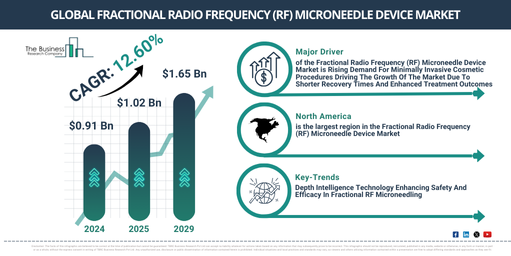
    The market for fractional radio frequency (RF) microneedle devices has experienced substantial growth in recent times. This market is projected to expand from $0.91 billion in 2024 to $1.02 billion by 2025, demonstrating a compound annual growth rate (CAGR) of 13.0%. Historically, this expansion has been driven by several factors, including a heightened emphasis on anti-aging and wrinkle reduction solutions, the growing appeal of non-surgical skin tightening techniques, greater access to sophisticated dermatology equipment across various markets, the escalating impact of social media on the uptake of cosmetic treatments, and the development of healthcare infrastructure that supports aesthetic dermatology services.

    The fractional radio frequency (RF) microneedle device market size is anticipated to experience substantial expansion over the next few years. It is projected to achieve a valuation of $1.65 billion by 2029, growing at a compound annual growth rate (CAGR) of 12.6%. This growth during the forecast period can be attributed to various factors, including increasing investment in the research and development of advanced RF microneedle devices, a rising demand for personalized and combination aesthetic treatments, the growing adoption of minimally invasive procedures in emerging economies, continuous technological innovations enhancing treatment precision and safety, and an increasing number of dermatology clinics and medical spas. Significant trends expected during this period include advancements in portable and user-friendly RF microneedle devices, the development of combination therapies that integrate RF microneedling with platelet-rich plasma (PRP) and laser treatments, innovations in customizable treatment settings tailored for different skin types, enhancements in safety features such as real-time monitoring and insulated needles, and the development of AI-driven treatment protocols aimed at improving outcomes.

    Unlock Your Free Sample Report for Exclusive Market Data:

    https://www.thebusinessresearchcompany.com/sample.aspx?id=28226&type=smp

    Which Factors And Drivers Are Influencing The Fractional Radio Frequency (RF) Microneedle Device Market In 2025?

    The rising consumer interest in minimally invasive cosmetic procedures is anticipated to fuel the expansion of the fractional radio frequency (RF) microneedle device market in the foreseeable future. These procedures involve aesthetic enhancements achieved through methods like injections, lasers, or minor incisions, characterized by quick recovery periods and lower risks when contrasted with conventional surgical options. The surge in demand for minimally invasive cosmetic treatments stems from their brief recovery periods, which appeal to patients seeking to swiftly return to their everyday routines. Fractional RF microneedle devices facilitate secure, accurate, and uniform results through the application of insulated or depth-adjustable needles, precisely targeting distinct layers of the skin. As an illustration, figures from the American Society of Plastic Surgeons, a US-based surgeon-led nonprofit organization, released in September 2023, revealed that 23.7 million minimally invasive cosmetic procedures were conducted in the United States during 2022. This represented an uptick from prior years, with neuromodulator injections alone comprising 8,736,591 of these procedures. Consequently, the growing preference for minimally invasive cosmetic interventions is a key impetus behind the expansion of the fractional RF microneedle device market.

    What Are The Leading Segments Analyzed In The Fractional Radio Frequency (RF) Microneedle Device Market?

    The fractional radio frequency (RF) microneedle device market covered in this report is segmented as

    1) By Product Type: Single-Needle Devices, Multi-Needle Devices

    2) By Application: Skin Rejuvenation, Acne Scar Treatment, Wrinkle Reduction, Hyperpigmentation, Other Applications

    3) By End-User: Hospitals, Dermatology Clinics, Aesthetic Centers, Other End-Users

    Subsegments:

    1) By Single-Needle Devices: Insulated Single-Needle, Non-Insulated Single-Needle, Adjustable Depth Single-Needle, Fixed Depth Single-Needle

    2) By Multi-Needle Devices: Insulated Multi-Needle, Non-Insulated Multi-Needle, Adjustable Depth Multi-Needle, Fixed Depth Multi-Needle, Disposable Tip Multi-Needle, Reusable Tip Multi-Needle

    What Trends Are Redefining The Fractional Radio Frequency (RF) Microneedle Device Market Dynamics?

    Major companies in the fractional radio frequency (RF) microneedle device market are concentrating on developing RF delivery systems enhanced with depth intelligence to ensure precise, safe, and consistent treatments. Depth intelligence-enabled RF delivery systems facilitate accurate control of radiofrequency energy at targeted skin layers, guaranteeing uniform treatment, minimizing tissue damage, and improving both safety and effectiveness. For instance, in February 2023, Candela, a US-based medical aesthetics company, introduced the Profound Matrix System, a fractional radio frequency (RF) microneedle device. This device integrates the Matrix Pro applicator, which features depth intelligence technology, provides real-time impedance feedback, and supports three user-controlled depth and energy settings in a single insertion. The Profound Matrix System enables practitioners to customize treatments for individual patient needs, thereby enhancing outcomes in skin tightening, wrinkle reduction, and overall facial rejuvenation.

    Which Major Firms Are Strengthening Their Position In The Fractional Radio Frequency (RF) Microneedle Device Industry?

    Major companies operating in the fractional radio frequency (rf) microneedle device market are Hologic Inc., InMode Ltd., Lumenis Be Ltd., Candela Medical Inc., Cutera Inc., Lutronic Corporation, Venus Concept Inc., Dermatrix Inc., Cartessa Aesthetics LLC, Beijing Nubway Science & Technology Co. Ltd., Jeisys Medical Inc., WONTECH Co. Ltd., EndyMed Medical Ltd., Deka Medical, Agnes Medical Co. Ltd., Dermatude B.V., Ilooda Co. Ltd., Viol Co. Ltd., Aesthetics Biomedical Inc., and Xi’an Prima Beauty Equipment Co. Ltd.

    Download The Full Report For Exclusive Market Findings:

    https://www.thebusinessresearchcompany.com/report/fractional-radio-frequency-rf-microneedle-device-global-market-report

    Which Region Shows The Highest Potential For Future Expansion In The Fractional Radio Frequency (RF) Microneedle Device Market?

    North America was the largest region in the fractional radio frequency (RF) microneedle device market in 2024. Asia-Pacific is expected to be the fastest-growing region in the forecast period. The regions covered in fractional radio frequency (RF) microneedle device report are Asia-Pacific, Western Europe, Eastern Europe, North America, South America, Middle East and Africa.

    Request A Customized Version Of The Fractional Radio Frequency (RF) Microneedle Device Market Report:

    https://www.thebusinessresearchcompany.com/customise?id=28226&type=smp

    Browse Through More Reports Similar to the Global Fractional Radio Frequency (RF) Microneedle Device Market 2025, By The Business Research Company

    Microneedle Drug Delivery Systems Global Market Report 2025

    https://www.thebusinessresearchcompany.com/report/microneedle-drug-delivery-systems-global-market-report

    Microwave Devices Global Market Report 2025

    https://www.thebusinessresearchcompany.com/report/microwave-devices-global-market-report

    Radio Frequency Rf Diplexer Global Market Report 2025

    https://www.thebusinessresearchcompany.com/report/radio-frequency-rf-diplexer-global-market-report

    Get in touch with us:

    The Business Research Company: https://www.thebusinessresearchcompany.com/

    Americas +1 310-496-7795

    Asia +44 7882 955267 & +91 8897263534

    Europe +44 7882 955267

    Email us at info@tbrc.info

    Follow us on:

    LinkedIn: https://in.linkedin.com/company/the-business-research-company

    YouTube: https://www.youtube.com/channel/UC24_fI0rV8cR5DxlCpgmyFQ

    Global Market Model: https://www.thebusinessresearchcompany.com/global-market-model
  • Foot Fungal Spray Market Growth Opportunities: Insights from 2025–2029

    Foot Fungal Spray Market Growth Opportunities: Insights from 2025–2029

    Unlock Global Insights – Save 20% on Market Reports with Code ONLINE20

    What Is The Anticipated Size Of The Foot Fungal Spray Market Over The Five-Year Period 2025–2029?

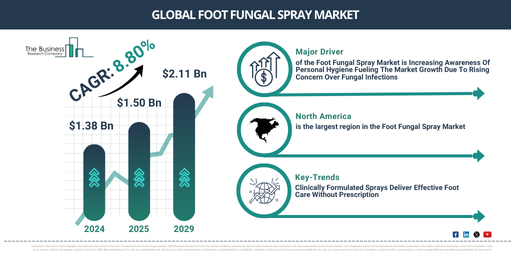
    Significant expansion has been observed in the foot fungal spray market over the last few years. Forecasts indicate it will expand from $1.38 billion in 2024 to $1.50 billion by 2025, demonstrating a compound annual growth rate (CAGR) of 9.2%. Historically, this expansion can be linked to factors such as the increasing occurrence of athlete’s foot, greater public understanding of foot hygiene, a rising need for readily available over-the-counter antifungal solutions, the enlargement of retail pharmacy infrastructure, and a growing urban demographic with active routines.

    The foot fungal spray market is anticipated to experience robust expansion over the coming years. Its valuation is projected to reach $2.11 billion by 2029, achieving a compound annual growth rate (CAGR) of 8.8%. This forecasted expansion is fueled by factors such as the increasing reach of e-commerce for health-related items, an expanding elderly demographic susceptible to fungal infections, broadened worldwide distribution networks for foot care products, a greater demand among consumers for rapid relief options, and an uptick in health awareness among millennials. Key trends anticipated during this period encompass advancements in antifungal application methods, increased expenditure on research and development for foot care, novel approaches using natural and organic components, the incorporation of intelligent packaging for precise dosage, and the creation of sprays that address multiple symptoms.

    Unlock Your Free Sample Report for Exclusive Market Data:

    https://www.thebusinessresearchcompany.com/sample.aspx?id=28225&type=smp

    What Are The Key Drivers Of Growth In The Foot Fungal Spray Market?

    The heightened awareness of personal hygiene is projected to drive the expansion of the foot fungal spray market going forward. Personal hygiene encompasses practices and routines individuals undertake to preserve bodily and environmental cleanliness and health, thereby preventing sickness and fostering general well-being. This elevated awareness largely stems from recent health emergencies, which have underscored the vital importance of hygiene in preventing diseases, leading to extensive educational efforts and public health programs promoting sound sanitation practices. Fungal spray aids personal hygiene by efficiently eradicating and inhibiting the proliferation of detrimental fungi on the skin, alleviating itching, odor, and discomfort. It fosters a clean and healthy foot environment, thereby averting infections like athlete’s foot and ensuring comprehensive skin health. For example, in August 2025, the United Nations International Children’s Emergency Fund (UNICEF), a US-based humanitarian aid organization, reported that in 2024, 1.7 billion people still lacked basic hygiene services, including 611 million without any handwashing facilities, while four countries had already achieved universal access (>99%) to basic hygiene services and another nine were on track to reach it by 2030. Consequently, the heightened emphasis on personal hygiene is propelling the expansion of the foot fungal spray market.

    What Are The Segment Types Shaping The Foot Fungal Spray Market?

    The foot fungal spray market covered in this report is segmented as

    1) By Product Type: Antifungal Sprays, Herbal Or Natural Sprays, Medicated Sprays, Other Product Types

    2) By Distribution Channel: Pharmacies Or Drug Stores, Online Stores, Supermarkets Or Hypermarkets, Other Distribution Channels

    3) By Application: Athlete’s Foot, Ringworm, Toenail Fungus, Other Applications

    4) By End User: Adults, Children, Other End Users

    Subsegments:

    1) By Antifungal Sprays: Cream Based, Powder Based, Liquid Based, Spray Foam

    2) By Herbal Or Natural Sprays: Aloe Vera, Tea Tree Oil, Neem Extract, Chamomile

    3) By Medicated Sprays: Prescription Strength, Over The Counter, Antibacterial Medicated, Antiseptic Medicated

    4) By Other Product Types: Cooling Sprays, Deodorizing Sprays, Moisturizing Sprays, Antiperspirant Sprays

    How Are Emerging Market Trends Shaping The Foot Fungal Spray Industry Landscape?

    Leading firms within the foot fungal spray market are concentrating on creating novel products, notably over-the-counter quasi-drugs, aimed at efficiently managing fungal infections, neutralizing unpleasant odors, and delivering accessible, convenient solutions for routine foot maintenance. These over-the-counter quasi-drugs possess gentle therapeutic properties and are authorized for public purchase without requiring a prescription. They assist in treating fungal infections due to their antifungal components, which hinder fungal proliferation, alleviate itching and redness, and accelerate the recovery of infected regions. As an illustration, in June 2025, Medi K, a personal hygiene company based in South Korea, introduced Clear Solution. This medicated foot spray was specifically designed to tackle athlete’s foot and eliminate foot odor. Available in a handy 200 ml spray bottle, the product is categorized as an over-the-counter quasi-drug, enabling consumers to acquire and use it without medical authorization. Clear Solution is intended for application on the soles, toes, and toenails, assisting in suppressing fungal development and ensuring feet remain fresh and free from odor. Featuring a practical pump spray mechanism, a clinically driven formula, and attractive pricing, this product aims at active adults and athletes desiring effective, daily foot care options. It also appeals to the broader consumer base valuing hygiene, comfort, and ease in preserving healthy, odor-free feet.

    Who Are The Primary Competitors In The Global Foot Fungal Spray Market?

    Major companies operating in the foot fungal spray market are The Kroger Co., Bayer Aktiengesellschaft, Novartis AG, GSK plc, Perrigo Company plc, Prestige Consumer Healthcare Inc., Zeria Pharmaceutical Co. Ltd., The Himalaya Drug Company, Melisana Healthcare, Footlogix Inc., Hunan Huamuyang Biotechnology Co. Ltd., PediFix Inc., Kripa Pharma, Zeolite Herbals Pvt. Ltd., Marie Originals LLC, Herbax Ayurveda, Arcadia Consumer Healthcare Inc., Melisana Healthcare AG, West-Coast Pharmaceutical Works Ltd, Taisho Holdings Co. Ltd.

    Download The Full Report For Exclusive Market Findings:

    https://www.thebusinessresearchcompany.com/report/foot-fungal-spray-global-market-report

    How Is Foot Fungal Spray Market Demand Varying Across Different Regions?

    North America was the largest region in the foot fungal spray market in 2024. Asia-Pacific is expected to be the fastest-growing region in the forecast period. The regions covered in foot fungal spray report are Asia-Pacific, Western Europe, Eastern Europe, North America, South America, Middle East and Africa.

    Request A Customized Version Of The Foot Fungal Spray Market Report:

    https://www.thebusinessresearchcompany.com/customise?id=28225&type=smp

    Browse Through More Reports Similar to the Global Foot Fungal Spray Market 2025, By The Business Research Company

    Fungicides Global Market Report 2025

    https://www.thebusinessresearchcompany.com/report/fungicides-global-market-report

    Chemical Fungicides Global Market Report 2025

    https://www.thebusinessresearchcompany.com/report/chemical-fungicides-global-market-report

    Triazole Fungicides Global Market Report 2025

    https://www.thebusinessresearchcompany.com/report/triazole-fungicides-global-market-report

    Get in touch with us:

    The Business Research Company: https://www.thebusinessresearchcompany.com/

    Americas +1 310-496-7795

    Asia +44 7882 955267 & +91 8897263534

    Europe +44 7882 955267

    Email us at info@tbrc.info

    Follow us on:

    LinkedIn: https://in.linkedin.com/company/the-business-research-company

    YouTube: https://www.youtube.com/channel/UC24_fI0rV8cR5DxlCpgmyFQ

    Global Market Model: https://www.thebusinessresearchcompany.com/global-market-model
  • Focused Ultrasound System Market Expansion Outlook: $6.45 Billion by 2029 Forecast

    Focused Ultrasound System Market Expansion Outlook: $6.45 Billion by 2029 Forecast

    Unlock Global Insights – Save 20% on Market Reports with Code ONLINE20

    What Are The Forecasted Market Size Estimates For The Focused Ultrasound System Market Between 2025 And 2029?

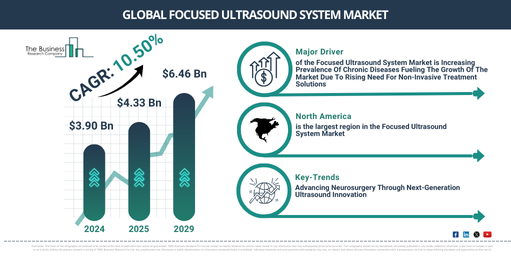
    The market for focused ultrasound systems has experienced significant expansion in recent years. Projections indicate its expansion from $3.90 billion in 2024 to $4.33 billion by 2025, demonstrating a compound annual growth rate (CAGR) of 10.9%. This historical growth can be attributed to an escalating demand for non-invasive treatments, an increase in neurological disorders, advancements in MRI guidance, enhanced clinical validation, and a rise in regulatory approvals.

    The focused ultrasound system market size is projected to experience swift expansion in the coming years. By 2029, its valuation is anticipated to reach $6.46 billion, achieving this with a compound annual growth rate (CAGR) of 10.5%. This anticipated growth is primarily driven by factors such as the rise in chronic illnesses, escalating healthcare expenditures, a growing inclination towards outpatient care, the expansion of oncology uses, and enhanced institutional backing. Key developments expected during this period encompass the incorporation of AI-powered imaging guidance, the broadening scope of non-invasive oncology therapies, reduction in size for portability, the creation of tailored therapy plans, and synergy with drug delivery mechanisms.

    Unlock Your Free Sample Report for Exclusive Market Data:

    https://www.thebusinessresearchcompany.com/sample.aspx?id=28224&type=smp

    Which Drivers Are Supporting Growth Of The Focused Ultrasound System Market?

    The expanding occurrence of chronic illnesses is anticipated to propel the expansion of the focused ultrasound system market in the future. These are enduring health conditions that manifest over time, persist for significant durations, and generally necessitate ongoing attention and treatment. The rise in chronic ailments is linked to inactive lifestyles, which elevate the likelihood of developing obesity, diabetes, and cardiovascular issues. Focused ultrasound systems are crucial in addressing chronic diseases by precisely targeting and destroying affected tissue non-invasively, reducing discomfort, and enhancing bodily function without surgical intervention. As an illustration, data from August 2024 from Macmillan Cancer Support, an organization based in the UK, indicates that over 3 million individuals in the UK are living with cancer in 2024, a number projected to rise to 3.5 million by 2025, 4 million by 2030, and 5.3 million by 2040. Consequently, the growing incidence of chronic diseases is fueling the expansion of the focused ultrasound system market.

    What Are The Different Segment Classifications Within The Focused Ultrasound System Market?

    The focused ultrasound system market covered in this report is segmented as

    1) By Component: Devices, Consumables, Software, Accessories

    2) By Type: Thermal Ablation Systems, Mechanical Ablation Systems, Microbubble Ultrasound Systems, High-Intensity Focused Ultrasound (HIFU) Systems

    3) By Technology: Ultrasound Imaging Systems, Non-linear Ultrasound Systems, Thermal Imaging Systems, Diagnostic Ultrasound Systems

    4) By Application: Clinical Applications, Uterine Fibroids, Prostate Cancer, Essential Tremor, Dermatology, Breast Cancer, Glaucoma, Back Pain, Research Applications, Other Applications

    5) By End-User: Hospitals, Specialty Clinics, Ambulatory Surgical Centers, Other End Users

    Subsegments:

    1) By Devices: MR-Guided Focused Ultrasound Systems, Ultrasound-Guided Focused Ultrasound Systems, High-Intensity Focused Ultrasound (HIFU) Systems, Low-Intensity Focused Ultrasound Systems

    2) By Consumables: Coupling Gel, Treatment Kits, Disposable Pads, Acoustic Coupling Media

    3) By Software: Treatment Planning Software, Imaging And Navigation Software, Monitoring And Feedback Software, Data Management And Analysis Tools

    4) By Accessories: Positioning Devices, Patient Tables, Cooling Systems, Mounting Frames And Adapters

    Which Key Trends Are Expected To Influence The Focused Ultrasound System Market In The Coming Years?

    Leading companies in the focused ultrasound system market are concentrating on developing advanced products, such as MR-guided focused ultrasound systems, to enhance treatment efficiency, expand clinical applications, and improve patient outcomes. An MR-guided focused ultrasound (MRgFUS) system is a medical device that integrates high-intensity focused ultrasound (HIFU) with magnetic resonance imaging (MRI) to precisely treat targeted tissues non-invasively. For example, in January 2024, Insightec, an Israel-based medical technology company, introduced Exablate Prime, the next generation of its MR-guided focused ultrasound system. Exablate Prime improves incisionless neurosurgery by boosting precision, efficiency, and the patient experience. Key advancements include an intuitive user interface, automated calculations, sub-millimetric targeting control, real-time thermal monitoring, advanced lesion shaping, and enhanced MRI visualization. The system also features upgraded cybersecurity, PACS connectivity, and an optional 3T head coil for sharper imaging. These improvements position Exablate Prime as a breakthrough in focused ultrasound neurosurgery, extending treatment possibilities for movement disorders.

    Which Key Market Players Are Investing In Expansion And Innovation Of Focused Ultrasound System Market?

    Major companies operating in the focused ultrasound system market are Medtronic plc, Merz Pharmaceuticals GmbH, Samsung Medison Co. Ltd., InSightec Ltd., EDAP TMS S.A., Supersonic Imagine, Image Guided Therapy S.A., Chongqing Haifu Medical Technology Co.Ltd., Blatek Industries Incorporated, Shanghai A&S Technology Development Co.Ltd., Alpinion Medical Systems Co. Ltd., SonaCare Medical LLC, Lynton Lasers Ltd., Profound Medical Inc., Mianyang Sonic Electronic Ltd., Verasonics Inc., Theraclion SA, Focal One, Ultrasound Technologies Ltd., Sonic Concepts Inc.

    Download The Full Report For Exclusive Market Findings:

    https://www.thebusinessresearchcompany.com/report/focused-ultrasound-system-global-market-report

    Which Geographies Are Emerging As Strong Markets For The Focused Ultrasound System Industry?

    North America was the largest region in the focused ultrasound system market in 2024. Asia-Pacific is expected to be the fastest-growing region in the forecast period. The regions covered in focused ultrasound system report are Asia-Pacific, Western Europe, Eastern Europe, North America, South America, Middle East and Africa.

    Request A Customized Version Of The Focused Ultrasound System Market Report:

    https://www.thebusinessresearchcompany.com/customise?id=28224&type=smp

    Browse Through More Reports Similar to the Global Focused Ultrasound System Market 2025, By The Business Research Company

    Ultrasound Systems Devices And Equipment Global Market Report 2025

    https://www.thebusinessresearchcompany.com/report/ultrasound-systems-devices-and-equipment-global-market-report

    Contrast Enhanced Ultrasound Global Market Report 2025

    https://www.thebusinessresearchcompany.com/report/contrast-enhanced-ultrasound-global-market-report

    Contrast Enhanced Ultrasound Global Market Report 2025

    https://www.thebusinessresearchcompany.com/report/contrast-enhanced-ultrasound-global-market-report

    Get in touch with us:

    The Business Research Company: https://www.thebusinessresearchcompany.com/

    Americas +1 310-496-7795

    Asia +44 7882 955267 & +91 8897263534

    Europe +44 7882 955267

    Email us at info@tbrc.info

    Follow us on:

    LinkedIn: https://in.linkedin.com/company/the-business-research-company

    YouTube: https://www.youtube.com/channel/UC24_fI0rV8cR5DxlCpgmyFQ

    Global Market Model: https://www.thebusinessresearchcompany.com/global-market-model
  • Global Fifth Generation (5G) Tele-Mentored Robotic Surgery Industry Trends: Where the Market Is Headed by 2029

    Global Fifth Generation (5G) Tele-Mentored Robotic Surgery Industry Trends: Where the Market Is Headed by 2029

    Unlock Global Insights – Save 20% on Market Reports with Code ONLINE20

    How Is The Fifth Generation (5G) Tele-Mentored Robotic Surgery Market Size Likely To Evolve From 2025 Through 2034?

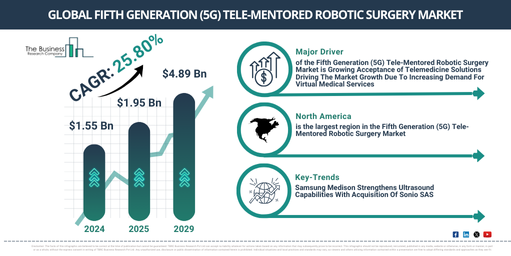
    The fifth generation (5G) tele-mentored robotic surgery market has witnessed significant growth in recent years. It is anticipated to increase from $1.55 billion in 2024 to $1.95 billion in 2025, exhibiting a compound annual growth rate (CAGR) of 26.2%. The historical expansion of this market can be attributed to the rising demand for minimally invasive surgeries, advancements in robotic surgical systems, the increasing prevalence of chronic diseases, a shortage of skilled surgeons in remote areas, and the broader adoption of telemedicine and remote consultation.

    The fifth generation (5G) tele-mentored robotic surgery market is projected to experience substantial expansion over the upcoming years. This market is predicted to reach $4.89 billion by 2029, demonstrating a compound annual growth rate (CAGR) of 25.8%. Contributing factors to this growth during the forecast period include the extremely low latency and high bandwidth capabilities of 5G networks, the growing deployment of 5G infrastructure within the healthcare sector, an expanding elderly population in need of intricate surgical procedures, escalating healthcare investments within developing economies, and a general rise in healthcare spending. Key trends anticipated for the forecast period encompass ongoing progress in robotic surgery technology, the incorporation of artificial intelligence into surgical operations, the creation of autonomous surgical platforms, the emergence of portable robotic systems, the embedding of augmented reality within surgical processes, and an increase in remote surgical instruction and professional development.

    Unlock Your Free Sample Report for Exclusive Market Data:

    https://www.thebusinessresearchcompany.com/sample.aspx?id=28223&type=smp

    Which Drivers Are Shaping The Fifth Generation (5G) Tele-Mentored Robotic Surgery Industry’s Market Share?

    The increasing embrace of telemedicine solutions is anticipated to stimulate the expansion of the fifth generation (5G) tele-mentored robotic surgery market in the coming years. Telemedicine encompasses healthcare services provided remotely via digital communication technologies, facilitating patient consultations and medical interventions without the necessity of physical attendance. This rising acceptance of telemedicine is primarily fueled by the digitalization of healthcare systems, as integrated electronic health record systems and advanced communication infrastructure enable smooth virtual care delivery. The increasing uptake of telemedicine solutions necessitates 5G tele-mentored robotic surgery systems because medical professionals rely on incredibly fast, low-latency connectivity to offer immediate surgical mentorship and precise robotic operational guidance from distant locations. For example, in February 2023, a survey conducted by Rock Health, a US-based corporation, indicated that 80% of participants had utilized telemedicine at some point in 2022, marking an 8-percentage point rise from 72% in 2021. Consequently, the expanding acceptance of telemedicine solutions is fueling the growth of the fifth generation (5G) tele-mentored robotic surgery market.

    What Are The Primary Types Of Segments Analyzed In The Fifth Generation (5G) Tele-Mentored Robotic Surgery Market?

    The fifth generation (5G) tele-mentored robotic surgery market covered in this report is segmented as

    1) By Component: Hardware, Software, Services

    2) By Surgery Type: General Surgery, Orthopedic Surgery, Neurosurgery, Urology, Gynecology, Other Surgery Types

    3) By Application: Training And Education, Remote Surgery, Consultation, Other Applications

    4) By End-User: Hospitals, Ambulatory Surgical Centers, Specialty Clinics, Other End-Users

    Subsegments:

    1) By Hardware: Surgical Robots, Imaging Devices, Communication Devices, Haptic Devices, Sensors

    2) By Software: Surgical Planning Software, Remote Monitoring Software, Data Analytics Software, Simulation Software, Control Software

    3) By Services: Installation And Integration, Training And Education, Maintenance And Support, Consulting Services, Telecommunication Services

    What Are The Major Trends Driving The Growth Of The Fifth Generation (5G) Tele-Mentored Robotic Surgery Market?

    Major companies operating in the fifth generation (5G) tele-mentored robotic surgery market are prioritizing the creation of advanced technologies, such as real-time force feedback systems, to improve operational accuracy and offer haptic feedback to surgeons during distant operations. These real-time force feedback systems are sophisticated mechanisms that deliver immediate haptic feedback from robotic instruments to surgeons, mimicking natural touch during surgery, which contributes to greater accuracy, minimizes harm to tissues, and boosts security in remote or minimally invasive procedures. For instance, in December 2024, Shanghai MicroPort MedBot (Group) Co., Ltd., a China-based manufacturing company, obtained regulatory clearance from Brazil’s National Health Surveillance Agency (ANVISA) for its Toumai Laparoscopic Surgical Robot. The Toumai Robot features real-time force-sensing technology, enabling operators to experience tactile feedback during procedures, which improves accuracy while mitigating tissue harm. Furthermore, it facilitates distant operations over long ranges, making possible transcontinental tele-mentored procedures, and marks a significant stride forward in minimally invasive and 5G-enabled robotic surgical technology in Latin America. This development is facilitating wider implementation of remote surgical solutions, enhancing patient availability of superior medical services, and establishing a fresh standard for the integration of robotics, artificial intelligence, and advanced network technologies within contemporary healthcare systems.

    Who Are The Core Companies Influencing The Fifth Generation (5G) Tele-Mentored Robotic Surgery Market Landscape?

    Major companies operating in the fifth generation (5g) tele-mentored robotic surgery market are Huawei Technologies Co. Ltd., Telefonaktiebolaget LM Ericsson (publ), Nokia Corporation, Siemens Healthineers AG, Stryker Corporation, Intuitive Surgical Inc., PT Telekomunikasi Selular, Karl Storz SE & Co. KG, CMR Surgical Limited, Proximie Ltd., Mentice AB, Tianjin Tinavi Medical Technology Co. Ltd., Sovato Inc., Virtual Incision Corporation, Avatera Medical GmbH, SS Innovations International Inc., Medicaroid Corporation, Shenzhen Edge Medical Co. Ltd., KangDuo Robot Co. Ltd., Sina Robotics Inc.

    Download The Full Report For Exclusive Market Findings:

    https://www.thebusinessresearchcompany.com/report/fifth-generation-5g-tele-mentored-robotic-surgery-global-market-report

    Which Region Is Projected To Lead The Fifth Generation (5G) Tele-Mentored Robotic Surgery Market During The Forecast Period?

    North America was the largest region in the fifth generation (5G) tele-mentored robotic surgery market in 2024. Asia-Pacific is expected to be the fastest-growing region in the forecast period. The regions covered in fifth generation (5G) tele-mentored robotic surgery report are Asia-Pacific, Western Europe, Eastern Europe, North America, South America, Middle East and Africa.

    Request A Customized Version Of The Fifth Generation (5G) Tele-Mentored Robotic Surgery Market Report:

    https://www.thebusinessresearchcompany.com/customise?id=28223&type=smp

    Browse Through More Reports Similar to the Global Fifth Generation (5G) Tele-Mentored Robotic Surgery Market 2025, By The Business Research Company

    Robotic Surgery Services Global Market Report 2025

    https://www.thebusinessresearchcompany.com/report/robotic-surgery-services-global-market-report

    Remote Surgery Global Market Report 2025

    https://www.thebusinessresearchcompany.com/report/remote-surgery-global-market-report

    Robotic Surgery Devices Global Market Report 2025

    https://www.thebusinessresearchcompany.com/report/robotic-surgery-devices-global-market-report

    Get in touch with us:

    The Business Research Company: https://www.thebusinessresearchcompany.com/

    Americas +1 310-496-7795

    Asia +44 7882 955267 & +91 8897263534

    Europe +44 7882 955267

    Email us at info@tbrc.info

    Follow us on:

    LinkedIn: https://in.linkedin.com/company/the-business-research-company

    YouTube: https://www.youtube.com/channel/UC24_fI0rV8cR5DxlCpgmyFQ

    Global Market Model: https://www.thebusinessresearchcompany.com/global-market-model