Blog

  • Fifth Generation (5G) Technology In Telehealth Industry Forecast to Hit $6.9 Billion by 2029 With a Strong 23.1% CAGR

    Fifth Generation (5G) Technology In Telehealth Industry Forecast to Hit $6.9 Billion by 2029 With a Strong 23.1% CAGR

    Unlock Global Insights – Save 20% on Market Reports with Code ONLINE20

    What Are The Growth Projections For The Fifth Generation (5G) Technology In Telehealth Market Size During 2025–2029?

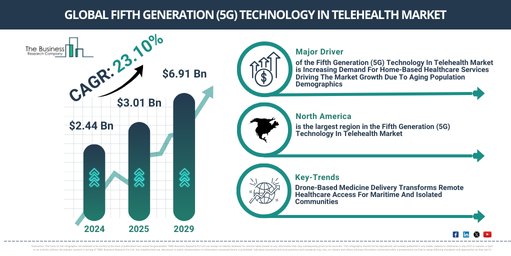
    The fifth generation (5G) technology in telehealth market size has witnessed substantial expansion in recent years. It is projected to expand from $2.44 billion in 2024 to $3.01 billion in 2025, demonstrating a compound annual growth rate (CAGR) of 23.4%. This past growth stems from factors such as a greater reliance on international medical knowledge, an uptick in the utilization of mobile-based diagnostic imaging, an increase in patient demand for contactless healthcare delivery, enhanced integration of wearable sensors for monitoring chronic illnesses, and the heightened significance of continuous healthcare provision during natural calamities.

    The market size for fifth-generation (5G) technology within telehealth is projected to experience rapid expansion over the upcoming years. This market is anticipated to reach $6.91 billion by 2029, exhibiting a compound annual growth rate (CAGR) of 23.1%. Factors driving this growth during the forecast period include the escalating demand for remote patient monitoring, the increasing uptake of virtual consultations, the expansion of healthcare digitalization, the growing requirement for real-time data transfer in the healthcare sector, and augmented government backing for telehealth infrastructure. Significant trends expected in the forecast period encompass progress in artificial intelligence-powered telehealth platforms, enhanced implementation of edge computing for healthcare data, breakthroughs in immersive virtual reality-based patient care, the incorporation of blockchain for securing medical records, and developments in robotics-assisted remote surgeries.

    Unlock Your Free Sample Report for Exclusive Market Data:

    https://www.thebusinessresearchcompany.com/sample.aspx?id=28222&type=smp

    What Are The Drivers Pushing New Developments In The Fifth Generation (5G) Technology In Telehealth Market?

    The future expansion of the fifth generation (5G) technology in telehealth market is anticipated, driven by the rising need for remote healthcare services. Remote healthcare involves delivering clinical health services to patients using digital communication, eliminating the need for physical visits. This increased demand stems from enhanced accessibility and convenience, especially benefiting individuals in rural regions and those with restricted mobility, who can now receive specialized medical attention irrespective of their location. The fifth generation (5G) technology in telehealth significantly improves remote healthcare through its ultra-fast, low-latency connectivity, facilitating real-time patient monitoring, high-definition virtual consultations, and smooth data transfer, which collectively boosts the access, quality, and timeliness of care, irrespective of a patient’s whereabouts. As an illustration, a survey conducted by Vivalink, a US-based healthcare technology firm, revealed in August 2023 that 81% of clinicians currently utilize remote patient monitoring (RPM), a substantial rise from just 20% in 2021, marking a 305% increase. Furthermore, 84% of existing RPM users intend to broaden their adoption of this technology in 2024. Consequently, the growing need for remote healthcare services is fueling the expansion of the fifth generation (5G) technology in telehealth market.

    Which Key Segments Fueling The Fifth Generation (5G) Technology In Telehealth Market?

    The fifth generation (5G) technology in telehealth market covered in this report is segmented as

    1) By Component: Hardware , Software , Services

    2) By Connectivity Type: Device Connectivity, ??Network Connectivity

    3) By Application: Remote Patient Monitoring , Real-Time Consultation , Telemedicine , Mobile Health , Other Applications

    4) By End-User: Hospitals , Clinics , Homecare , Other End-Users

    Subsegments:

    1) By Hardware: Network Equipment, Communication Devices, Sensors, Wearable Devices, Edge Devices

    2) By Software: Telemedicine Platforms, Remote Patient Monitoring Software, Data Analytics Software, Security Software, Cloud Management Software

    3) By Services: Network Deployment Services, Integration Services, Maintenance And Support Services, Consulting Services, Training And Education Services

    What Are The Major Trends Driving The Growth Of The Fifth Generation (5G) Technology In Telehealth Market?

    Leading companies in the fifth generation (5G) technology in telehealth market are concentrating on leveraging innovative solutions, such as drone-based medicine delivery, to ensure quicker and remote access to healthcare. Drone-based medicine delivery involves utilizing unmanned aerial vehicles (drones) for transporting medicines, vaccines, or medical supplies to isolated or difficult-to-reach locations, thereby providing expedited, reliable, and contactless access to vital healthcare. As an illustration, in April 2023, M1 Limited, a telecommunication company based in Singapore, partnered with Fullerton Health Group, a Singapore-based healthcare provider, to introduce a 5G-enabled telemedicine offering specifically for seafarers. This initiative includes real-time teleconsultations with medical professionals on land and the deployment of 5G-capable drones for delivering medicines directly to vessels at sea, guaranteeing prompt and efficient healthcare availability for maritime workers. The service is designed to assist both seafarers aboard their ships and shore-based employees of shipping firms, provided they maintain a connection to the 5G network. Such advancements not only enhance the accessibility of medical support for people in distant or inaccessible regions but also underscore the revolutionary capability of 5G technology in transforming healthcare provision, elevating safety standards, and safeguarding the health of workers vital to worldwide trade and supply networks.

    Which Major Industry Participants Are Leading The Fifth Generation (5G) Technology In Telehealth Market Growth?

    Major companies operating in the fifth generation (5g) technology in telehealth market are Verizon Communications Inc., AT&T Inc., Huawei Technologies Co. Ltd., Nippon Telegraph and Telephone Corporation, T-Mobile US Inc., Cisco Systems Inc., Intel Corporation, Vodafone Group Plc, Qualcomm Technologies Inc., BT Group plc, Fujitsu Limited, Telefonaktiebolaget LM Ericsson, Nokia Corporation, Siemens Healthineers AG, GE HealthCare Technologies Inc., ZTE Corporation, M1 Limited, GlobalMed Holdings LLC, Visionable Limited, Telit Communications Limited.

    Download The Full Report For Exclusive Market Findings:

    https://www.thebusinessresearchcompany.com/report/fifth-generation-5g-technology-in-telehealth-global-market-report

    What Are The Key Regional Factors Influencing The Fifth Generation (5G) Technology In Telehealth Market Growth?

    North America was the largest region in the fifth generation (5G) technology in telehealth market in 2024. Asia-Pacific is expected to be the fastest-growing region in the forecast period. The regions covered in fifth generation (5G) technology in telehealth report are Asia-Pacific, Western Europe, Eastern Europe, North America, South America, Middle East and Africa.

    Request A Customized Version Of The Fifth Generation (5G) Technology In Telehealth Market Report:

    https://www.thebusinessresearchcompany.com/customise?id=28222&type=smp

    Browse Through More Reports Similar to the Global Fifth Generation (5G) Technology In Telehealth Market 2025, By The Business Research Company

    5G In Healthcare Global Market Report 2025

    https://www.thebusinessresearchcompany.com/report/5g-in-healthcare-global-market-report

    5G Technologies Global Market Report 2025

    https://www.thebusinessresearchcompany.com/report/5g-technologies-global-market-report

    Telehealth Global Market Report 2025

    https://www.thebusinessresearchcompany.com/report/telehealth-global-market-report

    Get in touch with us:

    The Business Research Company: https://www.thebusinessresearchcompany.com/

    Americas +1 310-496-7795

    Asia +44 7882 955267 & +91 8897263534

    Europe +44 7882 955267

    Email us at info@tbrc.info

    Follow us on:

    LinkedIn: https://in.linkedin.com/company/the-business-research-company

    YouTube: https://www.youtube.com/channel/UC24_fI0rV8cR5DxlCpgmyFQ

    Global Market Model: https://www.thebusinessresearchcompany.com/global-market-model

  • Fifth Generation (5G) Smart Healthcare Market to Reach $24.65 Billion by 2029, Growing at a CAGR of 25.5%

    Fifth Generation (5G) Smart Healthcare Market to Reach $24.65 Billion by 2029, Growing at a CAGR of 25.5%

    Unlock Global Insights – Save 20% on Market Reports with Code ONLINE20

    What Is The Global Market Value Of The Fifth Generation (5G) Smart Healthcare Industry In 2025?

    The fifth generation (5G) smart healthcare market size has experienced considerable growth recently. It is forecast to grow from $7.90 billion in 2024 to $9.94 billion in 2025, at a compound annual growth rate (CAGR) of 25.9%. This historical expansion can be attributed to an increasing reliance on cloud-based electronic health records, rising experimentation with mobile-enabled emergency response systems, a surge in the use of connected ambulances for critical care, increasing adoption of wearable patches for prenatal monitoring, and a rising demand for smart medical inventory management systems.

    The fifth generation (5G) smart healthcare market is projected to experience rapid expansion in the coming years, with its size expected to reach $24.65 billion by 2029, exhibiting a compound annual growth rate (CAGR) of 25.5%. This significant growth during the forecast period is primarily driven by an increasing demand for connected medical devices, the rising adoption of real-time remote surgeries, a greater need for continuous patient data monitoring, the expanding deployment of smart hospitals featuring digital infrastructure, and growing government initiatives aimed at advanced healthcare connectivity. Key trends anticipated in this period include advancements in robotic-assisted telehealth surgeries, sophisticated deployment of digital twins for patient simulations, innovation in smart biosensors for predictive healthcare, the integration of augmented reality into medical training, and progress in edge computing for real-time health analytics.

    Unlock Your Free Sample Report for Exclusive Market Data:

    https://www.thebusinessresearchcompany.com/sample.aspx?id=28221&type=smp

    What Are The Emerging Market Drivers Creating New Opportunities In The Fifth Generation (5G) Smart Healthcare Industry?

    The increasing need for remote patient monitoring is projected to boost the expansion of the fifth generation (5G) smart healthcare market in the foreseeable future. Remote patient monitoring (RPM) involves leveraging digital innovations to monitor and transmit patient health information in real time beyond conventional medical facilities. The uptick in remote patient monitoring stems from the growing incidence of chronic illnesses and the necessity for ongoing care, as it allows for early interventions, minimizes hospital visits, and improves patient well-being. The fifth generation (5G) smart healthcare facilitates remote patient monitoring by delivering fast, low-latency connectivity crucial for uninterrupted data exchange and dependable virtual healthcare services. A relevant example shows that in August 2023, Vivalink, a US-based healthcare technology company, conducted a survey revealing that 81% of clinicians currently employ remote patient monitoring (RPM), a substantial increase from only 20% in 2021, representing a 305% rise. Additionally, 84% of those presently utilizing RPM intend to expand their adoption of the technology in 2024. This burgeoning demand for remote patient monitoring is consequently a key driver for the growth of the fifth generation (5G) smart healthcare market.

    How Is The Fifth Generation (5G) Smart Healthcare Market Classified Into Different Segments?

    The fifth generation (5G) smart healthcare market covered in this report is segmented as

    1) By Component: Hardware, Software, Services

    2) By Application: Remote Patient Monitoring, Connected Medical Devices, Telemedicine, Augmented Reality (AR) Or Virtual Reality (VR) For Surgery, Other Applications

    3) By End-User: Hospitals, Clinics, Ambulatory Surgical Centers, Other End-Users

    Subsegments:

    1) By Hardware: Wearable Devices, Medical Imaging Equipment, Diagnostic Equipment, Monitoring Devices, Networking Equipment

    2) By Software: Electronic Health Record, Telemedicine Platforms, Health Analytics Software, Patient Management System, Remote Monitoring Software

    3) By Services: Consulting Services, Implementation Services, Maintenance And Support, Training And Education, Data Management Services

    What Trends Are Expected To Drive The Fifth Generation (5G) Smart Healthcare Market?

    Major companies operating in the fifth generation (5G) smart healthcare market are increasingly utilizing innovative technologies like artificial intelligence (AI) to facilitate continuous patient monitoring and enhance emergency medical services. Artificial intelligence (AI) involves machines mimicking human intelligence to process information, learn, and make choices, thereby benefiting healthcare through immediate patient oversight, prompt diagnoses, and more efficient and precise medical interventions. For instance, in July 2025, KIMS Hospitals Private Limited, an India-based healthcare firm, collaborated with Medulance Private Limited, an India-based app-driven technology and comprehensive emergency response provider, to introduce Thane region’s inaugural AI-integrated 5G Smart Ambulance. This ambulance facilitates the live transmission of crucial patient data such as ECG, blood pressure, and oxygen saturation to the emergency room even before arrival. Integrating 5G connectivity with AI-driven analytics, this system empowers emergency doctors to evaluate patient status and initiate treatment plans preemptively, leading to considerable improvements in response timings and better results during critical situations. Furthermore, it offers a replicable framework for incorporating cutting-edge technology into pre-hospital care across India and other developing regions.

    Who Are The Prominent Global Companies Shaping The Fifth Generation (5G) Smart Healthcare Market?

    Major companies operating in the fifth generation (5g) smart healthcare market are Verizon Communications Inc., AT&T Inc., Huawei Technologies Co. Ltd., Nippon Telegraph and Telephone Corporation, T-Mobile US Inc., Cisco Systems Inc., Intel Corporation, Oracle Corporation, Vodafone Group Plc, Qualcomm Technologies Inc., Medtronic plc, BT Group plc, Fujitsu Limited, Telefonaktiebolaget LM Ericsson, Siemens Healthineers AG, GE HealthCare Technologies Inc., ZTE Corporation, Visionable Limited, Somatix Inc., Vigorus Healthtech Pvt. Ltd.

    Download The Full Report For Exclusive Market Findings:

    https://www.thebusinessresearchcompany.com/report/fifth-generation-5g-smart-healthcare-global-market-report

    How Do Regional Market Performances Compare Within The Fifth Generation (5G) Smart Healthcare Industry?

    North America was the largest region in the fifth generation (5G) smart healthcare market in 2024. The regions covered in fifth generation (5G) smart healthcare report are Asia-Pacific, Western Europe, Eastern Europe, North America, South America, Middle East and Africa.

    Request A Customized Version Of The Fifth Generation (5G) Smart Healthcare Market Report:

    https://www.thebusinessresearchcompany.com/customise?id=28221&type=smp

    Browse Through More Reports Similar to the Global Fifth Generation (5G) Smart Healthcare Market 2025, By The Business Research Company

    5G In Healthcare Global Market Report 2025

    https://www.thebusinessresearchcompany.com/report/5g-in-healthcare-global-market-report

    5Th Generation 5G Enterprise Global Market Report 2025

    https://www.thebusinessresearchcompany.com/report/5th-generation-5g-enterprise-global-market-report

    5G Technologies Global Market Report 2025

    https://www.thebusinessresearchcompany.com/report/5g-technologies-global-market-report

    Get in touch with us:

    The Business Research Company: https://www.thebusinessresearchcompany.com/

    Americas +1 310-496-7795

    Asia +44 7882 955267 & +91 8897263534

    Europe +44 7882 955267

    Email us at info@tbrc.info

    Follow us on:

    LinkedIn: https://in.linkedin.com/company/the-business-research-company

    YouTube: https://www.youtube.com/channel/UC24_fI0rV8cR5DxlCpgmyFQ

    Global Market Model: https://www.thebusinessresearchcompany.com/global-market-model

  • Global Fifth Generation (5G) Remote Orthopedic Robot Surgery Market Size Projected to Reach $3.98 Billion During the Forecast Period

    Global Fifth Generation (5G) Remote Orthopedic Robot Surgery Market Size Projected to Reach $3.98 Billion During the Forecast Period

    Unlock Global Insights – Save 20% on Market Reports with Code ONLINE20

    By How Much Is The Fifth Generation (5G) Remote Orthopedic Robot Surgery Market Expected To Expand Between 2025 And 2029?

    The size of the fifth generation (5G) remote orthopedic robot surgery market has experienced significant growth in recent years. It is projected to expand from $1.22 billion in 2024 to $1.55 billion in 2025, demonstrating a compound annual growth rate (CAGR) of 27.0%. This market’s historical expansion can be attributed to several factors, including the increasing embrace of minimally invasive procedures, a rising prevalence of musculoskeletal disorders, the growing demographic of the elderly, enhanced patient awareness regarding surgical alternatives, and the success of various pilot projects and clinical trials.

    The market size for fifth generation (5G) remote orthopedic robot surgery is expected to experience significant growth over the coming years, with projections indicating it will reach $3.98 billion in 2029, demonstrating a compound annual growth rate (CAGR) of 26.6%. This anticipated expansion during the forecast period is driven by factors such as the broadening of 5G network coverage and enhanced reliability, increasing demand for remote healthcare services, government investments in modernizing healthcare, the development of healthcare infrastructure in rural and underserved areas, and beneficial reimbursement policies. Furthermore, major trends anticipated in the forecast period include the integration of artificial intelligence (AI) into robotic systems, an increase in ultra-remote and transcontinental surgeries, the expanded utilization of 5G private and public networks, the emergence of multi-specialty robotic surgery systems, and a rise in live-streamed and educational telesurgery sessions.

    Unlock Your Free Sample Report for Exclusive Market Data:

    https://www.thebusinessresearchcompany.com/sample.aspx?id=28220&type=smp

    Which Drivers Are Impacting The Fifth Generation (5G) Remote Orthopedic Robot Surgery Market?

    The increasing occurrence of musculoskeletal disorders is anticipated to drive the expansion of the fifth generation (5G) remote orthopedic robot surgery market moving forward. These disorders are conditions that affect bones, joints, muscles, and connective tissues, leading to pain and limitations in bodily function. The rising incidence of these conditions is primarily attributable to aging populations in developed countries, where age-related degenerative changes in joints and bones elevate the likelihood of developing ailments such as osteoarthritis, osteoporosis, and chronic back pain. Fifth generation (5G) remote orthopedic robot surgery delivers precise, minimally invasive treatments, resulting in improved patient outcomes and quicker recovery periods for individuals suffering from musculoskeletal disorders. For instance, in January 2024, the Office for Health Improvement and Disparities, a UK-based government department, reported that in 2023, 18.4% of people aged 16 and over stated they had a long-term musculoskeletal condition, a slight rise from 17.6% in 2022. Males reported these conditions less often (15.8%) than females (20.9%). Therefore, the growing prevalence of musculoskeletal disorders is a significant factor fueling the growth of the fifth generation (5G) remote orthopedic robot surgery market.

    What Are The Major Segments Identified In The Fifth Generation (5G) Remote Orthopedic Robot Surgery Market?

    The fifth generation (5G) remote orthopedic robot surgery market covered in this report is segmented as

    1) By Component: Robotic Systems, Fifth Generation (5G) Communication Devices, Software, Services

    2) By Application: Joint Replacement, Spine Surgery, Trauma Surgery, Sports Medicine, Other Applications

    3) By End-User: Hospitals, Ambulatory Surgical Centers, Specialty Clinics, Other End-Users

    Subsegments:

    1) By Robotic Systems: Surgical Robots, Navigation Systems, Imaging Robots, Rehabilitation Robots

    2) By Fifth Generation (5G) Communication Devices: Network Hardware, Communication Modules, Antenna Systems, Monitoring Devices

    3) By Software: Surgical Planning Software, Imaging And Visualization Software, Data Management Software, Artificial Intelligence Software

    4) By Services: Installation Services, Training Services, Maintenance Services, Technical Support Services

    Which Trends Are Impacting The Fifth Generation (5G) Remote Orthopedic Robot Surgery Market?

    Leading companies in the fifth generation (5G) remote orthopedic robot surgery market are concentrating on developing innovative solutions, such as the integration of advanced imaging technologies, to improve surgical precision, enable real-time remote guidance, reduce operative risks, and enhance patient outcomes. This integration of advanced imaging technologies involves combining medical imaging systems with surgical robots to provide real-time visualization of patient anatomy, thereby assisting surgeons in performing highly precise, minimally invasive procedures while minimizing errors and surgical risks. For instance, in May 2023, Shanghai MicroPort MedBot (Group) Co. Ltd., a China-based manufacturing firm, secured market approval from Brazil’s ANVISA for its Honghu orthopedic surgical robot (marketed overseas as SkyWalker). Honghu combines 5G remote capabilities with CT-guided imaging to aid surgeons in carrying out highly precise joint replacement surgeries, including minimally invasive procedures. It utilizes robotic arms to boost accuracy, facilitates detailed preoperative surgical planning, and can manage complex scenarios such as severe rheumatoid arthritis or surgeries subsequent to fractures. This robot has received approvals in several regions and has been validated through hundreds of robotic-assisted procedures, demonstrating its reliability and increasing adoption in various markets.

    Which Key Players Are Driving Competition In The Fifth Generation (5G) Remote Orthopedic Robot Surgery Market?

    Major companies operating in the fifth generation (5g) remote orthopedic robot surgery market are Huawei Technologies Co. Ltd., Johnson & Johnson, Medtronic plc, Stryker Corporation, Zimmer Biomet Holdings Inc., Intuitive Surgical Inc., Smith & Nephew plc, Globus Medical Inc., Renishaw plc, Brainlab AG, CMR Surgical Limited, Vicarious Surgical Inc., Curexo Inc., Shanghai MicroPort MedBot (Group) Co. Ltd., Avatera Medical GmbH, Virtual Incision Corporation, Moon Surgical SAS, EndoQuest Robotics Inc., Medicaroid Corporation, Galen Robotics Inc.

    Download The Full Report For Exclusive Market Findings:

    https://www.thebusinessresearchcompany.com/report/fifth-generation-5g-remote-orthopedic-robot-surgery-global-market-report

    Which Region Currently Holds The Largest Share Of The Fifth Generation (5G) Remote Orthopedic Robot Surgery Market?

    North America was the largest region in the fifth generation (5G) remote orthopedic robot surgery market in 2024. The regions covered in fifth generation (5G) remote orthopedic robot surgery report are Asia-Pacific, Western Europe, Eastern Europe, North America, South America, Middle East and Africa.

    Request A Customized Version Of The Fifth Generation (5G) Remote Orthopedic Robot Surgery Market Report:

    https://www.thebusinessresearchcompany.com/customise?id=28220&type=smp

    Browse Through More Reports Similar to the Global Fifth Generation (5G) Remote Orthopedic Robot Surgery Market 2025, By The Business Research Company

    Remote Surgery Global Market Report 2025

    https://www.thebusinessresearchcompany.com/report/remote-surgery-global-market-report

    Orthopedic Surgical Robots Global Market Report 2025

    https://www.thebusinessresearchcompany.com/report/orthopedic-surgical-robots-global-market-report

    Robotic Surgery Services Global Market Report 2025

    https://www.thebusinessresearchcompany.com/report/robotic-surgery-services-global-market-report

    Get in touch with us:

    The Business Research Company: https://www.thebusinessresearchcompany.com/

    Americas +1 310-496-7795

    Asia +44 7882 955267 & +91 8897263534

    Europe +44 7882 955267

    Email us at info@tbrc.info

    Follow us on:

    LinkedIn: https://in.linkedin.com/company/the-business-research-company

    YouTube: https://www.youtube.com/channel/UC24_fI0rV8cR5DxlCpgmyFQ

    Global Market Model: https://www.thebusinessresearchcompany.com/global-market-model

  • Fast Biological Reader Industry Anticipated to Expand at 11.6% CAGR During the Forecast Period

    Fast Biological Reader Industry Anticipated to Expand at 11.6% CAGR During the Forecast Period

    Unlock Global Insights – Save 20% on Market Reports with Code ONLINE20

    #What Is The Projected Market Size Of The Fast Biological Reader Market By 2029?

    The market size for fast biological readers has expanded considerably in recent years. It is anticipated to increase from $2.06 billion in 2024 to $2.31 billion in 2025, reflecting a compound annual growth rate (CAGR) of 11.9%. This historical growth can be ascribed to a heightened focus on rapid diagnostic testing, a rise in public health consciousness concerning infectious ailments, increased government investment in programs for early disease detection, expanding global exchange of medical devices and diagnostic instruments, and reinforced regulatory guidelines that support the safety and effectiveness of biological detection methods.

    The fast biological reader market is set for substantial expansion over the next few years. It is projected to climb to $3.58 billion by 2029, achieving an impressive compound annual growth rate (CAGR) of 11.6%. This expected growth during the forecast period stems from various factors, including the global expansion of initiatives aimed at pandemic preparedness, a greater emphasis on monitoring antimicrobial resistance, a concentrated effort on decentralized diagnostic solutions for rural and remote areas, the reinforcement of international health regulations to standardize diagnostic performance, and the increasing demand for personalized and precision medicine. Noteworthy trends anticipated in this period encompass the integration of artificial intelligence for real-time data analysis, the creation of miniaturized sensor platforms for field diagnostics, improvements in multiplexing capabilities to allow simultaneous detection of multiple biomarkers, a rise in the use of advanced microfluidics to enhance sample processing, and the adoption of cloud-based data platforms for sharing diagnostic results.

    Unlock Your Free Sample Report for Exclusive Market Data:

    https://www.thebusinessresearchcompany.com/sample.aspx?id=28219&type=smp

    Which Industry Drivers Are Expected To Accelerate The Fast Biological Reader Market From 2025 To 2029?

    The increasing incidence of chronic diseases is anticipated to drive the expansion of the fast biological reader market in the future. Chronic diseases are persistent medical conditions that typically progress gradually and require ongoing management, encompassing issues like cardiovascular disorders, diabetes, and respiratory illnesses, often stemming from a blend of genetic, environmental, and lifestyle elements. A significant factor contributing to the rising prevalence of chronic diseases is the growing adoption of sedentary lifestyles, which results in decreased physical activity, unhealthy eating patterns, and metabolic imbalances, thereby escalating the risk of developing long-term health conditions. Fast biological readers enable quick and precise detection of biomarkers, aiding in early diagnosis and supporting prompt clinical interventions to improve patient outcomes. For instance, in July 2023, The Health Foundation, a UK-based independent charity, projected that England would have 9.1 million people living with major chronic diseases by 2040. Therefore, the increasing prevalence of chronic diseases is fueling the growth of the fast biological reader market.

    What Are The Emerging Segments Gaining Attention In The Fast Biological Reader Market?

    The fast biological reader market covered in this report is segmented as

    1) By Product Type: Portable Fast Biological Readers, Benchtop Fast Biological Readers

    2) By Technology: Fluorescence, Luminescence, Absorbance, Other Technologies

    3) By Application: Clinical Diagnostics, Research Laboratories, Pharmaceutical And Biotechnology Companies, Environmental Testing, Food And Beverage Testing, Other Applications

    4) By End-User: Hospitals, Diagnostic Centers, Academic And Research Institutes, Other End Users

    Subsegments:

    1) By Portable Fast Biological Readers: Colorimetric Detection, Electrochemical Detection, Surface Plasmon Resonance Detection, Molecular Hybridization Detection, Immunological Assay Detection

    2) By Benchtop Fast Biological Readers: Mass Spectrometry Detection, Chromatographic Detection, Isothermal Amplification Detection, Digital Image Analysis Detection, Optical Sensor Detection

    What Long-Term Trends Will Shape The Future Growth Of The Fast Biological Reader Industry?

    Major companies within the fast biological reader market are prioritizing the development of innovative solutions, such as multiwavelength microplate readers, to enhance the speed, versatility, and integration of laboratory assays and growth monitoring. A multiwavelength microplate reader serves as a laboratory instrument designed to measure absorbance across microplate wells at multiple wavelengths, thereby facilitating rapid and versatile analysis of biological, biochemical, and environmental samples in both endpoint and kinetic formats. For instance, in September 2025, Cerillo, a US-based biotechnology company, introduced Rayo, its latest multiwavelength platform tailored for ELISA assays, protein quantification, and kinetic growth curves for plant, algae, and microbial cells. Rayo features multiwavelength absorbance at four distinct wavelengths, offering both rapid endpoint and continuous kinetic measurement capabilities, which equips laboratories with a versatile platform for enzyme-linked immunosorbent assays, protein quantification, and the monitoring of microbial or plant growth. Its ultra-compact, automation-compatible design, complemented by standalone operation, local data storage, and remote transfer, allows for seamless integration into confined laboratory spaces and automated workflows, thereby significantly improving operational efficiency and data accessibility.

    Who Are The Top Performing Companies In The Fast Biological Reader Market In Recent Years?

    Major companies operating in the fast biological reader market are Hoffmann-La Roche Ltd., Thermo Fisher Scientific Inc., Abbott Laboratories, Medtronic Plc, Danaher Corporation, Lonza Group AG, Agilent Technologies Inc., Sartorius AG, Revvity Inc., Bio-Rad Laboratories Inc., Horiba Ltd., Tecan Group Ltd., Eppendorf SE, Hamilton Company, Promega Corporation, Advanced Sterilization Products (ASP), Analytik Jena, Berthold Technologies GmbH & Co. KG, BMG LABTECH GmbH, Hidex Oy.

    Download The Full Report For Exclusive Market Findings:

    https://www.thebusinessresearchcompany.com/report/fast-biological-reader-global-market-report

    What Regional Growth Trends Are Shaping The Fast Biological Reader Market Outlook?

    North America was the largest region in the fast biological reader market in 2024. Asia-Pacific is expected to be the fastest-growing region in the forecast period. The regions covered in fast biological reader report are Asia-Pacific, Western Europe, Eastern Europe, North America, South America, Middle East and Africa.

    Request A Customized Version Of The Fast Biological Reader Market Report:

    https://www.thebusinessresearchcompany.com/customise?id=28219&type=smp

    Browse Through More Reports Similar to the Global Fast Biological Reader Market 2025, By The Business Research Company

    Microarray Scanners Global Market Report 2025

    https://www.thebusinessresearchcompany.com/report/microarray-scanners-global-market-report

    Biological Data Visualization Global Market Report 2025

    https://www.thebusinessresearchcompany.com/report/biological-data-visualization-global-market-report

    Biological Microscope Global Market Report 2025

    https://www.thebusinessresearchcompany.com/report/biological-microscope-global-market-report

    Get in touch with us:

    The Business Research Company: https://www.thebusinessresearchcompany.com/

    Americas +1 310-496-7795

    Asia +44 7882 955267 & +91 8897263534

    Europe +44 7882 955267

    Email us at info@tbrc.info

    Follow us on:

    LinkedIn: https://in.linkedin.com/company/the-business-research-company

    YouTube: https://www.youtube.com/channel/UC24_fI0rV8cR5DxlCpgmyFQ

    Global Market Model: https://www.thebusinessresearchcompany.com/global-market-model
  • Global Family Medicine Services Market Projected to Expand at 6.2% CAGR by 2029

    Global Family Medicine Services Market Projected to Expand at 6.2% CAGR by 2029

    Unlock Global Insights – Save 20% on Market Reports with Code ONLINE20

    How Much Was The Family Medicine Services Market Worth In 2025, And What Is Its Anticipated Value By 2029?

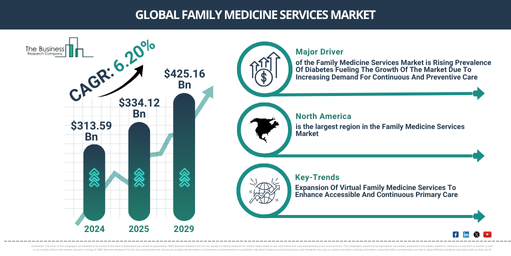
    The family medicine services market has experienced robust expansion in recent years. This market is projected to expand from $313.59 billion in 2024 to $334.12 billion by 2025, demonstrating a compound annual growth rate (CAGR) of 6.5%. Historically, this growth is a result of broadened health insurance coverage, the move towards value-based care approaches, growing patient preference for ease of access, wider government programs and helpful health policies, and a greater emphasis on preventive measures.

    The family medicine services market is anticipated to experience substantial expansion in the coming years. It is projected to grow to $425.16 billion in 2029, at a compound annual growth rate (CAGR) of 6.2%. This growth during the forecast period is attributed to factors such as continued geriatric population increase, widespread adoption of telehealth, the rising prevalence of chronic conditions, an increasing demand for accessible and cost-effective healthcare options, and a growing need for digital health solutions. Major trends anticipated in this period include the integration of digital health tools, advancements in medical technology and specialist support, innovations in remote patient monitoring, the incorporation of artificial intelligence and data analytics for patient management, and the widespread adoption of telemedicine and virtual consultation platforms.

    Unlock Your Free Sample Report for Exclusive Market Data:

    https://www.thebusinessresearchcompany.com/sample.aspx?id=28218&type=smp

    What Are The Top Growth Drivers Impacting The Family Medicine Services Market Outlook?

    The increasing prevalence of diabetes is expected to propel the growth of the family medicine services market going forward. Diabetes is a long-term condition where the body struggles to regulate blood sugar levels, often due to issues with insulin production or utilization. The rise in diabetes prevalence stems from modern sedentary lifestyles, characterized by reduced physical activity and prolonged sitting, which significantly contribute to increasing obesity rates—a major risk factor for developing the disease. Family medicine services aid in diabetes management by providing continuous, tailored care that helps patients control blood sugar, encourages healthy lifestyle modifications, and reduces the risk of complications through consistent monitoring and advice. For instance, in April 2025, according to the International Diabetes Federation, a Belgium-based umbrella organization, in 2024, around 589 million adults aged 20–79 are living with diabetes, and this number is expected to increase to 853 million by 2050. Therefore, the increasing prevalence of diabetes is driving the growth of the family medicine services market.

    What Are The Major Segment Types Covered In The Family Medicine Services Market?

    The family medicine services market covered in this report is segmented as

    1) By Service Type: Preventive Care, Chronic Disease Management, Acute Care Services, Wellness Programs, Telemedicine Services

    2) By Patient Demographics: Pediatric Patients, Adult Patients, Geriatric Patients, Pregnant Women, Special Needs Patients

    3) By Care Delivery Model: Traditional Office Visits, Urgent Care Centers, Community Health Clinics, Mobile Health Units, Home Health Care

    4) By Technology Integration: Electronic Health Record Systems, Remote Patient Monitoring, Mobile Health Applications, artificial intelligence (AI) In Diagnoses, Data Analytics For Patient Management

    5) By End-User: Hospitals, Clinics, Home Care, Other End-Users

    Subsegments:

    1) By Preventive Care: Health Screenings, Vaccination Services, Routine Physical Examinations, Lifestyle Counseling

    2) By Chronic Disease Management: Diabetes Management, Hypertension Management, Cardiovascular Disease Management, Asthma And Respiratory Care

    3) By Acute Care Services: Emergency Treatment, Infectious Disease Treatment, Injury And Trauma Care, Surgical Consultations

    4) By Wellness Programs: Nutrition Counseling, Fitness And Exercise Programs, Stress Management Programs, Mental Health Support

    5) By Telemedicine Services: Virtual Consultations, Remote Patient Monitoring, Online Prescription Services, Telehealth Follow-Ups

    Which Market Trends Are Creating New Opportunities In The Family Medicine Services Industry?

    Major companies in the family medicine services market are focusing on expanding virtual primary care services, such as virtual family medicine, to improve patient access, reduce appointment wait times, and provide continuous care for chronic conditions. Virtual family medicine involves delivering primary healthcare services remotely using digital platforms like video calls, phone consultations, or mobile applications. For instance, in September 2023, Atrium Health, a US-based healthcare provider, introduced its Virtual Primary Care service. This service allows patients to establish an ongoing relationship with a dedicated family medicine provider for comprehensive primary care, delivered virtually through secure video visits. Available around the clock with flexible scheduling, this service enables patients to receive care for chronic conditions, preventative health, mental health, medication management, lab orders, and virtual specialist consults without needing in-person visits. It targets patients with busy lifestyles, frequent travelers, or those facing access challenges, offering convenient, personalized care from home, the office, or while traveling across North Carolina, South Carolina, and Georgia.

    Which Leading Companies Dominate The Family Medicine Services Market Share?

    Major companies operating in the family medicine services market are Kaiser Permanente, Trinity Health, Banner Health, Tenet Healthcare Corporation, NYU Langone Hospitals, Intermountain Health Care Inc., Baylor Scott & White Health LLC, Geisinger Clinic, Ascension Health, Michigan Health Corp., UW Health, Stanford Health Care, Evergreen Health, Providence, Sutter Health, UCI Health, Altru Health System, Blessing Health System, Samaritan Health Services, Allcare Health, Skagit Regional Health, Olathe Health.

    Download The Full Report For Exclusive Market Findings:

    https://www.thebusinessresearchcompany.com/report/family-medicine-services-global-market-report

    Which Regional Markets Are Contributing Most To The Family Medicine Services Industry Expansion?

    North America was the largest region in the family medicine services market in 2024. The regions covered in family medicine services report are Asia-Pacific, Western Europe, Eastern Europe, North America, South America, Middle East and Africa.

    Request A Customized Version Of The Family Medicine Services Market Report:

    https://www.thebusinessresearchcompany.com/customise?id=28218&type=smp

    Browse Through More Reports Similar to the Global Family Medicine Services Market 2025, By The Business Research Company

    Care Services Global Market Report 2025

    https://www.thebusinessresearchcompany.com/report/care-services-global-market-report

    Healthcare Services Market 2025

    https://www.thebusinessresearchcompany.com/report/healthcare-services-market

    Individual And Family Services Global Market Report 2025

    https://www.thebusinessresearchcompany.com/report/individual-and-family-services-global-market-report

    Get in touch with us:

    The Business Research Company: https://www.thebusinessresearchcompany.com/

    Americas +1 310-496-7795

    Asia +44 7882 955267 & +91 8897263534

    Europe +44 7882 955267

    Email us at info@tbrc.info

    Follow us on:

    LinkedIn: https://in.linkedin.com/company/the-business-research-company

    YouTube: https://www.youtube.com/channel/UC24_fI0rV8cR5DxlCpgmyFQ

    Global Market Model: https://www.thebusinessresearchcompany.com/global-market-model

  • Eye Drop Mist Market to Grow at a CAGR of 11.1% from 2025 to 2029

    Eye Drop Mist Market to Grow at a CAGR of 11.1% from 2025 to 2029

    Unlock Global Insights – Save 20% on Market Reports with Code ONLINE20

    What Is The Future Market Size Estimation For The Eye Drop Mist Market Covering 2025–2034?

    The eye drop mist market has seen swift expansion in recent years. It is forecast to grow from $1.39 billion in 2024 to $1.54 billion in 2025, exhibiting a compound annual growth rate (CAGR) of 11.5%. The market’s growth in the past period is largely due to increased awareness regarding eye hygiene, a rising number of dry eye cases, wider adoption among contact lens users, an increase in eye strain associated with urban lifestyles, and a growing elderly population experiencing vision problems.

    The eye drop mist market is projected to experience substantial expansion in the coming years. Its valuation is set to reach $2.35 billion by 2029, demonstrating a compound annual growth rate (CAGR) of 11.1%. This anticipated growth is driven by factors such as a surge in demand for convenient eye care options, increased screen time on digital devices, a heightened preference for formulations without preservatives, the expansion of e-commerce channels for eye care products, and a rise in eye problems stemming from allergies. Key developments expected during this period encompass progress in intelligent misting technologies, the incorporation of botanical and natural components, breakthroughs in preservative-free eye drop formulations, the creation of customized eye care items, and improvements in environmentally friendly packaging.

    Unlock Your Free Sample Report for Exclusive Market Data:

    https://www.thebusinessresearchcompany.com/sample.aspx?id=28217&type=smp

    Which Major Market Drivers Are Shaping The Future Of The Eye Drop Mist Market?

    The future expansion of the eye drop mist market is anticipated to be significantly driven by the rise in digital device usage. This usage involves individuals interacting with electronic gadgets like smartphones, tablets, computers, and wearables for activities such as communication, entertainment, work, or education. The growth in digital device usage stems from enhanced internet penetration, making online access more widespread and affordable for a greater number of people. Such increased engagement with digital screens leads to more instances of eye strain and dryness, consequently boosting the need for eye drop mist products. These mists offer rapid hydration and comfort, alleviating eye irritation and discomfort resulting from extended screen exposure. For example, data from October 2023, reported by the GSM Association, a UK-based non-profit organization, indicated that close to 4.3 billion people, representing 53% of the global population, utilized their personal smartphones for internet access. Furthermore, approximately 80% of mobile internet users now employ 4G or 5G smartphones, marking an increase of 330 million individuals between 2022 and 2023. Thus, the escalating use of digital devices is a key factor propelling the growth of the eye drop mist market.

    What Are The Major Segment Categories Driving The Eye Drop Mist Market Growth?

    The eye drop mist market covered in this report is segmented as

    1) By Product Type: Preservative-Free Eye Drop Mist, Medicated Eye Drop Mist, Lubricating Eye Drop Mist, Other Product Types

    2) By Application: Dry Eye Syndrome, Allergies, Eye Fatigue, Other Applications

    3) By Distribution Channel: Hospital Pharmacies, Retail Pharmacies, Online Pharmacies, Other Distribution Channels

    4) By End-User: Hospitals, Clinics, Homecare, Other End-Users

    Subsegments:

    1) By Preservative-Free Eye Drop Mist: Single Dose Units, Multi Dose Systems

    2) By Medicated Eye Drop Mist: Allergy Relief, Anti Inflammatory, Antibiotic Formulation, Antihistamine Formulation, Glaucoma Treatment

    3) By Lubricating Eye Drop Mist: Dry Eye Relief, Contact Lens Rewetting, Redness Relief, Moisturizing Formulation

    4) By Other Product Types Eye Drop Mist: Herbal Formulation, Vitamin Enriched Formulation, Combination Therapy, Specialty Use Formulation

    How Are Trends Influencing The Eye Drop Mist Market?

    Key companies within the eye drop mist market are concentrating on developing novel solutions, such as microdosing systems, to deliver precise, controlled eye medication or moisture while minimizing waste. A microdosing system functions as a delivery mechanism that administers exact, regulated, and minimal amounts of medication or fluid to the eyes, ensuring uniform coverage and reducing wastage compared to traditional droppers. For instance, in March 2023, EYE-GO A/S, a Denmark-based MedTech company, launched MistGo, an advanced microdosing delivery system for topical ophthalmic treatments. This system administers a precise, gentle mist of approximately 6 µL evenly over the cornea, maximizing drug absorption while avoiding issues such as overdosing, contamination, and incorrect application often seen with conventional eyedroppers. MistGo features integrated eye interfaces that allow safe, contact-free administration, enhancing patient adherence and improving therapeutic outcomes.

    Who Are The Major Companies Operating In The Eye Drop Mist Market?

    Major companies operating in the eye drop mist market are Bausch + Lomb Incorporated, AptarGroup Inc., Laboratoires Théa, Similasan AG, Reckitt Benckiser Group plc, OCuSOFT Inc., Scope Ophthalmics Ltd., Medicom Healthcare Ltd., AFT Pharmaceuticals Ltd., Aero Pump GmbH, I-MED Pharma Inc., Eyeeco Inc., EYE-GO A/S, Iskon Remedies Pvt. Ltd., Max Concept Enterprises Ltd., Servocare Lifesciences Pvt. Ltd., Dry Eye Shop LLC, Eyenovia Inc., KBIDI Co. Ltd., and Swissvision Pharmaceuticals Pvt. Ltd.

    Download The Full Report For Exclusive Market Findings:

    https://www.thebusinessresearchcompany.com/report/eye-drop-mist-global-market-report

    How Does The Eye Drop Mist Market Perform Across Key Geographic Regions?

    North America was the largest region in the eye drop mist market in 2024. Asia-Pacific is expected to be the fastest-growing region in the forecast period. The regions covered in eye drop mist report are Asia-Pacific, Western Europe, Eastern Europe, North America, South America, Middle East and Africa.

    Request A Customized Version Of The Eye Drop Mist Market Report:

    https://www.thebusinessresearchcompany.com/customise?id=28217&type=smp

    Browse Through More Reports Similar to the Global Eye Drop Mist Market 2025, By The Business Research Company

    Ophthalmic Eye Dropper Global Market Report 2025

    https://www.thebusinessresearchcompany.com/report/ophthalmic-eye-dropper-global-market-report

    Otc Dry Eye Drops Global Market Report 2025

    https://www.thebusinessresearchcompany.com/report/otc-dry-eye-drops-global-market-report

    Dry Eye Medication Market 2025

    https://www.thebusinessresearchcompany.com/report/dry-eye-medication-market

    Get in touch with us:

    The Business Research Company: https://www.thebusinessresearchcompany.com/

    Americas +1 310-496-7795

    Asia +44 7882 955267 & +91 8897263534

    Europe +44 7882 955267

    Email us at info@tbrc.info

    Follow us on:

    LinkedIn: https://in.linkedin.com/company/the-business-research-company

    YouTube: https://www.youtube.com/channel/UC24_fI0rV8cR5DxlCpgmyFQ

    Global Market Model: https://www.thebusinessresearchcompany.com/global-market-model
  • Global Explainable Artificial Intelligence For Diagnostics Market 2025–2029: Competitive Insights and Opportunities

    Global Explainable Artificial Intelligence For Diagnostics Market 2025–2029: Competitive Insights and Opportunities

    Unlock Global Insights – Save 20% on Market Reports with Code ONLINE20

    What Is The Expected Total Market Size Of The Explainable Artificial Intelligence For Diagnostics Industry By The Forecast Year 2029?

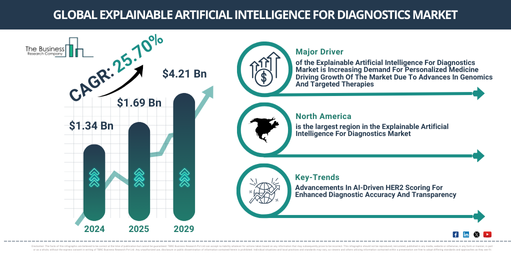
    The explainable artificial intelligence for diagnostics market has witnessed substantial expansion in its size over recent years. Its valuation is anticipated to rise from $1.34 billion in 2024 to $1.69 billion in 2025, reflecting a compound annual growth rate (CAGR) of 26.0%. Factors contributing to this historical growth include the escalating prevalence of chronic and lifestyle-related conditions, a heightened demand for early disease identification, greater patient consciousness regarding personalized care, the increasing necessity for accurate and efficient diagnostic capabilities, and the expanded utilization of medical imaging and pathology data.

    The explainable artificial intelligence for diagnostics market size is anticipated to undergo significant expansion in the foreseeable future. It is projected to achieve a value of $4.21 billion by 2029, demonstrating a compound annual growth rate (CAGR) of 25.7%. This anticipated growth is primarily driven by the increasing demand for explainable and interpretable AI solutions, the escalating need for personalized medicine, a rising emphasis on predictive analytics, growing regulatory support for AI-driven diagnostics, and the heightened desire for transparency in medical decision-making. Significant trends during this forecast period involve advancements in AI algorithms for transparent predictions, the integration of AI with medical imaging and genomics, the evolution of cloud-based AI diagnostic platforms, innovations in automated pathology scoring systems, and the development of user-friendly interpretability dashboards.

    Unlock Your Free Sample Report for Exclusive Market Data:

    https://www.thebusinessresearchcompany.com/sample.aspx?id=28216&type=smp

    What Are The Main Drivers Boosting The Explainable Artificial Intelligence For Diagnostics Industry’s Expansion?

    The rising need for personalized healthcare solutions is projected to drive the expansion of the explainable artificial intelligence for diagnostics market in the future. Personalized medicine, by definition, is a healthcare strategy that tailors prevention, diagnosis, and therapeutic interventions according to an individual’s unique genetic makeup, lifestyle choices, and environmental factors. The adoption of personalized medicine is growing due to progress in genomic data and sequencing technologies, which facilitate the development of more precise, targeted, and efficacious treatments customized for each patient. Explainable artificial intelligence in diagnostics supports personalized medicine by offering clear and understandable insights derived from patient-specific data, thereby informing bespoke treatment choices. As an illustration, in February 2024, the Personalized Medicine Coalition, a US-based non-profit organization, reported that in 2023, the FDA sanctioned 16 novel personalized treatments aimed at rare disease patients, marking an increase from six approvals in 2022. Among the new personalized treatments endorsed in 2023 were also seven medications for cancer and three for other medical conditions. Consequently, the expanding demand for personalized medicine is fueling the growth within the explainable artificial intelligence for diagnostics market.

    How Is The Explainable Artificial Intelligence For Diagnostics Market Segmented?

    The explainable artificial intelligence for diagnostics market covered in this report is segmented as

    1) By Component: Software, Hardware, Services

    2) By Deployment Mode: On-Premises, Cloud

    3) By Application: Medical Imaging, Pathology, Genomics, Risk Assessment, Treatment Recommendation, Other Applications

    4) By End-User: Hospitals, Diagnostic Laboratories, Research Institutes, Clinics, Other End-Users

    Subsegments:

    1) By Software: Machine Learning Platforms, Natural Language Processing Tools, Computer Vision Tools

    2) By Hardware: Imaging Devices, Computational Devices, Sensors And Scanners

    3) By Services: Consulting And Implementation, Maintenance And Support, Training And Education

    What Key Innovation Trends Are Fueling Advancements In The Explainable Artificial Intelligence For Diagnostics Market?

    Major companies operating in the explainable artificial intelligence for diagnostics market are concentrating on developing sophisticated methodologies, such as the AI-powered HER2 scoring algorithm, to enhance diagnostic precision, facilitate transparent decision-making, and support personalized cancer treatment. An AI-powered HER2 scoring algorithm refers to a machine learning-based system designed to analyze medical images, like breast cancer tissue samples, to automatically evaluate the level of HER2 protein expression, thereby providing accurate, consistent, and interpretable results to guide diagnosis and individualized treatment decisions. For instance, in July 2023, PathAI Inc., a US-based AI-driven digital pathology company, launched AIM-HER2 Breast Cancer to improve accurate HER2 status detection in breast cancer patients. This solution offers automated, reproducible HER2 scoring with explainable AI heatmaps that highlight key tissue features, consequently increasing diagnostic confidence and transparency. It analyzes entire breast cancer biopsy slides without the need for manual region selection, thereby streamlining pathologists’ workflow, especially in challenging borderline cases. This AI-enhanced tool aims to elevate the accuracy, efficiency, and trustworthiness in HER2 scoring for biopharma research and clinical laboratories.

    Which Global Market Leaders Are Shaping The Future Of The Explainable Artificial Intelligence For Diagnostics Sector?

    Major companies operating in the explainable artificial intelligence for diagnostics market are Fujitsu Limited, Koninklijke Philips N.V., Tempus AI, Owkin Inc., PathAI Inc., Aidoc Medical Ltd., Viz.ai Inc., Qure.ai Technologies Private Limited, Paige.AI Inc., Digital Diagnostics Inc., Enlitic, Aignostics GmbH, Proscia Inc., Corti ApS, Fiddler AI Inc., Riverain Technologies LLC, Arthur AI Inc., InData Labs, Ibex Medical Analytics Ltd., Mindpeak GmbH, and Therapixel SAS.

    Download The Full Report For Exclusive Market Findings:

    https://www.thebusinessresearchcompany.com/report/explainable-artificial-intelligence-for-diagnostics-global-market-report

    Which Region Is Expected To Witness The Fastest Growth In The Explainable Artificial Intelligence For Diagnostics Market?

    North America was the largest region in the explainable artificial intelligence for diagnostics market in 2024. Asia-Pacific is expected to be the fastest-growing region in the forecast period. The regions covered in explainable artificial intelligence for diagnostics report are Asia-Pacific, Western Europe, Eastern Europe, North America, South America, Middle East and Africa.

    Request A Customized Version Of The Explainable Artificial Intelligence For Diagnostics Market Report:

    https://www.thebusinessresearchcompany.com/customise?id=28216&type=smp

    Browse Through More Reports Similar to the Global Explainable Artificial Intelligence For Diagnostics Market 2025, By The Business Research Company

    Artificial Intelligence In The Diagnostic Global Market Report 2025

    https://www.thebusinessresearchcompany.com/report/artificial-intelligence-in-the-diagnostic-global-market-report

    Ai In Medical Diagnostics Global Market Report 2025

    https://www.thebusinessresearchcompany.com/report/ai-in-medical-diagnostics-global-market-report

    Artificial Intelligence In Healthcare Diagnosis Global Market Report 2025

    https://www.thebusinessresearchcompany.com/report/artificial-intelligence-in-healthcare-diagnosis-global-market-report

    Get in touch with us:

    The Business Research Company: https://www.thebusinessresearchcompany.com/

    Americas +1 310-496-7795

    Asia +44 7882 955267 & +91 8897263534

    Europe +44 7882 955267

    Email us at info@tbrc.info

    Follow us on:

    LinkedIn: https://in.linkedin.com/company/the-business-research-company

    YouTube: https://www.youtube.com/channel/UC24_fI0rV8cR5DxlCpgmyFQ

    Global Market Model: https://www.thebusinessresearchcompany.com/global-market-model
  • Expanded Carrier Screening Market Trends 2025–2029: Forecasts for Key Growth Segments

    Expanded Carrier Screening Market Trends 2025–2029: Forecasts for Key Growth Segments

    Unlock Global Insights – Save 20% on Market Reports with Code ONLINE20

    How Does The Market Size Of The Expanded Carrier Screening Industry Compare Between 2025 And 2029?

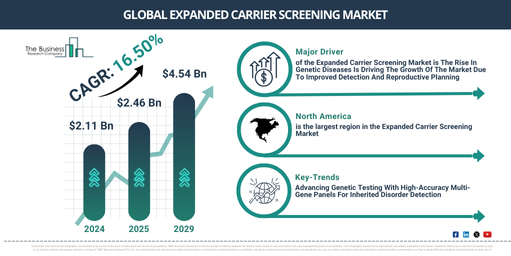
    The expanded carrier screening market size has experienced rapid growth in recent years. It is projected to expand from $2.11 billion in 2024 to $2.46 billion in 2025, demonstrating a compound annual growth rate (CAGR) of 16.9%. The market’s historical growth can be attributed to increased awareness of genetic disorders, the expanding availability of genetic counseling services, a rising demand for early diagnosis in reproductive health, the expansion of prenatal and preconception testing programs, and a growing preference for preventive healthcare.

    The expanded carrier screening market is projected for significant expansion over the coming years. Its valuation is anticipated to reach $4.54 billion by 2029, exhibiting a compound annual growth rate (CAGR) of 16.5%. This growth throughout the forecast period stems from various factors, including an escalating demand for individualized reproductive medicine, increased adoption of expanded carrier screening in developing economies, wider availability of at-home genetic testing solutions for consumers, an uptick in employer-provided genetic testing advantages, and a growing imperative to identify carriers within diverse populations. Key developments expected during this period involve technological progress in next-generation sequencing, the creation of AI-driven genetic risk prediction models, the evolution of point-of-care genetic testing systems, seamless integration with electronic health records, and breakthroughs in multiplexed genetic testing platforms.

    Unlock Your Free Sample Report for Exclusive Market Data:

    https://www.thebusinessresearchcompany.com/sample.aspx?id=28215&type=smp

    Which Factors And Drivers Are Influencing The Expanded Carrier Screening Market In 2025?

    The increasing occurrence of genetic conditions is anticipated to fuel the expansion of the expanded carrier screening market in the future. These disorders stem from DNA irregularities or changes within an individual, which might be inherited or develop without a prior family history. The detection rate of genetic diseases is on the rise, primarily due to enhancements in diagnostic tools, especially next-generation sequencing and other genomic technologies, which have greatly enhanced our capacity to pinpoint numerous genetic disorders that were previously missed or incorrectly identified. Expanded carrier screening plays a crucial role in identifying individuals who carry genetic disorders prior to the onset of symptoms, thereby facilitating well-informed reproductive choices and mitigating the likelihood of transmitting hereditary conditions to their offspring. An example demonstrating this trend is provided by the Cystic Fibrosis Trust, a UK-based organization assisting individuals with cystic fibrosis. As of October 2024, their data showed 11,148 registered cystic fibrosis patients in 2022, which subsequently increased to 11,318 in 2023, indicating a 1.5% year-over-year rise in patient registrations. Consequently, the growing occurrence of genetic conditions is a key factor propelling the expansion of the carrier screening market.

    What Are The Key Segments In The Expanded Carrier Screening Market?

    The expanded carrier screening market covered in this report is segmented as

    1) By Types: Customized Panel Testing, Predesigned Panel Testing

    2) By Technology: Deoxyribonucleic Acid Sequencing, Polymerase Chain Reaction, Microarrays, Other Technologies

    3) By Application: Preconception, Prenatal, Other Applications

    4) By End-User: Hospitals, Diagnostic Laboratories, Research Laboratories, Specialty Clinics, Other End-Users

    Subsegments:

    1) By Customized Panel Testing: Single Gene Testing, Multi-Gene Panel Testing, Ethnicity-Based Custom Panels, Condition-Specific Custom Panels, Family History-Based Custom Panels

    2) By Predesigned Panel Testing: Pan-Ethnic Panels, Universal Carrier Panels, Population-Specific Panels, Disorder-Focused Panels, Expanded Predefined Panels

    Which Ongoing Trends Are Expected To Shape The Expanded Carrier Screening Market Outlook?

    Prominent companies in the expanded carrier screening market are concentrating on developing innovative solutions, such as thorough next-generation sequencing-based panels, to detect various genetic conditions with enhanced accuracy and efficiency. Comprehensive next-generation sequencing (NGS)-based panels are advanced genetic tests that simultaneously analyze numerous genes to identify a wide range of inherited disorders with significant precision and speed. For example, in February 2023, Fulgent Genetics Inc., a US-based genomic testing firm, introduced the Beacon787 Expanded Carrier Screening Panel, which is designed to evaluate 787 genes connected to severe inherited conditions. This panel offers extensive coverage for over 700 autosomal recessive and X-linked disorders, including all Tier 3 genes. It leverages advanced next-generation sequencing technology, delivering high analytical accuracy, a pan-ethnic approach, and a quick turnaround time of 2–3 weeks, thereby establishing it as one of the most comprehensive and precise reproductive carrier screening solutions accessible.

    Which Industry Leaders Are Driving Innovation Across The Expanded Carrier Screening Market?

    Major companies operating in the expanded carrier screening market are Thermo Fisher Scientific Inc., Labcorp Holdings Inc., Quest Diagnostics Incorporated, Eurofins Scientific SE, Illumina Inc., Natera Inc., Myriad Genetics Inc., Fulgent Genetics Inc., BGI Genomics Co. Ltd., Ambry Genetics Corporation, GeneDx Inc., BillionToOne Inc., MedGenome Labs Ltd., Centogene N.V., Baylor Miraca Genetics Laboratories LLC, Victorian Clinical Genetics Services, Pathkind Diagnostics Private Limited, Medicover Genetics GmbH, NxGen MDx LLC, GeneTech

    Download The Full Report For Exclusive Market Findings:

    https://www.thebusinessresearchcompany.com/report/expanded-carrier-screening-global-market-report

    Which Global Regions Are Influencing The Competitive Landscape Of The Expanded Carrier Screening Market?

    North America was the largest region in the expanded carrier screening market in 2024. Asia-Pacific is expected to be the fastest-growing region in the forecast period. The regions covered in expanded carrier screening report are Asia-Pacific, Western Europe, Eastern Europe, North America, South America, Middle East and Africa.

    Request A Customized Version Of The Expanded Carrier Screening Market Report:

    https://www.thebusinessresearchcompany.com/customise?id=28215&type=smp

    Browse Through More Reports Similar to the Global Expanded Carrier Screening Market 2025, By The Business Research Company

    Carrier Screening Global Market Report 2025

    https://www.thebusinessresearchcompany.com/report/carrier-screening-global-market-report

    Security Screening Global Market Report 2025

    https://www.thebusinessresearchcompany.com/report/security-screening-global-market-report

    Wireless Telecommunication Carrier Global Market Report 2025

    https://www.thebusinessresearchcompany.com/report/wireless-telecommunication-carrier-global-market-report

    Get in touch with us:

    The Business Research Company: https://www.thebusinessresearchcompany.com/

    Americas +1 310-496-7795

    Asia +44 7882 955267 & +91 8897263534

    Europe +44 7882 955267

    Email us at info@tbrc.info

    Follow us on:

    LinkedIn: https://in.linkedin.com/company/the-business-research-company

    YouTube: https://www.youtube.com/channel/UC24_fI0rV8cR5DxlCpgmyFQ

    Global Market Model: https://www.thebusinessresearchcompany.com/global-market-model
  • Epidermal Growth Factor Patch Market Forecast 2025–2034: Where Businesses Should Invest Next

    Epidermal Growth Factor Patch Market Forecast 2025–2034: Where Businesses Should Invest Next

    Unlock Global Insights – Save 20% on Market Reports with Code ONLINE20

    What Is The Predicted Market Size Trajectory For The Epidermal Growth Factor Patch Market From 2025 To 2034?

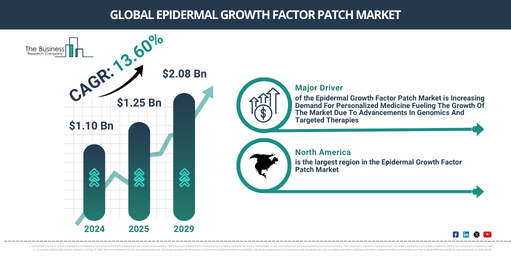
    The epidermal growth factor patch market has witnessed significant growth in recent years. This market is projected to expand from $1.10 billion in 2024 to $1.25 billion in 2025, achieving a compound annual growth rate (CAGR) of 13.9%. The historical expansion of this market was propelled by factors such as a rise in diabetic ulcer cases, an increased consumer focus on reducing scars, the growing number of cosmetic and plastic surgeries, an increase in lifestyle-related skin disorders, and a developing preference for non-invasive healing solutions.

    The epidermal growth factor patch market is foreseen to undergo significant expansion in the coming years. It is expected to achieve a valuation of $2.08 billion by 2029, growing at a compound annual growth rate (CAGR) of 13.6%. This anticipated growth during the forecast period is driven by factors such as the increasing demand for personalized skincare solutions, the greater adoption of advanced wound healing products, a rising awareness surrounding bioactive cosmetic patches, the broadening applications in postoperative recovery, and a growing preference for non-surgical skin treatments. Prominent trends for the forecast period encompass advancements in bioactive patch formulations, the development of combination therapy patches, innovations in sustained release delivery systems, progress in biodegradable and eco-friendly materials, and the creation of multifunctional skincare patches.

    Unlock Your Free Sample Report for Exclusive Market Data:

    https://www.thebusinessresearchcompany.com/sample.aspx?id=28214&type=smp

    What Are The Key Drivers Of Growth In The Epidermal Growth Factor Patch Market?

    The rising need for personalized medicine is projected to boost the expansion of the epidermal growth factor patch market. Personalized medicine describes a medical strategy that customizes treatment and prevention plans to an individual’s distinct genetic makeup, way of life, and surroundings. The growing embrace of personalized medicine largely stems from developments in genomics, which facilitate accurate identification of genetic variations and customized treatments for patients. Epidermal Growth Factor (EGF) patches enhance personalized medicine by delivering growth factors precisely and locally, making them perfect for healing wounds and regenerating skin. They shorten recovery periods by stimulating cell multiplication and tissue repair, thereby improving treatment results specific to each patient. For example, in February 2024, the Personalized Medicine Coalition (PMC), a US-based nonprofit organization, reported that the U.S. Food and Drug Administration (FDA) authorized 26 new personalized medicines in 2023, which was a notable increase from the 12 approved in 2022. Consequently, the increasing demand for personalized medicine is propelling the growth of the epidermal growth factor patch market. The expanding occurrence of skin disorders is anticipated to drive the future growth of the epidermal growth factor patch market. Skin disorders encompass numerous conditions impacting the skin’s structure, performance, or look, frequently leading to symptoms such as inflammation, discomfort, or unusual growths. These conditions include acne, eczema, psoriasis, dermatitis, vitiligo, fungal infections, warts, and skin cancer. The increasing prevalence of skin disorders is attributed to growing environmental pollution, as contaminants can harm the skin barrier and provoke inflammatory or allergic responses. Epidermal growth factor patches improve the management of skin disorders by ensuring precise delivery of growth factors, rendering them perfect for treating wounds, burns, and persistent ulcers. They quicken the healing process by encouraging cell regeneration and tissue repair, thereby enhancing patient recovery and treatment results. As an illustration, in 2023, Cancer Australia, an Australia-based government agency, reported that roughly 8,257 new cases of melanoma of the skin were diagnosed, which constituted 2.6% of all deaths from cancer. Thus, the escalating prevalence of skin disorders is propelling the growth of the epidermal growth factor patch market.

    What Are The Leading Segments Analyzed In The Epidermal Growth Factor Patch Market?

    The epidermal growth factor patch market covered in this report is segmented as

    1) By Product Type: Hydrogel Patches, Microneedle Patches, Film Patches, Other Product Types

    2) By Application: Wound Healing, Anti-Aging, Scar Treatment, Skin Rejuvenation, Other Applications

    3) By Distribution Channel: Online Pharmacies, Retail Pharmacies, Hospital Pharmacies, Other Distribution Channels

    4) By End-User: Hospitals And Clinics, Dermatology Centers, Home Care, Other End-Users

    Subsegments:

    1) By Hydrogel Patches: Moisturizing Repair, Anti Aging, Scar Reduction, Wound Healing

    2) By Microneedle Patches: Epidermal Growth Factor Delivery, Vaccine Delivery, Pain Management, Cosmetic Treatment

    3) By Film Patches: Skin Brightening, Anti Wrinkle, Acne Treatment, Hydration Boost

    4) By Other Product Types: Cooling Soothing, Anti Inflammatory, Detoxifying, Skin Firming

    Who Are The Key Multinational Companies Dominating The Epidermal Growth Factor Patch Market?

    Major companies operating in the epidermal growth factor patch market are Nissha Co. Ltd., Daewoong Pharmaceutical Co. Ltd., Kindeva Drug Delivery L.L.C., LTS Lohmann Therapie-Systeme AG, Teikoku Seiyaku Co. Ltd., Katecho Inc., QuadMedicine Inc., Vaxxas Pty Ltd., DermaJect AB, Micropoint Technologies Ltd., CD Bioparticles Inc., CosMED Pharmaceutical Co. Ltd., Alliqua BioMedical Inc., NEXGEL Inc., Pocono Pharma Inc., Micron Biomedical Inc., Raphas Co. Ltd., Heber Biotech S.A., Zosano Pharma Corporation, and Hebei Feifan Biotechnology Co. Ltd.

    Download The Full Report For Exclusive Market Findings:

    https://www.thebusinessresearchcompany.com/report/epidermal-growth-factor-patch-global-market-report

    What Are The Regional Market Dynamics Impacting The Epidermal Growth Factor Patch Industry?

    North America was the largest region in the epidermal growth factor patch market in 2024. Asia-Pacific is expected to be the fastest-growing region in the forecast period. The regions covered in epidermal growth factor patch report are Asia-Pacific, Western Europe, Eastern Europe, North America, South America, Middle East and Africa.

    Request A Customized Version Of The Epidermal Growth Factor Patch Market Report:

    https://www.thebusinessresearchcompany.com/customise?id=28214&type=smp

    Browse Through More Reports Similar to the Global Epidermal Growth Factor Patch Market 2025, By The Business Research Company

    Transdermal Skin Patche Global Market Report 2025

    https://www.thebusinessresearchcompany.com/report/transdermal-skin-patche-global-market-report

    Electronic Skin Patch Global Market Report 2025

    https://www.thebusinessresearchcompany.com/report/electronic-skin-patch-global-market-report

    Transdermal Drug Delivery Systems Global Market Report 2025

    https://www.thebusinessresearchcompany.com/report/transdermal-drug-delivery-systems-global-market-report

    Get in touch with us:

    The Business Research Company: https://www.thebusinessresearchcompany.com/

    Americas +1 310-496-7795

    Asia +44 7882 955267 & +91 8897263534

    Europe +44 7882 955267

    Email us at info@tbrc.info

    Follow us on:

    LinkedIn: https://in.linkedin.com/company/the-business-research-company

    YouTube: https://www.youtube.com/channel/UC24_fI0rV8cR5DxlCpgmyFQ

    Global Market Model: https://www.thebusinessresearchcompany.com/global-market-model
  • Global Ensartinib Market Analysis 2025–2029: Opportunities for Strategic Growth

    Global Ensartinib Market Analysis 2025–2029: Opportunities for Strategic Growth

    Unlock Global Insights – Save 20% on Market Reports with Code ONLINE20

    How Much Larger Is The Ensartinib Market Expected To Become By 2029 Compared With Its 2025 Level?

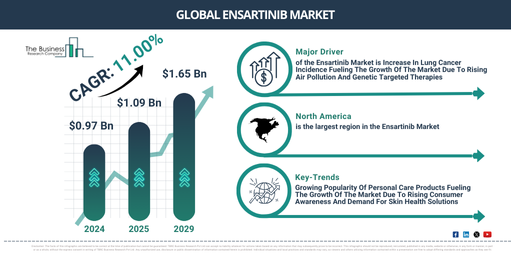
    The ensartinib market has experienced rapid growth in its size during recent years. This market is projected to expand from $0.97 billion in 2024 to $1.09 billion in 2025, maintaining a compound annual growth rate (CAGR) of 11.4%. This historical growth can be attributed to several factors, including positive reimbursement decisions, broadened payer coverage for targeted lung cancer therapies, the proliferation of early diagnosis initiatives, a rise in patient and clinician awareness regarding the benefits of targeted therapy, and an increasing emphasis on personalized medicine.

    The ensartinib market is anticipated to show significant expansion over the next few years, with its value projected to reach $1.65 billion by 2029, exhibiting a compound annual growth rate (CAGR) of 11.0%. This growth during the forecast period is fueled by factors such as the continued increase in biomarker screening rates, the rising prevalence of non-small cell lung cancer, a growing demand for targeted cancer therapies, an increased need for outcome-based models, and an enhanced focus on patient convenience. Prominent trends expected in this period encompass advancements in diagnostic techniques, the integration of artificial intelligence for trial matching, forming strategic collaborations with research institutions and healthcare providers, the development of combination therapies, and greater investments in research and development.

    Unlock Your Free Sample Report for Exclusive Market Data:

    https://www.thebusinessresearchcompany.com/sample.aspx?id=28213&type=smp

    Which Drivers Are Supporting Growth Of The Ensartinib Market?

    The expanding ensartinib market is anticipated to be fueled by the rising occurrence of lung cancer. Lung cancer is characterized by the unchecked growth of abnormal cells in the lungs, frequently forming tumors that hinder normal breathing and have the potential to spread. The incidence of lung cancer is increasing largely due to prolonged exposure to air pollution, particularly fine particulate matter, which damages lung tissue over time. Ensartinib aids in treating lung cancer by obstructing the atypical activity of the ALK gene, thereby assisting in managing tumor growth in patients with ALK-positive non-small cell lung cancer. For example, in June 2025, the Centers for Disease Control and Prevention, a US-based government agency, reported that new lung cancer cases in the United States increased from 218,893 in 2022 to 238,340 in 2023. This demonstrates how the growing incidence of lung cancer is consequently driving the growth of the ensartinib market.

    What Are The Segment Types Shaping The Ensartinib Market?

    The ensartinib market covered in this report is segmented as

    1) By Drug Type: Oral, Injectable

    2) By Patient Demographics: Pediatric Patients, Adult Patients, Geriatric Patients

    3) By Indication: Non-Small Cell Lung Cancer (NSCLC), Other Lung Cancers, Potential New Indications

    4) By Treatment Line: First-Line Treatment, Second-Line Treatment, Third-Line And Beyond Treatment

    5) By End-User: Hospitals, Specialty Clinics, Other End-Users

    Subsegments:

    1) By Oral: Capsules, Tablets, Liquid Formulations, Powder For Oral Suspension

    2) By Injectable: Vials, Prefilled Syringes, Lyophilized Powder, Solution For Injection

    What Are The Latest Industry Trends Transforming The Ensartinib Market?

    Leading enterprises within the ensartinib market are concentrating on securing official regulatory clearances. This strategic focus aims to expand patient availability across crucial international regions and achieve additional label indications for ALK-positive NSCLC. Such regulatory approvals represent the official permission from health authorities, permitting a drug like ensartinib to be sold and prescribed once its safety, effectiveness, and quality have been verified. An example of this is the December 2024 announcement, where Xcovery Holdings, Inc., a biopharmaceutical firm based in the US, was granted FDA approval for ensartinib (known commercially as Ensacove). This approval is for managing adult patients afflicted with anaplastic lymphoma kinase (ALK)-positive locally advanced or metastatic non-small cell lung cancer (NSCLC) who have not previously undergone treatment with an ALK inhibitor. The foundation for this clearance was the phase 3 eXALT3 trial, where ensartinib demonstrated a notable enhancement in progression-free survival when benchmarked against crizotinib (a median of 25.8 versus 12.7 months), even though overall survival figures were comparable between the cohorts. Ensartinib, being a second-generation ALK inhibitor, is engineered to counteract resistance and target aberrant ALK proteins, with its frequently reported adverse effects encompassing rash, muscle pain, constipation, cough, itching, nausea, swelling, fever, and fatigue.

    Which Leading Players Are Enhancing Their Ensartinib Market Presence Worldwide?

    Major companies operating in the ensartinib market are Xcovery Holdings Inc., Betta Pharmaceuticals Co. Ltd.

    Download The Full Report For Exclusive Market Findings:

    https://www.thebusinessresearchcompany.com/report/ensartinib-global-market-report

    Which Region Shows The Highest Potential For Future Expansion In The Ensartinib Market?

    North America was the largest region in the ensartinib market in 2024. Asia-Pacific is expected to be the fastest-growing region in the forecast period. The regions covered in ensartinib report are Asia-Pacific, Western Europe, Eastern Europe, North America, South America, Middle East and Africa.

    Request A Customized Version Of The Ensartinib Market Report:

    https://www.thebusinessresearchcompany.com/customise?id=28213&type=smp

    Browse Through More Reports Similar to the Global Ensartinib Market 2025, By The Business Research Company

    Osimertinib Drugs Global Market Report 2025

    https://www.thebusinessresearchcompany.com/report/osimertinib-drugs-global-market-report

    Narcotic Drugs Global Market Report 2025

    https://www.thebusinessresearchcompany.com/report/narcotic-drugs-global-market-report

    Sarcoma Drugs Global Market Report 2025

    https://www.thebusinessresearchcompany.com/report/sarcoma-drugs-global-market-report

    Get in touch with us:

    The Business Research Company: https://www.thebusinessresearchcompany.com/

    Americas +1 310-496-7795

    Asia +44 7882 955267 & +91 8897263534

    Europe +44 7882 955267

    Email us at info@tbrc.info

    Follow us on:

    LinkedIn: https://in.linkedin.com/company/the-business-research-company

    YouTube: https://www.youtube.com/channel/UC24_fI0rV8cR5DxlCpgmyFQ

    Global Market Model: https://www.thebusinessresearchcompany.com/global-market-model