Blog

  • Vision Impairment Devices Market Size Reaches $5.21 Billion In 2026: What Is Driving Growth?

    Vision Impairment Devices Market Size Reaches $5.21 Billion In 2026: What Is Driving Growth?

    Featuring market attractiveness scoring, total addressable market sizing, company benchmarking matrices, interactive Excel dashboards, deeper supply chain intelligence, emerging startup tracking, and granular product-level insights, The Business Research Company’s 2026 market reports are built to deliver research that is both more actionable and more strategically valuable.

    Vision Impairment Devices Market Value Growth And Long-Term Outlook

    The vision impairment devices market has experienced significant expansion in recent years. Its valuation is predicted to rise from $4.78 billion in 2025 to $5.21 billion in 2026, reflecting a compound annual growth rate (CAGR) of 9.0%. The growth observed in prior periods can be attributed to several factors, including the limited availability of advanced assistive technologies, the high cost of low vision devices, a general lack of awareness regarding vision impairment solutions, a reliance on traditional mobility aids, and the slow integration of digital assistive tools.

    The vision impairment devices market is poised for significant expansion in the coming years. This sector is expected to grow to $7.29 billion in 2030, exhibiting a compound annual growth rate (CAGR) of 8.8%. The anticipated growth during the forecast period is driven by factors such as the increasing prevalence of visual impairment, the rising adoption of smart canes and wearable devices, growing investment in AI-based accessibility solutions, the expansion of online retail channels, and government initiatives promoting inclusive technologies. Noteworthy trends predicted for this period include wearable vision assistance devices, voice-activated accessibility solutions, cloud-based visual aid platforms, the integration of haptic feedback technologies, and personalized visual rehabilitation programs.

    Get A Free Sample Report With In-Depth Market Insights:

    https://thebusinessresearchcompany.com/sample_request?id=18003027&type=smp&name=Vision%20Impairment%20Devices%20Market%20Report%202026&utm_source=Blogs&utm_medium=Paid&utm_campaign=Oct_PR

    Vision Impairment Devices Market Growth Catalysts And Demand Drivers

    The escalating occurrence of eye conditions is expected to drive expansion in the market for vision impairment devices in the foreseeable future. These conditions are health issues that interfere with the eye’s typical function or structure, potentially leading to partial or total vision loss if not adequately addressed. The surge in eye diseases stems from extended screen use on digital devices, resulting in persistent eye strain and hastening the onset of ailments like myopia and digital eye fatigue, especially among younger demographics. Vision impairment devices provide significant benefits to patients with eye diseases by boosting accessibility, enhancing day-to-day functionality, and fostering increased independence via sophisticated assistive technologies. For example, a report from August 2024 by the World Health Organization, a Switzerland-based intergovernmental organization, projects that the population afflicted with presbyopia will hit 2.1 billion by 2030, concurrently with an expected rise in myopia cases to approximately 3.36 billion globally. Consequently, the increasing incidence of eye diseases is set to stimulate the growth of the vision impairment devices market.

    Vision Impairment Devices Market Segments: Where Is Growth Concentrated?

    The vision impairment devices market covered in this report is segmented –

    1) By Product Type: Educational Devices And Software, Mobility Devices, Low Vision Devices, Other Product Types

    2) By Distribution Channel: Online Retail, Offline Retail, Direct Sales, Pharmacies And Optical Stores

    3) By End-User: Blind Schools Or Educational Institutions, Enterprises And Social Organizations, Personal Use Or Individuals, Hospitals And Federations, Other End-Users

    Subsegments:

    1) By Educational Devices And Software: Screen Readers, Magnifying Software, Braille Translators, Educational Apps For Visually Impaired

    2) By Mobility Devices: Smart Canes, GPS-Based Navigation Aids, Electronic Travel Aids, Wearable Mobility Trackers

    3) By Low Vision Devices: Video Magnifiers, Telescopic Glasses, Magnifying Lenses, Text-To-Speech Devices

    4) By Other Product Types: Smart Glasses, Braille Watches, Accessible Home Devices, Tactile Displays

    Vision Impairment Devices Market Trends Shaping Long-Term Demand

    Leading companies in the vision impairment devices market are concentrating on developing advanced solutions, such as microelectrode arrays, to achieve minimal invasiveness. Microelectrode arrays are compact devices comprising numerous tiny electrodes engineered to detect or transmit electrical signals within neural or cellular networks with precise spatial resolution. For instance, in September 2024, Neuralink, a US-based neurotechnology company, announced that its surgically placed device, Blindsight, received U.S. Food and Drug Administration approval, designed to help individuals who have lost their sight regain visual perception. Blindsight implants involve placing a microelectrode array into the brain’s visual cortex to stimulate neurons responsible for visual processing. This enables the brain to generate visual sensations without relying on the eyes or optic nerves. A key differentiator of this device is its ability to assist individuals who are totally blind or have non-functioning optic nerves, provided their visual cortex is healthy. It may even provide visual perception to those who have never had sight from birth.

    Vision Impairment Devices Market Competitive Analysis Of Leading Industry Participants

    Major companies operating in the vision impairment devices market are Carl Zeiss Meditec AG, HumanWare Ltd., Freedom Scientific Inc., Dolphin Computer Access Ltd., Access Ingenuity, Adaptica SRL, Ambutech Inc., Carroll Store, En-Vision America Inc., LVI Low Vision International, NIDEK CO. LTD., Ocutech Inc., Beyond Sight, Blaxall Optics Ltd., Telesensory Corporation, HIMS Inc., Optelec NV, Enhanced Vision, IrisVision Inc., eSight Corporation, VisionAid Technologies, Handy Tech Electronics, Vision Australia Technologies

    View The Full Vision Impairment Devices Market Report:

    https://thebusinessresearchcompany.com/report/vision-impairment-devices-global-market-report?utm_source=Blogs&utm_medium=Paid&utm_campaign=Oct_PR

    Vision Impairment Devices Market Geographic Distribution And Regional Opportunities

    North America was the largest region in the vision impairment devices market in 2025. Asia-Pacific is expected to be the fastest-growing region in the forecast period. The regions covered in the vision impairment devices market report are Asia-Pacific, South East Asia, Western Europe, Eastern Europe, North America, South America, Middle East, Africa.

    Reach Out To Our Team:

    The Business Research Company: https://www.thebusinessresearchcompany.com/

    Americas: +1 310-496-7795

    Asia: +44 7882 955267 & +91 8897263534

    Europe: +44 7882 955267

    Email us at: marketing@tbrc.info

    Follow us on:

    LinkedIn: https://in.linkedin.com/company/the-business-research-company

    YouTube: https://www.youtube.com/channel/UC24_fI0rV8cR5DxlCpgmyFQ

    Global Market Model: https://www.thebusinessresearchcompany.com/global-market-model
  • Vision Care Devices And Equipment Market Valued At $45.06 Billion In 2026: Key Trends And Growth Drivers

    Vision Care Devices And Equipment Market Valued At $45.06 Billion In 2026: Key Trends And Growth Drivers

    Built to provide research that’s more actionable and strategically valuable, The Business Research Company’s 2026 market reports include market attractiveness analysis, total addressable market sizing, company benchmarking matrices, interactive Excel dashboards, broader supply chain intelligence, emerging startup tracking, and in-depth product insights.

    Vision Care Devices And Equipment Market Poised To Hit $45.06 Billion By 2030 With A 11.1% CAGR

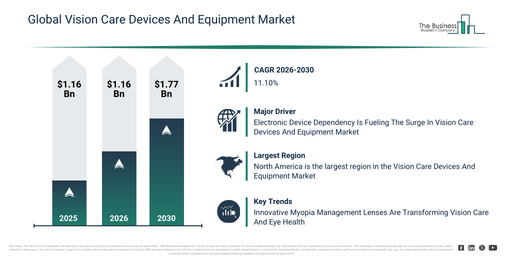
    The vision care devices and equipment market has seen rapid expansion in recent years. This market is expected to increase from $26.62 billion in 2025 to $29.6 billion in 2026, registering a compound annual growth rate (CAGR) of 11.2%. Throughout the historical period, this growth was largely fueled by the rising occurrence of vision impairment disorders, an increase in cataract surgery volumes, the spread of ophthalmology clinics, advancements in diagnostic imaging tools, and the broader provision of eye care services.

    The vision care devices and equipment market is poised for significant expansion in the coming years. It is forecast to reach $45.06 billion in 2030, achieving a compound annual growth rate (CAGR) of 11.1%. This projected growth during the forecast period is driven by a globally increasing aging population, the rising acceptance of premium IOLs, a growing need for laser-based eye surgeries, the widening scope of outpatient ophthalmic care, and increasing financial commitments to advanced eye care technologies. Noteworthy trends anticipated in this period encompass the greater adoption of sophisticated intraocular lens technologies, the increased deployment of laser-assisted vision correction systems, a heightened demand for glaucoma management devices, the expansion of minimally invasive ophthalmic procedures, and an intensified focus on precision diagnostics.

    Get A Free Sample Report With In-Depth Market Insights:

    https://thebusinessresearchcompany.com/sample_request?id=96404537&type=smp&name=Vision%20Care%20Devices%20And%20Equipment%20Market%20Report%202026&utm_source=Blogs&utm_medium=Paid&utm_campaign=Oct_PR

    Vision Care Devices And Equipment Market Opportunity Drivers: What’s Unlocking New Revenue Potential?

    The expanding adoption of electronic devices is projected to fuel the expansion of the vision care devices and equipment market. These devices are defined as components or equipment functioning with electrical circuits and semiconductor technologies for processing, storing, transmitting, or managing information and energy. The uptake of electronic devices is on the rise, driven by swift technological progress and consumers’ increasing reliance on interconnected, intelligent digital goods. Vision care products and equipment facilitate the rising usage of electronic devices by aiding in the prevention, detection, and management of eye strain, dryness, and various other ocular problems stemming from extended screen time. For example, data from May 2023, provided by the Japan Electronics and Information Technology Industries Association, a trade group located in Japan, showed that consumer electronics production reached $204.67 million (¥32,099 million) in May 2023, representing a 127% increase over the prior year. Consequently, the increased use of electronic devices is a significant catalyst for the vision care devices and equipment market.

    Vision Care Devices And Equipment Market Segment Analysis: What Are The Core Market Categories?

    The vision care devices and equipment market covered in this report is segmented –

    1) By Type: Intraocular Lens, Ophthalmic Lasers, Glaucoma Drainage Devices, Contact Lenses, Other Types

    2) By Aplication: Vision Care, Diagnosis, Surgery

    3) By End User: Hospitals, Ambulatory Surgery Centers, Optical Centers, Other End Users

    Subsegments:

    1) By Intraocular Lens (IOL): Monofocal IOLs, Multifocal IOLs, Toric IOLs, Accommodating IOLs, Phakic IOLs

    2) By Ophthalmic Lasers: Excimer Lasers, Femtosecond Lasers, YAG Lasers, Diode Lasers, Argon Lasers

    3) By Glaucoma Drainage Devices: Shunt Implants, Tube Drainage Implants, Cyclodestructive Procedures, Valved Drainage Devices

    4) By Contact Lenses: Soft Contact Lenses, Rigid Gas Permeable Lenses, Toric Lenses, Scleral Lenses, Hybrid Contact Lenses

    5) By Other Types: Retinal Implant Devices, Corneal Implants, Vision Correction Devices, Eye Examination Equipment

    Vision Care Devices And Equipment Market Innovation Trends Shaping Future Development

    Leading companies in the vision care devices and equipment market are introducing new products, such as myopia management lenses, to cater to broader customer segments, increase sales, and boost revenue. Myopia management lenses are specialized corrective eyeglasses or contact lenses specifically designed to slow the progression of myopia (nearsightedness) in individuals, particularly children and adolescents. For example, in April 2023, HOYA Vision Care, an eyeglass lens manufacturer based in Thailand, released MiYOSMART Sun Spectacle Lenses, which integrate myopia control with protection from intense sunlight. The unique non-invasive technology employed in these MiYOSMART clear spectacle lenses has been shown to reduce myopia growth by 60% in children aged 8 to 13. Additionally, the photochromic and polarized MiYOSMART Chameleon and MiYOSMART Sunbird spectacle lenses were developed to halt the progression of myopia in young individuals by utilizing Defocus Incorporated Multiple Segments (DIMS).

    Vision Care Devices And Equipment Market Leading Companies And Competitive Benchmarking

    Major companies operating in the vision care devices and equipment market are Essilor International, Johnson & Johnson, Carl Zeiss AG, The Cooper Companies, Novartis AG, Bausch & Lomb, Nidek Co.Ltd., Valeant Pharmaceuticals International Inc., Luxottica Group SpA, Escalon Services, Tomey Corporation, CIBA Vision Corporation, Visionix Ltd., Potec, LuxVisions Innovation Limited, Heine Optotechnik, Luneau Technology Operations SAS, Heidelberg Engineering Inc., Huvitz Technologies, STAAR Surgical Company, Swiss Advanced Vision, Visioneering Technologies Inc., Rayner Intraocular Lenses Limited, Jiangsu Hongchen Optical Co. Ltd., Alcon, Hoya Corporation, Topcon Corporation, Carl Zeiss Meditec AG, Lumenis Ltd., Ellex Medical Pty Ltd., Abbott Medical Optics, Canon Medical Systems, Haag-Streit AG, Optovue Inc., Quantel Medical SAS, VisionCare Devices LLC, Med-Logics Inc., Advanced Vision Science Inc., Eyenovia Inc., HumanOptics Holding AG, Clearside Biomedical Inc.

    View The Full Vision Care Devices And Equipment Market Report:

    https://thebusinessresearchcompany.com/report/vision-care-devices-and-equipment-global-market-report?utm_source=Blogs&utm_medium=Paid&utm_campaign=Oct_PR

    Vision Care Devices And Equipment Market Largest Region By Revenue And Market Share

    North America was the largest region in global vision care devices and equipment market in 2025. Asia-Pacific was the second-largest region in the vision care devices and equipment market share. The regions covered in the vision care devices and equipment market report are Asia-Pacific, South East Asia, Western Europe, Eastern Europe, North America, South America, Middle East, Africa.

    Reach Out To Our Team:

    The Business Research Company: https://www.thebusinessresearchcompany.com/

    Americas: +1 310-496-7795

    Asia: +44 7882 955267 & +91 8897263534

    Europe: +44 7882 955267

    Email us at: marketing@tbrc.info

    Follow us on:

    LinkedIn: https://in.linkedin.com/company/the-business-research-company

    YouTube: https://www.youtube.com/channel/UC24_fI0rV8cR5DxlCpgmyFQ

    Global Market Model: https://www.thebusinessresearchcompany.com/global-market-model
  • Virtual Reality Therapy Hardware Market Size In 2026: Growth Outlook And Forecast Through 2030

    Virtual Reality Therapy Hardware Market Size In 2026: Growth Outlook And Forecast Through 2030

    Backed by market attractiveness analysis, total addressable market sizing, company benchmarking matrices, interactive Excel dashboards, wider supply chain intelligence, emerging startup coverage, and detailed product-level insights, The Business Research Company’s 2026 market reports are designed to offer research that is more actionable and strategically valuable than ever.

    Virtual Reality Therapy Hardware Market Size And Revenue Outlook Through 2030

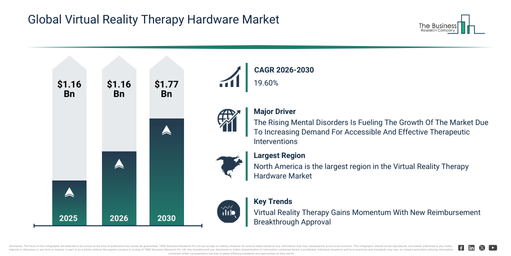
    The virtual reality therapy hardware market has experienced substantial expansion in recent years. This market is projected to increase from $1.87 billion in 2025 to $2.24 billion in 2026, demonstrating a compound annual growth rate (CAGR) of 19.9%. The growth observed in the historic period is attributable to several factors, including the rising mental health burden, increased demand for rehabilitation therapy, reductions in VR hardware costs, the implementation of clinical pilot programs, and the validation of digital therapy solutions.

    The market size for virtual reality therapy hardware is anticipated to experience significant expansion in the coming years. This market is projected to reach $4.59 billion by 2030, demonstrating a compound annual growth rate (CAGR) of 19.6%. Factors contributing to this growth during the forecast period include the expansion of telehealth, personalization of VR content, broader insurance coverage, the rehabilitation requirements of an aging population, and continuous hardware innovation. Key trends expected within this period encompass VR therapy for mental health, the gamification of physical rehabilitation, therapy focused on pain distraction, the advent of remote therapy sessions, and the creation of personalized therapy environments.

    Get A Free Sample Report With In-Depth Market Insights:

    https://thebusinessresearchcompany.com/sample_request?id=56740148&type=smp&name=Virtual%20Reality%20Therapy%20Hardware%20Market%20Report%202026&utm_source=Blogs&utm_medium=Paid&utm_campaign=Oct_PR

    Virtual Reality Therapy Hardware Market Growth Momentum: What Factors Are Shaping Demand?

    The escalating prevalence of mental disorders is anticipated to fuel the expansion of the virtual reality therapy hardware market in the foreseeable future. These conditions, which impair an individual’s thoughts, emotions, actions, or mood, often significantly impede daily routines and overall life quality. An increase in mental disorders is associated with heightened social isolation, leading to elevated stress and anxiety, which detrimentally affects emotional wellness and precipitates mental health problems. The surge in mental health issues stimulates the need for virtual reality therapy hardware, given that these immersive platforms offer efficient and readily available treatment options, including exposure therapy, mindfulness training, and other therapeutic interventions within regulated virtual settings. As an illustration, in May 2024, data from the American Psychiatric Association, a US-based professional body for psychologists, revealed that 43% of adults reported increased anxiety, up from 37% in 2023 and 32% in 2022, signaling a steady rise in anxiety levels. Consequently, the increasing incidence of mental disorders is a primary driver for the growth of the virtual reality therapy hardware market.

    Virtual Reality Therapy Hardware Market Segment Breakdown: Which Categories Lead On Revenue?

    The virtual reality therapy hardware market covered in this report is segmented –

    1) By Product Type: Head-Mounted Displays, Motion Tracking Devices, Haptic Feedback Devices

    2) By Distribution Channel: Direct Sales, Online Retail, Specialty Stores, Other Distribution Channels

    3) By Application: Mental Health, Physical Rehabilitation, Pain Management, Phobia Treatment, Other Applications

    4) By End-User: Hospitals And Clinics, Rehabilitation Centers, Research And Academic Institutes, Other End-Users

    Subsegments:

    1) By Head-Mounted Displays (HMDs): Standalone Head-Mounted Displays (HMDs), Tethered Head-Mounted Displays (HMDs), Mixed Reality Head-Mounted Displays (HMDs)

    2) By Motion Tracking Devices: Optical Motion Trackers, Inertial Motion Trackers

    3) By Haptic Feedback Devices: Gloves With Haptic Feedback, Suits With Haptic Feedback, Handheld Haptic Controllers, Exoskeleton-based Haptic Devices

    Virtual Reality Therapy Hardware Market Trends Redefining Industry Growth

    Companies operating in the virtual reality therapy hardware market are concentrating on creating advanced innovations, such as VR therapeutic devices, to enhance patient accessibility to clinically validated, non-pharmacological treatment approaches. A VR therapeutic device is a medical-grade virtual reality system designed to deliver structured therapeutic interventions through immersive digital environments. For instance, in March 2023, AppliedVR, a US-based immersive therapeutics company, announced that its RelieVRx system had received a unique Healthcare Common Procedure Coding System Level II code. This system integrates virtual reality–based cognitive behavioral therapy with a dedicated device platform to offer an at-home, prescription treatment option for individuals with chronic lower back pain. Its official classification as durable medical equipment establishes a clearer reimbursement pathway, signifying a notable progression for the wider clinical adoption of virtual reality therapeutic hardware.

    Virtual Reality Therapy Hardware Market Industry Leaders And Competitive Landscape

    Major companies operating in the virtual reality therapy hardware market are Apple Inc, Meta Platforms Inc, HTC Corporation, Sony Group Corporation, Samsung Electronics Co Ltd, Microsoft Corporation, Varjo Technologies Oy, Pico Interactive Inc, Magic Leap Inc, MindMaze SA, XRHealth Inc, AppliedVR Inc, MyndVR Inc, NuEyes Technologies Inc, Looxid Labs Inc, OpenBCI Inc, Karuna Labs Inc, HaptX Inc, bHaptics Inc, Virtuix Holdings Inc, Teslasuit Inc, Ultraleap Ltd

    View The Full Virtual Reality Therapy Hardware Market Report:

    https://thebusinessresearchcompany.com/report/virtual-reality-therapy-hardware-global-market-report?utm_source=Blogs&utm_medium=Paid&utm_campaign=Oct_PR

    Virtual Reality Therapy Hardware Market Regional Analysis And Leading Geography

    North America was the largest region in the virtual reality therapy hardware market in 2025. The regions covered in the virtual reality therapy hardware market report are Asia-Pacific, South East Asia, Western Europe, Eastern Europe, North America, South America, Middle East, Africa.

    Reach Out To Our Team:

    The Business Research Company: https://www.thebusinessresearchcompany.com/

    Americas: +1 310-496-7795

    Asia: +44 7882 955267 & +91 8897263534

    Europe: +44 7882 955267

    Email us at: marketing@tbrc.info

    Follow us on:

    LinkedIn: https://in.linkedin.com/company/the-business-research-company

    YouTube: https://www.youtube.com/channel/UC24_fI0rV8cR5DxlCpgmyFQ

    Global Market Model: https://www.thebusinessresearchcompany.com/global-market-model
  • Virtual Biopsy Market Trends Supporting 11.7% CAGR Growth Through 2030

    Virtual Biopsy Market Trends Supporting 11.7% CAGR Growth Through 2030

    Featuring market attractiveness scoring, total addressable market sizing, company benchmarking matrices, interactive Excel dashboards, deeper supply chain intelligence, emerging startup tracking, and granular product-level insights, The Business Research Company’s 2026 market reports are built to deliver research that is both more actionable and more strategically valuable.

    Virtual Biopsy Market Growth From $0.79 Billion In 2026 To $1.23 Billion By 2030 At A CAGR Of 11.7%

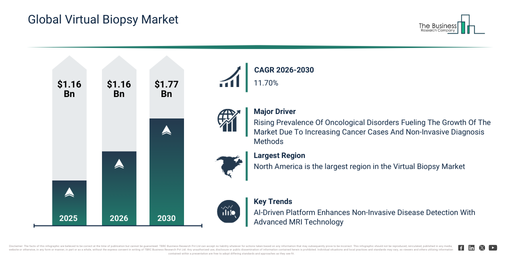
    The virtual biopsy market has experienced substantial expansion in recent years. It is projected to expand from $0.71 billion in 2025 to $0.79 billion in 2026, demonstrating a compound annual growth rate (CAGR) of 11.9%. Historically, this growth can be ascribed to factors such as dependence on conventional biopsy methods, restricted capabilities of imaging technology, the escalating incidence of chronic illnesses, the development of hospital and diagnostic infrastructure, and the heightened need for precise cancer diagnoses.

    The virtual biopsy market is projected for significant expansion in the coming years. Its valuation is set to reach $1.23 billion by 2030, demonstrating a compound annual growth rate (CAGR) of 11.7%. This anticipated growth during the forecast period is fueled by several factors, including developments in imaging algorithms and AI analytics, the broadening of diagnostic applications in oncology and neurology, increasing use for cardiovascular and ophthalmological conditions, integration with personalized medicine strategies, and rising capital expenditure in research institutions and diagnostic facilities. Key trends anticipated within this period involve a greater embrace of non-invasive diagnostic methods, an escalating need for early disease identification, the combination of sophisticated imaging with predictive analytics, an extension of virtual biopsy utility across various therapeutic fields, and an intensified emphasis on patient comfort alongside quicker recovery.

    Get A Free Sample Report With In-Depth Market Insights:

    https://thebusinessresearchcompany.com/sample_request?id=40822746&type=smp&name=Virtual%20Biopsy%20Market%20Report%202026&utm_source=Blogs&utm_medium=Paid&utm_campaign=Oct_PR

    Virtual Biopsy Market Expansion Drivers: What’s Shaping Future Growth?

    The increasing incidence of cancer-related conditions is anticipated to drive the expansion of the virtual biopsy market in the future. Oncological disorders refer to diseases involving uncontrolled growth and dissemination of abnormal cells within the body. This growth in oncological disorders is largely attributable to evolving lifestyles, including unhealthy eating habits, lack of physical exercise, smoking, and heightened exposure to environmental contaminants. Virtual biopsy supports the detection and oversight of these conditions through non-invasive, immediate imaging data, lessening the necessity for conventional tissue biopsies and simultaneously boosting diagnostic precision and patient well-being. For example, in January 2023, the U.S.-based digital health research firm Rock Health stated that 1,958,310 new cancer cases are forecast in the U.S. for 2023, representing an increase from approximately 1.9 million new cases in 2022. Consequently, the growing occurrence of oncological disorders is a key factor propelling the expansion of the virtual biopsy market.

    Virtual Biopsy Market Segmentation: How Does The Market Break Down By Category?

    The virtual biopsy market covered in this report is segmented –

    1) By Target Thrapeutic Areas: Oncological Disorders, Neurological Disorders, Cardiovascular Disorders, Ophthalmological Disorders, Endocrine Disorders, Gastrointestinal Disorders, Other Target Therapeutic Areas

    2) By Cancer Targeted: Solid Malignancies, Breast Cancer, Lung Cancer, Prostate Cancer, Colorectal Cancer, Brain Cancer, Other Cancer Targeteds

    3) By Imaging Technologies: Magnetic Resonance Imaging, Computed Tomography, X-Ray, Ultrasound, Other Imaging Technologies

    4) By End Users: Hospitals And Clinics, Research Institutes And Diagnostic Centers, Other End Users

    Subsegments:

    1) By Oncological Disorders: Lung Cancer, Breast Cancer, Prostate Cancer, Colorectal Cancer, Liver Cancer, Brain Tumors, Other Cancers

    2) By Neurological Disorders: Alzheimer’s Disease, Parkinson’s Disease, Multiple Sclerosis, Epilepsy, Brain Injuries, Stroke, Other Neurological Conditions

    3) By Cardiovascular Disorders: Coronary Artery Disease, Heart Failure, Arrhythmias, Aortic Aneurysm, Valvular Heart Disease, Myocardial Infarction, Other Cardiovascular Conditions

    4) By Ophthalmological Disorders: Age-Related Macular Degeneration, Diabetic Retinopathy, Glaucoma, Retinal Vein Occlusion, Cataracts, Other Eye Disorders

    5) By Endocrine Disorders: Diabetes Mellitus, Thyroid Disorders, Adrenal Gland Disorders, Pituitary Gland Disorders, Parathyroid Disorders, Other Endocrine Conditions

    6) By Gastrointestinal Disorders: Inflammatory Bowel Disease, Colorectal Polyps, Gastric Ulcers, Liver Cirrhosis, Pancreatic Disorders, Hepatitis, Other Gastrointestinal Conditions

    7) By Other Target Therapeutic Areas: Musculoskeletal Disorders, Renal Disorders, Pulmonary Disorders, Hematologic Disorders, Dermatological Disorders, Infectious Diseases, Other Miscellaneous Conditions

    Virtual Biopsy Market Strategic Trends: What Defines The Next Growth Phase?

    Leading companies within the virtual biopsy market are prioritizing the development of advanced technological solutions and obtaining crucial approvals, including for the magnetic resonance spectroscopy (MRS) platform, to boost non-invasive diagnostic precision and offer real-time analysis for prompt disease detection and personalized therapeutic strategies. Magnetic resonance spectroscopy (MRS) serves as a non-invasive imaging method that supports virtual biopsy by providing intricate molecular details of tissues, thereby facilitating accurate, real-time disease identification and ongoing surveillance without the necessity of invasive procedures. As an illustration, in November 2023, BrainSpec Inc., a US-based healthtech company, secured approval from the U.S. Food and Drug Administration (FDA) for its artificial intelligence (AI)-driven BrainSpec platform. This innovation leverages sophisticated artificial intelligence (AI) analysis of MR spectroscopy data to measure brain metabolites like 2-hydroxyglutarate, allowing for non-invasive virtual biopsies to diagnose conditions such as gliomas, alzheimer’s, and multiple sclerosis. The system is designed for seamless integration with standard magnetic resonance imaging (MRI) scanners, automates data processing, and delivers results within minutes. It also utilizes a comprehensive reference database of brain chemistry to further refine diagnostic accuracy.

    Virtual Biopsy Market Key Participants And Competitive Landscape

    Major companies operating in the virtual biopsy market are Siemens Healthineers AG, GE Healthcare, Canon Medical Systems, Philips Healthcare, Fujifilm Healthcare, Esaote SpA, Samsung Medison, Perspectum Ltd, QUIBIM SL, ImageBiopsy Lab GmbH, Deep Bio Inc, BrainSpec Inc, Oncoustics Inc, AI Metrics LLC, Zebra Medical Vision, Arterys Inc, Aidoc Medical, Viz ai, Subtle Medical, Gleamer AI

    View The Full Virtual Biopsy Market Report:

    https://thebusinessresearchcompany.com/report/virtual-biopsy-global-market-report?utm_source=Blogs&utm_medium=Paid&utm_campaign=Oct_PR

    Virtual Biopsy Market Geographic Analysis: Where Is Demand Accelerating Fastest?

    North America was the largest region in the virtual biopsy market in 2025. Asia-Pacific is expected to be the fastest-growing region in the forecast period. The regions covered in the virtual biopsy market report are Asia-Pacific, South East Asia, Western Europe, Eastern Europe, North America, South America, Middle East, Africa.

    Reach Out To Our Team:

    The Business Research Company: https://www.thebusinessresearchcompany.com/

    Americas: +1 310-496-7795

    Asia: +44 7882 955267 & +91 8897263534

    Europe: +44 7882 955267

    Email us at: marketing@tbrc.info

    Follow us on:

    LinkedIn: https://in.linkedin.com/company/the-business-research-company

    YouTube: https://www.youtube.com/channel/UC24_fI0rV8cR5DxlCpgmyFQ

    Global Market Model: https://www.thebusinessresearchcompany.com/global-market-model

  • Viral Diagnostic Test Kits Market Forecast Highlights A $24.87 Billion Opportunity For Industry Participants

    Viral Diagnostic Test Kits Market Forecast Highlights A $24.87 Billion Opportunity For Industry Participants

    Built to provide research that’s more actionable and strategically valuable, The Business Research Company’s 2026 market reports include market attractiveness analysis, total addressable market sizing, company benchmarking matrices, interactive Excel dashboards, broader supply chain intelligence, emerging startup tracking, and in-depth product insights.

    Viral Diagnostic Test Kits Market Expansion Outlook: What Revenue Opportunities Are Ahead?

    The viral diagnostic test kits market has experienced robust growth in recent years. It is projected to increase from $17.48 billion in 2025 to $18.88 billion in 2026, achieving a compound annual growth rate (CAGR) of 8.0%. The growth observed in prior periods can be linked to recurring outbreaks of viral infections, the expansion of clinical diagnostic laboratories, a greater adoption of PCR-based testing, an increasing demand for early disease detection, and improvements in laboratory infrastructure.

    The viral diagnostic test kits market size is anticipated to experience robust expansion over the coming years. This market is projected to reach $24.87 billion by 2030, exhibiting a compound annual growth rate (CAGR) of 7.1%. Factors contributing to this growth during the forecast period include enhanced readiness for potential pandemics, an escalating need for decentralized testing, increased capital allocated to molecular diagnostics, the proliferation of home-based testing options, and continuous technological improvements in the sensitivity and speed of assays. Key trends anticipated during this forecast timeframe encompass a wider embrace of rapid diagnostic test kits, a surge in the application of molecular methods for viral detection, an increasing call for point-of-care testing products, an increase in the creation of multiplex viral assays, and a stronger emphasis on diagnostic precision with high sensitivity.

    Get A Free Sample Report With In-Depth Market Insights:

    https://thebusinessresearchcompany.com/sample_request?id=73794572&type=smp&name=Viral%20Diagnostic%20Test%20Kits%20Market%20Report%202026&utm_source=Blogs&utm_medium=Paid&utm_campaign=Oct_PR

    Viral Diagnostic Test Kits Market Development Factors: What’s Supporting Demand?

    An increasing incidence of viral infections is anticipated to boost the expansion of the viral diagnostic test kits market in the future. These infections stem from microscopic viruses infiltrating and multiplying within host cells, potentially causing a spectrum of health issues from minor sicknesses to critical, life-threatening states. The increase in viral infections is propelled by elements like worldwide travel, increasing urbanization, unsafe injection methods, and inadequate access to prompt diagnosis and necessary treatment. Viral diagnostic test kits, designed to identify viral nucleic acids (RNA or DNA), antigens, or antibodies present in biological specimens like blood or swabs, play a vital role in recognizing infections, informing treatment choices, and managing disease outbreaks. For example, reports from April 2025 by the Centers for Disease Control and Prevention (CDC), a US federal agency, indicated 2,214 new acute hepatitis B cases in 2023, which represents an estimated 14,400 infections when accounting for underreporting, along with 17,650 newly reported chronic hepatitis B cases. The same document further revealed 4,966 new acute hepatitis C cases and 101,525 new chronic hepatitis C cases in 2023. Consequently, the escalating occurrence of viral infections is acting as a primary catalyst for the expansion of the viral diagnostic test kits market.

    Viral Diagnostic Test Kits Market Segment Trends And Revenue Contributors

    The viral diagnostic test kits market covered in this report is segmented –

    1) By Testing Approach: Traditional Tests, Rapid Test

    2) By Test Type: Direct Fluorescent Antibody (DFA) Test, Immunochromatographic Assay, Reverse Transcriptase Polymerase Chain Reaction (RT-PCR) Based Test, Agglutination Assay, Solid Phase Assay, Flow Through Assay, Other Test Types

    3) By End-User: Research Laboratories, Clinics, Hospitals, Other End Users

    Subsegments:

    1) By Traditional Tests: Enzyme-Linked Immunosorbent Assay (ELISA), Polymerase Chain Reaction (PCR) Tests, Western Blot, Viral Culture Testing

    2) By Rapid Test: Lateral Flow Assays (LFA), Immunochromatographic Strip Tests, Reverse Transcription Loop-Mediated Isothermal Amplification (RT-LAMP), Rapid Antigen Tests

    Viral Diagnostic Test Kits Market Transformation Trends: What Innovations Are Driving Change?

    Leading companies in the viral diagnostic test kits market are creating advanced products, such as virus detection kits, to maintain their market presence. A virus detection kit is a diagnostic instrument crafted to identify specific viruses in biological samples, delivering quick and precise results for effective disease observation and management. For instance, in August 2024, BlueStain Global Ltd, a UK-based company, introduced an MPox virus detection kit. The Bluestain MPox virus detection kit is a rapid diagnostic assay developed to detect the mpox virus with high speed and accuracy, providing results in just 15 to 30 minutes. This innovative kit aims to bolster public health efforts by supporting early identification and control of mpox outbreaks, particularly in regions with limited resources.

    Viral Diagnostic Test Kits Market Top Companies Driving Competitive Growth

    Major companies operating in the viral diagnostic test kits market are F. Hoffmann-La Roche Ltd., Thermo Fisher Scientific Inc., Abbott Laboratories, Danaher Corporation, Siemens Healthineers AG, Becton Dickinson and Company, Quest Diagnostics Incorporated, Grifols S.A., Hologic Inc., PerkinElmer Inc., bioMérieux SA, Quidel Corporation, Bio-Rad Laboratories Inc., QIAGEN N.V., Ortho Clinical Diagnostics, Seegene Inc., OraSure Technologies Inc., Meridian Bioscience Inc., DiaSorin S.p.A., Trinity Biotech plc

    View The Full Viral Diagnostic Test Kits Market Report:

    https://thebusinessresearchcompany.com/report/viral-diagnostic-test-kits-global-market-report?utm_source=Blogs&utm_medium=Paid&utm_campaign=Oct_PR

    Viral Diagnostic Test Kits Market Global Footprint: Which Region Leads The Industry?

    North America was the largest region in the viral diagnostic test kits market in 2025. Asia-Pacific is expected to be the fastest-growing region in the forecast period. The regions covered in the viral diagnostic test kits market report are Asia-Pacific, South East Asia, Western Europe, Eastern Europe, North America, South America, Middle East, Africa.

    Reach Out To Our Team:

    The Business Research Company: https://www.thebusinessresearchcompany.com/

    Americas: +1 310-496-7795

    Asia: +44 7882 955267 & +91 8897263534

    Europe: +44 7882 955267

    Email us at: marketing@tbrc.info

    Follow us on:

    LinkedIn: https://in.linkedin.com/company/the-business-research-company

    YouTube: https://www.youtube.com/channel/UC24_fI0rV8cR5DxlCpgmyFQ

    Global Market Model: https://www.thebusinessresearchcompany.com/global-market-model

  • Vial Adaptors For Reconstitution Drug Market Analysis: How The Industry Is Evolving Toward A $3.33 Billion Future

    Vial Adaptors For Reconstitution Drug Market Analysis: How The Industry Is Evolving Toward A $3.33 Billion Future

    Backed by market attractiveness analysis, total addressable market sizing, company benchmarking matrices, interactive Excel dashboards, wider supply chain intelligence, emerging startup coverage, and detailed product-level insights, The Business Research Company’s 2026 market reports are designed to offer research that is more actionable and strategically valuable than ever.

    Vial Adaptors For Reconstitution Drug Market Growth Potential: How Will Market Size Shift Through 2030?

    The size of the vial adaptors for reconstitution drug market has expanded significantly in recent years. It is forecast to grow from $2 billion in 2025 to $2.22 billion in 2026, achieving a compound annual growth rate (CAGR) of 10.9%. This historic growth can be attributed to reliance on conventional vial reconstitution methods, limited availability of single-use vial adaptors, a growing injectable drug market, rising adoption in oncology and autoimmune therapies, and an increasing need for contamination prevention.

    The vial adaptors for reconstitution drug market size is projected to experience significant expansion in the coming years. Its value is expected to reach $3.33 billion in 2030, driven by a compound annual growth rate (CAGR) of 10.7%. The anticipated growth during this period stems from the innovation in advanced polycarbonate and silicon adaptors, the proliferation of multi-use and customized vial adaptors, the increasing production of biologics and specialty drugs, stricter regulatory compliance and enhanced sterility standards, and their integration with automated drug preparation systems. Significant developments expected in the forecast period include a rising demand for single-use vial adaptors, wider adoption of customized vial adaptors for specific medications, market growth in oncology and autoimmune disease applications, a heightened focus on accuracy and contamination prevention, and the expansion of pharmaceutical and contract manufacturing organizations.

    Get A Free Sample Report With In-Depth Market Insights:

    https://thebusinessresearchcompany.com/sample_request?id=27153567&type=smp&name=Vial%20Adaptors%20For%20Reconstitution%20Drug%20Market%20Report%202026&utm_source=Blogs&utm_medium=Paid&utm_campaign=Oct_PR

    Vial Adaptors For Reconstitution Drug Market Industry Drivers: What’s Behind The Revenue Growth?

    The increasing occurrence of chronic illnesses is anticipated to stimulate the expansion of the vial adaptors for the reconstitution drug market moving forward. Chronic diseases are defined as lasting health conditions that persist for a year or more and demand continuous medical care. The rise in the prevalence of these conditions is attributed to heightened consumption of processed foods and sedentary lifestyles, which diminish the body’s natural defenses and foster long-term health complications. Vial adaptors for reconstitution drugs are utilized in chronic disease management to safely and efficiently reconstitute and administer biologic or lyophilized medications, which are frequently necessary for extended treatment courses. For instance, in July 2023, The Health Foundation, a UK-based independent charitable organization, indicated that by 2040, an estimated 9.1 million individuals in England will be living with a major illness, marking an increase of 2.5 million people. Therefore, the escalating prevalence of chronic diseases is poised to fuel the growth of the vial adaptors for the reconstitution drug market.

    Vial Adaptors For Reconstitution Drug Market Segment Analysis Spotlighting Growth Areas

    The vial adaptors for reconstitution drug market covered in this report is segmented –

    1) By Product Type: Single-Use Vial Adaptors, Multi-Use Vial Adaptors, Customized Vial Adaptors

    2) By Material Type: Polycarbonate, Silicon, Polyethylene, Other Materials

    3) By Application: Oncology, Autoimmune Diseases, Infectious Diseases, Genetic Disorders, Hormonal Replacement

    4) By End Use: Pharmaceutical Companies, Contract Manufacturing Organizations, Research Institutions, Hospitals, Retail Pharmacies

    Subsegments:

    1) By Single-Use Vial Adaptors: Luer Lock Single-Use Vial Adaptors, Non-Luer Lock Single-Use Vial Adaptors

    2) By Multi-Use Vial Adaptors: Luer Lock Multi-Use Vial Adaptors, Non-Luer Lock Multi-Use Vial Adaptors

    3) By Customized Vial Adaptors: Vial Adaptors For Specific Drug Types, Vial Adaptors For Specific Administration Systems, Vial Adaptors For Specific Therapeutic Areas

    #Vial Adaptors For Reconstitution Drug Market Growth Trends: What’s Shaping The Future Outlook?

    Major companies operating in the vial adaptors for reconstitution drug market are focusing on developing innovative products, such as admixture devices, to enhance drug reconstitution accuracy, minimize contamination risks, and improve overall efficiency in medication preparation and administration. An admixture device is a medical tool designed to facilitate the safe and accurate mixing or reconstitution of drugs, particularly biologics or lyophilized medications, by combining a drug with a diluent before administration. For instance, in December 2023, West Pharmaceutical Services, Inc., a U.S.-based provider of innovative, high-quality injectable drug delivery systems and packaging components, announced the FDA 510(k) clearance and commercial launch of its Vial2Bag Advanced 13mm admixture device. This new product expands West’s portfolio by complementing the existing 20mm version, offering healthcare providers flexible, needle-free solutions for drug reconstitution and transfer using either 13mm or 20mm vials in combination with IV bags. Featuring a dual-channel design for efficient fluid pathways and a robust vial spike for secure vial connection, the device enhances safety and ease of use in clinical settings.

    Vial Adaptors For Reconstitution Drug Market Leading Players And Competitive Positioning

    Major companies operating in the vial adaptors for reconstitution drug market are Medline Industries LP, Becton Dickinson and Company, Baxter International Inc., B. Braun SE, Nipro Corporation, West Pharmaceutical Services Inc., Stevanato Group S.p.A., Miltenyi Biotec B.V. & Co. KG, Vygon SA, Helapet Limited, Union Plastic S.A.S., MedXL Inc., Amsino International Inc., Simplivia Healthcare Ltd., Yukon Medical LLC, Corvida Medical Inc., Dedecke GmbH, Medtec Medical Inc., APG Pharma B.V., Conserva UK Limited.

    View The Full Vial Adaptors For Reconstitution Drug Market Report:

    https://thebusinessresearchcompany.com/report/vial-adaptors-for-reconstitution-drug-global-market-report?utm_source=Blogs&utm_medium=Paid&utm_campaign=Oct_PR

    Vial Adaptors For Reconstitution Drug Market Regional Distribution: Which Areas Power Market Growth?

    North America was the largest region in the vial adaptors for reconstitution drug market in 2025. The regions covered in the vial adaptors for reconstitution drug market report are Asia-Pacific, South East Asia, Western Europe, Eastern Europe, North America, South America, Middle East, Africa.

    Reach Out To Our Team:

    The Business Research Company: https://www.thebusinessresearchcompany.com/

    Americas: +1 310-496-7795

    Asia: +44 7882 955267 & +91 8897263534

    Europe: +44 7882 955267

    Email us at: marketing@tbrc.info

    Follow us on:

    LinkedIn: https://in.linkedin.com/company/the-business-research-company

    YouTube: https://www.youtube.com/channel/UC24_fI0rV8cR5DxlCpgmyFQ

    Global Market Model: https://www.thebusinessresearchcompany.com/global-market-model
  • Veterinary Orthopedic Implants Market Outlook Through 2030: Understanding The Growth Opportunity

    Veterinary Orthopedic Implants Market Outlook Through 2030: Understanding The Growth Opportunity

    Featuring market attractiveness scoring, total addressable market sizing, company benchmarking matrices, interactive Excel dashboards, deeper supply chain intelligence, emerging startup tracking, and granular product-level insights, The Business Research Company’s 2026 market reports are built to deliver research that is both more actionable and more strategically valuable.

    Veterinary Orthopedic Implants Market Value Analysis: What Growth Lies Ahead Over The Forecast Period?

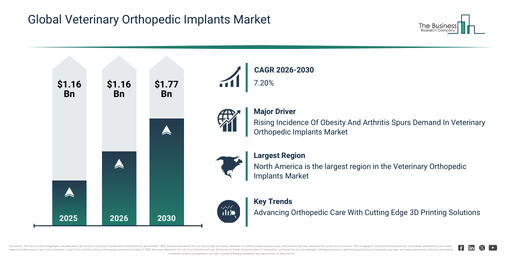
    The veterinary orthopedic implants market size has demonstrated robust expansion in recent years. It is projected to increase from $0.28 billion in 2025 to $0.3 billion in 2026, achieving a compound annual growth rate (CAGR) of 7.9%. This market’s historical growth can be attributed to various factors including the rising prevalence of animal orthopedic disorders, an increase in pet ownership, advancements in veterinary surgical procedures, the proliferation of veterinary hospitals and specialty clinics, and the growing demand for improved post-operative recovery.

    The veterinary orthopedic implants market size is projected to experience substantial growth over the next few years. It is forecast to expand to $0.4 billion in 2030, demonstrating a compound annual growth rate (CAGR) of 7.2%. This anticipated expansion during the forecast period can be attributed to several factors, including the increasing development of 3D-printed and patient-specific implants, the integration of AI in surgical planning, the use of telehealth platforms for follow-up care, the rising adoption of veterinary robotic surgery, and a growing understanding of advanced pet care. Significant trends expected during this timeframe encompass 3D-printed customized implants, AI-enhanced surgical planning, the utilization of biocompatible and bioabsorbable materials, robotic-assisted veterinary surgical procedures, and remote post-operative monitoring through telemedicine.

    Get A Free Sample Report With In-Depth Market Insights:

    https://thebusinessresearchcompany.com/sample_request?id=88050721&type=smp&name=Veterinary%20Orthopedic%20Implants%20Market%20Report%202026&utm_source=Blogs&utm_medium=Paid&utm_campaign=Oct_PR

    Veterinary Orthopedic Implants Market Growth Factors: What’s Supporting Expansion?

    The rising occurrence of obesity and arthritis significantly boosts the demand for the veterinary orthopedic implants market. Pet obesity is a condition where the animal’s weight adversely affects its health, leading to weakened bones, while arthritis in pets results in a decrease in bone strength. Both obesity and arthritis can also cause fractures and other bone-joint-related problems, negatively impacting the pet’s overall health and potentially shortening its lifespan. For instance, in March 2023, the World Heart Foundation, a Switzerland-based non-government global cardiovascular community, reported approximately 2.3 billion adults and children were obese or overweight, with projections indicating that 2.7 billion people will be living with obesity by 2025. Therefore, the growing incidence of bone-affecting health conditions in pets, such as obesity and arthritis, positively influences the veterinary orthopedic market growth.

    Veterinary Orthopedic Implants Market Segment Performance And Emerging Opportunities

    The veterinary orthopedic implants market covered in this report is segmented –

    1) By Product Type: Advanced Locking Plate System, Tibial Plateau Leveling Osteotomy Implants, Tibial Tuberosity Advancement Implants, Total Elbow Replacement, Total Hip Replacement, Total Knee Replacement, Trauma Fixations

    2) By Animal: Dog, Cat, Other Animals

    3) By End-User: Veterinary Hospitals, Veterinary Clinics, Veterinary Surgical Centers

    Subsegments:

    1) By Advanced Locking Plate System: Locking Compression Plates (LCP), Locking Distal Plates

    2) By Tibial Plateau Leveling Osteotomy (TPLO) Implants: TPLO Plates, TPLO Jigs And Instruments

    3) By Tibial Tuberosity Advancement (TTA) Implants: TTA Plates, TTA Screws

    4) By Total Elbow Replacement: Elbow Prostheses, Surgical Instruments For Elbow Replacement

    5) By Total Hip Replacement: Hip Prostheses, Surgical Instruments For Hip Replacement

    6) By Total Knee Replacement: Knee Prostheses, Surgical Instruments For Knee Replacement

    7) By Trauma Fixations: Intramedullary Pins, Bone Screws, External Fixators

    Veterinary Orthopedic Implants Market Industry Trends: What’s Reshaping Demand?

    Leading companies within the veterinary orthopedic implants market are prioritizing the creation of sophisticated solutions, including patient-specific anatomical models, to boost surgical accuracy and success rates. These tailored anatomical models leverage a pet’s distinct imaging information to produce precise duplicates of bone structures and abnormalities, thereby assisting surgeons in more efficient planning of intricate operations and lowering risks during surgery. An illustrative example is VCA Animal Hospitals, a US-based veterinary care provider, which inaugurated a 3D printing laboratory in October 2024 at its Northwest Veterinary Specialists center, specifically for pet orthopedic implants and surgical guides. This facility manufactures bespoke implants and guides customized to each animal’s unique anatomy, allowing veterinarians to practice procedures on precise 3D models, enhance implant accuracy, and improve the recovery process. The center addresses conditions like hip dysplasia, elbow dysplasia, and angular limb deformities by creating accurate surgical guides, facilitating pre-operative planning, and decreasing the intricacy and dangers associated with surgery. Consequently, this methodology enables VCA to provide more tailored and efficacious orthopedic care, thereby enhancing the quality of life and surgical outcomes for its animal patients.

    Veterinary Orthopedic Implants Market Competitive Overview And Top Companies

    Major companies operating in the veterinary orthopedic implants market are KYON Pharma Inc., Veterinary Orthopedic Implants Inc., BioMedtrix LLC, IMEX Veterinary Inc., Orthomed Ltd., Securos Surgical, B.Braun Vet Care, BlueSAO, MWI Veterinary Supply Co., New Generation Devices, Scil Animal Care Company, SophiaTech, Fusion Implants, GPC Medical Ltd., Narang Medical Limited, D4 Surgicals (India) Pvt. Ltd., Uteshiya Medicare Private Limited., Bonetech Medisys Pvt. Ltd., Integra LifeSciences Corporation, GerMedUSA Inc., Everost Inc., Arthrex Vet Systems, Ortho Max Mfg. Co. Pvt. Ltd., Auxein Medical, Vimian Group, Innoplant Medizintechnik GmbH

    View The Full Veterinary Orthopedic Implants Market Report:

    https://thebusinessresearchcompany.com/report/veterinary-orthopedic-implants-global-market-report?utm_source=Blogs&utm_medium=Paid&utm_campaign=Oct_PR

    Veterinary Orthopedic Implants Market Leading Geography: Which Region Contributes The Most Revenue?

    North America was the largest region in the veterinary orthopedic implants market in 2025. Western Europe was the second-largest region in the global veterinary orthopedic implants market share. The regions covered in the veterinary orthopedic implants market report are Asia-Pacific, South East Asia, Western Europe, Eastern Europe, North America, South America, Middle East, Africa.

    Reach Out To Our Team:

    The Business Research Company: https://www.thebusinessresearchcompany.com/

    Americas: +1 310-496-7795

    Asia: +44 7882 955267 & +91 8897263534

    Europe: +44 7882 955267

    Email us at: marketing@tbrc.info

    Follow us on:

    LinkedIn: https://in.linkedin.com/company/the-business-research-company

    YouTube: https://www.youtube.com/channel/UC24_fI0rV8cR5DxlCpgmyFQ

    Global Market Model: https://www.thebusinessresearchcompany.com/global-market-model
  • Vertebroplasty Needles Market Growth Potential: What The Latest Forecast Reveals

    Vertebroplasty Needles Market Growth Potential: What The Latest Forecast Reveals

    Built to provide research that’s more actionable and strategically valuable, The Business Research Company’s 2026 market reports include market attractiveness analysis, total addressable market sizing, company benchmarking matrices, interactive Excel dashboards, broader supply chain intelligence, emerging startup tracking, and in-depth product insights.

    Vertebroplasty Needles Market Size Forecast: How Big Could The Market Get By 2030?

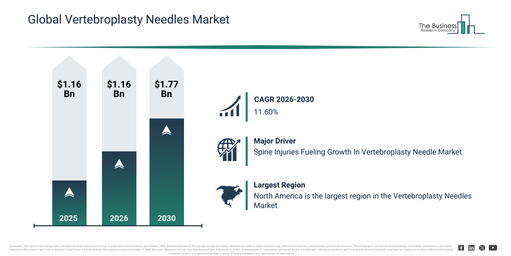
    The vertebroplasty needles market size has experienced significant growth in recent years. It is projected to expand from $1.12 billion in 2025 to $1.26 billion in 2026, exhibiting a compound annual growth rate (CAGR) of 12.9%. The growth observed in previous periods can be linked to a rising prevalence of osteoporotic spinal fractures, increased adoption of minimally invasive spinal interventions, an expanding elderly population, broader availability of fluoroscopy-guided procedures, and the expansion of hospital-based spine care services.

    The vertebroplasty needles market is anticipated to experience substantial expansion in the coming years, reaching $1.95 billion by 2030, driven by a compound annual growth rate (CAGR) of 11.6%. This anticipated growth during the forecast period can be linked to a heightened emphasis on outpatient spine procedures, an increasing need for sophisticated kyphoplasty methods, greater investments in precise surgical tools, the global increase in the aging population, and advancements in cement delivery system technologies. Key trends expected over this period involve the wider adoption of single-use vertebroplasty needles, a growing demand for image-guided cement delivery systems, a stronger inclination towards minimally invasive spine operations, the development of more precision-engineered needle designs, and an increased priority on surgical safety and accuracy.

    Get A Free Sample Report With In-Depth Market Insights:

    https://thebusinessresearchcompany.com/sample_request?id=15046133&type=smp&name=Vertebroplasty%20Needles%20Market%20Report%202026&utm_source=Blogs&utm_medium=Paid&utm_campaign=Oct_PR

    Vertebroplasty Needles Market Demand Drivers: What’s Powering Industry Growth?

    The vertebroplasty needles market is anticipated to expand due to a projected rise in spine injury cases. These injuries involve harm or damage to the spinal cord, vertebrae, or adjacent tissues, potentially leading to discomfort, impaired movement, or paralysis. The escalating occurrence of spine injuries is attributed to an aging global populace, greater involvement in athletic activities, and the widespread incidence of motor vehicle collisions. Vertebroplasty needles play a vital role in stabilizing spinal damage through the accurate injection of bone cement into fractured vertebrae, which helps relieve pain and rebuild vertebral integrity. For example, data from May 2024, provided by the US-based Spinal Injuries Association, indicated that roughly 4,400 new spinal cord injury cases occurred annually in the UK. This translates to a person being paralyzed every two hours, resulting in an estimated total prevalence of 105,000 spinal cord injuries by 2024. Consequently, the growing incidence of spine injuries is fueling the vertebroplasty needles market.

    Vertebroplasty Needles Market Segment Landscape And Growth Outlook

    The vertebroplasty needles market covered in this report is segmented –

    1) By Product Type: Bone Cement Needles, Aspiration Needles

    2) By Needle Size: 2.5×100, 2.5×130, 3.2×100, 3.2×130

    3) By Procedure Type: Percutaneous Vertebroplasty, Kyphoplasty

    Subsegments:

    1) By Bone Cement Needles: Straight Bone Cement Needles, Curved Bone Cement Needles

    2) By Aspiration Needles: Small Gauge Aspiration Needles, Medium-Gauge Aspiration Needles, Large-Gauge Aspiration Needles

    Vertebroplasty Needles Market Competitive Landscape: Which Companies Lead The Industry?

    Major companies operating in the vertebroplasty needles market are Medtronic plc, Stryker Corporation, DePuy Synthes Inc., Cook Medical LLC, Merit Medical Systems Inc., Globus Medical Inc., Argon Medical Devices Inc., OptiMed GmbH, Tecres S.p.A, Zavation Medical Products LLC, Auxein Medical Pvt Ltd, Captiva Spine Inc., Laurane Medical LLC, Osseon Technologies, Adroit Manufacturing Co., Surtech Medical Inc., TAEYEON Medical Co. Ltd., Teknimed S A SP, Becton Dickinson and Company, BIOPSYBELL S.R.L.

    View The Full Vertebroplasty Needles Market Report:

    https://thebusinessresearchcompany.com/report/vertebroplasty-needles-global-market-report?utm_source=Blogs&utm_medium=Paid&utm_campaign=Oct_PR

    Vertebroplasty Needles Market Regional Outlook: Where Is Opportunity Concentrated?

    North America was the largest region in the vertebroplasty needles market in 2025. Asia-Pacific is expected to be the fastest-growing region in the forecast period. The regions covered in the vertebroplasty needles market report are Asia-Pacific, South East Asia, Western Europe, Eastern Europe, North America, South America, Middle East, Africa.

    Reach Out To Our Team:

    The Business Research Company: https://www.thebusinessresearchcompany.com/

    Americas: +1 310-496-7795

    Asia: +44 7882 955267 & +91 8897263534

    Europe: +44 7882 955267

    Email us at: marketing@tbrc.info

    Follow us on:

    LinkedIn: https://in.linkedin.com/company/the-business-research-company

    YouTube: https://www.youtube.com/channel/UC24_fI0rV8cR5DxlCpgmyFQ

    Global Market Model: https://www.thebusinessresearchcompany.com/global-market-model
  • Venturi Mask Market Growth Outlook: Why Analysts Expect Continued Expansion

    Venturi Mask Market Growth Outlook: Why Analysts Expect Continued Expansion

    Backed by market attractiveness analysis, total addressable market sizing, company benchmarking matrices, interactive Excel dashboards, wider supply chain intelligence, emerging startup coverage, and detailed product-level insights, The Business Research Company’s 2026 market reports are designed to offer research that is more actionable and strategically valuable than ever.

    Venturi Mask Market Revenue Outlook: What CAGR Lies Ahead Through 2030?

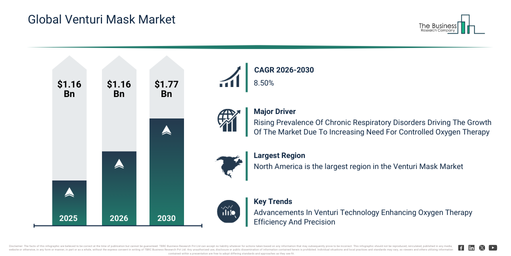
    The venturi mask market has experienced robust expansion in recent years. Its value is projected to climb from $4.08 billion in 2025 to $4.43 billion in 2026, representing a compound annual growth rate (CAGR) of 8.5%. This historical growth can be ascribed to factors such as the increasing occurrence of respiratory illnesses, the expansion of hospital critical care facilities, a greater reliance on oxygen therapy, the wider accessibility of respiratory care apparatus, and the development of emergency medical services.

    The venturi mask market is projected to experience substantial expansion over the upcoming years, reaching a valuation of $6.13 billion by 2030, driven by an 8.5% compound annual growth rate (CAGR). This anticipated growth is primarily fueled by factors such as a greater need for oxygen therapy delivered at home, an expanding elderly demographic experiencing chronic respiratory ailments, the broadening scope of ambulatory respiratory care, an increased emphasis on preventing infections, and the growing uptake in developing healthcare systems. Key trends foreseen during this period encompass a heightened requirement for accurate oxygen delivery systems, the escalating utilization of disposable venturi masks, wider implementation in the management of COPD, the enhancement of hospital respiratory care facilities, and a sharpened focus on designs that promote infection control.

    Get A Free Sample Report With In-Depth Market Insights:

    https://thebusinessresearchcompany.com/sample_request?id=94153098&type=smp&name=Venturi%20Mask%20Market%20Report%202026&utm_source=Blogs&utm_medium=Paid&utm_campaign=Oct_PR

    Venturi Mask Market Growth Drivers: What’s Behind The Acceleration?

    The escalating incidence of chronic respiratory conditions is projected to stimulate the expansion of the venturi mask market throughout the forecast period. These conditions are defined as long-term lung illnesses that lead to persistent breathing difficulties and diminished lung function, often due to inflammation, scarring, or blockages. The prevalence of chronic respiratory disorders is steadily increasing, influenced by ongoing shifts in global health patterns and enhanced recognition and diagnosis of these ailments. Venturi masks are crucial for managing chronic respiratory disorders, as they deliver a precise oxygen concentration, which is essential for conditions like COPD where an excess of oxygen can hinder the body’s natural breathing drive. As an illustration, in December 2023, a report issued by the National Library of Medicine, a US-based biomedical library, forecasted that global COPD cases among individuals aged 25 and older could amount to nearly 600 million by 2050, representing a 23% increase from 2020. The same report also pointed out that female cases might increase by 47.1%, in contrast to just 9.4% in males, with low- and middle-income regions anticipated to experience more than twice the number of cases compared to high-income regions. Thus, the rising occurrence of chronic respiratory disorders will boost the growth of the venturi mask market.

    Venturi Mask Market Breakdown By Product Type And Application

    The venturi mask market covered in this report is segmented –

    1) By Product Type: Single Venturi Masks, Multi-Venturi Masks, Adjustable Flow Venturi Masks, Pediatric Venturi Masks, Adult Venturi Masks

    2) By Material Type: Plastic Venturi Masks, Silicone Venturi Masks, Rubber Venturi Masks, Disposable Venturi Masks, Re-Usable Venturi Masks

    3) By Oxygen Flow Rate: Low Flow Rate (1-6 L/min), Medium Flow Rate (6-12 L/min), High Flow Rate (12-15 L/min), Variable Flow Rate

    4) By Application: Chronic Obstructive Pulmonary Disease (COPD), Asthma, Pneumonia, Myocardial Infarction, Respiratory Distress Syndrome

    5) By End-User: Hospitals And Clinics, Homecare, Ambulatory Surgery Centers

    Subsegments:

    1) By Single Venturi Masks: Low-Flow Single Venturi Masks, High-Flow Single Venturi Masks

    2) By Multi-Venturi Masks: Fixed Multi-Venturi Masks, Adjustable Multi-Venturi Masks

    3) By Adjustable Flow Venturi Masks: Low-Flow Adjustable Venturi Masks, High-Flow Adjustable Venturi Masks

    4) By Pediatric Venturi Masks: Pediatric Low-Flow Venturi Masks, Pediatric High-Flow Venturi Masks

    5) By Adult Venturi Masks: Adult Low-Flow Venturi Masks, Adult High-Flow Venturi Masks

    Venturi Mask Market Trends: What’s Defining The Industry’s Next Phase?

    Leading firms within the venturi mask market are innovating sophisticated systems, including venturi adapters, to deliver accurate and steady oxygen concentrations. These adapters regulate oxygen flow by blending it with ambient air, guaranteeing patients get the precise concentration essential for their therapy. As an example, in April 2024, Sunset Healthcare, a US-based manufacturer focused on respiratory solutions, launched the Lynx Venturi System, a groundbreaking oxygen delivery innovation. The Lynx Venturi System simplifies oxygen therapy through the use of a single mask that features an adjustable high or low flow setup, thereby removing the requirement for numerous venturi adapters. It provides exact FiO2 for diverse oxygen needs, facilitating seamless shifts between EMS, ED, ICU, and various other healthcare settings. Its unified design minimizes waste, decreases the consumption of components, and enhances both clinical effectiveness and financial efficiency. User-friendly adapters demand very little training, allowing respiratory therapists to concentrate on intricate care while also enabling prompt hypoxemia identification via precise PaO2 or FiO2 monitoring.

    Venturi Mask Market Competitive Landscape: Who Leads The Industry?

    Major companies operating in the venturi mask market are Intersurgical, Polymed Medical Devices, GaleMed Corporation, Suzhou Sunmed, Medilivescare Manufacturing Pvt. Ltd., Angiplast Pvt Ltd., Greetmed, Narang Medical Ltd., Manish Enterprises, Forca Healthcare, Life-O-Line Technologist, WEGO Medical, Forlong Medical Co. Ltd., Supertech Surgical Company, Airways Surgical Pvt. Ltd., APEX MEDICAL DEVICES, Hangzhou Shanyou Medical Equipment Co. Ltd., Yash Care Life Scieneces, Welco Lifecare Private Limited, Goldenwell

    View The Full Venturi Mask Market Report:

    https://thebusinessresearchcompany.com/report/venturi-mask-global-market-report?utm_source=Blogs&utm_medium=Paid&utm_campaign=Oct_PR

    Venturi Mask Market Geographic Landscape: Which Region Leads Industry Growth?

    North America was the largest region in the venturi mask market in 2025. Asia-Pacific is expected to be the fastest-growing region in the forecast period. The regions covered in the venturi mask market report are Asia-Pacific, South East Asia, Western Europe, Eastern Europe, North America, South America, Middle East, Africa.

    Reach Out To Our Team:

    The Business Research Company: https://www.thebusinessresearchcompany.com/

    Americas: +1 310-496-7795

    Asia: +44 7882 955267 & +91 8897263534

    Europe: +44 7882 955267

    Email us at: marketing@tbrc.info

    Follow us on:

    LinkedIn: https://in.linkedin.com/company/the-business-research-company

    YouTube: https://www.youtube.com/channel/UC24_fI0rV8cR5DxlCpgmyFQ

    Global Market Model: https://www.thebusinessresearchcompany.com/global-market-model
  • Ventricular Fibrillation Market Forecast Insights: The Road To $8.56 Billion By 2030

    Ventricular Fibrillation Market Forecast Insights: The Road To $8.56 Billion By 2030

    Featuring market attractiveness scoring, total addressable market sizing, company benchmarking matrices, interactive Excel dashboards, deeper supply chain intelligence, emerging startup tracking, and granular product-level insights, The Business Research Company’s 2026 market reports are built to deliver research that is both more actionable and more strategically valuable.

    Ventricular Fibrillation Market Growth Analysis: How Will Revenue Trend Over The Forecast Period?

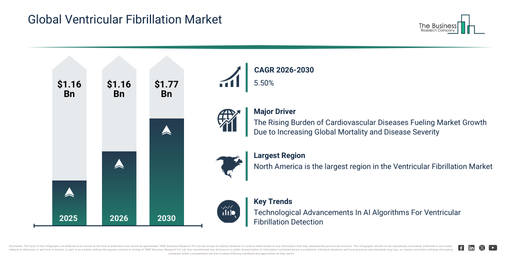
    The market for ventricular fibrillation has seen substantial growth in recent years. It is projected to increase from $6.51 billion in 2025 to $6.92 billion in 2026, at a compound annual growth rate (CAGR) of 6.2%. This historical growth can be attributed to several factors including the rising incidence of sudden cardiac arrest, the expansion of emergency medical services, increased availability of defibrillation devices, improvements in cardiopulmonary resuscitation techniques, and the growth of hospital-based cardiac care.

    The ventricular fibrillation market is projected to experience substantial expansion in the coming years. This market is set to reach $8.56 billion by 2030, exhibiting a compound annual growth rate (CAGR) of 5.5%. This expansion throughout the forecast period stems from factors such as the wider deployment of public access defibrillators, increased investments in cardiac monitoring technologies, the broadening availability of minimally invasive cardiac treatments, the rising incorporation of AI-driven arrhythmia detection, and a heightened emphasis on improving survival outcomes. Key developments expected during this period involve the greater adoption of sophisticated defibrillation technologies, the increasing utilization of automated external defibrillators, the expanding integration of real-time cardiac monitoring, the enlargement of emergency cardiac care infrastructure, and a stronger focus on rapid response systems.

    Get A Free Sample Report With In-Depth Market Insights:

    https://thebusinessresearchcompany.com/sample_request?id=53283001&type=smp&name=Ventricular%20Fibrillation%20Market%20Report%202026&utm_source=Blogs&utm_medium=Paid&utm_campaign=Oct_PR

    Ventricular Fibrillation Market Growth Factors Behind Sustained Expansion

    The escalating prevalence of cardiovascular diseases (CVD) is anticipated to stimulate the expansion of the ventricular fibrillation market in the foreseeable future. CVD constitutes a collection of disorders impacting the heart and blood vessels, encompassing conditions like coronary artery disease, hypertension, heart failure, and critical arrhythmias such as ventricular fibrillation. The surge in CVD occurrences is fueled by elements such as inactive lifestyles, inadequate diets, obesity, smoking, stress, and an aging demographic. Ventricular fibrillation itself is considered among the most severe consequences of CVD, frequently resulting in sudden cardiac arrest and considerably heightening the risk of mortality. Illustratively, in January 2024, statistics from the American Heart Association, a US-based non-profit organization, indicated that the age-adjusted death rate attributed to cardiovascular disease climbed to 233.3 per 100,000 in 2024, representing an increase of 4.0% from 224.4 per 100,000 in 2023. Thus, the increasing burden of cardiovascular diseases is propelling the growth of the ventricular fibrillation market.

    Ventricular Fibrillation Market Segment Analysis And Revenue Potential

    The ventricular fibrillation market covered in this report is segmented –

    1) By Treatment: Cardiopulmonary Resuscitation (CPR), Defibrillation, Medication, Catheter Ablation, Left Cardiac Sympathetic Denervation

    2) By Diagnostic Techniques: Electrocardiogram, Electrophysiology Study

    3) By End-User: Hospitals, Ambulatory Surgical Centers, Specialty Clinics, Other End-users

    Subsegments:

    1) By Cardiopulmonary Resuscitation (CPR): Manual Chest Compressions, Mechanical Chest Compressions

    2) By Defibrillation: Automated External Defibrillators (AEDs), Implantable Cardioverter Defibrillators (ICDs), External Defibrillators

    3) By Medication: Antiarrhythmic Drugs, Beta-Blockers, Vasopressors

    4) By Catheter Ablation: Radiofrequency Ablation, Cryoablation, Laser Ablation

    5) By Left Cardiac Sympathetic Denervation: Surgical Procedure for Sympathetic Denervation, Endoscopic Denervation Techniques

    Ventricular Fibrillation Market Industry Trends Fueling Future Revenue Growth

    Major companies operating in the ventricular fibrillation market are focusing on developing innovative technologies, such as advanced artificial intelligence (AI) algorithms, to enhance the accuracy and efficiency of cardiac diagnostics. These AI algorithms consist of instructions that enable machines to analyze data, perform tasks, and make decisions. This significantly improves the accuracy of atrial fibrillation (AF) detection, a leading precursor to stroke, by enhancing the specificity and sensitivity of consumer ECG devices. For instance, in January 2024, PulseAI, an Ireland-based medical technology company, developed a cutting-edge AI algorithm designed to enhance the accuracy and efficiency of ECG diagnostics. This innovative technology utilizes machine learning to analyze electrocardiogram readings, detecting even subtle patterns and anomalies that may indicate cardiovascular disease or other conditions. By streamlining the analysis process and reducing interpretation errors, PulseAI’s algorithm aims to improve patient outcomes and revolutionize the field of cardiac care.

    Ventricular Fibrillation Market Company Landscape And Competitive Strategy

    Major companies operating in the ventricular fibrillation market are Abbott Laboratories, Medtronic plc, GE HealthCare Technologies Inc., Boston Scientific Corporation, Philips Healthcare, St. Jude Medical Inc., Mindray Medical International Limited, ZOLL Medical Corporation, Biotronik, Nihon Kohden Corporation, LivaNova, Fukuda Denshi Co. Ltd., Laerdal Medical Corporation, Schiller AG, Physio-Control, Cardiac Science Corporation, CU Medical Systems Inc., Defibtech LLC, Progetti Srl, HeartSine Technologies

    View The Full Ventricular Fibrillation Market Report:

    https://thebusinessresearchcompany.com/report/ventricular-fibrillation-global-market-report?utm_source=Blogs&utm_medium=Paid&utm_campaign=Oct_PR

    Ventricular Fibrillation Market Largest Region: Which Geography Holds The Biggest Share?

    North America was the largest region in the ventricular fibrillation market in 2025. The regions covered in the ventricular fibrillation market report are Asia-Pacific, South East Asia, Western Europe, Eastern Europe, North America, South America, Middle East, Africa.

    Reach Out To Our Team:

    The Business Research Company: https://www.thebusinessresearchcompany.com/

    Americas: +1 310-496-7795

    Asia: +44 7882 955267 & +91 8897263534

    Europe: +44 7882 955267

    Email us at: marketing@tbrc.info

    Follow us on:

    LinkedIn: https://in.linkedin.com/company/the-business-research-company

    YouTube: https://www.youtube.com/channel/UC24_fI0rV8cR5DxlCpgmyFQ

    Global Market Model: https://www.thebusinessresearchcompany.com/global-market-model