Blog

  • Future Growth Forecast For The Stool Softener Global Market 2024-2033

    Future Growth Forecast For The Stool Softener Global Market 2024-2033

    The Business Research Company’s global market reports provide comprehensive analysis on the various markets in 27 industries across 60 geographies.

    Introduction

    The stool softener market has witnessed notable growth in recent years, driven by a range of factors including an aging population and increased awareness of digestive health. This blog explores the current state of the market, its future projections, and key innovations shaping the industry.

    Market Growth Overview

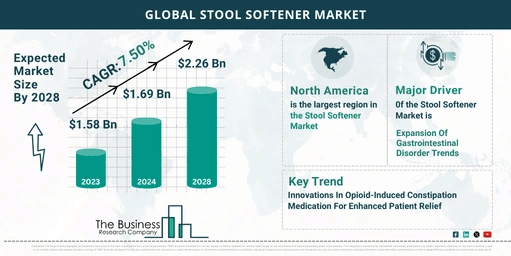
    • Current Market Size: The stool softener market was valued at $1.58 billion in 2023.
    • Short-Term Growth: Expected to grow to $1.69 billion in 2024.
    • Growth Rate: Compound Annual Growth Rate (CAGR) of 7.4% from 2023 to 2024.
    • Long-Term Projections: Forecasted to reach $2.26 billion by 2028 with a CAGR of 7.5%.

    Factors Driving Growth

    • Aging Population: Increased prevalence of digestive issues among the elderly.
    • Dietary Changes: Shifts towards less fiber-rich diets contributing to constipation.
    • Public Awareness: Greater focus on digestive health and proactive treatment.
    • Surgical Procedures: Post-surgery constipation leading to higher stool softener use.
    • Lack of Physical Activity: Sedentary lifestyles contributing to digestive issues.

    View More On The Stool Softener Market Report 2024 – https://www.thebusinessresearchcompany.com/report/stool-softener-global-market-report

    Future Market Trends

    • Increasing Gastrointestinal Conditions: Higher prevalence of disorders like irritable bowel syndrome (IBS) and inflammatory bowel disease (IBD).
    • Healthcare Spending: Rising expenditures on healthcare driving demand for digestive health solutions.
    • Marketing Efforts: Increased promotion of stool softeners by pharmaceutical companies.
    • OTC Transition: More stool softeners becoming available over-the-counter (OTC), reducing reliance on prescriptions.

    Innovations and Developments

    • Advanced Formulations: Development of more effective stool softener products.
    • Personalized Products: Tailoring stool softeners to individual health needs.
    • Effervescent Tablets: Introduction of new dosage forms like effervescent tablets.

    Gastrointestinal Disorder Trends

    • Prevalence Increase: Rising cases of gastrointestinal disorders are a major growth driver.
    • Lifestyle Factors: Poor diet, stress, and lack of exercise contributing to higher incidence rates.
    • Case Study: In Canada, IBD cases are projected to increase significantly from 322,600 in 2023 to 470,000 by 2035, highlighting the growing need for effective treatments.

    Major Companies and Innovations

    • Key Players: Major companies include F. Hoffmann-La Roche Ltd., Bayer AG, AstraZeneca Plc, and Abbott Laboratories Inc.
    • Opioid-Induced Constipation: Innovations like Endo International’s Amitiza (Lubiprostone) address constipation caused by opioid medications.
    • Acquisitions: Atlantis Consumer Healthcare’s acquisition of Avrio Health L.P. expands its portfolio and market influence.

    Market Segmentation

    • By Type: Liquid, Softgel Capsule.
    • By Form: Medicines, Procedures.
    • By Mode of Administration: Oral, Rectal.
    • By Availability: Over-The-Counter, Prescription.
    • By End Use: Hospitals, Clinics, Home Care, Other End Uses.

    Regional Insights

    • North America: Largest market region in 2023 due to high healthcare spending and awareness.
    • Asia-Pacific: Expected to be the fastest-growing region, driven by increasing health awareness and economic development.

    Conclusion

    The stool softener market is poised for significant growth, driven by an aging population, increasing gastrointestinal disorders, and innovations in product formulations. As the market evolves, stakeholders will benefit from staying informed about emerging trends and adapting to changing consumer needs.

    Request A Sample Of The Global Stool Softener Market Report 2024:
    https://www.thebusinessresearchcompany.com/sample_request?id=16548&type=smp
  • Global Sheep And Goat Pox Vaccines Market Key Insights 2024-2033

    Global Sheep And Goat Pox Vaccines Market Key Insights 2024-2033

    The Business Research Company’s global market reports are now updated with the latest market sizing information for the year 2024 and forecasted to 2033

    Market Overview

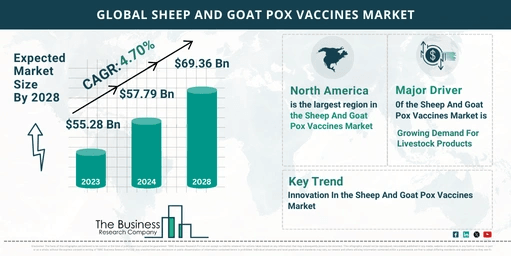
    The sheep and goat pox vaccine market has experienced steady growth, with a notable increase from $55.28 billion in 2023 to an anticipated $57.79 billion in 2024. This growth is driven by a compound annual growth rate (CAGR) of 4.5%. The market’s expansion is underpinned by several key factors:

    • Increased Disease Outbreaks: Frequent outbreaks of sheep and goat pox have heightened the need for effective vaccination.
    • Government Vaccination Programs: Enhanced vaccination efforts by governments have bolstered market growth.
    • Advancements in Veterinary Medicine: Innovations in veterinary care have improved vaccine efficacy.
    • High Livestock Mortality Rates: Addressing high mortality rates in livestock has spurred vaccine demand.
    • Farmer Awareness and Economic Losses: Greater awareness among farmers and the economic impact of disease have driven vaccine adoption.
    • Trade Restrictions and Improved Diagnostics: Trade restrictions on affected areas and better diagnostic techniques have also contributed to market growth.

    Future Growth Prospects

    The market is projected to grow further to $69.36 billion by 2028, reflecting a CAGR of 4.7%. Key growth drivers for this forecast period include:

    • Rising Demand for Livestock Products: Increased consumption and trade of livestock products are driving vaccine demand.
    • Expanding Livestock Farming: Growth in livestock farming necessitates effective disease control.
    • Government Subsidies and Investment: Supportive government policies and rising investment in veterinary research enhance market prospects.
    • Technological Advancements: Innovations in vaccine production and new technologies are improving vaccine offerings.
    • International Trade Agreements and Climate Change: Trade agreements and shifting climate patterns impact disease spread, influencing vaccine needs.
    • Economic Growth in Developing Regions: Growing economies are increasing the capacity for vaccine purchase and distribution.

    View More On The Sheep And Goat Pox Vaccines Market Report 2024 – https://www.thebusinessresearchcompany.com/report/sheep-and-goat-pox-vaccines-global-market-report

    Major Trends and Innovations

    Several trends and innovations are shaping the future of the sheep and goat pox vaccines market:

    • Development of Multivalent Vaccines: New vaccines are being designed to protect against multiple strains or diseases simultaneously.
    • Use of Recombinant Vaccines: Recombinant vaccines, which use genetic engineering to enhance vaccine effectiveness, are becoming more common.
    • Focus on Vaccine Safety: There is a growing emphasis on ensuring the safety and efficacy of vaccines.
    • Public-Private Partnerships: Increased collaboration between public and private sectors is fostering innovation and expanding market reach.
    • Digital Tracking of Vaccination Programs: Technology is being utilized to monitor and manage vaccination programs more effectively.
    • Regional Disease Eradication Initiatives: Targeted efforts to eradicate diseases in specific regions are being prioritized.

    Key Market Players

    Several companies are leading innovation in the sheep and goat pox vaccine market, including:

    • Indian Immunologicals Ltd.: Known for its live attenuated vaccines like Raksha Goat Pox.
    • Hester Biosciences Limited: Acquired goat pox vaccine technology to combat diseases like lumpy skin disease in cattle.
    • MSD Animal Health, Kemin Industries, and Bimeda Biologicals: Major players contributing to market development.

    Market Segmentation

    The sheep and goat pox vaccines market is segmented by:

    1. Type: Live Attenuated Vaccines, Inactivated Vaccines, Other Types
    2. Route of Administration: Injectable, Intranasal
    3. Application: Sheep, Goat

    Regional Insights

    In 2023, North America led the market, reflecting its advanced veterinary infrastructure and high demand for livestock health products.

    Conclusion

    The sheep and goat pox vaccine market is poised for continued growth driven by increasing livestock product demand, technological advancements, and strong governmental and private sector support. As innovations in vaccine technology and distribution methods advance, the market will likely continue to expand, improving livestock health and productivity globally.

    Request A Sample Of The Global Sheep And Goat Pox Vaccines Market Report 2024:
    https://www.thebusinessresearchcompany.com/sample_request?id=16533&type=smp

  • Retinitis Pigmentosa Market Report 2024: Market Size, Drivers, And Trends

    Retinitis Pigmentosa Market Report 2024: Market Size, Drivers, And Trends

    The Business Research Company’s global market reports are now updated with the latest market sizing information for the year 2024 and forecasted to 2033

    Retinitis pigmentosa (RP) is a progressive eye disorder that impacts vision, leading to eventual blindness. Over the past few years, the retinitis pigmentosa market has experienced substantial growth, driven by advancements in research and technology. As we look to the future, the market is set to continue expanding, influenced by several key factors.

    Current Market Overview

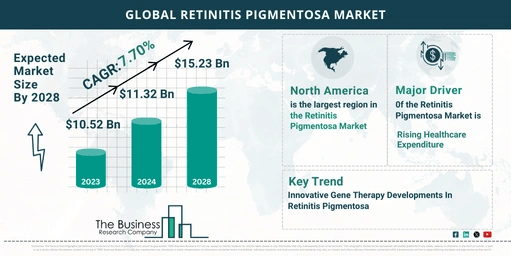
    • Significant Growth: The retinitis pigmentosa market size surged from $10.52 billion in 2023 to $11.32 billion in 2024. This represents a compound annual growth rate (CAGR) of 7.6%.
    • Historical Drivers:
      • Genetic Research: Advancements in understanding the genetic underpinnings of RP.
      • Retinal Imaging Technologies: Enhanced diagnostic and monitoring capabilities.
      • Awareness Campaigns: Increased public and professional awareness.
      • Patient Advocacy: Growing support from advocacy groups.
      • Clinical Trials Expansion: Broader networks facilitating research.

    View More On The Retinitis Pigmentosa Market Report 2024 – https://www.thebusinessresearchcompany.com/report/retinitis-pigmentosa-global-market-report

    Future Market Forecast

    • Expected Growth: By 2028, the market is projected to reach $15.23 billion, with a CAGR of 7.7%.
    • Forecast Drivers:
      • Stem Cell Research: Innovations in retinal regeneration therapies.
      • Personalized Medicine: Tailoring treatments to individual genetic profiles.
      • Orphan Drug Development: Increased funding for rare disease treatments.
      • Telemedicine Expansion: Greater access to care through digital platforms.
    • Major Trends:
      • Combination Therapies: Integrating multiple treatment modalities.
      • Patient-Centric Trials: Designing studies with patient needs at the forefront.
      • Value-Based Pricing: Aligning costs with therapeutic outcomes.
      • Digital Therapeutics: Incorporating technology for treatment management.

    Rising Healthcare Expenditure

    • Impact on Market Growth: Increased healthcare expenditure is a significant factor driving the retinitis pigmentosa market. This includes:
      • Advanced Medical Technologies: Higher costs for cutting-edge diagnostics and treatments.
      • Aging Population: Growing need for chronic disease management.
      • Prevalence of Chronic Diseases: Rising demand for effective disease management.
    • US Healthcare Expenditure: In 2022, healthcare spending in the US rose by 4.1% to $4.5 trillion, accelerating from previous years. This increase supports market growth for RP treatments.

    Innovative Gene Therapy Developments

    • Gene Therapy Advances: Companies are focusing on gene therapies to address RP by repairing or replacing defective genes in the retina. Notable developments include:
      • ViGeneron GmbH: Launched a Phase Ib clinical trial for VG901, targeting RP caused by CNGA1 gene mutations.
    • Treatment Goals: These therapies aim to restore normal photoreceptor function, potentially slowing or halting vision loss.

    Strategic Acquisitions and Investments

    • Thea Pharma’s Acquisition: In December 2023, Thea Pharma acquired antisense oligonucleotide treatments Sepofarsen (LCA10) and Ultevursen (USH2A) from ProQR Therapeutics. This acquisition aligns with Thea’s focus on genetic eye diseases and strengthens its position in the RP market.

    Market Segmentation

    • By Type:
      • Autosomal Recessive
      • Autosomal Dominant
      • X-Linked
    • By Treatment:
      • Vitamin A
      • Docosahexaenoic Acid (DHA)
      • Calcium Channel Blockers
      • Gene Therapy
      • Retinal Eye Prosthetics
      • Other Treatments
    • By Diagnosis:
      • Electroretinogram
      • Visual Field Testing
      • Genetic Testing
      • Other Diagnosis
    • By Distribution Channel:
      • Hospital Pharmacy
      • Retail Pharmacy
      • Online Pharmacy
      • Other Distribution Channels
    • By End-Users:
      • Hospitals
      • Specialty Clinics
      • Homecare
      • Other End-Users

    Regional Insights

    • North America: Remains the largest market for retinitis pigmentosa, reflecting advanced healthcare infrastructure and significant investments in research and development.

    Conclusion

    The retinitis pigmentosa market is on a robust growth trajectory, driven by technological innovations, increased healthcare expenditure, and strategic investments. With ongoing advancements in gene therapy and a strong focus on personalized and value-based treatments, the future looks promising for those affected by this challenging condition.

    Request A Sample Of The Global Retinitis Pigmentosa Market Report 2024:
    https://www.thebusinessresearchcompany.com/sample_request?id=16528&type=smp

  • Autism Spectrum Disorder Diagnostics Global Market Outlook 2024-2033: Size And Growth Rate Analysis

    Autism Spectrum Disorder Diagnostics Global Market Outlook 2024-2033: Size And Growth Rate Analysis

    The Business Research Company’s global market reports provide comprehensive analysis on the various markets in 27 industries across 60 geographies.

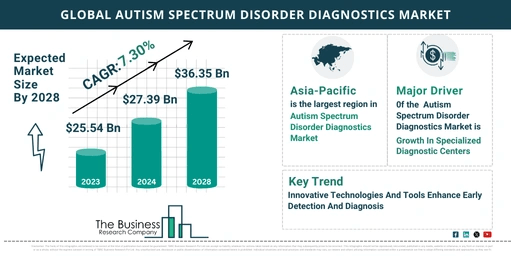
    • Market Expansion: The autism spectrum disorder (ASD) diagnosis market has seen robust growth, increasing from $25.54 billion in 2023 to $27.39 billion in 2024 at a CAGR of 7.2%.
    • Key Drivers:
      • Increased ASD Awareness: Greater public and healthcare awareness of autism spectrum disorder.
      • Diagnostic Criteria Expansion: Broader diagnostic criteria capturing more cases.
      • Advancements in Tools: Improved diagnostic tools leading to better accuracy.
      • Healthcare System Improvements: Enhanced infrastructure and accessibility in healthcare.
      • Public Health Campaigns: Increased focus on autism in public health initiatives.

    View More On The Autism Spectrum Disorder Diagnostics Market Report 2024 – https://www.thebusinessresearchcompany.com/report/autism-spectrum-disorder-diagnostics-global-market-report

    Future Market Growth and Emerging Trends

    • Projected Market Growth: The market is expected to grow to $36.35 billion by 2028, with a CAGR of 7.3%.
    • Growth Factors:
      • Increasing ASD Prevalence: Rising numbers of autism diagnoses globally.
      • Early Screening Programs: Greater focus on early detection and intervention.
      • Precision Medicine: Growing emphasis on personalized treatment approaches.
      • Biomarkers: Increased research into biomarkers for more precise diagnosis.
    • Emerging Trends:
      • Innovative Technologies: Development of new tools and technologies for early diagnosis.
      • Adult Diagnosis Focus: Increasing attention on diagnosing autism in adults.
      • Point-of-Care Testing: Growing demand for rapid, on-site diagnostic options.
      • AI and Machine Learning: Integration of AI for better diagnostic accuracy.
      • Research Activities: Expansion of research into ASD diagnosis and treatment.

    Growth in Specialized Diagnostic Centers

    • Specialized Centers: The expansion of autism-specialized diagnostic centers is driving market growth.
    • Center Characteristics:
      • Comprehensive Evaluations: Centers offer in-depth assessments by trained professionals.
      • Advanced Tools: Use of cutting-edge diagnostic tools for better accuracy.
      • Tailored Treatment Plans: Development of personalized treatment strategies.
      • Family Support: Provision of resources and support for families of individuals with ASD.
      • Research Collaboration: Opportunities for collaboration in autism research.
    • Market Impact: The growth of these centers is improving diagnostic accuracy and early intervention, which are critical for better outcomes. For instance, Autism Speaks reported an increase in autism care network sites from 20 to 25 between 2021 and 2022 across North America.

    Innovations in Early Detection and Diagnosis

    • AI-Powered Platforms: Leading companies are focusing on AI-powered diagnostic platforms for earlier and more accurate ASD detection.
    • AI Benefits:
      • Behavioral Analysis: AI tools analyze behavioral patterns to assist in diagnosis.
      • Genetic Data Integration: Incorporation of genetic data for personalized assessments.
      • Neuroimaging Results: Use of neuroimaging to support early detection.
    • Case Study – Cognoa Inc.:
      • FDA Approval: In June 2021, Cognoa Inc. received FDA approval for its AI-based diagnostic aid, Canvas Dx.
      • Platform Goals: Canvas Dx aims to improve diagnostic accuracy, personalize treatment, and enhance patient outcomes through advanced analytics.

    Strategic Acquisitions in the Market

    • Fletch Equity’s Acquisition of Autism Spectrum Interventions (ASI):
      • Acquisition Details: In March 2024, Fletch Equity LLC acquired Autism Spectrum Interventions (ASI) to support its expansion.
      • Growth Strategy: The acquisition aims to grow ASI’s reach across California and into neighboring states.
      • Company Background: ASI specializes in Applied Behavior Analysis (ABA) therapy for children with ASD, focusing on tailored services to meet individual needs.

    Market Segmentation and Regional Insights

    • Types:
      • Autistic Disorder
      • Asperger Syndrome
      • Pervasive Development Disorder (PDD)
      • Other Types
    • Services:
      • Behavioral Approaches
      • Early Intervention
      • Medication
      • Other Services
    • Distribution Channels:
      • Hospital Pharmacies
      • Drug Stores and Retail Pharmacies
      • Online Pharmacies
    • Regional Analysis:
      • Asia-Pacific: The largest region in the autism spectrum disorder diagnostics market in 2023, with significant growth expected due to increasing awareness and healthcare improvements.

    Conclusion

    The autism spectrum disorder diagnosis market is poised for continued strong growth, driven by increased awareness, advancements in diagnostic technologies, and the expansion of specialized diagnostic centers. With ongoing innovation and strategic acquisitions, the market is well-positioned to meet the growing demand for accurate and early diagnosis of ASD, ultimately leading to better outcomes for individuals and families affected by autism.

    Request A Sample Of The Global Autism Spectrum Disorder Diagnostics Market Report 2024:
    https://www.thebusinessresearchcompany.com/sample_request?id=16593&type=smp

  • Global Vasodilators Market Report 2024 – Top Market Trends And Opportunities

    Global Vasodilators Market Report 2024 – Top Market Trends And Opportunities

    The Business Research Company’s market reports offer an in-depth analysis on the market’s growth potential, major drivers, key trends and more.

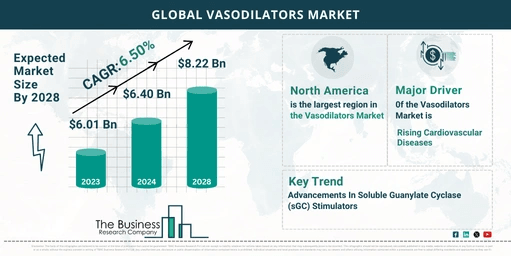
    • Current Market Size and Growth: The vasodilators market will grow from $6.01 billion in 2023 to $6.40 billion in 2024, at a compound annual growth rate (CAGR) of 6.4%.
    • Historic Growth Drivers: Key factors include increased awareness and diagnosis, supportive government initiatives and healthcare policies, advancements in gene therapy, and the adoption of artificial intelligence.

    Future Outlook and Trends

    • Projected Growth: The market is expected to reach $8.22 billion by 2028, driven by a CAGR of 6.5%.
    • Growth Drivers: Future growth is fueled by the rising prevalence of hypertension and cardiovascular diseases, demand for advanced medical technologies, the increasing geriatric population, and the growing importance of personalized medicine.
    • Emerging Trends: Notable trends include strategic mergers and acquisitions, a shift towards outpatient and home-based care, product innovations, technological advancements, and expanded healthcare infrastructure. 

    Read More On The Vasodilators Market Report 2024 – https://www.thebusinessresearchcompany.com/report/vasodilators-global-market-report

    Rising Cardiovascular Diseases Driving Market Expansion

    • Cardiovascular Diseases Impact: The prevalence of cardiovascular diseases such as coronary artery disease (CAD) is a significant driver for the vasodilators market. These conditions are linked to high blood pressure and other risk factors.
    • Market Role: Vasodilators are crucial for managing cardiovascular diseases by relaxing blood vessels and improving blood flow. For example, CAD was responsible for a significant number of deaths in 2021, highlighting the need for effective treatments.

    Sedentary Lifestyles and Market Growth

    • Sedentary Lifestyle Impact: Sedentary lifestyles, characterized by prolonged inactivity, are increasing due to modern conveniences and work environments. This trend contributes to hypertension and cardiovascular risks.
    • Market Role: Vasodilators help mitigate these risks by improving blood flow and reducing hypertension. For instance, the rise in obesity rates due to sedentary behavior underscores the need for vasodilators.

    Key Companies and Innovations

    • Leading Companies: Major players include Pfizer Inc., Merck & Co. Inc., AbbVie Inc., Novartis AG, Sanofi S.A., and others.
    • Innovative Solutions: Companies are developing advanced products like soluble guanylate cyclase (sGC) stimulators. For instance, Bayer AG’s Vericiguat (Verquvo), launched in September 2022, targets a novel pathway for treating chronic heart failure, reducing cardiovascular risks.

    Market Segmentation and Regional Insights

    • Segmentation: The market is segmented by type (arterial, venous, mixed dilators), drugs (nitroglycerin, alprostadil, minoxidil), indication (hypertension, angina, heart failure), route of administration (oral, parenteral), and end user (hospitals, homecare).
    • Regional Insights: North America was the largest market region in 2023. Asia-Pacific is expected to be the fastest-growing region in the forecast period.

    Request for A Sample Of The Global Vasodilators Market Report:
    https://www.thebusinessresearchcompany.com/sample_request?id=16565&type=smp

  • Global Vascular Imaging Market Report 2024 – Top Market Trends And Opportunities

    Global Vascular Imaging Market Report 2024 – Top Market Trends And Opportunities

    The Business Research Company’s market reports offer an in-depth analysis on the market’s growth potential, major drivers, key trends and more.

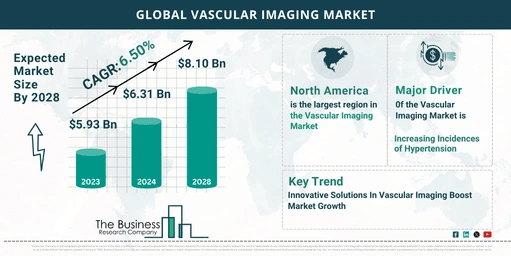
    • Current Market Size and Growth: The vascular imaging market is set to grow from $5.93 billion in 2023 to $6.31 billion in 2024, with a compound annual growth rate (CAGR) of 6.3%.
    • Historic Growth Drivers: Key factors include advancements in imaging technologies, an aging global population, rising cardiovascular disease incidence, increased government healthcare funding, and enhanced awareness and early diagnosis.

    Future Outlook and Trends

    • Projected Growth: The market is expected to expand to $8.10 billion by 2028, driven by a CAGR of 6.5%.
    • Growth Drivers: Future growth is attributed to improved awareness, regular screening programs, non-invasive imaging preferences, medical tourism, favourable reimbursement policies, and the increasing prevalence of age-related vascular diseases.
    • Emerging Trends: Significant trends include advancements in 3D and 4D imaging technologies, hybrid imaging systems, enhanced imaging resolution, intravascular imaging improvements, telemedicine, and remote imaging solutions.

    Read More On The Vascular Imaging Market Report 2024 – https://www.thebusinessresearchcompany.com/report/vascular-imaging-global-market-report

    Rising Hypertension Incidences Fueling Market Expansion

    • Hypertension Impact: The increasing prevalence of hypertension is expected to drive the vascular imaging market. Hypertension is linked to serious health issues like heart disease and stroke.
    • Market Role: Vascular imaging is crucial in diagnosing and managing vascular abnormalities contributing to high blood pressure. For example, in March 2024, the CDC reported higher hypertension prevalence among specific demographics, emphasizing the need for effective vascular imaging solutions.

    Key Players and Innovations

    • Leading Companies: Major players include Hitachi Ltd., Siemens AG, General Electric Company, and Philips N.V., among others.
    • Innovative Solutions: Companies are developing advanced solutions like wireless ultrasound imaging systems. For instance, GE HealthCare’s Vscan Air SL, launched in August 2023, offers handheld, wireless ultrasound capabilities for enhanced cardiac and vascular evaluations, integrating advanced imaging technologies.

    Strategic Acquisitions Strengthening Market Position

    • DirectMed Imaging Acquisition: In March 2024, DirectMed Imaging acquired Titanium Medical Imaging. This move is expected to enhance DirectMed Imaging’s global reach and offerings in the medical imaging sector.

    Market Segmentation and Regional Insights

    • Segmentation: The market is segmented by technique (MRI, ultrasound, CT, nuclear imaging, X-ray), procedure (coronary angiography, peripheral angiography, vascular ultrasound, etc.), application (diagnostic and therapeutic), and end user (hospitals, diagnostic centers).
    • Regional Insights: North America was the largest market region in 2023, with significant growth anticipated in other regions as well.

    Request for A Sample Of The Global Vascular Imaging Market Report:
    https://www.thebusinessresearchcompany.com/sample_request?id=16564&type=smp

  • 5 Key Insights On The Baby Thermometers Market 2024

    5 Key Insights On The Baby Thermometers Market 2024

    The Business Research Company’s global market reports are now updated with the latest market sizing information for the year 2024 and forecasted to 2033

    As per The Business Research Company’s Baby Thermometers Global Market Report 2023, the baby thermometers market is expected to show significant growth in the forecast period.

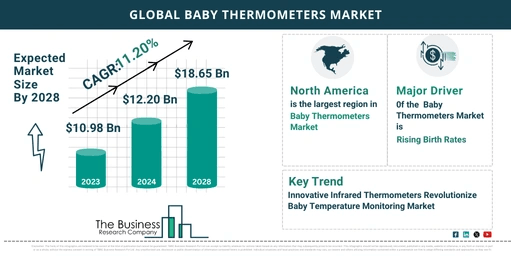
    • Rapid Growth: The baby thermometers market has seen significant expansion, growing from $10.98 billion in 2023 to $12.20 billion in 2024, with a CAGR of 11.1%.
    • Key Drivers: This growth is driven by increased health awareness post-COVID-19, rising demand for baby care products, expanded retail channels, and stricter regulations ensuring product safety.

    Projected Growth and Future Trends

    • Continued Expansion: The market is expected to grow to $18.65 billion by 2028, with a CAGR of 11.2%.
    • Key Factors: The forecasted growth can be attributed to improved healthcare infrastructure, the rise of e-commerce, higher birth rates among older parents, and the increasing adoption of telehealth services.
    • Emerging Trends: Innovations in thermometer technology, digital health products, and integration with wearable and remote monitoring technologies are set to shape the market.

    Rising Birth Rates Fuel Market Demand

    • Increased Birth Rates: Rising birth rates, influenced by better healthcare, economic stability, and supportive government policies, are driving the demand for baby thermometers.
    • Market Impact: With more births, the need for accurate and reliable thermometers to monitor newborns’ health becomes critical. These devices provide quick, accurate readings, essential for early detection of illness.

    View More On The Baby Thermometers Market Report 2024 – https://www.thebusinessresearchcompany.com/report/baby-thermometers-global-market-report

    Innovations in Infrared Thermometers

    • Technological Advancements: Companies are launching innovative infrared thermometers that offer non-contact, rapid temperature readings, enhancing convenience and hygiene.
    • Market Example: Fitgo’s 2021 launch of infrared thermometers with advanced features like quick temperature reads and memory recalls exemplifies the trend towards more user-friendly and precise baby thermometers.

    Strategic Acquisitions Boost Market Competitiveness

    • AI Integration: The acquisition of Kinsa Health by Healthy Together in 2024 highlights the trend of integrating AI-driven predictive health insights into baby thermometer technology.
    • Market Positioning: Such strategic moves are aimed at enhancing the accuracy and predictive capabilities of health monitoring devices, giving companies a competitive edge.

    Market Segmentation and Regional Insights

    • Product Types: The market is segmented by type (rectal, oral, infrared, ear canal, pacifier, armpit), thermometer type (digital, infrared, pacifier, smart), connectivity (non-connected, connected), and distribution channels (retail, online, supermarket, pharma stores).
    • Applications: Baby thermometers are used in various settings, including home, clinical, and travel.
    • Regional Trends: North America was the largest market in 2023, while Asia-Pacific is projected to grow the fastest during the forecast period.

    Conclusion

    The baby thermometers market is poised for rapid growth, driven by rising birth rates, technological innovations, and strategic acquisitions. With continuous product development and the increasing integration of AI and digital health technologies, the market is set to expand significantly in the coming years.

    Request A Sample Of The Global Baby Thermometers Market Report 2024:
    https://www.thebusinessresearchcompany.com/sample_request?id=16622&type=smp

  • Top 5 Insights From The Automated Hospital Beds Market Report 2024

    Top 5 Insights From The Automated Hospital Beds Market Report 2024

    The Business Research Company’s global market reports are now updated with the latest market sizing information for the year 2024 and forecasted to 2033

    According to The Business Research Company’s Automated Hospital Beds Global Market Report 2023, the automated hospital beds market is expected to show promising growth in the forecast period.

    The automated hospital beds market has witnessed significant growth in recent years and is poised for further expansion. Key factors driving this growth include an aging population, an increase in home healthcare services, and advancements in medical technology.

    Current Market Overview

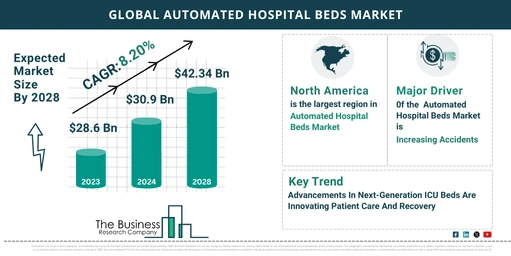
    • 2023 Market Size: The market reached $28.6 billion in 2023.
    • 2024 Forecast: It is projected to grow to $30.9 billion by 2024, with a CAGR of 8%.
    • Growth Drivers:
      • Aging population
      • Rise in home healthcare services
      • Increase in chronic disorders
      • Expansion of telemedicine
      • Increase in surgical procedures

    View More On The Automated Hospital Beds Market Report 2024 – https://www.thebusinessresearchcompany.com/report/automated-hospital-beds-global-market-report

    Future Market Projections

    • 2028 Forecast: The market is expected to reach $42.34 billion by 2028.
    • CAGR: The anticipated growth rate is 8.2% from 2024 to 2028.
    • Key Growth Drivers:
      • Increasing accidents
      • Emphasis on patient-centric care
      • Growing geriatric population
      • Rising healthcare expenditure
      • Shift towards home healthcare

    Impact of Rising Accidents on Market Growth

    The increasing number of road accidents is a significant factor contributing to the growth of the automated hospital beds market.

    • Accident Statistics: Road accidents are on the rise due to increased traffic, distracted driving, and poor infrastructure.
    • Automated Bed Features:
      • Adjustable height for easier patient transfer
      • Automated positioning to prevent bedsores
      • Remote control for quick adjustments
    • Industry Example: In May 2022, the NHTSA reported a 10.5% increase in traffic fatalities in 2021, highlighting the need for advanced patient care solutions in accident scenarios.

    Advancements in ICU Beds: Innovating Patient Care

    Major companies in the automated hospital beds market are focusing on developing next-generation ICU beds to meet the rising demand for advanced medical care.

    • Next-Gen ICU Beds: These beds are designed to enhance patient outcomes and streamline care in critical settings.
    • Example: Baxter International launched the Hillrom Progressa+ bed in May 2023, offering features like in-bed therapies, improved procedure access, and integrated lift systems for early mobility.
    • Benefits:
      • Reduces immobility complications
      • Enhances patient recovery
      • Minimizes clinician injury risks

    Strategic Acquisitions: Expanding Digital Health Solutions

    Acquisitions in the market are further driving innovation and expansion.

    • Baxter Acquires Hillrom: In December 2021, Baxter International acquired Hillrom for $12.5 billion.
    • Impact: This acquisition expands Baxter’s digital health and connected care offerings across various healthcare settings.
    • Hillrom’s Expertise: Specializes in hospital beds, mattresses, stretchers, and medical computer systems.

    Market Segmentation Overview

    The automated hospital beds market can be segmented based on type, technology, application, and end-user.

    • By Type: Semi-Automatic Hospital Beds, Fully Automatic Hospital Beds
    • By Technology: Basic Automated Hospital Beds, Smart Automated Hospital Beds
    • By Application: Critical Care, Acute Care, Long Term Care
    • By End User: Hospitals and Clinics, Reproductive Care Centers, Dentistry, Home Care, Other End-Users

    Regional Insights

    • North America: Dominated the market in 2023, driven by high healthcare expenditure and advanced medical infrastructure.

    The automated hospital beds market is set to continue its growth trajectory, fueled by technological advancements, strategic acquisitions, and a growing demand for patient-centric care solutions.

    Request A Sample Of The Global Automated Hospital Beds Market Report 2024:
    https://www.thebusinessresearchcompany.com/sample_request?id=16594&type=smp

  • Artificial Saliva Global Market Outlook 2024-2033: Size And Growth Rate Analysis

    Artificial Saliva Global Market Outlook 2024-2033: Size And Growth Rate Analysis

    The Business Research Company’s global market reports provide comprehensive analysis on the various markets in 27 industries across 60 geographies.

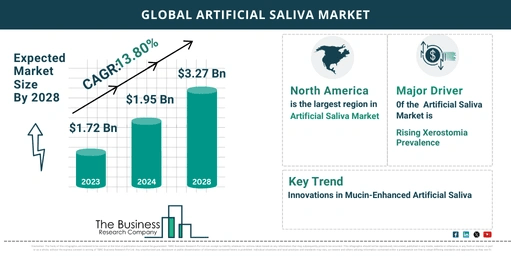
    • Market Expansion: The artificial saliva market has seen significant growth, increasing from $1.72 billion in 2023 to $1.95 billion in 2024, with a CAGR of 13.6%.
    • Key Drivers:
      • Oral Care Products: Growing demand for oral sprays, gels, and liquids.
      • Cancer Treatments: Expanding treatment options for cancer patients requiring artificial saliva due to chemotherapy side effects.
      • Aging Population: An increasing number of elderly individuals are experiencing dry mouth, driving demand.
      • Disposable Income: Rising disposable income enables more people to afford advanced oral care products.
      • Dental Disorders: A global rise in dental disorders has contributed to increased market demand.

    View More On The Artificial Saliva Market Report 2024 – https://www.thebusinessresearchcompany.com/report/artificial-saliva-global-market-report

    Future Market Growth and Emerging Trends

    • Future Market Growth: The artificial saliva market is expected to grow to $3.27 billion by 2028, with a CAGR of 13.8%.

    Growth Factors:

      • Oral Hygiene Awareness: Growing awareness about the importance of oral hygiene is a significant factor.
      • Xerostomia Prevalence: Increasing cases of dry mouth syndrome (xerostomia) are driving market growth.
      • Cancer Incidence: Rising incidents of cancer and the prevalence of chemotherapy treatments contribute to the market’s expansion.
      • Artificial Saliva Demand: The overall demand for artificial saliva is on the rise as more people seek relief from dry mouth symptoms.

    Emerging Trends:

      • R&D Activities: Increasing research and development activities are leading to more advanced product formulations.
      • Technological Integration: Integration with advanced technologies enhances product effectiveness.
      • Natural Ingredients: A shift towards natural and biocompatible ingredients is becoming more prominent in product development.

    Impact of Rising Xerostomia Prevalence on the Market

    • Xerostomia’s Role: The increasing prevalence of dry mouth syndrome (xerostomia) is a significant driver of the artificial saliva market.
    • Contributing Factors:
      • Aging Population: As the population ages, the prevalence of xerostomia increases due to natural aging processes.
      • Medication Use: The widespread use of medications that cause dry mouth as a side effect is also contributing to the rise in xerostomia cases.
    • Artificial Saliva Benefits:
      • Moisture Relief: Artificial saliva provides essential moisture to oral tissues, helping to alleviate the uncomfortable symptoms of xerostomia.
      • Global Impact: Studies indicate a significant prevalence of xerostomia worldwide, underscoring the need for effective treatments.
    • Example: In a 2021 study by Faculdade Meridional in Brazil, the xerostomia prevalence rate among older adults was 19.1%. Another study by the University of Gothenburg in Sweden found a prevalence rate of 43.6% in a sample of adult patients in 2022.

    Innovations in Mucin-Enhanced Artificial Saliva

    • Mucin-Enhanced Products: Leading companies in the artificial saliva market are focusing on developing mucin-enhanced products to provide better relief for dry mouth sufferers.
    • Product Benefits:
      • Mimicking Natural Saliva: Mucin-enhanced artificial saliva products are designed to closely replicate the properties of natural saliva.
      • Improved Viscosity: These products offer superior lubrication and moisture retention, making them more effective in treating xerostomia.
    • Case Study – Pickering Laboratories:
      • Product Launch: In October 2021, Pickering Laboratories launched a new artificial saliva product with added mucin, available in a 950 mL size.
      • Product Features: The product’s mineral composition and pH closely resemble human saliva, and it includes a preservative to prevent bacterial growth, making it suitable for various dental and pharmaceutical studies.

    Strategic Collaborations Enhance Market Offerings

    • Hologram Sciences and Haleon Partnership:
      • Strategic Collaboration: In March 2023, Hologram Sciences partnered with Haleon to develop personalized wellness products.
      • Goals:
        • Consumer Needs: The collaboration aims to address unmet consumer health needs in the US by leveraging Haleon’s established brands.
        • Innovation: The partnership focuses on creating new, science-backed supplement ideas that provide comprehensive solutions, including artificial saliva products that enhance oral health.
      • Company Background: Haleon is a UK-based consumer healthcare company known for offering innovative health solutions, including artificial saliva products.

    Market Segmentation and Regional Insights

    • Product Types:
      • Oral Spray
      • Oral Solution
      • Oral Liquid
      • Dissolving Tablets
      • Gel
      • Powder
    • Distribution Channels:
      • Supermarkets
      • Hypermarkets
      • Other Channels
    • End-Users:
      • Adults
      • Pediatric
    • Regional Analysis:
      • North America: The largest region in the artificial saliva market in 2023.
      • Asia-Pacific: Expected to be the fastest-growing region during the forecast period, driven by increasing awareness and healthcare advancements.

    Conclusion

    The artificial saliva market is poised for continued growth, driven by rising xerostomia prevalence, technological innovations, and strategic industry collaborations. With a focus on developing advanced, biocompatible products, the market is set to address the growing demand for effective dry mouth treatments worldwide.

    Request A Sample Of The Global Artificial Saliva Market Report 2024:
    https://www.thebusinessresearchcompany.com/sample_request?id=16592&type=smp

  • 5 Key Insights On The Artificial Lung Market 2024

    5 Key Insights On The Artificial Lung Market 2024

    The Business Research Company’s global market reports are now updated with the latest market sizing information for the year 2024 and forecasted to 2033

    As per The Business Research Company’s Artificial Lung Global Market Report 2023, the artificial lung market is expected to show significant growth in the forecast period.

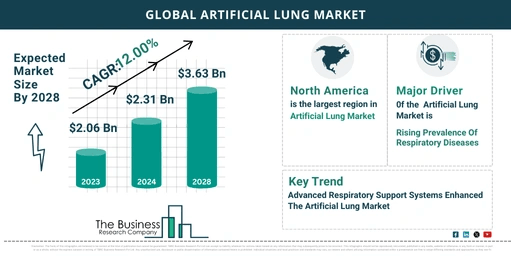
    • Market Expansion: The artificial lung market has experienced significant growth, increasing from $2.06 billion in 2023 to $2.31 billion in 2024, with a CAGR of 11.9%.
    • Key Drivers:
      • Healthcare Professional Awareness: Increased understanding and utilization of artificial lung technologies among healthcare professionals.
      • Market Penetration: Growing acceptance and use of artificial lungs in various medical settings.
      • Home Care Applications: Expanded applications in home care settings, offering patients more accessible treatment options.
      • Medical Tourism: Rising medical tourism has increased access to advanced medical technologies, driving market growth.
      • Healthcare Infrastructure: Continuous improvements in healthcare infrastructure have facilitated the adoption of advanced respiratory support systems.

    View More On The Artificial Lung Market Report 2024 –https://www.thebusinessresearchcompany.com/report/artificial-lung-global-market-report

    Promising Future Growth and Trends

    • Future Market Growth: The artificial lung market is projected to grow to $3.63 billion by 2028, with a CAGR of 12.0%.
    • Growth Factors:
      • Prevalence of Respiratory Diseases: The increasing number of respiratory disease cases globally is a major driver for the market.
      • Healthcare Facilities: Continuous improvements in healthcare facilities enhance the market’s growth prospects.
      • Minimally Invasive Procedures: The rising acceptance of minimally invasive procedures is boosting demand for artificial lungs.
      • Patient Quality of Life: These technologies improve patients’ quality of life by providing effective respiratory support.
      • Chronic Diseases: The rising prevalence of chronic obstructive pulmonary diseases (COPD) further fuels market expansion.
    • Emerging Trends:
      • Wireless Technology: Integration of wireless technology for easier monitoring and control of artificial lung systems.
      • Artificial Intelligence: AI integration enhances diagnostics, treatment personalization, and overall system efficiency.
      • Genomics and Medical Technology: Advances in these areas are driving the development of more effective artificial lung devices.
      • Portable Devices: The development of smaller, portable artificial lungs allows for greater patient mobility and comfort.

    Rising Respiratory Diseases Drive Market Growth

    • Disease Prevalence: The increasing prevalence of respiratory diseases is a key factor driving the artificial lung market.
    • Contributing Factors:
      • Air Pollution and Climate Change: These environmental factors contribute to the rise in respiratory conditions.
      • Lifestyle Changes: Shifts in lifestyle have also led to an increase in respiratory diseases.
    • Artificial Lung Applications:
      • Respiratory Support: Artificial lungs provide critical oxygenation and carbon dioxide removal, supporting or replacing impaired lung function.
      • Healthcare Impact: These devices are vital in treating conditions like asthma and COPD, improving patient outcomes.
    • Example: In June 2024, the Australian Institute of Health and Welfare reported that approximately 8.5 million Australians (34% of the population) have chronic respiratory conditions, emphasizing the growing need for advanced respiratory support systems.

    Innovations in Respiratory Support Systems

    • Technological Advancements: Companies in the artificial lung market are focusing on developing innovative respiratory support systems.
    • Case Study – ALung Technologies:
      • FDA Approval: In December 2021, ALung Technologies Inc. received FDA approval for its Hemolung Respiratory Support System, a groundbreaking artificial lung device.
      • Device Features:
        • ECCO2R System: Provides extracorporeal carbon dioxide removal (ECCO2R) from the blood for up to 5 days.
        • Application: Designed for adults with acute, reversible respiratory failure when traditional ventilation is inadequate.
        • Significance: This approval marks a significant advancement in respiratory support technology, offering a new treatment option for patients with severe respiratory conditions.

    Strategic Acquisitions Enhance Market Position

    • LivaNova plc’s Acquisition of ALung Technologies:
      • Expansion of Portfolio: In May 2022, LivaNova plc, a UK-based medical device company, acquired ALung Technologies to expand its respiratory therapy portfolio.
      • Strategic Goals:
        • Innovative Solutions: The acquisition enhances LivaNova’s capacity to offer advanced respiratory support solutions.
        • Focus on Artificial Lungs: The acquisition emphasizes the development and expansion of artificial lung technologies.
      • ALung Technologies: A US-based company specializing in gas exchange devices for treating acute and chronic respiratory disorders, further strengthening LivaNova’s market position.

    Market Segmentation and Regional Insights

    • Product Types:
      • Single Roller Pump Heart Lung Machines
      • Double Roller Pump Heart Lung Machines
      • Bubble Artificial Lungs
      • Membrane Artificial Lungs
    • Applications:
      • Cardiac Surgery
      • Lung Transplant Operations
      • Acute Respiratory Failure Treatment
      • Other Applications
    • End-Users:
      • Hospitals
      • Emergency Centers
      • Other End-users
    • Regional Analysis: North America was the largest region in the artificial lung market in 2023, driven by advanced healthcare infrastructure and high adoption rates of innovative medical technologies.

    Conclusion

    The artificial lung market is on a rapid growth trajectory, driven by increasing respiratory disease prevalence, technological advancements, and strategic industry developments. With continued innovation and expanding applications, artificial lung technologies are set to play a crucial role in the future of respiratory care.

    Request A Sample Of The Global Artificial Lung Market Report 2024:
    https://www.thebusinessresearchcompany.com/sample_request?id=16591&type=smp