Blog

  • Cancer Immunotherapy Market Trends Are Creating New Opportunities For Industry Leaders

    Cancer Immunotherapy Market Trends Are Creating New Opportunities For Industry Leaders

    Enhanced with market attractiveness analysis, total addressable market evaluation, company benchmarking matrices, interactive Excel dashboards, expanded supply chain intelligence, emerging startup coverage, and detailed product insights, The Business Research Company’s 2026 market reports deliver more actionable and strategically valuable research.

    Cancer Immunotherapy Market Revenue Growth Supported By A CAGR Of 210.38% Through 2030

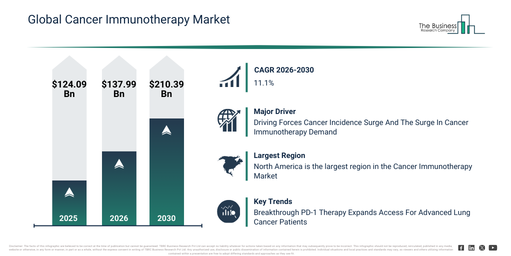
    The cancer immunotherapy market has experienced significant expansion in recent years. Projected to rise from $124.09 billion in 2025 to $137.99 billion in 2026, this growth reflects a compound annual growth rate (CAGR) of 11.2%. Historical progress has been driven by advances in tumor immunology, a growing worldwide cancer burden, the initial achievements of monoclonal antibodies, heightened investment in oncology research and development, and the regulatory clearance of checkpoint inhibitors.

    The cancer immunotherapy sector is projected to experience substantial growth over the coming years, with its value anticipated to reach $210.39 billion by 2030, driven by a compound annual growth rate (CAGR) of 11.1%. This expansion during the forecast period is fueled by several key factors, such as the increasing implementation of CAR T-cell therapies, the broadening application of these treatments into solid tumor indications, heightened financial commitments directed toward cancer vaccine development, a growing demand for targeted combination therapeutic approaches, and the establishment of favorable reimbursement policies specifically designed to support immunotherapy modalities. Significant trends shaping this forward-looking landscape include the widespread adoption of immune checkpoint inhibitors, the escalating utilization of diverse combination immunotherapy regimens, the broadened deployment of cell-based therapeutic strategies, an intensified emphasis on delivering personalized immunotherapy solutions, and a notable increase in the volume of oncology-focused clinical trials being conducted.

    Download A Free Sample Report For Comprehensive Market Insights:

    https://www.thebusinessresearchcompany.com/sample.aspx?id=6768&type=smp&utm_source=BlogsPR&utm_medium=Paid&utm_campaign=Jul_PR

    Cancer Immunotherapy Market Growth Drivers: What Factors Are Accelerating Expansion?

    An anticipated rise in the number of cancer cases is set to drive growth in the market for cancer immunotherapies. Globally, cancer incidence is being fueled by factors such as tobacco use, alcohol consumption, obesity, sedentary habits, and environmental influences. This uptick is expected to heighten the demand for cancer immunotherapies, as patients increasingly turn to treatments that offer better recovery rates and reduced discomfort. To illustrate, projections from Cancer Research UK—a British cancer charity—released in July 2024 indicate that cancer incidence rates in the UK are likely to rise for most types between 2023-2025 and 2038-2040, with increases varying from under 1% for breast cancer to 50% for eye cancer, while a few cancers are predicted to drop, such as a 2% decline in lung cancer and a 27% fall in mesothelioma. Consequently, this growing incidence of cancer is poised to boost the need for cancer immunotherapies throughout the forecast period.

    Cancer Immunotherapy Market Categorization By Product Type And Application

    The cancer immunotherapy market covered in this report is segmented –

    1) By Product: Monoclonal Antibodies, Checkpoint Inhibitors, Immunomodulators, Vaccines, Cell Therapy

    2) By Application: Lung Cancer, Breast Cancer, Colorectal Cancer, Melanoma, Prostate Cancer, Multiple Myeloma

    3) By End User: Hospitals, Cancer Research Centers, Clinics

    Subsegments:

    1) By Monoclonal Antibodies: Chimeric Monoclonal Antibodies, Humanized Monoclonal Antibodies, Fully Human Monoclonal Antibodies

    2) By Checkpoint Inhibitors: PD-1 Inhibitors, PD-L1 Inhibitors, CTLA-4 Inhibitors

    3) By Immunomodulators: Cytokines, Oncolytic Viruses, Toll-Like Receptor (TLR) Agonists

    4) By Vaccines: Therapeutic Cancer Vaccines

    5) By Cell Therapy: CAR T-Cell Therapy, TCR Therapy, Natural Killer (NK) Cell Therapy

    Cancer Immunotherapy Market Trends: What Is Shaping Future Industry Growth?

    Major players within the cancer immunotherapy sector are concentrating on creating cutting-edge solutions, including PD-1 immunotherapies, to improve access to sophisticated immune-based treatments for patients with difficult-to-treat cancers. A PD-1 immunotherapy represents a treatment aimed at immune checkpoint pathways, crafted to stimulate antitumor immune responses by hindering programmed death-1 pathway interactions. For example, in August 2025, Intas Pharmaceuticals, an India-based firm specializing in oncology and biologics, introduced HETRONIFLY (Serplulimab). This therapy stands as the first programmed death-1 inhibitor authorized globally for extensive-stage small cell lung cancer, employing a dual mechanism that targets PD-L1 and PD-L2 while relying on strong receptor internalization to boost immune engagement. Its demonstrated survival advantages—combined with a noticeably lower cost compared to existing immunotherapies—highlight its clinical significance and expand patient access to advanced cancer care within India.

    Cancer Immunotherapy Market Company Landscape And Strategic Competition

    Major companies operating in the cancer immunotherapy market are Amgen Inc., AstraZeneca PLC, F. Hoffmann-La Roche Ltd, Bayer AG, Eli Lilly and Company, Adaptive Biotechnologies Corp., Argos Therapeutics Inc., Bristol-Myers Squibb Company, Cell Medica Limited, Cellular Biomedicine Group Inc., Gilead Sciences Inc., Gradalis Inc., Immatics Biotechnologies GmbH, Iovance Biotherapeutics Inc., Juno Therapeutics LLC, MacroGenics Inc., Merck & Co. Inc., Neon Therapeutics Inc., Neovii Biotech GmbH, Novartis International AG, Pfizer Inc., Regeneron Pharmaceuticals Inc., Roche Holding AG, Targovax ASA, Tessa Therapeutics Pte Ltd., TILT Biotherapeutics Ltd., Turnstone Biologics Corp., Xencor Inc., Kura Oncology Inc.

    Access The Complete Cancer Immunotherapy Market Report:

    https://www.thebusinessresearchcompany.com/report/cancer-immunotherapy-global-market-report?utm_source=BlogsPR&utm_medium=Paid&utm_campaign=Jul_PR

    Cancer Immunotherapy Market Geographic Analysis: Where Is Demand Growing The Fastest?

    North America was the largest region in the cancer immunotherapy market in 2025. Asia-Pacific is expected to be the fastest-growing region in the forecast period. The regions covered in the cancer immunotherapy market report are Asia-Pacific, South East Asia, Western Europe, Eastern Europe, North America, South America, Middle East, Africa.

    Get in touch with us:

    The Business Research Company: https://www.thebusinessresearchcompany.com/?utm_source=BlogsPR&utm_medium=Paid&utm_campaign=home_page_test

    Americas: +1 310-496-7795

    Asia: +44 7882 955267 & +91 8897263534

    Europe: +44 7882 955267

    Email us at: marketing@tbrc.info

    Follow us on:

    LinkedIn: https://in.linkedin.com/company/the-business-research-company

    YouTube: https://www.youtube.com/channel/UC24_fI0rV8cR5DxlCpgmyFQ

    Global Market Model: https://www.thebusinessresearchcompany.com/global-market-model
  • Cancer Clinical Decision Tools Market Growth Is Reshaping Competitive Advantage Across The Industry

    Cancer Clinical Decision Tools Market Growth Is Reshaping Competitive Advantage Across The Industry

    Through market attractiveness analysis, total addressable market evaluation, company benchmarking matrices, interactive Excel dashboards, expanded supply chain intelligence, emerging startup coverage, and detailed product insights, The Business Research Company’s 2026 market reports provide more actionable and strategically valuable research.

    Cancer Clinical Decision Tools Market Value Expansion And Long-Term Growth Outlook

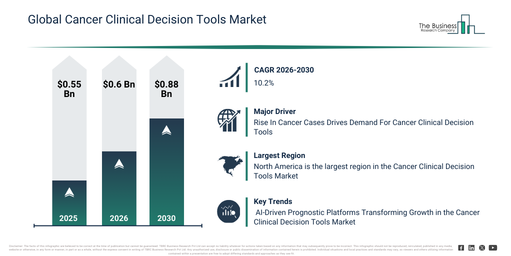
    The cancer clinical decision tools market has experienced significant expansion in recent years. The market is projected to rise from $0.55 billion in 2025 to $0.6 billion in 2026, reflecting a compound annual growth rate (CAGR) of 9.0%. This historical growth has been driven by factors such as increasing cancer incidence rates, an escalating workload for primary care physicians, a scarcity of early diagnostic instruments in primary care settings, a heightened focus on improving referral precision, and the ongoing development of hospital and clinic infrastructure.

    The cancer clinical decision tools market is projected to experience significant growth over the coming years. By 2030, its value is anticipated to reach $0.88 billion, expanding at a compound annual growth rate (CAGR) of 10.2%. This forecasted growth is driven by several key factors, including the evolution of AI-powered decision support systems, the incorporation of genomic and risk profiling data, the proliferation of digital health platforms, heightened government-led screening programs, and an increasing emphasis on evidence-based oncology standards. Among the prominent trends shaping this period are the wider application of clinical decision tools within oncology, a stronger focus on early cancer identification and risk assessment, greater utilization of symptom checkers and risk calculators by general practitioners, the development of guideline-aligned referral and decision structures, and the integration of cancer decision tools into routine primary care settings.

    Download A Free Sample Report For Comprehensive Market Insights:

    https://www.thebusinessresearchcompany.com/sample.aspx?id=3463&type=smp&utm_source=BlogsPR&utm_medium=Paid&utm_campaign=Jul_PR

    Cancer Clinical Decision Tools Market Growth Factors Supporting Long-Term Expansion

    The anticipated increase in cancer incidence is set to drive expansion in the cancer clinical decision tools market. Cancer incidence refers to the count of newly diagnosed cancer cases within a defined population over a specific timeframe, indicating the disease’s occurrence frequency. This rise is fueled by greater exposure to risk factors like unhealthy lifestyles, which may cause genetic mutations and abnormal cell growth over time. Cancer clinical decision tools are designed to monitor, forecast, and manage cancer cases more efficiently, facilitating early detection and timely interventions that can shape observed incidence trends. For example, in October 2025, NHS England, a UK-based publicly funded healthcare system, reported 354,820 new cancer diagnoses in 2023—an increase of 8,605 compared to 2022. Consequently, the global uptick in cancer incidence rates will boost demand for the cancer clinical decision tools market.

    Cancer Clinical Decision Tools Market Segment Analysis And Revenue Opportunities

    The cancer clinical decision tools market covered in this report is segmented –

    1) By Type: Risk Assessment Tool(RAT), Qcancer

    2) By End-User: Hospital, Clinics

    Subsegments:

    1) By Risk Assessment Tool (RAT): Family History Assessment, Genetic Testing and Counseling, Lifestyle and Environmental Risk Factors Evaluation

    2) By Qcancer: Symptom Checker, Risk Calculator, Guideline-Based Recommendations

    Cancer Clinical Decision Tools Market Industry Trends Shaping Future Revenue Growth

    Major players in the cancer clinical decision tools market are increasingly turning to AI-powered prognostic decision support systems to address the growing demand for more personalized, data-driven oncology care, which is fueled by rising cancer rates, the necessity for improved risk stratification, and mounting pressure to refine treatment approaches. These AI-driven prognostic systems employ deep-learning models to process multimodal data—including imaging, electronic health records, and clinical biomarkers—to forecast outcomes such as survival rates, recurrence likelihood, or treatment responses with significantly greater accuracy compared to traditional rule-based methods. A notable example occurred in February 2025, when Onc.AI, a US-based health technology firm, announced that its Serial CTRS (Cancer Treatment Risk Stratification) tool received FDA Breakthrough Device Designation; this AI solution categorizes non-small cell lung cancer (NSCLC) patients into high- or low-risk mortality groups by examining diagnostic imaging scans through a deep-learning algorithm, empowering oncologists to make more informed choices regarding treatment intensity and follow-up care. The capacity of Serial CTRS to predict long-term survival outcomes facilitates enhanced patient stratification, more customized treatment strategies, and more efficient resource allocation, marking a substantial advancement over conventional prognostic tools that depend on a restricted set of clinical parameters.

    Cancer Clinical Decision Tools Market Leading Players Shaping Industry Direction

    Major companies operating in the cancer clinical decision tools market are McKesson Corporation, Philips Healthcare, Siemens Healthineers AG, Elsevier B.V., National Decision Support Company, Cerner Corporation, GE Healthcare, Allscripts Healthcare Solutions Inc., Epic Systems Corporation, RaySearch Laboratories AB, Elekta AB, Varian Medical Systems Inc., Accuray Incorporated, F. Hoffmann-La Roche Ltd., Flatiron Health Inc., Tempus Labs Inc., NantHealth Inc., Syapse Inc., Inspirata Inc., Prognos Health Inc., Deep 6 AI Inc., PathAI Inc.

    Access The Complete Cancer Clinical Decision Tools Market Report:

    https://www.thebusinessresearchcompany.com/report/cancer-clinical-decision-tool-global-market-report?utm_source=BlogsPR&utm_medium=Paid&utm_campaign=Jul_PR

    Cancer Clinical Decision Tools Market Global Footprint: Which Region Holds Market Leadership?

    North America was the largest region in the cancer clinical decision tools market in 2025. The regions covered in the cancer clinical decision tools market report are Asia-Pacific, South East Asia, Western Europe, Eastern Europe, North America, South America, Middle East, Africa.

    Get in touch with us:

    The Business Research Company: https://www.thebusinessresearchcompany.com/?utm_source=BlogsPR&utm_medium=Paid&utm_campaign=home_page_test

    Americas: +1 310-496-7795

    Asia: +44 7882 955267 & +91 8897263534

    Europe: +44 7882 955267

    Email us at: marketing@tbrc.info

    Follow us on:

    LinkedIn: https://in.linkedin.com/company/the-business-research-company

    YouTube: https://www.youtube.com/channel/UC24_fI0rV8cR5DxlCpgmyFQ

    Global Market Model: https://www.thebusinessresearchcompany.com/global-market-model
  • Cancer biologics Market Forecast Signals New Revenue Opportunities Through 2030

    Cancer biologics Market Forecast Signals New Revenue Opportunities Through 2030

    Delivering more actionable and strategically valuable research, The Business Research Company’s 2026 market reports feature market attractiveness analysis, total addressable market evaluation, company benchmarking matrices, interactive Excel dashboards, expanded supply chain intelligence, emerging startup coverage, and detailed product insights.

    Cancer biologics Market Expected To Reach $203.28 Billion By 2030 At 9.6% CAGR

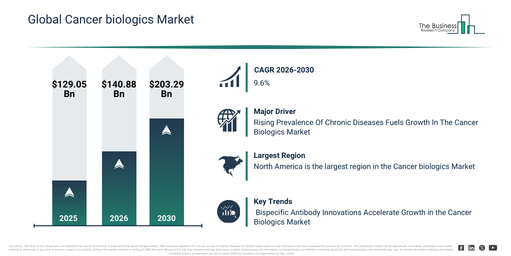
    The market for cancer biologics has experienced robust expansion in recent times. Its value is projected to increase from $129.05 billion in 2025 to $140.88 billion in 2026, reflecting a compound annual growth rate (CAGR) of 9.2%. This historical growth has been driven by factors such as the global rise in cancer incidence, heightened demand for sophisticated cancer treatments, intensified efforts in oncology research, the constrained efficacy of traditional chemotherapy, and the proliferation of hospital-based cancer care facilities.

    The cancer biologics market is projected to experience robust expansion over the coming years, reaching $203.29 billion by 2030 with a compound annual growth rate (CAGR) of 9.6%. This projected growth during the forecast period is driven by progress in cell and gene therapy platforms, the growing number of approvals for new biologic drugs, the rise of personalized oncology approaches, increased funding for cancer biologics research and development, and the scaling up of biologics production capabilities. Key developments expected to shape this period include the increasing use of immunotherapy and targeted biologic therapies, the broader application of monoclonal antibodies in cancer treatment, the emergence of cell and gene therapy-based oncological interventions, the advancement of cancer vaccine initiatives, and a heightened emphasis on precision biologic strategies.

    Download A Free Sample Report For Comprehensive Market Insights:

    https://www.thebusinessresearchcompany.com/sample.aspx?id=2563&type=smp&utm_source=BlogsPR&utm_medium=Paid&utm_campaign=Jul_PR

    Cancer biologics Market Demand Drivers Creating New Revenue Opportunities

    The increasing occurrence of chronic illnesses is a key factor fueling expansion in the cancer biologics market. These conditions, which last for extended periods and impair the well-being of those affected, include cancer as one of the most prevalent. Common types of cancer are breast, lung and bronchus, prostate, colon and rectum, skin melanoma, bladder, non-Hodgkin lymphoma, kidney and renal pelvis, endometrial, leukemia, pancreatic, thyroid, and liver cancers. As an example, data released in February 2024 by the Centers for Disease Control and Prevention (CDC)—a public health organization based in the United States—indicated that a rising number of Americans are dealing with multiple chronic conditions: 42% have two or more, while 12% face five or more. Because of this, the growing prevalence of chronic diseases is anticipated to drive the cancer biologics market in the years ahead.

    Cancer biologics Market Segmentation And Category Breakdown

    The cancer biologics market covered in this report is segmented –

    1) By Type: Monoclonal Antibodies, Vaccines, Cell And Gene Therapy, Other Types

    2) By Application: Non-small Cell Lung Cancer, Prostate Cancer, Breast Cancer, Acute Myeloid Leukemia, Lymphoma, Multiple Myeloma, Ovarian Cancer, Colorectal Cancer, Gastric Cancers, Other Applications

    3) By Distribution Channel: Hospitals, Clinics, Other Distribution Channels

    Subsegments:

    1) By Monoclonal Antibodies: Naked Monoclonal Antibodies, Conjugated Monoclonal Antibodies, Bispecific Monoclonal Antibodies

    2) By Vaccines: Therapeutic Cancer Vaccines, Preventive Cancer Vaccines

    3) By Cell And Gene Therapy: CAR T-Cell Therapy, Tumor-Infiltrating Lymphocytes (TIL) Therapy, Oncolytic Virus Therapy

    4) By Other Types: Cytokines, Growth Factors, Fusion Proteins

    Cancer biologics Market Trends Driving Strategic Industry Expansion

    Major players in the cancer biologics space are prioritizing the creation of cutting-edge treatments, including bispecific antibodies and biomarker-driven biologics, to boost therapeutic effectiveness and better zero in on particular cancer cells. Bispecific antibodies represent a next-generation biologic approach capable of engaging two separate epitopes or targets at once, whereas biomarker-guided biologics are engineered to precisely attack tumor cells identified through specific molecular indicators. As an example, in November 2024, as reported by Jazz Pharmaceuticals Public Limited Company, a Dublin-headquartered global biopharmaceutical firm, the U.S. Food & Drug Administration (FDA) granted accelerated approval for Ziihera (zanidatamab hrii) to treat adults with previously treated, unresectable or metastatic HER2 positive (IHC 3+) biliary tract cancer (BTC). This authorization marks the first and only dual HER2-targeted bispecific antibody to receive approval for this particular indication, thus extending the application of HER2-focused biologic therapy to a new cancer type beyond its previous scope.

    Cancer biologics Market Competitive Analysis Of Major Industry Participants

    Major companies operating in the cancer biologics market are AbbVie Inc., F. Hoffmann-La Roche AG, GlaxoSmithKline plc, Eli Lilly and Company, AmgenInc., Bristol-Myers Squibb Company, Johnson & Johnson, Merck & Co.Inc., Novartis AG, Pfizer Inc., Celgene Corporation, Daiichi Sankyo Company Ltd., Seagen Inc., Takeda Pharmaceutical Company Limited, Biogen Inc., Vertex Pharmaceuticals Incorporated, Incyte Corporation, Karyopharm Therapeutics Inc., Kyowa Kirin Co Ltd., Ipsen Biopharmaceuticals Inc., Bayer AG, Biocon Limited, Genentech Inc., Gilead Sciences Inc., Puma Biotechnology, Regeneron Pharmaceuticals Inc.

    Access The Complete Cancer biologics Market Report:

    https://www.thebusinessresearchcompany.com/report/cancer-biologics-global-market-report?utm_source=BlogsPR&utm_medium=Paid&utm_campaign=Jul_PR

    Cancer biologics Market Regional Distribution: Which Areas Drive Market Expansion?

    North America was the largest region in the cancer biologics market in 2025. The Middle East is expected to be the fastest-growing region in the global cancer biologics market share during the forecast period. The regions covered in the cancer biologics market report are Asia-Pacific, South East Asia, Western Europe, Eastern Europe, North America, South America, Middle East, Africa.

    Get in touch with us:

    The Business Research Company: https://www.thebusinessresearchcompany.com/?utm_source=BlogsPR&utm_medium=Paid&utm_campaign=home_page_test

    Americas: +1 310-496-7795

    Asia: +44 7882 955267 & +91 8897263534

    Europe: +44 7882 955267

    Email us at: marketing@tbrc.info

    Follow us on:

    LinkedIn: https://in.linkedin.com/company/the-business-research-company

    YouTube: https://www.youtube.com/channel/UC24_fI0rV8cR5DxlCpgmyFQ

    Global Market Model: https://www.thebusinessresearchcompany.com/global-market-model
  • Cancer Antibody Drug Conjugates Market Growth Is Accelerating As Industry Transformation Continues

    Cancer Antibody Drug Conjugates Market Growth Is Accelerating As Industry Transformation Continues

    Enhanced with market attractiveness analysis, total addressable market evaluation, company benchmarking matrices, interactive Excel dashboards, expanded supply chain intelligence, emerging startup coverage, and detailed product insights, The Business Research Company’s 2026 market reports deliver more actionable and strategically valuable research.

    Cancer Antibody Drug Conjugates Market Size And Revenue Forecast Through 2030

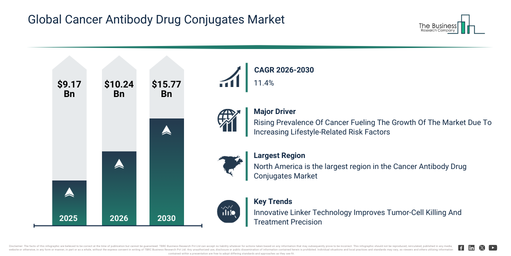
    The market for antibody-drug conjugates in oncology has experienced rapid expansion over the past few years, with projections showing an increase from $9.17 billion in 2025 to $10.24 billion in 2026, reflecting an 11.7% compound annual growth rate (CAGR). This historic growth has been driven by progress in monoclonal antibody engineering, a higher prevalence of cancer cases, greater utilization of targeted cancer treatments, broader clinical investigations into biologic therapies, and the regulatory endorsement of initial ADC-based treatments.

    The market for cancer antibody drug conjugates is anticipated to expand at a rapid pace in the coming years, reaching a valuation of $15.77 billion by 2030, driven by a compound annual growth rate (CAGR) of 11.4%. This projected growth is fueled by several key factors, including heightened investment in precision oncology initiatives, a broader adoption of combination cancer therapies, the widening of ADC indications to include non-solid tumors, an increasing demand for safer, more targeted treatments, and continuous advancements in linker and payload technologies. Notable trends shaping the forecast period encompass the accelerated development of next-generation antibody drug conjugates, a heightened emphasis on tumor-specific targeting approaches, the growing utilization of cleavable linker technologies, the expansion of ADC applications across diverse cancer types, and a stronger focus on enhancing the therapeutic index.

    Download A Free Sample Report For Comprehensive Market Insights:

    https://www.thebusinessresearchcompany.com/sample.aspx?id=30217&type=smp&utm_source=BlogsPR&utm_medium=Paid&utm_campaign=Jul_PR

    Cancer Antibody Drug Conjugates Market Expansion Supported By Key Demand Factors

    The growing incidence of cancer is anticipated to drive expansion in the cancer antibody drug conjugate market moving forward. Cancer prevalence is defined as the total number of individuals—both newly and previously diagnosed—who remain alive with a cancer history at a given point in time. This prevalence is on the rise due to lifestyle-associated factors like unhealthy eating habits, tobacco use, alcohol intake, and exposure to environmental contaminants, all of which heighten the likelihood of developing various cancer types. Cancer antibody-drug conjugates support cancer management by delivering potent chemotherapeutic agents directly to malignant cells, thereby reducing damage to healthy tissues. They increase treatment accuracy by focusing on specific tumor antigens, boosting therapeutic efficacy while minimizing adverse effects for patients. As an example, in February 2025, Cancer Australia, a government body based in Australia, reported 4,641 new pancreatic cancer cases in 2024, comprising 2,414 in males and 2,227 in females. Consequently, the increasing prevalence of cancer is fueling growth in the cancer antibody drug conjugate market.

    Cancer Antibody Drug Conjugates Market Segment Outlook: Which Categories Are Expanding The Fastest?

    The cancer antibody drug conjugates market covered in this report is segmented –

    1) By Type Of Antibody: Monoclonal Antibodies, Bispecific Antibodies, Low Molecular Weight Antibodies, Polyclonal Antibodies

    2) By Mechanism Of Action: Cell Death Signal (CDS) Inducers, Microtubule Disruptors, Deoxyribonucleic Acid (DNA) Damage Inducers, Immune Checkpoint Inhibitors

    3) By Technology: Cleavable Linker, Non-Cleavable Linker

    4) By Disease Indication: Breast Cancer, Blood Cancers, Lung Cancer, Gastrointestinal Cancers, Prostate Cancer

    5) By End-User: Hospitals, Specialty Clinics, Research Institutes

    Subsegments:

    1) By Monoclonal Antibodies: Fully Human Monoclonal Antibodies, Humanized Monoclonal Antibodies, Chimeric Monoclonal Antibodies, Murine Monoclonal Antibodies

    2) By Bispecific Antibodies: T Cell Engager Bispecific Antibodies, Dual Specific Antigen Targeting Bispecific Antibodies, Immune Checkpoint Modulating Bispecific Antibodies, Cytokine Redirecting Bispecific Antibodies

    3) By Low Molecular Weight Antibodies: Single Chain Variable Fragment Antibodies, Nanobody Antibodies, Antibody Fragment Antibodies, Domain Antibodies

    4) By Polyclonal Antibodies: Purified Polyclonal Antibodies, Recombinant Polyclonal Antibodies, Animal Derived Polyclonal Antibodies, Human Derived Polyclonal Antibodies

    Cancer Antibody Drug Conjugates Market Growth Trends Influencing Competitive Dynamics

    Major players within the cancer antibody-drug conjugates market are increasingly investing in the development of advanced technological innovations, particularly cleavable tumor-activated linker systems, aimed at improving targeted delivery, treatment accuracy, and safety profiles. These cleavable tumor-activated linkers represent a specialized chemical mechanism employed in antibody-drug conjugates (ADCs) that attach the cytotoxic agent to the antibody and selectively trigger its release upon reaching the tumor microenvironment. In a notable example from June 2025, Daiichi Sankyo Co. Ltd., a Japanese biopharmaceutical firm, secured approval from the United States Food and Drug Administration (FDA) for Datroway (datopotamab deruxtecan-dlnk), a TROP-2-directed antibody-drug conjugate featuring a cleavable linker intended for treating adults diagnosed with locally advanced or metastatic EGFR-mutated non-small cell lung cancer (NSCLC) who have previously undergone EGFR-directed therapy along with platinum-based chemotherapy. This product enables targeted drug release, augments tumor cell elimination via bystander effects, and ensures better treatment tolerability. It enhances precision in therapeutic delivery and broadens treatment possibilities for challenging-to-manage solid tumors.

    Cancer Antibody Drug Conjugates Market Key Companies And Competitive Benchmarking

    Major companies operating in the cancer antibody drug conjugates market are Johnson & Johnson, Roche Holding AG, Merck and Co. Inc., Pfizer Inc., AbbVie Inc., Bayer AG, Sanofi S.A., AstraZeneca PLC, Bristol-Myers Squibb Company, GlaxoSmithKline PLC, Eli Lilly and Company, Takeda Pharmaceutical Company Limited, Amgen Inc., Gilead Sciences Inc., Astellas Pharma Inc., Daiichi Sankyo Company Limited, Byondis BV, Adienne Pharma and Biotech SA, Helix BioPharma Corp., Adcytherix SAS

    Access The Complete Cancer Antibody Drug Conjugates Market Report:

    https://www.thebusinessresearchcompany.com/report/global-cancer-antibody-drug-conjugates-market-report?utm_source=BlogsPR&utm_medium=Paid&utm_campaign=Jul_PR

    Cancer Antibody Drug Conjugates Market Leading Geography: Which Region Generates The Most Revenue?

    North America was the largest region in the cancer antibody drug conjugates market in 2025. Asia-Pacific is expected to be the fastest-growing region in the forecast period. The regions covered in the cancer antibody drug conjugates market report are Asia-Pacific, South East Asia, Western Europe, Eastern Europe, North America, South America, Middle East, Africa.

    Get in touch with us:

    The Business Research Company: https://www.thebusinessresearchcompany.com/?utm_source=BlogsPR&utm_medium=Paid&utm_campaign=home_page_test

    Americas: +1 310-496-7795

    Asia: +44 7882 955267 & +91 8897263534

    Europe: +44 7882 955267

    Email us at: marketing@tbrc.info

    Follow us on:

    LinkedIn: https://in.linkedin.com/company/the-business-research-company

    YouTube: https://www.youtube.com/channel/UC24_fI0rV8cR5DxlCpgmyFQ

    Global Market Model: https://www.thebusinessresearchcompany.com/global-market-model
  • Calorie Supplements Market Outlook Highlights The Next Major Growth Opportunities

    Calorie Supplements Market Outlook Highlights The Next Major Growth Opportunities

    Through market attractiveness analysis, total addressable market evaluation, company benchmarking matrices, interactive Excel dashboards, expanded supply chain intelligence, emerging startup coverage, and detailed product insights, The Business Research Company’s 2026 market reports provide more actionable and strategically valuable research.

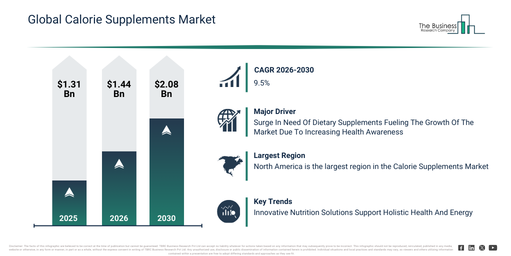
    Calorie Supplements Market Growth From $1.44 Billion In 2026 To $2.07 Billion By 2030 At A CAGR Of 9.5%

    The market for calorie supplements has experienced robust expansion in recent years. Projections indicate it will rise from $1.31 billion in 2025 to $1.44 billion in 2026, reflecting a compound annual growth rate (CAGR) of 9.8%. This historic growth can be explained by a higher incidence of malnutrition and undernutrition, greater reliance on nutritional supplementation within clinical settings, an expanding elderly demographic with elevated energy requirements, the growing sectors of sports and fitness nutrition, and a broader range of fortified nutritional items becoming accessible.

    Over the coming years, a notable expansion is anticipated for the calorie supplements market. By 2030, its value is projected to reach $2.08 billion, driven by a compound annual growth rate (CAGR) of 9.5%. Several factors are fueling this forecasted growth, including a heightened emphasis on personalized nutrition, a growing preference for convenient nutritional formats, increased awareness regarding preventive healthcare through diet, the broadening reach of e-commerce for supplement sales, and continuous innovation in clean-label calorie supplement products. Key trends shaping the future of this sector encompass a rising demand for high-calorie medical nutrition items, greater adoption of ready-to-drink energy supplements, an intensified focus on balanced macronutrient profiles, the expansion of online channels for nutritional supplement retail, and advancements in product customization to address specific health requirements.

    Download A Free Sample Report For Comprehensive Market Insights:

    https://www.thebusinessresearchcompany.com/sample.aspx?id=30216&type=smp&utm_source=BlogsPR&utm_medium=Paid&utm_campaign=Jul_PR

    Calorie Supplements Market Growth Drivers And Industry Catalysts

    The rising demand for dietary supplements is anticipated to accelerate the expansion of the calorie supplements market moving forward. Dietary supplements are defined as orally consumed products that provide nutrients or other compounds aimed at enhancing one’s diet. This increasing demand stems from heightened health consciousness, as more people strive to fulfill their nutritional needs and sustain overall health. Calorie supplements represent a vital part of this industry, offering concentrated energy and essential nutrients that assist individuals in more effectively meeting their daily calorie and nutritional goals. For example, in September 2025, the Australian Bureau of Statistics, a government agency based in Australia, revealed that 33.6% of individuals used dietary supplements in 2023, with vitamin and mineral supplements (29.7%) being the most prevalent. This highlights a significant consumer emphasis on nutritional supplementation that benefits broader segments like calorie supplements. Consequently, the growing necessity for dietary supplements is fueling the growth of the calorie supplements market.

    Calorie Supplements Market Segment Landscape: Which Areas Lead Market Development?

    The calorie supplements market covered in this report is segmented –

    1) By Form: Ready to Drink, Ready to Mix

    2) By Packaging: Carton, Canister, Bottle, Cups, Cans, Box (Packets), Tub, Jars

    3) By Flavor: Unflavored, Flavored

    4) By Sales Channel: Offline Sales Channel, Online Sales Channel

    Subsegments:

    1) By Ready To Drink: Energy Drinks, Nutritional Shakes, Protein Beverages, Meal Replacement Drinks

    2) By Ready To Mix: Powdered Protein Mix, Nutrient Fortified Powder, Instant Meal Mix, Calorie Dense Powder

    Calorie Supplements Market Trends Influencing Long-Term Demand

    Major players in the calorie supplements industry are placing significant emphasis on cutting-edge formulations and complete nutritional offerings—particularly premium-quality proteins—targeted at improving overall health, boosting energy, and filling nutritional gaps in everyday diets. High-quality proteins are defined as those delivering all essential amino acids in ideal ratios necessary for growth, tissue repair, and overall physiological function. A relevant example is the July 2025 launch by Torrent Pharmaceuticals Ltd., an Indian pharmaceutical firm, of Shelcal Total, a scientifically formulated adult nutrition powder that includes protein, calcium, magnesium, vitamins D3 and K2, glucosamine, and bamboo shoot extract. This product is designed to promote bone, joint, muscle, immune, digestive, brain, and skin health, utilizing vegetarian components and containing no added sugar or artificial coloring, making it well-suited for health-conscious individuals who are monitoring their caloric intake. Through the delivery of a practical and all-encompassing nutritional solution, this development tackles contemporary dietary issues, encourages overall well-being, and reinforces consumer confidence in evidence-based supplement products.

    Calorie Supplements Market Industry Leaders And Market Competition

    Major companies operating in the calorie supplements market are Abbott Laboratories, Danone S.A., Nestlé Health Science, Glanbia plc, Amway Corporation, MyProtein, Orgain Inc., Garden of Life LLC, MusclePharm Corp, MuscleTech, Instasure, Optimum Nutrition Inc., Nutricia International Pvt Ltd, Patanjali Foods Ltd, NOW Foods, Isopure, Pro 360, Dymatize Enterprises LLC, Herbaland Naturals Inc., Bright Lifecare Pvt Ltd

    Access The Complete Calorie Supplements Market Report:

    https://www.thebusinessresearchcompany.com/report/global-calorie-supplements-market-report?utm_source=BlogsPR&utm_medium=Paid&utm_campaign=Jul_PR

    Calorie Supplements Market Regional Outlook: Where Are The Largest Opportunities Located?

    North America was the largest region in the calorie supplements market in 2025. The regions covered in the calorie supplements market report are Asia-Pacific, South East Asia, Western Europe, Eastern Europe, North America, South America, Middle East, Africa.

    Get in touch with us:

    The Business Research Company: https://www.thebusinessresearchcompany.com/?utm_source=BlogsPR&utm_medium=Paid&utm_campaign=home_page_test

    Americas: +1 310-496-7795

    Asia: +44 7882 955267 & +91 8897263534

    Europe: +44 7882 955267

    Email us at: marketing@tbrc.info

    Follow us on:

    LinkedIn: https://in.linkedin.com/company/the-business-research-company

    YouTube: https://www.youtube.com/channel/UC24_fI0rV8cR5DxlCpgmyFQ

    Global Market Model: https://www.thebusinessresearchcompany.com/global-market-model
  • Calcium Gluconate Market Trends And Growth Drivers Point To Strong Future Potential

    Calcium Gluconate Market Trends And Growth Drivers Point To Strong Future Potential

    Delivering more actionable and strategically valuable research, The Business Research Company’s 2026 market reports feature market attractiveness analysis, total addressable market evaluation, company benchmarking matrices, interactive Excel dashboards, expanded supply chain intelligence, emerging startup coverage, and detailed product insights.

    Calcium Gluconate Market Expansion Outlook: What Revenue Opportunities Lie Ahead?

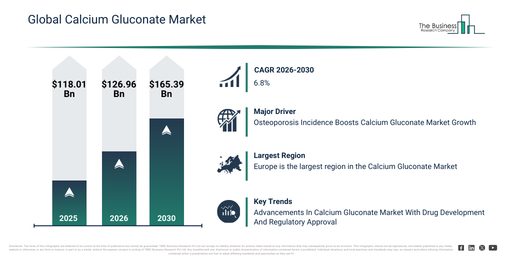
    The calcium gluconate market has seen robust expansion in recent times. Projections indicate an increase from $118.01 billion in 2025 to $126.96 billion in 2026, representing a compound annual growth rate (CAGR) of 7.6%. This past growth has been driven by a higher incidence of calcium deficiency, a rise in osteoporosis among the elderly, better hospital and clinical facilities, the widening of pharmaceutical distribution channels, and enhanced public awareness regarding bone health.

    The calcium gluconate market is projected to see solid expansion in the coming years, with its value anticipated to reach $165.39 billion by 2030 at a compound annual growth rate (CAGR) of 6.8%. Factors driving this growth during the projected timeframe include a higher demand for nutraceuticals and dietary supplements, progress in injectable calcium formulations, a broader focus on both geriatric and pediatric healthcare, the widespread adoption of preventive health strategies, and the rise of emerging markets in the Asia-Pacific region. Key trends expected to shape the forecast period include a growing prevalence of hypocalcemia, heightened awareness through osteoporosis initiatives, increased use of intravenous supplements, an expanding market for nutraceutical and functional foods, and the creation of calcium formulations tailored specifically for pediatric and geriatric patients.

    Download A Free Sample Report For Comprehensive Market Insights:

    https://www.thebusinessresearchcompany.com/sample.aspx?id=16005&type=smp&utm_source=BlogsPR&utm_medium=Paid&utm_campaign=Jul_PR

    Calcium Gluconate Market Opportunity Drivers: What Is Creating New Revenue Potential?

    The growing prevalence of osteoporosis is anticipated to drive expansion in the calcium gluconate market in the coming years. Osteoporosis is a health condition marked by diminished bone density and strength, which heightens fracture susceptibility. This condition is becoming more common because of inactive lifestyles, insufficient calcium consumption, hormonal disruptions, and age-related bodily changes. By offering a supplemental calcium source that enhances bone strength and lessens fracture likelihood, the calcium gluconate market aids in managing osteoporosis. As an example, in March 2025, the British Pharmacological Society, a UK-based association, reported that in 2023, the vast majority of osteoporosis treatment recipients were women, with rates reaching 90.9% for denosumab, 80.8% for bisphosphonates, 98.9% for SERMs, 99% for tibolone, and 86.8% for teriparatide. Consequently, the rising incidence of osteoporosis is fueling growth in the calcium gluconate market.

    The rising healthcare expenditure is expected to boost the calcium gluconate market’s growth moving forward. Healthcare encompasses the coordinated system of medical services, professionals, facilities, and resources designed to preserve and enhance individuals’ physical and mental health. This spending is escalating due to aging populations, an expanding burden of chronic illnesses, technological advances in medicine, and a greater need for superior healthcare services. The calcium gluconate market contributes to healthcare by delivering a crucial therapeutic option for issues stemming from low calcium levels, such as hypocalcemia, heart problems, and certain poisonings. For instance, in 2024, the Office for Budget Responsibility (OBR) and the UK Treasury, a UK-based non-departmental public body, projected through economic forecasts that planned health spending in the UK would reach £192 billion ($244.43 billion) in the 2024/25 period, up from £182 billion ($231.70 billion) in 2022/23. Thus, the increase in healthcare expenditure is propelling the calcium gluconate market’s expansion.

    Calcium Gluconate Market Segments: Where Are The Largest Growth Opportunities?

    The calcium gluconate market covered in this report is segmented –

    1) By Form: Liquid, Tablet, Powder, Gel

    2) By Grade: Pharmaceutical Grade, Food Grade

    3) By Application: Food And Beverage Manufacturers, Pharmaceutical, Nutraceutical, Cosmetic And Personal Care, Other Applications

    4) By End Use: Emulsifier, Bulking Agent, Thickening Agent

    Subsegments:

    1) By Liquid: Injectable Solution, Oral Liquid, IV Infusion

    2) By Tablet: Standard Tablets, Effervescent Tablets

    3) By Powder: Oral Powder, Injectable Powder

    4) By Gel: Topical Gel, Transdermal Gel

    Calcium Gluconate Market Innovation Trends Driving Future Development

    Major players within the calcium gluconate market are increasingly prioritizing the creation and regulatory clearance of novel drug formulations to expand treatment access, deliver superior therapeutic alternatives, and better manage calcium deficits along with related urgent conditions. This drug development and approval process encompasses several phases, covering initial discovery, preclinical assessments, clinical trials, and regulatory evaluations, which ultimately confirm a medication’s safety, effectiveness, and compliance with health authority standards prior to patient availability. As an example, in September 2023, Amneal Pharmaceuticals Inc., a generic and specialty pharmaceutical firm based in the United States, secured U.S. FDA approval via an abbreviated new drug application (ANDA) for calcium gluconate combined with sodium chloride injection, which received a Competitive Generic Therapy designation accompanied by a 180-day exclusivity period. This product is provided in 1000 mg/50 mL and 2000 mg/100 mL small-volume parenteral bags designed for managing acute symptomatic hypocalcemia in both pediatric and adult populations.

    Calcium Gluconate Market Major Participants And Competitive Dynamics

    Major companies operating in the calcium gluconate market are Merck & Co. Inc., Thermo Fisher Scientific Inc., Abbott Laboratories, Novartis AG, Eli Lilly and Company, Solvay, Viatris Inc., Baxter International Inc., Fresenius Kabi USA, Hikma Pharmaceuticals Inc., Amneal Pharmaceuticals Private Limited, Amphastar Pharmaceuticals, Jost Chemical Co., American Regent Inc., Coyne Chemical, Anhui Xingzhou Medicine Food Co. Ltd., Westco Chemicals Inc., Noah chemicals, ND Biotech Pvt Ltd, Global Calcium Private Limited, Foodchem, Pharma Cure Laboratories, Nivagen Pharmaceuticals Inc., Tianyi Food Additives Co. Ltd

    Access The Complete Calcium Gluconate Market Report:

    https://www.thebusinessresearchcompany.com/report/calcium-gluconate-global-market-report?utm_source=BlogsPR&utm_medium=Paid&utm_campaign=Jul_PR

    Calcium Gluconate Market Geographic Landscape: Which Region Dominates Industry Growth?

    Europe was the largest region in the calcium gluconate market in 2025. Asia-Pacific is expected to be the fastest-growing region in the forecast period. The regions covered in the calcium gluconate market report are Asia-Pacific, South East Asia, Western Europe, Eastern Europe, North America, South America, Middle East, Africa.

    Get in touch with us:

    The Business Research Company: https://www.thebusinessresearchcompany.com/?utm_source=BlogsPR&utm_medium=Paid&utm_campaign=home_page_test

    Americas: +1 310-496-7795

    Asia: +44 7882 955267 & +91 8897263534

    Europe: +44 7882 955267

    Email us at: marketing@tbrc.info

    Follow us on:

    LinkedIn: https://in.linkedin.com/company/the-business-research-company

    YouTube: https://www.youtube.com/channel/UC24_fI0rV8cR5DxlCpgmyFQ

    Global Market Model: https://www.thebusinessresearchcompany.com/global-market-model
  • Calcium Channel Blocker Market Expansion Is Reshaping Competitive Dynamics Across The Industry

    Calcium Channel Blocker Market Expansion Is Reshaping Competitive Dynamics Across The Industry

    Enhanced with market attractiveness analysis, total addressable market evaluation, company benchmarking matrices, interactive Excel dashboards, expanded supply chain intelligence, emerging startup coverage, and detailed product insights, The Business Research Company’s 2026 market reports deliver more actionable and strategically valuable research.

    Calcium Channel Blocker Market Growth Potential: How Will Market Size Change Through 2030?

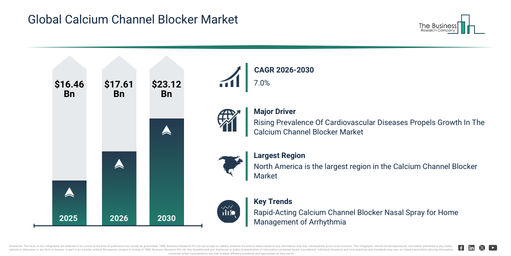
    The market for calcium channel blockers has experienced notable expansion in recent times. Valued at $16.46 billion in 2025, it is projected to reach $17.61 billion by 2026, reflecting a compound annual growth rate (CAGR) of 7.0%. This growth during the historical period is linked to factors such as the increasing occurrence of hypertension, a higher rate of cardiovascular conditions, an expanding elderly demographic, the early uptake of dihydropyridine medications, and awareness initiatives led by healthcare professionals.

    Projections for the calcium channel blocker market indicate robust expansion in the near term, with an anticipated valuation of $23.12 billion by 2030, driven by a compound annual growth rate of 7.0%. This upward trajectory during the forecast period is fueled by advancements in sustained-release drug designs, a heightened emphasis on tailored treatment approaches, the integration of digital tools for cardiac surveillance, broader availability of home-based healthcare services, and increased funding directed toward combination therapeutic strategies. Key developments shaping the market landscape encompass individualized strategies for managing hypertension, the proliferation of combined drug treatments, technologies focused on ensuring cardiac safety during use, customized formulations catering to both pediatric and geriatric populations, and the prevalence of oral sustained-release dosage forms.

    Download A Free Sample Report For Comprehensive Market Insights:

    https://www.thebusinessresearchcompany.com/sample.aspx?id=9428&type=smp&utm_source=BlogsPR&utm_medium=Paid&utm_campaign=Jul_PR

    Calcium Channel Blocker Market Growth Momentum: Which Factors Are Influencing Demand?

    The growing incidence of cardiovascular diseases is anticipated to propel the calcium channel blocker market forward in the coming years. Cardiovascular disease encompasses disorders impacting the heart or blood vessels. Calcium channel blockers (CCBs) are utilized to minimize the chances of heart failure and stroke. Consequently, the rising prevalence of such conditions is fueling increased demand for these medications. As an example, in January 2024, the American Heart Association, a nonprofit organization based in the US, reported that the age-adjusted death rate from cardiovascular disease climbed to 233.3 per 100,000 individuals in 2024—a 4.0% rise from 224.4 per 100,000 recorded in 2023. Thus, the escalating prevalence of cardiovascular diseases continues to drive expansion in the calcium channel blocker market.

    Calcium Channel Blocker Market Segment Analysis: What Are The Major Market Categories?

    The calcium channel blocker market covered in this report is segmented –

    1) By Drug Class: Dihydropyridine, Benzothiazepine, Phenylalkylamine, Other Drug Classes

    2) By Disease Indications: Hypertension, Chest Pain, Arrhythmias

    3) By Route Of Administration: Oral, Parenteral, Other Route Of Administration

    4) By End User: Hospitals, Homecare, Specialty Clinics, Other End Users

    Calcium Channel Blocker Market Trends Reshaping Industry Growth

    Major players within the calcium channel blocker market are currently concentrating on advancing their technologies, particularly through the development of self-administered nasal spray solutions intended for acute arrhythmia control. These innovations aim to enable faster symptom relief, enhance ease of use for patients, and decrease the necessity for hospital visits. The nasal spray system works by delivering the active calcium channel blocker directly through the nasal mucosa, facilitating quicker absorption compared to conventional oral tablets while also eliminating the requirement for intravenous administration in healthcare settings. As an example, Milestone Pharmaceuticals, an American biopharmaceutical firm based in the U.S., saw its Cardamyst (etripamil) nasal spray accepted for review by the FDA in July 2025. This product targets paroxysmal supraventricular tachycardia (PSVT) and atrial fibrillation accompanied by rapid ventricular rate (AFib RVR). It functions as a fast-acting, non-dihydropyridine L-type calcium channel blocker that is administered intranasally, allowing for swift modulation of AV node conduction, restoration of normal rhythm without medical oversight, and enabling patients to manage their episodes from home.

    Calcium Channel Blocker Market Leading Companies Driving Competitive Growth

    Major companies operating in the calcium channel blocker market are Pfizer Inc., GlaxoSmithKline plc, Novartis AG, Bausch Health Companies Inc., Lupin Pharmaceuticals Inc., Cadila Healthcare Limited, Covis Pharma BV, Glenmark Pharmaceuticals Inc., Amneal Pharmaceuticals LLC, Sofgen Pharmaceuticals, Teva Pharmaceutical Industries Ltd., Knoll Healthcare Private Limited, Sanofi S.A., Clearsynth Labs Ltd., Searle LLC, Bayer AG, AstraZeneca plc, Wyeth-Ayerst Lederle Inc., AbbVie Inc., Silvergate Pharmaceuticals Inc., Sun Pharmaceutical Industries Ltd.

    Access The Complete Calcium Channel Blocker Market Report:

    https://www.thebusinessresearchcompany.com/report/calcium-channel-blocker-global-market-report?utm_source=BlogsPR&utm_medium=Paid&utm_campaign=Jul_PR

    Calcium Channel Blocker Market Largest Region: Which Geography Holds The Highest Market Share?

    North America was the largest region in the calcium channel blocker market in 2025. The regions covered in the calcium channel blocker market report are Asia-Pacific, South East Asia, Western Europe, Eastern Europe, North America, South America, Middle East, Africa.

    Get in touch with us:

    The Business Research Company: https://www.thebusinessresearchcompany.com/?utm_source=BlogsPR&utm_medium=Paid&utm_campaign=home_page_test

    Americas: +1 310-496-7795

    Asia: +44 7882 955267 & +91 8897263534

    Europe: +44 7882 955267

    Email us at: marketing@tbrc.info

    Follow us on:

    LinkedIn: https://in.linkedin.com/company/the-business-research-company

    YouTube: https://www.youtube.com/channel/UC24_fI0rV8cR5DxlCpgmyFQ

    Global Market Model: https://www.thebusinessresearchcompany.com/global-market-model
  • Calcitonin Salmon Market Forecast Reveals Where Future Industry Value Will Be Created

    Calcitonin Salmon Market Forecast Reveals Where Future Industry Value Will Be Created

    Through market attractiveness analysis, total addressable market evaluation, company benchmarking matrices, interactive Excel dashboards, expanded supply chain intelligence, emerging startup coverage, and detailed product insights, The Business Research Company’s 2026 market reports provide more actionable and strategically valuable research.

    Calcitonin Salmon Market Value Analysis: What Growth Is Expected Over The Forecast Period?

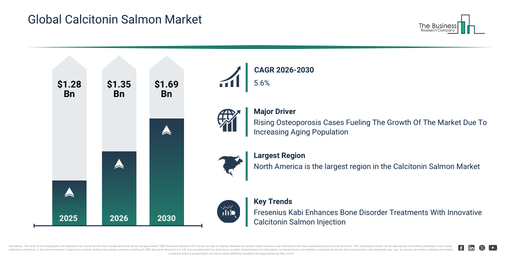
    The market for calcitonin salmon has experienced notable expansion in recent years, with projections indicating a rise from $1.28 billion in 2025 to $1.35 billion in 2026, reflecting a compound annual growth rate (CAGR) of 6.0%. This upward trajectory during the historical period has been driven by factors such as the prevalence of osteoporosis, the utilization of hospital-based injectable treatments, disorders related to calcium metabolism, an increasing elderly demographic, and the scarcity of alternative bone therapies.

    The calcitonin salmon market is projected to experience significant expansion in the coming years, with its valuation anticipated to reach $1.69 billion by 2030, reflecting a compound annual growth rate (CAGR) of 5.6%. This upward trajectory during the forecast period is driven by factors such as an aging population, a growing demand for non-invasive delivery methods, advancements in synthetic peptide technology, heightened awareness of bone health, and the expansion of specialized endocrinology care. Key trends shaping the market include the sustained application of calcitonin salmon in managing osteoporosis, a preference for nasal spray formats, a transition toward synthetic and recombinant variants, increased treatment of bone disorders in the elderly, and consistent demand in managing hypercalcemia.

    Download A Free Sample Report For Comprehensive Market Insights:

    https://www.thebusinessresearchcompany.com/sample.aspx?id=24491&type=smp&utm_source=BlogsPR&utm_medium=Paid&utm_campaign=Jul_PR

    Calcitonin Salmon Market Expansion Drivers: What Is Shaping Future Growth?

    The growing occurrence of osteoporosis is set to boost the expansion of the calcitonin salmon market in the coming period. Osteoporosis is a medical condition involving reduced bone density and a heightened likelihood of fractures, predominantly impacting older individuals, particularly women who have gone through menopause. The condition is becoming more common because of longer life expectancies, which result in a greater proportion of elderly people who are more prone to bone density loss. Calcitonin salmon contributes to osteoporosis management by preventing bone resorption, decreasing bone deterioration, and assisting in preserving bone density among those affected. For example, in August 2024, as reported by Healthy Bones Australia, an Australian nonprofit organization dedicated to preventing osteoporosis and promoting bone health, approximately 6.2 million Australians aged 50 and older—roughly 67% of that demographic—had poor bone health in 2023, with about 23% of those impacted by osteoporosis. Hence, the rising frequency of osteoporosis is fueling the expansion of the calcitonin salmon market.

    Increased financial commitments to healthcare infrastructure are anticipated to drive the calcitonin salmon market forward. Healthcare infrastructure includes the fundamental physical and organizational structures, like hospitals, clinics, medical devices, and capital assets of health systems, essential for providing medical services. Investments in this area are on the rise because governments are allocating more funds to update facilities and broaden system capabilities. With enhanced healthcare infrastructure investment, calcitonin salmon treatments gain better availability and usage due to expanded clinical spaces and improved patient accessibility. As an illustration, in December 2024, the Centers for Medicare and Medicaid Services (CMS), a US federal agency overseeing health data and statistics, noted that U.S. healthcare expenditure increased by 7.5% in 2023, amounting to $4.9 trillion, or $14,570 per person, representing 17.6% of the nation’s gross domestic product. Consequently, the growth in healthcare infrastructure investment is promoting the advancement of the calcitonin salmon market.

    Calcitonin Salmon Market Segment Breakdown: Which Categories Generate The Most Revenue?

    The calcitonin salmon market covered in this report is segmented –

    1) By Type: Spray, Injection

    2) By Dosage Form: Intravenous, Subcutaneous, Nasal Spray, Other Dosage Forms

    3) By Distribution Channel: Hospital Pharmacies, Retail Pharmacies, Online Pharmacies

    4) By Application: Osteoporosis, Paget’s Disease Of Bone, Hypercalcemia, Myeloma, Other Applications

    5) By End User: Hospitals, Clinics, Pharmacies, Online Pharmacies, Other End Users

    Subsegments:

    1) By Spray: Nasal Spray, Oral Spray

    2) By Injection: Subcutaneous Injection, Intramuscular Injection, Intravenous Injection

    Calcitonin Salmon Market Strategic Trends: What Is Defining The Next Phase Of Growth?

    Key players in the calcitonin salmon market are prioritizing the creation of advanced calcium regulators to boost therapeutic efficacy and improve patient health outcomes. A calcium regulator is defined as a substance or system that manages calcium levels in the bloodstream and bones, promoting proper bone formation, maintenance, and metabolic equilibrium. As an example, in February 2025, Fresenius Kabi, a pharmaceutical company based in Germany, released a calcitonin salmon injection, USP synthetic, designed to address symptomatic Paget’s disease of the bone and hypercalcemia. This synthetic version is recommended for symptomatic Paget’s disease of the bone, hypercalcemia, and postmenopausal osteoporosis when other therapies are not appropriate. Supplied in 400 I.U./2 mL (200 I.U./mL) multi-dose vials, the product is entirely formulated, filled, and packaged within the United States, highlighting Fresenius Kabi’s dedication to reinforcing local pharmaceutical production and supply chains. The launch of this injection strengthens the company’s range of generic injectables, with the goal of delivering cost-effective and dependable treatment options to patients.

    Calcitonin Salmon Market Key Players And Strategic Industry Positioning

    Major companies operating in the calcitonin salmon market are Sanofi S.A, Boehringer Ingelheim International GmbH, Viatris Inc., Fresenius Kabi AG, Sun Pharmaceutical Industries Limited, Dr. Reddy’s Laboratories Limited, Cipla Limited, Hikma Pharmaceuticals plc, Endo International plc, Asahi Kasei Pharma Corporation, Anhui Anke Biotechnology (Group) Co. Ltd., Hybio Pharmaceutical Co. Ltd., Tokyo Chemical Industry Co. Ltd., Santa Cruz Biotechnology Inc., HRV Global Life Sciences Private Limited, AdvaCare Pharma USA LLC, BCN Peptides S.L., Leucadia Pharmaceuticals Inc., Polypeptide Group AB, LKT Laboratories Inc.

    Access The Complete Calcitonin Salmon Market Report:

    https://www.thebusinessresearchcompany.com/report/calcitonin-salmon-global-market-report?utm_source=BlogsPR&utm_medium=Paid&utm_campaign=Jul_PR

    Calcitonin Salmon Market Regional Analysis: Which Region Leads By Revenue?

    North America was the largest region in the calcitonin salmon market in 2025. Asia-Pacific is expected to be the fastest-growing region in the forecast period. The regions covered in the calcitonin salmon market report are Asia-Pacific, South East Asia, Western Europe, Eastern Europe, North America, South America, Middle East, Africa.

    Get in touch with us:

    The Business Research Company: https://www.thebusinessresearchcompany.com/?utm_source=BlogsPR&utm_medium=Paid&utm_campaign=home_page_test

    Americas: +1 310-496-7795

    Asia: +44 7882 955267 & +91 8897263534

    Europe: +44 7882 955267

    Email us at: marketing@tbrc.info

    Follow us on:

    LinkedIn: https://in.linkedin.com/company/the-business-research-company

    YouTube: https://www.youtube.com/channel/UC24_fI0rV8cR5DxlCpgmyFQ

    Global Market Model: https://www.thebusinessresearchcompany.com/global-market-model
  • Calcitonin Injection Market Growth Through 2030 Creates New Strategic Opportunities

    Calcitonin Injection Market Growth Through 2030 Creates New Strategic Opportunities

    Delivering more actionable and strategically valuable research, The Business Research Company’s 2026 market reports feature market attractiveness analysis, total addressable market evaluation, company benchmarking matrices, interactive Excel dashboards, expanded supply chain intelligence, emerging startup coverage, and detailed product insights.

    Calcitonin Injection Market Size Forecast: How Large Could The Market Become By 2030?

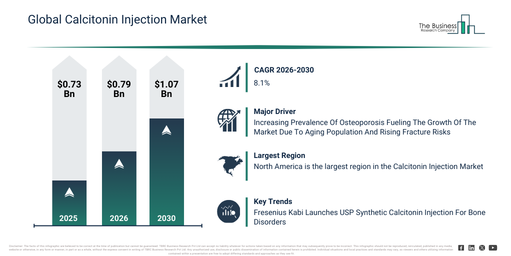
    The calcitonin injection market has experienced strong expansion in recent years, with projections showing an increase from $0.73 billion in 2025 to $0.79 billion in 2026, reflecting a compound annual growth rate (CAGR) of 8.4%. Factors driving growth during the historical period include the high prevalence of osteoporosis, the use of injectable therapies in hospital settings, established protocols for fracture management, disorders related to calcium metabolism, and the rising number of elderly individuals in the population.

    Over the upcoming years, the calcitonin injection market is anticipated to experience robust expansion. By 2030, its value is projected to reach $1.07 billion, reflecting a compound annual growth rate (CAGR) of 8.1%. This forecasted growth is driven by factors such as the rising elderly population, increasing demand for injectable treatments, heightened awareness of bone diseases, progress in synthetic peptide development, and the broadening of specialty care services. Key developments shaping this period include the sustained application of calcitonin in osteoporosis management, the growing prevalence of injectable therapies for bone conditions, an expanded role in treating hypercalcemia, a stronger emphasis on skeletal health among older adults, and a transition toward synthetic formulations of calcitonin.

    Download A Free Sample Report For Comprehensive Market Insights:

    https://www.thebusinessresearchcompany.com/sample.aspx?id=24490&type=smp&utm_source=BlogsPR&utm_medium=Paid&utm_campaign=Jul_PR

    Calcitonin Injection Market Development Factors: Which Trends Are Supporting Demand?

    The rising occurrence of osteoporosis is forecasted to boost the calcitonin injection market in the coming years. This medical condition involves reduced bone density and a higher likelihood of fractures, commonly seen in older individuals, particularly those who are postmenopausal women. The growing number of cases can be attributed to an aging demographic, where extended lifespans result in natural bone density decline and an elevated disease risk. Calcitonin injections aid in osteoporosis management by regulating calcium levels and decelerating bone loss, thus proving effective in preserving bone density. This approach offers targeted intervention through simple-to-administer shots, which enhances patient adherence and lowers fracture risks. As an example, in August 2024, Healthy Bones Australia, a nonprofit organization dedicated to bone health and osteoporosis prevention, reported that in 2023, an estimated 6.2 million Australians aged 50 and above, equating to roughly 67% of that demographic, suffered from poor bone health, with about 23% of these individuals affected by osteoporosis. Consequently, the increasing prevalence of osteoporosis is fueling expansion in the calcitonin injection market.

    The growth of home healthcare services is anticipated to drive forward the calcitonin injection market in the future. These services encompass medical support and care provided to patients within their own homes by qualified healthcare practitioners. Their expansion is being fueled by a growing movement of patients away from hospital environments toward home-based care, which lowers overall treatment expenses while enhancing comfort and ease of access. As home healthcare services rapidly broaden, the calcitonin injection market is seeing heightened demand, prompting providers to embrace injectable therapies suited for at-home management of ailments like osteoporosis and acute pain. By way of illustration, according to the National Association for Home Care and Hospice, a US nonprofit advocating for chronically ill, disabled, and dying Americans, roughly 12 million individuals in the United States receive some form of home healthcare annually, a figure predicted to increase further. Hence, the broadening of home healthcare services is propelling growth in the calcitonin injection market.

    Calcitonin Injection Market Segmentation: How Is The Market Structured Across Key Categories?

    The calcitonin injection market covered in this report is segmented –

    1) By Type Of Calcitonin: Salmon Calcitonin, Human Calcitonin, Synthetic Calcitonin

    2) By Route Of Administration: Intravenous (IV) Injection, Subcutaneous Injection, Intramuscular Injection

    3) By Distribution Channel: Direct Sales, Online Pharmacy, Retail Pharmacy, Healthcare Institutions

    4) By Therapeutic Application: Osteoporosis Treatment, Pagets Disease Management, Hypercalcemia Control, Bone Metastases Therapy

    5) By End-User: Hospitals, Specialty Clinics, Geriatric Care Facilities, Home Healthcare

    Subsegments:

    1) By Salmon Calcitonin, Synthetic Salmon Calcitonin, Recombinant Salmon Calcitonin

    2) By Human Calcitonin, Recombinant Human Calcitonin, Synthetic Human Calcitonin

    3) By Synthetic Calcitonin, Peptide-Based Synthetic Calcitonin, Analog Synthetic Calcitonin

    Calcitonin Injection Market Transformation Trends: Which Innovations Are Driving Change?

    Leading players in the calcitonin injection sector are increasingly dedicating resources to the creation of advanced products, such as USP synthetic injections, aimed at boosting therapeutic efficacy and improving patient recovery rates. A USP Synthetic Injection is defined as a medication for injection that features synthetically derived active ingredients conforming to the rigorous specifications for quality, purity, potency, and identity established by the United States Pharmacopeia (USP). These injections are produced under stringent, regulated manufacturing processes to guarantee their safety and effectiveness for medical applications. As a case in point, in February 2025, Fresenius Kabi, a pharmaceutical firm headquartered in Germany, introduced a calcitonin salmon injection—classified as a USP synthetic—designed for the management of symptomatic Paget’s disease of bone and hypercalcemia. This product is a sterile solution intended for administration via intramuscular or subcutaneous routes, provided at a concentration of 200 USP units per mL and supplied in a 2 mL multi-dose vial with a total of 400 USP units. Storage requirements specify refrigeration within a temperature range of 2°C to 8°C. Serving as a calcium-regulating agent, this injectable drug is prescribed for symptomatic Paget’s disease of bone where alternative therapies are not viable, hypercalcemia, and postmenopausal osteoporosis in cases where other options are inadequate.

    Calcitonin Injection Market Competitive Landscape And Leading Companies

    Major companies operating in the calcitonin injection market are Pfizer Inc., AbbVie Inc., Teva Pharmaceutical Industries Ltd., Lupin Limited, Aurobindo Pharma Limited, Zydus Lifesciences Limited, Glenmark Pharmaceuticals Limited, Alembic Pharmaceuticals Limited, Alkem Laboratories Limited, Intas Pharmaceuticals Limited, Emcure Pharmaceuticals Limited, Wockhardt Limited, Accord Healthcare Ltd., Sandoz International GmbH, Amneal Pharmaceuticals LLC, Apotex Inc., Mylan N.V., Cadila Pharmaceuticals Limited, Macleods Pharmaceuticals Ltd., Bharat Parenterals Limited

    Access The Complete Calcitonin Injection Market Report:

    https://www.thebusinessresearchcompany.com/report/calcitonin-injection-global-market-report?utm_source=BlogsPR&utm_medium=Paid&utm_campaign=Jul_PR

    Calcitonin Injection Market Geographic Distribution And Regional Opportunities

    North America was the largest region in the calcitonin injection market in 2025. Asia-Pacific is expected to be the fastest-growing region in the forecast period. The regions covered in the calcitonin injection market report are Asia-Pacific, South East Asia, Western Europe, Eastern Europe, North America, South America, Middle East, Africa.

    Get in touch with us:

    The Business Research Company: https://www.thebusinessresearchcompany.com/?utm_source=BlogsPR&utm_medium=Paid&utm_campaign=home_page_test

    Americas: +1 310-496-7795

    Asia: +44 7882 955267 & +91 8897263534

    Europe: +44 7882 955267

    Email us at: marketing@tbrc.info

    Follow us on:

    LinkedIn: https://in.linkedin.com/company/the-business-research-company

    YouTube: https://www.youtube.com/channel/UC24_fI0rV8cR5DxlCpgmyFQ

    Global Market Model: https://www.thebusinessresearchcompany.com/global-market-model
  • Calcitonin Gene-Related Peptide Receptor Antagonist Market Size Projected To Increase From $2.55 Billion To $3.85 Billion During The Forecast Period

    Calcitonin Gene-Related Peptide Receptor Antagonist Market Size Projected To Increase From $2.55 Billion To $3.85 Billion During The Forecast Period

    Enhanced with market attractiveness analysis, total addressable market evaluation, company benchmarking matrices, interactive Excel dashboards, expanded supply chain intelligence, emerging startup coverage, and detailed product insights, The Business Research Company’s 2026 market reports deliver more actionable and strategically valuable research.

    Calcitonin Gene-Related Peptide Receptor Antagonist Market Revenue Outlook: What CAGR Is Expected Through 2030?

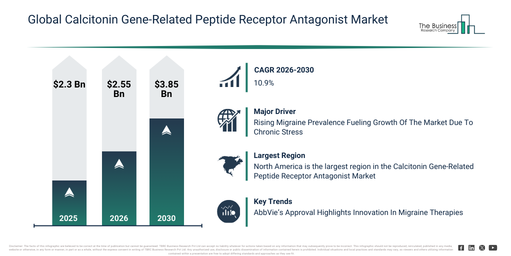
    The market for calcitonin gene-related peptide receptor antagonists has experienced rapid expansion in recent years. Valued at $2.3 billion in 2025, it is projected to reach $2.55 billion by 2026, reflecting a compound annual growth rate (CAGR) of 11.2%. This historical growth has been driven by a scarcity of targeted migraine treatments, dependence on conventional pain relievers, heightened awareness of migraine disorders, a rise in hospital and clinic-based care, and early-stage investigations into CGRP mechanisms.

    The market for calcitonin gene-related peptide receptor antagonists is projected to experience substantial expansion over the coming years. By 2030, its value is anticipated to reach $3.85 billion, reflecting a compound annual growth rate (CAGR) of 10.9%. This forecast period growth is driven by the creation of innovative small molecule antagonists, the broadening of peptide-based CGRP therapies, a rising shift toward homecare treatment, heightened pharmaceutical spending on migraine solutions, and an increasing patient demand for medications with minimal side effects. Key developments influencing this trajectory encompass the growing incidence of migraines and cluster headaches, a wider uptake of targeted CGRP treatments, a surge in homecare and outpatient care environments, the advancement of monoclonal antibody-based therapies, and a stronger emphasis on patient-focused pain management approaches.

    Download A Free Sample Report For Comprehensive Market Insights:

    https://www.thebusinessresearchcompany.com/sample.aspx?id=25715&type=smp&utm_source=BlogsPR&utm_medium=Paid&utm_campaign=Jul_PR

    Calcitonin Gene-Related Peptide Receptor Antagonist Market Industry Drivers: What Is Driving Revenue Growth?

    The rising incidence of migraines is anticipated to drive expansion in the calcitonin gene-related peptide receptor antagonist market moving forward. A migraine is characterized as a severe headache causing pulsating pain, typically localized to one side of the head. This growing prevalence is largely fueled by heightened exposure to chronic stress, which disturbs neurological pathways and increases the frequency and severity of migraine episodes. Calcitonin gene-related peptide receptor antagonists work by blocking CGRP, a protein responsible for dilating blood vessels and conveying pain signals during an attack, thus alleviating headache pain and associated symptoms. For example, in December 2025, a report from the National Center for Biotechnology Information (NCBI), part of the US-based National Library of Medicine (NLM), indicated that roughly 2.9 billion individuals worldwide experienced headache disorders in 2023, with migraine representing approximately 487.5 cases per 100,000 population. As a result, the escalating prevalence of migraines is fuelling growth in the calcitonin gene-related peptide receptor antagonist market.

    Calcitonin Gene-Related Peptide Receptor Antagonist Market Segmentation Trends And Revenue Drivers

    The calcitonin gene-related peptide receptor antagonist market covered in this report is segmented –

    1) By Type: Small Molecule Antagonists, Monoclonal Antibodies, Peptide-Based Antagonists

    2) By Drug Type: Zavegepant, Ubrogepant, Olcegepant, Telcegepant, Rimegepant, Other Drug Types

    3) By Application: Migraine Treatment, Pain Management, Cardiovascular Conditions, Bone Disorders

    4) By End-Users: Hospitals, Clinics, Homecare Settings, Pharmaceutical Companies

    Subsegments:

    1) By Small Molecule Antagonists: Oral Small Molecule Antagonists, Intranasal Small Molecule Antagonists, Injectable Small Molecule Antagonists

    2) By Monoclonal Antibodies: Erenumab, Fremanezumab, Galcanezumab, Eptinezumab

    3) By Peptide-Based Antagonists: CGRP Fragment-Based Antagonists, Peptidomimetic CGRP Antagonists

    Calcitonin Gene-Related Peptide Receptor Antagonist Market Growth Trends: What Is Influencing The Future Outlook?

    Key players in the calcitonin gene-related peptide receptor antagonist market are prioritizing approvals for novel products, including oral CGRP receptor antagonists, to improve migraine treatment outcomes, broaden therapeutic uses, and provide more convenient dosing options. These oral CGRP receptor antagonists are small-molecule drugs designed to inhibit CGRP, a protein associated with migraine attacks, thereby aiding in migraine prevention. A notable example occurred in April 2023 when AbbVie Inc., a biotechnology firm based in the United States, secured approval from the U.S. Food and Drug Administration (FDA) for QULIPTA (atogepant) to manage chronic migraine in adults. QULIPTA (atogepant) represents an oral, once-daily calcitonin gene-related peptide (CGRP) receptor antagonist specifically crafted for migraine prevention in adults, now sanctioned for both episodic and chronic migraine cases within the United States. Its mechanism involves blocking CGRP activity, a protein whose levels rise during migraine episodes and contributes to pain signaling and brain inflammation. Available in 10 mg, 30 mg, and 60 mg tablet strengths, the 60 mg dose is particularly indicated for chronic migraine prevention.

    Calcitonin Gene-Related Peptide Receptor Antagonist Market Industry Leaders: Which Organizations Are Driving Competition?

    Major companies operating in the calcitonin gene-related peptide receptor antagonist market are AbbVie Inc, Novartis AG, Eli Lilly and Company, Amgen Inc, Alder BioPharmaceuticals Inc, Satsuma Pharmaceuticals Inc, Allergan plc

    Access The Complete Calcitonin Gene-Related Peptide Receptor Antagonist Market Report:

    https://www.thebusinessresearchcompany.com/report/calcitonin-gene-related-peptide-receptor-antagonist-global-market-report?utm_source=BlogsPR&utm_medium=Paid&utm_campaign=Jul_PR

    Calcitonin Gene-Related Peptide Receptor Antagonist Market Largest Region By Revenue And Market Share

    North America was the largest region in the calcitonin gene-related peptide receptor antagonist market in 2025. Asia-Pacific is expected to be the fastest-growing region in the forecast period. The regions covered in the calcitonin gene-related peptide receptor antagonist market report are Asia-Pacific, South East Asia, Western Europe, Eastern Europe, North America, South America, Middle East, Africa.

    Get in touch with us:

    The Business Research Company: https://www.thebusinessresearchcompany.com/?utm_source=BlogsPR&utm_medium=Paid&utm_campaign=home_page_test

    Americas: +1 310-496-7795

    Asia: +44 7882 955267 & +91 8897263534

    Europe: +44 7882 955267

    Email us at: marketing@tbrc.info

    Follow us on:

    LinkedIn: https://in.linkedin.com/company/the-business-research-company

    YouTube: https://www.youtube.com/channel/UC24_fI0rV8cR5DxlCpgmyFQ

    Global Market Model: https://www.thebusinessresearchcompany.com/global-market-model