Month: March 2026

  • Global High-Throughput Screening Services Industry Insights: Key Trends and Growth Estimates

    Global High-Throughput Screening Services Industry Insights: Key Trends and Growth Estimates

    Uncover key drivers, emerging technologies, and competitive movements shaping the high-throughput screening services market from 2026–2035 with trusted insights from The Business Research Company

    Starting from its 2026 valuation, what market size is the High-Throughput Screening Services Market expected to reach by 2030?

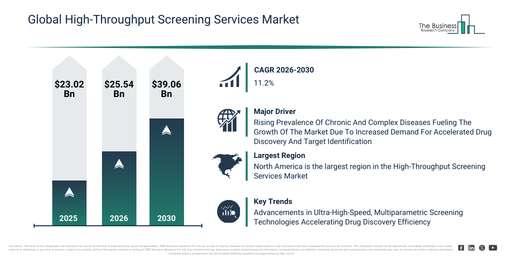
    The high-throughput screening services market has experienced significant expansion recently. This market is projected to expand from $23.02 billion in 2025 to $25.54 billion by 2026, demonstrating a compound annual growth rate (CAGR) of 11.0%. Historically, this growth can be attributed to several factors, including the increasing scope of pharmaceutical R&D, the rising application of combinatorial chemistry libraries, the integration of automated liquid handling systems, a heightened need for swift target identification, and the presence of extensive compound libraries.

    The high-throughput screening services market is projected to experience substantial expansion in the coming years, anticipated to reach $39.06 billion by 2030, exhibiting a compound annual growth rate (CAGR) of 11.2%. This projected growth during the forecast period is propelled by factors such as greater investments in precision drug discovery, an intensified focus on biologics and intricate targets, the broadening scope of personalized medicine research, the increasing integration of AI-assisted screening workflows, and a rise in the outsourcing of screening services to Contract Research Organizations (CROs). Key trends emerging in this period encompass the wider deployment of automated robotic screening platforms, a surging demand for ultra-high-throughput screening services, the increasing uptake of cell-based and label-free assays, the expansion of AI-driven data analysis within drug discovery, and a heightened emphasis on expediting hit-to-lead identification.

    Access Your Free Sample Report for In-Depth Market Insights:

    https://www.thebusinessresearchcompany.com/sample.aspx?id=33169&type=smp

    What Drivers Are Driving Adoption Within The High-Throughput Screening Services Market?

    The increasing incidence of chronic and intricate illnesses is anticipated to boost the expansion of the high-throughput screening services market. These persistent health issues are long-duration ailments characterized by involvement of numerous biological pathways, prolonged existence, and a typical need for ongoing care instead of brief treatments. The rise in these conditions can largely be attributed to an aging worldwide population, factors related to lifestyle, and enhanced detection methods, all of which together place a greater strain on healthcare systems and stimulate the need for advanced treatment options. High-throughput screening (HTS) services facilitate research into chronic and complex diseases by allowing for quick, concurrent assessment of numerous compounds against specific biological targets. This function speeds up initial drug discovery phases, refines target identification, and aids in creating more potent therapies for conditions that are multi-faceted and long-standing. For example, as of April 2025, data from the Centers for Disease Control and Prevention (CDC), a US-based federal agency, indicated that approximately 76.4% of adults in the United States, which is over 194 million individuals, reported at least one chronic condition in 2023, with 51.4% (roughly 131 million people) reporting multiple chronic conditions. Consequently, the expanding occurrence of chronic and complex diseases is propelling the growth of the high-throughput screening services market.

    What Segments Are Included Within The High-Throughput Screening Services Market?

    The high-throughput screening services market covered in this report is segmented –

    1) By Products And Services: Instruments; Reagents And Kits; Services

    2) By Technology: Ultra-high-throughput Screening; Cell-based Assays; Lab-on-a-chip; Label-free Technology

    3) By Application: Target Identification; Primary Screening; Toxicology

    4) By End User: Pharmaceutical And Biotechnology Firms; Academia And Research Institutes; Contract Research Organizations

    Subsegments:

    1) By Instruments: Automated Screening Systems; Liquid Handling Systems; Detection And Imaging Systems; Data Acquisition Systems

    2) By Reagents And Kits: Assay Reagents; Screening Kits; Cell Based Reagents; Detection Reagents

    3) By Services: Assay Development And Optimization Services; Primary Screening Services; Hit Confirmation And Validation; Data Analysis And Bioinformatics Support; Specialized Screens; Project Management And Reporting

    What Long-Term Trends Are Expected To Shape The Future Of The High-Throughput Screening Services Market?

    Major companies operating in the high-throughput screening services market are focusing on advancements in miniaturized and high-density assays, including ultra-high screening speed with up to 27 detection channels, to facilitate quicker, extensive multiparametric analysis and accelerate drug discovery workflows. Ultra-high screening speed with up to 27 detection channels refers to the capability to rapidly examine multiple biological parameters concurrently, increasing data generation and effectiveness in high-throughput screening studies. For instance, in May 2024, Evotec SE, a Germany-based drug discovery and development services company, launched comprehensive high-throughput screening services as a component of its integrated early discovery platform. Evotec executes large-scale biochemical and cell-based HTS campaigns utilizing highly automated, miniaturized assay systems and sophisticated data analytics. The company provides support to pharmaceutical and biotechnology partners by promptly identifying hit compounds and optimizing lead selection, consequently speeding up early-stage drug discovery programs.

    Who Are The Major Companies Operating In The High-Throughput Screening Services Market?

    Major companies operating in the high-throughput screening services market are Thermo Fisher Scientific Inc., Danaher Corporation, Merck KGaA, Corning Incorporated, Eurofins Scientific SE, Charles River Laboratories International Inc., Revvity Inc., Bio-Rad Laboratories Inc., Hamilton Company, Tecan Group Ltd., GenScript Biotech Corporation, Promega Corporation, Molecular Devices LLC, ShanghAI Medicilon Inc., Sygnature Discovery Limited, Selvita S.A., Cayman Chemical Company, Creative Bioarray Inc., Axxam S.p.A., Axcelead Inc., Creative Biolabs Inc., Enamine Ltd., Aurora Biomed Inc.

    Access The Complete Report For Deeper Market Insights:

    https://www.thebusinessresearchcompany.com/report/high-throughput-screening-services-market-report

    Which Region Is Anticipated To See The Fastest Growth In The High-Throughput Screening Services Market?

    North America was the largest region in the high-throughput screening services market in 2025. Asia-Pacific is expected to be the fastest-growing region in the forecast period. The regions covered in the high-throughput screening services market report are Asia-Pacific, South East Asia, Western Europe, Eastern Europe, North America, South America, Middle East, Africa.

    Request Your Customized High-Throughput Screening Services Market Research Report for Competitive Advantage:

    https://www.thebusinessresearchcompany.com/customise?id=33169&type=smp

    Browse Through More Reports Similar to the Global High-Throughput Screening Services Market 2026, By The Business Research Company

    High Throughput Screening Hts Market Report 2026

    https://www.thebusinessresearchcompany.com/report/high-throughput-screening-hts-global-market-report

    Carrier Screening Market Report 2026

    https://www.thebusinessresearchcompany.com/report/carrier-screening-global-market-report

    Employment Screening Services Market Report 2026

    https://www.thebusinessresearchcompany.com/report/employment-screening-services-global-market-report

    Get in touch with us:

    The Business Research Company: https://www.thebusinessresearchcompany.com/

    Americas +1 310-496-7795

    Asia +44 7882 955267 & +91 8897263534

    Europe +44 7882 955267

    Email us at info@tbrc.info

    Follow us on:

    LinkedIn: https://in.linkedin.com/company/the-business-research-company

    YouTube: https://www.youtube.com/channel/UC24_fI0rV8cR5DxlCpgmyFQ

    Global Market Model: https://www.thebusinessresearchcompany.com/global-market-model
  • Weight Loss And Obesity Management Market 2026–2030: Forecasting Business Opportunities Ahead

    Weight Loss And Obesity Management Market 2026–2030: Forecasting Business Opportunities Ahead

    Uncover key drivers, emerging technologies, and competitive movements shaping the weight loss and obesity management market from 2026–2035 with trusted insights from The Business Research Company

    How is the Weight Loss And Obesity Management Market size predicted to change over the forecast window of 2026–2035?

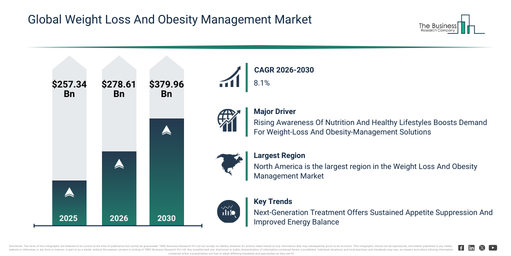
    The weight loss and obesity management market size has experienced significant expansion in recent years. This market is projected to expand from $257.34 billion in 2025 to $278.61 billion in 2026, demonstrating a compound annual growth rate (CAGR) of 8.3%. Historically, this growth has been driven by factors such as the increasing occurrence of obesity-related health issues, an uptick in public health awareness efforts, the proliferation of fitness and wellness facilities, increasing adoption of medical weight management methods, and the availability of a wide array of weight loss options.

    The weight loss and obesity management market is anticipated to experience substantial expansion over the upcoming years. This market is projected to reach $379.96 billion by 2030, exhibiting a compound annual growth rate (CAGR) of 8.1%. This expansion during the forecast period is driven by factors such as the increasing uptake of digital therapeutics, a growing need for tailored obesity treatments, the broadening of employer-supported wellness initiatives, the expanding integration of AI-based health analytics, and a heightened emphasis on sustained weight management. Key trends expected in this timeframe involve the increasing embrace of personalized weight management strategies, the rising incorporation of digital health platforms, the expanding application of data-driven behavioral therapy, the growth of medically supervised weight loss options, and an elevated focus on preventative health results.

    Access Your Free Sample Report for In-Depth Market Insights:

    https://www.thebusinessresearchcompany.com/sample.aspx?id=24429&type=smp

    Which Drivers Are Contributing To The Expansion Of The Weight Loss And Obesity Management Market?

    Future expansion within the weight loss and obesity management market is anticipated, driven by increasing public understanding of nutrition and healthy living practices. These terms, nutrition and healthy lifestyles, denote the adoption of a balanced eating regimen and participation in physical activities designed to promote enduring well-being. The proliferation of information, advice, and tips regarding healthy eating and habits through easily accessible online platforms and social media is fostering greater public consciousness about nutrition and beneficial lifestyle choices. Enhanced understanding of nutrition and healthy living aids weight loss and obesity management by empowering people to select nutritious foods, incorporate consistent exercise, and uphold lasting healthy routines. For example, data from Jun 2024, provided by the International Food Information Council (IFIC), a US based non-profit organization, indicates that 54% of Americans continued to adhere to a particular diet or eating style over the preceding year. A significant number of individuals are focused on elevating their protein consumption, with this interest climbing from 59% in 2022 to 67% in 2023, and further to 71% in 2024. Furthermore, about half of consumers are actively seeking to incorporate more fresh foods into their diets, recognizing these as generally the most wholesome nutritional choices. Consequently, this growing recognition of healthy eating and dietary practices is fueling expansion within the weight loss and obesity management market.

    What Segment Categories Are Covered In The Weight Loss And Obesity Management Market?

    The weight loss and obesity management market covered in this report is segmented –

    1) By Product And Services: Drugs, Supplements, Equipment, Services

    2) By Category: Prescribed, Over The Counter (OTC)

    3) By Age Group: Children, Adults, Geriatric

    4) By Distribution Channel: Institutional Sales, Retail Sales

    5) By Industry Type: Fitness Centers, Slimming Centers, Consulting Services, Online Weight Loss Programs

    Subsegments:

    1) By Drugs: Prescription Drugs, Over-The-Counter (OTC) Drugs, Herbal Drugs

    2) By Supplements: Dietary Supplements, Meal Replacements, Protein Supplements, Fat Burners, Fiber Supplements

    3) By Equipment: Fitness Equipment, Surgical Equipment

    4) By Services: Fitness Centers And Health Clubs, Consultation Services, Online Weight Loss Programs, Behavioral Therapy Services, Diet And Nutrition Counseling, Medical Weight Loss Clinics

    Which Innovation Trends Are Advancing Developments Within The Weight Loss And Obesity Management Market?

    Leading companies in the weight loss and obesity management market are prioritizing the creation of advanced solutions, such as dual incretin GLP-1/GIP receptor agonists. These aim to boost treatment efficacy, support sustained weight reduction, and improve metabolic outcomes. Dual incretin agonists work by simultaneously activating GLP-1 and GIP receptors, which helps reduce appetite, slow gastric emptying, and enhance insulin sensitivity, thereby offering more potent and durable effects than traditional single-target therapies. For instance, in November 2023, U.S.-based pharmaceutical company Eli Lilly introduced Zepbound (tirzepatide) injection for chronic weight management in adults living with obesity or who are overweight with at least one weight-related comorbidity. Tirzepatide mimics the activity of two hormones to prolong satiety, suppress hunger, and facilitate clinically significant, sustained weight loss, conveniently administered once-weekly. This therapy represents a major advancement in obesity care by providing patients with a highly effective, long-term management option.

    Which Major Firms Are Strengthening Their Position In The Weight Loss And Obesity Management Market?

    Major companies operating in the weight loss and obesity management market are F. Hoffmann-La Roche Ltd., Medtronic plc, Takeda Pharmaceutical Company Limited, Novo Nordisk A/S, Boehringer Ingelheim International GmbH, Apollo Endosurgery Inc., Biocon Limited, WW International Inc., Equinox Holdings Inc., Noom Inc., Jenny Craig Inc., Nutrisystem Inc., Virta Health Corp., Allurion Technologies Inc., Atkins Nutritionals Inc., ReShape Lifesciences Inc., Nalpropion Pharmaceuticals Inc., OptiBiotix Health plc, PRISTYN CARE

    Access The Complete Report For Deeper Market Insights:

    https://www.thebusinessresearchcompany.com/report/weight-loss-and-obesity-management-global-market-report

    Which Region Is Anticipated To See The Fastest Growth In The Weight Loss And Obesity Management Market?

    North America was the largest region in the weight loss and obesity management market in 2025. The regions covered in the weight loss and obesity management market report are Asia-Pacific, South East Asia, Western Europe, Eastern Europe, North America, South America, Middle East, Africa.

    Request Your Customized Weight Loss And Obesity Management Market Research Report for Competitive Advantage:

    https://www.thebusinessresearchcompany.com/customise?id=24429&type=smp

    Browse Through More Reports Similar to the Global Weight Loss And Obesity Management Market 2026, By The Business Research Company

    Weight Loss Drugs Market Report 2026

    https://www.thebusinessresearchcompany.com/report/weight-loss-drugs-global-market-report

    Weight Management Market Report 2026

    https://www.thebusinessresearchcompany.com/report/weight-management-global-market-report

    Weight Loss Services Market Report 2026

    https://www.thebusinessresearchcompany.com/report/weight-loss-services-global-market-report

    Get in touch with us:

    The Business Research Company: https://www.thebusinessresearchcompany.com/

    Americas +1 310-496-7795

    Asia +44 7882 955267 & +91 8897263534

    Europe +44 7882 955267

    Email us at info@tbrc.info

    Follow us on:

    LinkedIn: https://in.linkedin.com/company/the-business-research-company

    YouTube: https://www.youtube.com/channel/UC24_fI0rV8cR5DxlCpgmyFQ

    Global Market Model: https://www.thebusinessresearchcompany.com/global-market-model
  • High-Fidelity Long-Read Sequencing Market Forecast: How Big Will It Be by 2030?

    High-Fidelity Long-Read Sequencing Market Forecast: How Big Will It Be by 2030?

    Uncover key drivers, emerging technologies, and competitive movements shaping the high-fidelity long-read sequencing market from 2026–2035 with trusted insights from The Business Research Company

    Across 2026–2030, what is the expected market valuation path of the High-Fidelity Long-Read Sequencing Market?

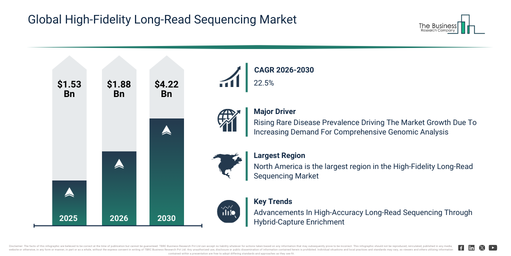
    The high-fidelity long-read sequencing market has experienced rapid expansion over recent years. It is projected to increase from $1.53 billion in 2025 to $1.88 billion in 2026, achieving a compound annual growth rate (CAGR) of 22.2%. Historically, this growth was driven by advancements in sequencing chemistry accuracy, early adoption in genomics research institutions, expansion of large-scale genome projects, increasing demand for structural variant analysis, and improvements in sequencing hardware performance.

    The high-fidelity long-read sequencing market is projected to experience rapid expansion in the coming years, with its valuation anticipated to reach $4.22 billion by 2030, demonstrating a compound annual growth rate (CAGR) of 22.5%. This growth during the projected timeframe can be ascribed to factors such as the increasing application of precision medicine approaches, heightened investments in genomics-based drug discovery, the expansion of rare disease research, greater clinical integration of long-read sequencing, and advancements in sequencing cost efficiency. Key trends for this period encompass the wider implementation of long-read sequencing in clinical diagnostics, an escalating need for high-accuracy variant detection, the expanding utilization of de novo genome assembly techniques, the broadening scope of epigenetic and transcriptomic analysis applications, and improved incorporation of sophisticated bioinformatics tools.

    Access Your Free Sample Report for In-Depth Market Insights:

    https://www.thebusinessresearchcompany.com/sample.aspx?id=33166&type=smp

    Which Drivers Are Supporting The Rise Of The High-Fidelity Long-Read Sequencing Market?

    The increasing occurrence of rare diseases is anticipated to boost the expansion of the HiFi long-read sequencing market in the future. These disorders affect a small population, typically presenting with intricate symptoms and few therapeutic avenues. The rise in rare diseases can be attributed to advancements in genetic sequencing and diagnostic methods, facilitating earlier and more precise identification of conditions previously overlooked or incorrectly categorized. HiFi long-read sequencing plays a crucial role in tackling rare diseases by allowing for highly accurate, all-encompassing detection of intricate genetic variations frequently overlooked by short-read sequencing, thereby resulting in quicker and more accurate diagnoses. For example, as reported by the Department of Health & Social Care, a UK-based government department, in July 2023, there are an estimated more than 7,000 rare diseases, with new ones continuously being identified through ongoing research. It is understood that around 80% of these rare diseases have a genetic foundation. This growing occurrence of rare diseases is, therefore, fueling the development of the HiFi long-read sequencing market.

    What Leading Segments Are Studied In The High-Fidelity Long-Read Sequencing Market?

    The high-fidelity long-read sequencing market covered in this report is segmented –

    1) By Product Type: Instruments; Consumables; Software

    2) By Sequencing Technology: Single-Molecule Real-Time Sequencing; Nanopore Sequencing; Other Sequencing Technologies

    3) By Application: Clinical Diagnostics; Genomics Research; Oncology; Rare Disease Detection; Agriculture And Animal Research; Other Applications

    4) By End-User: Academic And Research Institutes; Hospitals And Clinics; Pharmaceutical And Biotechnology Companies; Other End-Users

    Subsegments:

    1) By Instruments: Sequencers; Library Preparation Systems; Sample Preparation Instruments; Data Collection Devices; Quality Control Instruments

    2) By Consumables: Sequencing Kits; Flow Cells; Reagents; Pipette Tips; Sample Tubes

    3) By Software: Data Analysis Software; Visualization Software; Sequence Alignment Software; Genome Assembly Software; Quality Assessment Software

    Which Market Trends Are Opening Growth Opportunities In The High-Fidelity Long-Read Sequencing Market?

    Major companies operating within the HiFi long-read sequencing market are concentrating on developing innovative solutions, such as hybrid-capture target enrichment, to enhance sequencing accuracy, increase coverage of complex genomic regions, and accelerate the detection of structural variants for advanced research and clinical applications. Hybrid-capture target enrichment denotes a genomic sequencing technique that selectively isolates specific regions of DNA or RNA from a sample using complementary probes, enabling focused, high-accuracy sequencing of target regions while reducing the sequencing of non-relevant regions. For instance, in July 2025, QIAGEN N.V., a Netherlands-based biotechnology company, introduced QIAseq xHYB Long Read Panels to expand its next-generation sequencing (NGS) offerings. This product utilizes hybrid-capture enrichment to facilitate precise long-read sequencing of intricate genomic regions like repeats and structural variants, thereby overcoming short-read limitations. They offer exceptional uniformity, specificity, and comprehensive coverage for applications in cancer profiling, HLA typing, and haplotype phasing, with flexible fixed or custom formats and integrated workflows from DNA prep to bioinformatics analysis, providing streamlined efficiency and deeper insights for precision medicine.

    Which Major Firms Are Strengthening Their Position In The High-Fidelity Long-Read Sequencing Market?

    Major companies operating in the high-fidelity long-read sequencing market are Azenta Inc., BGI Genomics Co. Ltd., GenScript Biotech Corporation, Novogene Co. Ltd., Takara Bio Inc., Pacific Biosciences of California Inc., Macrogen Inc., MedGenome Inc., MGI Tech Co. Ltd., Discovery Life Sciences Inc., Eurofins Genomics LLC, CD Genomics, BaseClear B.V., Psomagen Inc., Health in Code S.L., Creative Biogene Inc., Nucleome Informatics Private Limited, Genevia Technologies Oy, JS Link Co. Ltd., SeqCenter LLC, Theragen Bio Co. Ltd.

    Access The Complete Report For Deeper Market Insights:

    https://www.thebusinessresearchcompany.com/report/high-fidelity-long-read-sequencing-market-report

    Which Region Shows The Strongest Potential For Future Expansion In The High-Fidelity Long-Read Sequencing Market?

    North America was the largest region in the HiFi long-read sequencing market in 2025. Asia-Pacific is expected to be the fastest-growing region in the forecast period. The regions covered in the high-fidelity long-read sequencing market report are Asia-Pacific, South East Asia, Western Europe, Eastern Europe, North America, South America, Middle East, Africa.

    Request Your Customized High-Fidelity Long-Read Sequencing Market Research Report for Competitive Advantage:

    https://www.thebusinessresearchcompany.com/customise?id=33166&type=smp

    Browse Through More Reports Similar to the Global High-Fidelity Long-Read Sequencing Market 2026, By The Business Research Company

    Next Generation Sequencing Market 2026

    https://www.thebusinessresearchcompany.com/report/next-generation-sequencing-market

    Short Read Sequencing Market Report 2026

    https://www.thebusinessresearchcompany.com/report/short-read-sequencing-global-market-report

    Clinical Oncology Next Generation Sequencing Market Report 2026

    https://www.thebusinessresearchcompany.com/report/clinical-oncology-next-generation-sequencing-global-market-report

    Get in touch with us:

    The Business Research Company: https://www.thebusinessresearchcompany.com/

    Americas +1 310-496-7795

    Asia +44 7882 955267 & +91 8897263534

    Europe +44 7882 955267

    Email us at info@tbrc.info

    Follow us on:

    LinkedIn: https://in.linkedin.com/company/the-business-research-company

    YouTube: https://www.youtube.com/channel/UC24_fI0rV8cR5DxlCpgmyFQ

    Global Market Model: https://www.thebusinessresearchcompany.com/global-market-model
  • Hemophilia B Gene Therapy Market Report 2026: Strategic Insights and Revenue Outlook

    Hemophilia B Gene Therapy Market Report 2026: Strategic Insights and Revenue Outlook

    Uncover key drivers, emerging technologies, and competitive movements shaping the hemophilia b gene therapy market from 2026–2035 with trusted insights from The Business Research Company

    What size range is anticipated for the Hemophilia B Gene Therapy Market from 2026 to 2030?

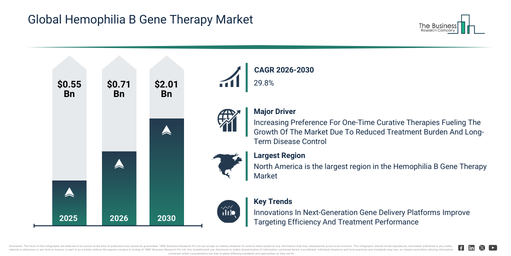
    The hemophilia b gene therapy market size has witnessed substantial growth in recent years. It is anticipated to expand from $0.55 billion in 2025 to $0.71 billion in 2026, reflecting a compound annual growth rate (CAGR) of 29.6%. This historical expansion can be attributed to several factors including advancements in gene delivery technologies, a greater comprehension of hemophilia b genetics, the proliferation of clinical research programs, the increasing challenge posed by lifelong replacement therapy, and the availability of specialized treatment centers.

    The hemophilia b gene therapy market size is projected to experience substantial growth in the upcoming years. This market is forecast to reach $2.01 billion by 2030, exhibiting a compound annual growth rate (CAGR) of 29.8%. This anticipated growth during the forecast period is driven by several factors, including the increasing number of gene therapy approvals, escalating investments in treatments for rare diseases, a rising need for lasting therapeutic results, the expansion of sophisticated manufacturing capacities, and the growth of patient access initiatives. Key trends anticipated during this period encompass advancements in single-dose curative therapies, a heightened emphasis on sustained Factor IX expression, the continuous refinement of AAV vector designs, the broadening of personalized gene therapy strategies, and improved regulatory harmonization for advanced therapeutic interventions.

    Access Your Free Sample Report for In-Depth Market Insights:

    https://www.thebusinessresearchcompany.com/sample.aspx?id=33162&type=smp

    What Drivers Are Affecting Demand In The Hemophilia B Gene Therapy Market?

    The hemophilia B gene therapy market is projected to expand due to the increasing number of gene therapy clinical trials. These research studies evaluate the safety, effectiveness, and long-term potential of gene-based treatments in humans. The growth in such trials is fueled by greater investment from biopharmaceutical firms, developments in viral vector technology, supportive regulations, and the necessity to address rare genetic conditions with significant unmet medical needs, including hemophilia B. Hemophilia B gene therapy benefits from this expanding landscape by utilizing existing clinical development pathways, regulatory expertise, and manufacturing capabilities linked with in vivo gene delivery methods. For example, in January 2026, the Bioindustry Association (BIA), a UK national trade association, reported 193 ongoing advanced therapy clinical trials in the UK, similar to 2024. Over half were in early stages, approximately 80% were commercially sponsored, and more than 80% concentrated on gene therapies, split equally between ex vivo and in vivo approaches. Consequently, the increasing number of cell and gene therapy clinical trials is stimulating the growth of the hemophilia B gene therapy market. The market’s growth is being driven by the increasing integration of personalized medicine, which facilitates customized treatments, patient categorization, and enhanced therapeutic results. The hemophilia B gene therapy market is anticipated to grow with the increasing adoption of personalized medicine. This medical strategy customizes disease prevention, diagnosis, and treatment based on an individual’s genetic, molecular, or clinical features to improve treatment outcomes and minimize adverse reactions. The greater use of personalized medicine is propelled by advances in genomics, better biomarker identification, and increasing regulatory backing for targeted therapies that move away from universal treatment models. Hemophilia B gene therapy aligns well with personalized medicine principles by addressing the genetic root cause of the condition and providing sustained therapeutic benefits through individualized gene-based interventions. These therapies depend on patient-specific genetic and clinical profiles to determine suitability, refine dosing, and track treatment longevity and safety. For instance, in February 2024, the Personalized Medicine Coalition, a US nonprofit organization, noted that the US Food and Drug Administration approved 16 new personalized treatments for rare disease patients in 2023. Therefore, the growing adoption of personalized medicine is a key factor driving the expansion of the hemophilia B gene therapy market.

    Which Segment Groups Are Influencing The Hemophilia B Gene Therapy Market?

    The hemophilia b gene therapy market covered in this report is segmented –

    1) By Therapy: Adeno-Associated Viral (AAV) Vectors; Lentiviral Vectors; Retroviral Vectors

    2) By Disease Severity: Severe Hemophilia B; Moderate Hemophilia B; Mild Hemophilia B

    3) By Treatment Type: On-Demand; Cure; Prophylaxis

    4) By Patient Age Group: Geriatric; Adults; Pediatric

    5) By Distribution Channel: Hospital Pharmacies; Specialty Pharmacies

    Subsegments:

    1) By Adeno-Associated Viral Vectors: Single-Stranded Adeno-Associated Viral Vectors; Self-Complementary Adeno-Associated Viral Vectors; Tissue Specific Promoter Adeno-Associated Viral Vectors; Capsid Modified Adeno-Associated Viral Vectors

    2) By Lentiviral Vectors: Integrating Lentiviral Vectors; Non-Integrating Lentiviral Vectors; Self-Inactivating Lentiviral Vectors; Pseudotyped Lentiviral Vectors

    3) By Retroviral Vectors: Gamma Retroviral Vectors; Alpha Retroviral Vectors; Moloney Murine Leukemia Virus Retroviral Vectors; Spumaretroviral Vectors

    How Are Emerging Trends Affecting The Progression Of The Hemophilia B Gene Therapy Market?

    Leading companies active in the hemophilia B gene therapy market are increasingly concentrating on breakthroughs in advanced gene delivery platforms, specifically optimized adeno-associated virus (AAV)–based vector systems, to improve treatment effectiveness and safety. These optimized AAV-based vector systems function as sophisticated viral delivery platforms, enabling the efficient and controlled transfer of functional clotting factor IX genes into target hepatocytes, thereby supporting long-term endogenous factor production. For instance, in May 2023, CSL Behring GmbH, a Germany-based biotechnology company, secured European Commission approval for HEMGENIX, marking it as the first gene therapy sanctioned for the treatment of hemophilia B. HEMGENIX is indicated for adult patients with severe or moderate hemophilia B without a history of factor IX inhibitors and is designed to lessen or eliminate the requirement for routine factor IX prophylaxis. Based on findings from the pivotal HOPE-B clinical study, a significant percentage of treated patients no longer needed regular factor IX infusions, demonstrating enduring therapeutic benefits and emphasizing the potential of next-generation AAV-based gene therapies in long-term disease management.

    Who Are The Primary Competitors In The Global Hemophilia B Gene Therapy Market?

    Major companies operating in the hemophilia b gene therapy market are REGENXBIO Inc., Pfizer Inc., Bayer Aktiengesellschaft (Bayer AG), Thermo Fisher Scientific Inc., Takeda Pharmaceutical Company Limited, Merck KGaA, CSL Behring LLC, Lonza Group AG, Alnylam Pharmaceuticals Inc., GenScript ProBio LLC, Ultragenyx Pharmaceutical Inc., Takara Bio Inc., Sangamo Therapeutics Inc., Precision BioSciences Inc., Synthego Corporation, MaxCyte Inc., uniQure N.V., Freeline Therapeutics Ltd., Be Biopharma Inc., Asklepios BioPharmaceutical Inc., Cellectis S.A.

    Access The Complete Report For Deeper Market Insights:

    https://www.thebusinessresearchcompany.com/report/hemophilia-b-gene-therapy-market-report

    Which Global Regions Are Shaping The Competitive Landscape Of The Hemophilia B Gene Therapy Market?

    North America was the largest region in the hemophilia b gene therapy market in 2025. Asia-Pacific is expected to be the fastest-growing region in the forecast period. The regions covered in the hemophilia b gene therapy market report are Asia-Pacific, South East Asia, Western Europe, Eastern Europe, North America, South America, Middle East, Africa.

    Request Your Customized Hemophilia B Gene Therapy Market Research Report for Competitive Advantage:

    https://www.thebusinessresearchcompany.com/customise?id=33162&type=smp

    Browse Through More Reports Similar to the Global Hemophilia B Gene Therapy Market 2026, By The Business Research Company

    Hepatitis Therapeutics Market Report 2026

    https://www.thebusinessresearchcompany.com/report/hepatitis-therapeutics-global-market-report

    Acquired Hemophilia Treatment Market Report 2026

    https://www.thebusinessresearchcompany.com/report/acquired-hemophilia-treatment-global-market-report

    Hemophilia Market Report 2026

    https://www.thebusinessresearchcompany.com/report/hemophilia-global-market-report

    Get in touch with us:

    The Business Research Company: https://www.thebusinessresearchcompany.com/

    Americas +1 310-496-7795

    Asia +44 7882 955267 & +91 8897263534

    Europe +44 7882 955267

    Email us at info@tbrc.info

    Follow us on:

    LinkedIn: https://in.linkedin.com/company/the-business-research-company

    YouTube: https://www.youtube.com/channel/UC24_fI0rV8cR5DxlCpgmyFQ

    Global Market Model: https://www.thebusinessresearchcompany.com/global-market-model
  • Global Wearable Robot Technology Market Report 2026–2035: Key Forecasts and Growth Areas

    Global Wearable Robot Technology Market Report 2026–2035: Key Forecasts and Growth Areas

    Uncover key drivers, emerging technologies, and competitive movements shaping the wearable robot technology market from 2026–2035 with trusted insights from The Business Research Company

    What market expansion outlook does the Wearable Robot Technology Market show for the 2026–2030 period?

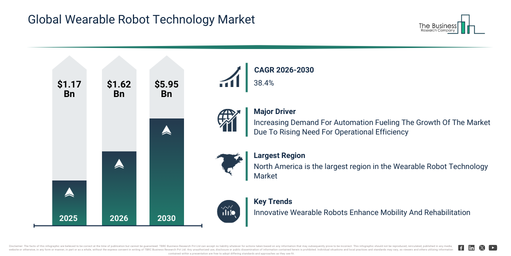
    The wearable robot technology market size has experienced significant expansion in recent years. It is anticipated to increase from $1.17 billion in 2025 to $1.62 billion in 2026, exhibiting a compound annual growth rate (CAGR) of 39.1%. The market’s past growth is primarily attributable to advancements in robotic actuator technologies, an increase in workplace injury prevention initiatives, expanding research in rehabilitation robotics, a growing demand for mobility assistance solutions, and early adoption in industrial environments.

    The wearable robot technology market size is poised for remarkable expansion in the coming years, with its value projected to climb to $5.95 billion in 2030, driven by a compound annual growth rate (CAGR) of 38.4%. This growth during the forecast period is primarily attributed to the proliferation of technologies supporting an aging population, increased investments in assistive robotics, expanded adoption within logistics and manufacturing sectors, a heightened demand for personalized rehabilitation systems, and ongoing enhancements in lightweight and flexible materials. Significant trends expected during this period encompass the escalating deployment of industrial exoskeletons, a greater uptake of rehabilitation wearable robots, the expanding integration of sensor-driven motion control, the spread of soft wearable assistive technologies, and a heightened emphasis on human-robot interaction.

    Access Your Free Sample Report for In-Depth Market Insights:

    https://www.thebusinessresearchcompany.com/sample.aspx?id=23579&type=smp

    What Drivers Are Shaping The Development Of The Wearable Robot Technology Market?

    The market for wearable robot technology is anticipated to grow due to the rising demand for automation. Automation involves deploying technology or machinery to execute tasks with little to no human involvement. This surge in automation demand stems from the imperative for greater operational efficiency, as companies strive to cut expenses, lessen mistakes, and enhance productivity. Wearable robot technology facilitates automation by enabling human-machine collaboration, making it particularly suitable for industries requiring extensive manual labor and for healthcare environments. It helps to lessen physical exertion by boosting movement and strength, which in turn elevates productivity and operational effectiveness. For instance, in September 2024, the International Federation of Robotics, a Germany-based non-profit organization, reported that about 4.2 million robotic units were operational in factories globally in 2023, which was a 10% increase from 3.9 units in 2022. Consequently, the growing demand for automation is fueling the expansion of the wearable robot technology market.

    Which Segments Are Contributing To The Growth Of The Wearable Robot Technology Market?

    The wearable robot technology market covered in this report is segmented –

    1) By Type: Rigid Type, Soft Type

    2) By Mode Of Operation: Passive, Active And Powered

    3) By Application: Rehabilitation, Assistive, Body Parts Support, Sports, Supply Chain Industry, Other Applications

    4) By End User: Healthcare, Consumer Electronics, Enterprise And Industrial Applications, Other End Users

    Subsegments:

    1) By Rigid Type: Exoskeletons With Metallic Frames, Powered Rigid Suits For Industrial Lifting, Military-Grade Wearable Robots, Medical Rehabilitation Robots, Full-Body Rigid Assistive Devices

    2) By Soft Type: Soft Robotic Exosuits, Pneumatic, Textile-Based Wearable Assistive Devices, Cable-Driven Flexible Actuators, Soft Wearable Robots For Elderly Mobility Support

    Which Competitive Trends Are Impacting The Structure Of The Wearable Robot Technology Market?

    Major companies in the wearable robot technology market are concentrating on creating innovative solutions, such as wearable assistive robotics, to boost user mobility and improve their quality of life. Wearable assistive robotics refers to robotic devices worn on the body that support or enhance physical movement, often aiding individuals with mobility impairments or physical limitations. For example, in July 2024, CosmoRobotics Co., Ltd., a South Korea-based technology company, introduced a line of innovative wearable robots. These products, including Bambini Teens, EA2Pro, EAM, GRANY, and EXA-W, are designed to enhance daily life by assisting with muscle strength and rehabilitation. Among their features, Bambini Teens is developed for children, and EA2Pro is a second-generation exoskeleton equipped with advanced motor sensors and an ergonomic design for rehabilitation.

    Who Are The Primary Competitors In The Global Wearable Robot Technology Market?

    Major companies operating in the wearable robot technology market are Toyota Corporation, Samsung Electronics Co Ltd., Hyundai Motor Company, Lockheed Martin Corporation, Honda Motor Co Ltd., Parker Hannifin Corporation, Myomo Inc, Sarcos Technology and Robotics Corporation, Zimmer Biomet Holdings Inc, Ottobock SE & Co KGaA, Comau LLC, Cyberdyne Inc., Hocoma AG, Ekso Bionics Holdings Inc, Laevo B V, Innophys Co Ltd, Marsi Bionics, Näder Holding GmbH & Co KG, Technaid S L, ReWalk Robotics Ltd, German Bionic

    Access The Complete Report For Deeper Market Insights:

    https://www.thebusinessresearchcompany.com/report/wearable-robot-technology-global-market-report

    Which Global Regions Are Shaping The Competitive Landscape Of The Wearable Robot Technology Market?

    North America was the largest region in the wearable robot technology market in 2025. Asia-Pacific is expected to be the fastest-growing region in the forecast period. The regions covered in the wearable robot technology market report are Asia-Pacific, South East Asia, Western Europe, Eastern Europe, North America, South America, Middle East, Africa.

    Request Your Customized Wearable Robot Technology Market Research Report for Competitive Advantage:

    https://www.thebusinessresearchcompany.com/customise?id=23579&type=smp

    Browse Through More Reports Similar to the Global Wearable Robot Technology Market 2026, By The Business Research Company

    Wearable Ai Devices Market Report 2026

    https://www.thebusinessresearchcompany.com/report/wearable-ai-devices-global-market-report

    Wearable Ai Market Report 2026

    https://www.thebusinessresearchcompany.com/report/wearable-ai-global-market-report

    Smart Wearables Market Report 2026

    https://www.thebusinessresearchcompany.com/report/smart-wearables-global-market-report

    Get in touch with us:

    The Business Research Company: https://www.thebusinessresearchcompany.com/

    Americas +1 310-496-7795

    Asia +44 7882 955267 & +91 8897263534

    Europe +44 7882 955267

    Email us at info@tbrc.info

    Follow us on:

    LinkedIn: https://in.linkedin.com/company/the-business-research-company

    YouTube: https://www.youtube.com/channel/UC24_fI0rV8cR5DxlCpgmyFQ

    Global Market Model: https://www.thebusinessresearchcompany.com/global-market-model
  • Global Gynecomastia Treatment Industry Trends and Market Forecast 2026–2030

    Global Gynecomastia Treatment Industry Trends and Market Forecast 2026–2030

    Uncover key drivers, emerging technologies, and competitive movements shaping the gynecomastia treatment market from 2026–2035 with trusted insights from The Business Research Company

    How is the Gynecomastia Treatment Market size predicted to change over the forecast window of 2026–2035?

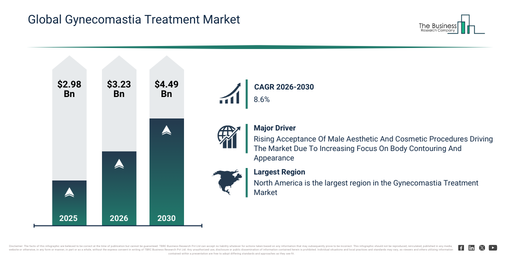
    The gynecomastia treatment market has demonstrated significant expansion in recent years. It is forecast to grow from $2.98 billion in 2025 to $3.23 billion in 2026, exhibiting a compound annual growth rate (CAGR) of 8.4%. The historical progress of this market can be attributed to several factors including an increase in gynecomastia diagnosis rates, a heightened awareness of male health conditions, the introduction of advanced surgical procedures, the expansion of aesthetic medicine offerings, and a rising patient acceptance of corrective treatments.

    The gynecomastia treatment market is projected to experience substantial expansion in the coming years. This market is set to reach $4.49 billion by 2030, exhibiting a compound annual growth rate (CAGR) of 8.6%. The anticipated growth during this period stems from several factors, including a heightened demand for tailored treatment plans, increased integration of advanced liposuction techniques, the proliferation of outpatient surgical centers, a greater emphasis on mental well-being, and augmented investments in male health services. Key developments shaping the market during the forecast period involve a rising uptake of minimally invasive surgical methods, an escalating need for hormone-based medical interventions, a growing inclination towards combined therapeutic strategies, the expansion of specialized aesthetic clinics, and an intensified focus on patient guidance and aftercare.

    Access Your Free Sample Report for In-Depth Market Insights:

    https://www.thebusinessresearchcompany.com/sample.aspx?id=33147&type=smp

    Which Drivers Are Contributing To The Expansion Of The Gynecomastia Treatment Market?

    The gynecomastia treatment market is anticipated to expand due to the growing embrace of male aesthetic and cosmetic procedures. These procedures encompass medical or surgical interventions designed to enhance men’s physical appearance, addressing aspects like body contour, facial features, skin quality, and hair. This rising acceptance stems from evolving societal views on male grooming and body image, influenced by media and increased awareness of available aesthetic treatments. Greater participation in male aesthetic and cosmetic procedures has prompted men to seek gynecomastia treatment for a more masculine and defined chest. For example, in June 2024, the American Society of Plastic Surgeons (ASPS), a US-based professional organization, reported that men constituted a 6 % share of all cosmetic procedures performed in 2023, with male body-focused procedures increasing by 18 % and face and neck procedures by 15 % compared to the preceding year. Consequently, the increasing acceptance of male aesthetic and cosmetic procedures is a key driver for the growth of the gynecomastia treatment market. The gynecomastia treatment market is also projected to grow propelled by increasing healthcare expenditure. Healthcare expenditure refers to the aggregate financial resources allocated to medical services, preventative care, medicines, infrastructure, and related health initiatives aimed at maintaining or enhancing public health. This rise in spending is attributed to the growing incidence of chronic and infectious diseases, which fuels a consistent demand for ongoing treatment, advanced therapies, and continuous medical attention. Enhanced healthcare spending improves the affordability and accessibility of elective procedures, enabling more men to pursue gynecomastia treatment to improve their chest appearance. For instance, in April 2025, the Office for National Statistics, a UK-based government organization, reported that total healthcare spending rose by 6.5% from 2023 to 2024, representing an acceleration compared to the 6.3% growth recorded in 2023. Thus, escalating healthcare expenditure is a significant factor driving the expansion of the gynecomastia treatment market.

    What Segment Classifications Make Up The Gynecomastia Treatment Market?

    The gynecomastia treatment market covered in this report is segmented –

    1) By Treatment Type: Medications; Surgical Treatments; Alternative Therapies

    2) By Age Group: Adolescents; Adults; Middle Aged And Older

    3) By Distribution Channel: Direct Sales; Distributor Sales; Online Sales

    4) By End User: Hospitals; Aesthetic Clinics; Ambulatory Surgical Centers; Endocrinology Clinics

    Subsegments:

    1) By Medications: Hormone Regulating Drug Therapies; Estrogen Blocking Drug Therapies; Testosterone Modulating Drug Therapies

    2) By Surgical Treatments: Liposuction Based Breast Reduction Procedures; Glandular Tissue Excision Procedures; Combined Liposuction And Excision Procedures

    3) By Alternative Therapies: Lifestyle And Weight Management Programs; Dietary And Nutritional Support Therapies; Herbal And Natural Supplement Therapies

    Which Key Market Players Are Investing In Expansion And Innovation Within The Gynecomastia Treatment Market?

    Major companies operating in the gynecomastia treatment market are Spire Healthcare Group Plc, Max Healthcare Institute, InMode Ltd., Cynosure Inc., Pristyn Care Private Limited, Sterling Hospital, Paras Hospital, Prettislim Clinic, Allure Medspa, Lux Hospitals, Florida Plastic Surgery Group, Dermawear, DermaVue, AK Clinics Pvt. Ltd., BioZen, Medifyhome, PinkApple Aesthetics, The Aesthetica, Austin Gynecomastia Center, and Carely Clinic.

    Access The Complete Report For Deeper Market Insights:

    https://www.thebusinessresearchcompany.com/report/gynecomastia-treatment-market-report

    Which Regions Are Poised For Strategic Growth In The Gynecomastia Treatment Market?

    North America was the largest region in the gynecomastia treatment market in 2025. Asia-Pacific is expected to be the fastest-growing region in the forecast period. The regions covered in the gynecomastia treatment market report are Asia-Pacific, South East Asia, Western Europe, Eastern Europe, North America, South America, Middle East, Africa.

    Request Your Customized Gynecomastia Treatment Market Research Report for Competitive Advantage:

    https://www.thebusinessresearchcompany.com/customise?id=33147&type=smp

    Browse Through More Reports Similar to the Global Gynecomastia Treatment Market 2026, By The Business Research Company

    Gynecology Drugs Market Report 2026

    https://www.thebusinessresearchcompany.com/report/gynecology-drugs-global-market-report

    Gynecological Cancer Drugs Market Report 2026

    https://www.thebusinessresearchcompany.com/report/gynecological-cancer-drugs-global-market-report

    Gynecological Devices Market Report 2026

    https://www.thebusinessresearchcompany.com/report/gynecological-devices-global-market-report

    Get in touch with us:

    The Business Research Company: https://www.thebusinessresearchcompany.com/

    Americas +1 310-496-7795

    Asia +44 7882 955267 & +91 8897263534

    Europe +44 7882 955267

    Email us at info@tbrc.info

    Follow us on:

    LinkedIn: https://in.linkedin.com/company/the-business-research-company

    YouTube: https://www.youtube.com/channel/UC24_fI0rV8cR5DxlCpgmyFQ

    Global Market Model: https://www.thebusinessresearchcompany.com/global-market-model
  • Gynecological Dilators Market Size and Demand Forecast 2026–2030

    Gynecological Dilators Market Size and Demand Forecast 2026–2030

    Uncover key drivers, emerging technologies, and competitive movements shaping the gynecological dilators market from 2026–2035 with trusted insights from The Business Research Company

    What market expansion outlook does the Gynecological Dilators Market show for the 2026–2030 period?

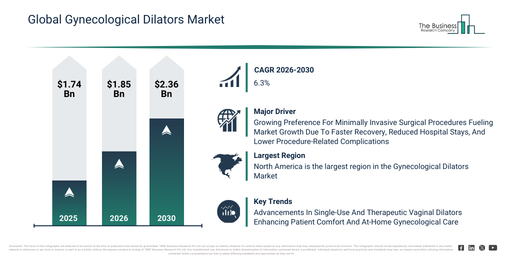
    The gynecological dilators market size has demonstrated significant expansion in recent years. It is projected to increase from $1.74 billion in 2025 to $1.85 billion in 2026, at a compound annual growth rate (CAGR) of 6.1%. This historical growth can be attributed to a surge in gynecological procedures, heightened awareness regarding vaginal health therapies, the development of hospital and clinic infrastructure, the wider selection of dilator materials available, and the expansion of outpatient gynecological care.

    The gynecological dilators market size is predicted to undergo significant growth in the upcoming years. It is forecast to expand to $2.36 billion by 2030, achieving a compound annual growth rate (CAGR) of 6.3%. This expansion during the projection period can be attributed to an increased focus on patient-centric medical devices, the growing adoption of minimally invasive gynecological treatments, the broadening of online medical device distribution, rising demand for personalized treatment solutions, and a heightened emphasis on hygiene and safety standards. Prominent trends expected in the forecast period include the increasing use of medical-grade silicone dilators, a rising demand for customizable and graduated dilator sets, a growing preference for reusable and sterilizable devices, the expansion of therapeutic use in home settings, and an enhanced focus on patient comfort and safety.

    Access Your Free Sample Report for In-Depth Market Insights:

    https://www.thebusinessresearchcompany.com/sample.aspx?id=33146&type=smp

    What Drivers Are Shaping The Development Of The Gynecological Dilators Market?

    The increasing demand for minimally invasive surgical techniques is anticipated to boost the expansion of the gynecological dilators market in the future. Minimally invasive gynecological procedures involve smaller entry points and advanced methods like hysteroscopy, laparoscopy, and image-guided tools, contrasting with conventional open operations. Their wider adoption is fueled by advantages such as quicker patient recuperation, shorter hospital stays, less post-operative discomfort, and reduced risks of complications associated with the procedures. Gynecological dilators play a crucial role in these procedures by allowing for gentle and controlled widening of the cervix or vagina, minimizing tissue damage, and ensuring safe entry to the uterine cavity and reproductive organs during both diagnostic and treatment procedures. For example, data from the American Society of Plastic Surgeons, a US-based non-profit organization, indicates that minimally invasive procedures rose by 1.5% from 25,442,640 in 2023 to 28,243,407 in 2024. Consequently, the rising preference for minimally invasive surgical approaches is propelling the growth of the gynecological dilators market. An increase in gynecological disorders is anticipated to stimulate the expansion of the gynecological dilators market moving ahead. These disorders encompass conditions like uterine fibroids, polycystic ovary syndrome, endometriosis, and other reproductive health problems, impacting millions of women in their childbearing years and frequently necessitating clinical attention, diagnostic testing, or therapeutic assistance. A mix of biological, lifestyle, and demographic elements contributes to these disorders, enlarging the demographic seeking medical assessment and treatment. Gynecological dilators aid in managing these conditions by facilitating a gentle and controlled stretching of vaginal tissue, which assists in alleviating pain, enhancing elasticity, and reinstating normal vaginal function. For instance, the World Health Organization, a Switzerland-based intergovernmental public health organization, reported in January 2026 that polycystic ovary syndrome impacts about 10–13% of women of reproductive age, with up to 70% globally remaining undiagnosed. Furthermore, the GOV.UK United Kingdom public sector information website stated in March 2025 that endometriosis is thought to affect about one in ten women of reproductive age, and roughly 37% of adolescents experience heavy menstrual bleeding. Consequently, the increased prevalence of gynecological disorders is fueling the expansion of the gynecological dilators market.

    What Segment Types Are Examined In The Gynecological Dilators Market?

    The gynecological dilators market covered in this report is segmented –

    1) By Product Type: Silicone Dilators; Plastic Dilators; Metal Dilators; Glass Dilators

    2) By Size: Medium Dilators; Small Dilators; Large Dilators; Customizable Size Dilators

    3) By Application: Medical; Personal

    4) By Distribution Channel: Hospitals And Clinics; Online Retailers; Medical Supply Stores; Pharmacies

    Subsegments:

    1) By Silicone Dilators: Medical Grade Silicone Dilators; Soft Silicone Dilators; Graduated Silicone Dilators; Flexible Silicone Dilators

    2) By Plastic Dilators: Polyethylene Dilators; Polypropylene Dilators; Polycarbonate Dilators; Disposable Plastic Dilators

    3) By Metal Dilators: Stainless Steel Dilators; Titanium Dilators; Reusable Metal Dilators; Surgical Grade Metal Dilators

    4) By Glass Dilators: Borosilicate Glass Dilators; Tempered Glass Dilators; Reusable Glass Dilators; Medical Grade Glass Dilators

    Which Competitive Trends Are Impacting The Structure Of The Gynecological Dilators Market?

    Companies in the gynecological dilators market are focusing on innovations, specifically in developing single-use and disposable therapeutic vaginal dilators for both personal and professional settings, with the aim to meet the increasing need for effective treatment of gynecological issues like vaginismus, pelvic floor dysfunction, and dyspareunia, concurrently enhancing patient comfort, safety, and compliance with therapy. These therapeutic vaginal dilators are medical devices engineered to gently stretch and relax vaginal tissues, thereby aiding in the restoration of elasticity, alleviation of pain, and improvement of vaginal function, with common applications including pelvic floor therapy, recovery following surgery, post-radiation treatment care, and the management of conditions such as vaginismus and vaginal stenosis. An illustrative example is Materna Medical, Inc., a U.S.-based obstetrics and gynecology (OBGYN) platform company, which, in June 2024, commenced a virtual clinical trial to evaluate the Milli Vaginal Dilator, an inventive device crafted for controlled vaginal dilation and symptom alleviation in patients experiencing vaginismus. The Milli Vaginal Dilator is constructed from medical-grade materials and incorporates a user-friendly, ergonomic design, making it suitable for both home-based and clinical environments, delivering gradual and comfortable tissue expansion, offering guided therapy protocols, and lessening anxiety and discomfort when compared to conventional rigid dilators.

    Who Are The Core Companies Influencing Trends In The Gynecological Dilators Market?

    Major companies operating in the gynecological dilators market are Medline Industries L.P., STERIS plc, Hologic Inc., Karl Storz SE & Co. KG, Cook Medical LLC, Integra LifeSciences Corporation, CooperSurgical Inc., KLS Martin Group, MedGyn Products Inc., Sklar Surgical Instruments Corporation, MEDICON eG, Advin Health Care, Medicem Group a.s., Pelican Feminine Healthcare Ltd., Intimate Rose LLC, Syracuse Medical Products Inc., Laboratoires Gyneas, Surgical Holdings, Vagiwell AB, Panpac Medical Corp., Aqueduct Medical Inc., Sculape India Pvt. Ltd.

    Access The Complete Report For Deeper Market Insights:

    https://www.thebusinessresearchcompany.com/report/gynecological-dilators-market-report

    Which Regions Are Projected To Dominate The Gynecological Dilators Market In The Coming Years?

    North America was the largest region in the gynecological dilators market in 2025. Asia-Pacific is expected to be the fastest-growing region in the forecast period. The regions covered in the gynecological dilators market report are Asia-Pacific, South East Asia, Western Europe, Eastern Europe, North America, South America, Middle East, Africa.

    Request Your Customized Gynecological Dilators Market Research Report for Competitive Advantage:

    https://www.thebusinessresearchcompany.com/customise?id=33146&type=smp

    Browse Through More Reports Similar to the Global Gynecological Dilators Market 2026, By The Business Research Company

    Gynecological Devices Market Report 2026

    https://www.thebusinessresearchcompany.com/report/gynecological-devices-global-market-report

    Gynecology Drugs Market Report 2026

    https://www.thebusinessresearchcompany.com/report/gynecology-drugs-global-market-report

    Gynecology Surgical Forceps Market Report 2026

    https://www.thebusinessresearchcompany.com/report/gynecology-surgical-forceps-global-market-report

    Get in touch with us:

    The Business Research Company: https://www.thebusinessresearchcompany.com/

    Americas +1 310-496-7795

    Asia +44 7882 955267 & +91 8897263534

    Europe +44 7882 955267

    Email us at info@tbrc.info

    Follow us on:

    LinkedIn: https://in.linkedin.com/company/the-business-research-company

    YouTube: https://www.youtube.com/channel/UC24_fI0rV8cR5DxlCpgmyFQ

    Global Market Model: https://www.thebusinessresearchcompany.com/global-market-model
  • Wearable Fitness Trackers Market 2026–2030: Forecast, Innovation, and Competitive Trends

    Wearable Fitness Trackers Market 2026–2030: Forecast, Innovation, and Competitive Trends

    Uncover key drivers, emerging technologies, and competitive movements shaping the wearable fitness trackers market from 2026–2035 with trusted insights from The Business Research Company

    What level of growth is expected in the Wearable Fitness Trackers Market between 2026 and 2030?

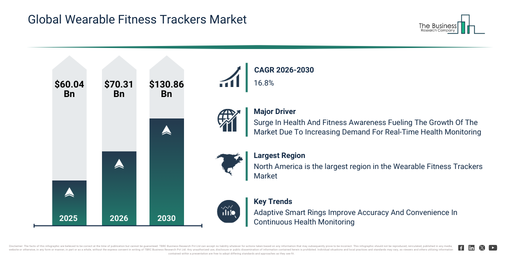
    The wearable fitness trackers market size has shown rapid expansion in recent years. It is expected to escalate from $60.04 billion in 2025 to $70.31 billion in 2026, demonstrating a compound annual growth rate (CAGR) of 17.1%. Historically, this market’s growth can be linked to heightened consumer awareness of personal health, the increasing use of smartphones and connected devices, the broader application of preventive healthcare practices, the rising popularity of fitness-focused lifestyles, and the presence of affordable wearable electronics.

    The wearable fitness trackers market size is projected to experience rapid expansion over the next few years. It is anticipated to grow to $130.86 billion in 2030, demonstrating a compound annual growth rate (CAGR) of 16.8%. This growth during the forecast period is attributable to the increasing demand for continuous health monitoring solutions, greater integration with telehealth platforms, the broadening of personalized fitness and wellness programs, rising adoption among aging populations, and improvements in sensor accuracy and battery efficiency. Significant trends for the forecast period involve the increasing adoption of advanced health monitoring sensors, rising integration of multi-metric wellness tracking, growing demand for app-based fitness ecosystems, the expansion of smart clothing and wearable accessories, and an enhanced focus on personalized fitness insights.

    Access Your Free Sample Report for In-Depth Market Insights:

    https://www.thebusinessresearchcompany.com/sample.aspx?id=24427&type=smp

    Which Drivers Are Expected To Impact The Wearable Fitness Trackers Market During The Forecast Period?

    The wearable fitness trackers market is anticipated to experience growth driven by increasing health and fitness consciousness. Health and fitness refer to the comprehensive well-being of both body and mind, achieved through consistent physical activity, proper nutrition, and a balanced way of life. This awareness is escalating due to a rise in lifestyle-related diseases, which encourages individuals to adopt healthier practices to avert conditions like obesity, diabetes, and heart disease. The rising recognition of health and fitness fuels the demand for wearable fitness trackers, as people seek straightforward methods to monitor their activity, heart rate, and overall well-being in real time. For instance, a nationwide survey conducted in April 2023 by the International Food Information Council (IFIC), a US-based non-profit organization, based on responses from 1,022 individuals aged 18 to 80, revealed that 52% of Americans were adhering to a specific diet or eating pattern. Younger generations notably led this trend, with 66% of Gen Z and 63% of Millennials reporting diet adherence, compared to 50% of Gen X and 41% of Boomers. Significantly, Baby Boomers demonstrated a substantial increase in diet adherence, rising from 29% in 2022 to 41% in 2023. This data underscores a growing national interest in health-conscious and intentional eating behaviors across all age groups. Consequently, the expanding awareness towards health and fitness is propelling the growth of the wearable fitness trackers market.

    How Is The Wearable Fitness Trackers Market Divided Into Segments?

    The wearable fitness trackers market covered in this report is segmented –

    1) By Product Type: Smartwatches, Activity Monitors, Smart Clothing

    2) By Connectivity: Bluetooth, Wireless Fidelity (Wi-Fi), Cellular, Near Field Communication (NFC), Other Connectivities

    3) By Operating System: Android, iOS, Windows, Tizen

    4) By Distribution Channel: Online, Offline

    5) By Application: Heart Rate Tracking, Sleep Measurement Tracking, Sport, Running, Cycling Tracking, Glucose Measurement Tracking

    Subsegments:

    1) By Smartwatches: GPS Smartwatches, Heart Rate Monitoring Smartwatches, Blood Oxygen (Spo2) Monitoring Smartwatches, Sleep Tracking Smartwatches, Multi-Sport Smartwatches

    2) By Activity Monitors: Clip-On Trackers, Wristband Trackers, Ankle Or Waist-Worn Trackers, Pedometers, Continuous Glucose Monitors (CGMs)

    3) By Smart Clothing: Smart Shirts, Smart Shoes, Smart Socks, Smart Sports Bras, Smart Tights Or Pants

    What Industry Trends Are Transforming The Wearable Fitness Trackers Market?

    Leading firms within the wearable fitness trackers market are concentrating on creating innovative solutions, such as smart rings equipped with adaptive sensing technology. These efforts aim to enhance continuous health monitoring, boost measurement accuracy, and offer a discreet, user-friendly substitute for conventional wrist-worn gadgets. Smart rings themselves are compact wearables worn on the finger, integrating advanced sensors to monitor metrics like heart rate, blood oxygen (SpO2), sleep patterns, activity levels, and body temperature. Their subtle form factor and optimized power consumption contribute to longer battery life. An example is the Oura Ring 4, launched in October 2024 by Oura, a Finland-based wellness technology company. This device incorporates “Smart Sensing” technology, an algorithm that adjusts to the wearer’s finger shape for more precise readings. The Oura Ring 4 features 18 signal pathways (an increase from 8 in prior models), recessed sensors for comfort, a titanium build, 100 m water resistance, and offers up to 8 days of battery life. Engineered to provide accurate and reliable health insights alongside a minimalist and stylish design, the Oura Ring 4 truly represents the next generation of wearable fitness technology.

    Which Key Market Players Are Investing In Expansion And Innovation Within The Wearable Fitness Trackers Market?

    Major companies operating in the wearable fitness trackers market are Apple Inc., Samsung Electronics Co. Ltd., Huawei Technologies Co. Ltd., NIKE Inc., Xiaomi Inc., Garmin Ltd., Fossil Group Inc., Fitbit Inc., Polar Electro Oy, MAD Apparel Inc., GOQii, Honor, Moov Inc., Boltt, Sensoria Inc., Ambiotex GmbH, Activinsights Ltd., Atlas Wearables Inc.

    Access The Complete Report For Deeper Market Insights:

    https://www.thebusinessresearchcompany.com/report/wearable-fitness-trackers-global-market-report

    Which Regions Are Poised For Strategic Growth In The Wearable Fitness Trackers Market?

    North America was the largest region in the wearable fitness trackers market in 2025. Asia-Pacific is expected to be the fastest-growing region in the forecast period. The regions covered in the wearable fitness trackers market report are Asia-Pacific, South East Asia, Western Europe, Eastern Europe, North America, South America, Middle East, Africa.

    Request Your Customized Wearable Fitness Trackers Market Research Report for Competitive Advantage:

    https://www.thebusinessresearchcompany.com/customise?id=24427&type=smp

    Browse Through More Reports Similar to the Global Wearable Fitness Trackers Market 2026, By The Business Research Company

    Gps Tracking Device Market Report 2026

    https://www.thebusinessresearchcompany.com/report/gps-tracking-device-global-market-report

    Smart Wearables Market Report 2026

    https://www.thebusinessresearchcompany.com/report/smart-wearables-global-market-report

    Wearable Heart Monitoring Devices Market Report 2026

    https://www.thebusinessresearchcompany.com/report/wearable-heart-monitoring-devices-global-market-report

    Get in touch with us:

    The Business Research Company: https://www.thebusinessresearchcompany.com/

    Americas +1 310-496-7795

    Asia +44 7882 955267 & +91 8897263534

    Europe +44 7882 955267

    Email us at info@tbrc.info

    Follow us on:

    LinkedIn: https://in.linkedin.com/company/the-business-research-company

    YouTube: https://www.youtube.com/channel/UC24_fI0rV8cR5DxlCpgmyFQ

    Global Market Model: https://www.thebusinessresearchcompany.com/global-market-model
  • Group B Streptococcus Infection Treatment Market Outlook: Growth and Forecast Highlights 2030

    Group B Streptococcus Infection Treatment Market Outlook: Growth and Forecast Highlights 2030

    Uncover key drivers, emerging technologies, and competitive movements shaping the group b streptococcus infection treatment market from 2026–2035 with trusted insights from The Business Research Company

    What level of growth is expected in the Group B Streptococcus Infection Treatment Market between 2026 and 2030?

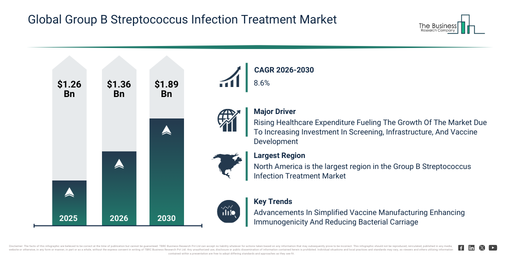
    The group b streptococcus infection treatment market has experienced significant growth in recent years. It is anticipated to expand from $1.26 billion in 2025 to $1.36 billion in 2026, achieving a compound annual growth rate (CAGR) of 8.3%. The historical surge in this market can be ascribed to an elevated awareness concerning neonatal infections, the expansion of prenatal care initiatives, the widespread adoption of beta-lactam antibiotics, an increase in hospital-based screening protocols, and the availability of microbiological testing services.

    The market for group b streptococcus infection treatment is anticipated to experience robust expansion over the coming years, reaching a valuation of $1.89 billion by 2030, driven by a compound annual growth rate (CAGR) of 8.6%. This projected growth during the forecast period is attributable to several factors, including the increasing development of GBS vaccines, a rising embrace of point-of-care diagnostics, a heightened focus on managing antimicrobial resistance, the expansion of molecular testing infrastructure, and an increased emphasis on preventive maternal healthcare. Key trends characterizing the forecast period encompass a growing adoption of rapid molecular diagnostic testing, an increasing focus on prenatal GBS screening programs, a wider application of antibiotic stewardship protocols, the expansion of pipeline therapies aimed at GBS prevention, and improved monitoring of maternal and neonatal outcomes.

    Access Your Free Sample Report for In-Depth Market Insights:

    https://www.thebusinessresearchcompany.com/sample.aspx?id=33144&type=smp

    Which Drivers Are Expected To Impact The Group B Streptococcus Infection Treatment Market During The Forecast Period?

    The increasing financial outlay on healthcare is anticipated to foster the expansion of the group B streptococcus infection treatment market in the future. This expenditure encompasses all monetary resources allocated for medical services, preventative measures, pharmaceutical products, healthcare infrastructure, and associated activities aimed at sustaining or enhancing public health. The upward trend in healthcare spending is driven by the growing incidence of both chronic and infectious illnesses, which in turn generates a persistent need for prolonged treatment, sophisticated therapies, and ongoing medical attention. An increase in healthcare spending bolsters the management of group B Streptococcus infections through enhanced investment in prenatal screening programs, clinical facilities, and vaccine development, collectively leading to better early detection, prevention, and successful handling of GBS infections in both mothers and their infants. As an illustration, in April 2025, the Office for National Statistics, a government body in the UK, reported that total healthcare spending saw a 6.5% increase from 2023 to 2024, indicating a quicker rate of growth compared to the 6.3% rise observed in 2023. Consequently, the escalating healthcare expenditure is propelling the expansion of the group B streptococcus infection treatment market.

    Which Segments Are Driving Activity In The Group B Streptococcus Infection Treatment Market?

    The group b streptococcus infection treatment market covered in this report is segmented –

    1) By Treatment Type: Antibiotic Therapy; Intravenous Immunoglobulin (IVIG); Experimental Therapies

    2) By Drug Class: Beta-Lactam Antibiotic; Clindamycin And Alternatives; Pipeline Therapies

    3) By Route of Administration: Oral Administration; Intravenous Administration; Topical Application

    4) By Patient Type: Newborns; Pregnant Women; Immunocompromised Patients; Elderly Population

    5) By End User: Hospitals; Clinics; Research Institutions; Home Care Settings

    Subsegments:

    1) By Antibiotic Therapy: Penicillin Based Antibiotics; Cephalosporin Antibiotics; Macrolide Antibiotics; Aminoglycoside Antibiotics

    2) By Intravenous Immunoglobulin (IVIG): Standard Polyclonal Immunoglobulin; High Dose Immunoglobulin Therapy; Adjunctive Immunoglobulin Therapy

    3) By Experimental Therapies: Vaccine Based Therapies; Monoclonal Antibody Therapies; Bacteriophage Therapies; Immunomodulatory Therapies

    What Industry Trends Are Transforming The Group B Streptococcus Infection Treatment Market?

    Leading companies in the group B streptococcus infection treatment market are concentrating on developing innovative products, such as polysaccharide conjugate vaccines, to reduce asymptomatic bacterial carriage. Polysaccharide conjugate vaccines are immunizations where bacterial surface sugars are chemically linked to a carrier protein, aiming to enhance immune recognition and generate a strong, long-lasting protective response, particularly in infants and young children. For instance, in September 2023, Omniose, a US-based biotechnology company, announced a grant award of up to $3.0 million from the National Institute of Allergy and Infectious Diseases at the U.S. National Institutes of Health to support the development of a Group B Streptococcus (GBS) vaccine. The vaccine’s distinctive feature is its goal to achieve high efficacy through a highly simplified manufacturing approach. Omniose’s platform utilizes synthetic biology and a one-step enzymatic process within a single re-engineered E. coli cell to produce GBS polysaccharide conjugate vaccines, thus eliminating conventional chemical conjugation steps. This process preserves 100% of sialic acid residues on each capsular polysaccharide, a factor demonstrated to be critical for inducing strong functional antibody responses against specific GBS serotypes.

    Which Major Industry Participants Are Leading The Group B Streptococcus Infection Treatment Market Growth?

    Major companies operating in the group b streptococcus infection treatment market are Merck & Co. Inc., Pfizer Inc., Sanofi S.A., Novartis AG, GlaxoSmithKline plc, Biological E. Limited, Serum Institute of India Pvt. Ltd., Walvax Biotechnology Co. Ltd., Vaxcyte Inc., Bharat Biotech International Limited, Clover Biopharmaceuticals Ltd., Biovac Institute (Pty) Ltd., Inventprise Inc., BioNet Asia Co. Ltd., GeneOne Life Science Inc., Alopexx Enterprises LLC, Wellstat Vaccines LLC, MinervaX ApS, and ShanghAI Zerun Biotechnology Co. Ltd.

    Access The Complete Report For Deeper Market Insights:

    https://www.thebusinessresearchcompany.com/report/group-b-streptococcus-infection-treatment-market-report

    Which Region Is Expected To Experience The Fastest Growth In The Group B Streptococcus Infection Treatment Market?

    North America was the largest region in the group B streptococcus infection treatment market in 2025. Asia-Pacific is expected to be the fastest-growing region in the forecast period. The regions covered in the group b streptococcus infection treatment market report are Asia-Pacific, South East Asia, Western Europe, Eastern Europe, North America, South America, Middle East, Africa.

    Request Your Customized Group B Streptococcus Infection Treatment Market Research Report for Competitive Advantage:

    https://www.thebusinessresearchcompany.com/customise?id=33144&type=smp

    Browse Through More Reports Similar to the Global Group B Streptococcus Infection Treatment Market 2026, By The Business Research Company

    Strep Throat Treatment Market Report 2026

    https://www.thebusinessresearchcompany.com/report/strep-throat-treatment-global-market-report

    Antibacterial Products Market Report 2026

    https://www.thebusinessresearchcompany.com/report/antibacterial-products-global-market-report

    Hospital Acquired Infection Control Market Report 2026

    https://www.thebusinessresearchcompany.com/report/hospital-acquired-infection-control-global-market-report

    Get in touch with us:

    The Business Research Company: https://www.thebusinessresearchcompany.com/

    Americas +1 310-496-7795

    Asia +44 7882 955267 & +91 8897263534

    Europe +44 7882 955267

    Email us at info@tbrc.info

    Follow us on:

    LinkedIn: https://in.linkedin.com/company/the-business-research-company

    YouTube: https://www.youtube.com/channel/UC24_fI0rV8cR5DxlCpgmyFQ

    Global Market Model: https://www.thebusinessresearchcompany.com/global-market-model
  • Good Manufacturing Practice (GMP) Services For Cell And Gene Therapy Market Insights Report: Opportunities and Drivers 2030

    Good Manufacturing Practice (GMP) Services For Cell And Gene Therapy Market Insights Report: Opportunities and Drivers 2030

    Uncover key drivers, emerging technologies, and competitive movements shaping the good manufacturing practice (gmp) services for cell and gene therapy market from 2026–2035 with trusted insights from The Business Research Company

    How much is the Good Manufacturing Practice (GMP) Services For Cell And Gene Therapy Market valued at in 2026, and what valuation is forecast for 2030?

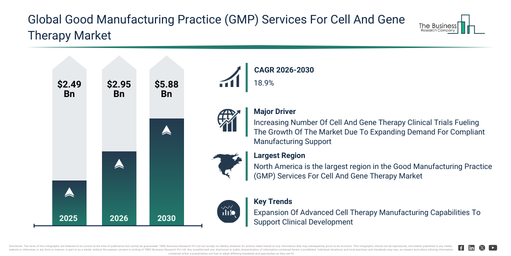
    The good manufacturing practice (gmp) services for cell and gene therapy market has seen rapid expansion in recent years. Its size is expected to increase from $2.49 billion in 2025 to $2.95 billion in 2026, demonstrating a compound annual growth rate (CAGR) of 18.6%. This historical growth can be attributed to several factors including the rise in clinical trials for advanced therapies, the broadening of cell therapy research initiatives, more stringent regulatory standardization, the establishment of early-stage gmp facilities, and increased investment in biopharmaceutical manufacturing.

    The good manufacturing practice (gmp) services for cell and gene therapy market is anticipated to experience substantial expansion over the upcoming years, projected to reach $5.88 billion by 2030 with a compound annual growth rate (CAGR) of 18.9%. This projected growth throughout the forecast period stems from the increasing commercialization of gene therapies, a heightened demand for scalable manufacturing capacity, the expansion of personalized medicine pipelines, a rise in outsourcing to CDMOs, and the growing adoption of automated quality control systems. Prominent trends identified for this forecast period include the escalating demand for commercial-scale cell and gene therapy manufacturing, the increasing utilization of viral vector production services, a stronger emphasis on GMP-compliant automation, the broadening of fill-finish and cold chain services, and an enhanced focus on regulatory compliance.

    Access Your Free Sample Report for In-Depth Market Insights:

    https://www.thebusinessresearchcompany.com/sample.aspx?id=33124&type=smp

    What Drivers Are Influencing The Growth Of The Good Manufacturing Practice (GMP) Services For Cell And Gene Therapy Market?

    The escalating volume of cell and gene therapy clinical trials is anticipated to drive the expansion of the good manufacturing practice (GMP) services for cell and gene therapy market. These trials represent regulated investigations that evaluate the safety, effectiveness, and quality of advanced therapies, which utilize genetically modified or living cells to treat conditions such as cancer, rare genetic disorders, and autoimmune diseases. The uptick in these trials is fueled by expanded research and development efforts in advanced therapies, increased investment from biotechnology and pharmaceutical companies, and a rising demand for innovative treatments addressing unmet medical needs. Given that many trial sponsors do not possess in-house GMP manufacturing capabilities, they are progressively relying on specialized GMP service providers for compliant manufacturing, analytical testing, quality control, and quality assurance. These particular services are essential for guaranteeing the safe, consistent, and timely delivery of clinical-grade materials across all trial phases. For example, in January 2026, the Bioindustry Association (BIA), a UK-based national trade association, indicated that the UK was conducting 193 advanced therapy clinical trials, with over half in early stages and more than 80% primarily focusing on gene therapies. Thus, the growing number of cell and gene therapy clinical trials is a significant factor boosting the good manufacturing practice (GMP) services for cell and gene therapy market.

    How Is The Good Manufacturing Practice (GMP) Services For Cell And Gene Therapy Market Organized Into Various Segments?

    The good manufacturing practice (gmp) services for cell and gene therapy market covered in this report is segmented –

    1) By Service Type: Process Development; Manufacturing; Analytical and Quality Control; Fill-Finish; Other Service Types

    2) By Therapy Type: Cell Therapy; Gene Therapy; Combination Therapy

    3) By Phase: Preclinical; Clinical; Commercial

    4) By End-User: Pharmaceutical and Biotechnology Companies; Academic and Research Institutes; Other End-Users

    Subsegments:

    1) By Process Development: Vector Design Optimization; Cell Line Development; Upstream Process Optimization; Downstream Purification Development; Process Scale Up Studies

    2) By Manufacturing: Clinical Trial Material Production; Commercial Scale Manufacturing; Viral Vector Manufacturing; Plasmid Production Services; Cell Therapy Manufacturing

    3) By Analytical and Quality Control: Method Development And Validation; Potency And Efficacy Testing; Safety And Sterility Testing; Stability And Shelf Life Studies; Release Testing Services

    4) By Fill-Finish: Aseptic Filling Services; Vial And Syringe Filling; Lyophilization Services; Packaging And Labeling; Cold Chain Handling

    5) By Other Service Types: Regulatory Support Services; Technology Transfer Services; Supply Chain Management; Storage And Distribution; Post Manufacturing Support

    What Trends Are Reshaping The Dynamics Of The Good Manufacturing Practice (GMP) Services For Cell And Gene Therapy Market?

    Leading firms within the good manufacturing practice (GMP) services for cell and gene therapy market are progressively concentrating on enhancing their advanced manufacturing capabilities, such as cell therapy manufacturing, to facilitate regional clinical studies and expedite therapeutic advancement. The production of cell therapies necessitates processes that adhere to GMP standards for the collection, alteration, multiplication, and preparation of therapeutic cells, guaranteeing the product’s safety, quality, and efficacy in clinical settings. A relevant example is AGC Biologics, a US-based contract development and manufacturing organization (CDMO), which in July 2025 introduced services for cell therapy process development and clinical manufacturing at its Yokohama Technical Center in Japan. This facility offers support for GMP-compliant production intended for both preclinical and clinical trials, encompassing CAR-T therapies, induced pluripotent stem cells, and various other stem cell platforms. Such an expansion reinforces AGC Biologics’ worldwide GMP presence across Europe, North America, and Asia, thereby allowing for the quicker and more compliant progression of cell and gene therapies towards commercial availability.

    Who Are The Prominent Global Companies Shaping The Good Manufacturing Practice (GMP) Services For Cell And Gene Therapy Market Landscape?

    Major companies operating in the good manufacturing practice (gmp) services for cell and gene therapy market are Novartis AG, Boehringer Ingelheim BioXcellence GmbH, Batavia Biosciences B.V., FUJIFILM Diosynth Biotechnologies, AGC Biologics Inc., Lonza Group AG, WuXi AppTec Co. Ltd., BioNTech Innovative Manufacturing Services, Charles River Laboratories International Inc., Catalent Inc., Samsung Biologics Co. Ltd., Miltenyi Biotec GmbH, SK pharmteco Co. Ltd., KBI Biopharma Inc., Oxford Biomedica plc, OmniaBio Inc., RoslinCT Ltd., Pluri CDMO, SCTbio Inc., Made Scientific Inc., ENCell Co. Ltd.

    Access The Complete Report For Deeper Market Insights:

    https://www.thebusinessresearchcompany.com/report/good-manufacturing-practice-gmp-services-for-cell-and-gene-therapy-market-report

    Which Geographic Areas Are Emerging As Strong Markets For The Good Manufacturing Practice (GMP) Services For Cell And Gene Therapy Market?

    North America was the largest region in the good manufacturing practice (GMP) services for cell and gene therapy market in 2025. Asia-Pacific is expected to be the fastest-growing region in the forecast period. The regions covered in the good manufacturing practice (gmp) services for cell and gene therapy market report are Asia-Pacific, South East Asia, Western Europe, Eastern Europe, North America, South America, Middle East, Africa.

    Request Your Customized Good Manufacturing Practice (GMP) Services For Cell And Gene Therapy Market Research Report for Competitive Advantage:

    https://www.thebusinessresearchcompany.com/customise?id=33124&type=smp

    Browse Through More Reports Similar to the Global Good Manufacturing Practice (GMP) Services For Cell And Gene Therapy Market 2026, By The Business Research Company

    Cell And Gene Therapy Manufacturing Services Market 2026

    https://www.thebusinessresearchcompany.com/report/cell-and-gene-therapy-manufacturing-services-market

    Gmp Cell Therapy Consumables Market Report 2026

    https://www.thebusinessresearchcompany.com/report/gmp-cell-therapy-consumables-global-market-report

    Cell And Gene Therapy Supply Chain Or Logistics Market Report 2026

    https://www.thebusinessresearchcompany.com/report/cell-and-gene-therapy-supply-chain-or-logistics-global-market-report

    Get in touch with us:

    The Business Research Company: https://www.thebusinessresearchcompany.com/

    Americas +1 310-496-7795

    Asia +44 7882 955267 & +91 8897263534

    Europe +44 7882 955267

    Email us at info@tbrc.info

    Follow us on:

    LinkedIn: https://in.linkedin.com/company/the-business-research-company

    YouTube: https://www.youtube.com/channel/UC24_fI0rV8cR5DxlCpgmyFQ

    Global Market Model: https://www.thebusinessresearchcompany.com/global-market-model