Month: June 2026

  • Vaccine Technologies Market Forecast Reveals Where Future Industry Value Will Be Created

    Vaccine Technologies Market Forecast Reveals Where Future Industry Value Will Be Created

    Through market attractiveness analysis, total addressable market evaluation, company benchmarking matrices, interactive Excel dashboards, expanded supply chain intelligence, emerging startup coverage, and detailed product insights, The Business Research Company’s 2026 market reports provide more actionable and strategically valuable research.

    Vaccine Technologies Market Revenue Growth Supported By A CAGR Of 99.03% Through 2030

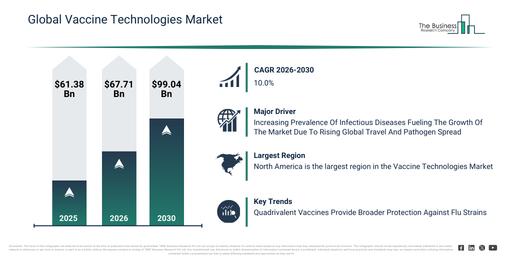
    The global market for vaccine technologies has experienced substantial expansion lately, with projections indicating continued robust growth. This sector is expected to rise from $61.38 billion in 2025 to $67.71 billion in 2026, demonstrating a compound annual growth rate of 10.3%. Key factors driving this historical growth trajectory include the proliferation of national immunization programs, augmented investments in public health infrastructure, significant progress in vaccine manufacturing methods, enhanced capabilities in infectious disease monitoring, and the solidified establishment of worldwide vaccine distribution networks.

    The global vaccine technologies market is poised for a significant expansion, projected to reach $99.04 billion by 2030, growing at a compound annual growth rate of 10.0%. This anticipated surge is fueled by several key factors, including escalating investments in advanced vaccine development platforms, a heightened need for robust pandemic preparedness, the broadening scope of adult immunization initiatives, a greater emphasis on vaccines targeting non-infectious diseases, and the increasing integration of digital systems for vaccine management. Prominent trends anticipated during this growth period involve the accelerated development of mRNA and recombinant vaccine technologies , a sharpened focus on agile vaccine production capabilities, the wider adoption of innovative vaccine delivery methods, the expansion of worldwide immunization efforts, and a more concentrated effort on optimizing the cold chain infrastructure.

    Download A Free Sample Report For Comprehensive Market Insights:

    https://www.thebusinessresearchcompany.com/sample.aspx?id=24735&type=smp

    Vaccine Technologies Market Expansion Drivers: What Is Shaping Future Growth?

    The expanding global challenge posed by infectious diseases is anticipated to be a significant catalyst for advancement within the vaccine technologies sector. These ailments, stemming from detrimental microbes like bacteria, viruses, fungi, or parasites, are characterized by their transmissibility between individuals, either directly or through indirect means. A key factor contributing to the heightened incidence of such diseases is the intensification of global travel, which unfortunately expedites the transmission of disease-causing agents across international boundaries. Vaccine technologies play a crucial supportive role in managing infectious diseases by eliciting specific immune system reactions, thereby contributing to both the prevention and containment of infections. Their contribution is vital to public health initiatives, as they help mitigate the dissemination and impact of illnesses, leading to enhanced overall health results. To illustrate this trend, it was reported in February 2024 by the UK Health Security Agency, a governmental body in the United Kingdom, that the number of tuberculosis cases in England surged to 4,850 in 2023, marking a 10.7% uptick from the 4,380 cases recorded in 2022, with tuberculosis being an infectious bacterial condition primarily impacting the lungs. Consequently, the escalating frequency of infectious diseases is identified as a primary driver for the growth observed in the vaccine technologies market.

    Vaccine Technologies Market Segment Analysis Highlighting Growth Areas

    The vaccine technologies market covered in this report is segmented –

    1) By Type: Recombinant Or Conjugate Or Subunit, Inactivated, Live Attenuated, Toxoid

    2) By Route Of Administration: Parenteral, Oral, Nasal

    3) By Disease Indication: Infectious Diseases, Non-Infectious Diseases

    4) By Age Group: Pediatric, Adults

    5) By Distribution Channel: Hospital And Retail Pharmacies, Government Suppliers, Other Distribution Channels

    Subsegments:

    1) By Recombinant Or Conjugate Or Subunit: Protein Subunit Vaccines, Virus-Like Particle (VLP) Vaccines, Glycoconjugate Vaccines, Recombinant Vector Vaccines

    2) By Inactivated: Whole-Virus Inactivated Vaccines, Split-Virus Inactivated Vaccines, Purified Inactivated Vaccines

    3) By Live Attenuated: Viral Live Attenuated Vaccines, Bacterial Live Attenuated Vaccines

    4) By Toxoid: Diphtheria Toxoid Vaccines, Tetanus Toxoid Vaccines

    Vaccine Technologies Market Strategic Trends: What Is Defining The Next Phase Of Growth?

    Companies that are significant players in the vaccine technologies sector are prioritizing the creation of novel approaches, exemplified by quadrivalent influenza vaccines, aiming to expand immunization reach and mitigate the potential for incorrect strain targeting. These quadrivalent vaccines are designed to confer immunity against a quartet of influenza virus strains—specifically, two strains of influenza A and two strains of influenza B—thereby delivering more comprehensive defense than their trivalent counterparts. Illustrating this trend, Zydus Lifesciences, a pharmaceutical entity based in India, introduced VaxiFlu-4, a quadrivalent influenza vaccine, in February 2025. This particular vaccine furnishes seasonal defense against a spectrum of four influenza strains, encompassing both influenza A and B types, and is administered via a single intramuscular injection, making it appropriate for individuals of all ages, from adults to children. By extending protection across a wider array of strains than conventional trivalent vaccines, it contributes to alleviating the impact of seasonal flu.

    Vaccine Technologies Market Leading Companies: Who Holds Significant Market Presence?

    Major companies operating in the vaccine technologies market are Pfizer Inc, Johnson And Johnson, Merck And Co Inc, Sanofi SA, AstraZeneca Plc, GSK Plc, Moderna Inc, CSL Limited, Bharat Biotech International Limited, Bavarian Nordic AS, Takeda Pharmaceutical Company Limited, Sinovac Biotech Ltd, Emergent BioSolutions Inc, Valneva SE, Novavax Inc, Dynavax Technologies Corporation, CureVac NV, Inovio Pharmaceuticals Inc, Serum Institute Of India Pvt Ltd, BioNTech SE, Panacea Biotec Ltd, Biological E Limited

    Access The Complete Vaccine Technologies Market Report:

    https://www.thebusinessresearchcompany.com/report/vaccine-technologies-global-market-report

    Vaccine Technologies Market Geographic Analysis: Where Is Demand Growing The Fastest?

    North Americawas the largest region in the vaccine technologies market in 2025. Asia-Pacificis expected to be the fastest-growing region in the forecast period. The regions covered in the vaccine technologies market report are Asia-Pacific, South East Asia, Western Europe, Eastern Europe, North America, South America, Middle East, Africa.

    Get in touch with us:

    The Business Research Company: https://www.thebusinessresearchcompany.com/

    Americas: +1 310-496-7795

    Asia: +44 7882 955267 & +91 8897263534

    Europe: +44 7882 955267

    Email us at: marketing@tbrc.info

    Follow us on:

    LinkedIn: https://in.linkedin.com/company/the-business-research-company

    YouTube: https://www.youtube.com/channel/UC24_fI0rV8cR5DxlCpgmyFQ

    Global Market Model: https://www.thebusinessresearchcompany.com/global-market-model

  • Vaccine Storage And Packaging Market Growth Through 2030 Creates New Strategic Opportunities

    Vaccine Storage And Packaging Market Growth Through 2030 Creates New Strategic Opportunities

    Delivering more actionable and strategically valuable research, The Business Research Company’s 2026 market reports feature market attractiveness analysis, total addressable market evaluation, company benchmarking matrices, interactive Excel dashboards, expanded supply chain intelligence, emerging startup coverage, and detailed product insights.

    Vaccine Storage And Packaging Market Value Expansion And Long-Term Growth Outlook

    The global market for vaccine storage and packaging has demonstrated robust expansion in recent years, projected to climb from $23.87 billion in 2025 to $25.7 billion in 2026, reflecting a compound annual growth rate of 7.7%. This upward trajectory in the historical period is underpinned by several key factors, including the widening reach of worldwide immunization initiatives, enhancements in pharmaceutical cold chain infrastructure, a surge in the production of vaccines requiring strict temperature control, the increasing acceptance of uniform packaging standards, and advancements in supply chain management.

    The market for vaccine storage and packaging is poised for significant expansion, projected to reach $34.12 billion by 2030 with a compound annual growth rate of 7.3%. This anticipated growth is fueled by several key factors, including the accelerated development of mRNA vaccines, increased capital allocation towards cold chain technology modernization, the broadening of worldwide vaccine distribution infrastructure, a greater emphasis on environmentally friendly packaging solutions, and ongoing progress in storage equipment technology. Key developments anticipated during this period involve the wider adoption of cold chain monitoring systems, a surge in the utilization of intelligent temperature-controlled packaging, escalating demand for ultra-low temperature storage capabilities, the proliferation of sustainable packaging alternatives, and an intensified focus on ensuring comprehensive vaccine traceability.

    Download A Free Sample Report For Comprehensive Market Insights:

    https://www.thebusinessresearchcompany.com/sample.aspx?id=25928&type=smp

    Vaccine Storage And Packaging Market Development Factors: Which Trends Are Supporting Demand?

    An escalating volume of vaccine production is anticipated to fuel the expansion of the market for vaccine storage and packaging. Vaccines, designed to primes the immune system by simulating the body’s natural response to disease, are seeing increased manufacturing due to the rising prevalence of infectious illnesses worldwide, thereby heightening the demand for preventative healthcare strategies to mitigate epidemics and protect collective well-being. The crucial need for robust storage and packaging solutions arises from the inherent sensitivity of vaccines to temperature fluctuations and contamination, necessitating specialized containment and cold chain management to maintain their efficacy and integrity throughout their journey from production to administration. Illustratively, the World Health Organization reported in February 2025 that the worldwide manufacturing capacity for seasonal influenza vaccines stood at an estimated 1.53 billion doses per year, underscoring the vast scale of production that directly stimulates the vaccine storage and packaging sector.

    Vaccine Storage And Packaging Market Segment Performance And Strategic Opportunities

    The vaccine storage and packaging market covered in this report is segmented –

    1) By Type: Vaccine Storage, Vaccine Packaging

    2) By Material: Plastic, Glass, Paper And Paperboard, Other Materials

    3) By Vaccine Type: Messenger Ribonucleic Acid (mRNA) Vaccine, Deoxyribonucleic Acid Vaccine, Protein-based vaccine, Viral Vector Vaccine

    4) By Application: Human Vaccine, Animal Vaccine

    5) By End User: Pharma And Biotech Companies, Vaccine Manufacturers, Clinical Research Organization, Other Healthcare Facilities

    Subsegments:

    1) By Vaccine Storage: Refrigerators, Freezers, Cold Boxes, Vaccine Carriers, Ultra-Low Temperature Storage Units

    2) By Vaccine Packaging: Vials, Ampoules, Prefilled Syringes, Blister Packs, Cartons And Labels

    Vaccine Storage And Packaging Market Transformation Trends: Which Innovations Are Driving Change?

    In the vaccine storage and packaging sector, leading firms are prioritizing the creation of cutting-edge solutions employing sophisticated methods like direct-to-fill technology to enhance vaccine production processes and mitigate contamination concerns. This direct-to-fill approach is instrumental in lowering contamination probabilities, decreasing the duration of handling, and upholding the vaccine’s stability and quality, thereby boosting both production efficiency and safety. A prime illustration of this trend is the introduction in October 2024 of D2 (Direct-to-Fill) glass vials by Nipro PharmaPackaging, a medical equipment producer based in Belgium; this product represents a ready-to-use (RTU) offering integrated with EZ-fill technology. These particular vials have undergone pre-washing, depyrogenation, sterilization, and packaging protocols, rendering them suitable for immediate incorporation into aseptic fill-finish production lines. Engineered for broad machine compatibility, these D2F vials contribute to increased operational velocity, a reduction in both breakage incidents and manufacturing flaws, and present enhanced resilience and economic advantages due to their innovative nest and tub packaging configuration.

    Vaccine Storage And Packaging Market Key Players: Which Companies Shape Industry Competition?

    Major companies operating in the vaccine storage and packaging market are McKesson Corporation, AmerisourceBergen Corporation, DHL International GmbH, United Parcel Service Inc., FedEx Corporation, PHCbi Panasonic Healthcare Co. Ltd., Thermo Fisher Scientific Inc., DB Schenker, Corning Incorporated, STERIS plc, NIPRO Corporation, AptarGroup Inc., Schott AG, Gerresheimer AG, Thermo King Corporation, Lineage Inc., Stevanato Group S.p.A., Eppendorf SE, Haier Biomedical, Cole-Parmer Instrument Company LLC, DWK Life Sciences, B Medical Systems, Helmer Scientific Inc., Arctiko A/S, American Biotech Supply LLC, The Cool Ice Box Company Ltd.

    Access The Complete Vaccine Storage And Packaging Market Report:

    https://www.thebusinessresearchcompany.com/report/vaccine-storage-and-packaging-global-market-report

    Vaccine Storage And Packaging Market Global Footprint: Which Region Holds Market Leadership?

    North Americawas the largest region in the vaccine storage and packaging market in 2025. Asia-Pacificis expected to be the fastest-growing region in the forecast period. The regions covered in the vaccine storage and packaging market report are Asia-Pacific, South East Asia, Western Europe, Eastern Europe, North America, South America, Middle East, Africa.

    Get in touch with us:

    The Business Research Company: https://www.thebusinessresearchcompany.com/

    Americas: +1 310-496-7795

    Asia: +44 7882 955267 & +91 8897263534

    Europe: +44 7882 955267

    Email us at: marketing@tbrc.info

    Follow us on:

    LinkedIn: https://in.linkedin.com/company/the-business-research-company

    YouTube: https://www.youtube.com/channel/UC24_fI0rV8cR5DxlCpgmyFQ

    Global Market Model: https://www.thebusinessresearchcompany.com/global-market-model

  • Vaccine Contract Manufacturing Market Size Projected To Increase From $4.27 Billion To $6.46 Billion During The Forecast Period

    Vaccine Contract Manufacturing Market Size Projected To Increase From $4.27 Billion To $6.46 Billion During The Forecast Period

    Enhanced with market attractiveness analysis, total addressable market evaluation, company benchmarking matrices, interactive Excel dashboards, expanded supply chain intelligence, emerging startup coverage, and detailed product insights, The Business Research Company’s 2026 market reports deliver more actionable and strategically valuable research.

    Vaccine Contract Manufacturing Market Expected To Reach $6.46 Billion By 2030 At 10.9% CAGR

    The market for vaccine contract manufacturing experienced robust expansion recently. Projections indicate a rise from $3.88 billion in 2025 to $4.27 billion in 2026, reflecting a compound annual growth rate of 10.0%. This upward trajectory during the past period is largely due to the broader scope of worldwide vaccination initiatives, the escalating intricacy involved in manufacturing vaccines, the increasing dependence on expert contract manufacturing firms, the proliferation of collaborative efforts between public and private sectors for vaccine development, and the establishment of significant vaccine production infrastructure.

    Regarding the vaccine contract manufacturing sector, a significant increase in its market value is anticipated over the upcoming years, projected to reach $6.46 billion by the year 2030, demonstrating a compound annual growth rate of 10.9%. This upward trajectory during the projected timeframe is fueled by several key factors, including the escalating need for swift vaccine production scaling, augmented investment flowing into mRNA and innovative vaccine technologies, the broadening of commercial-scale manufacturing operations, a heightened emphasis on nations achieving their own vaccine production independence, and the integration of sophisticated bioprocessing techniques. Furthermore, prominent developments expected within this period encompass a greater tendency for vaccine production to be contracted out, a surge in the requirement for adaptable manufacturing capacities, extensions in the services offered for filling and finishing vaccines, a stronger concentration on manufacturing processes that adhere to regulatory standards, and a more widespread adoption of disposable bioprocessing equipment.

    Download A Free Sample Report For Comprehensive Market Insights:

    https://www.thebusinessresearchcompany.com/sample.aspx?id=12216&type=smp

    Vaccine Contract Manufacturing Market Industry Drivers: What Is Driving Revenue Growth?

    The increasing prevalence of infectious diseases globally is anticipated to fuel the expansion of the vaccine contract manufacturing sector. Infectious diseases are conditions caused by disease-causing organisms including bacteria, viruses, fungi, or parasites, and their outbreaks, such as those involving influenza, measles, or novel viruses, necessitate a rapid increase in vaccine production to curb further transmission. Contract manufacturers possess the capability to swiftly enhance their output in reaction to these public health emergencies. Illustratively, data from the World Health Organization, a global health agency headquartered in Switzerland, indicated that in October 2024, roughly 8.2 million individuals received new tuberculosis diagnoses in 2023, an increase from approximately 7.5 million in 2022, positioning tuberculosis as the foremost fatal infectious disease, underscoring how the escalating global incidence of infectious diseases is a primary driver for the vaccine contract manufacturing market’s growth.

    Vaccine Contract Manufacturing Market Segment Landscape And Growth Potential

    The vaccine contract manufacturing market covered in this report is segmented –

    1) By Service Type: Fill-Finish, Bulk Product

    2) By Vaccine Type: Inactivated Vaccines, Live-Attenuated Vaccines, RNA (Ribonucleic Acid) Vaccines, Subunit Vaccines, Toxoid-Based Vaccines

    3) By Process: Downstream, Upstream

    4) By Scale Of Operation: Preclinical, Clinical, Commercial

    5) By End-Use: Human Use, Veterinary

    Subsegments:

    1) By Fill-Finish: Aseptic Fill-Finish, Lyophilization, Vial Filling, Syringe Filling

    2) By Bulk Product: Cell Culture, Microbial Fermentation, Antigen Production, Buffer Preparation

    #Vaccine Contract Manufacturing Market Growth Trends: What Is Influencing The Future Outlook?

    Leading entities within the vaccine contract manufacturing sector are prioritizing the inauguration of new production facilities to solidify their market standing. The establishment of these vaccine contract manufacturing sites signifies the creation of dedicated operational bases for producing vaccines under contract. As an illustration, WuXi Vaccines, a Chinese contract development and manufacturing organization renowned for its vaccine expertise, inaugurated its inaugural independent vaccine CDMO facility in Suzhou, China, in September 2023. This strategic expansion significantly boosts the company’s capacity for both the manufacturing of the core vaccine components and the final drug product. Consequently, WuXi Vaccines now provides an all-encompassing suite of services that span various vaccine types, encompassing process refinement, drug product formulation, and the manufacturing of clinical-stage drug substances alongside sterile drug products in small to medium volumes. This newly commissioned independent facility amplifies WuXi Vaccines’ potential to participate in vaccine creation and production, thereby assuming a crucial role in propelling global health advancements.

    Vaccine Contract Manufacturing Market Competitive Landscape: Who Are The Leading Companies?

    Major companies operating in the vaccine contract manufacturing market are Pfizer Inc, Johnson & Johnson, AbbVie Inc., Sanofi, GlaxoSmithKline, Merck KGaA, Moderna, BioNTech, GSK Vaccines, AstraZeneca PLC, Ajinomoto Co. Inc., Lonza Group AG, Catalent Inc., Charles River Laboratories International Inc., Serum Institute of India Pvt. Ltd, Samsung Biologics, WuXi Biologics, Novavax, Sinovac Biotech, Emergent BioSolutions Inc., Bio Farma, Hualan Biological Engineering, BioMARC, Bavarian Nordic A/S, AGC Biologics, IDT Biologika GmbH, Bharat Biotech, Goodwin Biotechnology Inc., Biofabri S.L

    Access The Complete Vaccine Contract Manufacturing Market Report:

    https://www.thebusinessresearchcompany.com/report/vaccine-contract-manufacturing-global-market-report

    Vaccine Contract Manufacturing Market Regional Distribution: Which Areas Drive Market Expansion?

    North Americawas the largest region in the vaccine contract manufacturing market in 2025. Asia-Pacificis expected to be the fastest-growing region in the vaccine contract manufacturing market report forecast period. The regions covered in the vaccine contract manufacturing market report are Asia-Pacific, South East Asia, Western Europe, Eastern Europe, North America, South America, Middle East, Africa.

    Get in touch with us:

    The Business Research Company: https://www.thebusinessresearchcompany.com/

    Americas: +1 310-496-7795

    Asia: +44 7882 955267 & +91 8897263534

    Europe: +44 7882 955267

    Email us at: marketing@tbrc.info

    Follow us on:

    LinkedIn: https://in.linkedin.com/company/the-business-research-company

    YouTube: https://www.youtube.com/channel/UC24_fI0rV8cR5DxlCpgmyFQ

    Global Market Model: https://www.thebusinessresearchcompany.com/global-market-model
  • Uveitis Treatment Market Growth Outlook Reveals A CAGR Of 7.4% And A Market Value Of $2.18 Billion By 2030

    Uveitis Treatment Market Growth Outlook Reveals A CAGR Of 7.4% And A Market Value Of $2.18 Billion By 2030

    Through market attractiveness analysis, total addressable market evaluation, company benchmarking matrices, interactive Excel dashboards, expanded supply chain intelligence, emerging startup coverage, and detailed product insights, The Business Research Company’s 2026 market reports provide more actionable and strategically valuable research.

    Uveitis Treatment Market Size And Revenue Forecast Through 2030

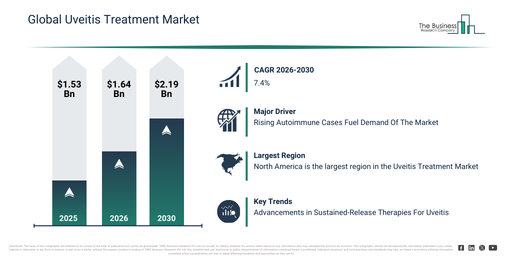
    Driving the remarkable expansion of the uveitis treatment market, its valuation is projected to ascend from $1.53 billion in 2025 to $1.64 billion in 2026, demonstrating a robust compound annual growth rate of 7.5%. This significant upward trajectory in the historical period is underpinned by several key factors, including a heightened understanding and diagnosis of inflammatory eye conditions, the widespread adoption of corticosteroid treatments, the proliferation of specialized eye care centers, a growing prevalence of autoimmune diseases, and the accessibility of established anti-inflammatory medications.

    The uveitis treatment sector is poised for considerable expansion in the forthcoming years, projected to reach a market value of $2.19 billion by 2030, reflecting a compound annual growth rate of 7.4%. This anticipated growth trajectory is fueled by several key factors, including advancements in monoclonal antibody development for uveitis, a heightened emphasis on alternative treatments that minimize steroid reliance, the expanding application of personalized medicine strategies, increased financial commitment to ophthalmic drug development pipelines, and a rising need for enduring solutions in managing this condition. Key developments shaping the forecast period encompass a greater embrace of biologic therapies, a growing preference for targeted immunosuppressive interventions, intensified focus on tailored uveitis management plans, the proliferation of extended-release ocular drug delivery systems, and a surge in clinical investigations pertaining to autoimmune eye diseases.

    Download A Free Sample Report For Comprehensive Market Insights:

    https://www.thebusinessresearchcompany.com/sample.aspx?id=21313&type=smp

    Uveitis Treatment Market Growth Factors: Which Forces Are Supporting Market Expansion?

    The expanding prevalence of autoimmune disorders is anticipated to be a key catalyst for the expansion of the uveitis treatment sector. Autoimmune conditions are characterized by the body’s immune system mistakenly attacking its own healthy components, leading to damage in cells, tissues, or organs. Factors contributing to this rise include hereditary factors, exposure to environmental elements, and alterations in lifestyle and immune system regulation. Therapies for uveitis play a crucial role in managing these autoimmune conditions by mitigating inflammation, controlling an overactive immune response, and averting visual impairment that can arise from autoimmune-induced ocular inflammation. As an illustration, the Multiple Sclerosis International Federation reported in November 2023 that approximately 2.9 million individuals globally were diagnosed with multiple sclerosis, an autoimmune disease, during that year. Consequently, the escalating occurrence of autoimmune conditions is fueling the growth trajectory of the uveitis treatment market.

    Uveitis Treatment Market Categorization By Product Type And Application

    The uveitis treatment market covered in this report is segmented –

    1) By Indication: Anterior Uveitis, Intermediate Uveitis, Posterior Uveitis, Panuveitis

    2) By Route Of Administration: Topical, Systemic, Injectable

    3) By Cause: Infectious, Non-infectious

    4) By Treatment: Corticosteroids, Immunosuppressant, Monoclonal Antibodies, Cycloplegic Agents, Antibiotics, Antivirals, Antifungal, Analgesics

    5) By Distribution Channel: Hospital Pharmacies, Retail Pharmacies, Online Pharmacies, Other Distribution Channels

    Subsegments:

    1) By Anterior Uveitis: Infectious Anterior Uveitis, Non-Infectious Anterior Uveitis

    2) By Intermediate Uveitis: Infectious Intermediate Uveitis, Non-Infectious Intermediate Uveitis

    3) By Posterior Uveitis: Infectious Posterior Uveitis, Non-Infectious Posterior Uveitis

    4) By Panuveitis: Infectious Panuveitis, Non-Infectious Panuveitis

    Uveitis Treatment Market Industry Trends: What Changes Are Reshaping Demand?

    Within the uveitis treatment sector, leading enterprises are implementing cutting-edge drug-delivery systems, most notably sustained-release intravitreal implants, aiming to achieve superior long-term inflammation management, boost patient compliance, and mitigate adverse systemic effects. These implants, tiny non-biodegradable instruments introduced surgically into the eye’s vitreous humor, systematically discharge corticosteroids over extended periods, from months to years, offering localized treatment that curtails the necessity for repeated injections and elevates patient ease. A pertinent example is the March 2025 FDA authorization granted to ANI Pharmaceuticals, Inc., a United States biopharmaceutical firm, for the expanded application of ILUVIEN, a fluocinolone acetonide intravitreal implant, targeting chronic non-infectious uveitis that impacts the posterior segment of the eye. ILUVIEN facilitates a consistent, low-dose daily administration of fluocinolone for a duration of up to three years, thereby providing enduring local corticosteroid treatment, reducing the demand for frequent injections, and improving both disease management and patient comfort.

    Uveitis Treatment Market Company Landscape And Strategic Competition

    Major companies operating in the uveitis treatment market are Merck & Co. Inc., AbbVie Inc., Novartis AG, Regeneron Pharmaceuticals Inc., Bausch & Lomb Incorporated, Horizon Therapeutics plc, Sun Pharmaceutical Industries Ltd., Cipla Ltd., Santen Pharmaceutical Co. Ltd., Galapagos NV, EyePoint Pharmaceuticals Inc., ANI Pharmaceuticals Inc., Clearside Biomedical Inc., Roche Holding AG, Pfizer Inc., Alimera Sciences Inc., Tarsier Pharma Ltd., Oculis Pharma, Priovant Therapeutics, Acelyrin Inc., Eyevensys, Aerie Pharmaceuticals Inc., Aldeyra Therapeutics Inc.

    Access The Complete Uveitis Treatment Market Report:

    https://www.thebusinessresearchcompany.com/report/uveitis-treatment-global-market-report

    Uveitis Treatment Market Leading Geography: Which Region Generates The Most Revenue?

    North Americawas the largest region in the uveitis treatment market in 2025. Asia-Pacificis expected to be the fastest-growing region in the forecast period. The regions covered in the uveitis treatment market report are Asia-Pacific, South East Asia, Western Europe, Eastern Europe, North America, South America, Middle East, Africa.

    Get in touch with us:

    The Business Research Company: https://www.thebusinessresearchcompany.com/

    Americas: +1 310-496-7795

    Asia: +44 7882 955267 & +91 8897263534

    Europe: +44 7882 955267

    Email us at: marketing@tbrc.info

    Follow us on:

    LinkedIn: https://in.linkedin.com/company/the-business-research-company

    YouTube: https://www.youtube.com/channel/UC24_fI0rV8cR5DxlCpgmyFQ

    Global Market Model: https://www.thebusinessresearchcompany.com/global-market-model
  • Uveal Neoplasms Market Forecast Highlights Expansion From $1.2 Billion To $1.49 Billion Through 2030

    Uveal Neoplasms Market Forecast Highlights Expansion From $1.2 Billion To $1.49 Billion Through 2030

    Delivering more actionable and strategically valuable research, The Business Research Company’s 2026 market reports feature market attractiveness analysis, total addressable market evaluation, company benchmarking matrices, interactive Excel dashboards, expanded supply chain intelligence, emerging startup coverage, and detailed product insights.

    Uveal Neoplasms Market Growth From $1.2 Billion In 2026 To $1.49 Billion By 2030 At A CAGR Of 5.6%

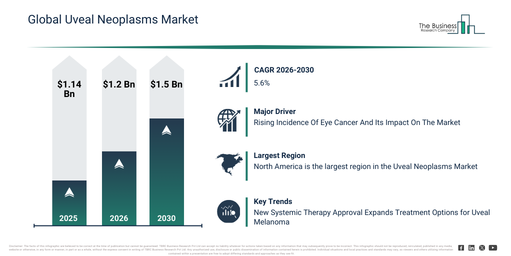
    The market for uveal neoplasms experienced robust expansion recently, projecting a rise from $1.14 billion in 2025 to $1.2 billion by 2026, signifying a compound annual growth rate of 5.7%. This historical growth trajectory is underscored by advancements in diagnostic ophthalmology, the proliferation of dedicated eye care facilities, heightened public and professional understanding of ocular tumors, the accessibility of radiation treatment modalities, and a growing pool of expertise within ophthalmic oncology.

    Uveal neoplasms market is poised for substantial expansion in the upcoming years, projected to reach $1.5 billion by 2030 with a compound annual growth rate of 5.6%. This anticipated growth stems from several key drivers including the increasing integration of precision medicine within ophthalmology, augmented investments in ocular oncology research, a broader application of immunotherapy, escalating demand for less invasive ocular treatment options, and the more frequent utilization of sophisticated diagnostic imaging techniques. Furthermore, emerging trends during this forecast period are characterized by a greater emphasis on targeted therapies and immunotherapies, the increased deployment of cutting-edge ocular imaging solutions, a heightened focus on identifying tumors at an earlier stage, the development of more individualized treatment plans, and a more cohesive approach through the integration of multidisciplinary eye care services.

    Download A Free Sample Report For Comprehensive Market Insights:

    https://www.thebusinessresearchcompany.com/sample.aspx?id=21312&type=smp

    Uveal Neoplasms Market Demand Drivers: What Is Fueling Industry Growth?

    An increase in the occurrence of eye cancer is predicted to fuel the expansion of the uveal neoplasms market moving ahead. Eye cancer, characterized by the proliferation of aberrant cells within the ocular structures, can manifest in diverse regions like the retina, iris, or optic nerve. This escalating prevalence of eye cancer may stem from enhanced diagnostic capabilities, environmental influences, and an aging demographic. Uveal neoplasms, especially uveal melanoma, represent an uncommon type of eye malignancy capable of spreading to distant sites, primarily the liver, thereby presenting considerable health challenges. To illustrate, a 2023 projection by Cancer Research UK indicated that eye cancer incidence in the United Kingdom is anticipated to escalate by 50% from the period of 2023-2025 to 2038-2040, reaching an average of 3 instances per 100,000 individuals annually by 2038. Consequently, the augment in eye cancer cases is serving as a catalyst for the uveal neoplasms market’s growth.

    Uveal Neoplasms Market Segment Analysis And Revenue Opportunities

    The uveal neoplasms market covered in this report is segmented –

    1) By Treatment Type: Drugs, Therapy

    2) By Route Of Administration: Oral, Injectable, Other Route Administration

    3) By Distribution Channel: Hospitals Pharmacies, Online Pharmacies, Retail Pharmacies

    Subsegments:

    1) By Drugs: Chemotherapeutic Agents, Targeted Therapy Drugs, Immunotherapy Drugs

    2) By Therapy: Radiation Therapy, Laser Therapy, Photodynamic Therapy

    Uveal Neoplasms Market Innovation Trends: Which Developments Are Transforming The Industry?

    Within the uveal neoplasms market, leading enterprises are prioritizing the integration of sophisticated liver-directed therapeutic strategies, exemplified by percutaneous hepatic perfusion (PHP), aimed at refining localized tumor suppression and mitigating systemic adverse effects. The PHP methodology represents a less invasive procedure that effectively isolates the liver’s circulation, permitting the administration of potent chemotherapy directly via the hepatic artery; concurrently, blood exiting the liver is filtered, thereby facilitating concentrated therapeutic intervention at the tumorous locale with diminished systemic exposure. As a pertinent illustration, Delcath Systems, Inc., an American entity specializing in interventional oncology, secured U.S. Food and Drug Administration (FDA) authorization in August 2023 for HEPZATO KIT, a PHP-derived treatment designed for unresectable, liver-dominant metastatic uveal melanoma. This kit facilitates a targeted melphalan infusion coupled with extracorporeal filtration of hepatic blood, with treatment regimens generally administered every 6 to 8 weeks, contingent upon clinical necessity. HEPZATO KIT facilitates augmented local drug concentrations and diminished systemic absorption, demonstrating substantial clinical advantages, such as tumor response and disease management in suitable patients afflicted with metastatic uveal melanoma.

    Uveal Neoplasms Market Leading Players Shaping Industry Direction

    Major companies operating in the uveal neoplasms market are Pfizer Inc., F. Hoffmann-La Roche Ltd, Merck & Co. Inc., IDEAYA Biosciences Inc., Bristol-Myers Squibb Company, AstraZeneca plc, Novartis AG, Eli Lilly and Company, Amgen Inc., Regeneron Pharmaceuticals Inc., Verastem Oncology Inc., Iovance Biotherapeutics Inc., Immunocore Holdings PLC, Aura Biosciences, Foghorn Therapeutics Inc., Syncona Limited, iOnctura SA, Linnaeus Therapeutics, Inc., Delcath Systems Inc, Bellicum Pharmaceuticals Inc.

    Access The Complete Uveal Neoplasms Market Report:

    https://www.thebusinessresearchcompany.com/report/uveal-neoplasms-global-market-report

    Uveal Neoplasms Market Regional Outlook: Where Are The Largest Opportunities Located?

    North Americawas the largest region in the uveal neoplasms market in 2025. The regions covered in the uveal neoplasms market report are Asia-Pacific, South East Asia, Western Europe, Eastern Europe, North America, South America, Middle East, Africa.

    Get in touch with us:

    The Business Research Company: https://www.thebusinessresearchcompany.com/

    Americas: +1 310-496-7795

    Asia: +44 7882 955267 & +91 8897263534

    Europe: +44 7882 955267

    Email us at: marketing@tbrc.info

    Follow us on:

    LinkedIn: https://in.linkedin.com/company/the-business-research-company

    YouTube: https://www.youtube.com/channel/UC24_fI0rV8cR5DxlCpgmyFQ

    Global Market Model: https://www.thebusinessresearchcompany.com/global-market-model
  • Uterine Sarcoma Market Expected To Reach $3.77 Billion By 2030 As Growth Accelerates At 6.1% CAGR

    Uterine Sarcoma Market Expected To Reach $3.77 Billion By 2030 As Growth Accelerates At 6.1% CAGR

    Enhanced with market attractiveness analysis, total addressable market evaluation, company benchmarking matrices, interactive Excel dashboards, expanded supply chain intelligence, emerging startup coverage, and detailed product insights, The Business Research Company’s 2026 market reports deliver more actionable and strategically valuable research.

    Uterine Sarcoma Market Expansion Outlook: What Revenue Opportunities Lie Ahead?

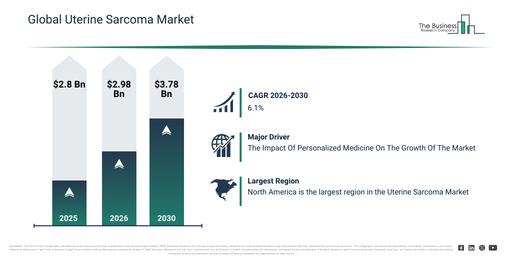
    The market for uterine sarcoma experienced robust expansion lately, projecting a rise from $2.8 billion in 2025 to $2.98 billion in 2026, signifying a compound annual growth rate (CAGR) of 6.3%. This historical growth trajectory owes its momentum to advancements in cancer detection technologies, the proliferation of specialized cancer treatment facilities, heightened public consciousness regarding less common gynecological malignancies, the availability of surgical interventions, and advancements in academic cancer research.

    The market for uterine sarcoma is poised for substantial expansion over the upcoming years, projecting a market value of $3.78 billion by the year 2030, driven by a compound annual growth rate (CAGR) of 6.1%. This predicted upswing is largely fueled by the increasing embrace of precision oncology strategies, augmented investments directed towards research into rare cancers, a broadening scope in the development of targeted medications, the escalating utilization of molecular diagnostic tools, and a rise in collaborative efforts within oncology clinical trials. Key developments anticipated during this forecast period encompass a heightened emphasis on achieving early and precise diagnoses, a greater acceptance of multifaceted treatment methodologies, increased reliance on sophisticated imaging techniques and molecular assessments, the further evolution of targeted and individualized therapies, and a more seamless integration of oncology care pathways.

    Download A Free Sample Report For Comprehensive Market Insights:

    https://www.thebusinessresearchcompany.com/sample.aspx?id=20993&type=smp

    Uterine Sarcoma Market Growth Drivers: What Factors Are Accelerating Expansion?

    The advancement of personalized medicine is poised to stimulate the uterine sarcoma market. This approach to healthcare customizes treatments and decisions based on an individual’s genetic makeup, environment, and lifestyle. Its increasing prevalence stems from breakthroughs in genomics, molecular profiling, and precision technologies, which facilitate targeted therapies offering improved effectiveness and fewer adverse effects. Uterine sarcoma plays a role in this trend by acting as a model for developing specialized strategies that utilize unique genetic and molecular insights to refine diagnosis, treatment, and patient care. A notable example occurred in February 2024, when the US-based non-profit Personalized Medicine Coalition highlighted that the FDA approved 16 new personalized treatments for rare diseases in 2023, a marked increase from the six approvals in 2022. Consequently, the expansion of personalized medicine is a key factor driving the uterine sarcoma market.

    Elevated healthcare spending is anticipated to boost the uterine sarcoma market. Healthcare expenditure encompasses the total financial investments made in medical services, treatments, facilities, and health programs. Such increases are driven by factors including an aging demographic, a rise in chronic illnesses, technological advancements in medicine, and a growing demand for superior healthcare. The uterine sarcoma sector benefits from this increased spending through greater investment in sophisticated diagnostic tools, novel therapeutic options, and research endeavors, ultimately leading to better patient outcomes and enhanced quality of care. For illustration, data from the Centers for Medicare and Medicaid Services, a US federal agency for health data, indicated that in June 2025, US healthcare spending escalated by 7.5% in 2023, reaching $4.9 trillion, equivalent to $14,570 per capita, and constituting 17.6% of the national GDP. Therefore, escalating healthcare expenditure is a significant driver for the uterine sarcoma market.

    The increasing adoption of minimally invasive surgical techniques is set to drive the uterine sarcoma market forward. Minimally invasive surgery involves procedures performed through small incisions using specialized instruments, frequently employing laparoscopic or robotic-assisted methods, which result in reduced recovery times and less trauma to the body. The heightened preference for these procedures is due to patient desires for less painful interventions, shorter hospital stays, and a quicker return to daily activities. Within uterine sarcoma treatment, minimally invasive approaches enable surgeons to precisely remove tumors via smaller incisions, thereby minimizing damage to surrounding tissues, accelerating patient recovery, and facilitating earlier post-operative interventions. As an example, in January 2025, Intuitive Surgical, Inc., a US biotechnology firm, reported that its products were used in nearly 2.7 million procedures by its customers in 2024, a 17% increase from the previous year, bringing the total procedures on da Vinci platforms to almost 17 million; furthermore, they deployed 1,430 da Vinci multiport systems, 271 Ion systems, and 96 da Vinci SP systems during that year. Consequently, the growing trend towards minimally invasive surgeries is fueling the growth of the uterine sarcoma market.

    Uterine Sarcoma Market Segmentation And Category Breakdown

    The uterine sarcoma market covered in this report is segmented –

    1) By Type: Uterine Leiomyosarcoma, Undifferentiated Sarcoma, Endometrial Stromal Sarcoma, Other Types

    2) By Diagnosis: Sampling And Testing, Imaging Tests, Other Diagnoses

    3) By Treatment: Surgery, Radiation Therapy, Hormone Therapy, Chemotherapy, Other Treatments

    4) By End User: Hospitals And Clinics, Academic Institutes, Research Organization, Other End Users

    Subsegments:

    1) By Uterine Leiomyosarcoma: Primary Uterine Leiomyosarcoma, Metastatic Uterine Leiomyosarcoma

    2) By Undifferentiated Sarcoma: High-Grade Undifferentiated Sarcoma, Low-Grade Undifferentiated Sarcoma

    3) By Endometrial Stromal Sarcoma: Low-Grade Endometrial Stromal Sarcoma, High-Grade Endometrial Stromal Sarcoma, Endometrial Stromal Sarcoma With Sarcomatous Overgrowth

    4) By Other Types: Mixed Epithelial And Mesenchymal Sarcoma, Malignant Mixed Mullerian Tumors

    Uterine Sarcoma Market Competitive Analysis Of Major Industry Participants

    Major companies operating in the uterine sarcoma market are Merck And Co. Inc., Bristol Myers Squibb, AstraZeneca plc, Novartis AG, Eli Lilly and Company, Amgen Inc., Regeneron Pharmaceuticals Inc., Incyte Corporation, Karyopharm Therapeutics Inc., Bayer AG, Nanobiotix, Iovance Biotherapeutics, Mirati Therapeutics, CytRx, Taiho Pharmaceuticals, Advenchen Laboratories, Philogen, Gradalis, Apexigen, Lytix Biopharma, Aadi Bioscience, AVEO Pharmaceuticals, VasGene Therapeutics, ImmunityBio

    Access The Complete Uterine Sarcoma Market Report:

    https://www.thebusinessresearchcompany.com/report/uterine-sarcoma-global-market-report

    Uterine Sarcoma Market Geographic Landscape: Which Region Dominates Industry Growth?

    North Americawas the largest region in the uterine sarcoma market in 2025. Asia-Pacificis expected to be the fastest-growing region in the forecast period. The regions covered in the uterine sarcoma market report are Asia-Pacific, South East Asia, Western Europe, Eastern Europe, North America, South America, Middle East, Africa.

    Get in touch with us:

    The Business Research Company: https://www.thebusinessresearchcompany.com/

    Americas: +1 310-496-7795

    Asia: +44 7882 955267 & +91 8897263534

    Europe: +44 7882 955267

    Email us at: marketing@tbrc.info

    Follow us on:

    LinkedIn: https://in.linkedin.com/company/the-business-research-company

    YouTube: https://www.youtube.com/channel/UC24_fI0rV8cR5DxlCpgmyFQ

    Global Market Model: https://www.thebusinessresearchcompany.com/global-market-model

  • Uterine Manipulators Market Set To Grow From $0.43 Billion In 2026 To $0.54 Billion By 2030 At A CAGR Of 5.9%

    Uterine Manipulators Market Set To Grow From $0.43 Billion In 2026 To $0.54 Billion By 2030 At A CAGR Of 5.9%

    Through market attractiveness analysis, total addressable market evaluation, company benchmarking matrices, interactive Excel dashboards, expanded supply chain intelligence, emerging startup coverage, and detailed product insights, The Business Research Company’s 2026 market reports provide more actionable and strategically valuable research.

    Uterine Manipulators Market Growth Potential: How Will Market Size Change Through 2030?

    The market for uterine manipulators experienced robust expansion historically, projecting a rise from $0.41 billion in 2025 to $0.43 billion in 2026, reflecting a compound annual growth rate of 6.1%. This past growth trajectory is attributable to several factors, including a greater number of gynecological procedures being performed, the increasing use of laparoscopic methods in surgery, the ready availability of surgical tools designed for repeated use, enhancements in hospital surgical facilities, and a heightened emphasis on achieving greater efficiency in surgical processes.

    The global uterine manipulators market is poised for substantial expansion, projected to reach $0.54 billion by the year 2030, reflecting a compound annual growth rate of 5.9% throughout the forecast period. This upward trajectory is fueled by several key factors, including the escalating embrace of robotic-assisted gynecological surgeries, a heightened requirement for sophisticated surgical instrumentation, the proliferation of minimally invasive techniques, a growing inclination towards single-use devices, and significant investments channeling into surgical advancements. Key developments anticipated during this timeframe involve a greater uptake of manipulators engineered with ergonomic considerations, a rise in the utilization of disposable and single-use instruments, deeper integration with minimally invasive surgical platforms, the expanding scope of robotic-assisted gynecological interventions, and an intensified emphasis on achieving superior surgical accuracy and patient safety.

    Download A Free Sample Report For Comprehensive Market Insights:

    https://www.thebusinessresearchcompany.com/sample.aspx?id=20992&type=smp

    Uterine Manipulators Market Growth Factors Supporting Long-Term Expansion

    The increasing prevalence of conditions affecting women’s reproductive health is anticipated to be a significant catalyst for the expansion of the uterine manipulators market. These gynecological ailments, encompassing issues with the uterus, ovaries, fallopian tubes, and cervix, are on the rise due to evolving lifestyles, later childbearing, elevated stress levels, environmental contaminants, and a widening obesity epidemic. Uterine manipulators play a crucial role by enabling enhanced precision and control during minimally invasive surgeries, thereby improving the accuracy of diagnosing and treating these conditions and leading to better patient results. As an illustration, data from March 2023 by the World Health Organization, an international body headquartered in Switzerland, revealed that roughly 190 million women and girls globally, within their reproductive years, struggle with endometriosis. Furthermore, statistics shared in February 2023 by the American Cancer Society, a non-profit organization based in the US, projected in January 2023 that approximately 13,960 new instances of invasive cervical cancer would be identified in 2023, with an estimated 4,310 women projected to succumb to this disease within the same year. Consequently, the escalating rates of gynecological diseases are directly fueling the growth trajectory of the uterine manipulators market.

    Uterine Manipulators Market Segment Outlook: Which Categories Are Expanding The Fastest?

    The uterine manipulators market covered in this report is segmented –

    1) By Type: Uterine Injector, Mangeshikar, Clermont Ferrand, VECTEC, Other Types

    2) By Application: Laparoscopic Surgeries, Hysteroscopic Surgeries, Fertility Treatments, Other Applications

    3) By End-User: Specialty Clinics, Hospitals, Ambulatory Surgical Centers

    Subsegments:

    1) By Uterine Injector: Single-Use Uterine Injectors, Reusable Uterine Injectors, Sterile Uterine Injectors

    2) By Mangeshikar: Mangeshikar Type I, Mangeshikar Type II

    3) By Clermont Ferrand: Clermont Ferrand Uterine Manipulator for Laparoscopic Surgery, Clermont Ferrand Uterine Manipulator For Hysteroscopic Procedures

    4) By VECTEC: VECTEC Uterine Manipulator with Adjustable Length, VECTEC Uterine Manipulator With Rotational Features

    5) By Other Types: Disposable Uterine Manipulators, Robotic-Assisted Uterine Manipulators, Electromechanical Uterine Manipulators

    Uterine Manipulators Market Industry Trends Shaping Future Revenue Growth

    Leading enterprises within the uterine manipulators market are prioritizing the introduction of novel offerings, including sophisticated laparoscopic instruments, with the aim of elevating surgical accuracy, accelerating patient recuperation, and optimizing general surgical results. These advanced laparoscopic instruments represent specialized surgical tools employed in less invasive operations, enabling surgeons to conduct procedures through minimal incisions, with heightened visibility and exactitude. To illustrate, in the month of January 2023, Lagis Enterprise Co. Ltd., a medical device manufacturer headquartered in Taiwan, unveiled its Balloon Trocar, Uterine Manipulator-Injector at the Arab Health exhibition. This Uterine Manipulator-Injector is a surgical apparatus engineered for the dual purpose of uterine manipulation and fluid injection during gynecological interventions, thereby facilitating improved visualization and superior control in minimally invasive surgical scenarios. Furthermore, the balloon trocar serves as a surgical implement that establishes a managed port of access into the body during laparoscopic interventions, characterized by an inflatable component that ensures a stable seal and mitigates the likelihood of damage to adjacent tissues.

    Uterine Manipulators Market Key Companies And Competitive Benchmarking

    Major companies operating in the uterine manipulators market are Johnson & Johnson, Medtronic plc, Olympus Corporation, CooperSurgical Inc., Karl Storz SE & Co. KG, Conmed Corporation, Richard Wolf GmbH, MedGyn Products Inc., LSI Solutions Inc., LiNA Medical APS, Applied Medical Resources Corporation, Purple Surgical International Ltd, Conkin Surgical Instrument Ltd, Utah Medical Products Inc, Bistos Co Ltd, Minerva Surgical Inc, EndoMed Systems, Hangzhou Tonglu Shikonghou Medical Instrument Co Ltd, Gynex Corporation, Hospiline Equipments Pvt Ltd

    Access The Complete Uterine Manipulators Market Report:

    https://www.thebusinessresearchcompany.com/report/uterine-manipulators-global-market-report

    Uterine Manipulators Market Largest Region: Which Geography Holds The Highest Market Share?

    North Americawas the largest region in the uterine manipulators market in 2025. The regions covered in the uterine manipulators market report are Asia-Pacific, South East Asia, Western Europe, Eastern Europe, North America, South America, Middle East, Africa.

    Get in touch with us:

    The Business Research Company: https://www.thebusinessresearchcompany.com/

    Americas: +1 310-496-7795

    Asia: +44 7882 955267 & +91 8897263534

    Europe: +44 7882 955267

    Email us at: marketing@tbrc.info

    Follow us on:

    LinkedIn: https://in.linkedin.com/company/the-business-research-company

    YouTube: https://www.youtube.com/channel/UC24_fI0rV8cR5DxlCpgmyFQ

    Global Market Model: https://www.thebusinessresearchcompany.com/global-market-model

  • Uterine Fibroids Treatment Market Opportunities Are Emerging Beyond Traditional Growth Areas

    Uterine Fibroids Treatment Market Opportunities Are Emerging Beyond Traditional Growth Areas

    Delivering more actionable and strategically valuable research, The Business Research Company’s 2026 market reports feature market attractiveness analysis, total addressable market evaluation, company benchmarking matrices, interactive Excel dashboards, expanded supply chain intelligence, emerging startup coverage, and detailed product insights.

    Uterine Fibroids Treatment Market Value Analysis: What Growth Is Expected Over The Forecast Period?

    The market for uterine fibroid treatments has experienced substantial expansion lately, projecting a rise from $4.43 billion in 2025 to $4.85 billion in 2026, indicating a compound annual growth rate of 9.7%. Key factors contributing to this growth during the past period include heightened public awareness regarding uterine fibroid symptoms, the broader accessibility of surgical interventions, the proliferation of facilities dedicated to gynecological care, enhanced diagnostic capabilities via imaging techniques, and the overall advancement of women’s healthcare services.

    The market for uterine fibroid treatments is projected for substantial expansion over the upcoming years, anticipated to reach $7.08 billion by 2030 with a compound annual growth rate of 9.9%. This projected rise is fueled by several factors, including a greater embrace of non-surgical interventions, escalating demand for procedures that safeguard fertility, a rise in outpatient gynecological care, augmented investments in women’s health research, and the expanded application of image-guided therapeutic approaches. Key developments expected during this forecast period involve a growing preference for minimally invasive procedures, increased utilization of both hormonal and non-hormonal treatment options, a stronger inclination towards therapies that preserve the uterus, further development of advanced imaging-guided interventions, and a more personalized approach to treatment planning focused on the patient’s needs.

    Download A Free Sample Report For Comprehensive Market Insights:

    https://www.thebusinessresearchcompany.com/sample.aspx?id=10766&type=smp

    Uterine Fibroids Treatment Market Demand Drivers Creating New Revenue Opportunities

    The widespread occurrence of uterine fibroids in the female population is anticipated to be the primary catalyst for the expansion of the uterine fibroids treatment market in the future. Uterine fibroids are characterized as benign tumors that form within the uterus, potentially leading to symptoms like excessive menstrual bleeding, discomfort in the pelvic region, and pressure on the bladder or intestines. Treatments for uterine fibroids aim to manage these growths by inhibiting the production of estrogen and progesterone, thereby ceasing menstruation and alleviating anemia. As an illustration, data from the Human Reproduction journal, published by Oxford Academic in September 2024, indicated that approximately 7.3% of Australian women had received a uterine fibroid diagnosis by the age of 45–49, with the highest rate of new occurrences observed in the 40–44 age group, at 5.0 new cases per 1,000 person-years. Consequently, the considerable prevalence of uterine fibroids globally is a significant driver for the growth of the market dedicated to their treatment.

    Uterine Fibroids Treatment Market Segment Landscape: Which Areas Lead Market Development?

    The uterine fibroids treatment market covered in this report is segmented –

    1) By Type: Subserosal Fibroids, Intramural Fibroids, Submucosal Fibroids, Pedunculated Fibroids

    2) By Treatment Type: Hormone Therapy, Androgens, Gonadotropin-Releasing Hormone Antagonists, Uterine Artery Embolization, Myomectomy, Hysterectomy

    3) By End-Users: Hospitals, Ambulatory Surgical Centers, Other End users

    Subsegments:

    1) By Subserosal Fibroids: Pedunculated Subserosal Fibroids, Non-Pedunculated Subserosal Fibroids

    2) By Intramural Fibroids: Small Intramural Fibroids, Large Intramural Fibroids

    3) By Submucosal Fibroids: Pedunculated Submucosal Fibroids, Non-Pedunculated Submucosal Fibroids

    4) By Pedunculated Fibroids: Subserosal Pedunculated Fibroids, Submucosal Pedunculated Fibroids

    Uterine Fibroids Treatment Market Trends Driving Strategic Industry Expansion

    Leading players within the uterine fibroid treatment arena are focusing on pioneering product advancements, including treatments that do not involve hormones and adaptable dosage regimens, aiming to cater to a wide spectrum of patient requirements and sustain their market position. Non-hormonal interventions for uterine fibroids, exemplified by GnRH receptor antagonists, function by obstructing the release of gonadotropin-releasing hormone at specific pituitary receptors, consequently diminishing estrogen output and relieving associated discomforts like heavy blood loss and pelvic discomfort. A notable illustration of this trend is the introduction of YSELTY by Kissei Pharmaceutical Co., Ltd., a pharmaceutical entity based in Japan, in September 2024, representing a substantial leap forward in women’s health solutions. YSELTY presents a non-hormonal therapeutic alternative, characterized by its flexible dosing capabilities designed to accommodate the unique demands of each patient, especially those contending with pronounced fibroid manifestations. Operating as a GnRH receptor antagonist, YSELTY achieves a reduction in estrogen levels through the inhibition of gonadotropin-releasing hormone at its designated pituitary receptors, thereby delivering effective relief from symptoms such as bleeding and pain.

    Uterine Fibroids Treatment Market Industry Leaders And Market Competition

    Major companies operating in the uterine fibroids treatment market are Gynesonics Inc., Medtronic plc, Boston Scientific Corporation, Karl Storz GmbH, Pfizer Inc., Abbvie Inc., Richard Wolf GmbH, CooperSurgical Inc., Olympus Corporation, Myovant Sciences GmbH, Insightec Ltd., Hologic Inc., Obseva SA, Eli Lilly and Company, GlaxoSmithKline plc, Stryker Corporation, Smith & Nephew plc, Minerva Surgical Inc., Ethicon Inc., Cook Medical LLC, C.R. Bard Inc., Biomerics LLC, Visionsense Corp., Halt Medical Inc., Acessa Health Inc., Blue Endo, LiNA Medical ApS, Merit Medical Systems Inc., Allergan plc, Astellas Pharma Inc.

    Access The Complete Uterine Fibroids Treatment Market Report:

    https://www.thebusinessresearchcompany.com/report/uterine-fibroids-treatment-global-market-report

    Uterine Fibroids Treatment Market Regional Analysis: Which Region Leads By Revenue?

    North Americawas the largest region in the uterine fibroids treatment market in 2025.Asia-Pacificis expected to be the fastest-growing region in the forecast period. The regions covered in the uterine fibroids treatment market report are Asia-Pacific, South East Asia, Western Europe, Eastern Europe, North America, South America, Middle East, Africa.

    Get in touch with us:

    The Business Research Company: https://www.thebusinessresearchcompany.com/

    Americas: +1 310-496-7795

    Asia: +44 7882 955267 & +91 8897263534

    Europe: +44 7882 955267

    Email us at: marketing@tbrc.info

    Follow us on:

    LinkedIn: https://in.linkedin.com/company/the-business-research-company

    YouTube: https://www.youtube.com/channel/UC24_fI0rV8cR5DxlCpgmyFQ

    Global Market Model: https://www.thebusinessresearchcompany.com/global-market-model
  • Usher Syndrome Market Expansion Is Opening New Pathways For Strategic Investment

    Usher Syndrome Market Expansion Is Opening New Pathways For Strategic Investment

    Enhanced with market attractiveness analysis, total addressable market evaluation, company benchmarking matrices, interactive Excel dashboards, expanded supply chain intelligence, emerging startup coverage, and detailed product insights, The Business Research Company’s 2026 market reports deliver more actionable and strategically valuable research.

    Usher Syndrome Market Size Forecast: How Large Could The Market Become By 2030?

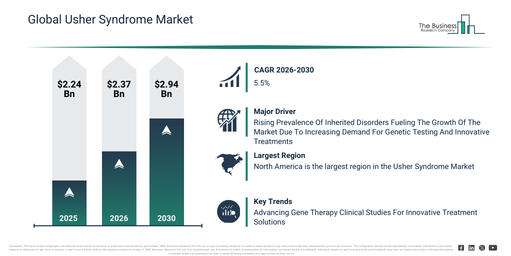
    The Usher syndrome market demonstrated robust expansion historically, projected to increase from $2.24 billion in 2025 to $2.37 billion in 2026, reflecting a compound annual growth rate of 5.7%. This preceding growth trajectory was fueled by heightened public understanding of hereditary sensory impairments, the broader reach of genetic counseling, the advent of sophisticated diagnostic technologies, the proliferation of specialized clinics catering to rare conditions, and enhanced screening protocols for visual system disorders.

    The Usher syndrome market is projected for significant expansion over the coming years, anticipated to reach $2.94 billion by 2030, demonstrating a compound annual growth rate of 5.5%. This upswing is fueled by intensified research into gene therapy, increased financial backing for rare disease treatments, a greater embrace of individualized medical strategies, the proliferation of early intervention initiatives, and strengthened partnerships between academic centers and healthcare entities. Key developments shaping this period include a heightened reliance on genetic testing for prompt identification, a greater emphasis on gene-centric therapeutic methodologies, expanded utilization of sophisticated diagnostic imaging technologies, the development of comprehensive treatment plans involving multiple specialties, and improved systems for patient oversight and condition management.

    Download A Free Sample Report For Comprehensive Market Insights:

    https://www.thebusinessresearchcompany.com/sample.aspx?id=23555&type=smp

    Usher Syndrome Market Expansion Supported By Key Demand Factors

    The increasing incidence of hereditary conditions is anticipated to be a significant driver for the expansion of the Usher syndrome market. Hereditary conditions, characterized by their transmission from parents to children via genetic material, frequently stem from alterations in specific genes. Factors such as a rise in parental age contribute to a greater likelihood of genetic conditions manifesting in newborns, thus elevating the overall prevalence of these disorders. Usher syndrome, being a genetic disorder, necessitates prompt identification, tailored medical attention, and specific therapies. Heightened public consciousness and expanded screening protocols for genetic conditions are leading to the detection of more Usher syndrome cases, consequently boosting the demand for diagnostic tools, genetic advisory services, and treatment modalities. Illustrating this trend, data from the World Health Organization in February 2023 indicated that congenital disorders tragically resulted in approximately 240,000 infant fatalities globally within their first month of life annually, in addition to an estimated 170,000 deaths among children between one month and five years of age. Consequently, the growing occurrence of inherited disorders is poised to fuel the Usher syndrome market’s growth.

    Usher Syndrome Market Segments: Where Are The Largest Growth Opportunities?

    The usher syndrome market covered in this report is segmented –

    1) By Type: Type 1, Type 2, Type 3, Other Types

    2) By Treatment: Devices, Drugs, Therapy, Other Treatments

    3) By Diagnosis: Electroretinogram, Optical Coherence Tomography, Video Nystagmography, Audiology, Genetic Testing, Other Diagnoses

    4) By Distribution Channels: Hospital Pharmacy, Retail Pharmacy, Other Distribution Channels

    5) By End-Users: Hospitals, Speciality Clinics, Other End-Users

    Subsegments:

    1) By Type 1: MYO7A Mutation, USH1C Mutation, CDH23 Mutation, PCDH15 Mutation, USH1G Mutation

    2) By Type 2: USH2A Mutation, GPR98 Mutation, DFNB31 Mutation

    3) By Type 3: CLRN1 Mutation, Rare Mutations

    4) By Other Types: Atypical Usher Syndrome, Rare Genetic Variants

    Usher Syndrome Market Growth Trends Influencing Competitive Dynamics

    Entities dominant within the usher syndrome market are dedicating efforts towards rigorous clinical investigations to pioneer gene therapies and novel interventions capable of mitigating or restoring impairments in sight and sound. These research initiatives are geared towards refining methods for early detection, advancing supportive technological solutions, and examining pharmaceutical approaches for more effective disease control. As an illustration, in October 2024, a notable Italian biotechnology firm, AAVantgarde Bio, initiated the LUCE-1 investigation, a dual-phase clinical endeavor designed to scrutinize the safety profile and therapeutic impact of their gene therapy candidate, AAVB-081, intended for individuals afflicted with retinitis pigmentosa linked to Usher Syndrome type 1B (USH1B). The primary objectives of the LUCE-1 trial involve evaluating the safety and tolerance of AAVB-081, a therapeutic agent designed to introduce a functional variant of the MYO7A gene, which is vital for the proper functioning of the retina.

    Usher Syndrome Market Major Participants And Competitive Dynamics

    Major companies operating in the usher syndrome market are Cochlear Ltd, Advanced Bionics AG, Spark Therapeutics, Editas Medicine Inc, ProQR Therapeutics NV, Odylia Therapeutics, ReNeuron Group plc, Sensorion SAS, Gensight Biologics, AAVantgarde Bio, Laboratoires Théa, Atsena Therapeutics, Nanoscope Therapeutics, Nacuity Pharmaceuticals, Janus Biotechnology, Eiger BioPharmaceuticals, Audentes Therapeutics, Sarepta Therapeutics, Regeneron Pharmaceuticals, Amgen, Alnylam Pharmaceuticals, UniQure

    Access The Complete Usher Syndrome Market Report:

    https://www.thebusinessresearchcompany.com/report/usher-syndrome-global-market-report

    Usher Syndrome Market Geographic Distribution And Regional Opportunities

    North Americawas the largest region in the usher syndrome market in 2025. Asia-Pacificis expected to be the fastest-growing region in the forecast period. The regions covered in the usher syndrome market report are Asia-Pacific, South East Asia, Western Europe, Eastern Europe, North America, South America, Middle East, Africa.

    Get in touch with us:

    The Business Research Company: https://www.thebusinessresearchcompany.com/

    Americas: +1 310-496-7795

    Asia: +44 7882 955267 & +91 8897263534

    Europe: +44 7882 955267

    Email us at: marketing@tbrc.info

    Follow us on:

    LinkedIn: https://in.linkedin.com/company/the-business-research-company

    YouTube: https://www.youtube.com/channel/UC24_fI0rV8cR5DxlCpgmyFQ

    Global Market Model: https://www.thebusinessresearchcompany.com/global-market-model
  • Urticaria Market Trends Are Creating New Opportunities For Industry Leaders

    Urticaria Market Trends Are Creating New Opportunities For Industry Leaders

    Through market attractiveness analysis, total addressable market evaluation, company benchmarking matrices, interactive Excel dashboards, expanded supply chain intelligence, emerging startup coverage, and detailed product insights, The Business Research Company’s 2026 market reports provide more actionable and strategically valuable research.

    Urticaria Market Revenue Outlook: What CAGR Is Expected Through 2030?

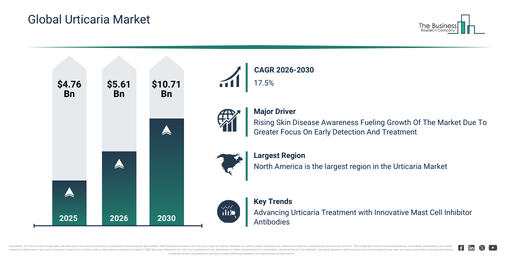
    The urticaria sector experienced a significant expansion during the recent past period. Projections indicate a continued upward trajectory, with market value anticipated to escalate from $4.76 billion in the year 2025 to $5.61 billion by 2026, reflecting a compound annual growth rate (CAGR) of 17.9%. Factors contributing to this growth during the preceding period include a rise in the incidence of allergic skin ailments, increased utilization of antihistamine medications, a broader availability of dermatological treatment options, heightened public understanding of chronic urticaria, and the accessibility of prescription-based therapeutic interventions.

    The global urticaria market is poised for substantial expansion, projected to reach $10.71 billion by the year 2030, reflecting a robust compound annual growth rate (CAGR) of 17.5%. This anticipated surge is underpinned by several key factors, including the escalating adoption of biologic medications, a growing preference for extended-release treatment options, and an increased emphasis on the development and application of immune-modulating drugs. Furthermore, the proliferation of specialized dermatology centers and augmented investments in research pertaining to allergies and immunology are expected to significantly contribute to market growth. During this forecast period, dominant trends are anticipated to involve the advancement of biologic and monoclonal antibody treatments, a greater utilization of tailored therapeutic strategies, a heightened focus on the comprehensive management of chronic urticaria, the introduction of more sophisticated antihistamine formulations, and an overarching drive towards achieving sustained control over the condition.

    Download A Free Sample Report For Comprehensive Market Insights:

    https://www.thebusinessresearchcompany.com/sample.aspx?id=23554&type=smp

    Urticaria Market Growth Drivers And Industry Catalysts

    Heightened consciousness regarding skin ailments and their management is anticipated to propel the urticaria market’s expansion. Escalating pollution levels contribute to a rise in skin allergies and related conditions, consequently amplifying the need for awareness campaigns and sophisticated treatment modalities. Urticaria plays a role in advancing public knowledge and medical intervention for skin diseases by illustrating immune system reactions, stimulating scientific investigation, refining diagnostic capabilities, and fostering the development of specialized treatments. An example illustrating the broader context of skin health was the February 2024 report from The Skin Cancer Foundation, a non-profit organization in the United States, which indicated that one-fifth of Americans will be diagnosed with skin cancer by the age of 70, with mortality occurring hourly across the U.S., underscoring the critical importance of proactive strategies, given that experiencing five or more instances of sunburn significantly elevates the likelihood of developing melanoma. Thus, a growing emphasis on recognizing and treating skin diseases is a key factor fueling the urticaria market’s growth.

    Urticaria Market Segment Analysis: What Are The Major Market Categories?

    The urticaria market covered in this report is segmented –

    1) By Type: Acute Urticaria, Chronic Urticaria

    2) By Drug Class: Antihistamines, Anti-inflammation Medications, Antidepressants, Monoclonal Antibodies, Other Drug Classes

    3) By Route of Administration: Oral, Parenteral, Other Routes Of Administration

    4) By Distribution Channel: Hospital Pharmacy, Online Pharmacy, Retail Pharmacy

    5) By End-Users: Hospitals, Homecare, Specialty Clinics, Other End-Users

    Subsegments:

    1) By Acute Urticaria: Allergic Urticaria, Infectious Urticaria, Drug-Induced Urticaria, Contact Urticaria

    2) By Chronic Urticaria: Chronic Spontaneous Urticaria (CSU), Chronic Inducible Urticaria (CIndU)

    #Urticaria Market Trends Influencing Long-Term Demand

    Within the urticaria sector, key players are concentrating on pioneering advancements, notably the creation of mast cell inhibitor antibodies, as a sophisticated approach to chronic spontaneous urticaria treatment by mitigating mast cell activity. These inhibitor antibodies represent a specialized form of monoclonal antibody engineered to impede the activation or release of substances from mast cells, accomplished through the blockade of particular receptors or intercellular communication routes, which consequently diminishes allergic responses, inflammatory processes, and other conditions driven by mast cells. Illustrating this trend, in May of 2024, Allakos Inc., a biotechnology firm situated in the United States, commenced a Phase 1 clinical evaluation for AK006, a treatment candidate intended for chronic spontaneous urticaria (CSU). This novel therapeutic agent is formulated to address both IgE-dependent and IgE-independent mechanisms of mast cell activation, potentially yielding superior effectiveness in individuals unresponsive to antihistamines or preceding biological therapies. Through its specific obstruction of mast cell function via the Siglec-6 receptor, AK006 endeavors to deliver a more thorough and enduring resolution for CSU, signaling a notable leap forward in both urticaria care and the field of immunotherapy investigation.

    Urticaria Market Leading Companies Driving Competitive Growth

    Major companies operating in the urticaria market are Sanofi S.A., Novartis AG, GlaxoSmithKline PLC, Roche Holding AG, Teva Pharmaceutical Industries Ltd, Sun Pharmaceutical Industries Ltd, Incyte Corporation, Kyowa Kirin Co. Ltd, Argenx SE, Allakos Inc, AstraZeneca plc, Kiniksa Pharmaceuticals Ltd, United BioPharma Inc, Celldex Therapeutics Inc, Yuhan Corporation, Hangzhou Highlightll Pharmaceutical Co Ltd, Evommune Inc, Rapt Therapeutics Inc, Enanta Pharmaceuticals Inc, UCB Pharma

    Access The Complete Urticaria Market Report:

    https://www.thebusinessresearchcompany.com/report/urticaria-global-market-report

    Urticaria Market Largest Region By Revenue And Market Share

    North Americawas the largest region in the urticaria market in 2025. Asia-Pacificis expected to be the fastest-growing region in the forecast period. The regions covered in the urticaria market report are Asia-Pacific, South East Asia, Western Europe, Eastern Europe, North America, South America, Middle East, Africa.

    Get in touch with us:

    The Business Research Company: https://www.thebusinessresearchcompany.com/

    Americas: +1 310-496-7795

    Asia: +44 7882 955267 & +91 8897263534

    Europe: +44 7882 955267

    Email us at: marketing@tbrc.info

    Follow us on:

    LinkedIn: https://in.linkedin.com/company/the-business-research-company

    YouTube: https://www.youtube.com/channel/UC24_fI0rV8cR5DxlCpgmyFQ

    Global Market Model: https://www.thebusinessresearchcompany.com/global-market-model