Month: June 2026

  • Human Metapneumovirus Diagnostics Market Expansion Is Opening New Pathways For Strategic Investment

    Human Metapneumovirus Diagnostics Market Expansion Is Opening New Pathways For Strategic Investment

    Through market attractiveness analysis, total addressable market evaluation, company benchmarking matrices, interactive Excel dashboards, expanded supply chain intelligence, emerging startup coverage, and detailed product insights, The Business Research Company’s 2026 market reports provide more actionable and strategically valuable research.

    Human Metapneumovirus Diagnostics Market Expansion Outlook: What Revenue Opportunities Lie Ahead?

    The market for human metapneumovirus diagnostics has recently experienced substantial expansion, with projections indicating a trajectory from 0.54 billion USD in 2025 to 0.59 billion USD in 2026, reflecting a compound annual growth rate of 10.1%. This historical growth surge is largely attributable to the increasing prevalence of respiratory infections, a greater number of infant and elderly patients requiring hospital care, the broader availability of PCR diagnostic methods, elevated public and medical awareness concerning respiratory viruses beyond influenza, and enhanced accessibility to diagnostic laboratory services.

    The market for human metapneumovirus diagnostics is poised for significant expansion, projected to reach $0.86 billion by 2030, fueled by a compound annual growth rate of 9.9%. This upward trajectory is bolstered by several key factors: a surging need for expedited respiratory diagnostic solutions, the broader application of multiplex and syndromic testing methodologies, escalated investments funneling into advancements in molecular diagnostic technologies, a heightened emphasis on promptly and precisely identifying viral infections, and a strengthened global readiness to confront seasonal respiratory illnesses. Within the projected timeframe, prominent trends are anticipated to shape the landscape, including a greater embrace of molecular diagnostic approaches for identifying respiratory viruses, a growing preference for swift point-of-care testing for hmpv, a more pronounced focus on early detection strategies particularly within pediatric and geriatric healthcare settings, the widening availability of comprehensive multiplex panels for detecting various respiratory pathogens, and an increasing incorporation of diagnostic outcomes into the framework of clinical decision-making.

    Download A Free Sample Report For Comprehensive Market Insights:

    https://www.thebusinessresearchcompany.com/sample.aspx?id=24241&type=smp

    Human Metapneumovirus Diagnostics Market Demand Drivers: What Is Fueling Industry Growth?

    The expanding incidence of respiratory ailments is anticipated to be a key catalyst for the advancement of the human metapneumovirus diagnostics market. These respiratory afflictions, stemming from viral, bacterial, or other infectious agents, impact vital parts of the respiratory system like the sinuses, throat, airways, and lungs. A contributing factor to the increased spread of these illnesses is exposure to environmental pollutants, which can inflame and compromise the respiratory tract, rendering it more susceptible to infection. Diagnostic tools for human metapneumovirus (hMPV) are instrumental in pinpointing hMPV as the origin of respiratory symptoms, thereby facilitating appropriate medical intervention and enhancing patient care strategies. Illustratively, data from the UK Health Security Agency in January 2025 revealed that in England, during the 2023-2024 period, respiratory infection rates surged, reaching 8.0 per 100,000 individuals during weeks 50 and 52 of 2023, and climbing to 10.2 per 100,000 by week 4 of 2024, alongside a total of 2,051 reported acute respiratory infection (ARI) cases in communal environments, predominantly in care facilities and hospitals. Consequently, the escalating occurrence of respiratory infections is acting as a significant driver for the expansion of the human metapneumovirus diagnostics sector.

    Human Metapneumovirus Diagnostics Market Segment Analysis Highlighting Growth Areas

    The human metapneumovirus diagnostics market covered in this report is segmented –

    1) By Product Type: Reagents And Kits, Instruments

    2) By Test Type: Molecular Diagnostics, Immunodiagnostics

    3) By Technology: PCR-Based Diagnostics, Immunofluorescence Assays, Lateral Flow Assays

    4) By End-Use: Hospitals And Clinics, Diagnostic And Reference Laboratories, Academic And Research Institutions, Other End Users

    Subsegments:

    1) By Reagents And Kits: Sample Collection Kits, Nucleic Acid Extraction Kits, Viral Transport Media, Control Reagents

    2) By Instruments: Thermal Cyclers, Automated Analyzers, Nucleic Acid Extractors, Fluorescence Readers

    Human Metapneumovirus Diagnostics Market Innovation Trends: Which Developments Are Transforming The Industry?

    Leading entities within the human metapneumovirus diagnostics sector are prioritizing the creation of cutting-edge diagnostic tools, exemplified by the advancement of respiratory polymerase chain reaction (PCR) diagnostic solutions, aiming to bolster molecular detection capabilities for an extensive array of respiratory illnesses. Such a respiratory polymerase chain reaction (PCR) diagnostic solution represents a sophisticated molecular analysis technique designed for the identification and detection of respiratory pathogens through the amplification of their genetic components, offering remarkable sensitivity and precision. As an illustration of this trend, in March of 2023, Jiangsu BioPerfectus Technologies Co., Ltd., a molecular diagnostics firm headquartered in China, introduced its multiplex real-time polymerase chain reaction (PCR) diagnostic kit for respiratory pathogens. This innovative product facilitates the simultaneous detection of numerous respiratory pathogens with exceptional accuracy and swift results, thereby improving diagnostic effectiveness in both clinical environments and at the point of care. The broad pathogen coverage and dependable performance of this kit are instrumental in facilitating prompt clinical judgments, especially in cases involving respiratory infections that present with similar clinical manifestations.

    Human Metapneumovirus Diagnostics Market Leading Companies: Who Holds Significant Market Presence?

    Major companies operating in the human metapneumovirus diagnostics market are F. Hoffmann-La Roche Ltd., Thermo Fisher Scientific Inc., Abbott Laboratories, Quest Diagnostics, Hologic Inc., QuidelOrtho Corporation, Bio-Rad Laboratories Inc., ARUP Laboratories, Qiagen NV, Diasorin, Luminex Corporation, bioMérieux, Seegene Inc., Cepheid, R-Biopharm AG, Certest Biotec, ZeptoMetrix, Xi’an Tianlong Science and Technology Co. Ltd, The Native Antigen Company, Hangzhou Testsea Biotechnology Co. Ltd., Attogene.

    Access The Complete Human Metapneumovirus Diagnostics Market Report:

    https://www.thebusinessresearchcompany.com/report/human-metapneumovirus-diagnostics-global-market-report

    Human Metapneumovirus Diagnostics Market Geographic Analysis: Where Is Demand Growing The Fastest?

    North Americawas the largest region in the human metapneumovirus diagnostics market in 2025. Asia-Pacificis expected to be the fastest-growing region in the forecast period. The regions covered in the human metapneumovirus diagnostics market report are Asia-Pacific, South East Asia, Western Europe, Eastern Europe, North America, South America, Middle East, Africa.

    Get in touch with us:

    The Business Research Company: https://www.thebusinessresearchcompany.com/

    Americas: +1 310-496-7795

    Asia: +44 7882 955267 & +91 8897263534

    Europe: +44 7882 955267

    Email us at: marketing@tbrc.info

    Follow us on:

    LinkedIn: https://in.linkedin.com/company/the-business-research-company

    YouTube: https://www.youtube.com/channel/UC24_fI0rV8cR5DxlCpgmyFQ

    Global Market Model: https://www.thebusinessresearchcompany.com/global-market-model

  • Human Metapneumovirus (hMPV) Therapeutics Market Trends Are Creating New Opportunities For Industry Leaders

    Human Metapneumovirus (hMPV) Therapeutics Market Trends Are Creating New Opportunities For Industry Leaders

    Delivering more actionable and strategically valuable research, The Business Research Company’s 2026 market reports feature market attractiveness analysis, total addressable market evaluation, company benchmarking matrices, interactive Excel dashboards, expanded supply chain intelligence, emerging startup coverage, and detailed product insights.

    Human Metapneumovirus (hMPV) Therapeutics Market Growth Potential: How Will Market Size Change Through 2030?

    The market for human metapneumovirus (hMPV) therapies has experienced robust expansion lately and is projected to increase from $0.7 billion in 2025 to $0.74 billion in 2026, reflecting a compound annual growth rate (CAGR) of 6.2%. This past growth trajectory was significantly influenced by the prevalence of respiratory viral infections, the absence of targeted approved antiviral treatments for hMPV, a prevalent reliance on supportive care and symptom management, a higher rate of hospital admissions among infants and the elderly, and heightened awareness surrounding viral lower respiratory tract infections.

    The market for therapies targeting human metapneumovirus (hmpv) is poised for substantial expansion, projected to reach a value of $0.94 billion by 2030, exhibiting a compound annual growth rate (CAGR) of 6.0%. This anticipated growth is fueled by a heightened emphasis on crafting treatments specifically designed for the virus, augmented investment in the study of respiratory viruses, a growing need for potent remedies among individuals with compromised immune systems, the broadening scope of trials for new antiviral drugs, and enhanced readiness for periodic outbreaks of respiratory viruses. Key developments anticipated during this period include a prevailing trend towards antiviral treatments tailored for respiratory viruses, a greater call for therapies that alleviate symptoms in young and elderly patients, an increasing priority placed on early intervention strategies for vulnerable groups, the wider availability of supportive care options for viral respiratory illnesses, and a sustained increase in research investigating innovative approaches to treating hmpv.

    Download A Free Sample Report For Comprehensive Market Insights:

    https://www.thebusinessresearchcompany.com/sample.aspx?id=23420&type=smp

    Human Metapneumovirus (hMPV) Therapeutics Market Growth Drivers: What Factors Are Accelerating Expansion?

    The escalating incidence of respiratory ailments is anticipated to be a primary catalyst for the expansion of the human metapneumovirus (HMPV) therapeutics market. Respiratory infections, characterized by their impact on the nasal passages, throat, airways, and lungs, are becoming more common, largely attributed to heightened levels of air pollution. These pollutants, including fine particulate matter and nitrogen dioxide, compromise the respiratory system’s defenses, rendering individuals more vulnerable to infections. Treatments for hMPV are crucial in managing infections caused by the virus; they work by inhibiting viral reproduction and diminishing inflammation via antiviral interventions and supportive measures, thereby enhancing the well-being of susceptible populations like infants, seniors, and those with compromised immune systems. As an illustration, data released in June 2024 by the Australian Institute of Health and Welfare indicated that Chronic Obstructive Pulmonary Disease (COPD) represented 3.6% of Australia’s total disease burden in 2023, constituting half of the respiratory condition burden, with an estimated 638,000 individuals (2.5% of the populace) diagnosed with COPD in 2022. Consequently, the growing prevalence of respiratory infections is a significant driver for the human metapneumovirus (HMPV) therapeutics market.

    Human Metapneumovirus (hMPV) Therapeutics Market Segment Performance And Strategic Opportunities

    The human metapneumovirus (hmpv) therapeutics market covered in this report is segmented –

    1) By Drug Class: Antipyretic, Decongestants, Cough Suppressants, Other Drug Classes

    2) By Distribution Channel: Hospital Pharmacies, Retail Pharmacies, Online Pharmacies

    3) By End-Use: Hospitals And Clinics, Academic And Research Institutions, Other End-Uses

    Subsegments:

    1) By Antipyretic: Nonsteroidal Anti-Inflammatory Drugs (NSAIDs), Acetaminophen (Paracetamol)

    2) By Decongestants: Nasal Decongestants, Oral Decongestants

    3) By Cough Suppressants: Dextromethorphan, Benzonatate

    4) By Other Drug Classes: Antiviral Agents, Inhaled Corticosteroids

    Human Metapneumovirus (hMPV) Therapeutics Market Trends: What Is Shaping Future Industry Growth?

    Leading entities within the human metapneumovirus (hMPV) therapeutics sector are concentrating their efforts on the creation of specialized antiviral treatments, notably monoclonal antibodies, to efficiently address hMPV-related illnesses. These lab-engineered proteins are designed to replicate the human immune system’s inherent mechanisms for disease defense. Monoclonal antibodies serve as a precise therapeutic approach for a range of conditions, from cancer to autoimmune diseases, by selectively attaching to and deactivating detrimental antigens or cells. As an illustration, in October 2024, Vicebio Ltd., a biopharmaceutical firm headquartered in the UK, successfully raised $100 million through its Series B funding round, with TCGX spearheading the investment and contributions from Goldman Sachs Alternatives and other participants, to propel the development of its advanced respiratory virus vaccines. This financial injection will facilitate the ongoing Phase 1 clinical trial for VXB-241, a dual-action vaccine aimed at RSV and hMPV, with preliminary findings anticipated by mid-2025. Furthermore, the funding will expedite the progression of VXB-251, a comprehensive vaccine targeting RSV, hMPV, and Parainfluenza Virus 3, thereby intending to alleviate the considerable health challenges faced by the elderly population.

    Human Metapneumovirus (hMPV) Therapeutics Market Key Players: Which Companies Shape Industry Competition?

    Major companies operating in the human metapneumovirus (hmpv) therapeutics market are Pfizer Inc., Sanofi S.A, AstraZeneca Plc, Merck KGaA, Moderna Inc, Novartis AG, Roche Holding AG, Johnson & Johnson, GlaxoSmithKline plc, Eli Lilly and Company, Bristol Myers Squibb Company, AbbVie Inc, Takeda Pharmaceutical Company Limited, Bayer AG, CSL Limited, Regeneron Pharmaceuticals Inc, BioNTech SE, Vertex Pharmaceuticals Incorporated, Alnylam Pharmaceuticals Inc, Vir Biotechnology Inc., Enanta Pharmaceuticals Inc.

    Access The Complete Human Metapneumovirus (hMPV) Therapeutics Market Report:

    https://www.thebusinessresearchcompany.com/report/human-metapneumovirus-hmpv-therapeutics-global-market-report

    Human Metapneumovirus (hMPV) Therapeutics Market Global Footprint: Which Region Holds Market Leadership?

    North Americawas the largest region in the human metapneumovirus (hMPV) therapeutics market in 2025. Asia-Pacificis expected to be the fastest-growing region in the forecast period. The regions covered in the human metapneumovirus (hmpv) therapeutics market report are Asia-Pacific, South East Asia, Western Europe, Eastern Europe, North America, South America, Middle East, Africa.

    Get in touch with us:

    The Business Research Company: https://www.thebusinessresearchcompany.com/

    Americas: +1 310-496-7795

    Asia: +44 7882 955267 & +91 8897263534

    Europe: +44 7882 955267

    Email us at: marketing@tbrc.info

    Follow us on:

    LinkedIn: https://in.linkedin.com/company/the-business-research-company

    YouTube: https://www.youtube.com/channel/UC24_fI0rV8cR5DxlCpgmyFQ

    Global Market Model: https://www.thebusinessresearchcompany.com/global-market-model

  • Human Liver Model Market Growth Is Reshaping Competitive Advantage Across The Industry

    Human Liver Model Market Growth Is Reshaping Competitive Advantage Across The Industry

    Enhanced with market attractiveness analysis, total addressable market evaluation, company benchmarking matrices, interactive Excel dashboards, expanded supply chain intelligence, emerging startup coverage, and detailed product insights, The Business Research Company’s 2026 market reports deliver more actionable and strategically valuable research.

    Human Liver Model Market Value Analysis: What Growth Is Expected Over The Forecast Period?

    The market for human liver models has experienced substantial expansion lately. It is projected to increase from $2.62 billion in 2025 to $2.98 billion in 2026, reflecting a compound annual growth rate (CAGR) of 13.5%. This notable growth during the preceding period can be linked to several key factors, including the rise in drug failures stemming from liver toxicity issues, the inherent constraints of conventional animal testing methods, an uptick in pharmaceutical research and development endeavors, the early integration of 2D liver cell culture systems, and an intensified emphasis on assessing drug safety.

    The market for human liver models is poised for substantial expansion over the coming years, projected to reach $5.02 billion by 2030 with a compound annual growth rate of 14.0%. This upward trajectory is fueled by several key drivers, including a heightened need for precise toxicology evaluations, the proliferation of organ-on-chip technology, a stronger regulatory push to curtail animal experimentation, increased financial backing for sophisticated in vitro research instruments, and a greater reliance on human-based models during the initial stages of drug development. Significant developments anticipated within this timeframe encompass the broader integration of cutting-edge in vitro liver models for toxicity assessments, the expanding application of liver organoids in drug discovery processes, a growing inclination towards human-centric models as alternatives to animal testing, the wider deployment of liver-on-a-chip systems in preclinical investigations, and a surge in demand for tools capable of accurately predicting hepatotoxicity.

    Download A Free Sample Report For Comprehensive Market Insights:

    https://www.thebusinessresearchcompany.com/sample.aspx?id=12244&type=smp

    Human Liver Model Market Growth Factors Supporting Long-Term Expansion

    The expansion of the human liver model market is anticipated to be fueled by a rise in clinical trial activities. These research investigations, designed to assess the safety and effectiveness of novel treatments, drugs, or medical approaches in human subjects, frequently employ human liver models. Such models are instrumental in replicating and examining drug metabolism and potential liver toxicity during the pharmaceutical development process. A notable example illustrating this trend is the report from the Association of the British Pharmaceutical Industry (ABPI) in December 2024, which indicated an increase in UK-initiated clinical trials, climbing from 411 in 2022 to 426 in 2023. Consequently, this surge in clinical trials directly contributes to the growth of the human liver model market.

    Human Liver Model Market Segment Landscape And Growth Potential

    The human liver model market covered in this report is segmented –

    1) By Product: Liver Organoids, Liver-On-A-Chip, 2D Models, 3D Bioprinting

    2) By Application: Educational, Drug Discovery, Other Applications

    3) By End Users: Research Institutes, Pharmaceutical Companies, Other End Users

    Subsegments:

    1) By Liver Organoids: Primary Liver Organoids, Induced Pluripotent Stem Cell (iPSC)-Derived Organoids

    2) By Liver-On-A-Chip: Microfluidic Liver Chips, Multi-Organ Chip Systems

    3) By 2D Models: Liver Cell Cultures, Liver Cell Lines

    4) By 3D Bioprinting: Bioprinted Liver Tissues, Hybrid Bioprinted Models

    Human Liver Model Market Industry Trends Shaping Future Revenue Growth

    Leading corporations within the human liver model sector are concentrating their efforts on creating sophisticated platforms, specifically single-organ higher throughput (HT) systems, with the dual aims of boosting the integration of predictive human liver models and securing a stronger market position. Such a single-organ higher throughput (HT) system represents a technological advancement engineered for efficient and economical drug discovery, aiming to surmount the challenges that impede the broader acceptance of predictive human liver models. As an illustration, in February of 2023, CN Bio, a firm specializing in organ-on-a-chip technology based in the United Kingdom, introduced its PhysioMimix along with the Liver-48 plate, a single-organ higher throughput (HT) system conceived to tackle the impediments obstructing the utilization of predictive human liver models in the realm of drug discovery. This innovative technology furnishes a solution that is both scalable and economically viable, empowering researchers to undertake more extensive comparative analyses concerning drug disposition, effectiveness, and safety. The Liver-48 plate itself is a multi-chip component that downscales the company’s established human liver model, making it suitable for a range of applications such as forecasting drug-induced liver damage and evaluating drug metabolism.

    Human Liver Model Market Competitive Landscape: Who Are The Leading Companies?

    Major companies operating in the human liver model market are Corning Incorporated, EISCO Scientific LLC, BioIVT LLC, Cyprotex plc, Emulate Inc., Cellink AB, Nortis Inc., InSphero AG, CN Bio Innovations Ltd., TissUse GmbH, HemoShear Therapeutics Inc., Cyfuse Biomedical, MIMETAS BV, Biopredic International Sarl, ZenBio, Hurel Corporation, Regenovo, Pandorum, Organovo Holdings Inc., BICO Group, Hepregen Corporation, Kirkstall Ltd., HepaLife Technologies Inc., Cellaïon SA.

    Access The Complete Human Liver Model Market Report:

    https://www.thebusinessresearchcompany.com/report/human-liver-model-global-market-report

    Human Liver Model Market Regional Distribution: Which Areas Drive Market Expansion?

    North Americawas the largest region in the human liver model market in 2025. The regions covered in the human liver model market report are Asia-Pacific, South East Asia, Western Europe, Eastern Europe, North America, South America, Middle East, Africa.

    Get in touch with us:

    The Business Research Company: https://www.thebusinessresearchcompany.com/

    Americas: +1 310-496-7795

    Asia: +44 7882 955267 & +91 8897263534

    Europe: +44 7882 955267

    Email us at: marketing@tbrc.info

    Follow us on:

    LinkedIn: https://in.linkedin.com/company/the-business-research-company

    YouTube: https://www.youtube.com/channel/UC24_fI0rV8cR5DxlCpgmyFQ

    Global Market Model: https://www.thebusinessresearchcompany.com/global-market-model

  • Human Immunodeficiency Viruses (HIV) Clinical Trials Market Forecast Signals New Revenue Opportunities Through 2030

    Human Immunodeficiency Viruses (HIV) Clinical Trials Market Forecast Signals New Revenue Opportunities Through 2030

    Through market attractiveness analysis, total addressable market evaluation, company benchmarking matrices, interactive Excel dashboards, expanded supply chain intelligence, emerging startup coverage, and detailed product insights, The Business Research Company’s 2026 market reports provide more actionable and strategically valuable research.

    Human Immunodeficiency Viruses (HIV) Clinical Trials Market Size Forecast: How Large Could The Market Become By 2030?

    The market for human immunodeficiency virus (HIV) clinical trials has experienced robust expansion lately. Projections indicate substantial growth, increasing from $1.94 billion in 2025 to $2.11 billion in 2026, driven by a compound annual growth rate (CAGR) of 9.2%. Factors contributing to this historical growth trajectory include the significant global burden of HIV disease, the broadening scope of antiretroviral drug investigations, augmented financial backing from both public and private sectors for HIV research initiatives, enhancements in clinical research infrastructure, and favorable regulatory environments supporting the progression of HIV drug development.

    The global market for Human Immunodeficiency Virus (HIV) clinical trials is poised for considerable expansion, projected to reach $2.97 billion by 2030, driven by an 8.9% compound annual growth rate. This anticipated growth is fueled by several key factors including the accelerating development of treatments aimed at curing and preventing HIV, the increasing implementation of adaptive clinical trial methodologies, a heightened emphasis on vaccine-related HIV research, the burgeoning application of artificial intelligence within the clinical research sphere, and a more pronounced concentration on evaluating the long-term safety and effectiveness of interventions. Furthermore, significant market trends expected to shape this period encompass the growing acceptance of decentralized clinical trial approaches, the expanded utilization of digital platforms for patient recruitment, an elevated focus on long-acting HIV therapeutic agents in ongoing trials, the greater incorporation of real-world evidence, and an improved application of data analytics for optimizing trial administration.

    Download A Free Sample Report For Comprehensive Market Insights:

    https://www.thebusinessresearchcompany.com/sample.aspx?id=28244&type=smp

    Human Immunodeficiency Viruses (HIV) Clinical Trials Market Demand Drivers Creating New Revenue Opportunities

    The expanding prevalence of Human Immunodeficiency Virus (HIV) diagnoses is anticipated to stimulate advancement within the HIV clinical trials sector. This condition, stemming from the HIV virus’s assault on the immune system, renders individuals more vulnerable to subsequent illnesses and can progress to Acquired Immunodeficiency Syndrome (AIDS). A significant factor contributing to the rise in HIV cases is a deficit in understanding how the virus is transmitted, which unfortunately leads to riskier conduct and delayed diagnostic assessments, thereby fostering the virus’s dissemination. Clinical trials for HIV play a crucial role in aiding affected individuals by evaluating novel pharmaceuticals, preventative measures like vaccines, and therapeutic approaches aimed at enhancing prevention, managing the virus with greater efficacy, and ultimately curbing its advancement and spread. Illustratively, as reported by the US-based Minority HIV/AIDS Fund (MHAF) in August 2024, an estimated 39.9 million people globally were contending with HIV in 2023, encompassing 38.6 million adults and 1.4 million children, a figure that reflects an upward trend from prior years. Consequently, the escalating rates of HIV infections are serving as a primary catalyst for the expansion of the HIV clinical trials market.

    Human Immunodeficiency Viruses (HIV) Clinical Trials Market Categorization By Product Type And Application

    The human immunodeficiency viruses (hiv) clinical trials market covered in this report is segmented –

    1) By Phase: Phase I, Phase II, Phase III, Phase IV, Preclinical

    2) By Drug Type: Antiretroviral Therapy (ART), Pre-Exposure Prophylaxis (PrEP), Post-Exposure Prophylaxis (PEP), Long-Acting Injectable Antiretrovirals, Experimental Drugs

    3) By Study Design: Interventional Studies, Observational Studies, Expanded Access Studies

    4) By Patient Population: Adults, Pediatric Patients, Seniors, Pregnant Women, High-Risk Populations

    5) By End User: Pharmaceutical Companies, Research Institutes, Hospitals, Other End-Users

    Subsegments:

    1) By Phase I: First-In-Human Studies, Safety And Tolerability Studies

    2) By Phase II: Dose-Finding Studies, Efficacy Studies

    3) By Phase III: Pivotal Trials, Comparative Efficacy Studies

    4) By Phase Iv: Post-Marketing Surveillance, Long-Term Safety Studies

    5) By Preclinical: In Vitro Studies, Animal Studies

    Human Immunodeficiency Viruses (HIV) Clinical Trials Market Trends Driving Strategic Industry Expansion

    Within the market for human immunodeficiency virus (HIV) clinical trials, key players are concentrating on pioneering advancements like injectable HIV preventatives, aiming to bolster the effectiveness of treatments and curb transmission. These injections are defined as extended-release medications given at intervals to preempt HIV acquisition in those at elevated risk by impeding the virus’s ability to initiate an infection. A notable development occurred in August 2025 when Gilead Sciences Inc., an American pharmaceutical entity, secured European Union authorization for Yeytuo (lenacapavir), a treatment for HIV. This medication, administered every six months, has demonstrated exceptional effectiveness in clinical studies, approaching 100% efficacy in preventing sexual transmission of HIV-1, thereby substantially diminishing the likelihood of contracting the virus. The prolonged duration of action offered by this injectable solution enhances patient compliance and ease of use, presenting a significant improvement over daily oral pre-exposure prophylaxis (PrEP) and addressing a critical need in HIV prevention efforts. Intended for both adults and adolescents who face a higher risk of infection, this innovation seeks to broaden accessibility and contribute to a global reduction in new HIV cases as part of broader preventative healthcare initiatives.

    Human Immunodeficiency Viruses (HIV) Clinical Trials Market Company Landscape And Strategic Competition

    Major companies operating in the human immunodeficiency viruses (hiv) clinical trials market are Johnson & Johnson, F. Hoffmann-La Roche Ltd., Pfizer Inc., AbbVie Inc., Sanofi S.A., Thermo Fisher Scientific Inc., Amgen Inc., Gilead Sciences Inc., Merck & Co., IQVIA Holdings Inc., ICON plc, Moderna Inc., ViiV Healthcare Limited, HOOKIPA Pharma Inc., Excision BioTherapeutics Inc., American Gene Technologies International Inc., Bionor Holding AS, Aelix Therapeutics, Immuno Cure BioTech Private Limited, ImmunityBio

    Access The Complete Human Immunodeficiency Viruses (HIV) Clinical Trials Market Report:

    https://www.thebusinessresearchcompany.com/report/human-immunodeficiency-viruses-hiv-clinical-trials-global-market-report

    Human Immunodeficiency Viruses (HIV) Clinical Trials Market Leading Geography: Which Region Generates The Most Revenue?

    North Americawas the largest region in the human immunodeficiency viruses (HIV) clinical trials market in 2025. Asia-Pacific is expected to be the fastest-growing region in the forecast period. The regions covered in the human immunodeficiency viruses (hiv) clinical trials market report are Asia-Pacific, South East Asia, Western Europe, Eastern Europe, North America, South America, Middle East, Africa.

    Get in touch with us:

    The Business Research Company: https://www.thebusinessresearchcompany.com/

    Americas: +1 310-496-7795

    Asia: +44 7882 955267 & +91 8897263534

    Europe: +44 7882 955267

    Email us at: marketing@tbrc.info

    Follow us on:

    LinkedIn: https://in.linkedin.com/company/the-business-research-company

    YouTube: https://www.youtube.com/channel/UC24_fI0rV8cR5DxlCpgmyFQ

    Global Market Model: https://www.thebusinessresearchcompany.com/global-market-model
  • Human Immunodeficiency Virus Therapeutics Market Growth Is Accelerating As Industry Transformation Continues

    Human Immunodeficiency Virus Therapeutics Market Growth Is Accelerating As Industry Transformation Continues

    Delivering more actionable and strategically valuable research, The Business Research Company’s 2026 market reports feature market attractiveness analysis, total addressable market evaluation, company benchmarking matrices, interactive Excel dashboards, expanded supply chain intelligence, emerging startup coverage, and detailed product insights.

    Human Immunodeficiency Virus Therapeutics Market Revenue Outlook: What CAGR Is Expected Through 2030?

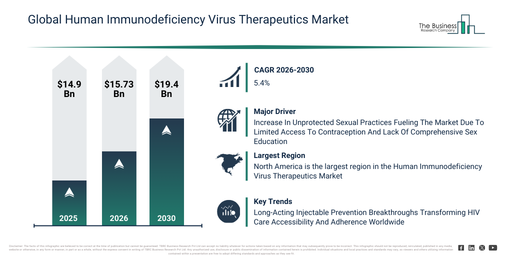
    In recent times, a robust expansion has been observed in the market for human immunodeficiency virus therapeutics. Projections indicate a rise from $14.9 billion in 2025 to $15.73 billion in 2026, reflecting a compound annual growth rate of 5.6%. The impetus for this historical expansion stems from several key factors, including the substantial global prevalence of HIV infections, the broad utilization of antiretroviral therapy, substantial governmental investment in HIV treatment initiatives, a greater accessibility to affordable generic HIV medications, and enhanced survival outcomes for individuals living with HIV.

    The market for human immunodeficiency virus (HIV) treatments is poised for substantial expansion over the coming years, projected to reach $19.4 billion by 2030 with a compound annual growth rate (CAGR) of 5.4%. This projected increase is fueled by several key factors, including a heightened demand for extended-release HIV therapies, a growing emphasis on tailored treatment plans for individuals, broader accessibility to HIV care in economically developing nations, increased funding for novel antiretroviral medications, and a greater focus on managing HIV as a chronic condition over a person’s lifetime. Within this forecast period, significant market movements involve the wider adoption of combination antiretroviral therapies, a notable shift towards injectable long-acting HIV treatments, an increased focus on achieving and maintaining viral suppression early in the treatment process, a broader availability of generic antiretroviral drugs, and an enhanced commitment to treatment compliance and simplified treatment protocols.

    Download A Free Sample Report For Comprehensive Market Insights:

    https://www.thebusinessresearchcompany.com/sample.aspx?id=23419&type=smp

    Human Immunodeficiency Virus Therapeutics Market Expansion Supported By Key Demand Factors

    The increasing incidence of sexual activities lacking protective measures is anticipated to fuel the expansion of the human immunodeficiency virus therapeutics market. Such unprotected encounters, which involve no barrier methods, heighten the likelihood of contracting sexually transmitted infections and experiencing unintended pregnancies. A deficiency in thorough sex education contributes to a diminished understanding of safe practices, consequently fostering riskier conduct among younger populations. HIV therapeutics play a crucial role in mitigating the transmission risk stemming from these unprotected practices by lowering viral loads to undetectable amounts, thereby curbing the further dissemination of the virus. Illustratively, data from November 2024, as reported by the Centers for Disease Control and Prevention, a U.S. governmental entity, revealed in a 2023 survey of American high schoolers that 32% had engaged in sexual intercourse at least once, and a significant 48% admitted to not employing a condom during their latest sexual experience. Consequently, the rising trend of unprotected sexual behaviors is a key driver for the market growth in human immunodeficiency virus therapeutics.

    Human Immunodeficiency Virus Therapeutics Market Segment Analysis And Revenue Opportunities

    The human immunodeficiency virus therapeutics market covered in this report is segmented –

    1) By Drug Type: Branded Drugs, Generic Drugs

    2) By Distribution Channel: Hospital Pharmacies, Online Pharmacies, Retail Pharmacies

    3) By End-user: Hospitals And Clinics, Specialty Centers

    Subsegments:

    1) By Branded Drugs: Biktarvy, Triumeq, Genvoya, Juluca, Dovato, Isentress, Prezista

    2) By Generic Drugs: Tenofovir Disoproxil Fumarate (TDF), Lamivudine, Efavirenz, Zidovudine, Nevirapine, Abacavir, Ritonavir

    Human Immunodeficiency Virus Therapeutics Market Growth Trends Influencing Competitive Dynamics

    The key players in the Human Immunodeficiency Virus Therapeutics sector are concentrating their efforts on pioneering extended-duration, potent methods for both prevention and treatment, broadening availability via favorable reimbursement initiatives, and implementing forward-thinking clinical approaches to enhance patient compliance and decrease the incidence of new HIV cases. A notable development occurred in June 2025 when Gilead Sciences, a prominent American healthcare entity, secured FDA sanction for Yeztugo (lenacapavir), distinguished as the inaugural and sole injectable pre-exposure prophylaxis (PrEP) available biannually, signifying a substantial leap forward in HIV prevention strategies. This medication, supported by findings from the pivotal PURPOSE 1 and PURPOSE 2 clinical trials, demonstrated outstanding effectiveness, with an impressive rate of 99.9% or higher of individuals remaining free of HIV. The introduction of this long-acting injectable is designed to surmount obstacles like difficulties in consistent medication intake, social stigma, and insufficient understanding that currently impede the widespread adoption of PrEP. Consequently, Yeztugo’s authorization presents a hopeful instrument to aid in significantly lowering the number of new HIV infections among varied demographic groups. Furthermore, Gilead is actively engaged in establishing comprehensive access frameworks, which encompass collaborations with insurance providers, financial assistance for eligible patients covering co-payments, and provisions for uncompensated care through dedicated support programs.

    Human Immunodeficiency Virus Therapeutics Market Leading Players Shaping Industry Direction

    Major companies operating in the human immunodeficiency virus therapeutics market are Gilead Sciences Inc., GlaxoSmithKline plc, Merck & Co. Inc., AbbVie Inc., Johnson & Johnson, Bristol Myers Squibb Company, Pfizer Inc., F Hoffmann La Roche Ltd., Sanofi SA, Novartis International AG, Boehringer Ingelheim International GmbH, Teva Pharmaceutical Industries Ltd., Cipla Limited, Aurobindo Pharma Limited, Hetero Labs Limited, Viatris Inc., Sun Pharmaceutical Industries Ltd., Lupin Limited, Dr Reddy’s Laboratories Ltd., Mylan N.V.

    Access The Complete Human Immunodeficiency Virus Therapeutics Market Report:

    https://www.thebusinessresearchcompany.com/report/human-immunodeficiency-virus-therapeutics-global-market-report

    Human Immunodeficiency Virus Therapeutics Market Regional Outlook: Where Are The Largest Opportunities Located?

    North Americawas the largest region in the human immunodeficiency virus therapeutics market in 2025. Asia-Pacificis expected to be the fastest-growing region in the forecast period. The regions covered in the human immunodeficiency virus therapeutics market report are Asia-Pacific, South East Asia, Western Europe, Eastern Europe, North America, South America, Middle East, Africa.

    Get in touch with us:

    The Business Research Company: https://www.thebusinessresearchcompany.com/

    Americas: +1 310-496-7795

    Asia: +44 7882 955267 & +91 8897263534

    Europe: +44 7882 955267

    Email us at: marketing@tbrc.info

    Follow us on:

    LinkedIn: https://in.linkedin.com/company/the-business-research-company

    YouTube: https://www.youtube.com/channel/UC24_fI0rV8cR5DxlCpgmyFQ

    Global Market Model: https://www.thebusinessresearchcompany.com/global-market-model
  • Human Growth Hormone Market Trends And Growth Drivers Point To Strong Future Potential

    Human Growth Hormone Market Trends And Growth Drivers Point To Strong Future Potential

    Through market attractiveness analysis, total addressable market evaluation, company benchmarking matrices, interactive Excel dashboards, expanded supply chain intelligence, emerging startup coverage, and detailed product insights, The Business Research Company’s 2026 market reports provide more actionable and strategically valuable research.

    Human Growth Hormone Market Forecast: What Market Value Is Expected By 2030?

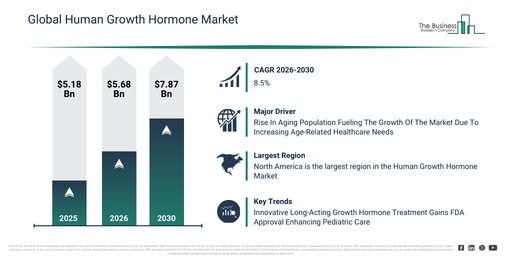
    The market for human growth hormone has experienced robust expansion lately, projecting a rise from $5.18 billion in 2025 to $5.68 billion in 2026, driven by a compound annual growth rate of 9.5%. Key factors contributing to this historical growth trajectory include a surge in diagnosed cases of growth hormone deficiency, advancements in recombinant hormone manufacturing, heightened public understanding of pediatric growth-related conditions, increased accessibility to branded human growth hormone treatments, and the established practice of hormone replacement therapy in clinical settings.

    The global market for human growth hormone is poised for significant expansion over the upcoming years, projected to reach a valuation of $7.87 billion by 2030, driven by a compound annual growth rate of 8.5%. This anticipated growth is primarily fueled by a confluence of factors, including a heightened demand for sustained-release growth hormone treatments, a greater incidence of growth hormone deficiency in adults, an escalating emphasis on tailored endocrine care, the broadening reach of specialized pharmaceutical distribution channels, and intensified investment in advancements within hormone therapy research. Key developments anticipated during this forecast period encompass a growing need for treatments addressing growth hormone deficiency, a wider acceptance of extended-release growth hormone products, increased utilization of human growth hormone in the field of pediatric endocrinology, the proliferation of recombinant growth hormone therapies, and a concentrated effort on improving patient compliance and facilitating easier methods of administration.

    Download A Free Sample Report For Comprehensive Market Insights:

    https://www.thebusinessresearchcompany.com/sample.aspx?id=15825&type=smp

    Human Growth Hormone Market Opportunity Drivers: What Is Creating New Revenue Potential?

    The increasing demographic of older individuals is anticipated to fuel the expansion of the human growth hormone market. This demographic shift, characterized by a larger segment of the population being elderly due to enhanced longevity and reduced fertility rates, is a direct consequence of medical progress that has prolonged lifespans. Older individuals utilize human growth hormone, under professional guidance, to combat age-related issues such as decreased muscle mass, diminished vigor, and impaired metabolism. Illustrating this trend, the Population Reference Bureau noted in January 2024 that the American population aged 65 and above is projected to surge from 58 million in 2022 to 82 million by 2050, a substantial 47% jump, consequently elevating their share of the total U.S. population from 17% to 23% during this timeframe. Accordingly, the growth in the elderly population is a primary impetus for the human growth hormone market’s advancement.

    Increased spending on healthcare is poised to stimulate the expansion of the human growth hormone market. Healthcare expenditure encompasses all financial outlay for health-related services, goods, and preventative measures designed to preserve and improve well-being. Human growth hormone therapy presents a distinctive strategy for moderating healthcare costs by targeting fundamental health concerns that lead to prolonged expenses, accelerating recuperation, elevating life quality, and potentially delaying the emergence of burdensome chronic ailments. For example, the Office for National Statistics in the UK reported in May 2023 that the nation’s healthcare spending saw a 5.6% increase between 2022 and 2023, a notable acceleration from the 0.9% growth observed in 2022, with total UK healthcare expenditure reaching approximately $317.63 billion (£292 billion) in 2023. Consequently, escalating healthcare expenditure is a significant driver for the human growth hormone market.

    Human Growth Hormone Market Segment Outlook: Which Categories Are Expanding The Fastest?

    The human growth hormone market covered in this report is segmented –

    1) By Product: Liquid, Powder

    2) By Brand: Norditropin, Genotropin, Humatrope, Saizen, Omnitrope, Skytrofa, Other Brands

    3) By Route Of Administration: Intramuscular, Subcutaneous

    4) By Distribution Channel: Hospital Pharmacies, Retail Pharmacies, Online Pharmacy, Specialty Pharmacy

    5) By Application: Growth Hormone (GH) Deficiency, Adult Growth Hormone (GH) Deficiency, Pediatric Growth Hormone (GH) Deficiency, Turner Syndrome, Idiopathic Short Stature, Prader-Willi Syndrome, Small For Gestational Age, Other Applications

    Subsegments:

    1) By Liquid: Pre-Filled Liquid Syringes, Vials Of Liquid Growth Hormone

    2) By Powder: Reconstitutable Powder, Freeze-Dried Powder

    Human Growth Hormone Market Innovation Trends Driving Future Development

    Leading entities within the human growth hormone sphere are prioritizing enhanced drug discovery initiatives alongside securing regulatory endorsements, aiming to refine their therapeutic portfolios and deliver superior patient care. The pathway to new drug approval is an intricate, multi-phase undertaking designed to meticulously verify a medicine’s safety, effectiveness, and quality prior to its market introduction. Illustrating this, June 2023 witnessed the joint announcement by American biopharmaceutical firm Pfizer Inc. and fellow US-based biopharmaceutical and diagnostics corporation OPKO Health Inc. regarding the US Food and Drug Administration’s sanctioning of NGENLA (somatrogon-ghla). This particular therapy presents a more user-friendly dosing schedule, thereby fostering improved patient compliance over treatments requiring daily administration, and consequently permits children diagnosed with growth hormone deficiency the considerable advantage of transitioning from daily injections to a single weekly dose. The FDA’s endorsement was substantiated by pivotal Phase 3 research that not only demonstrated NGENLA’s non-inferiority when contrasted with daily somatropin but also confirmed an equivalent safety profile.

    Human Growth Hormone Market Key Companies And Competitive Benchmarking

    Major companies operating in the human growth hormone market are Pfizer Inc., Roche Holding AG, Novartis AG, Thermo Fisher Scientific Inc., Eli Lilly and Company, Novo Nordisk A/S, Merck KGaA, Teva Pharmaceutical Industries Ltd., Sandoz International GmbH, Ipsen Pharma, Ferring Holding SA, Endo International, Zydus Lifesciences Limited, Opko Health, LG Life Sciences, EMD Serono Inc., Wockhardt Ltd., JCR Pharmaceuticals Co. Ltd., Genentech Inc., SOFAR S.p.A., United Laboratories, Ascendis Pharma, Uni-Pharma S.A., Versartis Inc., Reliance Life Sciences, Anhui Anke Biotechnology (Group) Co. Ltd., Rani Therapeutics

    Access The Complete Human Growth Hormone Market Report:

    https://www.thebusinessresearchcompany.com/report/human-growth-hormone-global-market-report

    Human Growth Hormone Market Largest Region: Which Geography Holds The Highest Market Share?

    North Americawas the largest region in the human growth hormone market in 2025. Asia-Pacificis expected to be the fastest-growing region in the forecast period. The regions covered in the human growth hormone market report are Asia-Pacific, South East Asia, Western Europe, Eastern Europe, North America, South America, Middle East, Africa.

    Get in touch with us:

    The Business Research Company: https://www.thebusinessresearchcompany.com/

    Americas: +1 310-496-7795

    Asia: +44 7882 955267 & +91 8897263534

    Europe: +44 7882 955267

    Email us at: marketing@tbrc.info

    Follow us on:

    LinkedIn: https://in.linkedin.com/company/the-business-research-company

    YouTube: https://www.youtube.com/channel/UC24_fI0rV8cR5DxlCpgmyFQ

    Global Market Model: https://www.thebusinessresearchcompany.com/global-market-model
  • Human Epidermal Growth Factor Market Expansion Is Reshaping Competitive Dynamics Across The Industry

    Human Epidermal Growth Factor Market Expansion Is Reshaping Competitive Dynamics Across The Industry

    Delivering more actionable and strategically valuable research, The Business Research Company’s 2026 market reports feature market attractiveness analysis, total addressable market evaluation, company benchmarking matrices, interactive Excel dashboards, expanded supply chain intelligence, emerging startup coverage, and detailed product insights.

    Human Epidermal Growth Factor Market Size Outlook: How Fast Will Revenue Grow Through 2030?

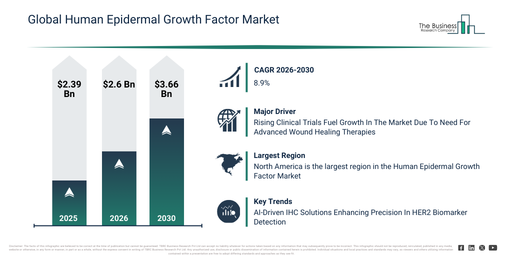
    The market for human epidermal growth factor experienced robust expansion recently, with projections indicating continued growth from $2.39 billion in 2025 to $2.6 billion in 2026, reflecting a compound annual growth rate of 9.2%. This strong historical performance is largely attributable to escalating demands in wound care treatments, a heightened incorporation of biological agents within dermatological practices, significant strides in protein purification methodologies, the burgeoning field of regenerative medicine research, and an increasing acceptance of growth factor therapies in clinical settings.

    The market for human epidermal growth factor is projected for robust expansion in the upcoming years, anticipated to reach $3.66 billion by 2030, driven by a compound annual growth rate (CAGR) of 8.9%. This projected increase stems from several key factors including a heightened demand for tissue regeneration treatments, augmented investments in the production of biologics, a broader reach of cosmetic and aesthetic interventions, an intensified emphasis on precision biologics, and ongoing research exploring innovative uses for growth factors. Significant developments anticipated within this forecast period encompass a greater utilization of recombinant growth factors, escalating adoption in sophisticated wound care solutions, expanded applications within dermatology and aesthetic medicine, a ramp-up in clinical investigations for regenerative therapies, and a more pronounced dedication to developing high-purity biologic formulations.

    Download A Free Sample Report For Comprehensive Market Insights:

    https://www.thebusinessresearchcompany.com/sample.aspx?id=24564&type=smp

    Human Epidermal Growth Factor Market Growth Momentum: Which Factors Are Influencing Demand?

    The expansion of the human epidermal growth factor market is anticipated to be significantly fueled by the increasing number of clinical trials. These research investigations, designed to meticulously assess the safety, efficacy, and potential adverse reactions of novel medical interventions in human subjects, are becoming more prevalent. This surge is largely attributed to a growing demand for bespoke and cutting-edge therapeutic strategies that necessitate stringent evaluations for both safety and effectiveness. Human epidermal growth factor plays a crucial role in these trials by fostering cellular proliferation and facilitating tissue regeneration, thereby aiding in the assessment of treatments aimed at wound healing, skin rejuvenation, and analogous medical conditions. Illustratively, data from the Association of the British Pharmaceutical Industry indicated a rise in UK-initiated industry clinical trials, escalating from 411 in 2022 to 426 in 2023, underscoring the trend of increasing clinical trial activity and its consequent impact on the human epidermal growth factor market.

    The escalating adoption of personalized medicine is poised to stimulate advancements within the human epidermal growth factor market. This tailored healthcare paradigm focuses on customizing medical interventions to align with an individual’s unique genetic makeup, lifestyle habits, and environmental factors, thereby aiming for enhanced precision and superior therapeutic outcomes. The growth in personalized medicine is directly linked to breakthroughs in genomic technologies, which have facilitated more rapid, cost-effective, and accurate determination of individual genetic constitutions for customized treatment plans. Within this framework, human epidermal growth factor proves instrumental by facilitating the precise modulation of EGFR-driven biological pathways, empowering healthcare providers to adapt therapeutic strategies based on specific tumor characteristics, ultimately optimizing treatment efficacy and minimizing unintended side effects. A notable example includes the Personalized Medicine Coalition’s report from February 2024, which highlighted that the FDA sanctioned 16 new personalized treatments for rare disease patients in 2023, a considerable increase from the six approvals in 2022, thereby illustrating the expanding influence of personalized medicine on the human epidermal growth factor market.

    Human Epidermal Growth Factor Market Segment Landscape: Which Areas Lead Market Development?

    The human epidermal growth factor market covered in this report is segmented –

    1) By Product Type: Recombinant Human Epidermal Growth Factor, Natural Human Epidermal Growth Factor

    2) By Formulation: Injectable Form, Topical Form, Oral Form

    3) By Distribution Channel: Direct Sales, Online Pharmacies, Retail Pharmacies, Hospital Pharmacies, Specialty Clinics

    4) By Application: Dermatology, Oncology, Ophthalmology, Wound Healing, Cosmetic Procedures

    5) By End-User: Hospitals, Clinics, Research Institutes, Other End-Users

    Subsegments:

    1) By Recombinant Human Epidermal Growth Factor: Injectable Solutions, Oncology Therapeutics, Eye Drops, Wound Healing Agents

    2) By Natural Human Epidermal Growth Factor: Plasma-Derived Products, Colostrum-Based Products, Amniotic Fluid-Derived Products, Salivary-Derived Formulations

    Human Epidermal Growth Factor Market Trends Reshaping Industry Growth

    Within the human epidermal growth factor market, prominent entities are prioritizing innovations like an AI-driven immunohistochemistry (IHC) scoring system; this aims to elevate the accuracy, swiftness, and consistency of identifying biomarkers and diagnosing cancer. Such an AI-powered IHC scoring solution represents a technological leap where artificial intelligence algorithms are employed to autonomously assess and measure protein levels in tissue samples treated with IHC staining, thereby boosting precision, uniformity, and diagnostic speed in pathology. As a prime illustration, Ibex Medical Analytics, an Israeli firm, introduced Ibex Breast HER2 in September 2023. This development significantly refines the accuracy and reliability of HER2 biomarker evaluation in breast cancer, particularly beneficial for complex HER2-low instances, paving the way for more effective treatment plans and enhanced patient prognoses. The core advantages of this technology include exceptionally precise, repeatable, and streamlined HER2 IHC assessments, empowering pathologists to make well-founded, impartial choices regarding the selection of targeted therapies.

    Human Epidermal Growth Factor Market Industry Leaders And Market Competition

    Major companies operating in the human epidermal growth factor market are Pfizer Inc, Johnson & Johnson Services Inc, F. Hoffmann-La Roche AG, Merck & Co. Inc., Bayer AG, AstraZeneca plc, Novartis AG, GlaxoSmithKline Plc, Amgen Inc, Lonza Group AG, STEMCELL Technologies, Abcam plc, BioLegend Inc, RayBiotech Inc, Enzo Life Sciences Inc, Neocutis S.A, Proteintech Group Inc, Creative BioMart Co. Ltd, Abbkine Scientific Co. Ltd

    Access The Complete Human Epidermal Growth Factor Market Report:

    https://www.thebusinessresearchcompany.com/report/human-epidermal-growth-factor-global-market-report

    Human Epidermal Growth Factor Market Regional Analysis: Which Region Leads By Revenue?

    North Americawas the largest region in the human epidermal growth factor market in 2025. Asia-Pacificis expected to be the fastest-growing region in the forecast period. The regions covered in the human epidermal growth factor market report are Asia-Pacific, South East Asia, Western Europe, Eastern Europe, North America, South America, Middle East, Africa.

    Get in touch with us:

    The Business Research Company: https://www.thebusinessresearchcompany.com/

    Americas: +1 310-496-7795

    Asia: +44 7882 955267 & +91 8897263534

    Europe: +44 7882 955267

    Email us at: marketing@tbrc.info

    Follow us on:

    LinkedIn: https://in.linkedin.com/company/the-business-research-company

    YouTube: https://www.youtube.com/channel/UC24_fI0rV8cR5DxlCpgmyFQ

    Global Market Model: https://www.thebusinessresearchcompany.com/global-market-model
  • Human Embryonic Stem Cells Market Forecast Reveals Where Future Industry Value Will Be Created

    Human Embryonic Stem Cells Market Forecast Reveals Where Future Industry Value Will Be Created

    Enhanced with market attractiveness analysis, total addressable market evaluation, company benchmarking matrices, interactive Excel dashboards, expanded supply chain intelligence, emerging startup coverage, and detailed product insights, The Business Research Company’s 2026 market reports deliver more actionable and strategically valuable research.

    Human Embryonic Stem Cells Market Size, Value And Growth Trends Through 2030

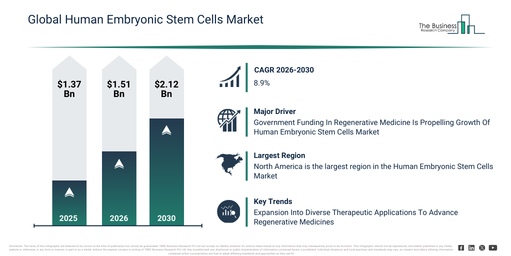
    The global market for human embryonic stem cells experienced substantial expansion recently, projecting an increase from $1.37 billion in 2025 to $1.51 billion in 2026, reflecting a compound annual growth rate of 10.1%. This upward trajectory in the historical period was influenced by factors such as the initial identification of embryonic stem cell pluripotency, escalating financial commitments to stem cell research, a rising global prevalence of chronic and degenerative diseases, the broadening scope of research initiatives funded by academia and governments, and significant progress in methods for cell cultivation and preservation.

    Global human embryonic stem cells market is projected for robust expansion, reaching an estimated $2.12 billion by 2030, reflecting an 8.9% compound annual growth rate. This upward trajectory is fueled by escalating demand for regenerative therapies, a proliferation of clinical trials utilizing stem cell technologies, a heightened emphasis on personalized healthcare approaches, the broadening scope of translational research, and amplified investment in cutting-edge cell-based treatments. Key developments anticipated within this timeframe encompass the expanded utilization of hESCs in regenerative medicine research, their growing application in disease modeling and pharmaceutical innovation, a greater focus on cell-based interventions for degenerative conditions, the growth of stem cell storage services alongside standardized cell line development, and a more pronounced commitment to ethical considerations and regulatory supervision.

    Download A Free Sample Report For Comprehensive Market Insights:

    https://www.thebusinessresearchcompany.com/sample.aspx?id=16086&type=smp

    Human Embryonic Stem Cells Market Expansion Drivers: What Is Shaping Future Growth?

    Anticipated governmental financial backing for regenerative medicine advancements is poised to significantly boost the human embryonic stem cells market. This medical discipline centers on restoring normal bodily function through the repair, replacement, or regeneration of compromised tissues and organs. A key driver for increased public investment in regenerative medicine includes the escalating incidence of chronic illnesses, alongside progress in stem cell scientific inquiry and the promise of novel therapeutic strategies to enhance patient recovery. Human embryonic stem cells play a crucial role within regenerative medicine, serving as a basis for developing prospective treatments aimed at mending or substituting diseased or injured bodily tissues and organs. An illustration of this financial commitment is the UK’s Office for National Statistics report from May 2024, which indicated a 5.6% rise in overall healthcare spending between 2022 and 2023, a notable increase from the 0.9% growth recorded the previous year. Consequently, this increased government investment in regenerative medicine is a primary catalyst for the expansion of the human embryonic stem cells sector.

    Human Embryonic Stem Cells Market Segments: Where Are The Largest Growth Opportunities?

    The human embryonic stem cells market covered in this report is segmented –

    1) By Cell Category: Human Embryonic Stem Cells, Embryonic Stem Cell Lines, Genetically Modified hESCs

    2) By Product: Regenerative Medicine, Stem Cell Biology Research, Tissue Engineering, Toxicology Testing

    3) By Application: Research, Clinical Trials, Other Applications

    Subsegments:

    1) By Human Embryonic Stem Cells (hESCs): Clinical-Grade hESCs, Research-Grade hESCs, Undifferentiated hESCs

    2) By Embryonic Stem Cell Lines: Registered / Approved hESC Lines, Disease-Specific hESC Lines, Xeno-Free hESC Lines

    3) By Genetically Modified hESCs: Gene-Edited hESCs (CRISPR-based), Reporter hESC Lines, Knock-In / Knock-Out hESCs

    Human Embryonic Stem Cells Market Strategic Trends: What Is Defining The Next Phase Of Growth?

    Key players within the human embryonic stem cell sector are prioritizing the exploration of various medical uses, including the application of pluripotent stem cells for Parkinson’s disease therapy, as a strategy to enhance their market standing. The utilization of pluripotent stem cells in addressing Parkinson’s disease involves the cultivation of dopaminergic neurons, with the objective of substituting the diminished dopamine-producing cells and thereby reinstating motor capabilities. Illustratively, in October 2023, Bayer AG, a prominent German pharmaceutical and biotech entity, inaugurated its inaugural Cell Therapy Manufacturing Facility in California, a significant investment of $250 million aimed at bolstering the worldwide production of cell and gene therapies. This new facility will initially concentrate on the manufacturing of bemdaneprocel, developed by BlueRock Therapeutics and sourced from pluripotent stem cells (PSC), for the treatment of Parkinson’s disease. Furthermore, the facility incorporates entirely electric manufacturing processes designed to meet the sector’s growing demand for regenerative medicine production capabilities.

    Human Embryonic Stem Cells Market Major Participants And Competitive Dynamics

    Major companies operating in the human embryonic stem cells market are Lineage Cell Therapeutics Inc., ViaCyte Inc., Astellas Pharma Inc., Novo Nordisk A/S, Roche Holding AG, Pfizer Inc., Sanofi, Takeda Pharmaceutical Company Limited, Bayer AG, AstraZeneca PLC, Johnson & Johnson, GlaxoSmithKline plc, Regeneron Pharmaceuticals Inc., Vertex Pharmaceuticals Inc., Fate Therapeutics Inc., BlueRock Therapeutics, Cell Cure Neurosciences Ltd., Advanced Cell Technology, ReNeuron Group plc, Neuralstem Inc.

    Access The Complete Human Embryonic Stem Cells Market Report:

    https://www.thebusinessresearchcompany.com/report/human-embryonic-stem-cells-global-market-report

    Human Embryonic Stem Cells Market Geographic Distribution And Regional Opportunities

    North Americawas the largest region in the human embryonic stem cells market in 2025. Asia-Pacificis expected to be the fastest-growing region in the forecast period. The regions covered in the human embryonic stem cells market report are Asia-Pacific, South East Asia, Western Europe, Eastern Europe, North America, South America, Middle East, Africa.

    Get in touch with us:

    The Business Research Company: https://www.thebusinessresearchcompany.com/

    Americas: +1 310-496-7795

    Asia: +44 7882 955267 & +91 8897263534

    Europe: +44 7882 955267

    Email us at: marketing@tbrc.info

    Follow us on:

    LinkedIn: https://in.linkedin.com/company/the-business-research-company

    YouTube: https://www.youtube.com/channel/UC24_fI0rV8cR5DxlCpgmyFQ

    Global Market Model: https://www.thebusinessresearchcompany.com/global-market-model
  • Human Chorionic Gonadotropin Market Growth Through 2030 Creates New Strategic Opportunities

    Human Chorionic Gonadotropin Market Growth Through 2030 Creates New Strategic Opportunities

    Through market attractiveness analysis, total addressable market evaluation, company benchmarking matrices, interactive Excel dashboards, expanded supply chain intelligence, emerging startup coverage, and detailed product insights, The Business Research Company’s 2026 market reports provide more actionable and strategically valuable research.

    Human Chorionic Gonadotropin Market CAGR Analysis And Future Market Development

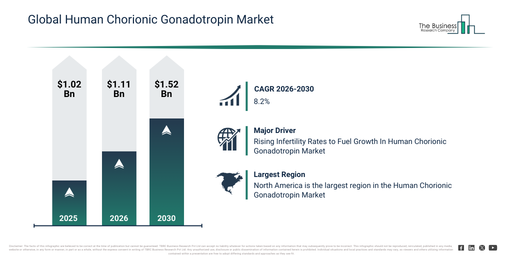
    The market for human chorionic gonadotropin has experienced robust expansion lately, projecting a rise from $1.02 billion in 2025 to $1.11 billion in 2026, demonstrating a compound annual growth rate of 8.3%. This upward trajectory in the historical period stems from several key factors including the growing incidence of infertility, the global proliferation of fertility clinics, the established role of hCG in reproductive treatments, heightened consciousness regarding therapies for hormonal imbalances, and the accessibility of hCG products derived from natural sources.

    The human chorionic gonadotropin market is poised for significant expansion, projected to reach $1.52 billion by 2030, reflecting an 8.2% compound annual growth rate. This anticipated growth trajectory is fueled by several key drivers, including escalating demand for assisted reproductive technologies, a greater acceptance of recombinant hormone alternatives, a concentrated effort toward personalized fertility interventions, the broadening reach of both online and traditional pharmacy channels, and increased financial backing for reproductive health studies. Significant developments expected within this timeframe involve a greater utilization of hCG in assisted reproduction procedures, a heightened requirement for hormone-based therapies to address infertility, wider adoption of recombinant hCG products, the exploration of hCG’s utility in managing male hormonal imbalances, and a pronounced emphasis on developing standardized and exceptionally pure hormone formulations.

    Download A Free Sample Report For Comprehensive Market Insights:

    https://www.thebusinessresearchcompany.com/sample.aspx?id=18638&type=smp

    Human Chorionic Gonadotropin Market Development Factors: Which Trends Are Supporting Demand?

    The escalating incidence of infertility is poised to spur the expansion of the human chorionic gonadotropin market. Infertility, defined as the failure to conceive after a minimum of twelve months of regular, unprotected sexual activity, is becoming more prevalent. This trend is attributed to a variety of factors including later parenthood, altered lifestyles, environmental influences, and underlying health issues, all contributing to an increasing number of individuals and couples facing conception challenges. The hormone hCG plays a crucial role in fertility treatments, aiding ovulation in women and bolstering testosterone production in men, thereby facilitating egg release and enhancing the likelihood of successful conception. A clear indication of this need comes from the World Health Organization’s April 2023 report, which indicated that approximately 17.5% of the global adult population, or about one in every six individuals, experiences infertility, underscoring the significant demand for accessible and affordable fertility treatments. Consequently, the rising rate of infertility is a primary catalyst for the growth within the human chorionic gonadotropin market.

    A surge in the global elderly demographic is anticipated to propel the human chorionic gonadotropin market forward. This demographic shift involves a larger segment of the population reaching advanced age, driven by extended life expectancies and diminished birth rates. Developments in medical science have led to people living longer lives, thus increasing the proportion of older individuals. For older adults, human chorionic gonadotropin (hCG) serves to assist in maintaining hormonal equilibrium and adequate testosterone levels. Evidence of this trend is provided by the Population Reference Bureau, a U.S. non-profit, which projected in January 2024 that the American population aged 65 and above will increase from 58 million in 2022 to 82 million by 2050, a substantial 47% rise. This demographic will consequently represent a growing share of the total U.S. population, escalating from 17% to 23% within the same timeframe. Therefore, the expanding aging population is a key driver fueling the growth of the human chorionic gonadotropin market.

    Human Chorionic Gonadotropin Market Segment Analysis: What Are The Major Market Categories?

    The human chorionic gonadotropin market covered in this report is segmented –

    1) By Technology: Natural Source Extraction, Recombinant Technology

    2) By Therapeutic Area: Female Infertility Treatment, Oligospermic Treatment, Male Hypogonadism, Other Therapeutic Areas

    3) By Distribution Channel: Hospital Pharmacies, Retail Pharmacies, Online Pharmacies

    4) By End User: Fertility Clinics, Research Institutions, Other End Users

    Subsegments:

    1) By Natural Source Extraction: Extraction From Pregnant Women’s Urine, Purified Urinary hCG (u-hCG) Formulations

    2) By Recombinant Technology: Recombinant Hcg, Recombinant Hcg For Therapeutic Use, Recombinant Hcg For Diagnostic Applications

    Human Chorionic Gonadotropin Market Leading Companies Driving Competitive Growth

    Major companies operating in the human chorionic gonadotropin market are Ferring Pharmaceuticals, Merck KGaA, Organon, IBSA Institut Biochimique, Teva Pharmaceutical Industries, Sandoz, Sun Pharmaceutical Industries, Cipla, Zydus Lifesciences, Lupin, Intas Pharmaceuticals, Hikma Pharmaceuticals, Aspen Pharmacare, Menarini Group, Bharat Serums and Vaccines, Serum Institute of India, LG Chem Life Sciences, Dong-A ST, Livzon Pharmaceutical Group, SciGen

    Access The Complete Human Chorionic Gonadotropin Market Report:

    https://www.thebusinessresearchcompany.com/report/human-chorionic-gonadotropin-global-market-report

    Human Chorionic Gonadotropin Market Largest Region By Revenue And Market Share

    North Americawas the largest region in the human chorionic gonadotropin market in 2025. Asia-Pacificis expected to be the fastest-growing region in the forecast period. The regions covered in the human chorionic gonadotropin market report are Asia-Pacific, South East Asia, Western Europe, Eastern Europe, North America, South America, Middle East, Africa.

    Get in touch with us:

    The Business Research Company: https://www.thebusinessresearchcompany.com/

    Americas: +1 310-496-7795

    Asia: +44 7882 955267 & +91 8897263534

    Europe: +44 7882 955267

    Email us at: marketing@tbrc.info

    Follow us on:

    LinkedIn: https://in.linkedin.com/company/the-business-research-company

    YouTube: https://www.youtube.com/channel/UC24_fI0rV8cR5DxlCpgmyFQ

    Global Market Model: https://www.thebusinessresearchcompany.com/global-market-model
  • Hospitals And Outpatient Care Centers Market Size Projected To Increase From $4956.02 Billion To $5856.89 Billion During The Forecast Period

    Hospitals And Outpatient Care Centers Market Size Projected To Increase From $4956.02 Billion To $5856.89 Billion During The Forecast Period

    Delivering more actionable and strategically valuable research, The Business Research Company’s 2026 market reports feature market attractiveness analysis, total addressable market evaluation, company benchmarking matrices, interactive Excel dashboards, expanded supply chain intelligence, emerging startup coverage, and detailed product insights.

    Hospitals And Outpatient Care Centers Market Expansion From $4956.02 Billion In 2026 To $5856.89 Billion In 2030

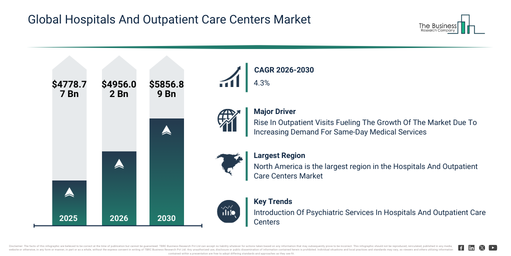
    The financial sphere encompassing hospitals and outpatient care facilities has experienced consistent expansion, projecting a rise from 4778.77 billion dollars in 2025 to 4956.02 billion dollars by 2026, reflecting a compound annual growth rate of 3.7%. This upward trajectory in the past is largely due to escalating healthcare expenditures, a growing inclination towards treatments outside traditional hospital settings, the proliferation of dialysis and ambulatory services, heightened pressure on inpatient hospital capacity, and advancements in minimally invasive surgical techniques.

    Anticipated to experience consistent expansion, the market encompassing hospitals and outpatient care facilities is projected to reach a valuation of $5856.89 billion by 2030, exhibiting a compound annual growth rate of 4.3%. This anticipated advancement is fueled by a confluence of factors, including the escalating embrace of outpatient treatment modalities, heightened investments directed towards specialized clinics, a burgeoning need for convenient healthcare access, the augmentation of private healthcare spending, and a concentrated effort to shorten hospital stays. Key developments shaping the forthcoming period involve a discernible movement away from inpatient towards outpatient care arrangements, a heightened requirement for procedures completed within a single day or requiring brief hospitalizations, the continuous proliferation of dedicated outpatient facilities, an intensified emphasis on delivering care in a cost-effective manner, and the widening availability of preventive and diagnostic services beyond traditional hospital settings.

    Download A Free Sample Report For Comprehensive Market Insights:

    https://www.thebusinessresearchcompany.com/sample.aspx?id=3146&type=smp

    Hospitals And Outpatient Care Centers Market Industry Drivers: What Is Driving Revenue Growth?

    The increasing volume of outpatient appointments is anticipated to be a primary driver for the expansion of the hospitals and outpatient care centers market. Outpatient services encompass medical or healthcare treatments administered without the necessity of an overnight hospital admission. These services commonly involve consultations, diagnostic tests, therapeutic interventions, and minor surgical procedures that are completed on the same day, enabling patients to be discharged promptly. Healthcare facilities and specialized centers are instrumental in providing these essential medical services, ensuring prompt assessments, effective treatments, and ongoing patient support, which ultimately broadens access to healthcare and improves patient well-being. Illustrating this trend, the UK’s National Health Service (NHS) reported in September 2024 that outpatient attendances reached 135.4 million during the 2023-24 period, signifying an 8.8% increase compared to the preceding year, underscoring how the escalating number of outpatient visits is fueling the growth of the hospitals and outpatient care centers sector.

    Hospitals And Outpatient Care Centers Market Segment Breakdown: Which Categories Generate The Most Revenue?

    The hospitals and outpatient care centers market covered in this report is segmented –

    1) By Type: Hospitals, Outpatient Care Centers

    2) By Type of Expenditure: Public, Private

    3) By End User Gender: Male, Female

    Subsegments:

    1) By Hospitals: Public Hospitals, Private Hospitals, Specialty Hospitals (Cardiac, Orthopedic, Maternity), Teaching Hospitals, General Hospitals

    2) By Outpatient Care Centers: Ambulatory Surgical Centers (ASCs), Dialysis Centers, Urgent Care Centers, Diagnostic Laboratories, Specialty Clinics (Dermatology, Ophthalmology)

    #Hospitals And Outpatient Care Centers Market Growth Trends: What Is Influencing The Future Outlook?

    In the hospital and outpatient care facility sector, prominent entities are prioritizing the creation of novel offerings, including psychiatric services, to enhance their market standing. These psychiatric services encompass a vital area of healthcare dedicated to identifying, treating, and managing conditions affecting mental and emotional well-being. As an illustration, consider the developments in October 2023 when Nutex Health Inc., a U.S. firm specializing in healthcare operations and management, launched updated psychiatric services within its Texas hospitals. This initiative provides targeted care for both adult and adolescent individuals experiencing severe psychiatric conditions requiring emergency room attention, working in conjunction with psychiatric specialists. The process involves an initial psychiatric assessment conducted within the emergency department, followed by the formulation of an individualized treatment strategy, which may incorporate immediate psychiatric interventions as needed within the emergency setting.

    Hospitals And Outpatient Care Centers Market Key Players And Strategic Industry Positioning

    Major companies operating in the hospitals and outpatient care centers market are HCA Healthcare, Tenet Healthcare, Community Health Systems, Universal Health Services, Ascension, CommonSpirit Health, Trinity Health, Mayo Clinic, Cleveland Clinic, Johns Hopkins Health System, Kaiser Permanente, Ramsay Health Care, Spire Healthcare, Apollo Hospitals Enterprise, Fortis Healthcare, Max Healthcare Institute, IHH Healthcare, Mediclinic International, Narayana Health, Fresenius Medical Care

    Access The Complete Hospitals And Outpatient Care Centers Market Report:

    https://www.thebusinessresearchcompany.com/report/hospitals-and-outpatient-care-centers-global-market-report

    Hospitals And Outpatient Care Centers Market Regional Analysis And Leading Geography

    North Americawas the largest region in the hospitals and outpatient care centers market in 2025. Asia-Pacificwas the second largest region in the hospitals and outpatient care centers market. The regions covered in the hospitals and outpatient care centers market report are Asia-Pacific, South East Asia, Western Europe, Eastern Europe, North America, South America, Middle East, Africa.

    Get in touch with us:

    The Business Research Company: https://www.thebusinessresearchcompany.com/

    Americas: +1 310-496-7795

    Asia: +44 7882 955267 & +91 8897263534

    Europe: +44 7882 955267

    Email us at: marketing@tbrc.info

    Follow us on:

    LinkedIn: https://in.linkedin.com/company/the-business-research-company

    YouTube: https://www.youtube.com/channel/UC24_fI0rV8cR5DxlCpgmyFQ

    Global Market Model: https://www.thebusinessresearchcompany.com/global-market-model