Month: June 2026

  • Hospital-Acquired Infection Control Market Growth Outlook Reveals A CAGR Of 5.3% And A Market Value Of $46.31 Billion By 2030

    Hospital-Acquired Infection Control Market Growth Outlook Reveals A CAGR Of 5.3% And A Market Value Of $46.31 Billion By 2030

    Enhanced with market attractiveness analysis, total addressable market evaluation, company benchmarking matrices, interactive Excel dashboards, expanded supply chain intelligence, emerging startup coverage, and detailed product insights, The Business Research Company’s 2026 market reports deliver more actionable and strategically valuable research.

    Hospital-Acquired Infection Control Market Forecast Highlighting Growth From $37.69 Billion To $46.31 Billion

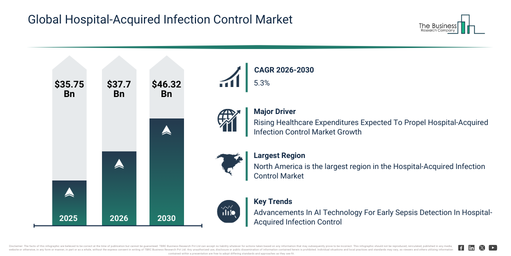
    The market dedicated to controlling infections acquired within healthcare settings has witnessed robust expansion recently. Projections indicate a rise in its valuation from $35.75 billion in 2025 to $37.7 billion in 2026, reflecting a compound annual growth rate of 5.4%. Several factors contributed to this growth during the preceding period, including an escalating number of hospital-associated infections, a greater reliance on invasive medical interventions, heightened consciousness regarding patient safety protocols, the proliferation of intensive care units, and the implementation of more stringent hospital hygiene mandates.

    Within the domain of hospital-acquired infection control, a robust expansion is anticipated over the forthcoming years, projecting a market valuation of $46.32 billion by the year 2030. This upward trajectory is fueled by a compound annual growth rate (CAGR) of 5.3%, driven by several key factors including heightened regulatory mandates concerning infection prevention, a greater embrace of automated sterilization methods, escalating requirements for swift microbial identification, the broadening scope of monitoring and reporting frameworks, and amplified investments in the foundational elements of hospital infection mitigation. Prominently shaping this period are the intensified efforts to thwart cross-contamination within healthcare settings, a surge in the implementation of sophisticated sterilization and decontamination procedures, a significant emphasis on ongoing infection surveillance, the proliferation of automated and advanced disinfection technologies, and a growing need for all-encompassing infection control strategies.

    Download A Free Sample Report For Comprehensive Market Insights:

    https://www.thebusinessresearchcompany.com/sample.aspx?id=7694&type=smp

    Hospital-Acquired Infection Control Market Growth Factors: Which Forces Are Supporting Market Expansion?

    Anticipated escalation in healthcare spending is expected to be a primary catalyst for the expansion of the market focused on controlling hospital-acquired infections. This spending encompasses all outlays for healthcare services, goods, and initiatives, calculated across various scales from individual to global. With rising healthcare budgets, medical institutions are increasingly equipped to invest more in sophisticated infection prevention technologies, which include cutting-edge disinfection methods, intelligent surveillance equipment, and other advancements designed to bolster infection control efficacy. Illustrating this trend, data from the UK’s Office for National Statistics in May 2024 revealed that total healthcare expenditure saw a nominal rise of 5.6% from 2022 to 2023, a significant acceleration from the 0.9% growth observed in 2022. Consequently, the upward trajectory of healthcare expenditure is set to fuel the ongoing development of the hospital-acquired infection control market.

    Hospital-Acquired Infection Control Market Segmentation: How Is The Market Structured Across Key Categories?

    The hospital-acquired infection control market covered in this report is segmented –

    1) By Product: Sterilizers, Disinfectors, Endoscope Reprocessors, Microbial Testing Instruments, Consumables, Disinfectants, Infection Prevention And Surveillance Software, Other Products

    2) By Technology: Phenotypic Methods, Genotypic Methods

    3) By Diseases: Hospital Acquired Pneumonia, Bloodstream Infections, Surgical Site Infections, Gastrointestinal Infections, Urinary Tract Infection, Other Diseases

    4) By Application: Disease Testing, Drug-Resistance Testing

    5) By End User: Hospitals, ICUs, Ambulatory Surgical, Diagnostic Centers, Nursing Homes, Maternity Centers, Other End Users

    Subsegments:

    1) By Sterilizers: Steam Sterilizers, Ethylene Oxide Sterilizers, Hydrogen Peroxide Sterilizers

    2) By Disinfectors: Washer Disinfectors, Automated Disinfectors

    3) By Endoscope Reprocessors: High-Level Disinfection Reprocessors, Automated Endoscope Reprocessors

    4) By Microbial Testing Instruments: Culture Systems, Rapid Microbial Testing Systems

    5) By Consumables: Sterilization Wraps, Filters, Personal Protective Equipment (PPE)

    6) By Disinfectants: Alcohol-based Disinfectants, Chlorine-based Disinfectants, Quaternary Ammonium Compounds

    7) By Infection Prevention And Surveillance Software: Surveillance Software Solutions, Data Management Software

    8) By Other Products: Cleaning Equipment, Air Purification Systems

    Hospital-Acquired Infection Control Market Industry Trends: What Changes Are Reshaping Demand?

    Leading entities within the hospital-acquired infection control sector are prioritizing the creation of novel technological advancements, exemplified by AI systems aimed at facilitating the early detection of sepsis, thereby improving patient results through expedited diagnosis and intervention. An AI system for sepsis identification involves sophisticated technological frameworks employing artificial intelligence and machine learning methodologies to discern nascent indicators of sepsis in individuals. Illustratively, in April of 2024, Prenosis Inc., a medical practice situated in the United States, secured FDA clearance for its Sepsis ImmunoScore, marking the inaugural AI-powered platform engineered for the prediction of sepsis, a perilous ailment capable of precipitating grave health consequences. This groundbreaking instrument elevates the efficacy of preemptive identification by analyzing data streams in real-time, empowering healthcare providers to enact swifter and more impactful interventions. The incorporation of AI functions to augment the decision-making capabilities of clinical personnel, rather than supplanting their roles, with the ultimate objectives of enhancing patient well-being and curtailing medical expenditures.

    Hospital-Acquired Infection Control Market Competitive Landscape And Leading Companies

    Major companies operating in the hospital-acquired infection control market are Johnson and Johnson, P&G Professional, Honeywell International Inc., MMM Group, 3M Company, Becton Dickinson and Company, Reckitt Benckiser Group plc., Ecolab Inc, Olympus Corporation, Miele Group, Biomerieux SA, Getinge AB, Halyard Health Inc., Ansell Limited, Sotera Health LLC, Contec Inc., Cantel Medical Corp., Belimed AG, Nanosonics Limited, Advanced Sterilization Products Services Inc, Steelco S.P.A, Schülke & Mayr GmbH, Metrex Research LLC, Tristel Solutions Ltd., Whiteley Corporation, PDI Inc., Steris Healthcare PVT Ltd, Matachana Group, Pal International Ltd., Xttrium Laboratories Inc., Zep Inc.

    Access The Complete Hospital-Acquired Infection Control Market Report:

    https://www.thebusinessresearchcompany.com/report/hospital-acquired-infection-control-global-market-report

    Hospital-Acquired Infection Control Market Geographic Analysis: Where Is Demand Growing The Fastest?

    North Americawas the largest region in the hospital-acquired infection control market in 2025. Asia-Pacificis expected to be the fastest-growing region in the forecast period. The regions covered in the hospital-acquired infection control market report are Asia-Pacific, South East Asia, Western Europe, Eastern Europe, North America, South America, Middle East, Africa.

    Get in touch with us:

    The Business Research Company: https://www.thebusinessresearchcompany.com/

    Americas: +1 310-496-7795

    Asia: +44 7882 955267 & +91 8897263534

    Europe: +44 7882 955267

    Email us at: marketing@tbrc.info

    Follow us on:

    LinkedIn: https://in.linkedin.com/company/the-business-research-company

    YouTube: https://www.youtube.com/channel/UC24_fI0rV8cR5DxlCpgmyFQ

    Global Market Model: https://www.thebusinessresearchcompany.com/global-market-model
  • Hospital Robots Market Forecast Highlights Expansion From $2.58 Billion To $4.59 Billion Through 2030

    Hospital Robots Market Forecast Highlights Expansion From $2.58 Billion To $4.59 Billion Through 2030

    Through market attractiveness analysis, total addressable market evaluation, company benchmarking matrices, interactive Excel dashboards, expanded supply chain intelligence, emerging startup coverage, and detailed product insights, The Business Research Company’s 2026 market reports provide more actionable and strategically valuable research.

    Hospital Robots Market Revenue Growth Supported By A CAGR Of 4.59% Through 2030

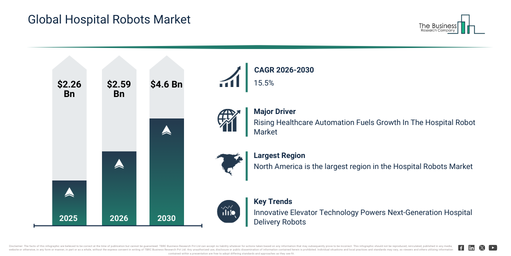
    The hospital robotics sector has experienced substantial expansion lately, with projections indicating a significant upward trajectory from $2.26 billion in 2025 to $2.59 billion by 2026, reflecting a compound annual growth rate of 14.3%. This accelerated growth during the past period was fueled by several key factors including a scarcity of medical personnel, an increase in the number of surgical interventions performed, a heightened emphasis on preventing infections within healthcare facilities, the early embrace of robotic assistance in surgical practices, and a growing impetus for automation within hospital pharmacies and laboratories.

    The hospital robot sector is poised for substantial expansion, projecting a valuation of $4.6 billion by 2030, fueled by a compound annual growth rate of 15.5%. This anticipated surge is a direct consequence of heightened investment in smart hospital infrastructure, escalating demand for healthcare services that minimize physical contact, a growing reliance on minimally invasive surgical techniques, a pronounced emphasis on improving operational workflows and safeguarding medical personnel, and continuous progress in the development of sophisticated, autonomous robotic technologies. Key developments shaping this market include a greater integration of robots for administrative and logistical hospital functions, increased utilization of robotic aids in surgical interventions and patient recovery, expanded application of robots for sanitation and the prevention of disease transmission, broader implementation of automation in pharmaceutical and diagnostic laboratories, and a stronger commitment to enhancing the capabilities and well-being of the healthcare workforce.

    Download A Free Sample Report For Comprehensive Market Insights:

    https://www.thebusinessresearchcompany.com/sample.aspx?id=12891&type=smp

    Hospital Robots Market Demand Drivers: What Is Fueling Industry Growth?

    The escalating trend of healthcare automation is positioned to be a significant catalyst for the expansion of the hospital robot market. By leveraging technology and software, healthcare automation endeavors to enhance efficiency and effectiveness across diverse healthcare operations, with hospital robots playing a crucial role in supporting surgeons during minimally invasive surgeries in operating theaters. Illustratively, the robotic-assisted surgery market, as reported by the World Economic Forum in September 2024, is forecasted to witness considerable advancement, escalating from slightly above $10 billion in 2023 to exceeding $14 billion by 2026, underscoring the dynamic growth fueled by the increasing adoption of healthcare automation.

    Hospital Robots Market Segmentation Trends And Revenue Drivers

    The hospital robots market covered in this report is segmented –

    1) By Product Type: Autonomous Mobile Robots, Disinfecting or Sterilization Robots, Laboratory Robots, Pharmacy Robots

    2) By Deployment: Laparoscopy, Pharmacy Applications, Orthopedic Surgery, Physical Rehabilitation, Neurosurgery

    3) By End User: Hospitals, Ambulatory Surgery Centers, Rehabilitation Centers

    Subsegments:

    1) By Autonomous Mobile Robots: Patient Transport Robots, Supply Delivery Robots, Waste Management Robots

    2) By Disinfecting Or Sterilization Robots: UV Light Sterilization Robots, Hydrogen Peroxide Sterilization Robots, Ozone Sterilization Robots

    3) By Laboratory Robots: Sample Handling Robots, Specimen Transport Robots, Lab Automation Robots

    4) By Pharmacy Robots: Medication Dispensing Robots, Prescription Filling Robots, Inventory Management Robots

    Hospital Robots Market Innovation Trends: Which Developments Are Transforming The Industry?

    In the hospital robot sector, leading entities are intensifying their efforts to integrate elevator functionality into delivery robots, aiming to optimize their market earnings. This elevator technology serves as a mechanism allowing these robots to navigate between different hospital levels with enhanced speed and efficiency. As an illustration, in June 2023, the American firm Relay Robotics Inc. unveiled RelayRx tailored for the healthcare industry. This hospital delivery robot, RelayRx, was developed to counteract the challenges posed by a deficit in nursing staff. These automated assistants are designed to transport essential hospital items, including laboratory samples, medications, and medical apparatus, guaranteeing their secure transit through busy hospital environments, bolstered by superior navigation and robust chain-of-custody safeguards. The robot’s capacity for autonomous movement across the entire hospital campus enables it to connect disparate zones like the pharmacy and blood bank with patient accommodations, accomplishing these journeys in approximately seven minutes, a feat made possible by Relay’s distinctive elevator technology.

    Hospital Robots Market Industry Leaders: Which Organizations Are Driving Competition?

    Major companies operating in the hospital robots market are Intuitive Surgical Inc, Medtronic Plc, Johnson and Johnson, Stryker Corporation, Siemens Healthineers, ABB Group, KUKA AG, Aethon Inc, Omnicell Inc, Blue Ocean Robotics, SoftBank Robotics, PAL Robotics, Cyberdyne Inc, Stereotaxis Inc, Medrobotics Corporation, Renishaw Plc, Yujin Robot Co Ltd, Globus Medical Inc, Accuray Incorporated, Brainlab AG, Hocoma AG, ReWalk Robotics Ltd, Smith and Nephew

    Access The Complete Hospital Robots Market Report:

    https://www.thebusinessresearchcompany.com/report/hospital-robots-global-market-report

    Hospital Robots Market Global Footprint: Which Region Holds Market Leadership?

    North Americawas the largest region in the hospital robots market in 2025. The regions covered in the hospital robots market report are Asia-Pacific, South East Asia, Western Europe, Eastern Europe, North America, South America, Middle East, Africa.

    Get in touch with us:

    The Business Research Company: https://www.thebusinessresearchcompany.com/

    Americas: +1 310-496-7795

    Asia: +44 7882 955267 & +91 8897263534

    Europe: +44 7882 955267

    Email us at: marketing@tbrc.info

    Follow us on:

    LinkedIn: https://in.linkedin.com/company/the-business-research-company

    YouTube: https://www.youtube.com/channel/UC24_fI0rV8cR5DxlCpgmyFQ

    Global Market Model: https://www.thebusinessresearchcompany.com/global-market-model
  • Hospital Outsourcing Market Expected To Reach $767.46 Billion By 2030 As Growth Accelerates At 10.8% CAGR

    Hospital Outsourcing Market Expected To Reach $767.46 Billion By 2030 As Growth Accelerates At 10.8% CAGR

    Delivering more actionable and strategically valuable research, The Business Research Company’s 2026 market reports feature market attractiveness analysis, total addressable market evaluation, company benchmarking matrices, interactive Excel dashboards, expanded supply chain intelligence, emerging startup coverage, and detailed product insights.

    Hospital Outsourcing Market Value Expansion And Long-Term Growth Outlook

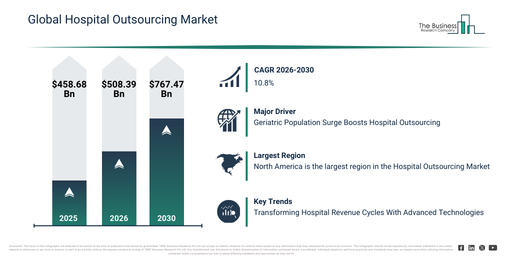
    In 2025, the hospital outsourcing sector was valued at $458.68 billion, with projections indicating a significant expansion to $508.39 billion by 2026, reflecting a robust compound annual growth rate of 10.8%. This upward trajectory throughout the preceding period was fueled by several key factors, including escalating operational expenses within hospitals, a scarcity of qualified personnel on staff, the increasing intricacy of managing healthcare facilities, the proliferation of private healthcare institutions, and the early embrace of external support services.

    The hospital outsourcing sector anticipates a period of accelerated expansion, projected to reach an impressive $767.47 billion by 2030, reflecting a compound annual growth rate (CAGR) of 10.8%. This upswing is fueled by several key factors, including the escalating imperative for enhanced hospital financial performance, a burgeoning need for sophisticated healthcare IT and clinical support, the consolidation and growth of extensive hospital systems, a heightened emphasis on service excellence and regulatory adherence, and a greater willingness to engage in sustained outsourcing collaborations. Within this forecasted timeframe, prominent developments are expected to include a greater delegation of non-essential hospital functions to external providers, an increased requirement for niche third-party service specialists, a significant push towards reducing expenditures and improving operational effectiveness, the proliferation of comprehensive managed service agreements, and a growing inclination towards adaptable and scalable service arrangements.

    Download A Free Sample Report For Comprehensive Market Insights:

    https://www.thebusinessresearchcompany.com/sample.aspx?id=7268&type=smp

    Hospital Outsourcing Market Growth Drivers: What Factors Are Accelerating Expansion?

    The increasing prevalence of the elderly demographic is anticipated to be a significant catalyst for the expansion of the hospital outsourcing sector. This demographic, often referred to as senior citizens, benefits substantially from hospital outsourcing, which facilitates enhanced healthcare through dedicated services, the implementation of remote technological solutions, streamlined record-keeping, and economically viable approaches to manage the distinct needs of older individuals. Supporting this trend, data from the Pew Research Center indicates that the geriatric population, which stood at 0.2% in 2024, is projected to grow by 0.5% by 2054, underscoring the direct correlation between this demographic’s expansion and the burgeoning hospital outsourcing market.

    Hospital Outsourcing Market Segment Analysis Highlighting Growth Areas

    The hospital outsourcing market covered in this report is segmented –

    1) By Hospital Type: Private, Public

    2) By Hospital Size: Small And Medium Hospitals, Large Hospitals

    3) By Services: Healthcare IT, Clinical Services, Business Services, Transportation Services, Other Services

    4) By End-Users: Nursing Homes And Assisted Living, Specialty Hospitals, General Medical And Surgical Hospitals, Emergency And Other Outpatient Care Centers, Other End Users

    Subsegments:

    1) By Private: For-profit Hospitals, Non-profit Hospitals

    2) By Public: Government Hospitals, Community Hospitals

    Hospital Outsourcing Market Trends: What Is Shaping Future Industry Growth?

    Leading entities within the hospital outsourcing sector are actively incorporating sophisticated technological advancements, exemplified by digital platforms, to refine revenue cycle performance, consequently augmenting their market profitability. These digital platforms represent technology-driven solutions engineered to optimize and enhance the array of administrative and financial operations inherent in healthcare entities. As an illustration, in October 2023, Omega Healthcare, a provider of healthcare services based in the United States, introduced its Omega Digital Platform. This platform leverages artificial intelligence, robotic process automation, machine learning, bots, and natural language processing. Omega Healthcare’s offerings are designed to elevate the efficiency of revenue cycle processes, thereby curtailing the need for manual involvement and facilitating the redeployment of resources. The overarching objective is to attain key performance indicators, including a reduction in coding expenses with an accuracy rate exceeding 95% and a decrease in the duration of accounts receivable, ultimately leading to optimized revenue generation for providers, payers, pharmaceutical companies, and clinical research organizations. Through its proprietary technological frameworks and analytical capabilities, Omega endeavors to amplify operational efficiencies, diminish expenditures, accelerate the cycle of cash flow, and improve overall financial results.

    Hospital Outsourcing Market Leading Companies: Who Holds Significant Market Presence?

    Major companies operating in the hospital outsourcing market are Sodexo S.A., Aramark Corporation, ABM Industries Incorporated, Cerner Corporation, AllScripts Healthcare Solutions Inc., Steris Plc, Getinge AB, Sotera Health LLC, Sterigenics International LLC, TriMedx LLC, LogistiCare Solutions LLC, Integrated Medical Transport Inc., Flatworld Solutions, MMM Group, Belimed AG, Matachana Group, Schülke & Mayr GmbH, 3M Company, Becton Dickinson and Company, Honeywell International Inc., Fortive Corporation, Ansell Limited, Pal International Ltd., PDI Inc., Reckitt Benckiser Group plc, bioMérieux S.A., Alere Inc., Cantel Medical, Halyard Health Inc.

    Access The Complete Hospital Outsourcing Market Report:

    https://www.thebusinessresearchcompany.com/report/hospital-outsourcing-global-market-report

    Hospital Outsourcing Market Regional Distribution: Which Areas Drive Market Expansion?

    North Americawas the largest region in the hospital outsourcing market in 2025. The regions covered in the hospital outsourcing market report are Asia-Pacific, South East Asia, Western Europe, Eastern Europe, North America, South America, Middle East, Africa.

    Get in touch with us:

    The Business Research Company: https://www.thebusinessresearchcompany.com/

    Americas: +1 310-496-7795

    Asia: +44 7882 955267 & +91 8897263534

    Europe: +44 7882 955267

    Email us at: marketing@tbrc.info

    Follow us on:

    LinkedIn: https://in.linkedin.com/company/the-business-research-company

    YouTube: https://www.youtube.com/channel/UC24_fI0rV8cR5DxlCpgmyFQ

    Global Market Model: https://www.thebusinessresearchcompany.com/global-market-model
  • Hospital Logistics Robots Market Set To Grow From $3.02 Billion In 2026 To $5.96 Billion By 2030 At A CAGR Of 18.5%

    Hospital Logistics Robots Market Set To Grow From $3.02 Billion In 2026 To $5.96 Billion By 2030 At A CAGR Of 18.5%

    Enhanced with market attractiveness analysis, total addressable market evaluation, company benchmarking matrices, interactive Excel dashboards, expanded supply chain intelligence, emerging startup coverage, and detailed product insights, The Business Research Company’s 2026 market reports deliver more actionable and strategically valuable research.

    Hospital Logistics Robots Market Expected To Reach $5.96 Billion By 2030 At 18.5% CAGR

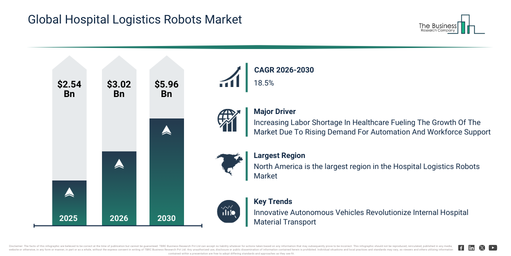
    The sector dedicated to hospital logistics robots experienced a significant surge in commercial value, projected to ascend from $2.54 billion in 2025 to $3.02 billion in 2026, reflecting a robust compound annual growth rate of 18.9%. This expansion during the preceding period was propelled by several key factors, including escalating demands on hospital operations, a growing scarcity of healthcare personnel, the proliferation of extensive multi-disciplinary medical centers, a heightened emphasis on streamlined operational processes, and a greater embrace of automated systems for material management.

    The global market for hospital logistics robots is poised for substantial expansion in the coming years, projected to reach a valuation of $5.96 billion by 2030, reflecting a compound annual growth rate (CAGR) of 18.5%. This anticipated growth trajectory is largely fueled by escalating investments in intelligent hospital infrastructure, a heightened embrace of AI-powered navigation technologies, the broadening application of robotics in pharmaceutical and laboratory processes, a growing imperative for sterile logistics solutions, and the increasing implementation of real-time asset tracking capabilities. Key market developments anticipated within this forecast period include a notable increase in the deployment of self-navigating supply transport robots, a surge in the utilization of contactless internal logistics systems, more profound integration with existing hospital information systems, the development and adoption of versatile robotic platforms capable of multiple functions, and a reinforced emphasis on automating infection control measures.

    Download A Free Sample Report For Comprehensive Market Insights:

    https://www.thebusinessresearchcompany.com/sample.aspx?id=27309&type=smp

    Hospital Logistics Robots Market Growth Factors Supporting Long-Term Expansion

    A significant factor poised to stimulate advancements within the hospital logistics robots market is the persistent and escalating scarcity of healthcare personnel. This challenge, characterized by a disparity where the need for skilled healthcare professionals outstrips the available workforce, creates substantial gaps in staffing, consequently impacting the provision of medical care. The growing deficit in healthcare labor is exacerbated by the ongoing retirement of seasoned professionals, resulting in a considerable depletion of expertise within the sector. Hospital logistics robots offer a solution to this personnel deficit by taking over repetitive duties, thereby enabling medical staff to dedicate more attention to crucial patient care responsibilities and enhancing the overall effectiveness of hospital operations. To illustrate this critical situation, a report released in February 2023 by the American Hospital Association (AHA), a prominent healthcare entity in the United States, revealed that in early 2023, data compiled by the Department of Health and Human Services (HHS) showed 623 hospitals, accounting for 16.7% of reporting facilities, anticipated severe staffing shortages. Consequently, the mounting challenges posed by healthcare labor shortages are actively fueling the expansion of the hospital logistics robots market.

    Hospital Logistics Robots Market Segment Performance And Strategic Opportunities

    The hospital logistics robots market covered in this report is segmented –

    1) By Type: Autonomous Guided Vehicles, Mobile Robot Platforms

    2) By Component: Sensors, Actuators, Controllers, Power Supply, Navigation Systems

    3) By Technology: Artificial Intelligence And Machine Vision, Autonomous Navigation And SLAM, Fleet Management Software, IoT And Connectivity Technologies

    4) By Application: Food Delivery, Laboratory, Laundry Delivery, Pharmacy, Sterile Goods Or Surgical Supplies Delivery, Waste Transportation

    5) By End-User: Hospitals, Ambulatory Surgical Centers, Rehabilitation Centers, Research Institutes, Other End Users

    Subsegments:

    1) By Autonomous Guided Vehicles: Automated Delivery Robots, Disinfection Robots, Patient Transport Robots, Inventory Management Robots, Medication Dispensing Robots

    2) By Mobile Robot Platforms: Automated Guided Vehicles, Autonomous Mobile Robots, Service Robots, Inspection Robots, Delivery Robots

    Hospital Logistics Robots Market Industry Trends Shaping Future Revenue Growth

    Key players within the hospital logistics robots sector are directing their efforts toward creating cutting-edge solutions, like autonomous guided vehicles (AGVs), to boost automated movement of goods and streamline operations inside healthcare environments. These self-sufficient robots, AGVs, are engineered for secure and effective transportation of items throughout hospitals without needing human operators. Demonstrating this trend, EK Robotics GmbH, a German entity in robotics, introduced its Medi Move line of automated guided vehicles in June 2023, specifically engineered for automating internal hospital logistics. These robotic units are built with a durable stainless steel frame incorporating a lifting platform capable of handling payloads of up to 500 kg and elevating them by 170 mm, while achieving velocities of 1.7 m/s, and their unique symmetrical six-wheel configuration allows them to pivot on their axis, significantly reducing the space needed for navigation. Furthermore, these robots integrate 360° laser scanning for navigation, guaranteeing safety and are designed for non-stop, round-the-clock hospital logistics tasks across various levels.

    Hospital Logistics Robots Market Key Players: Which Companies Shape Industry Competition?

    Major companies operating in the hospital logistics robots market are Panasonic Holdings Corporation, Omron Corporation, Keenon Robotics Co. Ltd., Mobile Industrial Robots A/S, Locus Robotics Corporation, Robosoft Systems Pvt. Ltd., Blue Ocean Robotics A/S, Diligent Robotics Inc., Relay Robotics Inc, Yujin Robot Co. Ltd., Pudu Robotics Technology Co. Ltd., Aethon Inc., Vecna Robotics LLC., DS Automotion GmbH, Shenzhen Han’s Robot Co. Ltd., Richtech Robotics Co. Ltd., PAL Robotics S.L., DF Automation and Robotics S.A., CCS Robotics GmbH

    Access The Complete Hospital Logistics Robots Market Report:

    https://www.thebusinessresearchcompany.com/report/hospital-logistics-robots-global-market-report202

    Hospital Logistics Robots Market Leading Geography: Which Region Generates The Most Revenue?

    North Americawas the largest region in the hospital logistics robots market in 2025. Asia-Pacificis expected to be the fastest-growing region in the forecast period. The regions covered in the hospital logistics robots market report are Asia-Pacific, South East Asia, Western Europe, Eastern Europe, North America, South America, Middle East, Africa.

    Get in touch with us:

    The Business Research Company: https://www.thebusinessresearchcompany.com/

    Americas: +1 310-496-7795

    Asia: +44 7882 955267 & +91 8897263534

    Europe: +44 7882 955267

    Email us at: marketing@tbrc.info

    Follow us on:

    LinkedIn: https://in.linkedin.com/company/the-business-research-company

    YouTube: https://www.youtube.com/channel/UC24_fI0rV8cR5DxlCpgmyFQ

    Global Market Model: https://www.thebusinessresearchcompany.com/global-market-model
  • Hospital Information System Market Opportunities Are Emerging Beyond Traditional Growth Areas

    Hospital Information System Market Opportunities Are Emerging Beyond Traditional Growth Areas

    Through market attractiveness analysis, total addressable market evaluation, company benchmarking matrices, interactive Excel dashboards, expanded supply chain intelligence, emerging startup coverage, and detailed product insights, The Business Research Company’s 2026 market reports provide more actionable and strategically valuable research.

    Hospital Information System Market Size And Revenue Forecast Through 2030

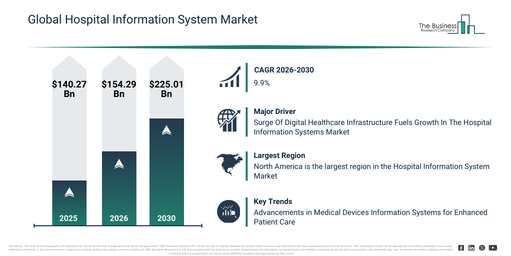
    The market for hospital information systems has experienced robust expansion recently, with projections indicating a rise from $140.27 billion in 2025 to $154.29 billion in 2026, reflecting a compound annual growth rate of 10.0%. Key factors driving this historical growth include the shift from manual to electronic patient records, the escalating volume of health data, the increasing intricacy of healthcare facility operations, the development of hospital IT infrastructure, and the necessity for unified data management.

    Anticipate a robust expansion in the hospital information system market, projecting an increase to $225.01 billion by 2030, fueled by a compound annual growth rate (CAGR) of 9.9%. This projected upswing stems from several key factors: a heightened need for immediate access to healthcare data, greater acceptance of cloud-based hospital solutions, a magnified emphasis on managing hospitals through data analytics, the proliferation of multi-specialty healthcare facilities, and a strengthened regulatory push for data accuracy. During this forecast period, prominent shifts are expected to include wider implementation of unified hospital information platforms, a surge in demand for consolidated patient data management, a greater focus on seamless information exchange between hospital departments, the broadening of real-time reporting for both clinical and administrative functions, and an elevated importance placed on operational efficiency and data precision.

    Download A Free Sample Report For Comprehensive Market Insights:

    https://www.thebusinessresearchcompany.com/sample.aspx?id=6849&type=smp

    Hospital Information System Market Demand Drivers Creating New Revenue Opportunities

    Advancements in digital healthcare infrastructure are poised to significantly boost the hospital information systems market. This digital infrastructure encompasses various technologies dedicated to enhancing healthcare services, including the real-time monitoring of patient information through wearable medical devices. The implementation of such infrastructure within hospitals contributes to more effective patient oversight. Evidence from a study by Deloitte Touche Tohmatsu Limited in January 2025 indicates strong industry sentiment, with approximately 70% of participants deeming investment in digital tools essential, 60% prioritizing foundational technologies like Electronic Medical Records (EMRs) and Enterprise Resource Planning (ERP) systems, and close to 90% of senior executives anticipating an accelerated adoption of digital technology in 2025. Consequently, the increasing adoption of digital healthcare infrastructure is a key driver expanding the hospital information systems market.

    Hospital Information System Market Segment Landscape And Growth Potential

    The hospital information system market covered in this report is segmented –

    1) By Components: Hardware, Software, Services

    2) By Type: Clinical Information Systems, Administrative Information Systems, Electronic Medical Records, Laboratory Information Systems, Radiology Information Systems, Pharmacy Information Systems, Other Types

    3) By Deployment: Web-Based, On-Premises, Cloud-Based

    4) By End-User: Hospitals, Insurance Companies

    Subsegments:

    1) By Hardware: Servers, Workstations, Networking Equipment, Peripheral Devices

    2) By Software: Electronic Health Records (EHR) Software, Practice Management Software, Clinical Information Systems, Revenue Cycle Management Software

    3) By Services: Implementation Services, Support And Maintenance Services, Training And Consulting Services, Managed Services

    Hospital Information System Market Trends Driving Strategic Industry Expansion

    Leading entities within the hospital information system sector are concentrating on pioneering advancements like medical device information systems, aiming to elevate patient treatment standards, optimize operational processes, and bolster data governance throughout healthcare establishments. These systems are essentially unified software applications engineered to oversee and track medical apparatus within hospitals, thereby simplifying data aggregation, review, and dissemination to enhance patient well-being and organizational effectiveness. As an illustration, by July 2024, the World Health Organization (WHO), an international body headquartered in Switzerland, introduced MeDevIS. This Medical Devices Information System functions as a worldwide, openly accessible database for medical device details, empowering governments and medical professionals with improved insights for making informed choices. The system catalogues more than 2,300 categories of medical equipment relevant to diverse health concerns, thereby streamlining access to credible information and assisting with acquisitions in environments facing resource constraints.

    Hospital Information System Market Competitive Landscape: Who Are The Leading Companies?

    Major companies operating in the hospital information system market are Cerner Corporation, McKesson Corporation, Allscripts Healthcare Solutions Inc., Athenahealth Inc., Epic Systems Corp, NextGen Healthcare, Computer Programs and Systems Inc, Dedalus SpA, Agfa-Gevaert NV, Siemens Healthineers AG, Philips Healthcare, Change Healthcare, Optum, Oracle Corporation, Infor Inc., Greenway Health, CureMD Healthcare, Canadian Health Systems Inc, MED e-care Healthcare Solutions Inc, MV Sistemas, General Electric Company, CISCO Systems Inc, Honeywell Lifesciences

    Access The Complete Hospital Information System Market Report:

    https://www.thebusinessresearchcompany.com/report/hospital-information-system-global-market-report

    Hospital Information System Market Regional Outlook: Where Are The Largest Opportunities Located?

    North Americawas the largest region in the hospital information systems market in 2025. Asia-Pacificis expected to be the fastest-growing region in the forecast period. The regions covered in the hospital information system market report are Asia-Pacific, South East Asia, Western Europe, Eastern Europe, North America, South America, Middle East, Africa.

    Get in touch with us:

    The Business Research Company: https://www.thebusinessresearchcompany.com/

    Americas: +1 310-496-7795

    Asia: +44 7882 955267 & +91 8897263534

    Europe: +44 7882 955267

    Email us at: marketing@tbrc.info

    Follow us on:

    LinkedIn: https://in.linkedin.com/company/the-business-research-company

    YouTube: https://www.youtube.com/channel/UC24_fI0rV8cR5DxlCpgmyFQ

    Global Market Model: https://www.thebusinessresearchcompany.com/global-market-model
  • Hospital EMR Systems Market Expansion Is Opening New Pathways For Strategic Investment

    Hospital EMR Systems Market Expansion Is Opening New Pathways For Strategic Investment

    Delivering more actionable and strategically valuable research, The Business Research Company’s 2026 market reports feature market attractiveness analysis, total addressable market evaluation, company benchmarking matrices, interactive Excel dashboards, expanded supply chain intelligence, emerging startup coverage, and detailed product insights.

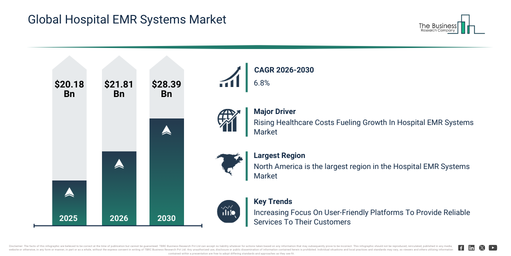
    Hospital EMR Systems Market Growth From $21.81 Billion In 2026 To $28.39 Billion By 2030 At A CAGR Of 6.8%

    The market for hospital EMR systems experienced robust expansion recently, projecting a rise from $20.18 billion in 2025 to $21.81 billion in 2026, reflecting an 8.1% compound annual growth rate. This historical growth trajectory was influenced by several key factors, including governmental directives promoting electronic health records, the escalating quantity of patient information managed by hospitals, an increasing demand to transition away from analog record-keeping, the enhancement of hospital information technology infrastructure, and a heightened emphasis on streamlining clinical documentation processes.

    Anticipate a robust expansion within the hospital EMR systems sector over the forthcoming years, projecting a market valuation of $28.39 billion by 2030, driven by a compound annual growth rate of 6.8%. This upswing is underpinned by several key factors: a surge in the need for immediate patient data accessibility, a growing trend towards cloud-based hospital solutions, a heightened focus on making clinical choices based on data insights, the proliferation of EMR tailored for specific medical specialties, and increased financial commitments to smart hospital advancements. During this projected period, prevailing trends are expected to include a greater embrace of consolidated digital patient records, a heightened requirement for hospital information systems that can communicate with each other, a more pronounced effort towards standardizing clinical processes, broadened availability of mobile and remote EMR access for healthcare professionals, and an elevated importance placed on the precision of data and the thoroughness of clinical documentation.

    Download A Free Sample Report For Comprehensive Market Insights:

    https://www.thebusinessresearchcompany.com/sample.aspx?id=7891&type=smp

    Hospital EMR Systems Market Expansion Supported By Key Demand Factors

    Surging expenditures in the healthcare sector are anticipated to be a primary catalyst for the expansion of the hospital EMR systems market. These healthcare costs encompass all expenditures related to medical services, treatments, and goods aimed at maintaining or enhancing an individual’s well-being. EMR systems are instrumental in fostering more economical and superior healthcare provision, boosting operational effectiveness, improving clinical judgment, and mitigating prescription mistakes. Illustratively, data from March 2024, provided by the Health Foundation, a UK nonprofit, projects a climb in planned UK health expenditures to $240 billion (£192 billion) for 2024/25, up from $227.5 billion (£182 billion) in 2022/23. Moreover, in January 2024, the KFF Health System Tracker, a US-based independent entity for health policy analysis, polling, and news, indicated that healthcare spending in the United States is forecasted to increase by 5% between 2023 and 2024, reaching an estimated $4.9 trillion. Consequently, the escalating trend in healthcare costs serves as a significant driver for the hospital EMR systems market’s advancement.

    Hospital EMR Systems Market Categorization By Product Type And Application

    The hospital emr systems market covered in this report is segmented –

    1) By Component: Services, Software, Hardware

    2) By Type: General EMR Solutions, Specialty EMR Solutions

    3) By Delivery Mode: On-premise, Cloud-based

    4) By Hospital Size: Small And Medium-Sized Hospitals, Large Hospital

    Subsegments:

    1) By Services: Implementation Services, Consulting Services, Maintenance And Support Services, Training Services

    2) By Software: Cloud-Based EMR Software, On-Premise EMR Software, Specialty-Specific EMR Software, Mobile EMR Applications

    3) By Hardware: Servers, Workstations, Networking Equipment, Peripheral Devices

    Hospital EMR Systems Market Growth Trends Influencing Competitive Dynamics

    Leading players within the hospital EMR systems sector are emphasizing the development of accessible interfaces to deliver dependable solutions to their clientele. An intuitive platform in these EMR systems enhances user experience through straightforward navigation and optimized operational processes, thereby simplifying tasks for medical practitioners. As an illustration, in October of 2023, Syra Health Corp, an American healthcare enterprise, introduced Careplus. This secure, adaptable, and easy-to-navigate platform supports the integration of telehealth services and improves the efficiency of clinical procedures. Designed specifically for smaller and mid-sized healthcare organizations, Careplus functions as a unique electronic medical record system. Its notable characteristic lies in its ability to bridge communication gaps with laboratories, radiology departments, and other EMR systems, effectively resolving interoperability challenges. Furthermore, Careplus presents an economical option, adaptable to the distinct demands of various organizations.

    Hospital EMR Systems Market Company Landscape And Strategic Competition

    Major companies operating in the hospital emr systems market are Epic Systems Corporation, Medical Information Technology Inc., Computer Programs and Systems Inc., MEDHOST Inc., InterSystems Corporation, Cantata Health Solutions, Harris Healthcare, Healthland Inc., Siemens Healthineers, McKesson Corporation, Allscripts Healthcare Solutions Inc., Cerner Corporation, Athenahealth Inc., NextGen Healthcare Information Systems LLC, GE Healthcare Technologies Inc., MEDITECH Expanse, CPSI Evident, Sunrise Clinical Manager, Truven Health Analytics, DXC Technology Healthcare

    Access The Complete Hospital EMR Systems Market Report:

    https://www.thebusinessresearchcompany.com/report/hospital-emr-systems-global-market-report

    Hospital EMR Systems Market Geographic Landscape: Which Region Dominates Industry Growth?

    North Americawas the largest region in the hospital EMR systems market in 2025. The regions covered in the hospital emr systems market report are Asia-Pacific, South East Asia, Western Europe, Eastern Europe, North America, South America, Middle East, Africa.

    Get in touch with us:

    The Business Research Company: https://www.thebusinessresearchcompany.com/

    Americas: +1 310-496-7795

    Asia: +44 7882 955267 & +91 8897263534

    Europe: +44 7882 955267

    Email us at: marketing@tbrc.info

    Follow us on:

    LinkedIn: https://in.linkedin.com/company/the-business-research-company

    YouTube: https://www.youtube.com/channel/UC24_fI0rV8cR5DxlCpgmyFQ

    Global Market Model: https://www.thebusinessresearchcompany.com/global-market-model
  • Hospital Emergency Department Market Trends Are Creating New Opportunities For Industry Leaders

    Hospital Emergency Department Market Trends Are Creating New Opportunities For Industry Leaders

    Enhanced with market attractiveness analysis, total addressable market evaluation, company benchmarking matrices, interactive Excel dashboards, expanded supply chain intelligence, emerging startup coverage, and detailed product insights, The Business Research Company’s 2026 market reports deliver more actionable and strategically valuable research.

    Hospital Emergency Department Market Expansion Outlook: What Revenue Opportunities Lie Ahead?

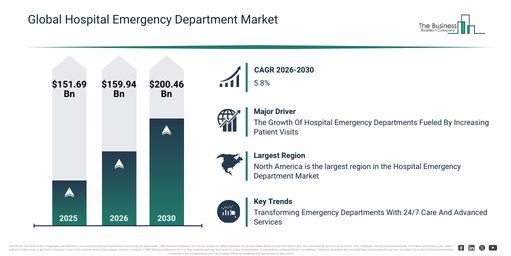
    The global market for hospital emergency departments has experienced robust expansion lately, projected to ascend from $151.69 billion in 2025 to $159.94 billion by 2026, reflecting a compound annual growth rate of 5.4%. This historical growth trajectory has been spurred by several key factors, including a higher frequency of accidents and trauma incidents, the increasing concentration of people in urban areas, a greater number of acute and chronic health issues, the enhancement of emergency care facilities in hospitals, and a rise in emergency hospitalizations resulting from infectious diseases.

    The hospital emergency department sector is poised for considerable expansion in the upcoming years, projecting a market value of $200.46 billion by 2030, underpinned by a compound annual growth rate (CAGR) of 5.8%. This anticipated growth is driven by several key factors including escalating overcrowding in emergency departments, a heightened demand for more rapid emergency response, the increasing necessity for unified emergency care systems, the broader deployment of networked emergency medical services, and substantial infusions of capital into emergency healthcare infrastructure. During this forecast period, significant trends will emerge, such as a concentrated effort to shorten emergency department wait times, a growing call for more efficient patient triage and patient flow processes, a stronger emphasis on cohesive emergency care workflows, the broader availability of round-the-clock emergency services, and an amplified focus on preparedness and capacity for critical care situations.

    Download A Free Sample Report For Comprehensive Market Insights:

    https://www.thebusinessresearchcompany.com/sample.aspx?id=11999&type=smp

    Hospital Emergency Department Market Growth Drivers And Industry Catalysts

    An anticipated increase in hospital emergency department utilization is set to drive the expansion of the hospital emergency department market. Emergency departments, which are dedicated medical units concentrating on emergency care, offer swift outpatient treatment to individuals requiring immediate attention for their health issues. The escalating number of individuals accessing emergency medical services fuels the need for enhanced infrastructure, supplies, and care within hospital emergency departments. To illustrate, data from the UK’s National Health Service (NHS) indicated that in December 2024, there were 552,592 instances of emergency admissions, a 1.2% rise from December 2023. Consequently, the frequency of visits to hospital emergency departments is a key factor propelling the market’s development.

    Hospital Emergency Department Market Segment Analysis And Revenue Opportunities

    The hospital emergency department market covered in this report is segmented –

    1) By Emergency Department Type: General Emergency Department, Trauma Emergency Department, Pediatric Emergency Department, Cardiac Emergency Department, Neurologic Or Stroke Emergency Department

    2) By Connectivity: Wired, Wireless

    3) By Application: Emergency Patient Monitoring, Diagnostic Imaging And Reporting, Electronic Health Records And Clinical Workflow, Emergency Communication And Coordination

    Subsegments:

    1) By General Emergency Department: Adult General Emergency Department, Mixed Adult–Pediatric Emergency Department

    2) By Trauma Emergency Department: Level I Trauma Center ED, Level II Trauma Center ED, Level III Trauma Center ED

    3) By Pediatric Emergency Department: Standalone Pediatric Emergency Department, Pediatric Emergency Unit within General Hospital

    4) By Cardiac Emergency Department: Acute Coronary Syndrome (ACS) Emergency Unit, Chest Pain Emergency Unit

    5) By Neurologic or Stroke Emergency Department: Comprehensive Stroke Center ED, Primary Stroke Center ED

    #Hospital Emergency Department Market Trends Influencing Long-Term Demand

    Leading players within the hospital emergency department sector are prioritizing advancements, such as ensuring round-the-clock readiness to manage a broad spectrum of urgent medical situations. This continuous availability signifies a service’s capacity to be accessed and functional without interruption, twenty-four hours a day, seven days a week. As an illustration, in June of 2024, TriLife Hospital, a healthcare institution based in India, inaugurated an all-encompassing emergency unit designed to deliver complete emergency medical treatment. This newly established emergency department in Bengaluru is designed to meet the increasing need for urgent medical attention, offering round-the-clock services for diverse medical, surgical, and trauma-related emergencies. It is outfitted with state-of-the-art medical technology, including a surgical suite and diagnostic imaging equipment, thereby guaranteeing thorough patient care. The pioneering “One Patient, One Attender, One Bill” approach simplifies the patient journey by designating a specialized medical professional to oversee each individual case. Supported by a robust staff exceeding 100 highly skilled individuals, the facility is equipped to handle a wide array of emergencies with promptness and effectiveness.

    Hospital Emergency Department Market Leading Players Shaping Industry Direction

    Major companies operating in the hospital emergency department market are Massachusetts General Hospital, Mayo Clinic Hospital, NYC Health + Hospitals, University of Michigan Health – Ann Arbor, Cedars-Sinai Medical Center, Barnes-Jewish Hospital, New York-Presbyterian Hospital, Ronald Reagan UCLA Medical Center, Texas Health Resources, Baystate Medical Center, Hartford Hospital, Parkland Health, Lakeland Regional Health, Sharp Grossmont Hospital, St. Joseph’s Health, Butler Memorial Hospital, USA Health, Natchitoches Regional Medical Center, Schoolcraft Memorial Hospital, Brigham and Women’s Hospital, Grady Memorial Hospital, Baptist Health South Florida, Montefiore Medical Center, LAC+USC Medical Center

    Access The Complete Hospital Emergency Department Market Report:

    https://www.thebusinessresearchcompany.com/report/hospital-emergency-department-global-market-report

    Hospital Emergency Department Market Largest Region: Which Geography Holds The Highest Market Share?

    North America was the largest region in the hospital emergency department market in 2025. The regions covered in the hospital emergency department market report are Asia-Pacific, South East Asia, Western Europe, Eastern Europe, North America, South America, Middle East, Africa.

    Get in touch with us:

    The Business Research Company: https://www.thebusinessresearchcompany.com/

    Americas: +1 310-496-7795

    Asia: +44 7882 955267 & +91 8897263534

    Europe: +44 7882 955267

    Email us at: marketing@tbrc.info

    Follow us on:

    LinkedIn: https://in.linkedin.com/company/the-business-research-company

    YouTube: https://www.youtube.com/channel/UC24_fI0rV8cR5DxlCpgmyFQ

    Global Market Model: https://www.thebusinessresearchcompany.com/global-market-model
  • Hospital Capacity Management Solutions Market Growth Is Reshaping Competitive Advantage Across The Industry

    Hospital Capacity Management Solutions Market Growth Is Reshaping Competitive Advantage Across The Industry

    Through market attractiveness analysis, total addressable market evaluation, company benchmarking matrices, interactive Excel dashboards, expanded supply chain intelligence, emerging startup coverage, and detailed product insights, The Business Research Company’s 2026 market reports provide more actionable and strategically valuable research.

    Hospital Capacity Management Solutions Market Growth Potential: How Will Market Size Change Through 2030?

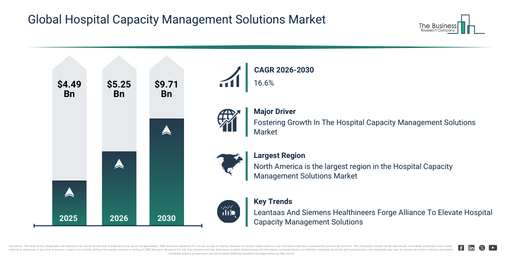
    In the historical timeframe, the market for hospital capacity management solutions experienced substantial expansion, projecting a significant upward trajectory. This sector is anticipated to expand from $4.49 billion in 2025 to $5.25 billion by 2026, reflecting a compound annual growth rate of 17.0%. The drivers behind this historical growth were primarily linked to the escalating problem of hospital overcrowding, a surge in patient admissions, the scarcity of available hospital beds, prevalent operational inefficiencies within healthcare facilities, and the initial implementation of foundational systems for tracking beds and other assets.

    The market for hospital capacity management solutions is poised for significant expansion, projecting to reach $9.71 billion by 2030, driven by a robust compound annual growth rate of 16.6%. This anticipated surge is fueled by several key factors: the heightened necessity for immediate hospital capacity planning, escalating investments in advanced smart hospital infrastructure, a persistent drive to shorten patient waiting periods, the proliferation of comprehensive hospital management systems, and mounting pressure to curtail operational expenditures within the healthcare sector. Furthermore, key trends shaping this landscape in the coming years include a greater emphasis on achieving real-time visibility into capacity availability, accelerated uptake of holistic patient flow management strategies, a growing demand for forward-looking capacity forecasting, the broadening implementation of centralized solutions for hospital resource optimization, and an intensified focus on maximizing capacity utilization in a cost-effective manner.

    Download A Free Sample Report For Comprehensive Market Insights:

    https://www.thebusinessresearchcompany.com/sample.aspx?id=8354&type=smp

    Hospital Capacity Management Solutions Market Opportunity Drivers: What Is Creating New Revenue Potential?

    Government-led efforts to elevate patient contentment and healthcare quality standards are fueling the expansion of the hospital capacity management solutions sector. These governmental pushes for better healthcare services are subsequently stimulating greater financial commitment towards hospital capacity management tools, thereby optimizing and streamlining healthcare operations. To illustrate, in May of 2023, the Indian government, in collaboration with the World Bank, an international financial body headquartered in the US, secured a dual funding package of $500 million each, intended to foster advancements in India’s health sector. This substantial aggregate investment of $1 billion is earmarked to bolster the Pradhan Mantri-Ayushman Bharat Health Infrastructure Mission (PM-ABHIM), a program designed to strengthen public health infrastructure nationwide. Consequently, such governmental undertakings are poised to contribute significantly to the market’s growth in hospital capacity management solutions.

    Hospital Capacity Management Solutions Market Segmentation And Category Breakdown

    The hospital capacity management solutions market covered in this report is segmented –

    1) By Component: Software, Services

    2) By Product: Asset Management, Patient Flow Management Solutions

    3) By Mode Of Delivery: On-Premise, Cloud-Based

    4) By Application: Standalone Solutions, Integrated Solutions

    5) By End-User: Hospitals, Ambulatory Surgical Centers

    Subsegments:

    1) By Software: Capacity Planning Software, Patient Flow Management Software, Bed Management Software, Reporting And Analytics Tools

    2) By Services: Consulting Services, Implementation Services, Support And Maintenance Services

    Hospital Capacity Management Solutions Market Innovation Trends Driving Future Development

    In the competitive landscape of the hospital capacity management solutions market, leading players are actively engaging in strategic collaborations to bolster their market standing. Such alliances, which involve formal agreements between independent entities to pursue shared objectives typically over an extended period, are a key trend. A prime example of this is the alliance formed in April 2023 between LeanTaaS, a US firm offering AI-driven Software as a Service for optimizing healthcare capacity, staffing, and patient flow, and Siemens Healthineers, a prominent German medical technology corporation. This partnership is designed to equip extensive hospital networks connected with Siemens Healthineers to achieve superior results, encompassing enhanced patient accessibility, greater staff contentment, and improved financial outcomes. Through this arrangement, tools intended for system-wide capacity optimization will be implemented, utilizing LeanTaaS’ advanced AI and machine learning capabilities for predictive and prescriptive analytics alongside Siemens Healthineers’ extensive experience in enterprise management.

    Hospital Capacity Management Solutions Market Competitive Analysis Of Major Industry Participants

    Major companies operating in the hospital capacity management solutions market are GE HealthCare Technologies Inc., TeleTracking Technologies Inc., Alcidion Corp., Koninklijke Philips N.V., Epic Systems Corporation, Care Logistic Inc., INFINITT Healthcare Co. Ltd., WellSky Corporation, Change Healthcare, Allscripts Healthcare Solutions Inc., Cerner Corporation, Medworxx Solutions Inc., Infosys Limited, McKesson Corporation, NextGen Healthcare Inc., HealthStream Inc., Optum Inc., Premier Inc., JVS Technologies Pvt Ltd., Simul8 Corporation

    Access The Complete Hospital Capacity Management Solutions Market Report:

    https://www.thebusinessresearchcompany.com/report/hospital-capacity-management-solutions-global-market-report

    Hospital Capacity Management Solutions Market Regional Analysis: Which Region Leads By Revenue?

    North Americawas the largest region in the hospital capacity management solutions market in 2025. The regions covered in the hospital capacity management solutions market report are Asia-Pacific, South East Asia, Western Europe, Eastern Europe, North America, South America, Middle East, Africa.

    Get in touch with us:

    The Business Research Company: https://www.thebusinessresearchcompany.com/

    Americas: +1 310-496-7795

    Asia: +44 7882 955267 & +91 8897263534

    Europe: +44 7882 955267

    Email us at: marketing@tbrc.info

    Follow us on:

    LinkedIn: https://in.linkedin.com/company/the-business-research-company

    YouTube: https://www.youtube.com/channel/UC24_fI0rV8cR5DxlCpgmyFQ

    Global Market Model: https://www.thebusinessresearchcompany.com/global-market-model
  • Hospital Bed Management Systems Market Forecast Signals New Revenue Opportunities Through 2030

    Hospital Bed Management Systems Market Forecast Signals New Revenue Opportunities Through 2030

    Delivering more actionable and strategically valuable research, The Business Research Company’s 2026 market reports feature market attractiveness analysis, total addressable market evaluation, company benchmarking matrices, interactive Excel dashboards, expanded supply chain intelligence, emerging startup coverage, and detailed product insights.

    Hospital Bed Management Systems Market Value Analysis: What Growth Is Expected Over The Forecast Period?

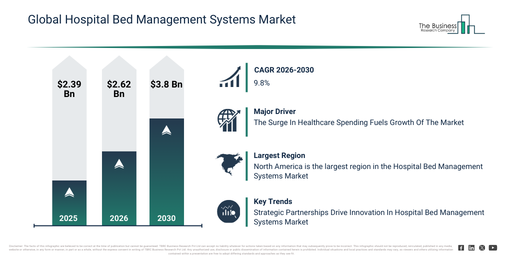
    In recent years, the market for hospital bed management systems has experienced significant expansion, projecting an increase from its 2025 valuation of $2.39 billion to $2.62 billion by 2026, demonstrating a compound annual growth rate of 9.7%. This upward trajectory during the historical period is largely attributable to escalating patient admission numbers, the pressing requirement to shorten patient waiting durations, the increasing intricacy of hospital operations, the proliferation of extensive multi-specialty healthcare facilities, and the integration of fundamental hospital information systems.

    The market for hospital bed management systems is projected for robust expansion in the upcoming years, anticipated to reach $3.8 billion by 2030 with a compound annual growth rate (CAGR) of 9.8%. This projected surge in the forecast period is fueled by several key factors, including a heightened emphasis on enhancing operational efficiency, a greater focus on optimizing patient throughput, the proliferation of cloud-based hospital management solutions, an increasing reliance on data for informed decision-making, and escalating investments in smart hospital infrastructure. Within this forecast period, significant trends are likely to emerge, such as a stronger concentration on maximizing bed utilization rates, a growing inclination towards adopting centralized patient flow management systems, a persistent demand for immediate visibility into bed availability, the broader application of analytics for capacity planning, and enhanced integration of bed management functionalities with overall hospital operations.

    Download A Free Sample Report For Comprehensive Market Insights:

    https://www.thebusinessresearchcompany.com/sample.aspx?id=13456&type=smp

    Hospital Bed Management Systems Market Growth Momentum: Which Factors Are Influencing Demand?

    Rising expenditure in the healthcare sector is anticipated to be a significant catalyst for the expansion of the hospital bed management systems market. This spending encompasses the overall financial investment directed towards healthcare services, and its augmentation often translates into a greater inclination towards sophisticated HBMS. The implementation of these advanced systems can yield substantial benefits, including elevated operational efficiency, superior patient outcomes, optimized allocation of resources, and a more effective management of bed availability. Such increased financial commitment can facilitate the integration of HBMS, thereby promoting judicious resource management. As an illustration, data from the Office for National Statistics in May 2023 revealed that between 2022 and 2023, the United Kingdom observed a 5.6% rise in healthcare spending, a notable acceleration from the 0.9% growth registered in 2022. In 2023, total healthcare expenditure in the UK reached approximately $317.63 billion (£292 billion). Consequently, the upward trend in healthcare disbursements is a key driver fueling the growth trajectory of the hospital bed management systems market.

    Hospital Bed Management Systems Market Segment Outlook: Which Categories Are Expanding The Fastest?

    The hospital bed management systems market covered in this report is segmented –

    1) By Component: Services, Software

    2) By Mode Of Delivery: On-Premise, Cloud-Based

    3) By Hospital Bed Management Systems Type: Acute Care Bed, Critical Care Bed

    4) By End User: Hospitals, Ambulatory Surgical Centers, Other End Users

    Subsegments:

    1) By Services: Consulting Services, Implementation Services, Training And Support Services

    2) By Software: Bed Management Software, Patient Flow Management Software, Bed Occupancy And Allocation Software, Reporting And Analytics Software

    Hospital Bed Management Systems Market Trends Reshaping Industry Growth

    Within the competitive landscape of the hospital bed management systems sector, leading entities are prioritizing the cultivation of strategic alliances aimed at forging cutting-edge solutions and securing a superior market position. These collaborations, essentially mutual agreements between organizations, are designed to accomplish shared objectives that are more readily attainable through joint endeavor. TeleTracking Technologies, for example, a US firm renowned for its healthcare operations platforms, introduced an integrated system in August 2023. This advanced electronic bed management solution offers real-time insights into bed occupancy and patient status, thereby optimizing patient flow and resource allocation by automating bed turnover and patient assignment. Such systems significantly reduce unoccupied bed durations and boost operational efficacy, utilizing predictive analytics to forecast upcoming bed requirements, enabling proactive hospital resource adjustments. Furthermore, improved interdepartmental communication mitigates delays and operational impediments, guaranteeing prompt and suitable patient treatment and elevating the patient experience. Illustrating this, the Maidstone and Tunbridge Wells NHS Trust saw a notable enhancement in both bed turnover speed and patient care quality following the adoption of a novel bed management system, which facilitated smoother departmental communication, decreased patient wait periods, and refined overall hospital functionality.

    Hospital Bed Management Systems Market Key Companies And Competitive Benchmarking

    Major companies operating in the hospital bed management systems market are TeleTracking Technologies, LeanTaaS, Central Logic, Terawe Corporation, The Access Group, Epic Systems Corporation, MEDITECH, Allscripts Healthcare Solutions, Infor Inc., McKesson Corporation, Siemens Healthineers, GE Healthcare Technologies Inc., Koninklijke Philips N.V., Lyngsoe Systems A/S, PatientKeeper Inc., CareCloud Corporation, Veradigm Inc., Omnicell Inc., Advanced Data Systems Corporation, QGenda Inc., Innovaccer Inc., Agfa HealthCare NV

    Access The Complete Hospital Bed Management Systems Market Report:

    https://www.thebusinessresearchcompany.com/report/hospital-bed-management-systems-global-market-report

    Hospital Bed Management Systems Market Geographic Distribution And Regional Opportunities

    North Americawas the largest region in the hospital bed management systems market in 2025. The regions covered in the hospital bed management systems market report are Asia-Pacific, South East Asia, Western Europe, Eastern Europe, North America, South America, Middle East, Africa.

    Get in touch with us:

    The Business Research Company: https://www.thebusinessresearchcompany.com/

    Americas: +1 310-496-7795

    Asia: +44 7882 955267 & +91 8897263534

    Europe: +44 7882 955267

    Email us at: marketing@tbrc.info

    Follow us on:

    LinkedIn: https://in.linkedin.com/company/the-business-research-company

    YouTube: https://www.youtube.com/channel/UC24_fI0rV8cR5DxlCpgmyFQ

    Global Market Model: https://www.thebusinessresearchcompany.com/global-market-model
  • Hospital Asset Tracking and Inventory Management Systems Market Growth Is Accelerating As Industry Transformation Continues

    Hospital Asset Tracking and Inventory Management Systems Market Growth Is Accelerating As Industry Transformation Continues

    Enhanced with market attractiveness analysis, total addressable market evaluation, company benchmarking matrices, interactive Excel dashboards, expanded supply chain intelligence, emerging startup coverage, and detailed product insights, The Business Research Company’s 2026 market reports deliver more actionable and strategically valuable research.

    Hospital Asset Tracking and Inventory Management Systems Market Size Forecast: How Large Could The Market Become By 2030?

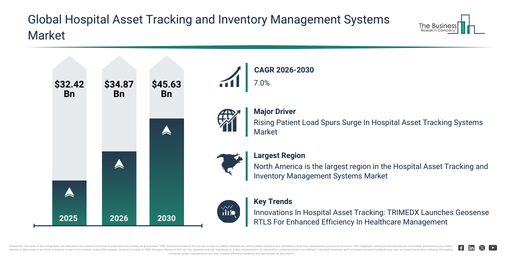
    The market for hospital asset tracking and inventory management systems has experienced robust expansion. Projections indicate a rise from $32.42 billion in 2025 to $34.87 billion in 2026, reflecting a compound annual growth rate (CAGR) of 7.5%. Several factors have fueled this historical growth, including the continuous development of healthcare facilities, escalating financial setbacks stemming from the misplacement of medical devices, the increasing intricacy involved in managing hospital inventories, a heightened demand for readily accessible emergency equipment, and the gradual integration of fundamental RFID and barcode technologies.

    The market for hospital asset tracking and inventory management solutions is poised for significant expansion over the coming years, with projections indicating a rise to $45.63 billion by 2030, driven by a compound annual growth rate (CAGR) of 7.0%. This projected growth is primarily fueled by several key factors, including the escalating requirement for enhanced operational efficiency within healthcare facilities, a growing emphasis on maintaining real-time visibility of assets, the proliferation of smart hospital concepts, a heightened focus on cost reduction and meticulous utilization tracking, and an increased regulatory mandate for precise equipment accountability. During the forecast period, prominent market trends are expected to involve the greater integration of real-time equipment tracking technologies, a reinforced commitment to minimizing asset loss and misplacement, a surge in demand for automated inventory oversight in hospitals, the growing implementation of proactive equipment maintenance strategies, and a deeper integration of asset tracking capabilities with core hospital operations.

    Download A Free Sample Report For Comprehensive Market Insights:

    https://www.thebusinessresearchcompany.com/sample.aspx?id=7461&type=smp

    Hospital Asset Tracking and Inventory Management Systems Market Expansion Drivers: What Is Shaping Future Growth?

    The escalating demand for hospital services, fueled by factors such as the COVID-19 pandemic, prevalent lifestyle-related illnesses, and escalating rates of conditions like cancer, is significantly propelling the expansion of the hospital asset tracking and inventory management systems market. As more individuals require hospitalization, the need for medical equipment and supplies surges, consequently increasing the demand for sophisticated asset tracking and inventory management solutions. To illustrate this trend, data from the Nuffield Trust in May 2024 revealed a notable rise in patients within private hospitals in England, climbing from 5.6% before the pandemic to 7.5% during the 2022/23 fiscal year, underscoring the impact of increased patient volume on healthcare infrastructure and the resultant market growth for these management systems.

    Hospital Asset Tracking and Inventory Management Systems Market Segment Landscape: Which Areas Lead Market Development?

    The hospital asset tracking and inventory management systems market covered in this report is segmented –

    1) By Product Type: Mobile, Fixed

    2) By Technology: Hardware, Software

    3) By Application: Equipment Or Device Or Supplies Tracking, Equipment Maintenance

    Subsegments:

    1) By Mobile: Mobile Asset Tracking Devices, Mobile Inventory Management Applications

    2) By Fixed: Fixed Asset Tracking Systems, Fixed Inventory Management Solutions

    Hospital Asset Tracking and Inventory Management Systems Market Strategic Trends: What Is Defining The Next Phase Of Growth?

    In the competitive landscape of the hospital asset tracking and inventory management systems market, leading organizations are actively developing novel solutions like healthcare asset management with the primary aims of boosting operational effectiveness, decreasing expenditures, and elevating the standard of patient treatment. This strategic management of healthcare assets encompasses a comprehensive framework for overseeing an organization’s resources, such as medical apparatus, physical infrastructure, information technology systems, and personnel. As a prime example, demonstrating this commitment to advancement, TRIMEDX, a notable biotechnology firm headquartered in the United States, introduced its revolutionary GeoSense Real-Time Location System (RTLS) in April of 2024, specifically engineered for the domain of healthcare asset management. This sophisticated technology offers unparalleled accuracy in pinpointing medical equipment down to the room level, thereby achieving a remarkable reduction in the time spent searching for items by as much as half, and consequently liberating healthcare professionals to dedicate greater attention to their patients. Furthermore, GeoSense is designed for effortless integration with TRIMEDX’s established data infrastructure and features an intuitive mobile application facilitating rapid identification of devices precisely where they are needed at the point of care.

    Hospital Asset Tracking and Inventory Management Systems Market Industry Leaders And Market Competition

    Major companies operating in the hospital asset tracking and inventory management systems market are IBM Corporation, Honeywell International Inc., Siemens Healthineers AG, GE Healthcare, Stanley Black & Decker, Avery Dennison Corporation, Zebra Technologies Corporation, ThingMagic (Trimble Inc.), Infor Inc., CenTrak (Halma plc), Epicor Software Corporation, Jadak- A Novanta Company, Midmark Corporation, Ascom Holding AG, Impinj Inc., Elpas Solutions, Identiv Inc., Sato Holdings Corporation, Alien Technology, Censis Technologies, Mobile Aspects, Ekahau Inc., AiRISTA Flow Inc, Sonitor Technologies Inc, Cybra Corporation, LogiTag Systems

    Access The Complete Hospital Asset Tracking and Inventory Management Systems Market Report:

    https://www.thebusinessresearchcompany.com/report/hospital-asset-tracking-and-inventory-management-systems-global-market-report

    Hospital Asset Tracking and Inventory Management Systems Market Largest Region By Revenue And Market Share

    North Americawas the largest region in the hospital asset tracking and inventory market in 2025. The regions covered in the hospital asset tracking and inventory management systems market report are Asia-Pacific, South East Asia, Western Europe, Eastern Europe, North America, South America, Middle East, Africa.

    Get in touch with us:

    The Business Research Company: https://www.thebusinessresearchcompany.com/

    Americas: +1 310-496-7795

    Asia: +44 7882 955267 & +91 8897263534

    Europe: +44 7882 955267

    Email us at: marketing@tbrc.info

    Follow us on:

    LinkedIn: https://in.linkedin.com/company/the-business-research-company

    YouTube: https://www.youtube.com/channel/UC24_fI0rV8cR5DxlCpgmyFQ

    Global Market Model: https://www.thebusinessresearchcompany.com/global-market-model