Month: June 2026

  • Home Healthcare Market Opportunities Are Emerging Beyond Traditional Growth Areas

    Home Healthcare Market Opportunities Are Emerging Beyond Traditional Growth Areas

    Delivering more actionable and strategically valuable research, The Business Research Company’s 2026 market reports feature market attractiveness analysis, total addressable market evaluation, company benchmarking matrices, interactive Excel dashboards, expanded supply chain intelligence, emerging startup coverage, and detailed product insights.

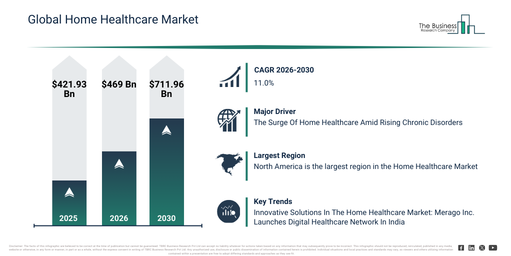
    Home Healthcare Market Expected To Reach $711.95 Billion By 2030 At 11% CAGR

    The domestic medical support sector has experienced considerable expansion lately, with projections indicating a rise from $421.93 billion in 2025 to $469 billion by 2026, representing a compound annual growth rate of 11.2%. The factors driving this advance during the preceding period included a larger elderly demographic, a greater prevalence of long-term health conditions, escalating healthcare facility expenses, governmental backing for in-home assistance, and the enhancement of medical service networks.

    The home healthcare sector is poised for significant expansion over the coming years, projecting a market value reaching $711.96 billion by 2030, driven by a compound annual growth rate (CAGR) of 11.0%. This anticipated surge is fueled by several key factors, including a growing preference for in-home treatment, an increasing incidence of chronic illnesses, heightened demand for medical devices used at home, a rise in private healthcare expenditure, and limitations in hospital bed availability. Furthermore, the upcoming period is expected to witness prominent trends such as an escalating need for managing chronic conditions from home, a greater acceptance of preventative healthcare services delivered at home, the wider provision of respiratory and oxygen therapies in home settings, increased utilization of diagnostic and monitoring equipment within residences, and a general shift from inpatient hospital care towards recovery at home.

    Download A Free Sample Report For Comprehensive Market Insights:

    https://www.thebusinessresearchcompany.com/sample.aspx?id=6135&type=smp

    Home Healthcare Market Growth Momentum: Which Factors Are Influencing Demand?

    The expanding presence of long-term illnesses is poised to stimulate the expansion of the home healthcare sector in the future. These chronic conditions, characterized by their slow onset and enduring nature, often requiring lifelong management, are precisely where home healthcare demonstrates its significant value. By providing personalized, patient-focused services within a comfortable setting, home healthcare significantly aids in the overall management of long-term diseases. For illustration, data from the National Institutes of Health, a US governmental body, released in January 2023, indicates that by the year 2035, an estimated 35.66 percent of adults aged 50 and above, with a variance between 33.36 and 36.04 percent, will be managing at least one chronic ailment. This proportion is further expected to climb to 47.81 percent, falling within the 46.09 to 49.71 percent range, by 2050. Consequently, the rising incidence of chronic health issues directly fuels the growth trajectory of the home healthcare industry.

    Home Healthcare Market Segmentation And Category Breakdown

    The home healthcare market covered in this report is segmented –

    1) By Equipment: Therapeutic, Diagnostic, Mobility Care

    2) By Services: Rehabilitation Services, Respiratory Therapy Services, Infusion Therapy Services, Other Services

    3) By Indication: Cardiovascular Disorders And Hypertension, Diabetes, Respiratory Diseases, Cancer, Wound Care, Other Indications

    Subsegments:

    1) By Therapeutic: Oxygen Therapy Equipment (Concentrators, Tanks), Infusion Pumps, Nebulizers, CPAP Machines, Home Dialysis Machines

    2) By Diagnostic: Blood Glucose Monitors, Blood Pressure Monitors, Thermometers, Pulse Oximeters, Home Cholesterol Test Kits

    3) By Mobility Care: Wheelchairs (Manual And Electric), Walkers And Rollators, Crutches, Mobility Scooters, Lift Chairs

    Home Healthcare Market Trends Reshaping Industry Growth

    Home healthcare market leaders are dedicated to innovating sophisticated offerings, like personal home healthcare management, with the dual goals of improving patient well-being and streamlining care provision. This personal home healthcare management concept encompasses a suite of services and technological tools intended to support individuals in overseeing their health and maintaining wellness within their residence. As an illustration, in September 2023, Merago Inc., a technology firm specializing in digital health solutions based in the United States, initiated its home healthcare services within India. This venture was undertaken in partnership with Portea Medical, thereby creating the Merago Digital Healthcare Network. The objective behind this collaboration is to deliver comprehensive services, encompassing emergency and post-surgical care, directly to patient homes. Through the strategic application of technology, this alliance endeavors to boost both the ease of access to and the effectiveness of healthcare services, responding to the growing need for home-based care solutions driven by an aging global population and the prevalence of long-term illnesses.

    Home Healthcare Market Competitive Analysis Of Major Industry Participants

    Major companies operating in the home healthcare market are CVS Health Corporation, McKesson Corporation, MediCar Home Health Services Inc., Humana Inc., Fresenius SE & Co. KGaA, Medline Industries LP, Becton Dickinson and Company, Koninklijke Philips N.V., Baxter International Inc., B. Braun Melsungen AG, Kindred Healthcare Inc., Encompass Health Corporation, ResMed Inc., Brookdale Senior Living Inc., Maxim Healthcare Services Inc., Amedisys Inc., AccentCare Inc., OMRON Healthcare Inc. (Omron Corporation), LHC Group Inc., Enhabit Home Health & Hospice LLC, Addus HomeCare Corporation, Invacare Corporation, Zorgers, American Well Corporation, Honor Home Care Inc.,A&D Company Limited, Grand World Elder Care, Sunrise Senior Living LLC

    Access The Complete Home Healthcare Market Report:

    https://www.thebusinessresearchcompany.com/report/home-healthcare-global-market-report

    Home Healthcare Market Largest Region By Revenue And Market Share

    North Americawas the largest region in the home healthcare market in 2025. Asia-Pacificis expected to be the fastest-growing region in the forecast period. The regions covered in the home healthcare market report are Asia-Pacific, South East Asia, Western Europe, Eastern Europe, North America, South America, Middle East, Africa.

    Get in touch with us:

    The Business Research Company: https://www.thebusinessresearchcompany.com/

    Americas: +1 310-496-7795

    Asia: +44 7882 955267 & +91 8897263534

    Europe: +44 7882 955267

    Email us at: marketing@tbrc.info

    Follow us on:

    LinkedIn: https://in.linkedin.com/company/the-business-research-company

    YouTube: https://www.youtube.com/channel/UC24_fI0rV8cR5DxlCpgmyFQ

    Global Market Model: https://www.thebusinessresearchcompany.com/global-market-model
  • Home Health Care And Residential Nursing Care Services Market Expansion Is Opening New Pathways For Strategic Investment

    Home Health Care And Residential Nursing Care Services Market Expansion Is Opening New Pathways For Strategic Investment

    Enhanced with market attractiveness analysis, total addressable market evaluation, company benchmarking matrices, interactive Excel dashboards, expanded supply chain intelligence, emerging startup coverage, and detailed product insights, The Business Research Company’s 2026 market reports deliver more actionable and strategically valuable research.

    Home Health Care And Residential Nursing Care Services Market Size And Revenue Forecast Through 2030

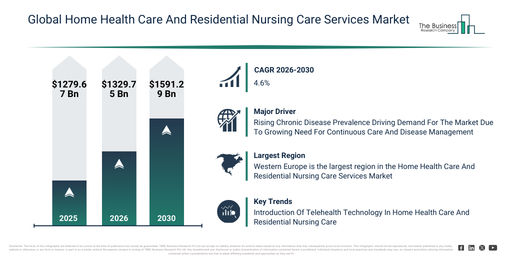
    Experiencing consistent expansion, the market for home health care and residential nursing services is projected to advance from US$1279.67 billion in 2025 to US$1329.75 billion in 2026, demonstrating a compound annual growth rate of 3.9%. This upward trajectory in the past was influenced by factors such as an expanding elderly demographic, escalating hospital crowding, a surge in long-term health conditions, governmental investment in healthcare infrastructure, and the proliferation of specialized care facilities.

    The market encompassing home health care and residential nursing care is projected to experience consistent expansion ahead, reaching an estimated $1591.29 billion by 2030. This upward trajectory is underpinned by a compound annual growth rate (CAGR) of 4.6%, driven by factors such as an increasing acceptance of care provided within the home environment, a rising proportion of the population requiring support in their old age, an escalation in expenditure on private healthcare services, a scarcity of hospital beds, and a growing need for enduring care solutions. Key developments anticipated during this period include a heightened inclination towards clinical treatments administered at home, the broadening of services focused on recovery after hospitalization and rehabilitation, a surge in demand for specialized care catering to the elderly and individuals with chronic conditions, a transition towards care frameworks emphasizing value and outcomes within home settings, and the collaborative integration of diverse healthcare professional teams.

    Download A Free Sample Report For Comprehensive Market Insights:

    https://www.thebusinessresearchcompany.com/sample.aspx?id=249&type=smp

    Home Health Care And Residential Nursing Care Services Market Expansion Drivers: What Is Shaping Future Growth?

    The increasing incidence of long-term health conditions is anticipated to be a significant catalyst for the expansion of the home health care and residential nursing care services sector. These enduring ailments, which develop gradually and require continuous management rather than outright cures, are often linked to detrimental lifestyle choices like poor nutrition, sedentary habits, smoking, and excessive alcohol use, all of which elevate the likelihood of developing conditions such as diabetes and cardiovascular disease. Services in home health and residential nursing are instrumental in managing these chronic illnesses through ongoing medical observation, precise medication administration, tailored care strategies, and assistance with daily tasks, thereby empowering individuals to better control their symptoms, avert adverse health events, and sustain a higher quality of life within their own homes. Notably, the Centers for Disease Control and Prevention (CDC) indicated in April 2025 that in 2023, a substantial 76.4% of American adults, equating to approximately 194 million individuals, reported living with at least one chronic health issue, with figures standing at 59.5% for young adults, 78.4% for middle-aged adults, and a pronounced 93.0% for older adults. Consequently, the escalating prevalence of chronic diseases is acting as a primary driver for the home health care and residential nursing care services market.

    The expansion of the home health care and residential nursing care services market is poised for acceleration due to the growing segment of the population aged 65 and above. This demographic, characterized by older adults, benefits significantly from home health and residential nursing care, which offer a spectrum of support aimed at preserving their quality of life, autonomy, and general welfare. For example, data from the Pew Research Center Organization in January 2024 suggested that the geriatric population is projected to grow by 0.5% by 2054, starting from 0.2% in 2024. This demographic shift underscores the increasing demand for and sustained growth of the home health care and residential nursing care services market.

    Home Health Care And Residential Nursing Care Services Market Segment Outlook: Which Categories Are Expanding The Fastest?

    The home health care and residential nursing care services market covered in this report is segmented –

    1) By Type: Home Health Care Providers, Nursing Care Facilities

    2) By Type of Expenditure: Public, Private

    3) By End User Gender: Male, Female

    Subsegments:

    1) By Home Health Care Providers: Skilled Nursing Services, Physical Therapy Services, Occupational Therapy Services, Home Health Aide Services, Medical Social Services

    2) By Nursing Care Facilities: Skilled Nursing Facilities (SNFs), Long-Term Care Facilities, Rehabilitation Facilities, Hospice Care Facilities

    Home Health Care And Residential Nursing Care Services Market Strategic Trends: What Is Defining The Next Phase Of Growth?

    To maintain their standing within the home health care and residential nursing care services sector, leading entities are concentrating their efforts on pioneering sophisticated technological solutions, notably telehealth. This approach involves leveraging digital communication tools to extend healthcare offerings, consultations, patient oversight, and assistance remotely. A prime illustration of this trend occurred in April 2023 when AvaSure, an American healthcare firm, unveiled an innovative virtual nursing platform coupled with a care delivery methodology. This system synergizes telehealth capabilities with a dedicated nursing workforce, thereby streamlining the integration of clinical technologies. The groundbreaking model elevates patient well-being and security by fostering a collaborative ecosystem where remote teams actively support frontline medical staff. Such advancements are specifically designed to meet the dynamic needs of the healthcare landscape, equipping medical facilities and healthcare networks with the means to significantly improve their patient service standards.

    Home Health Care And Residential Nursing Care Services Market Key Companies And Competitive Benchmarking

    Major companies operating in the home health care and residential nursing care services market are UnitedHealth Group Incorporated, Kaiser Permanente, Kindred Healthcare, Orpea, Encompass Home Health, Option Care Health Inc., Elara Caring, Genesis Healthcare Corp., The Ensign Group Inc., Brookdale Senior Living, LHC Group Inc., Chemed Corp., Sunrise Senior Living, Amedisys Inc., BrightStar Care, Aveanna Healthcare Holdings Inc., Gentiva Health Services, Enhabit Inc., Addus HomeCare Corporation, Extendicare, Signify Health Inc., Atria Senior Living Group, Home Instead Senior Care, Assisted Living Inc., AdaptHealth Corp, Apria Inc, Rotech Healthcare Holdings Inc., eWellness Healthcare Corporation

    Access The Complete Home Health Care And Residential Nursing Care Services Market Report:

    https://www.thebusinessresearchcompany.com/report/home-health-care-and-residential-nursing-care-services-global-market-report

    Home Health Care And Residential Nursing Care Services Market Regional Analysis And Leading Geography

    Western Europewas the largest region in the home health care and residential nursing care services market in 2025. North Americawas the second largest region in the home health care and residential nursing care services market. The regions covered in the home health care and residential nursing care services market report are Asia-Pacific, South East Asia, Western Europe, Eastern Europe, North America, South America, Middle East, Africa.

    Get in touch with us:

    The Business Research Company: https://www.thebusinessresearchcompany.com/

    Americas: +1 310-496-7795

    Asia: +44 7882 955267 & +91 8897263534

    Europe: +44 7882 955267

    Email us at: marketing@tbrc.info

    Follow us on:

    LinkedIn: https://in.linkedin.com/company/the-business-research-company

    YouTube: https://www.youtube.com/channel/UC24_fI0rV8cR5DxlCpgmyFQ

    Global Market Model: https://www.thebusinessresearchcompany.com/global-market-model
  • Home Care Services Market Trends Are Creating New Opportunities For Industry Leaders

    Home Care Services Market Trends Are Creating New Opportunities For Industry Leaders

    Through market attractiveness analysis, total addressable market evaluation, company benchmarking matrices, interactive Excel dashboards, expanded supply chain intelligence, emerging startup coverage, and detailed product insights, The Business Research Company’s 2026 market reports provide more actionable and strategically valuable research.

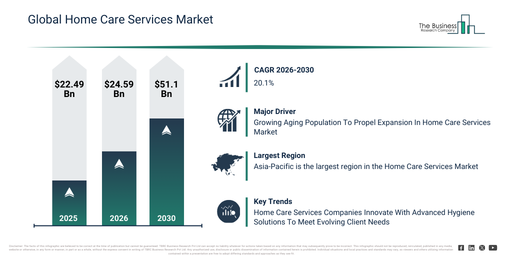
    Home Care Services Market Growth From $24.58 Billion In 2026 To $51.1 Billion By 2030 At A CAGR Of 20.1%

    The global market for home care services has experienced robust expansion, with projections indicating a continued upward trajectory from its valuation of $22.49 billion in 2025 to $24.59 billion in 2026, representing a compound annual growth rate of 9.3%. This historical growth trend has been significantly influenced by several key factors, including a growing elderly demographic, a marked shift in consumer preference towards receiving care within their own homes, the proliferation of various service delivery models adapted for residential settings, the development and professionalization of caregiving as a sector, and enhanced accessibility and affordability of home-based care solutions.

    The domestic healthcare sector is poised for remarkable expansion, projecting a substantial surge to $51.1 billion by 2030, driven by a compound annual growth rate of 20.1%. This upward trajectory is fueled by a confluence of factors, including a heightened need for technologically advanced in-home assistance, the broadening of support systems for aging individuals, a greater emphasis on proactive health and well-being measures within the home environment, increased financial backing for online service delivery models, and a growing preference for ongoing care plans structured on subscriptions. Key developments anticipated during this projection period involve a greater embrace of systems for managing care remotely, a stronger desire for tailored domestic care solutions, the integration of remote medical consultations into home-based services, a more widespread utilization of digital tools for appointment coordination and progress tracking, and an intensified commitment to supporting individuals with age-related conditions and chronic illnesses.

    Download A Free Sample Report For Comprehensive Market Insights:

    https://www.thebusinessresearchcompany.com/sample.aspx?id=19508&type=smp

    Home Care Services Market Development Factors: Which Trends Are Supporting Demand?

    The escalating demographic trend of an increasing elderly populace is poised to be a significant catalyst for the expansion of the home care services sector. This demographic shift, characterized by a greater prevalence of older adults, stems from both extended lifespans and reduced procreation rates. Home care solutions are instrumental in empowering older individuals to sustain a superior standard of living, foster community engagement, and mitigate the necessity for residential care facilities, thereby facilitating the concept of aging in one’s own residence. Such services are meticulously customized to address the unique requirements and desires of each senior, guaranteeing that the care provided is both individualized and attuned to their particular health challenges and daily routines. As an illustration, projections from the United Nations, a global intergovernmental body, indicated in 2023 that the cohort of individuals aged 65 and above is anticipated to see more than a twofold increase, growing from 761 million in 2021 to a projected 1.6 billion by the year 2050. Consequently, this burgeoning senior population will serve as a primary driver for the home care services market.

    Home Care Services Market Segment Landscape: Which Areas Lead Market Development?

    The home care services market covered in this report is segmented –

    1) By Service: Medical Home Care Services, Personal Home Care Services

    2) By Care Duration: Hourly Care, Daily Care, Live-In Care, Short-Term Care, Long-Term Care

    3) By Application: Residential Home Care, Senior Living at Home, Post-Hospitalization Home Care

    4) By End User: Geriatric Patients, Adult Patients, Pediatric Patients, Disabled Individuals, Post-Surgical Patients, Chronically Ill Patients

    Subsegments:

    1) By Medical Home Care Services: Skilled Nursing Care, Physician Home Visits, Medication Management, Wound Care, Chronic Disease Management, Post-Surgical Care, Rehabilitation Therapy

    2) By Personal Home Care Services: Assistance with Activities of Daily Living, Mobility Assistance, Companionship Services, Meal Preparation, Light Housekeeping (care-related only), Transportation Assistance

    Home Care Services Market Transformation Trends: Which Innovations Are Driving Change?

    Key players within the home care services sector are concentrating on the introduction of novel offerings, such as domestic hygiene assistance, with the aim of elevating their clientele’s general health and life satisfaction. Domestic hygiene assistance encompasses the provision of personal upkeep and tidying support directly within a person’s residence, contributing to a pristine environment and fostering comprehensive wellness. Such services prove especially advantageous for individuals requiring aid due to factors including advanced age, physical challenges, health conditions, or post-operative recuperation. As an illustration, in April 2024, Major Maids House Cleaning Company, an entity based in the United States that delivers home care solutions, unveiled groundbreaking hygiene provisions in Tampa. This strategic move underscores the company’s dedication to delivering superior, secure, and impactful cleaning alternatives, especially given the heightened public consciousness regarding cleanliness and sanitization. Their service portfolio spans general residential cleaning, thorough deep cleaning, specialized move-in and move-out services, and home organization assistance.

    Home Care Services Market Industry Leaders And Market Competition

    Major companies operating in the home care services market are Right at Home Inc., BrightStar Group Holdings Inc., Interim HealthCare Inc., LHC Group Inc., AccentCare Inc., Bayada Home Health Care, Comfort Keepers, ComForCare, Senior Helpers, Amada Senior Care, FirstLight Home Care, Always Best Care Senior Services, Amedisys Inc., Synergy HomeCare Franchising LLC, Griswold Home Care, Family Resource Home Care, Maxim Healthcare Services Inc., TheKey, Honor Technology Inc., Visiting Angels Living Assistance Limited

    Access The Complete Home Care Services Market Report:

    https://www.thebusinessresearchcompany.com/report/home-care-services-global-market-report

    Home Care Services Market Geographic Analysis: Where Is Demand Growing The Fastest?

    Asia-Pacificwas the largest region in the home care services market in 2025. The regions covered in the home care services market report are Asia-Pacific, South East Asia, Western Europe, Eastern Europe, North America, South America, Middle East, Africa.

    Get in touch with us:

    The Business Research Company: https://www.thebusinessresearchcompany.com/

    Americas: +1 310-496-7795

    Asia: +44 7882 955267 & +91 8897263534

    Europe: +44 7882 955267

    Email us at: marketing@tbrc.info

    Follow us on:

    LinkedIn: https://in.linkedin.com/company/the-business-research-company

    YouTube: https://www.youtube.com/channel/UC24_fI0rV8cR5DxlCpgmyFQ

    Global Market Model: https://www.thebusinessresearchcompany.com/global-market-model
  • Home Blood Pressure Monitoring Devices Market Growth Is Reshaping Competitive Advantage Across The Industry

    Home Blood Pressure Monitoring Devices Market Growth Is Reshaping Competitive Advantage Across The Industry

    Delivering more actionable and strategically valuable research, The Business Research Company’s 2026 market reports feature market attractiveness analysis, total addressable market evaluation, company benchmarking matrices, interactive Excel dashboards, expanded supply chain intelligence, emerging startup coverage, and detailed product insights.

    Home Blood Pressure Monitoring Devices Market Expansion Outlook: What Revenue Opportunities Lie Ahead?

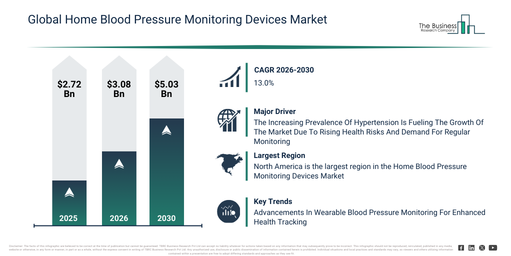
    The market for home blood pressure monitoring devices is experiencing substantial expansion. Projections indicate a surge from $2.72 billion in 2025 to $3.08 billion by 2026, fueled by a compelling compound annual growth rate of 13.2%. This upward trajectory in the historical period is largely attributable to a rising incidence of hypertension, heightened consumer consciousness regarding preventive healthcare measures, increased adoption of home-based healthcare services, greater accessibility of digital health devices, and the proliferation of portable monitoring tools.

    The market for home blood pressure monitoring devices is poised for substantial expansion in the coming years, projecting a valuation of $5.03 billion by 2030, driven by a compound annual growth rate (CAGR) of 13.0%. This projected growth trajectory is fueled by several key factors, including a heightened demand for remote cardiovascular health oversight, the increasing incorporation of AI-powered health analytics, a broader embrace of telemedicine capabilities, a more pronounced emphasis on managing chronic conditions, and a growing trend towards the adoption of connected medical instruments. Within this forecast period, significant trends shaping the market include a greater uptake of wirelessly connected blood pressure monitors, an escalating need for hypertension tracking within the home environment, the growing integration of mobile health applications, the expansion of remote patient monitoring initiatives, and a heightened focus on developing user-friendly device interfaces.

    Download A Free Sample Report For Comprehensive Market Insights:

    https://www.thebusinessresearchcompany.com/sample.aspx?id=24238&type=smp

    Home Blood Pressure Monitoring Devices Market Industry Drivers: What Is Driving Revenue Growth?

    The expanding number of individuals experiencing hypertension is anticipated to be a significant factor in the market expansion for devices used to monitor blood pressure at home. Hypertension, characterized by consistently elevated blood pressure, significantly elevates the risk of developing cardiovascular ailments, cerebrovascular accidents, and other serious health issues. Factors contributing to the rising rates of hypertension include lifestyle choices such as imbalanced diets, insufficient physical activity, tobacco use, overconsumption of alcohol, and prolonged stress, all of which can compromise the body’s ability to regulate blood pressure and inflict damage on vascular structures over time. Devices for home blood pressure monitoring empower individuals to keep a consistent record of their readings, facilitating the early identification of hypertension, optimizing treatment adherence, and fostering more productive consultations with medical professionals. Illustrating this point, data from the Centers for Disease Control and Prevention in the United States revealed that in 2023, hypertension played a direct or contributing role in 664,470 fatalities across the nation. Consequently, the escalating occurrence of hypertension is serving as a primary driver for the home blood pressure monitoring devices market.

    Home Blood Pressure Monitoring Devices Market Segments: Where Are The Largest Growth Opportunities?

    The home blood pressure monitoring devices market covered in this report is segmented –

    1) By Product: Aneroid Blood Pressure Monitors, Digital Blood Pressure Monitors, Instruments and Accessories

    2) By Connectivity: Bluetooth, Wireless Fidelity (Wi-Fi), Universal Serial Bus (USB), Non-Connected

    3) By Distribution Channel: Retail Pharmacies, Online Pharmacies, Other Distribution Channels

    Subsegments:

    1) By Aneroid Blood Pressure Monitors: Manual Aneroid Monitors, Pocket-Sized Aneroid Monitors

    2) By Digital Blood Pressure Monitors: Upper Arm Monitors, Wrist Monitors

    3) By Instruments and Accessories: Blood Pressure Cuffs, Cuff Holders, Power Adapters

    #Home Blood Pressure Monitoring Devices Market Growth Trends: What Is Influencing The Future Outlook?

    Leading participants in the home blood pressure monitoring devices sector are concentrating their efforts on innovating sophisticated offerings, like wrist-worn blood pressure monitors, aiming to provide individuals with a less intrusive and more user-friendly method for daily blood pressure oversight. These wearable blood pressure devices, compact and easily carried, continuously gauge blood pressure levels through integrated sensors or employing oscillometric techniques. They furnish immediate data, facilitating persistent observation, prompt identification of anomalies, and effortless synchronization with smartphone applications for tailored health regimen management. A pertinent example emerged in November 2024 when Aktiia, a health technology firm headquartered in Switzerland, introduced its continuous blood pressure monitoring (CBPM) wristband, which subsequently obtained authorization from Health Canada. This event signified the company’s initial foray into markets beyond the European continent. The Canadian introduction presents a non-intrusive, body-worn instrument designed for perpetual blood pressure assessment. The regulatory endorsement reinforces the device’s proven clinical efficacy and adheres to Canadian healthcare benchmarks. This strategic market extension highlights Aktiia’s dedication to disseminating cutting-edge health innovations on a worldwide scale.

    Home Blood Pressure Monitoring Devices Market Major Participants And Competitive Dynamics

    Major companies operating in the home blood pressure monitoring devices market are Philips, Panasonic Holdings Corporation, Omron Corporation, Beurer GmbH, Withings SA, Microlife AG, Rossmax International Ltd., Qardio Inc., Homedics Inc., American Diagnostic Corporation, A&D Company Ltd., Medisana AG, Terumo Corporation, Jiangsu Yuyue Medical Equipment Co. Ltd., TaiDoc Technology Corporation, Andon Health Co. Ltd., ForaCare Suisse AG, Citizen Watch Co. Ltd., Nissei Co. Ltd., Transtek Medical Electronics Co. Ltd.

    Access The Complete Home Blood Pressure Monitoring Devices Market Report:

    https://www.thebusinessresearchcompany.com/report/home-blood-pressure-monitoring-devices-global-market-report

    Home Blood Pressure Monitoring Devices Market Global Footprint: Which Region Holds Market Leadership?

    North Americawas the largest region in the home blood pressure monitoring devices market in 2025. Asia-Pacificis expected to be the fastest-growing region in the forecast period. The regions covered in the home blood pressure monitoring devices market report are Asia-Pacific, South East Asia, Western Europe, Eastern Europe, North America, South America, Middle East, Africa.

    Get in touch with us:

    The Business Research Company: https://www.thebusinessresearchcompany.com/

    Americas: +1 310-496-7795

    Asia: +44 7882 955267 & +91 8897263534

    Europe: +44 7882 955267

    Email us at: marketing@tbrc.info

    Follow us on:

    LinkedIn: https://in.linkedin.com/company/the-business-research-company

    YouTube: https://www.youtube.com/channel/UC24_fI0rV8cR5DxlCpgmyFQ

    Global Market Model: https://www.thebusinessresearchcompany.com/global-market-model
  • Hollow Fiber Membranes Market Forecast Signals New Revenue Opportunities Through 2030

    Hollow Fiber Membranes Market Forecast Signals New Revenue Opportunities Through 2030

    Enhanced with market attractiveness analysis, total addressable market evaluation, company benchmarking matrices, interactive Excel dashboards, expanded supply chain intelligence, emerging startup coverage, and detailed product insights, The Business Research Company’s 2026 market reports deliver more actionable and strategically valuable research.

    Hollow Fiber Membranes Market Growth Potential: How Will Market Size Change Through 2030?

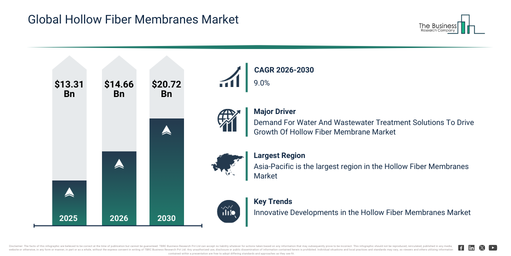
    Experiencing substantial expansion, the market for hollow fiber membranes is projected to surge from $13.31 billion in 2025 to $14.66 billion in 2026, driven by a compound annual growth rate of 10.2%. This significant upward trend in the historical period stems from a confluence of factors, including the escalating requirements for industrial water treatment, a burgeoning pharmaceutical manufacturing sector, the widespread integration of membrane filtration systems, a heightened global demand for potable water solutions, and the ready availability of diverse polymer membrane materials.

    A significant upward trajectory is anticipated for the hollow fiber membranes market, with projections indicating an expansion to $20.72 billion by 2030, driven by a compound annual growth rate (CAGR) of 9.0%. This projected expansion over the upcoming years is being fueled by several key factors, including escalating investments in sustainable water infrastructure, a burgeoning demand within the biopharmaceutical filtration sector, the wider implementation of membrane-based separation techniques, a heightened emphasis on energy-efficient filtration solutions, and the increasing integration of sophisticated membrane materials. Furthermore, the forecast period will likely witness notable trends such as the broader adoption of advanced filtration technologies, a greater demand for high-performance separation membranes, expanded utilization of hollow fiber membranes in bioprocessing, a wider scope of applications in water and wastewater treatment, and a more concentrated effort on improving membrane durability and overall efficiency.

    Download A Free Sample Report For Comprehensive Market Insights:

    https://www.thebusinessresearchcompany.com/sample.aspx?id=16081&type=smp

    Hollow Fiber Membranes Market Growth Factors: Which Forces Are Supporting Market Expansion?

    The expansion of the hollow fiber membrane market is anticipated to be significantly influenced by the increasing need for water and wastewater treatment systems. These systems encompass a range of technologies, equipment, and services aimed at the efficient management and purification of both fresh and used water, thereby safeguarding its quality and suitability for a multitude of industrial, commercial, and public purposes. Key drivers behind the uptake of these treatment solutions include industrial development, escalating global water shortages, and a heightened understanding of the adverse health effects stemming from waterborne impurities. Hollow fiber membranes play a crucial role in these treatment processes, enhancing the purification of potable water and the remediation of wastewater to eliminate pollutants and ensure compliance with safety and health regulations for consumption, industrial applications, and environmental release. Illustratively, data from Ireland’s Central Statistics Office in May 2024 indicated a 1.1% increase in registered domestic wastewater treatment systems in the country during 2023, reaching a total of 492,359 units. Consequently, the growing requirement for water and wastewater treatment solutions is a primary catalyst for the growth observed in the hollow fiber membrane market.

    Hollow Fiber Membranes Market Segment Analysis: What Are The Major Market Categories?

    The hollow fiber membranes market covered in this report is segmented –

    1) By Filtration Type: Microfiltration, Ultrafiltration, Reverse Osmosis

    2) By Material: Polymer, Ceramic

    3) By End-User: Water And Wastewater Treatment, Food And Beverages, Biotechnology, Pharmaceuticals And Chemicals, Other End-Users

    Subsegments:

    1) By Microfiltration: Low-Pressure Microfiltration, High-Pressure Microfiltration, Cross-Flow Microfiltration, Dead-End Microfiltration

    2) By Ultrafiltration: Low-Pressure Ultrafiltration, High-Pressure Ultrafiltration, Cross-Flow Ultrafiltration, Dead-End Ultrafiltration

    3) By Reverse Osmosis: Low-Pressure Reverse Osmosis, High-Pressure Reverse Osmosis, Seawater Reverse Osmosis, Brackish Water Reverse Osmosis

    Hollow Fiber Membranes Market Industry Trends: What Changes Are Reshaping Demand?

    Leading entities within the hollow fiber membranes sector are actively engaged in pioneering the creation of advanced filtration systems designed to boost purification effectiveness and offer robust solutions for water management needs. These sophisticated membrane systems operate by employing semi-permeable barriers to delineate components within fluid or gaseous mixtures, differentiating them based on factors such as molecular size, electrical charge, or other distinguishing characteristics. As an illustrative example, a significant development occurred in April of 2024 when Asahi Kasei Corporation, a notable chemical enterprise headquartered in Japan, introduced Microza, a cutting-edge hollow-fiber membrane filtration apparatus. This particular system is engineered for the generation of water suitable for injection, achieving this with a reduced energy footprint and contributing to diminished carbon dioxide emissions. The utility of such membrane filtration systems extends across diverse domains including the pharmaceutical industry, biotechnological applications, food production, environmental conservation efforts, and comprehensive water treatment strategies.

    Hollow Fiber Membranes Market Leading Companies Driving Competitive Growth

    Major companies operating in the hollow fiber membranes market are Veolia, LG Chem, 3M Company, Mitsubishi Chemical Group Corporation, Sumitomo Electric Industries Ltd., Asahi Kasei Corporation, Toray Industries Inc., Evonik Industries AG, Parker Hannifin Corporation, DuPont de Nemours Inc., Kuraray Co. Ltd., GEA Group, Sartorius AG, Pentair, UBE Corporation, Toyobo Co. Ltd., Pall Corporation, Hydranautics, Applied Membranes Inc., Koch Separation Solutions, Synder Filtration Inc., SpinTek, Memstar Corporation, JIUWU HI-TECH Membrane Technology, Daicen Corporation

    Access The Complete Hollow Fiber Membranes Market Report:

    https://www.thebusinessresearchcompany.com/report/hollow-fiber-membranes-global-market-report

    Hollow Fiber Membranes Market Regional Distribution: Which Areas Drive Market Expansion?

    Asia-Pacificwas the largest region in the hollow fiber membranes market in 2025. Europeis expected to be the fastest-growing region in the forecast period. The regions covered in the hollow fiber membranes market report are Asia-Pacific, South East Asia, Western Europe, Eastern Europe, North America, South America, Middle East, Africa.

    Get in touch with us:

    The Business Research Company: https://www.thebusinessresearchcompany.com/

    Americas: +1 310-496-7795

    Asia: +44 7882 955267 & +91 8897263534

    Europe: +44 7882 955267

    Email us at: marketing@tbrc.info

    Follow us on:

    LinkedIn: https://in.linkedin.com/company/the-business-research-company

    YouTube: https://www.youtube.com/channel/UC24_fI0rV8cR5DxlCpgmyFQ

    Global Market Model: https://www.thebusinessresearchcompany.com/global-market-model
  • Histoplasmosis Treatment Market Growth Is Accelerating As Industry Transformation Continues

    Histoplasmosis Treatment Market Growth Is Accelerating As Industry Transformation Continues

    Through market attractiveness analysis, total addressable market evaluation, company benchmarking matrices, interactive Excel dashboards, expanded supply chain intelligence, emerging startup coverage, and detailed product insights, The Business Research Company’s 2026 market reports provide more actionable and strategically valuable research.

    Histoplasmosis Treatment Market Value Analysis: What Growth Is Expected Over The Forecast Period?

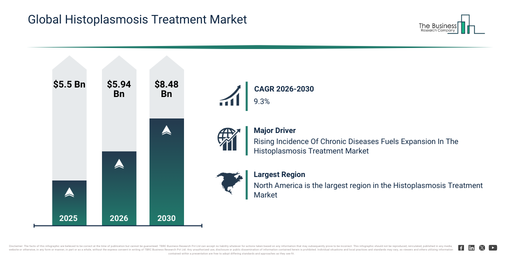
    The market for histoplasmosis treatments has experienced robust expansion recently, projected to increase from five point five billion dollars in 2025 to five point nine four billion dollars in 2026, reflecting an eight percent compound annual growth rate. This surge during the historical period is linked to a rise in fungal infection occurrences, augmented utilization of antifungal therapies, enhanced hospital treatment capacities, heightened diagnostic understanding, and the accessibility of broad-spectrum antifungal agents.

    The market for histoplasmosis treatments is poised for substantial expansion over the forthcoming years, projecting a valuation of $8.48 billion by 2030, driven by an anticipated compound annual growth rate (CAGR) of 9.3%. This anticipated growth trajectory is underpinned by several key factors, including a heightened demand for sophisticated antifungal compounds, an intensified concentration on managing the care of immunocompromised individuals, the broader availability of oral antifungal treatments, escalating investments in research pertaining to infectious diseases, and the growing adherence to established treatment guidelines. Furthermore, significant trends expected to shape this market during the forecast period encompass a greater utilization of specialized antifungal strategies, an increased adoption of prompt diagnostic and therapeutic measures, a more pronounced focus on the management of serious fungal infections, the extension of antifungal care within hospital settings, and an amplified emphasis on tailoring treatments to individual patient needs.

    Download A Free Sample Report For Comprehensive Market Insights:

    https://www.thebusinessresearchcompany.com/sample.aspx?id=12994&type=smp

    Histoplasmosis Treatment Market Demand Drivers: What Is Fueling Industry Growth?

    The increasing prevalence of chronic illnesses is anticipated to be a significant catalyst for the expansion of the histoplasmosis treatment market. Chronic diseases, characterized by their prolonged duration of three months or more and potential to worsen over time, often necessitate interventions that histoplasmosis treatments can provide, such as improved respiratory function, reduced inflammation, bolstered immune responses, and an overall enhancement in the quality of life for affected individuals. Evidence from the Centers for Disease Control and Prevention (CDC) in April 2025 highlights that in 2023, a substantial 76.4% of U.S. adults, or approximately 194 million individuals, were managing at least one chronic condition, with prevalence rates varying across age groups: 59.5% among younger adults, 78.4% among those in midlife, and a striking 93.0% among older adults. Consequently, the growing burden of chronic diseases is directly contributing to the upward trajectory of the histoplasmosis treatment market.

    An elevated prevalence of HIV is projected to substantially drive the expansion of the histoplasmosis treatment market. HIV, a virus that compromises the immune system by targeting CD4 cells, leaves individuals vulnerable to opportunistic infections, making histoplasmosis treatment essential for managing this fungal infection, preventing its systemic spread, and ultimately decreasing mortality rates through the administration of antifungal therapies like itraconazole or amphotericin B in AIDS patients. Data released by the Minority HIV/AIDS Fund (MHAF) in August 2024 indicates that globally, an estimated 39.9 million people were living with HIV in 2023, encompassing 38.6 million adults and 1.4 million children, signifying a notable increase compared to prior periods. Thus, the rising global incidence of HIV is a key factor fueling the demand within the histoplasmosis treatment market.

    Histoplasmosis Treatment Market Segment Breakdown: Which Categories Generate The Most Revenue?

    The histoplasmosis treatment market covered in this report is segmented –

    1) By Drug Type: Amphotericin B, Itraconazole, Other Drug Types

    2) By Mode of Administration: Injectable, Oral, Other Modes of Administration

    3) By Patient Type: Pediatric, Adult

    4) By End-User: Hospital Pharmacies, Private Clinics, Drug Stores, Retail Pharmacies, Other End-Users

    Subsegments:

    1) By Amphotericin B: Liposomal Amphotericin B, Conventional Amphotericin B

    2) By Itraconazole: Capsule Form, Oral Solution

    3) By Other Drug Types: Posaconazole, Voriconazole

    Histoplasmosis Treatment Market Key Players And Strategic Industry Positioning

    Major companies operating in the histoplasmosis treatment market are Pfizer Inc., Johnson and Johnson Ltd., F. Hoffmann-La Roche AG, Merck and Co. Inc., AbbVie Inc., Novartis AG, Sanofi S.A, Bristol Myers Squibb, AstraZeneca Plc, Abbott laboratories, GSK Plc, Eli Lilly and Company, Gilead Sciences, Teva Pharmaceutical Industries Ltd., Astellas pharma US Inc., Mylan N.V., Biogen Inc., Bausch Health Companies Inc., Mitsubishi Tanabe Pharma Corporation, AB Science, Ionis Pharmaceuticals Inc., Advanz Pharma Corp., Leadiant Biosciences, IMMY, Sigma Tau Pharmaceuticals Inc.

    Access The Complete Histoplasmosis Treatment Market Report:

    https://www.thebusinessresearchcompany.com/report/histoplasmosis-treatment-global-market-report

    Histoplasmosis Treatment Market Leading Geography: Which Region Generates The Most Revenue?

    North Americawas the largest region in the histoplasmosis treatment market in 2025. The regions covered in the histoplasmosis treatment market report are Asia-Pacific, South East Asia, Western Europe, Eastern Europe, North America, South America, Middle East, Africa.

    Get in touch with us:

    The Business Research Company: https://www.thebusinessresearchcompany.com/

    Americas: +1 310-496-7795

    Asia: +44 7882 955267 & +91 8897263534

    Europe: +44 7882 955267

    Email us at: marketing@tbrc.info

    Follow us on:

    LinkedIn: https://in.linkedin.com/company/the-business-research-company

    YouTube: https://www.youtube.com/channel/UC24_fI0rV8cR5DxlCpgmyFQ

    Global Market Model: https://www.thebusinessresearchcompany.com/global-market-model
  • Histone Deacetylase (HDAC) Inhibitors Market Outlook Highlights The Next Major Growth Opportunities

    Histone Deacetylase (HDAC) Inhibitors Market Outlook Highlights The Next Major Growth Opportunities

    Delivering more actionable and strategically valuable research, The Business Research Company’s 2026 market reports feature market attractiveness analysis, total addressable market evaluation, company benchmarking matrices, interactive Excel dashboards, expanded supply chain intelligence, emerging startup coverage, and detailed product insights.

    Histone Deacetylase (HDAC) Inhibitors Market Size Forecast: How Large Could The Market Become By 2030?

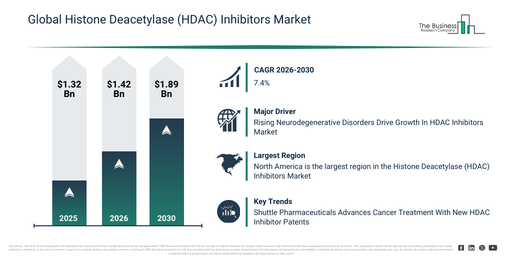
    The market for HDAC inhibitors has experienced robust expansion lately, with its value projected to climb from $1.32 billion in 2025 to $1.42 billion in 2026, reflecting a compound annual growth rate of 7.5%. This surge during the preceding period was fueled by heightened research in oncology therapeutics, a developing grasp of epigenetic processes, the broadening scope of clinical investigations, increased financial backing for pharmaceutical research and development, and the accessibility of sophisticated molecular assessment technologies.

    The market for histone deacetylase (HDAC) inhibitors is poised for substantial expansion, with projections indicating a surge to $1.89 billion by the year 2030, reflecting a compound annual growth rate of 7.4%. This anticipated growth trajectory during the upcoming forecast period is underpinned by several key factors, including the escalating acceptance of individualized cancer treatment approaches, a notable increase in financial backing for the development of epigenetic drugs, broader exploration of HDAC research within the field of neurology, a heightened demand for therapies designed to target specific disease mechanisms, and a growing number of regulatory endorsements for innovative HDAC inhibitor compounds. Furthermore, significant trends expected to shape this market over the forecast horizon encompass a concentrated effort towards targeted epigenetic therapies, the accelerated development of HDAC inhibitors with enhanced selectivity, a more widespread utilization of combined therapeutic strategies in oncology, an augmented pipeline of drugs within the domain of precision medicine, and a heightened emphasis on drug discovery guided by biomarkers.

    Download A Free Sample Report For Comprehensive Market Insights:

    https://www.thebusinessresearchcompany.com/sample.aspx?id=18386&type=smp

    Histone Deacetylase (HDAC) Inhibitors Market Growth Drivers: What Factors Are Accelerating Expansion?

    The increasing prevalence of neurodegenerative conditions is poised to be a significant catalyst for the expansion of the histone deacetylase (HDAC) inhibitors market. These progressive conditions, which involve the deterioration and demise of nerve cells within the brain and spinal cord, result in impairments in both cognitive and motor functions. Prominent examples include Alzheimer’s disease, characterized by memory impairment and a decline in cognitive abilities stemming from the accumulation of amyloid plaques and tau tangles. A confluence of factors, including an aging population, increased life expectancy, genetic predispositions, and environmental influences, contributes to the growing number of neurodegenerative disorders. Research is actively investigating HDAC inhibitors as prospective therapeutic agents for these conditions, owing to their capacity to influence gene expression and offer protection to nerve cells. To illustrate, data from the Centers for Disease Control and Prevention, a U.S. federal agency, indicated in August 2024 that approximately 6.7 million individuals in the United States aged 65 and older were living with Alzheimer’s disease, a figure projected to approach 14 million by the year 2060. Consequently, the escalating occurrence of neurodegenerative disorders is fueling the advancement of the HDAC inhibitors market.

    Histone Deacetylase (HDAC) Inhibitors Market Segmentation: How Is The Market Structured Across Key Categories?

    The histone deacetylase (hdac) inhibitors market covered in this report is segmented –

    1) By Class: Class I HDACs, Class II HDACs, Class III HDACs

    2) By Route Of Administration: Oral HDAC Inhibitors, Parenteral HDAC Inhibitors

    3) By Application: Oncology, Neurology, Other Applications

    4) By End User: Hospitals, Academic And Research Institutes, Pharmaceutical Companies, Other End Users

    Subsegments:

    1) By Class I HDACs: HDAC1, HDAC2, HDAC3, HDAC8

    2) By Class II HDACs: HDAC4, HDAC5, HDAC6, HDAC7, HDAC9, HDAC10

    3) By Class III HDACs (Sirtuins): SIRT1, SIRT2, SIRT3, SIRT4, SIRT5, SIRT6, SIRT7

    Histone Deacetylase (HDAC) Inhibitors Market Trends: What Is Shaping Future Industry Growth?

    The leading players within the histone deacetylase (HDAC) inhibitors market are concentrating their efforts on pioneering novel therapeutic approaches, specifically the development of HDAC inhibitors designed for cancer therapy, with the dual objectives of boosting treatment effectiveness and mitigating adverse reactions. Histone deacetylase (HDAC) inhibitors represent a category of medicinal agents employed in oncology. Their mechanism involves obstructing the function of HDAC enzymes, which are typically responsible for cleaving acetyl groups from histone proteins. Such obstruction results in heightened histone acetylation, thereby modifying the chromatin architecture and impacting how genes are expressed. As an illustration, in September of 2023, Shuttle Pharmaceuticals Holdings Inc., an American enterprise dedicated to creating groundbreaking cancer treatments, received new patent grants for HDAC inhibitors targeting cancer from the U.S. Patent and Trademark Office. These cutting-edge inhibitors are specifically engineered to identify and act upon particular HDAC enzymes that play a role in cancer’s advancement, intending to interrupt the abnormal gene expression patterns that facilitate tumor proliferation and spread. The compounds secured by these patents exhibit superior strength and precision, thereby reducing unintended consequences and refining the safety characteristics for individuals undergoing therapeutic interventions.

    Histone Deacetylase (HDAC) Inhibitors Market Competitive Landscape And Leading Companies

    Major companies operating in the histone deacetylase (hdac) inhibitors market are Bristol-Myers Squibb Company, Novartis AG, Merck KGaA, Abcam plc, Pharmacyclics LLC, R&D Systems Inc., Tenaya Therapeutics Inc., Syndax Pharmaceuticals Inc., Italfarmaco SpA, InvivoGen Corporation, TCI Chemicals (India) Pvt. Ltd., 4SC AG, Medivir AB, Mirati Therapeutics Inc., Spectrum Pharmaceuticals Inc., Curis Inc., Acetylon Pharmaceuticals Inc., Oryzon Genomics SA, Xynomic Pharmaceuticals Inc., Celleron Therapeutics Ltd., Midatech Pharma PLC, Karus Therapeutics Ltd., Shenzhen Chipscreen Biosciences Co. Ltd.

    Access The Complete Histone Deacetylase (HDAC) Inhibitors Market Report:

    https://www.thebusinessresearchcompany.com/report/histone-deacetylase-hdac-inhibitors-global-market-report

    Histone Deacetylase (HDAC) Inhibitors Market Regional Outlook: Where Are The Largest Opportunities Located?

    North Americawas the largest region in the histone deacetylase (HDAC) inhibitors market in 2025. Asia-Pacificis expected to be the fastest-growing region in the forecast period. The regions covered in the histone deacetylase (hdac) inhibitors market report are Asia-Pacific, South East Asia, Western Europe, Eastern Europe, North America, South America, Middle East, Africa.

    Get in touch with us:

    The Business Research Company: https://www.thebusinessresearchcompany.com/

    Americas: +1 310-496-7795

    Asia: +44 7882 955267 & +91 8897263534

    Europe: +44 7882 955267

    Email us at: marketing@tbrc.info

    Follow us on:

    LinkedIn: https://in.linkedin.com/company/the-business-research-company

    YouTube: https://www.youtube.com/channel/UC24_fI0rV8cR5DxlCpgmyFQ

    Global Market Model: https://www.thebusinessresearchcompany.com/global-market-model
  • Histology And Cytology Market Trends And Growth Drivers Point To Strong Future Potential

    Histology And Cytology Market Trends And Growth Drivers Point To Strong Future Potential

    Enhanced with market attractiveness analysis, total addressable market evaluation, company benchmarking matrices, interactive Excel dashboards, expanded supply chain intelligence, emerging startup coverage, and detailed product insights, The Business Research Company’s 2026 market reports deliver more actionable and strategically valuable research.

    Histology And Cytology Market Revenue Outlook: What CAGR Is Expected Through 2030?

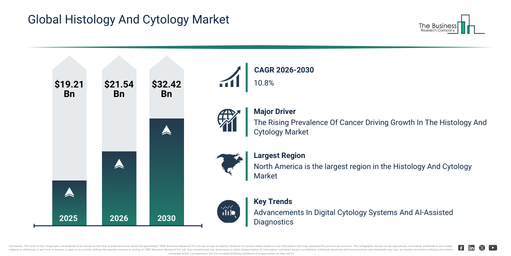
    The market for histology and cytology has experienced a significant expansion recently, projecting a rise from $19.21 billion in 2025 to $21.54 billion in 2026. This growth is expected to occur at a compound annual growth rate of 12.1%. Key factors contributing to this upward trend in the past, and likely to continue influencing it, include a greater demand for cancer diagnostic tests, enhancements in hospital laboratory facilities, increased utilization of diagnostic methods reliant on microscopy, a surge in clinical research endeavors, and the consistent availability of reliable staining materials.

    The histology and cytology sector is poised for substantial expansion over the approaching years, reaching an estimated value of $32.42 billion by 2030, reflecting a compound annual growth rate (CAGR) of 10.8%. This upward trajectory is fueled by several key factors: a heightened need for early disease identification, the growing incorporation of artificial intelligence in diagnostic processes, the increasing prevalence of personalized medicine strategies, greater capital investment in laboratory automation, and the wider deployment of remote pathology services. During this projected period, prominent trends anticipated include a greater uptake of digital pathology platforms, an increased utilization of automated systems for tissue preparation, a more pervasive integration of AI for analyzing medical images, the continued development of sophisticated cytology screening methods, and a strengthened emphasis on optimizing high-volume laboratory operations.

    Download A Free Sample Report For Comprehensive Market Insights:

    https://www.thebusinessresearchcompany.com/sample.aspx?id=16704&type=smp

    Histology And Cytology Market Growth Factors Supporting Long-Term Expansion

    The expanding incidence of cancer is anticipated to be a primary catalyst for the histology and cytology market’s advancement. Defined by the uncontrolled multiplication and dissemination of aberrant cells within the organism, cancer encompasses a wide array of conditions; these cells possess the capacity to infiltrate and damage healthy tissues and can migrate to distant bodily locations through metastasis. A confluence of factors contributes to the rising rates of cancer, including an aging global population, unhealthy dietary habits, sedentary lifestyles, immoderate alcohol intake, exposure to environmental contaminants, and predispositions inherited genetically. Histological and cytological examinations play an indispensable role across the entire spectrum of cancer management, from the initial identification of the disease and the formulation of therapeutic strategies to the evaluation of treatment efficacy, thereby exerting a significant influence on patient prognoses within the field of oncology. As an illustration, data from July 2024, as reported by the Australian Institute of Health and Welfare, a governmental entity based in Australia, indicated that in 2023, approximately 165,000 new cancer diagnoses were recorded in Australia, translating to an average of more than 450 diagnoses daily, with males accounting for roughly 55% of these new cases. Consequently, the escalating occurrence of cancer serves as a significant driver for the growth of the histology and cytology market.

    Histology And Cytology Market Segmentation Trends And Revenue Drivers

    The histology and cytology market covered in this report is segmented –

    1) By Product: Instruments And Analysis Software System, Consumable And Reagents

    2) By Test Type: Microscopy Methods, Flow Cytometry, Molecular Genetic Methods

    3) By Application: Drug Discovery And Designing, Clinical Diagnostics, Academic Research

    4) By End User: Pharma And Biotech Companies, Diagnostic Laboratories, Other End Users

    Subsegments:

    1) By Instruments And Analysis Software System: Microtomes, Tissue Processors, Stainers, Coverslippers, Cytology Slide Preparation Instruments, Digital Imaging Systems, Histology And Cytology Analysis Software

    2) By Consumables And Reagents: Staining Reagents, Fixatives, Embedding Media, Antibodies, Cytology Collection Kits, Histology Slides

    Histology And Cytology Market Industry Trends Shaping Future Revenue Growth

    Leading entities within the histology and cytology sector are dedicated to advancing novel approaches, including AI-powered platforms for cervical cytology, with the aim of elevating diagnostic precision, optimizing operational efficiency, and ultimately benefiting patient health. Such an AI-assisted cervical cytology platform functions as a sophisticated analytical tool, employing artificial intelligence to scrutinize cervical cellular material, thereby improving detection reliability, minimizing mistakes, and accelerating the Pap smear examination process. A notable illustration of this progress occurred in February 2024 when Hologic Inc., a prominent U.S. medical technology firm, introduced its Genius Digital Diagnostics System, distinguished as the inaugural and exclusive FDA-approved digital cytology apparatus that integrates artificial intelligence underpinned by deep learning with cutting-edge volumetric imaging capabilities. This system is engineered to facilitate a more precise identification of pre-cancerous abnormalities and cervical cancer cells when contrasted with conventional microscopic examination techniques.

    Histology And Cytology Market Industry Leaders: Which Organizations Are Driving Competition?

    Major companies operating in the histology and cytology market are Thermo Fisher Scientific Inc., Roche Diagnostics International Ltd., Agilent Technologies Inc., Hologic Inc., Leica Microsystems Nussloch GmbH, Sakura Finetechnical Company Ltd., Biogenex Laboratories Inc., StatLab Medical Products Inc., Biocare Medical LLC, A. Menarini Diagnostics S.r.l, Milestone Medical Inc., Diapath S.p.A., CellPath USA, Medite Medical GmbH, Histo-Line Laboratories s.r.l., Hacker Instruments & Industries Inc., Amos Scientific Pty. Ltd., TissueGnostics GmbH, Konfoong Bioinformation Tech Co. Ltd., Intelsint Srl

    Access The Complete Histology And Cytology Market Report:

    https://www.thebusinessresearchcompany.com/report/histology-and-cytology-global-market-report

    Histology And Cytology Market Geographic Landscape: Which Region Dominates Industry Growth?

    North Americawas the largest region in the histology and cytology market in 2025. Asia-Pacificis expected to be the fastest-growing region in the forecast period. The regions covered in the histology and cytology market report are Asia-Pacific, South East Asia, Western Europe, Eastern Europe, North America, South America, Middle East, Africa.

    Get in touch with us:

    The Business Research Company: https://www.thebusinessresearchcompany.com/

    Americas: +1 310-496-7795

    Asia: +44 7882 955267 & +91 8897263534

    Europe: +44 7882 955267

    Email us at: marketing@tbrc.info

    Follow us on:

    LinkedIn: https://in.linkedin.com/company/the-business-research-company

    YouTube: https://www.youtube.com/channel/UC24_fI0rV8cR5DxlCpgmyFQ

    Global Market Model: https://www.thebusinessresearchcompany.com/global-market-model
  • Histidine Tag (His-Tag) Antibody Market Expansion Is Reshaping Competitive Dynamics Across The Industry

    Histidine Tag (His-Tag) Antibody Market Expansion Is Reshaping Competitive Dynamics Across The Industry

    Through market attractiveness analysis, total addressable market evaluation, company benchmarking matrices, interactive Excel dashboards, expanded supply chain intelligence, emerging startup coverage, and detailed product insights, The Business Research Company’s 2026 market reports provide more actionable and strategically valuable research.

    Histidine Tag (His-Tag) Antibody Market Growth Analysis: How Will Revenue Expand During The Forecast Period?

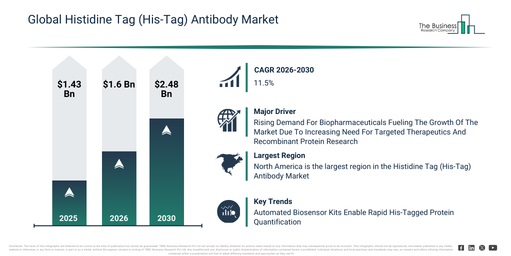
    The market for antibodies targeting histidine-tagged proteins has seen substantial expansion lately. Estimates project a rise from $1.43 billion in 2025 to $1.6 billion in 2026, reflecting a compound annual growth rate of 11.8%. Key factors fueling this growth during the past period include the proliferation of recombinant protein investigations, the increasing number of academic laboratories focused on life sciences, a greater adoption of affinity purification methods, the establishment of reliable tagging protocols, and augmented financial support for molecular biology studies.

    The market for histidine-tag (his-tag) antibodies is poised for substantial expansion in the coming years, projecting a market value of $2.48 billion by 2030, with a compound annual growth rate (CAGR) standing at 11.5%. This anticipated growth is driven by a confluence of factors, including a heightened need for sophisticated protein analysis instruments, advancements in biopharmaceutical research endeavors, a broader acceptance of recombinant and nanobody structures, a greater emphasis on the precision and reliability of assays, and the increasing integration of automated processes within laboratory operations. Key developments anticipated during this forecast period involve a surge in the requirement for research antibodies possessing high specificity, a more prevalent utilization of his-tag antibodies for protein purification processes, a growing trend towards adopting recombinant antibody formats, an amplification of studies involving the expression of tagged proteins, and a heightened dedication to ensuring the reproducibility of findings in life sciences research.

    Download A Free Sample Report For Comprehensive Market Insights:

    https://www.thebusinessresearchcompany.com/sample.aspx?id=30296&type=smp

    Histidine Tag (His-Tag) Antibody Market Demand Drivers Creating New Revenue Opportunities

    The expanding need for biopharmaceutical products, which are manufactured through biological means or advanced biotechnological processes instead of conventional chemical methods, is poised to be a significant catalyst for the expansion of the histidine tag (His-Tag) antibody market. This heightened demand for biopharmaceuticals stems from the escalating incidence of chronic and intricate health conditions, necessitating sophisticated, targeted treatments that traditional medications struggle to address effectively. Histidine tag (His-Tag) antibodies play a crucial role in biopharmaceutical research by facilitating accurate identification and isolation of recombinant proteins, thereby becoming indispensable tools in the advancement of new drugs and the production of therapeutic proteins. Their inherent high specificity and consistent outcomes contribute to a reduction in experimental inaccuracies, thereby enhancing the effectiveness of research endeavors and the dependability of bioprocesses. Illustratively, the Centers for Medicare & Medicaid Services (CMS), a U.S. federal body, reported in June 2025 that expenditures on prescription drugs surged by 11.4% in 2023, reaching $449.7 billion, a notable acceleration from the 7.8% increase observed in 2022. Consequently, the escalating requirement for biopharmaceuticals is directly fueling the growth trajectory of the histidine tag (His-Tag) antibody market.

    Histidine Tag (His-Tag) Antibody Market Segment Analysis Highlighting Growth Areas

    The histidine tag (his-tag) antibody market covered in this report is segmented –

    1) By Product Type: Monoclonal Antibodies, Polyclonal Antibodies, Recombinant Antibodies, Nanobodies, Other Product Types

    2) By Application: Western Blotting, Immunoprecipitation, Flow Cytometry, Other Applications

    3) By End-User: Pharmaceutical Companies, Biotechnology Companies, Academic and Research Institutions, Contract Research Organizations (CROs), Other End-Users

    Subsegments:

    1) By Monoclonal Antibodies: Mouse Monoclonal, Rabbit Monoclonal, Rat Monoclonal, Humanized Monoclonal, Chimeric Monoclonal, Isotype Control Monoclonal

    2) By Polyclonal Antibodies: Rabbit Polyclonal, Goat Polyclonal, Chicken Polyclonal, Donkey Polyclonal, Sheep Polyclonal, Serum Free Polyclonal

    3) By Recombinant Antibodies: Recombinant Rabbit Monoclonal, Recombinant Mouse Monoclonal, Single Chain Variable Fragment, Fragment Antigen Binding, Multispecific Engineered Antibody, Recombinant Antibody Pair Capture And Detection

    4) By Nanobodies: Single Domain Antibody Camelid, Single Domain Antibody Alpaca, Fluorescent Protein Fused Nanobody, Enzyme Conjugated Nanobody, Immobilized Nanobody For Affinity Purification, Intrabody Nanobody For Intracellular Detection

    5) By Other Product Types: Secondary Antibodies Against Histidine Tag, Conjugated Secondary Antibodies Against Histidine Tag, Magnetic Beads Nickel Nitrilotriacetic Acid, Agarose Beads Nickel Nitrilotriacetic Acid, Enzyme Linked Immunosorbent Assay Kits For Histidine Tag, Lateral Flow Assays For Histidine Tag

    Histidine Tag (His-Tag) Antibody Market Trends Driving Strategic Industry Expansion

    Key players within the histidine tag (His-Tag) antibody market are making strides in creating cutting-edge solutions, exemplified by the development of automated biosensor-based kits designed for the quantification of His-tagged proteins. These kits aim to expedite and unify the process of detecting proteins, whether they are in their raw or purified state. The introduction of automated biosensor-based His-Tag quantification kits signifies commercially available assay kits employing biosensor technology to automatically identify and quantify His-tagged proteins. A notable example occurred in November 2025 when HexagonFab Limited, operating under the name Abselion, a UK-based entity specializing in life science tools, unveiled its Tagged Protein Quantification Kit for His-tag and its corresponding His-tag Quantification sensor. This innovative system, integrated with the Amperia platform and developed in conjunction with GenScript’s THE His Tag monoclonal antibodies, offers a swift, ready-to-use, and antibody-independent approach to measuring His-tagged proteins directly within crude sample matrices. When utilized in conjunction with Abselion’s Amperia biosensors, this integrated system facilitates real-time, label-free analysis, thereby simplifying the protein characterization process by eliminating the necessity for diverse, standalone instruments. Its primary objective is to hasten expression screening, refine bioprocess optimization, and enhance quality control through the provision of reliable His-tagged protein measurements, accessible even to personnel without specialized training.

    Histidine Tag (His-Tag) Antibody Market Leading Companies: Who Holds Significant Market Presence?

    Major companies operating in the histidine tag (his-tag) antibody market are Thermo Fisher Scientific Inc., Danaher Corporation, Merck KGaA, Bio-Rad Laboratories Inc., GeneTex Inc., Bio-Techne Corporation, GenScript Biotech Corporation, Sino Biological Inc., Cell Signaling Technology Inc., Wuhan Elabscience Biotechnology Co. Ltd., ABclonal Technology Co. Ltd., Proteintech Group Inc., Santa Cruz Biotechnology Inc., Rockland Immunochemicals Inc., Creative Diagnostics Inc., Aviva Systems Biology Corporation, Abnova Corporation, Boster Biological Technology Co. Ltd., Columbia Biosciences Corporation, NSJ Bioreagents

    Access The Complete Histidine Tag (His-Tag) Antibody Market Report:

    https://www.thebusinessresearchcompany.com/report/global-histidine-tag-his-tag-antibody-market-report

    Histidine Tag (His-Tag) Antibody Market Largest Region: Which Geography Holds The Highest Market Share?

    North Americawas the largest region in the histidine tag (His-Tag) antibody market in 2025. Asia-Pacificis expected to be the fastest-growing region in the forecast period. The regions covered in the histidine tag (his-tag) antibody market report are Asia-Pacific, South East Asia, Western Europe, Eastern Europe, North America, South America, Middle East, Africa.

    Get in touch with us:

    The Business Research Company: https://www.thebusinessresearchcompany.com/

    Americas: +1 310-496-7795

    Asia: +44 7882 955267 & +91 8897263534

    Europe: +44 7882 955267

    Email us at: marketing@tbrc.info

    Follow us on:

    LinkedIn: https://in.linkedin.com/company/the-business-research-company

    YouTube: https://www.youtube.com/channel/UC24_fI0rV8cR5DxlCpgmyFQ

    Global Market Model: https://www.thebusinessresearchcompany.com/global-market-model
  • Hip Replacement Market Forecast Reveals Where Future Industry Value Will Be Created

    Hip Replacement Market Forecast Reveals Where Future Industry Value Will Be Created

    Delivering more actionable and strategically valuable research, The Business Research Company’s 2026 market reports feature market attractiveness analysis, total addressable market evaluation, company benchmarking matrices, interactive Excel dashboards, expanded supply chain intelligence, emerging startup coverage, and detailed product insights.

    Hip Replacement Market Forecast: What Market Value Is Expected By 2030?

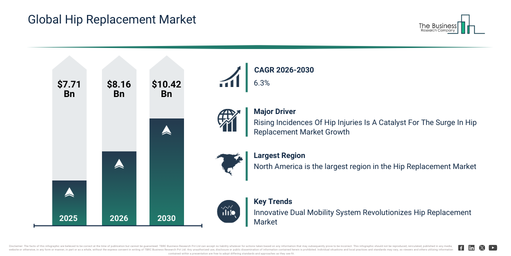
    The hip replacement market has experienced robust expansion recently, anticipating a rise from $7.71 billion in 2025 to $8.16 billion in 2026, marking a compound annual growth rate of 5.9%. Factors contributing to this historical growth trend include the escalating incidence of osteoarthritis, an aging worldwide demographic, enhanced availability of orthopedic surgical procedures, a broader capacity within hospitals for surgeries, and innovations in implant engineering.

    The hip replacement sector is poised for significant expansion over the upcoming years, with projections indicating a market valuation of $10.42 billion by 2030, driven by a compound annual growth rate (CAGR) of 6.3%. This upward trajectory in the forecast period is anticipated to be fueled by several key factors, including the escalating use of robotic-assisted surgical techniques, a growing preference for patient-specific orthopedic implants, the proliferation of outpatient joint replacement services, an intensified emphasis on expediting patient recovery processes, and continuous advancements in orthopedic technology driven by increased investment. During this same forecast period, several prevailing trends are expected to shape the market, such as a greater inclination towards minimally invasive hip replacement operations, the increasing utilization of sophisticated implant materials, a rise in the need for revision surgeries, the wider implementation of robotic assistance in orthopedic surgery, and a heightened attention to improving results following surgical interventions.

    Download A Free Sample Report For Comprehensive Market Insights:

    https://www.thebusinessresearchcompany.com/sample.aspx?id=10160&type=smp

    Hip Replacement Market Expansion Supported By Key Demand Factors

    The burgeoning number of hip injury cases is anticipated to be a significant catalyst for the expansion of the hip replacement market in the foreseeable future. Hip injuries stem from the overextension or tearing of the muscles that provide support to the hip joint. Individuals suffering from conditions like arthritis, avascular necrosis, or other forms of hip joint degradation often endure hip pain and rigidity, for which hip replacement surgery serves as a viable treatment option. For illustrative purposes, data from August 2024, sourced from the National Library of Medicine, a federal entity in the United States, indicates that annual hip injury occurrences are forecasted to range from 3 to 11 million by the year 2030 and could escalate to between 5 and 21 million by 2050, contingent upon diverse projection methodologies. Consequently, this rise in hip injury prevalence is a key determinant fueling the upward trajectory of the hip replacement market.

    Hip Replacement Market Segment Performance And Strategic Opportunities

    The hip replacement market covered in this report is segmented –

    1) By Procedure: Total Hip Replacement, Partial Hip Replacement, Revision Hip Replacement, Hip Resurfacing

    2) By Material: Metal-On-Metal, Metal-On-Polyethylene, Ceramic-On-Polyethylene, Ceramic-On-Metal, Ceramic-On-Ceramic

    3) By End-User: Hospitals, Specialty Clinics, Ambulatory Surgery Centers

    Subsegments:

    1) By Total Hip Replacement: Cemented Total Hip Replacement, Cementless Total Hip Replacement

    2) By Partial Hip Replacement: Hemiarthroplasty, Bipolar Hip Replacement

    3) By Revision Hip Replacement: Acetabular Component Revision, Femoral Component Revision

    4) By Hip Resurfacing: Metal-on-Metal Hip Resurfacing, Ceramic-on-Ceramic Hip Resurfacing

    Hip Replacement Market Growth Trends Influencing Competitive Dynamics

    Leading entities within the hip replacement sector are prioritizing the development of cutting-edge solutions like dual mobility systems as a means to boost their market earnings. A dual mobility system represents a design for an artificial hip joint engineered to mitigate the likelihood of dislocation, particularly beneficial for individuals susceptible to this complication, including those with prior dislocation history, compromised hip capsules, or undergoing revision hip replacement. For example, in August of 2023, Smith & Nephew plc, a prominent UK firm specializing in medical equipment, introduced its OR3O dual mobility system. This system incorporates features that streamline the application of dual mobility principles, encompassing straightforward acetabular cup selection and effortless liner insertion and retrieval. The OR3O dual mobility system comprises an insert fashioned from highly cross-linked polyethylene alongside an acetabular liner crafted from oxidized, diffusion-hardened zirconium (the OR3O liner), marking the inaugural system to leverage the latest OXINIUM DH advanced bearing technology, which establishes a new benchmark for the subsequent generation of total hip bearing technology and enhances stability.

    Hip Replacement Market Key Players: Which Companies Shape Industry Competition?

    Major companies operating in the hip replacement market are Johnson & Johnson, Stryker Corporation, Smith & Nephew PLC, B. Braun Melsungen AG, ConforMIS Inc., Exactech Inc., MicroPort Scientific Corporation, Zimmer Biomet Holdings Inc., Corin Group PLC, Gruppo Bioimpianti S.R.L., Integra LifeSciences, Medacta International, Merete GmbH, MicroPort Orthopedics Inc., DJO Global Inc., Waldemar Link GmbH & Co. KG, Peter Brehm GmbH, Synimed Synergie Ingénierie Médicale S.A.R.L., Elite Surgical Industries, Corentec Co. Ltd., FH Ortho S.A.S

    Access The Complete Hip Replacement Market Report:

    https://www.thebusinessresearchcompany.com/report/hip-replacement-global-market-report

    Hip Replacement Market Regional Analysis: Which Region Leads By Revenue?

    North Americawas the largest region in the hip replacement market in 2025.Asia-Pacificis expected to be the fastest-growing region in the global hip replacement market report during the forecast period. The regions covered in the hip replacement market report are Asia-Pacific, South East Asia, Western Europe, Eastern Europe, North America, South America, Middle East, Africa.

    Get in touch with us:

    The Business Research Company: https://www.thebusinessresearchcompany.com/

    Americas: +1 310-496-7795

    Asia: +44 7882 955267 & +91 8897263534

    Europe: +44 7882 955267

    Email us at: marketing@tbrc.info

    Follow us on:

    LinkedIn: https://in.linkedin.com/company/the-business-research-company

    YouTube: https://www.youtube.com/channel/UC24_fI0rV8cR5DxlCpgmyFQ

    Global Market Model: https://www.thebusinessresearchcompany.com/global-market-model