Month: June 2026

  • High Level Disinfection Services Market Growth Through 2030 Creates New Strategic Opportunities

    High Level Disinfection Services Market Growth Through 2030 Creates New Strategic Opportunities

    Enhanced with market attractiveness analysis, total addressable market evaluation, company benchmarking matrices, interactive Excel dashboards, expanded supply chain intelligence, emerging startup coverage, and detailed product insights, The Business Research Company’s 2026 market reports deliver more actionable and strategically valuable research.

    High Level Disinfection Services Market Size Outlook: How Fast Will Revenue Grow Through 2030?

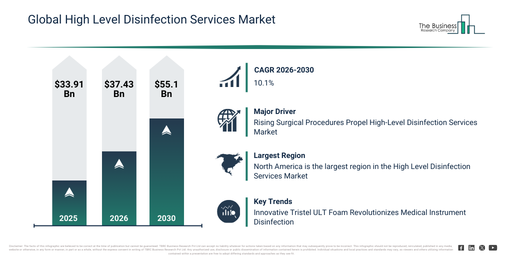
    The market for high-level disinfection services experienced substantial expansion historically and is projected to continue this upward trajectory. Estimates indicate a rise from $33.91 billion in 2025 to $37.43 billion by 2026, reflecting a compound annual growth rate of 10.4%. Key factors driving this growth during the preceding period include the escalating occurrence of healthcare-associated infections, a broader adoption of reusable medical devices, heightened regulatory scrutiny concerning sterilization practices, the continuous development of hospital infrastructure, and enhanced accessibility to chemical disinfectant products.

    The market for high-level disinfection services is poised for substantial expansion over the upcoming years, projected to reach $55.1 billion by 2030 with a compound annual growth rate of 10.1%. This anticipated growth trajectory is fueled by escalating needs for effective infection control, a greater embrace of automated disinfection solutions, the proliferation of outpatient healthcare settings, a heightened emphasis on environmentally conscious healthcare, and increased financial commitment to proactive health infrastructure. Key developments shaping this market during the forecast period encompass a growing preference for contracted disinfection providers, the expanding utilization of automated high-level disinfection equipment, a intensified focus on infection prevention strategies, the broader availability of environmentally benign disinfectant agents, and a strengthened adherence to sterilization guidelines.

    Download A Free Sample Report For Comprehensive Market Insights:

    https://www.thebusinessresearchcompany.com/sample.aspx?id=8087&type=smp

    High Level Disinfection Services Market Growth Drivers And Industry Catalysts

    The expanding volume of surgical interventions is anticipated to be a key driver for the expansion of the high-level disinfection services sector. Surgery, in essence, is a medical discipline involving manual and instrument-assisted techniques performed on an individual to diagnose, treat, or improve a pathological state, whether it be illness or injury, aiming to enhance physical function, appearance, or repair damaged areas. Every invasive medical procedure inevitably involves contact between surgical instruments or devices and the patient’s sterile bodily tissues or mucous membranes. Inadequate disinfection or sterilization of medical equipment designed for reuse presents a significant risk of compromising the body’s natural defenses. Illustratively, by September 2023, the National Library of Medicine, a U.S. federal agency, reported that approximately 7,733 robotic surgical systems were operational globally in 2023, with over 10 million robotic surgeries having been completed. Consequently, the escalating need for effective disinfection solutions is projected to fuel the growth trajectory of the high-level disinfection market.

    High Level Disinfection Services Market Segment Landscape And Growth Potential

    The high level disinfection services market covered in this report is segmented –

    1) By Services: In House, Outsource

    2) By Compound: Formaldehyde, Glutaraldehyde, Ortho-Phthalaldehyde, Hydrogen Peroxide, Peracetic Acid, Other Compounds

    3) By End-User: Hospitals And Clinics, Diagnostic Laboratories, Pharmaceutical And Biotechnology Companies, Academic And Research Institutes, Other End Users

    Subsegments:

    1) By In House: Facility-Based Disinfection, Staff Training And Protocol Development

    2) By Outsource: Third-Party Disinfection Services, Contract Cleaning Services

    #High Level Disinfection Services Market Trends Influencing Long-Term Demand

    Companies that are key players in the high-level disinfection services sector are prioritizing the launch of novel offerings, exemplified by Tristel ULT disinfecting foam, as a strategy to enhance their market standing. This particular disinfecting foam stands out as an exceptionally efficient and user-friendly option for sanitizing medical equipment, thereby facilitating swift and dependable hygiene standards within healthcare environments. Illustratively, in July of the year 2023, Parker Laboratories, Inc., a chemical enterprise headquartered in the United States, secured clearance from the US Food and Drug Administration (USFDA) for its Tristel ULT disinfecting foam product. Formulated with chlorine dioxide, this foam functions as a high-level disinfectant specifically intended for use on ultrasound probes and holds the distinction of being the sole high-level disinfectant foam deemed safe for such application. Its efficacy has been validated in eradicating pathogens including SARS-CoV-2 and Mycobacterium tuberculosis. The product’s packaging consists of a dual-chambered pump bottle that houses two distinct chemical agents, a base and an activator, which, upon activation by pressing the pump, combine to produce a uniform dose of chlorine dioxide foam. This foam presents a high degree of safety during handling, with its irritant potential categorized as mild for both skin and eyes.

    High Level Disinfection Services Market Competitive Landscape: Who Are The Leading Companies?

    Major companies operating in the high level disinfection services market are Altapure LLC, Steris Corporation, Microchem Laboratory LLC, Metrex Research LLC, Rentokil Initial PLC., Advanced Sterilization Products Services Inc., Aseptic Health LLC, Bio Decontamination Ltd., Getinge AB, ISS World Services A/S, Ecolab Inc., Olympus Corporation, Sterigenics U.S.LLC, Belimed Deutschland GmbH, Cantel Medical Corp, Matachana Group, MMM Münchener Medizin Mechanik GmbH, Steelco S.p.A., Tuttnauer Ltd., Becton Dickinson and Company, Johnson & Johnson Inc., CISA Group, Diversey Inc.

    Access The Complete High Level Disinfection Services Market Report:

    https://www.thebusinessresearchcompany.com/report/high-level-disinfection-services-global-market-report

    High Level Disinfection Services Market Geographic Distribution And Regional Opportunities

    North Americawas the largest region in the high-level disinfection services market in 2025 and is expected to be the fastest-growing region in the forecast period. The regions covered in the high level disinfection services market report are Asia-Pacific, South East Asia, Western Europe, Eastern Europe, North America, South America, Middle East, Africa.

    Get in touch with us:

    The Business Research Company: https://www.thebusinessresearchcompany.com/

    Americas: +1 310-496-7795

    Asia: +44 7882 955267 & +91 8897263534

    Europe: +44 7882 955267

    Email us at: marketing@tbrc.info

    Follow us on:

    LinkedIn: https://in.linkedin.com/company/the-business-research-company

    YouTube: https://www.youtube.com/channel/UC24_fI0rV8cR5DxlCpgmyFQ

    Global Market Model: https://www.thebusinessresearchcompany.com/global-market-model
  • High Acuity Information Systems Market Size Projected To Increase From $14.22 Billion To $19.41 Billion During The Forecast Period

    High Acuity Information Systems Market Size Projected To Increase From $14.22 Billion To $19.41 Billion During The Forecast Period

    Through market attractiveness analysis, total addressable market evaluation, company benchmarking matrices, interactive Excel dashboards, expanded supply chain intelligence, emerging startup coverage, and detailed product insights, The Business Research Company’s 2026 market reports provide more actionable and strategically valuable research.

    High Acuity Information Systems Market Size, Value And Growth Trends Through 2030

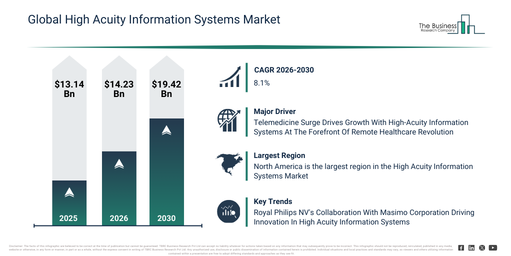
    The market for high acuity information systems has experienced robust expansion recently, with projections indicating continued growth from $13.14 billion in 2025 to $14.23 billion in 2026, reflecting a compound annual growth rate of 8.3%. The growth witnessed in the past can be linked to a rise in critical care admissions, the expansion of intensive care unit infrastructure, increased utilization of electronic health records, a heightened demand for optimizing clinical workflows, and enhanced funding for healthcare IT.

    The market for high acuity information systems is poised for significant expansion over the coming years, projecting a reach of $19.42 billion by 2030, fueled by a compound annual growth rate of 8.1%. This anticipated surge in growth during the forecast period is driven by several key factors, including escalating investments in smart hospital infrastructure, an increasing need for predictive analytics within acute care settings, the broadening scope of tele-ICU services, a heightened emphasis on real-time clinical insights, and the increasing utilization of cloud-based healthcare systems. Furthermore, prominent trends expected to shape this market include a greater embrace of AI-powered clinical decision support tools, improved integration of real-time patient monitoring systems, a rising demand for interoperable health IT platforms, the expansion of ICU workflow automation, and a stronger concentration on data-driven care coordination.

    Download A Free Sample Report For Comprehensive Market Insights:

    https://www.thebusinessresearchcompany.com/sample.aspx?id=13857&type=smp

    High Acuity Information Systems Market Opportunity Drivers: What Is Creating New Revenue Potential?

    The increasing adoption of telemedicine is anticipated to be a key driver for the expansion of the high acuity information systems market. Telemedicine, which involves the remote medical assessment and care of individuals utilizing telecommunications technology, benefits significantly from high-acuity information systems. These systems furnish crucial, up-to-the-minute patient data, essential for the timely and effective management of critical health situations and intricate medical choices from a distance. Illustrating this trend, data from the Australian Bureau of Statistics revealed that in the 2023-24 period, a notable 83.5% of men utilized telehealth services, marking a rise from the 78.6% observed in the preceding 2022-23 fiscal year. Consequently, the escalating use of telemedicine is fueling the growth trajectory of the high acuity information systems sector.

    High Acuity Information Systems Market Categorization By Product Type And Application

    The high acuity information systems market covered in this report is segmented –

    1) By Type: Intensive Care Unit (ICU) Systems, Perioperative Systems, Emergency Department Systems

    2) By Application: Patient Monitoring Systems, Clinical Decision Support Systems, Documentation Systems

    3) By End User: Hospitals, Ambulatory Surgical Centers, Nursing Care Facilities, Other End Users

    Subsegments:

    1) By Intensive Care Unit (ICU) Systems: Patient Monitoring Systems, Data Management Systems, Alarm Management Systems, Clinical Decision Support Systems

    2) By Perioperative Systems: Surgical Management Systems, Anesthesia Information Management Systems (AIMS), Operating Room Scheduling Systems, Post-Anesthesia Care Unit (PACU) Systems

    3) By Emergency Department Systems: Emergency Department Management Systems, Triage Systems, Electronic Health Record (EHR) Systems For ED, Patient Tracking Systems

    High Acuity Information Systems Market Innovation Trends Driving Future Development

    To gain a competitive edge in the high acuity information systems market, leading enterprises are prioritizing collaborative alliances aimed at fostering novel product development. Such alliances represent cooperative arrangements typically established between two or more organizations to attain shared advantages. As an illustration, in June of 2023, Royal Philips NV, a prominent health technology firm headquartered in the Netherlands, joined forces with Masimo Corporation, a US-based entity specializing in health technology and consumer electronics, with the express purpose of creating advanced high acuity patient monitoring systems. This collaboration intends to facilitate smoother access to vital patient information by embedding Masimo’s innovative technology within Philips’ monitoring devices, thereby delivering pertinent and context-aware data both at the patient’s location and during transit.

    High Acuity Information Systems Market Company Landscape And Strategic Competition

    Major companies operating in the high acuity information systems market are Epic Systems Corporation, Meditech Information Technology Inc., McKesson Corporation, Siemens Healthineers AG, GE Healthcare, Philips, Dragerwerk AG, Nihon Kohden Corporation, Athenahealth Inc., CompuGroup Medical SE & Co. KGaA, eClinicalWorks, Computer Programs and Systems Inc., Allscripts Healthcare Solutions Inc., Masimo Corporation, Getinge AB, Baxter International Inc., Becton Dickinson and Company, Oracle Health, Dedalus Group, InterSystems Corporation

    Access The Complete High Acuity Information Systems Market Report:

    https://www.thebusinessresearchcompany.com/report/high-acuity-information-systems-global-market-report

    High Acuity Information Systems Market Largest Region By Revenue And Market Share

    North Americawas the largest region in the high acuity information systems market in 2025. The regions covered in the high acuity information systems market report are Asia-Pacific, South East Asia, Western Europe, Eastern Europe, North America, South America, Middle East, Africa.

    Get in touch with us:

    The Business Research Company: https://www.thebusinessresearchcompany.com/

    Americas: +1 310-496-7795

    Asia: +44 7882 955267 & +91 8897263534

    Europe: +44 7882 955267

    Email us at: marketing@tbrc.info

    Follow us on:

    LinkedIn: https://in.linkedin.com/company/the-business-research-company

    YouTube: https://www.youtube.com/channel/UC24_fI0rV8cR5DxlCpgmyFQ

    Global Market Model: https://www.thebusinessresearchcompany.com/global-market-model
  • Hidradenitis Suppurativa Market Growth Outlook Reveals A CAGR Of 7% And A Market Value Of $1.74 Billion By 2030

    Hidradenitis Suppurativa Market Growth Outlook Reveals A CAGR Of 7% And A Market Value Of $1.74 Billion By 2030

    Delivering more actionable and strategically valuable research, The Business Research Company’s 2026 market reports feature market attractiveness analysis, total addressable market evaluation, company benchmarking matrices, interactive Excel dashboards, expanded supply chain intelligence, emerging startup coverage, and detailed product insights.

    Hidradenitis Suppurativa Market CAGR Analysis And Future Market Development

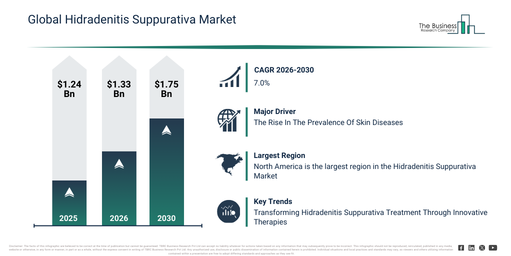
    The market for hidradenitis suppurativa treatments has experienced robust expansion recently, projected to increase from $1.24 billion in 2025 to $1.33 billion by 2026, reflecting a compound annual growth rate of 6.8%. This historical growth trajectory is underpinned by several factors, including a greater incidence of persistent inflammatory skin conditions, advancements in dermatological diagnostic techniques, heightened public understanding of HS symptoms, the proliferation of dermatology practices, and the availability of antimicrobial therapies.

    The market for hidradenitis suppurativa treatments is projected for substantial expansion in the upcoming years, anticipating a valuation of $1.75 billion by 2030, driven by an estimated compound annual growth rate of 7.0%. This anticipated surge is largely fueled by an escalating demand for specialized biologic medications, a heightened emphasis on sustained management of the condition, the proliferation of individualized dermatological care, a greater utilization of cutting-edge laser interventions, and increased financial backing for research into chronic dermatological ailments. Key developments shaping this market during the forecast period encompass a greater embrace of biologic treatments for HS, a rise in the application of less invasive surgical procedures, a stronger focus on diagnosing the disease in its earlier stages, the development of more comprehensive treatment regimens, and an improved approach to patient-focused care.

    Download A Free Sample Report For Comprehensive Market Insights:

    https://www.thebusinessresearchcompany.com/sample.aspx?id=12599&type=smp

    Hidradenitis Suppurativa Market Growth Momentum: Which Factors Are Influencing Demand?

    The increasing incidence of skin ailments is a significant catalyst for the expansion of the hidradenitis suppurativa market. These skin conditions encompass a broad spectrum of dermatological issues, originating from factors such as bacterial and viral infections, fungal infections, allergic reactions, skin cancers, and parasitic infestations. Hidradenitis suppurativa (HS), a persistent and debilitating skin issue, is experiencing accelerated development in treatments and support systems, fueled by heightened public awareness, improved diagnostic capabilities, an expanding patient demographic, and progress in scientific research. For example, the American Cancer Society, a prominent US organization committed to eradicating cancer, reported 108,270 cases of skin cancer in January 2024, marking a 3.2% uptick from the 104,930 cases documented in 2023. Consequently, the escalating occurrence of skin diseases serves as a primary driver for the growth observed in the hidradenitis suppurativa market.

    Hidradenitis Suppurativa Market Segment Analysis And Revenue Opportunities

    The hidradenitis suppurativa market covered in this report is segmented –

    1) By Disease Severity: Hurley Stage I, Hurley Stage II, Hurley Stage III

    2) By Treatment: Medications, Surgical Treatment

    3) By Route of Administration: Oral, Subcutaneous, Topical

    4) By Distribution Channel: Hospital Pharmacies, Retail Pharmacies, Online Pharmacies, Specialty Pharmacies

    5) By End User: Hospitals, Dermatology Clinics Or Specialty Clinics, Ambulatory Surgical Centers

    Subsegments:

    1) By Medications: Antibiotics, Biologics, Hormonal Therapy, Immunosuppressants, Retinoids

    2) By Surgical Treatment: Incision and Drainage, Deroofing, Wide Excision, Laser & Light-Based Therapy

    Hidradenitis Suppurativa Market Trends Reshaping Industry Growth

    Leading entities within the hidradenitis suppurativa sector are directing their efforts toward pioneering sophisticated biologic treatments aimed at enhancing therapeutic results and fulfilling existing patient needs. Biologic treatments, which originate from living organisms, are designed to precisely affect particular elements of the immune system contributing to the advancement of the condition. Illustratively, in June of 2023, the Swiss pharmaceutical enterprise Novartis AG secured approval from European regulatory bodies for its drug Cosentyx as a treatment for hidradenitis suppurativa. Cosentyx stands out as the initial and sole fully human biologic therapy specifically engineered to inhibit interleukin-17A, a crucial cytokine identified as playing a significant role in hidradenitis suppurativa. The extensive clinical research spanning over 14 years behind Cosentyx establishes it as a proven and precisely targeted therapeutic choice, thereby solidifying Novartis’s prominence in the hidradenitis suppurativa market.

    Hidradenitis Suppurativa Market Leading Players Shaping Industry Direction

    Major companies operating in the hidradenitis suppurativa market are AbbVie Inc., Pfizer Inc., Johnson & Johnson, Novartis AG, Eli Lilly and Company, UCB S.A., LEO Pharma A/S, Almirall S.A., AstraZeneca plc, Bayer AG, Otsuka Pharmaceutical Co. Ltd., Sun Pharmaceutical Industries Ltd., Taro Pharmaceutical Industries Ltd., AnaptysBio Inc., Acelyrin Inc., Arcutis Biotherapeutics Inc., Priovant Therapeutics, Aristea Therapeutics, Union Therapeutics, Revance Therapeutics

    Access The Complete Hidradenitis Suppurativa Market Report:

    https://www.thebusinessresearchcompany.com/report/hidradenitis-suppurativa-global-market-report

    Hidradenitis Suppurativa Market Regional Analysis And Leading Geography

    North Americawas the largest region in the hidradenitis suppurativa market in 2025. The regions covered in the hidradenitis suppurativa market report are Asia-Pacific, South East Asia, Western Europe, Eastern Europe, North America, South America, Middle East, Africa.

    Get in touch with us:

    The Business Research Company: https://www.thebusinessresearchcompany.com/

    Americas: +1 310-496-7795

    Asia: +44 7882 955267 & +91 8897263534

    Europe: +44 7882 955267

    Email us at: marketing@tbrc.info

    Follow us on:

    LinkedIn: https://in.linkedin.com/company/the-business-research-company

    YouTube: https://www.youtube.com/channel/UC24_fI0rV8cR5DxlCpgmyFQ

    Global Market Model: https://www.thebusinessresearchcompany.com/global-market-model
  • Heterozygous Familial Hypercholesterolemia Management Market Forecast Highlights Expansion From $13.37 Billion To $20.11 Billion Through 2030

    Heterozygous Familial Hypercholesterolemia Management Market Forecast Highlights Expansion From $13.37 Billion To $20.11 Billion Through 2030

    Enhanced with market attractiveness analysis, total addressable market evaluation, company benchmarking matrices, interactive Excel dashboards, expanded supply chain intelligence, emerging startup coverage, and detailed product insights, The Business Research Company’s 2026 market reports deliver more actionable and strategically valuable research.

    Heterozygous Familial Hypercholesterolemia Management Market Expansion From $13.37 Billion In 2026 To $20.11 Billion In 2030

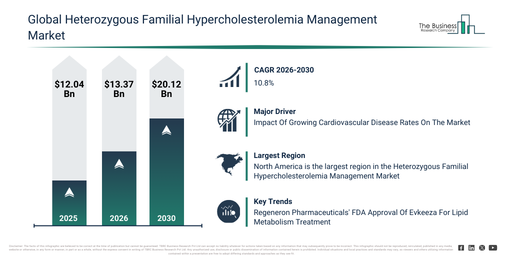
    Within the realm of heterozygous familial hypercholesterolemia treatment, a substantial market expansion has been observed. Projections indicate a rise from $12.04 billion in 2025 to $13.37 billion by 2026, reflecting a compound annual growth rate of 11.1%. This upward trajectory is underpinned by several key factors that fueled past growth, including a greater number of identified cases of inherited hypercholesterolemia, enhanced access to statin-based medications, heightened understanding within the medical community regarding cardiovascular disease risks, the proliferation of specialized lipid clinics, and increased adoption of cholesterol screening initiatives.

    The market for managing heterozygous familial hypercholesterolemia is poised for substantial expansion in the coming years, projected to reach a value of $20.12 billion by 2030, demonstrating a compound annual growth rate of 10.8%. This anticipated surge is propelled by several key factors including the increasing integration of sophisticated biologic treatments, a heightened emphasis on tailored approaches to cardiovascular health, broader implementation of genetic screening programs, a growing need for sustained management of low-density lipoprotein cholesterol (LDL-C), and escalating financial commitments to preemptive cardiac care. Dominant trends expected to shape this period encompass a greater embrace of PCSK9 inhibitor therapies, an amplified utilization of multifaceted lipid-lowering strategies, a stronger drive towards early genetic identification, the proliferation of injectable therapies for cholesterol reduction, and an intensified concentration on individualized patient care plans.

    Download A Free Sample Report For Comprehensive Market Insights:

    https://www.thebusinessresearchcompany.com/sample.aspx?id=21204&type=smp

    Heterozygous Familial Hypercholesterolemia Management Market Expansion Drivers: What Is Shaping Future Growth?

    The increasing incidence of heart and blood vessel disorders is anticipated to be a key driver for the expansion of the market dedicated to managing heterozygous familial hypercholesterolemia. These cardiovascular conditions, encompassing issues like narrowed arteries, weakened pumping function, and circulatory incidents, are becoming more widespread globally. This surge is attributed to escalating risk factors such as detrimental lifestyle habits, suboptimal nutrition, lack of physical activity, weight gain, and an increasing elderly demographic. The effective management of heterozygous familial hypercholesterolemia is vital in averting severe cardiovascular events by maintaining healthy cholesterol levels, a primary contributor to plaque buildup in arteries and subsequent cardiac problems. For illustrative purposes, data from the Centers for Disease Control and Prevention indicated that in 2023, cardiovascular diseases were responsible for 919,032 fatalities in the US, representing roughly one-third of all deaths. Consequently, the growing burden of cardiovascular diseases is directly fueling the growth trajectory of the heterozygous familial hypercholesterolemia management sector.

    Heterozygous Familial Hypercholesterolemia Management Market Segmentation And Category Breakdown

    The heterozygous familial hypercholesterolemia management market covered in this report is segmented –

    1) By Treatment Type: Statins, Ezetimibe, PCSK9 Inhibitors

    2) By Route Of Administration: Oral, Injectable

    3) By Patient Demographics: Children, Adults, Elderly

    4) By Application: Hospitals, Medical Centers, Clinics, Other Applications

    Subsegments:

    1) By Statins: Atorvastatin, Simvastatin, Rosuvastatin, Pravastatin

    2) By Ezetimibe: Ezetimibe (Monotherapy), Ezetimibe Combination Therapy (With Statins)

    3) By PCSK9 Inhibitors: Alirocumab, Evolocumab

    Heterozygous Familial Hypercholesterolemia Management Market Strategic Trends: What Is Defining The Next Phase Of Growth?

    Within the competitive landscape of the heterozygous familial hypercholesterolemia management sector, leading corporations are concentrating their efforts on pioneering novel therapeutics, exemplified by angiopoietin-based solutions aimed at optimizing lipid metabolism and consequently lowering cholesterol. Angiopoietins themselves constitue a group of proteins integral to controlling the development of new blood vessels (angiogenesis) and preserving the structural integrity of existing ones. A significant milestone occurred in March 2023 when Regeneron Pharmaceuticals Inc., a prominent US biotechnology firm, secured U.S. Food and Drug Administration (FDA) clearance for Evkeeza (evinacumab-dgnb), specifically targeting pediatric patients aged 5 to 11 suffering from homozygous familial hypercholesterolemia (HoFH). This pioneering monoclonal antibody functions by neutralizing ANGPTL3, a protein that obstructs lipid metabolism, leading to a reduction in both low-density lipoprotein (LDL) cholesterol and triglyceride concentrations. This regulatory approval establishes a groundbreaking treatment pathway for young individuals who possess very few therapeutic choices and are at an elevated risk for cardiovascular incidents.

    Heterozygous Familial Hypercholesterolemia Management Market Competitive Analysis Of Major Industry Participants

    Major companies operating in the heterozygous familial hypercholesterolemia management market are Pfizer Inc., Johnson & Johnson, Roche Holding AG, Merck & Co. Inc., AbbVie Inc., Sanofi S.A., Bristol-Myers Squibb, AstraZeneca plc, Novartis International AG, Takeda Pharmaceutical Company Limited, Eli Lilly and Company, Gilead Sciences Inc., Amgen Inc., Merck KGaA, Regeneron Pharmaceuticals Inc., Ipsen S.A., Chiesi Farmaceutici S.p.A., Ferring Pharmaceuticals Limited, Esperion Therapeutics Inc., Aegerion Pharmaceuticals Inc., Verve Therapeutics Inc.

    Access The Complete Heterozygous Familial Hypercholesterolemia Management Market Report:

    https://www.thebusinessresearchcompany.com/report/heterozygous-familial-hypercholesterolemia-management-global-market-report

    Heterozygous Familial Hypercholesterolemia Management Market Geographic Analysis: Where Is Demand Growing The Fastest?

    North Americawas the largest region in the heterozygous familial hypercholesterolemia management market in 2025. The regions covered in the heterozygous familial hypercholesterolemia management market report are Asia-Pacific, South East Asia, Western Europe, Eastern Europe, North America, South America, Middle East, Africa.

    Get in touch with us:

    The Business Research Company: https://www.thebusinessresearchcompany.com/

    Americas: +1 310-496-7795

    Asia: +44 7882 955267 & +91 8897263534

    Europe: +44 7882 955267

    Email us at: marketing@tbrc.info

    Follow us on:

    LinkedIn: https://in.linkedin.com/company/the-business-research-company

    YouTube: https://www.youtube.com/channel/UC24_fI0rV8cR5DxlCpgmyFQ

    Global Market Model: https://www.thebusinessresearchcompany.com/global-market-model
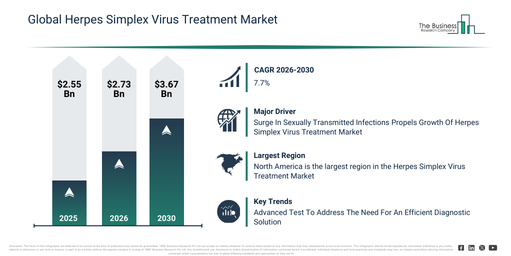
  • Herpes Simplex Virus Treatment Market Expected To Reach $3.67 Billion By 2030 As Growth Accelerates At 7.7% CAGR

    Herpes Simplex Virus Treatment Market Expected To Reach $3.67 Billion By 2030 As Growth Accelerates At 7.7% CAGR

    Through market attractiveness analysis, total addressable market evaluation, company benchmarking matrices, interactive Excel dashboards, expanded supply chain intelligence, emerging startup coverage, and detailed product insights, The Business Research Company’s 2026 market reports provide more actionable and strategically valuable research.

    Herpes Simplex Virus Treatment Market Forecast Highlighting Growth From $2.73 Billion To $3.67 Billion

    The market for treating herpes simplex virus has experienced robust expansion recently. Projections indicate a rise from $2.55 billion in 2025 to $2.73 billion in 2026, reflecting a compound annual growth rate of 7.2%. This expansion during the historical period is linked to a higher incidence of HSV infections, the broad accessibility of treatments based on acyclovir, the proliferation of sexual health services, enhanced availability of diagnostic tools, and an increase in public health awareness initiatives.

    The market dedicated to treating herpes simplex virus infections is poised for significant expansion over the upcoming years, projected to reach $3.67 billion by 2030, reflecting a compound annual growth rate (CAGR) of 7.7%. This upward trajectory during the forecast period is anticipated to be fueled by advancements in the development of next-generation antiviral pharmaceuticals, escalated investments in research for HSV vaccines, a greater reliance on telemedicine to facilitate treatment accessibility, an increasing emphasis on patient-focused care methodologies, and the implementation of more effective long-term infection management approaches. Key developments shaping the market during this timeframe are expected to include a wider uptake of suppressive antiviral therapies for long-term use, a heightened demand for oral antiviral drugs, a more pronounced concentration on managing symptoms and preventing recurrences, the broadening scope of vaccine research initiatives, and elevated levels of patient awareness coupled with earlier diagnostic capabilities.

    Download A Free Sample Report For Comprehensive Market Insights:

    https://www.thebusinessresearchcompany.com/sample.aspx?id=10691&type=smp

    Herpes Simplex Virus Treatment Market Development Factors: Which Trends Are Supporting Demand?

    Anticipate a forward momentum in the herpes simplex virus treatment market, largely fueled by an escalating global incidence of sexually transmitted infections. These infections, also recognized as STDs or STIs, manifest as diseases arising from bacterial, viral, or other microbial agents transmitted between individuals via bodily fluids such as blood, semen, vaginal secretions, or during sexual contact with an infected party. The therapeutic interventions for herpes simplex virus are principally directed at managing conditions like urethritis, cervicitis, and the development of genital sores, all of which are STIs. Illustrating this trend, data from the Minority HIV/AIDS Fund (MHAF), a U.S. governmental body, indicated in August 2024 that an estimated 39.9 million people globally were living with HIV in 2023, encompassing 38.6 million adults and 1.4 million children, a figure that has seen changes from prior periods. Consequently, the expanding reach of sexually transmitted infections directly contributes to the expansion of the market dedicated to herpes simplex virus treatment.

    Herpes Simplex Virus Treatment Market Segment Outlook: Which Categories Are Expanding The Fastest?

    The herpes simplex virus treatment market covered in this report is segmented –

    1) By Type: Herpes Simplex Virus-1 Infection, Herpes Simplex Virus-2 Infection

    2) By Drug Type: Acyclovir, Valacyclovir, Famciclovir, Other Drugs

    3) By Route Of Administration: Oral, Injection, Topical

    4) By Distribution Channel: Hospital Pharmacies, Drug store, Retail Pharmacies, Online Providers

    Subsegments:

    1) By Herpes Simplex Virus-1 Infection: Oral Herpes, Cold Sores, Herpes Labialis

    2) By Herpes Simplex Virus-2 Infection: Genital Herpes, Neonatal Herpes, Other Complications

    Herpes Simplex Virus Treatment Market Transformation Trends: Which Innovations Are Driving Change?

    To gain a competitive edge and enhance profitability within the herpes simplex virus treatment sector, leading corporations are prioritizing the creation of sophisticated diagnostic tools, exemplified by the chip-based RT-PCR test, which fulfills the demand for effective diagnostic methods. This advanced diagnostic methodology employs microchip technology for reverse transcription-polymerase chain reaction, enabling swift and effective amplification of nucleic acids. As an illustration, in January 2023, Molbio Diagnostics, a molecular diagnostics firm based in India, introduced Truenat HSV 1/2, a CDSCO-approved chip-based RT-PCR assay facilitating rapid herpes identification. This test, designed to integrate seamlessly with the Truelab system, provides results from sample to outcome within an hour without requiring supplementary equipment. Leveraging real-time PCR principles, it possesses the capability to differentiate between HSV-1 and HSV-2, thereby assisting in the timely diagnosis of oral and genital herpes infections, respectively.

    Herpes Simplex Virus Treatment Market Key Companies And Competitive Benchmarking

    Major companies operating in the herpes simplex virus treatment market are GlaxoSmithKline plc, Pfizer Inc., Teva Pharmaceuticals Industries Ltd., Viatris Inc., AbbVie Inc., Gilead Sciences Inc., Merck & Co. Inc., Merck KGaA, Novartis AG, Sanofi S.A., Bayer AG, Eli Lilly and Company, Bristol Myers Squibb Company, F. Hoffmann-La Roche AG, Johnson & Johnson, AstraZeneca plc, BioCryst Pharmaceuticals Inc., Chimerix Inc., AiCuris Anti-infective Cures GmbH, CureVac AG, Takeda Pharmaceutical Company Limited

    Access The Complete Herpes Simplex Virus Treatment Market Report:

    https://www.thebusinessresearchcompany.com/report/herpes-simplex-virus-treatment-global-market-report

    Herpes Simplex Virus Treatment Market Global Footprint: Which Region Holds Market Leadership?

    North Americawas the largest region in the herpes simplex virus treatment market in 2025.Asia-Pacificis expected to be the fastest-growing region in the global herpes simplex virus treatment market report during the forecast period. The regions covered in the herpes simplex virus treatment market report are Asia-Pacific, South East Asia, Western Europe, Eastern Europe, North America, South America, Middle East, Africa.

    Get in touch with us:

    The Business Research Company: https://www.thebusinessresearchcompany.com/

    Americas: +1 310-496-7795

    Asia: +44 7882 955267 & +91 8897263534

    Europe: +44 7882 955267

    Email us at: marketing@tbrc.info

    Follow us on:

    LinkedIn: https://in.linkedin.com/company/the-business-research-company

    YouTube: https://www.youtube.com/channel/UC24_fI0rV8cR5DxlCpgmyFQ

    Global Market Model: https://www.thebusinessresearchcompany.com/global-market-model
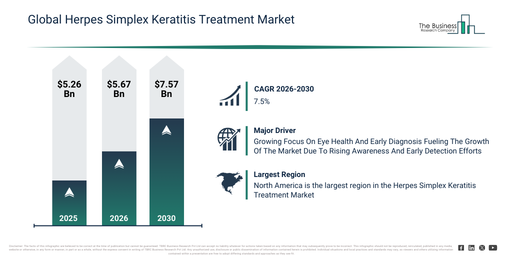
  • Herpes Simplex Keratitis Treatment Market Set To Grow From $5.67 Billion In 2026 To $7.57 Billion By 2030 At A CAGR Of 7.5%

    Herpes Simplex Keratitis Treatment Market Set To Grow From $5.67 Billion In 2026 To $7.57 Billion By 2030 At A CAGR Of 7.5%

    Delivering more actionable and strategically valuable research, The Business Research Company’s 2026 market reports feature market attractiveness analysis, total addressable market evaluation, company benchmarking matrices, interactive Excel dashboards, expanded supply chain intelligence, emerging startup coverage, and detailed product insights.

    Herpes Simplex Keratitis Treatment Market Revenue Growth Supported By A CAGR Of 7.57% Through 2030

    The market for herpes simplex keratitis treatments has experienced robust expansion. Projections indicate a rise from $5.26 billion in 2025 to $5.67 billion in 2026, reflecting a compound annual growth rate of 7.8%. Factors contributing to this growth during the past period include a higher incidence of HSV infections, increased accessibility to antiviral drugs, enhanced diagnostic tools for eye conditions, heightened public understanding of viral corneal diseases, and the growth of ophthalmology departments within healthcare facilities.

    Anticipating robust expansion, the herpes simplex keratitis therapeutics sector is projected to expand significantly, reaching an estimated valuation of $7.57 billion by the year 2030, propelled by a compound annual growth rate of 7.5%. This anticipated trajectory is fueled by a confluence of factors, including intensified investigations into innovative antiviral compounds, a greater embrace of tailored ocular therapies, the proliferation of ambulatory eye care facilities, a heightened emphasis on averting vision impairment, and the increasing integration of sophisticated pharmaceutical delivery mechanisms. Key developments anticipated during this prospective timeframe involve the burgeoning creation of specific antiviral treatments, a wider application of combined medicinal strategies, a growing imperative for prompt identification and management of the condition, an augmented utilization of treatment alternatives that minimize corticosteroid use, and more diligent surveillance for instances of disease relapse.

    Download A Free Sample Report For Comprehensive Market Insights:

    https://www.thebusinessresearchcompany.com/sample.aspx?id=27304&type=smp

    Herpes Simplex Keratitis Treatment Market Industry Drivers: What Is Driving Revenue Growth?

    The escalating emphasis on ocular well-being and the prompt identification of eye conditions are poised to significantly boost the herpes simplex keratitis treatment market in the foreseeable future. Prioritizing eye health and enabling early detection involve maintaining optimal visual acuity and recognizing potential eye ailments at their nascent stages to avert irreversible vision impairment and enhance therapeutic success rates. This heightened focus on ocular health and early diagnosis is primarily attributable to a greater public understanding, as more individuals acknowledge the critical role of routine eye examinations in safeguarding against severe visual disturbances. Herpes simplex keratitis treatments contribute to improved eye health and early diagnosis by delivering specific antiviral interventions, thereby proving effective in preventing corneal damage and preserving vision. Such treatments mitigate complications by facilitating prompt medical intervention and consistent oversight, leading to superior patient results and overall ocular wellness. Illustratively, in May 2024, data from the Office for Health Improvement and Disparities, a UK governmental body, indicated that vision outpatient attendances in England surpassed 8.9 million in 2023, marking an increase from the 8.4 million recorded in 2022, at a rate of 15,362 per 100,000 individuals. Consequently, the intensified focus on eye health and early diagnosis serves as a principal catalyst for the expansion of the herpes simplex keratitis treatment market.

    The burgeoning adoption of telemedicine is anticipated to be a key driver for the herpes simplex keratitis treatment market’s advancement. Telemedicine encompasses the utilization of digital communication technologies to deliver healthcare services from a distance, facilitating remote patient consultations and care. This trend is gaining traction due to its inherent convenience, offering patients the ability to access medical services without the necessity of physical travel, thereby conserving time and enhancing the overall accessibility and efficiency of healthcare delivery. In the context of herpes simplex keratitis, telemedicine plays a crucial role by facilitating remote eye care consultations, which is particularly beneficial for individuals residing in geographically isolated or underserved regions. It effectively minimizes diagnostic and treatment delays through the provision of timely virtual assessments and streamlined prescription management, ultimately improving patient outcomes and overall convenience. As an example, in April 2023, FAIR Health Inc., a non-profit organization based in the US, reported that national telehealth utilization saw a 7.3% surge in 2023, climbing from 5.5% of medical claim lines in December 2022 to 5.9% by January 2023. Therefore, the increasing integration of telemedicine is significantly contributing to the growth trajectory of the herpes simplex keratitis treatment market.

    An upward trend in healthcare expenditure is projected to stimulate progress within the herpes simplex keratitis treatment market. This expenditure refers to the aggregate financial resources allocated to medical services, therapeutic interventions, healthcare facilities, research and development, and public health programs aimed at preserving or enhancing health outcomes. The escalating need for greater healthcare spending is largely driven by the increasing incidence of chronic illnesses, which necessitate prolonged and often costly treatment regimens. Robust healthcare expenditure plays a vital role in supporting herpes simplex keratitis treatment by ensuring improved accessibility to cutting-edge medications and sophisticated diagnostic tools, thereby benefiting hospitals, clinics, and specialized ophthalmic care centers. It elevates the standard of care by funding timely interventions, supporting crucial research initiatives, and enabling comprehensive patient monitoring, all of which contribute to enhanced patient results and greater efficiency in care delivery. For instance, in May 2024, the Office for National Statistics, a UK government department, revealed that total healthcare expenditure experienced a nominal increase of 5.6% in 2023, representing a growth of 0.9% compared to the figures from 2022. Consequently, the sustained rise in healthcare expenditure is a significant factor propelling the expansion of the herpes simplex keratitis treatment market.

    Herpes Simplex Keratitis Treatment Market Segment Landscape: Which Areas Lead Market Development?

    The herpes simplex keratitis treatment market covered in this report is segmented –

    1) By Treatment Type: Topical Antiviral Drugs, Oral Antiviral Drugs, Antibiotics, Corticosteroids, Other Therapies

    2) By Drug: Famciclovir, Valacyclovir, Acyclovir, Other Drugs

    3) By Disease Severity: Mild, Moderate, Severe

    4) By Route of Administration: Topical, Oral, Intravenous

    5) By End-User: Hospitals, Clinics, Ambulatory Surgical Centers, Home Care Settings

    Subsegments:

    1) By Topical Antiviral Drugs: Trifluridine, Ganciclovir, Acyclovir

    2) By Oral Antiviral Drugs: Acyclovir, Valacyclovir, Famciclovir

    3) By Antibiotics: Erythromycin, Gentamicin, Tobramycin

    4) By Corticosteroids: Prednisolone Acetate, Dexamethasone, Loteprednol

    5) By Other Therapies: Debridement, Amniotic Membrane Transplantation, Corneal Transplantation

    Herpes Simplex Keratitis Treatment Market Industry Leaders And Market Competition

    Major companies operating in the herpes simplex keratitis treatment market are Pfizer Inc., Merck & Co. Inc., Novartis AG, GlaxoSmithKline plc, Bausch Health Companies Inc., Aurobindo Pharma Limited, Dr. Reddy’s Laboratories Limited, Cipla Limited, Micro Labs Limited, Ocular Therapeutix Inc., Chimerix Inc., AiCuris Anti-infective Cures GmbH, Taj Pharmaceuticals Limited, Fera Pharmaceuticals LLC, Kevy’s Labs Private Limited, A.S. Lifesciences Private Limited, Sun Pharmaceutical Industries Limited, Alcon Inc., AbbVie Inc., Santen Pharmaceutical Co. Ltd., Lupin Limited, Hikma Pharmaceuticals PLC

    Access The Complete Herpes Simplex Keratitis Treatment Market Report:

    https://www.thebusinessresearchcompany.com/report/herpes-simplex-keratitis-treatment-global-market-report

    Herpes Simplex Keratitis Treatment Market Regional Distribution: Which Areas Drive Market Expansion?

    North Americawas the largest region in the herpes simplex keratitis treatment market in 2025. Asia-Pacificis expected to be the fastest-growing region in the forecast period. The regions covered in the herpes simplex keratitis treatment market report are Asia-Pacific, South East Asia, Western Europe, Eastern Europe, North America, South America, Middle East, Africa.

    Get in touch with us:

    The Business Research Company: https://www.thebusinessresearchcompany.com/

    Americas: +1 310-496-7795

    Asia: +44 7882 955267 & +91 8897263534

    Europe: +44 7882 955267

    Email us at: marketing@tbrc.info

    Follow us on:

    LinkedIn: https://in.linkedin.com/company/the-business-research-company

    YouTube: https://www.youtube.com/channel/UC24_fI0rV8cR5DxlCpgmyFQ

    Global Market Model: https://www.thebusinessresearchcompany.com/global-market-model
  • Hereditary Transthyretin Amyloidosis Market Opportunities Are Emerging Beyond Traditional Growth Areas

    Hereditary Transthyretin Amyloidosis Market Opportunities Are Emerging Beyond Traditional Growth Areas

    Enhanced with market attractiveness analysis, total addressable market evaluation, company benchmarking matrices, interactive Excel dashboards, expanded supply chain intelligence, emerging startup coverage, and detailed product insights, The Business Research Company’s 2026 market reports deliver more actionable and strategically valuable research.

    Hereditary Transthyretin Amyloidosis Market Value Expansion And Long-Term Growth Outlook

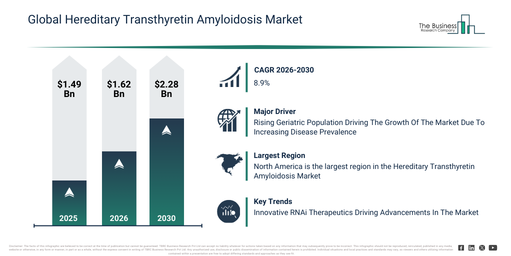
    The market for hereditary transthyretin amyloidosis has experienced substantial expansion, projected to advance from a valuation of $1.49 billion in 2025 to $1.62 billion by 2026, reflecting a compound annual growth rate of 9.0%. This growth trajectory during the historical period is attributable to several key factors, including heightened awareness of ATTR amyloidosis within the medical community, the successful introduction and adoption of tafamidis as a therapeutic option, the proliferation of dedicated neurology and cardiology centers, advancements in genetic testing for TTR mutations, and the increasing establishment of patient registry programs.

    The market for hereditary transthyretin amyloidosis is poised for substantial expansion in the coming years, projected to reach $2.28 billion by 2030 with a compound annual growth rate of 8.9%. This anticipated growth is fueled by advancements in gene therapies, increased funding for rare disease investigations, broader implementation of personalized medicine, the development of CRISPR-based interventions, and enhanced diagnostic monitoring tools. Key developments shaping this period include a greater embrace of gene silencing techniques, the growing utility of RNAi treatments, a heightened emphasis on early detection of cardiac and neurological symptoms, the proliferation of oral treatment alternatives, and the refinement of long-term disease management plans.

    Download A Free Sample Report For Comprehensive Market Insights:

    https://www.thebusinessresearchcompany.com/sample.aspx?id=22003&type=smp

    Hereditary Transthyretin Amyloidosis Market Growth Factors: Which Forces Are Supporting Market Expansion?

    The expanding cohort of elderly individuals is anticipated to be a significant catalyst for the hereditary transthyretin amyloidosis market’s expansion in the foreseeable future, as this demographic, encompassing those aged 65 and above, frequently necessitates tailored medical attention and care due to the natural aging process. This demographic surge is primarily attributable to enhanced lifespans, a consequence of improvements in medical science and overall living standards. Hereditary transthyretin amyloidosis (hATTR) presents a considerable health challenge to this aging population, manifesting as debilitating neuropathy and cardiomyopathy, which consequently elevates illness and mortality rates among older adults. Illustrating this trend, data from the Population Reference Bureau, a non-profit entity based in the United States, projected in January 2024 that the number of individuals in the US aged 65 and older will surge from 58 million in 2022 to 82 million by 2050, representing a substantial 47% rise. Consequently, the increasing prevalence of the geriatric population directly correlates with the upward trajectory of the hereditary transthyretin amyloidosis market.

    Hereditary Transthyretin Amyloidosis Market Segments: Where Are The Largest Growth Opportunities?

    The hereditary transthyretin amyloidosis market covered in this report is segmented –

    1) By Type: Oral, Subcutaneous Injection, Other Types

    2) By Drug Class: RNAi Agents (Patisiran), Small Interfering RNAs (siRNAs) (Vutrisiran)

    3) By Distribution Channel: Hospital Pharmacies, Retail Pharmacies

    4) By Application: Hospital, Clinic, Other Applications

    Subsegments:

    1) By Oral: Tafamidis, Experimental Oral Therapies

    2) By Subcutaneous Injection: Inotersen, Vutrisiran

    3) By Other Types: Intravenous Therapies, Gene Silencing Therapies, CRISPR-Based Therapies

    Hereditary Transthyretin Amyloidosis Market Industry Trends: What Changes Are Reshaping Demand?

    Within the competitive landscape of the hereditary transthyretin amyloidosis sector, leading pharmaceutical entities are pioneering novel treatment modalities, prominently featuring RNA interference (RNAi) therapies engineered to diminish the synthesis of the transthyretin (TTR) protein. These RNAi therapies leverage the mechanism of RNA interference to selectively inhibit gene expression, consequently curtailing the production of proteins implicated in disease pathology. As a case in point, Alnylam Pharmaceuticals, Inc., an American biopharmaceutical firm, presented an sNDA to the US FDA in October 2024, seeking approval for Vutrisiran (AMVUTTRA) as a therapeutic intervention for amyloidosis concerning the heart muscle in individuals with transthyretin amyloidosis. This regulatory action highlights their forward-thinking RNAi strategy, aimed at suppressing TTR protein levels, a critical determinant in the advancement of the disease. The prospect of Vutrisiran being administered subcutaneously suggests a more accessible and less burdensome treatment schedule than conventional intravenous methods, potentially establishing it as a groundbreaking alternative for those affected by this severe ailment.

    Hereditary Transthyretin Amyloidosis Market Major Participants And Competitive Dynamics

    Major companies operating in the hereditary transthyretin amyloidosis market are Alnylam Pharmaceuticals Inc., Ionis Pharmaceuticals Inc., BridgeBio Pharma Inc., Pfizer Inc., Eli Lilly and Company, Intellia Therapeutics Inc., Regeneron Pharmaceuticals Inc., AstraZeneca plc, Novartis AG, Roche Holding AG, Sanofi S.A., Takeda Pharmaceutical Company Limited, GlaxoSmithKline plc, Bristol Myers Squibb, Merck and Co Inc., Johnson and Johnson, AbbVie Inc., Biogen Inc., Vertex Pharmaceuticals Incorporated, Amgen Inc.

    Access The Complete Hereditary Transthyretin Amyloidosis Market Report:

    https://www.thebusinessresearchcompany.com/report/hereditary-transthyretin-amyloidosis-global-market-report

    Hereditary Transthyretin Amyloidosis Market Leading Geography: Which Region Generates The Most Revenue?

    North Americawas the largest region in the hereditary transthyretin amyloidosis market in 2025. Asia-Pacificis expected to be the fastest-growing region in the forecast period. The regions covered in the hereditary transthyretin amyloidosis market report are Asia-Pacific, South East Asia, Western Europe, Eastern Europe, North America, South America, Middle East, Africa.

    Get in touch with us:

    The Business Research Company: https://www.thebusinessresearchcompany.com/

    Americas: +1 310-496-7795

    Asia: +44 7882 955267 & +91 8897263534

    Europe: +44 7882 955267

    Email us at: marketing@tbrc.info

    Follow us on:

    LinkedIn: https://in.linkedin.com/company/the-business-research-company

    YouTube: https://www.youtube.com/channel/UC24_fI0rV8cR5DxlCpgmyFQ

    Global Market Model: https://www.thebusinessresearchcompany.com/global-market-model
  • Hereditary Testing Market Expansion Is Opening New Pathways For Strategic Investment

    Hereditary Testing Market Expansion Is Opening New Pathways For Strategic Investment

    Through market attractiveness analysis, total addressable market evaluation, company benchmarking matrices, interactive Excel dashboards, expanded supply chain intelligence, emerging startup coverage, and detailed product insights, The Business Research Company’s 2026 market reports provide more actionable and strategically valuable research.

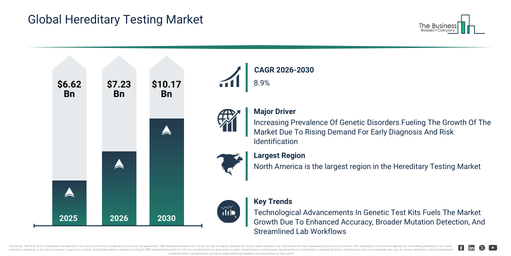
    Hereditary Testing Market Expected To Reach $10.17 Billion By 2030 At 8.9% CAGR

    The realm of hereditary testing has witnessed robust expansion recently, projecting an increase from $6.62 billion in 2025 to $7.23 billion in 2026, propelled by a compound annual growth rate of 9.2%. This historical growth trajectory is underpinned by several key factors, including groundbreaking progress in genetic sequencing technologies, heightened public consciousness regarding inherited conditions, the proliferation of clinical genetics programs, a downward trend in the cost of genetic testing, and the development of extensive diagnostic laboratory networks.

    The hereditary testing sector is poised for substantial expansion over the forthcoming years, projected to reach $10.17 billion by 2030, exhibiting a compound annual growth rate of 8.9%. This anticipated upswing during the forecast period is largely fueled by the escalating integration of genomic insights into standard medical practices, a surge in the need for precision medicine solutions, a broader implementation of genetic screening across populations, the proliferating utilization of digital genetic data infrastructures, and a heightened emphasis on genomics for proactive health management. Key developments shaping this market during the forecast period encompass a greater embrace of next-generation sequencing technologies, a growing requirement for genetic testing that predicts disease risk or identifies carriers, the increased deployment of artificial intelligence for interpreting genetic variations, the augmentation of screening initiatives for prenatal and newborn diagnostics, and an intensified focus on providing tailored genetic advisory services.

    Download A Free Sample Report For Comprehensive Market Insights:

    https://www.thebusinessresearchcompany.com/sample.aspx?id=25782&type=smp

    Hereditary Testing Market Demand Drivers: What Is Fueling Industry Growth?

    The expanding incidence of conditions influenced by genetics is poised to significantly boost the hereditary testing market. These genetic conditions stem from alterations or changes within a person’s DNA, passed down from parents or occurring randomly, and their growing frequency is partly attributed to older parental ages, which elevate the chances of such mutations affecting offspring. Hereditary tests are crucial for individuals with genetic disorders, facilitating prompt identification, tailored therapeutic approaches, and informed choices about family expansion by pinpointing inherited genetic variations. A relevant example showcases this trend: in October 2024, the Cystic Fibrosis Trust in the UK reported that the count of individuals diagnosed with cystic fibrosis reached 11,318 in 2023, an increase from the 11,148 cases recorded in 2022, underscoring the upward trajectory of genetic disorders and, consequently, fueling the expansion of the hereditary testing market.

    Hereditary Testing Market Segment Analysis: What Are The Major Market Categories?

    The hereditary testing market covered in this report is segmented –

    1) By Test Type: Predictive Testing, Carrier Testing, Prenatal Testing, Newborn Screening, Diagnostic Testing, Other Test Types

    2) By Sample Type: Blood Samples, Saliva Samples, Tissue Samples, Buccal Swabs, Amniotic Fluid And Cord Blood Samples

    3) By Technology Used: Next-Generation Sequencing (NGS), Polymerase Chain Reaction (PCR), Sanger Sequencing, Microarray Technology, Whole Genome Sequencing (WGS)

    4) By Application: Oncology, Cardiovascular Diseases, Neurological Disorders, Metabolic Disorders, Other Applications

    5) By End User: Hospitals, Diagnostic Laboratories, Research Institutes, Pharmaceutical Companies, Patients And Consumers

    Subsegments:

    1) By Predictive Testing: Breast Cancer 1 (BRCA1) and Breast Cancer 2 (BRCA2) Gene Mutation Testing, Lynch Syndrome Testing, Familial Hypercholesterolemia Testing, Huntington’s Disease Testing, Cardiomyopathy Genetic Testing

    2) By Carrier Testing: Cystic Fibrosis Carrier Screening, Tay-Sachs Carrier Screening, Spinal Muscular Atrophy (SMA) Carrier Screening, Thalassemia Carrier Screening, Sickle Cell Carrier Testing

    3) By Prenatal Testing: Non-Invasive Prenatal Testing (NIPT), Chorionic Villus Sampling (CVS), Amniocentesis, Expanded Carrier Screening (Prenatal Context), Cell-Free Fetal Deoxyribonucleic Acid Testing

    4) By Newborn Screening: Phenylketonuria (PKU) Screening, Congenital Hypothyroidism Screening, Cystic Fibrosis Screening, Sickle Cell Disease Screening, Hearing Loss and Metabolic Disorder Panels

    5) By Diagnostic Testing: Rare Disease Genetic Testing, Inherited Cancer Diagnostic Testing, Cardiogenetic Diagnostic Panels, Neurogenetic Disorder Testing, Monogenic Disease Panels

    6) By Other Test Types: Pharmacogenomics Testing, Preimplantation Genetic Diagnosis (PGD), Whole Exome Sequencing (WES), Whole Genome Sequencing (WGS), Mitochondrial Deoxyribonucleic Acid Testing

    Hereditary Testing Market Innovation Trends: Which Developments Are Transforming The Industry?

    Within the hereditary testing sector, leading firms are prioritizing the enhancement of genetic testing kits through technological innovation, aiming to elevate precision, accelerate processing periods, and broaden the scope of detectable genetic alterations. These kits function as analytical instruments for examining an individual’s DNA, thereby pinpointing genetic alterations or variances associated with inherited ailments or predispositions to disease. As an illustration, in July 2023, Devyser Diagnostics AB, a Swedish biotechnology entity involved in the creation, production, and marketing of DNA diagnostic kits for the examination of inherited diseases, introduced two novel targeted next-generation sequencing kits: Devyser LynchFAP and Devyser BRCA PALB2. The Devyser LynchFAP kit stands out by facilitating a comprehensive examination of PMS2, successfully navigating the complexities presented by its pseudogene PMS2CL, in addition to nine other crucial genes implicated in hereditary colorectal cancer syndromes. Complementing this, the Devyser BRCA PALB2 kit offers an integrated, single-tube methodology for the screening of mutations in BRCA1, BRCA2, and PALB2, applicable to both blood and tumor specimens. This kit is engineered for optimized laboratory procedures, delivering efficient, intuitive sequencing capabilities and specialized software to ensure reliable identification of hereditary cancer risks.

    Hereditary Testing Market Leading Companies Driving Competitive Growth

    Major companies operating in the hereditary testing market are F. Hoffmann-La Roche Ltd., Thermo Fisher Scientific Inc., Laboratory Corporation of America Holdings, Quest Diagnostics Incorporated, Agilent Technologies Inc., Illumina Inc., CooperSurgical Inc., QIAGEN N.V, Natera Inc., Myriad Genetics Inc., Fulgent Genetics Inc, Invitae Corporation, GeneDx LLC, Twist Bioscience Corporation, Color Health Inc., MedGenome Inc, SOPHiA GENETICS SA, Gene By Gene Ltd., Dante Labs Inc., 23mofang Co. Ltd.

    Access The Complete Hereditary Testing Market Report:

    https://www.thebusinessresearchcompany.com/report/hereditary-testing-global-market-report

    Hereditary Testing Market Regional Outlook: Where Are The Largest Opportunities Located?

    North Americawas the largest region in the hereditary testing market in 2025. Asia-Pacificis expected to be the fastest-growing region in the forecast period. The regions covered in the hereditary testing market report are Asia-Pacific, South East Asia, Western Europe, Eastern Europe, North America, South America, Middle East, Africa.

    Get in touch with us:

    The Business Research Company: https://www.thebusinessresearchcompany.com/

    Americas: +1 310-496-7795

    Asia: +44 7882 955267 & +91 8897263534

    Europe: +44 7882 955267

    Email us at: marketing@tbrc.info

    Follow us on:

    LinkedIn: https://in.linkedin.com/company/the-business-research-company

    YouTube: https://www.youtube.com/channel/UC24_fI0rV8cR5DxlCpgmyFQ

    Global Market Model: https://www.thebusinessresearchcompany.com/global-market-model
  • Hereditary Cancer Testing Market Trends Are Creating New Opportunities For Industry Leaders

    Hereditary Cancer Testing Market Trends Are Creating New Opportunities For Industry Leaders

    Delivering more actionable and strategically valuable research, The Business Research Company’s 2026 market reports feature market attractiveness analysis, total addressable market evaluation, company benchmarking matrices, interactive Excel dashboards, expanded supply chain intelligence, emerging startup coverage, and detailed product insights.

    Hereditary Cancer Testing Market Size And Revenue Forecast Through 2030

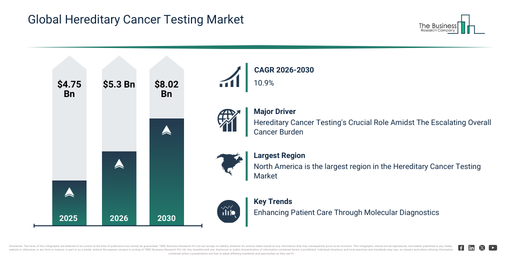
    The market for hereditary cancer testing has experienced substantial expansion lately. Projections indicate it will advance from $4.75 billion in 2025 to $5.3 billion in 2026, reflecting a compound annual growth rate of 11.6%. Factors contributing to this growth during the preceding period included heightened public understanding of hereditary cancer dangers, the advent of next-generation sequencing technologies, the broadening of diagnostic lab infrastructures, increased doctor referrals for genetic screening, and the proliferation of personalized risk evaluation frameworks.

    The market for hereditary cancer testing is poised for substantial expansion over the coming years, projected to reach $8.02 billion by the year 2030, driven by a compound annual growth rate of 10.9%. This anticipated surge is fueled by several key factors, including the broadening scope of population-wide genetic screening, the escalating utilization of artificial intelligence in genomic analysis, a greater emphasis on preventative oncology strategies, heightened demand for affordable testing options, and strengthened regulatory backing for genetic diagnostic tools. Furthermore, significant trends shaping the forecast period encompass a growing preference for multi-gene panel testing, an increasing need for early detection of cancer predispositions, the wider application of sophisticated genetic sequencing technologies, the proliferation of preventive testing programs, and a more integrated approach to clinical decision support systems.

    Download A Free Sample Report For Comprehensive Market Insights:

    https://www.thebusinessresearchcompany.com/sample.aspx?id=8121&type=smp

    Hereditary Cancer Testing Market Growth Drivers: What Factors Are Accelerating Expansion?

    The growing incidence of cancer is anticipated to be a primary driver for the market of hereditary cancer testing. Cancer, stemming from the uncontrolled proliferation and spread of aberrant cells, disrupts the body’s normal cellular regulation. Hereditary cancer testing is instrumental in managing this escalating health challenge by pinpointing individuals who possess genetic vulnerabilities to specific cancers. Through the evaluation of inherited genetic alterations and family history, this diagnostic approach identifies those at elevated risk, thereby facilitating timely medical interventions, tailored therapeutic strategies, and preventative actions. As an illustration, Australian Institute of Health and Welfare data from July 2024 indicated a rise in cancer diagnoses in Australia from 160,570 in 2022 to 164,694 in 2023, underscoring a significant year-over-year increase and signifying the increasing prevalence of the disease within the nation. Consequently, the expanding cancer burden is fueling the expansion of the hereditary cancer testing market.

    Hereditary Cancer Testing Market Segment Breakdown: Which Categories Generate The Most Revenue?

    The hereditary cancer testing market covered in this report is segmented –

    1) By Test Type: Multi Panel Test, Single-Site Genetic Test

    2) By Indication: Breast Cancer, Ovarian Cancer, Colorectal Cancer, Other Indications

    3) By End user: Hospital, Clinics, Diagnostic Centers

    Subsegments:

    1) By Multi Panel Test: Comprehensive Genetic Panels, Targeted Gene Panels

    2) By Single-Site Genetic Test: Specific Gene Testing, Familial Mutation Testing

    Hereditary Cancer Testing Market Trends: What Is Shaping Future Industry Growth?

    The hereditary cancer testing market is characterized by leading companies concentrating on cutting-edge technologies, including molecular diagnostic tumor testing, aimed at boosting precision, optimizing patient results, and tailoring treatment plans. This type of testing scrutinizes the genetic and molecular makeup of a tumor to guide therapeutic choices and forecast prognoses. As an illustration, in February of 2023, Chubb Business Services India Private Limited, a global insurance provider headquartered in India, introduced Cancer Advocate Plus. This initiative incorporates genetic testing designed to pinpoint hereditary genes linked to an elevated risk of developing cancer, thereby enabling individuals to grasp their predisposition to different cancers and fostering an environment of early detection and customized healthcare approaches.

    Hereditary Cancer Testing Market Key Players And Strategic Industry Positioning

    Major companies operating in the hereditary cancer testing market are Centogene NV, Ambry Genetics Inc., Myriad Genetics Inc., NeoGenomics Laboratories Inc., Quest Diagnostics, PreventionGenetics, Fulgent Genetics Inc., Invitae Corporation, Medical Diagnostic Laboratories LLC, Natera Inc., Color Health Inc., CooperSurgical Inc., OPKO Health Inc., Illumina Inc., Laboratory Corporation of America Holdings, Pathway Genomics Corporation, Strand Life Sciences Private Limited, Progenity Inc., Myogenes Ltd., Associated Regional and University Pathologists Inc., 4baseCare, Biocartis Group NV, F. Hoffmann-La Roche AG, Medgenome Pvt. Ltd., Abbott Laboratories, Agilent Technologies Inc., Bio-Rad Laboratories Inc., Thermo Fisher Scientific Inc., Oxford Nanopore Technologies PLC, PerkinElmer Inc.

    Access The Complete Hereditary Cancer Testing Market Report:

    https://www.thebusinessresearchcompany.com/report/hereditary-cancer-testing-global-market-report

    Hereditary Cancer Testing Market Geographic Landscape: Which Region Dominates Industry Growth?

    North Americawas the largest region in the hereditary cancer testing market in 2025. The regions covered in the hereditary cancer testing market report are Asia-Pacific, South East Asia, Western Europe, Eastern Europe, North America, South America, Middle East, Africa.

    Get in touch with us:

    The Business Research Company: https://www.thebusinessresearchcompany.com/

    Americas: +1 310-496-7795

    Asia: +44 7882 955267 & +91 8897263534

    Europe: +44 7882 955267

    Email us at: marketing@tbrc.info

    Follow us on:

    LinkedIn: https://in.linkedin.com/company/the-business-research-company

    YouTube: https://www.youtube.com/channel/UC24_fI0rV8cR5DxlCpgmyFQ

    Global Market Model: https://www.thebusinessresearchcompany.com/global-market-model
  • Hereditary Breast and Ovarian Cancer Syndrome Treatment Market Growth Is Reshaping Competitive Advantage Across The Industry

    Hereditary Breast and Ovarian Cancer Syndrome Treatment Market Growth Is Reshaping Competitive Advantage Across The Industry

    Enhanced with market attractiveness analysis, total addressable market evaluation, company benchmarking matrices, interactive Excel dashboards, expanded supply chain intelligence, emerging startup coverage, and detailed product insights, The Business Research Company’s 2026 market reports deliver more actionable and strategically valuable research.

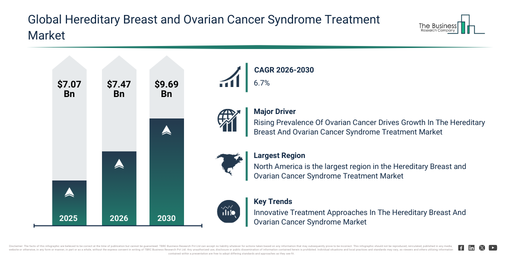
    Hereditary Breast and Ovarian Cancer Syndrome Treatment Market Growth From $7.46 Billion In 2026 To $9.69 Billion By 2030 At A CAGR Of 6.7%

    The market dedicated to treating hereditary breast and ovarian cancer syndromes has experienced robust expansion recently, projecting a rise from $7.07 billion in 2025 to $7.47 billion in 2026, reflecting a compound annual growth rate of 5.6%. This historical growth trajectory has been fueled by several key factors, including heightened public consciousness regarding hereditary cancer predispositions, the widespread availability of BRCA mutation testing, an amplified cancer screening infrastructure, increasing adoption of hormonal therapies, and the proliferation of specialized oncology clinics.

    Anticipate a robust expansion in the market for hereditary breast and ovarian cancer syndrome treatments over the coming years, projecting a reach of $9.69 billion by 2030, underpinned by a compound annual growth rate of 6.7%. This upward trajectory in the projected period is anticipated to be fueled by the proliferation of individualized cancer treatment methodologies, a greater propensity for prophylactic surgical interventions, advancements in the development of targeted therapies and immunotherapies, augmented investments in genetic diagnostic tools, and refined approaches to long-term patient surveillance. Key developments expected within this timeframe encompass a heightened utilization of genetic counseling services, an increased application of preventive treatment modalities, more extensive incorporation of precision oncology drugs, broader implementation of risk-stratified screening initiatives, and a more pronounced emphasis on early detection strategies.

    Download A Free Sample Report For Comprehensive Market Insights:

    https://www.thebusinessresearchcompany.com/sample.aspx?id=13209&type=smp

    Hereditary Breast and Ovarian Cancer Syndrome Treatment Market Growth Factors Supporting Long-Term Expansion

    The escalating incidence of ovarian cancer is poised to be a primary catalyst for the expansion of the hereditary breast and ovarian cancer syndrome treatment market. Ovarian cancer, a type of malignancy originating in the ovaries, organs crucial for egg and hormone production in females, has seen an uptick attributed to factors like increased life expectancy, later age of childbirth, and evolving lifestyle patterns. Hereditary Breast and Ovarian Cancer Syndrome (HBOC) denotes a genetic predisposition elevating the risk of contracting breast, ovarian, and other cancers. Illustratively, data from the World Ovarian Cancer Coalition, a Canadian non-profit, indicated that in 2022, around 324,603 women globally received an ovarian cancer diagnosis. Projections suggest this figure could reach nearly half a million annually by 2050, signifying a 55% surge. Consequently, the growing prevalence of ovarian cancer is directly fueling the augmentation of the hereditary breast and ovarian cancer syndrome treatment market.

    Hereditary Breast and Ovarian Cancer Syndrome Treatment Market Segmentation: How Is The Market Structured Across Key Categories?

    The hereditary breast and ovarian cancer syndrome treatment market covered in this report is segmented –

    1) By Treatment: Hormonal Therapy, Chemoprevention, Genetic Counselling, Medication, Other Treatments

    2) By Diagnosis: Genetic Testing, Magnetic Resonance Imaging (MRI), Mammography, Other Diagnosis

    3) By Route Of Administration: Oral, Parenteral, Other Routes Of Administration

    4) By End-User: Hospitals, Specialty Clinics, Homecare, Other End-Users

    Subsegments:

    1) By Hormonal Therapy: Selective Estrogen Receptor Modulators (SERMs), Aromatase Inhibitors

    2) By Chemoprevention: Tamoxifen, Raloxifene

    3) By Genetic Counselling: Risk Assessment, Family Planning Guidance

    4) By Medication: Targeted Therapies, Immune Checkpoint Inhibitors

    5) By Other Treatments: Preventive Surgery, Surveillance Strategies

    Hereditary Breast and Ovarian Cancer Syndrome Treatment Market Industry Trends Shaping Future Revenue Growth

    In the landscape of the hereditary breast and ovarian cancer syndrome treatments market, leading enterprises are embracing innovative service offerings like thorough risk assessment tests. These advanced diagnostic tools are designed to accurately gauge an individual’s predisposition to certain health conditions, including hereditary cancers. A notable development occurred in February 2023 when Genetic Technologies Limited, an Australian firm specializing in molecular diagnostics, introduced a pioneering comprehensive risk assessment test specifically geared towards breast and ovarian cancer. This innovative solution integrates assessments for gene mutations, both inherited and non-inherited risk elements, and calculates a specific GeneType risk score for these cancers. Its distinctive methodology involves identifying 13 key actionable genes linked to breast and ovarian cancer susceptibility, all within the framework of the GeneType test platform. This novel testing procedure is particularly beneficial for women aged 30 and above who, despite lacking rare genetic mutations, face an elevated risk of developing breast and ovarian cancer compared to the broader population.

    Hereditary Breast and Ovarian Cancer Syndrome Treatment Market Competitive Landscape And Leading Companies

    Major companies operating in the hereditary breast and ovarian cancer syndrome treatment market are Pfizer Inc., Johnson & Johnson Private Limited, F. Hoffmann-La Roche Ltd., Merck & Co., AbbVie Inc., Bayer AG, Sanofi-Aventis LLC, AstraZeneca plc, GlaxoSmithKline plc, Eli Lilly and Company, Daiichi Sankyo Co. Ltd., Seagen Inc., Genentech Inc., CRISPR Therapeutics AG, Editas Medicine Inc., Myriad Genetics Inc., Invitae Corporation, Natera Inc., LifeLabs Genetics, Abbott Laboratories

    Access The Complete Hereditary Breast and Ovarian Cancer Syndrome Treatment Market Report:

    https://www.thebusinessresearchcompany.com/report/hereditary-breast-and-ovarian-cancer-syndrome-treatment-global-market-report

    Hereditary Breast and Ovarian Cancer Syndrome Treatment Market Largest Region: Which Geography Holds The Highest Market Share?

    North Americawas the largest region in the hereditary breast and ovarian cancer syndrome treatment market in 2025. Asia-Pacificis expected to be the fastest-growing region in the forecast period. The regions covered in the hereditary breast and ovarian cancer syndrome treatment market report are Asia-Pacific, South East Asia, Western Europe, Eastern Europe, North America, South America, Middle East, Africa.

    Get in touch with us:

    The Business Research Company: https://www.thebusinessresearchcompany.com/

    Americas: +1 310-496-7795

    Asia: +44 7882 955267 & +91 8897263534

    Europe: +44 7882 955267

    Email us at: marketing@tbrc.info

    Follow us on:

    LinkedIn: https://in.linkedin.com/company/the-business-research-company

    YouTube: https://www.youtube.com/channel/UC24_fI0rV8cR5DxlCpgmyFQ

    Global Market Model: https://www.thebusinessresearchcompany.com/global-market-model