Month: June 2026

  • Transcatheter Mitral Valve Market Opportunities Are Emerging Beyond Traditional Growth Areas

    Transcatheter Mitral Valve Market Opportunities Are Emerging Beyond Traditional Growth Areas

    Delivering more actionable and strategically valuable research, The Business Research Company’s 2026 market reports feature market attractiveness analysis, total addressable market evaluation, company benchmarking matrices, interactive Excel dashboards, expanded supply chain intelligence, emerging startup coverage, and detailed product insights.

    The transcatheter mitral valve market is gaining significant traction as advancements in medical technology and rising healthcare needs drive its expansion. This sector is witnessing steady growth due to increasing awareness about mitral valve diseases and a shift towards less invasive treatment options. Below, we explore the market’s current size, key growth factors, emerging trends, leading companies, segmentation, and regional insights.

    Market Size and Growth Outlook for the Transcatheter Mitral Valve Market

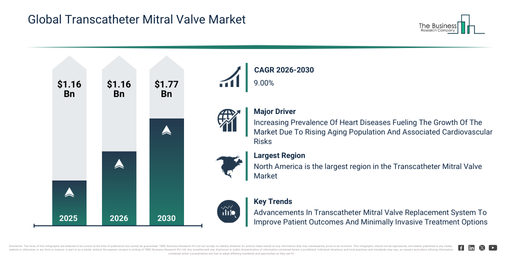
    The transcatheter mitral valve market has shown robust expansion in recent years. It is projected to grow from $1.61 billion in 2025 to $1.76 billion in 2026, boasting a compound annual growth rate (CAGR) of 9.3%. This growth during the historical period has been driven by factors such as the limited availability of transcatheter mitral valves, reliance on traditional surgical valve replacements, heightened awareness around mitral valve disease, an increase in cardiac procedures performed in hospitals, and the early adoption of these technologies within high-risk patient populations.

    Download A Free Sample Report For Comprehensive Market Insights:

    https://www.thebusinessresearchcompany.com/sample.aspx?id=27437&type=smp

    Looking ahead, the market is expected to continue its strong ascent, reaching $2.49 billion by 2030 at a CAGR of 9.0%. Growth during the forecast period is attributed to technological improvements in valve designs, a growing elderly population affected by mitral valve disorders, the expansion of cardiac catheterization labs, rising healthcare spending, and broader implementation of minimally invasive cardiac intervention programs. Trends anticipated to shape this period include increased use of self-expanding and balloon-expandable valves, broader application of edge-to-edge and chordal repair devices, a rise in mitral valve disease prevalence among older adults, and better integration of imaging and navigation systems to enhance procedural precision.

    Primary Drivers Supporting the Transcatheter Mitral Valve Market Growth

    The rising incidence of heart diseases plays a crucial role in propelling the transcatheter mitral valve market forward. Heart conditions that impair the structure or function of the heart reduce its ability to pump blood effectively. This increasing burden of cardiovascular disorders is largely propelled by aging demographics, as age-related deterioration of cardiac and vascular systems heightens vulnerability to issues such as mitral valve regurgitation, heart failure, and arrhythmias.

    Access The Complete Transcatheter Mitral Valve Market Report:

    https://www.thebusinessresearchcompany.com/report/transcatheter-mitral-valve-global-market-report

    Transcatheter mitral valves provide a critical solution by repairing or replacing damaged mitral valves, restoring proper blood flow between the heart’s chambers, thereby improving cardiac function and alleviating symptoms. For instance, a report published in August 2025 by the National Center for Biotechnology Information forecasts a significant rise in cardiovascular diseases between 2025 and 2050, with prevalence increasing by 90.0%, crude mortality by 73.4%, and disability-adjusted life years (DALYs) by 54.7%. These projections highlight the urgent need for effective cardiac interventions, reinforcing the market’s growth potential.

    Segmentation of the Transcatheter Mitral Valve Market by Product and Application

    This market is categorized based on product types, indications, and end-users. The primary product segments include Transcatheter Mitral Valve Replacement and Transcatheter Mitral Valve Repair. Indication-wise, the market focuses on Mitral Stenosis and Mitral Regurgitation. End-users encompass Hospitals, Ambulatory Surgical Centers, and Cardiac Catheterization Laboratories.

    Further subcategories break down replacement valves into Self-Expanding Valves and Balloon-Expandable Valves, while repair devices include Annuloplasty Devices, Chordal Repair Devices, and Edge-to-Edge Repair Devices. This classification helps in understanding the range of technologies and applications within the market.

    Market Trends Fueling Innovation and Expansion in the Transcatheter Mitral Valve Sector

    Leading players in the transcatheter mitral valve market are prioritizing the development of advanced devices, such as transcatheter mitral valve replacement (TMVR) systems, to broaden treatment options especially for patients who are high-risk or unsuitable for surgery. TMVR systems use a catheter-based method to replace damaged mitral valves, offering a minimally invasive alternative to open-heart surgery.

    A notable example is Abbott Laboratories, which in May 2025 launched Tendyne, a self-expanding, nitinol-framed valve approved by the FDA. Available in several sizes to fit diverse anatomical needs, Tendyne can be repositioned or retrieved during implantation and is delivered through a small chest incision. The minimally invasive procedure typically takes about 1.5 hours, with most patients discharged within three days, marking a significant advancement for patients with limited surgical options.

    Key Players Competing in the Transcatheter Mitral Valve Market

    The competitive landscape features several prominent companies including Abbott Laboratories, Medtronic Inc, Boston Scientific Corporation, Edwards Lifesciences Corporation, Meril Life Sciences Private Limited, MicroPort Scientific Corporation, Venus Medtech Inc., Cardiac Dimensions Inc., JenaValve Technology Inc., Ancora Heart Inc., Peijia Medical Limited, Micro Interventional Devices Inc., 4C Medical Technologies Inc., NeoChord Inc., Xeltis AG, Valcare Medical Inc., Colibri Heart Valve LLC, MitrAssist Ltd., HighLife SAS, Navigate Cardiac Structures Inc., and Cardiovalve Ltd. These firms are instrumental in driving innovation and expanding the market’s reach.

    Regional Market Distribution and Growth Opportunities

    In 2025, North America held the dominant share of the transcatheter mitral valve market. However, the Asia-Pacific region is expected to emerge as the fastest-growing market during the forecast period. The market report covers several regions including Asia-Pacific, South East Asia, Western Europe, Eastern Europe, North America, South America, the Middle East, and Africa, providing a comprehensive view of global market trends and regional growth prospects.

    Get in touch with us:

    The Business Research Company: https://www.thebusinessresearchcompany.com/

    Americas: +1 310-496-7795

    Asia: +44 7882 955267 & +91 8897263534

    Europe: +44 7882 955267

    Email us at: marketing@tbrc.info

    Follow us on:

    LinkedIn: https://in.linkedin.com/company/the-business-research-company

    YouTube: https://www.youtube.com/channel/UC24_fI0rV8cR5DxlCpgmyFQ

    Global Market Model: https://www.thebusinessresearchcompany.com/global-market-model
  • Transcatheter Embolization And Occlusion Devices Market Expansion Is Opening New Pathways For Strategic Investment

    Transcatheter Embolization And Occlusion Devices Market Expansion Is Opening New Pathways For Strategic Investment

    Enhanced with market attractiveness analysis, total addressable market evaluation, company benchmarking matrices, interactive Excel dashboards, expanded supply chain intelligence, emerging startup coverage, and detailed product insights, The Business Research Company’s 2026 market reports deliver more actionable and strategically valuable research.

    The transcatheter embolization and occlusion devices market is experiencing rapid growth, driven by advancements in minimally invasive medical procedures and expanding applications across various medical fields. This sector is evolving swiftly, supported by technological innovations and increasing demand for precise, targeted therapies. Below is a detailed look at the market’s size, key growth drivers, segmentation, competitive landscape, and regional trends.

    Steady Market Expansion in the Transcatheter Embolization and Occlusion Devices Market

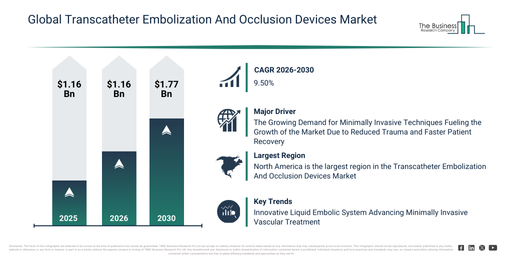
    The market for transcatheter embolization and occlusion devices has seen significant growth over recent years. It is projected to increase from $5.23 billion in 2025 to $5.79 billion in 2026, marking a compound annual growth rate (CAGR) of 10.6%. The earlier growth phase was largely fueled by the broader use of interventional radiology, the rising number of vascular disease cases, wider availability of catheter-based treatments, and a shift towards minimally invasive techniques supported by advances in imaging-guided interventions.

    Download A Free Sample Report For Comprehensive Market Insights:

    https://www.thebusinessresearchcompany.com/sample.aspx?id=15944&type=smp

    Anticipated Growth Trajectory Through 2030

    Looking ahead, the market is expected to continue its strong upward trend, reaching $8.33 billion by 2030 with a CAGR of 9.5%. This forecasted expansion is attributed to growing demand for therapies that precisely target embolization, increased adoption of sophisticated embolic materials, and the broadening scope of oncology and neurointerventional procedures. The market is also benefiting from intensified investments in interventional healthcare infrastructure and a heightened emphasis on precision medicine. Key emerging trends include rising use of liquid embolic agents, detachable and coated coils, advanced image-guided techniques, and the development of precision occlusion technologies.

    The Rising Popularity of Minimally Invasive Procedures Boosting Market Growth

    One of the primary forces driving the transcatheter embolization and occlusion devices market is the increasing preference for minimally invasive surgery. These procedures involve small incisions or robotic tools that reduce tissue damage, leading to less trauma, faster recovery, diminished pain after surgery, and fewer complications. The growing patient awareness of these benefits, alongside technological advancements, is encouraging greater adoption of such methods.

    Access The Complete Transcatheter Embolization And Occlusion Devices Market Report:

    https://www.thebusinessresearchcompany.com/report/transcatheter-embolization-and-occlusion-devices-global-market-report

    Devices Enabling Precision in Minimally Invasive Surgeries

    Transcatheter embolization and occlusion devices play a vital role in supporting minimally invasive interventions by delivering treatments through catheters with high accuracy, causing minimal disturbance to surrounding tissues. For example, in January 2025, Intuitive Surgical, Inc. reported that global da Vinci robotic surgical procedures increased by about 17% in 2024 compared to 2023, with projections for a 13% to 16% rise in 2025. This trend highlights how the expanding use of robotic and catheter-based techniques is propelling the device market’s growth.

    Detailed Segmentation Sheds Light on Market Opportunities

    The transcatheter embolization and occlusion devices market is segmented by type, application, and end user. Types include coil devices and non-coil devices, with coil subcategories such as bare metal, surface coated, and detachable coils. Non-coil devices cover gelatin sponge, liquid embolic agents, and spheres and particles. Applications span peripheral vascular disease, oncology, neurology, urology, and other medical areas. End users comprise hospitals, ambulatory surgical centers, clinics, and other healthcare facilities. This detailed categorization helps identify specific revenue streams and growth potential within the sector.

    Innovations in Liquid Embolic Systems Alter Market Dynamics

    Leading companies in the market are focusing on developing advanced embolic solutions, especially liquid embolic systems designed for minimally invasive vascular therapies. These liquid systems consist of non-adhesive, polymer-based materials that are delivered via microcatheters and solidify upon contact with blood, allowing for precise occlusion of problematic vessels. For instance, in July 2025, Medtronic plc. introduced the Onyx Liquid Embolic System (LES) into clinical trials targeting arterial hemorrhage in peripheral vasculature. This product uses a polymer mixed with radiopaque powder, enabling real-time visualization and controlled delivery. The system enhances safety and precision, broadening treatment options while supporting minimally invasive workflows.

    Major Industry Players Driving Market Progress

    Key organizations shaping the transcatheter embolization and occlusion devices market include Johnson & Johnson Services Inc., Abbott Laboratories, Medtronic Inc., Stryker Corporation, Boston Scientific Corporation, Terumo Corporation, Teleflex Incorporated, Cook Medical, Merit Medical Systems Inc., Penumbra Inc., Sirtex Medical Limited, Cordis Corporation, pfm medical ag, Micro Interventional Devices Inc., Acandis GmbH, Metactive Medical Inc., Balt Group, Kaneka Medix Corporation, Shape Memory Medical Inc., and Boston Scientific Neurovascular. These companies focus on innovation and competitive product offerings to meet evolving clinical needs.

    North America Holds the Largest Share in Market Revenue

    In 2025, North America was the dominant region in terms of revenue for the transcatheter embolization and occlusion devices market. The analysis covers several regions including Asia-Pacific, South East Asia, Western Europe, Eastern Europe, South America, the Middle East, and Africa. While North America leads currently, other regions are also showing promising growth prospects as healthcare infrastructure and adoption of minimally invasive techniques expand globally.

    Get in touch with us:

    The Business Research Company: https://www.thebusinessresearchcompany.com/

    Americas: +1 310-496-7795

    Asia: +44 7882 955267 & +91 8897263534

    Europe: +44 7882 955267

    Email us at: marketing@tbrc.info

    Follow us on:

    LinkedIn: https://in.linkedin.com/company/the-business-research-company

    YouTube: https://www.youtube.com/channel/UC24_fI0rV8cR5DxlCpgmyFQ

    Global Market Model: https://www.thebusinessresearchcompany.com/global-market-model
  • Transcatheter Aortic Valve Replacement Market Trends Are Creating New Opportunities For Industry Leaders

    Transcatheter Aortic Valve Replacement Market Trends Are Creating New Opportunities For Industry Leaders

    Through market attractiveness analysis, total addressable market evaluation, company benchmarking matrices, interactive Excel dashboards, expanded supply chain intelligence, emerging startup coverage, and detailed product insights, The Business Research Company’s 2026 market reports provide more actionable and strategically valuable research.

    The transcatheter aortic valve replacement (TAVR) market has witnessed significant expansion recently, driven by medical advancements and a growing patient population. This sector is poised for continued growth as innovations and broader adoption of minimally invasive procedures reshape cardiovascular care. Below, we explore the current market size, growth drivers, segmentation, key trends, competitive landscape, and regional insights shaping the future of the TAVR industry.

    Current Market Size and Growth Projections for the Transcatheter Aortic Valve Replacement Market

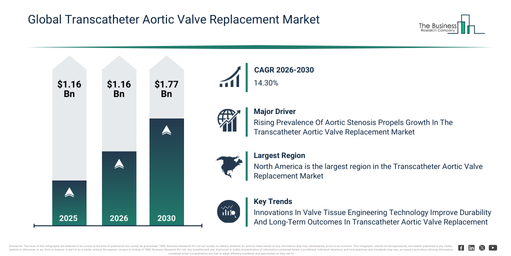
    The transcatheter aortic valve replacement market has experienced rapid growth in recent years. It is projected to rise from $5.87 billion in 2025 to $6.7 billion in 2026, exhibiting a compound annual growth rate (CAGR) of 14.1%. This upward trajectory during the historical period is largely due to the increasing prevalence of aortic stenosis, an aging global population, more widespread availability of cardiac catheterization laboratories, advancements in valve design and materials, and greater acceptance of minimally invasive cardiac procedures.

    Looking ahead, the market is expected to continue this strong growth, reaching $11.44 billion by 2030 with an anticipated CAGR of 14.3%. Key factors supporting this forecast include the expanding use of TAVR among intermediate-risk patients, rising demand for durable valve solutions, growth in structural heart programs, enhanced imaging technologies, and a stronger focus on outpatient cardiac procedures. Emerging trends during this period involve greater use of minimally invasive valve replacements, increased adoption of self-expandable valve technologies, extension of TAVR to lower-risk patient groups, improvements in procedural accuracy through imaging guidance, and broader application of transfemoral access techniques.

    Download A Free Sample Report For Comprehensive Market Insights:

    https://www.thebusinessresearchcompany.com/sample.aspx?id=12031&type=smp

    Primary Factors Contributing to Growth in the Transcatheter Aortic Valve Replacement Market

    One of the main forces propelling the TAVR market is the rising incidence of aortic stenosis, a condition characterized by the narrowing of the heart’s aortic valve. This disorder can be effectively treated by transcatheter aortic valve replacement, which is a less invasive alternative to traditional surgical aortic valve replacement and helps restore blood flow while alleviating symptoms.

    To illustrate, data released by the American Heart Association in May 2024 revealed that over 12% of older adults in the United States suffer from aortic stenosis, especially those over age 65. If left untreated, the condition can lead to heart failure and may be life-threatening. Similarly, a March 2023 report from the UK’s National Institute for Health and Care Excellence (NICE) indicated that approximately 1.5% of people over 55 in the UK—about 300,000 individuals—live with severe aortic stenosis. Out of these, nearly 200,000 have symptomatic disease requiring treatment, contributing to more than 380,000 people on cardiac waiting lists as of early 2023. These statistics underscore the growing patient base driving demand for TAVR procedures worldwide.

    How the Transcatheter Aortic Valve Replacement Market Is Categorized

    The market segmentation for transcatheter aortic valve replacement includes:

    1) Product Types: Self-Expandable Transcatheter Aortic Valves, Balloon-Expandable Transcatheter Aortic Valves, and Mechanically Expanded Transcatheter Aortic Valves

    2) Materials: Valve Frame Materials and Valve Leaflet Materials

    3) Procedures: Transfemoral Implantation, Transapical Implantation, and Transaortic Implantation

    4) Applications: Aortic Stenosis, Aortic Regurgitation, and Other Uses

    The product category further breaks down into subtypes such as nitinol frame self-expandable valves and polyester/polyurethane coated valves within the self-expandable group; balloon-expandable valves with various stent designs; and manually or mechanically operated valve systems under mechanically expanded valves.

    Access The Complete Transcatheter Aortic Valve Replacement Market Report:

    https://www.thebusinessresearchcompany.com/report/transcatheter-aortic-valve-replacement-global-market-report

    Significant Market Trends Impacting Long-Term Demand for TAVR

    Leading companies in the transcatheter aortic valve replacement market are investing in advanced technologies aimed at enhancing valve durability and patient outcomes. One notable innovation is structural valve deterioration monitoring, which involves ongoing evaluation of bioprosthetic heart valves through imaging and clinical assessments to detect early signs of damage or functional decline.

    As an example, Edwards Lifesciences introduced the Sapien 3 Ultra Resilia valve in Europe in May 2024. This valve system is unique for incorporating the company’s Resilia tissue technology, which treats bovine pericardial tissue with anti-calcification methods to prevent calcium buildup and maintain valve performance over time. This advancement is expected to improve long-term clinical results and reduce the need for repeat procedures in TAVR patients.

    Key Industry Players in the Transcatheter Aortic Valve Replacement Market

    Several major corporations are prominent in the TAVR space, including Abbott Laboratories Inc., Medtronic plc, Boston Scientific Corporation, Edwards Lifesciences Corporation, LivaNova PLC, Meril Life Sciences Pvt. Ltd., Venus MedTech HangZhou Inc., Braile Biomedica, Peijia Medical Limited, Direct Flow Medical Inc., Transcatheter Technologies GmbH, Symetis SA, JenaValve Technology Inc., Micro Interventional Devices Inc., Xeltis BV, Tendyne Holdings Inc., MVRx Inc., Keystone Heart Ltd., Colibri Heart Valve LLC, HighLife SAS, Neovasc Inc., Aegis Surgical Limited, Foldax Inc., and MValve Technologies Ltd., among others. These companies continue to drive innovation and competitive development in the market.

    Geographical Overview and Regional Market Performance

    In 2025, North America accounted for the largest share of the transcatheter aortic valve replacement market. However, the Asia-Pacific region is expected to experience the fastest growth during the forecast period. The market report covers major regions including Asia-Pacific, South East Asia, Western Europe, Eastern Europe, North America, South America, the Middle East, and Africa, providing a comprehensive global perspective on market dynamics and opportunities.

    Get in touch with us:

    The Business Research Company: https://www.thebusinessresearchcompany.com/

    Americas: +1 310-496-7795

    Asia: +44 7882 955267 & +91 8897263534

    Europe: +44 7882 955267

    Email us at: marketing@tbrc.info

    Follow us on:

    LinkedIn: https://in.linkedin.com/company/the-business-research-company

    YouTube: https://www.youtube.com/channel/UC24_fI0rV8cR5DxlCpgmyFQ

    Global Market Model: https://www.thebusinessresearchcompany.com/global-market-model
  • Tourniquet Cuffs Market Growth Is Reshaping Competitive Advantage Across The Industry

    Tourniquet Cuffs Market Growth Is Reshaping Competitive Advantage Across The Industry

    Delivering more actionable and strategically valuable research, The Business Research Company’s 2026 market reports feature market attractiveness analysis, total addressable market evaluation, company benchmarking matrices, interactive Excel dashboards, expanded supply chain intelligence, emerging startup coverage, and detailed product insights.

    The tourniquet cuffs market has been showing impressive growth in recent years, driven by advancements in medical procedures and increasing adoption across healthcare settings. As surgical techniques evolve and the need for blood flow control becomes more critical, this market is set to experience continued expansion. Let’s explore the current market size, key factors propelling growth, major players, emerging trends, and regional dynamics shaping the future of tourniquet cuffs.

    Market Size Overview and Growth Trajectory of the Tourniquet Cuffs Market

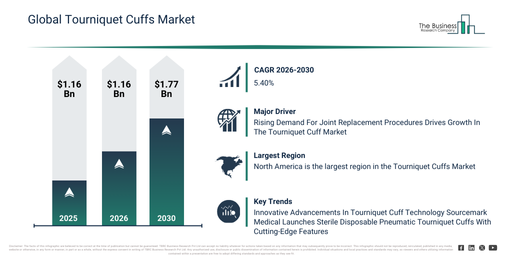
    The tourniquet cuffs market has witnessed significant expansion recently, with its size projected to increase from $3.86 billion in 2025 to $4.07 billion in 2026, growing at a compound annual growth rate (CAGR) of 5.5%. This rise has been driven by broader use of tourniquet cuffs in orthopedic and trauma surgeries, widespread hospital adoption to create bloodless surgical fields, increasing emergency care and prehospital bleeding control applications, the availability of both reusable latex and non-latex options, and the growing volume of surgical procedures in healthcare facilities.

    Looking ahead, the market is expected to continue its upward trend, reaching $5.03 billion by 2030 at a CAGR of 5.4%. Factors contributing to this forecasted growth include a shift toward disposable, single-use cuffs, growing preference for patient-specific and ergonomically designed products, increased minimally invasive and outpatient surgeries, adoption of improved pressure management practices, and expansion of healthcare infrastructure in emerging economies.

    Download A Free Sample Report For Comprehensive Market Insights:

    https://www.thebusinessresearchcompany.com/sample.aspx?id=13945&type=smp

    Primary Forces Behind the Growth of the Tourniquet Cuffs Market

    One significant factor driving the market is the increasing focus on disposable tourniquet cuffs. These products help reduce cross-contamination risks during surgeries, making them highly favored in clinical environments where infection control is paramount.

    Additionally, adjustable and anatomically contoured cuffs are gaining popularity for their ability to improve pressure distribution and enhance patient safety. The development of arm- and leg-specific cuff designs also supports diverse surgical and emergency use cases, further boosting demand.

    Key Trends Shaping the Tourniquet Cuffs Industry

    There is a growing trend toward using latex-free and hypoallergenic cuff materials, which minimize allergic reactions and improve clinical usability. This shift reflects the healthcare sector’s increasing emphasis on patient comfort and safety.

    Moreover, the rising use of cuffs tailored to trauma care and orthopedic procedures, which require temporary blood flow restriction, underscores the expanding applications of tourniquet cuffs in various medical specialties.

    Access The Complete Tourniquet Cuffs Market Report:

    https://www.thebusinessresearchcompany.com/report/tourniquet-cuffs-global-market-report

    Tourniquet Cuffs Market Growth Fueled by Rising Joint Replacement Procedures

    The surge in joint replacement surgeries is a major driver for the tourniquet cuffs market. These surgeries, particularly hip and knee replacements, utilize tourniquet cuffs to enhance visibility of anatomical structures, helping surgeons achieve better accuracy and reducing complications.

    For instance, data from the American Joint Replacement Registry revealed that hip and knee arthroplasty procedures in the U.S. increased to over 4 million in 2024 from about 3.4 million in 2023. This trend highlights how growing demand for joint replacements is supporting market expansion.

    Expanding Segments Within the Tourniquet Cuffs Market

    This market report segments tourniquet cuffs by type, application, and end user.

    By type, the categories include reusable and disposable cuffs.

    Within reusable types, options include latex, non-latex, and adjustable tourniquet cuffs. Disposable types are further divided into single-use latex, single-use non-latex, and disposable tourniquet straps.

    In terms of application, the market covers arm cuffs and leg cuffs.

    End users primarily include hospitals, clinics, and other healthcare providers, reflecting broad utilization across medical settings.

    Innovations Leading the Way in Tourniquet Cuffs Development

    Leading manufacturers are introducing advanced products such as pneumatic tourniquet cuffs to better manage hemorrhage and blood loss. These devices consist of an inflatable bladder with one or two pneumatic ports, a stiffener, and contact closures, designed to provide precise pressure control.

    For example, in June 2023, SourceMark Medical in the U.S. launched a new line of disposable single- and dual-port pneumatic tourniquet cuffs made with high-quality, kink-resistant silicone tubing and soft, easy-to-apply cuffs. These sterile, single-use cuffs help reduce infection risks and bacterial transmission while lowering handling costs. They also feature an advanced 8-inch touchscreen interface that displays pressure and inflation time information to minimize errors and ensure accurate regulation.

    Leading Companies Driving Competition in the Tourniquet Cuffs Market

    The tourniquet cuffs market is highly competitive with several major players, including:

    – Stryker Corporation

    – Getinge Group AB

    – Aesculap AG

    – Ethicon Inc.

    – B. Braun Melsungen AG

    – Ulrich Medical

    – Hammarplast Medical AB

    – Sam Medical

    – ME.BER. srl

    – Anetic Aid Ltd.

    – C.A.T Resources

    – Delfi Medical Innovations Inc.

    – Innovative Trauma Care Inc.

    – Nouvag AG

    – OHK Medical Devices

    – Pyng Medical Corp.

    – VBM Medizintechnik GmbH

    – Premier Tourniquet Cuffs

    – AT4 Surgical Pneumatic Tourniquet

    – Maquet Holding B.V. & Co. KG

    – Zhangjiagang Huaxin Medical Equipment Factory

    Regional Demand and Market Expansion Patterns for Tourniquet Cuffs

    In 2025, North America held the largest share of the tourniquet cuffs market, reflecting established healthcare infrastructure and high procedural volumes.

    However, the Asia-Pacific region is expected to exhibit the fastest growth during the forecast period, driven by expanding healthcare access, increased surgical procedure rates, and rising investments in medical equipment across emerging economies. The overall market analysis also includes regions such as South East Asia, Western and Eastern Europe, South America, the Middle East, and Africa, offering a global perspective on market trends.

    Get in touch with us:

    The Business Research Company: https://www.thebusinessresearchcompany.com/

    Americas: +1 310-496-7795

    Asia: +44 7882 955267 & +91 8897263534

    Europe: +44 7882 955267

    Email us at: marketing@tbrc.info

    Follow us on:

    LinkedIn: https://in.linkedin.com/company/the-business-research-company

    YouTube: https://www.youtube.com/channel/UC24_fI0rV8cR5DxlCpgmyFQ

    Global Market Model: https://www.thebusinessresearchcompany.com/global-market-model
  • Touch Free Sanitizer Stand Market Forecast Signals New Revenue Opportunities Through 2030

    Touch Free Sanitizer Stand Market Forecast Signals New Revenue Opportunities Through 2030

    Enhanced with market attractiveness analysis, total addressable market evaluation, company benchmarking matrices, interactive Excel dashboards, expanded supply chain intelligence, emerging startup coverage, and detailed product insights, The Business Research Company’s 2026 market reports deliver more actionable and strategically valuable research.

    The touch free sanitizer stand market has witnessed remarkable growth recently, fueled by heightened hygiene concerns and technological advancements. With the ongoing emphasis on health and safety, this market is set to continue its upward trajectory, driven by innovations and expanding applications worldwide. Let’s explore its current size, key growth factors, leading players, and emerging trends shaping its future.

    Touch Free Sanitizer Stand Market Size and Growth Forecast Through 2030

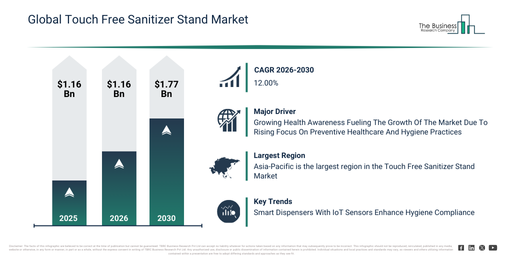
    The market for touch free sanitizer stands has experienced rapid expansion in recent years. It is projected to increase from $1.56 billion in 2025 to $1.75 billion in 2026, growing at a compound annual rate (CAGR) of 12.3%. This rise during the historical period is largely due to heightened hygiene awareness triggered by the pandemic, public health mandates, growing demand for commercial sanitation, widespread adoption of contactless technologies, and strict institutional safety protocols.

    Looking ahead, the market is anticipated to maintain a strong growth pace, reaching $2.75 billion by 2030, with a CAGR of 12.0%. Factors contributing to this surge include integration with smart building systems, a shift toward sustainable materials, expansion within transportation hubs, increased uptake in developing regions, and cost-effective mass deployment. Key trends forecasted to dominate the market include sensor-based automatic dispensers, widespread use in high-traffic public spaces, eco-friendly refillable designs, availability of both battery-powered and mains-powered units, and systems with integrated hygiene monitoring.

    Download A Free Sample Report For Comprehensive Market Insights:

    https://www.thebusinessresearchcompany.com/sample.aspx?id=30419&type=smp

    Health Awareness as a Catalyst in the Touch Free Sanitizer Stand Market

    Rising health consciousness is playing a crucial role in propelling the touch free sanitizer stand market. Health awareness encompasses the level of knowledge individuals possess about health risks, preventive care, and lifestyles that promote overall wellness. This awareness has grown due to the increasing prevalence of lifestyle-related illnesses and an intensified focus on preventive health measures.

    Touch free sanitizer stands support this movement by encouraging hygienic behavior through contactless hand sanitization, thereby minimizing germ transmission risks. They promote frequent use and help maintain safer environments in both public and private settings. For example, in April 2025, the UK’s Office for National Statistics reported that healthcare spending reached approximately $428.33 billion (£317 billion) in 2024, marking a 6.5% rise from 2023. Such data highlights the growing investment in health, which directly supports market expansion.

    Product and Application Segments Defining the Touch Free Sanitizer Stand Market

    This report categorizes the touch free sanitizer stand market across several segments.

    1) Product Type: Automatic and Foot Operated

    2) Material: Metal, Plastic, Stainless Steel, and Others

    3) Mounting Type: Floor Standing, Wall Mounted, Tabletop

    4) Distribution Channel: Online Stores, Supermarkets/Hypermarkets, and Other Channels

    5) Application: Commercial, Residential, Industrial, Healthcare, Educational Institutions, and Various Other Uses

    Further breakdowns include subtypes such as automatic stands featuring infrared motion sensors, ultrasonic presence sensors, timed sensors, proximity sensors with adjustable sensitivity, as well as battery and mains powered units. Foot operated models include pedal-operated floor stands, foot pumps with spring return, foot levers with locking mechanisms, hands-free foot valves, and portable versions.

    Access The Complete Touch Free Sanitizer Stand Market Report:

    https://www.thebusinessresearchcompany.com/report/global-touch-free-sanitizer-stand-market-report

    Innovations and Trends Driving Touch Free Sanitizer Stand Market Growth

    Leading companies in this market are increasingly focused on smart, connected products that leverage Internet of Things (IoT) technology to optimize hygiene management. IoT-enabled systems provide real-time data on dispenser usage and supply levels, enhancing operational efficiency and reducing manual maintenance.

    A notable example is GOJO Industries Inc., which in November 2025 introduced the CX10 Countermount Dispensing System—a compact, intelligent dispenser designed for busy locations such as checkout counters, reception areas, and healthcare stations. It incorporates IoT sensors to monitor usage patterns and send automatic alerts when sanitizer or soap levels run low, ensuring the dispenser remains stocked. This system also offers real-time compliance monitoring, allowing facility managers to track hygiene practices without manual audits.

    Key Players Shaping the Touch Free Sanitizer Stand Market Landscape

    Several prominent companies lead the touch free sanitizer stand market, including GOJO Industries Inc., Ophardt Hygiene GmbH, SVAVO Intelligent Technology Co. Ltd., Hokwang Industries Co. Ltd., Bobrick Washroom Equipment Inc., Rubbermaid Commercial Products LLC, American Specialties Inc., ASI Group, Palmer Fixture Inc., San Jamar Inc., Dolphy Ltd., Toshi Automatic Systems Pvt. Ltd., Euronics Industries Pvt. Ltd., Blue Eagle Safety Products Pvt. Ltd., Udyogi Safety Pvt. Ltd., Centurion Safety Products Ltd., JVD Group, Stern Engineering Ltd., Mediclinics S.A., and Ille Papier-Service GmbH. These companies are instrumental in driving innovation and expanding market reach globally.

    Regional Market Dynamics and Leadership

    In 2025, Asia-Pacific emerged as the largest regional market for touch free sanitizer stands. This region is also expected to be the fastest-growing market moving forward. The market report covers a broad geographical spectrum, including Asia-Pacific, South East Asia, Western Europe, Eastern Europe, North America, South America, the Middle East, and Africa, providing a well-rounded perspective on global market trends and regional opportunities.

    Get in touch with us:

    The Business Research Company: https://www.thebusinessresearchcompany.com/

    Americas: +1 310-496-7795

    Asia: +44 7882 955267 & +91 8897263534

    Europe: +44 7882 955267

    Email us at: marketing@tbrc.info

    Follow us on:

    LinkedIn: https://in.linkedin.com/company/the-business-research-company

    YouTube: https://www.youtube.com/channel/UC24_fI0rV8cR5DxlCpgmyFQ

    Global Market Model: https://www.thebusinessresearchcompany.com/global-market-model
  • Total Ankle Replacement Market Growth Is Accelerating As Industry Transformation Continues

    Total Ankle Replacement Market Growth Is Accelerating As Industry Transformation Continues

    Through market attractiveness analysis, total addressable market evaluation, company benchmarking matrices, interactive Excel dashboards, expanded supply chain intelligence, emerging startup coverage, and detailed product insights, The Business Research Company’s 2026 market reports provide more actionable and strategically valuable research.

    The total ankle replacement market is experiencing notable growth as advancements in medical technology and rising orthopedic needs drive demand. This sector is evolving rapidly, fueled by increasing awareness of joint health, new surgical techniques, and innovative prosthetic designs. Below is a detailed overview of the market size, key factors propelling growth, major players, and emerging trends shaping the future of ankle replacement solutions.

    Steady Growth Trajectory of the Total Ankle Replacement Market

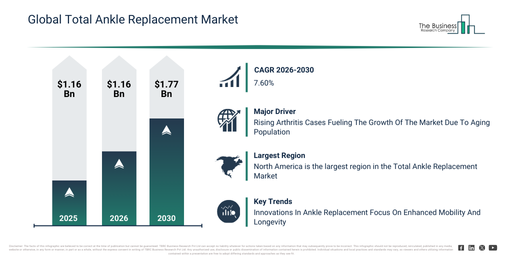
    The total ankle replacement market has seen significant expansion, with its value rising from $0.99 billion in 2025 to $1.06 billion in 2026, reflecting a compound annual growth rate (CAGR) of 7.7%. This growth in the past years can be linked to the limited availability of advanced ankle prosthetics, continued reliance on fixed-bearing systems, traditional anterior surgical methods, a rising number of orthopedic trauma cases, and increased awareness about the benefits of joint replacement procedures. Looking ahead, the market is projected to further grow to $1.43 billion by 2030 at a CAGR of 7.6%. This optimistic forecast is supported by innovations such as bionic ankle replacement systems, the integration of robotics and navigation in total ankle replacement (TAR) surgeries, the rising adoption of minimally invasive and lateral surgical approaches, and a growing population of orthopedic and elderly patients. Additionally, increased emphasis on post-operative rehabilitation and mobility restoration will continue to boost market demand. Key trends anticipated during this period include a surge in minimally invasive surgeries, a preference for mobile-bearing ankle systems, advances in cementless fixation techniques, growth in rehabilitation services, and a rise in ankle arthritis and trauma incidences.

    Download A Free Sample Report For Comprehensive Market Insights:

    https://www.thebusinessresearchcompany.com/sample.aspx?id=24415&type=smp

    Rising Arthritis Cases as a Major Growth Catalyst in the Total Ankle Replacement Market

    The increasing prevalence of arthritis is a significant driver for the total ankle replacement market’s expansion. Arthritis encompasses a range of conditions characterized by joint inflammation, pain, stiffness, and swelling, often resulting in reduced mobility and impaired joint function. The growing aging population contributes to a higher incidence of arthritis, as longer life expectancy leads to more extensive joint wear and degeneration over time. This demographic shift makes older adults increasingly susceptible to arthritis, necessitating interventions like total ankle replacement to alleviate chronic pain and restore joint function. For example, data from July 2025 released by the U.S. National Center for Health Statistics (NCHS) shows that the age-adjusted prevalence of diagnosed arthritis among U.S. adults (aged 18 and above) stood at 18.9% in 2022 and is expected to rise to 21.3% by 2024, according to CDC FastStats. This upward trend in arthritis cases continues to propel the demand for ankle replacement surgeries.

    Key Segments Highlighting Opportunities in the Total Ankle Replacement Market

    This report categorizes the total ankle replacement market into several important segments based on product type, material, surgical approach, and end user. The product types include fixed-bearing total ankle replacement systems, mobile-bearing total ankle replacement systems, and bionic ankle replacement systems. Materials used in these prosthetics consist of metal, plastic, and ceramic. Surgical approaches are divided into anterior, posterior, lateral, and minimally invasive techniques. End users of these products primarily include hospitals, ambulatory surgical centers, orthopedic clinics, and rehabilitation centers. Further sub-segmentation is detailed for each product type: fixed-bearing systems are split into cemented and cementless variants; mobile-bearing systems also include cemented and cementless options; bionic ankle replacements are divided into powered and non-powered systems.

    Access The Complete Total Ankle Replacement Market Report:

    https://www.thebusinessresearchcompany.com/report/total-ankle-replacement-global-market-report

    Innovations and Strategic Trends Defining the Future of the Total Ankle Replacement Market

    Leading companies in the total ankle replacement market are focusing on the development of advanced solutions like mobile-bearing ankle systems, which improve joint stability and enhance patient mobility. These systems feature a bearing surface that moves relative to the tibia, allowing for more natural ankle motion and reducing wear compared to fixed-bearing designs. For instance, in August 2024, Enovis Corporation, a U.S.-based medical technology firm, introduced the Scandinavian Total Ankle Replacement (STAR Ankle) with e+ Polyethylene. This material is engineered to resist oxidation, maintain consistent wear rates, and provide lasting mechanical strength. The non-cemented design offers 225 patient-specific configurations with a single surgical technique, improving surgical flexibility and lessening bone stress. Additionally, the e+ Polyethylene enhances durability and works seamlessly with patient-specific instrumentation (PSI) for more precise surgical planning.

    Prominent Players and Competitive Landscape in the Total Ankle Replacement Market

    The total ankle replacement market features several key players driving innovation and competition. Notable companies include Stryker Corporation, Zimmer Biomet Holdings Inc, Smith and Nephew plc, Enovis Corporation, Wright Medical Group NV, Exactech Inc, Paragon 28 Inc, FH Orthopedics, Vilex LLC, XLO Inc, restor3d Inc, BioPro Inc, MatOrtho Limited, Corin Group PLC, MicroPort Orthopedics Inc, Integra LifeSciences Holdings Corporation, DJO LLC, Allegra Orthopaedics Limited, Orthofix Medical Inc, and LimaCorporate S.p.A. These companies are actively engaged in expanding their product portfolios and advancing ankle replacement technologies to meet growing patient needs.

    Regional Market Dynamics Driving Total Ankle Replacement Adoption

    In 2025, North America held the largest share of the total ankle replacement market, reflecting strong healthcare infrastructure and high adoption rates of advanced technologies. Meanwhile, the Asia-Pacific region is expected to be the fastest-growing market throughout the forecast period, driven by rising healthcare expenditure, increasing awareness about orthopedic treatments, and growing demand from an expanding elderly population. The comprehensive market coverage includes regions such as Asia-Pacific, South East Asia, Western Europe, Eastern Europe, North America, South America, the Middle East, and Africa, providing a global perspective on market trends and growth opportunities.

    Get in touch with us:

    The Business Research Company: https://www.thebusinessresearchcompany.com/

    Americas: +1 310-496-7795

    Asia: +44 7882 955267 & +91 8897263534

    Europe: +44 7882 955267

    Email us at: marketing@tbrc.info

    Follow us on:

    LinkedIn: https://in.linkedin.com/company/the-business-research-company

    YouTube: https://www.youtube.com/channel/UC24_fI0rV8cR5DxlCpgmyFQ

    Global Market Model: https://www.thebusinessresearchcompany.com/global-market-model
  • Topoisomerase I Inhibitors Market Outlook Highlights The Next Major Growth Opportunities

    Topoisomerase I Inhibitors Market Outlook Highlights The Next Major Growth Opportunities

    Delivering more actionable and strategically valuable research, The Business Research Company’s 2026 market reports feature market attractiveness analysis, total addressable market evaluation, company benchmarking matrices, interactive Excel dashboards, expanded supply chain intelligence, emerging startup coverage, and detailed product insights.

    The topoisomerase I inhibitors market has seen significant momentum in recent years, driven by advances in cancer treatment and growing demand for targeted therapies. With innovations in drug development and expanding clinical research, this market is set to continue its upward trajectory. Let’s explore the current market size, key growth drivers, segmentation, emerging trends, leading players, and regional outlook to better understand the opportunities ahead.

    Strong Growth Outlook for the Topoisomerase I Inhibitors Market

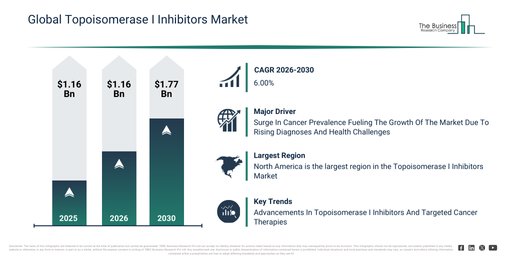
    The market for topoisomerase I inhibitors has demonstrated solid expansion, increasing from $5.46 billion in 2025 to an anticipated $5.79 billion in 2026, reflecting a compound annual growth rate (CAGR) of 6.1%. Past growth has been propelled by the limited availability of these inhibitors, a heavy reliance on camptothecin derivatives, a rising prevalence of cancer, increased oncology hospital services, and slow progress in developing non-camptothecin compounds.

    Download A Free Sample Report For Comprehensive Market Insights:

    https://www.thebusinessresearchcompany.com/sample.aspx?id=24414&type=smp

    Looking forward, the market is poised to reach $7.31 billion by 2030, growing at a CAGR of 6.0%. This forecasted growth is expected to be driven by the development of novel non-camptothecin inhibitors such as LMP-400 and indenoisoquinolines, the rise of both oral and injectable formulations, expansion in oncology research and clinical trials, faster regulatory approvals, and the commercialization of new drugs. Additionally, the integration of personalized medicine and targeted therapies will play a pivotal role. Key trends shaping the future market landscape include wider adoption of topoisomerase I inhibitors in cancer treatment, growth in injectable and oral chemotherapy options, heightened clinical research activities, and a stronger focus on tailored cancer therapies. The demand from hospitals and clinics for innovative anticancer agents is also increasing.

    Cancer Prevalence as a Key Driver for Market Expansion

    The rising incidence of cancer worldwide is expected to significantly boost the demand for topoisomerase I inhibitors in the coming years. Cancer encompasses a variety of diseases characterized by uncontrolled cell growth and spread, often leading to severe health consequences and mortality. This increase in cancer cases is largely linked to lifestyle-related risk factors such as unhealthy diets, insufficient physical activity, and tobacco use.

    Access The Complete Topoisomerase I Inhibitors Market Report:

    https://www.thebusinessresearchcompany.com/report/topoisomerase-i-inhibitors-global-market-report

    Topoisomerase I inhibitors play a critical role in cancer therapy by disrupting the DNA replication process in cancer cells, causing DNA damage that halts cell division and induces cell death. For example, in February 2024, the World Health Organization, a Switzerland-based intergovernmental body, projected that by 2050, there will be over 35 million new cancer cases—a 77% increase compared to the 20 million cases predicted for 2022. This sharp rise underscores the growing need for effective cancer treatments, which, in turn, propels the expansion of the topoisomerase I inhibitors market.

    Topoisomerase I Inhibitors Market Segmentation Overview

    The topoisomerase I inhibitors market is classified into several key segments to better understand the landscape:

    1) By Type: Camptothecin Derivatives and Non-Camptothecin inhibitors

    2) By Route of Administration: Oral, Injectable, and Other Routes

    3) By Application: Hospitals, Clinics, and Other uses

    Further breakdown of the type segment includes subcategories like Irinotecan and Topotecan under camptothecin derivatives, and LMP-400 along with indenoisoquinolines under non-camptothecin inhibitors.

    Innovations Driving Transformation in the Topoisomerase I Inhibitors Market

    Leading companies in this space are focusing on developing advanced therapies such as antibody-drug conjugates (ADCs) to address drug resistance by harnessing the precision of antibodies. ADCs are targeted treatments that combine antibodies with cytotoxic drugs, delivering these agents directly to cancer cells and reducing harm to healthy tissue.

    For instance, in July 2024, Canadian biotechnology firm Zymeworks Inc. announced FDA approval of an investigational new drug application for ZW191. This novel ADC targets the folate receptor-alpha (FRα) and delivers a topoisomerase I inhibitor payload. ZW191 is designed for tumors expressing FRα, including ovarian and other gynecological cancers, as well as non-small cell lung cancer (NSCLC). The drug-antibody ratio was optimized to balance safety and effectiveness, aiming to improve tolerability and therapeutic outcomes.

    Key Players Leading the Topoisomerase I Inhibitors Market

    The competitive landscape features several prominent companies driving innovation and growth, including Pfizer Inc, AstraZeneca PLC, Novartis AG, Merck KGaA, Daiichi Sankyo Company Limited, Ipsen Pharma SAS, Fresenius Kabi AG, Debiopharm Group SA, Sigma Tau Industrie Farmaceutiche Riunite SPA, Sagent Pharmaceuticals Inc, Gibson Oncology LLC, TopoGEN Inc, DualityBio Inc, Iksuda Therapeutics Ltd, Nektar Therapeutics, Exelixis Inc, BeiGene Ltd, Takeda Pharmaceutical Company Limited, Amgen Inc, and Hutchmed China Limited.

    Regional Insights Highlighting Market Revenue Leaders and Growth Areas

    In 2025, North America held the largest share of the topoisomerase I inhibitors market. However, the Asia-Pacific region is anticipated to experience the fastest growth during the forecast period. The comprehensive market analysis encompasses key regions including Asia-Pacific, South East Asia, Western Europe, Eastern Europe, North America, South America, the Middle East, and Africa, providing a global perspective on market dynamics and opportunities.

    Get in touch with us:

    The Business Research Company: https://www.thebusinessresearchcompany.com/

    Americas: +1 310-496-7795

    Asia: +44 7882 955267 & +91 8897263534

    Europe: +44 7882 955267

    Email us at: marketing@tbrc.info

    Follow us on:

    LinkedIn: https://in.linkedin.com/company/the-business-research-company

    YouTube: https://www.youtube.com/channel/UC24_fI0rV8cR5DxlCpgmyFQ

    Global Market Model: https://www.thebusinessresearchcompany.com/global-market-model
  • Topical Hemostat Market Trends And Growth Drivers Point To Strong Future Potential

    Topical Hemostat Market Trends And Growth Drivers Point To Strong Future Potential

    Enhanced with market attractiveness analysis, total addressable market evaluation, company benchmarking matrices, interactive Excel dashboards, expanded supply chain intelligence, emerging startup coverage, and detailed product insights, The Business Research Company’s 2026 market reports deliver more actionable and strategically valuable research.

    The topical hemostat market is experiencing significant momentum as demand for effective bleeding control in surgeries continues to rise. Growing surgical volumes and technological advancements are key contributors to this market’s development. Let’s explore the market size, influential factors, leading companies, and emerging trends shaping its future trajectory.

    Market Size and Projected Growth of the Topical Hemostat Market

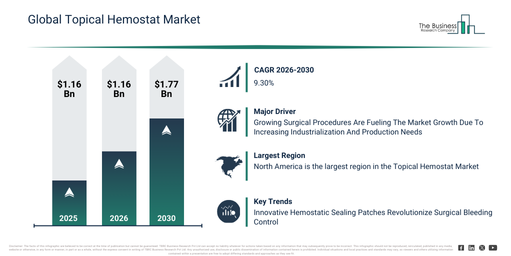
    The topical hemostat market has seen robust expansion recently. It is expected to increase from $5.45 billion in 2025 to $5.97 billion in 2026, reflecting a compound annual growth rate (CAGR) of 9.5%. This growth has been driven by the rising number of surgical procedures, demand for fast-acting hemostatic solutions, improvements in biomaterial technology, expanded hospital surgical capacities, and new regulatory approvals for hemostatic agents. Looking ahead, the market is projected to reach $8.53 billion by 2030, growing at a CAGR of 9.3%. Factors supporting this forecast include the adoption of bioactive and combination hemostats, integration with AI and digital surgical platforms, growth in ambulatory surgical centers, patient-tailored hemostatic treatments, and infrastructure development in emerging surgical markets. Anticipated trends involve minimally invasive hemostasis techniques, next-generation bioactive products, personalized hemostatic options, increased use in emergency and trauma care, and the rise of outpatient surgery procedures.

    Download A Free Sample Report For Comprehensive Market Insights:

    https://www.thebusinessresearchcompany.com/sample.aspx?id=25926&type=smp

    Increasing Surgical Procedures as a Key Growth Driver

    The rising number of surgeries worldwide is a primary force behind the topical hemostat market’s expansion. Surgical interventions encompass manual techniques and specialized instruments used to diagnose, treat, or repair various conditions. The global aging population contributes significantly to the increase in surgical cases, as older individuals often require surgery to manage chronic diseases and improve quality of life. Topical hemostatic agents assist surgeons by controlling bleeding rapidly during operations, improving visibility, reducing blood loss, and lowering postoperative complication risks. For example, Intuitive Surgical Inc., a US medical device firm, reported that outside the US general surgery procedures grew by approximately 35% in 2024, following a 42% rise in 2023. Colorectal surgeries accounted for the majority of this growth. This trend underlines how the increasing surgical volume is propelling demand for topical hemostats.

    Topical Hemostat Market’s Extensive Segmentation and Revenue Contributors

    This market is divided into several key segments to better understand revenue sources:

    1) By Type: including Fibrin, Thrombin, Cellulose, Collagen, Gelatin, Adhesives, and Other Types

    2) By Distribution Channel: covering Direct Sales, Distributors, Hospital Pharmacies, and Online platforms

    3) By Application: encompassing General Surgery, Neurosurgery, Vascular Surgery, Cardiovascular Surgery, and Other uses

    4) By End-Use: consisting of Hospitals, Ambulatory Surgical Centers, and other facilities

    Further breakdowns include subcategories such as fibrin sealants and patches, human and bovine thrombin, oxidized cellulose forms, microfibrillar collagen, gelatin sponges and powders, various adhesive types like cyanoacrylate-based and polyethylene glycol sealants, along with other specialized hemostats such as polysaccharide and chitosan-based products.

    Access The Complete Topical Hemostat Market Report:

    https://www.thebusinessresearchcompany.com/report/topical-hemostat-global-market-report

    Innovations and Trends Enhancing Market Growth Prospects

    Leading companies in the topical hemostat industry are prioritizing the development of novel products to improve surgical bleeding control. One notable advancement is hemostatic sealing patches, designed to provide rapid and targeted hemostasis by adhering to tissues and promoting clot formation during surgery. For instance, in November 2023, Ethicon, Inc., a US surgical technology company, launched the ETHIZIA Hemostatic Sealing Patch. This synthetic polymer-based device is clinically validated to halt bleeding on internal organs swiftly—within 30 seconds for 80% of patients in trials—outperforming established fibrin sealants by six times. Its unique design enables versatility, allowing trimming, rolling, or shaping for both open and minimally invasive surgeries. The patch’s mechanism involves dehydrating blood and accelerating coagulation through a gelatin carrier infused with polyoxazoline polymer that forms a strong adhesive hydrogel bonding to tissue.

    Dominant Players and Strategic Positioning in the Topical Hemostat Market

    Several prominent companies are steering the topical hemostat market through innovation and strategic positioning. These include Pfizer Inc, Johnson And Johnson, Medtronic Plc, Medline Industries, Stryker Corporation, Baxter International, Meril Life Sciences Pvt Ltd, Teleflex Incorporated, Samyang Holdings, Integra LifeSciences, B Braun SE, Advanced Medical Solutions Group Plc, Axio Biosolutions, Marine Polymer Technologies Inc, Hangzhou Singclean Medical Products, Neo Modulus Medical Sci-Tech, Tricol Biomedical, HemCon Medical Technologies Inc, Hemostasis LLC, KATSAN Medical Devices, Zhejiang Perfectseal New Materials, Z Medica LLC, Arch Therapeutics Inc, and Medcura Inc. These companies are actively investing in R&D to deliver cutting-edge hemostatic solutions and expand their market reach globally.

    Regional Market Overview and Growth Opportunities

    In 2025, North America held the largest share of the topical hemostat market. However, the Asia-Pacific region is expected to be the fastest-growing market throughout the forecast period. The geographic coverage of this market analysis includes Asia-Pacific, South East Asia, Western Europe, Eastern Europe, North America, South America, the Middle East, and Africa. Emerging markets in Asia-Pacific are benefiting from expanded surgical infrastructure and increasing healthcare investments, creating substantial opportunities for market players.

    Get in touch with us:

    The Business Research Company: https://www.thebusinessresearchcompany.com/

    Americas: +1 310-496-7795

    Asia: +44 7882 955267 & +91 8897263534

    Europe: +44 7882 955267

    Email us at: marketing@tbrc.info

    Follow us on:

    LinkedIn: https://in.linkedin.com/company/the-business-research-company

    YouTube: https://www.youtube.com/channel/UC24_fI0rV8cR5DxlCpgmyFQ

    Global Market Model: https://www.thebusinessresearchcompany.com/global-market-model
  • Topical Drug Delivery Market Expansion Is Reshaping Competitive Dynamics Across The Industry

    Topical Drug Delivery Market Expansion Is Reshaping Competitive Dynamics Across The Industry

    Through market attractiveness analysis, total addressable market evaluation, company benchmarking matrices, interactive Excel dashboards, expanded supply chain intelligence, emerging startup coverage, and detailed product insights, The Business Research Company’s 2026 market reports provide more actionable and strategically valuable research.

    The topical drug delivery market has been experiencing significant expansion recently, driven by advances in pharmaceutical technologies and changing healthcare needs. This sector is poised for continued growth as more patients and providers turn to non-invasive and targeted treatment options. The following analysis explores the market size, growth drivers, segmentation, emerging trends, key players, and regional dynamics shaping the future of topical drug delivery.

    Steady Market Growth and Size Forecast in the Topical Drug Delivery Market

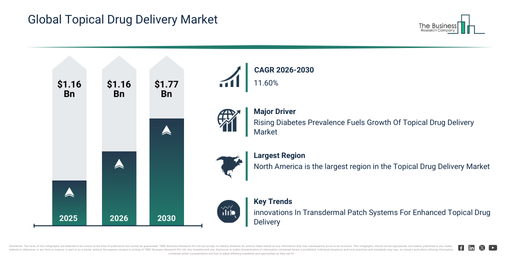
    The topical drug delivery market has witnessed rapid growth in recent years, with projections estimating an increase from $177.82 billion in 2025 to $198.71 billion in 2026. This represents a compound annual growth rate (CAGR) of 11.8%. Historical growth has been fueled by factors such as a rising incidence of dermatological disorders, growing use of topical treatments for chronic diseases, expansion in pharmaceutical manufacturing capabilities, a patient preference shift toward non-invasive therapies, and the availability of a wide variety of formulation technologies.

    Download A Free Sample Report For Comprehensive Market Insights:

    https://www.thebusinessresearchcompany.com/sample.aspx?id=7564&type=smp

    Looking ahead, the market is expected to expand further, reaching $308.14 billion by 2030 with a CAGR of 11.6%. This forecasted surge is supported by increasing investments in advanced transdermal platforms, heightened demand for precise drug delivery systems, broader adoption of home healthcare, an emphasis on improving drug bioavailability, and ongoing development of combination topical therapies. Trends likely to shape the market include a rising acceptance of transdermal drug delivery systems, greater usage of semi-solid formulations, expanding application of microneedle technologies, growth in controlled-release topical products, and a stronger focus on patient-centric delivery solutions.

    Growing Diabetes Prevalence as a Key Driver of Market Expansion

    One of the primary factors propelling the topical drug delivery market is the increasing prevalence of diabetes worldwide. Diabetes is a chronic condition characterized by impaired insulin production or utilization, leading to elevated blood sugar levels and potential health complications if not managed properly. Unhealthy dietary habits, such as high consumption of sugars and processed foods, contribute significantly to the rising incidence of this disease. Topical drug delivery offers a promising approach to diabetes management by enabling medications to be absorbed directly through the skin, helping to control blood glucose levels while reducing systemic side effects.

    Access The Complete Topical Drug Delivery Market Report:

    https://www.thebusinessresearchcompany.com/report/topical-drug-delivery-global-market-report

    For example, according to a 2025 report from the International Diabetes Federation, approximately 589 million adults aged 20 to 79 are living with diabetes globally. This includes over 9.5 million individuals with type 1 diabetes, among whom nearly 1.9 million are children and adolescents under 20 years old. Projections indicate that by 2050, this number could increase to 853 million. In 2024 alone, more than 3.4 million adults in this age group died due to diabetes-related causes. These statistics highlight the growing impact of diabetes on global health and its role in driving demand for improved topical drug delivery solutions.

    Topical Drug Delivery Market Segmentation Across Products and Users

    This market is categorized comprehensively by product type, administration route, and end users. The product types include semi-solid formulations such as creams, ointments, gels, and pastes; liquid formulations including solutions, suspensions, emulsions, and lotions; solid formulations like powders, granules, and solid sticks; as well as transdermal products featuring patches, microneedle systems, and gels.

    Regarding routes of administration, the market covers dermal, ophthalmic, rectal, vaginal, and nasal drug delivery pathways. End users in this sector comprise hospitals, clinics, home healthcare providers, diagnostic centers, and other healthcare facilities. This structured segmentation provides insight into how diverse applications and delivery methods are driving innovation and specialization within the topical drug delivery space.

    Innovations and Industry Trends Reshaping Demand in Topical Drug Delivery

    Key players in the topical drug delivery market are increasingly focusing on developing cutting-edge technologies to meet the growing need for patient-friendly, non-invasive, and long-lasting therapies. A prominent example is the advancement of transdermal patch systems that utilize high-adhesion, solvent-free adhesives to provide sustained drug release while minimizing skin irritation and residue.

    In March 2024, Medherant, a pharmaceutical technology firm based in the UK, announced a collaboration with Bayer to develop a transdermal patch for an already approved oral medication, using Medherant’s proprietary TEPI Patch technology. This innovative patch incorporates a unique pressure-sensitive adhesive that maintains strong skin adhesion even when wet, leaves no dark residue after removal, and can carry high drug loads—up to approximately 50% by weight—for prolonged delivery. The technology also allows for customized release profiles by including permeation enhancers or excipients, making it suitable for therapies such as hormone treatment. Medherant’s leading candidate, a testosterone TEPI Patch designed for post-menopausal women, recently showed promising results in Phase 1 clinical trials regarding skin delivery and tolerability.

    Key Competitors Leading the Topical Drug Delivery Market

    The competitive landscape of the topical drug delivery market includes several major pharmaceutical companies such as Glenmark Pharmaceuticals Ltd., Galderma SA, Johnson & Johnson Private Limited, GlaxoSmithKline PLC., Bausch Health Companies Inc., Novartis AG, Merck & Co., Hisamitsu Pharmaceuticals, Bayer AG, Cipla Limited, Viatris Inc., 3M Company, Crescita Therapeutics Inc., Boehringer Ingelheim International GmbH, Pfizer Inc., Teva Pharmaceuticals Industries Ltd., Bristol Myers Squibb, Lavipharm SA, AbbVie Inc., CMP Pharma Inc., Encore Dermatology Inc., Rusan Pharma Ltd., LEO Pharma A/S, Almirall S.A., Sun Pharmaceutical Industries Ltd., Fougera Pharmaceuticals Inc., Perrigo Company plc, Taro Pharmaceutical Industries Ltd., and MedPharm Ltd. These companies invest heavily in research and development to introduce innovative topical drug delivery systems and strengthen their market positions.

    Regional Dynamics and Market Growth Outlook

    In 2025, North America held the largest share of the topical drug delivery market, reflecting strong healthcare infrastructure and high adoption of advanced drug delivery technologies in the region. Meanwhile, the Asia-Pacific region is expected to be the fastest-growing market during the forecast period, driven by increasing healthcare spending, rising prevalence of chronic diseases, and expanding pharmaceutical manufacturing capabilities. Other regions analyzed include South East Asia, Western Europe, Eastern Europe, South America, the Middle East, and Africa, each contributing uniquely to the global market’s evolution.

    Get in touch with us:

    The Business Research Company: https://www.thebusinessresearchcompany.com/

    Americas: +1 310-496-7795

    Asia: +44 7882 955267 & +91 8897263534

    Europe: +44 7882 955267

    Email us at: marketing@tbrc.info

    Follow us on:

    LinkedIn: https://in.linkedin.com/company/the-business-research-company

    YouTube: https://www.youtube.com/channel/UC24_fI0rV8cR5DxlCpgmyFQ

    Global Market Model: https://www.thebusinessresearchcompany.com/global-market-model
  • Topical Absorbable Hemostats Market Forecast Reveals Where Future Industry Value Will Be Created

    Topical Absorbable Hemostats Market Forecast Reveals Where Future Industry Value Will Be Created

    Delivering more actionable and strategically valuable research, The Business Research Company’s 2026 market reports feature market attractiveness analysis, total addressable market evaluation, company benchmarking matrices, interactive Excel dashboards, expanded supply chain intelligence, emerging startup coverage, and detailed product insights.

    The topical absorbable hemostats market is experiencing significant growth as advancements in surgical procedures and increasing healthcare demands continue to unfold. This sector is evolving rapidly due to technological innovations, demographic shifts, and a growing focus on patient safety, offering promising opportunities for stakeholders across the globe. Let’s explore the current market size, key growth factors, segmentation, innovation trends, leading companies, and regional insights shaping this industry’s future.

    Market Size Expansion and Forecast in the Topical Absorbable Hemostats Market

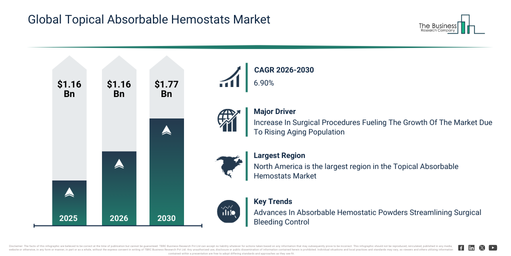
    The market for topical absorbable hemostats has witnessed a robust expansion in recent years. It is projected to increase from $2.17 billion in 2025 to $2.32 billion in 2026, reflecting a compound annual growth rate (CAGR) of 6.9%. This historical growth has been driven by a rise in orthopedic and cardiothoracic surgeries, widespread use of traditional hemostats, improvements in hospital infrastructure within developed regions, prevalence of trauma and bleeding disorders, and growing awareness regarding surgical safety protocols. Looking ahead, the market size is forecasted to reach $3.03 billion by 2030, maintaining the same CAGR of 6.9%. Factors contributing to this anticipated growth include innovations in absorbable hemostatic materials, the increasing number of minimally invasive surgeries, expansion of ambulatory surgical centers, an aging population, and heightened demand for faster recovery times and shorter hospital stays. Notable trends during this period encompass the adoption of minimally invasive procedures, the rising volume of surgical interventions, increased emphasis on patient safety and blood loss reduction, growth of ambulatory surgical facilities, and the development of biocompatible and quickly absorbing hemostatic products.

    Download A Free Sample Report For Comprehensive Market Insights:

    https://www.thebusinessresearchcompany.com/sample.aspx?id=25924&type=smp

    Surgical Procedure Growth as a Catalyst for the Topical Absorbable Hemostats Market

    A primary factor driving the expansion of the topical absorbable hemostats market is the rising number of surgical operations worldwide. Surgical procedures involve medically performed interventions that entail incisions or manipulation of body tissues to diagnose, treat, or improve health outcomes. This increase is largely due to the growing elderly population, who are more prone to chronic diseases and degenerative conditions requiring surgical intervention. Topical absorbable hemostats are favored in surgeries because they effectively control bleeding rapidly and do not need to be removed, which helps reduce operation durations and lowers the risk of complications.

    Supporting this growth, in June 2024, the International Society of Aesthetic Plastic Surgery reported that aesthetic procedures reached nearly 35 million in 2023, marking a 3.4% increase to 34.9 million total surgical and non-surgical procedures. This upward trend in surgical activity further fuels demand for topical absorbable hemostats, highlighting their critical role in modern surgical care.

    Access The Complete Topical Absorbable Hemostats Market Report:

    https://www.thebusinessresearchcompany.com/report/topical-absorbable-hemostats-global-market-report

    Market Segmentation and Key Revenue Drivers in the Topical Absorbable Hemostats Industry

    This report segments the topical absorbable hemostats market across various categories to provide a detailed overview:

    1) By Type: Gelatin-Based Hemostats, Collagen-Based Hemostats, Fibrin-Based Hemostats, Cellulose-Based Hemostats, and Other Types

    2) By Delivery Method: Surgical Sprays, Pads and Gauzes, Foams and Films, Injectable Solutions

    3) By Application: Orthopedic Surgery, Cardiothoracic Surgery, General Surgery, Neurosurgery, Urology, and Gynecological Surgery

    4) By End-User: Hospitals, Ambulatory Surgical Centers (ASCs), Specialty Clinics, Research Institutions

    Further subcategories include specific forms within each type, such as gelatin sponges and powders, collagen films and pads, fibrin sealant sprays and glues, cellulose meshes and powders, along with other types like chitosan-based and synthetic polymer-based hemostats. This segmentation helps identify targeted growth areas and informs development strategies for manufacturers.

    Innovations and Technological Advances Driving the Topical Absorbable Hemostats Market

    Leading companies in this market are actively investing in the development of advanced products to enhance bleeding management during surgeries. One significant innovation is absorbable hemostatic powders, which provide quick bleeding control, especially in complex or irregular wound sites, without the need for product removal. This reduces infection risks and simplifies postoperative care.

    For instance, in July 2023, Baxter International introduced PERCLOT, an absorbable hemostatic powder designed to offer surgeons a comprehensive range of active and passive bleeding control solutions. The product features specially engineered granules that rapidly absorb moisture, forming an adhesive gel that seals tissue surfaces. This gel concentrates platelets, red blood cells, and clotting factors like thrombin and fibrinogen, accelerating the body’s natural coagulation process. Reliable control of intraoperative bleeding with PERCLOT can decrease blood transfusion requirements, minimize major complications, and ultimately reduce overall treatment costs.

    Key Industry Players Leading Competition in the Topical Absorbable Hemostats Market

    Several prominent companies dominate the competitive landscape of the topical absorbable hemostats market, including:

    Johnson And Johnson Services Inc, Baxter International Inc, Integra LifeSciences Holdings Corp, Teleflex Inc, Gelita Medical, Advanced Medical Solutions Group Plc, 3D Matrix Ltd, Advanced Biotech Products Pvt Ltd, Curasan AG, Hemostasis LLC, Medcura Inc, Endomedix Incorporated, BioCer Entwicklungs GmbH, Starch Medical Inc, Arch Therapeutics Inc, Cura Medical BV, Z Medica LLC, Marine Polymer Technologies Inc, Ferrosan Medical Devices, Pfizer Hospital Products, and Ethicon Biosurgery.

    These companies are crucial in driving innovation, expanding market reach, and shaping industry standards.

    Regional Market Leadership and Growth Forecast

    In 2025, North America held the largest share of the topical absorbable hemostats market, reflecting the region’s advanced healthcare infrastructure and high adoption rates of surgical innovations. Meanwhile, the Asia-Pacific region is expected to experience the fastest growth during the forecast period due to rising healthcare investments, increasing surgical volumes, and expanding medical infrastructure across emerging economies. The market report covers an extensive range of regions including Asia-Pacific, South East Asia, Western Europe, Eastern Europe, North America, South America, the Middle East, and Africa, offering a comprehensive global perspective on market trends and opportunities.

    Get in touch with us:

    The Business Research Company: https://www.thebusinessresearchcompany.com/

    Americas: +1 310-496-7795

    Asia: +44 7882 955267 & +91 8897263534

    Europe: +44 7882 955267

    Email us at: marketing@tbrc.info

    Follow us on:

    LinkedIn: https://in.linkedin.com/company/the-business-research-company

    YouTube: https://www.youtube.com/channel/UC24_fI0rV8cR5DxlCpgmyFQ

    Global Market Model: https://www.thebusinessresearchcompany.com/global-market-model