Month: June 2026

  • Tooth Filling Materials Market Growth Through 2030 Creates New Strategic Opportunities

    Tooth Filling Materials Market Growth Through 2030 Creates New Strategic Opportunities

    Enhanced with market attractiveness analysis, total addressable market evaluation, company benchmarking matrices, interactive Excel dashboards, expanded supply chain intelligence, emerging startup coverage, and detailed product insights, The Business Research Company’s 2026 market reports deliver more actionable and strategically valuable research.

    The tooth filling materials industry has been steadily advancing, driven by rising dental health concerns and evolving treatment preferences worldwide. As the demand for restorative dental solutions grows, this market shows promising opportunities, shaped by innovation and increasing patient awareness. Below is a detailed examination of the current market status, growth drivers, key players, trends, and regional dynamics.

    Market Size and Growth Trajectory of the Tooth Filling Materials Market

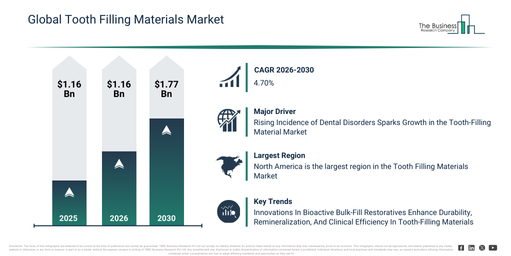
    The tooth filling materials market has experienced consistent growth in recent years. It is projected to increase from $1.92 billion in 2025 to $2.01 billion in 2026, representing a compound annual growth rate (CAGR) of 4.8%. This historical growth is mainly fueled by the widespread occurrence of dental caries and tooth decay globally, the extensive clinical use of amalgam and composite filling materials, an uptick in restorative dental procedures in hospitals and clinics, greater awareness around oral hygiene and cavity prevention, as well as the availability of various filling materials across different price ranges.

    Download A Free Sample Report For Comprehensive Market Insights:

    https://www.thebusinessresearchcompany.com/sample.aspx?id=13546&type=smp

    Looking ahead, the market is set to continue its upward trajectory, reaching $2.42 billion by 2030 with a CAGR of 4.7%. This upcoming growth phase will be supported by increasing demand for aesthetically pleasing tooth-colored fillings, a rising movement toward mercury-free and bioactive dental restorative options, the adoption of cutting-edge bonding and adhesion technologies, growth in indirect restorations and multi-layer filling methods, and expanding access to dental care in emerging regions. Key trends in the forecast period include a shift toward composite resin and glass ionomer fillings, wider use of minimally invasive restorative techniques, growing popularity of multi-material filling systems to boost durability and tooth preservation, and a stronger preference for mercury-free, biocompatible alternatives in clinical practice.

    Factors Driving the Expansion of the Tooth Filling Materials Market

    One of the primary forces propelling this market is the high prevalence of dental disorders worldwide. Conditions affecting the teeth, gums, jaw, and surrounding oral structures—including tooth decay, gum disease, and malocclusion—create a substantial need for restorative dental treatments in which filling materials play a crucial role by repairing minor fractures or decay.

    Access The Complete Tooth Filling Materials Market Report:

    https://www.thebusinessresearchcompany.com/report/tooth-filling-materials-global-market-report

    For example, data from the National Library of Medicine in September 2023 highlights that the older adult population in the US suffering from periodontal disease is expected to increase by 54.57% by 2050. Similarly, the number of older adults with carious teeth is projected to rise by 62.06% within the same timeframe. These demographic trends underscore the increasing demand for tooth filling materials as dental health challenges grow more widespread.

    Detailed Segmentation of the Tooth Filling Materials Market

    The report categorizes the tooth filling materials market into several segments to highlight growth areas:

    1) By Product Type:

    – Composite Resin

    – Silver Amalgam

    – Glass Ionomer

    – Gold Fillings

    – Other Products

    2) By Filling Type:

    – Direct

    – Indirect

    3) By End Use:

    – Hospitals

    – Dental Clinics

    – Other End Uses

    Further sub-classifications include:

    – Composite Resin: Light-Cured and Dual-Cured Composite Resins

    – Silver Amalgam: Dental Amalgam Alloy and Mercury-Based Amalgam

    – Glass Ionomer: Resin-Modified and Conventional Glass Ionomers

    – Gold Fillings: Cast and Preformed Gold Fillings

    – Other Products: Resin Ionomer and Ceramic Fillings

    Emerging Trends and Innovations Influencing the Tooth Filling Materials Market

    Leading companies in this sector are focusing on developing advanced restorative materials that enhance long-term performance while supporting tooth health. A notable innovation is bioactive bulk-fill restoratives, designed to release beneficial ions, promote remineralization, resist recurring decay, and allow single-step bulk placement without compromising strength or appearance.

    For instance, in December 2024, Pulpdent Corporation introduced ACTIVA BioACTIVE Bulk Flow, a dual-cure bioactive bulk-fill restorative offering unlimited depth of cure. This product incorporates a stress-reducing monomer to minimize shrinkage during polymerization and features universal shade matching to improve esthetics and remineralization. Such advancements highlight the market’s move toward technologically enhanced materials that improve clinical outcomes.

    Top Companies Making an Impact in the Tooth Filling Materials Market

    Key players in the tooth filling materials market include:

    3M Corporation, Dentsply Sirona, Kerr Corporation, Ultradent Products Inc., Ivoclar Vivadent AG, Septodont Inc., Shofu Inc., Pentron Clinical Technologies LLC, SDI Limited, DenMat Holdings LLC, GC America Inc., Coltene Group, VOCO GmbH, Zest Dental Solutions, Angelus Indústria de Produtos Odontológicos S/A, Premier Dental Products Company, Centrix Inc., BISCO Dental Products Inc., Vista Dental Products, Parkell Inc., DMG America LLC, Kuraray Noritake Dental Inc., Cosmedent Inc., and Tokuyama Dental America Inc.

    Regional Market Analysis Highlighting Leading Areas by Revenue

    In 2025, North America held the largest share of the tooth filling materials market. Meanwhile, the Asia-Pacific region is projected to experience the fastest growth during the forecast period. The market report covers significant regions, including Asia-Pacific, South East Asia, Western Europe, Eastern Europe, North America, South America, the Middle East, and Africa, providing a comprehensive view of global market trends.

    Get in touch with us:

    The Business Research Company: https://www.thebusinessresearchcompany.com/

    Americas: +1 310-496-7795

    Asia: +44 7882 955267 & +91 8897263534

    Europe: +44 7882 955267

    Email us at: marketing@tbrc.info

    Follow us on:

    LinkedIn: https://in.linkedin.com/company/the-business-research-company

    YouTube: https://www.youtube.com/channel/UC24_fI0rV8cR5DxlCpgmyFQ

    Global Market Model: https://www.thebusinessresearchcompany.com/global-market-model
  • Tissue Microarray Market Size Projected To Increase From $14.67 Billion To $23.6 Billion During The Forecast Period

    Tissue Microarray Market Size Projected To Increase From $14.67 Billion To $23.6 Billion During The Forecast Period

    Through market attractiveness analysis, total addressable market evaluation, company benchmarking matrices, interactive Excel dashboards, expanded supply chain intelligence, emerging startup coverage, and detailed product insights, The Business Research Company’s 2026 market reports provide more actionable and strategically valuable research.

    The tissue microarray sector has experienced swift expansion in recent years, driven by advancements in cancer research and diagnostic technologies. As the demand for more precise and efficient tissue analysis grows, this market is set to continue its strong upward trajectory. Below is an overview of the current market status, main growth drivers, segment breakdowns, major trends, competitive landscape, and regional outlook.

    Rapid Expansion and Future Outlook of the Tissue Microarray Market

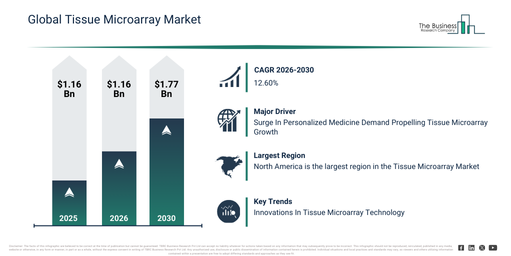
    The tissue microarray market has demonstrated significant growth recently, with its size expected to increase from $13.11 billion in 2025 to $14.68 billion in 2026, reflecting a compound annual growth rate (CAGR) of 12.0%. This past growth stems from factors such as rising cancer research activities, broader use of immunohistochemistry techniques, growing academic pathology research, increased demand for biomarker validation tools, and the widespread availability of paraffin-embedded tissue samples. Looking ahead, the market is predicted to surge further, reaching $23.61 billion by 2030, with a slightly higher CAGR of 12.6%. The forecasted growth is largely supported by greater investment in precision oncology, wider adoption of digital pathology solutions, expansion in translational research initiatives, rising demand for multi-omics analysis, and increased utilization of tissue microarrays in drug discovery. Key trends shaping the market include the adoption of high-throughput tissue analysis platforms, multiplex immunohistochemistry, standardized tissue arrays, automated microarray construction, and integration with molecular diagnostics.

    Download A Free Sample Report For Comprehensive Market Insights:

    https://www.thebusinessresearchcompany.com/sample.aspx?id=12236&type=smp

    How the Demand for Personalized Medicine is Fueling Tissue Microarray Growth

    One of the primary forces propelling the tissue microarray market is the growing emphasis on personalized medicine. This approach customizes medical treatments based on individual patient characteristics, making healthcare more targeted and effective. Tissue microarrays play a crucial role here by enabling rapid evaluation of multiple tissue samples simultaneously, which helps identify biomarkers essential for tailored therapies. To illustrate this trend, in February 2024, the Personalized Medicine Coalition—a US-based nonprofit—reported that the USFDA approved 16 new personalized treatments for rare diseases in 2023, a notable rise from just 6 in 2022. Such developments clearly indicate how the expanding personalized medicine landscape is boosting demand for tissue microarray technologies.

    Segment Overview and Strategic Market Opportunities in Tissue Microarrays

    This report categorizes the tissue microarray market into several key segments:

    1) By Type: Immunohistochemistry, Fluorescent In Situ Hybridization (FISH), Frozen Tissue Array, Other Types

    2) By Technology: Immunohistochemistry (IHC)-Based Detection, In Situ Hybridization (ISH) Technologies, Digital Pathology and Image Analysis, Tissue Microarray Construction Technologies, Signal Detection and Visualization Technologies

    3) By Application: Oncology Research and Biomarker Validation, Drug Discovery and Development, Translational and Clinical Research, Protein Expression and Localization Analysis, Gene and RNA Expression Analysis (Tissue-Based), Comparative Pathology and Toxicology Studies

    4) By End-User: Pharmaceutical and Biotechnological Companies, Research Organizations, Hospitals

    Further subcategories include:

    – Immunohistochemistry: Automated, Manual, Multiplex

    – Fluorescent In Situ Hybridization: Single-Color, Multi-Color, DNA FISH

    – Frozen Tissue Array: Tissue Microarray from Frozen Samples, Snap-Frozen Tissue Array

    – Other Types: RNA In Situ Hybridization, Paraffin-Embedded Tissue Array

    This segmentation highlights diverse market applications and technological approaches, offering strategic avenues for growth and specialization.

    Access The Complete Tissue Microarray Market Report:

    https://www.thebusinessresearchcompany.com/report/tissue-microarray-global-market-report

    Industry Trends Driving Innovation and Growth in Tissue Microarrays

    Leading players in the tissue microarray space are prioritizing the development of advanced platforms that enhance precision and throughput in tissue analysis. These microarray platforms enable the simultaneous examination of multiple genes or biomolecules on a compact surface, facilitating detailed genetic and expression studies. For example, in June 2023, MARGenomics—a research institute affiliated with Spain’s Hospital del Mar—introduced the Applied Biosystems GeneChip 3000 Dx v2. This cutting-edge microarray platform, supported by funding from the Carlos III Health Institute and the European Union’s NextGenerationEU program, became the first in both Europe and the US to receive regulatory approval for diagnostic use, including IVD-R certification. The system supports a broad range of functionalities, covering genomic and expression microarrays, reflecting the market’s push toward more integrated and powerful diagnostic tools.

    Key Industry Players Influencing the Tissue Microarray Market

    Several prominent companies are shaping competition within the tissue microarray market. These include BioIVT LLC, BioChain Institute Inc., Creative Bioarray Co., 3DHISTECH Ltd., OriGene Technologies Inc., Bio SB Inc., ProteoGenex Inc., US Biomax Inc., AMS Biotechnology Ltd., TissueArray.Com LLC, Pantomics Inc., Zyagen Inc., Asterand Bioscience, Indivumed GmbH, PrecisionMed Inc., Conversant Bio AB, RayBiotech Life Inc., Novus Biologicals LLC, Tristar Group, and iSpecimen Inc. These organizations are at the forefront of innovation, product development, and expanding market reach.

    Regional Market Share and Growth Prospects of Tissue Microarrays

    In 2025, North America commanded the largest share of the tissue microarray market, benefiting from substantial research infrastructure and healthcare investment. Meanwhile, the Asia-Pacific region is poised to be the fastest-growing market over the forecast period. The tissue microarray market report covers multiple regions including Asia-Pacific, South East Asia, Western Europe, Eastern Europe, North America, South America, the Middle East, and Africa, providing a comprehensive view of global opportunities and dynamics.

    Get in touch with us:

    The Business Research Company: https://www.thebusinessresearchcompany.com/

    Americas: +1 310-496-7795

    Asia: +44 7882 955267 & +91 8897263534

    Europe: +44 7882 955267

    Email us at: marketing@tbrc.info

    Follow us on:

    LinkedIn: https://in.linkedin.com/company/the-business-research-company

    YouTube: https://www.youtube.com/channel/UC24_fI0rV8cR5DxlCpgmyFQ

    Global Market Model: https://www.thebusinessresearchcompany.com/global-market-model
  • Tissue Heart Valves Market Growth Outlook Reveals A CAGR Of 2.5% And A Market Value Of $1.71 Billion By 2030

    Tissue Heart Valves Market Growth Outlook Reveals A CAGR Of 2.5% And A Market Value Of $1.71 Billion By 2030

    Delivering more actionable and strategically valuable research, The Business Research Company’s 2026 market reports feature market attractiveness analysis, total addressable market evaluation, company benchmarking matrices, interactive Excel dashboards, expanded supply chain intelligence, emerging startup coverage, and detailed product insights.

    The tissue heart valves market has been steadily advancing, driven by growing cardiovascular health challenges and innovations in valve technology. As medical procedures evolve and patient needs increase, this sector is set to experience continued growth and development. Below is a detailed examination of the market size, key drivers, segments, trends, major players, and regional outlook.

    Current and Future Market Size of the Tissue Heart Valves Market

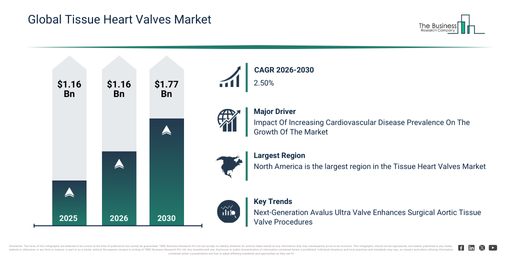
    The tissue heart valves market has demonstrated consistent growth, with its size projected to rise from $1.52 billion in 2025 to $1.56 billion in 2026, representing a compound annual growth rate (CAGR) of 2.6%. This upward trend in the past years has largely been supported by the rising incidence of cardiovascular diseases, the limitations tied to mechanical valves, increased adoption of surgical valve replacements, improvements in hospital cardiac infrastructure, and an aging population. Moving ahead, the market is anticipated to continue expanding, reaching $1.72 billion by 2030 at a CAGR of 2.5%. Key factors behind this forecast include the increased use of transcatheter aortic valve replacement (TAVR) procedures, growth in minimally invasive cardiac surgeries, innovations aimed at extending valve durability, improved access to healthcare, and a rise in cardiology specialization. Prominent trends projected to influence the market include a preference for bioprosthetic valves, more transcatheter valve interventions, advances in tissue preservation, decreased reliance on long-term anticoagulation therapies, and higher demand driven by aging populations needing valve replacements.

    Download A Free Sample Report For Comprehensive Market Insights:

    https://www.thebusinessresearchcompany.com/sample.aspx?id=21302&type=smp

    Primary Factors Fueling Growth in the Tissue Heart Valves Market

    The growing burden of cardiovascular diseases is a major driver propelling the tissue heart valves market forward. Cardiovascular diseases encompass a range of conditions affecting the heart and blood vessels, including heart attacks, strokes, hypertension, and related disorders. This rise is attributed to several factors such as unhealthy lifestyle choices, aging demographics, increased presence of risk factors, poor nutritional habits, physical inactivity, smoking, stress, and urban living, all contributing to greater rates of heart-related illnesses worldwide.

    Tissue heart valves play a critical role in treating cardiovascular diseases by offering biocompatible, durable, and less thrombogenic solutions for patients requiring valve replacement. These valves help improve heart function over time while minimizing complications. For example, a September 2024 report by the Heart Failure Society of America highlighted that nearly 6.7 million Americans aged 20 and above currently live with heart failure, with projections estimating this will rise to 8.7 million by 2030, 10.3 million by 2040, and 11.4 million by 2050. This growing patient base directly supports the expanding demand for tissue heart valves.

    Detailed Segmentation and Growth Opportunities in the Tissue Heart Valves Market

    The tissue heart valves market is categorized into distinct segments to provide a clearer picture of opportunities and growth patterns. These include:

    1) By Type: Stented Tissue Heart Valves and Stentless Tissue Heart Valves

    2) By Procedure Type: Surgical Aortic Valve Replacement (SAVR) and Transcatheter Aortic Valve Replacement (TAVR)

    3) By End-User: Hospitals, Ambulatory Surgical Centers, and Other End-Users

    Further classifications break down stented tissue heart valves into bovine pericardial valves and porcine valves, while stentless tissue heart valves include bovine pericardial stentless valves and homograft valves. This segmentation allows for targeted insights into product demand and technological advancements across various patient groups and treatment methods.

    Access The Complete Tissue Heart Valves Market Report:

    https://www.thebusinessresearchcompany.com/report/tissue-heart-valves-global-market-report

    Emerging Innovations Shaping the Tissue Heart Valves Industry

    Industry leaders in the tissue heart valves market are prioritizing the development of advanced products that simplify implantation and enhance long-term patient outcomes. Among these is the surgical aortic tissue valve, a biologically derived prosthetic valve used to replace damaged aortic valves during surgery.

    For instance, in June 2024, Medtronic plc., an Ireland-headquartered technology company, introduced the Avalus Ultra valve. This next-generation surgical aortic tissue valve is designed to improve ease of use during implantation and support ongoing patient care. Building on a decade of clinical experience with the Avalus valve, the Avalus Ultra features a low-profile design, a polyetheretherketone (PEEK) base frame ensuring consistent circularity, and an industry-leading Effective Orifice Area (EOA) that promotes better blood flow. It also incorporates a radiopaque coil for enhanced visibility during future valve-in-valve procedures, providing durable treatment options for patients with aortic stenosis.

    Key Players Leading the Tissue Heart Valves Market

    Several prominent companies dominate the tissue heart valves market, including Abbott Laboratories, Medtronic PLC, Edwards Lifesciences Corporation, LivaNova PLC, Meril Life Sciences Pvt. Ltd., MicroPort Scientific Corporation, LifeNet Health Inc., TTK Healthcare Ltd., Braile Biomédica, Anteris Technologies Ltd., Labcor Laboratórios Ltd., CARDION s.r.o., CryoLife Inc., Colibri Heart Valve LLC, Foldax Inc., Balance Medical Technologies Co. Ltd., MiCardia Corporation, St. Jude Medical Inc., Sorin Group, and Hancock J & Co. Their ongoing innovations and market strategies play a crucial role in shaping industry dynamics and expanding access to advanced heart valve therapies.

    Regional Market Insights and Growth Dynamics

    In 2025, North America stood as the largest regional market for tissue heart valves. However, looking ahead, the Asia-Pacific region is expected to experience the fastest growth during the forecast period. The overall market analysis covers several key regions, including Asia-Pacific, South East Asia, Western Europe, Eastern Europe, North America, South America, the Middle East, and Africa, providing a comprehensive perspective on global developments and regional opportunities.

    Get in touch with us:

    The Business Research Company: https://www.thebusinessresearchcompany.com/

    Americas: +1 310-496-7795

    Asia: +44 7882 955267 & +91 8897263534

    Europe: +44 7882 955267

    Email us at: marketing@tbrc.info

    Follow us on:

    LinkedIn: https://in.linkedin.com/company/the-business-research-company

    YouTube: https://www.youtube.com/channel/UC24_fI0rV8cR5DxlCpgmyFQ

    Global Market Model: https://www.thebusinessresearchcompany.com/global-market-model
  • Tissue Fixation Devices Market Forecast Highlights Expansion From $17.53 Billion To $21.68 Billion Through 2030

    Tissue Fixation Devices Market Forecast Highlights Expansion From $17.53 Billion To $21.68 Billion Through 2030

    Enhanced with market attractiveness analysis, total addressable market evaluation, company benchmarking matrices, interactive Excel dashboards, expanded supply chain intelligence, emerging startup coverage, and detailed product insights, The Business Research Company’s 2026 market reports deliver more actionable and strategically valuable research.

    The tissue fixation devices market has demonstrated notable growth recently, driven by advancements in medical procedures and rising healthcare demands. This sector is expected to continue expanding as innovations and increasing surgical needs shape its future trajectory. Let’s explore the market size, key growth factors, product categories, competitive landscape, and regional outlook to better understand its development.

    Market Size and Growth Prospects of the Tissue Fixation Devices Market

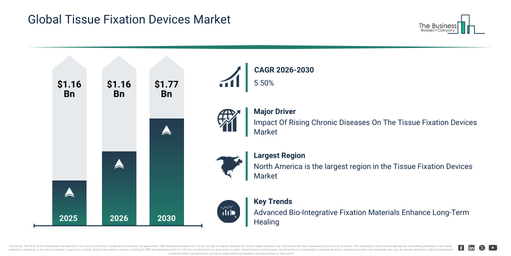
    The tissue fixation devices market has experienced strong expansion in recent years, with revenues projected to increase from $16.58 billion in 2025 to $17.53 billion in 2026, reflecting a compound annual growth rate (CAGR) of 5.8%. This historical growth has been largely fueled by the rising number of orthopedic surgeries, trauma incidents, sports-related injuries, technological improvements in implants, and enhanced hospital surgical capacities. Looking ahead, the market is expected to sustain robust growth, reaching $21.68 billion by 2030 at a CAGR of 5.5%. The anticipated expansion is driven by broader adoption of bioabsorbable materials, growth in minimally invasive procedures, increased demand in sports medicine, reconstructive surgery needs, and an aging population. Key emerging trends include a rise in demand for bioabsorbable fixation devices, a surge in orthopedic and sports injury cases, growing utilization in minimally invasive surgeries, innovative fixation materials, and the expansion of trauma and reconstructive surgical procedures.

    Download A Free Sample Report For Comprehensive Market Insights:

    https://www.thebusinessresearchcompany.com/sample.aspx?id=20665&type=smp

    Factors Contributing to Growth in the Tissue Fixation Devices Market

    The rising number of chronic diseases worldwide is a major factor fueling the tissue fixation devices market. Chronic conditions such as diabetes, heart disease, and arthritis, which develop gradually and require ongoing management, are becoming more common due to unhealthy lifestyle factors like poor diet, sedentary behavior, and smoking. These diseases often necessitate medical interventions that rely on tissue fixation devices for effective repair and stabilization of bones and soft tissues. By improving patient outcomes through reducing re-injury risk and supporting faster recovery, these devices play a crucial role in chronic disease management.

    A Real-World Example of Chronic Disease Impact on Market Demand

    For instance, in June 2024, the UK’s National Health Service reported that 3,615,330 people registered with general practitioners were diagnosed with non-diabetic hyperglycemia (pre-diabetes) in 2023, marking an 18% rise from 3,065,825 cases in 2022. This increase in chronic conditions highlights the growing need for tissue fixation devices, as they are essential in treating complications and injuries related to such diseases, thereby driving market growth.

    Access The Complete Tissue Fixation Devices Market Report:

    https://www.thebusinessresearchcompany.com/report/tissue-fixation-devices-global-market-report

    Product Types and Application Areas of the Tissue Fixation Devices Market

    This market is segmented based on product types, applications, and end users. Product categories include sutures and suture anchors, interference screws, plates and pins, buttons, arrows, darts, and other types such as staples, spikes, and wires. Applications cover routine histology, immunohistochemistry, in situ hybridization, electron microscopy, and molecular diagnostics. End users range across hospitals, diagnostic laboratories, research institutes, biomedical companies, and forensic laboratories. Further segmentation breaks down sutures and anchors into absorbable and non-absorbable types, interference screws into bioabsorbable and metallic versions, plates and pins similarly divided, and buttons, arrows, and darts categorized by bioabsorbable and metallic materials.

    Innovations Shaping the Tissue Fixation Devices Market Competition

    Leading companies in the tissue fixation devices market are focusing on developing cutting-edge products such as bio-integrative fixation materials that promote natural healing and reduce complications associated with traditional metal implants. These innovative materials gradually integrate with bone and tissue, supporting regeneration without the permanence of metal. For example, in June 2025, OSSIO, a US-based orthopedic device manufacturer, launched the OSSIOFiber 2.5 mm Suture Anchor. This product features a unique metal-free mineral fiber matrix offering 55% greater pull-out strength compared to leading bio-composite anchors. It maintains standard surgical workflows with familiar instrumentation and comes in both unloaded and pre-loaded configurations to suit surgeon preferences. The fully bio-integrative design targets applications across various extremities, combining strong mechanical performance with biocompatibility and resorbability.

    Key Players Defining the Tissue Fixation Devices Market Landscape

    The market includes several prominent companies such as Medtronic plc, Stryker Corporation, Boston Scientific Corporation, B. Braun Group, Zimmer Biomet Holdings Inc., Smith & Nephew plc, Ethicon Inc., Cook Medical Incorporated, Arthrex Inc., Integra LifeSciences Holdings Corporation, In2Bones Global Inc., Conmed Corporation, Wright Medical Group N.V., Orthofix Medical Inc., LimaCorporate S.p.A., Exactech Inc., RTI Surgical Holdings Inc., Medartis AG, Aap Implantate AG, and Promedics Orthopaedic Ltd. These firms are actively competing by investing in product innovation and expanding their market reach.

    Geographical Overview and Regional Market Insights

    In 2025, North America dominated the tissue fixation devices market, holding the largest share. However, other regions such as Asia-Pacific, South East Asia, Western Europe, Eastern Europe, South America, the Middle East, and Africa are also covered in market analyses, each presenting different growth opportunities and challenges. The Asia-Pacific region, in particular, is expected to exhibit significant growth potential driven by increasing healthcare infrastructure development and rising incidence of orthopedic and trauma cases.

    Get in touch with us:

    The Business Research Company: https://www.thebusinessresearchcompany.com/

    Americas: +1 310-496-7795

    Asia: +44 7882 955267 & +91 8897263534

    Europe: +44 7882 955267

    Email us at: marketing@tbrc.info

    Follow us on:

    LinkedIn: https://in.linkedin.com/company/the-business-research-company

    YouTube: https://www.youtube.com/channel/UC24_fI0rV8cR5DxlCpgmyFQ

    Global Market Model: https://www.thebusinessresearchcompany.com/global-market-model
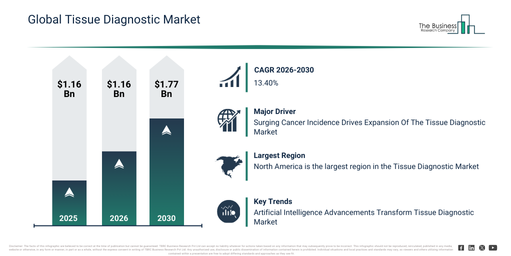
  • Tissue Diagnostic Market Expected To Reach $11.96 Billion By 2030 As Growth Accelerates At 13.4% CAGR

    Tissue Diagnostic Market Expected To Reach $11.96 Billion By 2030 As Growth Accelerates At 13.4% CAGR

    Through market attractiveness analysis, total addressable market evaluation, company benchmarking matrices, interactive Excel dashboards, expanded supply chain intelligence, emerging startup coverage, and detailed product insights, The Business Research Company’s 2026 market reports provide more actionable and strategically valuable research.

    The tissue diagnostic market is rapidly evolving, driven by advancements in medical technology and an increasing need for accurate disease detection. This sector plays a crucial role in healthcare by supporting cancer diagnosis and personalized treatment approaches. Below is a detailed overview of the market size, growth factors, significant trends, leading players, and regional insights shaping the tissue diagnostic industry.

    Tissue Diagnostic Market Size and Projected Growth Through 2030

    The tissue diagnostic market has seen substantial growth in recent years and is set to continue on this trajectory. It is projected to increase from $6.38 billion in 2025 to $7.25 billion in 2026, reflecting a strong compound annual growth rate (CAGR) of 13.6%. This past expansion has been fueled by a rise in cancer diagnostic procedures, the growth of hospital pathology labs, wider use of immunohistochemistry techniques, increased deployment of automated diagnostic instruments, and enhanced availability of advanced reagents. Looking ahead, the market is anticipated to reach $11.97 billion by 2030 with a CAGR of 13.4%, driven by growing demand for precision diagnostics, AI-assisted pathology tools, personalized medicine initiatives, greater investments in digital healthcare infrastructure, and the need for faster and more accurate diagnostic outcomes. Key trends expected to influence the market include broader adoption of digital pathology platforms, increased use of automated tissue staining systems, integration of AI-based image analysis, expansion of multiplex tissue assays, and a focus on standardizing workflows.

    Download A Free Sample Report For Comprehensive Market Insights:

    https://www.thebusinessresearchcompany.com/sample.aspx?id=6505&type=smp

    Rising Cancer Incidence as a Major Growth Catalyst in the Tissue Diagnostic Market

    The increasing prevalence of cancer is a significant factor propelling growth in the tissue diagnostic market. Cancer results from genetic mutations that cause uncontrolled cell growth, damaging body tissues and forming tumors, which can be malignant or benign. Various factors contribute to cancer development, including genetic changes, carcinogens, smoking, obesity, radiation, and hormonal influences. As cancer cases continue to rise, the demand for effective diagnostic tools such as tissue diagnostics grows accordingly. For example, the World Health Organization reported in February 2024 that over 35 million new cancer cases are expected by 2050, marking a 77% increase from approximately 20 million cases in 2022. This upward trend in cancer incidence directly drives the need for enhanced tissue diagnostic solutions.

    Detailed Segmentation and Revenue Streams in the Tissue Diagnostic Market

    This market is segmented across several categories to provide a comprehensive understanding of its scope:

    1) Product types include consumables, antibodies, kits, reagents, probes, instruments, slide staining systems, scanners, and tissue processing systems.

    2) Technologies encompass immunohistochemistry (IHC), in situ hybridization (ISH), digital pathology and workflow management, and special staining techniques.

    3) Disease focus covers breast cancer, gastric cancer, lymphoma, prostate cancer, and non-small cell lung cancer (NSCLC).

    4) End users consist of hospitals, research laboratories, pharmaceutical companies, and contract research organizations.

    Additional subcategories drill down into specific product types, such as different antibodies (primary, secondary, monoclonal, polyclonal), kits (diagnostic, assay, staining), reagents (fixatives, staining agents, antigen retrieval solutions), probes (fluorescent, molecular, hybridization), instruments (microscopes, tissue microarray instruments, laser capture microdissection tools), staining systems (automated and manual), scanners (digital slide scanners, whole slide imaging), and tissue processing equipment like tissue processors, embedding centers, and microtomes.

    Access The Complete Tissue Diagnostic Market Report:

    https://www.thebusinessresearchcompany.com/report/tissue-diagnostic-global-market-report

    Technological Advances and AI Integration Setting Tissue Diagnostic Trends

    Innovation remains a key driver within the tissue diagnostic field, with many companies focusing on integrating artificial intelligence to improve diagnostic precision and efficiency. AI algorithms are increasingly used to analyze medical images and pathological data, offering enhanced disease detection and classification capabilities. For instance, in March 2023, Singapore-based healthcare company Qritive launched Qai Prostate, an AI-powered tool designed to assist pathologists in identifying and classifying prostatic adenocarcinoma. This software pinpoints malignant and benign tumor areas in biopsy samples, then provides detailed reports including tumor size and the percentage of involvement in specific slide regions, supporting more accurate prostate cancer diagnosis and treatment planning.

    Leading Corporations Driving the Tissue Diagnostic Market Forward

    Several major players are shaping the tissue diagnostic market landscape with their innovations and extensive product portfolios. These companies include F. Hoffmann-La Roche Ltd., Danaher Corporation, Thermo Fisher Scientific Inc., Abbott Laboratories, Agilent Technologies Inc., Merck KGaA, BioGenex Laboratories, Sakura Finetek Co. Ltd., Philips Healthcare NV, Bio-Rad Laboratories, Ventana Medical Systems Inc., Hologic Inc., Becton Dickinson and Company, Sysmex Corporation, Cell Signaling Technology Inc., Enzo Life Sciences Inc., Leica Microsystems GmbH, Menarini Diagnostics S.r.l., PerkinElmer Inc., QIAGEN N.V., Siemens Healthineers AG, and Zeiss Group AG.

    Geographical Distribution and Market Expansion Trends in Tissue Diagnostics

    In 2025, North America accounted for the largest share of the tissue diagnostic market. However, other regions such as Asia-Pacific, South East Asia, Western Europe, Eastern Europe, South America, the Middle East, and Africa are also significant markets that are expected to witness growing demand. The report covers these regions, providing a broad perspective on where the tissue diagnostic market is expanding most rapidly and revealing global patterns that influence market development.

    Get in touch with us:

    The Business Research Company: https://www.thebusinessresearchcompany.com/

    Americas: +1 310-496-7795

    Asia: +44 7882 955267 & +91 8897263534

    Europe: +44 7882 955267

    Email us at: marketing@tbrc.info

    Follow us on:

    LinkedIn: https://in.linkedin.com/company/the-business-research-company

    YouTube: https://www.youtube.com/channel/UC24_fI0rV8cR5DxlCpgmyFQ

    Global Market Model: https://www.thebusinessresearchcompany.com/global-market-model
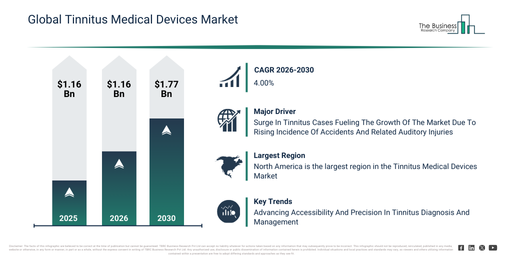
  • Tinnitus Medical Devices Market Set To Grow From $1.98 Billion In 2026 To $2.31 Billion By 2030 At A CAGR Of 4%

    Tinnitus Medical Devices Market Set To Grow From $1.98 Billion In 2026 To $2.31 Billion By 2030 At A CAGR Of 4%

    Delivering more actionable and strategically valuable research, The Business Research Company’s 2026 market reports feature market attractiveness analysis, total addressable market evaluation, company benchmarking matrices, interactive Excel dashboards, expanded supply chain intelligence, emerging startup coverage, and detailed product insights.

    The tinnitus medical devices market is gradually gaining traction as awareness of hearing disorders rises and technology advances. With a growing aging population and expanding audiology services, this sector is poised for consistent growth. Let’s explore the current market status, key factors pushing its expansion, emerging innovations, and the competitive landscape driving future development.

    Steady Growth Trajectory of the Tinnitus Medical Devices Market

    The market for tinnitus medical devices has experienced steady growth in recent years, with revenues projected to increase from $1.9 billion in 2025 to $1.98 billion in 2026, reflecting a compound annual growth rate (CAGR) of 4.1%. This upward trend during the historical period is largely due to a rising prevalence of hearing disorders, an aging demographic, broader accessibility to hearing aid technologies, increased awareness about tinnitus treatment options, and the expansion of audiology clinics across various regions.

    Download A Free Sample Report For Comprehensive Market Insights:

    https://www.thebusinessresearchcompany.com/sample.aspx?id=23543&type=smp

    Looking ahead, the market is expected to maintain steady progress, reaching $2.32 billion by 2030 at a CAGR of 4.0%. This forecasted growth is supported by greater demand for personalized tinnitus therapies, wider adoption of digital health tools, growth of home-based treatment possibilities, rising investment in neuromodulation research, and increasing use of wearable devices designed to manage tinnitus symptoms. Significant trends shaping the future include AI-powered sound therapy devices, wearable neuromodulation solutions, digital therapeutics integration, smartphone-based management tools, and a stronger focus on tailored hearing care products.

    Impact of Rising Road Accidents on the Tinnitus Medical Devices Market

    The increasing incidence of road accidents is a notable driver contributing to the expansion of the tinnitus medical devices industry. These accidents, often caused by reckless behaviors such as speeding, distracted driving, impaired driving, and ignoring traffic rules, result in trauma that can trigger persistent tinnitus symptoms. Devices designed for managing tinnitus effectively aid in alleviating the ringing or noise experienced in the ears following such injuries, thereby supporting auditory health and reducing psychological stress for accident victims.

    Access The Complete Tinnitus Medical Devices Market Report:

    https://www.thebusinessresearchcompany.com/report/tinnitus-medical-devices-global-market-report

    For instance, data from the Road Safety Data Hub in Australia revealed that by October 2025, the national road fatality rate was 4.9 deaths per 100,000 people—a 5.2% increase compared to the previous year. This rise in accident-related injuries underlines the growing need for effective tinnitus management solutions, which in turn propels market growth.

    Detailed Breakdown of Segments Within the Tinnitus Medical Devices Market

    The tinnitus medical devices market is segmented across several key categories:

    1) By Product Type: including Sound Masking Devices, Notched-Music Devices, Hearing Aids, and Other Products.

    2) By Technology: encompassing Wearable Devices, Tabletop Sound Generators, and Mobile Apps & Digital Therapeutics.

    3) By Distribution Channels: such as Hospital and Retail Pharmacies, Specialty Clinics, and other outlets.

    4) By End-User: covering Hospitals and Clinics, Home Healthcare, and Specialized Audiology Centers.

    Some subsegments include:

    – Sound Masking Devices, which are divided into White Noise Generators, Tabletop Maskers, and Wearable Maskers.

    – Notched-Music Devices, featuring Standalone Notched Music Players and Smartphone-Integrated Applications.

    – Hearing Aids categories like Behind-The-Ear (BTE), In-The-Ear (ITE), Completely-In-Canal (CIC), and Receiver-In-Canal (RIC) models.

    – Other Products comprising Tinnitus Retraining Therapy Devices and Neuromodulation Devices.

    Innovative Technologies and Product Development in the Tinnitus Medical Devices Market

    Leading companies in this market are focusing their efforts on developing cutting-edge and affordable diagnostic tools that enhance accuracy and personalize treatment for tinnitus patients. Innovations like portable diagnostic systems provide precise tinnitus matching, multimodal treatment customization, and disease monitoring, which collectively improve patient care outcomes.

    For example, in December 2024, the Indian Institute of Technology Bombay introduced an economical device tailored for tinnitus diagnosis and management. This homegrown technology, coupled with user-friendly software, offers accurate identification of tinnitus characteristics, individualized therapy plans, and ongoing tracking of disease progression. Such advancements aim to make tinnitus care more accessible and effective, particularly in lower-income regions.

    Competitive Landscape Featuring Key Players in the Tinnitus Medical Devices Market

    Several prominent companies are influential in the tinnitus medical devices sector, including Demant A/S, GN Store Nord A/S, WS Audiology A/S, KIND GmbH & Co. KG, RION Co. Ltd., Elkon Pvt. Ltd., Eargo Inc., Guangzhou Melison Medical Instrument Co. Ltd., Neuromod Devices Ltd., Puretone Ltd., Arphi Electronics Private Limited, Foshan Vohom Technology Co. Ltd., Sonova Holding AG, Starkey Laboratories Inc., Widex A/S, Cochlear Ltd., Sivantos Group, Audina Hearing Instruments Inc., Microson S.A., and Amplifon S.p.A.

    Regional Market Leadership and Growth Patterns

    In 2025, North America emerged as the largest regional market for tinnitus medical devices. The industry report also covers important regions such as Asia-Pacific, South East Asia, Western Europe, Eastern Europe, South America, the Middle East, and Africa, providing a global perspective on market trends and opportunities.

    Get in touch with us:

    The Business Research Company: https://www.thebusinessresearchcompany.com/

    Americas: +1 310-496-7795

    Asia: +44 7882 955267 & +91 8897263534

    Europe: +44 7882 955267

    Email us at: marketing@tbrc.info

    Follow us on:

    LinkedIn: https://in.linkedin.com/company/the-business-research-company

    YouTube: https://www.youtube.com/channel/UC24_fI0rV8cR5DxlCpgmyFQ

    Global Market Model: https://www.thebusinessresearchcompany.com/global-market-model
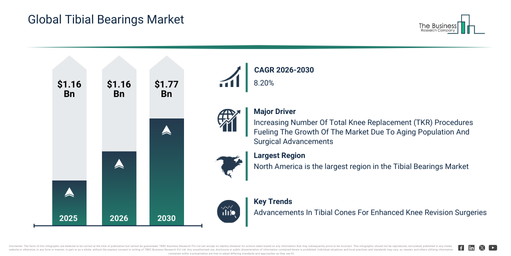
  • Tibial Bearings Market Opportunities Are Emerging Beyond Traditional Growth Areas

    Tibial Bearings Market Opportunities Are Emerging Beyond Traditional Growth Areas

    Enhanced with market attractiveness analysis, total addressable market evaluation, company benchmarking matrices, interactive Excel dashboards, expanded supply chain intelligence, emerging startup coverage, and detailed product insights, The Business Research Company’s 2026 market reports deliver more actionable and strategically valuable research.

    The tibial bearings market is experiencing a notable upward trajectory, driven by several medical and demographic factors. As knee-related conditions become more prevalent, advancements in surgical options and materials continue to boost demand for these specialized components. Below is a detailed overview of the market’s current status, growth drivers, key players, trends, and regional outlook.

    Tibial Bearings Market Size Showing Robust Growth From 2025 to 2030

    The tibial bearings market has demonstrated significant expansion recently, with its value expected to rise from $1.29 billion in 2025 to $1.4 billion in 2026, representing a compound annual growth rate (CAGR) of 8.2%. Looking ahead, the market is forecast to reach $1.91 billion by 2030, maintaining the same CAGR of 8.2%. This sustained growth is fueled by factors such as the increasing incidence of knee osteoarthritis, an aging global population, a surge in joint replacement surgeries, advancements in surgical techniques, and a growing emphasis on restoring patient mobility. During the forecast period, additional elements like the demand for personalized knee implants, the rise of robotic-assisted knee surgeries, prevalence of sports-related injuries, innovation in bearing materials, and wider healthcare accessibility are expected to further accelerate market expansion. Notable trends include the adoption of highly cross-linked polyethylene, increased interest in mobile bearing systems, development of high-flex knee implants, focus on extending implant longevity, and a rise in revision knee surgeries.

    Download A Free Sample Report For Comprehensive Market Insights:

    https://www.thebusinessresearchcompany.com/sample.aspx?id=22162&type=smp

    Factors Behind the Growing Demand for Tibial Bearings

    One of the primary factors pushing the tibial bearings market forward is the rising number of total knee replacement (TKR) procedures. TKR surgery involves replacing damaged knee joint surfaces with artificial components to alleviate pain and restore function. The growing rate of osteoarthritis, linked to aging populations and lifestyle choices, has led to more frequent TKRs. Tibial bearings play a crucial role in enhancing the durability and performance of these replacements by reducing wear and improving patient outcomes, thereby supporting increased surgical volumes. For example, data from the Australian Orthopedic Association National Joint Replacement Registry showed a 19.2% rise in total knee replacements between 2022 and 2023, highlighting the growing demand that is bolstering the tibial bearings market.

    Impact of Rising Obesity Levels on the Tibial Bearings Market

    Another significant driver is the increasing prevalence of obesity worldwide. Excess body weight puts additional strain on knee joints, which contributes to a higher incidence of osteoarthritis and ultimately increases the need for knee replacement surgeries involving tibial bearings. Obesity rates are climbing due to factors such as greater consumption of processed and calorie-dense foods combined with sedentary lifestyles. For instance, statistics from the UK’s Office for Health Improvement & Disparities indicate that approximately 64.0% of adults in England were classified as overweight or obese between 2022 and 2023. This trend in obesity directly influences the demand for knee-related medical devices, including tibial bearings, thereby driving market growth.

    Access The Complete Tibial Bearings Market Report:

    https://www.thebusinessresearchcompany.com/report/tibial-bearings-global-market-report

    Key Segments Defining the Tibial Bearings Market Landscape

    The tibial bearings market is segmented into various categories, providing clarity on product types, materials, distribution methods, applications, and end-users. These include:

    1) Bearing System Types: Fixed Bearing Systems, Mobile Bearing Systems, Conventional Bearing Systems, Hybrid Systems

    2) Material Types: Polyethylene, Ceramic, Metallic Alloys, Composite Materials

    3) Distribution Channels: Direct Sales, Authorized Medical Device Distributors, Third-Party Distributors, Medical Supply Stores

    4) Applications: Orthopedic Implants, Primary And Revision Knee Arthroplasty, Knee Reconstruction Surgery, Reconstructive Surgery

    5) End-Users: Hospitals, Orthopedic Clinics, Ambulatory Surgical Centers, Other End-Users

    Further subcategories include types of fixed bearing systems such as polyethylene and metal-backed bearings; mobile bearing systems like rotating platform and medial-pivot bearings; conventional bearing systems including cemented and uncemented types; and hybrid systems combining metal-polyethylene or ceramic-polyethylene materials.

    Innovations and Trends Shaping the Tibial Bearings Market Outlook

    Leading companies in the tibial bearings sector are increasingly focusing on developing tibial cones designed to improve implant stability and enhance bone integration, particularly in revision total knee arthroplasty (TKA) cases involving severe bone loss. Tibial cones function as implantable devices that offer improved structural support and fixation. For example, in September 2024, MicroPort Orthopaedics launched its Evolution Tibial Cones in North America, crafted from OsteoSync Ti—a highly porous titanium material. These cones offer enhanced friction coefficients compared to competitors, facilitating better implant stability and early rigid fixation, which are crucial for successful revision knee surgeries.

    Competitive Landscape Featuring Major Tibial Bearings Market Players

    The tibial bearings market is home to numerous influential companies driving innovation and expansion. Key players include Stryker Corporation, Zimmer Biomet Holdings Inc., Smith & Nephew plc, DePuy Synthes, Medacta International, Limacorporate SpA, Exactech Inc., Corin Group, MicroPort Orthopedics Inc., Waldemar Link GmbH & Co KG, Conformis Inc., Implantcast GmbH, FH Orthopedics, United Orthopedic Corporation, Jiangsu Gather Biotech Co Ltd, DJO Global, AK Medical Holdings Limited, Mathys Ltd Bettlach, Beijing Chunli Medical Instruments Co. Ltd., Beijing AKEC Medical Co. Ltd., Kyocera Medical Corporation, and B. Braun Aesculap.

    Regional Tibial Bearings Market Overview and Expansion Drivers

    In 2025, North America held the largest market share in the tibial bearings sector. However, the Asia-Pacific region is expected to witness the fastest growth during the forecast period. The market’s geographic scope encompasses regions such as Asia-Pacific, South East Asia, Western Europe, Eastern Europe, North America, South America, the Middle East, and Africa, providing a comprehensive view of global market developments and regional opportunities.

    Get in touch with us:

    The Business Research Company: https://www.thebusinessresearchcompany.com/

    Americas: +1 310-496-7795

    Asia: +44 7882 955267 & +91 8897263534

    Europe: +44 7882 955267

    Email us at: marketing@tbrc.info

    Follow us on:

    LinkedIn: https://in.linkedin.com/company/the-business-research-company

    YouTube: https://www.youtube.com/channel/UC24_fI0rV8cR5DxlCpgmyFQ

    Global Market Model: https://www.thebusinessresearchcompany.com/global-market-model
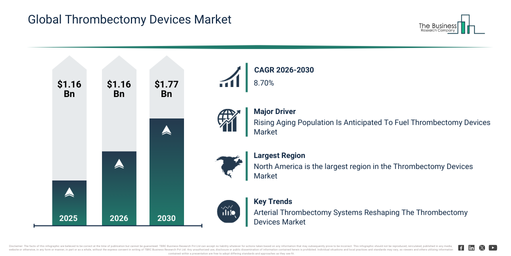
  • Thrombectomy Devices Market Expansion Is Opening New Pathways For Strategic Investment

    Thrombectomy Devices Market Expansion Is Opening New Pathways For Strategic Investment

    Through market attractiveness analysis, total addressable market evaluation, company benchmarking matrices, interactive Excel dashboards, expanded supply chain intelligence, emerging startup coverage, and detailed product insights, The Business Research Company’s 2026 market reports provide more actionable and strategically valuable research.

    The thrombectomy devices market is witnessing significant growth, fueled by advancements in medical technology and an increasing number of patients requiring treatment for vascular blockages. As healthcare infrastructures improve globally, the demand for efficient clot-removal devices is rising, paving the way for promising market expansion. Below is a detailed overview of the market size, key growth drivers, prominent companies, emerging trends, and regional insights.

    Steady Growth and Market Size of the Thrombectomy Devices Market

    The thrombectomy devices market has experienced solid growth in recent years. It is projected to increase from $1.64 billion in 2025 to $1.78 billion in 2026, reflecting a healthy compound annual growth rate (CAGR) of 8.3%. This expansion during the past period is largely due to a rising number of ischemic stroke cases, improved availability of specialized stroke centers, advancements in catheter-based interventions, heightened clinician awareness regarding thrombectomy benefits, and the growth of neurointerventional training programs.

    Download A Free Sample Report For Comprehensive Market Insights:

    https://www.thebusinessresearchcompany.com/sample.aspx?id=10752&type=smp

    Looking ahead, the market is expected to continue its strong upward trajectory, reaching $2.48 billion by 2030 with an accelerated CAGR of 8.7%. This forecasted growth is driven by broader adoption of thrombectomy procedures for diverse patient groups, increasing demand for rapid reperfusion outcomes, expansion of advanced neurovascular infrastructure, investments in next-generation thrombectomy technologies, and a rising emphasis on combination therapy approaches. Key trends shaping the market’s future include greater use of aspiration-based thrombectomy methods, increased application of stent retriever devices, focus on faster stroke intervention protocols, growth in minimally invasive neurovascular procedures, and improvements in device precision and maneuverability.

    Aging Population as a Core Factor Boosting Thrombectomy Devices

    One of the primary forces propelling the thrombectomy devices market is the aging global population. This demographic shift results in a higher proportion of elderly individuals, who are more susceptible to conditions such as stroke, coronary artery disease, aortic thrombosis, and deep vein thrombosis (DVT)—all treatable with thrombectomy devices. For instance, in October 2025, the World Health Organization (WHO) reported that by 2030, one in six people worldwide will be aged 60 or above, with this population expected to double to 2.1 billion by 2050. Such demographic trends directly contribute to increasing demand for thrombectomy solutions.

    Access The Complete Thrombectomy Devices Market Report:

    https://www.thebusinessresearchcompany.com/report/thrombectomy-devices-global-market-report

    Growing Need for Advanced Medical Interventions in Elder Care

    As the older population expands, the necessity for effective and efficient vascular disease management intensifies. Thrombectomy devices offer minimally invasive and timely solutions to critical blockages, improving patient outcomes and reducing hospital stays. This rising clinical demand is encouraging healthcare providers and manufacturers to focus on enhanced device capabilities and wider accessibility, further driving market expansion.

    Breakdown of Thrombectomy Devices Market Segments

    The thrombectomy devices market is categorized into several key segments to better understand its structure:

    1) By Product Type:

    – Aspiration Thrombectomy Devices

    – Mechanical Thrombectomy Devices

    2) By Application:

    – Neurovascular Applications

    – Peripheral Vascular Applications

    – Cardiovascular Applications

    3) By End-User:

    – Hospitals

    – Comprehensive Stroke Centers

    – Tertiary Care Centers

    Within these categories, aspiration thrombectomy devices include manual and powered variants, while mechanical thrombectomy devices consist of stent retriever and balloon thrombectomy devices. This segmentation allows targeted development and marketing strategies across different clinical settings and patient needs.

    Innovations Defining the Future of Thrombectomy Device Technology

    Leading companies in the thrombectomy devices sector are actively pursuing innovative medical solutions to improve patient care. A notable example is the development of arterial thrombectomy systems designed specifically for removing blood clots from arteries. In June 2023, Penumbra, Inc., a US healthcare company, introduced the ‘Lightning Bolt 7’ arterial thrombectomy system. This advanced device uses pressure sensors combined with a sophisticated algorithm to efficiently remove large and fibrous clots while minimizing blood loss.

    The technology is particularly useful for treating blockages that impair blood flow to critical organs such as the intestines, spleen, limbs, and liver. By integrating computer-aided components, the system enhances safety and enables rapid clot removal. This supports a preference for minimally invasive endovascular procedures over traditional open surgeries, expanding treatment options across a broader range of cases.

    Key Players Leading Competition in the Thrombectomy Devices Market

    The thrombectomy devices landscape is shaped by several prominent companies including Stryker Corporation, Medtronic plc, Boston Scientific Corporation, Terumo Corporation, Penumbra Inc., Abbott Laboratories, Inari Medical Inc., BTG International Ltd., Phenox GmbH, Acandis GmbH & Co. KG, Straub Medical AG, MicroVention Inc., Rapid Medical, Neuravi Limited, Arteria Therapeutics Inc., Johnson and Johnson, Edwards Lifesciences Corporation, Argon Medical Devices Inc., Teleflex Incorporated, AngioDynamics, Koninklijke Philips NV, Spectranetics Corporation, C. R. Bard Inc., Walk Vascular LLC, Kaneka Corporation, and Baxter International. These organizations are at the forefront of product development, innovation, and market expansion.

    Regional Overview Highlighting Market Leaders and Emerging Regions

    In 2025, North America accounted for the largest share of the thrombectomy devices market. This dominance is due to advanced healthcare infrastructure, higher patient awareness, and greater adoption of cutting-edge technologies. Meanwhile, the Asia-Pacific region is predicted to be the fastest-growing market throughout the forecast period, driven by increasing healthcare investments, expanding medical facilities, and rising prevalence of vascular diseases. The market report also covers other important regions such as South East Asia, Western Europe, Eastern Europe, South America, the Middle East, and Africa, providing a comprehensive global perspective.

    Get in touch with us:

    The Business Research Company: https://www.thebusinessresearchcompany.com/

    Americas: +1 310-496-7795

    Asia: +44 7882 955267 & +91 8897263534

    Europe: +44 7882 955267

    Email us at: marketing@tbrc.info

    Follow us on:

    LinkedIn: https://in.linkedin.com/company/the-business-research-company

    YouTube: https://www.youtube.com/channel/UC24_fI0rV8cR5DxlCpgmyFQ

    Global Market Model: https://www.thebusinessresearchcompany.com/global-market-model
  • Thoracic Surgery Devices Market Trends Are Creating New Opportunities For Industry Leaders

    Thoracic Surgery Devices Market Trends Are Creating New Opportunities For Industry Leaders

    Delivering more actionable and strategically valuable research, The Business Research Company’s 2026 market reports feature market attractiveness analysis, total addressable market evaluation, company benchmarking matrices, interactive Excel dashboards, expanded supply chain intelligence, emerging startup coverage, and detailed product insights.

    The thoracic surgery devices sector has demonstrated robust growth recently, driven by medical advances and increasing demand for specialized surgical tools. As thoracic diseases become more prevalent worldwide, the market is poised for continued expansion, supported by technological innovation and rising procedure volumes. This overview explores current market size, growth factors, key players, and emerging trends shaping the future of thoracic surgery devices.

    Strong Expansion Forecast for the Thoracic Surgery Devices Market

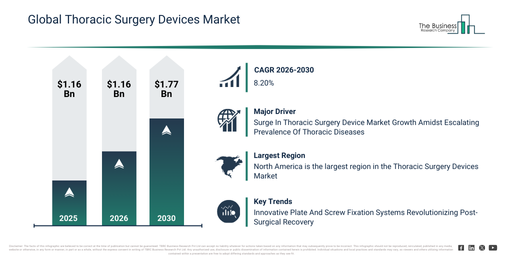
    The thoracic surgery devices market has experienced notable growth in recent years and is projected to expand further. Market value is estimated to rise from $9.67 billion in 2025 to $10.47 billion in 2026, reflecting a compound annual growth rate (CAGR) of 8.2%. This upward trend has been driven by a rise in thoracic and pulmonary disorders requiring surgical intervention, increased use of specialized clamps, staplers, and spreaders in both open and minimally invasive surgeries, expansion of hospital surgical programs, and a focus on improving operative precision and minimizing complications. The availability of diverse instrument sizes and configurations has also contributed to this growth.

    Download A Free Sample Report For Comprehensive Market Insights:

    https://www.thebusinessresearchcompany.com/sample.aspx?id=13544&type=smp

    Looking ahead, the thoracic surgery devices market is expected to reach $14.34 billion by 2030, maintaining the same CAGR of 8.2%. Factors fueling this future growth include growing demand for advanced instrument sets designed for complex chest surgeries, increased adoption of ergonomic and surgeon-friendly devices, expansion of ambulatory thoracic surgery procedures, and rising surgical volumes driven by aging populations and chronic respiratory illnesses. Furthermore, a greater emphasis on improving patient outcomes and optimizing postoperative recovery supports market expansion. Key trends during this period include broader use of specialized forceps, graspers, clamps, staplers, and spreaders, enhanced precision instruments for better visualization and control, and increased demand for multifunctional instrument sets in lobectomy, wedge resection, and pneumonectomy procedures. The growth of thoracic surgery capabilities across hospitals and ambulatory surgical centers also boosts patient access and treatment outcomes, while ergonomic designs for needle holders, scissors, and retraction devices improve surgeon efficiency.

    Increasing Prevalence of Thoracic Diseases as a Market Driver

    A major factor propelling the thoracic surgery devices market is the rising incidence of thoracic diseases. These illnesses affect various organs and structures within the chest cavity, including the heart, lungs, esophagus, trachea, diaphragm, and major blood vessels. Thoracic surgery devices are essential for surgeons performing intricate operations in this region, providing accuracy, effectiveness, and safety throughout procedures. For example, in June 2023, the Australian Institute of Health and Welfare reported that chronic obstructive pulmonary disease (COPD) accounted for 3.6% of the overall disease burden in Australia and represented half of the respiratory-related disease burden. Such statistics highlight the growing need for thoracic surgical interventions, which in turn supports market growth.

    Access The Complete Thoracic Surgery Devices Market Report:

    https://www.thebusinessresearchcompany.com/report/thoracic-surgery-devices-global-market-report

    Breakdown of Thoracic Surgery Devices Market Segments and Opportunities

    This market report categorizes the thoracic surgery devices industry into multiple segments for detailed analysis. By product type, it includes forceps, graspers, clamps and staplers, scissors, spreaders, needle holders, and other related products. Additionally, the market is segmented by surgery type, covering lobectomy, wedge resection, pneumonectomy, and other surgeries. End-users are divided into hospitals, ambulatory surgical centers, and other healthcare facilities. Further subsegments provide insight into specific instrument types such as straight and curved forceps, tissue and vessel graspers, surgical clamps and stapling devices, surgical and dissecting scissors, rib and tissue spreaders, standard and fine tip needle holders, as well as electrosurgical instruments and surgical retractors.

    Innovations and New Technologies Transforming Thoracic Surgery Devices

    Leading companies in the thoracic surgery devices sector are focusing on developing cutting-edge plate and screw fixation systems to improve surgical outcomes. A notable example is the rigid internal sternal fixation system, designed to stabilize the sternum and promote optimal bone healing after sternotomy procedures. In August 2024, DePuy Synthes introduced the MatrixSTERNUM fixation system, a plate and screw device intended to enhance chest wall stability following open-heart and thoracic surgeries. This system delivers superior locking strength—three times greater than competing products—enabling better sternum fixation during recovery. It also features multi-hole screw guides that facilitate rapid, accurate plate placement, significantly reducing operation time. Moreover, the 1.5 mm low-profile plates are thin, contourable, and less visible beneath the skin, improving patient comfort and cosmetic results.

    Key Players and Competitive Landscape in the Thoracic Surgery Devices Market

    The thoracic surgery devices market is dominated by several prominent companies, including Medtronic plc, Danaher Corporation, Stryker Corporation, B. Braun Melsungen AG, Olympus Corporation, Intuitive Surgical, Getinge AB, Teleflex Inc., Richard Wolf GmbH, Scanlan International, OmniGuide Holdings Inc., KLS Martin Group, Sklar Surgical Instruments, Dextera Surgical Inc., Biolitec AG, Johnson & Johnson, Cardiomedical GmbH, LivaNova plc, Sinapi Biomedical, Medacta International SA, Aesculap AG, and Medline Industries Inc. These organizations actively compete through innovation, product development, and strategic partnerships to strengthen their market position.

    Regional Market Overview and Growth Hotspots

    In 2025, North America held the largest share of the thoracic surgery devices market, reflecting the region’s advanced healthcare infrastructure and high procedure volumes. The market report also covers other important regions such as Asia-Pacific, South East Asia, Western Europe, Eastern Europe, South America, the Middle East, and Africa, providing a comprehensive global perspective. While North America leads in market size, emerging regions like Asia-Pacific are expected to experience accelerated growth due to increasing healthcare investments and rising prevalence of thoracic diseases.

    Get in touch with us:

    The Business Research Company: https://www.thebusinessresearchcompany.com/

    Americas: +1 310-496-7795

    Asia: +44 7882 955267 & +91 8897263534

    Europe: +44 7882 955267

    Email us at: marketing@tbrc.info

    Follow us on:

    LinkedIn: https://in.linkedin.com/company/the-business-research-company

    YouTube: https://www.youtube.com/channel/UC24_fI0rV8cR5DxlCpgmyFQ

    Global Market Model: https://www.thebusinessresearchcompany.com/global-market-model
  • Thoracic Drainage Devices Market Growth Is Reshaping Competitive Advantage Across The Industry

    Thoracic Drainage Devices Market Growth Is Reshaping Competitive Advantage Across The Industry

    Enhanced with market attractiveness analysis, total addressable market evaluation, company benchmarking matrices, interactive Excel dashboards, expanded supply chain intelligence, emerging startup coverage, and detailed product insights, The Business Research Company’s 2026 market reports deliver more actionable and strategically valuable research.

    The market for thoracic drainage devices has experienced significant expansion over recent years, driven by advancements in medical treatments and increasing demand for effective respiratory care. This report delves into the current market size, growth drivers, segmentation, leading players, and future trends shaping this important healthcare sector.

    Thoracic Drainage Devices Market Size and Future Growth Forecast

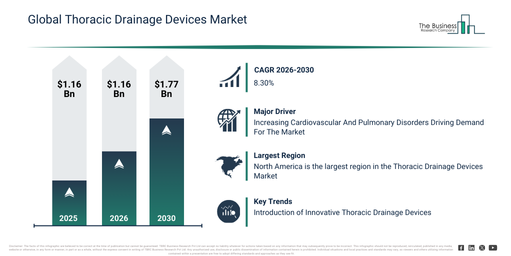
    The thoracic drainage devices market has seen robust growth recently, with its value projected to increase from $0.96 billion in 2025 to $1.04 billion in 2026, reflecting a compound annual growth rate (CAGR) of 8.4%. This growth during the past period has been largely fueled by the rising number of thoracic surgeries, growing demand for pneumothorax treatment, expansion of intensive care units (ICUs), improved management of post-operative complications, and increasing cases of chest trauma. Looking ahead, the market is expected to expand further, reaching $1.44 billion by 2030 at a CAGR of 8.3%. Factors contributing to this projected growth include the adoption of smart drainage systems, integration of remote patient monitoring technologies, initiatives to shorten hospital stays, incorporation of advanced sensors, and efforts to optimize surgical outcomes. Key trends anticipated over the forecast period involve digital chest drainage systems, real-time fluid monitoring, minimally invasive drainage solutions, automated pressure regulation, and portable thoracic drainage devices.

    Download A Free Sample Report For Comprehensive Market Insights:

    https://www.thebusinessresearchcompany.com/sample.aspx?id=20979&type=smp

    The Impact of Cardiovascular and Pulmonary Disorders on Market Growth

    An important factor driving the demand for thoracic drainage devices is the increasing prevalence of cardiovascular and pulmonary diseases. These conditions affect the heart, blood vessels, and lungs, leading to serious health challenges worldwide. Lifestyle factors such as sedentary behavior, unhealthy diets, smoking, and insufficient health check-ups contribute to a rise in these illnesses, which in turn drives the need for specialized treatments and preventive care. Thoracic drainage devices play a crucial role by removing excess fluid, air, or blood from the pleural or thoracic cavity, helping maintain proper lung inflation and cardiovascular function. For example, in October 2024, the Centers for Disease Control and Prevention reported that in 2023, approximately one in six cardiovascular-related deaths occurred in adults under 65 years, with a total of 919,032 deaths due to cardiovascular diseases, accounting for one out of every three deaths in the United States. This data underscores the significant impact cardiovascular and pulmonary disorders have on fueling market growth.

    Minimally Invasive Surgeries Boosting Demand for Thoracic Drainage Devices

    Another key driver of the thoracic drainage device market is the rising preference for minimally invasive surgical techniques. These procedures involve small or no incisions, using advanced instruments like cameras to limit tissue damage, reduce recovery time, minimize scarring, and lower infection risks compared to traditional open surgeries. Thoracic drainage devices are essential in these surgeries, managing pleural effusions, air leaks, and fluid buildup, and ensuring optimal lung function during recovery. For instance, a report released in June 2024 by the American Society of Plastic Surgeons highlighted a 7 percent growth in minimally invasive procedures in 2023, outpacing the growth rate of traditional surgeries by 2 percent. This trend reflects a growing adoption of less invasive approaches, which is positively impacting the demand for thoracic drainage systems.

    Access The Complete Thoracic Drainage Devices Market Report:

    https://www.thebusinessresearchcompany.com/report/thoracic-drainage-devices-global-market-report

    Key Segments Defining the Thoracic Drainage Devices Market

    This market is segmented by technology, product, application, and end-user categories. By technology, it includes digital and traditional systems. The digital segment features electronic monitoring devices, digital drainage units with real-time pressure measurement, and automated fluid monitoring tools. Traditional systems consist of suction drainage, gravity drainage, and water-seal chest drains. Product categories encompass thoracic drainage systems, kits, pleural drainage catheters, and other related products. Applications cover cardiac surgery, thoracic and pulmonary surgery, as well as other medical uses. End-users mainly include hospitals, ambulatory surgical centers, and other healthcare facilities.

    Innovations and Market Trends Shaping the Future of Thoracic Drainage Devices

    Leading companies in this market are focusing on innovative product developments to improve patient care and procedural efficiency. A notable innovation is the evacuated drainage bottle, designed to collect and store fluid from wounds or surgical sites using vacuum pressure, which helps enhance healing and reduce infection risks. For example, in September 2023, Merit Medical Systems Inc., a US-based disposable medical device manufacturer, launched the Aspira evacuated drainage bottle. This device supports self-treatment for pleural effusions and malignant ascites at home, offering patients greater comfort and control over drainage speed. Additionally, it requires 23 percent less storage space compared to conventional drainage bottles, reflecting improvements in design and functionality.

    Prominent Players Competing in the Thoracic Drainage Devices Market

    The competitive landscape of the thoracic drainage devices market includes key players such as Medtronic plc, Terumo Corporation, Smiths Group plc, Teleflex Incorporated, Cook Group Incorporated, Merit Medical Systems, Vygon SA, Poly Medicure Ltd., B. Braun Melsungen AG, Medela AG, Utah Medical Products Inc., Angiplast Private Limited, Sterimed Medical Devices Private Limited, Eurosets s.r.l., Redax S.p.a., Sinapi Biomedical (Pty) Ltd., Rocket Medical plc, ATMOS MedizinTechnik GmbH & Co. KG, Argon Medical Devices Inc., and Sterimed Medical Devices Pvt. Ltd. These companies are driving market growth through product innovation and expanding their global footprint.

    Geographical Market Insights Highlighting North America’s Leadership

    In 2025, North America emerged as the largest regional market for thoracic drainage devices, supported by strong healthcare infrastructure and high adoption rates of advanced medical technologies. The market report also covers other key regions including Asia-Pacific, South East Asia, Western Europe, Eastern Europe, South America, the Middle East, and Africa, providing a comprehensive view of global market trends and growth opportunities.

    Get in touch with us:

    The Business Research Company: https://www.thebusinessresearchcompany.com/

    Americas: +1 310-496-7795

    Asia: +44 7882 955267 & +91 8897263534

    Europe: +44 7882 955267

    Email us at: marketing@tbrc.info

    Follow us on:

    LinkedIn: https://in.linkedin.com/company/the-business-research-company

    YouTube: https://www.youtube.com/channel/UC24_fI0rV8cR5DxlCpgmyFQ

    Global Market Model: https://www.thebusinessresearchcompany.com/global-market-model