Month: June 2026

  • Surgical Stapling Products Market Expansion Is Reshaping Competitive Dynamics Across The Industry

    Surgical Stapling Products Market Expansion Is Reshaping Competitive Dynamics Across The Industry

    Enhanced with market attractiveness analysis, total addressable market evaluation, company benchmarking matrices, interactive Excel dashboards, expanded supply chain intelligence, emerging startup coverage, and detailed product insights, The Business Research Company’s 2026 market reports deliver more actionable and strategically valuable research.

    The surgical stapling products market has been experiencing significant growth recently, driven by advances in medical technology and increasing surgical needs worldwide. As the healthcare sector evolves, this market presents numerous opportunities for expansion and innovation. Let’s explore the current market size, the factors propelling demand, notable trends, key players, and regional prospects shaping the future of surgical stapling products.

    Current Market Size and Growth Forecast for Surgical Stapling Products

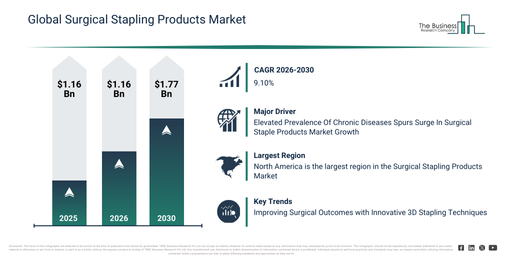
    The market for surgical stapling products has seen a solid expansion, with revenues projected to rise from $4.74 billion in 2025 to $5.16 billion in 2026, reflecting a compound annual growth rate (CAGR) of 8.8%. This upward trend during the historical period is largely due to rising surgical volumes across various medical specialties, a preference for stapling techniques over traditional suturing, the growing adoption of minimally invasive surgeries, improvements in staple materials, and the broadening capabilities of hospital surgical departments. Looking ahead, the market is expected to reach $7.3 billion by 2030, growing at a CAGR of 9.1%. This forecasted growth is fueled by increasing demand for specialty stapling products, a stronger emphasis on surgical efficiency, expanding outpatient procedures, technological advancements in staple design, and their heightened use in complex surgeries. Emerging trends include a greater reliance on reloadable staplers, the growing popularity of endoscopic staplers, increased use of skin and circular staplers, development of procedure-specific stapler designs, and a stronger focus on biocompatible materials.

    Download A Free Sample Report For Comprehensive Market Insights:

    https://www.thebusinessresearchcompany.com/sample.aspx?id=10723&type=smp

    Key Factors Behind Rising Demand in the Surgical Stapling Products Market

    One major driver of market expansion is the increasing prevalence of chronic diseases. Chronic conditions, which develop slowly and persist over long periods, often necessitate surgical interventions that utilize stapling for wound closure and tissue repair. For example, a January 2023 report from the US National Library of Medicine projected that by 2050, the number of Americans aged 50 and above with at least one chronic condition will rise to 142.66 million. This growing patient population is directly contributing to heightened demand for surgical stapling products.

    Additional elements supporting market growth include ongoing improvements in surgical techniques and materials, which enhance outcomes and reduce complications. As hospitals and clinics adopt these innovative stapling devices, this further bolsters the market’s expansion prospects.

    Access The Complete Surgical Stapling Products Market Report:

    https://www.thebusinessresearchcompany.com/report/surgical-stapling-products-global-market-report

    Detailed Segmentation and Revenue Potential within the Surgical Stapling Products Market

    This market is categorized into several segments to better understand revenue opportunities:

    1) By Product Type: Linear Staplers, Circular Staplers, Skin Staplers, and Endoscopic Staplers.

    2) By Technology: Manual and Powered devices.

    3) By Application: Abdominal and Pelvic Surgery, General Surgery, Cardiac and Thoracic Surgery, and Other Applications.

    4) By End-User: Hospitals, Specialty Clinics, and Other End-Users.

    Within product categories, there are further subsegments such as reloadable and non-reloadable linear staplers; manual and automatic circular staplers; disposable and reusable skin staplers; and reloadable versus non-reloadable endoscopic staplers.

    Innovations and Industry Trends Transforming the Surgical Stapling Market

    Leading companies are pushing the boundaries by focusing on cutting-edge technologies like 3D stapling, which improves surgical precision and staple line integrity. This technology employs a three-dimensional design approach to enhance device performance during procedures. For instance, in May 2024, Ethicon, a US-based firm, introduced the ECHELON LINEAR Cutter, a next-generation surgical stapler featuring 3D Stapling Technology. This device achieves 47% fewer leaks at the staple line compared to conventional staplers, thereby reducing surgical complications and improving patient outcomes significantly.

    Another trend gaining momentum is the increased adoption of powered staplers, which offer surgeons enhanced control and ease during complex operations, further driving market growth.

    Major Industry Players Steering the Surgical Stapling Products Market

    The surgical stapling products market is dominated by several prominent companies, including 3M Company, B. Braun Melsungen AG, Conmed Corporation, Ethicon Endo-Surgery Inc., Medtronic Cranial & Spinal Technologies, Purple Surgical Holdings Limited, Smith & Nephew plc, Stryker Corporation, Becton Dickinson and Company, Frankenman International Limited, Johnson & Johnson Services Inc., Meril Life Science Pvt. Ltd., Touchstone International Medical Science Co. Ltd., CooperSurgical Inc., Teleflex Inc., Reach Surgical Inc., Medline Industries Inc., Grena Think Medical, Dextera Surgical Inc., EndoEvolution LLC, Aesculap, and Applied Medical. These companies continue to innovate and expand their product portfolios to meet the evolving needs of healthcare providers.

    Geographical Market Insights and Emerging Opportunities

    In 2025, North America held the largest share of the surgical stapling products market, benefiting from well-established healthcare infrastructure and high adoption rates of advanced surgical tools. Meanwhile, the Asia-Pacific region is expected to witness the fastest growth throughout the forecast period, driven by increasing healthcare investments, rising surgical procedures, and expanding medical facilities. Other key markets covered in the analysis include South East Asia, Western Europe, Eastern Europe, South America, the Middle East, and Africa, providing a comprehensive view of global market dynamics.

    Get in touch with us:

    The Business Research Company: https://www.thebusinessresearchcompany.com/

    Americas: +1 310-496-7795

    Asia: +44 7882 955267 & +91 8897263534

    Europe: +44 7882 955267

    Email us at: marketing@tbrc.info

    Follow us on:

    LinkedIn: https://in.linkedin.com/company/the-business-research-company

    YouTube: https://www.youtube.com/channel/UC24_fI0rV8cR5DxlCpgmyFQ

    Global Market Model: https://www.thebusinessresearchcompany.com/global-market-model
  • Surgical Stapling Devices Market Forecast Reveals Where Future Industry Value Will Be Created

    Surgical Stapling Devices Market Forecast Reveals Where Future Industry Value Will Be Created

    Through market attractiveness analysis, total addressable market evaluation, company benchmarking matrices, interactive Excel dashboards, expanded supply chain intelligence, emerging startup coverage, and detailed product insights, The Business Research Company’s 2026 market reports provide more actionable and strategically valuable research.

    The surgical stapling devices market has shown impressive growth recently and continues to expand rapidly. Driven by advancements in technology and increasing demand from various surgical fields, the market is set to experience significant changes over the coming years. Let’s explore the current market size, key factors driving growth, notable industry trends, leading companies, and regional insights that define this evolving sector.

    Surgical Stapling Devices Market Size and Growth Projections Through 2030

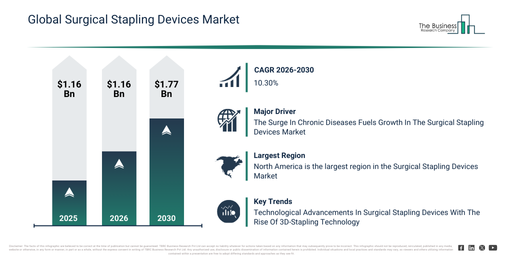
    The market for surgical stapling devices has witnessed strong growth over recent years and is expected to grow from $4.51 billion in 2025 to $4.96 billion in 2026, reflecting a compound annual growth rate (CAGR) of 9.9%. This expansion historically stems from the rising number of surgical procedures, increased use of laparoscopic surgeries, enhanced workflow efficiencies in operating rooms, a preference for faster wound closure techniques, and the availability of advanced stapling technology. Looking ahead, the market is projected to accelerate further, reaching $7.34 billion by 2030 with a CAGR of 10.3%. The expected growth is fueled by demand for powered and rechargeable staplers, growth in minimally invasive surgeries, focus on shortening surgical times, innovations in stapler cartridge technology, and rising adoption of these devices in outpatient surgery settings. Key trends during this forecast period include the growing use of powered staplers, increased implementation of minimally invasive stapling methods, a preference for disposable single-use staplers, ergonomic designs, and heightened attention to surgical precision and safety.

    Download A Free Sample Report For Comprehensive Market Insights:

    https://www.thebusinessresearchcompany.com/sample.aspx?id=12009&type=smp

    Factors Propelling Growth in the Surgical Stapling Devices Market

    One of the major contributors to the expanding market is the rising incidence of chronic diseases. Chronic conditions, which often develop slowly and persist for long durations, frequently require surgical interventions where stapling devices are essential. For instance, allergies have become a widespread chronic health issue. In April 2024, Allergy UK, a national charity in the United Kingdom, reported that over 21 million people in the UK suffer from allergies, making it the most prevalent chronic condition in 2022. Projections suggest that by 2026, half of Europe’s population will experience at least one allergy. This growing prevalence of chronic illnesses is significantly driving the demand for surgical stapling devices.

    Another important driver of market growth is the increased adoption of minimally invasive surgical techniques. These procedures typically require precise and efficient wound closure, making stapling devices a preferred choice. Surgeons’ emphasis on reducing surgery time and improving patient outcomes also supports the rising use of advanced staplers, contributing to the market’s expansion.

    Access The Complete Surgical Stapling Devices Market Report:

    https://www.thebusinessresearchcompany.com/report/surgical-stapling-devices-global-market-report

    Product Categories and Segmentation in the Surgical Stapling Devices Market

    The surgical stapling devices market breaks down into several key segments according to product type, surgery type, application, and end-user. By product type, the market consists of powered and manual staplers. Powered staplers are further divided into powered, rechargeable powered, and battery-operated staplers, while manual staplers include disposable and reusable variants. Surgery types covered include open surgery and laparoscopic surgery. Application areas encompass gynecology, urology, general surgery, and other surgical fields. End-users feature hospitals, ambulatory surgical centers, and other healthcare institutions.

    Innovative Technologies Shaping the Future of Surgical Stapling Devices

    Leading companies in this market are investing in cutting-edge technologies to enhance surgical precision and patient safety. Among these innovations is 3D-stapling technology, designed to improve tissue closure effectiveness and reduce complications. For example, in May 2024, Ethicon Inc., a US-based surgical technology firm, introduced the ECHELON LINEAR Cutter. This device aims to improve surgical outcomes by lowering the chances of leaks at the staple line, which is especially important in colorectal surgeries where reconnecting parts of the colon is critical. The stapler utilizes 3D-Stapling Technology with offset staple legs that ensure even tissue compression, reinforcing the staple line and minimizing leak risks. Additionally, it incorporates Gripping Surface Technology (GST) that helps stabilize and compress tissue securely, reducing slippage during operations and maintaining staple line integrity.

    Key Players Defining the Surgical Stapling Devices Industry

    The market includes several major industry players such as 3M Company, Medtronic PLC, Johnson & Johnson MedTech, Becton Dickinson and Company, Stryker Corporation, B. Braun SE, Zimmer Biomet Holdings Inc., Intuitive Surgical Inc., Smith & Nephew PLC, Teleflex Incorporated, CONMED Corporation, Meril Life Sciences India Pvt. Ltd., Blue Sail Medical Co Ltd., Surgical Specialties Corporation, Ackermann Instrumente GmbH, Frankenman International Ltd., Touchstone International Medical Science Co. Ltd., Genesis Medtech Group, Jiangsu Qianjing Medical Equipment Co. Ltd., Purple Surgical Holdings Limited, Surgical Innovations Group, BioPro Inc., Changzhou Ankang Medical Instruments Co. Ltd., Dextera Surgical Inc., Cardica Inc., Grena Ltd., Welfare Medical Ltd., Lexington Medical Inc., Advin Healthcare Private Limited, and Victor Medical Instruments Co. Ltd. These companies are continuously pushing technological boundaries to capture market share and improve patient outcomes.

    Geographic Market Leadership and Emerging Growth Regions

    In 2025, North America held the largest share of the surgical stapling devices market, reflecting the region’s well-established healthcare infrastructure and high adoption of innovative surgical technologies. Looking forward, the Asia-Pacific region is expected to be the fastest-growing market during the forecast period. This accelerated growth is driven by increasing healthcare investments, expanding surgical volumes, and rising awareness of minimally invasive procedures in countries across Asia-Pacific. The market report covers multiple regions including Asia-Pacific, South East Asia, Western Europe, Eastern Europe, North America, South America, the Middle East, and Africa, providing a comprehensive view of global market dynamics.

    Get in touch with us:

    The Business Research Company: https://www.thebusinessresearchcompany.com/

    Americas: +1 310-496-7795

    Asia: +44 7882 955267 & +91 8897263534

    Europe: +44 7882 955267

    Email us at: marketing@tbrc.info

    Follow us on:

    LinkedIn: https://in.linkedin.com/company/the-business-research-company

    YouTube: https://www.youtube.com/channel/UC24_fI0rV8cR5DxlCpgmyFQ

    Global Market Model: https://www.thebusinessresearchcompany.com/global-market-model
  • Surgical Sponge Market Growth Through 2030 Creates New Strategic Opportunities

    Surgical Sponge Market Growth Through 2030 Creates New Strategic Opportunities

    Delivering more actionable and strategically valuable research, The Business Research Company’s 2026 market reports feature market attractiveness analysis, total addressable market evaluation, company benchmarking matrices, interactive Excel dashboards, expanded supply chain intelligence, emerging startup coverage, and detailed product insights.

    The surgical sponge market has witnessed significant growth recently, driven by several key factors related to healthcare advancements and surgical practices. As surgical volumes increase and healthcare facilities expand, demand for these essential products is rising steadily. Let’s explore the current market size, growth drivers, segment developments, innovative trends, leading companies, and regional insights shaping this sector’s future.

    Surgical Sponge Market Size and Expected Growth Trajectory

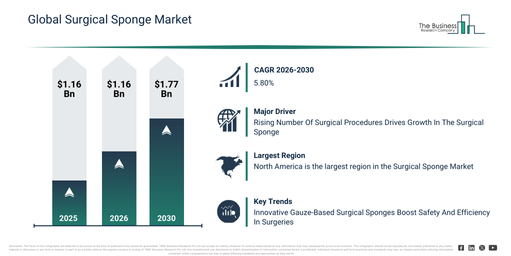
    The market for surgical sponges has experienced strong expansion in recent years. It is projected to grow from $2.48 billion in 2025 to $2.64 billion in 2026, with a compound annual growth rate (CAGR) of 6.1%. This growth during the historical period is mainly attributed to rising surgical volumes, hospital expansions, stricter infection control protocols, increasing trauma incidents, and modernization of operating rooms. Looking ahead, the market is expected to reach $3.3 billion by 2030, growing at a CAGR of 5.8%. Factors contributing to this forecasted growth include the rise of minimally invasive surgeries, the growth of outpatient procedures, a stronger focus on patient safety, increased demand for disposable medical supplies, and advancements in healthcare infrastructure. Key trends predicted to influence the market during this period include growing demand for x-ray detectable sponges, increased surgical procedure volumes, adoption of antimicrobial sponges, a shift toward disposable products, and efforts toward standardizing surgical kits.

    Download A Free Sample Report For Comprehensive Market Insights:

    https://www.thebusinessresearchcompany.com/sample.aspx?id=20656&type=smp

    Factors Supporting the Growing Demand for Surgical Sponges

    One of the main forces driving the surgical sponge market is the increasing number of surgical procedures performed worldwide. Surgical operations, which involve invasive techniques to treat diseases, injuries, or deformities, have become more prevalent due to demographic shifts like an aging population. This leads to greater demand for surgeries such as joint replacements and cardiovascular interventions. Surgical sponges play a vital role in these procedures by absorbing blood and fluids, maintaining a clear field for surgeons, and helping to lower infection risks. For instance, in May 2025, data from the Australian Institute of Health and Welfare revealed that 778,500 patients were admitted for surgery from public hospital elective surgery waiting lists during 2023-24, marking a 5.8% increase compared to the previous year. This rise in surgical cases directly supports growth in the surgical sponge market.

    Expanding Categories Within the Surgical Sponge Market

    The surgical sponge market is segmented across multiple categories to better understand its diverse offerings. These include:

    1) Type: X-Ray Detectable Sponges, Cotton Gauze Sponges, Laparotomy Sponges, Nonwoven Sponges, and Other Types

    2) Material: Cotton, Cellulose, Polyvinyl Alcohol (PVA), Polyurethane, Rayon, and others

    3) Sales Channel: Online and Offline sales

    4) Application: General Surgery, Neurosurgery, Laparotomy, Dental Surgery, Ear, Nose and Throat (ENT) Surgery, among others

    5) End User: Pharmacy, Hospital, Clinic, and other sectors

    Further subcategories break down types of sponges such as X-Ray Detectable Cotton Sponges, Sterile and Non-Sterile Cotton Gauze Sponges, large and taped Laparotomy Sponges, and Nonwoven Sponges with antimicrobial properties. These detailed classifications help cater to specific surgical needs and preferences.

    Access The Complete Surgical Sponge Market Report:

    https://www.thebusinessresearchcompany.com/report/surgical-sponge-global-market-report

    Innovations Transforming the Surgical Sponge Market

    Leading companies in the surgical sponge industry are rolling out innovative gauze-based sponges designed to improve safety and efficiency during operations. Gauze surgical sponges serve to control bleeding, absorb bodily fluids, and maintain sterile conditions in the surgical environment. For example, in July 2024, SUGAMA, a medical supplies manufacturer based in China, launched a new line of products including gauze swabs, abdominal sponges, gauze rolls, and gauze bandages. Their abdominal sponges and gauze swabs are made from premium cotton that delivers dependable performance under challenging surgical conditions. Additionally, the soft and breathable fabric enhances patient comfort and healing. These sponges also feature X-ray detectability to prevent accidental retention after surgery, boosting procedural safety.

    Key Players Competing in the Surgical Sponge Market

    The surgical sponge market features several prominent companies competing globally, including Cardinal Health Inc, Johnson & Johnson, Medline Industries Inc, Henry Schein Inc., Owens & Minor Inc, Paul Hartmann AG, Zhende Medical Co. Ltd, BSN Medical GmbH, Deroyal Industries Inc., Vygon Group, Molnlycke Health Care AB, Medicom Healthcare, AllCare Inc., Crosstex International Company, Dynarex Corporation, Dukal Corporation, Texpol, AdvaCare Pharma, SDP Inc., and Winner Medical Co Ltd. These organizations drive innovation, expand product portfolios, and improve distribution networks to maintain their market positions.

    Regional Distribution and Market Leadership

    In terms of geographic presence, North America accounted for the largest share of the surgical sponge market in 2025. The market analysis also includes other key regions such as Asia-Pacific, South East Asia, Western Europe, Eastern Europe, South America, the Middle East, and Africa. While North America leads in size, emerging markets in Asia-Pacific and South East Asia are expected to exhibit significant growth rates in the coming years, reflecting broader healthcare development and increasing surgical volumes worldwide.

    Get in touch with us:

    The Business Research Company: https://www.thebusinessresearchcompany.com/

    Americas: +1 310-496-7795

    Asia: +44 7882 955267 & +91 8897263534

    Europe: +44 7882 955267

    Email us at: marketing@tbrc.info

    Follow us on:

    LinkedIn: https://in.linkedin.com/company/the-business-research-company

    YouTube: https://www.youtube.com/channel/UC24_fI0rV8cR5DxlCpgmyFQ

    Global Market Model: https://www.thebusinessresearchcompany.com/global-market-model
  • Surgical Soft Tissue Forceps Market Size Projected To Increase From $1.48 Billion To $1.92 Billion During The Forecast Period

    Surgical Soft Tissue Forceps Market Size Projected To Increase From $1.48 Billion To $1.92 Billion During The Forecast Period

    Enhanced with market attractiveness analysis, total addressable market evaluation, company benchmarking matrices, interactive Excel dashboards, expanded supply chain intelligence, emerging startup coverage, and detailed product insights, The Business Research Company’s 2026 market reports deliver more actionable and strategically valuable research.

    The surgical soft tissue forceps market has been experiencing notable growth, driven by advancements in healthcare and increasing surgical procedures worldwide. As the demand for precision instruments rises, this market is set to expand further, supported by innovations and shifting medical practices. Below is an overview of the market size, key drivers, main segments, leading companies, and regional insights shaping the future of this sector.

    Surgical Soft Tissue Forceps Market Size and Growth Outlook

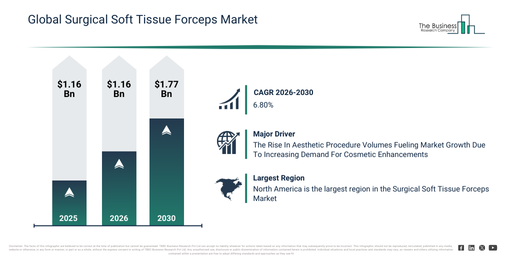
    The market for surgical soft tissue forceps has shown strong development recently, with its value projected to rise from $1.38 billion in 2025 to $1.48 billion in 2026 at a compound annual growth rate (CAGR) of 7.5%. This growth during the historical period is linked to the increasing number of surgical interventions, expansion in hospital infrastructure, broader access to advanced surgical tools, heightened patient safety standards, and the growing uptake of minimally invasive surgery techniques. Looking ahead, the market is expected to reach $1.93 billion by 2030, growing at a CAGR of 6.8%. Factors fueling this forecast include higher demand for disposable surgical instruments, a stronger focus on infection prevention, the rise in outpatient surgical procedures, wider use of advanced material coatings, and increased healthcare expenditure on surgical tools. Key trends to watch involve precision surgical instruments, the adoption of single-use forceps, ergonomic design improvements, corrosion-resistant materials, and enhanced sterility protocols.

    Download A Free Sample Report For Comprehensive Market Insights:

    https://www.thebusinessresearchcompany.com/sample.aspx?id=17272&type=smp

    Factors Fueling Market Growth Due to Aesthetic Procedure Demand

    One of the important forces behind the expanding surgical soft tissue forceps market is the rising number of aesthetic medical procedures worldwide. These elective surgeries and treatments aim to enhance physical appearance and have gained popularity thanks to changing beauty ideals, easier access to cosmetic options, and the influence of social media promoting appearance improvement. Surgical soft tissue forceps play a vital role in these procedures by enabling surgeons to handle delicate tissues accurately, minimize trauma, and place instruments precisely during surgeries like facelifts, rhinoplasty, and breast augmentation. For example, in June 2025, the International Society of Aesthetic Plastic Surgery released a global survey for 2024 showing that nearly 38 million aesthetic procedures—combining 17.4 million surgical and 20.5 million non-surgical treatments—were performed worldwide, highlighting the growing demand that supports the forceps market.

    Growing Popularity of Minimally Invasive Surgeries Benefits Market Expansion

    Another key factor driving this market is the increasing preference for minimally invasive surgeries. These procedures use small incisions along with specialized instruments and imaging to reduce damage to surrounding tissue. Benefits such as faster recovery, shorter hospital stays, less postoperative pain, and fewer complications compared to traditional open surgery contribute to this growing trend. Surgical soft tissue forceps are essential in these operations since they allow for precise removal of abnormal tissues like polyps or tumors through minimal incisions while protecting adjacent areas. For instance, data from the American Society of Plastic Surgeons indicated a 7% increase in minimally invasive procedures in the United States between 2022 and 2023. This rising preference for less invasive methods is expected to continue propelling the demand for surgical soft tissue forceps.

    Access The Complete Surgical Soft Tissue Forceps Market Report:

    https://www.thebusinessresearchcompany.com/report/surgical-soft-tissue-forceps-global-market-report

    Overview of Surgical Soft Tissue Forceps Market Segments

    The surgical soft tissue forceps market is categorized into the following main segments:

    1) By Type: Disposable and Reusable forceps

    2) By Application: Hospital, Clinic, and Other applications

    3) By End User: Gynecology, General Surgery, Neurosurgery, Plastic Surgery, and other sectors

    Further segmentation within disposable forceps includes single-use, sterile, and non-sterile types. The reusable category is divided into stainless steel, titanium, coated (anti-corrosive), and non-coated forceps. This detailed classification supports a clearer understanding of product demand across different medical settings and specialties.

    Key Companies Leading the Surgical Soft Tissue Forceps Industry

    The industry is dominated by several prominent players, including Medtronic plc, Johnson & Johnson MedTech, Medline Industries, Stryker Corporation, B. Braun Melsungen AG, Olympus Corporation, CooperSurgical Inc., Cook Medical, Karl Storz GmbH and Co. KG, Integra LifeSciences Corporation, ConMed Corporation, KLS Martin Group, Aesculap Inc., Richard Wolf GmbH, Aspen Surgical Products Inc., Symmetry Surgical Inc., MedGyn Products Inc., Scanlan International Inc., Sklar Surgical Instruments, GPC Medical Ltd., Hayden Medical Inc., Millennium Surgical Corp., S Murray and Co Ltd., Surgmed Group, Lawton GmbH and Co. KG, Marina Medical Instruments Inc., Surgipro Inc., and Surtex Instruments Ltd. These companies are instrumental in driving innovations and maintaining the supply of high-quality surgical instruments globally.

    Regional Market Leaders and Growth Patterns

    North America held the largest share of the surgical soft tissue forceps market as of 2025. Key regions analyzed in the market include Asia-Pacific, South East Asia, Western Europe, Eastern Europe, North America, South America, the Middle East, and Africa. While North America leads in revenue, emerging regions, especially in Asia-Pacific, are expected to experience rapid growth due to rising healthcare investments and expanding surgical infrastructure. This global analysis highlights diverse opportunities for market participants aiming to cater to differing regional demands.

    Get in touch with us:

    The Business Research Company: https://www.thebusinessresearchcompany.com/

    Americas: +1 310-496-7795

    Asia: +44 7882 955267 & +91 8897263534

    Europe: +44 7882 955267

    Email us at: marketing@tbrc.info

    Follow us on:

    LinkedIn: https://in.linkedin.com/company/the-business-research-company

    YouTube: https://www.youtube.com/channel/UC24_fI0rV8cR5DxlCpgmyFQ

    Global Market Model: https://www.thebusinessresearchcompany.com/global-market-model
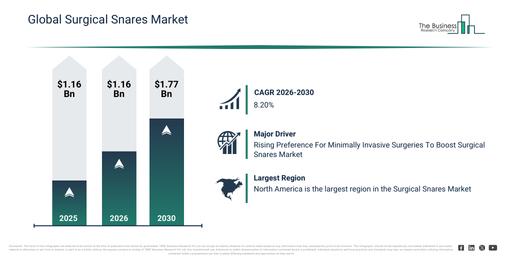
  • Surgical Snares Market Growth Outlook Reveals A CAGR Of 8.2% And A Market Value Of $2.27 Billion By 2030

    Surgical Snares Market Growth Outlook Reveals A CAGR Of 8.2% And A Market Value Of $2.27 Billion By 2030

    Through market attractiveness analysis, total addressable market evaluation, company benchmarking matrices, interactive Excel dashboards, expanded supply chain intelligence, emerging startup coverage, and detailed product insights, The Business Research Company’s 2026 market reports provide more actionable and strategically valuable research.

    The surgical snares market has experienced significant growth in recent years and is set to continue this upward trajectory. Driven by advances in medical technology and increasing demand for minimally invasive procedures, this market shows promising prospects through the end of the decade. Let’s explore the key figures, growth drivers, market segments, competitive players, and regional trends shaping its future.

    Surgical Snares Market Size and Growth Forecast

    The market for surgical snares is expanding steadily. It is projected to increase from $1.53 billion in 2025 to $1.66 billion in 2026, reflecting a compound annual growth rate (CAGR) of 8.2%. This historical growth has been supported by the rising prevalence of gastrointestinal disorders, the broader use of endoscopic diagnostic methods, enhanced hospital endoscopy capacity, growing demand for minimally invasive therapies, and the availability of reusable snares. Looking ahead, the market is expected to reach $2.27 billion by 2030, maintaining the same CAGR of 8.2%. Factors contributing to this forecast include wider adoption of disposable endoscopic instruments, heightened attention to infection control, growth in outpatient endoscopy clinics, and increasing screening efforts for GI conditions. Emerging trends in the coming years feature increased use of single-use snares, rising demand for endoscopic polypectomy tools, advanced precision wire loop designs, the broadening scope of minimally invasive procedures, and a stronger emphasis on procedural safety.

    Download A Free Sample Report For Comprehensive Market Insights:

    https://www.thebusinessresearchcompany.com/sample.aspx?id=18796&type=smp

    Factors Fueling the Surgical Snares Market Growth

    An important driver behind the market’s expansion is the growing preference for minimally invasive surgeries. These procedures involve small incisions and use specialized instruments and imaging technologies to minimize tissue damage. Patients benefit from faster recovery times, shorter hospital stays, less postoperative pain, and a reduced risk of complications compared to traditional open surgeries. Surgical snares play a crucial role in these operations by enabling precise removal of abnormal tissues such as polyps and tumors through small incisions. Their design ensures effective tissue resection while minimizing harm to surrounding areas, improving the overall safety and success of the surgery. For example, data released in June 2024 by the American Society of Plastic Surgeons indicated a 7% increase in minimally invasive procedures in the USA between 2022 and 2023. This upward trend in minimally invasive techniques is a key force driving demand for surgical snares.

    Impact of Increasing Healthcare Spending on Surgical Snares Market

    Another significant factor supporting market growth is the rise in healthcare expenditure worldwide. This spending encompasses investments in medical services, equipment, and technologies that enhance patient outcomes. Hospitals and clinics are allocating more resources toward advanced medical tools and digital innovations, improving procedural efficiency and accuracy. Increased healthcare budgets enable surgical centers to acquire state-of-the-art minimally invasive devices, including surgical snares, which contribute to better patient care. For instance, according to data from the Centers for Medicare & Medicaid Services in June 2025, national health expenditures in the US grew by 7.5% in 2023, reaching $4.9 trillion—approximately $14,570 per capita—and accounting for 17.6% of the GDP. Medicare spending rose by 8.1% to $1.03 trillion, representing 21% of total health expenditures. Such financial growth in healthcare facilitates the adoption of innovative surgical tools, driving the surgical snares market forward.

    Access The Complete Surgical Snares Market Report:

    https://www.thebusinessresearchcompany.com/report/surgical-snares-global-market-report

    Key Segmentation of the Surgical Snares Market

    This market is divided into several key segments to better understand demand and growth areas:

    1) Usability: Single-Use and Reusable Surgical Snares

    2) Applications: Including GI Endoscopy, Laparoscopy, Urology Endoscopy, Gynecology Endoscopy, Arthroscopy, Bronchoscopy, Mediastinoscopy, Laryngoscopy, and other uses

    3) End Users: Such as Hospitals, Ambulatory Surgical Centers, and various other facilities

    Further subsegments include:

    – Single-Use snares, differentiated by pre-sterilized and non-sterilized options

    – Reusable snares with either detachable or fixed tips

    This classification helps pinpoint where the biggest opportunities for growth exist within the overall surgical snares market.

    Top Companies Leading the Surgical Snares Industry

    The surgical snares market features several prominent players shaping its competitive landscape, including:

    Stryker Corporation, Boston Scientific Corporation, B. Braun Melsungen AG, Olympus Corporation, Terumo Corporation, Steris, NIPRO Corporation, Teleflex Incorporated, Cook Medical, Integra LifeSciences, ConMed Corporation, PENTAX Medical Corp., JMS Co. Ltd., AngioDynamics Inc., Merit Medical Systems, Argon Medical Devices Inc., pfm medical AG, Endo-Therapeutics Inc., Sklar Surgical Instruments, Endo-Flex GmbH, EndoMed Systems GmbH, Aohua Endoscopy, Blue Endo, and ENDO-TECHNIK.

    These companies continue to innovate and expand their portfolios to meet evolving medical needs globally.

    Regional Market Share and Growth Prospects

    In 2025, North America held the largest share of the surgical snares market, benefiting from advanced healthcare infrastructure and high adoption of minimally invasive surgeries. However, the Asia-Pacific region is expected to experience the fastest growth during the forecast period, driven by increasing healthcare investments, expanding patient populations, and rising awareness of endoscopic procedures. Other regions such as South East Asia, Western Europe, Eastern Europe, South America, the Middle East, and Africa also contribute to the global market landscape, each presenting unique opportunities and challenges for market participants.

    Get in touch with us:

    The Business Research Company: https://www.thebusinessresearchcompany.com/

    Americas: +1 310-496-7795

    Asia: +44 7882 955267 & +91 8897263534

    Europe: +44 7882 955267

    Email us at: marketing@tbrc.info

    Follow us on:

    LinkedIn: https://in.linkedin.com/company/the-business-research-company

    YouTube: https://www.youtube.com/channel/UC24_fI0rV8cR5DxlCpgmyFQ

    Global Market Model: https://www.thebusinessresearchcompany.com/global-market-model
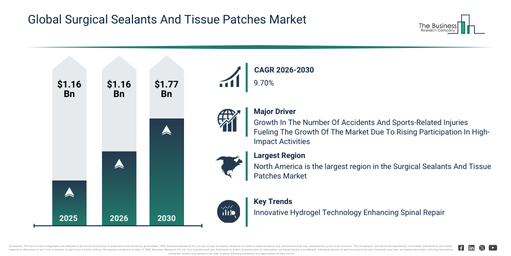
  • Surgical Sealants And Tissue Patches Market Forecast Highlights Expansion From $2.81 Billion To $4.07 Billion Through 2030

    Surgical Sealants And Tissue Patches Market Forecast Highlights Expansion From $2.81 Billion To $4.07 Billion Through 2030

    Delivering more actionable and strategically valuable research, The Business Research Company’s 2026 market reports feature market attractiveness analysis, total addressable market evaluation, company benchmarking matrices, interactive Excel dashboards, expanded supply chain intelligence, emerging startup coverage, and detailed product insights.

    The surgical sealants and tissue patches sector has been witnessing impressive growth recently, driven by advances in medical procedures and increasing healthcare demands. As surgical techniques evolve and the need for effective wound management rises, this market is set to expand significantly in the coming years. Let’s explore the current market size, key growth drivers, segmentation, innovations, and regional outlook to understand the dynamics shaping this industry.

    Steady Growth Forecast for the Surgical Sealants and Tissue Patches Market

    The market for surgical sealants and tissue patches has experienced solid expansion, rising from $2.56 billion in 2025 to an expected $2.82 billion in 2026, representing a compound annual growth rate (CAGR) of 10.0%. This increase over the past years is largely due to a higher volume of surgical procedures, growing incidence of cardiovascular and orthopedic disorders, broader acceptance of sealants as an alternative to traditional sutures, enhancement of hospital surgical infrastructure, and the availability of more advanced biomaterials.

    Download A Free Sample Report For Comprehensive Market Insights:

    https://www.thebusinessresearchcompany.com/sample.aspx?id=23535&type=smp

    Looking ahead, the market is forecast to continue its strong upward trend, reaching $4.08 billion by 2030 with a CAGR of 9.7%. Factors driving this future growth include the rising preference for minimally invasive surgeries, a greater focus on minimizing post-operative complications, the expanding role of regenerative medicine, increased investment in innovative surgical biomaterials, and wider adoption of sealants in specialized surgical fields. Key industry trends projected during this period involve a surge in bioengineered sealant use, growth in synthetic and hybrid adhesive products, demand for minimally invasive surgical solutions, advancements in hemostatic technologies, and an emphasis on accelerating wound healing.

    Increasing Incidence of Injuries as a Major Growth Factor in Surgical Sealants

    The rising number of accidents and sports-related injuries is expected to significantly boost demand for surgical sealants and tissue patches. These injuries, resulting from unexpected events such as falls, collisions, or intense physical activity, are becoming more common due to increased participation in high-impact sports and outdoor pursuits. Surgical sealants and patches play a vital role in managing these injuries by enabling rapid and effective wound closure, shortening recovery times, and reducing infection risks.

    Access The Complete Surgical Sealants And Tissue Patches Market Report:

    https://www.thebusinessresearchcompany.com/report/surgical-sealants-and-tissue-patches-global-market-report

    This growing injury rate is evidenced by statistics such as those from March 2025, when the Australia-based Department of Infrastructure, Transport, Regional Development, Communication, and the Arts reported 1,292 road fatalities in the 12 months ending February 2025—a 1.6% rise compared to the previous year. Such data underline the expanding need for advanced wound care solutions, which is a significant factor propelling growth in the surgical sealants and tissue patches market.

    Product and Application Segments Defining the Surgical Sealants and Tissue Patches Market

    The market is segmented by product type into natural and biological sealants, synthetic and polymer-based sealants, and hybrid sealants. Each category includes subtypes: natural and biological sealants cover fibrin, collagen-based, gelatin-based, and albumin-based products; synthetic and polymer-based sealants include cyanoacrylate, polyethylene glycol (PEG), and polyurethane types; hybrid sealants comprise protein-polymer hybrids, synthetic-biologic composites, and bioengineered adhesives.

    By indication, the market focuses on surgical hemostasis, tissue sealing, tissue engineering, and wound closure. Application areas span cardiovascular, neurological, orthopedic, general, urological, and pulmonary surgeries. The end users consist of hospitals, ambulatory surgical centers (ASCs), and specialty clinics, reflecting the broad usage of these products across various healthcare settings.

    Innovations and Technological Advances Shaping the Surgical Sealants and Tissue Patches Industry

    Leading players in this market are investing heavily in research and development to introduce cutting-edge products that improve surgical outcomes. A notable innovation is the development of absorbable polyethylene glycol (PEG) hydrogel, which provides rapid, watertight sealing to reduce complications and promote faster recovery, particularly in spinal and dural repair surgeries. This synthetic, biocompatible material naturally dissolves in the body after forming a temporary seal.

    For example, in March 2025, US-based Pramand LLC launched the SpineSeal spine sealant system in the United States following FDA premarket approval. SpineSeal is designed specifically to create a watertight barrier over sutured dural repairs during spinal operations, preventing cerebrospinal fluid leakage. The sealant is applied easily using a specialized tool and forms a secure seal within seconds, representing a significant breakthrough in surgical sealant technology.

    Prominent Companies Driving Competition in the Surgical Sealants and Tissue Patches Market

    The competitive landscape includes major corporations such as Johnson & Johnson, Medtronic plc, Stryker Corporation, Baxter International Inc., Terumo Corporation, Integra LifeSciences Holdings Corporation, Artivion Inc., B. Braun Melsungen AG, Advanced Medical Solutions Group plc, Ocular Therapeutix Inc., Arch Therapeutics Inc., RUA Life Sciences plc, GEM S.r.l., Tissx GmbH, Cohera Medical Inc., CryoLife Inc., Vivostat A/S, Corza Medical, Hemostasis LLC, and Surgical Specialties Corporation. These companies are instrumental in driving innovation, expanding product portfolios, and increasing market penetration worldwide.

    Regional Market Leadership and Growth Opportunities

    In 2025, North America emerged as the largest regional market for surgical sealants and tissue patches, holding the highest revenue share. However, Asia-Pacific is anticipated to be the fastest-growing region throughout the forecast period, driven by expanding healthcare infrastructure, increasing surgical procedure volumes, and rising demand for advanced medical products. Other covered regions in the market analysis include South East Asia, Western Europe, Eastern Europe, South America, the Middle East, and Africa, providing a comprehensive understanding of global market dynamics.

    Get in touch with us:

    The Business Research Company: https://www.thebusinessresearchcompany.com/

    Americas: +1 310-496-7795

    Asia: +44 7882 955267 & +91 8897263534

    Europe: +44 7882 955267

    Email us at: marketing@tbrc.info

    Follow us on:

    LinkedIn: https://in.linkedin.com/company/the-business-research-company

    YouTube: https://www.youtube.com/channel/UC24_fI0rV8cR5DxlCpgmyFQ

    Global Market Model: https://www.thebusinessresearchcompany.com/global-market-model
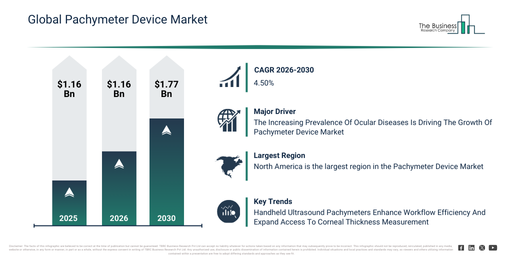
  • Pachymeter Device Market Set To Grow From $21.21 Billion In 2026 To $25.27 Billion By 2030 At A CAGR Of 4.5%

    Pachymeter Device Market Set To Grow From $21.21 Billion In 2026 To $25.27 Billion By 2030 At A CAGR Of 4.5%

    Through market attractiveness analysis, total addressable market evaluation, company benchmarking matrices, interactive Excel dashboards, expanded supply chain intelligence, emerging startup coverage, and detailed product insights, The Business Research Company’s 2026 market reports provide more actionable and strategically valuable research.

    The pachymeter device market has been experiencing significant growth over recent years, driven by advancements in eye care technology and increasing awareness of ocular health. As demand for precise eye diagnostics rises, this market is set to continue expanding steadily through the coming decade. Below is an overview of the current market size, underlying growth factors, leading players, and emerging trends shaping its future.

    Market Size Outlook for the Pachymeter Device Market

    The pachymeter device market is projected to rise from $20.19 billion in 2025 to $21.21 billion in 2026, reflecting a compound annual growth rate (CAGR) of 5.1%. This historical growth is largely fueled by the increasing incidence of glaucoma and corneal diseases, expansion of ophthalmology clinics, a surge in refractive surgeries, wider adoption of ultrasound-based diagnostic techniques, and advancements in optical imaging technologies. Looking forward, the market is expected to steadily grow to $25.28 billion by 2030, maintaining a CAGR of 4.5%. Key drivers for this future growth include heightened demand for early glaucoma detection, expanding use of advanced imaging for the eye’s anterior segment, growth in outpatient eye care services, rising investment in ophthalmic diagnostic innovation, and a stronger focus on non-invasive eye examinations. Emerging trends also point to greater adoption of non-contact optical pachymeters, increasing use of OCT-based corneal measurement systems, rising demand for portable ophthalmic devices, development of integrated eye diagnostic platforms, and ongoing improvements in measurement accuracy and speed.

    Download A Free Sample Report For Comprehensive Market Insights:

    https://www.thebusinessresearchcompany.com/sample.aspx?id=16755&type=smp

    Factors Contributing to Pachymeter Device Market Growth

    The rising prevalence of ocular diseases is a critical factor propelling the pachymeter device market forward. These conditions encompass a wide array of eye-related health issues impacting the cornea and related structures. The increase in such diseases can be linked to factors like more frequent use of contact lenses, lifestyle changes, gender-specific vulnerabilities, and vitamin deficiencies. Pachymetry devices play a vital role in these scenarios by measuring corneal thickness, which is essential for diagnosing and managing various eye conditions. For instance, in May 2024, the Office for Health Improvement and Disparities in the UK reported that around 2 million people currently suffer from some level of sight loss, a figure expected to rise to 2.7 million by 2030. This growing prevalence underscores the expanding need for pachymeter devices.

    Additional Growth Drivers Boosting Demand

    Beyond disease prevalence, technological advances and improvements in ophthalmic care infrastructure are also fueling market expansion. Increasing volumes of refractive surgeries and the rising number of specialized eye clinics contribute to higher demand for precise diagnostic tools. Meanwhile, the drive toward non-invasive diagnostic methods and enhanced imaging capabilities further supports the adoption of advanced pachymeter devices across healthcare settings.

    Access The Complete Pachymeter Device Market Report:

    https://www.thebusinessresearchcompany.com/report/pachymeter-device-global-market-report

    Key Market Segments Defining the Pachymeter Device Industry

    This market is segmented by measurement technology, product type, and application areas:

    1) Measurement Technology includes Ultrasound Method and Optical Method.

    2) Product Types cover Handheld and Non-Handheld Devices.

    3) Applications range from Hospitals and Ophthalmology Clinics to Other Uses.

    Further subcategories under Ultrasound Method involve A-Scan Ultrasound Pachymeters, Contact and Non-Contact Ultrasound Pachymeters, Portable Ultrasound Pachymeters, and High-Resolution Ultrasound Pachymeters. Optical Method segments include Optical Coherence Tomography (OCT) Pachymeters, Scheimpflug Imaging, Confocal Microscopy, Non-Contact Optical Pachymeters, Anterior Segment Optical Pachymeters, and Laser Pachymeters.

    Innovations and Technology Trends Shaping Market Growth

    Leading companies in the pachymeter space are focusing on developing innovative products to improve both accuracy and usability. One notable advancement is the integration of high-frequency ultrasound probes, which use sound waves above 20 MHz to produce detailed corneal images and measurements. For example, in May 2024, Quantel Medical from France introduced the POCKET III ultrasound pachymeter, a handheld device equipped with a 30 MHz probe, offering a measurement range of 150–1,200 microns and an accuracy of ±5 microns. Its connectivity features, including Bluetooth and USB-C, enable direct data transfer to computers and electronic health records. These innovations facilitate faster patient screening, reduce operator workload, and provide greater flexibility for eye care professionals.

    Leading Players Driving Competition in the Pachymeter Device Market

    The pachymeter device market is shaped by several prominent companies such as Bausch And Lomb Incorporated, Canon Medical Systems Corporation, Topcon Corporation, Quantel Medical Inc., Keeler Ltd., Reichert Inc., OCULUS Optikgeräte GmbH, Accutome Inc., Optovue Inc., Sonomed Escalon, Visionix Ltd., Tomey Corporation, Haag-Streit Group, DGH Technology Inc., MicroMedical Devices Inc. (MMD), NIDEK Co. Ltd., Costruzione Strumenti Oftalmici (CSO) S.r.l., Ziemer Ophthalmic Systems AG, iCare Finland Oy, and Rexxam Co. Ltd.

    Regional Market Outlook and Leadership

    In 2025, North America emerged as the leading region in the pachymeter device market in terms of size and revenue. Other important regions covered in the market analysis include Asia-Pacific, South East Asia, Western Europe, Eastern Europe, South America, the Middle East, and Africa. While North America holds the largest share, the Asia-Pacific region is expected to demonstrate rapid growth in the coming years, driven by expanding healthcare infrastructure and increasing awareness about eye health.

    Get in touch with us:

    The Business Research Company: https://www.thebusinessresearchcompany.com/

    Americas: +1 310-496-7795

    Asia: +44 7882 955267 & +91 8897263534

    Europe: +44 7882 955267

    Email us at: marketing@tbrc.info

    Follow us on:

    LinkedIn: https://in.linkedin.com/company/the-business-research-company

    YouTube: https://www.youtube.com/channel/UC24_fI0rV8cR5DxlCpgmyFQ

    Global Market Model: https://www.thebusinessresearchcompany.com/global-market-model
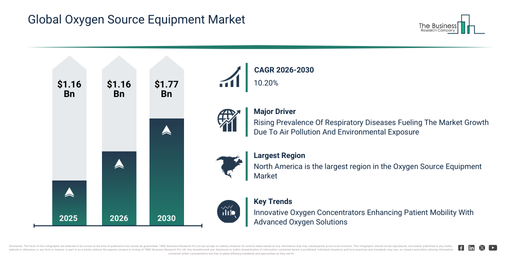
  • Oxygen Source Equipment Market Opportunities Are Emerging Beyond Traditional Growth Areas

    Oxygen Source Equipment Market Opportunities Are Emerging Beyond Traditional Growth Areas

    Delivering more actionable and strategically valuable research, The Business Research Company’s 2026 market reports feature market attractiveness analysis, total addressable market evaluation, company benchmarking matrices, interactive Excel dashboards, expanded supply chain intelligence, emerging startup coverage, and detailed product insights.

    The oxygen source equipment market is witnessing rapid expansion driven by multiple factors related to healthcare needs and industrial applications. As respiratory health concerns rise globally, the demand for effective oxygen delivery systems continues to grow, shaping the industry’s future outlook. Below is a detailed examination of the market size, key drivers, segmentation, trends, leading players, and regional insights.

    Oxygen Source Equipment Market Size and Growth Projections

    The oxygen source equipment market has experienced significant growth in recent years and is set for continued expansion. It is projected to increase from $3.97 billion in 2025 to $4.38 billion in 2026, reflecting a compound annual growth rate (CAGR) of 10.3%. This rise during the historical period is fueled by the growing incidence of respiratory conditions, broader hospital infrastructure development, growth in industrial manufacturing processes, increased demand for medical oxygen in critical care settings, and substantial government investments in healthcare facilities.

    Download A Free Sample Report For Comprehensive Market Insights:

    https://www.thebusinessresearchcompany.com/sample.aspx?id=25865&type=smp

    Looking ahead, the market is expected to reach $6.46 billion by 2030, with a CAGR of 10.2% during the forecast period. This growth will be supported by factors such as an aging population with chronic respiratory diseases, expansion of home healthcare services, wider adoption of portable oxygen concentrators, growth in industrial oxygen applications, and ongoing technological innovations in oxygen generation systems. Key trends anticipated include greater use of home-based oxygen therapy, rising demand for lightweight and portable oxygen devices, growth in on-site oxygen generation systems, increased use of oxygen equipment in emergency and disaster scenarios, and advancements in oxygen storage and delivery safety technology.

    Primary Factors Propelling the Oxygen Source Equipment Market

    One of the leading forces driving the oxygen source equipment market is the rising prevalence of respiratory diseases. Conditions affecting the lungs and respiratory system, such as asthma, chronic obstructive pulmonary disease (COPD), and lung cancer, are becoming more common due to factors like increased air pollution and exposure to harmful environmental toxins. These issues impair lung function, making supplemental oxygen therapy necessary to maintain adequate blood oxygen levels when the lungs are compromised. Oxygen source equipment plays a critical role in delivering this supplemental oxygen.

    Access The Complete Oxygen Source Equipment Market Report:

    https://www.thebusinessresearchcompany.com/report/oxygen-source-equipment-global-market-report

    For example, in February 2024, the UK Health Security Agency reported a 10.7% year-over-year increase in tuberculosis (TB) cases in England, with reported incidents rising from 4,380 in 2022 to 4,850 in 2023. This trend highlights the growing need for oxygen therapy to support patients with respiratory ailments, thereby driving demand in the oxygen source equipment market.

    Segmentation Overview of the Oxygen Source Equipment Market

    This market is segmented into several categories based on product type, delivery mode, application, and end-user sectors:

    1) Product Type:

    – Oxygen Cylinders

    – Oxygen Concentrators

    – Liquid Oxygen Equipment

    – Oxygen Systems for Industrial Use

    – Portable Oxygen Systems

    2) Delivery Mode:

    – Gas Delivery Systems

    – Cryogenic Liquid Delivery Systems

    – Portable Delivery Systems

    – Pipeline Delivery Systems

    – Bulk Oxygen Supply Systems

    3) Application:

    – Hospitals

    – Clinics

    – Other Applications

    4) End-User:

    – Healthcare and Medical

    – Aerospace and Aviation

    – Industrial Manufacturing

    – Water Treatment Plants

    – Energy and Power Generation

    Further subcategories include various types of oxygen cylinders (steel, aluminum, composite, high-pressure, low-pressure), oxygen concentrators (portable, stationary, continuous flow, pulse dose), liquid oxygen equipment (portable units, home reservoirs, hospital bulk systems, mobile cryogenic containers), industrial oxygen systems (pressure swing adsorption plants, vacuum pressure swing adsorption plants, cryogenic air separation units, membrane-based generators), and portable oxygen systems (wearable devices, lightweight kits, backpacks).

    Growing Innovations and Trends in the Oxygen Source Equipment Industry

    Industry leaders are increasingly focusing on innovative solutions such as portable oxygen concentrators to enhance patient mobility and improve quality of life. These compact devices extract and deliver concentrated oxygen from ambient air, enabling patients to receive oxygen therapy while maintaining an active lifestyle.

    For instance, in October 2024, US-based medical technology firm Inogen introduced the Rove 4, a lightweight portable oxygen concentrator weighing less than 3 pounds. It offers four adjustable flow settings with a maximum oxygen output of 840 ml per minute and includes three battery options that provide up to 5 hours and 45 minutes of continuous operation. This product exemplifies the trend toward portable, user-friendly oxygen equipment designed to support everyday activities.

    Key Market Players Influencing the Oxygen Source Equipment Sector

    The oxygen source equipment market is shaped by several prominent companies, including: Air Liquide Healthcare, Koninklijke Philips N.V., GCE Healthcare, Teijin Limited, ResMed Inc., Fisher & Paykel Healthcare, Invacare Corporation, Contec Medical Systems, Inogen Inc., Drive DeVilbiss Healthcare, CAIRE Inc., Precision Medical Inc., OxyGo LLC, O2 Concepts LLC, Longfian Scitech Co. Ltd., Nidek Medical Products, Besco Medical Limited, Scaleo Medical SAS, Oxus Inc., Linde Healthcare, Taiyo Nippon Sanso Corporation, and Messer Group. These players are actively engaged in research, product development, and strategic partnerships to stay competitive and address evolving market demands.

    Regional Market Dynamics and Growth Outlook

    In 2025, North America held the largest share of the oxygen source equipment market. However, the Asia-Pacific region is anticipated to exhibit the fastest growth during the forecast period. The report covers key regions such as Asia-Pacific, South East Asia, Western Europe, Eastern Europe, North America, South America, the Middle East, and Africa, providing comprehensive insights into regional trends and opportunities shaping the global market landscape.

    Get in touch with us:

    The Business Research Company: https://www.thebusinessresearchcompany.com/

    Americas: +1 310-496-7795

    Asia: +44 7882 955267 & +91 8897263534

    Europe: +44 7882 955267

    Email us at: marketing@tbrc.info

    Follow us on:

    LinkedIn: https://in.linkedin.com/company/the-business-research-company

    YouTube: https://www.youtube.com/channel/UC24_fI0rV8cR5DxlCpgmyFQ

    Global Market Model: https://www.thebusinessresearchcompany.com/global-market-model
  • Oxygen Conserving Devices Market Expansion Is Opening New Pathways For Strategic Investment

    Oxygen Conserving Devices Market Expansion Is Opening New Pathways For Strategic Investment

    Enhanced with market attractiveness analysis, total addressable market evaluation, company benchmarking matrices, interactive Excel dashboards, expanded supply chain intelligence, emerging startup coverage, and detailed product insights, The Business Research Company’s 2026 market reports deliver more actionable and strategically valuable research.

    The oxygen conserving devices market is experiencing rapid expansion, driven by rising healthcare needs and technological advancements. As the demand for efficient oxygen delivery solutions grows across various care settings, this sector is poised for significant revenue growth in the coming years. Let’s examine the current market size, key growth factors, product segments, major players, and geographic trends shaping this dynamic industry.

    Market Size and Projected Revenue Growth in the Oxygen Conserving Devices Market

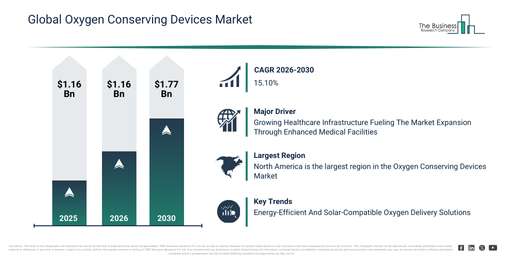
    The oxygen conserving devices market has seen substantial growth recently and is projected to increase from $1.91 billion in 2025 to $2.2 billion in 2026, representing a robust compound annual growth rate (CAGR) of 15.4%. This earlier expansion was driven by factors such as rising chronic respiratory diseases, better access to oxygen systems, growing home healthcare infrastructure, and heightened awareness of oxygen conservation benefits. Looking further ahead, the market is forecasted to reach $3.86 billion by 2030, maintaining a CAGR of 15.1%. This expected growth will be fueled by increasing adoption of smart respiratory devices, wearable oxygen solutions, the growth of aging population care services, emphasis on cost-efficient oxygen therapy, and technological innovations in oxygen delivery.

    Download A Free Sample Report For Comprehensive Market Insights:

    https://www.thebusinessresearchcompany.com/sample.aspx?id=23468&type=smp

    Key Drivers Supporting Oxygen Conserving Devices Market Expansion

    The ongoing development of healthcare infrastructure is a major factor propelling the oxygen conserving devices market forward. Healthcare infrastructure encompasses the physical facilities, organizational systems, and resources needed to provide effective medical care. As chronic conditions such as diabetes and cardiovascular diseases become more prevalent, there is greater demand for specialized healthcare settings and long-term patient management, which supports the use of oxygen conserving devices. This infrastructure ensures reliable access, proper maintenance, and efficient oxygen delivery in both hospitals and homecare environments.

    For example, as of 2023, the United States had a total of 6,093 hospitals, including 5,112 community hospitals, according to ScienceSoft USA Corporation. Among these community hospitals, 2,978 are nonprofit, 1,214 operate for profit, and 920 are government-run. Such extensive healthcare facilities underline why expanding infrastructure is a critical factor driving market growth.

    Access The Complete Oxygen Conserving Devices Market Report:

    https://www.thebusinessresearchcompany.com/report/oxygen-conserving-devices-global-market-report

    Segmentation of the Oxygen Conserving Devices Market Across Key Categories

    The report segments the oxygen conserving devices market into distinct categories to provide a clearer understanding of its structure:

    1) Product Types: Reservoir Cannula, Transtracheal Catheters, Intermittent Flow Devices, Continuous Flow Devices, and Other Products.

    2) Indications: Chronic Obstructive Pulmonary Disease (COPD), Pneumonia, Asthma, and other respiratory disorders.

    3) End-User Segments: Hospitals and Clinics, Long-Term Care Units, Home Care, and other users.

    More detailed subsegments include, for reservoir cannulae, types such as Pendant, Mustache, and Pediatric cannulae; for transtracheal catheters, Micro-Trach, Scoop-Tip, and Extended-Length catheters; for intermittent flow devices, Pulse Dose, Demand Oxygen Delivery, and Electronic Oxygen Conserving devices; for continuous flow devices, Portable and Stationary Oxygen Concentrators and High-Flow Oxygen Therapy devices; and other products including oxygen masks, conserving regulators, reservoir bags, nasal prongs, and humidifiers.

    Growth Trends Influencing Competition in the Oxygen Conserving Devices Market

    Leading companies in this market are focusing on creating energy-efficient oxygen delivery products tailored for environments with unstable or limited power resources. These devices often integrate features like solar compatibility, low power consumption, wide voltage input, soft-start circuitry, and robust durability to ensure consistent oxygen supply even in challenging conditions. For instance, in October 2024, Drive DeVilbiss Healthcare introduced the PulmO2 Oxygen Concentrator, which consumes up to 67% less energy compared to conventional devices. This model supports solar power systems, operates across a wide voltage range (100–240 VAC), and functions reliably in harsh environments, including high heat, humidity, dust, and altitudes up to 2,000 meters.

    Leading Players in the Oxygen Conserving Devices Industry

    Several key companies are shaping the oxygen conserving devices market, including: Medline Industries LP, Drive DeVilbiss Healthcare LLC, React Health, GF Health Products Inc., Essex Industries Inc., Compass Health Brands, Sunset Healthcare Solutions Inc., CHAD Therapeutics, Precision Medical Inc., Air Liquide Healthcare, Inovo Inc., HERSILL, GCE Group, Responsive Respiratory Inc., Caire Inc., Inogen Inc., Philips Respironics, ResMed Inc., Fisher & Paykel Healthcare, Oxus America, Longfian Scitech Co. Ltd., and Beijing North Star Medical Equipment Co. Ltd.

    Geographic Distribution and Regional Market Insights

    In 2025, North America held the largest share of the oxygen conserving devices market. However, the Asia-Pacific region is expected to register the fastest growth over the forecast period. The comprehensive market analysis covers regions such as Asia-Pacific, South East Asia, Western Europe, Eastern Europe, North America, South America, the Middle East, and Africa, providing a wide lens on global opportunities and trends.

    Get in touch with us:

    The Business Research Company: https://www.thebusinessresearchcompany.com/

    Americas: +1 310-496-7795

    Asia: +44 7882 955267 & +91 8897263534

    Europe: +44 7882 955267

    Email us at: marketing@tbrc.info

    Follow us on:

    LinkedIn: https://in.linkedin.com/company/the-business-research-company

    YouTube: https://www.youtube.com/channel/UC24_fI0rV8cR5DxlCpgmyFQ

    Global Market Model: https://www.thebusinessresearchcompany.com/global-market-model
  • Oxygen Conservers Market Trends Are Creating New Opportunities For Industry Leaders

    Oxygen Conservers Market Trends Are Creating New Opportunities For Industry Leaders

    Through market attractiveness analysis, total addressable market evaluation, company benchmarking matrices, interactive Excel dashboards, expanded supply chain intelligence, emerging startup coverage, and detailed product insights, The Business Research Company’s 2026 market reports provide more actionable and strategically valuable research.

    The oxygen conservers market is experiencing significant growth, driven by advancements in respiratory care and increasing demand for efficient oxygen delivery systems. With rising incidences of respiratory conditions and a growing elderly population, the market outlook appears promising. Let’s explore the current market size, key growth factors, important segments, emerging trends, leading companies, and regional insights shaping this sector.

    Rapid Expansion Trends in the Oxygen Conservers Market

    The oxygen conservers market has seen rapid growth in recent years, with its valuation expected to rise from $1.84 billion in 2025 to $2.09 billion in 2026. This corresponds to a compound annual growth rate (CAGR) of 13.8%. The upward trend during this period is mainly due to the increasing prevalence of respiratory illnesses, broader use of home oxygen therapy, a larger geriatric population, greater accessibility to oxygen concentrators, and improved clinical knowledge around oxygen conservation techniques.

    Download A Free Sample Report For Comprehensive Market Insights:

    https://www.thebusinessresearchcompany.com/sample.aspx?id=23467&type=smp

    Future Growth Outlook and Market Projections for Oxygen Conservers

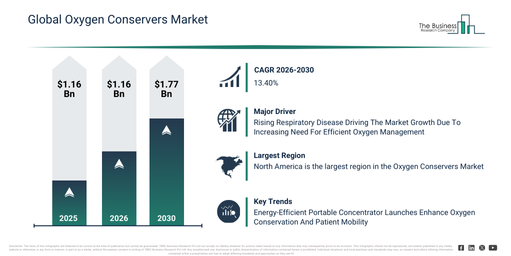
    Looking ahead, the market is forecasted to expand even more rapidly, reaching $3.46 billion by 2030 with a CAGR of 13.4%. This surge will be driven by the rising adoption of smart connected oxygen devices, the growing demand for portable respiratory care solutions, and the expanding scope of home healthcare services. Additionally, there is a stronger focus on enhancing the efficiency of long-term oxygen therapy and increased investments in patient-centric respiratory technology. Noteworthy trends include wider use of pulse-dose oxygen delivery systems, preference for lightweight portable oxygen conservers, integration of smart oxygen monitoring sensors, and a growing emphasis on mobility and comfort for users receiving home-based oxygen therapy.

    Increasing Respiratory Disease Prevalence as a Market Growth Driver

    A key factor propelling the oxygen conservers market is the rising number of respiratory disease cases worldwide. Conditions affecting the lungs and airways make breathing difficult and often require ongoing oxygen therapy. The growing exposure to air pollution further exacerbates the prevalence of these diseases by damaging lung tissue and weakening the immune system. Oxygen conservers help optimize oxygen usage by delivering oxygen only during inhalation, making therapy more efficient and supporting patient mobility.

    Access The Complete Oxygen Conservers Market Report:

    https://www.thebusinessresearchcompany.com/report/oxygen-conservers-global-market-report

    Supporting Data on Respiratory Diseases Impacting Market Demand

    For instance, in November 2024, the Australian Institute of Health and Welfare reported that 2.8 million Australians, or 11% of the population, were living with asthma in 2022. Asthma accounted for 2.5% of the total disease burden and 35% of the respiratory disease burden in 2023, with 467 deaths recorded in 2022. These statistics highlight the substantial patient population that necessitates reliable oxygen conservation devices, thereby fueling market growth.

    Key Product and Application Segments Defining the Oxygen Conservers Market

    This market is segmented based on product type, technology, application, and end-user. The main product categories include continuous flow oxygen conservers, pulse dose oxygen conservers, wall-mount oxygen conservers, and portable oxygen conservers. From a technology perspective, the market is divided into electronic oxygen conservers, mechanical oxygen conservers, and integrated oxygen delivery systems. Applications cover respiratory diseases, chronic obstructive pulmonary disease (COPD), liquid oxygen systems, and long-term oxygen therapy. End-users consist of hospitals, clinics, nursing homes, homecare providers, and other users.

    Detailed Subsegments Under the Oxygen Conservers Market

    Further subcategories break down each product type for more specific market insights. Continuous flow oxygen conservers include high-flow, low-flow, dual-mode, pediatric, and stationary units. Pulse dose conservers are subdivided into adjustable, fixed-setting, smart sensor, high-volume, and battery-operated types. Wall-mount conservers cover hospital room units, ICU devices, emergency department models, modular systems, and high-capacity varieties. Portable oxygen conservers include wearable devices, compact travel-friendly units, rechargeable battery-powered options, hybrid portable/stationary models, and lightweight backpack-style conservers.

    Emerging Trends Driving Long-Term Demand for Oxygen Conservers

    Leading players in the oxygen conservers market are focusing on energy-efficient, lightweight portable concentrators that deliver oxygen in pulse doses, conserving both oxygen and power while enhancing patient mobility. These pulse-dose portable oxygen concentrators activate only during inhalation, which makes them more efficient than continuous flow alternatives.

    Examples of Innovation in Portable Oxygen Conservers

    For example, in October 2024, Inogen Inc., a US-based respiratory technology company, introduced the Inogen Rove 4 portable oxygen concentrator. This device offers four pulse-dose settings with oxygen delivery up to 840 mL per minute, three battery options that provide up to 5 hours and 45 minutes of continuous use, and a lightweight design weighing just 2.9 pounds (1.3 kg). Powered by Inogen’s Intelligent Delivery Technology, the device detects inhalation within 250 milliseconds to deliver oxygen efficiently only when needed. Innovations like this help patients with chronic respiratory conditions maintain an active lifestyle without compromising on oxygen therapy effectiveness.

    Prominent Companies Leading the Oxygen Conservers Market

    The oxygen conservers market features several major companies competing to innovate and expand their product offerings. Key players include Medline Industries LP, Drive DeVilbiss Healthcare LLC, React Health, GF Health Products Inc., Essex Industries Inc., Compass Health Brands, Sunset Healthcare Solutions Inc., CHAD Therapeutics, Precision Medical Inc., Air Liquide Healthcare, Inovo Inc., HERSILL, GCE Group, Responsive Respiratory Inc., Caire Inc., Inogen Inc., Philips Respironics, ResMed Inc., Fisher & Paykel Healthcare, Oxus America, Precision Oxygen Group, and Longfian Scitech Co. Ltd.

    Regional Market Insights with North America Leading

    In 2025, North America held the largest share of the oxygen conservers market. However, Asia-Pacific is anticipated to be the fastest-growing region during the forecast period. The market report covers extensive geographic areas including Asia-Pacific, South East Asia, Western Europe, Eastern Europe, North America, South America, the Middle East, and Africa, providing a comprehensive view of global market dynamics.

    Get in touch with us:

    The Business Research Company: https://www.thebusinessresearchcompany.com/

    Americas: +1 310-496-7795

    Asia: +44 7882 955267 & +91 8897263534

    Europe: +44 7882 955267

    Email us at: marketing@tbrc.info

    Follow us on:

    LinkedIn: https://in.linkedin.com/company/the-business-research-company

    YouTube: https://www.youtube.com/channel/UC24_fI0rV8cR5DxlCpgmyFQ

    Global Market Model: https://www.thebusinessresearchcompany.com/global-market-model