Month: June 2026

  • Orthotic Insole 3-D Printer Market Forecast Highlights Expansion From $0.71 Billion To $1.2 Billion Through 2030

    Orthotic Insole 3-D Printer Market Forecast Highlights Expansion From $0.71 Billion To $1.2 Billion Through 2030

    Enhanced with market attractiveness analysis, total addressable market evaluation, company benchmarking matrices, interactive Excel dashboards, expanded supply chain intelligence, emerging startup coverage, and detailed product insights, The Business Research Company’s 2026 market reports deliver more actionable and strategically valuable research.

    The orthotic insole 3-D printer market is experiencing rapid expansion, driven by advancements in technology and increasing demand for customized healthcare solutions. This emerging sector is set to offer substantial revenue opportunities as it evolves, tapping into the growing need for personalized orthotic products and innovative manufacturing techniques. Let’s explore the current market size, the key forces propelling growth, leading companies, trends, and future prospects for this specialized industry.

    Orthotic Insole 3-D Printer Market Size and Growth Forecast

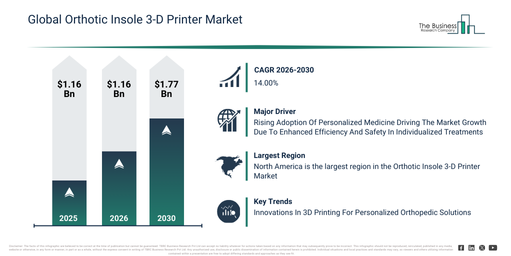
    The market for orthotic insole 3-D printers has seen swift growth in recent years, with its value projected to rise from $0.62 billion in 2025 to $0.71 billion in 2026, representing a healthy compound annual growth rate (CAGR) of 14.3%. This historical growth is mainly fueled by an increase in orthopedic treatments, wider adoption of additive manufacturing methods, a growing preference for custom insoles, advancements in 3-D printing materials, and clinical validation of orthotic products. Looking ahead, the market is expected to continue expanding rapidly, reaching $1.21 billion by 2030 at a CAGR of 14.0%. Factors driving this forecast include AI-powered foot scanning technology, better integration with rehabilitation programs, a surge in sports and healthcare applications, shortened production times, and the use of sustainable and recyclable printing materials. Emerging trends anticipated in this period encompass custom 3-D printed insoles, digitization of foot biomechanics, development of multi-material printers, desktop orthotic printer innovations, and increased incorporation of medical and sports applications.

    Download A Free Sample Report For Comprehensive Market Insights:

    https://www.thebusinessresearchcompany.com/sample.aspx?id=29143&type=smp

    Key Drivers Supporting Growth in the Orthotic Insole 3-D Printer Market

    One major factor propelling market expansion is the growing emphasis on personalized medicine. This approach tailors medical care to an individual’s genetic, molecular, and clinical characteristics, allowing for more precise and effective treatments. Advances in genomics have accelerated this trend by enabling therapies customized to a patient’s unique genetic profile, improving outcomes and safety. Orthotic insole 3-D printers fit squarely within this personalized medicine model by producing insoles that are precisely contoured to each patient’s foot anatomy and biomechanical needs, thereby enhancing therapeutic success.

    Recent data highlights this trend’s impact on orthotic printing demand. For example, in February 2024, the Personalized Medicine Coalition—a US-based nonprofit—reported that the FDA approved 16 new personalized treatments for rare diseases in 2023, nearly tripling the six approvals from 2022. These approvals included seven cancer therapies and three treatments for other conditions. This rise in personalized treatments indicates a broader industry shift that is encouraging the adoption of customized orthotic solutions, further supporting the orthotic insole 3-D printer market’s growth.

    Access The Complete Orthotic Insole 3-D Printer Market Report:

    https://www.thebusinessresearchcompany.com/report/orthotic-insole-3-d-printer-global-market-report

    Market Segments Defining Revenue Opportunities in the Orthotic Insole 3-D Printer Industry

    This market is segmented by various categories to capture the diverse technologies and applications involved. The primary divisions include:

    1) Product Type: Fused Deposition Modeling (FDM), Stereolithography (SLA), Selective Laser Sintering (SLS), and other printing technologies.

    2) Materials: Thermoplastics, Photopolymers, Elastomers, and other materials used in manufacturing.

    3) Distribution Channels: Direct sales, online retail, specialty stores, and other outlets.

    4) Applications: Medical and healthcare, sports and athletics, personal use, and additional uses.

    5) End Users: Hospitals and clinics, orthopedic centers, rehabilitation facilities, and homecare environments.

    Within these segments, subcategories further define product types such as desktop, industrial, and hybrid printers under FDM; resin, digital light processing, and continuous liquid interface printers under SLA; and polymer-based, flexible elastomer, and medical-grade printers for orthotics within SLS. Other product types include Multi Jet Fusion, Digital Light Processing, Material Jetting, and Binder Jetting printers.

    Shaping the Orthotic Insole 3-D Printer Market through Innovation

    Leading companies in this market are prioritizing innovation, especially personalized additive manufacturing, to develop custom-fit insoles that boost patient comfort, mobility, and treatment effectiveness. Personalized additive manufacturing employs 3-D printing to create orthotic products precisely tailored to an individual’s anatomy for the best fit and function. In May 2024, Denmark’s CREATE IT REAL A/S introduced a new 3-D printing service platform aimed at orthopedic professionals. This platform simplifies the process of ordering fully customized braces, insoles, and supports without requiring deep technical knowledge of manufacturing. It enhances workflow efficiency, reduces material waste by more than 85%, and improves patient comfort by using advanced programmable foam technology that optimizes fit and pressure distribution. This service delivers fast, cost-effective, and environmentally friendly solutions to clinics of all sizes, transforming orthopedic care through accessibility and scalability.

    Key Companies Driving the Orthotic Insole 3-D Printer Market Forward

    Several prominent players dominate the orthotic insole 3-D printer landscape, including HP Inc., Stratasys, 3D Systems Corporation, Formlabs Inc., Materialise NV, Prodways Group S.A., EOS GmbH, SLM Solutions Group AG, Carbon Inc., Desktop Metal Inc., Raise3D Technologies Inc., Shenzhen PioCreat 3D Technology Co. Ltd., HeyGears, iSUN3D, UnionTech, EnvisionTEC GmbH, Voxelcare ApS., LuxCreo, Nexa3D, and XYZprinting Inc. These companies are continually investing in research, development, and partnerships to strengthen their market position and bring innovative solutions to the orthotic sector.

    Regional Market Leadership and Growth Projections

    In 2025, North America stood as the largest regional market for orthotic insole 3-D printers by revenue. However, the Asia-Pacific region is anticipated to lead in growth rate throughout the forecast period. The market report covers key geographic areas, including Asia-Pacific, South East Asia, Western Europe, Eastern Europe, North America, South America, the Middle East, and Africa, offering a comprehensive global perspective on the market’s expansion and dynamics.

    Get in touch with us:

    The Business Research Company: https://www.thebusinessresearchcompany.com/

    Americas: +1 310-496-7795

    Asia: +44 7882 955267 & +91 8897263534

    Europe: +44 7882 955267

    Email us at: marketing@tbrc.info

    Follow us on:

    LinkedIn: https://in.linkedin.com/company/the-business-research-company

    YouTube: https://www.youtube.com/channel/UC24_fI0rV8cR5DxlCpgmyFQ

    Global Market Model: https://www.thebusinessresearchcompany.com/global-market-model
  • Orthotic Gel Insole Market Expected To Reach $3.34 Billion By 2030 As Growth Accelerates At 8.9% CAGR

    Orthotic Gel Insole Market Expected To Reach $3.34 Billion By 2030 As Growth Accelerates At 8.9% CAGR

    Through market attractiveness analysis, total addressable market evaluation, company benchmarking matrices, interactive Excel dashboards, expanded supply chain intelligence, emerging startup coverage, and detailed product insights, The Business Research Company’s 2026 market reports provide more actionable and strategically valuable research.

    The orthotic gel insole market has experienced notable growth in recent years, driven by rising awareness of foot health and technological advancements. With increasing participation in sports and a growing prevalence of foot disorders, demand for these supportive products continues to rise. This overview highlights the current market size, growth projections, influential drivers, segmentation, key trends, and competitive landscape shaping the sector’s future.

    Orthotic Gel Insole Market Size and Growth Outlook Through 2030

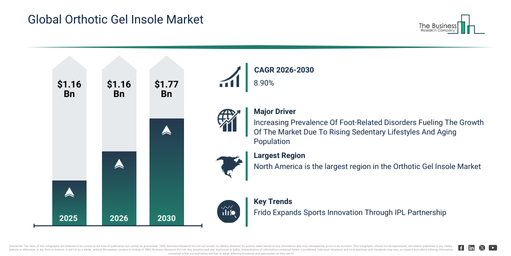
    The market for orthotic gel insoles is expanding rapidly. It is projected to increase from $2.18 billion in 2025 to $2.38 billion in 2026, reflecting a compound annual growth rate (CAGR) of 9.2%. Looking ahead, the market is expected to reach $3.35 billion by 2030, growing at a CAGR of 8.9% during the forecast period. This positive trajectory is supported by continual innovations in gel materials, enhanced e-commerce distribution, rising sports participation, and greater awareness of foot health issues.

    Download A Free Sample Report For Comprehensive Market Insights:

    https://www.thebusinessresearchcompany.com/sample.aspx?id=28288&type=smp

    Primary Factors Propelling Orthotic Gel Insole Market Expansion

    One of the key forces behind market growth is the rising incidence of foot-related disorders. Conditions impacting foot structure and function—such as plantar fasciitis, heel pain, and flat feet—are becoming more widespread, partly due to sedentary lifestyles and obesity. Orthotic gel insoles provide targeted cushioning and support that help reduce discomfort and improve mobility for affected individuals.

    Supporting this trend, a June 2024 report from Orthopaedic Research UK highlighted that approximately 23% of adults aged 18 to 65 suffer from hallux valgus (bunions), with prevalence increasing to 36% among those over 65. This growing patient base is driving increased demand for orthotic solutions and fueling market expansion.

    Access The Complete Orthotic Gel Insole Market Report:

    https://www.thebusinessresearchcompany.com/report/orthotic-gel-insole-global-market-report

    Innovations and Consumer Awareness Boosting Orthotic Gel Insole Demand

    Technological improvements in gel materials are enhancing the effectiveness and comfort of orthotic insoles. Developments include shock absorption gels, memory foam gels, and smart sensor integration, which help tailor insoles for therapeutic and athletic applications.

    At the same time, growing awareness about foot health and comfort, especially among athletes and older adults, is encouraging adoption of orthotic gel insoles. The popularity of athleisure and sportswear further supports demand for performance-enhancing insoles, while the expansion of online retail channels makes these products more accessible globally.

    Orthotic Gel Insole Market Segmentation Across Diverse Categories

    This market is structured across several key segments:

    1) Product Type: Full-Length Insoles, 3/4 Length Insoles, Heel Inserts, Arch Support Insoles, and Other Products

    2) Material: Silicone Gel, Polyurethane Gel, Thermoplastic Gel, and Other Materials

    3) Distribution Channel: Online Stores, Pharmacies and Drug Stores, Specialty Stores, Supermarkets or Hypermarkets, and Other Channels

    4) Application: Sports and Athletics, Medical Use, Personal Use, and Others

    5) End-User: Adults, Children, and Elderly

    Further subcategories include types of full-length insoles such as cushioning gel, shock absorption, memory foam, sport performance, and medical or therapeutic gel insoles. Similarly, 3/4 length insoles cover arch support gels, heel cushions, forefoot pads, and metatarsal inserts. Heel inserts include gel heel cups, pads, anti-fatigue inserts, and plantar fasciitis supports. Arch support insoles are segmented by arch height and orthopedic purpose, while other products include diabetic care gel insoles and those designed for industrial or work shoes.

    Collaborations and Strategic Partnerships Transforming Market Dynamics

    Leading companies in the orthotic gel insole space are increasingly pursuing partnerships to enhance technology and broaden market reach. Such collaborations combine expertise and resources to develop innovative products and marketing strategies.

    For example, in March 2024, Frido, an Indian consumer healthcare brand, formed a partnership with Royal Challengers Bengaluru (RCB), a professional T20 cricket team. This alliance led to the launch of a special edition sports insole and technical socks aimed at alleviating knee and foot ailments such as plantar fasciitis and heel pain. This unique collaboration highlights the brand’s commitment to innovation and expanding its presence through high-profile sports engagements.

    Competitive Landscape Featuring Prominent Orthotic Gel Insole Manufacturers

    The orthotic gel insole market includes several key players, such as New Balance Athletics Inc., Aetrex Worldwide Inc., Bauerfeind AG, Superfeet Worldwide Inc., Sorbothane Inc., ProFoot Inc., Sidas SAS, Spenco Medical Corporation, Protalus Inc., PolyGel LLC, Medi-Dyne Healthcare Products Ltd., FootBalance System Ltd., Sole Sports & Health Ltd., Currex GmbH, FORM Insoles Inc., Foot Science International Ltd., Scholl’s Wellness Company LLC, Scheinkopf GmbH, Stable Step LLC, FootActive Ltd., Pedors Shoes Inc., Implus Footcare LLC, Vive Health LLC, and Dr. Frederick’s Original LLC.

    Regional Overview and Market Growth Hotspots

    In 2025, North America held the largest share of the orthotic gel insole market. However, the Asia-Pacific region is forecasted to experience the fastest growth over the coming years. The market study covers regions including Asia-Pacific, South East Asia, Western Europe, Eastern Europe, North America, South America, the Middle East, and Africa, providing a comprehensive understanding of global market trends and opportunities.

    Get in touch with us:

    The Business Research Company: https://www.thebusinessresearchcompany.com/

    Americas: +1 310-496-7795

    Asia: +44 7882 955267 & +91 8897263534

    Europe: +44 7882 955267

    Email us at: marketing@tbrc.info

    Follow us on:

    LinkedIn: https://in.linkedin.com/company/the-business-research-company

    YouTube: https://www.youtube.com/channel/UC24_fI0rV8cR5DxlCpgmyFQ

    Global Market Model: https://www.thebusinessresearchcompany.com/global-market-model
  • Orthopedic Trauma Devices Market Set To Grow From $10.02 Billion In 2026 To $13.12 Billion By 2030 At A CAGR Of 7%

    Orthopedic Trauma Devices Market Set To Grow From $10.02 Billion In 2026 To $13.12 Billion By 2030 At A CAGR Of 7%

    Delivering more actionable and strategically valuable research, The Business Research Company’s 2026 market reports feature market attractiveness analysis, total addressable market evaluation, company benchmarking matrices, interactive Excel dashboards, expanded supply chain intelligence, emerging startup coverage, and detailed product insights.

    The orthopedic trauma devices market is experiencing significant growth, driven by various factors including the rising incidence of trauma injuries and expanding healthcare infrastructure. This sector is evolving steadily as advancements and increased demand for specialized treatments continue to shape its trajectory. Below is a detailed overview of the market size, key growth drivers, segmentation, innovation trends, leading companies, and geographic dynamics.

    Market Size and Growth Forecast for Orthopedic Trauma Devices

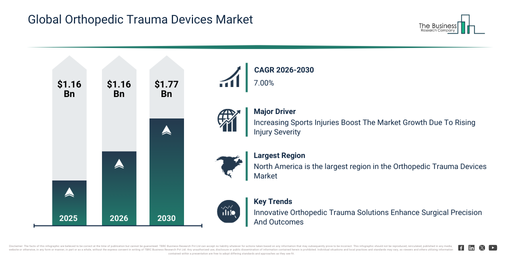
    The orthopedic trauma devices market has demonstrated strong expansion in recent years. It is projected to grow from $9.36 billion in 2025 to $10.02 billion in 2026, reflecting a compound annual growth rate (CAGR) of 7.1%. Looking ahead, the market is expected to reach $13.13 billion by 2030, with a CAGR of 7.0% during the forecast period. This growth is supported by factors such as the increasing number of road accidents, a growing elderly population susceptible to fractures, the development of orthopedic surgery facilities, wider availability of trauma care centers, and greater acceptance of surgical fracture fixation techniques.

    Download A Free Sample Report For Comprehensive Market Insights:

    https://www.thebusinessresearchcompany.com/sample.aspx?id=23466&type=smp

    The market’s expansion in the upcoming years will also be driven by rising adoption of patient-specific implants and the growing preference for minimally invasive trauma surgeries. Additionally, investments in orthopedic research and development, establishment of advanced trauma centers, and an emphasis on accelerating post-surgical recovery will contribute significantly. Notable trends shaping the forecast period include the increased use of advanced internal fixation devices, bioabsorbable implants, customized orthopedic products, and technologies promoting faster bone healing.

    Increasing Sports Injuries Propel Orthopedic Trauma Devices Demand

    A key factor boosting the orthopedic trauma devices market is the rise in sports-related injuries. These injuries occur due to physical damage sustained during athletic activities, often involving muscles, joints, or bones. The growing number of sports injuries is largely attributed to improper techniques and insufficient protective gear, which place excessive strain on athletes’ bodies. Orthopedic trauma devices play a vital role in treating these injuries by stabilizing fractures, ensuring proper bone alignment, and supporting quicker recovery.

    Access The Complete Orthopedic Trauma Devices Market Report:

    https://www.thebusinessresearchcompany.com/report/orthopedic-trauma-devices-global-market-report

    For instance, the National Institutes of Health (NIH) reported in January 2025 that sports-related injuries among elderly individuals are expected to increase by 119%, potentially reaching 111,245 cases by 2040. This surge clearly indicates a growing need for orthopedic trauma solutions, which is directly fueling the demand within this market.

    Key Product and Application Segments Defining the Orthopedic Trauma Devices Market

    The orthopedic trauma devices market is segmented based on several key factors:

    – By Product: Internal Fixators and External Fixators

    – By Material Type: Bioabsorbable Materials, Non-Absorbable Materials, and Other Material Types

    – By Application: Fractures, Soft Tissue Injuries, Joint Reconstruction, Spinal Injuries, and Arthroplasty

    – By End-User: Hospitals and Clinics, Ambulatory Surgical Centers, Orthopedic Centers, Emergency Departments, and other users

    Further subcategories include Internal Fixators such as screws, plates, intramedullary nails, and other devices, as well as External Fixators categorized into unilateral, circular, and hybrid fixators. This detailed segmentation provides a comprehensive understanding of the product types and applications driving market dynamics.

    Innovations Shaping the Future of Orthopedic Trauma Devices

    Leading players in the orthopedic trauma devices industry are investing heavily in the development of advanced solutions aimed at improving surgical precision, patient outcomes, and recovery times. For example, in October 2024, Globus Medical Inc., a US-based company, rolled out a new series of orthopedic trauma products, including the TENSOR Suture Button System. This innovative device is designed for single-incision syndesmotic repair and offers features such as polyaxial locking, efficient suture management, and precise fixation for small bone fractures. The company’s product line also incorporates PRECICE limb-lengthening nails tailored for complex trauma cases.

    These innovations reflect a broader trend toward improving fracture stabilization and procedural efficiency through cutting-edge technology, which is expected to drive the orthopedic trauma devices market forward.

    Market Leaders Driving Competition in Orthopedic Trauma Devices

    The market landscape is shaped by several prominent companies, including:

    Johnson & Johnson Services Inc., Stryker Corporation, Smith & Nephew Plc, Globus Medical Inc., Acrotec Medtech, Double Medical Technology Inc., Meril Life Sciences Pvt. Ltd., Narang Medical Limited, GPC Medical Ltd., Aysam Orthopaedics And Medical Devices, Auxein Corp., Inion Inc., Advanced Orthopaedic Solutions Inc., AF MEDICAL GmbH, Austofix Australia Pty Ltd, Citieffe s.r.l., Madison Ortho Inc., Orthomed Inc., OrthoXel, DePuy Synthes, Zimmer Biomet Holdings Inc., Orthofix Medical Inc., and MicroPort Orthopedics Inc.

    These organizations compete by continuously innovating and expanding their product offerings to capture greater market share.

    Geographic Growth Patterns in the Orthopedic Trauma Devices Market

    In 2025, North America was the largest market for orthopedic trauma devices. However, the Asia-Pacific region is expected to register the fastest growth during the forecast period. The comprehensive market study also covers key geographic areas including Asia-Pacific, South East Asia, Western Europe, Eastern Europe, North America, South America, the Middle East, and Africa, providing a global perspective on the evolving demand and opportunities within the market.

    Get in touch with us:

    The Business Research Company: https://www.thebusinessresearchcompany.com/

    Americas: +1 310-496-7795

    Asia: +44 7882 955267 & +91 8897263534

    Europe: +44 7882 955267

    Email us at: marketing@tbrc.info

    Follow us on:

    LinkedIn: https://in.linkedin.com/company/the-business-research-company

    YouTube: https://www.youtube.com/channel/UC24_fI0rV8cR5DxlCpgmyFQ

    Global Market Model: https://www.thebusinessresearchcompany.com/global-market-model
  • Orthopedic Surgical Robots Market Opportunities Are Emerging Beyond Traditional Growth Areas

    Orthopedic Surgical Robots Market Opportunities Are Emerging Beyond Traditional Growth Areas

    Enhanced with market attractiveness analysis, total addressable market evaluation, company benchmarking matrices, interactive Excel dashboards, expanded supply chain intelligence, emerging startup coverage, and detailed product insights, The Business Research Company’s 2026 market reports deliver more actionable and strategically valuable research.

    The orthopedic surgical robots market is emerging as a rapidly advancing field within medical technology, driven by increasing demand for precision and innovation in surgical procedures. This evolving sector is set to experience substantial growth over the coming years, fueled by shifts in healthcare practices and technological breakthroughs. Below, we explore the market size, key growth drivers, segmentation, industry trends, major players, and regional dynamics shaping this market.

    Current and Projected Market Size of Orthopedic Surgical Robots

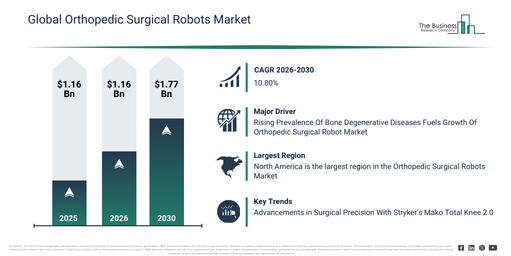
    The market for orthopedic surgical robots has witnessed swift expansion in recent years. It is projected to grow from $1.26 billion in 2025 to $1.41 billion in 2026, reflecting a compound annual growth rate (CAGR) of 12.0%. This growth during the historical period has been driven by factors such as an increase in orthopedic implant surgeries, a growing preference among surgeons for precision-guided systems, the broadening availability of robotic surgery training programs, increased hospital investments in surgical robotics, and advancements in navigation technologies. Looking ahead, the market is expected to surge further and reach $2.13 billion by 2030, with a CAGR of 10.8%. Contributing to this forecasted growth are rising demand for personalized orthopedic procedures, wider adoption of outpatient robotic surgeries, the development of comprehensive software-driven surgical systems, efforts to reduce surgical revision rates, and greater integration of robotics with advanced imaging technologies.

    Download A Free Sample Report For Comprehensive Market Insights:

    https://www.thebusinessresearchcompany.com/sample.aspx?id=15884&type=smp

    Key Factors Stimulating Orthopedic Surgical Robots Market Growth

    One significant driver behind the expansion of the orthopedic surgical robots market is the rising prevalence of bone degenerative diseases. These conditions progressively deteriorate bone tissue, causing weakness, pain, and a higher likelihood of fractures. Factors contributing to the increasing incidence of these diseases include an aging population, sedentary lifestyles, poor nutrition, and the growing rates of chronic illnesses such as obesity and diabetes. Orthopedic surgical robots enhance the precision and accuracy of surgeries used to treat such ailments, leading to better patient outcomes. For example, in August 2023, the Institute for Health Metrics and Evaluation (IHME) reported that nearly 1 billion people are expected to suffer from osteoarthritis by 2050, with knee osteoarthritis cases rising by 75% and hand osteoarthritis by 50%. This alarming trend is a key factor propelling demand in the orthopedic surgical robots market.

    Additional Market Growth Drivers in Orthopedic Surgical Robotics

    Hospitals and healthcare providers are increasingly investing in robotic technologies to improve surgical results and patient safety. The rising surgeon preference for robotic-assisted procedures stems from their ability to offer greater precision, reduce complications, and shorten recovery times. Moreover, the expansion of training programs aimed at familiarizing surgeons with robotic systems is enhancing adoption rates. The availability of advanced navigation technologies that support real-time guidance during procedures also contributes to market growth, facilitating more accurate and minimally invasive surgeries.

    Access The Complete Orthopedic Surgical Robots Market Report:

    https://www.thebusinessresearchcompany.com/report/orthopedic-surgical-robots-global-market-report

    Orthopedic Surgical Robots Market Segmentation and Areas of Growth

    This market is categorized based on product offerings, applications, and end-users. Product segments include robotic systems, robotic accessories, and software and services. Application-wise, the market covers partial knee replacement, total knee replacement, minimally invasive surgery (MIS) fusion, and other orthopedic procedures. End-users are divided into ambulatory surgical centers, hospitals, specialty clinics, and other healthcare facilities. Further subsegments under robotic systems involve surgical robotic systems for joint replacement, spine surgery, and trauma and fracture care. Robotic accessories include end effectors, instrumentation kits, and positioning tools. Software and services cover robotic system software, surgical planning and simulation platforms, as well as maintenance and support services.

    Innovative Trends Shaping the Future of Orthopedic Surgical Robots

    Leading companies in this space are focusing on developing smart robotic solutions that incorporate artificial intelligence (AI), machine learning, and Internet of Things (IoT) technologies. These advancements allow for autonomous, precise, and adaptable surgical operations. As an example, in March 2023, US-based Stryker Corporation introduced the Mako Total Knee 2.0, part of its Mako SmartRobotics lineup. This system features AccuStop haptic technology, which provides surgeons tactile feedback to enhance accuracy and safety during procedures. Additionally, it offers sophisticated surgical planning and navigation capabilities utilizing hybrid optical tracking, advanced cameras, and complex processing algorithms, helping surgeons manage complex tasks more effectively.

    Prominent Companies Leading the Orthopedic Surgical Robots Market

    The competitive landscape includes several major players such as Johnson & Johnson, Medtronic plc, Stryker Corporation, Zimmer Biomet Holdings Inc., Smith & Nephew plc, Globus Medical Inc., MicroPort Orthopedics Inc., Renishaw plc, Medacta International, Aesculap Inc., Brainlab, Exactech Inc., Corin Group, THINK Surgical Inc., TINAVI Medical Technologies Co Ltd., CUREXO Inc., Monogram Technologies Inc., MAKO Surgical Corp, Orthotaxy Inc., and Medical Microinstruments SA. These companies are at the forefront of advancing technologies and expanding the adoption of robotic surgical systems worldwide.

    Regional Market Dynamics and Growth Outlook

    In 2025, North America held the largest share of the orthopedic surgical robots market, supported by established healthcare infrastructure and significant investments in medical technology. However, the Asia-Pacific region is anticipated to be the fastest-growing market throughout the forecast period. This growth is driven by increasing healthcare expenditure, rising awareness of robotic surgery benefits, and expanding healthcare facilities in emerging economies. The market report also covers other important regions including South East Asia, Western Europe, Eastern Europe, South America, the Middle East, and Africa, providing a comprehensive global perspective on market trends and opportunities.

    Get in touch with us:

    The Business Research Company: https://www.thebusinessresearchcompany.com/

    Americas: +1 310-496-7795

    Asia: +44 7882 955267 & +91 8897263534

    Europe: +44 7882 955267

    Email us at: marketing@tbrc.info

    Follow us on:

    LinkedIn: https://in.linkedin.com/company/the-business-research-company

    YouTube: https://www.youtube.com/channel/UC24_fI0rV8cR5DxlCpgmyFQ

    Global Market Model: https://www.thebusinessresearchcompany.com/global-market-model
  • Orthopedic Support Systems Market Expansion Is Opening New Pathways For Strategic Investment

    Orthopedic Support Systems Market Expansion Is Opening New Pathways For Strategic Investment

    Through market attractiveness analysis, total addressable market evaluation, company benchmarking matrices, interactive Excel dashboards, expanded supply chain intelligence, emerging startup coverage, and detailed product insights, The Business Research Company’s 2026 market reports provide more actionable and strategically valuable research.

    The orthopedic support systems market has been experiencing significant growth recently, reflecting rising awareness and demand for effective musculoskeletal care. As more people face orthopedic challenges, the need for supportive devices continues to expand across various healthcare and rehabilitation settings. Here is a detailed overview of the market’s size, key drivers, segments, innovations, and regional dynamics.

    Orthopedic Support Systems Market Size and Growth Outlook Through 2030

    The orthopedic support systems market has shown robust expansion in recent years. It is projected to grow from $3.92 billion in 2025 to $4.27 billion in 2026, representing a compound annual growth rate (CAGR) of 9.0%. This historical growth has been fueled by an increase in musculoskeletal injuries and orthopedic disorders, wider application of braces and supports during post-surgery recovery, the development of sports medicine and trauma care, better availability of orthopedic products across clinical and retail channels, and early acceptance of compression bandages and splints in acute care settings.

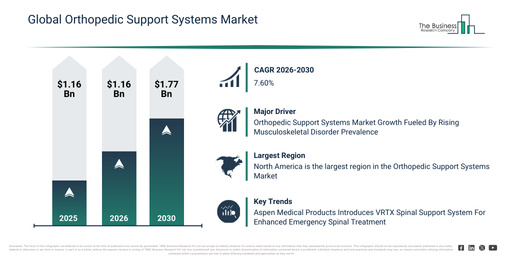
    Looking ahead, the market is expected to reach $5.73 billion by 2030, growing at a CAGR of 7.6%. The forecasted growth is driven by an aging population with chronic mobility and joint issues, a rising preference for home-based rehabilitation, increased use of lower body extremity supports for mobility assistance, growing adoption of pediatric orthopedic supports, and the expanding use of preventive supports within fitness and sports sectors. Important trends during this period include growing demand for orthopedic braces and supports for injury recovery, wider use of orthotic devices for pain relief and mobility improvement, the rise of pediatric and adult-specific solutions, expanded applications in sports injury rehabilitation, and greater appeal for non-invasive musculoskeletal supports and alignment devices.

    Download A Free Sample Report For Comprehensive Market Insights:

    https://www.thebusinessresearchcompany.com/sample.aspx?id=15229&type=smp

    Factors Fueling Growth in the Orthopedic Support Systems Market

    The rising prevalence of musculoskeletal disorders is a primary factor pushing the orthopedic support systems market forward. These disorders affect muscles, bones, nerves, and soft tissues, often causing pain and limited mobility. The increase in such conditions can be linked to aging populations, sedentary lifestyles, obesity, workplace hazards, and poor ergonomics. Orthopedic support systems play a vital role in managing these conditions by aiding rehabilitation, preventing further injury, and improving function.

    For example, in June 2024, the Australian Institute of Health and Welfare reported that chronic musculoskeletal conditions affected 29% of the Australian population, about 7.3 million people, marking a significant rise since 2022 when these disorders were associated with over 10,000 deaths. This growing burden of musculoskeletal health issues is directly contributing to increased demand for orthopedic supports.

    Breakdown of Orthopedic Support Systems Market Segments and Opportunities

    The orthopedic support systems market is categorized into several key segments to capture its diversity:

    1) By Product Type: Braces and Supports, Splints, Bandages and Sleeves, and Straps

    2) By Patient Type: Adult and Pediatric

    3) By Application Area: Upper Body Extremities and Lower Body Extremities

    Further details include subcategories such as knee, ankle, back, wrist, and elbow braces; hand, leg, and finger splints; compression bandages, elastic and arm sleeves, knee sleeves; and various straps for knees, shoulders, elbows, and wrists. These segments highlight the broad range of products designed to meet specific patient needs and applications.

    Access The Complete Orthopedic Support Systems Market Report:

    https://www.thebusinessresearchcompany.com/report/orthopedic-support-systems-global-market-report

    Innovations and Technological Advances Defining the Orthopedic Support Systems Market

    Leading companies in the orthopedic support segment are focusing on developing advanced, innovative products to gain market advantage. One notable example is the introduction of the VRTX spinal support system, which offers enhanced stabilization for spinal injuries and conditions.

    In October 2023, Aspen Medical Products, a US-based manufacturer, launched the VRTX system, a prefabricated, modular design offering adjustable sizing to restrict motion in multi-level spinal injuries. This system includes components such as collars, cervicothoracic orthoses, lumbosacral orthoses, thoracolumbosacral orthoses, and cervico-thoracolumbosacral orthoses. Its off-the-shelf availability aims to reduce hospital stay durations, minimize complications, and improve efficiency in healthcare settings through better time and inventory management.

    Key Players Leading the Orthopedic Support Systems Market Competition

    Several major companies dominate the orthopedic support systems industry, including Johnson & Johnson, Medline Industries, Zimmer Biomet Holdings, Smith & Nephew plc, Stryker Corporation, Ottobock Healthcare, DJO Global Inc., Hanger Clinic, Ossur Corporate, Wright Medical Group N.V., Deroyal Industries, Performance Health, McDavid Knee Guard Inc., Trulife, Boston Orthotics & Prosthetics, Bauerfeind AG, Mueller Sports Medicine Inc., Breg Inc., Becker Orthopedic, Thuasne, and Sigvaris. These organizations are pivotal in driving innovation, expanding market reach, and shaping competitive dynamics.

    Geographical Distribution and Regional Growth Patterns in the Orthopedic Support Systems Market

    In 2025, North America held the largest market share for orthopedic support systems, reflecting its advanced healthcare infrastructure and strong demand. Meanwhile, the Asia-Pacific region is predicted to experience the fastest growth during the forecast period, driven by rising healthcare access, increasing awareness of orthopedic conditions, and expanding healthcare investments. Other regions covered in the market analysis include South East Asia, Western Europe, Eastern Europe, South America, the Middle East, and Africa, offering a comprehensive view of global market trends and potential.

    Get in touch with us:

    The Business Research Company: https://www.thebusinessresearchcompany.com/

    Americas: +1 310-496-7795

    Asia: +44 7882 955267 & +91 8897263534

    Europe: +44 7882 955267

    Email us at: marketing@tbrc.info

    Follow us on:

    LinkedIn: https://in.linkedin.com/company/the-business-research-company

    YouTube: https://www.youtube.com/channel/UC24_fI0rV8cR5DxlCpgmyFQ

    Global Market Model: https://www.thebusinessresearchcompany.com/global-market-model
  • Orthopedic Splints Market Trends Are Creating New Opportunities For Industry Leaders

    Orthopedic Splints Market Trends Are Creating New Opportunities For Industry Leaders

    Delivering more actionable and strategically valuable research, The Business Research Company’s 2026 market reports feature market attractiveness analysis, total addressable market evaluation, company benchmarking matrices, interactive Excel dashboards, expanded supply chain intelligence, emerging startup coverage, and detailed product insights.

    The orthopedic splints market has experienced significant growth in recent years and is set to continue expanding over the coming period. With increasing demand driven by various healthcare needs, this market is witnessing promising developments in both product innovation and regional expansion. Let’s explore the current size, key growth factors, influential trends, major players, and regional outlook shaping the future of the orthopedic splints industry.

    Orthopedic Splints Market Size and Growth Projections

    The orthopedic splints market has shown impressive growth, rising from $2.3 billion in 2025 to an expected $2.51 billion in 2026, reflecting a compound annual growth rate (CAGR) of 9.0%. This past expansion has been fueled by a rise in fracture occurrences, broader availability of emergency care services, increased sports participation, growth in hospital trauma treatment, and greater access to ready-to-use splints.

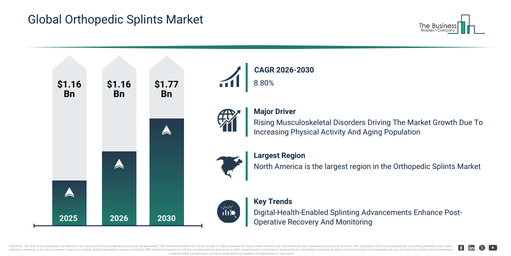
    Looking ahead, the market is anticipated to reach $3.52 billion by 2030, growing at a CAGR of 8.8%. This projected growth is supported by expanding ambulatory care services, increasing preference for affordable immobilization methods, innovations in splint materials, injuries associated with an aging population, and the rise of home recovery care. Key trends expected to influence the market include rising demand for prefabricated splints, more sports injury treatments, wider adoption in emergency care settings, a shift towards lightweight materials, and growth in outpatient orthopedic services.

    Download A Free Sample Report For Comprehensive Market Insights:

    https://www.thebusinessresearchcompany.com/sample.aspx?id=23465&type=smp

    Factors Fueling Growth in the Orthopedic Splints Market

    The growing prevalence of musculoskeletal disorders is a major factor driving the orthopedic splints market forward. These disorders affect muscles, bones, joints, tendons, and ligaments, causing pain, stiffness, and limited mobility.

    The increase in sedentary lifestyles has contributed to this rise, as inactivity weakens muscles, lessens flexibility, and elevates the risk of joint and bone problems. Orthopedic splints play a crucial role in managing these conditions by providing targeted stabilization, reducing strain to ease discomfort, improving joint alignment, and supporting recovery and mobility improvement.

    For example, in January 2024, Gov.UK reported that the prevalence of long-term musculoskeletal conditions among people aged 16 and above rose from 17.6% in 2022 to 18.4% in 2023, with rates higher in females (20.9%) than males (15.8%). This growing incidence underscores the expanding need for orthopedic splints.

    Segment Breakdown and Growth Areas in the Orthopedic Splints Market

    This report categorizes the orthopedic splints market into several important segments:

    1) By Product Type: Fiberglass Splints, Plastic Splints, Tools and Accessories, Other Products

    2) By Application Area: Lower Extremity, Upper Extremity, Spinal

    3) By End-User: Hospitals, Specialty Centers, Other End-Users

    Further subcategories include:

    – Fiberglass splints subdivided into Pre-Cut, Roll, Waterproof, and Padded Fiberglass Splints

    – Plastic splints split into Rigid, Moldable, Transparent, and Perforated Plastic Splints

    – Tools and accessories such as Splint Rollers, Padding, Fasteners and Straps, and Cutting Tools

    – Other products including Hybrid, Inflatable, Metal Reinforced, and Custom Splints

    These segments highlight the diverse product offerings and applications within the market, catering to various clinical needs and user preferences.

    Access The Complete Orthopedic Splints Market Report:

    https://www.thebusinessresearchcompany.com/report/orthopedic-splints-global-market-report

    Innovations Driving Transformation in the Orthopedic Splints Market

    Leading companies are increasingly developing digital-health-enabled splints that incorporate connected sensor-based systems to monitor healing in real time. These advanced splints track parameters such as motion, pressure, and strain, enabling healthcare practitioners to better tailor rehabilitation protocols and improve patient outcomes.

    For instance, in January 2024, US-based Xenco Medical launched the TrabeculeX Continuum, a system combining the TrabeculeX Bioactive Matrix—a regenerative scaffold designed to support three-dimensional bone growth—with the TrabeculeX Recovery App. This app allows surgeons to design personalized rehabilitation plans and maintain continuous communication with patients through video and text, showcasing a new level of integration between biomaterials and digital health in orthopedic care. Such innovations are reshaping the splints market by merging therapy with technology.

    Top Companies Leading the Orthopedic Splints Market

    The orthopedic splints market features several prominent players including 3M Company, Zimmer Biomet Holdings Inc., Össur hf., DeRoyal Industries Inc., Breg Inc., Trulife, Tynor Orthotics Pvt Ltd., Bauerfeind AG, Alimed, Bird & Cronin Inc., medi GmbH & Co KG, GPC Medical Ltd., SAM Medical Products, Otto Bock Healthcare, Orthosys, DJO Global, Thuasne Group, Navchetan Orthopedic Appliances, United Ortho, Vive Health, Dynarex Corporation, and Neo G Medical. These companies are instrumental in driving product development, expanding market reach, and introducing innovative splinting solutions.

    Regional Market Leadership and Growth Outlook

    In 2025, North America held the largest share of the orthopedic splints market, reflecting its established healthcare infrastructure and high demand. Meanwhile, the Asia-Pacific region is expected to experience the fastest growth over the forecast period, driven by rising healthcare investments, expanding medical facilities, and increasing awareness of musculoskeletal health. The market analysis covers key regions such as Asia-Pacific, South East Asia, Western Europe, Eastern Europe, North America, South America, the Middle East, and Africa, offering a broad perspective on global market dynamics.

    Get in touch with us:

    The Business Research Company: https://www.thebusinessresearchcompany.com/

    Americas: +1 310-496-7795

    Asia: +44 7882 955267 & +91 8897263534

    Europe: +44 7882 955267

    Email us at: marketing@tbrc.info

    Follow us on:

    LinkedIn: https://in.linkedin.com/company/the-business-research-company

    YouTube: https://www.youtube.com/channel/UC24_fI0rV8cR5DxlCpgmyFQ

    Global Market Model: https://www.thebusinessresearchcompany.com/global-market-model
  • Orthopedic Spine Navigation System Market Growth Is Reshaping Competitive Advantage Across The Industry

    Orthopedic Spine Navigation System Market Growth Is Reshaping Competitive Advantage Across The Industry

    Enhanced with market attractiveness analysis, total addressable market evaluation, company benchmarking matrices, interactive Excel dashboards, expanded supply chain intelligence, emerging startup coverage, and detailed product insights, The Business Research Company’s 2026 market reports deliver more actionable and strategically valuable research.

    The orthopedic spine navigation system market is witnessing rapid advancements and increasing adoption worldwide. As surgical techniques evolve and technology improves, this sector is set to experience significant growth in the coming years. Below is an overview of the market’s current size, growth drivers, segmentation, key trends, major players, and regional outlook.

    Current Market Size and Projected Growth in the Orthopedic Spine Navigation System Market

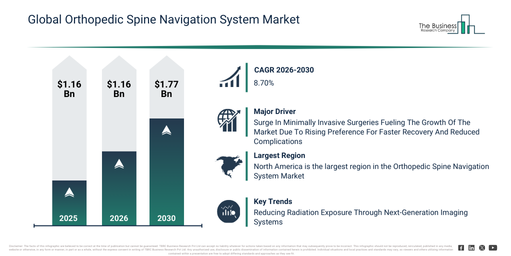
    The orthopedic spine navigation system market has shown substantial growth recently, with its size expected to rise from $18.26 billion in 2025 to $19.91 billion in 2026, reflecting a compound annual growth rate (CAGR) of 9.0%. This earlier growth period was driven by the limited availability of navigation technologies, a heavy reliance on traditional surgical approaches, the high costs associated with early navigation systems, the increasing number of spine surgeries performed, and greater awareness about the benefits of enhanced surgical accuracy. Looking ahead, the market is projected to expand further to $27.84 billion by 2030, growing at a CAGR of 8.7%. Factors fueling this forecast include developments in AI-driven navigation, integration with robotic surgical platforms, wider adoption in ambulatory surgery centers, growth in minimally invasive procedures, and innovations in hybrid electromagnetic-optical navigation systems. Key trends expected to influence this growth involve increased use of image-guided spine surgeries, intraoperative navigation, combining preoperative and intraoperative imaging data, efforts to reduce surgical errors, and expanded minimally invasive spine surgery approaches.

    Download A Free Sample Report For Comprehensive Market Insights:

    https://www.thebusinessresearchcompany.com/sample.aspx?id=27375&type=smp

    Factors Supporting Growth in the Orthopedic Spine Navigation System Market

    One major driver behind the orthopedic spine navigation system market is the rising demand for minimally invasive surgeries. These procedures involve operating through small incisions rather than large openings, which results in less tissue damage, reduced postoperative pain, shorter hospital stays, and faster recoveries. The popularity of minimally invasive techniques stems from their ability to minimize physical trauma and accelerate patient healing.

    Orthopedic spine navigation systems play a vital role in supporting these surgeries by enhancing precision, providing real-time imaging and navigation, and lowering the risk of complications. This leads to improved surgical efficiency and better patient outcomes. For example, in June 2025, the UK’s National Health Service reported that robotic-assisted surgeries are expected to increase dramatically, with half a million operations annually by 2035 compared to 70,000 in 2023/24. The use of robotics in surgery is anticipated to shift from being utilized in one out of five procedures today to becoming the standard approach for many minimally invasive interventions. This growing demand for less invasive surgical options is a significant factor driving market expansion.

    Access The Complete Orthopedic Spine Navigation System Market Report:

    https://www.thebusinessresearchcompany.com/report/orthopedic-spine-navigation-system-global-market-report

    Segmentation Within the Orthopedic Spine Navigation System Market

    This market is categorized by several important criteria:

    1) Type: Electromagnetic, Optical, and Other types

    2) Modality: Intraoperative and Preoperative navigation systems

    3) Application: Deformity correction, cervical spine surgery, thoracolumbar spine surgery, and sacroiliac joint surgery

    4) End-User: Hospitals, ambulatory surgery centers, and orthopedic clinics

    Further detailing the product types:

    – Electromagnetic systems include electromagnetic tracking, hybrid electromagnetic navigation, and portable electromagnetic units.

    – Optical systems cover passive optical tracking, active optical tracking, and hybrid optical navigation.

    – Other types encompass ultrasound-based navigation, fluoroscopic navigation, and computed tomography-based navigation systems.

    Innovations and Market Trends Shaping the Future of Orthopedic Spine Navigation

    Leading companies in this space are investing heavily in cutting-edge technology to improve surgical outcomes. This includes the development of proprietary camera systems that enhance real-time 3D imaging, increase surgery accuracy, reduce radiation exposure, and facilitate minimally invasive procedures. Proprietary camera technology refers to unique imaging platforms owned and protected by companies through patents or trade secrets.

    For instance, in September 2023, Orthofix Medical Inc., a US medical technology firm, introduced its 7D FLASH Navigation Percutaneous Module 2.0. This system supports navigated spinal fusion surgeries for both open and minimally invasive techniques, with a focus on safety, speed, and efficiency. It employs visible light and machine-vision technology to quickly create 3D images, addressing common challenges in navigation while reducing radiation exposure for both patients and operating room staff.

    Key Players Competing in the Orthopedic Spine Navigation System Market

    The market is highly competitive with several prominent companies driving innovation and growth. Some leading players include:

    – Johnson & Johnson

    – Medtronic Plc

    – Siemens Healthineers AG

    – Stryker Corporation

    – GE Healthcare Technologies Inc.

    – Zimmer Biomet Holdings Inc.

    – Globus Medical Inc.

    – MicroPort Scientific Corporation

    – Orthofix Medical Inc.

    – Hefei Meyer Optoelectronic Technology INC.

    – B. Braun Melsungen AG

    – Spineart

    – Alphatec Holdings Inc.

    – Augmedics Inc.

    – Fiagon GmbH

    – Medivis Inc.

    – Nanjing Perlove Medical Equipment Co. Ltd.

    – Captiva Spine Inc.

    – Surglasses Inc.

    – HRS NAVIGATION

    Regional Market Outlook and Key Growth Areas

    In 2025, North America held the largest share of the orthopedic spine navigation system market, reflecting established healthcare infrastructure and high technology adoption rates. Meanwhile, the Asia-Pacific region is anticipated to be the fastest-growing market during the forecast period, benefiting from increasing healthcare investments, expanding spine surgery volumes, and adoption of advanced surgical technologies. Other regions covered by the market analysis include South East Asia, Western Europe, Eastern Europe, South America, the Middle East, and Africa, presenting a global perspective on market opportunities and dynamics.

    Get in touch with us:

    The Business Research Company: https://www.thebusinessresearchcompany.com/

    Americas: +1 310-496-7795

    Asia: +44 7882 955267 & +91 8897263534

    Europe: +44 7882 955267

    Email us at: marketing@tbrc.info

    Follow us on:

    LinkedIn: https://in.linkedin.com/company/the-business-research-company

    YouTube: https://www.youtube.com/channel/UC24_fI0rV8cR5DxlCpgmyFQ

    Global Market Model: https://www.thebusinessresearchcompany.com/global-market-model
  • Orthopedic Screws Market Forecast Signals New Revenue Opportunities Through 2030

    Orthopedic Screws Market Forecast Signals New Revenue Opportunities Through 2030

    Through market attractiveness analysis, total addressable market evaluation, company benchmarking matrices, interactive Excel dashboards, expanded supply chain intelligence, emerging startup coverage, and detailed product insights, The Business Research Company’s 2026 market reports provide more actionable and strategically valuable research.

    The orthopedic screws market has witnessed significant progress recently, driven by advancements in medical technology and an increasing number of fracture cases worldwide. As the demand for effective orthopedic treatments rises, this sector is set to experience steady growth through 2030. Let’s delve into the current market size, the factors propelling expansion, key segments, evolving trends, major players, and regional insights shaping the future of orthopedic screws.

    Forecasted Expansion and Market Size of Orthopedic Screws

    The orthopedic screws market has shown strong momentum and is projected to grow from $1.32 billion in 2025 to $1.39 billion in 2026, representing a compound annual growth rate (CAGR) of 5.1%. This growth during the past years has been driven by the increasing number of traumatic fractures and orthopedic injuries, along with a wider adoption of orthopedic surgeries in hospital settings. Additional factors include early clinical acceptance of stainless steel and titanium screw systems, the rise of ambulatory surgical centers focusing on fracture fixation, and the growing use of internal fixation techniques among adults.

    Download A Free Sample Report For Comprehensive Market Insights:

    https://www.thebusinessresearchcompany.com/sample.aspx?id=13138&type=smp

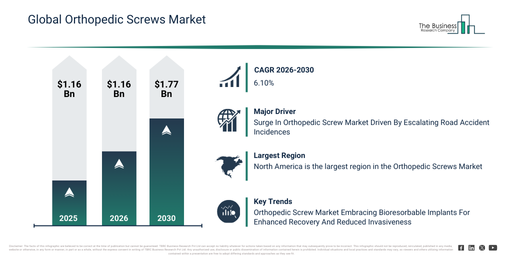
    Looking ahead, the market is expected to reach $1.76 billion by 2030, with an improved CAGR of 6.1%. Key drivers in this forecast period include an aging population prone to osteoporosis-related fractures, rising preference for bioabsorbable screw alternatives, expanding orthopedic procedures in emerging economies, and increased use of lower extremity screw systems in trauma care. The demand for specialized screws in pediatric fracture treatment is also growing. Important trends involve more frequent use of titanium screws for complex fractures, greater adoption of bioabsorbable screws in sports injuries, increased surgical volumes for lower extremity repairs, and wider use of compression screws to promote better bone healing.

    Factors Fueling Orthopedic Screws Market Growth

    One of the primary factors supporting the orthopedic screws market is the rising number of road accidents globally. These incidents are a major cause of traumatic injuries that require orthopedic interventions involving screws and plates. Road accidents, which often result in severe injuries or fatalities, create significant demand for orthopedic implants used in fracture repair. For instance, in December 2023, the Transport Accident Commission of Australia reported a total of 295 fatalities on Victorian roads during 2023. This figure represented a 22.4% increase compared to the previous year, accompanied by a rise in fatal crashes from 239 to 261. Such increases in road traffic accidents directly contribute to the growing need for orthopedic screws.

    Access The Complete Orthopedic Screws Market Report:

    https://www.thebusinessresearchcompany.com/report/orthopedic-screws-global-market-report

    Additionally, sports-related injuries also play a crucial role in driving the market forward. Traumatic injuries sustained during athletic activities often require internal fixation techniques for effective healing. As participation in sports continues to rise globally, the demand for orthopedic screws in trauma care is expected to expand.

    Segment Breakdown and Revenue Generating Opportunities in Orthopedic Screws

    This report divides the orthopedic screws market into several key segments for a better understanding of revenue opportunities:

    1) By Type: Upper Extremity and Lower Extremity

    2) By Material: Stainless Steel, Titanium, and Bioabsorbable

    3) By Application: Hospitals, Ambulatory Surgical Centers (ASCs), and Other Applications

    4) By End User: Pediatrics, Adults, and Geriatrics

    Further details within these categories include:

    – Upper Extremity Screws such as humeral, clavicle, and scapula screws

    – Lower Extremity Screws including femoral, tibial, and ankle screws

    These classifications help pinpoint specific market demands and tailor product development accordingly.

    New Industry Trends Shaping Orthopedic Screws Demand

    Leading companies in the orthopedic screws sector are focusing on innovation by developing sustainable and cutting-edge products like bioresorbable implants. These implants offer the advantage of improving recovery times and reducing the need for additional surgeries, as they naturally dissolve in the body. For example, in March 2023, Bioretec Inc., a Finnish manufacturer specializing in orthopedic implants for both pediatric and adult patients, obtained U.S. FDA approval for the RemeOs trauma screw. This product is notable as the first bioresorbable metal orthopedic screw validated through clinical trials and recognized with the FDA’s breakthrough device designation. By combining the strength of traditional metal implants with the benefits of bioresorbable polymers, such innovations eliminate the necessity for implant removal surgeries, enhancing patient outcomes.

    Continued efforts toward bioresorbable and patient-friendly solutions are expected to redefine the competitive landscape and meet growing clinical demands.

    Key Market Players Influencing Orthopedic Screws Industry

    The orthopedic screws market is shaped by several prominent companies including Johnson & Johnson, Stryker Corporation, Zimmer Biomet Holdings Inc, Smith & Nephew plc, Arthrex Inc, Integra LifeSciences Corporation, Wright Medical Group N.V., Tecomet Inc, Exactech Inc., Leistritz Advanced Technologies, Paragon 28 Inc, Acumed LLC, DJO Global, Elos Medtech, Precipart Inc, Royal Oak Medical Devices Inc, AccuRounds Inc, TYBER MEDICAL LLC, GPC Medical Ltd, Unity Precision Manufacturing, Hammill Medical Inc, Advanced Orthopaedic Solutions, Extremity Medical LLC, High Tech Turning Co, The Orthopaedic Implant Company, Diamond Orthopedic, and Vilex Inc. These companies continue to drive innovation, expand product portfolios, and strengthen their market presence globally.

    Regional Outlook and Market Leadership in Orthopedic Screws

    In 2025, North America claimed the largest share of the orthopedic screws market. However, the report also covers other significant regions such as Asia-Pacific, South East Asia, Western Europe, Eastern Europe, South America, the Middle East, and Africa. Each geography presents unique growth opportunities influenced by demographic trends, healthcare infrastructure development, and increasing awareness of orthopedic care. The expanding elderly population and rising incidence of traumatic injuries in these regions are expected to sustain market growth worldwide over the coming years.

    Get in touch with us:

    The Business Research Company: https://www.thebusinessresearchcompany.com/

    Americas: +1 310-496-7795

    Asia: +44 7882 955267 & +91 8897263534

    Europe: +44 7882 955267

    Email us at: marketing@tbrc.info

    Follow us on:

    LinkedIn: https://in.linkedin.com/company/the-business-research-company

    YouTube: https://www.youtube.com/channel/UC24_fI0rV8cR5DxlCpgmyFQ

    Global Market Model: https://www.thebusinessresearchcompany.com/global-market-model
  • Orthopedic Regenerative Surgical Products Market Growth Is Accelerating As Industry Transformation Continues

    Orthopedic Regenerative Surgical Products Market Growth Is Accelerating As Industry Transformation Continues

    Delivering more actionable and strategically valuable research, The Business Research Company’s 2026 market reports feature market attractiveness analysis, total addressable market evaluation, company benchmarking matrices, interactive Excel dashboards, expanded supply chain intelligence, emerging startup coverage, and detailed product insights.

    The orthopedic regenerative surgical products sector has witnessed substantial growth in recent years, driven by advances in medical technology and increasing demand for effective treatment options for musculoskeletal conditions. With ongoing innovations and expanding applications, this market is set to continue its upward trajectory in the coming years. Let’s explore the current market size, key growth drivers, segmentation, recent innovations, and regional dynamics shaping this industry.

    Steady Expansion of the Orthopedic Regenerative Surgical Products Market

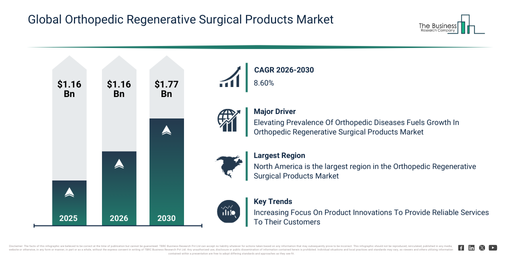
    The orthopedic regenerative surgical products market has experienced notable growth, reaching a market size of $4.88 billion in 2025. It is projected to rise to $5.32 billion in 2026, reflecting a healthy compound annual growth rate (CAGR) of 9.1%. This upward trend in previous years has been fueled by the increasing incidence of musculoskeletal disorders, a growing demand for joint-preserving treatments, more widespread management of sports-related injuries, and broader acceptance of regenerative therapies. Additionally, improvements in biologic processing techniques have supported this progress.

    Download A Free Sample Report For Comprehensive Market Insights:

    https://www.thebusinessresearchcompany.com/sample.aspx?id=6764&type=smp

    Strong Future Growth Expected in Orthopedic Regenerative Surgical Products

    Looking ahead, the market is forecasted to further expand, reaching $7.39 billion by 2030 with a CAGR of 8.6%. This anticipated growth is driven by wider adoption of stem cell-based therapies and a growing focus on non-surgical approaches to orthopedic care. The proliferation of regenerative medicine clinics, heightened investment in biologics research, and an increasing demand for personalized orthopedic treatments are contributing factors. Emerging trends include greater use of platelet-rich plasma therapies, cell-based regenerative applications, synthetic bone grafts, minimally invasive procedures, and an improved emphasis on tissue repair outcomes.

    Rising Orthopedic Disease Rates as a Key Growth Factor

    The growing prevalence of orthopedic conditions worldwide is a major factor propelling the orthopedic regenerative surgical products market forward. These products play a vital role in preventing issues such as fractures, sprains, and chronic functional limitations resulting from musculoskeletal disorders. For instance, a June 2024 report from the Australian Bureau of Statistics highlighted that musculoskeletal diseases accounted for 12.8% of the total disease burden (measured in disability-adjusted life years), 23.1% of the non-fatal burden, and 0.8% of fatal outcomes in 2023. This data underscores the increasing need for effective orthopedic regenerative solutions.

    Access The Complete Orthopedic Regenerative Surgical Products Market Report:

    https://www.thebusinessresearchcompany.com/report/orthopedic-regenerative-surgical-products-global-market-report

    Detailed Segmentation of the Orthopedic Regenerative Surgical Products Market

    This market is segmented by product type, application, and end user to provide a comprehensive overview. Product categories include allografts, synthetics, cell-based therapies, and viscosupplements. In terms of application, the focus areas are orthopedic pain management, trauma repair, and cartilage and tendon repair. End users primarily encompass hospitals, ambulatory surgical centers, and other healthcare facilities. Further subcategories within products break down into bone and soft tissue allografts, osteoinductive and osteoconductive allografts; synthetic bone and soft tissue grafts, and composite grafts; stem cell therapies, platelet-rich plasma, mesenchymal stem cells; as well as hyaluronic acid injections and sodium hyaluronate under viscosupplements.

    Innovative Products Shaping the Orthopedic Regenerative Surgical Market

    Industry leaders are pushing the boundaries of innovation with new products designed to improve patient outcomes and surgical efficiency. A notable example is the non-permanent ossiofiber compression staple, which Ossio Inc. launched in February 2023. This device serves as a temporary fixation solution providing mechanical strength and encouraging natural bone regeneration, offering an alternative to traditional resorbable implants and permanent metal hardware. It is particularly useful in midfoot and hindfoot surgeries, including flatfoot corrections and various fusion procedures, highlighting the evolution of orthopedic regenerative technologies.

    Competitive Landscape in the Orthopedic Regenerative Surgical Products Market

    The market features prominent players such as Baxter International Inc., Zimmer Biomet Holdings Inc., Stryker Corporation, Smith & Nephew plc, Allosource, Anika Therapeutics Inc., Vericel Corporation, Amniox Medical Inc., MIMEDX Group Inc., Aptissen S.A., Arthrex Inc., Bioventus LLC, Conmed Corporation, DePuy Synthes Inc., Exactech Inc., Globus Medical Inc., Integra LifeSciences Corporation, Johnson & Johnson Medical Devices group, Kuros Biosciences AG, Medtronic plc, NuVasive Inc., Orthofix Medical Inc., Osiris Therapeutics Inc., RTI Surgical Inc., Terumo BCT Inc., Tissue Regenix Group plc, Wright Medical Group N.V., Xtant Medical Holdings Inc., Camber Spine Technologies, Lima Corporate, Life Spine Inc., and CollPlant Biotechnologies Ltd. These companies compete by focusing on research, product development, and expanding their market reach.

    Regional Market Insights for Orthopedic Regenerative Surgical Products

    In 2025, North America held the leading share of the orthopedic regenerative surgical products market, establishing itself as the largest regional player. However, the Asia-Pacific region is expected to witness the fastest growth during the forecast period. The market report covers a wide geographic scope, including Asia-Pacific, South East Asia, Western Europe, Eastern Europe, North America, South America, the Middle East, and Africa, providing a broad perspective on global market dynamics.

    Get in touch with us:

    The Business Research Company: https://www.thebusinessresearchcompany.com/

    Americas: +1 310-496-7795

    Asia: +44 7882 955267 & +91 8897263534

    Europe: +44 7882 955267

    Email us at: marketing@tbrc.info

    Follow us on:

    LinkedIn: https://in.linkedin.com/company/the-business-research-company

    YouTube: https://www.youtube.com/channel/UC24_fI0rV8cR5DxlCpgmyFQ

    Global Market Model: https://www.thebusinessresearchcompany.com/global-market-model
  • Orthopedic Prosthetics Market Outlook Highlights The Next Major Growth Opportunities

    Orthopedic Prosthetics Market Outlook Highlights The Next Major Growth Opportunities

    Enhanced with market attractiveness analysis, total addressable market evaluation, company benchmarking matrices, interactive Excel dashboards, expanded supply chain intelligence, emerging startup coverage, and detailed product insights, The Business Research Company’s 2026 market reports deliver more actionable and strategically valuable research.

    The orthopedic prosthetics market has been experiencing substantial growth in recent years as advancements in technology and increasing healthcare needs drive demand. This sector is evolving rapidly with improvements in product innovation and expanding applications, reflecting a promising outlook for the near future. Below is a detailed overview of the market’s size, driving factors, segments, emerging trends, major players, and regional performance.

    Orthopedic Prosthetics Market Size and Projected Growth

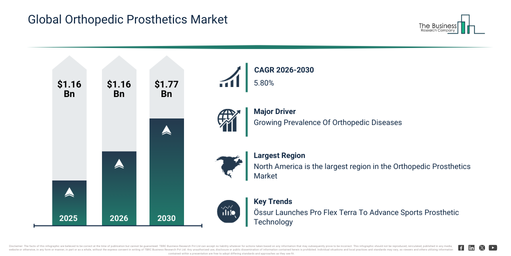
    The orthopedic prosthetics market has seen notable expansion and is anticipated to continue on this upward trajectory. The market size is expected to rise from $2.06 billion in 2025 to $2.17 billion in 2026, growing at a compound annual growth rate (CAGR) of 5.6%. Over the longer term, this growth remains strong, with projections reaching $2.72 billion by 2030 and a CAGR of 5.8%. This positive trend is supported by factors such as the increasing number of limb loss cases due to injuries and diseases, the growth of rehabilitation services, advancements in prosthetic manufacturing, enhanced access to prosthetic clinics, and heightened awareness about mobility solutions. Moving forward, demand for smart, connected prosthetics, investments in bionic technologies, personalized fitting options, AI-enabled control systems, and innovative materials will further drive the market’s expansion.

    Download A Free Sample Report For Comprehensive Market Insights:

    https://www.thebusinessresearchcompany.com/sample.aspx?id=2542&type=smp

    Key Factors Contributing to Orthopedic Prosthetics Market Growth

    One major influence fueling the orthopedic prosthetics market is the rising prevalence of orthopedic conditions. These disorders affect the musculoskeletal system, which includes muscles, bones, nerves, and joints, often resulting in the need for prosthetic intervention. Prosthetics play a crucial role in treating and correcting such issues by assisting with limb replacement, improving gait rehabilitation, and enhancing surgical precision. For instance, a May 2023 report by the National Center For Biotechnology Information highlighted that cases of low back pain (LBP) could reach 843 million by 2050, underscoring the growing burden of orthopedic diseases. This increasing prevalence creates substantial demand for advanced prosthetic solutions.

    Expanding Prosthetic Applications in Orthopedics

    Beyond disease prevalence, the market growth is also supported by innovations that improve quality of life for patients. As prosthetic technologies evolve, there is a stronger focus on personalized fittings and integration of smart systems that facilitate more natural movement and control. This shift toward customized and AI-enabled prosthetics is enhancing patient outcomes and driving adoption in clinical and rehabilitation settings. The combination of medical necessity and technological progress is therefore a key driver of market growth.

    Access The Complete Orthopedic Prosthetics Market Report:

    https://www.thebusinessresearchcompany.com/report/orthopedic-prosthetics-global-market-report

    Orthopedic Prosthetics Market Segmentation and Key Categories

    The market is segmented into several important categories that help in understanding its structure and growth areas:

    1) Product Type: Upper Extremity Prosthetics, Lower Extremity Prosthetics, Sockets, and Other Products

    2) Technology: Conventional orthopedic prosthetics, Electric-powered orthopedic prosthetics, and Hybrid orthopedic prosthetics

    3) End Users: Hospitals, Prosthetic Clinics, Rehabilitation Centers, and others

    Further subcategories include upper extremity devices such as prosthetic arms, hands, and shoulders; lower extremity components like prosthetic legs, knees, and feet; various socket types including transfemoral, transtibial, below and above knee sockets; and additional products such as prosthetic accessories and linings.

    Emerging Trends Influencing the Orthopedic Prosthetics Industry

    One prominent trend in the orthopedic prosthetics market is a focus on specialized products tailored for athletes, enabling high-performance capabilities. For example, sports prosthetics are designed to support rigorous activities by offering enhanced energy return, durability, and stability. In February 2025, Össur, an Icelandic orthopedic tech firm, launched the Pro Flex Terra, a next-generation multi-blade carbon-fiber prosthetic foot. This innovative product combines the flexibility of low-activity prosthetics with the power of high-activity feet, featuring a patented pre-compressed blade and a unique foam design that adapts to various walking and running conditions—an example of how technology is pushing functional boundaries.

    Additional trends include the increasing use of electric-powered and sensor-integrated prosthetic systems, which improve mobility and user experience. The integration of AI and sensor technology is enabling more responsive and intuitive control, further expanding the market’s appeal and effectiveness.

    Key Players Driving the Orthopedic Prosthetics Market

    The competitive landscape of the orthopedic prosthetics market is shaped by many prominent companies, including Otto Bock HealthCare GmbH, Blatchford Ltd., Zimmer Biomet Inc., DePuy Synthes, Stryker Corporation, WillowWood, Smith and Nephew plc, Biomet Inc., Touch Bionics Inc., Fillauer Companies Inc., Advanced Arm Dynamics, Medtronic Spine LLC, DJO Global, and many others. These companies are investing heavily in R&D, product innovation, and strategic collaborations to maintain their market positions and meet evolving consumer needs.

    Regional Dynamics in the Orthopedic Prosthetics Market

    In 2025, North America led the global orthopedic prosthetics market in terms of revenue, reflecting strong healthcare infrastructure and high adoption rates of advanced prosthetic technologies. Western Europe ranked as the second-largest region. The market analysis also encompasses other areas such as Asia-Pacific, South East Asia, Eastern Europe, South America, the Middle East, and Africa, with growth expected to accelerate particularly in emerging regions due to increasing healthcare investments and rising demand for mobility solutions.

    Overall, the orthopedic prosthetics market is set for sustained growth driven by technological innovation, increasing disease prevalence, and expanding rehabilitation services, offering promising opportunities for manufacturers and healthcare providers alike.

    Get in touch with us:

    The Business Research Company: https://www.thebusinessresearchcompany.com/

    Americas: +1 310-496-7795

    Asia: +44 7882 955267 & +91 8897263534

    Europe: +44 7882 955267

    Email us at: marketing@tbrc.info

    Follow us on:

    LinkedIn: https://in.linkedin.com/company/the-business-research-company

    YouTube: https://www.youtube.com/channel/UC24_fI0rV8cR5DxlCpgmyFQ

    Global Market Model: https://www.thebusinessresearchcompany.com/global-market-model