Month: June 2026

  • Oxygen Concentrators Market Growth Is Reshaping Competitive Advantage Across The Industry

    Oxygen Concentrators Market Growth Is Reshaping Competitive Advantage Across The Industry

    Delivering more actionable and strategically valuable research, The Business Research Company’s 2026 market reports feature market attractiveness analysis, total addressable market evaluation, company benchmarking matrices, interactive Excel dashboards, expanded supply chain intelligence, emerging startup coverage, and detailed product insights.

    The oxygen concentrators market has experienced significant growth recently, driven by rising health concerns and advancements in medical technology. As awareness about respiratory health increases along with improvements in healthcare delivery, this market is set to continue expanding in the coming years. Let’s explore the market’s size, key growth factors, leading players, emerging trends, and regional outlook to better understand its future trajectory.

    Market Size and Growth Projections for Oxygen Concentrators

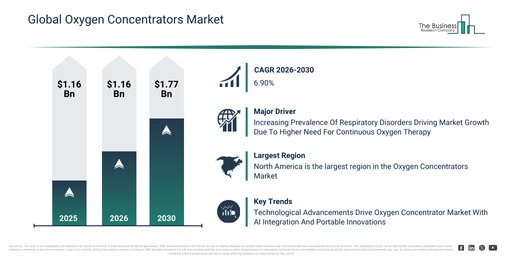
    The oxygen concentrators market has seen solid expansion over recent years. It is projected to grow from $2.38 billion in 2025 to $2.54 billion in 2026, reflecting a compound annual growth rate (CAGR) of 7.1%. This growth during the past period has been largely fueled by the rising incidence of respiratory diseases, increased availability of home healthcare services, greater awareness about the benefits of oxygen therapy, improved access to devices, and an aging global population.

    Download A Free Sample Report For Comprehensive Market Insights:

    https://www.thebusinessresearchcompany.com/sample.aspx?id=5348&type=smp

    Looking ahead, the market is expected to maintain strong momentum, reaching $3.31 billion by 2030 with a CAGR of 6.9%. Factors contributing to this sustained growth include the growing use of remote patient monitoring, enhanced investments in home healthcare infrastructure, greater acceptance of portable medical devices, heightened emphasis on solutions that support patient mobility, and continuous technological advancements in oxygen separation methods. Key trends shaping the market include a higher demand for portable oxygen concentrators, expanding adoption of home-based oxygen therapy, integration of smart oxygen monitoring features, development of lightweight and compact designs, and increased focus on energy-efficient oxygen delivery systems.

    Rising Respiratory Disorders Bolster Oxygen Concentrators Market

    One of the primary drivers behind the expanding oxygen concentrators market is the rising prevalence of respiratory disorders worldwide. Conditions such as chronic obstructive pulmonary disease (COPD), asthma, pneumonia, and post-viral respiratory complications impair lung function and reduce oxygen levels, increasing the need for continuous oxygen therapy. Factors contributing to this rise include air pollution, tobacco use, exposure to occupational hazards, and lingering health effects from respiratory infections.

    Access The Complete Oxygen Concentrators Market Report:

    https://www.thebusinessresearchcompany.com/report/oxygen-concentrators-global-market-report

    For example, data from the Centers for Disease Control and Prevention in the United States indicates that tuberculosis cases increased from 8,320 in 2022 to 9,615 in 2023, with the incidence rate rising from 2.5 to 2.9 per 100,000 individuals. This growing burden of respiratory illnesses is fueling demand for reliable oxygen concentrators across home, clinical, and emergency care settings.

    Expanding Use of Home Healthcare Services Supports Market Growth

    Another factor boosting the oxygen concentrators market is the widespread expansion of home healthcare services. Patients and caregivers increasingly prefer home-based treatment options for respiratory conditions due to convenience, cost-effectiveness, and improved quality of life. This trend encourages the adoption of portable and user-friendly oxygen concentrators suitable for home use.

    Additionally, growing awareness of the benefits of oxygen therapy, including its role in enhancing patient outcomes and managing chronic respiratory diseases, drives demand. The enhanced accessibility of oxygen therapy devices through online and retail channels also supports increased market penetration.

    Detailed Segmentation Provides Insight into Market Growth Areas

    This market is segmented based on several key criteria:

    1) By Type: Portable and Stationary oxygen concentrators.

    2) By Technology: Pulse Dose and Continuous Flow systems.

    3) By Application: Including COPD, lung cancer, pneumonia, and other medical uses.

    4) By End User: Hospitals, home care settings, and other users.

    Subcategories include battery-operated portable concentrators, travel-friendly and compact designs under the portable type, and continuous flow, pulse dose, and high-flow models under stationary concentrators. These segments highlight the diversity of products available to meet varying patient needs and care environments.

    Innovations and AI Integration Propel Market Advancements

    Leading players in the oxygen concentrators space are increasingly incorporating cutting-edge technologies such as artificial intelligence and affordable portable devices to enhance product functionality. AI-powered diagnostic and monitoring tools enable more precise and rapid healthcare insights, improving patient care especially in remote or resource-limited settings.

    For instance, in March 2024, Drive DeVilbiss Healthcare, a prominent US-based manufacturer, partnered with Sanrai International to launch the PulmO2 10L Oxygen Concentrator. This device is designed for energy efficiency and durability, making it suitable for demanding clinical environments. Its innovation lies in reducing energy consumption significantly compared to traditional 10L concentrators, aiming to provide reliable therapy particularly in low-resource settings.

    Key Market Players Dominating the Oxygen Concentrators Industry

    Several well-established companies hold a significant presence in the oxygen concentrators market. These include Inogen Inc, Koninklijke Philips N.V, Invacare Corporation, CAIRE Inc, O2 Concepts LLC, Nidek Medical Products Inc., Precision Medical Inc, Drive Devilbiss Healthcare Ltd, 3B Medical Inc, BPL, Evox Oxygen Concentrators, Nanjing Everich Medicare Import & Export Co. Ltd, AngelBiss Medical Technology Co. Ltd, Hefei DX Medical Co. Ltd, Longfian Scitech Co. Ltd, Pure O2, Heinen + Lowenstein GmbH & Co. KG, DeVilbiss Healthcare GmbH, ResMed, AirSep Corporation, and Sequal Technologies Inc. These companies continue to innovate and expand their product portfolios to meet evolving market demands.

    Regional Market Overview and Dominant Geographies

    As of 2025, North America is the largest regional market for oxygen concentrators, followed by Europe. The report also covers other key regions including Asia-Pacific, South East Asia, Western Europe, Eastern Europe, South America, the Middle East, and Africa. Each of these regions presents unique opportunities and challenges, contributing to the overall global growth pattern and competitive landscape of the oxygen concentrators market.

    Get in touch with us:

    The Business Research Company: https://www.thebusinessresearchcompany.com/

    Americas: +1 310-496-7795

    Asia: +44 7882 955267 & +91 8897263534

    Europe: +44 7882 955267

    Email us at: marketing@tbrc.info

    Follow us on:

    LinkedIn: https://in.linkedin.com/company/the-business-research-company

    YouTube: https://www.youtube.com/channel/UC24_fI0rV8cR5DxlCpgmyFQ

    Global Market Model: https://www.thebusinessresearchcompany.com/global-market-model
  • Ovulation Testing Kits Market Forecast Signals New Revenue Opportunities Through 2030

    Ovulation Testing Kits Market Forecast Signals New Revenue Opportunities Through 2030

    Enhanced with market attractiveness analysis, total addressable market evaluation, company benchmarking matrices, interactive Excel dashboards, expanded supply chain intelligence, emerging startup coverage, and detailed product insights, The Business Research Company’s 2026 market reports deliver more actionable and strategically valuable research.

    The market for ovulation testing kits has witnessed significant growth in recent years as more individuals focus on fertility planning and reproductive health. Increasing awareness, technological advancements, and the rising availability of home diagnostic tools are major contributors to this expanding industry. Let’s explore the market’s current size, key drivers, leading players, and emerging trends that are shaping its future.

    Ovulation Testing Kits Market Size and Growth Projections

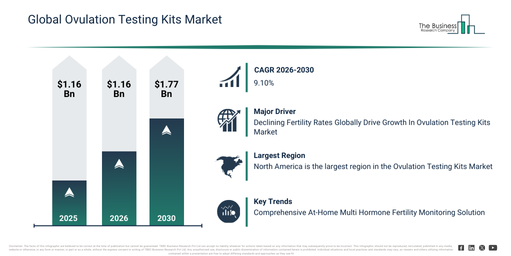
    The ovulation testing kits market has grown impressively and is projected to rise from $3.32 billion in 2025 to $3.66 billion in 2026, representing a compound annual growth rate (CAGR) of 10.3%. This increase over the historical period is largely due to heightened awareness of fertility planning, an uptick in delayed pregnancies, broader access to home diagnostic products, growing adoption of self-testing healthcare devices, and advancements in hormone detection technologies. Looking ahead, the market is expected to continue its upward trajectory, reaching $5.19 billion by 2030 with a CAGR of 9.1%. Contributing factors for this forecast include growing demand for connected fertility solutions, personalized reproductive health tools, the expansion of e-commerce channels for diagnostics, heightened focus on women’s health management, and the increasing use of AI-powered fertility tracking devices. Key trends expected to influence the market during this period include wider adoption of digital ovulation testing kits, rising preference for home-based fertility monitoring, integration of mobile applications with testing kits, the proliferation of disposable and user-friendly test formats, and improved accuracy for early fertility detection.

    Download A Free Sample Report For Comprehensive Market Insights:

    https://www.thebusinessresearchcompany.com/sample.aspx?id=15885&type=smp

    Primary Factors Fueling Ovulation Testing Kits Market Demand

    One of the main forces driving the ovulation testing kits market is the decline in fertility rates globally. Fertility rates, which measure the average number of live births per 1,000 women of childbearing age (typically 15-49 years), have been falling due to various social and economic factors. These include enhanced educational and career opportunities for women, better contraceptive access and usage, postponement of marriage and childbearing, and higher living expenses. Ovulation testing kits offer a practical, non-invasive way for individuals and couples to optimize their chances of conception, particularly amid these fertility challenges.

    For example, data from October 2024 published by the UK’s Office for National Statistics highlighted a decrease in the total fertility rate (TFR) in England and Wales, which dropped from 1.49 children per woman between 2022 and 2023 to 1.44 — the lowest level ever recorded. This downward trend in fertility rates is directly contributing to the rising demand for ovulation testing kits as people seek reliable methods to better understand and manage their reproductive health.

    Access The Complete Ovulation Testing Kits Market Report:

    https://www.thebusinessresearchcompany.com/report/ovulation-testing-kits-global-market-report

    Product Categories and Market Segments Within Ovulation Testing Kits

    This market is categorized based on product type, distribution channels, and end users. The product types include urine-based kits, saliva-based tests, and salivary ferning devices. Distribution channels consist of pharmacies and drugstores, hypermarkets and supermarkets, e-commerce platforms, and other outlets. End users are segmented into hospitals, clinics, diagnostic centers, fertility centers, home care settings, and other applications.

    Further detailed breakdowns include urine-based options such as dipstick tests, midstream tests, and digital urine tests. Saliva-based products are divided into ovulation test strips and kits with magnification features. Salivary ferning types include ferning microscopes and specialized test kits. This segmentation offers a comprehensive understanding of the market’s diverse product offerings and consumer reach.

    Innovations and Market Trends Shaping Ovulation Testing Kits

    Leading companies in the ovulation testing kits industry are concentrating efforts on developing advanced solutions that go beyond traditional single-hormone detection. Multi-hormone at-home testing systems are emerging as a breakthrough technology, enabling simultaneous measurement of several key reproductive hormones to provide deeper insights into ovulation timing and overall cycle health.

    For instance, in August 2025, Mira, a US-based women’s health technology firm, launched Ultra4 — the first at-home hormone monitor that offers lab-quality 4-in-1 testing. This innovative device replaces standard ovulation kits by tracking four critical fertility hormones: FSH, E3G, LH, and PdG. Using a fluorescent-based system, Ultra4 delivers precise, quantitative results in real time, along with advanced cycle insights and features like 4D Ovulation Profiling™, which assesses timing, strength, and viability of ovulation. Integrated with the Mira App, the Ultra4 provides users with clear hormone patterns, personalized fertility predictions, and a comprehensive understanding of reproductive health, empowering better conception planning and diagnostic clarity.

    Key Industry Players Defining the Ovulation Testing Kits Market

    The competitive landscape of the ovulation testing kits market includes several prominent companies, such as Church and Dwight Co Inc, Piramal Enterprises Inc., Meril Diagnostics Pvt Ltd, BIOSYNEX SA, Boditech Med Inc., Mankind Pharma Ltd., Innovita Biological Technology Co. Ltd., Hangzhou Clongene Biotech Co. Ltd., Swiss Precision Diagnostics GmbH, Artron Laboratories Inc., Wondfo Biotech Co. Ltd., AdvaCare Pharma, Proov, Shanghai Chemtron Biotech Co. Ltd., Ava Science Inc., Clinical Guard Ltd., Fairhaven Health LLC, Femometer Ltd., Easy Healthcare Corporation (Premom), and Tulip Diagnostics Pvt. Ltd. These players are driving innovation, expanding product lines, and enhancing distribution to capture larger shares of the growing market.

    Regional Market Overview and Demand Hotspots

    In 2025, North America held the largest share of the ovulation testing kits market, reflecting strong consumer demand and well-established healthcare infrastructure. Meanwhile, the Asia-Pacific region is expected to experience the fastest growth during the forecast period, fueled by increasing fertility awareness, rising disposable incomes, and expanding healthcare services. The market analysis covers key geographical areas including Asia-Pacific, South East Asia, Western Europe, Eastern Europe, North America, South America, the Middle East, and Africa, providing a broad and nuanced view of global market trends and opportunities.

    Get in touch with us:

    The Business Research Company: https://www.thebusinessresearchcompany.com/

    Americas: +1 310-496-7795

    Asia: +44 7882 955267 & +91 8897263534

    Europe: +44 7882 955267

    Email us at: marketing@tbrc.info

    Follow us on:

    LinkedIn: https://in.linkedin.com/company/the-business-research-company

    YouTube: https://www.youtube.com/channel/UC24_fI0rV8cR5DxlCpgmyFQ

    Global Market Model: https://www.thebusinessresearchcompany.com/global-market-model
  • Over-The-Counter (OTC) Hearing Aids Market Growth Is Accelerating As Industry Transformation Continues

    Over-The-Counter (OTC) Hearing Aids Market Growth Is Accelerating As Industry Transformation Continues

    Through market attractiveness analysis, total addressable market evaluation, company benchmarking matrices, interactive Excel dashboards, expanded supply chain intelligence, emerging startup coverage, and detailed product insights, The Business Research Company’s 2026 market reports provide more actionable and strategically valuable research.

    The over-the-counter (OTC) hearing aids market has experienced significant growth recently, driven by rising demand for accessible and affordable hearing solutions. As awareness about hearing health increases and technology advances, this market is set to expand further in the coming years. Let’s explore the current market size, key drivers, segmentation, strategic trends, and competitive landscape shaping this evolving sector.

    Steady Growth Projections for the Over-The-Counter Hearing Aids Market

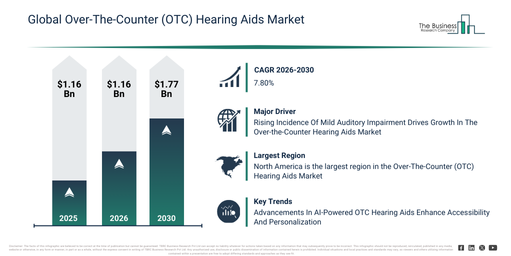
    The market for OTC hearing aids has grown considerably and is forecasted to increase from $1.24 billion in 2025 to $1.34 billion in 2026, reflecting an 8.1% compound annual growth rate (CAGR). This past growth has been propelled by factors such as the high cost of prescription hearing aids, insufficient solutions for hearing loss, wider retail availability, an aging population, and favorable regulatory approvals. Looking ahead, the market is expected to reach $1.82 billion by 2030, growing at a 7.8% CAGR. Factors driving this future expansion include the rising prevalence of mild hearing loss, the expansion of e-commerce platforms, advances in miniaturized technology, growing health consciousness, and increased adoption of smart hearing devices. Key trends shaping the market on the horizon are greater consumer acceptance of self-fitted devices, growth of direct-to-consumer sales channels, demand for cost-effective hearing solutions, wider availability of rechargeable devices, and a focus on discreet, compact designs.

    Download A Free Sample Report For Comprehensive Market Insights:

    https://www.thebusinessresearchcompany.com/sample.aspx?id=20585&type=smp

    Rising Prevalence of Mild Hearing Loss as a Market Driver

    One of the primary forces behind the growth of the OTC hearing aids market is the increasing number of people experiencing mild hearing impairment. This condition is characterized by a slight reduction in hearing ability, where individuals struggle to detect faint or distant sounds but can usually understand conversations in quiet settings. Causes include age-related hearing decline, noise exposure, and certain health issues. OTC hearing aids address these challenges by amplifying sounds and enhancing speech clarity, with customizable volume and amplification settings to suit daily environments.

    For example, as of May 2024, the Australian Government Department of Health and Aged Care reported that about 3.6 million Australians have some level of hearing loss, a figure expected to nearly double to 7.8 million by 2060. Such statistics highlight the urgent need for accessible hearing solutions, fueling demand in the OTC hearing aids market.

    Access The Complete Over-The-Counter (OTC) Hearing Aids Market Report:

    https://www.thebusinessresearchcompany.com/report/over-the-counter-otc-hearing-aids-global-market-report

    Product and Technology Segmentation in the OTC Hearing Aids Market

    This market is categorized based on product type, technology, and distribution channels. Product types include In-The-Ear (ITE) Hearing Aids, Receiver-In-The-Ear (RITE) Hearing Aids, Behind-The-Ear (BTE) Hearing Aids, and Canal Hearing Aids. Within these, there are more specific subtypes — for instance, ITE devices are divided into Full Shell ITE, Half Shell ITE, Completely-In-The-Canal (CIC), and Invisible-In-The-Canal (IIC). RITE hearing aids include Open Fit RITE, Standard RITE, and Mini RITE models. BTE devices are further classified as Standard, Mini, and Power BTE, while Canal hearing aids include CIC, IIC, and extended wear options.

    The technology division consists of Digital and Analog hearing aids. Distribution channels cover retail stores, online platforms, and audiology offices, providing diverse purchasing avenues to consumers.

    Advancements in AI Powering the Future of OTC Hearing Aids

    Leading companies in the OTC hearing aids market are heavily investing in next-generation products that incorporate artificial intelligence (AI) to enhance user experience. AI-enabled hearing aids adapt sound settings automatically according to the user’s environment and hearing profile, offering real-time noise suppression and seamless connectivity with smartphone apps for greater control.

    A notable example is the launch in September 2023 by US-based Elehear of their ELEHEAR Alpha and ELEHEAR Alpha Pro devices. The Alpha model is an affordable, behind-the-ear hearing aid with rechargeable batteries and decent music streaming capabilities. The Alpha Pro takes it further by employing AI to better distinguish human voices from background noise, improving sound clarity and reducing distortion. It also features Bluetooth connectivity for calls and music, a lightweight and discreet design for comfortable extended wear, and a 20-hour battery life with wireless charging.

    Key Players Leading the OTC Hearing Aids Market

    The competitive landscape includes a range of established companies such as Sony Corporation, Jabra, Lucid Hearing, Eargo Inc., MDHearing, Lexie Hearing, Melosound, Audien Hearing, Austar Hearing Science and Technology Xiamen Co Ltd, Soundwave Hearing LLC, Hangzhou Acosund Technology Co Ltd, Olive Union Inc., Nano Hearing Aids, Tweak Hearing, Otofonix LLC, ELEHEAR, Audicus, Bose Corporation, NUHEARA, InnerScope Hearing Technologies, HearX Group, NuvoMed, Earsmate Technology Group Ltd, and JLAB. These companies are continuously innovating to meet the increasing demand for affordable, efficient, and user-friendly OTC hearing solutions.

    Global Market Leadership and Regional Growth Dynamics

    In 2025, North America emerged as the dominant region for the OTC hearing aids market. However, the Asia-Pacific region is predicted to experience the fastest growth throughout the forecast period. The market study encompasses key regions including Asia-Pacific, South East Asia, Western Europe, Eastern Europe, North America, South America, the Middle East, and Africa, providing a comprehensive view of regional trends and market dynamics worldwide.

    Get in touch with us:

    The Business Research Company: https://www.thebusinessresearchcompany.com/

    Americas: +1 310-496-7795

    Asia: +44 7882 955267 & +91 8897263534

    Europe: +44 7882 955267

    Email us at: marketing@tbrc.info

    Follow us on:

    LinkedIn: https://in.linkedin.com/company/the-business-research-company

    YouTube: https://www.youtube.com/channel/UC24_fI0rV8cR5DxlCpgmyFQ

    Global Market Model: https://www.thebusinessresearchcompany.com/global-market-model
  • Ovarian Cancer Diagnostics Market Outlook Highlights The Next Major Growth Opportunities

    Ovarian Cancer Diagnostics Market Outlook Highlights The Next Major Growth Opportunities

    Delivering more actionable and strategically valuable research, The Business Research Company’s 2026 market reports feature market attractiveness analysis, total addressable market evaluation, company benchmarking matrices, interactive Excel dashboards, expanded supply chain intelligence, emerging startup coverage, and detailed product insights.

    The ovarian cancer diagnostics market has been experiencing notable growth, driven by advancements in medical technology and increasing awareness around women’s health. As the need for early detection and personalized treatment intensifies, this market is poised for significant expansion in the coming years. Let’s explore the current market size, key factors influencing growth, leading players, and emerging trends shaping this sector.

    Current and Projected Expansion of the Ovarian Cancer Diagnostics Market

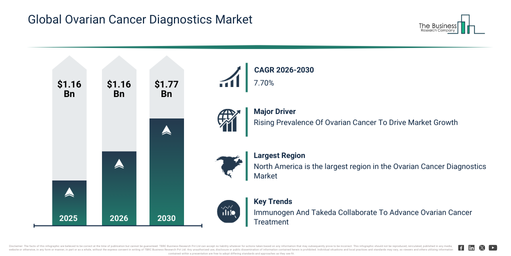
    The ovarian cancer diagnostics market has shown steady growth over recent years, with its value rising from $2.9 billion in 2025 to $3.11 billion in 2026 at a CAGR of 7.4%. This growth has been fueled by a rising incidence of ovarian cancer, enhanced awareness of women’s health, expanded diagnostic laboratory infrastructure, increased utilization of imaging and biopsy procedures, and the availability of cancer screening programs. Looking ahead, the market is expected to grow further to $4.2 billion by 2030, with a slightly higher CAGR of 7.7%. Factors driving this future expansion include growing investments in precision oncology, rising demand for early-stage cancer detection, the spread of AI-powered diagnostic platforms, and increased focus on personalized treatment approaches supported by enhanced research funding.

    Download A Free Sample Report For Comprehensive Market Insights:

    https://www.thebusinessresearchcompany.com/sample.aspx?id=12022&type=smp

    Key Factors Encouraging Growth in the Ovarian Cancer Diagnostics Market

    The rising prevalence of gynecological cancers is a significant factor propelling the demand for ovarian cancer diagnostic solutions. Gynecologic cancers encompass all cancers originating in female reproductive organs, and effective diagnostic tools are essential for managing these diseases. Ovarian cancer diagnostics aid in disease treatment, reducing recurrence, and improving patient outcomes through various therapeutic approaches. For example, in 2024, Australia recorded approximately 6,963 new cases of gynecological cancer, according to Cancer Australia. Such high incidence rates are a major contributor to market growth.

    Innovations and Market Segmentation in Ovarian Cancer Diagnostics

    This market is broadly segmented by product type, diagnosis type, cancer type, and end-user categories. Product types include instruments, kits, and reagents. Diagnostic methods are divided into biopsy, blood tests, imaging, and other approaches. Cancer types covered include epithelial tumors, germ cell tumors, and stromal cell tumors, while end users primarily comprise cancer diagnostic centers and hospital laboratories. Further subcategories break down instruments into imaging systems, biopsy devices, and molecular diagnostic tools; kits into diagnostic and screening kits; and reagents into antibodies, enzymes, and assay reagents.

    Access The Complete Ovarian Cancer Diagnostics Market Report:

    https://www.thebusinessresearchcompany.com/report/ovarian-cancer-diagnostics-global-market-report

    Partnerships and Innovations Driving Market Transformation

    Leading companies in the ovarian cancer diagnostics sector are increasingly collaborating to develop innovative products and strengthen their market positions. Such partnerships promote research, development, and commercialization by combining expertise and resources. For instance, in August 2023, ImmunoGen Inc., a US biotech firm, partnered with Japan’s Takeda Pharmaceutical Company Limited to develop and commercialize ELAHERE (mirvetuximab soravtansine-gynx) in Japan. This collaboration not only addresses a critical need for patients with Folate Receptor Alpha-Positive, platinum-resistant ovarian cancer but also highlights a shared commitment to advancing treatment options worldwide. ImmunoGen will receive upfront and milestone payments plus royalties, while Takeda gains exclusive development and commercialization rights in Japan.

    Key Players Competing in the Ovarian Cancer Diagnostics Industry

    The ovarian cancer diagnostics market features several prominent companies, including F. Hoffmann-La Roche Ltd., Thermo Fisher Scientific Inc., AstraZeneca plc, Abbott Laboratories, GlaxoSmithKline plc, Eli Lilly and Company, GE HealthCare Technologies Inc., Quest Diagnostics Incorporated, Agilent Technologies Inc., Hologic Inc., Illumina Inc., PerkinElmer Inc., Sysmex Corporation, Bio-Rad Laboratories Inc., Qiagen N.V., Natera Inc., Myriad Genetics Inc., Invitae Corporation, Guardant Health, Luminex Corporation, NanoString Technologies Inc., Siemens Healthcare Private Limited, Menarini Silicon Biosystems S.p.A., Precipio Inc., and Angle plc.

    Regional Dynamics Influencing Market Growth

    In 2025, North America was the leading region in terms of ovarian cancer diagnostics market size. However, Asia-Pacific is predicted to experience the fastest growth throughout the forecast period. The market report covers comprehensive regional analysis, including Asia-Pacific, South East Asia, Western Europe, Eastern Europe, North America, South America, the Middle East, and Africa, reflecting diverse growth opportunities worldwide.

    Get in touch with us:

    The Business Research Company: https://www.thebusinessresearchcompany.com/

    Americas: +1 310-496-7795

    Asia: +44 7882 955267 & +91 8897263534

    Europe: +44 7882 955267

    Email us at: marketing@tbrc.info

    Follow us on:

    LinkedIn: https://in.linkedin.com/company/the-business-research-company

    YouTube: https://www.youtube.com/channel/UC24_fI0rV8cR5DxlCpgmyFQ

    Global Market Model: https://www.thebusinessresearchcompany.com/global-market-model
  • Otoscope Market Trends And Growth Drivers Point To Strong Future Potential

    Otoscope Market Trends And Growth Drivers Point To Strong Future Potential

    Enhanced with market attractiveness analysis, total addressable market evaluation, company benchmarking matrices, interactive Excel dashboards, expanded supply chain intelligence, emerging startup coverage, and detailed product insights, The Business Research Company’s 2026 market reports deliver more actionable and strategically valuable research.

    The otoscope market has been witnessing steady growth, driven by advances in healthcare and increasing demand for effective diagnostic tools. With technological innovations and expanding healthcare services worldwide, this sector is positioned for significant expansion. Let’s explore the current market size, key factors influencing growth, major players, and future trends shaping the otoscope industry.

    Market Size Evolution and Forecast for the Otoscope Market

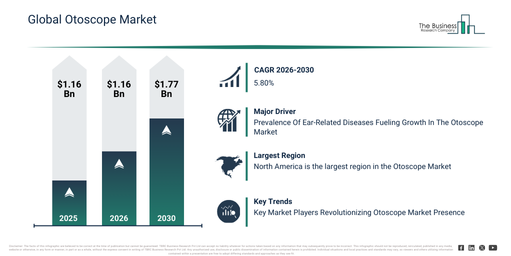
    The otoscope market has experienced notable growth in recent years, with its value projected to increase from $3.2 billion in 2025 to $3.37 billion in 2026, representing a compound annual growth rate (CAGR) of 5.4%. This growth during the historical period is largely due to a rise in the prevalence of ear infections, an increase in outpatient diagnostic visits, the expansion of primary healthcare centers, wider use of handheld diagnostic instruments, and improved accessibility of basic medical devices. Looking ahead, the market is expected to reach $4.23 billion by 2030, growing at a CAGR of 5.8%. The forecast period’s expansion is driven by factors such as growing adoption of telehealth services, heightened demand for AI-assisted diagnostics, development of remote patient examination technologies, increased emphasis on early diagnosis, and rising investments in digital healthcare equipment. Emerging trends during this time include greater use of digital and video otoscopes, increased demand for portable devices, enhanced wireless connectivity, telemedicine-compatible products, and improved high-resolution imaging technologies.

    Download A Free Sample Report For Comprehensive Market Insights:

    https://www.thebusinessresearchcompany.com/sample.aspx?id=10604&type=smp

    Main Factors Fueling Growth in the Otoscope Market

    One of the primary drivers behind the otoscope market’s expansion is the rising prevalence of ear-related conditions. These include infections like otitis media, hearing impairments such as presbycusis, and structural abnormalities like otosclerosis that affect hearing and balance. Otoscopes play a crucial role in facilitating early detection, accurate diagnosis, and timely treatment of these conditions, thus reducing their impact. For example, in February 2023, the World Health Organization, a Swiss-based global public health entity, reported that approximately 5% of the global population suffers from disabling hearing loss. This includes 432 million adults and 34 million children experiencing hearing difficulties. Projections estimate that by 2050, the number of people affected by hearing loss could rise to 700 million, highlighting the growing need for diagnostic tools like otoscopes.

    Breakdown of Otoscope Market Segments and Revenue Potential

    This report segments the otoscope market into various categories to better understand its scope:

    1) By Type: Pocket Otoscope, Full-Sized Otoscope, Video Otoscope

    2) By Modality: Wired Digital, Wireless

    3) By Portability: Wall Mounted, Portable

    4) By End-User: Hospitals, ENT Clinics, Other End Users

    Further subcategories include:

    – Pocket Otoscope: Battery-Operated Pocket Otoscope, Rechargeable Pocket Otoscope

    – Full-Sized Otoscope: Wall-Mounted Full-Sized Otoscope, Tabletop Full-Sized Otoscope

    – Video Otoscope: Handheld Video Otoscope, Desktop Video Otoscope

    These distinctions help identify specific growth areas and revenue streams within the market.

    Access The Complete Otoscope Market Report:

    https://www.thebusinessresearchcompany.com/report/otoscope-global-market-report

    Current Trends Shaping the Future of the Otoscope Market

    Leading companies in the otoscope sector are prioritizing innovation, particularly by introducing advanced wireless devices. These new products aim to improve diagnostic accuracy, patient comfort, and meet evolving healthcare requirements, which strengthens their market position and addresses diverse clinical needs. Wireless technology facilitates seamless connectivity and enhances device functionality across various applications.

    For instance, in January 2023, Portronics, an India-based portable solutions provider, unveiled the XLife otoscope, featuring cutting-edge capabilities. This device wirelessly streams a 360-degree Full HD view of the ear canal directly to smartphones, equipped with a safe silicone scoop tip designed for gentle earwax removal. The XLife ensures user safety with its skin-friendly screw-furled silicone tip and boasts a powerful 3-megapixel camera paired with a 3.5mm lens, supported by a 6-LED spotlight for clear visuals. Additionally, it includes a 3-axis gyroscope for improved handling and comprehensive 360-degree viewing, enhancing both safety and convenience.

    Key Market Players Guiding Industry Development

    Several prominent companies lead the otoscope market, including American Diagnostic Corporation, Rudolf Riester GmbH & Co. KG, HEINE & Co. Medizinisch-Physikalische Werkstätten GmbH + Co. KG, Kirchner & Wilhelm GmbH & Co. KG, LUXAMED GmbH & CO. KG, Olympus Corporation, Midmark Corporation, CellScope Inc., Inventis SRL, Zhejiang Honsun Medical Instrument Co. Ltd., Firefly Global Ltd., Prestige Medical Ltd., Otopront Ltd., Spengler GmbH & Co. KG, Adam-Rouilly S.A.S., Keeler Ltd., AnMo Electronics Corporation (Dino-Lite), MedRx Solutions Inc., XION GmbH, and ATMOS MedizinTechnik GmbH & Co. KG. These organizations are instrumental in directing technological advancements and expanding the global reach of otoscope products.

    Regional Market Leadership and Growth Outlook

    In 2025, North America held the largest share of the otoscope market. However, the Asia-Pacific region is anticipated to experience the fastest growth throughout the forecast period. The market report covers key global regions including Asia-Pacific, South East Asia, Western Europe, Eastern Europe, North America, South America, the Middle East, and Africa, offering a broad perspective on worldwide market trends and opportunities.

    Get in touch with us:

    The Business Research Company: https://www.thebusinessresearchcompany.com/

    Americas: +1 310-496-7795

    Asia: +44 7882 955267 & +91 8897263534

    Europe: +44 7882 955267

    Email us at: marketing@tbrc.info

    Follow us on:

    LinkedIn: https://in.linkedin.com/company/the-business-research-company

    YouTube: https://www.youtube.com/channel/UC24_fI0rV8cR5DxlCpgmyFQ

    Global Market Model: https://www.thebusinessresearchcompany.com/global-market-model
  • Ostomy Drainage Bags Market Expansion Is Reshaping Competitive Dynamics Across The Industry

    Ostomy Drainage Bags Market Expansion Is Reshaping Competitive Dynamics Across The Industry

    Through market attractiveness analysis, total addressable market evaluation, company benchmarking matrices, interactive Excel dashboards, expanded supply chain intelligence, emerging startup coverage, and detailed product insights, The Business Research Company’s 2026 market reports provide more actionable and strategically valuable research.

    The ostomy drainage bags market has witnessed significant growth recently, driven by increasing healthcare needs and advancements in product design. As healthcare systems evolve and patient awareness rises, this market is set for continued expansion in the coming years. Let’s explore the current market size, factors influencing growth, key players, and emerging trends shaping the future of this sector.

    Ostomy Drainage Bags Market Size and Growth Forecast

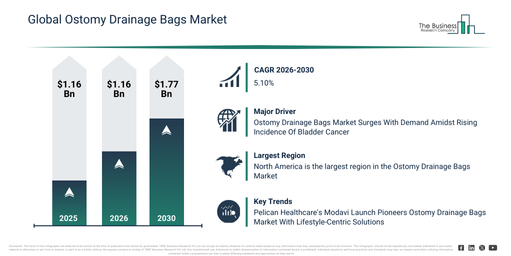
    The market for ostomy drainage bags has shown robust expansion over recent years. It is projected to increase from $2.24 billion in 2025 to $2.36 billion in 2026, reflecting a compound annual growth rate (CAGR) of 5.2%. This growth during the historical period is largely fueled by a growing number of colorectal and bladder cancer cases, a rise in ostomy surgeries, better access to post-surgery care products, the growing adoption of home healthcare, and the availability of advanced ostomy materials. Looking ahead, the market is anticipated to reach $2.88 billion by 2030 with a steady CAGR of 5.1%. This future growth is expected to be driven by an aging population with urological disorders, increasing demand for long-term ostomy care solutions, expansion of home-based care settings, heightened awareness about ostomy management, and innovations that improve patient comfort. Trends likely to influence the market include the adoption of skin-friendly materials, the demand for leak-resistant drainage systems, a preference for discreet and comfortable bags, expansion of multi-use products, and a greater emphasis on infection prevention features.

    Download A Free Sample Report For Comprehensive Market Insights:

    https://www.thebusinessresearchcompany.com/sample.aspx?id=8811&type=smp

    Key Factors Propelling Growth in the Ostomy Drainage Bags Market

    The rising incidence of bladder cancer stands as a major driver for the ostomy drainage bags market. Bladder cancer originates when cells in the urinary bladder grow uncontrollably, eventually forming tumors that may spread throughout the body. Drainable ostomy bags, which can be emptied and reused, are particularly favored by patients with urine-related conditions. For instance, in September 2025, Cancer Research UK reported that the European age-standardized incidence rate of bladder cancer among women in the UK is projected to decline by about 11% between 2024–2026 and 2038–2040, dropping from roughly 7.2 to 6.5 cases per 100,000 annually. Among men, the rate is expected to decrease by around 14% in the same period, from approximately 21.7 to 18.7 cases per 100,000 per year. Despite this decline, bladder cancer continues to significantly influence demand for ostomy drainage products.

    Additional Drivers Supporting Market Expansion

    Other factors contributing to market growth include the increasing number of ostomy surgeries worldwide and enhanced access to postoperative care products. The growing preference for home healthcare solutions and the availability of innovative, advanced ostomy materials that improve patient outcomes are also pivotal. Together, these factors are encouraging a shift toward more personalized and comfortable ostomy care options, supporting sustained market growth.

    Access The Complete Ostomy Drainage Bags Market Report:

    https://www.thebusinessresearchcompany.com/report/ostomy-drainage-bags-global-market-report

    Detailed Segmentation of the Ostomy Drainage Bags Market

    This market is segmented based on type, clinical application, and end user. Types include colostomy bags, ileostomy bags, and urostomy bags, with further subdivisions into one-piece and two-piece variants for each category. Clinical applications cover colorectal cancer, bladder cancer, colonic diverticulitis, inflammatory bowel disease, and other diseases. End users consist primarily of hospitals and home care setups. These categories allow for a comprehensive understanding of product preferences and patient needs across different healthcare environments.

    Innovations and Trends Transforming the Ostomy Drainage Bags Market

    Leading companies in the ostomy drainage bags industry are focusing heavily on product innovation to meet patient needs. Advanced leak prevention technologies and customizable designs are becoming standard features to improve patient comfort and quality of life. For example, Convatec introduced Leak Defense technology, which combines superior adhesives with soft convexity designs to create a secure seal that helps prevent leaks and extend wear time. In February 2024, Convatec Group plc launched the new Esteem Body with Leak Defense, a comprehensive one-piece ostomy system portfolio tailored to fit diverse body types and stoma shapes. This portfolio includes drainable, closed-end, and urostomy pouching solutions, addressing a wide range of patient requirements.

    Major Players Influencing the Ostomy Drainage Bags Market

    The ostomy drainage bags sector features several prominent companies that drive innovation and market reach. Key players include Coloplast A/S, Hollister Inc., ConvaTec Inc., B Braun Melsungen AG, Salts Healthcare Ltd., Welland Medical Ltd., Marlen Manufacturing and Development Co., Nu Hope Laboratories Inc., Cymed Ostomy Co., Torbot Group Inc., Securi T USA, Schena Ostomy Technologies Inc., Alcare Co Ltd, Pelcin Healthcare Ltd., Flexicare Medical Ltd., Rusch Inc., Smith and Nephew PLC, 3M Company, BSN Medical GmbH, Hubei Hendry Medical Appliance Co Ltd, EuroMed Inc., and Safe n Simple LLC. These companies continue to lead the market through innovation and extensive distribution networks.

    Regional Market Landscape and Growth Opportunities

    In 2025, North America held the largest market share in the ostomy drainage bags sector. However, the Asia-Pacific region is expected to experience the fastest growth throughout the forecast period. Other regions analyzed in the market report include South East Asia, Western Europe, Eastern Europe, South America, the Middle East, and Africa. This broad regional coverage provides insights into global market dynamics and emerging opportunities across diverse healthcare systems.

    Get in touch with us:

    The Business Research Company: https://www.thebusinessresearchcompany.com/

    Americas: +1 310-496-7795

    Asia: +44 7882 955267 & +91 8897263534

    Europe: +44 7882 955267

    Email us at: marketing@tbrc.info

    Follow us on:

    LinkedIn: https://in.linkedin.com/company/the-business-research-company

    YouTube: https://www.youtube.com/channel/UC24_fI0rV8cR5DxlCpgmyFQ

    Global Market Model: https://www.thebusinessresearchcompany.com/global-market-model
  • Ostomy Devices Market Forecast Reveals Where Future Industry Value Will Be Created

    Ostomy Devices Market Forecast Reveals Where Future Industry Value Will Be Created

    Delivering more actionable and strategically valuable research, The Business Research Company’s 2026 market reports feature market attractiveness analysis, total addressable market evaluation, company benchmarking matrices, interactive Excel dashboards, expanded supply chain intelligence, emerging startup coverage, and detailed product insights.

    The market for ostomy devices has experienced consistent growth in recent years, driven by several health and demographic factors. As medical advancements and patient care evolve, this sector is set to continue expanding steadily. Let’s explore the current market size, key growth drivers, segment dynamics, innovation trends, leading players, and regional insights shaping the future of ostomy devices.

    Steady Growth in Ostomy Devices Market Size and Forecast

    The ostomy devices market has been growing at a reliable pace and is projected to increase from $2.9 billion in 2025 to $3.04 billion in 2026, reflecting a compound annual growth rate (CAGR) of 4.6%. This growth during the historical period is largely due to increasing cases of colorectal cancer and inflammatory bowel diseases, a rise in colostomy and ileostomy surgeries performed in hospitals, early availability of ostomy bags and related accessories, greater acceptance of post-surgical waste management systems by patients, and the expansion of ambulatory care for ostomy procedures.

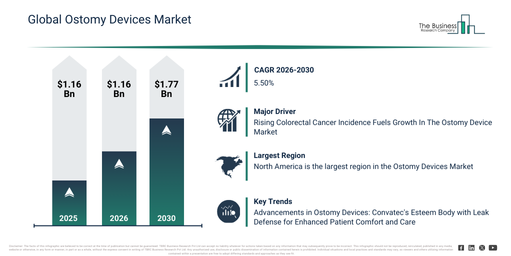
    Looking ahead, the market is expected to reach $3.76 billion by 2030 with an accelerated CAGR of 5.5%. Factors driving this projected expansion include a growing elderly population needing long-term ostomy care, a rising preference for home-based and self-managed ostomy solutions, increased demand for advanced adhesive skin barriers and supportive garments, growing numbers of surgeries in urostomy and ileostomy segments, and enhanced access to ostomy care in developing healthcare markets. Emerging trends during the forecast period are expected to focus on higher demand for ostomy bags and accessories, greater adoption of both one-piece and two-piece system types, increased preference for skin-friendly and comfort-oriented products, a rise in home care usage among long-term patients, and wider application of ostomy devices across colostomy, ileostomy, and urostomy procedures.

    Download A Free Sample Report For Comprehensive Market Insights:

    https://www.thebusinessresearchcompany.com/sample.aspx?id=13139&type=smp

    Key Factors Propelling the Ostomy Devices Market Expansion

    A significant driver of market growth is the high incidence rate of colorectal cancer. This cancer, which originates in the colon or rectum tissues, involves uncontrolled growth of abnormal cells that can develop into tumors and spread if untreated. As a result, the increasing prevalence of colorectal cancer leads to a greater number of ostomy surgeries. Ostomy devices play a crucial role in assisting patients post-surgery by enabling effective waste collection through attachment to the stoma, thus managing bodily functions efficiently. For instance, in January 2023, the American Cancer Society reported 153,020 new colorectal cancer cases in the US, highlighting the growing need for ostomy solutions tied to this condition.

    Beyond cancer, other medical conditions and surgical procedures related to inflammatory bowel diseases and other gastrointestinal issues are also contributing to the rising demand for ostomy devices, supporting sustained market growth.

    Breakdown of Ostomy Devices Market Segments

    This market is categorized comprehensively across several dimensions to better understand demand patterns:

    1) Product Types: Including bags and accessories

    2) System Types: Comprising one-piece and two-piece systems

    3) Surgery Types: Covering colostomy, urostomy, and ileostomy procedures

    4) End Users: Spanning ambulatory surgical centers, hospitals, home care settings, and other users

    Further subcategories dissect the product types, such as colostomy, ileostomy, and urostomy bags; and accessories including skin barriers, adhesives and pastes, deodorants and cleansing products, as well as belts and support garments. This segmentation helps identify which areas are expanding most rapidly and where innovations are focused.

    Access The Complete Ostomy Devices Market Report:

    https://www.thebusinessresearchcompany.com/report/ostomy-devices-global-market-report

    Innovations and Advancements Transforming the Ostomy Devices Industry

    Leading companies in the ostomy device sector are prioritizing the development of skin-friendly materials designed to minimize skin irritation and enhance user comfort during prolonged device use. Incorporating non-irritating materials helps reduce allergic reactions, discomfort, and skin-related complications, giving these products a competitive edge.

    For example, in February 2024, UK-based Onvatec Group plc launched the Esteem Body with Leak Defense, an innovative one-piece soft convex ostomy system aimed at improving patient outcomes. This design tackles common challenges, such as leakage issues, especially relevant given rising global obesity rates. The product features advanced adhesives that conform to different body shapes, a unique 8-shaped pouch reducing sagging, and water-repellent materials that ensure discretion during activities like swimming. Such innovations are enhancing both functionality and patient quality of life.

    Top Companies Shaping the Ostomy Devices Market Landscape

    The ostomy devices market is dominated by several well-established players, including 3M Company, B. Braun Melsungen AG, Smith & Nephew plc, Coloplast Corp., ConvaTec Group PLC, Hollister Incorporated, Perma-Type Company Inc., Dansac UK, Salts Healthcare, Zhejiang Longterm Medical Technology Co. Ltd, Vonco Products LLC, Angiplast Pvt. Ltd., Scapa Healthcare Ltd, Welland Medical Limited, Flexicare (Group) Limited, Marlen Manufacturing And Development Company, Nu-Hope Laboratories Inc., Torbot Group Inc., Genairex Inc., ALCARE Co. Ltd., OxMed International GmbH, Cymed Inc., Schena Ostomy Technologies Inc., Sarasota Medical Products, Safe N’ Simple LLC, and Wuhan Sitaili Medical Apparatus Development Co. Ltd. These companies continue to invest in research, development, and market expansion initiatives to maintain competitive positioning.

    Regional Overview of Ostomy Devices Market Growth and Leadership

    In 2025, North America accounted for the largest share of the global ostomy devices market. However, the market report also highlights important developments and growth potential across various regions including Asia-Pacific, South East Asia, Western Europe, Eastern Europe, South America, the Middle East, and Africa. This geographic diversity underscores the global demand for ostomy devices and the expanding opportunities in emerging healthcare markets.

    Get in touch with us:

    The Business Research Company: https://www.thebusinessresearchcompany.com/

    Americas: +1 310-496-7795

    Asia: +44 7882 955267 & +91 8897263534

    Europe: +44 7882 955267

    Email us at: marketing@tbrc.info

    Follow us on:

    LinkedIn: https://in.linkedin.com/company/the-business-research-company

    YouTube: https://www.youtube.com/channel/UC24_fI0rV8cR5DxlCpgmyFQ

    Global Market Model: https://www.thebusinessresearchcompany.com/global-market-model
  • Osteosynthesis Devices Market Growth Through 2030 Creates New Strategic Opportunities

    Osteosynthesis Devices Market Growth Through 2030 Creates New Strategic Opportunities

    Enhanced with market attractiveness analysis, total addressable market evaluation, company benchmarking matrices, interactive Excel dashboards, expanded supply chain intelligence, emerging startup coverage, and detailed product insights, The Business Research Company’s 2026 market reports deliver more actionable and strategically valuable research.

    The osteosynthesis devices market is experiencing impressive growth, driven by advances in orthopedic care and increasing demand for effective fracture management solutions. As the prevalence of traumatic injuries and age-related fractures rises globally, this sector is set to expand steadily, supported by technological innovations and wider access to treatment across various healthcare settings. Let’s explore the current market size, key growth drivers, emerging trends, major players, and regional dynamics shaping this evolving industry.

    Steady Expansion and Market Projections for Osteosynthesis Devices

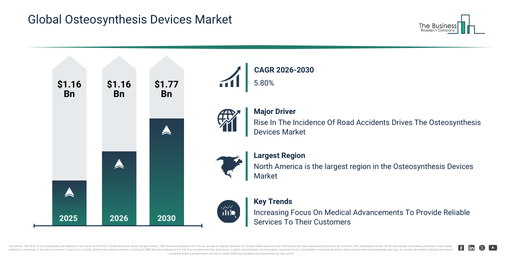
    The osteosynthesis devices market has witnessed solid growth in recent years and continues on an upward trajectory. The market is projected to increase from $10.09 billion in 2025 to $10.67 billion in 2026, reflecting a compound annual growth rate (CAGR) of 5.7%. Looking ahead, the market is expected to reach $13.35 billion by 2030, with a CAGR of 5.8%. This expansion is underpinned by factors such as a rising number of traumatic fractures, growing clinical acceptance of internal fixation techniques using plates, screws, and intramedullary nails, and the expansion of orthopedic centers specializing in fracture repair.

    Download A Free Sample Report For Comprehensive Market Insights:

    https://www.thebusinessresearchcompany.com/sample.aspx?id=13503&type=smp

    Primary Factors Supporting Osteosynthesis Devices Market Growth

    One of the main drivers behind the market’s growth is the increasing occurrence of traumatic fractures and orthopedic injuries. Hospitals and trauma centers are adopting internal fixation devices more frequently to stabilize fractures, leading to higher demand for osteosynthesis products. Moreover, the rising preference for non-degradable metallic implants in adult fracture treatments has further boosted adoption. The expansion of orthopedic clinics performing complex fracture procedures also adds momentum to the market.

    Additional Market Drivers Supporting Long-Term Growth

    Looking to the future, the aging global population with osteoporosis-related fractures will play a critical role in driving demand for osteosynthesis devices. There is also growing acceptance of biodegradable osteosynthesis materials, which address concerns related to implant compatibility and long-term patient outcomes. Increased treatment volumes in ambulatory surgical centers, greater access to osteosynthesis care in emerging healthcare markets, and rising demand for hip and spine fracture treatments will additionally fuel market growth.

    Access The Complete Osteosynthesis Devices Market Report:

    https://www.thebusinessresearchcompany.com/report/osteosynthesis-devices-global-market-report

    How Road Accidents Contribute to Market Development

    The rising number of road accidents worldwide is a significant factor propelling the osteosynthesis devices market. Road accidents, characterized by vehicle collisions causing injuries, often result in severe fractures requiring surgical intervention. Osteosynthesis devices play a crucial role in restoring bone stability and patient mobility after such injuries. For example, a January 2024 report from The Road Safety Authority in Ireland highlighted increases in injured road users, including drivers (+13), passengers (+12), motorcyclists (+4), and pedestrians (+1), along with a rise in average monthly fatalities from 13 in 2022 to 16 in 2023. These trends emphasize the growing need for effective fracture management solutions, boosting market demand.

    Key Segments Defining the Osteosynthesis Devices Market

    This market is segmented by device type, fracture type, material, and end user to provide detailed insights:

    1) Device Type includes Internal Fixation Devices and External Fixation Devices.

    2) Fracture Type covers Hip Fracture, Knee Fracture, Spine Fracture, Shoulder Fracture, Foot and Ankle Fracture, Facial Bones Fracture, and others.

    3) Material segments consist of Non-Degradable and Degradable implants.

    4) End Users comprise Hospitals, Orthopedic Clinics, and Ambulatory Surgical Centers.

    Further breakdowns include subcategories such as:

    – Internal Fixation Devices: Plates and Screws, Intramedullary Nails (IM Nails), Spinal Fixation Devices, Bone Clamps, Bone Cement.

    – External Fixation Devices: External Fixator Frames, Ring Fixators, Hybrid Fixators, Uniplanar External Fixators, Circular External Fixators.

    Innovation Trends Steering Growth in Osteosynthesis Devices

    Leading companies in the osteosynthesis sector are focusing on developing innovative solutions, particularly in spinal fixation systems, to enhance treatment outcomes. For instance, in July 2024, Life Spine, a US-based medical technology firm, received FDA clearance for its ARx SAI Spinal Fixation System. This advanced system provides strong stabilization for the sacroiliac joint, utilizing a sacral alar iliac trajectory. Its design incorporates self-drilling screws that simplify surgical procedures and promote bone integration, along with a durable, low-profile Cobalt Chrome tulip head and an easy-to-use universal T25 hexalobe drive.

    Prominent Market Players Reinforcing the Osteosynthesis Device Industry

    The osteosynthesis devices market features several key players driving technological advancements and expanding product portfolios. Notable companies include Medtronic plc, Stryker Corporation, B. Braun SE, DePuy Synthes Inc., Zimmer Biomet Holdings Inc., Smith & Nephew PLC, Arthrex Inc., NuVasive Inc., CONMED Corporation, Globus Medical Inc., LimaCorporate S.p.A., Medartis AG, Paragon 28 Inc., KLS Martin Group, Orthofix Medical Inc., Groupe Lepine SAS, Acumed LLC, Merete GmbH, Tyber Medical LLC, GPC Medical Ltd., Skeletal Dynamics LLC, Matrix Meditec Private Limited, Pega Medical Inc., and Gauthier Biomedical Inc.

    Geographical Market Overview and Growth Regions

    In 2025, North America held the largest share of the osteosynthesis devices market, supported by advanced healthcare infrastructure and high adoption rates. Meanwhile, the Asia-Pacific region is expected to be the fastest growing throughout the forecast period, driven by increasing healthcare investments and expanding access to orthopedic care. The market analysis encompasses regions including Asia-Pacific, South East Asia, Western Europe, Eastern Europe, North America, South America, the Middle East, and Africa, providing a comprehensive view of global market trends and opportunities.

    Get in touch with us:

    The Business Research Company: https://www.thebusinessresearchcompany.com/

    Americas: +1 310-496-7795

    Asia: +44 7882 955267 & +91 8897263534

    Europe: +44 7882 955267

    Email us at: marketing@tbrc.info

    Follow us on:

    LinkedIn: https://in.linkedin.com/company/the-business-research-company

    YouTube: https://www.youtube.com/channel/UC24_fI0rV8cR5DxlCpgmyFQ

    Global Market Model: https://www.thebusinessresearchcompany.com/global-market-model
  • Osseointegration Implants Market Size Projected To Increase From $8.35 Billion To $11.35 Billion During The Forecast Period

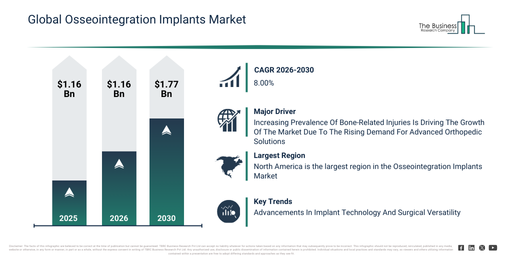
    Osseointegration Implants Market Size Projected To Increase From $8.35 Billion To $11.35 Billion During The Forecast Period

    Through market attractiveness analysis, total addressable market evaluation, company benchmarking matrices, interactive Excel dashboards, expanded supply chain intelligence, emerging startup coverage, and detailed product insights, The Business Research Company’s 2026 market reports provide more actionable and strategically valuable research.

    The osseointegration implants sector has experienced significant growth recently, driven by advancements in technology and rising demand for effective bone-related treatments. This market is set to expand further as innovations improve implant materials and surgical techniques, offering promising opportunities for healthcare providers and patients alike. Let’s explore the current market landscape, key growth drivers, segments, industry trends, major players, and regional insights shaping this industry.

    Osseointegration Implants Market Size and Growth Outlook Through 2030

    The osseointegration implants market has witnessed strong expansion in recent years. It is projected to increase from $7.72 billion in 2025 to $8.35 billion in 2026, reflecting a compound annual growth rate (CAGR) of 8.3%. This historical growth is mainly due to a limited variety of implant materials, a rising incidence of bone-related disorders, an aging population, continued reliance on conventional surgical methods, and an increase in dental and orthopedic procedures. Looking ahead, the market is expected to reach $11.36 billion by 2030, growing at a CAGR of 8.0%. Factors contributing to this forecast include the emergence of advanced implant materials and coatings, the integration of technology in surgical planning, greater use of robotic-assisted surgeries, expansion of global implant markets, and heightened awareness about post-operative recovery and patient outcomes. Key trends anticipated to shape the market involve growing acceptance of titanium and ceramic implants, increased preference for minimally invasive surgeries, expansion in dental and orthopedic implant procedures, improvements in surface coatings and osseointegration technologies, and the growth of ambulatory surgical centers as well as specialized clinics.

    Download A Free Sample Report For Comprehensive Market Insights:

    https://www.thebusinessresearchcompany.com/sample.aspx?id=24638&type=smp

    Rising Prevalence of Bone-Related Injuries Encourages Market Expansion

    A key factor propelling growth in the osseointegration implants market is the increasing number of bone-related injuries. These injuries, which include fractures, breaks, and joint dislocations, are more common due to the expanding elderly population whose bones are more fragile and susceptible to damage. Osseointegration implants play an essential role in treating these injuries by securely anchoring prosthetics to the bone, thereby providing enhanced support and promoting healing. For example, a report released in August 2024 by Healthy Bones Australia, a non-governmental organization based in Australia, indicated that in 2023, a fracture occurred every 2.7 minutes across the country. This rate is expected to escalate to one fracture every 30 seconds by 2033, underscoring the growing need for effective implant solutions and driving demand in this market.

    Osseointegration Implants Market Segmentation Highlighting Growth Opportunities

    This report categorizes the osseointegration implants market into several key segments to pinpoint growth areas. By product, the market includes dental implants, hip implants, knee implants, spinal implants, and other products. Regarding materials, it covers ceramic implants, zirconia implants, stainless steel implants, titanium implants, metallic implants, and other materials. In terms of end users, the market serves hospitals, ambulatory surgical centers, dental clinics, and other end users. Further subdivisions provide more detailed insights, such as dental implant types including endosteal, subperiosteal, zygomatic, mini dental, and basal implants; hip implant kinds like total hip replacement, partial hip replacement, hip resurfacing, and revision hip implants; knee implant varieties including total, partial, and revision knee replacements; spinal implant classifications such as interbody fusion devices, pedicle screws, rods and plates, artificial discs, and spinal cages; alongside other joint implants like shoulder, elbow, ankle, and wrist implants.

    Access The Complete Osseointegration Implants Market Report:

    https://www.thebusinessresearchcompany.com/report/osseointegration-implants-global-market-report

    Industry Trends Influencing Future Growth in the Osseointegration Implants Market

    Leading companies in the osseointegration implant space are increasingly focusing on integrating digital dentistry technologies to enhance surgical and restorative versatility, thereby improving treatment outcomes and predictability for dental professionals. Surgical and restorative versatility refers to the implant’s ability to adapt to various surgical approaches and prosthetic options, making it suitable for a wide range of clinical scenarios. For instance, in February 2024, ZimVie Inc., a US-based life sciences firm, introduced the TSX Implant. This cutting-edge implant is designed for immediate placement and loading and is backed by over twenty years of clinical data supporting long-term bone health and prosthetic stability. The TSX Implant is fully compatible with ZimVie’s digital dentistry platforms and flexible surgical protocols, simplifying procedures and increasing predictability for practitioners. This launch underscores ZimVie’s dedication to innovation and leadership in the market.

    Key Players and Competitive Landscape in the Osseointegration Implants Market

    The osseointegration implants market features several major companies shaping its competitive dynamics. Notable players include Johnson And Johnson, Medtronic plc, Stryker Corporation, Zimmer Biomet Holdings Inc, Smith And Nephew plc, Dentsply Sirona Inc, Institut Straumann AG, Straumann Holding AG, DePuy Synthes, Cochlear Limited, OSSTEM Implant Co Ltd, B Braun Melsungen AG, Bicon LLC, Megagen Implant Co Ltd, CAMLOG Biotechnologies GmbH, Integrum, Nobel Biocare Services AG, BioHorizons Inc, Neodent, and Southern Implants.

    Regional Insights Showing Market Leadership and Growth Pace

    In 2025, North America held the largest share of the osseointegration implants market. Meanwhile, the Asia-Pacific region is predicted to be the fastest-growing market over the forecast period. The comprehensive market analysis includes major regions such as Asia-Pacific, South East Asia, Western Europe, Eastern Europe, North America, South America, the Middle East, and Africa, providing a global perspective on market trends and opportunities.

    Get in touch with us:

    The Business Research Company: https://www.thebusinessresearchcompany.com/

    Americas: +1 310-496-7795

    Asia: +44 7882 955267 & +91 8897263534

    Europe: +44 7882 955267

    Email us at: marketing@tbrc.info

    Follow us on:

    LinkedIn: https://in.linkedin.com/company/the-business-research-company

    YouTube: https://www.youtube.com/channel/UC24_fI0rV8cR5DxlCpgmyFQ

    Global Market Model: https://www.thebusinessresearchcompany.com/global-market-model
  • Orthotics Market Growth Outlook Reveals A CAGR Of 8.6% And A Market Value Of $6.53 Billion By 2030

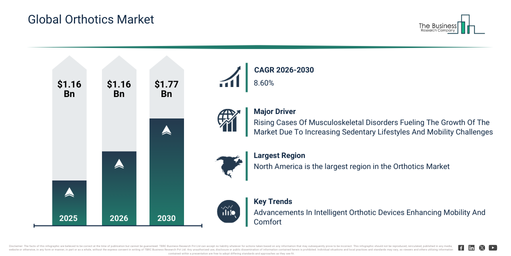
    Orthotics Market Growth Outlook Reveals A CAGR Of 8.6% And A Market Value Of $6.53 Billion By 2030

    Delivering more actionable and strategically valuable research, The Business Research Company’s 2026 market reports feature market attractiveness analysis, total addressable market evaluation, company benchmarking matrices, interactive Excel dashboards, expanded supply chain intelligence, emerging startup coverage, and detailed product insights.

    The orthotics market has been experiencing solid growth recently, driven by rising awareness of foot health issues and advancements in technology. As more people seek solutions for musculoskeletal problems and personalized care, this sector is poised for significant expansion in the coming years. Let’s explore the current market size, key drivers, major segments, emerging trends, leading companies, and regional opportunities shaping the orthotics industry.

    Strong Growth Trajectory in the Orthotics Market Size

    The orthotics market has shown robust development over past years, with its size increasing from $4.32 billion in 2025 to an anticipated $4.7 billion in 2026, reflecting a compound annual growth rate (CAGR) of 8.7%. This past growth was largely fueled by a shortage of custom orthotics, heavy reliance on prefabricated options, a growing elderly population, rising incidence of foot-related disorders, and heightened awareness of musculoskeletal health. Looking ahead, the market is expected to continue expanding, reaching $6.53 billion by 2030 at a CAGR of 8.6%. This future growth is expected to be driven by technological advances in 3D scanning and printing, the expansion of custom orthotics production, integration with wearable smart devices, increasing demand for diabetic foot care, and the rising adoption of e-commerce and online distribution channels. Key trends during this period include greater use of custom orthotics for tailored treatment, increasing awareness of foot and lower limb health, growth in diabetic neuropathy cases, and a focus on comfort, stability, and posture correction in product designs.

    Rising Musculoskeletal Disorders Fuel Orthotics Demand

    One of the major factors propelling the orthotics market is the growing prevalence of musculoskeletal disorders, which affect muscles, bones, joints, tendons, ligaments, and nerves—often causing pain, stiffness, and limited mobility. Modern sedentary lifestyles, characterized by prolonged sitting and minimal physical activity, contribute significantly to muscle weakness and joint issues. Orthotic devices help manage these conditions by improving body alignment, alleviating pain, and supporting the musculoskeletal system, thereby enhancing mobility and preventing further injury. Conditions such as plantar fasciitis, arthritis, and lower back pain benefit from orthotic intervention. For instance, in January 2024, a report from the UK’s Office for Health Improvement and Disparities showed that 18.4% of individuals aged 16 and above self-reported long-term musculoskeletal conditions in 2023, up from 17.6% in 2022. This increasing prevalence is a key driver for the orthotics market’s expansion.

    Orthotics Market Categorized by Type, Distribution, and Application

    The orthotics market is segmented into several key categories for detailed analysis. By type, it includes prefabricated and custom orthotics. Distribution channels comprise drug stores, hospitals and specialty clinics, online stores, and other outlets. Applications cover diabetic neuropathy, ball of foot discomfort, and other medical uses. Within prefabricated orthotics, subcategories include off-the-shelf insoles, bracing and support orthotics, shoe inserts, and heel liners and cushions. Custom orthotics further break down into custom foot orthotics, custom ankle-foot orthotics, and custom lower limb orthotics, offering tailored solutions targeting specific patient needs.

    Access The Complete Orthotics Market Report:

    https://www.thebusinessresearchcompany.com/report/orthotics-global-market-report

    Technological Innovation Drives Orthotics Market Expansion

    Leading companies in the orthotics industry are focusing heavily on developing smart, technology-driven products that offer personalized adjustments in real-time. Intelligent orthotic devices equipped with sensors and advanced technology adapt dynamically to a user’s movements, significantly improving comfort, stability, and overall mobility. For example, in October 2023, UK-based prosthetics manufacturer Blatchford introduced Tectus, an intelligent orthotic designed for individuals with partial lower limb paralysis. This device combines spring, hydraulic, and sensor technology to mimic a natural gait cycle, featuring a unique ‘spring assist’ system that ensures full leg extension during walking. Such innovations highlight how technology is transforming orthotics by enhancing functionality and user experience.

    Orthotics Market Leaders Shaping Industry Development

    Several prominent companies play a major role in the orthotics market, driving product innovation and competitive growth. These include Ottobock SE & Co. KGaA, Hanger Inc., Össur hf, DeRoyal Industries Inc., Breg Inc., Trulife Group Limited, Tynor Orthotics Private Limited, Proteor SAS, Fillauer LLC, Steeper Group Limited, Orthomerica Products Inc., The Ohio Willow Wood Company, Thuasne Group, Becker Orthopedic, medi GmbH & Co. KG, Allard International, SureStep LLC, Reh4Mat Sp. z o.o., Endolite Ltd., and Massons Healthcare Pty Ltd. Their combined efforts continue to push the boundaries of orthotic design and technology.

    Regional Orthotics Market Outlook and Growth Potential

    In 2025, North America held the largest share of the orthotics market, reflecting high demand and advanced healthcare infrastructure. However, the Asia-Pacific region is forecasted to experience the fastest growth over the coming years, driven by increasing healthcare awareness, modernization of medical facilities, and expanding distribution networks. The market report covers key regions including Asia-Pacific, South East Asia, Western Europe, Eastern Europe, North America, South America, the Middle East, and Africa to provide a comprehensive global perspective on market trends and opportunities.

    Get in touch with us:

    The Business Research Company: https://www.thebusinessresearchcompany.com/

    Americas: +1 310-496-7795

    Asia: +44 7882 955267 & +91 8897263534

    Europe: +44 7882 955267

    Email us at: marketing@tbrc.info

    Follow us on:

    LinkedIn: https://in.linkedin.com/company/the-business-research-company

    YouTube: https://www.youtube.com/channel/UC24_fI0rV8cR5DxlCpgmyFQ

    Global Market Model: https://www.thebusinessresearchcompany.com/global-market-model