Month: June 2026

  • Orthopedic Power Tools Market Trends And Growth Drivers Point To Strong Future Potential

    Orthopedic Power Tools Market Trends And Growth Drivers Point To Strong Future Potential

    Through market attractiveness analysis, total addressable market evaluation, company benchmarking matrices, interactive Excel dashboards, expanded supply chain intelligence, emerging startup coverage, and detailed product insights, The Business Research Company’s 2026 market reports provide more actionable and strategically valuable research.

    The orthopedic power tools market is experiencing significant growth driven by advancements in surgical technology and an increasing number of orthopedic cases worldwide. As the demand for efficient and effective surgical solutions rises, this market is set to expand steadily in the coming years. Here is a detailed overview of the current market status, influential factors, key players, and future trends shaping this sector.

    Orthopedic Power Tools Market Size and Expected Growth

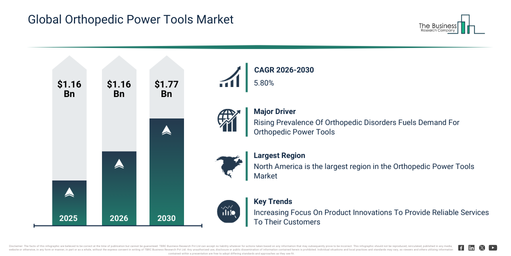
    The market for orthopedic power tools has shown strong expansion recently and is projected to continue this upward trend. It is anticipated to increase from $1.47 billion in 2025 to $1.56 billion in 2026, representing a compound annual growth rate (CAGR) of 6.5%. This positive trajectory reflects the rise in orthopedic trauma cases, the growing number of joint replacement surgeries, an uptick in sports-related injuries, improved surgical infrastructures, and broader availability of powered surgical instruments. Looking further ahead, the market is forecasted to reach $1.96 billion by 2030 with a CAGR of 5.8%. Factors supporting this projection include the rising preference for minimally invasive surgery techniques, greater adoption of cordless surgical tools, expansion in outpatient orthopedic procedures, a heightened focus on surgical efficiency, and ongoing innovations in orthopedic device design. Notable trends in the coming years involve increased use of battery-operated surgical tools, demand for high-speed orthopedic systems, ergonomic power tool designs, growth in minimally invasive procedures, and stronger emphasis on precision during surgery.

    Download A Free Sample Report For Comprehensive Market Insights:

    https://www.thebusinessresearchcompany.com/sample.aspx?id=6882&type=smp

    Growing Demand Due to Orthopedic Disorders and Treatment Needs

    A primary factor boosting the orthopedic power tools market is the rising prevalence of orthopedic disorders globally. Orthopedics focuses on treating abnormalities or functional limitations affecting the skeletal system, including the spine, ligaments, and muscles. Orthopedic power tools are essential for addressing these conditions effectively. For instance, in June 2024, the Australian Bureau of Statistics reported that musculoskeletal conditions accounted for 12.8% of the total disease burden (DALY), 23.1% of the non-fatal burden (YLD), and 0.8% of the fatal burden (YLL) in Australia in 2023. This significant disease burden highlights the growing need for orthopedic tools, which is expected to drive market growth during the forecast period.

    Breakdown of Market Segments in Orthopedic Power Tools

    The orthopedic power tools market is categorized into several important segments to better understand its development. By product type, it includes Large Bone Orthopedic Power Tools, Small Bone Orthopedic Power Tools, High Speed Bone Orthopedic Power Tools, and Orthopedic Reamers. In terms of technology, the market is divided into Pneumatic Powered, Battery Operated, and Electric Powered tools. Regarding end users, key segments are Orthopedic Hospitals, Orthopedic Clinics, and Ambulatory Surgical Centers. Further subdivisions include saws, drills, and screwdrivers under Large Bone tools; micro saws, drills, and screwdrivers for Small Bone tools; high-speed drills, saws, and motors for High Speed Bone tools; and cannulated, solid, and variable diameter reamers under Orthopedic Reamers.

    Access The Complete Orthopedic Power Tools Market Report:

    https://www.thebusinessresearchcompany.com/report/orthopedic-power-tools-global-market-report

    Innovations and Technological Trends Shaping the Market

    Leading companies in the orthopedic power tools industry are focusing on innovation to boost their market share, particularly by introducing robotic-assisted surgical systems. These technologies enhance surgical precision, control, and minimally invasive procedures, ultimately improving patient outcomes. For example, in October 2023, Johnson & Johnson MedTech launched the VELYS Robotic-Assisted Solution in Europe through its DePuy Synthes division. This system has been successfully implemented for Total Knee procedures in countries such as Germany, Belgium, and Switzerland. The launch marks an expansion of DePuy Synthes’ Digital Surgery Platform by offering advanced robotics that overcome limitations of earlier orthopedic systems, thereby enhancing joint replacement surgery accuracy.

    Key Industry Players Driving the Orthopedic Power Tools Market

    The orthopedic power tools sector is highly competitive, with several major companies maintaining strong market positions. These include De Soutter Medical Ltd., B Braun Melsungen AG, Aygun Surgical Instruments Co. Inc., Medtronic plc, DePuy Synthes Inc., ConMed Corporation, Stryker Corporation, Zimmer Biomet Holdings Inc., Arthrex Inc., Smith and Nephew plc, Exactech Inc., Allo Tech Co. Ltd., Microaire Surgical Instruments Inc., Adeor Medical AG, Manman Manufacturing Company Pvt. Ltd., Bosch Healthcare Solutions GmbH, DynaMedic Co. Ltd., Arbutus Medical Inc., Aesculap AG, Becton Dickinson and Company, Biomet Inc., Brasseler USA, Ceterix Orthopaedics Inc., Corin Group, Elite Surgical Pvt. Ltd., GPC Medical Ltd., Integra LifeSciences Holdings Corp., Intrauma S.p.A., Medicon Genossenschaft, Medline Industries Inc., Ortho Solutions GmbH, and OsteoMed Inc.

    Regional Market Overview and Growth Prospects

    North America held the largest share of the orthopedic power tools market in 2025, reflecting well-established healthcare infrastructure and high adoption rates of advanced surgical technologies. Meanwhile, the Asia-Pacific region is set to become the fastest-growing market during the forecast period, driven by increasing healthcare investments, rising orthopedic disorder prevalence, and expanding surgical facilities. The market analysis spans regions including Asia-Pacific, South East Asia, Western Europe, Eastern Europe, North America, South America, the Middle East, and Africa, providing a comprehensive global perspective on growth opportunities.

    Get in touch with us:

    The Business Research Company: https://www.thebusinessresearchcompany.com/

    Americas: +1 310-496-7795

    Asia: +44 7882 955267 & +91 8897263534

    Europe: +44 7882 955267

    Email us at: marketing@tbrc.info

    Follow us on:

    LinkedIn: https://in.linkedin.com/company/the-business-research-company

    YouTube: https://www.youtube.com/channel/UC24_fI0rV8cR5DxlCpgmyFQ

    Global Market Model: https://www.thebusinessresearchcompany.com/global-market-model
  • Orthopedic Implants Market Expansion Is Reshaping Competitive Dynamics Across The Industry

    Orthopedic Implants Market Expansion Is Reshaping Competitive Dynamics Across The Industry

    Delivering more actionable and strategically valuable research, The Business Research Company’s 2026 market reports feature market attractiveness analysis, total addressable market evaluation, company benchmarking matrices, interactive Excel dashboards, expanded supply chain intelligence, emerging startup coverage, and detailed product insights.

    The orthopedic implants sector has witnessed significant growth in recent years, driven by advances in technology and increasing healthcare demands. As populations age and medical procedures become more sophisticated, the market is set for continued expansion. This overview explores the current market size, key factors fueling growth, important segments, leading players, and emerging trends shaping the future of orthopedic implants.

    Steady Growth in the Orthopedic Implants Market Size

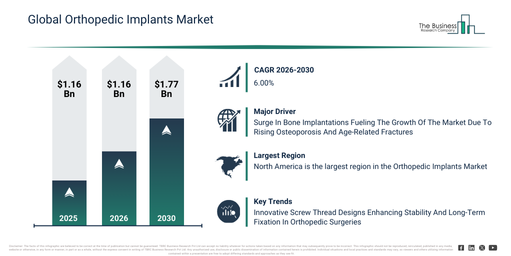
    The orthopedic implants market experienced robust expansion historically and is expected to continue this trajectory. Market value is projected to rise from $40.9 billion in 2025 to $43.36 billion in 2026, reflecting a compound annual growth rate (CAGR) of 6.0%. Looking ahead, the market is forecasted to reach $54.65 billion by 2030, maintaining the same CAGR of 6.0%. Initial growth was supported by limited availability of cutting-edge biomaterials, dependence on traditional metallic implants, an increasing number of orthopedic conditions, expanded hospital infrastructure, and greater awareness around joint replacement surgeries. Future growth will be driven by innovations such as ceramic and polymer-based implants, smart surgical tools, and the integration of digital imaging with robotic-assisted surgeries.

    Download A Free Sample Report For Comprehensive Market Insights:

    https://www.thebusinessresearchcompany.com/sample.aspx?id=24352&type=smp

    Factors Fueling Demand in the Orthopedic Implants Market

    One of the primary drivers behind market growth is the rising need for bone implantation procedures. These surgeries involve inserting artificial materials like metal or ceramic implants to repair, replace, or support affected bone structures. The increasing incidence of osteoporosis and bone fractures, especially among aging populations, has escalated demand for such interventions. Bone implantations help restore mobility and functionality by stabilizing damaged bones, making orthopedic implants a critical component of treatment.

    For example, in August 2024, Healthy Bones Australia reported that 6.2 million Australians aged 50 and above suffered from poor bone health in 2023. Among them, 77% were affected by osteopenia and 23% by osteoporosis, with the number expected to rise to 7.7 million by 2033. This growing prevalence of bone-related disorders underscores the expanding need for orthopedic implant solutions worldwide.

    Access The Complete Orthopedic Implants Market Report:

    https://www.thebusinessresearchcompany.com/report/orthopedic-implants-global-market-report

    Key Segments Identified in the Orthopedic Implants Market

    This report divides the orthopedic implants market into several key categories to better understand growth opportunities:

    1) Product Type: Knee Implants, Dental Implants, Hip Implants, Spinal Implants, and Other Products

    2) Biomaterial: Ceramic Biomaterials, Metallic Biomaterials, Polymers, and Others

    3) End-User: Hospitals, Orthopedic Clinics, Ambulatory Surgical Centers, and Others

    Further subcategories include:

    – Knee Implants such as Total Knee Replacement, Partial Knee Replacement, Revision Knee Replacement

    – Dental Implants including Endosteal, Subperiosteal, and Zygomatic types

    – Hip Implants covering Total, Partial, Revision, and Hip Resurfacing Implants

    – Spinal Implants consisting of Fusion Devices, Motion Preservation Devices, and Spinal Bone Stimulators

    – Other Products like Shoulder, Elbow, Ankle and Foot, and Wrist Implants

    Innovation Trends Driving Growth in Orthopedic Implants

    Leading companies in the orthopedic implant sector are concentrating on developing advanced fixation systems to improve implant stability and durability. These orthopedic fixation devices help maintain proper bone alignment and support healing by providing mechanical stability during recovery. Enhancements in these systems focus on improving pullout strength in cancellous bone and ensuring long-term fixation.

    For instance, in March 2025, a US-based manufacturer, Orthopedic Implant Company, introduced a mini fragment plating system designed to offer versatile and efficient solutions for orthopedic trauma surgeries. This system features flexible plate designs, advanced screw options, and user-friendly tools that streamline inventory management while supporting value-based care without compromising clinical outcomes.

    Key Players and Competitive Landscape in the Orthopedic Implants Market

    The orthopedic implants market is characterized by strong competition among several prominent companies, including Johnson & Johnson, Stryker Corporation, Zimmer Biomet, Smith & Nephew plc, Arthrex Inc., Enovis Corporation, Integra LifeSciences Holdings Corporation, NuVasive Inc., Medacta International, Orthofix Medical Inc., Exactech Inc., B. Braun Melsungen AG, Acumed, Xtant Medical Holdings, Siora Surgical Pvt. Ltd., Auxein Medical, Adler Ortho, DePuy Synthes (Johnson & Johnson Orthopaedics), Globus Medical Inc., LimaCorporate S.p.A., MicroPort Orthopedics, Corin Group, Kyocera Medical, and United Orthopedic Corporation.

    Regional Market Overview Highlighting North America’s Lead

    In 2025, North America dominated the orthopedic implants market in terms of revenue and market share. However, the Asia-Pacific region is set to experience the fastest growth during the forecast period. The market analysis encompasses key regions such as Asia-Pacific, South East Asia, Western Europe, Eastern Europe, North America, South America, the Middle East, and Africa, providing a comprehensive global outlook.

    Get in touch with us:

    The Business Research Company: https://www.thebusinessresearchcompany.com/

    Americas: +1 310-496-7795

    Asia: +44 7882 955267 & +91 8897263534

    Europe: +44 7882 955267

    Email us at: marketing@tbrc.info

    Follow us on:

    LinkedIn: https://in.linkedin.com/company/the-business-research-company

    YouTube: https://www.youtube.com/channel/UC24_fI0rV8cR5DxlCpgmyFQ

    Global Market Model: https://www.thebusinessresearchcompany.com/global-market-model
  • Orthopedic Imaging Equipment Market Forecast Reveals Where Future Industry Value Will Be Created

    Orthopedic Imaging Equipment Market Forecast Reveals Where Future Industry Value Will Be Created

    Enhanced with market attractiveness analysis, total addressable market evaluation, company benchmarking matrices, interactive Excel dashboards, expanded supply chain intelligence, emerging startup coverage, and detailed product insights, The Business Research Company’s 2026 market reports deliver more actionable and strategically valuable research.

    The orthopedic imaging equipment market has witnessed substantial growth lately, driven by advancements in technology and increasing healthcare demands. As the prevalence of musculoskeletal conditions rises, the market is set to experience continued expansion fueled by innovations and emerging healthcare trends. Here is an overview of the current market size, key growth drivers, segmentation, leading companies, and regional outlook.

    Orthopedic Imaging Equipment Market Size and Growth Outlook

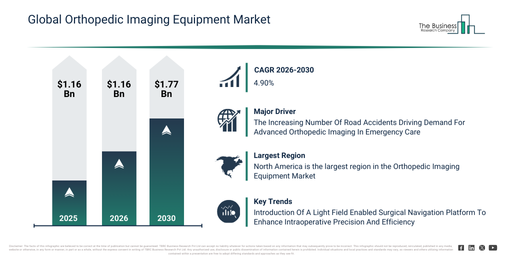
    The orthopedic imaging equipment market has seen significant expansion in recent years, with its value projected to rise from $10.74 billion in 2025 to $11.33 billion in 2026, reflecting a compound annual growth rate (CAGR) of 5.6%. This growth during the historical period is mainly attributed to the increasing prevalence of musculoskeletal disorders, a higher volume of orthopedic surgeries, the expansion of imaging infrastructure in hospitals, a growing reliance on diagnostic imaging in trauma care, and the availability of cutting-edge imaging technologies. Looking ahead, the market is expected to steadily grow to $13.72 billion by 2030 at a CAGR of 4.9%. This anticipated growth stems from rising demand for early and accurate orthopedic diagnoses, greater investments in artificial intelligence (AI)-enabled imaging platforms, the expansion of outpatient orthopedic care facilities, an aging population with joint disorders, and a rising focus on minimally invasive treatment planning. Key trends expected to influence the market include increased adoption of AI-assisted image analysis, wider deployment of high-resolution imaging modalities, growing integration of multi-modality imaging systems, the rise of portable and point-of-care imaging devices, and enhanced efforts to optimize workflow in orthopedic diagnostics.

    Download A Free Sample Report For Comprehensive Market Insights:

    https://www.thebusinessresearchcompany.com/sample.aspx?id=15628&type=smp

    Factors Supporting Growth in the Orthopedic Imaging Equipment Market

    The surge in road accidents is a significant factor propelling the orthopedic imaging equipment market forward. Road accidents, which involve vehicles, pedestrians, cyclists, or other road users, often result in injuries ranging from bone fractures and joint dislocations to soft tissue trauma. The rise in accidents is linked to issues such as distracted or impaired driving, speeding, poor infrastructure, human error, urbanization, and technological distractions. Orthopedic imaging equipment plays a crucial role in providing detailed diagnostic images that help in accurate treatment planning and improving patient recovery. For example, in August 2025, the International Transport Forum reported that Australia recorded 1,297 road fatalities in 2024, a 4% increase from the previous year, highlighting the growing need for advanced imaging solutions in trauma care. Consequently, the increasing volume of road accidents is driving demand for orthopedic imaging technologies.

    Major Segmentation Categories in the Orthopedic Imaging Equipment Market

    This report segments the orthopedic imaging equipment market based on several key categories:

    1) Imaging Modality: X-Ray Systems, Computed Tomography Imaging Systems, Magnetic Resonance Imaging Systems, Electron Optical System Imaging Systems, Ultrasound Imaging Systems, and Nuclear Imaging Systems.

    2) Indication: Acute Injuries, Sports Injuries, Trauma Cases, Chronic Orthopedic Disorders, Osteoarthritis, Osteoporosis, Prolapsed Disc, and Degenerative Joint Diseases.

    3) End User: Hospitals, Radiology Centers, Emergency Care Facilities, and Ambulatory Surgical Centers.

    Access The Complete Orthopedic Imaging Equipment Market Report:

    https://www.thebusinessresearchcompany.com/report/orthopedic-imaging-equipment-global-market-report

    Further subcategories include:

    – X-Ray Systems: Fixed Orthopedic X-Ray Systems, Mobile Orthopedic X-Ray Systems, Digital Radiography Systems.

    – Computed Tomography Imaging Systems: Multislice CT Scanners, Cone Beam CT Systems.

    – Magnetic Resonance Imaging Systems: High-Field, Mid-Field, and Low-Field MRI Systems.

    – Electron Optical System Imaging Systems: Full-Body and Lower Limb Systems.

    – Ultrasound Imaging Systems: Portable and Cart-Based Units.

    – Nuclear Imaging Systems: Single Photon Emission Computed Tomography (SPECT) and Positron Emission Tomography (PET) Systems.

    Innovations and Trends Reshaping the Orthopedic Imaging Equipment Market

    Leading companies in this sector are focused on creating next-generation imaging solutions that improve surgical precision and workflows. One notable advancement is the development of light-field–enabled surgical navigation platforms that offer real-time 3D visualization while reducing radiation exposure and enhancing intraoperative decision-making. For instance, in April 2023, Proprio Inc., a US-based surgical technology firm, received FDA clearance for Paradigm, the first light-field–enabled spine surgery navigation platform in the world. This technology replaces traditional fluoroscopy workflows by providing high-resolution images of the surgical area via advanced sensors and AI-driven 3D reconstruction. Paradigm delivers dynamic visualization, accurate instrument tracking, and preoperative scan integration without continuous radiation exposure, improving surgical accuracy, safety, workflow efficiency, and clinical outcomes in orthopedic and spine surgeries.

    Key Market Players Advancing the Orthopedic Imaging Equipment Industry

    The orthopedic imaging equipment market is shaped by a range of prominent companies, including Hitachi Ltd., Siemens AG, Toshiba Corporation, FUJIFILM Corporation, Koninklijke Philips N.V., GE HealthCare Technologies Inc., Hologic Inc., Shenzhen Mindray Bio-Medical Electronics Co. Ltd., Shimadzu Corporation, Canon Medical Systems Corporation, Neusoft Corporation, Planmed Oy, Agfa-Gevaert N.V., Carestream Health, Esaote SpA, Ziehm Imaging GmbH, EOS Imaging, NeuroLogica Corp., Swissray International Inc., Xoran Technologies LLC, Allengers Medical Systems Ltd., Konica Minolta Healthcare Americas Inc., and Hi-Tech Medical Imaging. These companies continue innovating and expanding their product offerings to meet growing and evolving market demands.

    Regional Landscape and Market Growth Prospects

    In 2025, North America held the largest share of the orthopedic imaging equipment market. However, the Asia-Pacific region is expected to experience the fastest growth during the forecast period. This report covers regional insights from Asia-Pacific, South East Asia, Western Europe, Eastern Europe, North America, South America, the Middle East, and Africa, providing a comprehensive view of global market dynamics and growth potential.

    Get in touch with us:

    The Business Research Company: https://www.thebusinessresearchcompany.com/

    Americas: +1 310-496-7795

    Asia: +44 7882 955267 & +91 8897263534

    Europe: +44 7882 955267

    Email us at: marketing@tbrc.info

    Follow us on:

    LinkedIn: https://in.linkedin.com/company/the-business-research-company

    YouTube: https://www.youtube.com/channel/UC24_fI0rV8cR5DxlCpgmyFQ

    Global Market Model: https://www.thebusinessresearchcompany.com/global-market-model
  • Orthopedic Devices Market Growth Through 2030 Creates New Strategic Opportunities

    Orthopedic Devices Market Growth Through 2030 Creates New Strategic Opportunities

    Through market attractiveness analysis, total addressable market evaluation, company benchmarking matrices, interactive Excel dashboards, expanded supply chain intelligence, emerging startup coverage, and detailed product insights, The Business Research Company’s 2026 market reports provide more actionable and strategically valuable research.

    The orthopedic devices sector has been witnessing steady growth influenced by demographic changes and advancements in medical technology. With the increasing burden of musculoskeletal conditions globally, this market is positioned for continued expansion as innovations and evolving patient needs drive demand.

    Orthopedic Devices Market Size and Anticipated Growth Trajectory

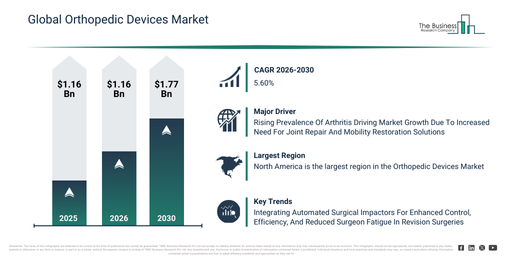
    In recent years, the orthopedic devices market has shown consistent growth, valued at $50.26 billion in 2025 and projected to reach $52.67 billion in 2026, reflecting a compound annual growth rate (CAGR) of 4.8%. The growth during this period is supported by factors such as a rising incidence of musculoskeletal disorders, more cases of orthopedic trauma, an aging population, increased joint replacement surgeries, and enhanced surgical techniques. Looking ahead, the market is expected to expand further, reaching $65.4 billion by 2030 with a CAGR of 5.6%. This forecasted growth is driven by greater use of patient-specific implants, rising investments in regenerative orthopedics, more outpatient orthopedic surgeries, a focus on quicker recovery options, and continuous innovation in orthopedic biomaterials. Key trends shaping this future include personalized implants, minimally invasive procedures, advanced biomaterials, 3D-printed devices, and improved post-surgical rehabilitation solutions.

    Download A Free Sample Report For Comprehensive Market Insights:

    https://www.thebusinessresearchcompany.com/sample.aspx?id=1974&type=smp

    Factors Accelerating Orthopedic Devices Market Expansion

    The growing prevalence of arthritis is a major contributor to the increasing demand in the orthopedic devices space. Arthritis, characterized by joint pain, inflammation, and stiffness, primarily includes osteoarthritis and rheumatoid arthritis. This uptick is linked to demographic shifts such as aging populations and lifestyle elements like obesity, which raise the chances of joint deterioration over time. As a result, demand for orthopedic implants, joint reconstruction devices, braces, and mobility support technologies rises to help restore function and alleviate pain.

    Evidence of this trend can be seen in data from August 2023, when the Institute for Health Metrics and Evaluation reported that by 2050, nearly 1 billion people worldwide are expected to have osteoarthritis. Currently, about 15% of adults aged 30 and older suffer from the condition, with knee osteoarthritis cases predicted to increase by 75% and hand osteoarthritis cases by 50% by midcentury. This growing patient population clearly supports the orthopedic devices market’s continued expansion.

    Access The Complete Orthopedic Devices Market Report:

    https://www.thebusinessresearchcompany.com/report/orthopedic-devices-global-market-report

    A Detailed Breakdown of Orthopedic Devices Market Segments

    The orthopedic devices market is categorized across several dimensions in this report:

    1) Product Types: Instruments/Equipment and Disposables

    2) Device Classes: Including Joint Reconstruction, Spinal Surgery, Trauma Fixation, Orthobiologics, Arthroscopy, Orthopedic Braces and Supports, Craniomaxillofacial (CMF), and Orthopedic Prosthetics

    3) Expenditure Types: Public and Private

    4) End Users: Hospitals and Clinics, Diagnostic Laboratories, and Other Users

    Further subcategories include surgical instruments, imaging and rehabilitation equipment, bone plates and screws, joint replacement devices, orthopedic fixation devices in the instruments segment, and items like surgical drapes, sterile gloves, sutures, gauze, casting supplies, and biologics within disposables.

    How Technological Innovations Are Shaping Orthopedic Devices Market Demand

    Leading companies in this market are increasingly adopting technological advancements to improve surgical outcomes and efficiency. One significant example is automated surgical impactors, which offer controlled and consistent force during orthopedic surgeries, reducing surgeon fatigue and enhancing precision compared to manual methods. These devices streamline procedures like total hip arthroplasty by delivering reliable impaction forces.

    A prominent development occurred in June 2025 when Johnson & Johnson MedTech introduced the KINCISE 2 System, an automated surgical impactor approved for both knee and hip revision surgeries. The new system includes a unique acetabular cup extraction function, which simplifies the difficult step of removing well-fixed components in hip revisions. This innovation reduces physical strain on surgeons and improves workflow efficiency compared to traditional manual impactors.

    Key Industry Players Strengthening the Orthopedic Devices Market

    The orthopedic devices market features numerous influential companies, including Aesculap Implant Systems LLC, Johnson & Johnson, Medtronic Inc., Stryker Corporation, B. Braun Group, Zimmer Biomet Holdings, Smith & Nephew plc, Arthrex, Allegra Orthopaedics, Enovis, Integra LifeSciences Corporation, NuVasive Inc., DJO Global, CONMED Corporation, Globus Medical Inc., MicroPort Scientific Corporation, Össur, Orthofix Medical Inc., DeRoyal Industries, Alphatec Holdings Inc., LimaCorporate S.p.A., Exactech Inc., Acumed LLC, Corin Group PLC, Waldemar Link GmbH & Co. KG, ConforMIS Inc., FH Orthopedics, Nippon Sigmax Co. Ltd., Implantcast GmbH, Mathys AG Bettlach, Medacta International SA, OrthAlign Inc., OrthoPediatrics Corp., OrthoSensor Inc., Paradigm Spine LLC, and SpineGuard SA. These companies continue to compete and collaborate to push innovation and meet growing market demands.

    Regions Leading Orthopedic Devices Market Growth

    In terms of geography, North America held the largest orthopedic devices market share in 2025. However, the Asia-Pacific region is anticipated to experience the fastest growth throughout the forecast period. Other key regions included in the market analysis are South East Asia, Western Europe, Eastern Europe, South America, the Middle East, and Africa, all contributing to a comprehensive view of global market dynamics.

    Get in touch with us:

    The Business Research Company: https://www.thebusinessresearchcompany.com/

    Americas: +1 310-496-7795

    Asia: +44 7882 955267 & +91 8897263534

    Europe: +44 7882 955267

    Email us at: marketing@tbrc.info

    Follow us on:

    LinkedIn: https://in.linkedin.com/company/the-business-research-company

    YouTube: https://www.youtube.com/channel/UC24_fI0rV8cR5DxlCpgmyFQ

    Global Market Model: https://www.thebusinessresearchcompany.com/global-market-model
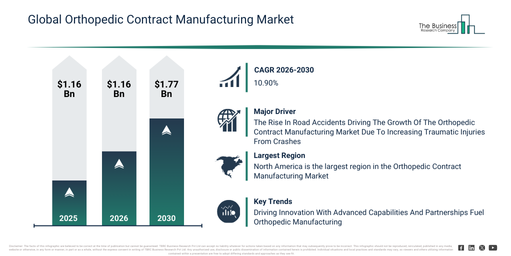
  • Orthopedic Contract Manufacturing Market Size Projected To Increase From $10.64 Billion To $16.09 Billion During The Forecast Period

    Orthopedic Contract Manufacturing Market Size Projected To Increase From $10.64 Billion To $16.09 Billion During The Forecast Period

    Delivering more actionable and strategically valuable research, The Business Research Company’s 2026 market reports feature market attractiveness analysis, total addressable market evaluation, company benchmarking matrices, interactive Excel dashboards, expanded supply chain intelligence, emerging startup coverage, and detailed product insights.

    The orthopedic contract manufacturing sector has been advancing swiftly, driven by growing demands in the healthcare industry and technological enhancements. This market plays a crucial role in supplying specialized implants and instruments that support orthopedic surgeries worldwide. Let’s explore the current market dynamics, growth factors, key players, and evolving trends shaping this important industry.

    Orthopedic Contract Manufacturing Market Size and Growth Projections

    The orthopedic contract manufacturing market has expanded significantly in recent years. It is projected to increase from $9.59 billion in 2025 to $10.65 billion in 2026, registering a compound annual growth rate (CAGR) of 11.1%. This historical growth can be linked to challenges in in-house manufacturing capacities, the rise in orthopedic surgeries, growing demand for joint reconstruction and trauma implants, dependence on conventional machining technologies, and the ongoing development of healthcare infrastructure such as hospitals and clinics.

    Looking ahead, the market is anticipated to reach $16.1 billion by 2030, growing at a CAGR of 10.9%. This forecasted expansion is expected to be driven by technological advancements in precision machining, a broader array of custom implants and instruments, rising global demand for orthopedic devices, increased investments in contract manufacturing partnerships, and the adoption of automation and smart manufacturing processes. Key trends shaping the future include a surge in outsourced manufacturing, growing requirements for personalized implants and instruments, heightened regulatory and quality standards, increased bone fixation and replacement surgeries, and incorporation of advanced machining and finishing technologies.

    Download A Free Sample Report For Comprehensive Market Insights:

    https://www.thebusinessresearchcompany.com/sample.aspx?id=24351&type=smp

    Rising Road Accidents as a Growth Stimulus for Orthopedic Contract Manufacturing

    One important factor propelling the orthopedic contract manufacturing market is the increasing number of road accidents worldwide. Road accidents, defined as unforeseen incidents involving moving vehicles leading to injuries or fatalities, have been on the rise due to distractions like mobile phone usage and in-car technologies interfering with driver focus. The aftermath of such accidents often necessitates rapid production of high-quality orthopedic implants and devices to treat traumatic bone and joint injuries effectively.

    For instance, in 2023, the Transport Accident Commission of Australia reported 295 fatalities on Victorian roads, marking a 22.4% increase compared to the previous year with 54 additional deaths. This growing incidence of road accidents is intensifying the demand for orthopedic contract manufacturing, as timely availability of implants is critical for patient recovery.

    Structure of the Orthopedic Contract Manufacturing Market

    The market segmentation for orthopedic contract manufacturing includes various categories based on product types, service types, device classes, and applications.

    By product type, the market encompasses implants, instruments, cases, and trays. Service categories cover forging or casting, machining and finishing of hips, knees, spine and trauma, instruments, along with other service types. Device classification is divided into Class I, Class II, and Class III medical devices. Applications include bone fixation, bone replacement, and other orthopedic uses.

    Further subdivisions elaborate on implants such as joint reconstruction, trauma, spine, extremity, and dental implants. Instrument types include cutting, holding, measuring, drilling instruments, and orthopedic power tools. Cases are categorized into custom sterilization, modular, and procedure-specific cases, while trays include sterilization, instrument, implant, and custom trays.

    Access The Complete Orthopedic Contract Manufacturing Market Report:

    https://www.thebusinessresearchcompany.com/report/orthopedic-contract-manufacturing-global-market-report

    Innovative Advances Shaping the Future of Orthopedic Contract Manufacturing

    Leading orthopedic contract manufacturers are investing heavily in advanced production technologies to improve product quality, shorten lead times, and meet escalating demand for customized implants and instruments. These innovations involve automation, robotics, additive manufacturing, and precision engineering techniques that enhance efficiency and customization capabilities.

    A notable example occurred in January 2023, when US-based Medisurge partnered exclusively with Signal Medical Corporation to boost orthopedic implant manufacturing and distribution. This collaboration utilizes Medisurge’s sophisticated US manufacturing infrastructure alongside Signal Medical’s expertise in hip and knee implants. Their joint effort aims to strengthen supply chain resilience and expand market reach across public and private healthcare sectors by integrating precision machining, robotics, and cutting-edge technologies.

    Prominent Players Leading the Orthopedic Contract Manufacturing Industry

    Key companies dominating the orthopedic contract manufacturing landscape include Micron Products Inc., Orchid MPS Holdings LLC, Tecomet Inc., Avalign Technologies Inc., UFP Technologies Inc., Paragon Medical Inc., Norman Noble Inc., CRETEX Medical Inc., Viant Medical Inc., Flexan LLC, MedPlast Inc., ARCH Medical Solutions Corporation, Sterling Industries Inc., Autocam Medical LLC, Chelle Medical LLC, Samay Surgical Pvt. Ltd., Greatbatch Inc., LISI Medical, Hammill Medical LLC, and MTD Micro Molding Inc.

    Regional Market Leadership and Growth Patterns

    In 2025, North America held the largest share of the orthopedic contract manufacturing market. Meanwhile, Asia-Pacific is forecasted to become the fastest-growing region during the coming years. The market analysis includes regions such as Asia-Pacific, Southeast Asia, Western Europe, Eastern Europe, North America, South America, the Middle East, and Africa, offering a global perspective on market trends and opportunities.

    Get in touch with us:

    The Business Research Company: https://www.thebusinessresearchcompany.com/

    Americas: +1 310-496-7795

    Asia: +44 7882 955267 & +91 8897263534

    Europe: +44 7882 955267

    Email us at: marketing@tbrc.info

    Follow us on:

    LinkedIn: https://in.linkedin.com/company/the-business-research-company

    YouTube: https://www.youtube.com/channel/UC24_fI0rV8cR5DxlCpgmyFQ

    Global Market Model: https://www.thebusinessresearchcompany.com/global-market-model
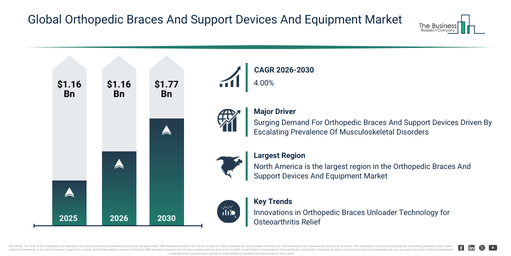
  • Orthopedic Braces And Support Devices And Equipment Market Growth Outlook Reveals A CAGR Of 4% And A Market Value Of $5.24 Billion By 2030

    Orthopedic Braces And Support Devices And Equipment Market Growth Outlook Reveals A CAGR Of 4% And A Market Value Of $5.24 Billion By 2030

    Enhanced with market attractiveness analysis, total addressable market evaluation, company benchmarking matrices, interactive Excel dashboards, expanded supply chain intelligence, emerging startup coverage, and detailed product insights, The Business Research Company’s 2026 market reports deliver more actionable and strategically valuable research.

    The market for orthopedic braces and support devices has been steadily expanding, driven by evolving healthcare needs and advancements in medical technology. As the demand for effective injury management and rehabilitation grows worldwide, this sector is set to experience continued progress in the coming years. Let’s explore the current market size, key growth factors, leading companies, and emerging trends shaping this important healthcare segment.

    Orthopedic Braces and Support Devices Market Size and Forecast Through 2030

    The orthopedic braces and support devices market has witnessed consistent growth recently and is projected to continue this upward trend. It is expected to increase from $4.31 billion in 2025 to $4.49 billion in 2026, reflecting a compound annual growth rate (CAGR) of 4.1%. This rise during the past period is largely due to a higher incidence of musculoskeletal injuries, more participation in sports activities, expansion of orthopedic rehabilitation programs, growing awareness about injury prevention, and greater availability of orthopedic support products.

    Download A Free Sample Report For Comprehensive Market Insights:

    https://www.thebusinessresearchcompany.com/sample.aspx?id=2406&type=smp

    Looking ahead, the market is forecasted to reach $5.24 billion by 2030, growing at a CAGR of 4.0%. Factors contributing to this future growth include increasing demand for customized orthopedic supports, broader adoption of home healthcare solutions, the expanding elderly population, a stronger focus on improving mobility, and ongoing innovation in smart orthopedic braces. Key trends expected to influence the market during this period are the rising popularity of custom-fit braces, increased use of lightweight and breathable materials, growth in post-surgical rehabilitation bracing, wider adoption of hinged and rigid support devices, and a growing emphasis on home-based recovery options.

    Primary Factors Fueling Demand in the Orthopedic Braces and Support Devices Market

    The increasing prevalence of orthopedic conditions, also known as musculoskeletal disorders, is a major driver behind the rising demand for orthopedic braces and support devices. These conditions affect the musculoskeletal system, leading individuals to seek solutions that help manage pain, improve mobility, and support recovery. This growing need is directly stimulating market growth for related products and accessories.

    Access The Complete Orthopedic Braces And Support Devices And Equipment Market Report:

    https://www.thebusinessresearchcompany.com/report/orthopedic-braces-and-support-devices-and-equipment-global-market-report

    For example, a May 2023 report by the National Center for Biotechnology Information, a US government agency, projects that low back pain (LBP) cases will increase to 843 million by 2050. Such projections highlight the expanding patient base requiring orthopedic supports, underpinning the upward trajectory of the market.

    Market Segmentation Overview for Orthopedic Braces and Support Devices

    This market is segmented across several key categories, facilitating a detailed understanding of product demand and usage:

    1) Anatomical Area: Lower Extremity Braces, Upper Extremity Braces, Back and Hip Braces, and Other Braces

    2) Product Type: Soft and Elastic Braces and Supports, Hinged Braces and Supports, Hard and Rigid Braces and Supports

    3) End User: Hospitals, Home Healthcare, Clinics, and Other End Users

    Further subcategories include:

    – Lower Extremity Braces: Knee, Ankle, Foot, and Thigh braces

    – Upper Extremity Braces: Elbow, Wrist, Shoulder, and Hand braces

    – Back and Hip Braces: Lumbar, Sacral, Pelvic, and Hip braces

    – Other Braces: Neck, Spinal, and Rib braces

    Innovative Trends Advancing the Orthopedic Braces and Support Devices Market

    Leading companies in this market are increasingly focused on developing cutting-edge products such as unloader technology-based brace systems. These systems aim to relieve pain and enhance mobility for patients, particularly those suffering from osteoarthritis, without requiring surgery. Unloader braces work by redistributing weight away from injured or arthritic joints, which helps reduce strain and supports healing.

    For instance, in January 2024, Enovis Corporation, a US-based medical technology firm, introduced the DonJoy Roam OA knee brace. This product incorporates features like ‘Mag-align’ magnetic clips for precise strap placement, Set-and-Forget technology for effortless usage, and the BOA Fit System for adjustable support. These innovations not only improve patient comfort and confidence but also provide effective joint unloading and stabilization, enabling users to maintain or increase their daily activity levels.

    Top Industry Players Leading the Orthopedic Braces and Support Devices Market

    The competitive landscape of this market is shaped by numerous prominent companies, including:

    DJO Global, Bauerfeind AG, Otto Bock Healthcare GmbH, Breg Inc., Ossur Hf, DeRoyal Industries Inc., BSN medical GmbH, Medi GmbH & Co. KG, THUASNE Group, 3M Company, Lohmann & Rauscher International, Alcare Company Ltd., McDavid Knee Guard Inc., FLA Orthopedics Inc., Frank Stubbs Co. Inc., Zimmer Biomet Holdings Inc., Ortec B.V., Tynor Orthotics, DUK-IN, Prime Medical Inc., Adhenor, Aspen Medical Products, Rcai, Truelife, Shanghai Huici Medical Technology Co. Ltd., Dynamic Techno Medicals Pvt. Ltd., Hely & Weber Orthopedics, Mueller Sports Medicine Inc., Procare Software LLC, Scheck & Siress Prosthetics Inc., and Townsend Design.

    Regional Markets Driving Orthopedic Braces and Support Devices Growth

    In 2025, North America held the largest market share within the global orthopedic braces and support devices sector. Western Europe ranked as the second-largest regional market. Other important regions covered in the analysis include Asia-Pacific, South East Asia, Eastern Europe, South America, the Middle East, and Africa, which together provide a comprehensive view of global market expansion trends.

    Get in touch with us:

    The Business Research Company: https://www.thebusinessresearchcompany.com/

    Americas: +1 310-496-7795

    Asia: +44 7882 955267 & +91 8897263534

    Europe: +44 7882 955267

    Email us at: marketing@tbrc.info

    Follow us on:

    LinkedIn: https://in.linkedin.com/company/the-business-research-company

    YouTube: https://www.youtube.com/channel/UC24_fI0rV8cR5DxlCpgmyFQ

    Global Market Model: https://www.thebusinessresearchcompany.com/global-market-model
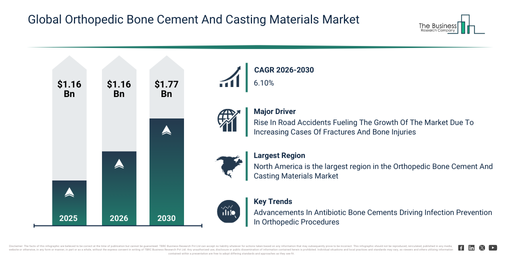
  • Orthopedic Bone Cement And Casting Materials Market Forecast Highlights Expansion From $3.22 Billion To $4.08 Billion Through 2030

    Orthopedic Bone Cement And Casting Materials Market Forecast Highlights Expansion From $3.22 Billion To $4.08 Billion Through 2030

    Through market attractiveness analysis, total addressable market evaluation, company benchmarking matrices, interactive Excel dashboards, expanded supply chain intelligence, emerging startup coverage, and detailed product insights, The Business Research Company’s 2026 market reports provide more actionable and strategically valuable research.

    The orthopedic bone cement and casting materials sector has witnessed notable growth recently, driven by advancements in medical procedures and a rising number of orthopedic surgeries worldwide. This market is set to continue its upward trajectory as new technologies and materials gain wider acceptance, improving patient outcomes and treatment efficiency. Below is a detailed examination of the market’s current size, growth factors, key players, and future trends.

    Orthopedic Bone Cement And Casting Materials Market Size and Growth Projections

    The market for orthopedic bone cement and casting materials has expanded steadily in recent years. From $3.04 billion in 2025, it is projected to reach $3.23 billion in 2026, growing at a compound annual growth rate (CAGR) of 6.1%. This growth during the historical period has been driven by a limited range of bone cement options, the continued reliance on plaster of Paris for casting, a rise in orthopedic operations, improvements in hospital infrastructure, and a growing number of sports-related injuries. Looking ahead, the market is expected to reach $4.09 billion by 2030, maintaining the same 6.1% CAGR. Factors contributing to this future expansion include the development of advanced injectable bone substitutes, increasing use of biodegradable and ceramic cements, a growing preference for fiberglass and hybrid casting materials, the rise of ambulatory surgical centers, and technological progress in minimally invasive orthopedic procedures. Emerging trends in this period highlight greater utilization of polymethyl methacrylate (PMMA) bone cement, wider adoption of biodegradable and ceramic bone cements, increased demand for fiberglass and thermoplastic casting materials, rising cases of joint arthroplasty and trauma, and a heightened focus on less invasive surgical techniques.

    Download A Free Sample Report For Comprehensive Market Insights:

    https://www.thebusinessresearchcompany.com/sample.aspx?id=24350&type=smp

    Key Factors Propelling Growth in the Orthopedic Bone Cement and Casting Materials Market

    One significant driver of market expansion is the rising number of road accidents globally. Distracted driving has become a major concern, reducing drivers’ focus and reaction times, which increases the likelihood of crashes. These accidents often result in fractures and other bone injuries that require surgical intervention. Consequently, materials like bone cement for implant fixation and casting materials for immobilizing broken bones during healing become essential in treatment. For instance, data from GOV.UK reported an 8% rise in motorcyclist fatalities in the UK between 2023 and 2024, while motorcyclist traffic increased by 4%, highlighting the growing frequency of serious accidents. This trend directly supports the demand for orthopedic bone cement and casting materials.

    Additional Growth Drivers Boosting Market Demand

    Besides the surge in road accidents, the growth of orthopedic surgeries overall plays a crucial role in expanding the market. Enhanced hospital infrastructure and greater awareness of sports injury management are also important contributors. As more patients seek effective treatments for musculoskeletal issues, the need for advanced bone cement and casting materials continues to rise, strengthening market growth prospects.

    Access The Complete Orthopedic Bone Cement And Casting Materials Market Report:

    https://www.thebusinessresearchcompany.com/report/orthopedic-bone-cement-and-casting-materials-global-market-report

    Detailed Segment Overview of the Orthopedic Bone Cement and Casting Materials Market

    This market is divided into several key categories for better understanding:

    1) Product Type: Bone Cement and Casting Materials

    2) Material Type: Polymethyl Methacrylate (PMMA), Calcium Phosphate, Plaster of Paris, Fiberglass, and Other Materials

    3) Product Form: Injectable, Pre-Packaged, and Injectable Bone Substitutes

    4) Application Areas: Joint Arthroplasty, Trauma Cases, Sports Injury, Spine Surgeries, and Other Uses

    5) End Users: Hospitals, Ambulatory Surgical Centers, Orthopedic Clinics, and Others

    Further subsegments include specific types of bone cement such as PMMA, calcium phosphate cement, biodegradable bone cement, and ceramic bone cement. Casting materials are categorized into plaster of Paris, fiberglass, thermoplastic, and hybrid casting materials.

    Innovative Trends Steering the Orthopedic Bone Cement and Casting Materials Market

    Leading companies in this domain are focusing on creating advanced products like antibiotic bone cement, designed to reduce the risk of infections following surgery. This type of bone cement is typically PMMA-based and infused with antibiotics to prevent or treat infections during procedures such as joint replacements. For example, Zimmer Biomet, a US-based medical technology firm, launched Tekcem 1G and Tekcem 3G antibiotic bone cements in March 2025. These products incorporate gentamicin, an antibiotic that enhances protection during joint reconstruction and arthroplasty surgeries. Additionally, their low monomer release reduces toxicity and material shrinkage, making them particularly suitable for both primary and revision surgeries after trauma.

    Top Companies Dominating the Orthopedic Bone Cement and Casting Materials Market

    Key players holding significant influence in this market include Zimmer Biomet Holdings Inc., Stryker Corporation, DePuy Synthes Inc., Smith & Nephew Plc, Heraeus Medical GmbH, Exactech Inc., Wright Medical Group N.V., DJO Global Inc., BSN Medical GmbH, 3M Health Care Ltd, Johnson & Johnson Services Inc., Medtronic plc, Aap Implantate AG, G21 S.r.l, Scanos, Teknimed S.A., Olympus Terumo Biomaterials Corp., Surgival S.A., Kyphon (Medtronic spine cement division), Cook Medical (bone substitute portfolio), Cementek S.p.A., and Orthofix Medical Inc.

    Leading Regions Driving Sales in the Orthopedic Bone Cement and Casting Materials Market

    In 2025, North America accounted for the largest share of the orthopedic bone cement and casting materials market. However, Asia-Pacific is expected to experience the fastest growth throughout the forecast period. The market analysis encompasses key regions including Asia-Pacific, South East Asia, Western Europe, Eastern Europe, North America, South America, the Middle East, and Africa, providing a global perspective on market dynamics.

    Get in touch with us:

    The Business Research Company: https://www.thebusinessresearchcompany.com/

    Americas: +1 310-496-7795

    Asia: +44 7882 955267 & +91 8897263534

    Europe: +44 7882 955267

    Email us at: marketing@tbrc.info

    Follow us on:

    LinkedIn: https://in.linkedin.com/company/the-business-research-company

    YouTube: https://www.youtube.com/channel/UC24_fI0rV8cR5DxlCpgmyFQ

    Global Market Model: https://www.thebusinessresearchcompany.com/global-market-model
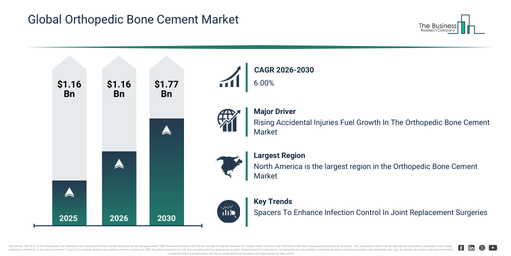
  • Orthopedic Bone Cement Market Expected To Reach $1.4 Billion By 2030 As Growth Accelerates At 6% CAGR

    Orthopedic Bone Cement Market Expected To Reach $1.4 Billion By 2030 As Growth Accelerates At 6% CAGR

    Delivering more actionable and strategically valuable research, The Business Research Company’s 2026 market reports feature market attractiveness analysis, total addressable market evaluation, company benchmarking matrices, interactive Excel dashboards, expanded supply chain intelligence, emerging startup coverage, and detailed product insights.

    The orthopedic bone cement market has experienced significant growth over recent years, driven by various medical and demographic factors. As surgical techniques and patient needs evolve, this market continues to present valuable opportunities for expansion and innovation. Let’s explore the current landscape, the forces propelling growth, key market segments, emerging trends, leading players, and regional outlooks shaping the future of orthopedic bone cement.

    Orthopedic Bone Cement Market Size and Growth Trajectory

    The orthopedic bone cement market has shown robust expansion, increasing from $1.05 billion in 2025 to $1.11 billion in 2026, with a compound annual growth rate (CAGR) of 6.2%. This upward trend during the historical period is primarily linked to a rise in hip and knee replacement surgeries, widespread use of polymethyl methacrylate (PMMA), an aging population, the prevalence of hospital orthopedic procedures, and surgeons’ preference for cemented fixation techniques. Looking ahead, the market is expected to grow further, reaching $1.4 billion by 2030 at a CAGR of 6.0%. Factors anticipated to drive this growth include an increase in revision surgeries, greater demand for infection-resistant materials, a rise in trauma cases, advances in cement formulations, and the growth of outpatient orthopedic centers. Notable trends influencing the market’s evolution are the increased use of high viscosity cements, growing joint replacement surgeries, adoption of antibiotic-loaded bone cements, a shift toward ready-to-use cement formats, and a focus on accelerating surgical procedures.

    Download A Free Sample Report For Comprehensive Market Insights:

    https://www.thebusinessresearchcompany.com/sample.aspx?id=19633&type=smp

    Key Factors Stimulating Growth in the Orthopedic Bone Cement Market

    One of the main drivers behind the orthopedic bone cement market’s expansion is the rising frequency of accidents and injuries. This increase is fueled by factors such as higher traffic density, more engagement in high-risk activities, distracted driving behaviors, and insufficient safety protocols. Orthopedic bone cement plays a crucial role in stabilizing implants and facilitating the healing of fractures and damaged joints. According to data from the World Health Organization released in December 2023, approximately 1.19 million people die annually due to road traffic accidents worldwide. Additionally, between 20 and 50 million people suffer non-fatal injuries, many of which result in long-term disabilities. These statistics highlight the growing need for orthopedic treatments that utilize bone cement, driving market demand.

    Orthopedic Bone Cement Market Segmentation and Opportunities

    This market is segmented based on type, material, and end-user categories. By type, it includes low viscosity cements, medium viscosity cements, and high viscosity cements. Materials covered are polymethyl methacrylate (PMMA), ceramic, acrylic, and other substances. End users consist of hospitals, orthopedic clinics and centers, and other healthcare facilities. Within the viscosity categories, subtypes include single-phase and two-phase low viscosity cements; hand-mixed and pre-mixed medium viscosity cements; and self-mixed or pre-mixed high viscosity cements packaged in syringes or cartridges. These divisions provide a comprehensive view of product formats and applications, enabling targeted strategies for different market needs.

    Access The Complete Orthopedic Bone Cement Market Report:

    https://www.thebusinessresearchcompany.com/report/orthopedic-bone-cement-global-market-report

    Innovations Transforming the Orthopedic Bone Cement Sector

    Leading companies in the orthopedic bone cement industry are advancing product development, with a strong focus on infection management during joint replacement surgeries. One key innovation is antibiotic-loaded spacers, which are temporary implants used particularly for infected prosthetic joints in the hip or knee. These spacers are crafted from PMMA mixed with antibiotics to deliver localized infection control. For example, in November 2023, Biocomposites Ltd., a UK medical device firm, introduced the SYNICEM series of preformed spacers designed for hip, knee, and shoulder surgeries. These spacers address issues present with traditional intra-operative molded or handmade spacers by maintaining joint space and providing effective infection treatment. They are engineered for consistent performance and structural reliability while delivering a high local dose of gentamicin. This innovation offers surgeons flexible, time-saving solutions during revision procedures and highlights the specialized expertise of companies focusing on polymer-based bone cement products.

    Principal Competitors Driving the Orthopedic Bone Cement Market

    Several major players dominate the orthopedic bone cement market, including Johnson & Johnson Services Inc, 3M Company, Stryker Corporation, B. Braun Melsungen AG, Zimmer Biomet Holdings Inc, Smith & Nephew plc, Enovis Corporation, Wright Medical Group N.V, Medacta International SA, Exactech Inc, Tecres S.p.A, Heraeus Medical GmbH, Graftys SA, TEKNIMED SAS, Merit Medical Systems, OSARTIS GmbH, IZI Medical, Shanghai Rebone, SetBone Medical Ltd, curasan AG, Osseon, Cambridge Polymer Group Inc, BioMedtrix, Noblus, Surgical Specialties Corporation, Orthoplastics, Evolutis, Groupe Lepine, and Synimed. These companies contribute to intense market competition and continuous innovation, shaping the industry’s direction.

    Regional Market Outlook and Growth Hotspots

    In terms of regional distribution, North America held the largest share of the orthopedic bone cement market in 2025. However, the Asia-Pacific region is projected to be the fastest-growing market during the forecast period. The report also covers other significant regions such as South East Asia, Western Europe, Eastern Europe, South America, the Middle East, and Africa, providing a global perspective on market opportunities and challenges.

    This comprehensive overview of the orthopedic bone cement market reveals a dynamic sector influenced by medical needs, product innovations, and regional growth patterns, paving the way for promising developments in the years ahead.

    Get in touch with us:

    The Business Research Company: https://www.thebusinessresearchcompany.com/

    Americas: +1 310-496-7795

    Asia: +44 7882 955267 & +91 8897263534

    Europe: +44 7882 955267

    Email us at: marketing@tbrc.info

    Follow us on:

    LinkedIn: https://in.linkedin.com/company/the-business-research-company

    YouTube: https://www.youtube.com/channel/UC24_fI0rV8cR5DxlCpgmyFQ

    Global Market Model: https://www.thebusinessresearchcompany.com/global-market-model
  • Orthopedic Biomaterials Market Set To Grow From $25.9 Billion In 2026 To $36.67 Billion By 2030 At A CAGR Of 9.1%

    Orthopedic Biomaterials Market Set To Grow From $25.9 Billion In 2026 To $36.67 Billion By 2030 At A CAGR Of 9.1%

    Enhanced with market attractiveness analysis, total addressable market evaluation, company benchmarking matrices, interactive Excel dashboards, expanded supply chain intelligence, emerging startup coverage, and detailed product insights, The Business Research Company’s 2026 market reports deliver more actionable and strategically valuable research.

    The orthopedic biomaterials sector is experiencing rapid expansion, driven by a range of demographic and technological factors. As the global population ages and the prevalence of orthopedic conditions rises, the demand for advanced biomaterials continues to strengthen. This overview explores the market’s size, key growth drivers, segmentation, emerging trends, major players, and regional dynamics shaping its future.

    Orthopedic Biomaterials Market Size and Expected Growth Through 2030

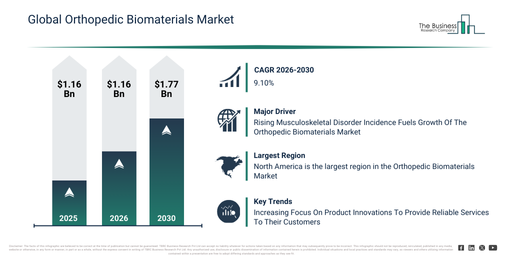
    The orthopedic biomaterials market has shown significant growth in recent years. It is projected to increase from $22.6 billion in 2025 to $25.9 billion in 2026, reflecting a compound annual growth rate (CAGR) of 14.6%. This upward trajectory during the historical period is largely attributed to factors such as an aging population, a rise in orthopedic injuries, expansion in joint replacement surgeries, availability of metallic implants, and improvements in hospital infrastructure. Looking ahead, the market is forecasted to expand further, reaching $36.67 billion by 2030, with a CAGR of 9.1%. This anticipated growth is supported by increasing sports-related injuries, a demand for customized implants, a growing incidence of osteoarthritis, advancements in composite biomaterials, and rising healthcare spending. Key trends expected to influence the market over the forecast period include the adoption of bioactive materials, enhanced joint replacement solutions, the use of lightweight implants, a surge in minimally invasive orthopedic procedures, and a strong emphasis on the long-term durability of implants.

    Download A Free Sample Report For Comprehensive Market Insights:

    https://www.thebusinessresearchcompany.com/sample.aspx?id=3239&type=smp

    Factors Boosting Revenue Growth in the Orthopedic Biomaterials Market

    The increasing prevalence of musculoskeletal disorders is a major driver for the orthopedic biomaterials market. These disorders cause fractures, joint swelling, and pain in ligaments and tendons, which often result in movement difficulties. The likelihood of developing these conditions grows with age, adding to the market demand.

    For example, in January 2024, GOV.UK reported that in 2023, 18.4% of people aged 16 and above in the UK suffered from a long-term musculoskeletal condition, up from 17.6% in 2022. This upward trend in musculoskeletal disorders is expected to significantly contribute to the growth of the orthopedic biomaterials industry.

    Detailed Segmentation Overview of the Orthopedic Biomaterials Market

    This report breaks down the orthopedic biomaterials market into several key segments:

    1) Material Type: Ceramics and Bioactive Glasses, Calcium Phosphate Cements, Polymers, Metals, and Composites

    2) Applications: Orthopedic Implants, Joint Replacement/Reconstruction, Bio-Resorbable Tissue Fixation, and other uses

    3) End-Users: Hospitals, Clinics, and other healthcare facilities

    Access The Complete Orthopedic Biomaterials Market Report:

    https://www.thebusinessresearchcompany.com/report/orthopedic-biomaterials-global-market-report

    The subcategories include:

    – Ceramics and Bioactive Glasses: Bioactive Glasses, Alumina Ceramics, Zirconia Ceramics

    – Calcium Phosphate Cements: Hydroxyapatite (HA) Cements, Tricalcium Phosphate (TCP) Cements, Biphasic Calcium Phosphate Cements

    – Polymers: Polyethylene (PE), Polymethyl Methacrylate (PMMA), Polyetheretherketone (PEEK)

    – Metals: Titanium Alloys, Stainless Steel, Cobalt-Chromium Alloys

    – Composites: Fiber-Reinforced Composites, Polymer-Ceramic Composites, Metal-Ceramic Composites

    Emerging Trends Shaping the Future of the Orthopedic Biomaterials Market

    Leading players in the orthopedic biomaterials field are increasingly focusing on innovative products to boost revenue streams. One notable example is the development of tendon fixation devices, which are implants or instruments used to secure tendons, ligaments, or soft tissues to bone during orthopedic surgeries.

    For instance, in June 2023, Acuitive Technologies Inc., a US-based company specializing in orthopedic biomaterial innovations, launched a new tendon fixation device. This advanced ACL device features a tendon-friendly spiral thread crafted from citregen, a next-generation resorbable material possessing unique molecular and mechanical properties. This technology supports natural healing processes and reduces chronic inflammation risks that often occur with other biodegradable implants.

    Key Players Leading the Orthopedic Biomaterials Market

    The orthopedic biomaterials market is dominated by several influential companies. These include Medtronic PLC, Johnson & Johnson, Stryker Corporation, Zimmer Biomet, Smith & Nephew, NuVasive, Wright Medical Group N.V., Orthofix Medical Inc., Acelity, Conmed Corporation, Aesculap, Seaspine Holdings Corporation, Bone Support AB, Bioventus, K2M Group Holdings Inc., MTF Biologics, Amedica Corporation, TPL Biomed, Fidia Farmaceutici S.p.A., OsteoRemedies, Xtant Medical, RTI Surgical Holdings Inc., LifeNet Health, VIVEX Biologics, DJO Global, MedShape, Evonik Industries AG, Heraeus Medical, 3M Company, and Collagen Solutions plc. These companies play vital roles in expanding market capabilities through product development and strategic initiatives.

    Regional Distribution and Market Leadership in Orthopedic Biomaterials

    In 2025, North America held the largest portion of the orthopedic biomaterials market, reflecting strong healthcare infrastructure and high demand for advanced orthopedic solutions. Western Europe followed as the second-largest region. The report also covers other significant markets including Asia-Pacific, South East Asia, Eastern Europe, South America, the Middle East, and Africa, providing a comprehensive view of the global orthopedic biomaterials landscape.

    Get in touch with us:

    The Business Research Company: https://www.thebusinessresearchcompany.com/

    Americas: +1 310-496-7795

    Asia: +44 7882 955267 & +91 8897263534

    Europe: +44 7882 955267

    Email us at: marketing@tbrc.info

    Follow us on:

    LinkedIn: https://in.linkedin.com/company/the-business-research-company

    YouTube: https://www.youtube.com/channel/UC24_fI0rV8cR5DxlCpgmyFQ

    Global Market Model: https://www.thebusinessresearchcompany.com/global-market-model
  • Orthopedic Accessories Market Opportunities Are Emerging Beyond Traditional Growth Areas

    Orthopedic Accessories Market Opportunities Are Emerging Beyond Traditional Growth Areas

    Through market attractiveness analysis, total addressable market evaluation, company benchmarking matrices, interactive Excel dashboards, expanded supply chain intelligence, emerging startup coverage, and detailed product insights, The Business Research Company’s 2026 market reports provide more actionable and strategically valuable research.

    The orthopedic accessories market has been steadily advancing, driven by various factors impacting both healthcare providers and patients. With ongoing developments in orthopedic treatments and rising demand for supportive medical devices, this sector is poised to experience consistent growth in the coming years. Let’s explore the current market size, the key drivers behind expansion, prominent companies, and emerging trends shaping the future of orthopedic accessories.

    Orthopedic Accessories Market Size and Growth Outlook

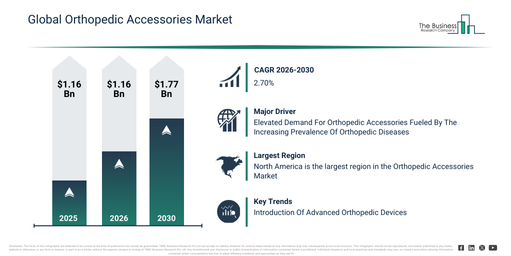
    The orthopedic accessories market has witnessed steady growth recently, with its size expected to increase from $3.4 billion in 2025 to $3.49 billion in 2026, representing a compound annual growth rate (CAGR) of 2.7%. This growth during the historical period is largely driven by a rise in orthopedic surgeries, more joint replacement operations, expanded trauma care services, increased use of casting systems in fracture treatment, and improved availability of orthopedic accessories. Looking ahead, the market is projected to reach $3.88 billion by 2030, maintaining a CAGR of 2.7%. Factors contributing to this forecast include growing demand for infection-resistant orthopedic materials, wider adoption of minimally invasive procedures, the expansion of specialized orthopedic clinics, focus on quicker recovery solutions, and increased investment in advanced orthopedic consumables. Key trends in the forecast period highlight the use of advanced bone cement formulations, lightweight casting systems, antibiotic-loaded bone cements, efficient cast removal technologies, and enhanced patient comfort and safety.

    Download A Free Sample Report For Comprehensive Market Insights:

    https://www.thebusinessresearchcompany.com/sample.aspx?id=2605&type=smp

    Growing Prevalence of Orthopedic Conditions Driving Market Expansion

    A significant force behind the orthopedic accessories market growth is the increasing occurrence of orthopedic diseases, which affect the musculoskeletal system. The rise in conditions such as musculoskeletal degeneration and joint dysfunction is contributing to a higher overall burden of bone and joint ailments worldwide. Orthopedic accessories play an essential role in managing these conditions by providing support, relieving pain, and aiding rehabilitation, thereby improving patient mobility and enhancing recovery outcomes. For instance, in January 2024, data from the Office for Health Improvement and Disparities (OHID) in the UK revealed that 18.4% of people aged 16 and over in England reported having a long-term musculoskeletal (MSK) condition, up from 17.6% in 2022. This upward trend in orthopedic disease prevalence is fueling demand for orthopedic accessories in various healthcare settings.

    Expanding Applications and Product Segments in the Orthopedic Accessories Market

    The orthopedic accessories market is segmented based on product type, application, and end users. By type, the market includes bone cement, casting systems, and removal systems. The application segment covers orthopedic areas such as the hip, knee, and spine. End users primarily consist of hospitals, orthopedic clinics, and trauma fixation centers. Further product subdivisions include polymethyl methacrylate (PMMA) bone cement, calcium phosphate bone cement, and antibiotic-loaded bone cement under bone cement types. Casting systems are divided into plaster casting and fiberglass casting. Removal systems include bone cement removal and cast removal devices. This categorization provides a comprehensive understanding of the market’s scope and specialization.

    Access The Complete Orthopedic Accessories Market Report:

    https://www.thebusinessresearchcompany.com/report/orthopedic-accessories-global-market-report

    Innovations in Orthopedic Accessories Transforming Surgical Procedures

    Market leaders are increasingly focusing on introducing advanced products to improve surgical outcomes and efficiency. A notable development is the emergence of fully autonomous systems designed to enhance surgical planning and execution without continuous human intervention. In July 2023, Stryker Corporation, a US-based medical technology firm, unveiled the Ortho Q Guidance system—the only fully autonomous system in the orthopedic surgery field. This system allows surgeons to control procedures from the sterile field using advanced optical tracking via a cutting-edge camera and sophisticated algorithms embedded in the Ortho Guidance software. The Ortho Q system streamlines workflow, increases procedural speed, and improves overall efficiency in orthopedic surgical care.

    Key Industry Players and Competitive Dynamics in the Orthopedic Accessories Market

    The orthopedic accessories market comprises several prominent companies, including Stryker Corporation, Zimmer Biomet Holdings Inc., DePuy Synthes Companies, Smith and Nephew PLC, McDavid, Aesculap Implant System, Conmed Corporation, Donjoy, NuVasive, Medtronic plc, Schock Doctor, Rehband, Nordic Lifting, BioSkin, Bauerfeind AG, Futuro, Ultra Flex Athletics, EVS Sports, Neo G, NatraCure, United Ortho, Corflex Cryo, DJO Global, Arthrex, Tecres SpA, Heraeus Holding, Teknimed, OsteoRemedies, Enovis, Globus Medical, Orthofix Medical (Orthofix-SeaSpine), 4Web Medical, OrthoPediatrics, SeaSpine Orthopedics, Acumed LLC, Bioventus Surgical, Integra LifeSciences, Medline Industries Inc., and MicroPort Orthopedics Inc. These companies compete strategically through innovation, product development, and expanded market reach to maintain and grow their market shares.

    Regional Market Leadership and Growth Patterns in Orthopedic Accessories

    In 2025, North America held the largest share in the global orthopedic accessories market, reflecting its advanced healthcare infrastructure and higher adoption rates of orthopedic technologies. Western Europe ranked as the second-largest regional market. The orthopedic accessories market report also covers regions such as Asia-Pacific, South East Asia, Eastern Europe, South America, the Middle East, and Africa, providing a detailed overview of regional trends and growth opportunities worldwide.

    Get in touch with us:

    The Business Research Company: https://www.thebusinessresearchcompany.com/

    Americas: +1 310-496-7795

    Asia: +44 7882 955267 & +91 8897263534

    Europe: +44 7882 955267

    Email us at: marketing@tbrc.info

    Follow us on:

    LinkedIn: https://in.linkedin.com/company/the-business-research-company

    YouTube: https://www.youtube.com/channel/UC24_fI0rV8cR5DxlCpgmyFQ

    Global Market Model: https://www.thebusinessresearchcompany.com/global-market-model