Month: June 2026

  • Ophthalmic Handheld Surgical Instruments Market Expansion Is Reshaping Competitive Dynamics Across The Industry

    Ophthalmic Handheld Surgical Instruments Market Expansion Is Reshaping Competitive Dynamics Across The Industry

    Through market attractiveness analysis, total addressable market evaluation, company benchmarking matrices, interactive Excel dashboards, expanded supply chain intelligence, emerging startup coverage, and detailed product insights, The Business Research Company’s 2026 market reports provide more actionable and strategically valuable research.

    The ophthalmic handheld surgical instruments sector has witnessed significant expansion recently, driven by rising eye health concerns and advancements in surgical technology. As the demand for precise and effective eye care solutions grows, this market is expected to continue its upward trajectory. Below is a detailed look at its current size, growth drivers, key players, and emerging trends shaping the future.

    Steady Growth and Market Size Outlook in Ophthalmic Handheld Surgical Instruments

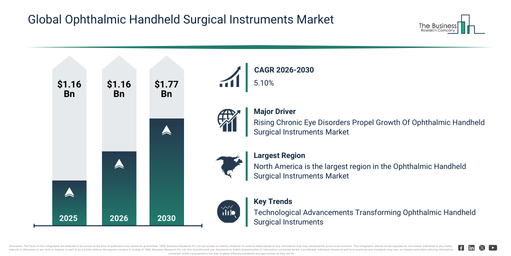
    The market for ophthalmic handheld surgical instruments is showing strong development, with its size projected to rise from $2.57 billion in 2025 to $2.72 billion in 2026, marking a compound annual growth rate (CAGR) of 5.8%. This expansion over the past years stems from factors such as an increase in cataract and glaucoma cases, a rise in ophthalmic surgeries, the growth of ophthalmology departments in hospitals, greater availability of skilled eye surgeons, and wider adoption of standardized surgical procedures.

    Download A Free Sample Report For Comprehensive Market Insights:

    https://www.thebusinessresearchcompany.com/sample.aspx?id=15879&type=smp

    Looking ahead, the market is expected to reach $3.32 billion by 2030, growing at a CAGR of 5.1%. This future growth is fueled by an aging population prone to eye disorders, growing demand for advanced eye surgeries, the rise of outpatient ophthalmic procedures, increased investment in eye care facilities, and a focus on achieving precision in surgical outcomes. Key trends anticipated during this period include greater demand for highly accurate ophthalmic instruments, increased use of ergonomic handheld tools, a shift toward minimally invasive procedures, broader adoption of single-use sterile instruments, and heightened attention to surgical safety and precision.

    Factors Fueling Expansion in the Ophthalmic Handheld Surgical Instruments Market

    A significant driver behind market growth is the rising prevalence of chronic eye conditions, which require continuous treatment and management. These long-term disorders result from factors such as aging populations, increasing diabetes rates, lifestyle changes, genetic predispositions, and enhanced awareness through screening programs. Handheld surgical instruments play a crucial role in diagnosing and treating various corneal diseases, enabling surgeons to conduct precise interventions that preserve eyesight and improve patients’ lives.

    Access The Complete Ophthalmic Handheld Surgical Instruments Market Report:

    https://www.thebusinessresearchcompany.com/report/ophthalmic-handheld-surgical-instruments-global-market-report

    For instance, data from the Centers for Disease Control and Prevention in January 2024 showed that over 3.4 million Americans aged 40 and above were blind or visually impaired, with this number expected to double by 2030. This growing burden of chronic eye diseases strongly supports increasing demand for specialized ophthalmic handheld instruments.

    Market Segmentation and Key Areas of Focus in Ophthalmic Handheld Surgical Instruments

    This market is organized into several major segments based on product type, application, and end-user:

    1) Product Categories: Ophthalmic Knives, Forceps, Scissors, Choppers, and Other Devices

    2) Application Areas: Cataract, Refractive Surgery, Glaucoma, Vitreoretinal Surgery, Diabetic Retinopathy, and Other Uses

    3) End Users: Hospitals, Ophthalmic Clinics, and Other Healthcare Facilities

    Further subdivisions under these categories include specific types of knives such as cataract knives and keratome blades; forceps like micro forceps and capsulorhexis forceps; scissors including suture and iris scissors; choppers for cataract and vitreoretinal procedures; and other instruments like retinal surgical tools, vitrectomy devices, and lens extraction equipment.

    Technological Innovations Influencing Demand in Ophthalmic Handheld Surgical Instruments

    Leading companies in this field are focusing on developing advanced, user-friendly products to meet clinical needs. One notable innovation is the handheld corneal esthesiometer, which offers precise measurement of corneal sensitivity — an important tool in both ophthalmology and neurology for diagnosing nerve function issues affecting the eye’s surface.

    For example, in July 2023, the Spain-based manufacturer Brill Engines introduced the corneal esthesiometer brill (CEB), the first handheld device of its kind. This instrument is designed for ease of use with minimal training and provides accurate, efficient assessment of corneal sensitivity, helping healthcare professionals diagnose and manage various ocular and neurological conditions effectively.

    Major Industry Players Driving Competition in Ophthalmic Handheld Surgical Instruments

    Several prominent companies are shaping the competitive landscape of this market, including: Thompson Surgical Instruments Inc., Bausch + Lomb Incorporated, Carl Zeiss Meditec AG, Topcon Corporation, BVI Medical, Keeler, Katalyst Surgical, Moria S.A., MicroSurgical Technology Inc., Duckworth & Kent Limited, Surgistar Inc., Nova Eye Medical Ltd, Accutome Inc., Takagi Ophthalmic Instruments Europe Ltd, Rumex International Co., Altomed Limited, Katena Products Inc., Mastel Precision Surgical Instruments LLC, Pelion Surgical LLC, Stephens Instruments, Insight Instruments Inc., ASICO LLC, and Storz Ophthalmic Instruments Inc.

    Regional Market Analysis and Growth Prospects in Ophthalmic Handheld Surgical Instruments

    In 2025, North America held the largest share of the ophthalmic handheld surgical instruments market. However, the Asia-Pacific region is anticipated to experience the fastest growth rate during the forecast period. The analysis covers key geographic areas including Asia-Pacific, South East Asia, Western Europe, Eastern Europe, North America, South America, the Middle East, and Africa, providing a comprehensive view of global market trends and opportunities.

    Get in touch with us:

    The Business Research Company: https://www.thebusinessresearchcompany.com/

    Americas: +1 310-496-7795

    Asia: +44 7882 955267 & +91 8897263534

    Europe: +44 7882 955267

    Email us at: marketing@tbrc.info

    Follow us on:

    LinkedIn: https://in.linkedin.com/company/the-business-research-company

    YouTube: https://www.youtube.com/channel/UC24_fI0rV8cR5DxlCpgmyFQ

    Global Market Model: https://www.thebusinessresearchcompany.com/global-market-model
  • Personal Emergency Response Systems (PERS) Market Growth Is Accelerating As Industry Transformation Continues

    Personal Emergency Response Systems (PERS) Market Growth Is Accelerating As Industry Transformation Continues

    Through market attractiveness analysis, total addressable market evaluation, company benchmarking matrices, interactive Excel dashboards, expanded supply chain intelligence, emerging startup coverage, and detailed product insights, The Business Research Company’s 2026 market reports provide more actionable and strategically valuable research.

    The personal emergency response systems (PERS) market has witnessed significant growth recently, driven by demographic shifts and technological advancements. As more seniors choose to live independently and healthcare systems evolve, demand for these safety devices is rising steadily. Let’s explore the market size, key factors influencing growth, emerging trends, leading players, and regional insights shaping this expanding industry.

    Personal Emergency Response Systems Market Size and Growth Forecast

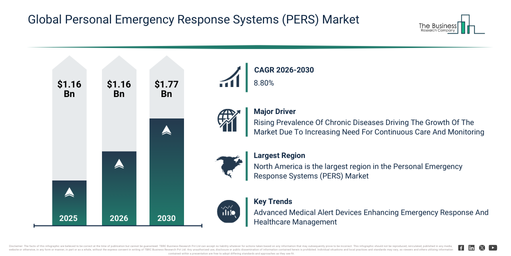
    The PERS market has demonstrated strong expansion in recent years. It is projected to increase from $8.23 billion in 2025 to $8.97 billion in 2026, marking a compound annual growth rate (CAGR) of 9.0%. This earlier growth phase was propelled by factors such as the aging population, increased preference among seniors for independent living, heightened demand for emergency healthcare services, shortages in caregiver availability, and greater awareness around elderly safety. Moving forward, the market is expected to reach $12.6 billion by 2030, driven by a CAGR of 8.8%. The forecast period will benefit from innovations like smart home integration, AI-enabled emergency detection technologies, expanding home healthcare services, government initiatives supporting elderly care, and growing adoption of mobile health solutions. Key trends predicted for this phase include the rise of wearable emergency devices, the spread of GPS-enabled mobile PERS, incorporation of fall detection sensors, enhanced home safety systems for seniors, and voice-activated emergency response features.

    Download A Free Sample Report For Comprehensive Market Insights:

    https://www.thebusinessresearchcompany.com/sample.aspx?id=22095&type=smp

    Chronic Disease Prevalence Driving Increased Demand for PERS

    One of the most important factors pushing the growth of the personal emergency response systems market is the rising number of individuals suffering from chronic illnesses. Conditions such as diabetes, heart disease, and arthritis are long-lasting and require ongoing management. The surge in chronic health issues is closely linked to aging populations and unhealthy lifestyle habits, which increase risks like obesity, insulin resistance, and inflammation—key contributors to these diseases. This growing burden of chronic conditions boosts the need for PERS, as these systems provide continuous monitoring and fast access to medical assistance when emergencies occur. For example, in June 2024, the UK’s National Health Service reported that in 2023, 549,000 more people in England were at risk of developing type 2 diabetes, bringing the total number of individuals with pre-diabetes to 3,615,330, a nearly 20% rise from 2022. Such statistics highlight the increasing demand for emergency monitoring solutions that promote safety and peace of mind.

    How Market Segments Are Shaping Personal Emergency Response Systems

    This market is categorized into several important segments for better clarity and product targeting. By type, it is divided into Landline Personal Emergency Response Systems and Mobile Personal Emergency Response Systems. Components include smoke detectors, bed sensors, pull-cord systems, fall detection sensors, and flood detectors. End-users range across nursing homes, home-based users, assisted living facilities, hospices, and senior living communities. Further subdivisions offer more detail: for landline systems, options include Basic Landline PERS, Auto-Alert Landline PERS, and Voice-Activated Landline PERS. Mobile systems are split into GPS-enabled Mobile PERS, Non-GPS Mobile PERS, Wearable Mobile PERS, and Smartphone-based Mobile PERS. These classifications help meet diverse needs across different user groups and environments.

    Access The Complete Personal Emergency Response Systems (PERS) Market Report:

    https://www.thebusinessresearchcompany.com/report/personal-emergency-response-systems-pers-global-market-report

    Innovations and Advanced Technologies Defining the Market’s Next Chapter

    Leading companies in the PERS market are investing heavily in developing cutting-edge devices that enhance real-time monitoring and emergency response. These medical alert systems typically include wearable help buttons connected to emergency services, offering critical support during health crises. For instance, in February 2025, LogicMark, Inc., a US manufacturer, introduced the Guardian Alert 911 Plus, an advanced device featuring fall detection capabilities, 4G LTE connectivity, and a sleek, unobtrusive design. This new product allows users—especially aging adults and those with medical conditions—to maintain independence while benefiting from hands-free emergency assistance without ongoing fees.

    Key Players Competing in the Personal Emergency Response Systems Market

    The competitive landscape includes well-known companies such as ADT Inc, Tunstall Healthcare, Lifeline Systems Company, Medical Guardian, LifeStation, LifeFone Medical Alert Services, LifeWatch, Rescue Alert, AlertOne Services LLC, GreatCall, Bay Alarm Medical, Lifelink USA, Galaxy Medical Alert Systems, Alarm Systems, MediPendant, QMedic, Life Guardian LLC, Philips Lifeline, and Philips Personal Emergency Response Solutions. These organizations continually innovate to offer more reliable, user-friendly, and technologically sophisticated products to consumers worldwide.

    Personal Emergency Response Systems Market Regional Overview and Growth Opportunities

    In 2025, North America held the leading share of the PERS market, reflecting strong demand driven by an aging population and advanced healthcare infrastructure. The global market also includes key regions such as Asia-Pacific, South East Asia, Western and Eastern Europe, South America, the Middle East, and Africa. The Asia-Pacific region is expected to show rapid growth in the coming years, fueled by increasing awareness, rising elderly populations, and expanding healthcare services in emerging economies. This regional diversity provides a broad canvas for market expansion and innovation.

    Get in touch with us:

    The Business Research Company: https://www.thebusinessresearchcompany.com/

    Americas: +1 310-496-7795

    Asia: +44 7882 955267 & +91 8897263534

    Europe: +44 7882 955267

    Email us at: marketing@tbrc.info

    Follow us on:

    LinkedIn: https://in.linkedin.com/company/the-business-research-company

    YouTube: https://www.youtube.com/channel/UC24_fI0rV8cR5DxlCpgmyFQ

    Global Market Model: https://www.thebusinessresearchcompany.com/global-market-model
  • Ophthalmic Eye Dropper Market Forecast Reveals Where Future Industry Value Will Be Created

    Ophthalmic Eye Dropper Market Forecast Reveals Where Future Industry Value Will Be Created

    Delivering more actionable and strategically valuable research, The Business Research Company’s 2026 market reports feature market attractiveness analysis, total addressable market evaluation, company benchmarking matrices, interactive Excel dashboards, expanded supply chain intelligence, emerging startup coverage, and detailed product insights.

    The ophthalmic eye dropper market is witnessing significant expansion, driven by increasing demand for effective and user-friendly eye care solutions. As eye disorders become more common globally, innovations in delivery systems and a growing aging population are shaping the future of this sector. This overview examines the market’s current size, growth factors, key segments, notable innovations, leading players, and regional dynamics.

    Market Growth Trajectory and Size of the Ophthalmic Eye Dropper Market

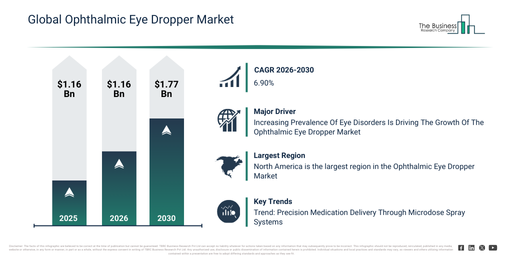
    The ophthalmic eye dropper market has demonstrated strong growth in recent years. It is projected to increase from $14.28 billion in 2025 to $15.39 billion in 2026, reflecting a compound annual growth rate (CAGR) of 7.7%. Looking ahead, the market is expected to continue expanding, reaching $20.07 billion by 2030 at a CAGR of 6.9%. Earlier growth was driven by the rising rates of ophthalmic conditions, heightened usage of topical eye medications, expansion in outpatient eye care treatments, broader availability of over-the-counter (OTC) eye products, and a growing trend toward home-based eye therapies. Future growth is anticipated to be fueled by the demand for advanced drug delivery systems, a growing elderly population with eye-related ailments, expanded management of chronic eye diseases, increasing preference for preservative-free formulations, and ongoing innovation in sterile packaging technologies. Significant trends include wider adoption of preservative-free eye droppers, increasing use of unidose packaging, focus on precise drug dispensing, development of user-friendly dropper designs, and stronger emphasis on sterility assurance.

    Download A Free Sample Report For Comprehensive Market Insights:

    https://www.thebusinessresearchcompany.com/sample.aspx?id=15878&type=smp

    Rising Prevalence of Eye Disorders as a Major Growth Factor

    One of the primary drivers behind the expansion of the ophthalmic eye dropper market is the increasing prevalence of eye disorders. These conditions cover a broad range of medical issues that harm vision or cause discomfort. Factors such as environmental influences, higher contact lens usage, lifestyle changes, gender-specific susceptibilities, and vitamin deficiencies contribute to this rising incidence. Ophthalmic eye droppers are essential for delivering exact doses of medication directly to the eyes to manage these conditions effectively. For instance, the Centers for Disease Control and Prevention reported in January 2024 that over 3.4 million Americans aged 40 and older were blind or visually impaired, a figure expected to double by 2030. This growing patient population is a key factor driving demand in this market.

    Additional Factors Supporting Ophthalmic Eye Dropper Market Growth

    Alongside the rise in eye disorders, other factors are boosting market expansion. The broadening availability of OTC eye care products allows more consumers to access treatment conveniently, while the growth of outpatient and home-based eye care solutions enables patients to manage their conditions with greater ease. Additionally, increasing awareness about eye health and the importance of timely treatment is encouraging more people to seek ophthalmic medications, thereby supporting market growth.

    Access The Complete Ophthalmic Eye Dropper Market Report:

    https://www.thebusinessresearchcompany.com/report/ophthalmic-eye-dropper-global-market-report

    Defining the Ophthalmic Eye Dropper Market Segments

    This market is categorized into several important segments for a comprehensive understanding:

    1) By Eye Dropper Type: Unidose Eye Droppers, Preserved Multi-Dose Eye Droppers, and Preservative-Free Multi-Dose Eye Droppers.

    2) By Drug Type: Prescription Drugs and Over-The-Counter (OTC) Drugs.

    3) By Treatment Type: Dry Eye, Glaucoma, Allergies, Conjunctivitis, and Other Treatments.

    4) By End-Use: Hospitals, Ophthalmic Centers, Homecare Settings, and Other Users.

    Further subdivisions detail unidose droppers into single-use containers and disposable systems; preserved multi-dose droppers into those with preservative solutions and multi-dose containers with built-in preservation; and preservative-free multi-dose droppers into containers without preservatives and non-preserved sterile systems.

    Innovative Advances Transforming the Ophthalmic Eye Dropper Industry

    A key trend in the market is the push toward advanced delivery technologies that improve dosing accuracy and patient experience. Leading companies are developing microdose spray delivery systems as alternatives to conventional eye dropper bottles. These innovations enable precise and controlled medication delivery, reducing wastage, systemic exposure, and dosing errors. For example, in May 2023, Hyperion DeFi Inc., a US-based pharmaceutical technology firm, introduced MydCombi, leveraging its Optejet platform to deliver medication in microdroplets of about 6–8 microliters directly onto the eye. This technology, integrated with Eyenovia’s drug-device platform, enhances dosing precision, patient compliance, and reduces adverse effects. Such breakthroughs simplify ocular drug administration and elevate treatment effectiveness.

    Key Players Driving the Ophthalmic Eye Dropper Market Forward

    The competitive landscape includes several major companies actively shaping the market, such as Pfizer Inc., AbbVie Inc., Novartis AG, Alcon Inc., Bausch & Lomb Incorporated, Intas Pharmaceuticals Ltd., AptarGroup Inc., Cipla Ltd., Gerresheimer AG, Lupin Ltd., Santen Pharmaceutical Co Ltd., Rohto Pharmaceutical Co Ltd., Silgan Dispensing Systems, Akorn Operating Company LLC, Nemera Development S.A., Ajanta Pharma Ltd., Perrigo Company plc, Bora Pharmaceuticals Co Ltd., Sun Pharmaceutical Industries Limited, and PanOptica Inc. These players are continuously investing in innovation and expanding their product portfolios to meet evolving customer needs.

    Regional Market Insights Highlighting Leading and Emerging Areas

    In 2025, North America accounted for the largest share of the ophthalmic eye dropper market in terms of revenue. However, the Asia-Pacific region is projected to demonstrate the fastest growth during the forecast period. The market analysis encompasses important regions including Asia-Pacific, South East Asia, Western Europe, Eastern Europe, North America, South America, the Middle East, and Africa, offering a broad perspective on global market trends and opportunities.

    Get in touch with us:

    The Business Research Company: https://www.thebusinessresearchcompany.com/

    Americas: +1 310-496-7795

    Asia: +44 7882 955267 & +91 8897263534

    Europe: +44 7882 955267

    Email us at: marketing@tbrc.info

    Follow us on:

    LinkedIn: https://in.linkedin.com/company/the-business-research-company

    YouTube: https://www.youtube.com/channel/UC24_fI0rV8cR5DxlCpgmyFQ

    Global Market Model: https://www.thebusinessresearchcompany.com/global-market-model
  • Ophthalmic Equipment Market Growth Through 2030 Creates New Strategic Opportunities

    Ophthalmic Equipment Market Growth Through 2030 Creates New Strategic Opportunities

    Enhanced with market attractiveness analysis, total addressable market evaluation, company benchmarking matrices, interactive Excel dashboards, expanded supply chain intelligence, emerging startup coverage, and detailed product insights, The Business Research Company’s 2026 market reports deliver more actionable and strategically valuable research.

    The ophthalmic equipment market is undergoing significant expansion, driven by rising demand for advanced eye care technologies and increasing awareness of vision health. This sector is poised for sustained growth as innovations and demographic trends continue to shape its landscape. Let’s explore the current market size, key growth factors, emerging trends, major players, and regional dynamics that define this evolving market.

    Ophthalmic Equipment Market Size and Growth Trajectory

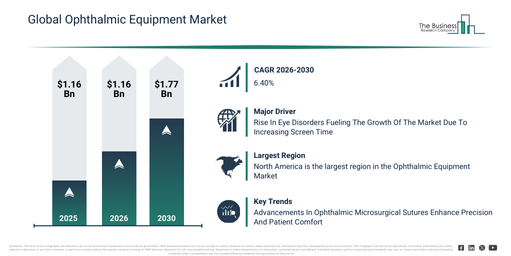
    Recent data shows that the ophthalmic equipment market is steadily increasing, with its value projected to rise from $69.54 billion in 2025 to $74.2 billion in 2026, marking a compound annual growth rate (CAGR) of 6.7%. Looking ahead, the market is expected to further expand to $95.09 billion by 2030, growing at a CAGR of 6.4%. This robust growth stems from several factors including technological advances in laser and optical coherence tomography (OCT) devices, higher demand for refractive and retinal surgeries, the growth of optical retail outlets, and the widespread adoption of phacoemulsification and microsurgical tools. Additionally, the integration of artificial intelligence and digital solutions in eye care is playing a crucial role in driving market progress. Key trends shaping this future growth include increased use of sophisticated imaging devices, a surge in minimally invasive eye procedures, growth in customized intraocular lenses (IOLs), expansion of ambulatory surgical centers (ASCs), and a stronger emphasis on early disease detection and screening.

    Download A Free Sample Report For Comprehensive Market Insights:

    https://www.thebusinessresearchcompany.com/sample.aspx?id=24636&type=smp

    Rising Prevalence of Eye Disorders Boosting Ophthalmic Equipment Demand

    The increasing incidence of eye disorders is a critical factor stimulating the ophthalmic equipment market. Conditions affecting the eye’s structure or function can impair vision or cause discomfort, and these disorders are becoming more common due to factors like prolonged screen exposure leading to digital eye strain and nearsightedness. The availability of advanced ophthalmic equipment facilitates precise diagnosis and treatment, enabling early intervention and improving patient outcomes. For example, a May 2024 report from the Centers for Disease Control and Prevention highlights that without effective preventive measures, diabetic retinopathy cases could surge by 72%, cataract cases by 87%, and overall vision impairment and blindness cases might rise by up to 150% by 2050. This alarming trend underlines the growing need for sophisticated ophthalmic devices, which is driving market expansion.

    Classification of the Ophthalmic Equipment Market by Products and Applications

    This market is segmented into various categories for a comprehensive understanding:

    1) Product Type: Ophthalmic Surgical Devices, Ophthalmic Diagnostic Devices, and Ophthalmic Vision Care Devices

    2) Technology: Laser Technology, Optical Coherence Tomography (OCT), Ultrasound Technology, and Phacoemulsification

    3) Application: Cataract Surgery, Retinal Surgery, Glaucoma Surgery, and Refractive Surgery

    4) End-Users: Hospitals, Ophthalmology Clinics, Ambulatory Surgical Centers (ASCs), Optical Retail Centers, and other users

    Access The Complete Ophthalmic Equipment Market Report:

    https://www.thebusinessresearchcompany.com/report/ophthalmic-equipment-global-market-report

    Further product subcategories include:

    – Surgical Devices: Phacoemulsification devices, laser surgical instruments, vitrectomy tools, microsurgical instruments, intraocular lenses (IOLs), and cryotherapy devices

    – Diagnostic Devices: Slit lamp microscopes, OCT devices, visual field analyzers, fundus cameras, keratometers, pachymeters, retinal imaging devices, and tonometers

    – Vision Care Devices: Contact lens fitters, autorefractors, lens meters, trial lens sets, phoropters, lens edgers, and vision screening instruments

    Innovations and Trends Fueling Growth in Ophthalmic Equipment

    Leading companies in the ophthalmic equipment sector are prioritizing the development of highly advanced products designed to improve surgical outcomes and reduce complications. A notable innovation is ophthalmic microsurgical sutures, which are ultra-fine threads used for precise suturing of delicate eye tissues to minimize infection and inflammation. For instance, in October 2024, US-based Corza Medical introduced the Onatec ophthalmic microsurgical sutures. These sutures are produced from highly tempered stainless steel that ensures excellent bending resistance and durability. Corza Medical’s automated manufacturing process delivers precise needle shapes with smooth surface finishes, allowing for gentle tissue penetration and minimizing trauma during eye surgeries. This advancement significantly enhances patient comfort and surgical precision.

    Key Players Driving Competition in the Ophthalmic Equipment Market

    The ophthalmic equipment market features several prominent companies shaping its competitive environment. Leading players include:

    – Alcon Inc

    – Bausch + Lomb Corp

    – Carl Zeiss Meditec AG

    – Rodenstock GmbH

    – Leica Microsystems

    – Corza Medical

    – EXTREME d o o

    – BVI Medical Inc

    – Heine Optotechnik

    – Essilor International S.A.

    – Rumex International Co

    – Designs For Vision

    – FCI S.A.S.

    – Stille AB

    – Visionix Ltd

    – Optotek Medical

    – Coburn Technologies Inc

    – Haag Streit AG

    – MDT Medical Devices Manufacturer

    – Carleton Limited

    – Topcon Corporation

    – Nidek Co Ltd

    Geographical Insights Highlighting Regional Market Dynamics

    In 2025, North America held the largest share in the ophthalmic equipment market, reflecting the region’s advanced healthcare infrastructure and high adoption of cutting-edge technologies. Meanwhile, the Asia-Pacific region is expected to emerge as the fastest-growing market over the forecast period, driven by increasing healthcare investments, rising awareness of eye health, and expanding ophthalmic services. The overall market analysis also covers other significant regions such as South East Asia, Western Europe, Eastern Europe, South America, the Middle East, and Africa, providing a global perspective on industry growth patterns.

    Get in touch with us:

    The Business Research Company: https://www.thebusinessresearchcompany.com/

    Americas: +1 310-496-7795

    Asia: +44 7882 955267 & +91 8897263534

    Europe: +44 7882 955267

    Email us at: marketing@tbrc.info

    Follow us on:

    LinkedIn: https://in.linkedin.com/company/the-business-research-company

    YouTube: https://www.youtube.com/channel/UC24_fI0rV8cR5DxlCpgmyFQ

    Global Market Model: https://www.thebusinessresearchcompany.com/global-market-model
  • Personal Care Robotics Market Outlook Highlights The Next Major Growth Opportunities

    Personal Care Robotics Market Outlook Highlights The Next Major Growth Opportunities

    Delivering more actionable and strategically valuable research, The Business Research Company’s 2026 market reports feature market attractiveness analysis, total addressable market evaluation, company benchmarking matrices, interactive Excel dashboards, expanded supply chain intelligence, emerging startup coverage, and detailed product insights.

    The personal care robotics sector is experiencing rapid expansion as technological advancements and demographic changes drive demand. With innovations in artificial intelligence and an aging global population, this industry is set to witness substantial growth in the coming years. Let’s explore the current market size, growth drivers, key segments, technological trends, major players, and regional outlook to understand this dynamic field better.

    Personal Care Robotics Market Size and Growth Projections

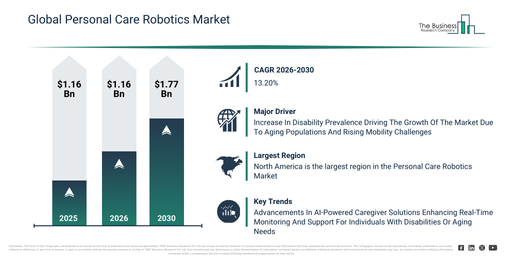
    The personal care robotics market has seen swift growth in recent times. Forecasts suggest it will increase from $16.69 billion in 2025 to $18.92 billion in 2026, exhibiting a compound annual growth rate (CAGR) of 13.3%. This earlier growth phase was influenced by factors such as limited availability of fully autonomous personal care robots, reliance on semi-automated devices, a rising elderly population, greater awareness of assisted living technologies, and early adoption of AI-powered healthcare tools.

    Download A Free Sample Report For Comprehensive Market Insights:

    https://www.thebusinessresearchcompany.com/sample.aspx?id=24361&type=smp

    Looking ahead, the market is expected to continue its rapid ascent, reaching $31.02 billion by 2030 with a CAGR of 13.2%. Key drivers for this projected growth include ongoing advances in AI and machine learning technologies, increased penetration of smart home devices, higher investments in home care and nursing infrastructures, improvements in sensor and actuator technologies, and rising demand for customized care solutions for the elderly and disabled. Emerging trends during this period feature widespread use of personal care robots in eldercare, growing emphasis on health monitoring and remote assistance, integration of robotic wearables for everyday tasks, expansion of companion robots to support mental health, and more automated hygiene and cleaning functions in home care settings.

    Rising Incidence of Disabilities Bolstering Market Demand

    One of the primary forces fueling the personal care robotics market is the growing prevalence of disabilities worldwide. Disabilities, which can be physical, mental, sensory, or cognitive impairments, often limit an individual’s ability to perform daily activities or interact with their environment. As populations age and life expectancy increases, the incidence of conditions such as mobility challenges, cognitive decline, and chronic diseases is also rising.

    Access The Complete Personal Care Robotics Market Report:

    https://www.thebusinessresearchcompany.com/report/personal-care-robotics-global-market-report

    Personal care robots play a crucial role in assisting individuals with disabilities by promoting independence, safety, and improved quality of life. These robots help with routine tasks that may otherwise be difficult or impossible, including feeding, dressing, grooming, and mobility support. For example, a report published by the House of Commons Library in October 2024 highlighted that during the 2022–2023 fiscal year, around 16.1 million people in the UK were living with disabilities, accounting for roughly 24% of the population. Disability rates varied by age, affecting about 11% of children, 23% of working-age adults, and 45% of those above the state pension age. This growing demographic need directly supports increased demand for personal care robotics solutions.

    Personal Care Robotics Market Segmentation Overview

    The market for personal care robotics is categorized along several dimensions to capture its diverse applications and technologies:

    1) By Product Category: Smart Robots and Half Smart Robots

    2) By Technology: Artificial Intelligence (AI) and Machine Learning, Sensors and Actuators, Speech Recognition, and Other Innovations

    3) By Application: Elderly Care, Disabled Assistance, Personal Hygiene, and Other Uses

    4) By End-User: Hospitals, Nursing Homes, Home Care Environments, and Various Other Settings

    Further subcategories include:

    – Smart Robots such as Personal Assistants, Health Monitoring Robots, Cleaning Robots, Robotic Wearables, and Companion Robots

    – Half Smart Robots including Semi-Automated Cleaning Robots, Semi-Automated Health Monitoring Devices, and Semi-Automated Personal Care Robots

    Technological Innovations Driving the Personal Care Robotics Market

    Leading companies in the personal care robotics field are prioritizing the development of advanced AI-powered caregiving solutions that can continuously monitor and respond to users’ needs in real-time. These AI-driven systems enhance caregiving efficiency and support individuals requiring assistance due to age or disability.

    For instance, in January 2025, Intuition Robotics Inc., an Israeli firm specializing in digital companion technology, launched the ElliQ Caregiver Solution. This system combines the ElliQ companion robot with a dedicated Caregiver App, creating an integrated platform that employs artificial intelligence to aid senior care. It allows caregivers to maintain close remote contact, stay informed, and actively manage care plans. ElliQ monitors health and activity, sets personalized goals, and delivers proactive AI-generated updates. By serving as both companion and care assistant, ElliQ alerts caregivers to significant changes in behavior or health, enabling effective remote care without the need for physical presence.

    Competitive Landscape of the Personal Care Robotics Industry

    The personal care robotics market features several major players driving innovation and competition, including:

    – SoftBank Robotics

    – Blue Ocean Robotics

    – Aethon Inc

    – Toyota Motor Corporation

    – Omron Corporation

    – Cyberdyne Care Robotics GmbH

    – ReWalk Robotics Ltd

    – REX Bionics Ltd

    – Paro Therapeutic Robots

    – Blue Frog Robotics

    – Labrador Systems Inc

    – Pillo Health

    – KOMPAÏ Robotics

    – Service Robotics Limited

    – PAL Robotics

    – Ekso Bionics Holdings Inc

    – Sarcos Technology and Robotics Corporation

    – Honda Robotics

    – Focal Meditech BV

    – Intuition Robotics

    – Ubtech Robotics

    – Giraff Technologies AB

    Regional Outlook and Market Share Dynamics

    In 2025, North America held the largest share of the personal care robotics market by revenue. Meanwhile, Asia-Pacific is forecasted to be the region with the fastest growth during the upcoming years. The market report covers a broad geographic scope, including Asia-Pacific, South East Asia, Western Europe, Eastern Europe, North America, South America, the Middle East, and Africa, providing a comprehensive view of global market trends and opportunities.

    Get in touch with us:

    The Business Research Company: https://www.thebusinessresearchcompany.com/

    Americas: +1 310-496-7795

    Asia: +44 7882 955267 & +91 8897263534

    Europe: +44 7882 955267

    Email us at: marketing@tbrc.info

    Follow us on:

    LinkedIn: https://in.linkedin.com/company/the-business-research-company

    YouTube: https://www.youtube.com/channel/UC24_fI0rV8cR5DxlCpgmyFQ

    Global Market Model: https://www.thebusinessresearchcompany.com/global-market-model
  • Ophthalmic Devices Market Size Projected To Increase From $51.1 Billion To $70.18 Billion During The Forecast Period

    Ophthalmic Devices Market Size Projected To Increase From $51.1 Billion To $70.18 Billion During The Forecast Period

    Through market attractiveness analysis, total addressable market evaluation, company benchmarking matrices, interactive Excel dashboards, expanded supply chain intelligence, emerging startup coverage, and detailed product insights, The Business Research Company’s 2026 market reports provide more actionable and strategically valuable research.

    The ophthalmic devices industry is experiencing rapid growth fueled by advancements in technology and an increasing global need for eye care solutions. As vision-related health concerns rise, this market is set to expand significantly in both established and emerging regions. Below, we explore the current market size, critical growth factors, segmentation, leading companies, and geographic trends shaping the future of ophthalmic devices.

    Steady Expansion of the Ophthalmic Devices Market Size

    The market for ophthalmic devices has seen remarkable progress in recent years. It is projected to grow from $47.31 billion in 2025 to $51.1 billion in 2026, representing a compound annual growth rate (CAGR) of 8.0%. This historical growth has been driven by a surge in vision impairments, the growing number of specialized eye clinics and hospitals, increased cataract surgeries, wider adoption of corrective devices, and advancements in diagnostic technologies for eye care.

    Download A Free Sample Report For Comprehensive Market Insights:

    https://www.thebusinessresearchcompany.com/sample.aspx?id=1970&type=smp

    Strong Future Growth Prospects for Ophthalmic Devices

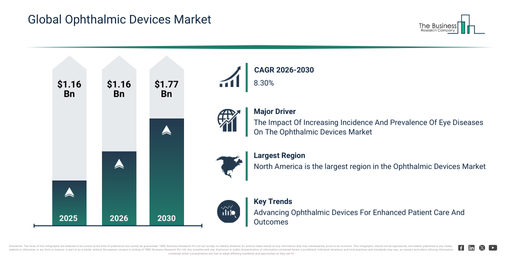
    Looking ahead, the ophthalmic devices market is expected to reach $70.19 billion by 2030, growing at a CAGR of 8.3%. This forecasted expansion is supported by a rising demand for treatments targeting age-related eye disorders, greater use of AI-powered diagnostics, the expansion of outpatient eye surgery centers, increased emphasis on preventative eye care, and significant investments in ophthalmic technology innovation. Key trends shaping the market include the widespread adoption of advanced diagnostic imaging, minimally invasive surgical tools, digital eye examination technologies, laser-based vision correction, and early disease detection systems.

    Major Drivers Accelerating the Ophthalmic Devices Market

    The increasing prevalence of eye diseases is a significant factor propelling the ophthalmic devices sector. Conditions such as age-related macular degeneration (AMD), glaucoma, and cataracts continue to be leading causes of vision loss worldwide. Ophthalmic devices are essential for the effective diagnosis, treatment, and management of these disorders.

    Access The Complete Ophthalmic Devices Market Report:

    https://www.thebusinessresearchcompany.com/report/ophthalmic-devices-global-market-report

    Rising Demand Linked to Eye Health Awareness

    For instance, in August 2024, the National Health Service (NHS) reported a record number of NHS-funded sight tests—over 841,000 in 2024—marking a 6.6% increase compared to 2023. This upward trend reflects growing awareness and the rising incidence of eye conditions, which in turn boosts the utilization of ophthalmic diagnostic and treatment devices.

    Detailed Market Segmentation and Opportunities in Ophthalmic Devices

    This report segments the ophthalmic devices market into several categories:

    1) By Device Type: Vision Care Devices and Equipment, Cataract Surgery Devices and Equipment, Refractive Surgery Devices and Equipment, Diagnostic and Monitoring Ophthalmic Devices and Equipment.

    2) By Product Type: Instruments or Equipment, and Disposables.

    3) By End User: Hospitals and Clinics, Diagnostic Laboratories, and Other End Users.

    4) By Type of Expenditure: Public and Private.

    Further breakdown includes:

    – Vision Care Devices and Equipment: Eyeglasses, Contact Lenses, Low Vision Aids.

    – Cataract Surgery Devices and Equipment: Cataract Surgery Instruments, Intraocular Lenses (Implants), Phacoemulsification Systems.

    – Refractive Surgery Devices and Equipment: LASIK Devices, SMILE Surgery Devices, PRK Surgery Devices.

    – Diagnostic and Monitoring Devices: Fundus Cameras, Optical Coherence Tomography (OCT) Scanners, Perimeters, Retinal Imaging Systems, Slit Lamps.

    Innovations and Emerging Technologies Influencing Market Growth

    Leading companies in the ophthalmic devices sector are committed to innovation, investing heavily in research and development to maintain competitiveness. For example, in May 2023, US-based Sight Sciences Inc. announced two new ophthalmic systems designed to improve clinical outcomes. The OMNI Surgical System facilitates minimally invasive, implant-free glaucoma surgeries for patients with primary open-angle glaucoma, while the TearCare System offers an interventional eyelid treatment using localized heat therapy for adults suffering from evaporative dry eye disease due to meibomian gland dysfunction.

    Key Players Driving the Ophthalmic Devices Industry

    The market is influenced by several prominent companies, including Luxottica Group S.p.A., Johnson & Johnson, Hoya Corporation, CooperVision AG, Bausch Health Companies Inc., Carl Zeiss AG, Flex Ltd., Nidek Co. Ltd., Topcon Corporation, Alcon Inc., EssilorLuxottica, Novartis AG, Regeneron Pharmaceuticals Inc., Roche Holding AG, Santen Pharmaceutical Co. Ltd., Rohto Pharmaceutical Co. Ltd., Menicon Co. Ltd., Chengdu Kanghong Pharmaceutical, Glaukos Corporation, STAAR Surgical Company, Omeros Corporation, Aerie Pharmaceuticals Inc., Alimera Sciences Inc., and Iridex.

    Regional Market Insights Highlighting Growth Hotspots

    In 2025, North America held the largest share of the global ophthalmic devices market. The Asia-Pacific region ranked second in size and is anticipated to experience significant growth over the coming years. Africa remains the smallest regional market. The analysis covers key regions including Asia-Pacific, South East Asia, Western Europe, Eastern Europe, North America, South America, the Middle East, and Africa, providing a comprehensive view of global market dynamics.

    Get in touch with us:

    The Business Research Company: https://www.thebusinessresearchcompany.com/

    Americas: +1 310-496-7795

    Asia: +44 7882 955267 & +91 8897263534

    Europe: +44 7882 955267

    Email us at: marketing@tbrc.info

    Follow us on:

    LinkedIn: https://in.linkedin.com/company/the-business-research-company

    YouTube: https://www.youtube.com/channel/UC24_fI0rV8cR5DxlCpgmyFQ

    Global Market Model: https://www.thebusinessresearchcompany.com/global-market-model
  • Ophthalmic Cryo Unit Market Growth Outlook Reveals A CAGR Of 8.2% And A Market Value Of $0.71 Billion By 2030

    Ophthalmic Cryo Unit Market Growth Outlook Reveals A CAGR Of 8.2% And A Market Value Of $0.71 Billion By 2030

    Delivering more actionable and strategically valuable research, The Business Research Company’s 2026 market reports feature market attractiveness analysis, total addressable market evaluation, company benchmarking matrices, interactive Excel dashboards, expanded supply chain intelligence, emerging startup coverage, and detailed product insights.

    The ophthalmic cryo unit market is witnessing significant advancement driven by technological progress and increasing demand for effective eye disorder treatments. With rising healthcare investments and innovations in cryosurgery, this sector is positioned for steady growth in the coming years. Below is a detailed exploration of the current market landscape, key drivers, leading players, and regional trends shaping the future of ophthalmic cryo units.

    Ophthalmic Cryo Unit Market Size and Projected Growth

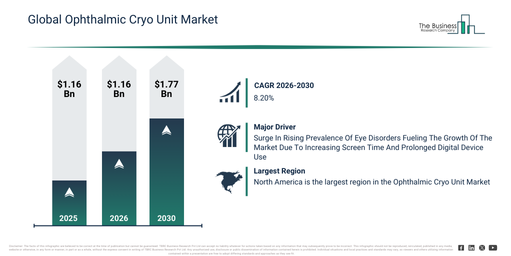
    The market for ophthalmic cryo units has shown robust expansion recently, with its value expected to rise from $0.48 billion in 2025 to $0.52 billion in 2026, reflecting a compound annual growth rate (CAGR) of 8.5%. This upward trend during the historical period can be linked to an increase in ophthalmic surgeries, progress in cryosurgery methods, higher prevalence of eye diseases, growing adoption of portable cryo devices, and expansion of ophthalmic clinics. Looking ahead, the market is forecast to grow to $0.72 billion by 2030 at a CAGR of 8.2%. Factors fueling this growth include integration with digital surgery systems, development of advanced cryo technology, expansion in emerging ophthalmic markets, adoption of minimally invasive cryotherapy, and enhanced portability. Emerging trends spotlight portable cryo units, high-precision cryotherapy, battery-powered devices, surgical suite integration, and multi-use ophthalmic cryo solutions.

    Download A Free Sample Report For Comprehensive Market Insights:

    https://www.thebusinessresearchcompany.com/sample.aspx?id=29141&type=smp

    Rising Eye Disorders Driving Demand for Ophthalmic Cryo Units

    The increasing incidence of eye disorders is a major force behind the ophthalmic cryo unit market growth. Eye disorders encompass a range of conditions affecting the eye and surrounding areas, often worsened by prolonged exposure to digital screens resulting in eye strain, dry eye, and myopia. Ophthalmic cryo units play a critical role in treating these conditions by employing controlled freezing techniques to repair or remove damaged tissue. This enables precise, minimally invasive treatment options for issues such as retinal tears, glaucoma, and cataracts. For instance, in July 2025, a report from GOV.UK highlighted that 3.7 million individuals accounted for 9.8 million hospital outpatient visits related to vision in England during the fiscal year ending 2024. The Northwest region showed the highest attendance rate at 6,432 per 100,000 people, marking a 4% increase from the previous year. Such statistics underscore how the growing prevalence of eye ailments is pushing market demand higher.

    How Healthcare Spending Boosts Ophthalmic Cryo Unit Expansion

    Increasing investments in healthcare infrastructure are also propelling the ophthalmic cryo unit market forward. These investments involve allocating funds to hospitals, clinics, and other medical facilities aimed at improving patient care and advancing healthcare services. As medical technologies and treatment methods become more sophisticated, healthcare providers are better equipped to diagnose and manage diseases effectively. Financial backing supports the adoption of high-end ophthalmic cryo units, helping facilities enhance surgical precision, safety, and patient outcomes. For example, in April 2025, GOV.UK data revealed that healthcare expenditure in the UK rose to $423 billion (£317 billion) in 2024, an increase from the previous year, with government-funded healthcare growing by 2.5% to $344 billion (£258 billion). This upward trend in spending highlights the ongoing support for technologies like ophthalmic cryo units that improve treatment quality.

    Access The Complete Ophthalmic Cryo Unit Market Report:

    https://www.thebusinessresearchcompany.com/report/ophthalmic-cryo-unit-global-market-report

    Breakdown of Ophthalmic Cryo Unit Market Segments

    This market is categorized by product type, technology, reimbursement channel, and end user. Under product types, it includes portable ophthalmic cryo units and stationary units. The technology segment covers traditional cryosurgery and high-tech cryo devices. Reimbursement channels comprise private insurance, public insurance, and out-of-pocket payments. End users span hospitals, ophthalmic clinics, ambulatory surgical centers, and other healthcare providers. Further subdivisions of portable units include handheld cryo units, compact tabletop devices, and battery-operated units. Stationary units are classified into floor-mounted, tabletop, and integrated surgical suite cryo units.

    Key Players Influencing the Ophthalmic Cryo Unit Market

    Several prominent companies are actively shaping the ophthalmic cryo unit industry. Leading names include Metrum Cryoflex, Cryo Concepts LP, Cryo IQ Inc., Appasamy Associates, Phakos Co., Beijing Brightway Medical Instrument Co. Ltd., RS Surgicles, Advin Health Care, Basco India, Keeler Ltd., Erbe Elektromedizin GmbH, Inomed, BVI Medical Inc., Topcon Corporation, Bausch + Lomb Corp., Halma Plc, MIRA Inc., Oertli Instrumente AG, Alcon, and Ziemer Ophthalmic Systems AG. These firms continue to innovate and expand their product portfolios to meet evolving market demands.

    Geographical Overview and Market Leadership in Ophthalmic Cryo Units

    In 2025, North America held the largest share of the ophthalmic cryo unit market. However, the Asia-Pacific region is expected to experience the fastest growth during the forecast period. The market analysis covers several regions including Asia-Pacific, South East Asia, Western Europe, Eastern Europe, North America, South America, the Middle East, and Africa, providing a comprehensive global perspective on market trends and expansions.

    Get in touch with us:

    The Business Research Company: https://www.thebusinessresearchcompany.com/

    Americas: +1 310-496-7795

    Asia: +44 7882 955267 & +91 8897263534

    Europe: +44 7882 955267

    Email us at: marketing@tbrc.info

    Follow us on:

    LinkedIn: https://in.linkedin.com/company/the-business-research-company

    YouTube: https://www.youtube.com/channel/UC24_fI0rV8cR5DxlCpgmyFQ

    Global Market Model: https://www.thebusinessresearchcompany.com/global-market-model
  • Peripherally Inserted Central Catheter (PICC) Market Trends And Growth Drivers Point To Strong Future Potential

    Peripherally Inserted Central Catheter (PICC) Market Trends And Growth Drivers Point To Strong Future Potential

    Enhanced with market attractiveness analysis, total addressable market evaluation, company benchmarking matrices, interactive Excel dashboards, expanded supply chain intelligence, emerging startup coverage, and detailed product insights, The Business Research Company’s 2026 market reports deliver more actionable and strategically valuable research.

    The peripherally inserted central catheter (PICC) market has been showing consistent growth, driven by rising healthcare needs and technological advancements. This market is evolving as more healthcare providers adopt PICC lines for various medical treatments. Here, we explore the market’s current status, growth factors, segmentation, technological innovations, major players, and regional trends shaping its future.

    Market Size and Growth Trajectory of the Peripherally Inserted Central Catheter Market

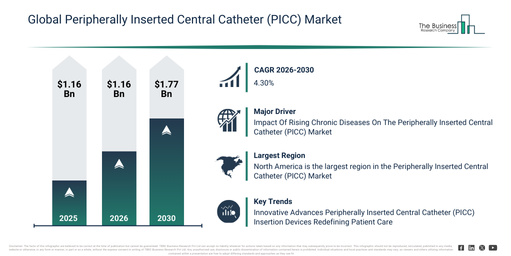
    The PICC market is on a steady upward path, with its valuation expected to rise from $1.07 billion in 2025 to $1.12 billion in 2026, representing a compound annual growth rate (CAGR) of 4.4%. This upward trend is supported by factors like the increasing prevalence of chronic diseases that require long-term intravenous therapy, greater hospital adoption of PICC lines for chemotherapy and antibiotics, and the expansion of catheterization lab services. The market is forecast to reach $1.32 billion by 2030, growing at a CAGR of 4.3%. Rising demand for power-injectable and multi-lumen PICC systems, as well as the use of tip-placement kits for enhanced procedural precision, are expected to propel this growth further. Additionally, increasing procedure volumes in ambulatory surgical centers and extended use of PICCs in home infusion and outpatient care contribute to market expansion.

    Download A Free Sample Report For Comprehensive Market Insights:

    https://www.thebusinessresearchcompany.com/sample.aspx?id=13908&type=smp

    Primary Drivers Behind the Growth of the Peripherally Inserted Central Catheter Market

    One of the main forces fueling the PICC market is the growing incidence of chronic diseases worldwide. These long-lasting health conditions, such as cancer, diabetes, hypertension, and heart disease, often require prolonged intravenous access for medication, fluids, and nutrition. PICCs offer a reliable solution for such needs, making their adoption more widespread.

    To illustrate, a report from the National Library of Medicine in January 2023 emphasized that the number of people aged 50 and above living with one or more chronic illnesses in the United States is expected to nearly double by 2050, reaching 142.66 million from 71.52 million in 2022. This significant rise in chronic conditions is directly boosting the demand for PICC lines.

    Additional Factors Supporting Revenue Expansion in the PICC Market

    Hospitals and clinics are increasingly preferring power-injectable and multi-lumen PICC systems due to their versatility in handling complex therapies. Furthermore, the growing focus on reducing complications and enhancing long-term vascular access outcomes is encouraging the adoption of advanced PICC technologies. The rise in outpatient procedures and home healthcare settings also presents fresh opportunities for market growth, as demand for convenient and safe intravenous access continues to increase.

    Access The Complete Peripherally Inserted Central Catheter (PICC) Market Report:

    https://www.thebusinessresearchcompany.com/report/peripherally-inserted-central-catheter-picc-global-market-report

    Breakdown of the Peripherally Inserted Central Catheter Market by Key Segments

    The PICC market is categorized into several important segments:

    1) Device Type: Power-Injectable and Non-Power Injectable

    2) Lumen Type: Single, Double, and Triple lumen

    3) Kit Type: Tip-Placement Kit and Conventional Kit

    4) End User: Hospitals and Clinics, Ambulatory Surgical Centers, and Catheterization Laboratories

    Within these groups, subcategories include single, double, and triple lumen options for both power-injectable and non-power injectable PICCs, allowing for tailored solutions across various clinical needs.

    Innovations and Trends Shaping the Future of the PICC Market

    Leading companies in the PICC industry are focusing on cutting-edge technologies to improve catheter insertion procedures. Devices designed specifically for PICC placement help ensure precision and safety.

    For example, in May 2023, Teleflex Incorporated introduced two new PICC insertion devices—the Arrow VPS Rhythm DLX Device and the NaviCurve Stylet. The VPS Rhythm DLX uses cardiac electrical signals to provide real-time feedback on catheter tip location and integrates ultrasonography tools to assist vessel measurement. This technology eliminates the need for confirmatory x-rays by combining ultrasound vascular evaluation, catheter navigation, and tip verification, streamlining the insertion process.

    Major Players Influencing the Peripherally Inserted Central Catheter Market Landscape

    The PICC market features several key companies competing and innovating, including Cardinal Health Inc., Medtronic plc, Becton Dickinson and Company, B. Braun Medical Ltd, Teleflex Incorporated, ICU Medical Inc., Cook Medical, AngioDynamics, Argon Medical, PFM Medical Inc., Poly Medicure Ltd., and others. These organizations continue to develop advanced products and expand their market reach.

    Regional Market Performance and Growth Outlook for PICCs

    In 2025, North America held the largest share of the PICC market, reflecting its well-established healthcare infrastructure and high adoption rates. However, the fastest growth is expected in the Asia-Pacific region in the coming years, driven by increasing healthcare investments and a growing patient base. Other regions covered in the analysis include South East Asia, Western Europe, Eastern Europe, South America, the Middle East, and Africa, offering a full global perspective on market trends.

    Get in touch with us:

    The Business Research Company: https://www.thebusinessresearchcompany.com/

    Americas: +1 310-496-7795

    Asia: +44 7882 955267 & +91 8897263534

    Europe: +44 7882 955267

    Email us at: marketing@tbrc.info

    Follow us on:

    LinkedIn: https://in.linkedin.com/company/the-business-research-company

    YouTube: https://www.youtube.com/channel/UC24_fI0rV8cR5DxlCpgmyFQ

    Global Market Model: https://www.thebusinessresearchcompany.com/global-market-model
  • Ophthalmic Artificial Intelligence-Assisted Diagnosis Market Forecast Highlights Expansion From $2.57 Billion To $5.03 Billion Through 2030

    Ophthalmic Artificial Intelligence-Assisted Diagnosis Market Forecast Highlights Expansion From $2.57 Billion To $5.03 Billion Through 2030

    Enhanced with market attractiveness analysis, total addressable market evaluation, company benchmarking matrices, interactive Excel dashboards, expanded supply chain intelligence, emerging startup coverage, and detailed product insights, The Business Research Company’s 2026 market reports deliver more actionable and strategically valuable research.

    The field of ophthalmic artificial intelligence-assisted diagnosis is experiencing rapid growth as advanced technologies increasingly support early and accurate detection of eye diseases. With rising eye health concerns worldwide and technological innovations enhancing diagnostic capabilities, this market is set for significant expansion in the coming years. Here’s a detailed overview of the market size, key growth drivers, segments, leading companies, and regional trends shaping its future.

    Market Size and Projected Growth Trajectory of the Ophthalmic AI-Assisted Diagnosis Market

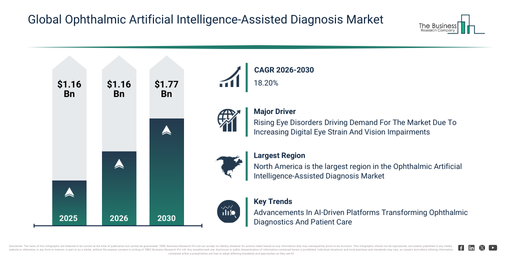
    The ophthalmic AI-assisted diagnosis market has witnessed swift development recently, poised to rise from $2.17 billion in 2025 to $2.57 billion in 2026, reflecting a compound annual growth rate (CAGR) of 18.5%. This historical growth stems from factors such as expanding use of digital imaging devices, a growing number of eye disease cases, increased emphasis on early diagnosis, integration of AI technologies in clinical trials, and advancements in retinal imaging techniques. Looking ahead, the market is forecast to reach $5.03 billion by 2030, growing at a CAGR of 18.2%. Key contributors to this projected surge include the rise of cloud-based AI diagnostic platforms, the expansion of tele-ophthalmology services, enhanced AI algorithms for rare eye conditions, strategic partnerships between AI developers and healthcare providers, and broader adoption of predictive ophthalmology models. Significant market trends during this period involve AI-powered retinal image analysis, deep learning-enabled disease detection, predictive models for eye health, automated analysis of patient records, and seamless AI integration into clinical workflows.

    Download A Free Sample Report For Comprehensive Market Insights:

    https://www.thebusinessresearchcompany.com/sample.aspx?id=28285&type=smp

    Key Factors Fueling Growth in the Ophthalmic AI-Assisted Diagnosis Market

    One of the main elements driving this market is the increasing prevalence of eye disorders, which affect eye structure or function and can diminish vision or eye health. The rise in these conditions is linked to lifestyle changes such as longer screen times, causing digital eye strain, dryness, and vision complications stemming from prolonged blue light exposure and decreased blinking. AI-assisted ophthalmic diagnosis plays a crucial role by utilizing medical imaging and patient data to identify, categorize, and predict eye diseases with greater accuracy and speed. This facilitates early intervention and reduces the chances of vision loss. For example, in August 2023, the World Health Organization reported that over 2.2 billion people worldwide suffer from either near or distance vision impairment, with more than a billion cases being preventable or untreated. Common causes include refractive errors and cataracts, yet only about 36% of those affected by refractive errors and 17% with cataracts have access to adequate treatments. This widespread unmet need is a significant factor propelling the demand for AI-driven ophthalmic diagnostic solutions.

    Detailed Segmentation and Expanding Categories in the Ophthalmic AI-Assisted Diagnosis Market

    This market is segmented by type, technology, and application to provide a comprehensive view of its scope. By type, the market is divided into cloud-based and on-premises solutions. The cloud-based segment further includes public cloud, private cloud, and hybrid cloud options, while on-premises deployments consist of local server deployment, enterprise data center deployment, and private network deployment. Technologically, the market encompasses deep learning, machine learning, computer vision, and other AI-related technologies. Applications are categorized into hospitals, clinics, and imaging centers, reflecting the diverse settings where AI-assisted ophthalmic tools are utilized.

    Access The Complete Ophthalmic Artificial Intelligence-Assisted Diagnosis Market Report:

    https://www.thebusinessresearchcompany.com/report/ophthalmic-artificial-intelligence-assisted-diagnosis-global-market-report

    Innovations and Competitive Strategies Shaping Market Dynamics

    Leading players in the ophthalmic AI-assisted diagnosis sector are concentrating on cutting-edge solutions designed to improve diagnostic precision, streamline patient care, and offer predictive insights for eye diseases. A notable development is the emergence of ocular data-as-a-service platforms, which provide on-demand access to eye health data. These platforms enable ophthalmologists, clinics, and AI diagnostic applications to remotely access, share, and analyze retinal images and other ocular information, enhancing diagnosis, monitoring, and research efforts. For instance, in May 2025, US-based Topcon Healthcare Solutions Inc. introduced IDHea, a cloud-based platform aimed at accelerating innovation in AI and digital health. IDHea offers fast, secure access to real-world and clinical ocular datasets, empowering researchers to advance treatments for both eye and systemic diseases. Built on the principles of being Fast, Accessible, Safe, and Transparent (FAST), the platform supports predictive, personalized, and proactive patient care while maintaining strict privacy and governance standards.

    Key Market Players Driving Innovation and Competition

    The ophthalmic AI-assisted diagnosis market features numerous influential companies including IDx Technologies Inc., Digital Diagnostics Inc., AEYE Health Inc., Eyenuk Inc., OphtAI, Oivi Tech Private Limited, Altris Inc., JuneBrain Inc., Mediwhale Inc., MONA.health BV, Remidio Innovative Solutions Pvt. Ltd., Retinalyze System A/S, Retmarker, RetinaRisk, Ikerian AG, VoxelCloud Inc., Visulytix Ltd., Aiforia Technologies Plc, DeepTek Inc., EyRIS Pte Ltd., and Neurodynamics Solutions Inc. These organizations are actively developing innovative tools and platforms to advance AI applications in ophthalmology.

    Regional Market Insights Highlighting Growth Hotspots

    In 2025, North America held the largest share of the ophthalmic AI-assisted diagnosis market. However, the Asia-Pacific region is anticipated to be the fastest-growing market during the forecast period. The analysis encompasses significant regions such as Asia-Pacific, South East Asia, Western Europe, Eastern Europe, North America, South America, the Middle East, and Africa, offering a broad perspective on global market trends and opportunities.

    Get in touch with us:

    The Business Research Company: https://www.thebusinessresearchcompany.com/

    Americas: +1 310-496-7795

    Asia: +44 7882 955267 & +91 8897263534

    Europe: +44 7882 955267

    Email us at: marketing@tbrc.info

    Follow us on:

    LinkedIn: https://in.linkedin.com/company/the-business-research-company

    YouTube: https://www.youtube.com/channel/UC24_fI0rV8cR5DxlCpgmyFQ

    Global Market Model: https://www.thebusinessresearchcompany.com/global-market-model
  • Peripheral Vascular Devices And Equipment Market Expansion Is Reshaping Competitive Dynamics Across The Industry

    Peripheral Vascular Devices And Equipment Market Expansion Is Reshaping Competitive Dynamics Across The Industry

    Through market attractiveness analysis, total addressable market evaluation, company benchmarking matrices, interactive Excel dashboards, expanded supply chain intelligence, emerging startup coverage, and detailed product insights, The Business Research Company’s 2026 market reports provide more actionable and strategically valuable research.

    The peripheral vascular devices and equipment market is steadily evolving, driven by ongoing advancements in medical technology and increasing demand for effective vascular treatments. This sector is witnessing consistent growth, supported by demographic shifts and expanding healthcare infrastructure worldwide. Let’s explore the market’s current size, key growth drivers, segmentation, emerging trends, leading companies, and regional dynamics shaping its future.

    Peripheral Vascular Devices And Equipment Market Size and Projected Revenue Growth

    The market for peripheral vascular devices and equipment has shown steady growth over recent years. It is projected to increase from $10.29 billion in 2025 to $10.56 billion in 2026, representing a compound annual growth rate (CAGR) of 2.5%. This expansion during the historical period is largely due to the rising prevalence of peripheral artery disease, an aging population, the broadening scope of interventional cardiology, greater adoption of catheter-based therapies, and increased investment in hospital infrastructure.

    Download A Free Sample Report For Comprehensive Market Insights:

    https://www.thebusinessresearchcompany.com/sample.aspx?id=2408&type=smp

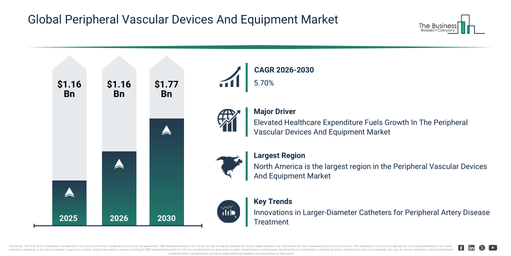
    Looking ahead, the market is expected to experience robust growth, reaching $13.15 billion by 2030 with a CAGR of 5.7%. This positive outlook stems from growing demand for minimally invasive vascular procedures, the rising use of bioresorbable materials, the expansion of outpatient vascular treatments, a stronger focus on precision-guided interventions, and continuous innovation in peripheral stent technologies. Key trends influencing the market include greater adoption of drug-coated vascular devices, increased use of minimally invasive endovascular techniques, rising demand for advanced atherectomy systems, the expansion of image-guided peripheral interventions, and an enhanced emphasis on long-term device patency.

    Important Factors Fueling Growth in the Peripheral Vascular Devices Market

    A primary driver for the peripheral vascular devices and equipment market is the rising healthcare expenditure worldwide. Healthcare expenditure — the total funds spent on healthcare goods and services by individuals, organizations, or governments — is increasing and enabling investments in advanced medical technologies. This financial commitment supports improved diagnosis and treatment of diseases such as peripheral artery disease, which in turn boosts demand for these devices.

    Access The Complete Peripheral Vascular Devices And Equipment Market Report:

    https://www.thebusinessresearchcompany.com/report/peripheral-vascular-devices-and-equipment-global-market-report

    For example, in April 2025, the UK’s Office for National Statistics (ONS) reported that government-funded healthcare spending reached USD 2.91 billion (£258 billion) in 2024, marking a real-terms increase of 2.5% from the prior year. This growth in funding underscores stronger support for healthcare delivery and medical equipment acquisition, contributing significantly to market expansion.

    Peripheral Vascular Devices and Equipment Market Categories and Segmentation

    This market can be divided into several crucial segments:

    1) By Type: Peripheral vascular stents, percutaneous transluminal angioplasty (PTA) balloons, catheters, PTA guide wires, atherectomy devices, chronic total occlusion devices, aortic stents, synthetic surgical grafts, embolic protection devices, and inferior vena cava filters.

    2) By Application: Treatment of peripheral blood vessel damage and treatment of peripheral blood vessel blockage.

    3) By End User: Hospital and clinic applications.

    Further subcategories include:

    – Peripheral Vascular Stents: balloon-expandable stents and self-expanding stents.

    – PTA Balloons: drug-coated balloons and non-drug-coated balloons.

    – Catheters: diagnostic and therapeutic types.

    – PTA Guide Wires: hydrophilic and non-hydrophilic guide wires.

    – Atherectomy Devices: rotational, orbital, laser, and directional.

    – Chronic Total Occlusion Devices: CTO crossing and CTO re-entry devices.

    – Aortic Stents: self-expanding and balloon-expandable.

    – Synthetic Surgical Grafts: polyester, polytetrafluoroethylene (PTFE), and dacron grafts.

    – Embolic Protection Devices: distal and proximal protection devices.

    – Inferior Vena Cava Filters: permanent and retrievable filters.

    How Industry Developments Are Transforming Peripheral Vascular Device Demand

    Leading companies in the peripheral vascular devices space are focusing on innovating larger-diameter catheters to improve interventions for peripheral artery disease. These catheters assist in fluid drainage or medication delivery and aim to enhance treatment outcomes.

    For instance, in March 2023, Shockwave Medical Inc., a US medical device firm, introduced the peripheral intravascular lithotripsy (IVL) catheter. The Shockwave L6 Peripheral IVL catheter is specifically designed to modify calcified lesions in large peripheral arteries like the iliac and common femoral arteries. This targeted technology helps overcome complications commonly caused by artery calcification, which often reduces the success rates of standard endovascular treatments.

    Key Players Competing in the Peripheral Vascular Devices and Equipment Market

    Several prominent companies play a significant role in driving competition and innovation in this market, including:

    Medtronic plc, Boston Scientific Corporation, Abbott Laboratories, Cook Group, Angiomed GmbH & Co. Medizintechnik KG, Terumo Corporation, ENDOLOGIX Inc., Bolton Medical Inc., JOTEC GmbH, Clearstream Technologies, Aesculap AG, Curative Medical Devices, Lepu Medical Technology, MicroPort, Bioteque Corporation Co. Ltd., Cardinal Health, iVascular, B. Braun Group, Biosensors International Group, BIOTRONIK SE & Co., COVIDien, Volcano Corporation, AngioScore, Edwards Lifesciences Corporation, Cordis Corporation, Koninklijke Philips N.V., Nipro Corporation, Bluesail Medical Co. Ltd, Rex Medical, Teleflex Incorporated, Penumbra Inc., Lombard Medical Technologies PLC, W.L. Gore & Associates Inc., Merit Medical Systems Inc., Vascular Solutions Inc., LeMaitre Vascular Inc., and Spectranetics Corporation.

    Geographical Overview of the Peripheral Vascular Devices Market Growth

    In 2025, North America represented the largest segment of the global peripheral vascular devices and equipment market. Western Europe ranked as the second largest market. The analysis covers multiple regions including Asia-Pacific, Southeast Asia, Western Europe, Eastern Europe, North America, South America, the Middle East, and Africa, providing a comprehensive picture of global demand and growth opportunities.

    Get in touch with us:

    The Business Research Company: https://www.thebusinessresearchcompany.com/

    Americas: +1 310-496-7795

    Asia: +44 7882 955267 & +91 8897263534

    Europe: +44 7882 955267

    Email us at: marketing@tbrc.info

    Follow us on:

    LinkedIn: https://in.linkedin.com/company/the-business-research-company

    YouTube: https://www.youtube.com/channel/UC24_fI0rV8cR5DxlCpgmyFQ

    Global Market Model: https://www.thebusinessresearchcompany.com/global-market-model