Month: June 2026

  • Phacoemulsification System Market Opportunities Are Emerging Beyond Traditional Growth Areas

    Phacoemulsification System Market Opportunities Are Emerging Beyond Traditional Growth Areas

    Delivering more actionable and strategically valuable research, The Business Research Company’s 2026 market reports feature market attractiveness analysis, total addressable market evaluation, company benchmarking matrices, interactive Excel dashboards, expanded supply chain intelligence, emerging startup coverage, and detailed product insights.

    The phacoemulsification system market has been expanding steadily, driven by advances in eye care technology and shifting patient preferences. As cataract surgeries become more common and minimally invasive methods gain traction, this market is set to experience notable growth through the next decade. Below, we explore the market’s size, key drivers, competitive landscape, and emerging trends shaping its future.

    Phacoemulsification System Market Size and Growth Trajectory

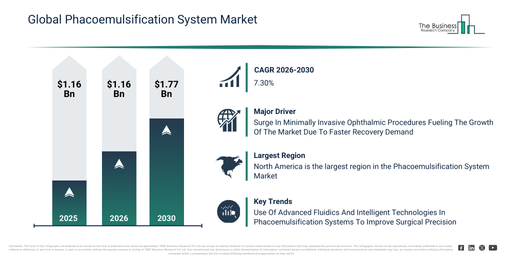
    The market for phacoemulsification systems has shown remarkable progress in recent years. It is forecasted to increase from $1.51 billion in 2025 to $1.63 billion in 2026, with a compound annual growth rate (CAGR) of 7.6%. This growth during the historical period is largely attributed to the rising incidence of cataracts, an aging global population, wider adoption of phacoemulsification techniques, expansion of ophthalmic care infrastructure, and surgeons’ preference for minimally invasive tools. Looking ahead, the market is expected to reach $2.16 billion by 2030, growing at a CAGR of 7.3%, driven by factors such as increased outpatient eye surgeries, innovative ultrasound technologies, demand for premium intraocular lenses (IOLs), expanding emerging markets, and growing awareness of eye health. Key trends anticipated in the forecast period include advanced fluidics control, broader adoption of minimally invasive cataract surgery, precise ultrasonic energy delivery, shorter procedure times, and enhanced patient safety.

    Download A Free Sample Report For Comprehensive Market Insights:

    https://www.thebusinessresearchcompany.com/sample.aspx?id=30352&type=smp

    Rising Popularity of Minimally Invasive Ophthalmic Procedures Boosts Market Demand

    The growing preference for minimally invasive ophthalmic procedures is a major catalyst in the phacoemulsification system market’s expansion. These procedures use small incisions and micro-instruments or lasers to treat eye conditions, minimizing tissue damage. Patients benefit from faster recoveries and less surgical trauma, which has fueled demand for such advanced techniques. The phacoemulsification system plays a vital role by employing ultrasonic energy to break up and remove cataracts through tiny incisions, enabling quicker healing and more precise surgery. For example, in May 2024, Gov.UK reported that there were 516,073 hospital admissions for cataract surgery in England among individuals aged 65 and above, a rate of 4,679 per 100,000 population in 2023. This data highlights the increasing uptake of minimally invasive eye surgeries, supporting market growth.

    Expanding Outpatient Surgeries and Technological Innovation Drive Market Momentum

    Another factor propelling the phacoemulsification system market is the rise in outpatient eye surgeries, making procedures more accessible and cost-effective. Technological advancements in ultrasound systems and the growing demand for premium IOLs further stimulate market expansion. Additionally, as emerging markets develop their ophthalmic infrastructure and vision care awareness spreads, opportunities for market growth multiply. Manufacturers are innovating with features such as enhanced fluidics control and smarter ultrasonic energy delivery, which improve surgical outcomes and patient safety.

    Access The Complete Phacoemulsification System Market Report:

    https://www.thebusinessresearchcompany.com/report/global-phacoemulsification-system-market-report

    Detailed Segmentation of the Phacoemulsification System Market

    This market is segmented based on product type, application, and end-user categories. The product range includes standalone phacoemulsification systems and portable models. Applications cover cataract surgery, refractive lens exchange (RLE), and secondary lens removal procedures. End-users are primarily hospitals, ophthalmic clinics, ambulatory surgical centers, and a variety of other medical facilities. Subcategories within standalone systems include ultrasonic handpiece units, control consoles, fluid management units, and illumination modules. Portable systems feature battery-powered units, compact consoles, handheld devices, and mobile surgical kits. This detailed classification provides insight into market dynamics and areas of strategic focus.

    Innovations and Emerging Trends Shaping Market Expansion

    Leading companies in the phacoemulsification system market are increasingly integrating femtosecond laser technology and novel fluidics concepts to enhance surgical precision. These fluidics systems regulate irrigation and aspiration during surgery to maintain stable intraocular pressure (IOP) and chamber stability. For example, in September 2025, US-based Beaver-Visitec International, Inc. introduced Virtuoso, a dual-function phaco-vitrectomy platform designed for cataract and vitreoretinal surgeries. This system features advanced fluidics technology to maintain target IOP at every surgical stage, a hybrid pump design for better chamber stability, and Load Sensing Phaco technology that adjusts ultrasound energy in real-time based on lens resistance, improving efficiency and safety.

    Key Market Players Steering Industry Competition

    The phacoemulsification system market is shaped by a number of major companies including Alcon, Johnson & Johnson, Bausch + Lomb, NIDEK, Oertli Instrumente, Optikon, Geuder, Appasamy Associates, Biotech Visioncare, Meda, SIFI, Ziemer Ophthalmic Systems, Topcon, Carl Zeiss Meditec, Huvitz, Rumex International, DORC International, MicroSurgical Technology, LIGHTMED, Aurolab, and MTP Medical Technical Products. These organizations are driving innovation, expanding product offerings, and competing to capture a larger share of this growing market.

    Regional Market Dominance and Growth Opportunities

    In 2025, North America held the leading position in the phacoemulsification system market. However, over the forecast period, Asia-Pacific is anticipated to be the fastest-growing region due to rising healthcare investments, increasing cataract prevalence, and expanding ophthalmic infrastructure. The comprehensive market analysis encompasses regions including Asia-Pacific, South East Asia, Western Europe, Eastern Europe, North America, South America, the Middle East, and Africa, offering a global view of market dynamics and growth potential.

    Get in touch with us:

    The Business Research Company: https://www.thebusinessresearchcompany.com/

    Americas: +1 310-496-7795

    Asia: +44 7882 955267 & +91 8897263534

    Europe: +44 7882 955267

    Email us at: marketing@tbrc.info

    Follow us on:

    LinkedIn: https://in.linkedin.com/company/the-business-research-company

    YouTube: https://www.youtube.com/channel/UC24_fI0rV8cR5DxlCpgmyFQ

    Global Market Model: https://www.thebusinessresearchcompany.com/global-market-model
  • Ophthalmic Packaging Market Growth Is Reshaping Competitive Advantage Across The Industry

    Delivering more actionable and strategically valuable research, The Business Research Company’s 2026 market reports feature market attractiveness analysis, total addressable market evaluation, company benchmarking matrices, interactive Excel dashboards, expanded supply chain intelligence, emerging startup coverage, and detailed product insights.

    The ophthalmic packaging sector has seen significant growth recently, driven by rising demand for eye care products and evolving treatment methods. As eye health gains more attention worldwide, the packaging industry supporting these products is poised for continued expansion. Let’s explore the current market size, key drivers, major players, innovation trends, and regional outlook shaping the future of ophthalmic packaging.

    Steady Expansion and Future Estimates in the Ophthalmic Packaging Market

    The ophthalmic packaging market has witnessed rapid development, with its value projected to rise from $11.27 billion in 2025 to $12.87 billion in 2026, marking a compound annual growth rate (CAGR) of 14.2%. This upward trend during the past period is largely due to increased consumption of ophthalmic drugs, broader adoption of prescription eye care treatments, a higher usage of eye drops and ointments, stronger regulatory focus on sterility, and the adoption of standardized packaging formats. Looking ahead, the market is expected to grow further, reaching $20.77 billion by 2030 at a CAGR of 12.7%, driven by emerging factors and expanding product offerings.

    Download A Free Sample Report For Comprehensive Market Insights:

    https://www.thebusinessresearchcompany.com/sample.aspx?id=15880&type=smp

    Factors Fueling Growth in the Ophthalmic Packaging Sector

    One major factor boosting the ophthalmic packaging market is the rising incidence of eye disorders. These conditions disrupt normal vision and eye function and are increasingly prevalent due to aging populations, lifestyle habits, environmental exposure, and extended screen time. Proper ophthalmic packaging plays a critical role in delivering medications safely and sterility, protecting patient health by preventing contamination and ensuring accurate dosing throughout treatment.

    For example, in January 2024, the Centers for Disease Control and Prevention (CDC) reported that over 3.4 million Americans aged 40 and above suffer from blindness or visual impairment, a figure expected to double by 2030. This growing patient base is creating higher demand for effective packaging solutions tailored to ophthalmic products, thereby driving sector growth.

    Access The Complete Ophthalmic Packaging Market Report:

    https://www.thebusinessresearchcompany.com/report/ophthalmic-packaging-global-market-report

    Breakdown of the Ophthalmic Packaging Market by Categories

    This market is segmented based on several criteria:

    1) Dose Format: Multi-Dose and Single Dose

    2) Packaging Material: Glass, Plastic, and Other Materials

    3) End-Use: Over the Counter (OTC) and Prescription Products

    Further subsegments include:

    – Multi-Dose: preserved multi-dose packaging and multi-dose bottles equipped with dropper systems

    – Single Dose: single-dose vials and pre-filled single-dose containers

    These classifications help in understanding the various product types and their respective market demands.

    Innovations Paving the Way for Future Advancements in Ophthalmic Packaging

    Leading companies in the ophthalmic packaging industry are concentrating on developing sophisticated solutions, such as ergonomic designs and preservative-free eye-drop bottles, which aim to replace conventional multi-dose bottles. These advancements focus on improving dosing accuracy, minimizing contamination risk, and enhancing ease of use for patients.

    For instance, in December 2024, Berry Global Group Inc., a US-based packaging manufacturer, introduced a new easy-squeeze 10 ml ophthalmic bottle designed specifically for preservative-free eye treatments. This bottle reduces the effort needed to dispense medication, which benefits individuals with limited hand strength. It is compatible with Aptar Pharma’s Ophthalmic Squeeze Dispenser (OSD), ensuring precise dosing and maintaining sterility through Gamma and EtO sterilization processes. With its ergonomic and soft-touch features, the easy-squeeze bottle promotes better patient compliance and supports sustainable packaging initiatives.

    Key Players Shaping the Competitive Landscape of Ophthalmic Packaging

    The ophthalmic packaging market features several prominent companies including Amcor Ltd., Berry Global Inc., Corning Incorporated, Huhtamaki Group, AptarGroup Inc., Recipharm AB, West Pharmaceutical Services Inc., Gerresheimer AG, Stevanato Group, Schott AG, Nolato AB, Nipro Corporation, Stölzle Glass Group, SGD Pharma, Bormioli Pharma SpA, Bilcare Limited, Shaily Engineering Plastics Ltd, Adelphi Healthcare Packaging, Comar LLC, Heinz Glas GmbH, URSATEC GmbH, and Shandong Medicinal Glass Co. Ltd. These companies lead innovation, production, and distribution within the market.

    Geographical Regions Driving Revenue and Growth in Ophthalmic Packaging

    In 2025, North America held the largest share of the ophthalmic packaging market. However, the Asia-Pacific region is expected to witness the fastest growth during the forecast period. The report covers key markets across Asia-Pacific, South East Asia, Western Europe, Eastern Europe, North America, South America, the Middle East, and Africa, providing a global view of market trends and opportunities.

    Get in touch with us:

    The Business Research Company: https://www.thebusinessresearchcompany.com/

    Americas: +1 310-496-7795

    Asia: +44 7882 955267 & +91 8897263534

    Europe: +44 7882 955267

    Email us at: marketing@tbrc.info

    Follow us on:

    LinkedIn: https://in.linkedin.com/company/the-business-research-company

    YouTube: https://www.youtube.com/channel/UC24_fI0rV8cR5DxlCpgmyFQ

    Global Market Model: https://www.thebusinessresearchcompany.com/global-market-model
  • Personalized Knee Implants Market Expansion Is Opening New Pathways For Strategic Investment

    Personalized Knee Implants Market Expansion Is Opening New Pathways For Strategic Investment

    Enhanced with market attractiveness analysis, total addressable market evaluation, company benchmarking matrices, interactive Excel dashboards, expanded supply chain intelligence, emerging startup coverage, and detailed product insights, The Business Research Company’s 2026 market reports deliver more actionable and strategically valuable research.

    The personalized knee implants market is witnessing significant growth as advancements in technology and rising healthcare needs drive demand. With an aging population and increasing cases of joint-related conditions, this sector is set for continued expansion. Below is a detailed analysis of the market size, key growth factors, competitive landscape, and emerging trends shaping its future.

    Current and Projected Market Size of Personalized Knee Implants

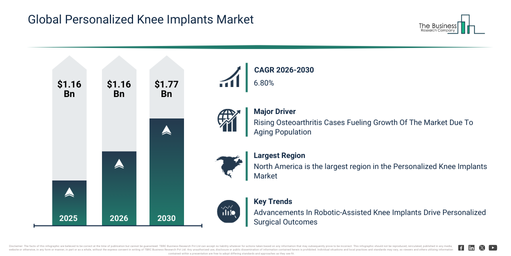
    The personalized knee implants market has demonstrated robust growth in recent years. It is projected to increase from $2.45 billion in 2025 to $2.62 billion in 2026, representing a compound annual growth rate (CAGR) of 6.9%. This upward trend is attributed to factors such as an aging population, rising prevalence of osteoarthritis, growing awareness of personalized healthcare options, advancements in imaging technology, and an increasing volume of orthopedic surgeries. Looking ahead, the market is expected to reach $3.41 billion by 2030, growing at a CAGR of 6.8%. Key drivers for this forecast include the adoption of 3D printing technology, integration of artificial intelligence (AI) in surgical planning, demand for minimally invasive procedures, improvements in implant materials, and expanding opportunities in emerging regions. Current market trends also highlight the rise of custom 3D-printed implants, patient-specific surgical planning, minimally invasive knee replacements, enhanced rehabilitation solutions, and the integration of wearable technologies.

    Download A Free Sample Report For Comprehensive Market Insights:

    https://www.thebusinessresearchcompany.com/sample.aspx?id=25874&type=smp

    Important Factors Stimulating Growth in the Personalized Knee Implants Market

    One of the primary drivers of market growth is the increasing incidence of osteoarthritis, a degenerative joint condition that causes cartilage breakdown leading to pain and restricted joint movement. Osteoarthritis becomes more common with age due to the natural wear and tear of cartilage. Personalized knee implants provide tailored solutions that fit an individual’s unique anatomy, improving joint alignment, reducing discomfort, and boosting mobility more effectively than traditional implants. For example, a report released in June 2024 by the Australian Institute of Health and Welfare revealed that osteoarthritis was responsible for 143,410 disability-adjusted life years (DALYs) in Australia in 2023 and caused 2,314 deaths in 2022. These figures highlight the serious burden osteoarthritis places on health systems and explain why personalized implants are gaining traction in treatment plans.

    Technological Advancements Driving Personalized Knee Implant Demand

    Another significant factor pushing market expansion is the continuous innovation in surgical technologies and implant design. The integration of advanced robotics and AI in knee replacement surgeries enables higher precision, better alignment, and customization that leads to improved patient outcomes. For instance, robotic-assisted total knee arthroplasty enhances surgical efficiency while providing a bone-preserving approach that minimizes tissue damage. These developments also support a move toward less invasive procedures, which are increasingly preferred by both surgeons and patients.

    Access The Complete Personalized Knee Implants Market Report:

    https://www.thebusinessresearchcompany.com/report/personalized-knee-implants-global-market-report

    Key Segments and Product Types in the Personalized Knee Implants Market

    This market is broadly segmented based on implant type, fixation material, implant materials, procedure, and end-use settings. The implant types include femoral, tibia, and patella components, each with subcategories such as standard, customized, and gender-specific implants for femoral types; standard, customized, and modular baseplates for tibia; and standard, customized, and resurfacing implants for patella. Fixation methods are classified into cemented, cementless, and hybrid. Materials used include metal-on-plastic and ceramic-on-plastic. Procedures cover primary, partial, and revision knee replacements. The end-use segment encompasses hospitals, ambulatory surgical centers, and other healthcare facilities.

    How Technological Progress Is Shaping Market Competition

    Leading companies in the personalized knee implants market are investing heavily in innovation to maintain competitive advantages. For example, in April 2025, THINK Surgical, Inc., a US-based company specializing in robotic surgical systems, introduced the Freedom Total Knee Implant using its TMINI miniature robotic system. This implant offers extensive customization options, a bone-sparing design, and compatibility with both cemented and cementless fixation methods. Enhanced polyethylene inserts improve wear resistance and smooth articulation, aiming to replicate natural knee movement and provide long-term durability. Such advancements underscore the industry’s focus on precision and personalized solutions.

    Top Companies Leading the Personalized Knee Implants Industry

    The market features several prominent players including Stryker Corporation, DePuy Synthes Inc., Zimmer Biomet Holdings Inc., Smith & Nephew plc, Stanmore Implants Worldwide Ltd, Exactech Inc., Medacta International SA, Corin Group PLC, MicroPort Orthopedics Inc., B. Braun Melsungen AG, LimaCorporate S.p.A., Waldemar Link GmbH & Co. KG, THINK Surgical Inc., Signature Orthopaedics Pty Ltd, Maxx Orthopedics Inc., restor3d Inc., NanoKnee LLC, Conformis Inc., Aesculap Implant Systems LLC, United Orthopedic Corporation, Kyocera Medical Corporation, and Mathys Ltd Bettlach. These companies are at the forefront of delivering cutting-edge personalized knee implant solutions globally.

    Regional Insights Highlighting Market Growth Opportunities

    In 2025, North America accounted for the largest share of the personalized knee implants market. However, the Asia-Pacific region is anticipated to experience the fastest growth during the forecast period. The market coverage extends to key regions including Asia-Pacific, South East Asia, Western Europe, Eastern Europe, North America, South America, the Middle East, and Africa, providing a comprehensive view of the global market landscape.

    Get in touch with us:

    The Business Research Company: https://www.thebusinessresearchcompany.com/

    Americas: +1 310-496-7795

    Asia: +44 7882 955267 & +91 8897263534

    Europe: +44 7882 955267

    Email us at: marketing@tbrc.info

    Follow us on:

    LinkedIn: https://in.linkedin.com/company/the-business-research-company

    YouTube: https://www.youtube.com/channel/UC24_fI0rV8cR5DxlCpgmyFQ

    Global Market Model: https://www.thebusinessresearchcompany.com/global-market-model
  • Personalized Cranial Implant Market Trends Are Creating New Opportunities For Industry Leaders

    Personalized Cranial Implant Market Trends Are Creating New Opportunities For Industry Leaders

    Through market attractiveness analysis, total addressable market evaluation, company benchmarking matrices, interactive Excel dashboards, expanded supply chain intelligence, emerging startup coverage, and detailed product insights, The Business Research Company’s 2026 market reports provide more actionable and strategically valuable research.

    The personalized cranial implant market has experienced significant growth in recent years, driven by advances in medical technology and increasing clinical needs. This sector shows promising potential for expansion as new innovations and rising healthcare demands push forward the adoption of custom cranial solutions. Below is an in-depth exploration of the market size, key growth factors, trends, major players, and regional dynamics shaping this industry.

    Market Size and Expected Growth Trajectory in the Personalized Cranial Implant Market

    The market size for personalized cranial implants has seen robust development, with projections indicating an increase from $0.96 billion in 2025 to $1.03 billion in 2026, growing at a compound annual growth rate (CAGR) of 7.3%. The past growth is largely attributed to the rising number of traumatic brain injury cases, more frequent tumor removal surgeries, advancements in cranial imaging technologies, the growing volume of neurosurgical procedures, and improved access to biocompatible implant materials.

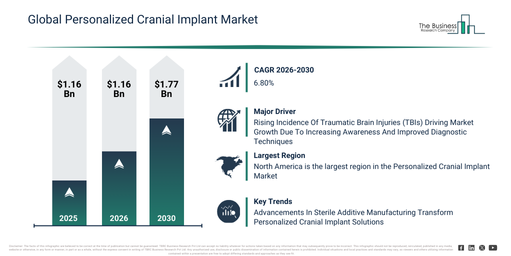
    Looking ahead, the market is anticipated to expand further, reaching $1.34 billion by 2030 at a CAGR of 6.8%. This forecasted growth is supported by the wider adoption of personalized medicine, the expansion of 3D printing capabilities within hospitals, increasing demand for tailored cosmetic corrections, advances in implant design software, and rising healthcare spending on sophisticated neurosurgical treatments. Emerging trends during this period include greater patient-specific cranial reconstructions, increased use of 3D printing in implant manufacturing, a shift toward minimally invasive cranial surgeries, the growing application of personalized implants in complex trauma cases, and enhanced aesthetic and functional outcomes that influence surgeon preferences.

    Download A Free Sample Report For Comprehensive Market Insights:

    https://www.thebusinessresearchcompany.com/sample.aspx?id=25873&type=smp

    Factors Fueling the Expansion of the Personalized Cranial Implant Market

    One of the primary drivers behind the market’s expansion is the rising incidence of traumatic brain injuries (TBIs). These injuries result from external mechanical forces impacting the brain and have become more frequently reported due to improved public awareness about head trauma risks and advances in diagnostic capabilities. Personalized cranial implants play a crucial role in treating such injuries by offering precise, custom-fit solutions that improve protection of the brain, restore skull shape, and support patient recovery.

    For example, in 2024, data from the Tennessee Department of Health showed a 2.4% increase in patients registered with traumatic brain injuries in 2023 compared to the previous year. This growing prevalence of TBIs and associated cranial defects is a key factor propelling demand for personalized cranial implants.

    How the Personalized Cranial Implant Market is Categorized by Products and Applications

    The personalized cranial implant market is segmented into several categories for better clarity:

    1) Implant Material: Titanium, Polymethylmethacrylate (PMMA), Polyether Ether Ketone (PEEK), and other materials.

    2) Indication: Traumatic Brain Injury, Oncology (tumor resection), Congenital Disorders, Infections, and Cosmetic or Deformity Correction.

    3) End Use: Hospitals, Ambulatory Surgical Centers, and other healthcare settings.

    Further breakdowns include specific types within each material category, such as pure titanium, titanium alloys, mesh and solid titanium implants; preformed, hand-molded, custom molded, and antibiotic-impregnated PMMA implants; various forms of PEEK implants including standard, reinforced, 3D-printed, and patient-specific versions; and other materials like ceramic, composite, bioactive glass, and bioresorbable polymers.

    Access The Complete Personalized Cranial Implant Market Report:

    https://www.thebusinessresearchcompany.com/report/personalized-cranial-implant-global-market-report

    Technological Trends Shaping the Future Demand for Personalized Cranial Implants

    Key players in the personalized cranial implant sector are investing heavily in cutting-edge technologies such as sterile 3D printing directly at hospital sites to improve manufacturing efficiency and deliver highly customized implants. This hospital-based sterile 3D printing approach utilizes cleanroom-compatible printers to produce medical-grade implants onsite, significantly reducing contamination risks and shortening the time from design to surgery.

    For instance, in April 2024, 3D Systems, a US additive manufacturing company, introduced the VSP PEEK Cranial Implant. This patient-specific implant leverages high-performance PEEK material and an FDA-approved 3D printing process that includes modeling software, sterile 3D printers, and streamlined post-processing. The implant mimics the mechanical properties of human bone while offering excellent biocompatibility, radiolucency, and resistance to bodily fluids. The system also cuts material usage by up to 85% compared to traditional machining, lowering costs and enabling faster surgical planning and improved outcomes. This innovation represents a major advancement in neurosurgical and cranioplasty procedures.

    Key Players and Competitive Landscape Within the Personalized Cranial Implant Market

    The market is led by several prominent companies, including Medtronic PLC, Stryker Corporation, Zimmer Biomet Holdings Inc., Renishaw PLC, KLS Martin Group, B. Braun Melsungen AAG, Medartis Holding AG, CranioTech GmbH, evonos GmbH & Co. KG, Matrix Surgical USA LLC, Jeil Medical Corporation, Anatomics Pty Ltd., Calavera Surgical Design Inc., KELYNIAM Global Incorporated, Xilloc Medical B.V., INCREDIBLE AM Private Limited, LUCID Implants Private Limited, Ortho Baltic Joint Stock Company, OssDsign AB, 3D Systems Healthcare, Materialise NV, and Oxford Performance Materials. These firms are competing through technological innovation, strategic partnerships, and expanding product portfolios to capture increasing demand.

    Regional Market Overview Highlighting Growth Leaders in Personalized Cranial Implants

    In terms of regional market share, North America held the largest portion of the personalized cranial implant market in 2025. Meanwhile, the Asia-Pacific region is projected to experience the fastest growth rate during the forecast period. The market analysis encompasses key geographic areas such as Asia-Pacific, South East Asia, Western Europe, Eastern Europe, North America, South America, the Middle East, and Africa, providing a comprehensive understanding of global market dynamics and growth opportunities.

    Get in touch with us:

    The Business Research Company: https://www.thebusinessresearchcompany.com/

    Americas: +1 310-496-7795

    Asia: +44 7882 955267 & +91 8897263534

    Europe: +44 7882 955267

    Email us at: marketing@tbrc.info

    Follow us on:

    LinkedIn: https://in.linkedin.com/company/the-business-research-company

    YouTube: https://www.youtube.com/channel/UC24_fI0rV8cR5DxlCpgmyFQ

    Global Market Model: https://www.thebusinessresearchcompany.com/global-market-model
  • Ophthalmic Microscope Market Forecast Signals New Revenue Opportunities Through 2030

    Ophthalmic Microscope Market Forecast Signals New Revenue Opportunities Through 2030

    Enhanced with market attractiveness analysis, total addressable market evaluation, company benchmarking matrices, interactive Excel dashboards, expanded supply chain intelligence, emerging startup coverage, and detailed product insights, The Business Research Company’s 2026 market reports deliver more actionable and strategically valuable research.

    The ophthalmic microscope market is witnessing significant growth driven by advancements in eye care technology and an increasing demand for precise surgical instruments. As eye-related health concerns rise globally, this sector is poised for substantial expansion, influenced by demographic changes and evolving medical practices. Let’s explore the current market size, the key factors propelling growth, important trends, and leading players shaping this industry.

    Strong Growth Trajectory of the Ophthalmic Microscope Market

    The ophthalmic microscope market has experienced impressive growth in recent years, reaching $1.67 billion in 2025 and expected to rise to $1.82 billion in 2026. This reflects a compound annual growth rate (CAGR) of 8.4%. Factors contributing to this expansion include an aging population, increasing rates of vision disorders, the expansion of hospital ophthalmology departments, broader adoption of surgical microscopes, and improvements in healthcare infrastructure.

    Download A Free Sample Report For Comprehensive Market Insights:

    https://www.thebusinessresearchcompany.com/sample.aspx?id=10630&type=smp

    Forecasted Market Expansion and Key Drivers for Ophthalmic Microscopes

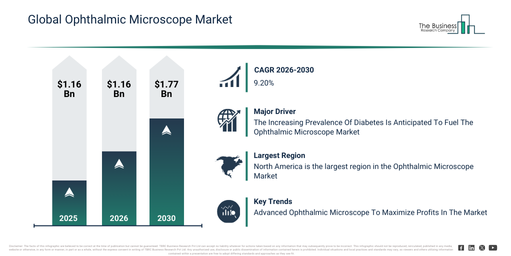
    Looking ahead, the market is set to grow robustly, reaching $2.58 billion by 2030 with a CAGR of 9.2%. This growth is largely driven by the growing demand for advanced visualization tools, the rising number of eye care centers, continuous technological improvements, the surge in outpatient surgeries, and the development of emerging markets. Notable trends during this period include increased cataract surgeries, growth of ambulatory surgical centers, a preference for high-precision optical systems, adoption of digital microscopes, and expansion of minimally invasive eye surgeries.

    Increasing Diabetes Prevalence Propelling Market Demand

    One of the main factors fueling the ophthalmic microscope market is the rising incidence of diabetes worldwide. Diabetes, characterized by high blood sugar levels due to insulin issues, often leads to eye complications such as diabetic retinopathy. Ophthalmic microscopes are critical tools used in diagnosing and managing these conditions. For instance, in June 2024, NHS England reported that in 2023, 3,615,330 individuals registered with a GP were identified with non-diabetic hyperglycemia (commonly called pre-diabetes), up from 3,065,825 in 2022—an increase of nearly 18%. This trend clearly supports market growth.

    Access The Complete Ophthalmic Microscope Market Report:

    https://www.thebusinessresearchcompany.com/report/ophthalmic-microscope-global-market-report

    Market Segmentation Highlighting Revenue-Generating Categories

    The ophthalmic microscope market is segmented by type, modality, application, and end use.

    – By Type: Optical, Digital, and Other Types

    – By Modality: Ceiling-Mounted, Table-Top, Wall-Mounted, and On Casters

    – By Application: Lasik Surgery, Cataract Surgery, Keratoplasty Surgery, Trabeculectomy, and Other Applications

    – By End Use: Hospitals, Ambulatory Surgical Centers, and Other End Users

    Subcategories within these include:

    – Optical microscopes such as Direct Ophthalmoscopes, Indirect Ophthalmoscopes, and Slit Lamps

    – Digital microscopes including Digital Imaging Microscopes and Video Ophthalmoscopes

    – Other types like Surgical Microscopes and Handheld Microscopes

    Innovations and Cutting-Edge Technologies Driving Market Trends

    Leading manufacturers are focusing on developing next-generation ophthalmic microscopes to stay competitive and enhance clinical outcomes. A key innovation is the next-generation optical coherence tomography (OCT) system, which uses low-coherence light to produce high-resolution, cross-sectional images of biological tissues non-invasively. For example, in November 2023, Leica Microsystems unveiled the Proveo 8 ophthalmic microscope featuring the Integrated EnFocus intraoperative OCT. This design reduces stack height by 40%, improving surgeon comfort, while doubling scan depth to 5 mm, allowing detailed views of the anterior chamber. The slimmed design also enhances compatibility with accessories such as keratoscopes, enabling better visualization of corneal curvature.

    Prominent Companies Leading the Ophthalmic Microscope Market

    The ophthalmic microscope industry is dominated by several key players, including:

    – Alcon Inc.

    – Carl Zeiss Meditec AG

    – Leica Microsystems GmbH

    – Topcon Corporation

    – Haag-Streit Holding AG

    – Takagi Seiko Ltd.

    – Karl Kaps GmbH & Co. KG

    – Seiler Medical AG

    – Inami & Co. Ltd.

    – Revenio Group Corporation

    Additional notable firms include US Ophthalmic LLC, Moeller-Wedel GmbH, Vision Engineering Ltd, Optopol Technology S.A., Optikron GmbH, NIDEK CO. LTD., Huvitz Co. Ltd., Reichert Inc., Tomey Corporation, Nikon Corporation, Olympus Corporation, Oculus Surgical & Ophthalmic Instruments GmbH, Volk Optical Ltd., Costruzione Strumenti Oftalmici, and Italmec. These companies continue to invest in R&D to advance product capabilities and expand their market presence.

    Regional Market Outlook and Growth Opportunities

    In 2025, North America held the largest share of the ophthalmic microscope market. However, the Asia-Pacific region is expected to experience the fastest growth throughout the forecast period. The market analysis includes regions such as Asia-Pacific, South East Asia, Western Europe, Eastern Europe, North America, South America, the Middle East, and Africa, providing a comprehensive perspective on global market dynamics and opportunities.

    Get in touch with us:

    The Business Research Company: https://www.thebusinessresearchcompany.com/

    Americas: +1 310-496-7795

    Asia: +44 7882 955267 & +91 8897263534

    Europe: +44 7882 955267

    Email us at: marketing@tbrc.info

    Follow us on:

    LinkedIn: https://in.linkedin.com/company/the-business-research-company

    YouTube: https://www.youtube.com/channel/UC24_fI0rV8cR5DxlCpgmyFQ

    Global Market Model: https://www.thebusinessresearchcompany.com/global-market-model
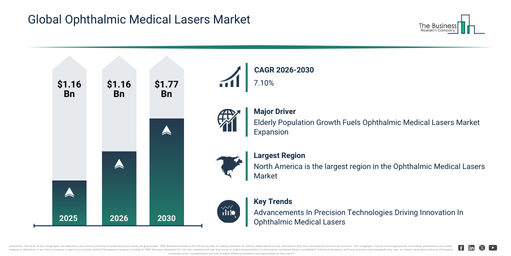
  • Ophthalmic Medical Lasers Market Growth Is Accelerating As Industry Transformation Continues

    Ophthalmic Medical Lasers Market Growth Is Accelerating As Industry Transformation Continues

    Through market attractiveness analysis, total addressable market evaluation, company benchmarking matrices, interactive Excel dashboards, expanded supply chain intelligence, emerging startup coverage, and detailed product insights, The Business Research Company’s 2026 market reports provide more actionable and strategically valuable research.

    The ophthalmic medical lasers market has demonstrated significant growth recently, driven by advancements in technology and rising demand for effective eye care solutions. As eye disorders become more prevalent globally, especially among aging populations, the market is poised for continued expansion. Let’s explore the current market size, factors fueling growth, segmentation details, notable industry trends, leading companies, and regional insights.

    Ophthalmic Medical Lasers Market Size and Projected Growth

    The ophthalmic medical lasers market has witnessed strong growth and is projected to continue on this trajectory. From $1.33 billion in 2025, the market is expected to reach $1.43 billion in 2026, growing at a compound annual growth rate (CAGR) of 7.7%. Looking further ahead, the market is anticipated to expand to $1.89 billion by 2030, with a CAGR of 7.1%. This growth is powered by an increasing need for advanced vision correction techniques, greater investment in laser technology innovation, the expansion of laser-assisted surgeries in emerging regions, and rising use of personalized, AI-assisted eye treatment methods. Emerging trends include the wider adoption of minimally invasive laser procedures, increased use of femtosecond lasers in cataract surgeries, improved precision in correcting refractive errors, growth in multi-wavelength laser platforms, and a stronger emphasis on accelerating patient recovery times.

    Download A Free Sample Report For Comprehensive Market Insights:

    https://www.thebusinessresearchcompany.com/sample.aspx?id=3307&type=smp

    Demographic Shifts as a Key Driver for Ophthalmic Medical Lasers

    One of the primary factors influencing market growth is the expanding elderly population. This group, defined as individuals aged 65 and older, is increasing due to longer life expectancy and better overall health outcomes. Ophthalmic medical lasers play a crucial role in addressing age-related ocular issues such as cataracts, glaucoma, age-related macular degeneration (AMD), diabetic retinopathy, and refractive lens exchange. For example, according to the World Health Organization in October 2025, about 1 in 6 people worldwide—roughly 1.4 billion individuals—will be aged 60 or older by 2030. This demographic surge is expected to nearly double to 2.1 billion by 2050, underscoring the growing need for ophthalmic laser treatments.

    Technological Advancements and Safety Standards Driving Market Expansion

    The increased adoption of laser-based ophthalmic procedures is also supported by ongoing improvements in laser safety and clinical protocols. As specialty eye clinics continue to expand, more patients gain access to advanced, outpatient eye care options. Enhanced safety standards contribute to higher confidence in laser treatments, encouraging wider acceptance among both patients and healthcare providers.

    Access The Complete Ophthalmic Medical Lasers Market Report:

    https://www.thebusinessresearchcompany.com/report/ophthalmic-medical-lasers-global-market-report

    Detailed Segmentation of the Ophthalmic Medical Lasers Market

    The market is categorized across multiple dimensions to provide a clear picture of its structure:

    1) Product Types: Diode Lasers, Femtosecond Lasers, Excimer Lasers, Tissue Treatment Lasers, ND:Yag Lasers, and Other Products.

    2) Applications: Refractive Error Correction, Cataract Removal, Diabetic Retinopathy, Glaucoma, Age-Related Macular Degeneration, plus other uses.

    3) End Users: Hospitals, Specialty Clinics, and Ambulatory Surgery Centers.

    Additional subsegments include:

    – Diode Lasers used for retinal and cataract surgeries.

    – Femtosecond Lasers applied in cataract and LASIK surgeries.

    – Excimer Lasers dedicated to refractive procedures like LASIK and PRK, as well as corneal surgery.

    – Tissue Treatment Lasers for photodynamic therapy and other tissue-related treatments.

    – ND:YAG Lasers employed in posterior capsulotomy and iridotomy.

    – Other products encompassing lasers for glaucoma management and retinal photocoagulation.

    Innovative Technologies Shaping Future Opportunities in Ophthalmic Medical Lasers

    Key players in the market are investing in cutting-edge developments such as next-generation intraoperative radiotherapy (IORT) platforms. These systems aim to improve precision, workflow, and patient safety during cancer surgeries by delivering targeted radiation directly to tumor sites, reducing exposure to surrounding healthy tissue. For instance, in April 2025, ZEISS, a Germany-based medical technology firm, gained FDA 510(k) clearance for its INTRABEAM 700 system. This robotic-assisted IORT solution is designed for neuro-oncology and breast cancer surgeries, offering enhanced imaging integration, ergonomic design, and improved control during radiation delivery, thus aiding surgeons in providing more accurate intraoperative treatment.

    Top Companies Leading the Ophthalmic Medical Lasers Market

    The competitive landscape includes several prominent organizations such as Alcon Laboratories Inc., Abbott Medical Optics Inc., Carl Zeiss Meditec AG, Bausch & Lomb Incorporated, Topcon Corporation, Ziemer Ophthalmic Systems AG, IRIDEX Corporation, NIDEK Co. Ltd., Lumenis Ltd., Johnson & Johnson Surgical Vision Inc., Lumibird Medical, Quantel Inc., Coherent Inc., Ocular Instruments Inc., Ellex Medical Lasers Limited, LENSAR LLC, LIGHTMED Corporation, Menicon Co. Ltd., Novartis AG, Omeros Corporation, Oxurion NV, Regeneron Pharmaceuticals Inc., Roche Holding AG, Rohto Pharmaceutical Co. Ltd., Santen Pharmaceuticals, SCHWIND eye-tech-solutions GmbH & Co. KG, Staar Surgical Company, and ThromboGenics NV.

    Geographical Distribution and Dominance in Ophthalmic Medical Lasers

    In 2025, North America held the largest share of the ophthalmic medical lasers market, reflecting strong healthcare infrastructure and high adoption rates of advanced technologies. Meanwhile, Asia-Pacific ranked as the second-largest regional market, showing rapid growth due to expanding healthcare access and rising investments. Other important regions covered in market analyses include South East Asia, Western Europe, Eastern Europe, South America, the Middle East, and Africa, each contributing uniquely to the global market landscape.

    Get in touch with us:

    The Business Research Company: https://www.thebusinessresearchcompany.com/

    Americas: +1 310-496-7795

    Asia: +44 7882 955267 & +91 8897263534

    Europe: +44 7882 955267

    Email us at: marketing@tbrc.info

    Follow us on:

    LinkedIn: https://in.linkedin.com/company/the-business-research-company

    YouTube: https://www.youtube.com/channel/UC24_fI0rV8cR5DxlCpgmyFQ

    Global Market Model: https://www.thebusinessresearchcompany.com/global-market-model
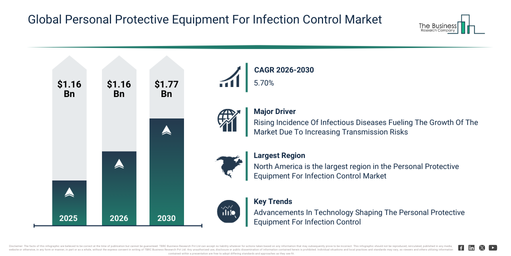
  • Personal Protective Equipment For Infection Control Market Growth Is Reshaping Competitive Advantage Across The Industry

    Personal Protective Equipment For Infection Control Market Growth Is Reshaping Competitive Advantage Across The Industry

    Delivering more actionable and strategically valuable research, The Business Research Company’s 2026 market reports feature market attractiveness analysis, total addressable market evaluation, company benchmarking matrices, interactive Excel dashboards, expanded supply chain intelligence, emerging startup coverage, and detailed product insights.

    The market for personal protective equipment (PPE) designed for infection control has experienced significant growth in recent years, fueled by rising health concerns and increased awareness around safety protocols. As infectious diseases continue to pose challenges worldwide, the demand for reliable PPE solutions is expected to maintain its upward trajectory. Below, we explore the market size, key drivers, segmentation, innovation trends, major players, and regional dynamics shaping this important industry.

    Recent Market Size and Forecast for the Personal Protective Equipment for Infection Control Market

    The personal protective equipment for infection control sector has expanded considerably, with its market value rising from $26.64 billion in 2025 to $28.25 billion in 2026, reflecting a compound annual growth rate (CAGR) of 6.0%. This past growth has largely been driven by the pandemic-induced surge in PPE demand, higher rates of healthcare-associated infections, increased focus on occupational safety, government mandates on infection control, and growing hospital infrastructure worldwide. Looking ahead, the market is forecast to reach $35.31 billion by 2030, growing at a CAGR of 5.7%. Key factors expected to sustain this expansion include the growth of outpatient and ambulatory care facilities, more frequent infectious disease outbreaks, stricter global safety regulations, rising healthcare spending in emerging economies, and increasing PPE demand from sectors outside healthcare such as public safety. Additionally, trends such as the development of antimicrobial and self-sterilizing PPE, a move toward reusable and cost-efficient products, emergency stockpiling initiatives, improved ergonomic designs, and regulatory standardization will shape the market’s future.

    Download A Free Sample Report For Comprehensive Market Insights:

    https://www.thebusinessresearchcompany.com/sample.aspx?id=25872&type=smp

    The Rising Threat of Infectious Diseases as a Growth Catalyst

    One of the main forces propelling the personal protective equipment for infection control market is the increasing prevalence of infectious diseases. These illnesses, caused by pathogens like bacteria, viruses, fungi, or parasites, can spread between individuals or from animals and the environment to humans. Factors such as growing urban population density and expanded global travel accelerate the transmission of infections. PPE acts as a critical barrier, protecting healthcare workers and the public from direct contact with infectious agents, thereby curbing disease spread. For example, a report published in March 2025 by the UK Health Security Agency highlighted that hospital admissions for infectious diseases in England between 2023 and 2024 were nearly twice as high among residents in the most deprived 20 percent of areas compared to the least deprived. Furthermore, tuberculosis cases in England increased by 10.7%, rising from 4,380 in 2022 to 4,850 in 2023, according to GOV.UK data released in February 2024. These statistics underline how rising infection rates are driving demand for personal protective equipment.

    Market Segmentation Offering Revenue Opportunities in the Personal Protective Equipment for Infection Control Market

    The report classifies the personal protective equipment for infection control market across several dimensions to provide a detailed understanding of revenue streams:

    1) By Product Type: Gloves, Face Masks, Gowns and Coveralls, Eye Protection, Respirators

    2) By Material Type: Latex, Nitrile, Polyethylene, Polypropylene, and Other Advanced Materials

    3) By Distribution Channel: Direct Sales, Online Retail, Traditional Retail, Catalog Sales, Wholesalers and Distributors

    4) By Application Area: Infection Prevention, Occupational Safety, Emergency Response, Aerosol Transmission Protection, Healthcare Settings

    5) By End-User: Hospitals, Ambulatory Surgical Centers, Pharmacies, Diagnostic Laboratories, Public Health Institutions

    Access The Complete Personal Protective Equipment For Infection Control Market Report:

    https://www.thebusinessresearchcompany.com/report/personal-protective-equipment-for-infection-control-global-market-report

    Additionally, specific subcategories include types such as disposable, sterile, and non-sterile gloves; surgical masks, N95 respirators, KN95 masks, and face shields; various gown types including isolation, surgical, reusable, and fluid-resistant; eye safety equipment like goggles and protective glasses; and respirators ranging from half-face to powered air-purifying respirators (PAPR).

    Innovation Trends Driving the Future of the Personal Protective Equipment for Infection Control Market

    Leading companies in the PPE infection control space are investing heavily in next-generation protective gear that enhances user safety and comfort while offering superior pathogen defense. These innovations focus on improved materials, ergonomic designs, and advanced features. For instance, in March 2025, Stryker Corporation introduced the Steri-Shield 8 system, a state-of-the-art PPE solution for healthcare professionals. This system boasts a customizable helmet with three contact points for a secure fit, including an opening designed for users with long hair. It provides a 22% wider field of vision, brighter helmet lighting, and an upgraded fan system cooling both the front and back of the neck for added comfort. Its three toga styles offer AAMI level 4 (2012) protection, ensuring top-tier fluid and microbial barriers. Additionally, the system includes a sleek battery and efficient charging station, highlighting Stryker’s commitment to combining innovation with user-focused design in protective equipment.

    Key Market Players Steering the Personal Protective Equipment for Infection Control Industry

    Several major corporations lead the personal protective equipment for infection control market globally. These include: Cardinal Health Inc., Honeywell International Inc., 3M Company, Kimberly Clark Corporation, DuPont de Nemours Inc., STERIS plc, ELIS UK Limited, Ansell Limited, SHOWA Group, SAS Safety Corp., Moldex Metric Inc., Uvex Arbeitsschutz GmbH, Alpha Pro Tech Ltd., Polyco Healthline Ltd., Gateway Safety Inc., Plasti Surge Industries Pvt. Ltd., Franz Mensch GmbH, Univet S.p.A., Dastex Reinraumzubehör GmbH & Co. KG, Medline Industries LP, Hartalega Holdings Berhad, Top Glove Corporation Berhad, and Supermax Corporation Berhad. These companies play vital roles in innovation, supply chain, and market expansion.

    Regional Market Leadership and Growth Prospects

    In 2025, North America was the largest regional market for personal protective equipment for infection control. However, Asia-Pacific is expected to experience the fastest growth during the forecast period. The report covers diverse geographic areas including Asia-Pacific, South East Asia, Western Europe, Eastern Europe, North America, South America, the Middle East, and Africa, offering comprehensive insights into regional dynamics and global market trends.

    Get in touch with us:

    The Business Research Company: https://www.thebusinessresearchcompany.com/

    Americas: +1 310-496-7795

    Asia: +44 7882 955267 & +91 8897263534

    Europe: +44 7882 955267

    Email us at: marketing@tbrc.info

    Follow us on:

    LinkedIn: https://in.linkedin.com/company/the-business-research-company

    YouTube: https://www.youtube.com/channel/UC24_fI0rV8cR5DxlCpgmyFQ

    Global Market Model: https://www.thebusinessresearchcompany.com/global-market-model
  • Ophthalmic Lasers Market Outlook Highlights The Next Major Growth Opportunities

    Ophthalmic Lasers Market Outlook Highlights The Next Major Growth Opportunities

    Delivering more actionable and strategically valuable research, The Business Research Company’s 2026 market reports feature market attractiveness analysis, total addressable market evaluation, company benchmarking matrices, interactive Excel dashboards, expanded supply chain intelligence, emerging startup coverage, and detailed product insights.

    The ophthalmic lasers market has been witnessing notable growth in recent years, driven by advances in technology and increasing demand for eye care treatments. As the population ages and awareness around vision health rises, this sector is expected to continue expanding steadily in the coming years. Below is an overview of the market size, growth drivers, segmentation, technological trends, leading players, and regional insights shaping the ophthalmic lasers industry.

    Ophthalmic Lasers Market Size and Projected Growth Through 2030

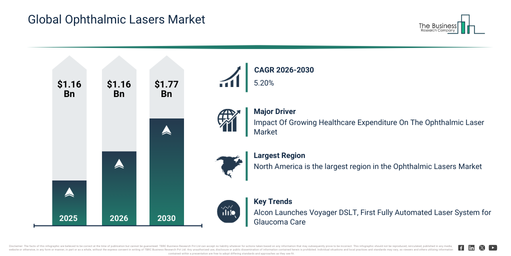
    The ophthalmic lasers market has demonstrated strong growth historically, with its size projected to increase from $1.42 billion in 2025 to $1.49 billion in 2026, reflecting a compound annual growth rate (CAGR) of 5.3%. This growth is attributed to factors such as the rising incidence of cataracts and refractive errors, early adoption of laser procedures like LASIK and PRK, enhancement of hospital-based ophthalmic surgery infrastructure, increased healthcare spending in developed regions, and regulatory approvals for laser treatment systems. Looking ahead, the market is expected to reach $1.83 billion by 2030, with a CAGR of 5.2%. This anticipated growth is supported by an aging population in emerging economies, increasing numbers of surgeries in ambulatory centers, a growing burden of diabetes and diabetic retinopathy, advancements in femtosecond and Nd:YAG laser technology, and rising demand for elective vision correction procedures. Key trends shaping the market include a shift toward minimally invasive laser surgeries, wider adoption of outpatient laser procedures, increasing prevalence of diabetic retinopathy and age-related macular degeneration, growing use of laser-assisted cataract and refractive treatments, and the integration of multi-functional ophthalmic laser platforms.

    Download A Free Sample Report For Comprehensive Market Insights:

    https://www.thebusinessresearchcompany.com/sample.aspx?id=13498&type=smp

    Healthcare Spending as a Catalyst for Ophthalmic Lasers Market Growth

    Rising healthcare expenditure plays a crucial role in driving the ophthalmic lasers market forward. Healthcare spending encompasses the resources allocated to medical goods and services, public health programs, and administrative costs. This growing expenditure is influenced by factors such as an aging population, medical technology breakthroughs, climbing pharmaceutical costs, and the increasing prevalence of chronic diseases. Increased healthcare investment allows for greater adoption of advanced laser technologies and expands access to precision eye care treatments for more patients. For example, in June 2024, Health Affairs reported that U.S. national healthcare spending is projected to rise from $4,799.3 billion in 2023 to $5,048.8 billion in 2024, an increase of approximately $249.5 billion. This surge in healthcare funding is an important driver of the ophthalmic laser market’s development.

    Segmentation of the Ophthalmic Lasers Market and Its Revenue Drivers

    The ophthalmic lasers market is segmented based on product types, applications, and end-users to provide a comprehensive understanding of the industry dynamics. Product categories include femtosecond lasers, excimer lasers, neodymium-doped yttrium aluminum garnet (Nd:YAG) lasers, diode lasers, and other laser types. The application segments cover treatments for refractive errors, cataracts, glaucoma, diabetic retinopathy, age-related macular degeneration (AMD), and other conditions. End-users comprise hospitals, ambulatory service centers, and ophthalmic clinics. Further subcategorization recognizes specific types of femtosecond lasers used for cataract surgery, refractive surgery, and corneal flap creation; excimer lasers for LASIK, PRK, and corneal reshaping; Nd:YAG lasers for capsulotomy, retinal disorders, and glaucoma treatment; diode lasers for retinal photocoagulation, glaucoma, and pterygium surgery; and other products such as argon, KTP, and holmium lasers. This detailed segmentation highlights the diverse applications and technologies fueling market growth.

    Access The Complete Ophthalmic Lasers Market Report:

    https://www.thebusinessresearchcompany.com/report/ophthalmic-lasers-global-market-report

    Innovations Transforming the Ophthalmic Lasers Market

    Technological advancements are rapidly transforming the ophthalmic lasers market, with companies focusing on innovations that improve treatment efficacy and patient experience. One such innovation is the development of fully automated Direct Selective Laser Trabeculoplasty (DSLT) systems, which offer efficient first-line treatment for glaucoma and ocular hypertension. These systems combine precise laser delivery, eye-tracking features, and user-friendly interfaces to remove the need for manual gonio lens positioning, reduce training demands, and enable ophthalmologists to treat patients more safely and effectively. For instance, in February 2025, Alcon launched the Voyager DSLT device in the U.S., which administers 120 automated laser pulses per treatment using SureTrac eye-tracking technology. This innovation improves targeting accuracy of the trabecular meshwork, increases procedural efficiency, expands patient access to glaucoma therapy, and streamlines clinical workflows for eye care providers.

    Key Players Leading Competition in the Ophthalmic Lasers Market

    Several prominent companies dominate the ophthalmic lasers market, driving competition and innovation. These include Abbott Laboratories, Alcon Laboratories Inc., Bausch & Lomb Incorporated, Coherent Inc., Carl Zeiss Meditec AG, Topcon Corporation, Lumenis Ltd., Johnson & Johnson Surgical Vision Inc., LUMIBIRD, Lutronic Corporation, Quantel Medical SAS, NIDEK CO. LTD, IRIDEX Corporation, Ellex Inc., Technolas Perfect Vision GmbH, LENSAR LLC, Lightmed GmbH, Ziemer Ophthalmic Systems AG, SCHWIND eye-tech-solutions GmbH & Co. KG, NoIR Laser Company LLC, DEKA Laser, A.R.C. Laser GmbH, ATL Lasertechnik GmbH, Norlase, Alna-Medicalsystem GmbH, and Luxium Solutions LLC. These organizations continue to invest in cutting-edge research and product development to maintain leadership in this fast-evolving sector.

    Geographical Insights Highlighting Market Leadership and Growth Regions

    In 2025, North America held the largest share of the ophthalmic lasers market, driven by advanced healthcare infrastructure, high adoption rates, and favorable reimbursement policies. Meanwhile, the Asia-Pacific region is anticipated to be the fastest-growing market during the forecast period, fueled by improving healthcare access, increasing surgical volumes, and a growing elderly population. The market analysis includes regions such as Asia-Pacific, South East Asia, Western Europe, Eastern Europe, North America, South America, the Middle East, and Africa, providing a global perspective on market trends and opportunities.

    Get in touch with us:

    The Business Research Company: https://www.thebusinessresearchcompany.com/

    Americas: +1 310-496-7795

    Asia: +44 7882 955267 & +91 8897263534

    Europe: +44 7882 955267

    Email us at: marketing@tbrc.info

    Follow us on:

    LinkedIn: https://in.linkedin.com/company/the-business-research-company

    YouTube: https://www.youtube.com/channel/UC24_fI0rV8cR5DxlCpgmyFQ

    Global Market Model: https://www.thebusinessresearchcompany.com/global-market-model
  • Personal Mobility Devices Market Forecast Signals New Revenue Opportunities Through 2030

    Personal Mobility Devices Market Forecast Signals New Revenue Opportunities Through 2030

    Enhanced with market attractiveness analysis, total addressable market evaluation, company benchmarking matrices, interactive Excel dashboards, expanded supply chain intelligence, emerging startup coverage, and detailed product insights, The Business Research Company’s 2026 market reports deliver more actionable and strategically valuable research.

    The personal mobility devices market has been experiencing significant growth recently, driven by evolving healthcare needs and technological innovations. As urban populations expand and awareness about mobility aid options increases, the sector is set to continue its upward trajectory. Below, we explore the current market size, key factors fueling growth, emerging trends, leading companies, and regional insights shaping this industry.

    Personal Mobility Devices Market Size and Projected Growth Path

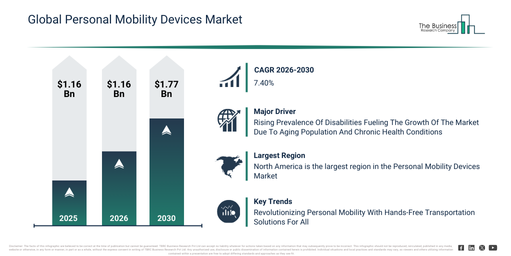
    The market for personal mobility devices has seen notable expansion over recent years. It is projected to increase from $12.57 billion in 2025 to $13.53 billion in 2026, with a compound annual growth rate (CAGR) of 7.6%. This growth stems from factors such as limited electric mobility alternatives, heavy reliance on traditional walking aids, urban population growth with mobility needs, rising demand in hospitals and clinics, and the initial stages of awareness surrounding smart mobility devices. Looking ahead, the market is expected to reach $18.03 billion by 2030, growing at a CAGR of 7.4%. This forecasted growth owes much to technological advances in electric and hybrid personal mobility devices, increased investments in smart and connected mobility solutions, supportive government initiatives for accessible urban transportation, expansion of homecare and outpatient services, and the growing adoption of IoT-enabled and autonomous mobility products. Key trends anticipated during this period include more widespread use of personal mobility devices for city commuting, a rising preference for compact and lightweight designs, greater emphasis on accessibility for elderly and differently-abled users, integration of smart features with IoT connectivity, and the growth of homecare mobility services.

    Download A Free Sample Report For Comprehensive Market Insights:

    https://www.thebusinessresearchcompany.com/sample.aspx?id=24362&type=smp

    Factors Propelling the Personal Mobility Devices Market Growth

    One of the primary drivers behind the expanding personal mobility devices market is the increasing prevalence of disabilities worldwide. Disabilities encompass long-term physical, mental, intellectual, or sensory impairments that, coupled with environmental barriers, limit full participation in society. This rise is largely linked to the aging population, as age-related conditions like arthritis, vision impairment, and dementia become more widespread due to longer life expectancies. Personal mobility devices such as wheelchairs and scooters play a critical role in enhancing independence for these individuals, enabling easier access to daily activities and promoting social and professional engagement. For instance, a June 2025 report from the UK’s Department for Work and Pensions highlighted that during 2023-24, working-age people reporting long-term health conditions increased by 300,000 (2.0%), those classified as disabled rose by 290,000 (3.1%), and individuals with significant limitations in daily activities grew by 170,000 (4.4%). This data clearly reflects how the rising disability rates are driving personal mobility devices market demand.

    Personal Mobility Devices Market Segmentation and Product Categories

    This report segments the personal mobility devices market based on product type, distribution channel, and end user. The major product categories include walking aids, handbikes, mobility scooters, medical beds, stair-lifts, power add-on products, wheelchairs, and other related types. Distribution channels cover wholesalers or distributors, online retailers, multi-brand stores, and specialty stores. End users of these devices are hospitals and clinics, ambulatory surgical centers, rehabilitation centers, homecare settings, and other sectors. Within product types, subcategories consist of various walking aids like canes, crutches, walkers, and rollators; manual, electric, and hybrid handbikes; 3-wheel, 4-wheel, foldable, and heavy-duty mobility scooters; manual, semi-electric, fully electric, and bariatric medical beds; straight, curved, outdoor, and platform stair-lifts; power assist wheels, motorized attachments, and power drive units; manual, power, transport, and sports wheelchairs; along with patient lifts, transfer aids, standing frames, and other mobility accessories.

    Access The Complete Personal Mobility Devices Market Report:

    https://www.thebusinessresearchcompany.com/report/personal-mobility-devices-global-market-report

    Innovations Shaping the Future of Personal Mobility Devices

    Leading companies in this market are focusing on developing high-tech personal mobility products that enhance user experience and functionality. A notable example is the rise of hands-free mobility devices, which combine movement assistance with immersive digital interaction for broad applications. Hands-free devices are self-balancing, motorized transport solutions operated by body movements or posture control, typically used for short-distance travel. For example, in February 2024, Honda Motor Co., Ltd. introduced the UNI-ONE, a hands-free personal mobility device designed to improve user interaction and mobility through cutting-edge self-balancing technology and intuitive controls. The UNI-ONE includes a raiseable and lowerable seat, facilitating eye-level communication for both seated and standing individuals, thereby supporting more natural social interactions. It also features Honda’s Omni Traction Drive Systems, allowing smooth multidirectional movement controlled by the user’s body posture, providing a seamless mobility experience and enhanced accessibility for users with diverse mobility needs.

    Key Players in the Personal Mobility Devices Industry

    Several prominent companies dominate the personal mobility devices market, including Medline Industries Inc., Stryker Corporation, Hill Rom Holdings Inc., Ottobock, Arjo AB, Invacare Holdings Corporation, NOVA Medical Products, Permobil, Sunrise Medical LLC, DRIVE MEDICAL GMBH & CO. KG, Performance Health Supply Inc., Pride Mobility Products Corp., Carex Health Brands Inc., Compass Health Brands, GF Health Products Inc., Handicare Group, Golden Technologies, Falcon Mobility Singapore, Rehabilitation Manufacturing Services Limited (RMS), Karman Healthcare, Triride srl, Eurovema Mobility AB, and Rollz International.

    Regional Market Insights and Revenue Leadership

    In 2025, North America held the largest share of the personal mobility devices market. However, the Asia-Pacific region is projected to be the fastest-growing market during the forecast period. The analysis covers key geographic zones including Asia-Pacific, Southeast Asia, Western Europe, Eastern Europe, North America, South America, the Middle East, and Africa, providing a comprehensive view of regional market dynamics and growth potential.

    Get in touch with us:

    The Business Research Company: https://www.thebusinessresearchcompany.com/

    Americas: +1 310-496-7795

    Asia: +44 7882 955267 & +91 8897263534

    Europe: +44 7882 955267

    Email us at: marketing@tbrc.info

    Follow us on:

    LinkedIn: https://in.linkedin.com/company/the-business-research-company

    YouTube: https://www.youtube.com/channel/UC24_fI0rV8cR5DxlCpgmyFQ

    Global Market Model: https://www.thebusinessresearchcompany.com/global-market-model

  • Ophthalmic Knives Market Trends And Growth Drivers Point To Strong Future Potential

    Ophthalmic Knives Market Trends And Growth Drivers Point To Strong Future Potential

    Enhanced with market attractiveness analysis, total addressable market evaluation, company benchmarking matrices, interactive Excel dashboards, expanded supply chain intelligence, emerging startup coverage, and detailed product insights, The Business Research Company’s 2026 market reports deliver more actionable and strategically valuable research.

    The ophthalmic knives sector is witnessing significant momentum, driven by technological advancements and growing demand for eye surgeries globally. As vision-related health issues rise, these specialized surgical tools play an increasingly vital role in improving patient outcomes through precise and effective procedures. Let’s explore the market’s current landscape, growth drivers, key players, and future developments shaping this industry.

    Understanding the Ophthalmic Knives Market Size and Growth Projections

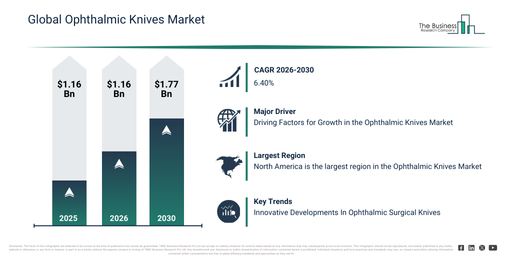
    The ophthalmic knives market has demonstrated solid growth in recent years and is expected to continue expanding steadily. The market value is projected to rise from $2.22 billion in 2025 to $2.38 billion in 2026, reflecting a compound annual growth rate (CAGR) of 7.2%. This historical growth is linked to an increase in cataract and glaucoma surgeries, wider availability of microsurgical techniques, growing use of disposable surgical instruments, expansion of ambulatory surgery centers, and advancements in blade manufacturing technologies. Looking ahead, the market is anticipated to reach $3.04 billion by 2030, growing at a CAGR of 6.4%. Key factors fueling this future growth include a rising emphasis on minimally invasive eye surgeries, infection control, the increase of outpatient ophthalmic procedures, investments in cutting-edge blade materials, and a preference for highly precise disposable knives. Emerging trends during the forecast period feature growing demand for ultra-sharp precision blades, widespread adoption of single-use ophthalmic knives, increased use of diamond-coated blades, customization of knife designs, and a stronger focus on incision accuracy.

    Download A Free Sample Report For Comprehensive Market Insights:

    https://www.thebusinessresearchcompany.com/sample.aspx?id=17216&type=smp

    Factors Stimulating Ophthalmic Knives Market Expansion

    One major driver behind the ophthalmic knives market growth is the rising prevalence of eye diseases. Conditions such as cataracts, glaucoma, and diabetic retinopathy affect millions globally, impacting the eye’s lens, optic nerve, and retina. The growing incidence of these disorders is influenced by aging populations, lifestyle changes, and environmental factors. As ophthalmic knives are essential for performing precise surgical cuts necessary in treating these conditions, their demand naturally increases.

    For example, in January 2024, the Centers for Disease Control and Prevention reported that over 3.4 million Americans aged 40 and above were blind or visually impaired, a figure expected to double by 2030. This trend highlights a pressing need for effective surgical interventions and supports the expanding market for ophthalmic knives.

    Detailed Segmentation of the Ophthalmic Knives Market

    The ophthalmic knives market is categorized in several ways to provide a comprehensive overview of growth areas. By product type, there are reusable ophthalmic knives and single-use ophthalmic knives. Material classifications include diamond, stainless steel, and other materials. Design types involve straight knives, crescent knives, slit knives, micro vitreoretinal (MVR) knives, stab knives, and others. Applications cover glaucoma surgery, keratitis surgery, cataract surgery, and other uses. End users consist of hospitals, ambulatory surgery centers (ASCs), and clinics.

    Within reusable knives, subcategories include diamond-coated, stainless steel, and surgical blade ophthalmic knives. For single-use knives, there are disposable diamond, disposable stainless steel, and disposable surgical blade ophthalmic knives.

    Access The Complete Ophthalmic Knives Market Report:

    https://www.thebusinessresearchcompany.com/report/ophthalmic-knives-global-market-report

    Emerging Innovations Steering Future Ophthalmic Knives Market Trends

    Leading companies in this market are focused on introducing advanced ophthalmic knives designed to improve durability and precision during surgeries. Disposable phaco knives, for instance, have gained prominence for cataract surgeries, offering benefits such as sterility and reduced contamination risks.

    A case in point is HumanOptics Holding AG, which in June 2024 launched a line of disposable surgical knives for ophthalmic use. Their offerings include phaco knives with smart-shaped designs and other specialized blades aimed at enhancing surgical accuracy. These knives are crafted from premium stainless steel and feature anti-glare coatings to maintain sharpness, ensuring precision, lasting durability, and minimal tissue damage.

    Top Companies Shaping the Ophthalmic Knives Market

    Several key players hold a significant presence in the ophthalmic knives market, contributing to innovation and distribution. Notable companies include Alcon Inc., Bausch Health Companies Inc., HOYA Surgical Optics, MANI INC., RUMEX International Co., Aspen Surgical Products Inc., Appasamy Associates Private Limited, Accutome Inc., Unique Technologies Inc., Beaver-Visitec International Holdings Inc., Surgistar Inc., Millennium Surgical Corporation, Paramount Surgimed Ltd., Altomed Ltd., GWS Surgicals LLP, Ophtechnics Unlimited, Diamatrix Ltd., HAI Laboratories Inc., Corza Ophthalmology, Katena Products Inc., Duckworth & Kent Ltd., and ASICO LLC.

    Regional Overview of the Ophthalmic Knives Market

    In 2025, North America emerged as the leading region in terms of ophthalmic knives market revenue. The market analysis includes other important geographical areas such as Asia-Pacific, Southeast Asia, Western Europe, Eastern Europe, South America, the Middle East, and Africa, providing a comprehensive global perspective on market trends and growth opportunities.

    Get in touch with us:

    The Business Research Company: https://www.thebusinessresearchcompany.com/

    Americas: +1 310-496-7795

    Asia: +44 7882 955267 & +91 8897263534

    Europe: +44 7882 955267

    Email us at: marketing@tbrc.info

    Follow us on:

    LinkedIn: https://in.linkedin.com/company/the-business-research-company

    YouTube: https://www.youtube.com/channel/UC24_fI0rV8cR5DxlCpgmyFQ

    Global Market Model: https://www.thebusinessresearchcompany.com/global-market-model