Category: HealthcareServices

  • 5 Key Insights On The Rhinoplasty Market 2024

    5 Key Insights On The Rhinoplasty Market 2024

    The Business Research Company’s global market reports are now updated with the latest market sizing information for the year 2024 and forecasted to 2033

    As per The Business Research Company’s Rhinoplasty Global Market Report 2024, the rhinoplasty market is expected to show significant growth in the forecast period.

    Current Market Trends

    • Recent Growth:
      • The rhinoplasty market grew from $5.55 billion in 2023 to $5.98 billion in 2024.
      • Represents a compound annual growth rate (CAGR) of 7.8%.
      • Growth drivers:
        • Shifts in beauty standards and cultural perceptions.
        • Rising disposable income.
        • Influence of celebrities and public figures.
    • Future Projections:
      • Expected to reach $8.17 billion by 2028.
      • Anticipated CAGR of 8.1%.
      • Future growth drivers:
        • Changing aesthetic preferences.
        • Updates in healthcare regulations.
        • Economic fluctuations.
        • Population growth and aging demographics.
      • Major trends:
        • Focus on functional improvements.
        • Integration of virtual reality (VR), augmented reality (AR), and artificial intelligence (AI).
        • Increased demand among men.

    View More On The Rhinoplasty Market Report 2024 – https://www.thebusinessresearchcompany.com/report/rhinoplasty-global-market-report

    Impact of Rising Road Accidents

    • Driving Factors:
      • The increase in road accidents is expected to boost the rhinoplasty market.
      • Road accidents lead to nasal injuries that require reconstruction and repair through rhinoplasty.
      • Rising accidents due to increased vehicle numbers, distracted driving, and inadequate road safety.
      • Rhinoplasty addresses trauma-related deformities and breathing issues caused by nasal fractures.
      • Example: In 2021, approximately 42,915 people died in motor vehicle traffic crashes in the US, a 10.5% rise from 2020.

    Major Market Players

    • Key Companies:
      • Medtronic PLC
      • Stryker Corporation
      • Zimmer Biomet
      • Integra Lifesciences Holdings Corporation
      • MTF Biologics
      • KLS Martin Group
      • Syneron Medical Ltd.
      • Pristyn Care
      • Sientra Inc.
      • Koken Co. Ltd.
      • Graham Plastic Surgery
      • GC Aesthetics
      • Merz Aesthetics
      • Luminera Derm Ltd.
      • NOUVAG AG
      • COMEG Medical Technologies

    Development of Advanced Nonsurgical Procedures

    • Innovations:
      • Companies are focusing on advanced nonsurgical procedures to remain competitive.
      • Nonsurgical procedures involve minimal invasion and recovery time.
      • Example: In February 2023, TrueAesthetics introduced a nonsurgical nose job.
      • The procedure involves injecting fillers to achieve a smoother nose without surgery.
      • Commonly used to correct bumps on the bridge by filling the radix area.

    Strategic Acquisitions

    • Recent Acquisition:
      • In November 2023, Norwest Venture Partners acquired a minority stake in Aesthetic Partners.
      • The acquisition aims to accelerate growth and expand offerings in the aesthetic market.
      • Aesthetic Partners specializes in rhinoplasty services.

    Market Segmentation

    • By Treatment Type:
      • Augmentation
      • Reduction
      • Post-traumatic
      • Reconstructive
      • Revision
      • Filler
      • Other Treatments
    • By Technique:
      • Open Rhinoplasty
      • Closed Rhinoplasty
    • By End User:
      • Hospitals
      • Specialty Clinics
      • Aesthetic Clinics
      • Other End-Users

    Geographical Insights

    • Largest Market:
      • North America was the largest region in the rhinoplasty market in 2023.
    • Fastest-Growing Region:
      • Asia-Pacific is expected to be the fastest-growing region during the forecast period.

    Request A Sample Of The Global Rhinoplasty Market Report 2024:
    https://www.thebusinessresearchcompany.com/sample_request?id=15919&type=smp

  • Growth Trajectory Of The Prostate Cancer Nuclear Medicine Diagnostics Market 2024-2033

    Growth Trajectory Of The Prostate Cancer Nuclear Medicine Diagnostics Market 2024-2033

    The Business Research Company’s global market reports are now updated with the latest market sizing information for the year 2024 and forecasted to 2033

    Market Overview
    The prostate cancer nuclear medicine diagnostics market has witnessed rapid growth in recent years, with significant advancements in technology and increasing demand for precise cancer diagnosis.

    • Market Size and Growth:
      • 2023: $0.75 billion
      • 2024: $0.86 billion, with a CAGR of 14.5%
      • 2028: Projected to reach $1.49 billion, with a CAGR of 14.8%

    Drivers of Market Growth
    Several factors are driving the growth of the prostate cancer nuclear medicine diagnostics market:

    • Increased Demand for PET Scans: The growing preference for positron emission tomography (PET) scans for accurate cancer diagnosis is boosting market growth.
    • Urbanization and Disposable Income: Rising urbanization and increasing disposable income are contributing to higher healthcare spending.
    • Need for Early Detection: Emphasis on early detection and accurate diagnosis of prostate cancer is fueling market expansion.
    • Technological Advancements: Continuous innovation in nuclear medicine imaging and radiopharmaceuticals is enhancing diagnostic capabilities.

    View More On The Prostate Cancer Nuclear Medicine Diagnostics Market Report 2024 – https://www.thebusinessresearchcompany.com/report/prostate-cancer-nuclear-medicine-diagnostics-global-market-report

    Factors Influencing Future Growth
    The market is expected to see continued expansion due to several key factors:

    • Rising Prevalence of Prostate Cancer: Increased incidence of prostate cancer, driven by aging populations, lifestyle changes, and genetic factors, is a major growth driver.
    • Technological Innovations: Advancements in imaging methods, radiopharmaceuticals, and digital transformation are expected to drive the market.
    • Environmental Awareness: Growing awareness about environmental sustainability is influencing the development of new diagnostic technologies.

    Key Trends and Innovations
    Several trends and innovations are shaping the prostate cancer nuclear medicine diagnostics market:

    • Product Innovation: Ongoing development of innovative diagnostic tools is improving the accuracy and effectiveness of prostate cancer diagnostics.
    • Technological Advancements: Enhancements in nuclear medicine imaging and radiopharmaceuticals are leading to more precise and personalized treatments.
    • FDA Approvals: Companies are achieving FDA clearance for new diagnostic products, ensuring safety and effectiveness in cancer detection.

    Major Companies in the Market
    Leading players in the prostate cancer nuclear medicine diagnostics market include:

    • Cardinal Health
    • General Electric
    • Bayer AG
    • Novartis AG
    • CURIUM PHARMA
    • Telix Pharmaceuticals Ltd.
    • Eckert & Ziegler AG
    • Point Biopharma Global Inc.
    • Alliance Medical Ltd.
    • SHINE Medical Technologies LLC
    • PETNET Solutions
    • NorthStar Medical Radioisotopes LLC
    • Global Medical Solutions LLC
    • Isotope Technologies Garching (ITG)
    • NCM-USA LLC
    • ABX Advanced Biochemical Compounds GmbH

    Recent Developments
    Innovative Treatments and Acquisitions:

    • Pluvicto Launch: In March 2022, Novartis introduced Pluvicto, a targeted treatment for metastatic castration-resistant prostate cancer (mCRPC) that combines a targeting ligand with a therapeutic radioisotope.
    • Life Healthcare Group Acquisition: In March 2023, Life Healthcare Group acquired TheraMed Nuclear, enhancing its diagnostic imaging services, particularly in prostate cancer diagnostics.

    Market Segmentation
    The prostate cancer nuclear medicine diagnostics market is segmented into:

    1. By Type:
      • Single Photon Emission Computed Tomography (SPECT)
      • Positron Emission Tomography (PET)
    2. By Test Type:
      • Preliminary Tests
      • Confirmatory Tests
    3. By End User:
      • Hospitals
      • Clinics
      • Other End Users

    Regional Insights

    • North America: Held the largest share of the market in 2023 and continues to be a leading region due to advanced healthcare infrastructure and high demand for diagnostic services.

    In conclusion, the prostate cancer nuclear medicine diagnostics market is poised for significant growth, driven by technological advancements, increasing prevalence of prostate cancer, and rising demand for early and accurate diagnosis. As innovations continue to emerge and major companies expand their offerings, the market is expected to thrive in the coming years.

    Request A Sample Of The Global Prostate Cancer Nuclear Medicine Diagnostics Market Report 2024:
    https://www.thebusinessresearchcompany.com/sample_request?id=15906&type=smp

  • Vaginal Rejuvenation Market Report 2024: Market Size, Drivers, And Trends

    Vaginal Rejuvenation Market Report 2024: Market Size, Drivers, And Trends

    The Business Research Company’s global market reports are now updated with the latest market sizing information for the year 2024 and forecasted to 2033

    The vaginal rejuvenation market has experienced significant growth recently and is expected to continue expanding rapidly. From a market size of $1.8 billion in 2023, it is projected to reach $2.12 billion in 2024, driven by a compound annual growth rate (CAGR) of 17.9%. This growth reflects a global increase in the popularity of vaginal rejuvenation procedures and an escalating prevalence of conditions such as stress urinary incontinence and uterine prolapse.

    Key Drivers of Market Growth

    1. Increased Popularity and Demographic Changes:
    • Growing awareness and acceptance of vaginal rejuvenation procedures among women worldwide.
    • Increased prevalence of stress urinary incontinence and uterine prolapse.
    • Aging population and childbirth-related complications have led to higher demand for these procedures.
    1. Demand for Non-Surgical Solutions:
    • Rising preference for nonsurgical and minimally invasive therapies.
    • Growing interest in energy-based treatments and radiofrequency technologies.
    • Enhanced knowledge about related therapies and procedures.

    View More On The Vaginal Rejuvenation Market Report 2024 – https://www.thebusinessresearchcompany.com/report/vaginal-rejuvenation-global-market-report 

    Future Market Projections

    The vaginal rejuvenation market is anticipated to expand further, reaching $4.12 billion by 2028 with a CAGR of 18.1%. This forecast growth is attributed to:

    • Increased demand for minimally invasive and non-surgical treatment options.
    • Innovations in radiofrequency-based treatments.
    • A higher concentration of market players and technological advancements.

    Addressing Genital Health Challenges

    The surge in genital health issues is a significant factor driving market growth. These issues, including medical, physical, and psychological conditions, are becoming more prevalent due to changing lifestyles and increased sexual health awareness. Vaginal rejuvenation procedures are becoming increasingly popular as they address both functional and aesthetic concerns. For example, a report by the CDC indicated a rise in congenital syphilis cases, highlighting the growing need for effective vaginal health solutions.

    Major Players and Innovations

    Several leading companies are making strides in the vaginal rejuvenation market:

    • Hologic Inc.
    • Cynosure Inc.
    • InMode Ltd.
    • BTL Industries
    • Lumenis Ltd.

    These companies are focusing on innovative, non-invasive radiofrequency (RF) technologies to offer safe and effective alternatives to traditional surgical procedures. For instance, Sinclair Pharma introduced the V-VR handpiece in June 2022, which employs non-invasive RF technologies to enhance vaginal health and address conditions like vaginal laxity and sexual dysfunction.

    Industry Developments: Cynosure Lutronic, Inc.

    A notable development in the market is the formation of Cynosure Lutronic, Inc., following the acquisition of Cynosure by Hahn & Company in April 2024. This new entity combines the strengths of both companies, promising innovative aesthetic solutions and advancements in vaginal rejuvenation technologies.

    Market Segmentation and Regional Insights

    The vaginal rejuvenation market is segmented as follows:

    • By Type:Surgical, Non-Surgical
    • By Treatment Type:Reconstructive Vaginal Rejuvenation, Cosmetic Vaginal Rejuvenation
    • By Application:Incontinence, Aesthetic Purposes, Aging and Childbirth, Other Applications
    • By End-User:Hospitals, Plastic Surgery Centers, Other End-Users

    In 2023, North America was the largest market, while Asia-Pacific is expected to be the fastest-growing region in the coming years.

    Conclusion

    The vaginal rejuvenation market is set for robust growth, driven by increasing demand for non-surgical treatments and advancements in technology. With significant investments and innovative solutions, the market is well-positioned to meet the evolving needs of women seeking both functional and aesthetic enhancements.

    Request A Sample Of The Global Vaginal Rejuvenation Market Report 2024:
    https://www.thebusinessresearchcompany.com/sample_request?id=15953&type=smp

  • 5 Key Insights On The Upstream Bioprocessing Market 2024

    5 Key Insights On The Upstream Bioprocessing Market 2024

    The Business Research Company’s global market reports are now updated with the latest market sizing information for the year 2024 and forecasted to 2033

    As per The Business Research Company’s Upstream Bioprocessing Global Market Report 2024, the upstream bioprocessing market is expected to show significant growth in the forecast period.

    The upstream bioprocessing market has experienced impressive growth in recent years and is poised for further expansion. This blog explores the factors driving this growth, the impact of outsourcing, advancements in technology, and the future outlook of the industry.

    Market Growth Overview

    • Current and Projected Market Size
      • The market size surged from $10.63 billion in 2023 to $12.03 billion in 2024.
      • The compound annual growth rate (CAGR) for this period is 13.1%.
      • Projected growth will see the market reach $19.84 billion by 2028 with a CAGR of 13.3%.
    • Historical Growth Drivers
      • Increased need for process optimization and contamination-free production.
      • Rising demand for bio-therapeutics and biosimilars.
      • Growing prevalence of chronic diseases and implementation of process analytical technology.

    View More On The Upstream Bioprocessing Market Report 2024 – https://www.thebusinessresearchcompany.com/report/upstream-bioprocessing-global-market-report

    Outsourcing: A Key Growth Catalyst

    • Impact on Market Expansion
      • Outsourcing biopharmaceutical manufacturing to contract organizations is accelerating growth.
      • Benefits include cost efficiency, access to specialized expertise, and flexibility in production.
    • Industry Statistics
      • By 2025, contract development and manufacturing organizations (CDMOs) are expected to control 44% of global mammalian capacity.

    Advanced Bioreactors: Enhancing Efficiency and Scalability

    • Technological Advancements
      • Companies are focusing on developing advanced bioreactors to improve cell culture processes.
      • Notable example: Cytiva’s X-platform bioreactors introduced in April 2023, designed for flexible, single-use upstream bioprocessing.
    • Features and Benefits
      • Modular design with user-friendly features such as optimized vessels and improved cable management.
      • Online Bioreactor Scaler tool for successful scale-up.

    Licensing and Innovation

    • Lonza and Adva Biotechnology Partnership
      • In May 2022, Lonza granted Adva Biotechnology a license for smart automation and bioreactor patents.
      • This agreement supports Adva’s global expansion in automated bioreactors.
    • Strategic Importance
      • The partnership highlights the trend towards innovative upstream bioprocessing technologies.

    Market Segmentation

    • By Product Type
      • Bioreactors, fermenters, cell culture media, filters, bags, and containers.
    • By Workflow
      • Media preparation, cell culture, cell separation.
    • By Usage Type
      • Single-use and multi-use.
    • By Mode
      • In-house and outsourced.
    • By End User
      • CDMOs, research and academic institutes, and biopharmaceutical companies.

    Regional Insights

    • Current Trends
      • North America was the largest region in 2023.
    • Future Projections
      • Asia-Pacific is anticipated to be the fastest-growing region in the forecast period.

    The upstream bioprocessing market is evolving rapidly, driven by technological advancements, increased outsourcing, and strategic partnerships. As the industry continues to grow, these trends and innovations will play a critical role in shaping its future trajectory.

    Request A Sample Of The Global Upstream Bioprocessing Market Report 2024:
    https://www.thebusinessresearchcompany.com/sample_request?id=15950&type=smp

  • What’s The Growth Forecast For Wound Care Centers Market Through 2024-2033?

    What’s The Growth Forecast For Wound Care Centers Market Through 2024-2033?

    The Business Research Company’s global market reports provide comprehensive analysis on the various markets in 27 industries across 60 geographies. 

    Overview

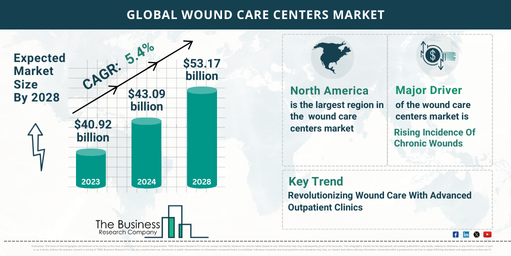
    The wound care centers market has experienced robust growth in recent years. From a market size of $40.92 billion in 2023, it is projected to grow to $43.09 billion in 2024, reflecting a compound annual growth rate (CAGR) of 5.3%. This upward trajectory is expected to continue, with the market anticipated to reach $53.18 billion by 2028, driven by a slightly higher CAGR of 5.4%.

    Factors Driving Market Growth

    • Increased Focus on Quality of Life: Improved quality of life for patients with chronic wounds is a significant driver.
    • Economic Burden of Chronic Wounds: The financial strain caused by chronic wounds propels the demand for specialized care.
    • Professional Training and Certification: Enhanced training and certification in wound care improve treatment outcomes.
    • Multidisciplinary Care Approach: A comprehensive approach to wound care, involving various healthcare professionals, is contributing to market growth.
    • Patient Advocacy and Support Groups: Support from advocacy groups is raising awareness and improving access to care.

    Future Growth Drivers

    • Rising Demand for Remote Monitoring: Technology-driven remote monitoring is expected to enhance patient care and support market growth.
    • Collaborative Care Models: Integration of collaborative care models in wound management is gaining traction.
    • Advanced Diagnostics: Innovations in diagnostics are expected to improve wound assessment and treatment.
    • Patient-Centric Care: A shift towards patient-centered care is anticipated to drive growth.
    • Focus on Preventive Care: Emphasis on preventing wound complications is shaping the future of wound care.

    View More On The Wound Care Centers Market Report 2024 – https://www.thebusinessresearchcompany.com/report/wound-care-centers-global-market-report

    Major Trends

    • Healthcare Policy and Reimbursement: Changes in policy and reimbursement practices are influencing the wound care market.
    • Public and Professional Education: Increased education for both the public and professionals is improving wound care practices.
    • 3D Printing Technology: Adoption of 3D printing technology for wound care solutions is becoming more common.
    • Integrated Healthcare Systems: The integration of healthcare systems is enhancing wound care management.
    • Sustainability and Innovation: Focus on sustainable practices and innovative solutions is driving the market forward.

    Rising Incidence of Chronic Wounds

    • Prevalence of Chronic Wounds: Chronic wounds, defined as those not healing within the expected timeframe, are becoming more common.
    • Impact of Diabetes and Obesity: The increasing prevalence of diabetes and obesity impairs healing processes, leading to a higher incidence of chronic wounds.
    • Psychosocial Support: Specialized centers provide both advanced treatments and psychosocial support to help patients manage the emotional aspects of their condition.
    • Current Statistics: As of July 2023, approximately 6.7 million people in the US are affected by chronic wounds, with an anticipated 2% annual increase over the next decade.

    Innovations in Wound Care

    • Advanced Outpatient Clinics: Companies are establishing specialized outpatient wound care clinics to handle complex cases more effectively.
    • Case Example: Jovive Health’s launch of outpatient clinics in Mission Viejo and Loma Linda, CA, features advanced wound assessment technologies and personalized treatment plans.

    Strategic Acquisitions

    • Personic Healthcare Expansion: In October 2023, Personic Healthcare acquired American Wound Care for $2 million, aiming to expand its range of services and expertise in wound management.

    Market Segmentation

    • By Type: Hospitals, Clinics
    • By Wound Type: Acute Wound, Chronic Wound
    • By Procedure: Debridement, Negative Pressure Wound Therapy, Compression Therapy, Hyperbaric Oxygen Therapy, Specialized Dressings, Infection Control

    Regional Insights

    • North America: The largest market in 2023.
    • Asia-Pacific: Expected to be the fastest-growing region in the forecast period.

    Conclusion

    The wound care centers market is set for significant growth, driven by factors such as increased demand for specialized care, technological advancements, and strategic industry developments. As the market evolves, continued focus on innovation and patient-centered care will be crucial in meeting the needs of those affected by chronic wounds.

    Request A Sample Of The Global Wound Care Centers Market Report 2024:
    https://www.thebusinessresearchcompany.com/sample_request?id=15963&type=smp

  • Top 5 Insights From The Adeno-Associated Viral Vectors Market Report 2024

    Top 5 Insights From The Adeno-Associated Viral Vectors Market Report 2024

    The Business Research Company’s global market reports are now updated with the latest market sizing information for the year 2024 and forecasted to 2033

    According to The Business Research Company’s Adeno-Associated Viral Vectors Global Market Report 2024, the adeno-associated viral vectors market is expected to show promising growth in the forecast period.

    The adeno-associated viral vectors (AAV) market has experienced substantial growth in recent years and is poised for continued expansion. This blog provides an overview of the market’s growth trajectory, key drivers, and future trends.

    Market Growth and Forecast

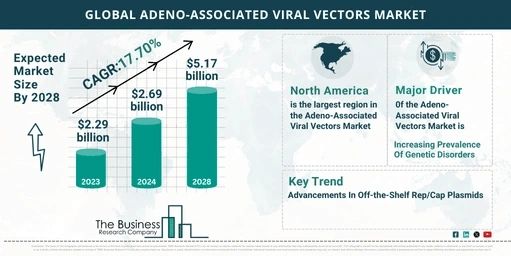
    • Current Market Size: The adeno-associated viral vectors market was valued at $2.29 billion in 2023.
    • Short-Term Growth: Expected to reach $2.69 billion in 2024, reflecting a robust compound annual growth rate (CAGR) of 17.6%.
    • Long-Term Outlook: Projected to grow to $5.17 billion by 2028, with a CAGR of 17.7%.

    Key Growth Drivers

    1. Vaccine Development and Clinical Trials
      • Increased investment in vaccine development and expansion of clinical trials have bolstered market growth.
      • Public awareness and advocacy have also contributed to the rising demand for AAV vectors.
    2. Therapeutic Applications
      • The market is driven by the expanding use of AAV vectors in gene therapy for genetic and neurological disorders.
      • Regulatory approvals and cost reductions in production are enhancing market growth.

    View More On The Adeno-Associated Viral Vectors Market Report 2024 – https://www.thebusinessresearchcompany.com/report/adeno-associated-viral-vectors-global-market-report

    Major Trends Shaping the Market

    1. Advancements in Gene Therapy
      • Innovations in gene therapy and scalable manufacturing processes are transforming treatment options.
      • Ongoing technological advancements are expected to drive future market growth.
    2. Technological Innovations
      • New developments in AAV vector technology are enhancing their efficacy and application scope.
    3. Collaborations and Investments
      • Increased collaborations and investments are accelerating research and development efforts in the field.

    Rising Prevalence of Genetic Disorders

    • Genetic Disorders: The growing prevalence of genetic disorders is a significant factor driving market growth.
    • Statistics: According to the World Health Organization, congenital diseases result in approximately 240,000 infant deaths annually, with an additional 170,000 child deaths between ages 1 month and 5 years.
    • AAV Applications: AAV vectors are critical in gene therapy for treating conditions like muscular dystrophy and cystic fibrosis.

    Key Players and Industry Developments

    1. Major Companies
      • Pfizer Inc., Astellas Pharma, Biogen Inc., and Charles River Laboratories International Inc., among others, are prominent players in the market.
      • These companies are investing in advancing AAV technologies and expanding their product offerings.
    2. Recent Developments
      • Charles River Laboratories: Acquired Vigene Biosciences Inc. in June 2021 for $292.5 million, enhancing their capabilities in cell and gene therapy.
      • Off-the-Shelf Rep/Cap Plasmids: Charles River introduced off-the-shelf replication-capsid plasmids in January 2024, streamlining AAV-based gene therapy initiatives and reducing manufacturing efforts.

    Market Segmentation

    1. By Type of Therapy
      • Gene Augmentation
      • Immunotherapy
      • Other Types of Therapies
    2. By Gene Delivery Method
      • Ex Vivo
      • In Vivo
    3. By Target Therapeutic Area
      • Genetic Disorders
      • Neurological Disorders
      • Hematological Disorders
      • Infectious Diseases
      • Metabolic Disorders
      • Ophthalmic Disorders
      • Muscle Disorders
    4. By Scale of Operation
      • Preclinical
      • Clinical
      • Commercial
    5. By Application Area
      • Gene Therapy
      • Cell Therapy
      • Vaccines

    Regional Insights

    • North America: The largest market for adeno-associated viral vectors in 2023.
    • Asia-Pacific: Expected to be the fastest-growing region in the forecast period, driven by increasing investments and rising healthcare infrastructure.

    Conclusion

    The adeno-associated viral vectors market is set for significant growth due to advancements in gene therapy, rising prevalence of genetic disorders, and increased regulatory support. Major players are focusing on innovative solutions and strategic acquisitions to strengthen their market position, while emerging trends and regional developments will shape the future landscape of the industry.

    Request A Sample Of The Global Adeno-Associated Viral Vectors Market Report 2024:
    https://www.thebusinessresearchcompany.com/sample_request?id=15969&type=smp

  • Growth Trajectory Of The Allogeneic Cell Therapy Market 2024-2033

    Growth Trajectory Of The Allogeneic Cell Therapy Market 2024-2033

    The Business Research Company’s global market reports are now updated with the latest market sizing information for the year 2024 and forecasted to 2033

    The allogeneic cell therapy market is experiencing rapid growth, driven by increased demand for advanced medical treatments and technological innovations. Here’s an overview of the current market trends, major players, and future outlook.

    Market Overview and Growth

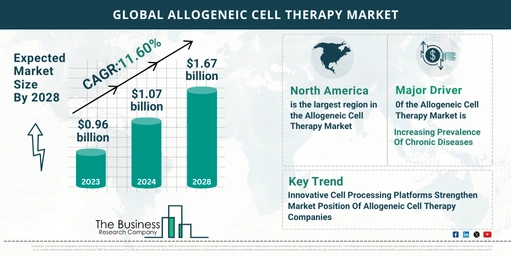
    • Current Market Size: The allogeneic cell therapy market was valued at $0.97 billion in 2023.
    • Short-Term Forecast: Expected to grow to $1.08 billion in 2024, with a compound annual growth rate (CAGR) of 11.3%.
    • Long-Term Forecast: Projected to reach $1.67 billion by 2028, driven by a CAGR of 11.6%.

    Drivers of Growth:

    • Increased Demand: Rising need for advanced treatments and novel therapies.
    • Clinical Trials: Growing number of clinical trials and increasing patient populations.
    • Income Levels: Higher income levels contribute to greater healthcare expenditure.

    Factors Influencing Growth

    • Tailored Treatments: Enhanced focus on personalized donor cell selection and genetic modifications.
    • Population Growth: Increasing global population and burden of chronic diseases.
    • Collaborations: Growing number of collaborations for biosimilar development and novel therapies.

    View More On The Allogeneic Cell Therapy Market Report 2024 – https://www.thebusinessresearchcompany.com/report/allogeneic-cell-therapy-global-market-report

    Impact of Chronic Diseases

    • Prevalence: Chronic diseases are on the rise due to lifestyle changes, environmental factors, and genetic predispositions.
    • Therapeutic Potential: Allogeneic cell therapy offers significant promise for treating chronic illnesses by repairing or replacing dysfunctional cells with healthy donor cells.
    • Future Projections: By 2050, the number of people over 50 suffering from chronic illnesses in the US is expected to nearly double, reaching 142.66 million.

    Major Players and Innovations

    Key Companies:

    • Novartis AG
    • Bristol Myers Squibb Company
    • Takeda Pharmaceutical Company Limited
    • Bluebird Bio Inc.
    • Poseida Therapeutics Inc.
    • Fate Therapeutics Inc.
    • Fortress Biotech Inc.
    • Sorrento Therapeutics Inc.
    • Eureka Therapeutics Inc.
    • Juno Therapeutics Inc.

    Recent Developments:

    • Innovative Platforms: Companies are developing advanced cell processing platforms. For instance, Getinge’s partnership with CellRev led to the launch of Livit ACE, a cutting-edge platform for continuous cell processing. This platform features advanced automation and bioprocessing technologies that improve efficiency and scalability in cell production.
    • Strategic Acquisitions: In November 2021, Takeda acquired GammaDelta Therapeutics to enhance its cell therapy and immuno-oncology capabilities, focusing on gamma-delta T cell therapies.

    Market Segmentation

    • By Type:
      • Stem Cell Therapies
      • Non-Stem Cell Therapies
    • By Therapeutic Area:
      • Hematological Disorders
      • Dermatological Disorders
      • Other Therapeutic Areas
    • By End User:
      • Hospitals
      • Specialty Clinics
      • Research Organizations

    Regional Insights

    • North America: Largest market in 2023 due to advanced healthcare infrastructure and high adoption rates.
    • Asia-Pacific: Expected to be the fastest-growing region in the forecast period, driven by increasing healthcare investments and expanding patient populations.

    Conclusion

    The allogeneic cell therapy market is poised for significant growth, fueled by advancements in technology, rising chronic disease prevalence, and increased demand for innovative treatments. With major companies investing in new platforms and strategic acquisitions, the market is set to expand rapidly, offering promising opportunities for both existing players and new entrants.

    Request A Sample Of The Global Allogeneic Cell Therapy Market Report 2024:
    https://www.thebusinessresearchcompany.com/sample_request?id=15976&type=smp

  • Growth Trajectory Of The Cell Separation Technologies Market 2024-2033

    Growth Trajectory Of The Cell Separation Technologies Market 2024-2033

    The Business Research Company’s global market reports are now updated with the latest market sizing information for the year 2024 and forecasted to 2033

    The cell separation technologies market has been on a rapid growth trajectory, driven by various factors ranging from advancements in medical research to increased funding. This blog explores the key trends, growth drivers, and market dynamics shaping this sector.

    Market Growth and Projections

    • Current and Future Market Size:
      • 2023: $8.64 billion
      • 2024: $10.07 billion
      • 2028: Expected to reach $18.69 billion
    • Compound Annual Growth Rate (CAGR):
      • 2023-2024: 16.5%
      • Forecast Period (2024-2028): 16.7%
    • Key Growth Drivers:
      • Rising investments in regenerative medicine research
      • Expansion in cancer diagnostics and treatment
      • Increasing prevalence of chronic diseases
      • Emergence of novel cell separation techniques
      • Supportive regulatory environment for cell therapy

    View More On The Cell Separation Technologies Market Report 2024 – https://www.thebusinessresearchcompany.com/report/cell-separation-technologies-global-market-report

    Key Market Trends

    • Artificial Intelligence and Machine Learning Integration: Enhancing precision and efficiency in cell separation.
    • Microfluidic-based Platforms: Offering more refined and versatile separation techniques.
    • Point-of-Care Devices: Developing portable and user-friendly cell separation tools.
    • Label-Free Separation Techniques: Improving the purity and accuracy of cell isolation.
    • Single-Cell Isolation Technologies: Allowing detailed analysis of individual cells.
    • Expansion in Regenerative Medicine and Stem Cell Research: Driving demand for advanced cell separation solutions.
    • Novel Cell Sorting Methods: Introducing innovative approaches to enhance cell separation capabilities.

    Impact of Chronic Diseases

    • Prevalence and Impact: Chronic diseases such as cancer, heart disease, diabetes, and arthritis are on the rise, significantly impacting the need for advanced cell separation technologies.
    • Market Influence: The increasing prevalence of chronic diseases, partly due to lifestyle and genetic factors, is driving demand for technologies that can isolate relevant cell types for better treatment solutions.
    • Future Projections: The number of individuals aged 50 and older with at least one chronic illness is projected to nearly double by 2050, further fueling the need for efficient cell separation solutions.

    Technological Innovations

    • Automated Cell Isolation Technology:
      • Example: Thermo Fisher Scientific’s Gibco CTS DynaCellect Magnetic Separation System, launched in October 2022, offers a precise, scalable, and flexible solution for cell isolation and therapy development.
    • Recent Acquisitions:
      • Gamma Biosciences and BioMagnetic Solutions: Acquired in January 2021, this acquisition aims to advance next-generation cell selection technologies, reflecting the ongoing innovation in the sector.

    Market Segmentation

    • By Product:
      • Instruments
      • Consumables
      • Reagents
    • By Technology:
      • Gradient Centrifugation
      • Surface Markers Separation
      • Fluorescence Activated Cell Sorting
      • Magnetic Cell Sorting
      • Filtration Based Separation
    • By Application:
      • Stem Cell Research
      • Immunology
      • Neuroscience
      • Cancer Research
      • Other Applications
    • By End-User:
      • Biotechnology and Pharmaceutical Companies
      • Hospitals and Diagnostic Laboratories
      • Academic and Research Institutes
      • Other End-Users

    Regional Insights

    • North America: Dominated the cell separation technologies market in 2023.
    • Asia-Pacific: Expected to be the fastest-growing region in the forecast period due to increased investment and growing healthcare infrastructure.

    Conclusion

    The cell separation technologies market is set to experience significant growth, driven by advances in medical research, increasing prevalence of chronic diseases, and technological innovations. With a focus on precision, automation, and novel techniques, the sector is poised for continued expansion, promising enhanced treatment options and improved patient outcomes.

    Request A Sample Of The Global Cell Separation Technologies Market Report 2024:
    https://www.thebusinessresearchcompany.com/sample_request?id=16013&type=smp

  • Carcinoembryonic Antigen Market Growth Analysis Till 2033 By The Business Research Company

    Carcinoembryonic Antigen Market Growth Analysis Till 2033 By The Business Research Company

    The Business Research Company’s market reports offer an in-depth analysis on the market’s growth potential, major drivers, key trends and more.

    The carcinoembryonic antigen (CEA) market has seen significant growth recently, and the trend is set to continue. The market’s expansion is driven by various factors including increasing cancer incidence and advancements in diagnostic technologies.

    Rapid Growth in Market Size

    • Current Market Size: The CEA market grew from $1.07 billion in 2023 to $1.22 billion in 2024.
    • Growth Rate: This represents a compound annual growth rate (CAGR) of 13.3%.
    • Historic Drivers: Growth has been fueled by global cancer prevalence, an aging population, awareness campaigns, improved healthcare infrastructure, and favorable reimbursement policies.

    Future Projections

    • Forecast Growth: The market is expected to reach $2.02 billion by 2028.
    • Future CAGR: This growth reflects a CAGR of 13.5%.
    • Future Drivers: The expansion is anticipated due to a heightened focus on early detection and prevention, expanding cancer screening programs, increasing patient demand for personalized medicine, and the rise in minimally invasive diagnostic procedures.

    Read More On The Carcinoembryonic Antigen Market Report 2024 – https://www.thebusinessresearchcompany.com/report/carcinoembryonic-antigen-global-market-report

    Key Market Trends

    • Personalized Medicine: Increased adoption is transforming treatment approaches.
    • Technological Advancements: Innovations in diagnostic platforms are improving accuracy.
    • AI and Big Data: Integration with artificial intelligence and big data is enhancing diagnostic capabilities.
    • Collaborations: Strategic partnerships and collaborations are on the rise.
    • Regulatory Changes: Evolving regulatory approvals and reimbursement policies are shaping the market.

    Increasing Incidence of Cancer

    • Rising Cases: The increase in global cancer incidence is a significant growth driver for the CEA market.
    • Statistical Insight: The World Health Organization projects around 35 million new cancer cases by 2050, up from 20 million in 2022.
    • Role of CEA: Carcinoembryonic antigen is crucial for monitoring disease progression and treatment effectiveness in cancer patients.

    Major Companies and Innovations

    • Key Players: Leading companies include F. Hoffmann-La Roche Ltd., Thermo Fisher Scientific Inc., Abbott Laboratories, and Merck KGaA among others.
    • Innovations: Companies are developing advanced tumor marker tests. For example, Boditech Med’s ichroma Tumor triple-M diagnostic kit, launched in October 2021, measures PSA, AFP, and CEA simultaneously, offering rapid and cost-effective cancer diagnostics.

    Strategic Acquisitions

    • Danaher Corporation: In December 2023, Danaher acquired Abcam Limited to enhance its life sciences and diagnostics portfolio.
    • Abcam’s Role: Abcam provides recombinant human CEA proteins, contributing to advancements in research and diagnostic capabilities.

    Market Segmentation

    • By Test Type: Molecular Tests, Serology Tests
    • By Gender: Male, Female
    • By Application: Includes Gastrointestinal Cancer, Colorectal Cancer, Pancreatic Cancer, Breast Cancer, Lung Cancer, Thyroid Cancer, Ovarian Cancer, and Other Applications
    • By End User: Hospitals, Diagnostic Centers, Cancer Centers, Research and Academic Institutes

    Regional Insights

    • Current Leading Region: North America was the largest market in 2023.
    • Future Growth: Asia-Pacific is expected to be the fastest-growing region during the forecast period.

    The carcinoembryonic antigen market is set for continued growth driven by advancements in technology, increasing cancer rates, and a shift towards more personalized and minimally invasive diagnostic approaches.

    Request for A Sample Of The Global Carcinoembryonic Antigen Market Report:
    https://www.thebusinessresearchcompany.com/sample_request?id=16011&type=smp

  • Biofuel Enzymes Market Report 2024: Market Size, Drivers, And Trends

    Biofuel Enzymes Market Report 2024: Market Size, Drivers, And Trends

    The Business Research Company’s global market reports are now updated with the latest market sizing information for the year 2024 and forecasted to 2033

    Market Overview

    The biofuel enzymes market has experienced robust growth in recent years, driven by a surge in demand for renewable energy sources and biofuel products. The market size is expected to grow from $1.60 billion in 2023 to $1.73 billion in 2024, reflecting a compound annual growth rate (CAGR) of 8.5%. This growth trajectory highlights the increasing consumer awareness of biodiesel additives, the rising demand for bio-based ethanol and biodiesel, and the broader shift towards renewable and sustainable energy solutions. Fuel-efficient automobiles and biofuels are becoming more integral, contributing to this upward trend.

    Future Growth Projections

    Looking ahead, the biofuel enzymes market is anticipated to reach $2.43 billion by 2028, with a CAGR of 8.8%. This forecasted growth is fueled by several factors including heightened demand for biodiesel, stringent environmental regulations, and a general transition towards biofuels. Key trends shaping this period include government mandates, advancements in enzyme technology, and increased strategic partnerships and acquisitions. Technological innovations in enzymatic production are also set to play a pivotal role in driving market expansion.

    View More On The Biofuel Enzymes Market Report 2024 – https://www.thebusinessresearchcompany.com/report/biofuel-enzymes-global-market-report

    Rising Demand for Biodiesel
    The burgeoning demand for biodiesel is a primary driver of the biofuel enzyme market. Biodiesel, derived from renewable biological sources such as vegetable oils and animal fats, addresses environmental concerns and supports sustainability. Government policies and incentives further bolster this demand. Biofuel enzymes enhance biodiesel production by improving efficiency, yield, and feedstock compatibility. For instance, the UK Department for Transport reported an increase in biodiesel availability from 1,329 million liters in 2021 to 1,500 million liters in 2022, underscoring the growing market for biodiesel and, by extension, biofuel enzymes.

    Major Companies and Innovations
    Several key players are instrumental in shaping the biofuel enzyme market. Prominent companies include BASF SE, AB Enzymes GmbH, Koninklijke DSM N.V., Novozymes A/S, and many others. These companies are at the forefront of developing advanced enzyme technologies. For example, Fermbox Bio Pvt. Ltd. launched EN3ZYME in May 2024, a sophisticated enzyme cocktail designed to enhance the efficiency of converting pretreated agricultural residues into fermentable sugars. This innovation is crucial for second-generation ethanol production and biomanufacturing, offering high stability and performance.

    Strategic Acquisitions
    Strategic acquisitions are another significant trend in the market. In December 2023, Versalis acquired DSM N.V.’s Proesa technology, which is pivotal for producing enzymes for second-generation ethanol. This acquisition allows Versalis to leverage DSM’s expertise in enzyme technology, further strengthening its position in sustainable bioethanol production.

    Market Segmentation
    The biofuel enzymes market is segmented into various categories:

    1. By Type: Amylases, Cellulases, Proteases, Lipases, and Other Types
    2. By Source: Microorganisms, Plants, and Animals
    3. By Reaction Type: Hydrolase, Lyase, and Other Reaction Types
    4. By Application: Biodiesel, Starch-Based Ethanol, Sugar-Based Ethanol, and Other Applications

    North America led the market in 2023, reflecting its advanced infrastructure and strong demand for biofuel enzymes.

    Conclusion

    The biofuel enzymes market is poised for significant growth, driven by increasing demand for biodiesel, advancements in enzyme technology, and strategic industry moves. As the sector continues to evolve, innovations and regulatory support will be critical in shaping the future of biofuel production and its environmental impact.

    Request A Sample Of The Global Biofuel Enzymes Market Report 2024:
    https://www.thebusinessresearchcompany.com/sample_request?id=15994&type=smp