Category: HealthcareServices

  • Global Explainable Artificial Intelligence For Diagnostics Market 2025–2029: Competitive Insights and Opportunities

    Global Explainable Artificial Intelligence For Diagnostics Market 2025–2029: Competitive Insights and Opportunities

    Unlock Global Insights – Save 20% on Market Reports with Code ONLINE20

    What Is The Expected Total Market Size Of The Explainable Artificial Intelligence For Diagnostics Industry By The Forecast Year 2029?

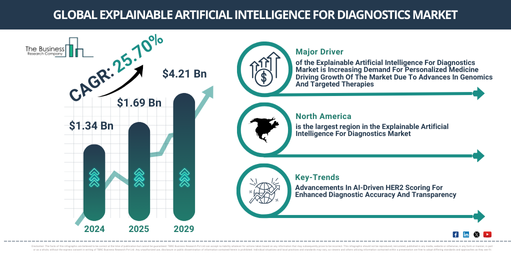
    The explainable artificial intelligence for diagnostics market has witnessed substantial expansion in its size over recent years. Its valuation is anticipated to rise from $1.34 billion in 2024 to $1.69 billion in 2025, reflecting a compound annual growth rate (CAGR) of 26.0%. Factors contributing to this historical growth include the escalating prevalence of chronic and lifestyle-related conditions, a heightened demand for early disease identification, greater patient consciousness regarding personalized care, the increasing necessity for accurate and efficient diagnostic capabilities, and the expanded utilization of medical imaging and pathology data.

    The explainable artificial intelligence for diagnostics market size is anticipated to undergo significant expansion in the foreseeable future. It is projected to achieve a value of $4.21 billion by 2029, demonstrating a compound annual growth rate (CAGR) of 25.7%. This anticipated growth is primarily driven by the increasing demand for explainable and interpretable AI solutions, the escalating need for personalized medicine, a rising emphasis on predictive analytics, growing regulatory support for AI-driven diagnostics, and the heightened desire for transparency in medical decision-making. Significant trends during this forecast period involve advancements in AI algorithms for transparent predictions, the integration of AI with medical imaging and genomics, the evolution of cloud-based AI diagnostic platforms, innovations in automated pathology scoring systems, and the development of user-friendly interpretability dashboards.

    Unlock Your Free Sample Report for Exclusive Market Data:

    https://www.thebusinessresearchcompany.com/sample.aspx?id=28216&type=smp

    What Are The Main Drivers Boosting The Explainable Artificial Intelligence For Diagnostics Industry’s Expansion?

    The rising need for personalized healthcare solutions is projected to drive the expansion of the explainable artificial intelligence for diagnostics market in the future. Personalized medicine, by definition, is a healthcare strategy that tailors prevention, diagnosis, and therapeutic interventions according to an individual’s unique genetic makeup, lifestyle choices, and environmental factors. The adoption of personalized medicine is growing due to progress in genomic data and sequencing technologies, which facilitate the development of more precise, targeted, and efficacious treatments customized for each patient. Explainable artificial intelligence in diagnostics supports personalized medicine by offering clear and understandable insights derived from patient-specific data, thereby informing bespoke treatment choices. As an illustration, in February 2024, the Personalized Medicine Coalition, a US-based non-profit organization, reported that in 2023, the FDA sanctioned 16 novel personalized treatments aimed at rare disease patients, marking an increase from six approvals in 2022. Among the new personalized treatments endorsed in 2023 were also seven medications for cancer and three for other medical conditions. Consequently, the expanding demand for personalized medicine is fueling the growth within the explainable artificial intelligence for diagnostics market.

    How Is The Explainable Artificial Intelligence For Diagnostics Market Segmented?

    The explainable artificial intelligence for diagnostics market covered in this report is segmented as

    1) By Component: Software, Hardware, Services

    2) By Deployment Mode: On-Premises, Cloud

    3) By Application: Medical Imaging, Pathology, Genomics, Risk Assessment, Treatment Recommendation, Other Applications

    4) By End-User: Hospitals, Diagnostic Laboratories, Research Institutes, Clinics, Other End-Users

    Subsegments:

    1) By Software: Machine Learning Platforms, Natural Language Processing Tools, Computer Vision Tools

    2) By Hardware: Imaging Devices, Computational Devices, Sensors And Scanners

    3) By Services: Consulting And Implementation, Maintenance And Support, Training And Education

    What Key Innovation Trends Are Fueling Advancements In The Explainable Artificial Intelligence For Diagnostics Market?

    Major companies operating in the explainable artificial intelligence for diagnostics market are concentrating on developing sophisticated methodologies, such as the AI-powered HER2 scoring algorithm, to enhance diagnostic precision, facilitate transparent decision-making, and support personalized cancer treatment. An AI-powered HER2 scoring algorithm refers to a machine learning-based system designed to analyze medical images, like breast cancer tissue samples, to automatically evaluate the level of HER2 protein expression, thereby providing accurate, consistent, and interpretable results to guide diagnosis and individualized treatment decisions. For instance, in July 2023, PathAI Inc., a US-based AI-driven digital pathology company, launched AIM-HER2 Breast Cancer to improve accurate HER2 status detection in breast cancer patients. This solution offers automated, reproducible HER2 scoring with explainable AI heatmaps that highlight key tissue features, consequently increasing diagnostic confidence and transparency. It analyzes entire breast cancer biopsy slides without the need for manual region selection, thereby streamlining pathologists’ workflow, especially in challenging borderline cases. This AI-enhanced tool aims to elevate the accuracy, efficiency, and trustworthiness in HER2 scoring for biopharma research and clinical laboratories.

    Which Global Market Leaders Are Shaping The Future Of The Explainable Artificial Intelligence For Diagnostics Sector?

    Major companies operating in the explainable artificial intelligence for diagnostics market are Fujitsu Limited, Koninklijke Philips N.V., Tempus AI, Owkin Inc., PathAI Inc., Aidoc Medical Ltd., Viz.ai Inc., Qure.ai Technologies Private Limited, Paige.AI Inc., Digital Diagnostics Inc., Enlitic, Aignostics GmbH, Proscia Inc., Corti ApS, Fiddler AI Inc., Riverain Technologies LLC, Arthur AI Inc., InData Labs, Ibex Medical Analytics Ltd., Mindpeak GmbH, and Therapixel SAS.

    Download The Full Report For Exclusive Market Findings:

    https://www.thebusinessresearchcompany.com/report/explainable-artificial-intelligence-for-diagnostics-global-market-report

    Which Region Is Expected To Witness The Fastest Growth In The Explainable Artificial Intelligence For Diagnostics Market?

    North America was the largest region in the explainable artificial intelligence for diagnostics market in 2024. Asia-Pacific is expected to be the fastest-growing region in the forecast period. The regions covered in explainable artificial intelligence for diagnostics report are Asia-Pacific, Western Europe, Eastern Europe, North America, South America, Middle East and Africa.

    Request A Customized Version Of The Explainable Artificial Intelligence For Diagnostics Market Report:

    https://www.thebusinessresearchcompany.com/customise?id=28216&type=smp

    Browse Through More Reports Similar to the Global Explainable Artificial Intelligence For Diagnostics Market 2025, By The Business Research Company

    Artificial Intelligence In The Diagnostic Global Market Report 2025

    https://www.thebusinessresearchcompany.com/report/artificial-intelligence-in-the-diagnostic-global-market-report

    Ai In Medical Diagnostics Global Market Report 2025

    https://www.thebusinessresearchcompany.com/report/ai-in-medical-diagnostics-global-market-report

    Artificial Intelligence In Healthcare Diagnosis Global Market Report 2025

    https://www.thebusinessresearchcompany.com/report/artificial-intelligence-in-healthcare-diagnosis-global-market-report

    Get in touch with us:

    The Business Research Company: https://www.thebusinessresearchcompany.com/

    Americas +1 310-496-7795

    Asia +44 7882 955267 & +91 8897263534

    Europe +44 7882 955267

    Email us at info@tbrc.info

    Follow us on:

    LinkedIn: https://in.linkedin.com/company/the-business-research-company

    YouTube: https://www.youtube.com/channel/UC24_fI0rV8cR5DxlCpgmyFQ

    Global Market Model: https://www.thebusinessresearchcompany.com/global-market-model
  • Expanded Carrier Screening Market Trends 2025–2029: Forecasts for Key Growth Segments

    Expanded Carrier Screening Market Trends 2025–2029: Forecasts for Key Growth Segments

    Unlock Global Insights – Save 20% on Market Reports with Code ONLINE20

    How Does The Market Size Of The Expanded Carrier Screening Industry Compare Between 2025 And 2029?

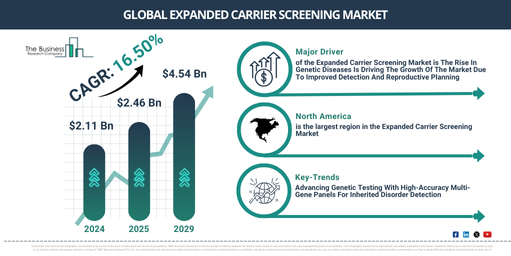
    The expanded carrier screening market size has experienced rapid growth in recent years. It is projected to expand from $2.11 billion in 2024 to $2.46 billion in 2025, demonstrating a compound annual growth rate (CAGR) of 16.9%. The market’s historical growth can be attributed to increased awareness of genetic disorders, the expanding availability of genetic counseling services, a rising demand for early diagnosis in reproductive health, the expansion of prenatal and preconception testing programs, and a growing preference for preventive healthcare.

    The expanded carrier screening market is projected for significant expansion over the coming years. Its valuation is anticipated to reach $4.54 billion by 2029, exhibiting a compound annual growth rate (CAGR) of 16.5%. This growth throughout the forecast period stems from various factors, including an escalating demand for individualized reproductive medicine, increased adoption of expanded carrier screening in developing economies, wider availability of at-home genetic testing solutions for consumers, an uptick in employer-provided genetic testing advantages, and a growing imperative to identify carriers within diverse populations. Key developments expected during this period involve technological progress in next-generation sequencing, the creation of AI-driven genetic risk prediction models, the evolution of point-of-care genetic testing systems, seamless integration with electronic health records, and breakthroughs in multiplexed genetic testing platforms.

    Unlock Your Free Sample Report for Exclusive Market Data:

    https://www.thebusinessresearchcompany.com/sample.aspx?id=28215&type=smp

    Which Factors And Drivers Are Influencing The Expanded Carrier Screening Market In 2025?

    The increasing occurrence of genetic conditions is anticipated to fuel the expansion of the expanded carrier screening market in the future. These disorders stem from DNA irregularities or changes within an individual, which might be inherited or develop without a prior family history. The detection rate of genetic diseases is on the rise, primarily due to enhancements in diagnostic tools, especially next-generation sequencing and other genomic technologies, which have greatly enhanced our capacity to pinpoint numerous genetic disorders that were previously missed or incorrectly identified. Expanded carrier screening plays a crucial role in identifying individuals who carry genetic disorders prior to the onset of symptoms, thereby facilitating well-informed reproductive choices and mitigating the likelihood of transmitting hereditary conditions to their offspring. An example demonstrating this trend is provided by the Cystic Fibrosis Trust, a UK-based organization assisting individuals with cystic fibrosis. As of October 2024, their data showed 11,148 registered cystic fibrosis patients in 2022, which subsequently increased to 11,318 in 2023, indicating a 1.5% year-over-year rise in patient registrations. Consequently, the growing occurrence of genetic conditions is a key factor propelling the expansion of the carrier screening market.

    What Are The Key Segments In The Expanded Carrier Screening Market?

    The expanded carrier screening market covered in this report is segmented as

    1) By Types: Customized Panel Testing, Predesigned Panel Testing

    2) By Technology: Deoxyribonucleic Acid Sequencing, Polymerase Chain Reaction, Microarrays, Other Technologies

    3) By Application: Preconception, Prenatal, Other Applications

    4) By End-User: Hospitals, Diagnostic Laboratories, Research Laboratories, Specialty Clinics, Other End-Users

    Subsegments:

    1) By Customized Panel Testing: Single Gene Testing, Multi-Gene Panel Testing, Ethnicity-Based Custom Panels, Condition-Specific Custom Panels, Family History-Based Custom Panels

    2) By Predesigned Panel Testing: Pan-Ethnic Panels, Universal Carrier Panels, Population-Specific Panels, Disorder-Focused Panels, Expanded Predefined Panels

    Which Ongoing Trends Are Expected To Shape The Expanded Carrier Screening Market Outlook?

    Prominent companies in the expanded carrier screening market are concentrating on developing innovative solutions, such as thorough next-generation sequencing-based panels, to detect various genetic conditions with enhanced accuracy and efficiency. Comprehensive next-generation sequencing (NGS)-based panels are advanced genetic tests that simultaneously analyze numerous genes to identify a wide range of inherited disorders with significant precision and speed. For example, in February 2023, Fulgent Genetics Inc., a US-based genomic testing firm, introduced the Beacon787 Expanded Carrier Screening Panel, which is designed to evaluate 787 genes connected to severe inherited conditions. This panel offers extensive coverage for over 700 autosomal recessive and X-linked disorders, including all Tier 3 genes. It leverages advanced next-generation sequencing technology, delivering high analytical accuracy, a pan-ethnic approach, and a quick turnaround time of 2–3 weeks, thereby establishing it as one of the most comprehensive and precise reproductive carrier screening solutions accessible.

    Which Industry Leaders Are Driving Innovation Across The Expanded Carrier Screening Market?

    Major companies operating in the expanded carrier screening market are Thermo Fisher Scientific Inc., Labcorp Holdings Inc., Quest Diagnostics Incorporated, Eurofins Scientific SE, Illumina Inc., Natera Inc., Myriad Genetics Inc., Fulgent Genetics Inc., BGI Genomics Co. Ltd., Ambry Genetics Corporation, GeneDx Inc., BillionToOne Inc., MedGenome Labs Ltd., Centogene N.V., Baylor Miraca Genetics Laboratories LLC, Victorian Clinical Genetics Services, Pathkind Diagnostics Private Limited, Medicover Genetics GmbH, NxGen MDx LLC, GeneTech

    Download The Full Report For Exclusive Market Findings:

    https://www.thebusinessresearchcompany.com/report/expanded-carrier-screening-global-market-report

    Which Global Regions Are Influencing The Competitive Landscape Of The Expanded Carrier Screening Market?

    North America was the largest region in the expanded carrier screening market in 2024. Asia-Pacific is expected to be the fastest-growing region in the forecast period. The regions covered in expanded carrier screening report are Asia-Pacific, Western Europe, Eastern Europe, North America, South America, Middle East and Africa.

    Request A Customized Version Of The Expanded Carrier Screening Market Report:

    https://www.thebusinessresearchcompany.com/customise?id=28215&type=smp

    Browse Through More Reports Similar to the Global Expanded Carrier Screening Market 2025, By The Business Research Company

    Carrier Screening Global Market Report 2025

    https://www.thebusinessresearchcompany.com/report/carrier-screening-global-market-report

    Security Screening Global Market Report 2025

    https://www.thebusinessresearchcompany.com/report/security-screening-global-market-report

    Wireless Telecommunication Carrier Global Market Report 2025

    https://www.thebusinessresearchcompany.com/report/wireless-telecommunication-carrier-global-market-report

    Get in touch with us:

    The Business Research Company: https://www.thebusinessresearchcompany.com/

    Americas +1 310-496-7795

    Asia +44 7882 955267 & +91 8897263534

    Europe +44 7882 955267

    Email us at info@tbrc.info

    Follow us on:

    LinkedIn: https://in.linkedin.com/company/the-business-research-company

    YouTube: https://www.youtube.com/channel/UC24_fI0rV8cR5DxlCpgmyFQ

    Global Market Model: https://www.thebusinessresearchcompany.com/global-market-model
  • Global Virtual Reality Vision Therapy Industry Trends: Where the Market Is Headed by 2029

    Global Virtual Reality Vision Therapy Industry Trends: Where the Market Is Headed by 2029

    Unlock Global Insights – Save 20% on Market Reports with Code ONLINE20

    How Much Was The Virtual Reality Vision Therapy Market Worth In 2025, And What Is Its Anticipated Value By 2029?

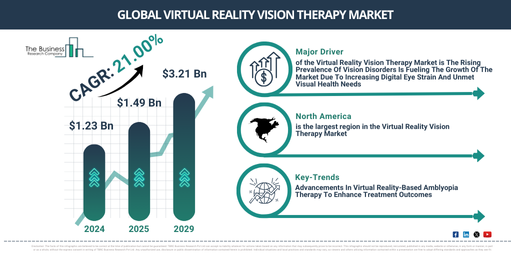
    The virtual reality vision therapy market has witnessed an exponential expansion in its size over recent years. Forecasts suggest it will grow from $1.23 billion in 2024 to $1.49 billion in 2025, achieving a compound annual growth rate (CAGR) of 21.4%. Historically, the market’s growth was driven by factors such as increasing awareness about vision disorders, the growing adoption of VR technology in ophthalmology, a rise in the prevalence of amblyopia and strabismus, government initiatives in support of digital therapeutics, and rising investments in research and development for vision therapy.

    The virtual reality vision therapy market is anticipated to experience substantial growth over the coming years. This market is projected to reach $3.21 billion by 2029, expanding at a compound annual growth rate (CAGR) of 21.0%. This expansion during the forecast period is driven by several factors, including the increasing acceptance of home-based VR vision therapy, the growing integration of AI and machine learning to provide personalized treatments, an escalating demand for telehealth and remote monitoring solutions, more frequent collaborations between VR developers and healthcare organizations, and improvements in the affordability and accessibility of VR therapy tools. Key trends emerging over the forecast period encompass the incorporation of artificial intelligence for adaptive therapeutic approaches, the creation of immersive and mixed reality applications, the utilization of eye-tracking and motion sensors to provide accurate feedback, cloud-based platforms designed for remote therapy oversight, and the gamification of vision therapy routines to boost patient engagement.

    Unlock Your Free Sample Report for Exclusive Market Data:

    https://www.thebusinessresearchcompany.com/sample.aspx?id=28359&type=smp

    What Are The Key Drivers Of Growth In The Virtual Reality Vision Therapy Market?

    The expanding occurrence of vision disorders is projected to fuel the advancement of the virtual reality vision therapy market moving forward. Vision disorders are conditions that obstruct clear sight, impacting sharpness, focus, or the extent of one’s vision. The escalation in vision disorders primarily stems from extended screen time, which strains the eyes and contributes to digital eye fatigue, thus compromising overall visual health. Virtual reality vision therapy addresses vision disorders by offering immersive exercises that enhance eye coordination, focus, and depth perception, simultaneously activating neural pathways to improve visual processing and general eye function. For instance, in August 2023, according to the World Health Organization, a Switzerland-based government organization, over 2.2 billion people globally experience vision impairment, affecting either near or distance vision. In nearly 1 billion of these situations, almost half, the impairment could have been avoided or remains untreated. Therefore, the increasing prevalence of vision disorders is propelling the growth of the virtual reality vision therapy market.

    What Are The Key Segments In The Virtual Reality Vision Therapy Market?

    The virtual reality vision therapy market covered in this report is segmented as

    1) By Product Type: Hardware, Software, Services

    2) By Therapy Type: Amblyopia, Strabismus, Convergence Insufficiency, Binocular Vision Dysfunction, Other Therapy Types

    3) By Distribution Channel: Direct Sales, Online Retail, Other Distribution Channels

    4) By End-User: Hospitals And Clinics, Vision Therapy Centers, Homecare Settings, Other End-Users

    Subsegments:

    1) By Hardware: Head-Mounted Displays (HMDs), Virtual Reality (VR) Glasses, Eye-Tracking Devices, Motion Sensors, Haptic Feedback Devices, Handheld Controllers

    2) By Software: Vision Therapy Applications, Virtual Reality (VR) Simulation Software, Eye Exercise Software, Gamified Vision Therapy Programs, Augmented Reality (AR) Integration Software

    3) By Services: Tele-Vision Therapy Services, Clinical Consultation Services, Rehabilitation Program Management, Training And Support Services, Software As A Service (SaaS) For Vision Therapy

    What Long-Term Trends Will Shape The Future Growth Of The Virtual Reality Vision Therapy Industry?

    Leading companies in the virtual reality vision therapy market are concentrating on developing advanced solutions, such as virtual reality-based amblyopia therapy, to boost treatment adherence and achieve better visual outcomes. This virtual reality amblyopia therapy works by engaging the weaker eye through immersive visual exercises to enhance focus, coordination, and depth perception, simultaneously stimulating neural pathways to improve visual processing and overall vision. For instance, in April 2025, Luminopia, Inc., a US-based digital therapeutics company, obtained approval from the Food and Drug Administration (FDA) for amblyopia treatment for children aged 8 to 12 years, expanding upon its prior clearance for ages 4 to 7. This authorization is supported by robust real-world evidence from Luminopia’s PUPiL Registry and clinical trials. Luminopia’s digital therapy utilizes a VR headset, allowing patients to watch familiar TV shows while therapeutic algorithms activate both eyes to enhance vision in children with amblyopia connected to anisometropia and mild strabismus.

    Who Are The Major Companies Operating In The Virtual Reality Vision Therapy Market?

    Major companies operating in the virtual reality vision therapy market are Meta Platforms Inc., Tobii AB, Varjo Technologies Inc., XRHealth Ltd., BIOPAC Systems Inc., VR Vision Group, Floreo Inc., AmblyoPlay, Vivid Vision Inc., Luminopia Inc., NovaSight Inc., Virtualis VR Corp., Wow Vision Therapy, Cognihab Inc., Fusion VR, Rendever Inc., Computer Orthoptics Inc., SyncThink Inc., NeuraSim Private Limited, and Coleman Vision.

    Download The Full Report For Exclusive Market Findings:

    https://www.thebusinessresearchcompany.com/report/virtual-reality-vision-therapy-global-market-report

    Which Region Is Expected To Witness The Fastest Growth In The Virtual Reality Vision Therapy Market?

    North America was the largest region in the virtual reality vision therapy market in 2024. Asia-Pacific is expected to be the fastest-growing region in the forecast period. The regions covered in virtual reality vision therapy report are Asia-Pacific, Western Europe, Eastern Europe, North America, South America, Middle East and Africa.

    Request A Customized Version Of The Virtual Reality Vision Therapy Market Report:

    https://www.thebusinessresearchcompany.com/customise?id=28359&type=smp

    Browse Through More Reports Similar to the Global Virtual Reality Vision Therapy Market 2025, By The Business Research Company

    Virtual Reality In Healthcare Global Market Report 2025

    https://www.thebusinessresearchcompany.com/report/virtual-reality-in-healthcare-global-market-report

    Virtual Rehabilitation Global Market Report 2025

    https://www.thebusinessresearchcompany.com/report/virtual-rehabilitation-global-market-report

    Virtual Reality Services Global Market Report 2025

    https://www.thebusinessresearchcompany.com/report/virtual-reality-services-global-market-report

    Get in touch with us:

    The Business Research Company: https://www.thebusinessresearchcompany.com/

    Americas +1 310-496-7795

    Asia +44 7882 955267 & +91 8897263534

    Europe +44 7882 955267

    Email us at info@tbrc.info

    Follow us on:

    LinkedIn: https://in.linkedin.com/company/the-business-research-company

    YouTube: https://www.youtube.com/channel/UC24_fI0rV8cR5DxlCpgmyFQ

    Global Market Model: https://www.thebusinessresearchcompany.com/global-market-model
  • Edema Clinical Trials Market Size Forecast: Revenue and CAGR by 2029

    Edema Clinical Trials Market Size Forecast: Revenue and CAGR by 2029

    Unlock Global Insights – Save 20% on Market Reports with Code ONLINE20

    What Market Value Is The Edema Clinical Trials Industry Expected To Reach By 2029, Starting From 2025 Levels?

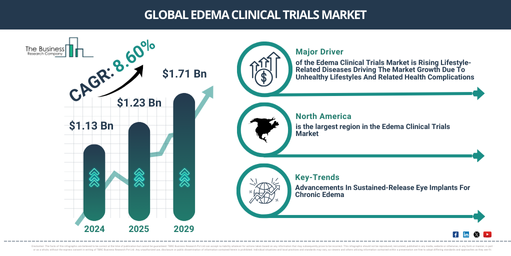
    The edema clinical trials market has seen robust growth over the past few years. It is anticipated to expand from $1.13 billion in 2024 to $1.23 billion in 2025, showing a compound annual growth rate (CAGR) of 8.9%. This historical growth can be attributed to several factors including the rising prevalence of edema conditions, an increasing burden of chronic diseases, greater healthcare awareness and improved diagnosis, a significant expansion of healthcare infrastructure, an aging global population, and increased funding from both public and private sources.

    The edema clinical trials market is projected to experience robust expansion in the coming years. By 2029, its valuation is anticipated to reach $1.71 billion, exhibiting a compound annual growth rate (CAGR) of 8.6%. This forecasted growth stems from several factors, including an increasing demand for personalized medicine, a heightened focus on diversifying patient recruitment, a rise in decentralized and virtual clinical trials, the proliferation of government support programs, and increased investment from global pharmaceutical firms. Significant trends during this period are expected to encompass technological progress in remote monitoring, breakthroughs in digital biomarkers, the evolution of artificial intelligence analytics, improvements in three-dimensional imaging, intensive research and development in personalized therapies, and the incorporation of telemedicine into trials.

    Unlock Your Free Sample Report for Exclusive Market Data:

    https://www.thebusinessresearchcompany.com/sample.aspx?id=28211&type=smp

    What Are The Drivers Pushing New Developments In The Edema Clinical Trials Market?

    A rise in lifestyle-related diseases is projected to boost the expansion of the edema clinical trials market in the future. These diseases are conditions stemming from everyday habits and decisions, such as a sedentary lifestyle, poor dietary choices, and substance abuse. The prevalence of lifestyle illnesses is on the rise, primarily due to poor eating habits, with the extensive intake of processed and calorie-dense foods leading to issues like obesity, diabetes, and cardiovascular conditions. Edema clinical trials aid in managing lifestyle-related diseases by creating and evaluating therapies aimed at resolving fluid accumulation associated with obesity, diabetes, and cardiovascular disorders. For example, in March 2024, data from the Office for Health Improvement & Disparities, a UK-based government department, revealed that from March 2022 to March 2023, there was a 22% increase in the proportion of individuals with type 1 diabetes receiving all eight recommended care processes, and a 21% increase for those with type 2 diabetes. Concurrently, the proportion reaching target HbA1c levels climbed to 37.9%, which was the highest figure ever recorded by the National Diabetes Audit (NDA). Consequently, the growing occurrence of lifestyle-related diseases is fueling the expansion of the edema clinical trials market.

    What Are The Primary Types Of Segments Analyzed In The Edema Clinical Trials Market?

    The edema clinical trials market covered in this report is segmented as

    1) By Phase: Phase I, Phase II, Phase III, Phase IV

    2) By Type: Peripheral Edema, Pulmonary Edema, Cerebral Edema, Nephrotic Syndrome Edema

    3) By Study Design: Interventional, Observational, Expanded Access

    4) By Participant: Pediatrics, Adults, Geriatrics

    5) By End User: Pharmaceutical Companies, Research Institutions, Contract Research Organizations (CROs), Academic Research Centers

    Subsegments:

    1) By Phase I: Single Ascending Dose, Multiple Ascending Dose

    2) By Phase II: Proof of Concept, Phase IIb Dose Optimization

    3) By Phase III: Pivotal Efficacy Trials, Comparative Trials

    4) By Phase IV: Post-Marketing Surveillance, Long-Term Safety Studies

    How Are Emerging Market Trends Shaping The Edema Clinical Trials Industry Landscape?

    Leading firms within the edema clinical trials market are concentrating on creating novel solutions, notably refillable ocular implants, to enhance the effectiveness of treatment and patient adherence in addressing chronic eye conditions linked to edema. This type of implant is a medical device placed in the eye designed to deliver medication continuously for prolonged durations, enabling regular drug refills without requiring the implant’s removal or replacement, thereby providing ongoing treatment for conditions such as macular edema. As an illustration, in February 2025, Roche Holding AG, a pharmaceutical firm based in Switzerland, gained FDA approval for Susvimo, recognized as the inaugural and sole continuous delivery therapy for diabetic macular edema (DME) and diabetic retinopathy (DR), which are significant contributors to diabetes-induced blindness. This offers a substitute for numerous eye injections by requiring considerably fewer yearly treatments. This groundbreaking approval signifies a notable progression in ophthalmic treatment, given that Susvimo’s implantable delivery mechanism aids in boosting patient compliance and lessening the demands of treatment, potentially leading to improved long-term results for those affected by these persistent ocular conditions.

    Who Are The Primary Competitors In The Global Edema Clinical Trials Market?

    Major companies operating in the edema clinical trials market are Roche Holding AG, Merck & Co. Inc., AbbVie Inc., Bayer AG, Novartis International AG, CSL Limited, Regeneron Pharmaceuticals Inc., Boehringer Ingelheim International GmbH, Genentech Inc., Ionis Pharmaceuticals Inc., ANI Pharmaceuticals Inc., BioCryst Pharmaceuticals Inc., Tactile Medical, REGENXBIO Inc., Koya Medical Inc., KalVista Pharmaceuticals Inc., Kodiak Sciences Inc., Pharvaris B.V., Oxurion NV, Outlook Therapeutics Inc., Adverum Biotechnologies Inc., Oculis Holding AG.

    Download The Full Report For Exclusive Market Findings:

    https://www.thebusinessresearchcompany.com/report/edema-clinical-trials-global-market-report

    Which Geographies Are Emerging As Strong Markets For The Edema Clinical Trials Industry?

    North America was the largest region in the edema clinical trials market in 2024. Asia-Pacific is expected to be the fastest-growing region in the forecast period. The regions covered in edema clinical trials report are Asia-Pacific, Western Europe, Eastern Europe, North America, South America, Middle East and Africa.

    Request A Customized Version Of The Edema Clinical Trials Market Report:

    https://www.thebusinessresearchcompany.com/customise?id=28211&type=smp

    Browse Through More Reports Similar to the Global Edema Clinical Trials Market 2025, By The Business Research Company

    Ecoa Esource And Clinical Trials Global Market Report 2025

    https://www.thebusinessresearchcompany.com/report/ecoa-esource-and-clinical-trials-global-market-report

    Cardiovascular Clinical Trials Global Market Report 2025

    https://www.thebusinessresearchcompany.com/report/cardiovascular-clinical-trials-global-market-report

    Healthcare Edi Global Market Report 2025

    https://www.thebusinessresearchcompany.com/report/healthcare-edi-global-market-report

    Get in touch with us:

    The Business Research Company: https://www.thebusinessresearchcompany.com/

    Americas +1 310-496-7795

    Asia +44 7882 955267 & +91 8897263534

    Europe +44 7882 955267

    Email us at info@tbrc.info

    Follow us on:

    LinkedIn: https://in.linkedin.com/company/the-business-research-company

    YouTube: https://www.youtube.com/channel/UC24_fI0rV8cR5DxlCpgmyFQ

    Global Market Model: https://www.thebusinessresearchcompany.com/global-market-model
  • Virtual Reality Phantom Limb Pain Therapy Market Growth Opportunities: Insights from 2025–2029

    Virtual Reality Phantom Limb Pain Therapy Market Growth Opportunities: Insights from 2025–2029

    Unlock Global Insights – Save 20% on Market Reports with Code ONLINE20

    By How Much Is The Virtual Reality Phantom Limb Pain Therapy Market Expected To Expand Between 2025 And 2029?

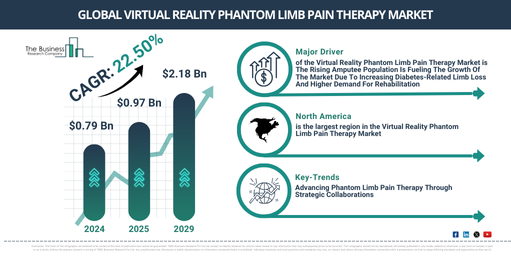
    The virtual reality phantom limb pain therapy market size has seen substantial expansion over recent years. Its valuation is anticipated to climb from $0.79 billion in 2024 to $0.97 billion in 2025, exhibiting a compound annual growth rate (CAGR) of 22.9%. This historical growth can be linked to the rising number of amputees experiencing phantom limb pain, increased recognition of non-pharmacological pain relief options, the integration of VR-based mirror therapy into clinical practice, a surge in research and clinical trials affirming VR therapy’s efficacy, and expanded investments in rehabilitation technologies.

    The virtual reality phantom limb pain therapy market is projected for significant expansion in the coming years. This market is set to reach $2.18 billion by 2029, exhibiting a robust compound annual growth rate (CAGR) of 22.5%. Factors driving this growth during the forecast period include the increasing adoption of home-based VR phantom limb pain therapy, the incorporation of AI and motion tracking for tailored treatment, increased partnerships between VR providers and healthcare facilities, a surging need for remote oversight and tele-rehabilitation, and improved accessibility and ease of transport for VR therapy devices. Key trends anticipated for this period involve the use of immersive VR environments to alleviate pain, motion sensors for precise limb tracking, artificial intelligence for customized therapeutic approaches, gamified exercises designed to boost patient involvement, and cloud-based platforms facilitating remote patient monitoring.

    Unlock Your Free Sample Report for Exclusive Market Data:

    https://www.thebusinessresearchcompany.com/sample.aspx?id=28357&type=smp

    What Are The Emerging Market Drivers Creating New Opportunities In The Virtual Reality Phantom Limb Pain Therapy Industry?

    The increasing number of individuals with limb loss is anticipated to drive the expansion of the virtual reality phantom limb pain therapy market moving forward. This demographic encompasses all persons who have experienced either partial or complete limb amputation, representing the primary target for specialized rehabilitation and therapeutic care. The growth in the amputee population stems from the escalating incidence of diabetes, which often results in complications like inadequate circulation and neural damage, leading to a greater number of limb amputations and an elevated need for rehabilitation and prosthetic services. Virtual reality phantom limb pain therapy offers a solution for the amputee community by delivering immersive, interactive settings designed to re-educate the brain, diminish the sensation of pain, and enhance patients’ overall quality of life. For instance, in February 2024, according to the Amputee Coalition, a US-based nonprofit organization, more than 5.6 million Americans live with limb loss or limb differences, including around 2.3 million people with limb loss and approximately 3.4 million with limb differences. Consequently, the growing amputee population is fueling the development of the virtual reality phantom limb pain therapy market.

    What Are The Major Segment Categories Driving The Virtual Reality Phantom Limb Pain Therapy Market Growth?

    The virtual reality phantom limb pain therapy market covered in this report is segmented as

    1) By Technology: Hardware, Software, Services

    2) By Therapy Type: Immersive Virtual Reality (VR) Therapy, Non-Immersive Virtual Reality (VR) Therapy, Mixed Reality Therapy

    3) By Patient Type: Upper Limb Amputees, Lower Limb Amputees

    4) By Application: Hospitals, Rehabilitation Centers, Homecare Settings, Other Applications

    Subsegments:

    1) By Hardware: Head-Mounted Displays (HMDs), Motion Tracking Sensors, Haptic Feedback Devices, Virtual Reality (VR) Gloves, Virtual Reality (VR) Treadmills, Eye-Tracking Devices

    2) By Software: Immersive Virtual Reality (VR) Therapy Applications, Non-Immersive Virtual Reality (VR) Therapy Applications, Mixed Reality Therapy Applications, artificial intelligence (AI)-Based Therapy Modules, Gamified Rehabilitation Software

    3) By Services: Clinical Implementation Services, Remote Patient Monitoring Services, Maintenance And Support Services, Training And Consultation Services, Therapy Customization Services

    How Are Trends Influencing The Virtual Reality Phantom Limb Pain Therapy Market?

    Leading firms within the virtual reality phantom limb pain therapy market are prioritizing strategic collaborations to improve their product portfolios and expand their reach in the market more quickly. These alliances represent structured cooperation between multiple entities, leveraging their respective strengths, assets, or specialized knowledge to achieve shared business objectives. Such partnerships foster quicker innovation, wider market presence, and a competitive edge, distinct from complete mergers or acquisitions. As an illustration, in December 2022, academics from the University of Texas at Dallas, a research body in the US, teamed up with the Veterans Affairs (VA) North Texas Health Care System, a US healthcare provider. Their collaboration led to the introduction of the Mixed Reality System for Managing Phantom Pain (Mr. MAPP), marking a significant stride in virtual treatment for phantom limb pain. Mr. MAPP integrates a VR headset, camera, and laptop to construct a three-dimensional virtual representation of an amputee’s absent limb. This setup enables users to participate in virtual activities designed to assist the brain in resolving conflicting pain signals resulting from amputation. The objective of this alliance is to deliver an accessible and engaging at-home alternative to conventional mirror therapy, aiming to alleviate pain, enhance functionality, and present a viable non-opioid treatment solution for phantom limb pain.

    Who Are The Core Companies Influencing The Virtual Reality Phantom Limb Pain Therapy Market Landscape?

    Major companies operating in the virtual reality phantom limb pain therapy market are Samsung Electronics Co Ltd, Lenovo Group Ltd, Mayo Clinic, The University of Texas at Dallas, Shirley Ryan AbilityLab, HTC Corporation, MindMaze SA, XRHealth Inc., HaptX Inc., Limber Health Inc., Virtualis, LimbPower Limited, OrthoCarolina Research Institute Inc., Karuna Labs Inc., Neuro Rehab VR, Tongji Hospital/University of Science and Technology of China, Bionic Hope Private Limited, Instalimb, Khymeia Group, and Veterans Affairs (VA) North Texas Health Care System.

    Download The Full Report For Exclusive Market Findings:

    https://www.thebusinessresearchcompany.com/report/virtual-reality-phantom-limb-pain-therapy-global-market-report

    Which Region Shows The Highest Potential For Future Expansion In The Virtual Reality Phantom Limb Pain Therapy Market?

    North America was the largest region in the virtual reality phantom limb pain therapy market in 2024. The regions covered in virtual reality phantom limb pain therapy report are Asia-Pacific, Western Europe, Eastern Europe, North America, South America, Middle East and Africa.

    Request A Customized Version Of The Virtual Reality Phantom Limb Pain Therapy Market Report:

    https://www.thebusinessresearchcompany.com/customise?id=28357&type=smp

    Browse Through More Reports Similar to the Global Virtual Reality Phantom Limb Pain Therapy Market 2025, By The Business Research Company

    Virtual Rehabilitation Global Market Report 2025

    https://www.thebusinessresearchcompany.com/report/virtual-rehabilitation-global-market-report

    Virtual Reality Vr In Medical Simulation Global Market Report 2025

    https://www.thebusinessresearchcompany.com/report/virtual-reality-vr-in-medical-simulation-global-market-report

    Virtual Reality In Healthcare Global Market Report 2025

    https://www.thebusinessresearchcompany.com/report/virtual-reality-in-healthcare-global-market-report

    Get in touch with us:

    The Business Research Company: https://www.thebusinessresearchcompany.com/

    Americas +1 310-496-7795

    Asia +44 7882 955267 & +91 8897263534

    Europe +44 7882 955267

    Email us at info@tbrc.info

    Follow us on:

    LinkedIn: https://in.linkedin.com/company/the-business-research-company

    YouTube: https://www.youtube.com/channel/UC24_fI0rV8cR5DxlCpgmyFQ

    Global Market Model: https://www.thebusinessresearchcompany.com/global-market-model
  • Virtual Reality Motion Desensitization Platform Market Expansion Outlook: $4.51 Billion by 2029 Forecast

    Virtual Reality Motion Desensitization Platform Market Expansion Outlook: $4.51 Billion by 2029 Forecast

    Unlock Global Insights – Save 20% on Market Reports with Code ONLINE20

    #What Is The Projected Market Size Of The Virtual Reality Motion Desensitization Platform Market By 2029?

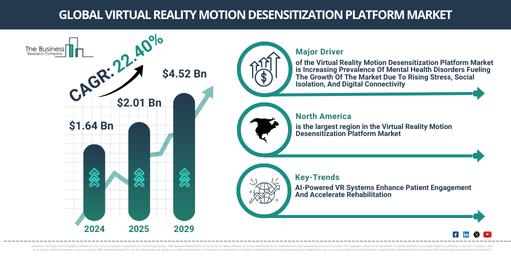
    The virtual reality motion desensitization platform market has seen substantial expansion in recent years. Its valuation is set to increase from $1.64 billion in 2024 to $2.01 billion in 2025, exhibiting a compound annual growth rate (CAGR) of 22.7%. The market’s past growth can be attributed to several factors, including the rising integration of virtual reality in healthcare, an escalating preference for non-pharmacological treatment methods, heightened public understanding of motion sickness disorders, increased capital committed to immersive therapeutic approaches, and a growing necessity for tailored rehabilitation plans.

    The market size for virtual reality motion desensitization platforms is poised for significant expansion in the upcoming years. It is forecast to achieve a valuation of $4.52 billion by 2029, growing at a compound annual growth rate (CAGR) of 22.4%. This anticipated growth during the forecast period is propelled by the increasing adoption of virtual reality-based therapeutic solutions, a rising demand for remote and home-based therapy options, escalating investments in virtual reality healthcare startups, and heightened awareness regarding mental health and motion disorders. Prominent trends for the forecast period include advancements in immersive virtual reality experiences, the integration of AI for personalized therapy, innovation within wearable and haptic devices, a growing uptake of cloud-based virtual reality platforms, and the incorporation of real-time patient monitoring systems.

    Unlock Your Free Sample Report for Exclusive Market Data:

    https://www.thebusinessresearchcompany.com/sample.aspx?id=28356&type=smp

    Which Drivers Are Impacting The Virtual Reality Motion Desensitization Platform Market?

    The escalating occurrence of mental health ailments is projected to fuel the expansion of the virtual reality motion desensitization platform market moving forward. Mental health disorders are conditions that profoundly affect a person’s emotions, thought processes, behavior, and overall psychological state. The increase in these disorders is attributed to heightened stress from modern lifestyles, encompassing work pressures, social isolation, and constant digital connectivity. Virtual reality motion desensitization platforms provide support for mental health disorders by delivering immersive and controlled environments, proving ideal for therapies related to anxiety, phobias, and PTSD. They mitigate psychological distress through gradual exposure and adaptive treatment, leading to improved patient outcomes and engagement. For example, in May 2024, the American Psychiatric Association, a US-based non-profit organization, reported that 43% of adults felt more anxious than they did the prior year, marking an increase from 37% in 2023 and 32% in 2022. Thus, the rising prevalence of mental health disorders is driving the virtual reality motion desensitization platform market.

    How Is The Virtual Reality Motion Desensitization Platform Market Segmented?

    The virtual reality motion desensitization platform market covered in this report is segmented as

    1) By Component: Hardware, Software, Services

    2) By Deployment Mode: On-Premises, Cloud-Based

    3) By Application: Healthcare And Therapy, Gaming And Entertainment, Education And Training, Military And Defense, Other Applications

    4) By End-User: Hospitals And Clinics, Rehabilitation Centers, Academic And Research Institutes, Military Organizations, Other End-Users

    Subsegments:

    1) By Hardware: Head Mounted Display, Sensors, Tracking Devices, Haptic Devices

    2) By Software: Virtual Reality Applications, Simulation Software, Analytics Software, Therapy Management Software

    3) By Services: Consulting Services, Maintenance Services, Training Services, Support Services

    What Key Innovation Trends Are Fueling Advancements In The Virtual Reality Motion Desensitization Platform Market?

    Companies operating in the virtual reality motion desensitization platform market are increasingly focused on developing advanced solutions, such as AI-powered personalized therapy systems. This strategic direction aims to enhance treatment effectiveness, boost patient engagement, and diminish therapeutic barriers and adaptation periods. Artificial intelligence (AI)-powered personalized therapy systems are defined as sophisticated virtual reality platforms that utilize AI to construct customized therapeutic environments and scenarios. These are specifically tailored to meet individual patient needs, thereby optimizing desensitization and rehabilitation outcomes. For example, in September 2024, Interacoustics A/S, a medical equipment manufacturer based in Denmark, introduced its Virtualis balance rehabilitation solutions. The Virtualis system integrates fully immersive virtual reality with dynamic posturography force plates, replicating real-life settings to foster rehabilitation strategies like adaptation, substitution, and habituation. It incorporates AI-driven adaptive modules, such as SkiVR and MotionVR, which automatically adjust training intensity based on patient performance, allowing for precise and motivating balance rehabilitation without the need for constant clinician intervention. Additionally, the system facilitates accurate motion desensitization for vestibular disorders through carefully graded VR exposure.

    Which Major Industry Participants Are Leading The Virtual Reality Motion Desensitization Platform Market Growth?

    Major companies operating in the virtual reality motion desensitization platform market are MindMaze SA, XRHealth Ltd., Bertec Corporation, NeuroSync Inc., Virtual Reality Medical Center Inc., PsyTech VR Inc., C2Care, Virtually Better Inc., Cyclops Medtech Pvt. Ltd., Kinequantum, Neuroequilibrium, Saebo Inc., Kinesix VR, Rey, Rewin Health, and PhysioSensing Vertigo.

    Download The Full Report For Exclusive Market Findings:

    https://www.thebusinessresearchcompany.com/report/virtual-reality-motion-desensitization-platform-global-market-report

    How Is Virtual Reality Motion Desensitization Platform Market Demand Varying Across Different Regions?

    North America was the largest region in the virtual reality motion desensitization platform market in 2024. The regions covered in virtual reality motion desensitization platform report are Asia-Pacific, Western Europe, Eastern Europe, North America, South America, Middle East and Africa.

    Request A Customized Version Of The Virtual Reality Motion Desensitization Platform Market Report:

    https://www.thebusinessresearchcompany.com/customise?id=28356&type=smp

    Browse Through More Reports Similar to the Global Virtual Reality Motion Desensitization Platform Market 2025, By The Business Research Company

    Virtual Reality Software Global Market Report 2025

    https://www.thebusinessresearchcompany.com/report/virtual-reality-software-global-market-report

    Virtual Reality Services Global Market Report 2025

    https://www.thebusinessresearchcompany.com/report/virtual-reality-services-global-market-report

    Virtual Reality Devices Global Market Report 2025

    https://www.thebusinessresearchcompany.com/report/virtual-reality-devices-global-market-report

    Get in touch with us:

    The Business Research Company: https://www.thebusinessresearchcompany.com/

    Americas +1 310-496-7795

    Asia +44 7882 955267 & +91 8897263534

    Europe +44 7882 955267

    Email us at info@tbrc.info

    Follow us on:

    LinkedIn: https://in.linkedin.com/company/the-business-research-company

    YouTube: https://www.youtube.com/channel/UC24_fI0rV8cR5DxlCpgmyFQ

    Global Market Model: https://www.thebusinessresearchcompany.com/global-market-model
  • Global Virtual Reality (VR)-Based Balance Confidence Training Platform Industry Trends: Where the Market Is Headed by 2029

    Global Virtual Reality (VR)-Based Balance Confidence Training Platform Industry Trends: Where the Market Is Headed by 2029

    Unlock Global Insights – Save 20% on Market Reports with Code ONLINE20

    How Much Was The Virtual Reality (VR)-Based Balance Confidence Training Platform Market Worth In 2025, And What Is Its Anticipated Value By 2029?

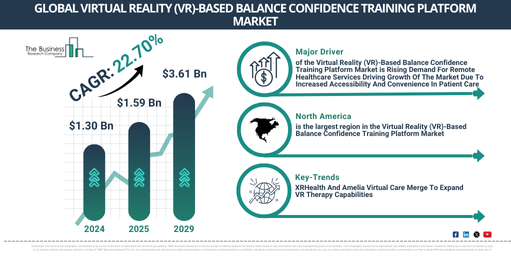
    The virtual reality (VR)-based balance confidence training platform market has experienced significant growth in recent years. This market is expected to expand from $1.30 billion in 2024 to $1.59 billion in 2025, achieving a compound annual growth rate (CAGR) of 23.0%. The historical growth can be attributed to several factors, including the increasing integration of VR in rehabilitation centers, its growing application in post-stroke recovery, the rising demand for mobility solutions for the elderly, heightened awareness of fall prevention programs, and the increasing clinical validation of VR therapies.

    The virtual reality (VR)-based balance confidence training platform market size is projected to experience substantial growth in the upcoming years. It is expected to expand to $3.61 billion by 2029, demonstrating a compound annual growth rate (CAGR) of 22.7%. This anticipated growth during the forecast period is driven by factors such as increasing investment in immersive balance training, the growing adoption of home-based VR therapy, the expanding integration of wearable motion sensors, a rise in collaborations between VR developers and healthcare providers, and a greater emphasis on personalized patient rehabilitation. Notable trends for the forecast period include advancements in motion tracking accuracy, the integration of AI-driven therapy personalization, innovation in gamified rehabilitation modules, the development of lightweight portable VR devices, and progress in real-time patient analytics.

    Unlock Your Free Sample Report for Exclusive Market Data:

    https://www.thebusinessresearchcompany.com/sample.aspx?id=28355&type=smp

    Which Industry Drivers Are Expected To Accelerate The Virtual Reality (VR)-Based Balance Confidence Training Platform Market From 2025 To 2029?

    The expanding need for remote healthcare services is anticipated to fuel the expansion of the virtual reality (VR)-based balance confidence training platform market in the future. Remote healthcare entails providing medical assistance through technology, linking patients with healthcare providers remotely. The escalating requirement for accessible and convenient medical attention, particularly for individuals in isolated or underserved regions, is contributing to the surge in demand for these services. Virtual reality (VR)-based balance confidence training platforms are utilized within remote healthcare to provide engaging rehabilitation and balance exercises to patients in their homes, thereby lessening the necessity for frequent clinic visits. As an illustration, a survey carried out by Rock Health, a US-based health technology company, in February 2023, involving 8,014 participants, revealed that 76% of individuals over the age of 55 had used telemedicine, and 80% of all participants had utilized telemedicine for care at some point in their lives, marking an 8% increase from 72% in 2021. Consequently, the growing demand for remote healthcare services is projected to propel the development of the virtual reality (VR)-based balance confidence training platform market. The increasing healthcare expenditure is anticipated to advance the expansion of the virtual reality (VR)-based balance confidence training platform market moving ahead. Healthcare expenditure refers to the aggregate spending by individuals, governmental bodies, and private entities on medical care, goods, and public health programs aimed at preserving and enhancing well-being. This spending is escalating primarily due to the growing occurrence of chronic illnesses, which necessitate ongoing treatment and continuous medical attention, thereby increasing costs for both patients and healthcare providers. Elevated healthcare spending enables the adoption of VR-based balance confidence training platforms by allocating funds for sophisticated rehabilitation technologies designed to enhance patient recovery. For example, the 2021–2030 National Health Expenditure (NHE) report, released by the Centers for Medicare & Medicaid Services, a US-based federal agency, in March 2022, projects an average annual increase of 5.1% in national health spending between 2021 and 2030, culminating in a sum close to $6.8 trillion. Furthermore, from 2021 to 2030, Medicare outlays are predicted to climb by 7.2% annually, while Medicaid expenditures are expected to increase by 5.6% annually. Consequently, the rising healthcare expenditure is propelling the growth of the virtual reality (VR)-based balance confidence training platform market.

    What Are The Key Segments In The Virtual Reality (VR)-Based Balance Confidence Training Platform Market?

    The virtual reality (VR)-based balance confidence training platform market covered in this report is segmented as

    1) By Component: Hardware, Software, Services

    2) By Deployment Mode: On-Premises, Cloud-Based

    3) By Application: Rehabilitation Centers, Hospitals And Clinics, Home Care Settings, Academic And Research Institutes, Other Applications

    4) By End-User: Adults, Geriatric Population, Athletes, Other End-User

    Subsegment:

    1) By Hardware: Head-Mounted Displays (HMDs), Sensors And Motion Trackers, Balance Boards And Platforms, Virtual Reality (VR) Gloves And Controllers, Cameras And Tracking Systems

    2) By Software: Virtual Reality (VR) Simulation And Training Software, Balance Assessment And Monitoring Software, Rehabilitation And Therapy Software, Data Analytics And Reporting Tool

    3) By Services: Training And Education Services, Installation And Integration Services, Maintenance And Support Services, Consulting Services, Cloud-Based Service Offerings

    Which Ongoing Trends Are Expected To Shape The Virtual Reality (VR)-Based Balance Confidence Training Platform Market Outlook?

    Leading companies within the virtual reality (VR)-based balance confidence training platform market are prioritizing the development of advanced solutions, such as non-tethered virtual reality rehabilitation platforms. This focus is aimed at improving patient mobility, boosting engagement in therapy, and offering more accessible and effective balance confidence training solutions. A non-tethered virtual reality rehabilitation platform is a wireless VR system that enables patients to move freely without being physically connected to a computer or console, facilitating more natural and flexible rehabilitation exercises. For example, in November 2022, Penumbra, Inc., a US-based healthcare company, launched the first hands-free, full-body virtual reality-based offering for rehabilitation by expanding its REAL System platform with the new REAL y-Series. This series incorporates upper and lower body sensors to generate a full-body avatar, providing immersive, non-tethered therapy. The system allows clinicians to customize exercises, monitor real-time movement and patient progress, and individualize therapy sessions, thereby improving engagement and outcomes for patients undergoing physical, occupational, or cognitive rehabilitation. By supporting activities for both the upper and lower body, the system intends to enhance motivation, intensity, and functional recovery across a wide spectrum of conditions and patient abilities.

    Who Are The Prominent Global Companies Shaping The Virtual Reality (VR)-Based Balance Confidence Training Platform Market?

    Major companies operating in the virtual reality (VR)-based balance confidence training platform market are Meta Platforms Inc., Interacoustics, MindMaze SA, Motek Medical, XRHealth, Evolv Rehabilitation Technologies, MindMotion, FYZICAL, Rehabtronics, Virtualis Co, Mieron Inc., Rehab-Robotics Co. Ltd., GaitBetter, Upright VR, Knoxlabs, Teslasuit, Neuro Rehab VR, SyncVR Medical, Immersive Reha, and WEART.

    Download The Full Report For Exclusive Market Findings:

    https://www.thebusinessresearchcompany.com/report/virtual-reality-vr-based-balance-confidence-training-platform-global-market-report

    Which Geographies Are Emerging As Strong Markets For The Virtual Reality (VR)-Based Balance Confidence Training Platform Industry?

    North America was the largest region in the virtual reality (VR)-based balance confidence training platform market in 2024. Asia-Pacific is expected to be the fastest-growing region in the forecast period. The regions covered in virtual reality (VR)-based balance confidence training platform report are Asia-Pacific, Western Europe, Eastern Europe, North America, South America, Middle East and Africa.

    Request A Customized Version Of The Virtual Reality (VR)-Based Balance Confidence Training Platform Market Report:

    https://www.thebusinessresearchcompany.com/customise?id=28355&type=smp

    Browse Through More Reports Similar to the Global Virtual Reality (VR)-Based Balance Confidence Training Platform Market 2025, By The Business Research Company

    Virtual Reality Vr Fitness Game Global Market Report 2025

    https://www.thebusinessresearchcompany.com/report/virtual-reality-vr-fitness-game-global-market-report

    Online Virtual Fitness Global Market Report 2025

    https://www.thebusinessresearchcompany.com/report/online-virtual-fitness-global-market-report

    Virtual Rehabilitation Global Market Report 2025

    https://www.thebusinessresearchcompany.com/report/virtual-rehabilitation-global-market-report

    Get in touch with us:

    The Business Research Company: https://www.thebusinessresearchcompany.com/

    Americas +1 310-496-7795

    Asia +44 7882 955267 & +91 8897263534

    Europe +44 7882 955267

    Email us at info@tbrc.info

    Follow us on:

    LinkedIn: https://in.linkedin.com/company/the-business-research-company

    YouTube: https://www.youtube.com/channel/UC24_fI0rV8cR5DxlCpgmyFQ

    Global Market Model: https://www.thebusinessresearchcompany.com/global-market-model
  • Drug Addiction Treatment Market Forecast: What to Expect by 2029

    Drug Addiction Treatment Market Forecast: What to Expect by 2029

    Unlock Global Insights – Save 20% on Market Reports with Code ONLINE20

    What Are The Forecasted Market Size Estimates For The Drug Addiction Treatment Market Between 2025 And 2029?

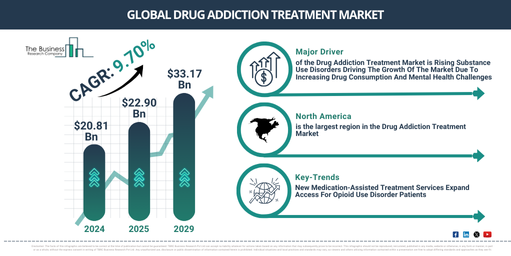
    The drug addiction treatment market size has recently seen substantial growth. This market is projected to expand from $20.81 billion in 2024 to $22.90 billion in 2025, exhibiting a compound annual growth rate (CAGR) of 10.1%. During previous periods, this expansion was driven by factors such as the increasing prevalence of substance use disorders, a heightened demand for effective and accessible treatment options, a rise in the incidence of drug dependency, growing awareness surrounding addiction recovery, and the broader integration of digital and personalized treatment solutions.

    The drug addiction treatment market is projected to experience substantial expansion in the coming years. It is anticipated to reach $33.17 billion by 2029, demonstrating a compound annual growth rate (CAGR) of 9.7%. This growth throughout the forecast period stems from factors such as the increasing uptake of medication-assisted treatments and behavioral therapies, broader availability of detoxification and counseling options, heightened understanding of holistic addiction recovery strategies, greater public awareness concerning addiction recovery, and fortified governmental efforts backing treatment programs. Key trends during this period are expected to encompass innovations in substance use disorder treatments, the introduction of medication regimens with lower dosages, integrated combination therapies merging behavioral and pharmacological methods, sophisticated treatment delivery techniques, and the creation of non-addictive substitute solutions.

    Unlock Your Free Sample Report for Exclusive Market Data:

    https://www.thebusinessresearchcompany.com/sample.aspx?id=28209&type=smp

    Which Drivers Are Impacting The Drug Addiction Treatment Market?

    The drug addiction treatment market is projected to grow due to the increasing incidence of substance use disorders. These disorders are chronic conditions marked by the compulsive consumption of drugs or alcohol, even when it leads to detrimental consequences for an individual’s mental, physical, and social health. The rise in substance use disorders is attributed to elevated stress and mental health issues, alongside modern lifestyles characterized by societal pressures, economic uncertainties, and easy access to addictive substances. Drug addiction treatment addresses substance use disorders by providing essential medical and psychological support to reduce dependence, improve overall well-being, and aid long-term recovery through structured rehabilitation. For example, in December 2023, the Office for Health Improvement & Disparities (OHID), a UK-based public health agency, stated that between April 2022 and March 2023, a total of 290,635 adults engaged with drug and alcohol services, which was a minor increase from 289,215 in the previous year. Therefore, the expanding prevalence of substance use disorders is anticipated to fuel the growth of the drug addiction treatment market.

    How Is The Drug Addiction Treatment Market Classified Into Different Segments?

    The drug addiction treatment market covered in this report is segmented as

    1) By Type Of Drug Addiction: Opioid Addiction, Benzodiazepine Addiction, Barbiturate Addiction, Other Types

    2) By Treatment Type: Inpatient Rehabilitation, Outpatient Rehabilitation, Detoxification Services, Aftercare And Continuity Programs, Medication-Assisted Treatment (MAT)

    3) By Route Of Administration: Oral, Parenteral, Other Route Of Administrations

    4) By Distribution Channel: Hospital Pharmacy, Retail Pharmacy, Online Pharmacies, Other Distribution Channel

    5) By End-User: Rehabilitation Centers, Hospitals, Clinics, Other End Users

    Subsegment:

    1) By Opioid Addiction: Prescription Opioid Addiction, Synthetic Opioid Addiction, Heroin Addiction

    2) By Benzodiazepine Addiction: Alprazolam Addiction, Diazepam Addiction, Lorazepam Addiction, Clonazepam Addiction

    3) By Barbiturate Addiction: Amobarbital Addiction, Pentobarbital Addiction, Phenobarbital Addiction, Secobarbital Addiction

    4) By Other Types: Cannabis Addiction, Cocaine Addiction, Hallucinogen Addiction, Inhalant Addiction, Stimulant Addiction

    What Are The Major Trends Driving The Growth Of The Drug Addiction Treatment Market?

    Key companies within the drug addiction treatment sector are increasingly prioritizing technological advancements, such as telehealth appointments, to improve accessibility, boost patient engagement, and offer convenient, remote care for those dealing with substance use disorders. Telehealth appointments encompass medical consultations and healthcare services conducted from a distance using digital communication technologies. For example, in February 2023, Jovive Health, a multispecialty healthcare provider based in the US, introduced Medication-Assisted Treatment (MAT) services for patients with Opioid Use Disorder (OUD) across its facilities in California, Nevada, and Illinois. This program utilizes FDA-approved medications like buprenorphine to lessen withdrawal symptoms and cravings, thereby assisting patients in safely stopping opioid use. Jovive’s initiative includes features such as personalized multi-appointment treatment plans, easy online booking, walk-in consultations, extended clinic hours, and telehealth appointments, collectively making OUD treatment more accessible and patient-focused.

    Who Are The Core Companies Influencing The Drug Addiction Treatment Market Landscape?

    Major companies operating in the drug addiction treatment market are Novartis AG, Dr. Reddy’s Laboratories Ltd., Acadia Healthcare, Hikma Pharmaceuticals plc, Alkermes plc, Indivior PLC, Emergent BioSolutions Inc., Workit Health, Rusan Pharma Pvt. Ltd., Boulder Care, Bicycle Health, Eleanor Health, Affect Therapeutics, Forge Health, Orexo AB, BioCorRx Inc., Kinoxis Therapeutics Pty. Ltd., Addinex Technologies Inc., PursueCare, Aliya Health Group.

    Download The Full Report For Exclusive Market Findings:

    https://www.thebusinessresearchcompany.com/report/drug-addiction-treatment-global-market-report

    What Are The Key Regional Factors Influencing The Drug Addiction Treatment Market Growth?

    North America was the largest region in the drug addiction treatment market in 2024. Asia-Pacific is expected to be the fastest-growing region in the forecast period. The regions covered in drug addiction treatment report are Asia-Pacific, Western Europe, Eastern Europe, North America, South America, Middle East and Africa.

    Request A Customized Version Of The Drug Addiction Treatment Market Report:

    https://www.thebusinessresearchcompany.com/customise?id=28209&type=smp

    Browse Through More Reports Similar to the Global Drug Addiction Treatment Market 2025, By The Business Research Company

    Nicotine Addiction Treatment Global Market Report 2025

    https://www.thebusinessresearchcompany.com/report/nicotine-addiction-treatment-global-market-report

    Substance Abuse And Addiction Treatment Global Market Report 2025

    https://www.thebusinessresearchcompany.com/report/substance-abuse-and-addiction-treatment-global-market-report

    Addictions Therapeutics Global Market Report 2025

    https://www.thebusinessresearchcompany.com/report/addictions-therapeutics-global-market-report

    Get in touch with us:

    The Business Research Company: https://www.thebusinessresearchcompany.com/

    Americas +1 310-496-7795

    Asia +44 7882 955267 & +91 8897263534

    Europe +44 7882 955267

    Email us at info@tbrc.info

    Follow us on:

    LinkedIn: https://in.linkedin.com/company/the-business-research-company

    YouTube: https://www.youtube.com/channel/UC24_fI0rV8cR5DxlCpgmyFQ

    Global Market Model: https://www.thebusinessresearchcompany.com/global-market-model
  • Virtual Reality (VR) Stroke Rehabilitation Industry Forecast to Hit $314.89 Billion by 2029 With a Strong 13.2% CAGR

    Virtual Reality (VR) Stroke Rehabilitation Industry Forecast to Hit $314.89 Billion by 2029 With a Strong 13.2% CAGR

    Unlock Global Insights – Save 20% on Market Reports with Code ONLINE20

    What Is The Future Market Size Estimation For The Virtual Reality (VR) Stroke Rehabilitation Market Covering 2025–2034?

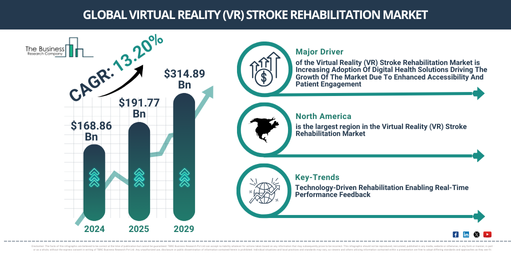
    The virtual reality (VR) stroke rehabilitation market size has experienced rapid expansion in recent years. Projections indicate it will grow from $168.86 billion in 2024 to $191.77 billion in 2025, at a compound annual growth rate (CAGR) of 13.6%. This historical growth can be ascribed to the increasing prevalence of stroke cases, rising awareness regarding rehabilitation therapies, a growing demand for non-invasive treatment options, the expansion of healthcare infrastructure, and increasing government support for rehabilitation programs.

    The virtual reality (VR) stroke rehabilitation market size is poised for substantial growth in the upcoming years, with projections indicating it will expand to $314.89 billion by 2029, achieving a compound annual growth rate (CAGR) of 13.2%. This anticipated expansion during the forecast period is driven by factors such as increasing healthcare expenditure, a heightened demand for home-based rehabilitation options, the expanding integration of VR into neurological recovery protocols, broader insurance coverage for digital therapies, and an intensified focus on patient-centric treatment approaches. Significant trends anticipated during this period include new developments in wearable rehabilitation devices, advancements in artificial intelligence integration, increased investment in research and development for personalized therapies, innovative gamified rehabilitation exercises, and improvements in remote monitoring and tele-rehabilitation services.

    Unlock Your Free Sample Report for Exclusive Market Data:

    https://www.thebusinessresearchcompany.com/sample.aspx?id=28354&type=smp

    What Are The Top Growth Drivers Impacting The Virtual Reality (VR) Stroke Rehabilitation Market Outlook?

    The future expansion of the virtual reality (VR) stroke rehabilitation market is anticipated to be fueled by the increasing integration of digital health solutions. These solutions leverage technology to improve healthcare services, enhance patient results, and simplify health administration. Their widespread acceptance is rising, driven by the ease of remote healthcare accessibility and heightened patient participation. Virtual reality stroke rehabilitation serves as a prime example of a digital health solution, offering engaging, technology-supported therapy through customized exercises and distant oversight, leading to more successful stroke recuperation. As an illustration, data from the American Hospital Association (AHA), a US-based nonprofit organization, indicates that 86.9% of US hospitals provided telehealth services in 2022, an increase from 86% in 2021, which highlights the growing integration of digital health practices. Consequently, the expanding use of digital health solutions is a key factor propelling the expansion of the virtual reality (VR) stroke rehabilitation market.

    What Are The Leading Segments Analyzed In The Virtual Reality (VR) Stroke Rehabilitation Market?

    The virtual reality (VR) stroke rehabilitation market covered in this report is segmented as

    1) By Rehabilitation Type: Physical Rehabilitation, Congnitive Rehabilitation

    2) By Technology Type: Hardware, Software Platforms, Therapeutic Content

    3) By Patient Type: Short Term Patients, Long Term Patients

    4) By Virtual Reality (VR) Application: Motor Skills Training, Congnitive Skills Training, Sensory Training, Pain Management

    5) By End-Users: Hospitals, Rehabilitation Centers, Clinics, Home-Based Rehabilitation

    Subsegment:

    1) By Physical Rehabilitation: Upper Limb Rehabilitation, Lower Limb Rehabilitation, Balance And Gait Training, Motor Function Recovery

    2) By Cognitive Rehabilitation: Memory Training, Attention And Concentration Training, Problem-Solving And Executive Function Training, Visual And Spatial Perception Training

    Which Competitive Trends Are Defining The Virtual Reality (VR) Stroke Rehabilitation Market Structure?

    Leading firms within the virtual reality (VR) stroke rehabilitation market are prioritizing advancements in virtual reality (VR) technology, particularly immersive VR rehabilitation, to boost patient involvement, facilitate motor function recovery, and deliver tailored, interactive therapeutic experiences. Immersive VR rehabilitation represents a contemporary therapeutic method that utilizes virtual reality (VR) technology to establish simulated, interactive, and captivating environments where patients can undertake physical, cognitive, or psychological therapy exercises. For instance, in November 2022, Penumbra Inc., a US-based medical technology company, introduced the REAL System, a hands-free, full-body virtual reality (VR) platform, which offers features such as motion-capture-based exercise tracking, customizable therapy programs, and real-time performance feedback, providing a comprehensive rehabilitation solution for stroke patients. This innovation exemplifies how companies are leveraging virtual reality (VR) technology to improve patient outcomes and operational efficiency in stroke rehabilitation.

    Which Key Players Are Driving Competition In The Virtual Reality (VR) Stroke Rehabilitation Market?

    Major companies operating in the virtual reality (vr) stroke rehabilitation market are Penumbra Inc., Shepherd Center Inc., Evolv Rehabilitation Technologies S.L., DIH Technology Co. Ltd., Tyromotion GmbH, BTS Bioengineering S.p.A., Floreo Inc., Saebo Inc., Motus Nova LLC, Immergo Labs Inc., Kinestica d.o.o., Cognihab Private Limited, Evolv Solutions LLC, Rehametrics S.L., RecoveryVR Pty Ltd, Neuro Rehab VR Inc., PhysioFunction Limited, XRHealth USA Inc., Bended S.r.l., Jintronix Inc.

    Download The Full Report For Exclusive Market Findings:

    https://www.thebusinessresearchcompany.com/report/virtual-reality-vr-stroke-rehabilitation-global-market-report

    Which Region Is Projected To Lead The Virtual Reality (VR) Stroke Rehabilitation Market During The Forecast Period?

    North America was the largest region in the virtual reality (VR) stroke rehabilitation market in 2024. Asia Pacific is expected to be the fastest-growing region in the forecast period. The regions covered in virtual reality (VR) stroke rehabilitation report are Asia-Pacific, Western Europe, Eastern Europe, North America, South America, Middle East and Africa.

    Request A Customized Version Of The Virtual Reality (VR) Stroke Rehabilitation Market Report:

    https://www.thebusinessresearchcompany.com/customise?id=28354&type=smp

    Browse Through More Reports Similar to the Global Virtual Reality (VR) Stroke Rehabilitation Market 2025, By The Business Research Company

    Virtual Rehabilitation Global Market Report 2025

    https://www.thebusinessresearchcompany.com/report/virtual-rehabilitation-global-market-report

    Virtual Reality Vr In Medical Simulation Global Market Report 2025

    https://www.thebusinessresearchcompany.com/report/virtual-reality-vr-in-medical-simulation-global-market-report

    Virtual Reality In Healthcare Global Market Report 2025

    https://www.thebusinessresearchcompany.com/report/virtual-reality-in-healthcare-global-market-report

    Get in touch with us:

    The Business Research Company: https://www.thebusinessresearchcompany.com/

    Americas +1 310-496-7795

    Asia +44 7882 955267 & +91 8897263534

    Europe +44 7882 955267

    Email us at info@tbrc.info

    Follow us on:

    LinkedIn: https://in.linkedin.com/company/the-business-research-company

    YouTube: https://www.youtube.com/channel/UC24_fI0rV8cR5DxlCpgmyFQ

    Global Market Model: https://www.thebusinessresearchcompany.com/global-market-model
  • Virtual Reality (VR) Metaverse Concussion Rehabilitation Market to Reach $4.63 Billion by 2029, Growing at a CAGR of 30%

    Virtual Reality (VR) Metaverse Concussion Rehabilitation Market to Reach $4.63 Billion by 2029, Growing at a CAGR of 30%

    Unlock Global Insights – Save 20% on Market Reports with Code ONLINE20

    What Is The Expected Total Market Size Of The Virtual Reality (VR) Metaverse Concussion Rehabilitation Industry By The Forecast Year 2029?

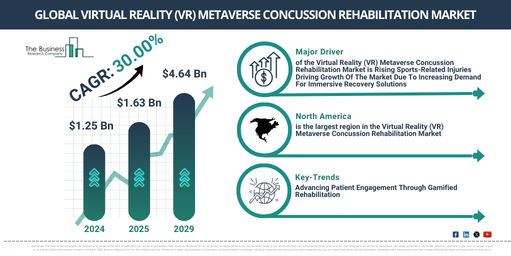
    The virtual reality (VR) metaverse concussion rehabilitation market size has experienced substantial growth in recent years. It is anticipated to increase from $1.25 billion in 2024 to $1.63 billion in 2025, progressing at a compound annual growth rate (CAGR) of 30.3%. Historically, this expansion has been fueled by the greater integration of VR solutions, an increasing requirement for remote therapy, heightened understanding of concussion impacts, larger investments in healthcare, and the expanding utilization of immersive technology.

    The virtual reality (VR) metaverse concussion rehabilitation market is set for remarkable expansion in the upcoming years. It is predicted to reach $4.64 billion by 2029, exhibiting a compound annual growth rate (CAGR) of 30.0%. This projected growth over the forecast period stems from factors such as increasing integration with AI systems, a rising demand for personalized rehabilitation, expanding government funding, growing research into VR effectiveness, and enhanced compatibility with wearable devices. Significant trends for this period include advancements in sensory feedback, the incorporation of telehealth platforms, innovation in interactive virtual environments, the evolution of hybrid therapy models, and progress in brain-computer interface technology.

    Unlock Your Free Sample Report for Exclusive Market Data:

    https://www.thebusinessresearchcompany.com/sample.aspx?id=28353&type=smp

    Which Major Market Drivers Are Shaping The Future Of The Virtual Reality (VR) Metaverse Concussion Rehabilitation Market?

    The increasing incidence of sports-related injuries is poised to fuel the growth of the virtual reality (VR) metaverse concussion rehabilitation market moving forward. These injuries are defined as physical harm sustained during athletic activities or exercise, frequently affecting muscles, bones, and joints. The rise in sports-related injury prevalence is attributed to increased participation in high-intensity and competitive sports. Virtual reality (VR) metaverse concussion rehabilitation is utilized for sports-related injuries to deliver immersive cognitive and physical therapy, facilitating faster recovery and safe return-to-play decisions. For instance, in 2022, the National Safety Council, a US-based nonprofit public service organization promoting health and safety, indicated that the incidence of sports and recreational injuries reported in 2023 climbed by 17% in 2024. Thus, the escalating occurrence of sports-related injuries is a significant driver for the virtual reality (VR) metaverse concussion rehabilitation market.

    What Are The Segment Types Shaping The Virtual Reality (VR) Metaverse Concussion Rehabilitation Market?

    The virtual reality (VR) metaverse concussion rehabilitation market covered in this report is segmented as

    1) By Component: Hardware, Software, Services

    2) By Deployment Mode: On-Premises, Cloud-Based

    3) By Therapy Type: Physical Therapy, Cognitive Therapy, Occupational Therapy, Speech Therapy, Other Therapy Types

    4) By End-User: Hospitals And Clinics, Rehabilitation Centers, Homecare Settings, Other End-User

    Subsegment:

    1) By Hardware: Virtual Reality (VR) Headsets, Motion Sensors And Trackers, Controllers And Haptics Devices, Cameras And Wearables, Computing Devices

    2) By Software: Therapy And Rehabilitation Software, Cognitive Training Programs, Balance And Motor Skills Training Software, Speech And Occupational Therapy Software, Cloud-Based Virtual Reality (VR) Platforms

    3) By Services: Deployment And Integration Services, Training And Education Services, Support And Maintenance Services, Tele-rehabilitation And Remote Monitoring Services, Customization And Consulting Services

    What Are The Latest Industry Trends Transforming The Virtual Reality (VR) Metaverse Concussion Rehabilitation Market?

    Companies operating in the virtual reality (VR) metaverse concussion rehabilitation market are concentrating on technological advancements, such as gamified neuro-rehabilitation, to boost patient engagement, quicken recovery outcomes, and facilitate remote therapeutic access. Gamified neuro-rehabilitation involves the application of game-like elements and interactive virtual environments to render neurological rehabilitation exercises more engaging, motivating, and effective for patients. For example, in September 2022, XRHealth Inc., a US-based healthcare company, announced the integration of NeuroReality’s cognitive training tools into its virtual clinics, thereby strengthening its telehealth platform with immersive virtual reality neuro-rehabilitation experiences. NeuroReality’s primary offering, Koji’s Quest, is a game-based virtual reality (VR) intervention designed to aid patients recovering from stroke, post-concussion syndrome, and brain injuries by enhancing cognitive functions like attention, memory, and executive skills through tailored exercises built upon neuroplasticity principles.

    Who Are The Top Performing Companies In The Virtual Reality (VR) Metaverse Concussion Rehabilitation Market In Recent Years?

    Major companies operating in the virtual reality (VR) metaverse concussion rehabilitation market are MindMaze SA, Oculus Health Inc., XRHealth Inc., Cureosity GmbH, AppliedVR Inc., Takeaway Reality Ltd., Mieron VR Inc., Virtualis Sàrl, Rehametrics S.L., TechVillage Technologies Pvt. Ltd., Neuromersiv Pty Ltd., Cognihab, ORamaVR SA, BehaVR Inc., Neuro Rehab VR Inc., Eye-Sync Inc., HeadRehab VR Inc., Kinesim S.r.l., MindMotion SA, and Corpus VR B.V.

    Download The Full Report For Exclusive Market Findings:

    https://www.thebusinessresearchcompany.com/report/virtual-reality-vr-metaverse-concussion-rehabilitation-global-market-report

    What Are The Key Regional Factors Influencing The Virtual Reality (VR) Metaverse Concussion Rehabilitation Market Growth?

    North America was the largest region in the virtual reality (VR) metaverse concussion rehabilitation market in 2024. The regions covered in virtual reality (VR) metaverse concussion rehabilitation report are Asia-Pacific, Western Europe, Eastern Europe, North America, South America, Middle East and Africa.

    Request A Customized Version Of The Virtual Reality (VR) Metaverse Concussion Rehabilitation Market Report:

    https://www.thebusinessresearchcompany.com/customise?id=28353&type=smp

    Browse Through More Reports Similar to the Global Virtual Reality (VR) Metaverse Concussion Rehabilitation Market 2025, By The Business Research Company

    Virtual Rehabilitation Global Market Report 2025

    https://www.thebusinessresearchcompany.com/report/virtual-rehabilitation-global-market-report

    Virtual Reality Vr In Medical Simulation Global Market Report 2025

    https://www.thebusinessresearchcompany.com/report/virtual-reality-vr-in-medical-simulation-global-market-report

    Traumatic Brain Injury Global Market Report 2025

    https://www.thebusinessresearchcompany.com/report/traumatic-brain-injury-global-market-report

    Get in touch with us:

    The Business Research Company: https://www.thebusinessresearchcompany.com/

    Americas +1 310-496-7795

    Asia +44 7882 955267 & +91 8897263534

    Europe +44 7882 955267

    Email us at info@tbrc.info

    Follow us on:

    LinkedIn: https://in.linkedin.com/company/the-business-research-company

    YouTube: https://www.youtube.com/channel/UC24_fI0rV8cR5DxlCpgmyFQ

    Global Market Model: https://www.thebusinessresearchcompany.com/global-market-model