Category: Medical Equipment

  • Point-of-Care (POC) Coagulation Testing Market Expansion Is Reshaping Competitive Dynamics Across The Industry

    Point-of-Care (POC) Coagulation Testing Market Expansion Is Reshaping Competitive Dynamics Across The Industry

    Delivering more actionable and strategically valuable research, The Business Research Company’s 2026 market reports feature market attractiveness analysis, total addressable market evaluation, company benchmarking matrices, interactive Excel dashboards, expanded supply chain intelligence, emerging startup coverage, and detailed product insights.

    The market for point-of-care (POC) coagulation testing has been steadily advancing, driven by increasing healthcare demands and technological progress. As medical facilities and patients seek quicker and more accurate coagulation results, this sector is positioned for continuous growth. Below we explore the market size, key factors influencing expansion, major players, and emerging trends shaping the future of POC coagulation testing.

    Current and Projected Market Size of the Point-of-Care Coagulation Testing Market

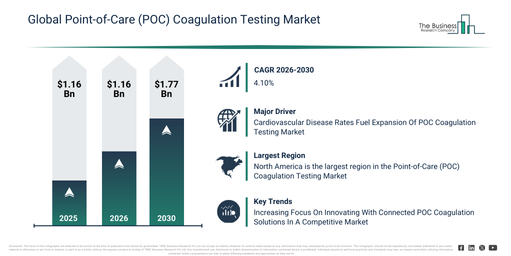
    The point-of-care coagulation testing market has experienced consistent growth in recent years. It is projected to rise from $1.25 billion in 2025 to $1.3 billion in 2026, reflecting a compound annual growth rate (CAGR) of 4.2%. This upward trend during the historical period is largely due to the increasing prevalence of cardiovascular diseases that require anticoagulation therapy, as well as heightened demand for rapid coagulation results in settings such as operating rooms and intensive care units. Early adoption of optical and mechanical POC testing technologies and the expanding use of coagulation monitoring across hospitals and clinics have also contributed to growth, alongside broader awareness of point-of-care diagnostics for optimizing treatment.

    Download A Free Sample Report For Comprehensive Market Insights:

    https://www.thebusinessresearchcompany.com/sample.aspx?id=13913&type=smp

    Looking ahead, the market is expected to continue its steady climb, reaching $1.52 billion by 2030, with a CAGR of 4.1%. Factors driving this forecasted growth include a shift towards decentralized and home-based coagulation monitoring, rising adoption of electrochemical detection methods, increased procedural volumes in emergency and trauma care, and wider accessibility through retail and direct tender distribution channels. Additionally, there is growing emphasis on minimizing turnaround times and improving therapeutic outcomes. Key trends likely to shape the market involve expanded use of rapid bedside coagulation testing in critical care, greater reliance on POC devices for anticoagulation therapy monitoring, preference for portable and handheld analyzers, and increasing deployment of coagulation testing in home and outpatient care settings. Demand for real-time clinical decision support through near-patient testing is also on the rise.

    Rising Cardiovascular Disease Rates Spur Growth in POC Coagulation Testing

    One of the primary forces behind the POC coagulation testing market’s expansion is the escalating incidence of cardiovascular diseases (CVDs). These disorders encompass conditions affecting the heart and blood vessels, such as coronary heart disease, cerebrovascular disease, and peripheral arterial disease. POC coagulation testing plays a critical role in managing CVDs by providing instantaneous data on coagulation status, which aids clinicians in making timely decisions regarding anticoagulation interventions and helps reduce bleeding complications following cardiac surgeries. To illustrate, the Centers for Disease Control and Prevention reported in October 2024 that in 2023, approximately one in six cardiovascular disease fatalities involved adults under 65 years old, with a total of 919,032 deaths attributed to CVD—accounting for one in every three deaths in the United States. This significant burden of cardiovascular disease is a vital driver fueling demand in the point-of-care coagulation testing market.

    Access The Complete Point-of-Care (POC) Coagulation Testing Market Report:

    https://www.thebusinessresearchcompany.com/report/point-of-care-poc-coagulation-testing-global-market-report

    Point-of-Care Coagulation Testing Market Segmentation by Technology and End Users

    This report segments the point-of-care coagulation testing market based on technology types, distribution channels, and end-user categories. The technology segment includes Optical Technology, Mechanical Technology, and Electrochemical Technology. Optical Technology is further broken down into reflectance photometry, fluorescence detection, and colorimetric detection. Mechanical Technology subcategories include mechanical oscillation and ultrasonic detection. Electrochemical Technology comprises amperometric detection, potentiometric detection, and conductometric detection methods. Distribution channels are classified into direct tenders and retail. End users are segmented into hospitals, clinics, and home care settings, reflecting the diverse environments where POC coagulation testing is utilized.

    Collaborations and Innovations Driving Market Advances in POC Coagulation Testing

    Key players in the POC coagulation testing sector are investing heavily in developing connected and integrated testing solutions through strategic partnerships. Such collaborations enable companies to combine expertise and technologies to accelerate innovation and enhance competitive positioning. For example, in January 2023, Jana Care, a U.S.-based biomarker assay developer, partnered with Roche Diagnostics of Switzerland. Their joint effort focuses on creating and distributing a point-of-care blood testing platform aimed at screening for chronic kidney disease and heart failure. This cutting-edge system empowers patients to conduct blood tests at home, with data remotely reviewed by healthcare providers, illustrating how technology and collaboration are expanding the reach and convenience of POC diagnostics.

    Competitive Landscape Featuring Leading Companies in the Market

    The point-of-care coagulation testing market is dominated by several well-established companies. Some of the major players include Siemens Healthcare GmbH, Abbott Laboratories, F. Hoffmann-La Roche Ltd., Danaher Corporation, Sysmex Corporation, IDEXX Laboratories Inc., Quidel Corporation, Werfen SA, Nihon Kohden Corporation, Horiba Ltd., Hycel, Nova Biomedical Corporation, Haemonetics Corporation, Maccura Biotechnology Co. Ltd., Helena Laboratories Corporation, Abaxis Inc., ARKRAY Inc., Radiometer Medical ApS, HemoSonics LLC, iLine Microsystems SL, Corgenix Medical Corporation, Quotient Limited, Micropoint Bioscience Inc., Beijing Succeeder Technology Inc., and EKF Diagnostics Holdings plc. These organizations continue to innovate and compete through product development, partnerships, and expanding global footprints.

    Geographical Market Insights Highlighting Regional Leadership

    In terms of regional market share, North America led the point-of-care coagulation testing market in 2025. The report covers other critical regions including Asia-Pacific, South East Asia, Western Europe, Eastern Europe, South America, the Middle East, and Africa, providing a global perspective on market dynamics. While North America currently holds the largest share, emerging markets in Asia-Pacific and other regions are expected to contribute significantly to future growth, driven by rising healthcare infrastructure investments and increasing adoption of POC testing technologies worldwide.

    Get in touch with us:

    The Business Research Company: https://www.thebusinessresearchcompany.com/

    Americas: +1 310-496-7795

    Asia: +44 7882 955267 & +91 8897263534

    Europe: +44 7882 955267

    Email us at: marketing@tbrc.info

    Follow us on:

    LinkedIn: https://in.linkedin.com/company/the-business-research-company

    YouTube: https://www.youtube.com/channel/UC24_fI0rV8cR5DxlCpgmyFQ

    Global Market Model: https://www.thebusinessresearchcompany.com/global-market-model
  • Point Of Care Lipid Test Market Forecast Reveals Where Future Industry Value Will Be Created

    Point Of Care Lipid Test Market Forecast Reveals Where Future Industry Value Will Be Created

    Enhanced with market attractiveness analysis, total addressable market evaluation, company benchmarking matrices, interactive Excel dashboards, expanded supply chain intelligence, emerging startup coverage, and detailed product insights, The Business Research Company’s 2026 market reports deliver more actionable and strategically valuable research.

    The point of care lipid test market is gaining momentum as healthcare providers focus on quicker, more accessible lipid screening methods. With cardiovascular diseases on the rise, the demand for efficient testing solutions is increasing across various healthcare settings. Let’s explore the current market size, key growth drivers, leading players, and emerging trends shaping this field.

    Market Size and Expected Growth Trajectory in the Point of Care Lipid Test Market

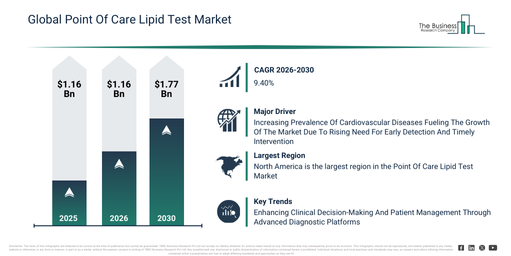
    The point of care lipid test market has experienced significant expansion in recent years. It is projected to grow from $0.74 billion in 2025 to $0.82 billion in 2026, reflecting a compound annual growth rate (CAGR) of 9.7%. This historical growth is largely due to the rising prevalence of cardiovascular diseases, the need for prompt testing, advancements in biosensor technology, heightened awareness about cholesterol control, and increased availability of point-of-care devices. Looking ahead, the market is anticipated to reach $1.17 billion by 2030 with a CAGR of 9.4%. Factors fueling this future growth include the integration of mobile applications and cloud-based platforms, greater adoption in home care environments, expansion in clinics and hospitals, the development of multi-analyte testing capabilities, and strategic partnerships between device manufacturers and software providers. Emerging trends set to influence the market include fingerstick lipid testing, handheld analyzers, multi-parameter devices, rapid cardiovascular risk assessments, and home-based lipid monitoring solutions.

    Download A Free Sample Report For Comprehensive Market Insights:

    https://www.thebusinessresearchcompany.com/sample.aspx?id=28300&type=smp

    Rising Cardiovascular Disease Rates Boost Demand for Point of Care Lipid Tests

    One of the primary factors driving the point of care lipid test market is the increasing incidence of cardiovascular diseases globally. These conditions—such as coronary artery disease, stroke, and hypertension—are often linked to abnormal cholesterol and triglyceride levels caused by atherosclerosis. Lifestyle changes including sedentary behavior and lack of physical activity contribute significantly to obesity, poor circulation, and other cardiovascular risk factors. Point-of-care lipid testing plays a crucial role by enabling quick, onsite measurement of lipids, facilitating early detection of risk and allowing timely treatment decisions to prevent disease progression. For instance, in January 2024, the American Heart Association reported 931,578 cardiovascular disease-related deaths in the US, an increase of 3,000 compared to the previous year, underscoring the urgency of improved lipid management and testing solutions.

    How Continued Advances in Medical Technology are Enhancing Market Growth

    Technological innovation is another key contributor to the market’s upward trend. Improvements in biosensor technology have made point-of-care lipid tests more accurate, reliable, and user-friendly. The shift towards portable devices enables healthcare professionals and patients to monitor lipid levels conveniently outside traditional lab settings, supporting faster clinical decisions and better patient outcomes.

    Access The Complete Point Of Care Lipid Test Market Report:

    https://www.thebusinessresearchcompany.com/report/point-of-care-lipid-test-global-market-report

    Expanding Use Across Different Healthcare Settings Further Supports Market Expansion

    Moreover, the rising adoption of point-of-care lipid testing in diverse settings—such as hospitals, clinics, and home care environments—is broadening the market reach. This expansion is driven by the need for accessible, rapid testing, especially in remote or resource-limited areas where conventional laboratory testing is less feasible.

    Comprehensive Market Segmentation in Point of Care Lipid Testing

    This report segments the point of care lipid test market into several categories:

    By product type, the market includes instruments and consumables.

    By application, it covers hyperlipidemia, hypertriglyceridemia, hyperlipoproteinemia, familial hypercholesterolemia, and other conditions.

    By end-user, the segments are hospitals, clinics, home care settings, and other users.

    Further detailed breakdowns comprise instrument types such as portable or handheld analyzers, multi-parameter analyzers, and single-parameter analyzers, along with consumables like test strips, reagents, and kits.

    Key Market Trends Shaping Innovation and Competition

    The point of care lipid test market is witnessing notable competition driven by the development of advanced diagnostic platforms. These portable, integrated devices deliver rapid, lab-quality lipid panel results at the patient’s bedside, enhancing clinical decision-making and care personalization. For example, in July 2023, Vital Biosciences Inc., a Canadian health technology firm, introduced VitalOne—a point-of-care testing platform capable of providing over 50 lab-grade blood test outcomes within 20 minutes. This compact system combines hematology, clinical chemistry, and immunoassays in a single device, enabling testing, diagnosis, and treatment in one visit, significantly improving access, speed, and accuracy compared to traditional labs.

    Leading Corporations Driving the Point of Care Lipid Test Market

    Prominent companies steering this market include Abbott Laboratories, EKF Diagnostics Holdings plc, Roche Diagnostics International AG, Siemens Healthineers AG, Horiba ABX SAS, Randox Laboratories Ltd., Sekisui Diagnostics LLC, EKF Diagnostics USA Inc., VivaChek Biotech (Hangzhou) Co. Ltd., Menarini Diagnostics S.r.l., Trinity Biotech plc, AccuBioTech Co. Ltd., MiCo BioMed Co. Ltd., BHR Diagnostics Private Limited, SD Biosensor Inc., ARKRAY Inc., PTS Diagnostics, HemoCue AB, MedTest Dx Inc., and Nova Biomedical Corporation.

    Regional Market Overview Highlighting Areas of Rapid Growth

    In 2025, North America held the largest share of the point of care lipid test market. However, the Asia-Pacific region is set to experience the fastest growth over the forecast period. Other key regions covered include South East Asia, Western Europe, Eastern Europe, South America, the Middle East, and Africa, providing a broad perspective on global market dynamics.

    Get in touch with us:

    The Business Research Company: https://www.thebusinessresearchcompany.com/

    Americas: +1 310-496-7795

    Asia: +44 7882 955267 & +91 8897263534

    Europe: +44 7882 955267

    Email us at: marketing@tbrc.info

    Follow us on:

    LinkedIn: https://in.linkedin.com/company/the-business-research-company

    YouTube: https://www.youtube.com/channel/UC24_fI0rV8cR5DxlCpgmyFQ

    Global Market Model: https://www.thebusinessresearchcompany.com/global-market-model
  • Point Of Care Hematology Diagnostics Market Growth Through 2030 Creates New Strategic Opportunities

    Point Of Care Hematology Diagnostics Market Growth Through 2030 Creates New Strategic Opportunities

    Through market attractiveness analysis, total addressable market evaluation, company benchmarking matrices, interactive Excel dashboards, expanded supply chain intelligence, emerging startup coverage, and detailed product insights, The Business Research Company’s 2026 market reports provide more actionable and strategically valuable research.

    The point of care hematology diagnostics sector has experienced significant growth recently, driven by the need for quicker and more accessible blood testing solutions. As healthcare systems evolve and demand for rapid diagnostics increases, this market is set to see continued expansion in the coming years. Here, we explore the market’s current status, key growth drivers, segmentation, technological trends, leading companies, and regional performance.

    Forecasted Expansion and Market Size of the Point of Care Hematology Diagnostics Market

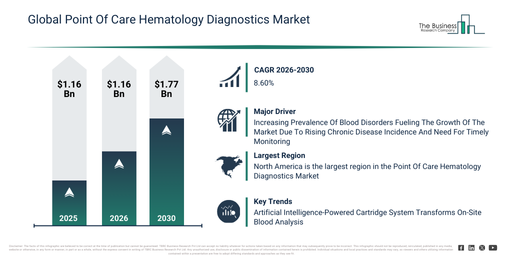
    The market for point of care hematology diagnostics has shown strong growth momentum and is anticipated to rise from $2.9 billion in 2025 to $3.16 billion in 2026, growing at a compound annual rate of 9.0%. This growth during the historical period is attributed to reliance on centralized lab testing, an increasing prevalence of anemia and other blood-related disorders, rising hospital emergency admissions, the necessity for faster diagnosis, and limited laboratory access in rural locations. Looking ahead, the market is expected to reach $4.39 billion by 2030, with a CAGR of 8.6%. Factors fueling this future growth include the rising incidence of chronic and infectious diseases, expansion of point of care testing programs, heightened demand for rapid diagnostics in emergency scenarios, technological advances in compact hematology analyzers, and the shift toward decentralized healthcare models. Important trends during this period encompass the growing use of rapid bedside blood testing, increased demand for decentralized diagnostics in urgent care settings, adoption of portable and handheld devices, expansion into resource-limited areas, and a focus on reducing turnaround times for clinical decisions.

    Download A Free Sample Report For Comprehensive Market Insights:

    https://www.thebusinessresearchcompany.com/sample.aspx?id=27388&type=smp

    Increasing Prevalence of Blood Disorders as a Growth Catalyst in the Point of Care Hematology Diagnostics Market

    A major factor propelling the point of care hematology diagnostics market is the rise in blood disorders, which affect components such as red and white blood cells, platelets, and plasma. The growing burden of chronic diseases directly impacts blood health, necessitating regular monitoring. Point of care diagnostics provide timely and accurate results near the patient, enabling faster treatment decisions and better disease management. For example, in November 2024, the American Society of Hematology projected that global leukemia cases could reach approximately 519,540 by 2050. This increase in blood disorder prevalence is a key driver encouraging market expansion.

    How Chronic Disease Trends Support the Point of Care Hematology Diagnostics Growth

    Chronic diseases increase the demand for continuous blood monitoring, which fuels the need for rapid and accessible hematology diagnostics at the point of care. This trend is expected to push healthcare providers toward adopting more decentralized testing solutions to manage patient health efficiently. Additionally, the amplified burden on emergency departments due to such conditions necessitates quicker diagnostic methods, further stimulating demand for portable hematology devices.

    Access The Complete Point Of Care Hematology Diagnostics Market Report:

    https://www.thebusinessresearchcompany.com/report/point-of-care-hematology-diagnostics-global-market-report

    Detailed Segmentation of the Point of Care Hematology Diagnostics Market

    The report categorizes the point of care hematology diagnostics market into several segments:

    1) By Type: Complete Blood Count (CBC), Coagulation Testing, Hemoglobin Testing, Anemia Diagnosis, and Other Types

    2) By Mode of Prescription: Prescription-Based Products and Over-The-Counter Products

    3) By End User: Diagnostic Centers, Hospitals, Blood Banks, Transfusion Centers, and Other End Users

    Further subsegments include:

    – Complete Blood Count (CBC) components such as White Blood Cell Count, Red Blood Cell Count, Platelet Count, Hematocrit, Hemoglobin Concentration, and Mean Corpuscular Volume (MCV)

    – Coagulation Testing elements including Prothrombin Time (PT), Activated Partial Thromboplastin Time (aPTT), International Normalized Ratio (INR), D-Dimer Test, and Fibrinogen Level

    – Hemoglobin Testing types like Total Hemoglobin, Glycated Hemoglobin (HbA1c), Oxyhemoglobin, Carboxyhemoglobin, and Methemoglobin

    – Anemia Diagnosis tests such as Iron Studies, Vitamin B12 Levels, Folate Levels, Reticulocyte Count, Ferritin Test, and Transferrin Saturation

    – Other types including Blood Typing and Crossmatching, Erythrocyte Sedimentation Rate, Malaria Parasite Detection, Sickle Cell Screening, and C-Reactive Protein Testing

    Innovations Shaping Future Demand in the Point of Care Hematology Diagnostics Market

    Leading companies in this field are focusing on launching technologically advanced products like cartridge-based AI-powered hematology analyzers. These compact devices utilize single-use reagent cartridges combined with artificial intelligence algorithms to provide quick, precise blood analysis directly at the patient’s location. For instance, in September 2024, Zoetis Inc., a US veterinary health firm, introduced Vetscan OptiCell—a cartridge-based, AI-enhanced hematology analyzer designed for veterinary applications. This system delivers rapid, laboratory-quality complete blood count (CBC) results within minutes, reduces maintenance needs, and features advanced AI-driven image processing and viscoelastic focusing technology. These features enable accurate blood cell classification and automated detection of abnormalities, promoting efficient and reliable diagnostics in veterinary care.

    Key Players Dominating the Point of Care Hematology Diagnostics Market

    Several prominent companies lead the point of care hematology diagnostics space, including F. Hoffmann-La Roche Ltd., Abbott Laboratories, Danaher Corporation, Siemens Healthineers AG, Shenzhen Mindray Bio-Medical Electronics Co. Ltd., Sysmex Corporation, HORIBA Ltd., Nova Biomedical Corp., S.D. Sight Diagnostics Ltd., EKF Diagnostics Holdings plc., BioMedomics Inc., PixCell Medical Technologies Ltd., Boule Diagnostics AB, Nihon Kohden Corporation, Edan Instruments Inc., A Menarini Industrie Farmaceutiche Srl, Becton Dickinson and Company, Ortho Clinical Diagnostics, Khema Diagnostics, and Bio-Rad Laboratories Inc.

    Regional Analysis Highlighting Market Leadership and Growth Potential

    In 2025, North America stood as the largest market for point of care hematology diagnostics. However, Asia-Pacific is forecasted to experience the highest growth rate over the upcoming years. The market report covers key regions including Asia-Pacific, South East Asia, Western Europe, Eastern Europe, North America, South America, the Middle East, and Africa, providing a broad perspective on global market dynamics.

    Get in touch with us:

    The Business Research Company: https://www.thebusinessresearchcompany.com/

    Americas: +1 310-496-7795

    Asia: +44 7882 955267 & +91 8897263534

    Europe: +44 7882 955267

    Email us at: marketing@tbrc.info

    Follow us on:

    LinkedIn: https://in.linkedin.com/company/the-business-research-company

    YouTube: https://www.youtube.com/channel/UC24_fI0rV8cR5DxlCpgmyFQ

    Global Market Model: https://www.thebusinessresearchcompany.com/global-market-model
  • Point Of Care Devices Market Size Projected To Increase From $34.44 Billion To $48.88 Billion During The Forecast Period

    Point Of Care Devices Market Size Projected To Increase From $34.44 Billion To $48.88 Billion During The Forecast Period

    Delivering more actionable and strategically valuable research, The Business Research Company’s 2026 market reports feature market attractiveness analysis, total addressable market evaluation, company benchmarking matrices, interactive Excel dashboards, expanded supply chain intelligence, emerging startup coverage, and detailed product insights.

    The point of care devices market is experiencing rapid expansion, driven by advances in healthcare technology and increasing demand for quick and accurate diagnostics. As healthcare systems evolve, these devices are becoming essential tools in a variety of medical settings, from hospitals to home care, offering timely and efficient patient management. Let’s explore the current market size, key drivers, emerging trends, and major players shaping this vital industry.

    Forecasting the Size and Growth of the Point of Care Devices Market

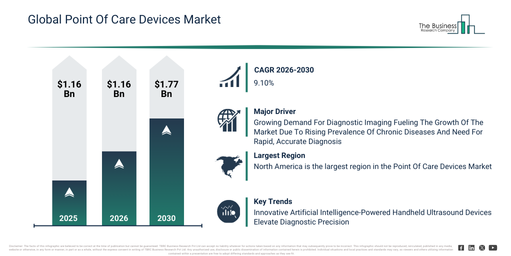
    The point of care devices market has witnessed significant growth in recent years and is expected to continue this trend. Market value is projected to rise from $31.46 billion in 2025 to $34.44 billion in 2026, reflecting a compound annual growth rate (CAGR) of 9.5%. This historical expansion has been fueled by challenges such as limited access to centralized laboratories, a rising prevalence of chronic diseases, the need for quicker clinical decisions, the expansion of primary healthcare services, and increasing demand for diagnostic testing at the bedside. Looking ahead, the market is forecasted to reach $48.88 billion by 2030, growing at a CAGR of 9.1%. The sustained momentum will be supported by innovations in microfluidics and biosensor technologies, growing use of wearable and remote monitoring devices, expansion of home healthcare, a heightened focus on infectious disease surveillance, and integration with digital health platforms. Additionally, trends like the widespread adoption of rapid testing at point of care, increased demand for self-testing and home-based diagnostics, ongoing miniaturization of devices, emphasis on decentralized healthcare, and growth in emergency and critical care testing are expected to shape the marketplace.

    Download A Free Sample Report For Comprehensive Market Insights:

    https://www.thebusinessresearchcompany.com/sample.aspx?id=27387&type=smp

    Rising Demand for Diagnostic Imaging Boosting Market Expansion

    One of the key factors propelling growth in the point of care devices market is the increasing demand for diagnostic imaging. These imaging techniques produce detailed visuals of the body’s interior, playing a crucial role in clinical assessment and medical treatment. The rise in chronic diseases that require early and precise diagnosis is driving this demand. Point of care devices contribute by providing compact, mobile, and efficient imaging solutions tailored for clinics, bedside use, and remote healthcare environments. By delivering rapid and reliable imaging results, these devices significantly reduce turnaround times, enhancing clinical decisions and patient outcomes. For example, in November 2024, the National Health Service in the UK reported 47.2 million imaging tests in England for the year ending March 2024, marking a 4.8% increase from 45.0 million the previous year. This upward trend in imaging needs supports the expanding role of point of care devices in healthcare.

    Segment Breakdown Highlighting Fastest Growing Categories in Point of Care Devices

    This market report segments the point of care devices industry into key categories:

    1) By Device Type: Diagnostic Devices, Therapeutic Devices, Monitoring Devices, Treatment Devices, Support Devices

    2) By Technology: Biochemical Technology, Microfluidics, Immunoassay Technology, Nucleic Acid Testing, Wearable Technology

    3) By Application: Cardiology, Diabetes Management, Infectious Diseases, Oncology, Pediatrics

    4) By Distribution Channel: Direct Sales, Distributors, Online Sales, Retail Pharmacies, Healthcare Institutions

    5) By End User: Hospitals, Clinics, Home Care Settings, Diagnostic Laboratories, Emergency Medical Services (EMS)

    Further subcategories include diagnostic devices such as blood glucose monitors, hematology analyzers, coagulation analyzers, urinalysis devices, and molecular diagnostics. Therapeutic devices cover infusion pumps, respiratory therapy tools, pain management devices, wound care, and dialysis machines. Monitoring devices consist of vital signs monitors, cardiac monitors, pulse oximeters, temperature, and respiratory monitors. Treatment devices feature defibrillators, surgical tools, laser therapy, and physical therapy equipment. Support devices include sample collection, specimen transport, data management, and calibration and maintenance tools.

    Access The Complete Point Of Care Devices Market Report:

    https://www.thebusinessresearchcompany.com/report/point-of-care-devices-global-market-report

    Innovative Technologies Driving Future Developments in Point of Care Devices

    Leading companies in this sector are heavily investing in advanced technologies to enhance device capabilities. One notable innovation is the introduction of artificial intelligence (AI)-enabled handheld ultrasound systems, which enhance diagnostic precision and portability. These AI-powered devices assist healthcare professionals by automating image capture and interpretation for faster, more accurate results. For instance, in October 2023, Koninklijke Philips N.V., a healthcare technology firm based in the Netherlands, released the Compact 5000 Series. This AI-enhanced point of care ultrasound system features exceptional image quality, automated measurements using AI, user-friendly controls, compatibility with multiple transducers, and seamless integration with telemedicine platforms to support remote clinical collaboration across diverse healthcare settings.

    Key Industry Players Competing in the Point of Care Devices Market

    The market is dominated by several major corporations that continually drive innovation and expansion. Prominent companies include Johnson & Johnson, F. Hoffmann-La Roche AG, Thermo Fisher Scientific Inc., Abbott Laboratories, Danaher Corporation, Siemens Healthineers AG, Becton Dickinson and Company, Hologic Inc., BioMérieux SA, Quidel Corporation, OraSure Technologies Inc., Nova Biomedical Corporation, Sekisui Diagnostics LLC, Abaxis Inc., EKF Diagnostics Holdings plc, Trinity Biotech plc, Chembio Diagnostics Inc., PTS Diagnostics LLC, MeMed, Alere Inc., and Diagnostics For All Inc. These players are instrumental in advancing technology, broadening distribution, and catering to diverse healthcare applications worldwide.

    Regional Market Outlook Reveals Areas of Greatest Opportunity

    In terms of regional market share, North America held the largest portion of the point of care devices market in 2025. However, the Asia-Pacific region is projected to experience the fastest growth over the coming years. The market report covers various regions including Asia-Pacific, South East Asia, Western Europe, Eastern Europe, North America, South America, the Middle East, and Africa, providing a comprehensive view of global opportunities and growth patterns in the point of care devices sector.

    Get in touch with us:

    The Business Research Company: https://www.thebusinessresearchcompany.com/

    Americas: +1 310-496-7795

    Asia: +44 7882 955267 & +91 8897263534

    Europe: +44 7882 955267

    Email us at: marketing@tbrc.info

    Follow us on:

    LinkedIn: https://in.linkedin.com/company/the-business-research-company

    YouTube: https://www.youtube.com/channel/UC24_fI0rV8cR5DxlCpgmyFQ

    Global Market Model: https://www.thebusinessresearchcompany.com/global-market-model
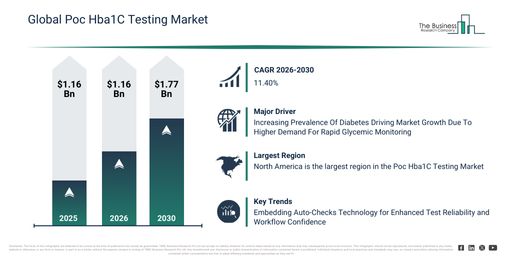
  • Poc Hba1C Testing Market Growth Outlook Reveals A CAGR Of 11.4% And A Market Value Of $1.76 Billion By 2030

    Poc Hba1C Testing Market Growth Outlook Reveals A CAGR Of 11.4% And A Market Value Of $1.76 Billion By 2030

    Enhanced with market attractiveness analysis, total addressable market evaluation, company benchmarking matrices, interactive Excel dashboards, expanded supply chain intelligence, emerging startup coverage, and detailed product insights, The Business Research Company’s 2026 market reports deliver more actionable and strategically valuable research.

    The point-of-care (POC) HbA1c testing market has witnessed significant expansion recently, driven by the urgent need for efficient diabetes management tools. With rising diabetes cases worldwide, the demand for quick, reliable, and accessible HbA1c testing methods is growing rapidly. Let’s explore the market’s size, key growth drivers, leading companies, emerging trends, and regional dynamics shaping this industry’s future.

    Steady Growth and Market Size Outlook in the POC HbA1c Testing Market

    The POC HbA1c testing market has experienced rapid growth in recent years, with its value expected to rise from $1.02 billion in 2025 to $1.14 billion in 2026, reflecting an impressive compound annual growth rate (CAGR) of 11.9%. This historic growth is largely due to the increasing global prevalence of diabetes, the expanding reliance on long-term glucose monitoring in clinical settings, broader availability of outpatient diagnostic services, heightened awareness about early diabetes detection, and the accessibility of compact diagnostic tools.

    Download A Free Sample Report For Comprehensive Market Insights:

    https://www.thebusinessresearchcompany.com/sample.aspx?id=6833&type=smp

    Looking ahead, the market is projected to reach $1.76 billion by 2030, maintaining a strong CAGR of 11.4% during the forecast period. Growth factors fueling this surge include wider adoption of decentralized diagnostic testing, rising consumer preference for home-based care solutions, the expansion of digital diabetes management programs, a stronger emphasis on preventive healthcare, and increased investments in rapid diagnostic technology. Key market trends include the growing use of rapid point-of-care HbA1c devices, portable and handheld testing systems, home monitoring, integrated POC diagnostic platforms, and a focus on enhancing test accuracy and standardization.

    Primary Factors Propelling Demand in the POC HbA1c Testing Market

    The escalating number of diabetes cases worldwide is a fundamental driver for the POC HbA1c testing market’s expansion. Diabetes, a chronic metabolic disorder marked by elevated blood sugar levels, demands consistent monitoring to prevent serious health complications such as nerve damage, cardiovascular issues, and kidney disease. Lifestyle factors including sedentary habits, poor diet, obesity, and aging populations globally contribute to the rising incidence of diabetes.

    Access The Complete Poc Hba1C Testing Market Report:

    https://www.thebusinessresearchcompany.com/report/poc-hba1c-testing-global-market-report

    This increasing diabetic population is boosting the need for quick and reliable tests that enable effective glycemic control across clinical settings, pharmacies, and home care environments. For example, according to the International Diabetes Federation in 2025, approximately 589 million adults aged 20 to 79 were living with diabetes, with projections estimating that this number will grow to 853 million by 2050. Notably, over 80% of adults with diabetes reside in low- and middle-income countries, highlighting the critical role of accessible POC HbA1c testing solutions in managing this health challenge.

    Product and Technology Segments Defining the POC HbA1c Testing Market

    This market is divided into several key segments by product type, technology, and end user. Products include instruments and consumables. Instruments further encompass handheld HbA1c testing devices, portable analyzers, desktop testing systems, and integrated point-of-care testing systems. Consumables include test strips, control solutions, reagents, calibration solutions, and sample collection devices.

    Technological classifications cover ion-exchange high-performance liquid chromatography (HPLC), enzymatic assays, affinity binding chromatography, immunoassay, and other emerging methods. The end users of these products span hospitals, physician offices or outpatient centers, home care settings, and various other clinical environments.

    Innovations and Trends Shaping the Future of POC HbA1c Testing

    Leading companies are increasingly embedding built-in internal verification systems into their devices to enhance test accuracy, minimize errors, and build confidence in near-patient diagnostics. These automated self-check features monitor environmental conditions, sample quality, and assay performance throughout testing to prevent faulty outcomes or sample loss.

    For instance, in July 2024, Siemens Healthineers introduced the next-generation Atellica DCA Analyzer. This device uses proprietary Auto-Checks Technology, conducting continuous internal calibrations and environmental checks including airflow, temperature, sample volume, optical clarity, and precision during each test. Such automation delivers lab-quality HbA1c results within 4 to 5 minutes, reduces operator oversight needs, minimizes pre-analytical errors, and supports expansion of point-of-care testing especially in areas with limited laboratory infrastructure.

    Key Market Players Competing in the POC HbA1c Testing Industry

    The POC HbA1c testing market features numerous prominent companies competing globally. Leading players include F. Hoffmann-La Roche Ltd, Siemens Healthineers AG, Bio-Rad Laboratories Inc, Menarini Group, Danaher Corporation, Tosoh Bioscience Inc, ARKRAY Inc, i-SENS Inc, Abbott Laboratories, Trinity Biotech plc, Aina Blood Monitoring System, Getein Biotech Inc, Sugentech Inc, Alere Inc, EKF Diagnostics, HemoCue, PTS Diagnostics, Osang Healthcare, Ortho Clinical Diagnostics, Ascensia, Platinum Equity (LifeScan), Becton Dickinson and Company, Kainico Ltd, Evia Medical Technologies, Agamatrix Inc, and Bionime Corporation.

    Geographical Insights and Regional Market Leadership in POC HbA1c Testing

    In 2025, North America held the largest share of the POC HbA1c testing market, benefiting from advanced healthcare infrastructure and strong diabetes management programs. However, Africa is expected to be the fastest-growing region during the forecast period, driven by increasing healthcare investments, growing awareness, and expanding diagnostic capabilities. The market analysis also includes other important regions such as Asia-Pacific, South East Asia, Western and Eastern Europe, South America, and the Middle East, providing a comprehensive view of global market dynamics.

    Get in touch with us:

    The Business Research Company: https://www.thebusinessresearchcompany.com/

    Americas: +1 310-496-7795

    Asia: +44 7882 955267 & +91 8897263534

    Europe: +44 7882 955267

    Email us at: marketing@tbrc.info

    Follow us on:

    LinkedIn: https://in.linkedin.com/company/the-business-research-company

    YouTube: https://www.youtube.com/channel/UC24_fI0rV8cR5DxlCpgmyFQ

    Global Market Model: https://www.thebusinessresearchcompany.com/global-market-model
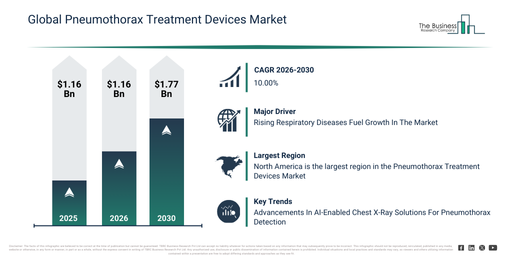
  • Pneumothorax Treatment Devices Market Forecast Highlights Expansion From $4.38 Billion To $6.43 Billion Through 2030

    Pneumothorax Treatment Devices Market Forecast Highlights Expansion From $4.38 Billion To $6.43 Billion Through 2030

    Through market attractiveness analysis, total addressable market evaluation, company benchmarking matrices, interactive Excel dashboards, expanded supply chain intelligence, emerging startup coverage, and detailed product insights, The Business Research Company’s 2026 market reports provide more actionable and strategically valuable research.

    The pneumothorax treatment devices industry has experienced significant growth recently, driven by advances in medical technology and rising healthcare demands. As the need for effective lung collapse treatments increases worldwide, this market is set to expand further, supported by innovations and growing emergency care infrastructure. Below is a detailed overview of the market’s size, key growth drivers, segmentation, competitive landscape, and regional insights.

    Market Size and Growth Outlook for Pneumothorax Treatment Devices

    The pneumothorax treatment devices market has shown rapid expansion in recent years. It is projected to increase from $3.98 billion in 2025 to $4.39 billion in 2026, with a compound annual growth rate (CAGR) of 10.3%. This historical growth has been fueled by factors such as a rise in traumatic chest injuries, more frequent road accidents, expansion of hospital emergency facilities, wider adoption of chest tube procedures, and growth in critical care units. Looking ahead, the market is expected to continue its strong momentum, reaching $6.43 billion by 2030 at a CAGR of 10.0%. Key drivers during the forecast period include the development of portable emergency devices, advancements in thoracic vent systems, increasing ICU admissions, demand for rapid lung re-expansion, and the growth of emergency medical services. Emerging trends to watch include ultra-rapid lung decompression, portable pneumothorax management tools, minimally invasive chest drainage options, enhanced air leak control systems, and user-friendly bedside treatment kits.

    Download A Free Sample Report For Comprehensive Market Insights:

    https://www.thebusinessresearchcompany.com/sample.aspx?id=20929&type=smp

    Increasing Prevalence of Respiratory Illnesses Boosts Market Demand

    One of the primary factors propelling the pneumothorax treatment devices market is the rising incidence of respiratory diseases. These conditions affect lung function and airflow, causing breathing difficulties. Their growth can be linked to environmental pollution, smoking habits, viral infections, and greater exposure to allergens. Pneumothorax devices play a critical role in managing lung collapse and restoring normal respiration in such cases. To illustrate, data released in September 2025 by the Australian Bureau of Statistics showed that influenza-related deaths climbed from 611 in 2023 to 806 in 2024, and further surged to 1,057 by August 2025—a 73% increase over the period. Similarly, fatalities due to respiratory syncytial virus (RSV) increased from 380 in 2023 to 468 in 2024, with 399 deaths recorded by August 2025. These upward trends in respiratory illnesses directly stimulate the demand for pneumothorax treatment devices.

    Core Segments and Growth Areas in the Pneumothorax Treatment Devices Market

    This market is divided into several important segments to better understand growth opportunities:

    1) By Type: Ventilator Devices, Thoracic Vent Devices, and Other Types

    2) By Application: Traumatic Pneumothorax, Spontaneous Pneumothorax, and other uses

    3) By End-User: Hospitals, Ambulatory Surgical Centers, and other users

    Access The Complete Pneumothorax Treatment Devices Market Report:

    https://www.thebusinessresearchcompany.com/report/pneumothorax-treatment-devices-global-market-report

    Further sub-classifications include:

    – Ventilator Devices: Portable, Non-Invasive, and Invasive Ventilators

    – Thoracic Vent Devices: Chest Drainage Systems, Heimlich Valves, and One-Way Chest Valve Systems

    – Other Types: Needle Aspiration Devices, Pleural Catheters, and Oxygen Therapy Devices

    Innovative Technologies Driving the Next Wave of Market Development

    Leading companies in the pneumothorax treatment devices sector are prioritizing the development of advanced technologies to maintain competitiveness. Among these innovations are enhanced chest X-ray solutions, which offer improved imaging for diagnosing lung-related conditions. For example, in September 2023, Qure.ai, a US-based health technology firm, received FDA 510(k) clearance for its chest X-ray tool, qXR-PTX-PE. This AI-powered software aids in the rapid identification of pneumothorax and pleural effusion, supporting faster decision-making in critical care settings like ICUs and emergency rooms. By analyzing chest radiographs quickly and accurately, the solution improves patient triage and care efficiency where timely intervention is crucial.

    Top Competitors and Market Dynamics in Pneumothorax Treatment Devices

    Several prominent companies dominate the pneumothorax treatment devices landscape, including Cardinal Health Inc., Medtronic PLC, Siemens Healthineers AG, Medline Industries Inc., Fujifilm Holdings Corporation, Becton Dickinson and Company (BD), GE HealthCare Technologies Inc., Stryker Corporation, Boston Scientific Corporation, Draegerwerk AG & Co. KGaA, Cook Medical Inc., B. Braun Melsungen AG, Utah Medical Products Inc., Rocket Medical plc, Nobelpharma Co. Ltd., Sinapi Biomedical Inc., UreSil Inc., ATMOS MedizinTechnik GmbH & Co. KG, Betaglue Technologies S.p.A., and Selio Medical Inc. These firms focus on innovation, regulatory approvals, and expanding product portfolios to sustain and enhance their market presence.

    North America Holds the Largest Share in Pneumothorax Treatment Devices Market

    In 2025, North America accounted for the largest share of the pneumothorax treatment devices market. The report covers multiple regions, including Asia-Pacific, South East Asia, Western Europe, Eastern Europe, North America, South America, the Middle East, and Africa, each showing varied growth trajectories. While North America leads currently, some regions like Asia-Pacific are expected to witness significant growth rates in the coming years as healthcare infrastructure develops and awareness increases.

    Get in touch with us:

    The Business Research Company: https://www.thebusinessresearchcompany.com/

    Americas: +1 310-496-7795

    Asia: +44 7882 955267 & +91 8897263534

    Europe: +44 7882 955267

    Email us at: marketing@tbrc.info

    Follow us on:

    LinkedIn: https://in.linkedin.com/company/the-business-research-company

    YouTube: https://www.youtube.com/channel/UC24_fI0rV8cR5DxlCpgmyFQ

    Global Market Model: https://www.thebusinessresearchcompany.com/global-market-model
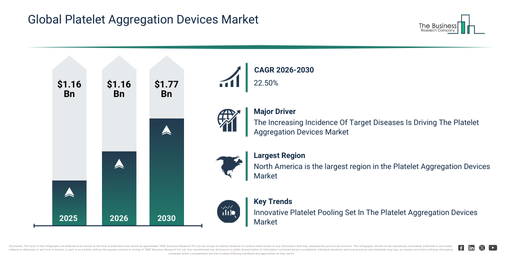
  • Platelet Aggregation Devices Market Expected To Reach $2.93 Billion By 2030 As Growth Accelerates At 22.5% CAGR

    Platelet Aggregation Devices Market Expected To Reach $2.93 Billion By 2030 As Growth Accelerates At 22.5% CAGR

    Delivering more actionable and strategically valuable research, The Business Research Company’s 2026 market reports feature market attractiveness analysis, total addressable market evaluation, company benchmarking matrices, interactive Excel dashboards, expanded supply chain intelligence, emerging startup coverage, and detailed product insights.

    The platelet aggregation devices market is experiencing remarkable growth driven by advancements in medical diagnostics and increasing prevalence of chronic diseases. As healthcare systems worldwide focus on better disease management and rapid diagnostic solutions, this sector is poised for significant expansion. Let’s explore the market’s current value, key growth drivers, segment classifications, emerging innovations, major players, and regional performance.

    Steady Market Expansion Expected for Platelet Aggregation Devices

    The platelet aggregation devices market has shown rapid growth in recent years and is forecasted to continue this trajectory. The market value is projected to rise from $1.04 billion in 2025 to $1.31 billion in 2026, achieving a compound annual growth rate (CAGR) of 25.4%. The market’s previous expansion has been primarily fueled by an increase in cardiovascular disease cases, the proliferation of clinical diagnostic labs, broader use of antiplatelet therapies, heightened demand for coagulation testing, and progress in hematology diagnostic technologies.

    Download A Free Sample Report For Comprehensive Market Insights:

    https://www.thebusinessresearchcompany.com/sample.aspx?id=15896&type=smp

    Long-Term Growth Outlook for the Platelet Aggregation Devices Market

    Looking further ahead, the market is expected to reach $2.94 billion by 2030, growing at a CAGR of 22.5%. This anticipated growth is driven by factors such as rising adoption of personalized medicine approaches, growing investments in advanced diagnostic tools, increasing demand for rapid platelet function tests, continuous research into blood disorders, and ongoing innovation in diagnostic technology. Key trends expected to influence the market include wider use of automated platelet function analyzers, demand for high-throughput testing platforms, integration of digital data management systems, expansion of multi-channel aggregation devices, and a sharper focus on enhancing diagnostic accuracy.

    Rising Prevalence of Target Diseases Boosts Market Demand

    One of the primary forces driving the platelet aggregation devices market is the increasing incidence of target diseases, which include critical conditions such as cancer, cardiovascular diseases, and diabetes. These devices play a vital role in early detection and management of thrombotic risks, helping to reduce complications like heart attacks and strokes in vulnerable populations. For example, in February 2024, the International Agency for Research on Cancer (IARC) reported that approximately 20 million new cancer cases and 9.7 million deaths occurred globally in 2022, with projections forecasting a 77% surge to over 35 million new cases by 2050. Lung cancer was the most common, with 2.5 million new diagnoses, followed by female breast, colorectal, prostate, and stomach cancers. Such alarming statistics highlight why the demand for platelet aggregation devices remains strong.

    Access The Complete Platelet Aggregation Devices Market Report:

    https://www.thebusinessresearchcompany.com/report/platelet-aggregation-devices-global-market-report

    How Target Disease Trends Are Shaping Market Dynamics

    The rising burden of these diseases underscores the need for advanced diagnostic tools that can facilitate timely intervention. Platelet aggregation devices contribute significantly by enabling healthcare providers to monitor platelet function effectively, which is crucial in managing thrombotic conditions. As efforts to combat these diseases intensify globally, the demand for reliable and efficient platelet aggregation testing solutions continues to expand, directly influencing market growth.

    Breaking Down the Platelet Aggregation Devices Market Structure

    The market is segmented into various categories to better understand consumer needs and technological preferences. These include:

    1) Product Types: Reagents, Systems, Consumables and Accessories

    2) Channel Configuration: Four Channel, Dual Channel, Eight Channel

    3) Technology Used: Optical, Impedance, Other Technologies

    4) Application Areas: Clinical Applications, Research Applications, Cardiovascular Applications, Other Applications

    5) End-Users: Standalone Hospitals, Diagnostic Laboratories, Research and Academic Institutes, Other End Users

    Within these segments, subcategories are detailed further, such as platelet aggregation assay reagents and coagulation/anticoagulation reagents under products, as well as testing systems that include platelet aggregation testing systems and automated systems. Consumables cover items like sample collection kits, testing plates, cuvettes, and calibration kits.

    Innovation Trends Transforming the Platelet Aggregation Devices Market

    Leading companies are focusing on developing state-of-the-art products to address supply challenges and improve diagnostic outcomes. A notable innovation is the introduction of the first platelet pooling set designed to stabilize the U.S. platelet supply and meet increasing clinical demands. Platelet pooling sets are specialized devices used in plateletpheresis to collect platelets from multiple donors into a single unit for transfusion. For instance, in February 2023, Terumo BCT Inc., a U.S.-based firm specializing in blood components and cellular technology, received FDA approval for its IMUGARD WB Platelet Pooling Set. This device offers extended platelet shelf life with seven-day storage clearance and enables platelet recovery from whole blood donations, enhancing supply flexibility. Such advancements are crucial for supporting critical medical procedures like chemotherapy and organ transplants, reflecting a significant leap forward in platelet aggregation technology.

    Key Industry Players Leading the Market Competition

    Several prominent companies dominate the platelet aggregation devices sector, including Roche Holding AG, Cytiva (Danaher Corp.), Siemens Healthineers, Sysmex Corporation, WerfenLife S.A., Haemonetics Corporation, Helena Laboratories Corporation, Sarstedt AG and Co. KG, Sekisui Diagnostics LLC, Diagnostica Stago, Accriva Diagnostics Holdings Inc., Sentinel CH. SpA, ADInstruments, Chrono-Log Corporation, Bio/Data Corporation, Haemochrom Diagnostica GmbH, AggreDyne Inc., Hart Biologicals Ltd., Stago, and Instrumentation Laboratory. These organizations are key drivers of innovation and competitive growth.

    Regional Market Overview and Growth Potential

    In 2025, North America held the largest share of the platelet aggregation devices market, reflecting its advanced healthcare infrastructure and high adoption of diagnostic technologies. However, the Asia-Pacific region is anticipated to exhibit the fastest growth in the coming years, fueled by expanding healthcare access, increasing prevalence of chronic diseases, and growing investments in medical diagnostics. The market report also covers regions including South East Asia, Western Europe, Eastern Europe, South America, the Middle East, and Africa, providing a comprehensive view of global trends and opportunities.

    Get in touch with us:

    The Business Research Company: https://www.thebusinessresearchcompany.com/

    Americas: +1 310-496-7795

    Asia: +44 7882 955267 & +91 8897263534

    Europe: +44 7882 955267

    Email us at: marketing@tbrc.info

    Follow us on:

    LinkedIn: https://in.linkedin.com/company/the-business-research-company

    YouTube: https://www.youtube.com/channel/UC24_fI0rV8cR5DxlCpgmyFQ

    Global Market Model: https://www.thebusinessresearchcompany.com/global-market-model
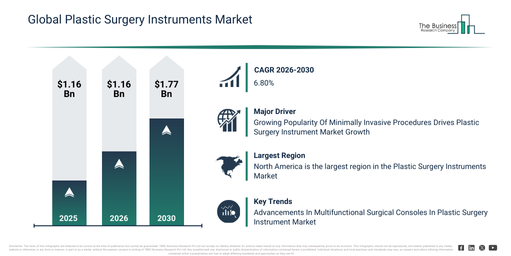
  • Plastic Surgery Instruments Market Set To Grow From $1.27 Billion In 2026 To $1.66 Billion By 2030 At A CAGR Of 6.8%

    Plastic Surgery Instruments Market Set To Grow From $1.27 Billion In 2026 To $1.66 Billion By 2030 At A CAGR Of 6.8%

    Enhanced with market attractiveness analysis, total addressable market evaluation, company benchmarking matrices, interactive Excel dashboards, expanded supply chain intelligence, emerging startup coverage, and detailed product insights, The Business Research Company’s 2026 market reports deliver more actionable and strategically valuable research.

    The plastic surgery instruments market has witnessed significant growth in recent years, driven by expanding surgical procedures and technological advancements. As the demand for both cosmetic and reconstructive surgeries rises globally, this industry is poised for continued expansion. Let’s explore the market’s size, key growth factors, leading players, and emerging trends shaping its future trajectory.

    Plastic Surgery Instruments Market Size and Expected Growth Through 2030

    The market for plastic surgery instruments has experienced considerable growth and is projected to continue on this upward path. From a valuation of $1.19 billion in 2025, the market is anticipated to reach $1.28 billion in 2026, reflecting a compound annual growth rate (CAGR) of 7.5%. This historical growth is mainly fueled by the rise in cosmetic and reconstructive surgeries, the establishment of specialized surgical clinics, increased demand for aesthetic procedures, greater availability of skilled plastic surgeons, and continuous improvements in surgical instrument manufacturing.

    Looking ahead, the market is expected to expand further, hitting $1.66 billion by 2030 with a CAGR of 6.8%. Factors contributing to this forecast include a surge in medical tourism, wider acceptance of minimally invasive surgeries, heightened focus on patient safety and better outcomes, growth of outpatient surgical facilities, and ongoing innovations in cosmetic surgery technologies. Key trends during this period are the increased use of minimally invasive instruments, growing preference for disposable tools, adoption of precision-engineered devices, rise of advanced non-surgical cosmetic equipment, and stricter sterilization and safety protocols.

    Download A Free Sample Report For Comprehensive Market Insights:

    https://www.thebusinessresearchcompany.com/sample.aspx?id=17231&type=smp

    Drivers Propelling Market Expansion Through Minimally Invasive Procedures

    One of the strongest drivers influencing the plastic surgery instruments market is the rising popularity of minimally invasive procedures. These treatments involve small incisions that minimize tissue damage and speed up recovery, making them preferable to traditional surgery. The appeal of these procedures comes from shorter healing times, reduced risk of complications, improved safety profiles, and the growing impact of social media on personal aesthetic choices.

    Plastic surgery instruments play a crucial role in enabling these minimally invasive techniques by allowing surgeons to work with precision through small openings. For example, in January 2024, Intuitive Surgical Inc., a U.S.-based robotic surgical systems manufacturer, reported approximately 415 da Vinci surgical systems in use during the fourth quarter of 2023, marking a 12% increase compared to 2022. This growth in robotic-assisted surgeries reflects the increasing demand for minimally invasive instrumentations and supports expansion in the market.

    Segmentation of the Plastic Surgery Instruments Market by Product Categories

    This market is categorized into several segments based on the type of instruments and accessories used:

    1) Surgical Instruments: This includes scalpels, forceps, scissors, retractors, needle holders, and other related tools.

    2) Non-Surgical Instruments: Products such as dermabrasion devices, laser systems, cryotherapy units, electrosurgical instruments, and other non-invasive equipment fall under this category.

    3) Accessories: These comprise needles, sutures, disposable supplies, cannulas, and various other supporting materials.

    Further subcategories provide detailed classifications, for example: scalpels are divided into disposable, reusable, and safety types; forceps include grasping, hemostatic, dressing, and surgical varieties; scissors include dissecting, tissue, iris, and bandage scissors; retractors are segmented as handheld, self-retaining, and bone retractors; needle holders range from fine to heavy-duty and cross-lock types; other surgical instruments encompass sponges, suction devices, drills, and electrosurgical tools.

    Access The Complete Plastic Surgery Instruments Market Report:

    https://www.thebusinessresearchcompany.com/report/plastic-surgery-instruments-global-market-report

    Trends Shaping Market Growth Through Advanced Technology and Innovation

    Leading companies in the plastic surgery instruments market are focusing on creating multifunctional surgical consoles to stay competitive. These consoles combine various surgical tools and energy modalities into a single integrated device, improving efficiency and precision during cosmetic procedures.

    For instance, in January 2023, Apyx Medical Corporation, a U.S.-based energy technology firm, introduced the Apyx One Console. This multifunctional generator allows surgeons to perform diverse cosmetic surgeries using one device, streamlining operations and enhancing patient outcomes. Such technological advances are responding to the increasing demand for minimally invasive surgeries and higher surgical accuracy. Despite challenges like high costs and regulatory barriers, the trend toward multifunctional, innovative instruments continues to foster market growth.

    Key Companies Leading the Plastic Surgery Instruments Industry

    The market is dominated by several prominent players, including:

    – B. Braun Melsungen AG

    – Zimmer Biomet Holdings Inc.

    – Integra LifeSciences Corporation

    – KLS Martin Group

    – Surgicon Pvt. Ltd.

    – Mentor Worldwide LLC

    – Sklar Surgical Instruments

    – Tekno-Medical Optik-Chirurgie GmbH

    – Hayden Medical Inc.

    – Millennium Surgical Corp.

    – Blink Medical Ltd.

    – Bolton Surgical Ltd.

    – Anthony Products Inc.

    – Surgipro Inc.

    – Surtex Instruments Ltd.

    – MSI Precision Instruments

    – ECA Medical Instruments

    – Novo Surgical Inc.

    – Marina Medical Instruments Inc.

    – Ekal Surgical Works

    – Wexler Surgical

    Regional Overview of the Plastic Surgery Instruments Market

    In 2025, North America held the largest share of the plastic surgery instruments market, supported by advanced healthcare infrastructure and a high prevalence of cosmetic and reconstructive procedures. Meanwhile, the Asia-Pacific region is forecasted to be the fastest-growing market over the coming years, driven by increasing medical tourism, rising disposable incomes, and expanding healthcare access. Other important regions covered in the market analysis include South East Asia, Western Europe, Eastern Europe, South America, the Middle East, and Africa, providing a comprehensive view of global market dynamics.

    Get in touch with us:

    The Business Research Company: https://www.thebusinessresearchcompany.com/

    Americas: +1 310-496-7795

    Asia: +44 7882 955267 & +91 8897263534

    Europe: +44 7882 955267

    Email us at: marketing@tbrc.info

    Follow us on:

    LinkedIn: https://in.linkedin.com/company/the-business-research-company

    YouTube: https://www.youtube.com/channel/UC24_fI0rV8cR5DxlCpgmyFQ

    Global Market Model: https://www.thebusinessresearchcompany.com/global-market-model
  • Plasmonic Laser Ablation Device Market Opportunities Are Emerging Beyond Traditional Growth Areas

    Plasmonic Laser Ablation Device Market Opportunities Are Emerging Beyond Traditional Growth Areas

    Through market attractiveness analysis, total addressable market evaluation, company benchmarking matrices, interactive Excel dashboards, expanded supply chain intelligence, emerging startup coverage, and detailed product insights, The Business Research Company’s 2026 market reports provide more actionable and strategically valuable research.

    The plasmonic laser ablation device market is undergoing swift development, driven by technological advancements and a growing need for precision in various fields. From medical procedures to industrial applications, this market shows promising potential for future growth. Let’s explore the current status, key drivers, market segmentation, leading companies, and regional outlook shaping this expanding industry.

    Market Size and Growth Trajectory of the Plasmonic Laser Ablation Device Market

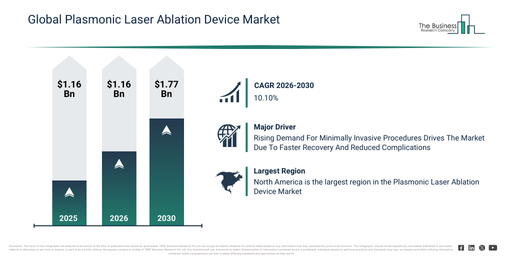
    The plasmonic laser ablation device market has seen rapid expansion in recent years, with its value expected to rise from $1.5 billion in 2025 to $1.65 billion in 2026, reflecting a compound annual growth rate (CAGR) of 10.4%. Historically, this growth has been fueled by early advancements in laser ablation technology, increasing medical laser applications, expanding research activities in nanotechnology, high-precision manufacturing demands, and widespread use of traditional YAG and CO₂ laser systems. Looking ahead, the market is projected to surge to $2.43 billion by 2030, maintaining a strong CAGR of 10.1%. This forecast growth is largely driven by innovations in plasmonic and nanoparticle-assisted technologies, growing investments in precision and nanomedicine, expanding industrial microfabrication uses, wider adoption of ultrafast laser systems, and the integration of AI for enhanced process optimization. Prominent trends include more precise nanoscale material removal, increased use of femtosecond and ultrafast lasers, heightened demand for minimally invasive medical procedures, wider plasmonic applications in advanced material processing, and a focus on improving accuracy while reducing thermal damage.

    Download A Free Sample Report For Comprehensive Market Insights:

    https://www.thebusinessresearchcompany.com/sample.aspx?id=27386&type=smp

    Key Influences Behind the Expansion of the Plasmonic Laser Ablation Device Market

    One of the primary factors propelling market growth is the rising demand for minimally invasive medical procedures. These techniques, performed through small incisions or natural body openings using specialized tools, minimize pain, scarring, and recovery times. The appeal of quicker patient recovery and fewer complications leads to increasing adoption of such methods. Plasmonic laser ablation devices play a crucial role by enabling precise and localized tissue removal with minimal thermal injury to surrounding areas, which helps reduce incision size and speeds up healing. For example, in June 2024, the American Society of Plastic Surgeons reported that approximately 25.4 million minimally invasive procedures were carried out in 2023 in the United States, marking a 7% rise from the previous year. This surge clearly supports growth in the plasmonic laser ablation device market.

    Another important growth driver is the increasing healthcare expenditure worldwide. This spending encompasses investments made by governments, individuals, and organizations on medical treatments, services, and health resources. An aging population, which generally requires more frequent and expensive care for chronic and age-related conditions, largely contributes to this upward trend. Higher healthcare budgets enable the adoption and development of advanced technologies like plasmonic laser ablation devices by facilitating funding for research, acquisition, and clinical integration. For instance, in April 2025, the American Medical Association highlighted that US health spending in 2023 rose by 7.5% to reach $4.9 trillion, or $14,570 per capita, accelerating from a 4.6% increase in 2022. This boost in healthcare spending is a significant factor driving the market forward.

    Access The Complete Plasmonic Laser Ablation Device Market Report:

    https://www.thebusinessresearchcompany.com/report/plasmonic-laser-ablation-device-global-market-report

    The Role of Increasing Clinical Trials in Boosting the Plasmonic Laser Ablation Device Market

    The growing number of clinical trials also contributes substantially to the market’s growth. Clinical trials, which involve assessing the safety and effectiveness of medical interventions in human subjects, are increasing due to the rising focus on personalized medicine. Tailored treatment approaches require precise evaluation on specific patient groups to optimize outcomes. Plasmonic laser ablation devices support these trials by enabling high-precision cellular and molecular analysis, aiding researchers in studying diseases and treatment effects more effectively. For instance, the Association of the British Pharmaceutical Industry reported in November 2023 that recruitment for industry clinical trials in the UK grew by 15%, from 36,722 participants in 2022 to 42,088 in 2023. This rise in clinical research activity is stimulating further demand for plasmonic laser ablation technologies.

    Detailed Segmentation of the Plasmonic Laser Ablation Device Market

    This report classifies the plasmonic laser ablation device market into several key categories:

    1) Device Type: Pulsed Plasmonic Laser Ablation Devices, Continuous Wave Plasmonic Laser Ablation Devices, Femtosecond Plasmonic Laser Ablation Devices, Nanosecond Plasmonic Laser Ablation Devices

    2) Technology: Surface Plasmon Resonance (SPR) Technology, Nanoparticle Mediated Laser Ablation

    3) Application: Medical Applications, Material Processing, Research and Development

    4) End-User: Hospitals and Medical Clinics, Research Institutes and Universities, Manufacturing or Semiconductor Industries, Other End-Users

    Further subcategories break down each device type. For pulsed devices, there are Q-Switched, Mode-Locked, Tunable, and High-Power variants. Continuous wave devices include low-power, high-power, fiber-based, and diode-based models. Femtosecond devices cover Ti:Sapphire, Yb-Doped, fiber, and compact options. Nanosecond devices consist of solid-state, fiber, diode-pumped, and Q-switched types. This detailed segmentation provides a comprehensive view of the market’s structure and diverse product offerings.

    Leading Players Shaping the Plasmonic Laser Ablation Device Industry

    The market features several prominent companies that drive innovation and competition, including Mitsubishi Electric Corporation, Boston Scientific Corporation, Trumpf Group, Coherent Corp., Han’s Laser Technology Industry Group Co. Ltd., Lumentum Holdings Inc., Thorlabs Inc., Edmund Optics Inc., Jenoptik AG, Universal Laser Systems Inc., Cincinnati Incorporated, Epilog Laser, RPMC Lasers, Dongguan Mactron Technology Co. Ltd., Aesthetic World, Astanza Laser LLC, Boss Laser LLC, Quantum Composers, Laser Photonics Corporation, and Medioxra LLP. These organizations are instrumental in advancing technology, expanding applications, and fulfilling growing market demand.

    Regional Market Insights and Growth Outlook

    In 2025, North America was the largest regional market for plasmonic laser ablation devices, leading in revenue and market share. However, the Asia-Pacific region is expected to experience the fastest growth during the forecast period. The market report covers key regions including Asia-Pacific, South East Asia, Western Europe, Eastern Europe, North America, South America, the Middle East, and Africa, providing a global perspective on market trends and opportunities.

    Get in touch with us:

    The Business Research Company: https://www.thebusinessresearchcompany.com/

    Americas: +1 310-496-7795

    Asia: +44 7882 955267 & +91 8897263534

    Europe: +44 7882 955267

    Email us at: marketing@tbrc.info

    Follow us on:

    LinkedIn: https://in.linkedin.com/company/the-business-research-company

    YouTube: https://www.youtube.com/channel/UC24_fI0rV8cR5DxlCpgmyFQ

    Global Market Model: https://www.thebusinessresearchcompany.com/global-market-model
  • Plaque Modification Devices Market Expansion Is Opening New Pathways For Strategic Investment

    Plaque Modification Devices Market Expansion Is Opening New Pathways For Strategic Investment

    Delivering more actionable and strategically valuable research, The Business Research Company’s 2026 market reports feature market attractiveness analysis, total addressable market evaluation, company benchmarking matrices, interactive Excel dashboards, expanded supply chain intelligence, emerging startup coverage, and detailed product insights.

    The plaque modification devices market is experiencing significant momentum, driven by advancements in medical technologies and increasing prevalence of vascular diseases. With evolving treatment approaches and growing demand for safer, minimally invasive procedures, this market is set to witness substantial growth in the coming years. Let’s explore the current market size, key factors fueling its expansion, major players, and emerging trends shaping the industry’s future.

    Steady Growth Forecast for the Plaque Modification Devices Market

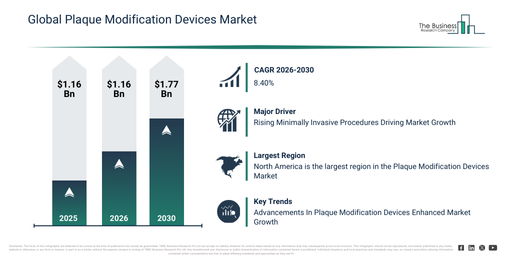
    The plaque modification devices market has demonstrated strong growth recently, with its value anticipated to rise from $1.49 billion in 2025 to $1.62 billion in 2026, marking an 8.5% compound annual growth rate (CAGR). This historical growth is largely attributed to the increasing occurrence of atherosclerosis, a rise in angioplasty procedures, the aging global population, increasing cases of peripheral artery disease, and progressive advancements in interventional cardiology techniques. Looking ahead, the market is projected to expand further, reaching $2.23 billion by 2030 with a CAGR of 8.4%. This anticipated growth is supported by innovations such as AI-guided vascular imaging, broader adoption of complex vascular interventions, heightened demand for safer procedures, growth in outpatient interventions, and new plaque removal technologies. Key trends expected to shape the market include minimally invasive plaque removal methods, precision atherectomy, enhanced embolic protection, advanced catheter-based systems, and devices designed to shorten procedure times.

    Download A Free Sample Report For Comprehensive Market Insights:

    https://www.thebusinessresearchcompany.com/sample.aspx?id=20928&type=smp

    Rising Popularity of Minimally Invasive Procedures Boosts Market Demand

    One of the primary drivers behind the plaque modification devices market expansion is the increasing use of minimally invasive medical procedures. These techniques involve smaller incisions, less tissue damage, and quicker recovery periods compared to traditional open surgeries. Technological improvements, including high-definition imaging and robotic assistance, are enhancing the precision of these procedures. Patients are also favoring minimally invasive options due to reduced pain and scarring. Plaque modification devices play a critical role in improving the safety and effectiveness of these interventions by enabling accurate removal of arterial blockages, particularly for complex vascular cases.

    Supporting Evidence of Growing Minimally Invasive Procedures

    For example, in January 2024, Intuitive Surgical Inc., a US-based leader in robotic surgery systems, reported the placement of 415 da Vinci surgical systems in the last quarter of 2023. This represents a 12% increase from 2022 and highlights the growing adoption of robotic platforms that facilitate minimally invasive surgeries. Such trends clearly indicate a rising demand for advanced devices that support these techniques, which in turn propels the growth of the plaque modification devices market.

    Access The Complete Plaque Modification Devices Market Report:

    https://www.thebusinessresearchcompany.com/report/plaque-modification-devices-global-market-report

    Diverse Segmentation of the Plaque Modification Devices Market

    This market is segmented into various categories to cater to different clinical needs. By device type, it includes Atherectomy Devices, Thrombectomy Devices, Chronic Total Occlusion (CTO) Devices, and Embolic Protection Devices. Applications cover Coronary Artery Disease, Peripheral Artery Disease, and Neurovascular Diseases. The end users range across Hospitals, Ambulatory Surgical Centers, and other healthcare providers. Further breakdowns within device types feature subcategories such as rotational, directional, laser, and orbital atherectomy devices; mechanical, aspiration, manual, and hybrid thrombectomy devices; CTO crossing guidewires, balloons, catheters, and support systems; as well as distal, proximal, filter-based, and balloon-based embolic protection devices.

    Innovations Driving the Future of Plaque Modification Devices

    Leading companies in this sector are heavily investing in next-generation technologies like intravascular image-guided catheter-based systems to maintain competitive advantage. In August 2024, Avinger, a US medical device manufacturer, introduced the Pantheris LV system. This image-guided directional atherectomy device is tailored for treating peripheral artery disease in larger vessels such as the superficial femoral and popliteal arteries. It boasts advanced features including high-speed plaque excision for efficient removal, a proprietary jog mechanism for improved plaque contact, and an enhanced guidewire management system to simplify operation and increase precision.

    Key Industry Players Shaping the Plaque Modification Devices Market

    Several prominent organizations are leading the competition in this market, including Cardinal Health, Johnson & Johnson, Abbott Laboratories, Siemens Healthineers, Philips Healthcare, Becton Dickinson, Stryker Corporation, Boston Scientific, Terumo Corporation, Edwards Lifesciences Corporation, Teleflex Incorporated, Merit Medical Systems Inc., MicroPort Scientific Corporation, Asahi Intecc Co. Ltd., AngioDynamics, Cardiovascular Systems Inc. (CSI), ACIST Medical Systems Inc., Endologix Inc., Avinger Inc., and SoundBite Medical Solutions Inc. These companies continuously innovate and expand their product portfolios to capture increasing market opportunities.

    Regional Market Overview and Growth Hotspots

    In 2025, North America held the largest share of the plaque modification devices market due to its advanced healthcare infrastructure and high adoption rates of innovative medical technologies. Meanwhile, the Asia-Pacific region is forecasted to experience the fastest growth over the upcoming years, driven by rising healthcare expenditure, increasing awareness about vascular diseases, and expanding medical facilities. Other regions covered in the market analysis include South East Asia, Western Europe, Eastern Europe, South America, the Middle East, and Africa, providing a comprehensive view of global market dynamics.

    Get in touch with us:

    The Business Research Company: https://www.thebusinessresearchcompany.com/

    Americas: +1 310-496-7795

    Asia: +44 7882 955267 & +91 8897263534

    Europe: +44 7882 955267

    Email us at: marketing@tbrc.info

    Follow us on:

    LinkedIn: https://in.linkedin.com/company/the-business-research-company

    YouTube: https://www.youtube.com/channel/UC24_fI0rV8cR5DxlCpgmyFQ

    Global Market Model: https://www.thebusinessresearchcompany.com/global-market-model