Category: Medical Equipment

  • Medical And Surgical Drainage System Market Expansion Is Opening New Pathways For Strategic Investment

    Medical And Surgical Drainage System Market Expansion Is Opening New Pathways For Strategic Investment

    Delivering more actionable and strategically valuable research, The Business Research Company’s 2026 market reports feature market attractiveness analysis, total addressable market evaluation, company benchmarking matrices, interactive Excel dashboards, expanded supply chain intelligence, emerging startup coverage, and detailed product insights.

    The medical and surgical drainage system market is witnessing steady progress as advancements in surgical care and healthcare infrastructure continue to evolve. With rising surgical procedures and growing attention to patient safety, this sector is set to experience consistent growth. Let’s explore the current market size, key drivers, segmentation, innovations, major companies, and regional trends shaping this industry.

    Medical and Surgical Drainage System Market Size and Growth Outlook

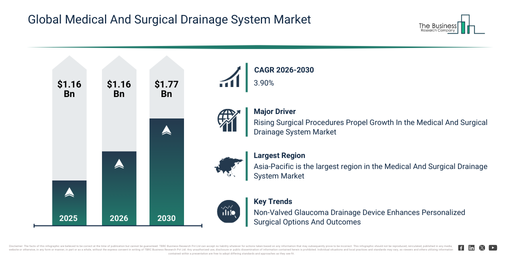
    The market for medical and surgical drainage systems has shown steady expansion in recent years. It is projected to increase from $2.55 billion in 2025 to $2.65 billion in 2026, reflecting a compound annual growth rate (CAGR) of 3.9%. This growth during the historic period has been driven by the rising number of surgical procedures, increased trauma and chronic disease cases, widespread adoption of drainage systems in hospitals, heightened awareness about preventing infections after surgery, and continuous growth of healthcare infrastructure. Looking ahead, the market is expected to reach $3.08 billion by 2030, maintaining the same CAGR of 3.9%. Factors contributing to this forecast include a rising need for advanced surgical treatments, greater focus on minimizing post-operative complications, increased use of minimally invasive surgeries, broader application of drainage systems in outpatient settings, and stronger emphasis on patient safety and better recovery outcomes. Emerging trends include greater use of closed and active drainage systems, preference for infection-preventing solutions, adoption across various surgical fields, and demand for disposable, single-use accessories.

    Download A Free Sample Report For Comprehensive Market Insights:

    https://www.thebusinessresearchcompany.com/sample.aspx?id=18668&type=smp

    Increasing Surgical Procedures Fueling Market Expansion

    One of the primary forces behind market growth is the increasing volume of surgical interventions. This rise is linked to the aging global population, the growing incidence of chronic health issues, and continual advancements in medical technology. Surgical drainage systems play a crucial role in efficiently removing fluids such as blood, pus, and excess liquids from surgical sites, which helps prevent infections, reduce swelling, and support healing. For example, in June 2024, the International Society of Aesthetic Plastic Surgery (ISAPS) reported a 3.4% increase in total surgical and non-surgical procedures in 2023, reaching 34.9 million. Surgical procedures alone rose by 5.5%, with plastic surgeons performing over 15.8 million surgeries and 19.1 million non-surgical treatments. This reflects a 40% increase in procedures over the past four years, highlighting the growing demand that propels the medical and surgical drainage system market.

    The Role of Healthcare Infrastructure and Awareness

    Alongside the rise in surgeries, expanding healthcare infrastructure worldwide is supporting the adoption of drainage systems in treatment protocols. Increasing awareness among healthcare providers and patients about the importance of infection control and post-surgical care further stimulates demand. Hospitals and outpatient centers are incorporating advanced drainage technologies to enhance recovery times and improve overall surgical outcomes.

    Access The Complete Medical And Surgical Drainage System Market Report:

    https://www.thebusinessresearchcompany.com/report/medical-and-surgical-drainage-system-global-market-report

    How the Medical and Surgical Drainage System Market Is Categorized

    This market can be segmented into several categories to better understand revenue drivers:

    1) By Product Type: Drainage Systems and Accessories

    2) By Material Type: Silastic, Rubber, and Other Materials

    3) By Flow Type: Active and Passive Drainage

    4) By Application: Cardiac and Thoracic Surgery, Abdominal Surgery, Orthopedic Surgery, and Other Surgical Procedures

    Further breakdown includes:

    – Drainage Systems such as Wound Drainage Systems, Surgical Drainage Systems, Chest Drainage Systems, and Peritoneal Drainage Systems

    – Accessories including Drainage Tubes, Drainage Bags, Drainage Clamps, and Collection Chambers

    Technological Innovations Shaping the Industry

    Leading companies in this market are continuously innovating to improve surgical options and patient care. For example, in September 2025, New World Medical, a US-based medical device firm, launched the Ahmed ClearPath ST, a non-valved glaucoma drainage implant. This device offers improved pressure regulation through a smaller lumen tube, enhanced safety features, and optimized post-surgical management. It comes in two plate sizes tailored for different implantation needs and includes features like a pre-threaded ripcord suture and a 25-gauge needle for easier scleral tunneling. Its flexible plate design conforms naturally to the eye, encouraging the formation of a low-profile, diffuse bleb. This innovation provides surgeons with greater flexibility for personalized glaucoma treatment and aims to improve outcomes for patients with difficult-to-treat glaucoma.

    Key Players Driving Market Competition

    Several major companies dominate the medical and surgical drainage system market, including McKesson Medical-Surgical Inc., Cardinal Health Inc., Johnson & Johnson, Medtronic plc, Becton Dickinson and Company, Stryker Corporation, Medline Industries LP, Olympus Corporation, Smith & Nephew plc, Braun SE, Cook Medical, Teleflex Incorporated, ConvaTec Group, Medela AG, Vygon SA, Poly Medicure Limited, Redax S.p.A., Hangzhou Fushan Medical Appliances Co. Ltd., Ningbo Luke Medical Co. Ltd., and Centese Inc. These organizations continuously invest in research, development, and strategic partnerships to maintain and expand their market presence.

    Regional Trends and Market Leadership

    In 2025, the Asia-Pacific region held the largest share of the medical and surgical drainage system market. Other important regions covered in market analyses include South East Asia, Western Europe, Eastern Europe, North America, South America, the Middle East, and Africa. The Asia-Pacific’s leadership is attributed to rising healthcare investments, growing surgical volumes, and expanding infrastructure across emerging economies in the region.

    Get in touch with us:

    The Business Research Company: https://www.thebusinessresearchcompany.com/

    Americas: +1 310-496-7795

    Asia: +44 7882 955267 & +91 8897263534

    Europe: +44 7882 955267

    Email us at: marketing@tbrc.info

    Follow us on:

    LinkedIn: https://in.linkedin.com/company/the-business-research-company

    YouTube: https://www.youtube.com/channel/UC24_fI0rV8cR5DxlCpgmyFQ

    Global Market Model: https://www.thebusinessresearchcompany.com/global-market-model
  • Microscope Market Growth Outlook Reveals A CAGR Of 9.9% And A Market Value Of $22.93 Billion By 2030

    Microscope Market Growth Outlook Reveals A CAGR Of 9.9% And A Market Value Of $22.93 Billion By 2030

    Enhanced with market attractiveness analysis, total addressable market evaluation, company benchmarking matrices, interactive Excel dashboards, expanded supply chain intelligence, emerging startup coverage, and detailed product insights, The Business Research Company’s 2026 market reports deliver more actionable and strategically valuable research.

    The microscope market has been experiencing significant growth recently, driven by advancements in various scientific fields and increasing demand across multiple sectors. As microscopy technologies evolve, their applications in research, diagnostics, and industrial inspections continue to expand, setting the stage for sustained market development. Let’s explore the current market size, key drivers, segment breakdowns, emerging trends, prominent players, and regional highlights shaping the microscope industry.

    Steady Expansion Forecast for the Microscope Market

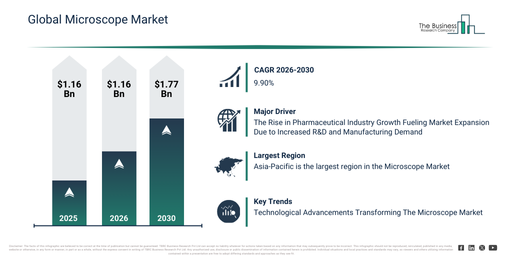
    The microscope market is on a robust growth trajectory, expected to increase from $14.37 billion in 2025 to $15.72 billion in 2026, reflecting a compound annual growth rate (CAGR) of 9.4%. This growth stems from the expansion of life science research, the rise of academic and industrial labs, the broader use of microscopy in diagnostics, advances in optical and electron microscopy technologies, and a growing need for materials analysis. Looking further ahead, the market is projected to reach $22.93 billion by 2030, growing at a CAGR of 9.9%. Factors contributing to this future increase include the adoption of automated laboratory workflows, heightened investments in nanotechnology research, growth in semiconductor inspection applications, demand for superior imaging accuracy, and the integration of smart microscopy platforms.

    Download A Free Sample Report For Comprehensive Market Insights:

    https://www.thebusinessresearchcompany.com/sample.aspx?id=12139&type=smp

    Expanding Pharmaceutical Industry as a Key Catalyst

    The microscope market’s growth is strongly supported by the expanding pharmaceutical sector. Pharmaceutical companies rely heavily on advanced microscopy techniques for drug discovery, biologics development, and quality assurance processes. The surge in pharmaceutical R&D and manufacturing activities has increased the need for high-performance microscopes, such as confocal, fluorescence, and electron microscopy systems. For example, in December 2023, wholesale sales in Canada’s pharmaceuticals and pharmacy supplies industry surged by 6.1% to reach $7.0 billion, the highest level ever recorded, according to Statistics Canada. This expansion signals growing demand for microscopy solutions tailored to pharmaceutical applications.

    Microscope Market Categorization with Focus on High-Growth Segments

    The microscope market is segmented by product type, components, applications, and end-users. Product categories include optical microscopes, electron microscopes, scanning probe microscopes, and other specialized instruments. Components cover microscopes themselves, accessories, and software. Application segments span material science, nanotechnology, life sciences, semiconductors, and additional areas. End-users range from industrial organizations to academic and research institutions, as well as other sectors. Subdivisions under optical microscopes include compound, stereo, and digital microscopes. Electron microscopes are further divided into scanning electron microscopes (SEM) and transmission electron microscopes (TEM). Scanning probe microscopes include atomic force microscopes (AFM), scanning tunneling microscopes (STM), and magnetic force microscopes (MFM). Other product categories feature confocal microscopes, fluorescence microscopes, and advanced imaging systems.

    Access The Complete Microscope Market Report:

    https://www.thebusinessresearchcompany.com/report/microscope-global-market-report

    Innovations and Technological Advances Driving Industry Change

    Leading companies in the microscope market are prioritizing the development of sophisticated products that enhance research capabilities and usability. Innovations such as automated navigation systems and multi-modal imaging technology are enabling microscopes to automatically locate areas of interest and combine multiple imaging methods seamlessly, providing comprehensive sample analysis. For instance, Nikon Corporation introduced the ECLIPSE Ni-L Upright Microscope in May 2023, designed for both clinical and research use. This microscope offers superior optical performance with increased versatility and ease of operation. It incorporates motorized elements to improve workflow efficiency and supports a range of observation techniques including fluorescence and brightfield microscopy.

    Top Companies Commanding the Microscope Market

    The microscope industry features several key players with a strong market presence, including Thermo Fisher Scientific Inc., Carl Zeiss AG, Olympus Corporation, Keyence Corporation, Hitachi High-Tech Corporation, Nikon Corporation, Bruker Corporation, Horiba Ltd., JEOL Ltd., Brunel Microscopes Ltd., Leica Microsystems Inc., Motic Inc., Oxford Instruments Plc., FEI Company, Omax Corporation, Seiwa Optical America Inc., Celestron LLC., CAMECA, Tescan Orsay Holding AS., Bresser GmbH, Optika Microscopes Inc., Sutter Instrument Company, NT-MDT SI LLC, ACCU-SCOPE Inc., Angstrom Advanced Inc., Euromex Microscopen BV, Swift Optical Instruments Inc., Meiji Techno, National Optical and Scientific Instruments Inc., and Labomed Inc.

    Asia-Pacific Region Leads Microscope Market Revenue

    Among the global regions, Asia-Pacific held the largest share of the microscope market in 2025. The market study also examines other key regions such as South East Asia, Western Europe, Eastern Europe, North America, South America, the Middle East, and Africa, providing a broad perspective on geographic market dynamics and growth patterns.

    Get in touch with us:

    The Business Research Company: https://www.thebusinessresearchcompany.com/

    Americas: +1 310-496-7795

    Asia: +44 7882 955267 & +91 8897263534

    Europe: +44 7882 955267

    Email us at: marketing@tbrc.info

    Follow us on:

    LinkedIn: https://in.linkedin.com/company/the-business-research-company

    YouTube: https://www.youtube.com/channel/UC24_fI0rV8cR5DxlCpgmyFQ

    Global Market Model: https://www.thebusinessresearchcompany.com/global-market-model
  • Medical Alert Systems Market Trends Are Creating New Opportunities For Industry Leaders

    Medical Alert Systems Market Trends Are Creating New Opportunities For Industry Leaders

    Enhanced with market attractiveness analysis, total addressable market evaluation, company benchmarking matrices, interactive Excel dashboards, expanded supply chain intelligence, emerging startup coverage, and detailed product insights, The Business Research Company’s 2026 market reports deliver more actionable and strategically valuable research.

    The medical alert systems market is experiencing swift growth as technological advancements and demographic changes drive demand. Increasingly, healthcare providers and consumers are turning to these systems to enhance safety and independence, especially among elderly populations. Let’s explore the current market size, key growth factors, leading companies, and future trends shaping this sector.

    Market Size and Growth Outlook for Medical Alert Systems

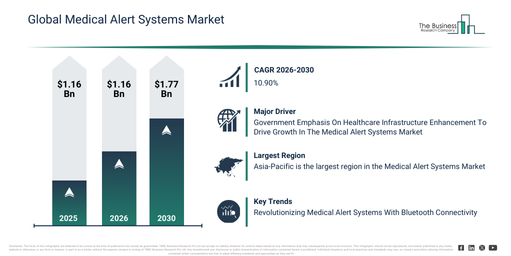
    The medical alert systems market has seen rapid expansion recently. It is projected to grow from $12.29 billion in 2025 to $13.69 billion in 2026, representing a compound annual growth rate (CAGR) of 11.4%. This past growth is largely due to the aging global population, a rise in chronic health conditions, increasing preference for independent senior living, broader availability of home healthcare services, and access to essential personal emergency response systems. Looking ahead, the market is expected to continue its momentum, reaching $20.73 billion by 2030 with a CAGR of 10.9%. Factors contributing to this forecast include wider adoption of smart home healthcare technologies, greater demand for remote patient monitoring, expansion of IP-based alert systems, a stronger focus on proactive elderly care, and increasing use of AI-driven fall detection technologies. Emerging trends during this period also highlight growth in connected medical alert devices, wearable emergency responders, integrated fall detection, enhanced home monitoring solutions, and user-friendly device designs.

    Download A Free Sample Report For Comprehensive Market Insights:

    https://www.thebusinessresearchcompany.com/sample.aspx?id=7166&type=smp

    Government Initiatives Encouraging Medical Alert Systems Market Expansion

    Government efforts to improve healthcare infrastructure are playing a significant role in boosting the medical alert systems market. Medical emergency response systems are particularly valuable in nursing homes and assisted living facilities, where immediate assistance can be critical. Facility management must understand the use of these systems since emergencies can occur even in environments with continuous care. For example, in June 2023, the Centers for Medicare & Medicaid Services reported that healthcare spending in the U.S. rose by 2.7%, reaching $4.3 trillion or $12,914 per person. This spending accounted for 18.3% of the country’s GDP, reflecting substantial government investment in healthcare improvements. Such focus is expected to drive further growth in the medical alert systems market over the coming years.

    Additional Factors Fueling Demand in Medical Alert Systems

    Besides government support, rising awareness of senior safety and the increasing prevalence of chronic diseases are also accelerating market growth. Consumers are seeking reliable solutions that enable independent living while offering quick access to medical assistance when needed. The expansion of home healthcare services and advancements in wireless communication technology further enhance the appeal of these systems.

    Access The Complete Medical Alert Systems Market Report:

    https://www.thebusinessresearchcompany.com/report/medical-alert-systems-global-market-report

    Medical Alert Systems Market Segmentation and Structure

    This market is segmented into several key categories:

    1) Offering Type: Hardware and Services

    2) Technology Type: Two-way Voice Systems, Medical Alert Alarm (Button) Systems, and IP-based Systems

    3) Application Type: Home-Based Users, Senior Living Facilities/Senior Care Centers, and Assisted Living Facilities

    Further subsegments include hardware such as Personal Emergency Response Systems (PERS), wearable devices, and base stations/control units. On the services side, monitoring, installation and setup, maintenance and support, and mobile alert services are covered.

    How Technological Trends Are Shaping Medical Alert Systems

    Leading companies are increasingly focusing on Bluetooth-connected medical alert devices to stay competitive. These wearable or portable systems use Bluetooth technology to enable users to request help promptly during emergencies or health issues. For instance, in January 2023, FallCall Solutions, a U.S.-based tech firm, teamed up with Australia’s HSC Technology Group to launch a medical alert system compatible with iPhone and Android devices in Australia. This collaboration integrates the HSC Talius Smart Care System, advanced Bluetooth devices, and the FallCall app, providing users with seamless connectivity and 24/7 monitoring through a simple, cost-effective subscription model.

    Expanding Use of Wearables and Connected Devices in Medical Alert Systems

    The rise of wearable emergency responders offers users greater mobility and convenience. These devices often feature fall detection and GPS tracking, enhancing user safety both inside and outside the home. As consumer preferences shift toward more personalized and integrated healthcare solutions, companies are innovating to meet these expectations.

    Key Players in the Medical Alert Systems Market

    Several prominent organizations lead the medical alert systems industry, including Connect America Holdings LLC, Bay Alarm Medical Company, Medical Guardian LLC, MobileHelp LLC, LifeFone Medical Alert Services, Tunstall Group Holdings Ltd., AlertOne Services LLC, LogicMark LLC, LifeStation Inc., Life Alert Emergency Response Inc., Medical Care Alert LLC, ResponseLINK LLC, Vital Link Inc., LifeCall Inc., MedScope America Corp., Senior Safety Medical Alert Systems LLC, Koninklijke Philips N.V., Ascom Wireless Solutions Holding AG, Hill-Rom Holdings Inc., Legrand Assisted Living & Healthcare Inc., Smart Caregiver Corporation, and Mytrex Inc.

    Geographic Market Leaders and Regional Growth Trends

    In 2025, Asia-Pacific emerged as the largest region in the medical alert systems market and is also expected to experience the fastest growth during the forecast period. The market analysis spans regions such as Asia-Pacific, South East Asia, Western Europe, Eastern Europe, North America, South America, the Middle East, and Africa, providing a global overview of market dynamics and growth opportunities.

    Get in touch with us:

    The Business Research Company: https://www.thebusinessresearchcompany.com/

    Americas: +1 310-496-7795

    Asia: +44 7882 955267 & +91 8897263534

    Europe: +44 7882 955267

    Email us at: marketing@tbrc.info

    Follow us on:

    LinkedIn: https://in.linkedin.com/company/the-business-research-company

    YouTube: https://www.youtube.com/channel/UC24_fI0rV8cR5DxlCpgmyFQ

    Global Market Model: https://www.thebusinessresearchcompany.com/global-market-model
  • Medical Alert System Personal Emergency Response System Market Growth Is Reshaping Competitive Advantage Across The Industry

    Medical Alert System Personal Emergency Response System Market Growth Is Reshaping Competitive Advantage Across The Industry

    Through market attractiveness analysis, total addressable market evaluation, company benchmarking matrices, interactive Excel dashboards, expanded supply chain intelligence, emerging startup coverage, and detailed product insights, The Business Research Company’s 2026 market reports provide more actionable and strategically valuable research.

    The medical alert system personal emergency response system market has been showing robust growth recently, driven by technological advancements and increasing awareness about elderly care and personal safety. This sector is evolving quickly as new innovations and demographic shifts continue to shape demand. Let’s explore the market’s size, key growth factors, segmentation, leading companies, and regional trends to understand this landscape better.

    Market Size and Projected Growth of the Medical Alert System Personal Emergency Response System Market

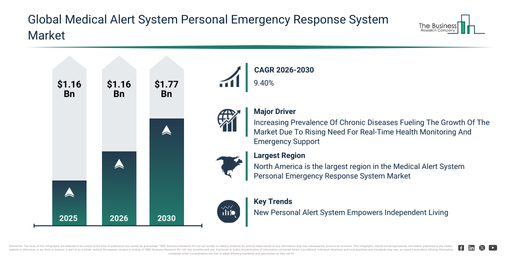
    In recent years, the medical alert system personal emergency response system market has expanded noticeably. It is anticipated to grow from $11.46 billion in 2025 to $12.57 billion in 2026, with a compound annual growth rate (CAGR) of 9.7%. This past growth phase was largely driven by the rising elderly population, limited availability of home-based emergency systems, greater awareness of personal safety among seniors, dependence on fixed landline emergency devices, and the gradual take-up of wearable technology. Looking ahead, the market is expected to continue its strong upward trajectory, reaching $18.03 billion by 2030 at a CAGR of 9.4%. Factors contributing to this forecast include advances in wearable health monitoring devices, integration with smart home and IoT technologies, increased healthcare spending on elderly care, growing demand for remote patient monitoring, and the rise of GPS-enabled and app-based emergency response solutions. Throughout the forecast period, key trends will include the widespread adoption of wearable emergency devices, smartphone app integration with personal emergency response systems, expanded monitoring and emergency services, increased use in senior and assisted living communities, and a focus on real-time health tracking and remote healthcare.

    Download A Free Sample Report For Comprehensive Market Insights:

    https://www.thebusinessresearchcompany.com/sample.aspx?id=27336&type=smp

    Key Drivers Behind Growth in the Medical Alert System Personal Emergency Response System Market

    One major factor propelling this market is the rising incidence of chronic diseases worldwide. Chronic illnesses, which develop gradually and require ongoing medical management, are becoming more prevalent due to sedentary lifestyles and minimal physical activity. These conditions, such as heart disease and diabetes, create a growing need for systems that offer continuous real-time health monitoring and emergency assistance. Personal emergency response systems play a crucial role here by enhancing safety and independence for patients, enabling rapid alerts, and connecting users to healthcare providers or caregivers when urgent medical situations arise.

    For example, in June 2024, the National Health Service in the UK reported that 3,615,330 individuals registered with general practitioners were diagnosed with non-diabetic hyperglycemia or pre-diabetes in 2023—a rise of 18% from 3,065,825 cases in 2022. This increase in chronic and pre-chronic conditions is a significant contributor to the expanding demand for medical alert systems and personal emergency response services.

    Access The Complete Medical Alert System Personal Emergency Response System Market Report:

    https://www.thebusinessresearchcompany.com/report/medical-alert-system-personal-emergency-response-system-global-market-report

    Market Segmentation Patterns and Revenue Drivers in the Medical Alert System Personal Emergency Response System Market

    This market is categorized into several key segments to better understand its structure:

    1) Device Type: Wearable Devices, Fixed Devices, Smartphone Applications

    2) Service Type: Monitoring Services, Emergency Response Services, Installation Services

    3) Application: Home Care, Senior Living Facilities, Assisted Living

    4) End User: Elderly Individuals, Individuals With Disabilities, Caregivers

    Further subcategories include:

    – Wearable Devices such as Pendants, Smartwatches, and Wristbands

    – Fixed Devices like Landline-Based Systems, Wall-Mounted Emergency Buttons, and Cellular-Based Systems

    – Smartphone Applications including Android-Based Apps, Health Monitoring Apps, and GPS-Enabled Apps

    Emerging Industry Trends Fueling Growth in the Medical Alert System Personal Emergency Response System Market

    Leading companies in this market are concentrating on developing smarter, more connected emergency response devices aimed at improving safety, response times, and independent living. These next-generation systems come equipped with features such as fall detection, GPS tracking, and health monitoring, delivering faster and more reliable emergency assistance. A notable example is LogicMark Inc., a US-based company that launched the Guardian Alert 911 Plus in February 2025. This cutting-edge personal emergency response system offers 24/7 safety using 4G LTE connectivity, fall detection, and no monthly fees, enabling users to contact 911 instantly with the push of a button. Such innovations empower older adults and people with medical conditions to maintain independence while providing peace of mind to both users and their caregivers.

    Top Competitors in the Medical Alert System Personal Emergency Response System Market

    Key players shaping competition in this industry include Koninklijke Philips N.V, ADT Inc., Acadian On Call, Connect America LLC, Valued Relationships Inc., Tunstall Healthcare Group Ltd, Life Alert Emergency Response Inc., Medical Guardian LLC, GetSafe LLC, LifeStation Inc., LifeFone Inc., Bay Alarm Medical, MobileHelp, LogicMark Inc., AlertOne Services LLC, Lively Inc., Aloe Care Health Inc., Galaxy Medical Alert Systems, UnaliWear Inc., and Rescue Alert.

    Regional Outlook and Market Leadership in the Medical Alert System Personal Emergency Response System Market

    As of 2025, North America represents the largest regional market for medical alert systems and personal emergency response systems. The market report also examines other important regions including Asia-Pacific, South East Asia, Western Europe, Eastern Europe, South America, the Middle East, and Africa, giving a comprehensive view of global market trends and growth opportunities.

    Get in touch with us:

    The Business Research Company: https://www.thebusinessresearchcompany.com/

    Americas: +1 310-496-7795

    Asia: +44 7882 955267 & +91 8897263534

    Europe: +44 7882 955267

    Email us at: marketing@tbrc.info

    Follow us on:

    LinkedIn: https://in.linkedin.com/company/the-business-research-company

    YouTube: https://www.youtube.com/channel/UC24_fI0rV8cR5DxlCpgmyFQ

    Global Market Model: https://www.thebusinessresearchcompany.com/global-market-model
  • Micropump Market Forecast Highlights Expansion From $2.69 Billion To $4.85 Billion Through 2030

    Micropump Market Forecast Highlights Expansion From $2.69 Billion To $4.85 Billion Through 2030

    Through market attractiveness analysis, total addressable market evaluation, company benchmarking matrices, interactive Excel dashboards, expanded supply chain intelligence, emerging startup coverage, and detailed product insights, The Business Research Company’s 2026 market reports provide more actionable and strategically valuable research.

    The micropump market is experiencing swift growth, driven by technological advancements and rising healthcare demands. As these devices become more integrated into medical and research applications, their market potential expands significantly. Below is a detailed overview of the market size, key growth drivers, important segments, major players, and regional trends shaping the micropump industry’s future.

    Micropump Market Size and Expected Growth Through 2030

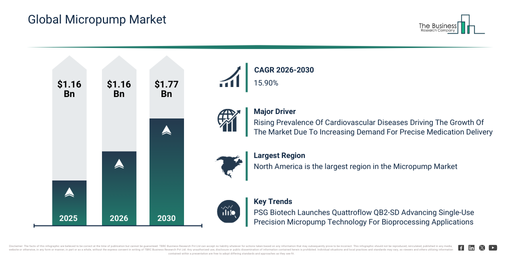
    The micropump market has seen rapid expansion recently, with revenues projected to increase from $2.32 billion in 2025 to $2.69 billion in 2026, representing a compound annual growth rate (CAGR) of 15.9%. This growth during the historical period stems from factors such as the rising use of minimally invasive medical devices, innovations in microfluidics technology, the expansion of pharmaceutical research and clinical trials, greater adoption of point-of-care diagnostic tools, and progress in early-stage drug delivery systems. Looking ahead, the market is anticipated to nearly double, reaching $4.85 billion by 2030 while maintaining the same CAGR of 15.9%. Key growth factors for the forecast period include the integration of AI and IoT technologies into micropump systems, growing demand for precision medicine, an increase in wearable drug delivery devices, advancements in automated laboratory instruments, and the adoption of smart microfluidic platforms. Emerging trends expected to impact the market involve the miniaturization of fluid control systems, high-precision drug delivery solutions, lab-on-a-chip integrations, energy-efficient and low-power pumps, as well as customizable and modular pump designs.

    Download A Free Sample Report For Comprehensive Market Insights:

    https://www.thebusinessresearchcompany.com/sample.aspx?id=25834&type=smp

    Rising Cardiovascular Disease Cases Boosting Micropump Demand

    One of the primary forces driving the micropump market is the increasing prevalence of cardiovascular diseases worldwide. This group of disorders—covering coronary artery disease, heart failure, stroke, and hypertension—is becoming more common largely due to sedentary lifestyles, obesity, and high blood pressure. Micropumps play a vital role in managing these conditions by enabling precise and continuous administration of medications such as anticoagulants and antihypertensives, which help maintain stable blood pressure and lower the risk of severe cardiovascular events. For instance, in January 2024, the American Heart Association reported that the age-adjusted death rate from cardiovascular disease in the U.S. rose to 233.3 per 100,000 in 2023, marking a 4.0% increase from the previous year’s figure of 224.4 per 100,000. This growing health concern continues to fuel demand for micropump technologies able to support targeted and efficient treatment.

    Micropump Market Segmentation and Application Areas

    The micropump market is organized into several key segments based on product type, material, application, and end user. Product types include mechanical micropumps, piezoelectric micropumps, syringe pumps, peristaltic pumps, and non-mechanical micropumps. Materials used range from polymers, ceramics, to metals. Applications cover medical devices, drug delivery systems, in-vitro diagnostics, and various other uses. End users of micropumps involve hospitals and diagnostic centers, biotechnology and pharmaceutical companies, as well as academic and research institutions. Further subcategories break down mechanical micropumps into thermopneumatic, shape memory alloy (SMA)-based, and electromagnetic types. Piezoelectric micropumps are divided into single-chamber and multi-chamber varieties. Syringe pumps include infusion, withdrawal, and dual-mode versions, while peristaltic pumps are categorized into rotary and linear styles. Non-mechanical micropumps encompass technologies such as electroosmotic flow, electrohydrodynamic, magnetohydrodynamic, and osmotic micropumps.

    Access The Complete Micropump Market Report:

    https://www.thebusinessresearchcompany.com/report/micropump-global-market-report

    Innovations Driving the Next Chapter of Micropump Market Growth

    Leading players in the micropump sector are concentrating on developing innovative technologies, especially single-use precision micropumps that enhance accuracy and reliability in fluid handling. These compact, disposable devices are designed for delivering precise fluid volumes tailored to specific procedures or applications. For example, in November 2023, PSG Biotech, a U.S.-based specialty flow-control manufacturer, introduced the Quattroflow QB2-Standard (QB2-SD) Single-Use Precision Micropump, the smallest model in its QB Series. This lightweight rotary microdosing pump delivers highly accurate dosing with a minimum resolution of 25 microliters and flow rates up to 2.7 liters per hour. It is particularly suited for delicate biologic transfers, including cell and gene therapy, lab research, and small-scale bioprocessing. The pump uses a positive displacement rotary mechanism, enabling precise sensor-free flow control, bi-directional flow, self-priming, and high vacuum capabilities.

    Prominent Companies Competing in the Micropump Industry

    Several key organizations dominate the micropump market, such as Parker Hannifin Corporation, IDEX Corporation, Takasago International Corporation, and Christian Bürkert GmbH & Co. KG. Other notable players include Alldoo Micropump Co. Ltd., Shinano Kenshi Co. Ltd., The Lee Company, KNF Neuberger Inc., Nitto Kohki Co. Ltd., Enomoto Micro Pump Manufacturing Co. Ltd., TOPS Industry and Technology Co. Ltd., Gotec SA, Bartels Mikrotechnik GmbH, Fluigent Inc., HeYi Precision Pump Co. Ltd., Sandur Fluid Controls Pvt. Ltd., TCS Micropump Ltd., Xavitech AB, BODENFLO Co. Ltd., Changzhou Yuanwang Fluid Technology Co. Ltd., Xiamen AJK Technology Co. Ltd., and Takasago Fluidic Systems Inc. These firms are actively investing in research and development to introduce cutting-edge micropumps that meet evolving industry requirements.

    Regional Markets Highlight the Greatest Opportunities for Micropumps

    In 2025, North America held the largest share of the micropump market. However, Europe is expected to emerge as the fastest-growing region during the forecast period. The comprehensive market assessment includes regions such as Asia-Pacific, Southeast Asia, Western Europe, Eastern Europe, North America, South America, the Middle East, and Africa, providing a global perspective on the sector’s growth dynamics and opportunities.

    Get in touch with us:

    The Business Research Company: https://www.thebusinessresearchcompany.com/

    Americas: +1 310-496-7795

    Asia: +44 7882 955267 & +91 8897263534

    Europe: +44 7882 955267

    Email us at: marketing@tbrc.info

    Follow us on:

    LinkedIn: https://in.linkedin.com/company/the-business-research-company

    YouTube: https://www.youtube.com/channel/UC24_fI0rV8cR5DxlCpgmyFQ

    Global Market Model: https://www.thebusinessresearchcompany.com/global-market-model
  • Mechanical Ventilator Market Forecast Signals New Revenue Opportunities Through 2030

    Mechanical Ventilator Market Forecast Signals New Revenue Opportunities Through 2030

    Delivering more actionable and strategically valuable research, The Business Research Company’s 2026 market reports feature market attractiveness analysis, total addressable market evaluation, company benchmarking matrices, interactive Excel dashboards, expanded supply chain intelligence, emerging startup coverage, and detailed product insights.

    The mechanical ventilator market has seen significant growth in recent years, driven by advancements in technology and rising healthcare demands. With increasing prevalence of respiratory and chronic diseases, along with improvements in critical care infrastructure, this market is poised for continued expansion. Let’s explore the current market size, key growth drivers, major players, and emerging trends shaping the future of mechanical ventilators.

    Market Size and Growth Outlook for the Mechanical Ventilator Market

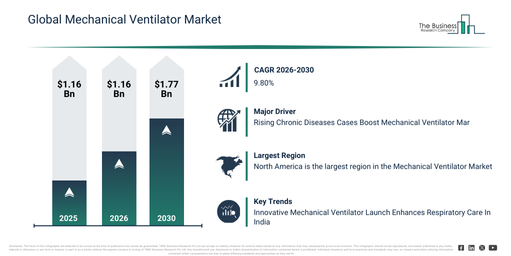
    The mechanical ventilator market has experienced robust growth, projected to increase from $8.74 billion in 2025 to $9.54 billion in 2026, demonstrating a compound annual growth rate (CAGR) of 9.0%. This expansion during the historical period is largely due to the rising incidence of respiratory ailments, increased intensive care unit (ICU) capacities, growing requirements for critical care devices, technological progress in ventilator designs, and investments in emergency healthcare infrastructure. Looking ahead, the market is expected to reach $13.84 billion by 2030, with a CAGR of 9.8%. Factors propelling this future growth include greater use of home-based respiratory care, the adoption of artificial intelligence (AI)-powered ventilation systems, the growth of tele-ICU services, the push for more compact and energy-efficient ventilator models, and higher investments in critical care readiness. Key trends within this period involve expanding use of intelligent ventilation modes, rising demand for portable and transport ventilators, integration of remote patient monitoring technologies, a surge in non-invasive ventilation solutions, and a focus on patient-specific ventilation settings.

    Download A Free Sample Report For Comprehensive Market Insights:

    https://www.thebusinessresearchcompany.com/sample.aspx?id=6400&type=smp

    Main Factors Fueling Mechanical Ventilator Market Expansion

    The increasing burden of chronic diseases represents a major force driving demand for mechanical ventilators. Chronic illnesses, defined as health conditions lasting a year or more that require ongoing medical attention and impact daily life, often necessitate respiratory support. Mechanical ventilators assist patients by monitoring vital physiological parameters and providing acute respiratory assistance in post-acute, rehabilitation, and chronic care scenarios. For instance, in February 2024, the World Health Organization highlighted that by 2050, new cancer cases worldwide are expected to exceed 35 million, marking a 77% increase from the estimated 20 million cases in 2022. This notable rise in chronic diseases like cancer fuels the need for mechanical ventilators.

    Detailed Segmentation Highlights Key Growth Areas in the Mechanical Ventilator Market

    This report breaks down the mechanical ventilator market into several important segments:

    1) By Type: Adult Ventilators, Pediatric Ventilators, Neonatal/Infant Ventilators

    2) By Mobility: Intensive Care Ventilators, High-End ICU Ventilators, Mid-End ICU Ventilators, Basic ICU Ventilators, Portable Ventilators

    3) By Mode of Ventilation: Invasive Ventilation, Non-Invasive Ventilation

    4) By End-User: Hospitals and Clinics, Home Care, Ambulatory Care Centers, Emergency Medical Services, Other End-Users

    Further subcategories include invasive and non-invasive adult ventilators; invasive and non-invasive pediatric ventilators; and neonatal/infant ventilators categorized into high-frequency and conventional devices.

    Access The Complete Mechanical Ventilator Market Report:

    https://www.thebusinessresearchcompany.com/report/mechanical-ventilator-global-market-report

    Innovative Trends Shaping the Mechanical Ventilator Industry

    Leading companies in this sector are focusing on innovations that enhance real-time respiratory monitoring and patient care. Advanced monitoring technologies enable continuous tracking and analysis of lung mechanics and gas exchange, improving treatment personalization. A notable example is the launch in February 2024 of the Servo-C mechanical ventilator by Sweden-based Getinge in the Indian market. Designed for both pediatric and adult patients, this ventilator offers essential safety and efficiency features in respiratory care. Its modular design supports smart fleet management, maximizing operational uptime and cost-effectiveness without relying on proprietary disposables. Key functionalities include CO2 monitoring and sophisticated visualization tools that provide detailed insights into lung function. This product aims to make cutting-edge respiratory healthcare more accessible and affordable for hospitals throughout India.

    Key Market Players Leading the Mechanical Ventilator Industry

    The mechanical ventilator landscape features several prominent companies, including Medtronic plc, Koninklijke Philips N.V., GE Healthcare, Smiths Medical, Bio-Med Devices Inc., ResMed, Hill-Rom Holdings Inc., Getinge, Dräger, Chart Biomedical, Fisher & Paykel Healthcare Limited, ZOLL Medical Corporation, Vyaire Medical Inc., SCHILLER, Hamilton Medical, Ventec Life Systems, Bunnell Inc., aXcent Medical GmbH, Allied Healthcare Products Inc., and Löwenstein Medical GmbH & Co KG. These organizations drive innovation and maintain significant market presence worldwide.

    Regional Market Insights and Growth Potential

    In 2025, North America was the dominant region in the mechanical ventilator market. The report also covers other key geographical areas including Asia-Pacific, South East Asia, Western Europe, Eastern Europe, South America, the Middle East, and Africa. Among these, several regions are expected to exhibit strong growth prospects, reflecting increasing healthcare investments and rising demand for advanced respiratory care solutions.

    Get in touch with us:

    The Business Research Company: https://www.thebusinessresearchcompany.com/

    Americas: +1 310-496-7795

    Asia: +44 7882 955267 & +91 8897263534

    Europe: +44 7882 955267

    Email us at: marketing@tbrc.info

    Follow us on:

    LinkedIn: https://in.linkedin.com/company/the-business-research-company

    YouTube: https://www.youtube.com/channel/UC24_fI0rV8cR5DxlCpgmyFQ

    Global Market Model: https://www.thebusinessresearchcompany.com/global-market-model

  • Microplate Systems Market Expected To Reach $2.35 Billion By 2030 As Growth Accelerates At 10.6% CAGR

    Microplate Systems Market Expected To Reach $2.35 Billion By 2030 As Growth Accelerates At 10.6% CAGR

    Delivering more actionable and strategically valuable research, The Business Research Company’s 2026 market reports feature market attractiveness analysis, total addressable market evaluation, company benchmarking matrices, interactive Excel dashboards, expanded supply chain intelligence, emerging startup coverage, and detailed product insights.

    The microplate systems market has been experiencing strong growth in recent years, driven by advancements in research and technology across pharmaceutical and biotechnology sectors. As scientific exploration and personalized medicine continue to evolve, this market is set to expand further, offering significant opportunities for innovation and development. Let’s explore the current market size, key growth factors, major players, and emerging trends shaping this dynamic industry.

    Current Size and Expected Growth Trajectory of the Microplate Systems Market

    The market for microplate systems has seen rapid expansion, growing from $1.42 billion in 2025 to an anticipated $1.57 billion in 2026, reflecting a compound annual growth rate (CAGR) of 10.9%. This historical growth is primarily fueled by increased investments in pharmaceutical research and development, a surge in biotechnology activities, and the widespread use of microplates in drug screening processes. Additional factors include the rising prevalence of chronic diseases and the expansion of academic life science research. Looking ahead, the market is projected to reach $2.36 billion by 2030, maintaining a CAGR of 10.6%. This future expansion is expected to be driven by innovations in assay technologies, a growing demand for personalized medicine, the rise of contract research organizations, broader adoption of laboratory automation, and the growth of genomics and proteomics research. Key trends during this forecast period include the expansion of high-throughput screening in drug discovery, the increasing use of multi-mode microplate readers, greater demand for automation in laboratory workflows, the adoption of microplate systems in clinical diagnostics, and advancements in miniaturized and higher density microplate formats.

    Download A Free Sample Report For Comprehensive Market Insights:

    https://www.thebusinessresearchcompany.com/sample.aspx?id=19591&type=smp

    Research and Development Activities as a Catalyst for Market Growth

    One of the primary forces propelling the microplate systems market is the surge in research and development (R&D) activities. These efforts, undertaken by corporations, research institutes, and governments, aim to innovate and develop new products and processes through systematic scientific exploration. The boost in R&D stems from growing consumer needs, stricter regulatory demands, and increased government funding and support.

    Microplate systems play a crucial role in accelerating R&D by enabling high-throughput screening, which allows testing thousands of compounds simultaneously. This not only reduces time and costs in drug discovery but also improves reproducibility through automated liquid handling and data analysis. For instance, in January 2024, IQVIA, a leading US healthcare intelligence company, reported a 14% rise in global medicine usage over the past five years, with projections for another 12% increase by 2028, reaching 3.8 trillion defined daily doses annually. This surge in pharmaceutical consumption underlines the importance of R&D activities and boosts demand within the microplate systems market.

    Breakdown of the Microplate Systems Market by Segment and Application

    The microplate systems market is divided into several key segments based on product type, application, and end-user.

    By product type, the market includes Multi-Mode Microplate Readers, Single-Mode Microplate Readers, Microplate Washers, Microplate Handlers, and other types such as Microplate Sealing Systems, Shakers, Incubators, and Staining Systems.

    Applications cover Drug Discovery, Clinical Diagnostics, Genomics and Proteomics Research, and other uses.

    End-users encompass Pharmaceutical and Biotechnology companies, Hospitals and Diagnostic Laboratories, Academic and Research Institutes, Contract Research Organizations (CROs), and other sectors.

    Further subcategories specify detailed product variants such as Absorbance, Fluorescence, Luminescence readers under Multi-Mode and Single-Mode types; automated and manual washers; robotic plate handlers and transport systems, among others.

    Access The Complete Microplate Systems Market Report:

    https://www.thebusinessresearchcompany.com/report/microplate-systems-global-market-report

    Innovative Technologies and Product Launches Driving Market Transformation

    The microplate systems market is witnessing significant innovation aimed at improving research outcomes, particularly in cell cultivation and drug screening. For example, in June 2025, Mitsui Chemicals from Japan introduced InnoCell, a new series of highly oxygen-permeable cell culture microplates designed to enhance cell viability in 3D cultures like spheroids and organoids. These microplates use proprietary materials, including TPX, which provide oxygen levels approximately 200 times higher than conventional plastics, supporting healthier and longer-lasting cell cultures with less cell death.

    The InnoCell product range includes N-type plates for non-adherent cells and organoids and collagen-coated C-type plates for hepatocytes and other drug screening cells. These plates address key oxygenation challenges, enabling more precise in vitro assays essential for drug discovery, personalized medicine, and regenerative therapies. Their low drug adsorption and excellent imaging capabilities also make them ideal for high-content screening and phenotypic assays. Notably, their ability to promote organoid growth from pancreatic cancer cells highlights their potential in personalized treatment development and advanced cell culture research.

    Leading Companies Influencing the Microplate Systems Market

    Several key players dominate the microplate systems market, including Thermo Fisher Scientific Inc., Danaher Corporation, Corning Incorporated, Agilent Technologies Inc., PerkinElmer, Bio-Rad Laboratories Inc., Eppendorf SE, Tecan Group Ltd., Hamilton Company, Greiner Bio-One International GmbH, Berthold Technologies GmbH & Co. KG, BMG Labtech, Biochrom Ltd., Accuris Instruments, Hudson Robotics Inc., Kbiosystems Ltd., Hidex Oy, Dynex Technologies Inc., Awareness Technology, Rayto Life and Analytical Sciences, Autobio Diagnostics, and Kaiao Technology Development Ltd. These companies are at the forefront of developing innovative products and expanding market reach globally.

    Regional Outlook and Market Leadership

    In 2025, North America held the largest share of the microplate systems market, supported by strong pharmaceutical and biotechnology industries and substantial R&D investments. However, the Asia-Pacific region is expected to emerge as the fastest-growing market during the forecast period. This growth is driven by increasing research activities, expanding healthcare infrastructure, and rising demand for advanced laboratory technologies. The market report covers regions including Asia-Pacific, South East Asia, Western Europe, Eastern Europe, North America, South America, the Middle East, and Africa, providing a comprehensive view of global market trends and opportunities.

    Get in touch with us:

    The Business Research Company: https://www.thebusinessresearchcompany.com/

    Americas: +1 310-496-7795

    Asia: +44 7882 955267 & +91 8897263534

    Europe: +44 7882 955267

    Email us at: marketing@tbrc.info

    Follow us on:

    LinkedIn: https://in.linkedin.com/company/the-business-research-company

    YouTube: https://www.youtube.com/channel/UC24_fI0rV8cR5DxlCpgmyFQ

    Global Market Model: https://www.thebusinessresearchcompany.com/global-market-model
  • Mechanical Thrombectomy Devices Market Growth Is Accelerating As Industry Transformation Continues

    Mechanical Thrombectomy Devices Market Growth Is Accelerating As Industry Transformation Continues

    Enhanced with market attractiveness analysis, total addressable market evaluation, company benchmarking matrices, interactive Excel dashboards, expanded supply chain intelligence, emerging startup coverage, and detailed product insights, The Business Research Company’s 2026 market reports deliver more actionable and strategically valuable research.

    The market for mechanical thrombectomy devices has witnessed significant expansion recently, driven by advancements in technology and increasing medical needs. As stroke and cardiovascular diseases continue to pose major health challenges worldwide, this sector is poised for substantial growth. Let’s explore the current market size, growth drivers, major players, and emerging trends shaping the future of mechanical thrombectomy devices.

    Mechanical Thrombectomy Devices Market Size and Growth Outlook

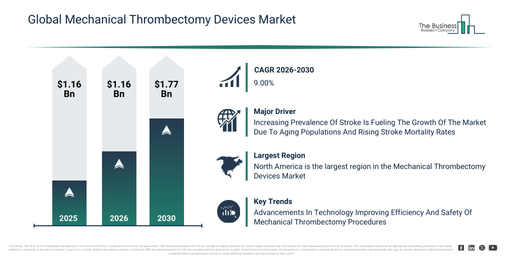
    The mechanical thrombectomy devices market has experienced robust growth, valued at $1.52 billion in 2025 and expected to rise to $1.67 billion in 2026, reflecting a strong compound annual growth rate (CAGR) of 9.9%. This growth over recent years is largely due to the limited availability of these devices in the past, reliance on manual stroke treatments, heightened awareness of stroke and cardiovascular risks, enhancements in hospital infrastructure for interventional procedures, and the increasing adoption of catheter-based interventions. Looking ahead, the market is projected to reach $2.36 billion by 2030, growing at a CAGR of 9.0%. Future expansion is anticipated to be fueled by innovations such as automated and electromechanical thrombectomy devices, a rising number of ischemic stroke and coronary thrombosis cases, AI-assisted navigation in devices, and the growth of ambulatory surgical and specialized invasive care centers. Key trends include a surge in minimally invasive procedures, wider use of combined thrombectomy devices, growth in electromechanical and hybrid device categories, more ischemic stroke treatment procedures, and a heightened emphasis on device safety and regulatory standards.

    Download A Free Sample Report For Comprehensive Market Insights:

    https://www.thebusinessresearchcompany.com/sample.aspx?id=27335&type=smp

    Stroke Prevalence as a Primary Growth Driver for Mechanical Thrombectomy Devices

    One of the most significant factors propelling the expansion of the mechanical thrombectomy devices market is the increasing incidence of stroke. A stroke occurs when blood flow to parts of the brain is disrupted, leading to brain cell death due to oxygen deprivation. The rise in stroke cases relates closely to aging populations worldwide, as advancing age is a key risk factor caused by natural vascular and health changes. These devices play a critical role in stroke management by quickly extracting blood clots from brain arteries, restoring circulation, reducing brain damage, and improving recovery outcomes for patients.

    The Impact of Rising Stroke Deaths on Market Demand

    Supporting this growth, data from October 2023 by the World Economic Forum, a Switzerland-based non-profit, predicts a 50% increase in stroke-related deaths by 2050. This alarming forecast underscores the urgent need for effective stroke treatment solutions and directly contributes to rising demand for mechanical thrombectomy devices globally.

    Access The Complete Mechanical Thrombectomy Devices Market Report:

    https://www.thebusinessresearchcompany.com/report/mechanical-thrombectomy-devices-global-market-report

    Segment Breakdown and Strategic Market Opportunities in Mechanical Thrombectomy Devices

    The market report segments mechanical thrombectomy devices into distinct categories:

    1) Product Type: Stent Retrievers, Catheter-Based Thrombectomy Devices, Mechanical Aspiration Devices, Combined Devices

    2) Technology: Manual, Automated, Electromechanical, and Hybrid Mechanical Thrombectomy Devices

    3) Application: Ischemic Stroke, Peripheral Artery Disease (PAD), Coronary Thrombosis, Post-Surgical Thrombosis

    4) Distribution Channel: Direct Sales, Distributors and Wholesalers, Online Sales, Retail Pharmacies

    5) End User: Hospitals, Ambulatory Surgical Centers, Specialized Invasive Care Centers, Research and Academic Institutions

    Further subcategories include closed-cell, open-cell, and hybrid stent retrievers; aspiration, guide, and micro catheters; manual and powered aspiration devices; and combined devices integrating aspiration with stent retrievers or other mechanical devices.

    Innovations and Competitive Dynamics Driving Mechanical Thrombectomy Market Growth

    Leading players in the mechanical thrombectomy devices market are increasingly focusing on cutting-edge technologies to improve clot removal efficiency and patient safety. One notable innovation is the development of dual clot detection algorithms, which utilize both pressure and flow data to precisely distinguish blood clots during procedures. For example, in January 2023, US-based Penumbra Inc. launched the Lightning Flash system, an advanced mechanical thrombectomy device that combines powerful aspiration with a sophisticated catheter design. This product efficiently removes large clots, including venous thrombi and pulmonary emboli, enabling faster procedures with reduced complications and better patient outcomes.

    Key Companies Shaping the Mechanical Thrombectomy Devices Market

    The competitive landscape in this space features prominent companies such as Stryker Corporation, Medtronic plc, Penumbra Inc., Terumo Corporation, Boston Scientific Corporation, Johnson & Johnson, Edwards Lifesciences Corporation, AngioDynamics Inc., Acandis GmbH & Co. KG, Rapid Medical, Vesalio, Control Medical Technology LLC, Perflow Medical, Sino Medical Sciences Technology Inc., Natec Medical Ltd., Straub Medical AG, Vascular Medcure Inc., Imperative Care Inc., NeuroVasc Technologies Inc., Inquis Medical Inc., Balt Extrusion S.A.S., Anaconda Biomed SL, SILK Road Medical Inc., Argon Medical Devices Inc., and Minnetronix Inc. These companies continue to innovate and compete aggressively to capture market share and advance thrombectomy technology.

    Geographical Market Leadership and Regional Growth Patterns

    In 2025, North America was the leading region in terms of revenue and market share for mechanical thrombectomy devices. However, the Asia-Pacific region is expected to demonstrate the fastest growth during the forecast period due to increasing healthcare infrastructure investments and rising awareness of stroke treatment options. Other key regions covered in the market analysis include South East Asia, Western Europe, Eastern Europe, South America, the Middle East, and Africa, providing a comprehensive global perspective on market trends and opportunities.

    Get in touch with us:

    The Business Research Company: https://www.thebusinessresearchcompany.com/

    Americas: +1 310-496-7795

    Asia: +44 7882 955267 & +91 8897263534

    Europe: +44 7882 955267

    Email us at: marketing@tbrc.info

    Follow us on:

    LinkedIn: https://in.linkedin.com/company/the-business-research-company

    YouTube: https://www.youtube.com/channel/UC24_fI0rV8cR5DxlCpgmyFQ

    Global Market Model: https://www.thebusinessresearchcompany.com/global-market-model

  • Microplate Instrumentation And Supplies Market Set To Grow From $7.95 Billion In 2026 To $10.42 Billion By 2030 At A CAGR Of 7%

    Microplate Instrumentation And Supplies Market Set To Grow From $7.95 Billion In 2026 To $10.42 Billion By 2030 At A CAGR Of 7%

    Enhanced with market attractiveness analysis, total addressable market evaluation, company benchmarking matrices, interactive Excel dashboards, expanded supply chain intelligence, emerging startup coverage, and detailed product insights, The Business Research Company’s 2026 market reports deliver more actionable and strategically valuable research.

    The microplate instrumentation and supplies market has been demonstrating impressive growth and shows promising potential for the coming years. Driven by advancements in pharmaceutical research and increasing demand for efficient analytical tools, this sector is evolving rapidly. Here, we explore the market’s current size, growth factors, key players, and pivotal trends shaping its future.

    Steady Expansion in the Microplate Instrumentation and Supplies Market

    The market for microplate instrumentation and supplies has experienced significant growth recently, with its value forecasted to rise from $7.43 billion in 2025 to $7.95 billion in 2026. This represents a compound annual growth rate (CAGR) of 7.1%. The historical growth has been largely supported by expanding pharmaceutical research activities, the wider adoption of microplate-based assays, the growth of diagnostic laboratories, and an increasing need for more efficient sample analysis in both academic and life science research sectors.

    Download A Free Sample Report For Comprehensive Market Insights:

    https://www.thebusinessresearchcompany.com/sample.aspx?id=18672&type=smp

    Future Growth Outlook for the Microplate Instrumentation and Supplies Market

    Looking ahead, the microplate instrumentation and supplies market is projected to maintain strong momentum, reaching $10.43 billion by 2030 with a CAGR of 7.0%. This optimistic forecast is driven by factors such as the growth in drug discovery pipelines, greater emphasis on high-throughput diagnostics, rising investments in laboratory automation technologies, expansion of biotechnology startups, and the growing demand for reproducible and scalable testing solutions. Key trends expected during this period include the increased adoption of high-throughput screening platforms, growing popularity of multimode microplate readers, enhanced automation in laboratory workflows, expansion of diagnostic and research laboratory infrastructure, and higher consumption of disposable microplates and related accessories.

    Personalized Medicine as a Key Growth Driver in the Microplate Instrumentation and Supplies Market

    One of the primary forces propelling the microplate instrumentation and supplies market is the rising demand for personalized medicine. This approach to healthcare customizes treatment strategies based on an individual’s unique genetic makeup, environment, and lifestyle. The surge in personalized medicine usage is a response to the increasing prevalence of chronic diseases, heightened consumer awareness, and considerations of cost-effectiveness. Microplate instrumentation plays an essential role in this field by enabling precise, high-throughput testing of biological samples, which is crucial for tailoring therapies to individual patient profiles.

    Access The Complete Microplate Instrumentation And Supplies Market Report:

    https://www.thebusinessresearchcompany.com/report/microplate-instrumentation-and-supplies-global-market-report

    The impact of personalized medicine on market growth is evident in developments such as the approval of new treatments. For example, in February 2024, the Personalized Medicine Coalition, a US-based nonprofit, reported that the FDA approved 16 new personalized therapies for rare diseases in 2023, compared to just six in the previous year. These approvals also include seven cancer treatments and three for other conditions, illustrating how this demand is positively influencing the microplate instrumentation and supplies market.

    Breaking Down the Microplate Instrumentation and Supplies Market Segments

    This market is segmented by product type, sales channel, and end-user industry for comprehensive analysis. Product categories include Microplate Readers, Microplate Washers, Microplate Dispensers, Microplate Accessories, and other related items. Sales channels are divided into direct and indirect sales. End-user industries cover Pharmaceuticals, Food and Beverages, Chemicals and Polymer, and several other sectors.

    Further subcategories within product types include:

    – Microplate Readers: Absorbance Readers, Fluorescence Readers, Luminescence Readers, Multimode Readers

    – Microplate Washers: Manual and Automated versions

    – Microplate Dispensers: Manual and Automated types

    – Microplate Accessories: Sealing Films, Plate Holders, Plate Stands

    – Other Accessories: Microplates (also known as Well Plates), Microplate Racks, and Calibration Kits for Microplate Readers

    Innovation and Technology Advancements Shaping the Microplate Instrumentation and Supplies Market

    Leading companies in this market are focusing on the development of cutting-edge technologies to enhance assay precision, increase throughput, and optimize laboratory processes. One such innovation is the Extended Dynamic Range (EDR) technology used in microplate readers, which improves sensitivity and detection range — features particularly valuable in personalized medicine and research.

    For instance, in February 2023, Byonoy GmbH, a biotech instrument company based in Germany, launched the Absorbance 96 Automate. This compact microplate reader (measuring just 15.5 by 9.5 cm) integrates seamlessly with automated liquid-handling systems and features six LEDs with 96 detection units, enabling rapid read times of just five seconds.

    Key Market Players Driving Competition in the Microplate Instrumentation and Supplies Sector

    Prominent companies active in this market include Thermo Fisher Scientific Inc., Danaher Corporation, The Merck Group, Corning Incorporated, Agilent Technologies Inc., Lonza Group AG, Beckman Coulter Inc., PerkinElmer Inc., Bio-Rad Laboratories Inc., Eppendorf AG, Promega Corporation, Hamilton Company, Molecular Devices LLC, Analytik Jena AG, Biochrom Ltd., Berthold Technologies GmbH & Co. KG, BMG LABTECH GmbH, BrandTech Scientific Inc., Hudson Robotics Inc., and Labnet International Inc. These industry leaders continuously strive to advance technologies and expand their product portfolios.

    Geographical Overview of the Microplate Instrumentation and Supplies Market

    In 2025, North America held the largest share of the microplate instrumentation and supplies market. The market report also covers other important regions such as Asia-Pacific, South East Asia, Western Europe, Eastern Europe, South America, the Middle East, and Africa, providing a global perspective on market trends and growth opportunities.

    Get in touch with us:

    The Business Research Company: https://www.thebusinessresearchcompany.com/

    Americas: +1 310-496-7795

    Asia: +44 7882 955267 & +91 8897263534

    Europe: +44 7882 955267

    Email us at: marketing@tbrc.info

    Follow us on:

    LinkedIn: https://in.linkedin.com/company/the-business-research-company

    YouTube: https://www.youtube.com/channel/UC24_fI0rV8cR5DxlCpgmyFQ

    Global Market Model: https://www.thebusinessresearchcompany.com/global-market-model
  • Mechanical Circulatory Support Devices Market Outlook Highlights The Next Major Growth Opportunities

    Mechanical Circulatory Support Devices Market Outlook Highlights The Next Major Growth Opportunities

    Through market attractiveness analysis, total addressable market evaluation, company benchmarking matrices, interactive Excel dashboards, expanded supply chain intelligence, emerging startup coverage, and detailed product insights, The Business Research Company’s 2026 market reports provide more actionable and strategically valuable research.

    The market for mechanical circulatory support devices has witnessed remarkable growth in recent years, driven by advances in technology and increasing cardiac health challenges worldwide. As heart-related conditions become more prevalent, the demand for innovative solutions to assist heart function is expanding rapidly. This overview explores the market’s current size, the main factors fueling its growth, key players shaping the industry, emerging trends, and the segmentation driving future opportunities.

    Mechanical Circulatory Support Devices Market Size and Expected Growth Trajectory

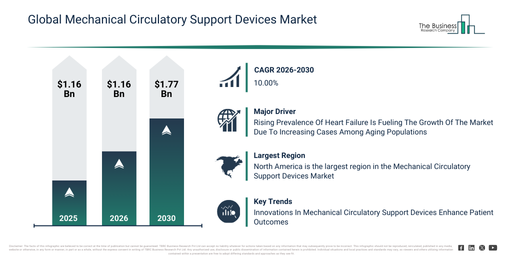
    The mechanical circulatory support devices market has shown strong momentum, growing from $3.47 billion in 2025 to an estimated $3.82 billion in 2026, with a compound annual growth rate (CAGR) of 10.1%. This positive trend in the historical period is largely due to the limited availability of advanced devices, the continued use of traditional intra-aortic balloon pumps, the rising incidence of heart failure, an increase in cardiac surgeries, and a shortage of standardized training for device implantation. Looking ahead, the market is anticipated to reach $5.59 billion by 2030, maintaining a CAGR of 10.0%. Technological innovations in both pulsatile and non-pulsatile flow devices, the expansion of minimally invasive cardiac procedures, widespread adoption of left and biventricular assist devices, growth in specialty cardiac hospitals, and increased investment in cardiac research are key contributors to this forecast. Notable trends include the rising use of ventricular assist devices and total artificial hearts, more cardiac surgeries and heart failure treatments, growing deployment of extracorporeal membrane oxygenation (ECMO) systems, and a focus on minimally invasive and percutaneous device use, alongside stricter regulatory compliance and safety standards.

    Download A Free Sample Report For Comprehensive Market Insights:

    https://www.thebusinessresearchcompany.com/sample.aspx?id=27334&type=smp

    Rising Heart Failure Cases Boost Market Demand for Mechanical Circulatory Support Devices

    An important driver behind the market’s growth is the increasing prevalence of heart failure, a chronic condition where the heart’s ability to pump blood is compromised. The aging global population, which is more susceptible to cardiovascular diseases and complications, is a major factor behind this rise. Mechanical circulatory support devices play a critical role by assisting the heart in pumping blood, easing its workload, and improving circulation. For instance, in September 2024, the Heart Failure Society of America (HFSA) reported that 6.7 million Americans over the age of 20 currently suffer from heart failure. Projections indicate that this figure will increase to 8.7 million by 2030, 10.3 million by 2040, and reach 11.4 million by 2050. This growing patient population is driving demand for advanced circulatory support devices.

    Technological Breakthroughs and Increased Adoption Accelerate Growth Prospects

    Advancements in device technology, particularly the development of magnetically levitated rotor (MAGLEV) technology, are significantly enhancing mechanical circulatory support devices. MAGLEV technology minimizes friction by suspending rotors magnetically, which extends device lifespan and reliability. For example, in July 2024, BiVACOR Inc., a clinical-stage medical device company in the U.S., successfully performed the first human implantation of its Total Artificial Heart (TAH). Designed to replace both heart ventricles in patients with severe heart failure who are not candidates for conventional devices, this innovation offers a promising bridge to transplant, improving survival rates and quality of life for patients facing limited treatment options due to donor heart shortages.

    Access The Complete Mechanical Circulatory Support Devices Market Report:

    https://www.thebusinessresearchcompany.com/report/mechanical-circulatory-support-devices-global-market-report

    Mechanical Circulatory Support Devices Market Segmentation Highlights and Growth Opportunities

    This market is segmented based on type, technology, application, and end user to better understand its scope and potential:

    1) By Type: Intra-Aortic Balloon Pump, Ventricular Assist Device, Total Artificial Heart, Extracorporeal Membrane Oxygenation

    2) By Technology: Pulsatile Flow Devices, Non-Pulsatile Flow Devices

    3) By Application: Cardiac Surgery, Heart Failure Management, Myocardial Infarction, Cardiogenic Shock

    4) By End User: Hospitals, Ambulatory Surgical Centers, Specialty Clinics, Other End Users

    Subsegments include:

    – Intra-Aortic Balloon Pump: Percutaneous and Surgical variants

    – Ventricular Assist Device: Left, Right, and Biventricular Assist Devices

    – Total Artificial Heart: Pneumatic and Electric types

    – Extracorporeal Membrane Oxygenation: Venoarterial and Venovenous systems

    This detailed segmentation helps identify targeted growth areas and tailor solutions for specific clinical needs.

    Leading Companies Driving Innovation in Mechanical Circulatory Support Devices

    The competitive landscape of this market features numerous key players committed to advancing device technology and expanding access to mechanical circulatory support. Prominent companies include Abbott Laboratories, Medtronic Plc, Getinge AB, LivaNova PLC, Magenta Medical Ltd., CorWave SA, Jarvik Heart Inc., Carmat SAS, Procyrion Inc., BiVACOR Inc., Evaheart Inc., ReliantHeart Inc., SynCardia Systems LLC, Berlin Heart GmbH, NovaPump GmbH, CardiacAssist Inc., Circulite Medical Inc., Windmill Cardiovascular Systems Inc., NuPulseCV Inc., and FineHeart SAS. These organizations focus heavily on research, innovative product development, and regulatory compliance to meet evolving patient needs.

    Regional Market Overview and Growth Forecast

    In 2025, North America held the largest market share for mechanical circulatory support devices, reflecting the region’s advanced healthcare infrastructure and high demand. However, the Asia-Pacific region is expected to experience the most rapid growth during the forecast period. The comprehensive market analysis spans multiple regions including Asia-Pacific, South East Asia, Western Europe, Eastern Europe, North America, South America, the Middle East, and Africa, providing a global perspective on emerging trends and investment opportunities.

    Get in touch with us:

    The Business Research Company: https://www.thebusinessresearchcompany.com/

    Americas: +1 310-496-7795

    Asia: +44 7882 955267 & +91 8897263534

    Europe: +44 7882 955267

    Email us at: marketing@tbrc.info

    Follow us on:

    LinkedIn: https://in.linkedin.com/company/the-business-research-company

    YouTube: https://www.youtube.com/channel/UC24_fI0rV8cR5DxlCpgmyFQ

    Global Market Model: https://www.thebusinessresearchcompany.com/global-market-model