Blog

  • Pneumonia Therapeutics Market Outlook From 2026 To 2030: Key Growth Factors And Future Opportunities

    Pneumonia Therapeutics Market Outlook From 2026 To 2030: Key Growth Factors And Future Opportunities

    Backed by market attractiveness analysis, total addressable market sizing, company benchmarking matrices, interactive Excel dashboards, wider supply chain intelligence, emerging startup coverage, and detailed product-level insights, The Business Research Company’s 2026 market reports are designed to offer research that is more actionable and strategically valuable than ever.

    Pneumonia Therapeutics Market Set To Climb From $12.68 Billion In 2026 To $18.83 Billion By 2030

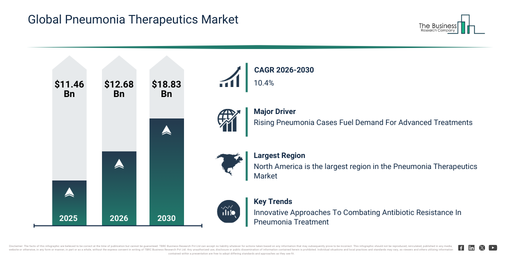
    The pneumonia therapeutics market has demonstrated rapid growth in recent years. It is projected to expand from $11.46 billion in 2025 to $12.68 billion in 2026, achieving a compound annual growth rate (CAGR) of 10.7%. This historical growth can be attributed to an increasing incidence of respiratory infections, higher hospitalization rates for pneumonia, the widespread use of antibiotics, an expansion of intensive care infrastructure, and a growing elderly population.

    The pneumonia therapeutics market size is anticipated to experience substantial growth in the coming years. It is projected to expand to $18.83 billion by 2030, achieving a compound annual growth rate (CAGR) of 10.4%. This growth during the forecast period can be attributed to the increasing development of novel antibiotics and antivirals, the rising adoption of rapid diagnostic testing, a growing focus on antimicrobial resistance management, the expansion of homecare pneumonia treatment models, and increasing investment in vaccine-based prevention strategies. Major trends expected in the forecast period include the increasing adoption of targeted antimicrobial therapies, the rising use of combination drug regimens, a growing focus on early pathogen identification, the expansion of home-based oxygen therapy solutions, and an enhanced emphasis on hospital infection control protocols.

    Get A Free Sample Report With In-Depth Market Insights:

    https://thebusinessresearchcompany.com/sample_request?id=79275761&type=smp&name=Pneumonia%20Therapeutics%20Market%20Report%202026&utm_source=Blogs&utm_medium=Paid&utm_campaign=Nov_PR

    Pneumonia Therapeutics Market Growth Drivers: What’s Behind The Acceleration?

    The increasing occurrence of pneumonia is anticipated to propel the expansion of the pneumonia therapeutics market in the future. Pneumonia is defined as a pulmonary infection where air sacs become inflamed, frequently leading to symptoms like coughing, elevated temperature, and troubled respiration. The rise in pneumonia incidents stems from various factors, including an aging demographic, environmental air pollution, tobacco use, compromised immune defenses, resistance to antimicrobials, and the dissemination of respiratory illnesses such as COVID-19 or influenza. Therapeutic interventions for pneumonia aim to counter the underlying cause of the infection, be it bacteria, viruses, or fungi, utilizing specific medications, alongside aiding recovery through oxygen support, anti-inflammatory agents, and symptom control.

    Pneumonia Therapeutics Market Segmentation And Category Overview

    The pneumonia therapeutics market covered in this report is segmented –

    1) By Product: Drugs, Vaccine, Oxygen Therapy

    2) By Infection: Hospital-Acquired Pneumonia (HAP), Community-Acquired Pneumonia (CAP), Ventilator-Associated Pneumonia (VAP)

    3) By Route Of Administration: Oral, Parenteral, Other Routes Of Administration

    4) By End Use: Hospitals, Homecare, Specialty Clinics, Other End Users

    Subsegments:

    1) By Drugs: Antibiotics, Antiviral Drugs, Antifungal Drugs, Corticosteroids

    2) By Vaccine: Pneumococcal Vaccines, Haemophilus Influenzae Type B (Hib) Vaccines, Influenza Vaccines

    3) By Oxygen Therapy: High-Flow Nasal Cannula (HFNC), Non-Invasive Ventilation (NIV), Mechanical Ventilation

    Pneumonia Therapeutics Market Trends Redefining Industry Growth

    Leading firms within the pneumonia therapeutics market are concentrating their efforts on creating novel drug preparations and therapeutic approaches, including antibiotic medications, to tackle the challenge of antibiotic resistance and enhance results for patients. An antibiotic medication is defined as a class of drug specifically formulated for the treatment of bacterial infections.

    Pneumonia Therapeutics Market Competitive Analysis Of Leading Industry Participants

    Major companies operating in the pneumonia therapeutics market are Pfizer Inc., Roche AG, Merck & Co. Inc., AbbVie Inc, Bayer AG, Sanofi S.A., AstraZeneca PLC, Abbott Laboratories, Novartis AG, GSK plc, Eli Lilly and Company, Astellas Pharma Inc., Sun Pharmaceutical Industries Ltd., Cipla Inc., Hikma Pharmaceuticals PLC, Shionogi & Co. Ltd, Lupin Limited, Swedish Orphan Biovitrum AB, Nabriva Therapeutics plc, TaiGen Biotechnology Co. Ltd, Aridis Pharmaceuticals Inc.

    View The Full Pneumonia Therapeutics Market Report:

    https://thebusinessresearchcompany.com/report/pneumonia-therapeutics-global-market-report?utm_source=Blogs&utm_medium=Paid&utm_campaign=Nov_PR

    Pneumonia Therapeutics Market Global Footprint: Which Region Leads The Market?

    North America was the largest region in the pneumonia therapeutics market in 2025. Asia-Pacific is expected to be the fastest-growing region in the forecast period. The regions covered in the pneumonia therapeutics market report are Asia-Pacific, South East Asia, Western Europe, Eastern Europe, North America, South America, Middle East, Africa.

    Reach Out To Our Team:

    The Business Research Company: https://www.thebusinessresearchcompany.com/

    Americas: +1 310-496-7795

    Asia: +44 7882 955267 & +91 8897263534

    Europe: +44 7882 955267

    Email us at: marketing@tbrc.info

    Follow us on:

    LinkedIn: https://in.linkedin.com/company/the-business-research-company

    YouTube: https://www.youtube.com/channel/UC24_fI0rV8cR5DxlCpgmyFQ

    Global Market Model: https://www.thebusinessresearchcompany.com/global-market-model
  • Pneumoconiosis Market Growth Forecast: Market Size, Key Trends And Emerging Opportunities Through 2030

    Pneumoconiosis Market Growth Forecast: Market Size, Key Trends And Emerging Opportunities Through 2030

    Featuring market attractiveness scoring, total addressable market sizing, company benchmarking matrices, interactive Excel dashboards, deeper supply chain intelligence, emerging startup tracking, and granular product-level insights, The Business Research Company’s 2026 market reports are built to deliver research that is both more actionable and more strategically valuable.

    Pneumoconiosis Market Forecast: Value Set To Climb From $6.04 Billion To $8.15 Billion

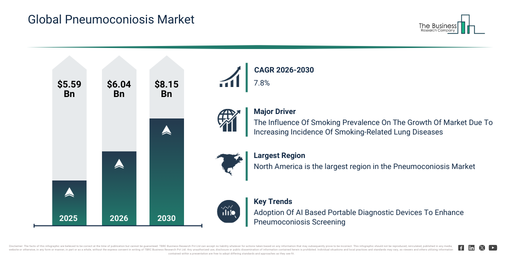
    The pneumoconiosis market has seen robust expansion recently. This market is projected to expand from $5.59 billion in 2025 to $6.04 billion in 2026, demonstrating a compound annual growth rate (CAGR) of 8.0%. Historically, this growth was primarily driven by factors such as the increasing prevalence of occupational lung diseases, prolonged exposure to industrial dust particles, the expansion of mining and construction activities, existing limitations in early-stage diagnostic capabilities, and a heightened awareness of respiratory hazards in the workplace.

    The pneumoconiosis market is projected to experience substantial expansion in the coming years, reaching $8.15 billion by 2030, driven by a compound annual growth rate (CAGR) of 7.8%. This projected growth during the forecast period can be ascribed to several factors, including the expanded deployment of preventive screening initiatives, increased capital allocation towards sophisticated pulmonary diagnostic tools, a heightened emphasis on adherence to occupational safety standards, the broadening of personalized respiratory care methods, and intensified research efforts into therapies for fibrosis management. Key trends anticipated over the forecast timeframe involve the greater integration of advanced diagnostic imaging technologies, an elevated focus on programs aimed at detecting diseases early, the wider application of long-term oxygen therapy solutions, the broadening of initiatives for monitoring occupational health, and a reinforced commitment to pulmonary rehabilitation services.

    Get A Free Sample Report With In-Depth Market Insights:

    https://thebusinessresearchcompany.com/sample_request?id=37667636&type=smp&name=Pneumoconiosis%20Market%20Report%202026&utm_source=Blogs&utm_medium=Paid&utm_campaign=Nov_PR

    Pneumoconiosis Market Growth Factors Behind Sustained Expansion

    The pneumoconiosis market is anticipated to expand due to the widespread prevalence of smoking. This activity, involving the inhalation and exhalation of tobacco smoke from items like cigarettes, cigars, or pipes, introduces detrimental chemicals into the system, negatively impacting the lungs, heart, and general well-being. An uptick in smoking rates can be attributed to heightened nicotine addiction and consistent tobacco consumption across certain demographic cohorts. The widespread nature of smoking exacerbates pneumoconiosis by contributing to a greater occurrence of lung conditions linked to smoking.

    Pneumoconiosis Market Segment Outlook: Which Categories Are Growing Fastest?

    The pneumoconiosis market covered in this report is segmented –

    1) By Type: Asbestosis, Berylliosis, Byssinosis, Coal Workers Pneumoconiosis, Silicosis, Other Types

    2) By Treatment: Medication, Oxygen Therapy, Pulmonary Rehabilitation, Other Treatments

    3) By Route Of Administration: Oral, Inhalational, Other Route Of Administrations

    4) By Diagnostic Method: Chest X-ray, Computed Tomography Scan, Lungfunction Tests, Bronchoscopy

    5) By End Users: Hospitals, Specialty Clinics, Diagnostic Centers, Other End-users

    Subsegments:

    1) By Asbestosis: Pleural plaques, Diffuse pleural thickening, Rounded atelectasis, Lung cancer (as asbestos-related), Mesothelioma

    2) By Berylliosis: Acute beryllium disease, Chronic beryllium disease (CBD), Hypersensitivity pneumonitis-like response

    3) By Byssinosis: Acute byssinosis (early-stage), Chronic byssinosis, Work-related asthma

    4) By Coal Workers’ Pneumoconiosis (CWP): Simple CWP, Complicated CWP (Progressive Massive Fibrosis – PMF), Caplan’s syndrome

    5) By Silicosis: Acute silicosis, Accelerated silicosis, Chronic silicosis, Silicotuberculosis

    6) By Other Types: Talcosis, Siderosis, Stannosis, Baritosis, Hard metal pneumoconiosis

    Pneumoconiosis Market Strategic Trends: What Defines The Next Growth Phase?

    Organizations significantly involved in the pneumoconiosis market are directing their efforts towards the development of technological advancements, particularly AI-based portable diagnostic equipment. The aim is for early identification of silicosis and pneumoconiosis to broaden screening access, elevate diagnostic accuracy, and decrease reliance on scarce radiology expertise. An AI-enabled portable device utilizes deep learning algorithms to analyze chest X-rays, automatically highlighting lung regions that may indicate pneumoconiosis-related abnormalities, thereby achieving faster, more precise detection and reducing instances of human error.

    Pneumoconiosis Market Leading Companies And Competitive Benchmarking

    Major companies operating in the pneumoconiosis market are Pfizer Inc., Johnson & Johnson, Merck & Co. Inc., Bayer AG, Eli Lilly and Co., Boehringer Ingelheim, Mylan Pharmaceuticals, Bristol Myers Squibb, Sino Biopharmaceutical Limited, Aurobindo Pharmaceuticals, Hikma Pharmaceuticals plc, Veracyte Inc., Lupin, GlaxoSmithKline plc, AstraZeneca plc, Novartis AG, Sanofi SA, Cipla Ltd, Sun Pharmaceutical Industries Ltd, Dr Reddys Laboratories Ltd, Teva Pharmaceutical Industries Ltd, Chiesi Farmaceutici S.p.A., Orion Corporation

    View The Full Pneumoconiosis Market Report:

    https://thebusinessresearchcompany.com/report/pneumoconiosis-global-market-report?utm_source=Blogs&utm_medium=Paid&utm_campaign=Nov_PR

    Pneumoconiosis Market Regional Split: Which Areas Are Fueling Growth?

    North America was the largest region in the pneumoconiosis market in 2025. Asia-Pacific is expected to be the fastest-growing region in the forecast period. The regions covered in the pneumoconiosis market report are Asia-Pacific, South East Asia, Western Europe, Eastern Europe, North America, South America, Middle East, Africa.

    Reach Out To Our Team:

    The Business Research Company: https://www.thebusinessresearchcompany.com/

    Americas: +1 310-496-7795

    Asia: +44 7882 955267 & +91 8897263534

    Europe: +44 7882 955267

    Email us at: marketing@tbrc.info

    Follow us on:

    LinkedIn: https://in.linkedin.com/company/the-business-research-company

    YouTube: https://www.youtube.com/channel/UC24_fI0rV8cR5DxlCpgmyFQ

    Global Market Model: https://www.thebusinessresearchcompany.com/global-market-model
  • Pneumatic Compression Therapy Market CAGR Forecast Through 2030: Key Trends Shaping Industry Expansion

    Pneumatic Compression Therapy Market CAGR Forecast Through 2030: Key Trends Shaping Industry Expansion

    Built to provide research that’s more actionable and strategically valuable, The Business Research Company’s 2026 market reports include market attractiveness analysis, total addressable market sizing, company benchmarking matrices, interactive Excel dashboards, broader supply chain intelligence, emerging startup tracking, and in-depth product insights.

    Pneumatic Compression Therapy Market Revenue Growth On Track For A 7% CAGR Through 2030

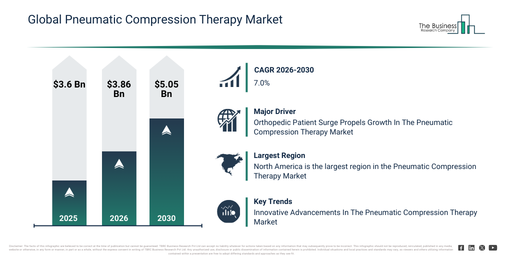
    The pneumatic compression therapy market size has demonstrated strong growth in recent years. It is anticipated to expand from $3.6 billion in 2025 to $3.86 billion in 2026, achieving a compound annual growth rate (CAGR) of 7.3%. The market’s growth during the historical period can be ascribed to the rising prevalence of venous disorders, increased awareness regarding the benefits of compression therapy, the expansion of post-surgical rehabilitation care, greater adoption of non-invasive treatment options, and the availability of portable compression devices.

    The pneumatic compression therapy market size is anticipated to experience significant expansion in the coming years. It is forecast to achieve a valuation of $5.05 billion by 2030, driven by a compound annual growth rate (CAGR) of 7.0%. This projected growth during the forecast period stems from factors such as increasing demand for remote patient monitoring, the growing embrace of smart medical devices, the expansion of home healthcare services, a heightened focus on managing chronic diseases, and technological advancements within pneumatic therapy systems. Furthermore, prominent trends expected during this period include the rising adoption of home-based compression therapy devices, an increasing demand for programmable compression systems, the broader integration of smart monitoring features, the expansion of lymphedema management solutions, and an enhanced emphasis on patient comfort and compliance.

    Get A Free Sample Report With In-Depth Market Insights:

    https://thebusinessresearchcompany.com/sample_request?id=35006448&type=smp&name=Pneumatic%20Compression%20Therapy%20Market%20Report%202026&utm_source=Blogs&utm_medium=Paid&utm_campaign=Nov_PR

    Pneumatic Compression Therapy Market Demand Drivers Opening New Revenue Streams

    The pneumatic compression therapy market is anticipated to expand, driven by a rising number of orthopedic patients. Orthopedics, a medical specialty, concentrates on the diagnosis, treatment, and prevention of skeletal abnormalities, involving issues with bones, joints, muscles, ligaments, tendons, nerves, and skin. Pneumatic compression therapy benefits orthopedic patients by preventing blood clots in the deep veins.

    Pneumatic Compression Therapy Market Segment Landscape: Which Areas Lead Development?

    The pneumatic compression therapy market covered in this report is segmented –

    1) By Product Type: Pneumatic Compression Sleeves, Segmented Pneumatic Compression Pumps, Programmable Pneumatic Compression Pumps, Non-Programmable Pneumatic Compression Pumps, Non-Segmented Pneumatic Compression Pumps

    2) By Technique: Static Compression Therapy, Dynamic Compression Therapy

    3) By Application: Varicose Vein Treatment, Deep Vein Thrombosis Treatment, Lymphedema Treatment, Other Applications

    4) By End User: Hospitals And Clinics, Nursing Care Centers, Home Care Settings, Other End Users

    Subsegments:

    1) By Pneumatic Compression Sleeves: Full-leg Sleeves, Arm Sleeves, Foot And Calf Sleeves

    2) By Segmented Pneumatic Compression Pumps: Multi-chamber Pumps, Variable Pressure Pumps

    3) By Programmable Pneumatic Compression Pumps: Customizable Therapy Settings, Smart Technology Integration

    4) By Non-Programmable Pneumatic Compression Pumps: Basic Functionality Pumps, Fixed Pressure Settings

    5) By Non-Segmented Pneumatic Compression Pumps: Continuous Flow Pumps, Standard Compression Systems

    Pneumatic Compression Therapy Market Transformation Trends: What Innovations Are Driving Change?

    Leading companies within the pneumatic compression therapy market are innovating products like compression sleeves to cater to expanded customer bases and elevate revenue. Compression sleeves are specialized garments crafted to exert pressure on a specific body region, typically the arms or legs.

    Pneumatic Compression Therapy Market Industry Leaders And Competitive Landscape

    Major companies operating in the pneumatic compression therapy market are Medtronic plc, Tactile Systems Technology Inc., ArjoHuntleigh Getinge AB, Mego Afek Ltd., Medline Industries Inc., DJO Global Inc., Bio Compression Systems Inc., Talley Group Limited, Xiamen Senyang Co. Ltd., Devon Medical Inc., Bösl Medizintechnik, Thuasne SAS, ACI Medical LLC, Sanyleg Srl, Cardinal Health Inc., Gottfried Medical Inc., BSN Medical GmbH, Sigvaris Group, Medi GmbH & Co., Hartmann AG, BTL Industries Inc., Dolsan Medical Equipment Industry, FlowAid Medical Technologies Corp., Huntleigh Healthcare Limited, Julius Zorn GmbH

    View The Full Pneumatic Compression Therapy Market Report:

    https://thebusinessresearchcompany.com/report/pneumatic-compression-therapy-global-market-report?utm_source=Blogs&utm_medium=Paid&utm_campaign=Nov_PR

    Pneumatic Compression Therapy Market Top Region: Where Does Most Revenue Come From?

    North America was the largest region in the pneumatic compression therapy market in 2025. The regions covered in the pneumatic compression therapy market report are Asia-Pacific, South East Asia, Western Europe, Eastern Europe, North America, South America, Middle East, Africa.

    Reach Out To Our Team:

    The Business Research Company: https://www.thebusinessresearchcompany.com/

    Americas: +1 310-496-7795

    Asia: +44 7882 955267 & +91 8897263534

    Europe: +44 7882 955267

    Email us at: marketing@tbrc.info

    Follow us on:

    LinkedIn: https://in.linkedin.com/company/the-business-research-company

    YouTube: https://www.youtube.com/channel/UC24_fI0rV8cR5DxlCpgmyFQ

    Global Market Model: https://www.thebusinessresearchcompany.com/global-market-model
  • Pleural Diseases Market To Witness 7.1% CAGR Growth Through 2030: Key Industry Drivers

    Pleural Diseases Market To Witness 7.1% CAGR Growth Through 2030: Key Industry Drivers

    Backed by market attractiveness analysis, total addressable market sizing, company benchmarking matrices, interactive Excel dashboards, wider supply chain intelligence, emerging startup coverage, and detailed product-level insights, The Business Research Company’s 2026 market reports are designed to offer research that is more actionable and strategically valuable than ever.

    Pleural Diseases Market Value Growth And Long-Term Outlook

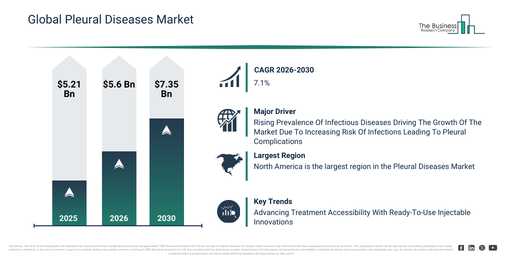
    The market size for pleural diseases has experienced significant growth in recent years. This market is anticipated to expand from $5.21 billion in 2025 to $5.6 billion in 2026, demonstrating a compound annual growth rate (CAGR) of 7.3%. Historically, the expansion can be attributed to an increasing incidence of respiratory diseases, a rising prevalence of pleural effusion and mesothelioma, wider availability of diagnostic imaging, an expansion of pulmonology services, and growth in hospital-based respiratory care.

    The pleural diseases market is projected to experience substantial expansion over the coming years. This market is anticipated to reach $7.35 billion by 2030, exhibiting a compound annual growth rate (CAGR) of 7.1%. Key drivers for this growth during the forecast period include greater investments in early cancer detection, an increasing need for minimally invasive diagnostic procedures, the broadening scope of precision medicine, a heightened emphasis on outpatient respiratory care, and therapeutic breakthroughs for pleural diseases. Significant trends expected in the same period involve the wider adoption of advanced imaging diagnostics, a surge in minimally invasive pleural interventions, the increasing incorporation of molecular diagnostic instruments, the expansion of early disease detection initiatives, and an intensified focus on customized treatment strategies.

    Get A Free Sample Report With In-Depth Market Insights:

    https://thebusinessresearchcompany.com/sample_request?id=45333386&type=smp&name=Pleural%20Diseases%20Market%20Report%202026&utm_source=Blogs&utm_medium=Paid&utm_campaign=Nov_PR

    Pleural Diseases Market Growth Backed By Core Demand Fundamentals

    The rising occurrence of infectious illnesses is projected to fuel the expansion of the pleural diseases market in the future. These are conditions resulting from detrimental microorganisms like bacteria, viruses, fungi, or parasites. Factors such as environmental shifts affecting human behavior and developments in worldwide travel contribute to the growing incidence of infectious diseases. Specific infectious conditions, including bacterial pneumonia, tuberculosis, or various viral infections, can lead to pleural disease by initiating inflammation, an infection, or a buildup of fluid within the pleural cavity.

    Pleural Diseases Market Segments: Where Is Growth Concentrated?

    The pleural diseases market covered in this report is segmented –

    1) By Disease Type: Pleurisy, Pleural Effusion, Pneumothelioma, Mesothelioma, Other Disease Types

    2) By Treatment Modalities: Medications, Thoracentesis And Pleurodesis, Minimally Invasive Interventions, Surgical Interventions

    3) By Diagnostic Tools: Imaging Techniques, Molecular Diagnostics, Thoracoscopy, Pleuroscopy

    4) By End User: Hospitals And Clinics, Diagnostic Centers, Research And Academic Institutions

    Subsegments:

    1) By Pleurisy: Acute Pleurisy, Chronic Pleurisy, Infectious Pleurisy, Non-infectious Pleurisy

    2) By Pleural Effusion: Transudative Pleural Effusion, Exudative Pleural Effusion, Malignant Pleural Effusion, Parapneumonic Pleural Effusion, Hemothorax, Chylothorax

    3) By Pneumothelioma: Primary Pneumothelioma, Secondary Pneumothelioma (Metastatic), Localized Pneumothelioma, Diffuse Pneumothelioma

    4) By Mesothelioma: Pleural Mesothelioma, Benign Pleural Tumors, Pleural Thickening Disorders, Pleural Plaques

    5) By Other Disease Types: Empyema, Fibrothorax, Pneumothorax, Lung Cancer, Tuberculosis-Related Pleural Disease, Sarcoidosis

    #Pleural Diseases Market Growth Trends: What’s Shaping The Future Outlook?

    Leading companies in the pleural diseases market are concentrating on developing innovative treatment options, including ready-to-use injectable treatments, to enhance convenience, reduce preparation time, and minimize dosing errors. Ready-to-use injectable treatments are pre-formulated, pre-diluted medications that do not require reconstitution or mixing before administration, thereby ensuring accuracy, ease, and quicker preparation.

    Pleural Diseases Market Key Participants And Competitive Landscape

    Major companies operating in the pleural diseases market are Pfizer Inc., Merck & Co. Inc., Bristol Myers Squibb Company, GSK plc, Astrazeneca plc, Koninklijke Philips N.V., Becton Dickinson and Company, Boehringer Ingelheim International GmbH, Sanofi SA, Penn Medicine, Henry Ford Health, Dragerwerk AG, Emory Healthcare, Boston Medical Center, Cook Medical, WakeMed, Weill Cornell Medicine, Fox Chase Cancer Center, B. Braun SE, Bicakcilar, Redax S.p.a, Rocket Medical

    View The Full Pleural Diseases Market Report:

    https://thebusinessresearchcompany.com/report/pleural-diseases-global-market-report?utm_source=Blogs&utm_medium=Paid&utm_campaign=Nov_PR

    Pleural Diseases Market Regional Breakdown: Where Is Demand Concentrated?

    North America was the largest region in the pleural diseases market in 2025. Asia-Pacific is expected to be the fastest-growing region in the forecast period. The regions covered in the pleural diseases market report are Asia-Pacific, South East Asia, Western Europe, Eastern Europe, North America, South America, Middle East, Africa.

    Reach Out To Our Team:

    The Business Research Company: https://www.thebusinessresearchcompany.com/

    Americas: +1 310-496-7795

    Asia: +44 7882 955267 & +91 8897263534

    Europe: +44 7882 955267

    Email us at: marketing@tbrc.info

    Follow us on:

    LinkedIn: https://in.linkedin.com/company/the-business-research-company

    YouTube: https://www.youtube.com/channel/UC24_fI0rV8cR5DxlCpgmyFQ

    Global Market Model: https://www.thebusinessresearchcompany.com/global-market-model
  • Platysmaplasty Treatment Market Projected For Strong Expansion Through 2030: Key Trends And Future Outlook

    Platysmaplasty Treatment Market Projected For Strong Expansion Through 2030: Key Trends And Future Outlook

    Featuring market attractiveness scoring, total addressable market sizing, company benchmarking matrices, interactive Excel dashboards, deeper supply chain intelligence, emerging startup tracking, and granular product-level insights, The Business Research Company’s 2026 market reports are built to deliver research that is both more actionable and more strategically valuable.

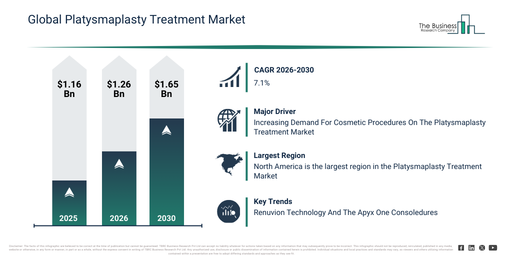
    Platysmaplasty Treatment Market Poised To Hit $1.65 Billion By 2030 With A 7.1% CAGR

    The platysmaplasty treatment market has experienced robust expansion over recent years. Its valuation is projected to increase from $1.16 billion in 2025 to $1.26 billion in 2026, exhibiting a compound annual growth rate (CAGR) of 8.1%. This historical growth can be linked to several factors, including heightened awareness regarding cosmetic enhancement choices, an uptick in elective cosmetic surgical procedures, greater disposable income among urban inhabitants, the proliferation of specialized cosmetic facilities, and continuous improvements in surgical methodologies.

    The platysmaplasty treatment market is projected to experience robust expansion in the coming years, with its size forecast to reach $1.65 billion by 2030, demonstrating a compound annual growth rate (CAGR) of 7.1%. This anticipated growth throughout the forecast period can be attributed to a growing demand for non-invasive aesthetic procedures, an increase in medical tourism for cosmetic interventions, the rising uptake of energy-based devices, the expanding segment of male aesthetic treatments, and continuous advancements in cosmetic surgery techniques. Notable trends during this period include a heightened demand for minimally invasive neck rejuvenation, an increase in the adoption of non-surgical platysmaplasty methods, a growing preference for laser-assisted procedures, the expansion of aesthetic surgery among aging populations, and an enhanced focus on achieving shorter recovery times.

    Get A Free Sample Report With In-Depth Market Insights:

    https://thebusinessresearchcompany.com/sample_request?id=30741103&type=smp&name=Platysmaplasty%20Treatment%20Market%20Report%202026&utm_source=Blogs&utm_medium=Paid&utm_campaign=Nov_PR

    Platysmaplasty Treatment Market Growth Catalysts And Demand Drivers

    The rising demand for aesthetic interventions is anticipated to drive the expansion of the platysmaplasty treatment market. These aesthetic procedures encompass diverse surgical and non-surgical methods aimed at enhancing or modifying an individual’s physical appearance for beauty-related objectives. The heightened need for cosmetic procedures is fueled by a societal emphasis on appearance, advancements in medical technology, and the growing acceptance of aesthetic enhancements to boost self-confidence and improve overall well-being. Platysmaplasty treatment is specifically utilized in cosmetic procedures to address loose or aged skin in the neck region, providing patients with a revitalized and youthful look.

    Platysmaplasty Treatment Market Segment Analysis: What Are The Core Market Categories?

    The platysmaplasty treatment market covered in this report is segmented –

    1) By Procedure: Surgical Procedure, Non Surgical Procedure

    2) By Gender: Male, Female

    3) By End-Use: Cosmetic Surgery Clinics, Hospitals

    Subsegments:

    1) By Surgical Procedure: Traditional Neck Lift Surgery, Laser-Assisted Platysmaplasty, Endoscopic Platysmaplasty

    2) By Non-Surgical Procedure: Botox Or Dysport Injections, Thread Lifting, Ultherapy

    Platysmaplasty Treatment Market Industry Trends: What’s Reshaping Demand?

    Leading companies within the platysmaplasty treatment market are concentrating on advanced technologies like Renuvion to improve surgical results, shorten recovery periods, and boost patient satisfaction by providing minimally invasive options for skin tightening and contouring. Renuvion technology integrates helium plasma and radiofrequency energy to generate a gentle, controlled heating effect on the skin, facilitating tightening and rejuvenation.

    Platysmaplasty Treatment Market Top Companies Driving Competitive Growth

    Major companies operating in the platysmaplasty treatment market are Mayo Clinic, Cleveland Clinic Foundation, Duke Health, Lumenis Ltd., Cutera Inc., Lutronic Corporation, Sinclair Pharma plc, Candela Corporation, Merz Aesthetics, Piedmont Plastic Surgery & Dermatology, Quanta System S.p.A., Long Island Plastic Surgical Group, Westlake Dermatology & Cosmetic Surgery, Allergan Aesthetics, The Esthetic Clinics, Cadogan Clinic, BTL Aesthetics Inc., Avenue Plastic Surgery, Dr. Cat Plastic Surgery, Los Angeles Plastic Surgery Clinic, Nazarian Plastic Surgery, The Istanbul Aesthetic Center, Marina Plastic Surgery, Elite Plastic Surgery

    View The Full Platysmaplasty Treatment Market Report:

    https://thebusinessresearchcompany.com/report/platysmaplasty-treatment-global-market-report?utm_source=Blogs&utm_medium=Paid&utm_campaign=Nov_PR

    Platysmaplasty Treatment Market Geographic Landscape: Which Region Leads Industry Growth?

    North America was the largest region in the platysmaplasty treatment market in 2025. The regions covered in the platysmaplasty treatment market report are Asia-Pacific, South East Asia, Western Europe, Eastern Europe, North America, South America, Middle East, Africa.

    Reach Out To Our Team:

    The Business Research Company: https://www.thebusinessresearchcompany.com/

    Americas: +1 310-496-7795

    Asia: +44 7882 955267 & +91 8897263534

    Europe: +44 7882 955267

    Email us at: marketing@tbrc.info

    Follow us on:

    LinkedIn: https://in.linkedin.com/company/the-business-research-company

    YouTube: https://www.youtube.com/channel/UC24_fI0rV8cR5DxlCpgmyFQ

    Global Market Model: https://www.thebusinessresearchcompany.com/global-market-model
  • Platelet Shaker Market Outlook 2026–2030: Growth Trends, Market Dynamics And Emerging Opportunities

    Platelet Shaker Market Outlook 2026–2030: Growth Trends, Market Dynamics And Emerging Opportunities

    Built to provide research that’s more actionable and strategically valuable, The Business Research Company’s 2026 market reports include market attractiveness analysis, total addressable market sizing, company benchmarking matrices, interactive Excel dashboards, broader supply chain intelligence, emerging startup tracking, and in-depth product insights.

    Platelet Shaker Market Size And Revenue Outlook Through 2030

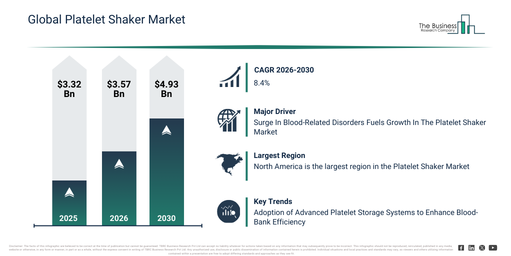
    The platelet shaker market has observed substantial expansion in recent times. Its valuation is anticipated to climb from $3.32 billion in 2025 to $3.57 billion in 2026, exhibiting a compound annual growth rate (CAGR) of 7.3%. This historical rise can be ascribed to several factors, including the expansion of blood transfusion services, an increase in surgical and trauma care procedures, the proliferation of blood banks, heightened understanding of platelet storage standards, and enhancements in the dependability of laboratory equipment.

    The platelet shaker market is projected for substantial expansion in the coming years, reaching $4.93 billion by 2030, driven by a compound annual growth rate (CAGR) of 8.4%. This growth during the forecast period can be linked to several factors, including the increasing need for automated blood handling systems, greater investments in modernizing hospital laboratories, the expansion of decentralized blood storage facilities, a heightened emphasis on transfusion safety, and the uptake of smart monitoring technologies. Key trends anticipated within this period involve the rising adoption of digitally controlled platelet shakers, an increasing demand for high-capacity blood storage equipment, the growing integration of temperature and motion monitoring capabilities, the expansion of compact and portable shaker designs, and an enhanced focus on preserving platelet viability.

    Get A Free Sample Report With In-Depth Market Insights:

    https://thebusinessresearchcompany.com/sample_request?id=53753911&type=smp&name=Platelet%20Shaker%20Market%20Report%202026&utm_source=Blogs&utm_medium=Paid&utm_campaign=Nov_PR

    Platelet Shaker Market Opportunity Drivers: What’s Unlocking New Revenue Potential?

    The growing occurrence of blood-related disorders is set to propel the expansion of the platelet shaker market in the future. These conditions involve any ailment affecting one or more blood components, typically hindering the blood’s ability to function properly. Platelet shakers play a vital role during blood transfusion procedures, ensuring platelets remain suspended and evenly distributed when treating or preventing blood disorders in patients.

    Platelet Shaker Market Segment Breakdown: Which Categories Lead On Revenue?

    The platelet shaker market covered in this report is segmented –

    1) By Product Type: Benchtop Platelet Shakers, Floor-Standing Platelet Shakers, Portable Platelet Shakers

    2) By Capacity: Small, Medium, Large

    3) By Application: Blood Banks, Hospitals And Diagnostic Centers, Academic And Research Institutes, Other Applications

    Subsegments:

    1) By Benchtop Platelet Shakers: Small Benchtop Models, High-Capacity Benchtop Models, Digital Benchtop Platelet Shakers

    2) By Floor-Standing Platelet Shakers: Standard Floor-Standing Models, High-Capacity Floor-Standing Models, Automated Floor-Standing Platelet Shakers

    3) By Portable Platelet Shakers: Battery-Operated Portable Models, Compact Portable Models, Multi-Functional Portable Shakers

    Platelet Shaker Market Innovation Trends: What Developments Are Reshaping The Industry?

    Major companies operating in the platelet shaker market are focusing on developing technological advancements such as incubator agitator systems to improve platelet viability, achieve precise temperature control, and ensure continuous gentle agitation. An incubator agitator system combines uniform agitation with controlled storage temperature, effectively preventing platelet aggregation, maintaining cell viability, and ensuring compliance with blood bank standards. For instance, in March 2025, Haier Biomedical, a China-based medical equipment manufacturer, installed the Haier Biomedical Platelet Incubator with Agitator at Union Hospital. This product delivers precise temperature control around 22°C, continuous gentle agitation of platelet bags, real-time monitoring of agitation and temperature, and integrated alarm systems, thereby enhancing platelet storage safety, improving blood bank workflow efficiency, and supporting compliance with regulatory standards.

    Platelet Shaker Market Leading Players And Competitive Positioning

    Major companies operating in the platelet shaker market are Thermo Fisher Scientific Inc., Fresenius Kabi AG, Sartorius AG, Eppendorf SE, JP Selecta SA, Sarstedt AG & Co. KG, Meditech Technology Co. Ltd., Labtron Equipment Ltd., Helmer Scientific Inc., KW Apparecchi Scientifici, Lmb Technologie GmbH, Azer Scientific Inc., Remi Electrkotecnic Limited, Boekel Scientific, Terumo Penpol Limited, Cryo Diffusion s.a.s., LW Scientific Inc., Benchmark Scientific Inc., Snijders Labs, Zenith Lab Jiangsu Co Ltd., Digisystem Laboratory Instruments Inc., Labcold Ltd., Fanem Ltd., Haier Biomedical, NuAire Inc.

    View The Full Platelet Shaker Market Report:

    https://thebusinessresearchcompany.com/report/platelet-shaker-global-market-report?utm_source=Blogs&utm_medium=Paid&utm_campaign=Nov_PR

    Platelet Shaker Market Largest Region: Which Geography Holds The Biggest Share?

    North America was the largest region in the platelet shaker market in 2025. The regions covered in the platelet shaker market report are Asia-Pacific, South East Asia, Western Europe, Eastern Europe, North America, South America, Middle East, Africa.

    Reach Out To Our Team:

    The Business Research Company: https://www.thebusinessresearchcompany.com/

    Americas: +1 310-496-7795

    Asia: +44 7882 955267 & +91 8897263534

    Europe: +44 7882 955267

    Email us at: marketing@tbrc.info

    Follow us on:

    LinkedIn: https://in.linkedin.com/company/the-business-research-company

    YouTube: https://www.youtube.com/channel/UC24_fI0rV8cR5DxlCpgmyFQ

    Global Market Model: https://www.thebusinessresearchcompany.com/global-market-model

  • Platelet Rich Plasma Market Growth Outlook From $0.97 Billion In 2026 To $1.69 Billion By 2030

    Platelet Rich Plasma Market Growth Outlook From $0.97 Billion In 2026 To $1.69 Billion By 2030

    Backed by market attractiveness analysis, total addressable market sizing, company benchmarking matrices, interactive Excel dashboards, wider supply chain intelligence, emerging startup coverage, and detailed product-level insights, The Business Research Company’s 2026 market reports are designed to offer research that is more actionable and strategically valuable than ever.

    Platelet Rich Plasma Market Growth From $0.97 Billion In 2026 To $1.69 Billion By 2030 At A CAGR Of 15.1%

    The market for platelet rich plasma has experienced substantial growth in recent years. It is projected to expand from $0.83 billion in 2025 to $0.97 billion in 2026, at a compound annual growth rate (CAGR) of 16.9%. The growth observed in the historical period was primarily driven by the increasing acceptance of regenerative medicine, the rising prevalence of musculoskeletal disorders, the expansion of cosmetic and aesthetic procedures, enhanced clinical research into PRP efficacy, and the wider availability of centrifugation technologies.

    The platelet rich plasma market is poised for significant expansion in the coming years. Its valuation is expected to climb to $1.69 billion by 2030, exhibiting a compound annual growth rate (CAGR) of 15.1%. This growth during the forecast period is driven by factors such as the increasing application of prp in chronic wound management, a rising preference for minimally invasive therapies, the proliferation of outpatient and ambulatory care procedures, escalating investments in regenerative medicine research, and wider clinical acceptance across new indications. Notable trends emerging in the forecast period encompass the increasing integration of autologous prp therapies, the expanded use of prp in orthopedic and sports medicine, a surging demand for aesthetic and cosmetic prp applications, the development of standardized prp preparation systems, and an intensified focus on high-concentration prp formulations.

    Get A Free Sample Report With In-Depth Market Insights:

    https://thebusinessresearchcompany.com/sample_request?id=95622166&type=smp&name=Platelet%20Rich%20Plasma%20Market%20Report%202026&utm_source=Blogs&utm_medium=Paid&utm_campaign=Nov_PR

    Platelet Rich Plasma Market Growth Momentum: What Factors Are Shaping Demand?

    The increasing prevalence of sports injuries is anticipated to drive the expansion of the platelet-rich plasma market moving forward. This escalation in sports injury occurrence stems from greater participation in sports, increasing enrollment in youth sports programs, age-related elements, and insufficient coaching along with inadequate supervision. Platelet-rich plasma (PRP) therapy contributes to the recovery from sports injuries by stimulating tissue repair and regeneration, alleviating inflammation, and accelerating the healing of tendons and ligaments, thereby offering athletes a minimally invasive treatment avenue with the potential for quicker recovery durations.

    Platelet Rich Plasma Market Segmentation: How Does The Market Break Down By Category?

    The platelet rich plasma market covered in this report is segmented –

    1) By Type: Pure Platelet Rich Plasma, Leukocyte-Rich Platelet Rich Plasma, Leukocyte-Rich Fibrin, Other Types

    2) By Origin: Allogeneic Platelet Rich Plasma, Autologous Platelet Rich Plasma, Homologous Platelet Rich Plasma

    3) By Application: Cosmetic Surgery And Aesthetics, General Surgery, Neurosurgery, Orthopedic And Spinal Surgery, Other Applications

    4) By End User: Hospitals And Clinics, Research Institutes, Other End-Users

    Subsegments:

    1) By Pure Platelet Rich Plasma: Low Concentration PRP, High Concentration PRP

    2) By Leukocyte-Rich Platelet Rich Plasma: Autologous LR-PRP, Allogeneic LR-PRP

    3) By Leukocyte-Rich Fibrin: Injectable Leukocyte-Rich Fibrin, Membrane Leukocyte-Rich Fibrin

    4) By Other Types: Platelet Rich Fibrin (PRF), Concentrated Platelet-Rich Plasma (cPRP), Platelet-Poor Plasma (PPP)

    Platelet Rich Plasma Market Trends: What’s Defining The Industry’s Next Phase?

    Leading companies within the platelet-rich plasma market are creating ready-to-use plasma products, aiming to provide superior quality and value to address the increasing need for PRP therapies in the aesthetics industry. These pre-prepared platelet-rich plasma (PRP) products offer a convenient therapeutic solution, ensuring a uniform platelet concentration and effectiveness without the need for bespoke preparation for each patient.

    Platelet Rich Plasma Market Competitive Overview And Top Companies

    Major companies operating in the platelet rich plasma market are Johnson & Johnson Services Inc., Stryker, Zimmer Biomet, Terumo Corporation, Arthrex Inc., Pall Corporation, Globus Medical, LifeNet Health, Exactech Inc., BioBridge Global, Regen Lab SA, Celling Biosciences Inc., Eclipse Aesthetics LLC, Regenexx, Isto Biologics, Royal Biologics, Apex Biologix, EmCyte Corporation, Medira Ltd., Nuo Therapeutics Inc., Juventix Regenerative Medical LLC., Estar Medical, Dr PRP USA LLC, MDBiologix, Vivostat A/S

    View The Full Platelet Rich Plasma Market Report:

    https://thebusinessresearchcompany.com/report/platelet-rich-plasma-global-market-report?utm_source=Blogs&utm_medium=Paid&utm_campaign=Nov_PR

    Platelet Rich Plasma Market Regional Analysis: Which Geography Leads On Revenue?

    North America was the largest region in the platelet-rich plasma market in 2025. North America is expected to be the fastest-growing region in the forecast period. The regions covered in the platelet rich plasma market report are Asia-Pacific, South East Asia, Western Europe, Eastern Europe, North America, South America, Middle East, Africa.

    Reach Out To Our Team:

    The Business Research Company: https://www.thebusinessresearchcompany.com/

    Americas: +1 310-496-7795

    Asia: +44 7882 955267 & +91 8897263534

    Europe: +44 7882 955267

    Email us at: marketing@tbrc.info

    Follow us on:

    LinkedIn: https://in.linkedin.com/company/the-business-research-company

    YouTube: https://www.youtube.com/channel/UC24_fI0rV8cR5DxlCpgmyFQ

    Global Market Model: https://www.thebusinessresearchcompany.com/global-market-model
  • Plasmid DNA Manufacturing Market Forecast To Reach $7.64 Billion By 2030: Key Growth Drivers And Industry Trends

    Plasmid DNA Manufacturing Market Forecast To Reach $7.64 Billion By 2030: Key Growth Drivers And Industry Trends

    Featuring market attractiveness scoring, total addressable market sizing, company benchmarking matrices, interactive Excel dashboards, deeper supply chain intelligence, emerging startup tracking, and granular product-level insights, The Business Research Company’s 2026 market reports are built to deliver research that is both more actionable and more strategically valuable.

    Plasmid DNA Manufacturing Market Expansion Outlook: What Revenue Opportunities Are Ahead?

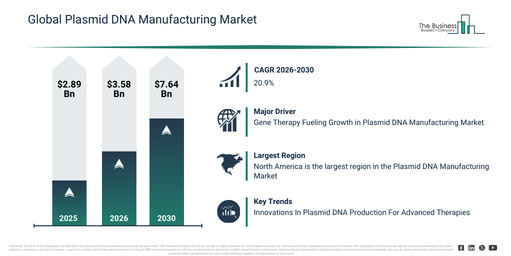
    The plasmid DNA manufacturing market has experienced significant growth in recent years. This market is projected to expand from $2.89 billion in 2025 to reach $3.58 billion by 2026, demonstrating a compound annual growth rate (CAGR) of 23.6%. Historically, this expansion has been driven by several factors such as the greater utilization of plasmid DNA in research, the proliferation of molecular cloning, the progress in preclinical therapeutic development, heightened investments in biotechnology research, and advancements in bacterial fermentation methods.

    The plasmid dna manufacturing market size is projected for significant expansion in the coming years. It is anticipated to grow to $7.64 billion in 2030, achieving a compound annual growth rate (CAGR) of 20.9%. The growth during the forecast period is driven by factors such as the increasing need for DNA-based vaccines, rising investments in gene and cell therapy pipelines, the expansion of commercial-scale plasmid manufacturing, a growing emphasis on regulatory-compliant production, and the increasing adoption of advanced purification technologies. Major developments expected in the forecast period include an increasing demand for GMP-grade plasmid DNA production, the rising integration of automated bioprocessing systems, the expanding use of plasmid DNA in gene therapy applications, the enlargement of large-scale manufacturing capacities, and an enhanced focus on high-purity DNA production.

    Get A Free Sample Report With In-Depth Market Insights:

    https://thebusinessresearchcompany.com/sample_request?id=96431741&type=smp&name=Plasmid%20DNA%20Manufacturing%20Market%20Report%202026&utm_source=Blogs&utm_medium=Paid&utm_campaign=Nov_PR

    Plasmid DNA Manufacturing Market Expansion Drivers: What’s Shaping Future Growth?

    The increasing adoption of gene therapy is projected to fuel the expansion of the plasmid DNA manufacturing market in the foreseeable future. Gene therapy is defined as a medical intervention that involves modifying or manipulating an individual’s genes to address or prevent illnesses. Its growing prominence stems from breakthroughs in genetic engineering technologies, augmented investments in research and development, positive outcomes from clinical trials, and the rising incidence of genetic conditions, collectively underscoring its capacity to offer lasting or permanent treatments. Plasmid DNA manufacturing plays a crucial role in gene therapy by producing the essential vectors required for delivering therapeutic genes into cells, thereby enabling the treatment of genetic disorders.

    Plasmid DNA Manufacturing Market Segment Trends And Revenue Contributors

    The plasmid dna manufacturing market covered in this report is segmented –

    1) By Grade: Research And Development Grade, Good Manufacturing Practice (GMP) Grade

    2) By Development Phase: Pre-Clinical Therapeutics, Clinical Therapeutics, Marketed Therapeutics

    3) By Disease: Infectious Disease, Cancer, Genetic Disorder, Other Diseases

    4) By Application: Deoxyribonucleic Acid (DNA) Vaccines, Cell And Gene Therapy, Immunotherapy, Other Applications

    Subsegments:

    1) By Research And Development Grade: Small-scale Plasmid DNA Production, Preclinical Research Plasmid DNA

    2) By Good Manufacturing Practice (GMP) Grade: Clinical Trial Material Production, Commercial-Scale Plasmid DNA Production

    Plasmid DNA Manufacturing Market Industry Trends Fueling Future Revenue Growth

    Leading companies in the plasmid DNA manufacturing market are actively developing sophisticated bioprocessing technologies to boost the efficiency, scalability, and overall quality of plasmid DNA production. These innovations are designed to streamline the production process, minimize manufacturing costs, and ensure that the plasmid DNA meets rigorous regulatory standards for therapeutic applications.

    Plasmid DNA Manufacturing Market Competitive Landscape: Which Companies Lead The Industry?

    Major companies operating in the plasmid dna manufacturing market are Thermo Fisher Scientific Inc., Eurofins Genomics LLC, Catalent Inc., Charles River Laboratories, Recipharm AB, Kaneka Corp., Genscript Biotech Corporation, Aldevron LLC, Genewiz, OriGene Technologies, Celonic AG, Creative Biogene, Cellectis, Synbio Technologies, VectorBuilder Inc., Altogen Biosystems, Andelyn Biosciences, AGC Biologics, VGXI, GeneCopoeia, PlasmidFactory GmbH & Co. KG, Akron Biotech, PackGene Biotech Inc.

    View The Full Plasmid DNA Manufacturing Market Report:

    https://thebusinessresearchcompany.com/report/plasmid-dna-manufacturing-global-market-report?utm_source=Blogs&utm_medium=Paid&utm_campaign=Nov_PR

    Plasmid DNA Manufacturing Market Geographic Spread And Regional Opportunities

    North America was the largest region in the plasmid DNA manufacturing market in 2025. Asia-Pacific is expected to be the fastest-growing region in the forecast period. The regions covered in the plasmid dna manufacturing market report are Asia-Pacific, South East Asia, Western Europe, Eastern Europe, North America, South America, Middle East, Africa.

    Reach Out To Our Team:

    The Business Research Company: https://www.thebusinessresearchcompany.com/

    Americas: +1 310-496-7795

    Asia: +44 7882 955267 & +91 8897263534

    Europe: +44 7882 955267

    Email us at: marketing@tbrc.info

    Follow us on:

    LinkedIn: https://in.linkedin.com/company/the-business-research-company

    YouTube: https://www.youtube.com/channel/UC24_fI0rV8cR5DxlCpgmyFQ

    Global Market Model: https://www.thebusinessresearchcompany.com/global-market-model
  • Plasma Protease C1-Inhibitor Market Research 2026: Market Size, Trends, Segments And Growth Forecast

    Plasma Protease C1-Inhibitor Market Research 2026: Market Size, Trends, Segments And Growth Forecast

    Built to provide research that’s more actionable and strategically valuable, The Business Research Company’s 2026 market reports include market attractiveness analysis, total addressable market sizing, company benchmarking matrices, interactive Excel dashboards, broader supply chain intelligence, emerging startup tracking, and in-depth product insights.

    Plasma Protease C1-Inhibitor Market Growth Potential: How Will Market Size Shift Through 2030?

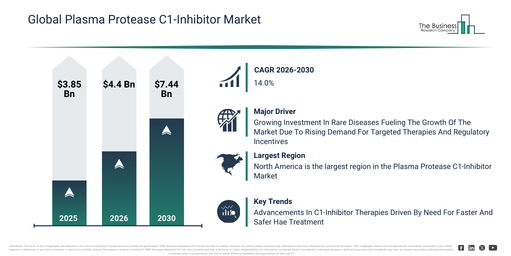
    The plasma protease c1-inhibitor market has experienced considerable expansion in recent years. It is anticipated to expand from $3.85 billion in 2025 to $4.4 billion in 2026, achieving a compound annual growth rate (CAGR) of 14.3%. This historical development can be attributed to increased diagnosis of hereditary angioedema, the widespread availability of plasma-derived inhibitors, advancements in plasma fractionation processes, the proliferation of specialty immunology clinics, and improved patient access to targeted therapies.

    The plasma protease c1-inhibitor market size is projected to experience significant expansion over the next few years. It is anticipated to grow to $7.44 billion by 2030, demonstrating a compound annual growth rate (CAGR) of 14.0%. This growth during the forecast period can be attributed to the escalating development of next-generation inhibitors, increasing demand for self-administered therapies, the broadening of rare disease treatment programs, rising investment in recombinant biologics, and a growing focus on long-term disease control. Prominent trends within the forecast period encompass the increasing adoption of recombinant c1-inhibitors, a surge in demand for plasma-derived therapies, an intensified focus on rare disease management, the expansion of subcutaneous administration options, and an enhanced emphasis on treatment safety and efficacy.

    Get A Free Sample Report With In-Depth Market Insights:

    https://thebusinessresearchcompany.com/sample_request?id=23111003&type=smp&name=Plasma%20Protease%20C1-Inhibitor%20Market%20Report%202026&utm_source=Blogs&utm_medium=Paid&utm_campaign=Nov_PR

    Plasma Protease C1-Inhibitor Market Development Factors: What’s Supporting Demand?

    Increased funding directed towards rare diseases is anticipated to boost the expansion of the plasma protease C1-inhibitor market in the future. A rare disease is defined as a medical condition impacting a small fraction of the populace, generally less than 1 in 2,000 individuals. Such conditions frequently present as chronic, progressive ailments, potentially leading to life-threatening or disabling outcomes. Funding for rare diseases stems mainly from an increasing awareness of unmet healthcare requirements and the prospect of substantial returns via regulatory incentives, including orphan drug status, exclusive market rights, and lower development expenses. This investment in rare diseases fuels the creation of plasma protease C1-inhibitors by financing research and innovative solutions for hereditary angioedema and similar rare disorders where C1-inhibitor deficits lead to severe manifestations, thereby speeding up the delivery of specific treatments.

    Plasma Protease C1-Inhibitor Market Segment Analysis Spotlighting Growth Areas

    The plasma protease c1-inhibitor market covered in this report is segmented –

    1) By Drug Class: C1-Inhibitors, C1-Esterase Inhibitor, Recombinant Inhibitor, Kallikrein Inhibitor, Selective Bradykinin B2 Receptor Antagonist

    2) By Dosage Form: Lyphophlised, Injectables

    3) By Distribution Channel: Hospital Pharmacies, Retail Pharmacies, Online Pharmacies

    Subsegments:

    1) By C1-Inhibitors: Plasma-Derived C1-Inhibitor, Recombinant C1-Inhibitor

    2) By C1-Esterase Inhibitor: Intravenous (IV) C1-Esterase Inhibitor, Subcutaneous (SC) C1-Esterase Inhibitor

    3) By Recombinant Inhibitor: Recombinant Human C1-Inhibitor, Recombinant Analog Inhibitor

    4) By Kallikrein Inhibitor: Plasma Kallikrein Inhibitor, Oral Kallikrein Inhibitor

    5) By Selective Bradykinin B2 Receptor Antagonist: Injectable B2 Receptor Antagonist, Oral B2 Receptor Antagonist

    Plasma Protease C1-Inhibitor Market Trends Powering Strategic Industry Growth

    Major companies operating in the plasma protease C1-inhibitor market are focusing on developing innovative solutions, such as recombinant and plasma-derived C1-inhibitors. These solutions aim to prevent and treat hereditary angioedema (HAE) attacks, offering faster symptom control and improved safety when compared to older therapies that had limited availability or slower onset. C1-inhibitors are proteins responsible for regulating the complement system, thereby controlling excessive bradykinin production and reducing the severity of HAE-related swelling episodes.

    Plasma Protease C1-Inhibitor Market Leading Companies: Who Holds The Strongest Market Presence?

    Major companies operating in the plasma protease c1-inhibitor market are Takeda Pharmaceutical Company Limited, CSL Behring LLC, Octapharma AG, Ionis Pharmaceuticals Inc, Sanquin, Biotest AG, BioCryst Pharmaceuticals Inc, Pharming Group NV, KalVista Pharmaceuticals Inc, Pharvaris NV, Lev Pharmaceuticals, Shire Pharmaceuticals, Dyax Corp, Intellia Therapeutics Inc, Alnylam Pharmaceuticals Inc, Moderna Therapeutics Inc, Arrowhead Pharmaceuticals Inc, Protalix BioTherapeutics Inc, Apellis Pharmaceuticals Inc, Alexion Pharmaceuticals Inc, UCB SA, Pfizer Inc

    View The Full Plasma Protease C1-Inhibitor Market Report:

    https://thebusinessresearchcompany.com/report/plasma-protease-c1-inhibitor-global-market-report?utm_source=Blogs&utm_medium=Paid&utm_campaign=Nov_PR

    Plasma Protease C1-Inhibitor Market Top Region By Revenue And Market Share

    North America was the largest region in the plasma protease C1-inhibitor market in 2025. Asia-Pacific is expected to be the fastest-growing region in the forecast period. The regions covered in the plasma protease c1-inhibitor market report are Asia-Pacific, South East Asia, Western Europe, Eastern Europe, North America, South America, Middle East, Africa.

    Reach Out To Our Team:

    The Business Research Company: https://www.thebusinessresearchcompany.com/

    Americas: +1 310-496-7795

    Asia: +44 7882 955267 & +91 8897263534

    Europe: +44 7882 955267

    Email us at: marketing@tbrc.info

    Follow us on:

    LinkedIn: https://in.linkedin.com/company/the-business-research-company

    YouTube: https://www.youtube.com/channel/UC24_fI0rV8cR5DxlCpgmyFQ

    Global Market Model: https://www.thebusinessresearchcompany.com/global-market-model
  • Plantar Fasciitis Treatment Market Forecast 2026: Market Size, Competitive Landscape And Growth Drivers

    Plantar Fasciitis Treatment Market Forecast 2026: Market Size, Competitive Landscape And Growth Drivers

    Backed by market attractiveness analysis, total addressable market sizing, company benchmarking matrices, interactive Excel dashboards, wider supply chain intelligence, emerging startup coverage, and detailed product-level insights, The Business Research Company’s 2026 market reports are designed to offer research that is more actionable and strategically valuable than ever.

    Plantar Fasciitis Treatment Market Value Analysis: What Growth Lies Ahead Over The Forecast Period?

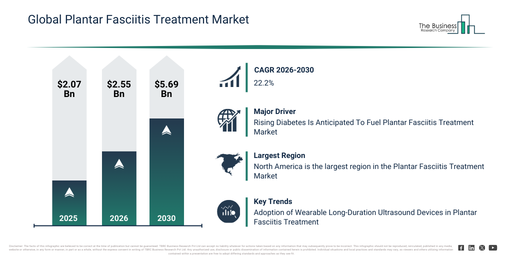
    The plantar fasciitis treatment market has witnessed substantial expansion in recent years. Its valuation is anticipated to climb from $2.07 billion in 2025 to $2.55 billion in 2026, achieving a compound annual growth rate (CAGR) of 23.1%. The historical increase in this market can be linked to factors such as the rising occurrence of foot and heel pain disorders, an increase in obesity-related foot conditions, greater engagement in sports activities, enhanced access to physical therapy services, and the proliferation of orthopedic care facilities.

    The plantar fasciitis treatment market size is projected to experience rapid expansion over the coming years. Its valuation is anticipated to reach $5.69 billion by 2030, exhibiting a compound annual growth rate (CAGR) of 22.2%. This anticipated growth during the projection period stems from several factors, including the greater uptake of sophisticated diagnostic imaging, a surge in the need for custom orthotic items, the broadening scope of outpatient orthopedic care, an intensifying emphasis on proactive musculoskeletal health, and the increased incorporation of physical therapy into standard treatment plans. Key developments anticipated for this period encompass a rise in the preference for non-invasive treatment alternatives, increased application of shockwave and physiotherapy methods, a burgeoning requirement for personalized orthotic devices, the broadening of integrated foot care strategies, and a heightened commitment to prompt diagnosis alongside conservative management.

    Get A Free Sample Report With In-Depth Market Insights:

    https://thebusinessresearchcompany.com/sample_request?id=88325953&type=smp&name=Plantar%20Fasciitis%20Treatment%20Market%20Report%202026&utm_source=Blogs&utm_medium=Paid&utm_campaign=Nov_PR

    Plantar Fasciitis Treatment Market Industry Drivers: What’s Behind The Revenue Growth?

    The growing incidence of diabetes is projected to boost the plantar fasciitis treatment market. Diabetes is a chronic medical condition characterized by elevated blood sugar levels, resulting from insufficient insulin production or ineffective use of insulin by the body. The application of plantar fasciitis treatment in diabetic patients aims to alleviate foot pain and discomfort associated with inflammation of the plantar fascia, enhancing mobility and reducing the risk of complications.

    Plantar Fasciitis Treatment Market Segment Performance And Emerging Opportunities

    The plantar fasciitis treatment market covered in this report is segmented –

    1) By Type: Medication Therapy, Orthotics, Shockwave Therapy, Surgery, Other Types

    2) By Diagnosis: Medical History, Physical Examination, X-Rays, Radiography, Other Diagnosis

    3) By End User: Hospitals, Clinics, Other End Users

    Subsegments:

    1) By Medication Therapy: Non-Steroidal Anti-Inflammatory Drugs (NSAIDs), Corticosteroids, Pain Relievers, Topical Treatments

    2) By Orthotics: Custom Orthotic Inserts, Over-The-Counter Insoles, Night Splints, Heel Cups

    3) By Shockwave Therapy: Radial Shockwave Therapy, Focused Shockwave Therapy

    4) By Surgery: Plantar Fascia Release, Gastrocnemius Recession, Other Surgical Procedures

    5) By Other Types: Physical Therapy, Massage Therapy, Stretching And Strengthening Exercises, Alternative Therapies

    Plantar Fasciitis Treatment Market Growth Trends Reshaping The Competitive Landscape

    Leading companies operating within the plantar fasciitis treatment market are focusing on creating technological advancements, such as wearable long-duration ultrasound devices for at-home soft-tissue therapy. These innovations aim to enhance healing, alleviate pain, and reduce the need for invasive procedures. A wearable long-duration ultrasound device works by delivering continuous low-intensity ultrasonic energy directly to soft tissue, thereby stimulating blood flow, oxygenation, and cellular repair, presenting a non-invasive option compared to traditional orthotics, pain medications, or corticosteroid injections. For instance, in June 2025, ZetrOZ Systems, a US-based medical device manufacturer, launched the sam 2.0, an advanced wearable ultrasound device for plantar fasciitis treatment. This product provides multi-hour, low-intensity ultrasound therapy that promotes collagen deposition, accelerates soft-tissue repair, and reduces inflammation, and can be self-administered at home, offering patients a convenient, drug-free, non-surgical treatment alternative.

    Plantar Fasciitis Treatment Market Key Players: Which Companies Lead Industry Competition?

    Major companies operating in the plantar fasciitis treatment market are Bayer AG, Superfeet Worldwide LLC, Bauerfeind AG, Ottobock SE & Co. KGaA, Sanofi SA, Eli Lilly and Company, GlaxoSmithKline plc, Pfizer Inc., Bristol-Myers Squibb Company, Scholl’s Wellness Co., Hanger Inc., Merck & Co. Inc., Johnson & Johnson Services Inc., Smith & Nephew plc, Arthrex Inc., DJO Global Co., Medline Industries Inc., Bird & Cronin Inc., Aetrex Worldwide Inc., Zimmer Biomet Holdings Inc., Stryker Corporation, Breg Inc., TheraBand LLC, Foot Levelers Inc.

    View The Full Plantar Fasciitis Treatment Market Report:

    https://thebusinessresearchcompany.com/report/plantar-fasciitis-treatment-global-market-report?utm_source=Blogs&utm_medium=Paid&utm_campaign=Nov_PR

    Plantar Fasciitis Treatment Market Regional Analysis And Top Geography

    North America was the largest region in the plantar fasciitis treatment market in 2025. The regions covered in the plantar fasciitis treatment market report are Asia-Pacific, South East Asia, Western Europe, Eastern Europe, North America, South America, Middle East, Africa.

    Reach Out To Our Team:

    The Business Research Company: https://www.thebusinessresearchcompany.com/

    Americas: +1 310-496-7795

    Asia: +44 7882 955267 & +91 8897263534

    Europe: +44 7882 955267

    Email us at: marketing@tbrc.info

    Follow us on:

    LinkedIn: https://in.linkedin.com/company/the-business-research-company

    YouTube: https://www.youtube.com/channel/UC24_fI0rV8cR5DxlCpgmyFQ

    Global Market Model: https://www.thebusinessresearchcompany.com/global-market-model