Blog

  • Advanced Dental Digital And Robotic Solutions Market Set To Expand From $10.96 Billion In 2026: Growth Outlook Through 2030

    Advanced Dental Digital And Robotic Solutions Market Set To Expand From $10.96 Billion In 2026: Growth Outlook Through 2030

    Featuring market attractiveness scoring, total addressable market sizing, company benchmarking matrices, interactive Excel dashboards, deeper supply chain intelligence, emerging startup tracking, and granular product-level insights, The Business Research Company’s 2026 market reports are built to deliver research that is both more actionable and more strategically valuable.

    Advanced Dental Digital And Robotic Solutions Market Forecast: Value Set To Climb From $8.03 Billion To $10.96 Billion

    The market for advanced dental digital and robotic solutions has experienced robust expansion over recent years. This market is projected to expand from $7.41 billion in 2025 to reach $8.03 billion in 2026, demonstrating a compound annual growth rate (CAGR) of 8.3%. Historically, this increase can be linked to factors such as the rising demand for precise dental treatments, the expansion of cosmetic dentistry, the necessity for improved dentist productivity, the widespread adoption of digital imaging, and a greater emphasis on patient comfort.

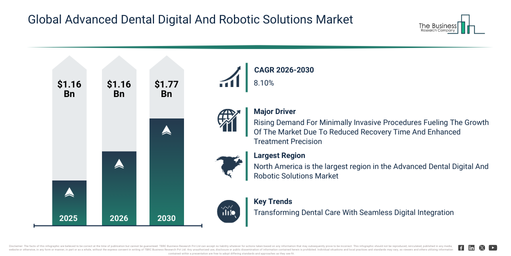
    The advanced dental digital and robotic solutions market is predicted to undergo significant expansion in the coming years. It will grow to $10.96 billion in 2030 at a compound annual growth rate (CAGR) of 8.1%. This projected growth is driven by the expansion of AI-driven diagnostics, the demand for robotic precision, the proliferation of digital dental clinics, the adoption of minimally invasive dentistry, and increased global oral health awareness. Prominent trends for the forecast period include the evolution of digital dentistry workflows, the rising embrace of robotic implantology, the need for chairside CAD/CAM systems, greater use of 3D dental imaging, and the broadening of teledentistry platforms.

    Get A Free Sample Report With In-Depth Market Insights:

    https://thebusinessresearchcompany.com/sample_request?id=30796832&type=smp&name=Advanced%20Dental%20Digital%20And%20Robotic%20Solutions%20Market%20Report%202026&utm_source=Blogs&utm_medium=Paid&utm_campaign=Sep_PR

    Advanced Dental Digital And Robotic Solutions Market Expansion Drivers: What’s Shaping Future Growth?

    The increasing need for minimally invasive procedures is anticipated to drive the expansion of the advanced dental digital and robotic solutions market in the future. These procedures involve medical interventions carried out via small cuts or openings, thereby lessening patient trauma and shortening recovery periods. The appeal of minimally invasive procedures is growing because they provide quicker recovery, lower complication risks, and reduced pain, which attracts patients looking for faster and safer treatment alternatives. They support advanced dental digital and robotic solutions by decreasing the requirement for extensive surgeries and enabling more precise and patient-centric treatments, thereby improving efficiency through less trauma, shorter recovery periods, and better treatment results. As an illustration, in January 2025, Synektik SA, a Poland-based testing laboratories company, reported that more than 2.2 million procedures were conducted worldwide using the da Vinci robotic system in 2023 alone, with a da Vinci-assisted surgery commencing approximately every 16.8 seconds globally. Consequently, the growing demand for minimally invasive procedures is propelling the expansion of the advanced dental digital and robotic solutions market.

    Advanced Dental Digital And Robotic Solutions Market Segment Analysis And Revenue Potential

    The advanced dental digital and robotic solutions market covered in this report is segmented –

    1) By Product: Digital Solutions, Robotics

    2) By Application: Implantology, Endodontics, Other Applications

    3) By End-Users: Dental Clinics, Hospitals, Other End-Users

    Subsegments:

    1) By Digital Solutions: Intraoral Scanners, Computer-Aided Design (CAD) Or Computer-Aided Manufacturing (CAM) Systems, Three-Dimensional (3D) Imaging Systems, Artificial Intelligence (AI)-Driven Diagnostic Tools, Digital Impressions, Treatment Planning Software, Teledentistry Platforms

    2) By Robotics: Robot-Assisted Implantology Systems, Robotic Surgery Systems, Robot-Assisted Orthodontic Systems, Robotic Endodontic Systems, Robotic Prosthetics Systems, Surgical Navigation Systems

    Advanced Dental Digital And Robotic Solutions Market Strategic Trends: What Defines The Next Growth Phase?

    Leading firms within the advanced dental digital and robotic solutions market are concentrating on crafting novel solutions, specifically those involving seamless digital integration, to refine operational processes, boost precision, and elevate patient outcomes. These seamless digital integration solutions denote the fluid and effective linkage of various digital technologies and systems, aiming to simplify workflows, sharpen accuracy, and uplift the overall performance of procedures such as dental treatments. Illustratively, in March 2025, Medit Corp. Ltd., a digital dentistry company based in South Korea, introduced Medit SmartX, a sophisticated All-on-X solution engineered to upgrade implant procedures. Medit SmartX records highly precise three-dimensional (3D) digital impressions utilizing artificial intelligence (AI)-powered intraoral scanning technology, thereby increasing both accuracy and operational efficiency. This solution seamlessly connects with computer-aided design (CAD) or computer-aided manufacturing (CAM) systems and robotic instrumentation, which simplifies workflows and heightens treatment precision within advanced dental solutions.

    Advanced Dental Digital And Robotic Solutions Market Competitive Landscape: Who Leads The Industry?

    Major companies operating in the advanced dental digital and robotic solutions market are Henry Schein Inc., Dentsply Sirona, Align Technology Inc., Straumann Group, Planmeca Group, Ivoclar Vivadent, KaVo Kerr, Carestream Dental LLC, Envista Holdings Corporation, 3D Systems Inc., Formlabs Inc., Vatech, Neocis Inc., BEGO GmbH & Co. KG, Zirkonzahn, imes-icore GmbH, X-NAV Technologies, 3Shape A/S, exocad GmbH, Blue Sky Bio, Dental Wings Inc., Pearl AI

    View The Full Advanced Dental Digital And Robotic Solutions Market Report:

    https://thebusinessresearchcompany.com/report/advanced-dental-digital-and-robotic-solutions-global-market-report?utm_source=Blogs&utm_medium=Paid&utm_campaign=Sep_PR

    Advanced Dental Digital And Robotic Solutions Market Geographic Landscape: Which Region Dominates Industry Growth?

    North America was the largest region in the advanced dental digital and robotic solutions market in 2025. Asia-Pacific is expected to be the fastest-growing region in the forecast period. The regions covered in the advanced dental digital and robotic solutions market report are Asia-Pacific, South East Asia, Western Europe, Eastern Europe, North America, South America, Middle East, Africa.

    Reach Out To Our Team:

    The Business Research Company: https://www.thebusinessresearchcompany.com/

    Americas: +1 310-496-7795

    Asia: +44 7882 955267 & +91 8897263534

    Europe: +44 7882 955267

    Email us at: marketing@tbrc.info

    Follow us on:

    LinkedIn: https://in.linkedin.com/company/the-business-research-company

    YouTube: https://www.youtube.com/channel/UC24_fI0rV8cR5DxlCpgmyFQ

    Global Market Model: https://www.thebusinessresearchcompany.com/global-market-model
  • Adhesion Barriers Market Size And Growth In 2026: Key Factors Shaping Future Demand

    Adhesion Barriers Market Size And Growth In 2026: Key Factors Shaping Future Demand

    Built to provide research that’s more actionable and strategically valuable, The Business Research Company’s 2026 market reports include market attractiveness analysis, total addressable market sizing, company benchmarking matrices, interactive Excel dashboards, broader supply chain intelligence, emerging startup tracking, and in-depth product insights.

    Adhesion Barriers Market Revenue Growth On Track For A 6.8% CAGR Through 2030

    The adhesion barriers market size has demonstrated robust growth in recent years. This market is expected to expand from $0.89 billion in 2025 to $0.96 billion in 2026, achieving a compound annual growth rate (CAGR) of 7.1%. The increase observed in the past can be attributed to several factors, including the limited availability of adhesion barrier types, a reliance on conventional film and gel formulations, a global increase in surgical procedures, a heightened awareness of postoperative complications, and a dependence on hospital-centric applications.

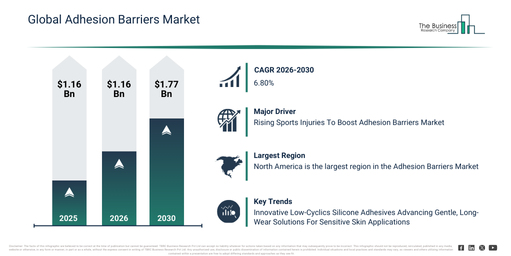
    The adhesion barriers market is projected to experience substantial expansion over the coming years, reaching $1.24 billion in 2030, exhibiting a compound annual growth rate (CAGR) of 6.8%. This projected growth can be ascribed to several factors, including the creation of advanced hydrogel and thermoreversible barriers, the rising utilization of cross-linked hyaluronic acid products, the proliferation of ambulatory surgical centers, the incorporation of adhesion barriers into orthopedic and cardiovascular procedures, and an increasing commitment to patient-focused postoperative care. Key developments anticipated during this timeframe involve a greater uptake of collagen and protein-based adhesion barriers, the growing application of synthetic hydrogels and polylactide barriers, the broadening scope of minimally invasive surgical techniques, an increase in gynecological and abdominal operations, and an emphasis on minimizing postoperative complications and improving patient recuperation.

    Get A Free Sample Report With In-Depth Market Insights:

    https://thebusinessresearchcompany.com/sample_request?id=91124846&type=smp&name=Adhesion%20Barriers%20Market%20Report%202026&utm_source=Blogs&utm_medium=Paid&utm_campaign=Sep_PR

    Adhesion Barriers Market Development Factors: What’s Supporting Demand?

    An increasing prevalence of sports-related injuries is anticipated to drive the expansion of the adhesion barriers market moving forward. These injuries are defined as physical harm sustained during athletic activities or exercise, with their rise attributed to factors such as increased participation, elevated competition levels, insufficient training, and inadequate recovery time. Adhesion barriers are utilized for sports-related injuries to prevent scar tissue from adhering to surrounding tissues, thereby supporting smoother recovery and rehabilitation. For example, according to the Australian Institute of Health and Welfare, an Australia-based government department, data from July 2025 revealed that Cycling accounted for the largest share of sports injury hospitalisations in 2023–24, representing 12% (or 7,500 cases) of the total. This was followed by Australian rules football with 8.7% (or 5,400 cases), and soccer with 8.6% (or 5,300 cases). Thus, the rising occurrence of sports-related injuries is set to propel the growth of the adhesion barriers market.

    Adhesion Barriers Market Segmentation And Category Overview

    The adhesion barriers market covered in this report is segmented –

    1) By Type: Natural Adhesion Barriers, Collagen And Protein, Fibrin, Synthetic Adhesion Barriers, Hyaluronic Acid, Regenerated Cellulose, Polyethylene Glycol

    2) By Formulation: Film Formulations, Gel Formulations, Liquid Formulations

    3) By Application Area Or Surgical Procedure: Gynecological Surgeries, General Or Abdominal Surgeries, Orthopedic Surgeries, Cardiovascular Surgeries, Neurological Surgeries, Urological Surgeries, Reconstructive Surgeries

    4) By End User: Hospitals And Clinics, Ambulatory Surgical Centers, Other End Users

    Subsegments:

    1) By Natural Adhesion Barriers: Collagen-Based Adhesion Barriers, Protein-Based Adhesion Barriers, Fibrin-Based Adhesion Barriers

    2) By Collagen And Protein: Bovine-Derived Collagen Adhesion Barriers, Porcine-Derived Collagen Adhesion Barriers, Human-Derived Protein Adhesion Barriers

    3) By Fibrin: Fibrin Sealant Adhesion Barriers, Fibrin Matrix Adhesion Barriers

    4) By Synthetic Adhesion Barriers: Hydrogels, Thermoreversible Adhesion Barriers, Polylactide Adhesion Barriers, Silicon-Based Adhesion Barriers

    5) By Hyaluronic Acid: Cross-Linked Hyaluronic Acid Adhesion Barriers, Non-Cross-Linked Hyaluronic Acid Adhesion Barriers

    6) By Regenerated Cellulose: Oxidized Regenerated Cellulose Adhesion Barriers, Non-Oxidized Regenerated Cellulose Adhesion Barriers

    7) By Polyethylene Glycol: Hydrophilic Polyethylene Glycol Adhesion Barriers, Polyethylene Glycol Hydrogel Adhesion Barriers

    Adhesion Barriers Market Transformation Trends: What Innovations Are Driving Change?

    Leading companies within the adhesion barriers market are concentrating on developing innovative products, such as low-cyclics silicone soft-skin adhesives, aimed at enhancing long wear-time and facilitating gentle, atraumatic removal on sensitive skin. Soft-skin adhesive (SSA) is defined as a biocompatible, silicone-based adhesive engineered for secure adherence to skin over extended periods while minimizing damage or irritation during its removal. For instance, in October 2023, DuPont, a US-based chemical company, unveiled its new DuPont Liveo MG 7-9960 Soft Skin Adhesive. This adhesive delivers the highest peel adhesion within the Liveo SSA family, ensuring strong, durable attachment, high repositionability, improved wear performance, excellent conformability, and atraumatic removal, making it highly suitable for advanced wound dressings and wearable medical devices. The product is non-sensitizing, non-irritating, and non-cytotoxic, thereby protecting fragile skin, including that of children, the elderly, or patients with open wounds. Additionally, DuPont allows device manufacturers to customize performance by adjusting the adhesive coat weight to meet specific device design requirements, which contributes to expanding the adoption of advanced wound care solutions.

    Adhesion Barriers Market Company Landscape And Competitive Strategy

    Major companies operating in the adhesion barriers market are Johnson & Johnson Services Inc., Terumo Corporation, Atrium Medical Corporation, Integra LifeSciences Holdings Corporation, Gunze Industries Co. Ltd., Anika Therapeutics Inc., CG Bio Inc., Seikagaku Corporation, Hangzhou Singclean Medical Products Co. Ltd., FzioMed Inc., MAST Biosurgery Inc., Betatech Medical Ltd., PlantTec Medical GmbH, Actamax Surgical Materials LLC, Arc Medical Devices Inc., CorMatrix Cardiovascular Inc., Innocoll Biotherapeutics N.A. Inc., Leader Biomedical, BiosCompass Inc.

    View The Full Adhesion Barriers Market Report:

    https://thebusinessresearchcompany.com/report/adhesion-barriers-global-market-report?utm_source=Blogs&utm_medium=Paid&utm_campaign=Sep_PR

    Adhesion Barriers Market Largest Region: Which Geography Holds The Highest Market Share?

    North America was the largest region in the adhesion barriers market in 2025. Asia-Pacific is expected to be the fastest-growing region in the forecast period. The regions covered in the adhesion barriers market report are Asia-Pacific, South East Asia, Western Europe, Eastern Europe, North America, South America, Middle East, Africa.

    Reach Out To Our Team:

    The Business Research Company: https://www.thebusinessresearchcompany.com/

    Americas: +1 310-496-7795

    Asia: +44 7882 955267 & +91 8897263534

    Europe: +44 7882 955267

    Email us at: marketing@tbrc.info

    Follow us on:

    LinkedIn: https://in.linkedin.com/company/the-business-research-company

    YouTube: https://www.youtube.com/channel/UC24_fI0rV8cR5DxlCpgmyFQ

    Global Market Model: https://www.thebusinessresearchcompany.com/global-market-model
  • Adaptive Radiotherapy Software Market Forecast 2026–2030: Market Size, Trends And Growth Opportunities

    Adaptive Radiotherapy Software Market Forecast 2026–2030: Market Size, Trends And Growth Opportunities

    Backed by market attractiveness analysis, total addressable market sizing, company benchmarking matrices, interactive Excel dashboards, wider supply chain intelligence, emerging startup coverage, and detailed product-level insights, The Business Research Company’s 2026 market reports are designed to offer research that is more actionable and strategically valuable than ever.

    Adaptive Radiotherapy Software Market Value Growth And Long-Term Outlook

    The adaptive radiotherapy software market has experienced substantial growth in recent years. Its expansion is projected from $0.7 billion in 2025 to $0.81 billion in 2026, exhibiting a compound annual growth rate (CAGR) of 14.3%. Historically, this expansion has been driven by factors such as the increasing embrace of image-guided radiotherapy, a global rise in cancer cases, progress in radiation oncology software, the demand for enhanced treatment precision, and the proliferation of radiotherapy facilities.

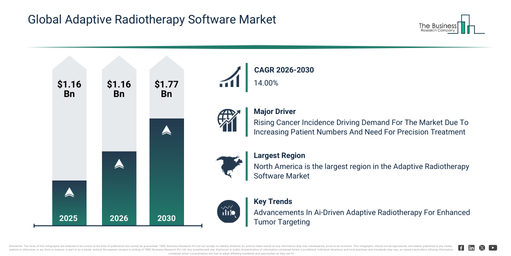
    The adaptive radiotherapy software market is projected to experience substantial expansion in the coming years. This market is anticipated to reach $1.36 billion by 2030, exhibiting a compound annual growth rate (CAGR) of 14.0%. Several factors contribute to this projected growth during the forecast period, including an increasing need for personalized cancer treatment, the incorporation of AI-driven treatment adaptation, a surge in the adoption of cloud-based oncology software, a heightened emphasis on minimizing radiation toxicity, and substantial investments in cutting-edge oncology infrastructure. Key trends expected during this period involve advancements such as adaptive treatment planning, optimization of doses guided by imaging, individualized radiation therapy protocols, automation of workflows in radiation oncology, and the integration of multi-modality imaging.

    Get A Free Sample Report With In-Depth Market Insights:

    https://thebusinessresearchcompany.com/sample_request?id=98241662&type=smp&name=Adaptive%20Radiotherapy%20Software%20Market%20Report%202026&utm_source=Blogs&utm_medium=Paid&utm_campaign=Sep_PR

    Adaptive Radiotherapy Software Market Industry Drivers: What’s Behind The Revenue Growth?

    The escalating count of cancer diagnoses is anticipated to drive the future expansion of the adaptive radiotherapy software market. Cancer cases specifically refer to the total number of individuals identified with cancer within a defined population over a specified timeframe. There is an observed increase in cancer cases among aging populations, as extended lifespans result in a greater accumulation of genetic mutations, consequently heightening the risk of developing the illness. Adaptive radiotherapy software aids cancer treatment by adjusting radiation therapy in real-time, responding to changes in tumor size, shape, and patient anatomy, which enhances precision, maximizes the targeting of tumors, and minimizes harm to healthy tissues. For example, in February 2025, Cancer Australia, an Australia-based government agency, reported 4,641 new pancreatic cancer cases in 2024, with 2,414 affecting males and 2,227 affecting females. Thus, the increasing number of cancer cases is propelling the growth of the adaptive radiotherapy software market.

    Adaptive Radiotherapy Software Market Segment Outlook: Which Categories Are Growing Fastest?

    The adaptive radiotherapy software market covered in this report is segmented –

    1) By Component: Software, Services

    2) By Deployment Mode: On-Premises, Cloud-Based

    3) By Application: Prostate Cancer, Head And Neck Cancer, Breast Cancer, Lung Cancer, Other Applications

    4) By End User: Hospitals, Cancer Treatment Centers, Research Institutes, Other End-Users

    Subsegments:

    1) By Software: Treatment Planning Software, Workflow Management Software, Imaging And Visualization Software

    2) By Services: Implementation And Integration Services, Maintenance And Consulting Services, Training And Support Services

    #Adaptive Radiotherapy Software Market Growth Trends: What’s Shaping The Future Outlook?

    Leading companies in the adaptive radiotherapy software market are prioritizing the development of technological advancements, such as AI-powered, adaptive CT-Linac systems, to enhance the real-time targeting of tumors, improve the accuracy of treatment, and optimize patient outcomes. An AI-powered, adaptive CT-Linac is a radiation therapy system that combines computed tomography (CT) imaging with a linear accelerator (Linac), utilizing artificial intelligence (AI) to adjust and optimize radiation delivery instantly based on alterations in tumor size, shape, and position during the treatment process. For example, in May 2024, Elekta AB, a Sweden-based medication company, introduced Evo, which is engineered for accurate and efficient radiotherapy treatments. This system is designed to provide highly personalized and precise cancer radiation therapy. It features advanced AI-enhanced imaging, allowing clinicians to visualize tumors with exceptional clarity and modify treatments in real time or between sessions. Evo aims to enhance treatment accuracy, mitigate side effects, and elevate patients’ quality of life, while also enabling clinics to integrate innovative technology at a comfortable pace.

    Adaptive Radiotherapy Software Market Key Players Shaping Industry Direction

    Major companies operating in the adaptive radiotherapy software market are Siemens Healthineers AG, Koninklijke Philips N.V., GE HealthCare Technologies Inc., Elekta AB, Shanghai United Imaging Healthcare Co. Ltd., United Imaging Healthcare Co. Ltd., Brainlab AG, Accuray Incorporated, RaySearch Laboratories AB, ViewRay Inc., C-RAD AB, Standard Imaging Inc., LAP GmbH Laser Applikationen, Oncology Systems Limited, DOSIsoft SA, Mirada Medical Ltd., Limbus AI, MagnetTx Oncology Solutions Ltd., Spectronic Medical AB, Akesis Inc.

    View The Full Adaptive Radiotherapy Software Market Report:

    https://thebusinessresearchcompany.com/report/adaptive-radiotherapy-software-global-market-report?utm_source=Blogs&utm_medium=Paid&utm_campaign=Sep_PR

    Adaptive Radiotherapy Software Market Regional Analysis: Which Region Leads By Revenue?

    North America was the largest region in the adaptive radiotherapy software market in 2025. Asia-Pacific is expected to be the fastest-growing region in the forecast period. The regions covered in the adaptive radiotherapy software market report are Asia-Pacific, South East Asia, Western Europe, Eastern Europe, North America, South America, Middle East, Africa.

    Reach Out To Our Team:

    The Business Research Company: https://www.thebusinessresearchcompany.com/

    Americas: +1 310-496-7795

    Asia: +44 7882 955267 & +91 8897263534

    Europe: +44 7882 955267

    Email us at: marketing@tbrc.info

    Follow us on:

    LinkedIn: https://in.linkedin.com/company/the-business-research-company

    YouTube: https://www.youtube.com/channel/UC24_fI0rV8cR5DxlCpgmyFQ

    Global Market Model: https://www.thebusinessresearchcompany.com/global-market-model
  • Acute Care Syndromic Testing Market Size Reaches $5.17 Billion In 2026: What Is Driving Growth?

    Acute Care Syndromic Testing Market Size Reaches $5.17 Billion In 2026: What Is Driving Growth?

    Featuring market attractiveness scoring, total addressable market sizing, company benchmarking matrices, interactive Excel dashboards, deeper supply chain intelligence, emerging startup tracking, and granular product-level insights, The Business Research Company’s 2026 market reports are built to deliver research that is both more actionable and more strategically valuable.

    Acute Care Syndromic Testing Market Poised To Hit $8.3 Billion By 2030 With A 12.5% CAGR

    The acute care syndromic testing market has seen rapid growth in recent years. This market is projected to expand from $4.59 billion in 2025 to $5.17 billion in 2026, reflecting a compound annual growth rate (CAGR) of 12.8%. Historically, the expansion of this market can be attributed to the demand for emergency infection diagnosis, the enlargement of hospital intensive care units, initiatives focused on outbreak preparedness, the increasing adoption of molecular diagnostics, and the streamlining of critical care workflows.

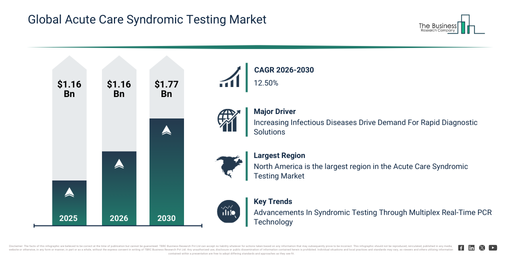
    The acute care syndromic testing market is anticipated to experience significant expansion in the next few years, with its size projected to reach $8.3 billion in 2030 at a compound annual growth rate (CAGR) of 12.5%. This growth during the forecast period is attributed to several factors including AI-enabled syndromic panels, the expansion of emergency testing, the implementation of antimicrobial stewardship programs, the development of point-of-care molecular systems, and a heightened focus on pandemic preparedness. Noteworthy trends for the same period encompass rapid multiplex pathogen detection, the integration of molecular testing in emergency departments, the availability of single-sample multi-disease panels, advancements in faster clinical decision support, and a reduction in diagnostic turnaround time.

    Get A Free Sample Report With In-Depth Market Insights:

    https://thebusinessresearchcompany.com/sample_request?id=98619452&type=smp&name=Acute%20Care%20Syndromic%20Testing%20Market%20Report%202026&utm_source=Blogs&utm_medium=Paid&utm_campaign=Sep_PR

    Acute Care Syndromic Testing Market Growth Factors: What’s Supporting Expansion?

    The increasing prevalence of infectious diseases is projected to drive the acute care syndromic testing market forward. These illnesses are caused by harmful microorganisms such as bacteria, viruses, fungi, or parasites and can spread among people, animals, or from the environment. The rising incidence of infectious diseases is influenced by factors like population growth, urbanization, global travel, antimicrobial resistance, and climate change, thereby escalating the demand for effective prevention and treatment. Acute care syndromic testing is utilized in infectious diseases for the rapid identification of pathogens and co-infections via multiplex molecular diagnostics, enabling precise treatment decisions. For instance, in February 2024, according to the Health Security Agency, a UK-based government agency, in week 4 of 2024, the influenza positivity rate saw an increase to 16.6% from 14.0% in the preceding week. Consultations for influenza-like illness (ILI) also climbed to 9.8 per 100,000 people, up from 7.5 per 100,000 in the week prior. Additionally, influenza hospitalizations rose to 7.63 per 100,000, an increase from 5.12 per 100,000 the week before. Thus, the growing occurrence of infectious diseases is a key driver for the acute care syndromic testing market.

    Acute Care Syndromic Testing Market Segment Landscape: Which Areas Lead Development?

    The acute care syndromic testing market covered in this report is segmented –

    1) By Disease Type: Respiratory Diseases, Gastrointestinal Diseases, Genitourinary Diseases, Tropical Diseases, Other Disease Types

    2) By Sample Type: Blood, Urine, Biofluids, Stool, Swabs, Other Sample Types

    3) By Target: Bacteria, Viruses, Fungi, Parasites

    4) By End User: Hospitals, Clinical And Diagnostic Laboratories, Research And Academic Institutions, Other End Users

    Subsegments:

    1) By Respiratory Diseases: Influenza, Respiratory Syncytial Virus (RSV), COVID-19, Tuberculosis, Other Respiratory Diseases

    2) By Gastrointestinal Diseases: Clostridium Difficile Infection, Norovirus, Rotavirus, Salmonella, Other Gastrointestinal Diseases

    3) By Genitourinary Diseases: Urinary Tract Infections (UTIs), Sexually Transmitted Infections (STIs), Vaginal Infections, Other Genitourinary Diseases

    4) By Tropical Diseases: Malaria, Dengue, Chikungunya, Zika Virus, Other Tropical Diseases

    5) By Other Disease Types: Meningitis, Sepsis, Other Emerging Infectious Diseases

    Acute Care Syndromic Testing Market Industry Trends: What’s Reshaping Demand?

    Companies active in the acute care syndromic testing market are increasingly concentrating on technological progress, specifically multiplex real-time polymerase chain reaction (PCR) technology, to elevate diagnostic accuracy, facilitate quick pathogen detection, optimize laboratory workflows, shorten turnaround times, and enhance patient outcomes through accurate and prompt treatment. This advanced molecular diagnostic technique, multiplex real-time PCR, enables the concurrent detection and quantification of numerous pathogens or genetic targets within a single PCR reaction, thereby boosting the efficiency and precision of disease diagnosis. For example, in April 2023, QIAGEN N.V., a Netherlands-based biotechnology research company, introduced its QIAstat-Dx syndromic testing solution in Japan. This solution features a SARS-CoV-2 respiratory panel designed to detect over 20 pathogens from a single sample. By employing multiplex real-time PCR technology, it yields rapid results with significantly less labor compared to individual PCR assays. The system is accessible in over 100 countries, consequently broadening the global reach of syndromic testing.

    Acute Care Syndromic Testing Market Competitive Analysis Of Leading Industry Participants

    Major companies operating in the acute care syndromic testing market are Siemens Healthineers AG, F. Hoffmann-La Roche Ltd, Thermo Fisher Scientific Inc., Danaher Corporation, Becton Dickinson and Company, Seegene Inc., bioMérieux SA, Sysmex Corporation, Bio-Rad Laboratories Inc., QIAGEN N.V., Werfen, DiaSorin S.p.A., Quidel Corporation, Luminex Corporation, Biocartis NV, Microbiologics Inc., QuantuMDx Group Ltd., Curetis GmbH by OpGen Inc., Genetic Signatures Ltd., Applied BioCode Inc.

    View The Full Acute Care Syndromic Testing Market Report:

    https://thebusinessresearchcompany.com/report/acute-care-syndromic-testing-global-market-report?utm_source=Blogs&utm_medium=Paid&utm_campaign=Sep_PR

    Acute Care Syndromic Testing Market Geographic Distribution And Regional Opportunities

    North America was the largest region in the acute care syndromic testing market in 2025. The regions covered in the acute care syndromic testing market report are Asia-Pacific, South East Asia, Western Europe, Eastern Europe, North America, South America, Middle East, Africa.

    Reach Out To Our Team:

    The Business Research Company: https://www.thebusinessresearchcompany.com/

    Americas: +1 310-496-7795

    Asia: +44 7882 955267 & +91 8897263534

    Europe: +44 7882 955267

    Email us at: marketing@tbrc.info

    Follow us on:

    LinkedIn: https://in.linkedin.com/company/the-business-research-company

    YouTube: https://www.youtube.com/channel/UC24_fI0rV8cR5DxlCpgmyFQ

    Global Market Model: https://www.thebusinessresearchcompany.com/global-market-model
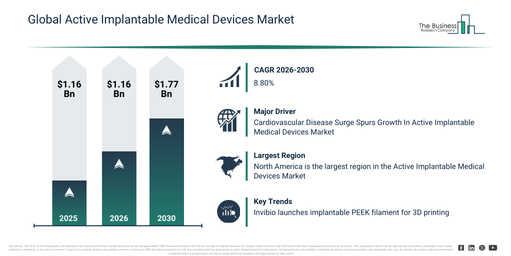
  • Active Implantable Medical Devices Market Valued At $42.81 Billion In 2026: Key Trends And Growth Drivers

    Active Implantable Medical Devices Market Valued At $42.81 Billion In 2026: Key Trends And Growth Drivers

    Built to provide research that’s more actionable and strategically valuable, The Business Research Company’s 2026 market reports include market attractiveness analysis, total addressable market sizing, company benchmarking matrices, interactive Excel dashboards, broader supply chain intelligence, emerging startup tracking, and in-depth product insights.

    Active Implantable Medical Devices Market Size And Revenue Outlook Through 2030

    The active implantable medical devices market has observed substantial expansion in recent years. It is anticipated to expand from $27.95 billion in 2025 to $30.51 billion in 2026, demonstrating a compound annual growth rate (CAGR) of 9.1%. This historical development can be attributed to several factors, including the increasing occurrence of cardiovascular and neurological conditions, the prompt adoption of pacemakers and neurostimulators, innovations in battery technologies, enhancements in implant biocompatibility, and a rising familiarity among clinicians with implantable systems.

    The active implantable medical devices market is anticipated to exhibit robust expansion over the forthcoming years. It is projected to achieve a size of $42.81 billion in 2030, growing at a compound annual growth rate (CAGR) of 8.8%. This growth during the forecast period can be attributed to the proliferation of remote patient monitoring solutions, an escalating demand for personalized implantable therapies, increased integration of AI-enabled diagnostics, an expanding aging population requiring chronic care, and advancements in wireless power and communication technologies. Significant trends in the forecast period include the increasing integration of smart and connected implantable devices, a rising adoption of miniaturized electronic components, the growing utilization of data-driven therapeutic monitoring, the expansion of long-term implantable therapies, and an enhanced focus on device longevity and reliability.

    Get A Free Sample Report With In-Depth Market Insights:

    https://thebusinessresearchcompany.com/sample_request?id=54331843&type=smp&name=Active%20Implantable%20Medical%20Devices%20Market%20Report%202026&utm_source=Blogs&utm_medium=Paid&utm_campaign=Sep_PR

    Active Implantable Medical Devices Market Demand Drivers: What’s Powering Industry Growth?

    The anticipated increase in cardiovascular diseases is poised to stimulate the growth of the active implantable medical devices market in the coming years. Cardiovascular disease (CVD) refers to any ailment affecting the heart or blood vessels, commonly linked to the formation of fatty deposits in arteries (atherosclerosis) and an elevated risk of blood clots. Active implantable medical devices are utilized to regulate or monitor irregular heartbeats in individuals with specific cardiac rhythm problems or heart failure. The expanding geriatric population has also contributed to the demand for active implantable medical devices. As an illustration, in September 2025, the British Heart Foundation, a UK-based charity, reported that over 7.6 million people across the UK—including more than 4 million men and more than 3.6 million women—are living with cardiovascular disease. Projections further suggest that, driven by an aging population and enhanced survival rates, this figure could increase by around 1 million by 2030 and by approximately 2 million by 2040. Thus, the rising incidence of cardiovascular diseases is undeniably fueling the growth of the active implantable medical devices market.

    Active Implantable Medical Devices Market Segments: Where Is Growth Concentrated?

    The active implantable medical devices market covered in this report is segmented –

    1) By Product Type: Cardiac Pacemakers, Implantable Cardioverter Defibrillators (ICD), Nerve Simulators, Cochlear Implants, Ventricular Assist Devices, Other Products

    2) By Application: Cardiovascular, Neurological, Hearing Impairment, Other Applications

    3) By End User: Hospitals, Specialty Clinics, Ambulatory Surgical Centers

    Subsegments:

    1) By Cardiac Pacemakers: Single Chamber Pacemakers, Dual Chamber Pacemakers, Biventricular Pacemakers

    2) By Implantable Cardioverter Defibrillators (ICD): Transvenous ICDs, Subcutaneous ICDs

    3) By Nerve Stimulators: Spinal Cord Stimulators, Peripheral Nerve Stimulators, Deep Brain Stimulators

    4) By Cochlear Implants: Single-Electrode Cochlear Implants, Multichannel Cochlear Implants

    5) By Ventricular Assist Devices: Left Ventricular Assist Devices (LVAD), Right Ventricular Assist Devices (RVAD), Bi-Ventricular Assist Devices (BiVAD)

    6) By Other Products: Neurostimulators for Pain Management, Implantable Drug Delivery Systems, Implantable Blood Pressure Monitors

    Active Implantable Medical Devices Market Innovation Trends: What Developments Are Reshaping The Industry?

    Major companies in the active implantable medical device market are prioritizing technological advancements, such as implantable PEEK filament, to enhance customization, improve patient outcomes, and streamline production processes. This specialized implantable PEEK filament is a material designed for creating medical implants using additive manufacturing techniques. For instance, in March 2023, Invibio, a U.K.-based provider of high-performance implantable biomaterials, launched PEEK-OPTIMA AM filament. PEEK-OPTIMA AM filament is derived from implantable polyetheretherketone (PEEK) filament, renowned for its biocompatibility and mechanical strength, making it suitable for implantable medical devices. This new filament is optimized for fused filament fabrication (FFF) and aims to enhance the production of medical devices, being specifically designed for 3D printing applications in the medical field.

    Active Implantable Medical Devices Market Leading Companies And Competitive Benchmarking

    Major companies operating in the active implantable medical devices market are Medtronic plc, Abbott Laboratories, Boston Scientific Corporation, BIOTRONIK SE & Co KG, LivaNova PLC, Cochlear Limited, MED‑EL Medical Electronics, Sonova Holding AG, NeuroPace Inc, NEVRO Corp, Axonics Inc, Aleva Neurotherapeutics SA, MicroTransponder Inc, Shree Pacetronix, Berlin Heart GmbH, Jarvik Heart Inc, Blackrock Neurotech, Nurotron Biotechnology Co Ltd, CARMAT SA, Precision Neuroscience, Pins Medical, Lepu Medical Technology Co Ltd, LifeTech Scientific

    View The Full Active Implantable Medical Devices Market Report:

    https://thebusinessresearchcompany.com/report/active-implantable-medical-devices-global-market-report?utm_source=Blogs&utm_medium=Paid&utm_campaign=Sep_PR

    Active Implantable Medical Devices Market Largest Region By Revenue And Market Share

    North America was the largest region in the active implantable medical devices market in 2025. North America is expected to be the fastest-growing region in the forecast period. The regions covered in the active implantable medical devices market report are Asia-Pacific, South East Asia, Western Europe, Eastern Europe, North America, South America, Middle East, Africa.

    Reach Out To Our Team:

    The Business Research Company: https://www.thebusinessresearchcompany.com/

    Americas: +1 310-496-7795

    Asia: +44 7882 955267 & +91 8897263534

    Europe: +44 7882 955267

    Email us at: marketing@tbrc.info

    Follow us on:

    LinkedIn: https://in.linkedin.com/company/the-business-research-company

    YouTube: https://www.youtube.com/channel/UC24_fI0rV8cR5DxlCpgmyFQ

    Global Market Model: https://www.thebusinessresearchcompany.com/global-market-model
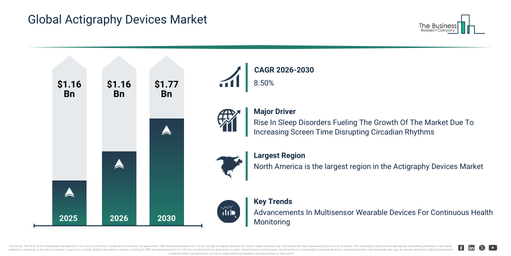
  • Actigraphy Devices Market Size In 2026: Growth Outlook And Forecast Through 2030

    Actigraphy Devices Market Size In 2026: Growth Outlook And Forecast Through 2030

    Backed by market attractiveness analysis, total addressable market sizing, company benchmarking matrices, interactive Excel dashboards, wider supply chain intelligence, emerging startup coverage, and detailed product-level insights, The Business Research Company’s 2026 market reports are designed to offer research that is more actionable and strategically valuable than ever.

    Actigraphy Devices Market Growth From $2.81 Billion In 2026 To $3.9 Billion By 2030 At A CAGR Of 8.5%

    The actigraphy devices market size has seen substantial growth over recent years. It is projected to increase from $2.59 billion in 2025 to $2.81 billion in 2026, at a compound annual growth rate (CAGR) of 8.7%. The expansion observed in the past period is attributed to the rising prevalence of sleep disorders, increased awareness regarding circadian rhythm health, the broadening scope of sleep research studies, the growing utilization of wearable health devices, and an escalating demand for non-invasive diagnostics.

    The actigraphy devices market size is poised for robust expansion in the coming years, with projections indicating it will reach $3.9 billion in 2030, demonstrating a compound annual growth rate (CAGR) of 8.5%. This anticipated growth can be attributed to the rising adoption of remote patient monitoring, the increasing integration of actigraphy into digital health platforms, the proliferation of personalized sleep therapy solutions, the expanding utilization of actigraphy in clinical trials, and a heightened focus on preventive sleep health management. Significant trends during this forecast period encompass the growing adoption of wearable sleep monitoring devices, the increased integration of actigraphy with mobile health applications, the rising demand for long-term sleep tracking solutions, the broadening use of monitoring in both clinical and home-based settings, and an enhanced emphasis on data accuracy and patient compliance.

    Get A Free Sample Report With In-Depth Market Insights:

    https://thebusinessresearchcompany.com/sample_request?id=23963595&type=smp&name=Actigraphy%20Devices%20Market%20Report%202026&utm_source=Blogs&utm_medium=Paid&utm_campaign=Sep_PR

    Actigraphy Devices Market Growth Drivers: What’s Behind The Acceleration?

    The rising occurrence of sleep conditions is expected to boost the expansion of the actigraphy devices market in upcoming years. These disorders are defined as ailments that interfere with the caliber, schedule, or length of sleep, impacting general well-being and day-to-day activities. An increase in screen time, which disturbs the body’s intrinsic circadian rhythm by inhibiting melatonin synthesis due to extended blue light exposure, contributes to the surge in sleep disorders. Actigraphy devices are essential for addressing sleep disorders because they allow for continuous, non-intrusive observation of sleep-wake cycles for long durations, delivering impartial data crucial for precise evaluation and treatment strategizing. For example, data from November 2023 by the National Health Service, a publicly funded healthcare system in the UK, indicated that 37.8% of children aged 8 to 16 reported experiencing sleep problems at least three times within the preceding seven days. Sleep difficulties impacted 76.5% of individuals likely suffering from mental disorders and 25.0% of those without such conditions. Consequently, the growing frequency of sleep disorders is set to propel the expansion of the actigraphy devices market.

    Actigraphy Devices Market Segment Analysis: What Are The Core Market Categories?

    The actigraphy devices market covered in this report is segmented –

    1) By Product: Wearable Actigraphy Devices, Handheld Actigraphy Devices

    2) By Distribution Channel: Online, Brick And Mortar

    3) By Application: Sleep Disorders Monitoring, Circadian Rhythm Disorder Monitoring, Insomnia And Restless Leg Syndrome Diagnosis, Other Applications

    4) By End Use: Healthcare Providers, Research Institutions, Homecare Settings, Sleep Clinics And Diagnostic Centers

    Subsegments:

    1) By Wearable Actigraphy Devices: Wrist-Worn Devices, Ankle-Worn Devices, Waist-Worn Devices, Clip-On Devices, Headband-Style Devices

    2) By Handheld Actigraphy Devices: Portable Monitors, Sleep Analyzers, Multi-Parameter Trackers, Clinical Diagnostic Tools, Pediatric Handheld Units

    Actigraphy Devices Market Trends: What’s Defining The Industry’s Next Phase?

    Within the actigraphy devices market, prominent companies are directing their efforts toward developing advanced products, such as multisensor wearable devices, to enable continuous and hands-free monitoring. Multisensor wearable devices are sophisticated wearables equipped with multiple integrated sensors that simultaneously track various physiological and environmental parameters like movement, heart rate, temperature, and sleep patterns. For instance, in November 2023, ActiGraph LLC, a US-based digital health company, unveiled the ActiGraph LEAP, a multisensor wearable. The ActiGraph LEAP incorporates a comprehensive set of sensors, facilitating continuous digital tracking of physical activity, sleep, mobility, and vital signs, all within a single device. Conceived to meet the evolving needs of treatment effectiveness demonstrations, it establishes a new benchmark for patient-centered digital measurement collection. The device’s six integrated sensors capture over 25 distinct digital health measures, including heart rate, oxygen saturation, blood pressure, and skin temperature, alongside activity, sleep, and gait data. Data is effortlessly uploaded to the CentrePoint platform, where it is processed using advanced, validated algorithms to deliver accurate insights.

    Actigraphy Devices Market Industry Leaders And Competitive Landscape

    Major companies operating in the actigraphy devices market are Koninklijke Philips N.V., ResMed Inc., Nox Health, VIVISOL SRL, Compumedics Limited, Empatica Inc., Cidelec, Cleveland Medical Devices Inc., Advanced Brain Monitoring Inc., CAMNTECH Limited, ActivInsights Ltd., Mini Mitter Co., Condor Instruments, SOMNOmedics GmbH, Itamar Medical Ltd., Neurosoft Ltd., BioSerenity, ActiGraph LLC, Philips Respironics, SleepScore Labs

    View The Full Actigraphy Devices Market Report:

    https://thebusinessresearchcompany.com/report/actigraphy-devices-global-market-report?utm_source=Blogs&utm_medium=Paid&utm_campaign=Sep_PR

    Actigraphy Devices Market Regional Analysis And Leading Geography

    North America was the largest region in the actigraphy devices market in 2025. Asia-Pacific is expected to be the fastest-growing region in the forecast period. The regions covered in the actigraphy devices market report are Asia-Pacific, South East Asia, Western Europe, Eastern Europe, North America, South America, Middle East, Africa.

    Reach Out To Our Team:

    The Business Research Company: https://www.thebusinessresearchcompany.com/

    Americas: +1 310-496-7795

    Asia: +44 7882 955267 & +91 8897263534

    Europe: +44 7882 955267

    Email us at: marketing@tbrc.info

    Follow us on:

    LinkedIn: https://in.linkedin.com/company/the-business-research-company

    YouTube: https://www.youtube.com/channel/UC24_fI0rV8cR5DxlCpgmyFQ

    Global Market Model: https://www.thebusinessresearchcompany.com/global-market-model
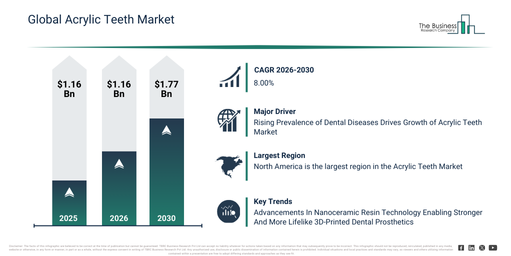
  • Acrylic Teeth Market Trends Supporting 8% CAGR Growth Through 2030

    Acrylic Teeth Market Trends Supporting 8% CAGR Growth Through 2030

    Featuring market attractiveness scoring, total addressable market sizing, company benchmarking matrices, interactive Excel dashboards, deeper supply chain intelligence, emerging startup tracking, and granular product-level insights, The Business Research Company’s 2026 market reports are built to deliver research that is both more actionable and more strategically valuable.

    Acrylic Teeth Market Expansion Outlook: What Revenue Opportunities Are Ahead?

    The acrylic teeth market has shown strong growth in recent years. It is projected to expand from $3.5 billion in 2025 to $3.8 billion in 2026, at a compound annual growth rate (CAGR) of 8.3%. The historical period’s growth can be linked to a high demand for conventional dentures, the limited availability of multi-layer acrylic teeth, the reliance on manual denture fabrication, increasing awareness of dental prosthetics, and the expansion of hospital-based dental services.

    The acrylic teeth market is set for substantial growth in the upcoming years, with its valuation expected to climb to $5.17 billion by 2030, reflecting an 8.0% compound annual growth rate (CAGR). This anticipated expansion during the forecast timeframe is attributable to several factors, including advancements in 3D printing and CAD/CAM technologies, an increase in the geriatric population requiring dentures, the rise of dental tourism, the growing adoption of implant-supported overdentures, and heightened investment in dental clinic infrastructure. Key trends observed in this period include the increasing incorporation of CAD/CAM and 3D printing technologies, a greater demand for aesthetically pleasing and natural-looking acrylic teeth, a surge in implant-supported and precision dentures, the expansion of dental clinics and hospital dentistry services, and an emphasis on creating lightweight, comfortable, and customizable prosthetic solutions.

    Get A Free Sample Report With In-Depth Market Insights:

    https://thebusinessresearchcompany.com/sample_request?id=15552896&type=smp&name=Acrylic%20Teeth%20Market%20Report%202026&utm_source=Blogs&utm_medium=Paid&utm_campaign=Sep_PR

    Acrylic Teeth Market Growth Factors Behind Sustained Expansion

    The acrylic teeth market is expected to grow due to the increasing occurrence of dental and periodontal diseases. These diseases primarily result from poor oral hygiene, leading to the accumulation of plaque and tartar on teeth and gums. Acrylic teeth are beneficial in treating dental disorders by restoring oral function, preventing jawbone deterioration, enhancing aesthetics, and offering a cost-effective and customizable option for tooth replacement. For instance, in September 2023, according to the National Board of Health and Welfare, a Sweden-based government agency, approximately 3.94 million individuals aged 24 and older sought dental care in 2023, showing a slight increase from 2022. Therefore, the rising prevalence of dental and periodontal diseases is a key driver for the acrylic teeth market.

    Acrylic Teeth Market Segment Breakdown: Which Categories Lead On Revenue?

    The acrylic teeth market covered in this report is segmented –

    1) By Type: Partial Denture, Complete Denture, Overdenture

    2) By Technology: Computer-Aided Design (CAD) Or Computer-Aided Manufacturing (CAM), 3D Printing

    3) By Layer: Two-layer Acrylic Teeth, Three-layer Acrylic Teeth, Four-layer Acrylic Teeth, Other Layers

    4) By Application: Functionality, Aesthetics

    5) By End-User: Hospitals And Trauma Centers, Dental Clinics, Other End-Users

    Subsegments:

    1) By Partial Denture: Removable Partial Dentures (RPD), Fixed Partial Dentures (FPD), Flexible Partial Dentures, Cast Partial Dentures, Interim Partial Dentures, Precision Partial Dentures

    2) By Complete Denture: Conventional Complete Dentures, Immediate Complete Dentures, Implant-Supported Complete Dentures, Acrylic Resin Complete Dentures, Hybrid Complete Dentures

    3) By Overdenture: Implant-Retained Overdentures, Tooth-Retained Overdentures, Removable Overdentures, Fixed Overdentures, Full Overdentures, Partial Overdentures

    Acrylic Teeth Market Industry Trends Fueling Future Revenue Growth

    Leading companies in the acrylic teeth market are concentrating on creating advanced products, such as nanoceramic resin formulations, to facilitate the production of robust, natural-looking, and biocompatible 3D-printed dental prosthetics. Nanoceramic resin itself is a light-curable polymer incorporating nanoscale ceramic particles, which provides superior mechanical resilience, visual appeal, and biological compatibility for 3D-printed dental components. An illustration of this is Desktop Health, a US-based provider of medical additive manufacturing materials and systems, which introduced its Flexcera family of nanoceramic resins—Flexcera Smile Ultra+, Flexcera Smile, and Flexcera Base—for use with Asiga 3D printers in April 2024. These resins, which have received FDA 510(k) clearance, represent Class II–grade materials suitable for diverse dental prosthetic applications. Specifically, Flexcera Smile Ultra+ is engineered for both permanent and temporary restorations including crowns, bridges, veneers, and dentures, offering realistic aesthetics and enduring strength, whereas Flexcera Smile is optimized for removable denture teeth. When combined with Flexcera Base, this system outperforms traditional denture acrylics in both visual quality and structural integrity. Its validation on Asiga’s desktop and production DLP printers (Max UV, Max 2, Ultra, Pro 4K) significantly broadens the availability of these premium resins to dental laboratories and clinics, thereby promoting wider utilization of high-performance digital dentistry solutions.

    Acrylic Teeth Market Key Participants And Competitive Landscape

    Major companies operating in the acrylic teeth market are Dentsply Sirona Inc., National Dentex Corporation, Kulzer GmbH, Formlabs, VITA Zahnfabrik H. Rauter GmbH & Co. KG, SHOFU Inc., SDI Limited, Dental Arts Laboratories Inc., Yamahachi Dental Mfg. Co., LuxCreo Inc., New Stetic S.A., Ivoclar Vivadent Inc., Candulor AG, bredent GmbH & Co. KG, Lang Dental Manufacturing Co. Inc., Shandong Huge Dental Material Corporation, Toros Dental Ltd.

    View The Full Acrylic Teeth Market Report:

    https://thebusinessresearchcompany.com/report/acrylic-teeth-global-market-report?utm_source=Blogs&utm_medium=Paid&utm_campaign=Sep_PR

    Acrylic Teeth Market Geographic Analysis: Where Is Demand Accelerating Fastest?

    North America was the largest region in the acrylic teeth market in 2025. Asia-Pacific is expected to be the fastest-growing region in the forecast period. The regions covered in the acrylic teeth market report are Asia-Pacific, South East Asia, Western Europe, Eastern Europe, North America, South America, Middle East, Africa.

    Reach Out To Our Team:

    The Business Research Company: https://www.thebusinessresearchcompany.com/

    Americas: +1 310-496-7795

    Asia: +44 7882 955267 & +91 8897263534

    Europe: +44 7882 955267

    Email us at: marketing@tbrc.info

    Follow us on:

    LinkedIn: https://in.linkedin.com/company/the-business-research-company

    YouTube: https://www.youtube.com/channel/UC24_fI0rV8cR5DxlCpgmyFQ

    Global Market Model: https://www.thebusinessresearchcompany.com/global-market-model
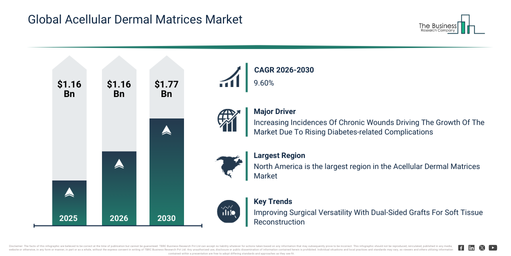
  • Acellular Dermal Matrices Market Forecast Highlights A $2.55 Billion Opportunity For Industry Participants

    Acellular Dermal Matrices Market Forecast Highlights A $2.55 Billion Opportunity For Industry Participants

    Built to provide research that’s more actionable and strategically valuable, The Business Research Company’s 2026 market reports include market attractiveness analysis, total addressable market sizing, company benchmarking matrices, interactive Excel dashboards, broader supply chain intelligence, emerging startup tracking, and in-depth product insights.

    Acellular Dermal Matrices Market Growth Potential: How Will Market Size Shift Through 2030?

    The acellular dermal matrices market has demonstrated robust expansion in recent years. It is projected to increase from $1.61 billion in 2025 to $1.77 billion in 2026, driven by a compound annual growth rate (CAGR) of 9.8%. The growth observed in the past can be linked to the increasing volume of reconstructive surgeries, a rising incidence of chronic wounds, the growing application of biomaterials in surgical procedures, advancements in tissue processing techniques, and the expanding demand within cosmetic and plastic surgery.

    The acellular dermal matrices market is projected to experience substantial expansion over the upcoming years. By 2030, this market is anticipated to reach a valuation of $2.55 billion, exhibiting a compound annual growth rate (CAGR) of 9.6%. This projected growth can be attributed to several factors, including the escalating demand for regenerative medicine solutions, the increasing use of advanced wound care products, the expansion of minimally invasive surgical techniques, a greater emphasis on achieving quicker healing results, and the growing clinical acceptance of biologic implants. Key trends influencing the market during this period encompass the wider application of ADMs in reconstructive surgeries, the increasing utilization of biologic scaffolds for wound care, a growing preference for pre-prepared dermal matrices, the broadening of ADM applications in orthopedic procedures, and a heightened emphasis on biocompatibility and successful healing.

    Get A Free Sample Report With In-Depth Market Insights:

    https://thebusinessresearchcompany.com/sample_request?id=51493031&type=smp&name=Acellular%20Dermal%20Matrices%20Market%20Report%202026&utm_source=Blogs&utm_medium=Paid&utm_campaign=Sep_PR

    Acellular Dermal Matrices Market Demand Drivers Opening New Revenue Streams

    The rising occurrence of chronic wounds is anticipated to fuel the expansion of the acellular dermal matrices market in the foreseeable future. These are defined as cuts or sores that either heal slowly or fail to heal completely, frequently recurring and requiring specialized medical attention for recovery. The rise in chronic wounds is linked to the growing prevalence of diabetes. Diabetes impairs blood circulation and damages nerves, impeding the body’s natural healing process, thus allowing minor cuts to progress into severe, persistent wounds. Acellular dermal matrices offer a solution by providing a supportive scaffold that promotes natural skin regeneration and accelerates the healing of such wounds. For example, data from July 2023, shared by OSF HealthCare, a US-based nonprofit healthcare system, indicates that 6.7 million individuals in the US are currently afflicted with chronic wounds, a figure projected to grow by 2% annually over the upcoming ten years. Consequently, the escalating frequency of chronic wounds is indeed a significant factor propelling the expansion of the acellular dermal matrices market.

    Acellular Dermal Matrices Market Segmentation: How Does The Market Break Down By Category?

    The acellular dermal matrices market covered in this report is segmented –

    1) By Product Type: Human Acellular Dermal Matrices, Porcine Acellular Dermal Matrices, Other Source Acellular Dermal Matrices

    2) By Distribution Channel: Direct Sales, Online Sales, Distributor Sales

    3) By Application: Breast Reconstruction, Dental Surgery, Orthopedic Surgery, Wound Care, Other Applications

    4) By End-User: Hospitals, Ambulatory Surgical Centers, Specialty Clinics, Research Laboratories

    Subsegments:

    1) By Human Acellular Dermal Matrices: Cryopreserved Human Acellular Dermal Matrices, Freeze-dried Human Acellular Dermal Matrices, Ready-to-use Human Acellular Dermal Matrices

    2) By Porcine Acellular Dermal Matrices: Cross-linked Porcine Dermis, Non-cross-linked Porcine Dermis, Gamma-irradiated Porcine Matrices

    3) By Other Source Acellular Dermal Matrices: Bovine-derived Dermal Matrices, Fish-derived Dermal Matrices, Synthetic Or acellular Composite Matrices

    Acellular Dermal Matrices Market Trends Powering Strategic Industry Growth

    Leading companies in the acellular dermal matrices market are concentrating on developing innovative products like dual-sided acellular dermal matrices to improve surgical versatility and integration efficiency. These specialized grafts are designed with surfaces suitable for multi-directional implantation, which helps in reducing handling complexity and enhancing surgical outcomes. For instance, in May 2023, AlloSource, a US-based nonprofit organization focused on providing allografts derived from human tissue for medical procedures, unveiled AlloMend Duo Acellular Dermal Matrix (ADM). This innovative solution is engineered for soft tissue reconstruction, providing surgeons a reliable tool for repairing and reconstructing soft tissue defects with sustained structural support. The deep reticular dermal allograft integrates smoothly with surrounding tissue, offering a scaffold that supports cell repopulation and the regeneration of natural host tissues.

    Acellular Dermal Matrices Market Top Companies Driving Competitive Growth

    Major companies operating in the acellular dermal matrices market are Stryker Corporation, Smith & Nephew plc, ConvaTec Group plc, Integra LifeSciences Corporation, Gunze Limited, MTF Biologics, Organogenesis Inc., RTI Surgical Holdings Inc., LifeNet Health, HANS BIOMED, PolyNovo Limited, Cook Biotech Incorporated, Tissue Regenix Group plc, CG Bio Inc., Meccellis Biotech, Aziyo Biologics Inc., MiMedx Group Inc., Axogen Inc., AlloSource, Kerecis Ltd.

    View The Full Acellular Dermal Matrices Market Report:

    https://thebusinessresearchcompany.com/report/acellular-dermal-matrices-global-market-report?utm_source=Blogs&utm_medium=Paid&utm_campaign=Sep_PR

    Acellular Dermal Matrices Market Global Footprint: Which Region Leads The Industry?

    North America was the largest region in the acellular dermal matrices market in 2025. Asia-Pacific is expected to be the fastest-growing region in the forecast period. The regions covered in the acellular dermal matrices market report are Asia-Pacific, South East Asia, Western Europe, Eastern Europe, North America, South America, Middle East, Africa.

    Reach Out To Our Team:

    The Business Research Company: https://www.thebusinessresearchcompany.com/

    Americas: +1 310-496-7795

    Asia: +44 7882 955267 & +91 8897263534

    Europe: +44 7882 955267

    Email us at: marketing@tbrc.info

    Follow us on:

    LinkedIn: https://in.linkedin.com/company/the-business-research-company

    YouTube: https://www.youtube.com/channel/UC24_fI0rV8cR5DxlCpgmyFQ

    Global Market Model: https://www.thebusinessresearchcompany.com/global-market-model
  • Absorbent Dressings Market Analysis: How The Industry Is Evolving Toward A $15.18 Billion Future

    Absorbent Dressings Market Analysis: How The Industry Is Evolving Toward A $15.18 Billion Future

    Backed by market attractiveness analysis, total addressable market sizing, company benchmarking matrices, interactive Excel dashboards, wider supply chain intelligence, emerging startup coverage, and detailed product-level insights, The Business Research Company’s 2026 market reports are designed to offer research that is more actionable and strategically valuable than ever.

    Absorbent Dressings Market Value Analysis: What Growth Lies Ahead Over The Forecast Period?

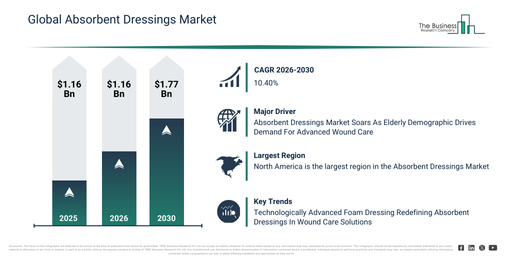
    The absorbent dressings market has observed rapid expansion in recent years. It will grow from $9.23 billion in 2025 to $10.23 billion in 2026 at a compound annual growth rate (CAGR) of 10.8%. The historical growth can be attributed to a rise in surgical procedures, an increasing prevalence of chronic wounds, the establishment of more inpatient and outpatient care facilities, greater awareness of wound hygiene, and the availability of affordable dressing solutions.

    The market size for absorbent dressings is anticipated to demonstrate rapid expansion over the next few years. It is projected to reach $15.18 billion in 2030 at a compound annual growth rate (CAGR) of 10.4%. This growth during the forecast period is primarily driven by factors such as the increasing demand for advanced wound dressings, a rising adoption of home , the expanding usage of antimicrobial dressings, a growing emphasis on patient comfort and healing efficiency, and continuous innovation in absorbent material technologies. Key trends expected in the forecast period include a heightened demand for high-absorbency wound dressings, the increasing adoption of advanced polymer-based materials, a broader application of antimicrobial absorbent dressings, the expansion of home care wound management solutions, and an enhanced focus on effective moisture balance control.

    Get A Free Sample Report With In-Depth Market Insights:

    https://thebusinessresearchcompany.com/sample_request?id=88960698&type=smp&name=Absorbent%20Dressings%20Market%20Report%202026&utm_source=Blogs&utm_medium=Paid&utm_campaign=Sep_PR

    Absorbent Dressings Market Growth Backed By Core Demand Fundamentals

    The expanding elderly demographic is anticipated to drive the demand for the absorbent dressings market in the future. This demographic trend involves a progressive rise in the number or percentage of older people within a society. As older individuals frequently experience delayed wound recovery, absorbent dressings become crucial for effective wound management and improved healing results. These dressings aid in facilitating wound healing, preventing infections, and enhancing overall comfort, thereby contributing to the welfare and quality of life for the elderly. For example, reports from October 2025 by the World Health Organization (WHO), a Switzerland-based intergovernmental organization and specialized health agency of the United Nations, indicate that 1 in 6 people globally will be aged 60 years or over by 2030, rising from 1 billion to 1.4 billion; by 2050, the population aged 60 and over is expected to double to 2.1 billion, and the number of people aged 80 and over is projected to triple to reach 426 million. Consequently, the increasing elderly demographic is a primary impetus for the expansion of the absorbent dressings market.

    Absorbent Dressings Market Segment Trends And Revenue Contributors

    The absorbent dressings market covered in this report is segmented –

    1) By Product: Non-Adherent, Adherent, Low-Adherent

    2) By Application: Hospital, Clinic, Home Care

    3) By End-User: Inpatient Facilities, Outpatient Facilities

    Subsegments:

    1) By Non-Adherent: Foam Dressings, Hydrocolloid Dressings, Alginate Dressings

    2) By Adherent: Gauze Dressings, Adhesive Dressings, Transparent Film Dressings

    3) By Low-Adherent: Semi-Permeable Dressings, Silicone Dressings, Specialized Low-Adherent Dressings

    Absorbent Dressings Market Growth Trends Reshaping The Competitive Landscape

    Leading companies within the absorbent dressings market are concentrating on developing technological advancements, such as advanced foam dressings, to gain a competitive advantage. Advanced foam absorbent dressings are a type of wound dressing specifically designed for advanced wound care. These dressings offer high absorbency and are utilized to manage wounds with varying levels of exudate, from low to high, thereby creating a moist environment conducive to healing. For example, in January 2023, Convatec Group PLC, a UK-based medical device company, announced the US launch of ConvaFoam, a new family of advanced foam dressings engineered to meet the requirements of healthcare providers and their patients. ConvaFoam dressings integrate AQUACEL hydrofiber technology and a superabsorbent layer, making them appropriate for managing both exuding and non-exuding wounds, as well as for protecting intact skin. The ConvaFoam dressing series is characterized by its superabsorbent layer, a patterned film design that may assist in exudate monitoring, a usage period of seven days, enhanced fluid handling through increased absorbency, and improved adhesion thanks to advanced silicone technology. Moreover, its easy customization by cutting simplifies application to areas that are typically challenging to dress.

    Absorbent Dressings Market Leading Players And Competitive Positioning

    Major companies operating in the absorbent dressings market are 3M Company, MPM Medical Inc., Alliqua BioMedical Inc., DeRoyal Industries Inc., Smith & Nephew PLC, Coloplast A/S, Johnson & Johnson, B. Braun Melsungen AG, Mölnlycke Health Care AB, Brightwake Limited, Hollister Incorporated, Integra LifeSciences Holdings Corporation, DermaRite Industries LLC, Birchwood Laboratories Inc., Medline Industries Inc., Acelity L.P. Inc., Argentum Medical LLC, ConvaTec Inc., Derma Sciences Inc., HARTMANN GROUP, Lohmann & Rauscher International GmbH & Co. KG, Medtronic PLC, Nitto Denko Corporation, Paul Hartmann AG, Systagenix Wound Management Ltd., Urgo Medical Ltd., Winner Medical Co. Ltd., 4L Health Co. Ltd., Aso LLC, Gentell Inc., Essity AB, Adynxx Inc., BSN Medical GmbH

    View The Full Absorbent Dressings Market Report:

    https://thebusinessresearchcompany.com/report/absorbent-dressings-global-market-report?utm_source=Blogs&utm_medium=Paid&utm_campaign=Sep_PR

    Absorbent Dressings Market Regional Distribution: Which Areas Power Market Growth?

    North America was the largest region in the absorbent dressings market in 2025. Asia-Pacific is expected to be the fastest-growing region in the forecast period. The regions covered in the absorbent dressings market report are Asia-Pacific, South East Asia, Western Europe, Eastern Europe, North America, South America, Middle East, Africa.

    Reach Out To Our Team:

    The Business Research Company: https://www.thebusinessresearchcompany.com/

    Americas: +1 310-496-7795

    Asia: +44 7882 955267 & +91 8897263534

    Europe: +44 7882 955267

    Email us at: marketing@tbrc.info

    Follow us on:

    LinkedIn: https://in.linkedin.com/company/the-business-research-company

    YouTube: https://www.youtube.com/channel/UC24_fI0rV8cR5DxlCpgmyFQ

    Global Market Model: https://www.thebusinessresearchcompany.com/global-market-model
  • Absorbable Hemostats Market Outlook Through 2030: Understanding The Growth Opportunity

    Absorbable Hemostats Market Outlook Through 2030: Understanding The Growth Opportunity

    Featuring market attractiveness scoring, total addressable market sizing, company benchmarking matrices, interactive Excel dashboards, deeper supply chain intelligence, emerging startup tracking, and granular product-level insights, The Business Research Company’s 2026 market reports are built to deliver research that is both more actionable and more strategically valuable.

    Absorbable Hemostats Market Size Forecast: How Big Could The Market Get By 2030?

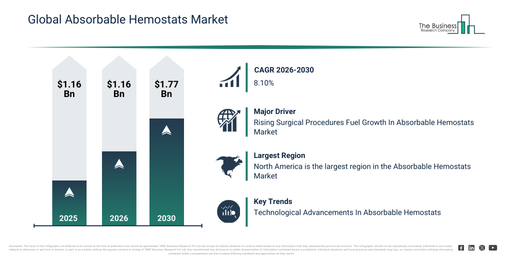
    The absorbable hemostats market size has seen robust growth in recent years. It is projected to increase from $3.37 billion in 2025 to $3.63 billion in 2026, demonstrating a compound annual growth rate (CAGR) of 7.8%. This growth in the past can be attributed to an expanding volume of neurosurgery and orthopedic surgery procedures, a heightened demand for products controlling intraoperative bleeding, the increasing uptake of oxidized regenerated cellulose and gelatin-based hemostats, the development of hospital surgical infrastructure and operating rooms, and greater clinical endorsement of absorbable biomaterial hemostats.

    The absorbable hemostats market is expected to demonstrate robust expansion in the foreseeable future. Its value is projected to reach $4.96 billion in 2030, driven by a compound annual growth rate (CAGR) of 8.1%. This growth during the forecast period can be attributed to several factors: increased adoption of advanced thrombin and collagen-based formulations, a growing inclination towards minimally invasive and reconstructive surgical procedures, heightened investment in the development of bioabsorbable and hybrid hemostat innovations, an expansion in the volume of procedures performed at ambulatory surgical centers, and an increased focus on minimizing surgical complications and accelerating patient recovery. Significant trends expected in this period include the development of more bioengineered absorbable hemostat materials for enhanced tissue compatibility, the rising integration of advanced collagen, gelatin, and thrombin-based hemostats in complex surgical interventions, a growing preference for multifunctional hemostatic products that support rapid clot stabilization and wound healing, an expanding application of absorbable hemostats in minimally invasive and reconstructive surgeries, and an intensified clinical emphasis on hemostats designed to reduce post-operative complications and surgical bleeding risks.

    Get A Free Sample Report With In-Depth Market Insights:

    https://thebusinessresearchcompany.com/sample_request?id=18777&type=smp&name=Absorbable%20Hemostats%20Market%20Report%202026&utm_source=Blogs&utm_medium=Paid&utm_campaign=Sep_PR

    Absorbable Hemostats Market Growth Catalysts And Demand Drivers

    The increasing number of surgical procedures is anticipated to fuel the expansion of the absorbable hemostats market in the future. Surgical procedures involve medical operations conducted to treat, diagnose, or manage health conditions by physically altering tissues or organs through incisions or other methods. This rise in surgical procedures is attributed to a growing demand for advanced medical treatments, an aging global population, and progress in surgical technology enabling more complex and less invasive operations. Absorbable hemostats are utilized in surgical procedures to manage bleeding and encourage clot formation, while being progressively absorbed by the body, thus reducing the need for additional interventions and minimizing postoperative complications. For example, in April 2025, according to the British Association of Aesthetic Plastic Surgeons, a professional organization based in the UK, a total of 25,972 surgical procedures were performed in 2023, with women accounting for 93% of all cosmetic surgeries and men comprising the remaining 7% of these cases. Therefore, the growing volume of surgical procedures is a primary driver for the growth of the absorbable hemostasis market.

    Absorbable Hemostats Market Segment Analysis Spotlighting Growth Areas

    The absorbable hemostats market covered in this report is segmented –

    1) By Type: Thrombin-Based Hemostats, Oxidized Regenerated Cellulose-Based Hemostats, Gelatin-Based Hemostats, Collagen-Based Hemostats, Other Types

    2) By Application: Neurosurgery, Orthopedic Surgery, General Surgery, Reconstructive Surgery, Other Applications

    3) By End-User: Hospitals And Clinics, Ambulatory Surgical Centers, Other End-Users

    Subsegments:

    1) By Thrombin-Based Hemostats: Lyophilized Thrombin Hemostats, Liquid Thrombin-Based Hemostats

    2) By Oxidized Regenerated Cellulose-Based Hemostats: Pre-Packaged Oxidized Cellulose Hemostats, Customizable Oxidized Cellulose Products

    3) By Gelatin-Based Hemostats: Gelatin Sponge-Based Hemostats, Gelatin Foam-Based Hemostats

    4) By Collagen-Based Hemostats: Collagen-Based Pads or Sheets, Collagen-Based Sponges or Powder

    5) By Other Types: Fibrin-Based Hemostats, Polymeric-Based Hemostats, Other Innovative Or Hybrid Formulations

    Absorbable Hemostats Market Trends Shaping Long-Term Demand

    Leading companies in the absorbable hemostats market are concentrating on developing advanced products, such as absorbable hemostatic powder, to deliver swift and effective bleeding management during surgery. This absorbable hemostatic powder is a medical product utilized to control hemorrhage by encouraging rapid clot formation at the injury site, and it is naturally assimilated by the body after serving its purpose. For instance, in July 2023, Baxter International Inc., a US-based healthcare company, introduced PERCLOT absorbable hemostatic powder. PERCLOT granules feature a unique molecular structure that quickly absorbs water, creating a gelled adhesive matrix that forms a mechanical barrier to stop bleeding by fostering the aggregation of platelets, red blood cells, and coagulation proteins like thrombin and fibrinogen. This attribute enhances clinicians’ capability to manage a wider array of intraoperative bleeding, which is vital for reducing the necessity for blood transfusions, minimizing significant complications, and ultimately decreasing the overall cost of care.

    Absorbable Hemostats Market Competitive Overview And Top Companies

    Major companies operating in the absorbable hemostats market are Johnson & Johnson, Medtronic Plc, Baxter International Inc., B. Braun Melsungen AG, Integra LifeSciences, Acelity, Meril Life Sciences Pvt. Ltd., Gelita AG, CryoLife Inc., Anika Therapeutics Inc., Z-Medica LLC, Cohera Medical Inc., Marine Polymer Technologies Inc., Curasan AG, Hemostasis LLC, Arch Therapeutics Inc., Cura Medical, FzioMed Inc., Guizhou Jin Jiu Biotech Co. Ltd., Omrix Biopharmaceuticals Inc.

    View The Full Absorbable Hemostats Market Report:

    https://thebusinessresearchcompany.com/report/absorbable-hemostats-global-market-report?utm_source=Blogs&utm_medium=Paid&utm_campaign=Sep_PR

    Absorbable Hemostats Market Leading Geography: Which Region Contributes The Most Revenue?

    North America was the largest region in the absorbable hemostats market in 2025. The regions covered in the absorbable hemostats market report are Asia-Pacific, South East Asia, Western Europe, Eastern Europe, North America, South America, Middle East, Africa.

    Reach Out To Our Team:

    The Business Research Company: https://www.thebusinessresearchcompany.com/

    Americas: +1 310-496-7795

    Asia: +44 7882 955267 & +91 8897263534

    Europe: +44 7882 955267

    Email us at: marketing@tbrc.info

    Follow us on:

    LinkedIn: https://in.linkedin.com/company/the-business-research-company

    YouTube: https://www.youtube.com/channel/UC24_fI0rV8cR5DxlCpgmyFQ

    Global Market Model: https://www.thebusinessresearchcompany.com/global-market-model