Blog

  • Breast Cancer Gene (BRCA) Mutations Treatment Market Outlook Highlights The Next Major Growth Opportunities

    Breast Cancer Gene (BRCA) Mutations Treatment Market Outlook Highlights The Next Major Growth Opportunities

    Delivering more actionable and strategically valuable research, The Business Research Company’s 2026 market reports feature market attractiveness analysis, total addressable market evaluation, company benchmarking matrices, interactive Excel dashboards, expanded supply chain intelligence, emerging startup coverage, and detailed product insights.

    Breast Cancer Gene (BRCA) Mutations Treatment Market Size And Revenue Forecast Through 2030

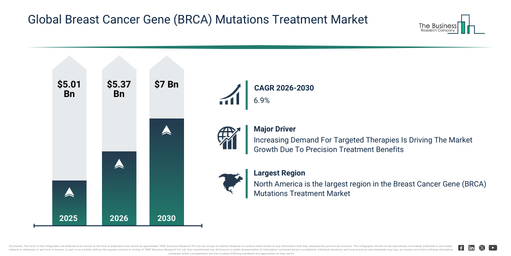
    The market for treatments targeting breast cancer gene (BRCA) mutations has experienced robust expansion in recent years. Projected to rise from $5.01 billion in 2025 to $5.37 billion in 2026, this growth reflects a compound annual growth rate (CAGR) of 7.2%. Several factors drove progress during the historical period, including limited public understanding of BRCA mutations, constrained availability of genetic testing services, a continued dependence on traditional chemotherapy, a rising prevalence of breast and ovarian cancers, and the slow but steady uptake of targeted therapeutic approaches.

    The market for treatments targeting BRCA gene mutations is projected to experience robust expansion over the coming years, reaching a valuation of $7 billion by 2030 with a compound annual growth rate (CAGR) of 6.9%. This anticipated growth during the forecast period is driven by progress in genomic sequencing technologies, the broadening of PARP inhibitor applications, heightened investment in precision oncology, a greater emphasis on combination therapies, and favorable reimbursement policies for genetic testing and targeted treatments. Key trends shaping this period include the increased uptake of genetic testing and early BRCA mutation screening, the widespread use of PARP inhibitors in targeted therapy, a stronger focus on preventive and risk-reduction treatment approaches, the advancement of personalized and precision oncology methods, and enhanced availability of multimodal treatment options for BRCA-related cancers.

    Download A Free Sample Report For Comprehensive Market Insights:

    https://www.thebusinessresearchcompany.com/sample.aspx?id=27231&type=smp&utm_source=BlogsPR&utm_medium=Paid&utm_campaign=Jul_PR

    Breast Cancer Gene (BRCA) Mutations Treatment Market Development Factors: Which Trends Are Supporting Demand?

    The rising need for targeted therapies is anticipated to drive expansion in the breast cancer gene (BRCA) mutation treatment market moving forward. These therapies are medical approaches designed to precisely attack cancer cells by concentrating on genetic mutations or proteins involved in tumor growth. This growing demand stems largely from their capacity to specifically target disease-causing cells or molecules while sparing healthy tissues, leading to enhanced treatment efficacy and reduced side effects compared to conventional options. Targeted therapies aid in managing BRCA mutations by delivering precision medicines that directly address the genetic abnormalities fueling the disease, thereby improving outcomes and limiting unnecessary adverse effects. For example, in July 2023, a report from the American Society of Gene & Cell Therapy (ASGCT), a US-based professional membership organization, indicated that at the close of Q1 2023, there were 247 gene therapies in Phase II, which increased by 5% to 260 by the end of Q2 2023. Consequently, the escalating demand for targeted therapies is fueling growth in the breast cancer gene (BRCA) mutation treatment market.

    The increasing emphasis on personalised medicine is expected to boost the breast cancer gene (BRCA) mutation treatment market going forward. Personalised medicine involves customizing medical care to an individual’s distinct genetic, biological, and clinical profile. This trend is gaining momentum due to advancements in genetic testing, enabling treatments to be more accurately tailored to each person’s biological characteristics. A heightened focus on personalised medicine is reshaping the management of BRCA gene mutations by facilitating customized risk evaluation, targeted therapies like PARP inhibitors, and individualized prevention plans that maximize treatment effectiveness while reducing adverse effects, ultimately enhancing outcomes for patients with hereditary breast and ovarian cancers. For instance, in February 2024, the Personalized Medicine Coalition, a US-based non-profit organization, reported that in 2023, the FDA approved 16 new personalised treatments for rare disease patients, a rise from 6 in 2022. These newly approved treatments for 2023 also included seven cancer drugs and three for other diseases and conditions. Thus, the growing emphasis on personalised medicine is driving expansion in the breast cancer gene (BRCA) mutation treatment market.

    Breast Cancer Gene (BRCA) Mutations Treatment Market Segment Breakdown: Which Categories Generate The Most Revenue?

    The breast cancer gene (brca) mutations treatment market covered in this report is segmented –

    1) By Treatment Type: Targeted Therapies, Chemotherapy, Hormonal Therapy, Immunotherapy

    2) By Indication: Breast Cancer, Ovarian Cancer, Pancreatic Cancer, Prostate Cancer

    3) By Administration Route: Oral, Intravenous, Subcutaneous

    4) By End-User: Hospitals, Clinics, Cancer Specialty Clinics

    Subsegments:

    1) By Targeted Therapies: Poly (ADP-Ribose) Polymerase Inhibitors, Mammalian Target Of Rapamycin Inhibitors, Cyclin-Dependent Kinase 4 And 6 Inhibitors, Tyrosine Kinase Inhibitors

    2) By Chemotherapy: Platinum-Based chemotherapy, Anthracyclines, Taxanes, Antimetabolites

    3) By Hormonal Therapy: Selective Estrogen Receptor Modulators (SERMs), Aromatase Inhibitors, Selective Estrogen Receptor Degraders (SERDs), Luteinizing Hormone-Releasing Hormone (LHRH) Agonists

    4) By Immunotherapy: Immune Checkpoint Inhibitors, Cancer Vaccines, Monoclonal Antibodies

    Breast Cancer Gene (BRCA) Mutations Treatment Market Key Players And Strategic Industry Positioning

    Major companies operating in the breast cancer gene (brca) mutations treatment market are Pfizer Inc., Merck & Co. Inc., AbbVie Inc., Thermo Fisher Scientific Inc., AstraZeneca PLC, Novartis AG, GSK plc, Janssen Biotech Inc., Astellas Pharma Inc., Genentech Inc., Clovis Oncology Inc., Owkin Inc., Allarity Therapeutics Inc., VBL Therapeutics

    Access The Complete Breast Cancer Gene (BRCA) Mutations Treatment Market Report:

    https://www.thebusinessresearchcompany.com/report/breast-cancer-gene-brca-mutations-treatment-global-market-report?utm_source=BlogsPR&utm_medium=Paid&utm_campaign=Jul_PR

    Breast Cancer Gene (BRCA) Mutations Treatment Market Largest Region By Revenue And Market Share

    North America was the largest region in the breast cancer gene (BRCA) mutations treatment market in 2025. Asia-Pacific is expected to be the fastest-growing region in the forecast period. The regions covered in the breast cancer gene (brca) mutations treatment market report are Asia-Pacific, South East Asia, Western Europe, Eastern Europe, North America, South America, Middle East, Africa.

    Get in touch with us:

    The Business Research Company: https://www.thebusinessresearchcompany.com/?utm_source=BlogsPR&utm_medium=Paid&utm_campaign=home_page_test

    Americas: +1 310-496-7795

    Asia: +44 7882 955267 & +91 8897263534

    Europe: +44 7882 955267

    Email us at: marketing@tbrc.info

    Follow us on:

    LinkedIn: https://in.linkedin.com/company/the-business-research-company

    YouTube: https://www.youtube.com/channel/UC24_fI0rV8cR5DxlCpgmyFQ

    Global Market Model: https://www.thebusinessresearchcompany.com/global-market-model
  • Breast Cancer Drugs Market Trends And Growth Drivers Point To Strong Future Potential

    Breast Cancer Drugs Market Trends And Growth Drivers Point To Strong Future Potential

    Enhanced with market attractiveness analysis, total addressable market evaluation, company benchmarking matrices, interactive Excel dashboards, expanded supply chain intelligence, emerging startup coverage, and detailed product insights, The Business Research Company’s 2026 market reports deliver more actionable and strategically valuable research.

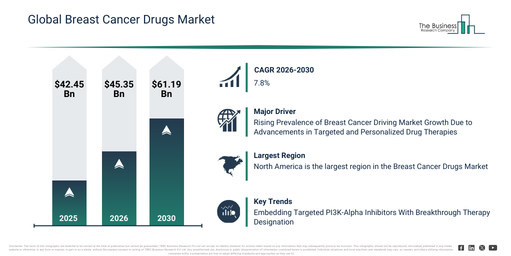
    Breast Cancer Drugs Market Growth From $45.35 Billion In 2026 To $61.19 Billion By 2030 At A CAGR Of 7.8%

    The breast cancer drugs market has experienced robust expansion in recent years, with its value projected to rise from $42.45 billion in 2025 to $45.35 billion in 2026, reflecting a compound annual growth rate (CAGR) of 6.8%. This historical growth has been driven by several key factors, including the high incidence of breast cancer worldwide, the extensive application of chemotherapy, the expansion of screening initiatives, the prevalence of hospital-based oncology services, and the accessibility of hormone therapies.

    The breast cancer drugs market is projected to experience robust expansion over the coming years, reaching an estimated $61.19 billion by 2030, driven by a compound annual growth rate (CAGR) of 7.8%. This anticipated growth during the forecast period is fueled by progress in precision medicine, heightened awareness and earlier detection, breakthroughs in biologic therapies, broader treatment availability, and increased healthcare spending. Key developments shaping this period include a growing reliance on targeted therapies for breast cancer, a rise in the uptake of hormone-based treatments, greater application of immunotherapy, an increase in oral oncology medications, and a stronger emphasis on managing cancer at early stages.

    Download A Free Sample Report For Comprehensive Market Insights:

    https://www.thebusinessresearchcompany.com/sample.aspx?id=2566&type=smp&utm_source=BlogsPR&utm_medium=Paid&utm_campaign=Jul_PR

    Breast Cancer Drugs Market Industry Drivers: What Is Driving Revenue Growth?

    The growing incidence of breast cancer is anticipated to propel the breast cancer drug market forward. Breast cancer is a malignancy that begins in the cells of the breast, arising when these cells proliferate uncontrollably and form a tumor, which may be detected as a lump or through imaging techniques. This rising prevalence stems from multiple factors, including aging populations, shifts in lifestyle, genetic susceptibilities, and enhanced diagnostic capabilities. Breast cancer drugs improve treatment outcomes by specifically targeting malignant cells, curbing tumor expansion, halting cancer dissemination, and boosting patient survival rates via tailored therapies. For example, in October 2025, BreastCancer.org, a US-based nonprofit providing breast cancer information and support, reported that breast cancer constitutes roughly 30% of all new female cancer diagnoses in the United States. An estimated 316,950 women are expected to receive an invasive breast cancer diagnosis, alongside 59,080 cases of ductal carcinoma in situ, while approximately 42,170 women are projected to succumb to the disease in 2025. Consequently, the escalating prevalence of breast cancer is fueling expansion in the breast cancer drug market.

    Breast Cancer Drugs Market Segmentation: How Is The Market Structured Across Key Categories?

    The breast cancer drugs market covered in this report is segmented –

    1) By Type: Metastatic Breast Cancer, Triple Negative Breast Cancer, Other Types

    2) By Distribution Channel: Hospital Pharmacies, Retail Pharmacies/ Drug Stores, Other Distribution Channels

    3) By End User: Ambulatory, Hospitals, Clinics, Other End-Users

    Subsegments:

    1) By Metastatic Breast Cancer: Hormone Receptor Positive Metastatic Breast Cancer, HER2 Positive Metastatic Breast Cancer, Triple Negative Metastatic Breast Cancer

    2) By Triple Negative Breast Cancer: Chemotherapy-Based Treatments, Immunotherapy-Based Treatments, Targeted Therapy

    3) By Others: Ductal Carcinoma In Situ (DCIS), Invasive Ductal Carcinoma (IDC), Inflammatory Breast Cancer (IBC), Breast Cancer During Pregnancy

    Breast Cancer Drugs Market Growth Trends: What Is Influencing The Future Outlook?

    Leading companies in the breast cancer drugs space are placing a strong emphasis on product innovation and formulation, particularly through precision targeted therapies designed for PIK3CA-mutated, hormone receptor-positive disease. The goal is to enhance treatment effectiveness, reduce toxicity, and offer personalized first-line treatment choices. These therapies are engineered to target key genetic drivers behind tumor growth, delivering notable clinical advantages over traditional methods. As a case in point, in May 2024, F. Hoffmann-La Roche AG, a healthcare firm based in Switzerland, revealed that the U.S. FDA had granted Breakthrough Therapy Designation to inavolisib—an investigational oral PI3K-alpha inhibitor—when used alongside palbociclib and fulvestrant for PIK3CA-mutated, HR-positive, HER2-negative locally advanced or metastatic breast cancer. This recognition was backed by results from the Phase III INAVO120 trial, which demonstrated that the inavolisib-based combination doubled progression-free survival (15.0 months compared to 7.3 months) versus palbociclib and fulvestrant alone. This milestone highlights Roche’s dedication to precision oncology in breast cancer, especially for individuals with PIK3CA mutations—a patient subgroup often linked to poorer outcomes and resistance to standard endocrine treatments.

    Breast Cancer Drugs Market Competitive Landscape And Leading Companies

    Major companies operating in the breast cancer drugs market are F. Hoffmann-La Roche Ltd., Novartis AG, AstraZeneca PLC, Eli Lilly and Company Inc., Biocon Limited, Merck & Co. Inc., Johnson & Johnson, MacroGenics Inc., Celldex Therapeutics Inc., BioNumerik Pharmaceuticals Inc., AbbVie Inc., Pfizer Inc., Astellas Pharma Inc., Bristol-Myers Squibb Company, Bayer AG, GlaxoSmithKline plc, Teva Pharmaceutical Industries Ltd., Abbott Laboratories, Puma Biotechnology Inc., Sanofi S.A., Genentech Inc., Sun Pharmaceutical Industries Ltd., Takeda Pharmaceutical Company Limited, Eisai Co. Ltd., Mylan N.V., Dr. Reddy’s Laboratories Ltd., Accord Healthcare Limited, Alkem Laboratories Limited, Natco Pharma Limited, Fresenius Kabi AG, Lupin Limited, Glenmark Pharmaceuticals Limited

    Access The Complete Breast Cancer Drugs Market Report:

    https://www.thebusinessresearchcompany.com/report/breast-cancer-drugs-global-market-report?utm_source=BlogsPR&utm_medium=Paid&utm_campaign=Jul_PR

    Breast Cancer Drugs Market Regional Analysis And Leading Geography

    North America was the largest region in the breast cancer drugs market in 2025. The Middle East is expected to be the fastest-growing region in the breast cancer drugs market during the forecast period. The regions covered in the breast cancer drugs market report are Asia-Pacific, South East Asia, Western Europe, Eastern Europe, North America, South America, Middle East, Africa.

    Get in touch with us:

    The Business Research Company: https://www.thebusinessresearchcompany.com/?utm_source=BlogsPR&utm_medium=Paid&utm_campaign=home_page_test

    Americas: +1 310-496-7795

    Asia: +44 7882 955267 & +91 8897263534

    Europe: +44 7882 955267

    Email us at: marketing@tbrc.info

    Follow us on:

    LinkedIn: https://in.linkedin.com/company/the-business-research-company

    YouTube: https://www.youtube.com/channel/UC24_fI0rV8cR5DxlCpgmyFQ

    Global Market Model: https://www.thebusinessresearchcompany.com/global-market-model
  • Branded Generics Market Expansion Is Reshaping Competitive Dynamics Across The Industry

    Branded Generics Market Expansion Is Reshaping Competitive Dynamics Across The Industry

    Through market attractiveness analysis, total addressable market evaluation, company benchmarking matrices, interactive Excel dashboards, expanded supply chain intelligence, emerging startup coverage, and detailed product insights, The Business Research Company’s 2026 market reports provide more actionable and strategically valuable research.

    Branded Generics Market Expansion Outlook: What Revenue Opportunities Lie Ahead?

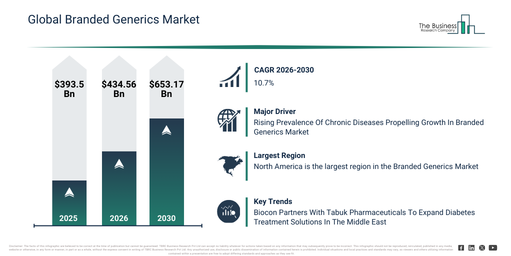
    The branded generics sector has experienced significant expansion in recent years. Projections indicate an increase from $393.5 billion in 2025 to $434.56 billion in 2026, reflecting a compound annual growth rate (CAGR) of 10.4%. This historical growth has been driven by several factors, including key drug patent expirations, heightened acceptance of generic medications, increased healthcare spending, policy backing for generics from governments, and a rising incidence of chronic illnesses.

    The branded generics market is projected to experience rapid expansion over the coming years, reaching an estimated $653.17 billion by 2030, driven by a compound annual growth rate (CAGR) of 10.7%. This anticipated growth during the forecast period is fueled by several key factors, including the broadening of branded generics product lines, the increased utilization of digital marketing within the pharmaceutical industry, a rise in collaborations with healthcare providers, the expansion into developing markets, and progress in drug formulation technologies. Among the prominent trends set to shape the sector are a heightened level of brand recognition among patients, marketing campaigns that emphasize product differentiation, a surge in prescription volumes for branded generics, a growing preference among physicians for these drugs, and the further penetration of generic medications into emerging markets.

    Download A Free Sample Report For Comprehensive Market Insights:

    https://www.thebusinessresearchcompany.com/sample.aspx?id=7186&type=smp&utm_source=BlogsPR&utm_medium=Paid&utm_campaign=Jul_PR

    #Branded Generics Market Growth Factors: Which Forces Are Supporting Market Expansion?

    The anticipated expansion of the branded generics market is significantly fueled by the rising incidence of chronic diseases. These conditions are enduring ailments that typically lack a cure, yet they can be managed or treated effectively. A growing number of chronic disease cases are attributed to factors such as tobacco use, poor dietary habits, insufficient physical activity, and excessive alcohol consumption. Globally, consumers are increasingly turning to branded generics for managing these illnesses, as these medications offer a more affordable option compared to standard treatments. For example, in April 2025, data from the Centers for Disease Control and Prevention—a U.S. federal agency—revealed that in 2023, approximately 76.4% of American adults had at least one of twelve selected chronic conditions, with 51.4% experiencing multiple such conditions. Consequently, this upward trend in chronic disease prevalence is a key driver behind the growing branded generics market.

    Branded Generics Market Segmentation Trends And Revenue Drivers

    The branded generics market covered in this report is segmented –

    1) By Drug Class: Alkylating Agents, Antimetabolites, Hormones, Anti-Hypertensive, Lipid Lowering Drugs, Anti-Depressants, Anti-Psychotics, Anti-Epileptics, Other Drugs

    2) By Route Of Administration: Topical, Oral, Parenteral, Other Routes Of Administration

    3) By Application: Oncology, Cardiovascular Diseases, Diabetes, Neurology, Gastrointestinal Diseases, Dermatology Diseases, Analgesics And Anti-inflammatory, Other Applications

    Subsegments:

    1) By Alkylating Agents: Nitrogen Mustards, Ethylene Imine Compounds

    2) By Antimetabolites: Purine Analogues, Pyrimidine Analogues

    3) By Hormones: Corticosteroids, Thyroid Hormones

    4) By Anti-Hypertensive: ACE Inhibitors, Beta Blockers, Calcium Channel Blockers

    5) By Lipid Lowering Drugs: Statins, Fibrates

    6) By Anti-Depressants: SSRIs (Selective Serotonin Reuptake Inhibitors), SNRIs (Serotonin-Norepinephrine Reuptake Inhibitors)

    7) By Anti-Psychotics: Atypical Antipsychotics, Typical Antipsychotics

    8) By Anti-Epileptics: Sodium Channel Blockers, GABAergic Drugs

    9) By Other Drugs: Analgesics, Antibiotics, Antivirals

    Branded Generics Market Industry Trends: What Changes Are Reshaping Demand?

    Major players in the branded generics sector are forming strategic alliances with relevant partners to pool resources and gain entry into fresh markets. As an illustration, in September 2024, Biocon Ltd., a pharmaceutical firm headquartered in India, joined forces with Tabuk Pharmaceuticals. Under this arrangement, Biocon is tasked with the development and production of GLP-1 products, guaranteeing top-tier biopharmaceuticals specifically designed to treat diabetes. Meanwhile, Tabuk Pharmaceuticals will assume the marketing authorization rights and oversee the registration, importation, and promotion of these products throughout the Middle East, with a particular emphasis on Saudi Arabia. The deal also encompasses provisions for extending into additional GLP products beyond the initial lineup, thereby enabling a wider spectrum of diabetes therapies. This collaboration is designed to provide distinctive healthcare solutions that improve patient well-being in Saudi Arabia and neighboring regions, reflecting the dedication of both entities to enhancing healthcare accessibility. Tabuk Pharmaceuticals, a Saudi Arabia-based drug company, offers both branded and generic pharmaceutical items.

    Branded Generics Market Industry Leaders: Which Organizations Are Driving Competition?

    Major companies operating in the branded generics market are Pfizer Inc., F. Hoffmann-La Roche AG, Sanofi SA, AstraZeneca plc, GlaxoSmithKline plc, Viatris Inc., Teva Pharmaceutical Industries Ltd., Alkem Laboratories Ltd., Mylan N.V., Sandoz International GmbH, Bausch Health Companies Inc., Sun Pharmaceutical Industries Ltd., Cipla Ltd., Aurobindo Pharma Ltd., Dr. Reddy’s Laboratories Ltd., Apotex Inc., Aspen Pharmacare Holdings Limited, Endo International plc, Towa Pharmaceutical Co. Ltd., Mankind Pharma, Glenmark Pharmaceuticals, Par Pharmaceuticals Inc., Unichem Laboratories Ltd., Torrent Pharmaceuticals Ltd., Wockhardt, Intas Pharmaceuticals Ltd., Novartis International AG, Novo Nordisk A/S, Zydus Lifesciences Ltd.

    Access The Complete Branded Generics Market Report:

    https://www.thebusinessresearchcompany.com/report/branded-generics-global-market-report?utm_source=BlogsPR&utm_medium=Paid&utm_campaign=Jul_PR

    Branded Generics Market Geographic Analysis: Where Is Demand Growing The Fastest?

    North America was the largest region in the branded generics market in 2025. Asia-Pacific is expected to be the fastest-growing region in the forecast period. The regions covered in the branded generics market report are Asia-Pacific, South East Asia, Western Europe, Eastern Europe, North America, South America, Middle East, Africa.

    Get in touch with us:

    The Business Research Company: https://www.thebusinessresearchcompany.com/?utm_source=BlogsPR&utm_medium=Paid&utm_campaign=home_page_test

    Americas: +1 310-496-7795

    Asia: +44 7882 955267 & +91 8897263534

    Europe: +44 7882 955267

    Email us at: marketing@tbrc.info

    Follow us on:

    LinkedIn: https://in.linkedin.com/company/the-business-research-company

    YouTube: https://www.youtube.com/channel/UC24_fI0rV8cR5DxlCpgmyFQ

    Global Market Model: https://www.thebusinessresearchcompany.com/global-market-model
  • Brain Tumor Drugs Market Forecast Reveals Where Future Industry Value Will Be Created

    Brain Tumor Drugs Market Forecast Reveals Where Future Industry Value Will Be Created

    Delivering more actionable and strategically valuable research, The Business Research Company’s 2026 market reports feature market attractiveness analysis, total addressable market evaluation, company benchmarking matrices, interactive Excel dashboards, expanded supply chain intelligence, emerging startup coverage, and detailed product insights.

    Brain Tumor Drugs Market Growth Potential: How Will Market Size Change Through 2030?

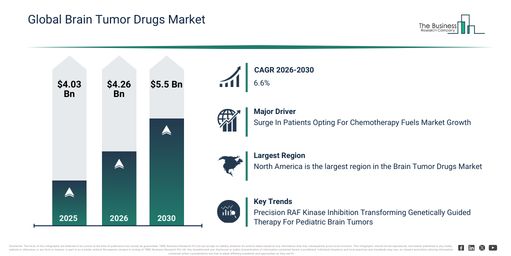
    The market for brain tumor drugs has experienced robust expansion in recent years. Projected to rise from $4.03 billion in 2025 to $4.26 billion in 2026, this growth reflects a compound annual growth rate (CAGR) of 5.7%. Several factors have driven this historic period of growth, including a higher incidence of brain tumors, progress in chemotherapy agents, greater public awareness of symptom management, the creation of hormone-based treatments, and the launch of innovative anticonvulsant medications.

    The market for brain tumor drugs is projected to experience robust expansion over the coming years. By 2030, it is anticipated to reach a value of $5.5 billion, driven by a compound annual growth rate (CAGR) of 6.6%. This forecasted growth is fueled by advancements in precision medicine, the incorporation of artificial intelligence into drug development, heightened oncology research and development efforts, rising healthcare spending, and a growing preference for targeted therapies. Key developments shaping this period include the emergence of personalized chemotherapy approaches, an increase in hormone therapy utilization, the introduction of sophisticated pain management medications, a greater reliance on anticonvulsants for symptom relief, and an expanding array of drugs in the brain tumor pipeline.

    Download A Free Sample Report For Comprehensive Market Insights:

    https://www.thebusinessresearchcompany.com/sample.aspx?id=2588&type=smp&utm_source=BlogsPR&utm_medium=Paid&utm_campaign=Jul_PR

    Brain Tumor Drugs Market Demand Drivers: What Is Fueling Industry Growth?

    The rising number of individuals receiving chemotherapy is anticipated to drive the growth of brain tumor drugs in the coming period. Chemotherapy refers to a therapeutic approach where potent medicines are employed to attack and eliminate fast-dividing cells, including cancerous ones. As a fundamental treatment option for brain tumors, chemotherapy relies on the development and accessibility of effective drugs, which greatly influence treatment success rates. The effectiveness of chemotherapy is key to extending patient survival and enhancing their life quality, thereby steering market dynamics. For example, in July 2023, the Centers for Disease Control and Prevention, a US governmental agency, reported that over 1 million cancer patients in the United States undergo chemotherapy or radiation annually. Consequently, the growing number of patients undergoing chemotherapy is fueling expansion in the brain tumor drug market.

    Brain Tumor Drugs Market Segment Analysis Highlighting Growth Areas

    The brain tumor drugs market covered in this report is segmented –

    1) By Drugs: Temozolomide, Bevacizumab, Other Drugs

    2) By End User: Hospital Pharmacies, Retail Pharmacies Or Drug Stores, Other End-Users

    3) By Mechanism of Action: Chemotherapy Agents, Targeted Therapy, Hormone Therapy

    Subsegments:

    1) By Temozolomide: Oral Formulation, Injectable Formulation

    2) By Bevacizumab: Monoclonal Antibody Therapy, Combination Therapy With Chemotherapy

    3) By Other Drugs: Carmustine, Lomustine, Etoposide, Irinotecan, Novantrone (Mitoxantrone)

    Brain Tumor Drugs Market Innovation Trends: Which Developments Are Transforming The Industry?

    Top companies in the brain tumor drugs sector are increasingly emphasizing innovations like targeted RAF kinase inhibitors to address the growing need for precision oncology therapies that focus on particular genetic changes in brain tumors, thus lowering overall toxicity and enhancing patient recovery. A RAF kinase inhibitor works by specifically hindering the activity of RAF proteins involved in the MAPK signaling cascade, which stops tumor cell growth; this method differs from conventional chemotherapy, which attacks all quickly dividing cells indiscriminately and frequently results in more extensive adverse effects throughout the body. As an example, in November 2025, Day One Biopharmaceuticals, a biotechnology firm based in the United States, introduced OJEMDA (tovorafenib), a groundbreaking treatment for children with relapsed or refractory low-grade gliomas that exhibit BRAF fusions or V600 mutations. Tovorafenib is a once-weekly, orally taken inhibitor capable of crossing the blood-brain barrier, precisely acting on mutated RAF proteins, giving strong penetration into the central nervous system and a mode of action customized to the tumor’s genetic root cause. Key characteristics of this drug include high targeting precision, less systemic harm relative to standard chemotherapy, and its appropriateness for pediatric use. This product marks a notable step forward in genetically driven therapy for childhood brain cancers.

    Brain Tumor Drugs Market Leading Companies: Who Holds Significant Market Presence?

    Major companies operating in the brain tumor drugs market are F. Hoffmann-La Roche Ltd, Novartis AG, Amgen Inc., Pfizer Inc., Merck & Co. Inc., CordenPharma, Eisai Co. Ltd., Emcure Pharmaceuticals Limited, Y-mAbs Therapeutics, Roche India, Novartis Oncology, Arlak Biotech, Healthkind Labs Pvt. Ltd., SwisscheM Healthcare Pvt.Ltd, Apikos Pharma, Kolaz Biotech, CStone Pharma, CARsgen Therapeutics, JW Therapeutics, BeiGene, Astellas Pharma Inc, Otsuka Pharmaceutical Co. Ltd, Daiichi Pharmaceutical and Sankyo, AQVIDA GmbH, Baxter International Inc. (UK), AstraZeneca plc, GlaxoSmithKline plc, Veropharm, Biocad, Bristol-Myers Squibb, Celon Pharma, Celgene Corporation, Johnson & Johnson, Eli Lilly and Company, Sandoz AG, Eurofarma Laboratórios S.A., TUTEUR Argentina, The Takeda Pharmaceutical Company Limited, Pierre Fabre Group, Celnova Pharma, Pfizer S.R.L., Teva Pharmaceutical Industries Ltd., BIOPHARMA-MEA, NeoTX, AID Genomics Limited, Julphar, Sanofi, Novo Nordisk A/S, Bayer, Kitov Pharma Limited, CureTech Ltd., Neopharma, Eurolab, Aspen, Adcock Ingram.

    Access The Complete Brain Tumor Drugs Market Report:

    https://www.thebusinessresearchcompany.com/report/brain-tumor-drugs-global-market-report?utm_source=BlogsPR&utm_medium=Paid&utm_campaign=Jul_PR

    Brain Tumor Drugs Market Global Footprint: Which Region Holds Market Leadership?

    North America was the largest region in the brain tumor drugs market in 2025. Middle East is expected to be the fastest-growing region in the global brain tumor drugs market share during the forecast period. The regions covered in the brain tumor drugs market report are Asia-Pacific, South East Asia, Western Europe, Eastern Europe, North America, South America, Middle East, Africa.

    Get in touch with us:

    The Business Research Company: https://www.thebusinessresearchcompany.com/?utm_source=BlogsPR&utm_medium=Paid&utm_campaign=home_page_test

    Americas: +1 310-496-7795

    Asia: +44 7882 955267 & +91 8897263534

    Europe: +44 7882 955267

    Email us at: marketing@tbrc.info

    Follow us on:

    LinkedIn: https://in.linkedin.com/company/the-business-research-company

    YouTube: https://www.youtube.com/channel/UC24_fI0rV8cR5DxlCpgmyFQ

    Global Market Model: https://www.thebusinessresearchcompany.com/global-market-model
  • Brain Health Supplements Market Growth Through 2030 Creates New Strategic Opportunities

    Brain Health Supplements Market Growth Through 2030 Creates New Strategic Opportunities

    Enhanced with market attractiveness analysis, total addressable market evaluation, company benchmarking matrices, interactive Excel dashboards, expanded supply chain intelligence, emerging startup coverage, and detailed product insights, The Business Research Company’s 2026 market reports deliver more actionable and strategically valuable research.

    Brain Health Supplements Market Value Analysis: What Growth Is Expected Over The Forecast Period?

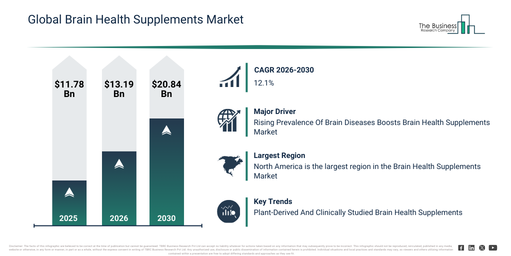
    The market for brain health supplements has experienced notable expansion in recent years. Its value is projected to rise from $11.78 billion in 2025 to $13.19 billion in 2026, reflecting a compound annual growth rate (CAGR) of 12.0%. This historical growth has been driven by heightened awareness surrounding cognitive wellness, a greater reliance on herbal and natural supplement options, the surge in e-commerce for supplement sales, a growing elderly demographic, and the increasing use of nootropics by both students and working professionals.

    Projections indicate that the brain health supplements market will experience significant expansion in the coming years, reaching an estimated $20.84 billion by 2030, with a compound annual growth rate of 12.1%. This anticipated growth during the forecast period is driven by progress in brain health formulation technologies, the application of artificial intelligence in customized nutrition, heightened governmental efforts to support mental well-being, a rising consumer shift toward preventive health measures, and the proliferation of online retail alongside direct-to-consumer sales channels. Key developments expected in the forecast period encompass innovations in nootropic supplements, tailored brain health approaches, cognitive performance monitoring, products targeting stress reduction and mental wellness, and supplements designed for the aging population.

    Download A Free Sample Report For Comprehensive Market Insights:

    https://www.thebusinessresearchcompany.com/sample.aspx?id=8282&type=smp&utm_source=BlogsPR&utm_medium=Paid&utm_campaign=Jul_PR

    Brain Health Supplements Market Growth Drivers: What Factors Are Accelerating Expansion?

    The rising incidence of brain disorders is anticipated to drive growth in the brain health supplements market going forward. Brain diseases, defined as disabilities impacting the brain and classified as disorders, can be mitigated through essential nutrient supplementation—such as long-chain polyunsaturated fatty acids, vitamin E, and minerals—which may help reduce inflammation, enhance antioxidative defense, and lower associated risks. For example, a 2025 report from the Alzheimer’s Association, a US-based nonprofit organization, indicated that approximately 7.2 million Americans aged 65 and older will be living with Alzheimer’s in 2025. This figure is projected to climb to 12.7 million by 2050 among the same age group. Consequently, the growing prevalence of brain diseases is fueling expansion in the brain health supplements market.

    Brain Health Supplements Market Segment Performance And Strategic Opportunities

    The brain health supplements market covered in this report is segmented –

    1) By Product: Natural Molecules, Herbal Extract, Vitamins And Minerals

    2) By Supplement Form: Tablets, Capsules, Liquid

    3) By Distribution: Supermarket and Hypermarket, Drug Store, Online

    4) By Application: Memory Enhancement, Mood And Depression, Attention And Focus, Longevity And Anti-Aging, Sleep And Recovery, Anxiety

    Subsegments:

    1) By Natural Molecules: Omega-3 Fatty Acids, Phosphatidylserine

    2) By Herbal Extract: Ginkgo Biloba, Bacopa Monnieri

    3) By Vitamins And Minerals: Vitamin B Complex, Magnesium, Zinc

    Brain Health Supplements Market Trends: What Is Shaping Future Industry Growth?

    Major players in the brain health supplements sector are introducing products that are derived from plant sources and supported by clinical research. These plant-based, clinically validated cognitive supplements are natural aids for mental performance, sourced from botanical ingredients and thoroughly tested through scientific trials, with the goal of improving cognitive abilities and supporting overall brain health. In March 2023, for example, Nature’s Way, a US-based company specializing in dietary supplements and vitamins, presented Brain Fuel, a gummy formulation containing Cognigrape red grape extract along with vitamins B6 and B12, designed to enhance short-term memory, focus, and concentration in adults, catering to the growing emphasis among millennials on dietary supplements for mental wellness. Brain Fuel is intended to bolster short-term memory, focus, and concentration in adult users.

    Brain Health Supplements Market Key Players: Which Companies Shape Industry Competition?

    Major companies operating in the brain health supplements market are Accelerated Intelligence Inc., AlternaScript LLC, Aurobindo Pharma Limited, HVMN Inc., KeyView Labs Inc., Liquid Health Inc., Natural Factors Nutritional Products Ltd., NOW Health Group Inc., Onnit Labs LLC, Peak Nootropics LLC, Purelife Bioscience Co. Ltd., Quincy Bioscience LLC, Reckitt Benckiser Group PLC, Teva Pharmaceutical Industries Ltd., Vital Basics Inc., Koninklijke DSM NV, BASF SE, Lonza Group, Glanbia PLC, Archer-Daniels-Midland Company, Nutra-Life Health & Fitness Pvt. Ltd., Nutraceutical International Corporation, Nutrionn Health Care Pvt. Ltd., NutraChamps Inc., Ceretropic LLC, Neurohacker Collective LLC, Life Extension Foundation Buyers Club Inc., Gaia Herbs LLC, Garden of Life LLC, Country Life LLC, BrainGear Inc., BioSchwartz LLC

    Access The Complete Brain Health Supplements Market Report:

    https://www.thebusinessresearchcompany.com/report/brain-health-supplements-global-market-report?utm_source=BlogsPR&utm_medium=Paid&utm_campaign=Jul_PR

    Brain Health Supplements Market Regional Distribution: Which Areas Drive Market Expansion?

    North America was the largest region in the brain health supplements market share in 2025. Asia-Pacific is expected to be the fastest-growing region in the forecast period. The regions covered in the brain health supplements market report are Asia-Pacific, South East Asia, Western Europe, Eastern Europe, North America, South America, Middle East, Africa.

    Get in touch with us:

    The Business Research Company: https://www.thebusinessresearchcompany.com/?utm_source=BlogsPR&utm_medium=Paid&utm_campaign=home_page_test

    Americas: +1 310-496-7795

    Asia: +44 7882 955267 & +91 8897263534

    Europe: +44 7882 955267

    Email us at: marketing@tbrc.info

    Follow us on:

    LinkedIn: https://in.linkedin.com/company/the-business-research-company

    YouTube: https://www.youtube.com/channel/UC24_fI0rV8cR5DxlCpgmyFQ

    Global Market Model: https://www.thebusinessresearchcompany.com/global-market-model
  • Bradykinesia Market Size Projected To Increase From $3.87 Billion To $6.38 Billion During The Forecast Period

    Bradykinesia Market Size Projected To Increase From $3.87 Billion To $6.38 Billion During The Forecast Period

    Through market attractiveness analysis, total addressable market evaluation, company benchmarking matrices, interactive Excel dashboards, expanded supply chain intelligence, emerging startup coverage, and detailed product insights, The Business Research Company’s 2026 market reports provide more actionable and strategically valuable research.

    Bradykinesia Market Size Forecast: How Large Could The Market Become By 2030?

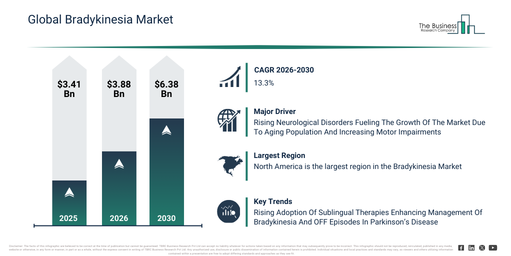
    The market for bradykinesia has experienced significant growth over the past few years. Projections indicate an increase from $3.41 billion in 2025 to $3.88 billion in 2026, reflecting a compound annual growth rate (CAGR) of 13.6%. This expansion throughout the historical period was driven by factors such as the high prevalence of Parkinson’s disease, an aging demographic, the widespread use of levodopa therapy, the growth of neurology clinics, and treatments focused on symptoms.

    The bradykinesia market is projected to experience significant expansion over the coming years. By 2030, its value is anticipated to reach $6.38 billion, driven by a compound annual growth rate (CAGR) of 13.3%. This forecast period’s expansion is largely fueled by developments in neurological drug innovation, the increasing adoption of early diagnosis techniques, the rise of digital tools for disease monitoring, the growth of geriatric care services, and the push towards personalized neurology. Key trends shaping this timeframe include a greater reliance on combination therapies for Parkinson’s disease, a stronger emphasis on managing the condition in its early stages, expanded use of dopaminergic medications, the advancement of individualized neurological treatments, and the widespread implementation of strategies designed for consistent, long-term symptom relief.

    Download A Free Sample Report For Comprehensive Market Insights:

    https://www.thebusinessresearchcompany.com/sample.aspx?id=24487&type=smp&utm_source=BlogsPR&utm_medium=Paid&utm_campaign=Jul_PR

    Bradykinesia Market Growth Factors Supporting Long-Term Expansion

    The anticipated expansion of the bradykinesia market in the years ahead is expected to be driven by the growing incidence of neurological disorders. These disorders, which impact the brain, spinal cord, or nerves, cause impairments in movement, sensation, cognition, and other bodily functions. Their rise is largely attributed to global aging, as age-related changes in the brain heighten the risk of nervous system conditions. The escalating number of such disorders is fueling demand for bradykinesia treatments, given that many of these conditions result in slowed or reduced movement, thereby increasing the need for therapies aimed at enhancing motor function. For example, in January 2023, the American Parkinson Disease Association (APDA), a US-based advocacy organization, reported that Parkinson’s disease is expected to affect 1.3 million individuals by 2030, reflecting a consistent increase in diagnosed cases. Consequently, the rising prevalence of neurological disorders is set to propel the growth of the bradykinesia market.

    Bradykinesia Market Segment Landscape And Growth Potential

    The bradykinesia market covered in this report is segmented –

    1) By Combination Therapy: Mono-Therapy, Combination Therapy

    2) By Disease Severity: Early-Stage Parkinson’s, Advanced-Stage Parkinson’s

    3) By Symptom Management: Bradykinesia, Tremors, Rigidity

    Subsegments:

    1) By Mono-Therapy: Levodopa, Dopamine Agonists, MAO-B Inhibitors, Anticholinergics, Amantadine

    2) By Combination Therapy: Levodopa And Carbidopa, Levodopa And COMT Inhibitors, Dopamine Agonists And MAO-B Inhibitors, Levodopa And MAO-B Inhibitors, Triple Therapy

    Bradykinesia Market Industry Trends Shaping Future Revenue Growth

    Key players in the bradykinesia market are concentrating on developing novel approaches, including sublingual therapies, designed to simplify administration, particularly for individuals who find swallowing tablets challenging. This method involves placing a drug under the tongue, allowing it to enter the bloodstream through the mucous membranes for a swift impact. A case in point is March 2023, when BIAL, a Parkinson’s disease therapy provider headquartered in Portugal, introduced KYNMOBI (apomorphine hydrochloride) as an immediate treatment for OFF episodes in Parkinson’s disease. These episodes are characterized by the return or worsening of symptoms like bradykinesia, shaking, and stiffness when usual medications lose their efficacy. The sublingual film formulation of apomorphine hydrochloride presents a quick-acting, immediate-use option that disintegrates under the tongue. Acting as a non-ergoline dopamine agonist, it assists in stabilizing sudden motor symptom changes. Generally well-received, this therapy promotes more reliable symptom management during OFF intervals.

    Bradykinesia Market Competitive Landscape: Who Are The Leading Companies?

    Major companies operating in the bradykinesia market are GlaxoSmithKline plc, Teva Pharmaceutical Industries Ltd., Sun Pharmaceutical Industries Ltd., Aurobindo Pharma Ltd., Cipla Ltd., Dr. Reddy’s Laboratories Ltd., Zydus Lifesciences Ltd., Mylan N.V. (Viatris), Torrent Pharmaceuticals Ltd., Lupin Ltd., Alembic Pharmaceuticals Ltd., Intas Pharmaceuticals Ltd., Wockhardt Ltd., Alkem Laboratories Ltd., Hetero Drugs Ltd., Micro Labs Ltd., Takeda Pharmaceutical Company Ltd., Pfizer Inc., Merck & Co. Inc., Boehringer Ingelheim GmbH, UCB S.A., Neuraxpharm Group, Chiesi Farmaceutici S.p.A., Sunovion Pharmaceuticals Inc.

    Access The Complete Bradykinesia Market Report:

    https://www.thebusinessresearchcompany.com/report/bradykinesia-global-market-report?utm_source=BlogsPR&utm_medium=Paid&utm_campaign=Jul_PR

    Bradykinesia Market Leading Geography: Which Region Generates The Most Revenue?

    North America was the largest region in the bradykinesia market in 2025. Asia-Pacific is expected to be the fastest-growing region in the forecast period. The regions covered in the bradykinesia market report are Asia-Pacific, South East Asia, Western Europe, Eastern Europe, North America, South America, Middle East, Africa.

    Get in touch with us:

    The Business Research Company: https://www.thebusinessresearchcompany.com/?utm_source=BlogsPR&utm_medium=Paid&utm_campaign=home_page_test

    Americas: +1 310-496-7795

    Asia: +44 7882 955267 & +91 8897263534

    Europe: +44 7882 955267

    Email us at: marketing@tbrc.info

    Follow us on:

    LinkedIn: https://in.linkedin.com/company/the-business-research-company

    YouTube: https://www.youtube.com/channel/UC24_fI0rV8cR5DxlCpgmyFQ

    Global Market Model: https://www.thebusinessresearchcompany.com/global-market-model
  • Botulinum Toxin Market Growth Outlook Reveals A CAGR Of 10.2% And A Market Value Of $13.17 Billion By 2030

    Botulinum Toxin Market Growth Outlook Reveals A CAGR Of 10.2% And A Market Value Of $13.17 Billion By 2030

    Delivering more actionable and strategically valuable research, The Business Research Company’s 2026 market reports feature market attractiveness analysis, total addressable market evaluation, company benchmarking matrices, interactive Excel dashboards, expanded supply chain intelligence, emerging startup coverage, and detailed product insights.

    Botulinum Toxin Market Revenue Outlook: What CAGR Is Expected Through 2030?

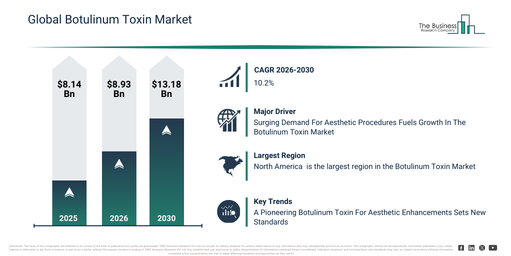
    The botulinum toxin market has experienced robust expansion in recent years. Its value is projected to rise from $8.14 billion in 2025 to $8.93 billion in 2026, reflecting a compound annual growth rate (CAGR) of 9.6%. This historical growth is driven by factors such as increasing demand for cosmetic treatments, a higher incidence of neurological conditions, growing consciousness about aesthetics, the proliferation of dermatology practices, and the therapeutic adoption of botulinum toxin type A.

    The botulinum toxin market is projected to experience substantial growth over the coming years. By 2030, its value is anticipated to reach $13.18 billion, reflecting a compound annual growth rate (CAGR) of 10.2%. This expansion in the forecast period is driven by factors like innovations in botulinum formulations, a growing elderly population worldwide, an uptick in minimally invasive procedures, the proliferation of specialty clinics, and increasing opportunities in emerging markets. Key developments anticipated during this period include a shift toward minimally invasive therapeutic options, a broader application of cosmetic treatments, the emergence of personalized patient care strategies, a heightened focus on managing neurological disorders, and growing public awareness around hyperhidrosis solutions.

    Download A Free Sample Report For Comprehensive Market Insights:

    https://www.thebusinessresearchcompany.com/sample.aspx?id=11884&type=smp&utm_source=BlogsPR&utm_medium=Paid&utm_campaign=Jul_PR

    Botulinum Toxin Market Demand Drivers Creating New Revenue Opportunities

    The market for botulinum toxin is anticipated to expand in the near future, driven largely by the growing popularity of aesthetic treatments. These procedures encompass a wide variety of cosmetic interventions, whether surgical or non-surgical, aimed at enhancing or refining an individual’s physical appearance. Within this context, botulinum toxin serves to relax targeted facial muscles, thereby diminishing the visibility of wrinkles and fine lines. A notable example comes from June 2024, when the American Society of Plastic Surgeons—a non-profit organization based in the United States—reported that minimally invasive procedures experienced a 7% increase during 2023, which surpassed the growth seen in surgical procedures by 2%. Consequently, the botulinum toxin market is being driven forward by the heightened demand for such cosmetic operations.

    Botulinum Toxin Market Categorization By Product Type And Application

    The botulinum toxin market covered in this report is segmented –

    1) By Type: Botulinum Toxin Type A, Botulinum Toxin Type B

    2) By Application: Therapeutics, Aesthetics

    3) By End User: Hospitals, Specialty Clinics, Dermatology Clinics, Other End Users

    Botulinum Toxin Market Trends Driving Strategic Industry Expansion

    Key players in the botulinum toxin sector are increasingly prioritizing the creation of locally produced botulinum toxin injections as a means to enhance therapeutic outcomes, minimize adverse effects, and meet rising demand in both cosmetic and medical fields. Such indigenous formulations are manufactured within the country instead of being sourced from international suppliers. A notable example occurred in January 2023, when Evolus Inc., an American company specializing in medical aesthetics, secured approval from the Australian Therapeutic Goods Administration (TGA) for Nuceiva (prabotulinumtoxin A) in Australia. This product, a neurotoxin based on botulinum toxin type A, is designed for aesthetic applications, specifically providing temporary improvement in the appearance of moderate glabellar lines in adults. It works by inhibiting nerve signals to facial muscles, thereby relaxing them and smoothing wrinkles caused by expressions like squinting and frowning.

    Botulinum Toxin Market Company Landscape And Strategic Competition

    Major companies operating in the botulinum toxin market are Pfizer Inc., AbbVie Inc., Teijin Pharma Ltd., Eisai Co. Ltd., Menarini Group, Ipsen Group, Galderma S.A., Daewoong Pharmaceuticals Co. Ltd., Supernus Pharmaceuticals Inc., Merz Pharma GmbH & Co. KGaA, Hugel Inc., Evolus Inc., Medytox Inc., Revance Therapeutics Inc., Sinclair Pharma, US WorldMeds LLC, Hugh Source International Ltd., MedivaPharma, Wigmore Medical, Lanzhou Institute of Biological Products Co Ltd., Metabiologics Inc.

    Access The Complete Botulinum Toxin Market Report:

    https://www.thebusinessresearchcompany.com/report/botulinum-toxin-global-market-report?utm_source=BlogsPR&utm_medium=Paid&utm_campaign=Jul_PR

    Botulinum Toxin Market Regional Outlook: Where Are The Largest Opportunities Located?

    North America was the largest region in the botulinum toxin market in 2025. Asia-Pacific is expected to be the fastest-growing region in the forecast period. The regions covered in the botulinum toxin market report are Asia-Pacific, South East Asia, Western Europe, Eastern Europe, North America, South America, Middle East, Africa.

    Get in touch with us:

    The Business Research Company: https://www.thebusinessresearchcompany.com/?utm_source=BlogsPR&utm_medium=Paid&utm_campaign=home_page_test

    Americas: +1 310-496-7795

    Asia: +44 7882 955267 & +91 8897263534

    Europe: +44 7882 955267

    Email us at: marketing@tbrc.info

    Follow us on:

    LinkedIn: https://in.linkedin.com/company/the-business-research-company

    YouTube: https://www.youtube.com/channel/UC24_fI0rV8cR5DxlCpgmyFQ

    Global Market Model: https://www.thebusinessresearchcompany.com/global-market-model
  • Botanical Supplements Market Forecast Highlights Expansion From $71.61 Billion To $99.95 Billion Through 2030

    Botanical Supplements Market Forecast Highlights Expansion From $71.61 Billion To $99.95 Billion Through 2030

    Enhanced with market attractiveness analysis, total addressable market evaluation, company benchmarking matrices, interactive Excel dashboards, expanded supply chain intelligence, emerging startup coverage, and detailed product insights, The Business Research Company’s 2026 market reports deliver more actionable and strategically valuable research.

    Botanical Supplements Market Growth Analysis: How Will Revenue Expand During The Forecast Period?

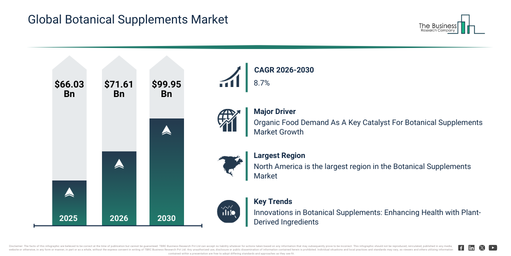
    The market for botanical supplements has experienced significant expansion over recent years. Valued at $66.03 billion in 2025, it is projected to reach $71.61 billion by 2026, reflecting a compound annual growth rate (CAGR) of 8.5%. This historic growth has been driven by several key factors, including the longstanding reliance on herbal medicine, heightened consumer interest in natural health solutions, the flourishing dietary supplement sector, a growing incidence of lifestyle-related health conditions, and the broadening reach of retail pharmacy outlets.

    The botanical supplements market is projected to experience strong expansion over the coming years, reaching $99.95 billion by 2030 with a compound annual growth rate (CAGR) of 8.7%. This anticipated growth during the forecast period is driven by a heightened emphasis on preventive and holistic health, a rising demand for plant-based nutrition, the expansion of e-commerce supplement sales, increased innovation in botanical formulations, and growing acceptance among younger consumers. Key trends shaping the forecast period include a growing consumer preference for natural and plant-based supplements, increased demand for immunity-boosting botanicals, the broader use of herbal supplements in preventive healthcare, the rising popularity of functional botanical blends, and a shift toward clean-label and organic formulations.

    Download A Free Sample Report For Comprehensive Market Insights:

    https://www.thebusinessresearchcompany.com/sample.aspx?id=5882&type=smp&utm_source=BlogsPR&utm_medium=Paid&utm_campaign=Jul_PR

    Botanical Supplements Market Expansion Supported By Key Demand Factors

    The rising consumer preference for organic food is anticipated to accelerate the expansion of the botanical supplements market in the foreseeable future. Organic food is defined as products cultivated through organic farming methods, which emphasize natural and sustainable techniques and exclude synthetic chemicals and artificial additives. Botanical supplements contribute by enhancing soil fertility, naturally managing pests and diseases, controlling weeds, improving nutrient absorption in organic crops, and minimizing environmental harm. For example, in April 2025, data released by the Organic Trade Association (OTA), a U.S.-based business organization representing the organic industry, showed that certified organic product sales in the United States increased by 5.2% in 2024—more than double the overall market growth rate of 2.5%—reaching a record $71.6 billion that year. Consequently, the growing demand for organic food is fueling the growth of the botanical supplements market.

    Botanical Supplements Market Segment Analysis And Revenue Opportunities

    The botanical supplements market covered in this report is segmented –

    1) By Source: Herbs, Leaves, Spices, Flowers, Other Sources

    2) By Form: Powder, Liquid, Tablets, Capsules, Gummies, Other Forms

    3) By Application: Energy And Weight Management, Bone And Joint Health, Gastrointestinal Health, Immunity, Cardiac Health, Diabetes, Anti-cancer, Other Applications

    4) By Distribution Channel: Hospital Pharmacies, Retail Pharmacies, Online Pharmacies

    Subsegments:

    1) By Herbs: Adaptogenic Herbs, Culinary Herbs

    2) By Leaves: Green Leaves, Tea Leaves

    3) By Spices: Common Spices, Exotic Spices

    4) By Flowers: Herbal Flowers, Edible Flowers

    5) By Other Sources: Roots, Fruits, Seeds

    Botanical Supplements Market Growth Trends Influencing Competitive Dynamics

    Major players in the botanical supplements sector are concentrating on creating novel offerings, like plant-based components, to amplify health advantages and satisfy the rising consumer appetite for natural therapies. Plant-based components refer to substances derived from plants that serve multiple uses, spanning nutritional, medicinal, or cosmetic fields. Such components may encompass extracts, oils, powders, and additional elements that utilize the advantageous traits of flora. As an example, in May 2024, a nutrition and supplement company based in Ireland introduced a botanical mixture intended to address multiple sclerosis (MS) symptoms, incorporating ingredients such as boswellic acid and curcuminoids, recognized for their anti-inflammatory qualities and possible cognitive advantages. This blend is designed to alleviate tiredness, assist regular muscle function, and sustain a balanced inflammatory response, thus improving overall health for those with MS.

    Botanical Supplements Market Leading Players Shaping Industry Direction

    Major companies operating in the botanical supplements market are Himalaya Drug Company, Archer Daniels Midland Company, Amway Corporation, Bio-Botanica Inc., Blackmores Limited, Gaia Herbs LLC, Glanbia Nutritionals, Herbalife Nutrition, Pharmavite LLC, Prinova Group, Ricola AG, The Nature’s Bounty Co., Banyan Botanicals LLC, Barlean’s Organic Oils LLC, BioSchwartz LLC, Garden of Life LLC, General Nutrition Centers Inc., Herb Pharm LLC, Himalaya Wellness Company, Irwin Naturals LLC, Jarrow Formulas Inc., Life Extension, MegaFood, Nature’s Answer Inc., Nature’s Bounty Co. Inc., Nature’s Way Brands LLC, New Chapter Inc., NOW Foods, Nutramax Laboratories Inc., Oregon’s Wild Harvest Inc., Organic India Private Limited

    Access The Complete Botanical Supplements Market Report:

    https://www.thebusinessresearchcompany.com/report/botanical-supplements-global-market-report?utm_source=BlogsPR&utm_medium=Paid&utm_campaign=Jul_PR

    Botanical Supplements Market Geographic Landscape: Which Region Dominates Industry Growth?

    North America was the largest region in the botanical supplements market in 2025. Asia-Pacific is expected to be the fastest-growing region in the forecast period. The regions covered in the botanical supplements market report are Asia-Pacific, South East Asia, Western Europe, Eastern Europe, North America, South America, Middle East, Africa.

    Get in touch with us:

    The Business Research Company: https://www.thebusinessresearchcompany.com/?utm_source=BlogsPR&utm_medium=Paid&utm_campaign=home_page_test

    Americas: +1 310-496-7795

    Asia: +44 7882 955267 & +91 8897263534

    Europe: +44 7882 955267

    Email us at: marketing@tbrc.info

    Follow us on:

    LinkedIn: https://in.linkedin.com/company/the-business-research-company

    YouTube: https://www.youtube.com/channel/UC24_fI0rV8cR5DxlCpgmyFQ

    Global Market Model: https://www.thebusinessresearchcompany.com/global-market-model
  • Bone Pain Treatment Market Expected To Reach $8.58 Billion By 2030 As Growth Accelerates At 7.2% CAGR

    Bone Pain Treatment Market Expected To Reach $8.58 Billion By 2030 As Growth Accelerates At 7.2% CAGR

    Through market attractiveness analysis, total addressable market evaluation, company benchmarking matrices, interactive Excel dashboards, expanded supply chain intelligence, emerging startup coverage, and detailed product insights, The Business Research Company’s 2026 market reports provide more actionable and strategically valuable research.

    Bone Pain Treatment Market Forecast: What Market Value Is Expected By 2030?

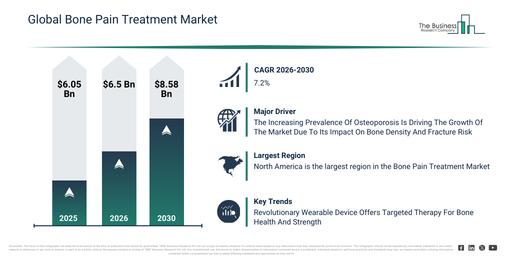
    The market for bone pain treatment has experienced robust expansion over the past few years, with projections indicating an increase from $6.05 billion in 2025 to $6.5 billion in 2026, reflecting a compound annual growth rate (CAGR) of 7.5%. This upward trajectory during the historic period has been driven by factors such as the prevalence of fractures, the spread of cancer to bone tissue, the use of opioids for managing pain, orthopedic care provided in hospitals, and the growing demographic of elderly individuals.

    Over the coming years, the bone pain treatment market is projected to undergo notable expansion. By 2030, its value is anticipated to reach $8.58 billion, reflecting a compound annual growth rate (CAGR) of 7.2%. This upward trajectory during the forecast period is driven by several key factors, including the regulation of opioids, the rising adoption of non-pharmacological treatment approaches, the broadening of oncology supportive care, the expansion of rehabilitation services, and a heightened emphasis on chronic pain management. Prominent trends shaping this period consist of the broader application of multimodal pain management strategies, the growing prominence of opioid-free pain therapies, the development of treatments specifically for cancer-related bone pain, the integration of physical and rehabilitative methods, and a shift toward more individualized pain care.

    Download A Free Sample Report For Comprehensive Market Insights:

    https://www.thebusinessresearchcompany.com/sample.aspx?id=24486&type=smp&utm_source=BlogsPR&utm_medium=Paid&utm_campaign=Jul_PR

    Bone Pain Treatment Market Growth Drivers And Industry Catalysts

    The growing occurrence of osteoporosis is anticipated to drive forward the expansion of the bone pain treatment market. This condition, marked by diminished bone density and strength, results in bones that become fragile and more susceptible to fractures. Its prevalence is increasing largely due to the aging global population, since bone density naturally declines with age, thereby elevating the likelihood of developing the disease. Management of bone pain through treatments aims to lessen discomfort and improve movement, which plays a key role in the overall handling of the condition and supports the preservation of bone health. As reported by the AO Foundation, a nonprofit organization based in Switzerland, in April 2023, osteoporotic fractures happen globally every three seconds, impacting approximately 8.9 million individuals each year. Within the United States, these injuries already impose an annual cost of around USD 14 billion on the healthcare system, and this financial strain is forecasted to more than double by 2025. As a result, the increasing frequency of osteoporosis is fueling the advancement of the bone pain treatment market.

    Bone Pain Treatment Market Segmentation And Category Breakdown

    The bone pain treatment market covered in this report is segmented –

    1) By Treatment Type: Pharmacological Treatments, Non-Pharmacological Treatments, Surgical Interventions

    2) By Drug Class: Analgesics, Antidepressants, Anticonvulsants, Corticosteroids

    3) By Indication: Injury, Infection, Tumors

    4) By Distribution Channel: Retail Pharmacies, Online Pharmacies

    5) By End-User: Hospitals, Clinics, Homecare Settings

    Subsegments:

    1) By Pharmacological Treatments: Nonsteroidal Anti-inflammatory Drugs (NSAIDs), Opioids, Corticosteroids, Anticonvulsants, Antidepressants

    2) By Non-Pharmacological Treatments: Physical Therapy, Acupuncture, Transcutaneous Electrical Nerve Stimulation

    3) By Surgical Interventions: Joint Replacement Surgery, Spinal Fusion, Vertebroplasty And Kyphoplasty, Tumor Resection, Debridement Surgery

    Bone Pain Treatment Market Trends Influencing Long-Term Demand

    Leading players in the bone pain treatment market are concentrating on creating advanced solutions, including prescription wearable devices, to provide focused pain relief. These medically approved gadgets, worn on the body, administer specific therapies like electrical stimulation or heat to alleviate bone pain by enhancing blood circulation, lowering inflammation, or interrupting pain signals. For example, in May 2025, Osteoboost Health Inc., a medical equipment manufacturer based in the US, launched Osteoboost, the first FDA-cleared wearable device intended for low bone density. This wearable belt delivers targeted, low-amplitude, high-frequency vibration therapy (20–40 Hz) to the spine and hips, designed to slow the loss of bone density and strength in postmenopausal women with osteopenia. Used for 30 minutes daily during routine activities, the device has been clinically shown to help reduce the decline in bone strength and volumetric bone density, with no significant adverse effects reported. Its design incorporates a motorized vibration pack, pressure sensor, and accelerometers to ensure safe and effective therapy administration.

    Bone Pain Treatment Market Competitive Analysis Of Major Industry Participants

    Major companies operating in the bone pain treatment market are AbbVie Inc., Hikma Pharmaceuticals PLC, Sun Pharmaceutical Industries Ltd., Cipla Ltd., Dr. Reddy’s Laboratories Ltd., Lupin Limited, Alkem Laboratories Ltd., Torrent Pharmaceuticals Ltd., Zydus Lifesciences Ltd., Glenmark Pharmaceuticals Ltd., Perrigo Company plc, Viatris Inc., Mallinckrodt Pharmaceuticals, Grünenthal GmbH, Indivior PLC, Pfizer Consumer Healthcare (Haleon), Kyowa Kirin Co. Ltd., Ferring Pharmaceuticals, Chiesi Farmaceutici S.p.A., Bausch Health Companies Inc., Takeda Pharmaceutical Company Limited, Otsuka Pharmaceutical Co. Ltd., Fresenius Kabi, Aurobindo Pharma Ltd., Intas Pharmaceuticals Ltd.

    Access The Complete Bone Pain Treatment Market Report:

    https://www.thebusinessresearchcompany.com/report/bone-pain-treatment-global-market-report?utm_source=BlogsPR&utm_medium=Paid&utm_campaign=Jul_PR

    Bone Pain Treatment Market Largest Region: Which Geography Holds The Highest Market Share?

    North America was the largest region in the bone pain treatment market in 2025. Asia-Pacific is expected to be the fastest-growing region in the forecast period. The regions covered in the bone pain treatment market report are Asia-Pacific, South East Asia, Western Europe, Eastern Europe, North America, South America, Middle East, Africa.

    Get in touch with us:

    The Business Research Company: https://www.thebusinessresearchcompany.com/?utm_source=BlogsPR&utm_medium=Paid&utm_campaign=home_page_test

    Americas: +1 310-496-7795

    Asia: +44 7882 955267 & +91 8897263534

    Europe: +44 7882 955267

    Email us at: marketing@tbrc.info

    Follow us on:

    LinkedIn: https://in.linkedin.com/company/the-business-research-company

    YouTube: https://www.youtube.com/channel/UC24_fI0rV8cR5DxlCpgmyFQ

    Global Market Model: https://www.thebusinessresearchcompany.com/global-market-model
  • Bone Marrow Transplantation Market Set To Grow From $12.72 Billion In 2026 To $15.95 Billion By 2030 At A CAGR Of 5.8%

    Bone Marrow Transplantation Market Set To Grow From $12.72 Billion In 2026 To $15.95 Billion By 2030 At A CAGR Of 5.8%

    Delivering more actionable and strategically valuable research, The Business Research Company’s 2026 market reports feature market attractiveness analysis, total addressable market evaluation, company benchmarking matrices, interactive Excel dashboards, expanded supply chain intelligence, emerging startup coverage, and detailed product insights.

    Bone Marrow Transplantation Market Size Outlook: How Fast Will Revenue Grow Through 2030?

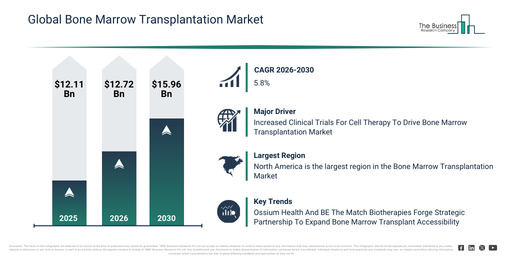
    The bone marrow transplantation market has seen robust expansion in recent years, with projections showing an increase from $12.11 billion in 2025 to $12.72 billion in 2026, reflecting a compound annual growth rate of 5.1%. This growth in the historic period can be linked to factors such as the rising incidence of leukemia and lymphoma, heightened awareness about bone marrow transplantation, improvements in transplantation methods, the development of hospital and clinical infrastructure, and the existence of donor registries.

    The bone marrow transplantation market is projected to experience significant expansion over the coming years, reaching an estimated $15.96 billion by 2030 with a compound annual growth rate (CAGR) of 5.8%. This anticipated growth during the forecast period is driven by factors such as the advancement of stem cell technologies, the incorporation of artificial intelligence into patient matching processes, the broadening of precision medicine approaches, the creation of enhanced supportive therapies for post-transplant care, and the improvement of healthcare infrastructure in emerging markets. Key developments shaping this period include the design of personalized conditioning regimens, the optimization of stem cell sources, innovations in post-transplant care, the enlargement and improvement of donor matching registries, and the refinement of minimally invasive harvesting techniques.

    Download A Free Sample Report For Comprehensive Market Insights:

    https://www.thebusinessresearchcompany.com/sample.aspx?id=10046&type=smp&utm_source=BlogsPR&utm_medium=Paid&utm_campaign=Jul_PR

    Bone Marrow Transplantation Market Opportunity Drivers: What Is Creating New Revenue Potential?

    The increasing number of clinical trials focused on cell therapy is anticipated to boost the market for bone marrow transplantation in the coming period. These trials encompass research studies conducted with human participants to assess the safety and effectiveness of employing living cells for treating diseases or medical conditions. Because bone marrow transplantation provides hematopoietic stem cells necessary for replacing damaged cells, treating blood disorders, and investigating novel cell-based treatments for a variety of illnesses, it is frequently used in such trials. For example, as reported by the Association of the British Pharmaceutical Industry, a trade association in the UK, in December 2024, the number of pharmaceutical industry trials started in the UK grew for the second year in a row, climbing from 411 in 2022 to 426 in 2023. Consequently, the expansion of clinical trials for cell therapy will fuel the bone marrow transplantation market.

    Bone Marrow Transplantation Market Segment Outlook: Which Categories Are Expanding The Fastest?

    The bone marrow transplantation market covered in this report is segmented –

    1) By Type: Autologous Bone Marrow Transplant, Allogenic Bone Marrow Transplant

    2) By Indication: Hodgkin Lymphoma, Acute Leukemia, Multiple Myelomas, Solid Tumors, Non-Hodgkin Lymphoma, Other Indications

    3) By End-Users: Hospitals, Multispecialty Clinics, Ambulatory Surgical Centers

    Subsegments:

    1) By Autologous Bone Marrow Transplant: Peripheral Blood Stem Cell Transplant, Bone Marrow Harvesting And Storage, Conditioning Regimens, Post-Transplant Care

    2) By Allogenic Bone Marrow Transplant: Matched Sibling Donor Transplant, Matched Unrelated Donor Transplant, Haploidentical Transplant, Cord Blood Transplant, Conditioning Regimens, Post-Transplant Care

    Bone Marrow Transplantation Market Innovation Trends Driving Future Development

    Leading firms within the bone marrow transplantation sector are increasingly utilizing strategic partnerships as a method to improve access to sophisticated technologies, expand available therapeutic choices, and deliver comprehensive transplant services. These alliances involve companies combining their respective strengths and assets to pursue shared advantages and accomplishments. A notable example occurred in August 2023, when Ossium Health, a bioengineering company headquartered in the United States, formed a collaboration with Be the Match BioTherapies, a US-based organization specializing in cell and gene therapy solutions. Through this agreement, the two entities intend to boost the accessibility of bone marrow transplants and enhance treatment effectiveness. This partnership substantially enhances Ossium’s ability to serve a greater number of patients, while simultaneously providing NMDP or Be The Match with an opportunity to offer an additional source of bone marrow to a wider group of individuals in need of critical treatments.

    Bone Marrow Transplantation Market Key Companies And Competitive Benchmarking

    Major companies operating in the bone marrow transplantation market are Merck Millipore Corporation, STEMCELL Technologies Inc., HemaCare Corporation, AllCells LLC, Lonza Group Ltd., Conversant Bio Company, Lifeline Cell Technology LLC, Mesoblast Ltd., PromoCell GmbH, ATCC Inc. (American Type Culture Collection), ReachBio LLC, Gamida Cell Ltd., Abbott Laboratories Inc., Allogene Therapeutics Inc., Amgen Inc., Angiocrine Biosciences Corp., Astellas Pharma Inc., Atara Biotherapeutics Inc., Bluebird Bio Inc., Cellectis S.A., Celyad SA, Erythrocyte Regeneration and Clinical Therapeutics Inc., Gammacell AB, Gilead Sciences Inc., Graphite Bio Inc., Incyte Corporation, Intellia Therapeutics Inc., Legend Biotech Corporation, Magenta Therapeutics Inc., Novartis AG

    Access The Complete Bone Marrow Transplantation Market Report:

    https://www.thebusinessresearchcompany.com/report/bone-marrow-transplantation-global-market-report?utm_source=BlogsPR&utm_medium=Paid&utm_campaign=Jul_PR

    Bone Marrow Transplantation Market Regional Analysis: Which Region Leads By Revenue?

    North America was the largest region in the bone marrow transplantation market in 2025. Asia-Pacific is expected to be the fastest-growing region in the global bone marrow transplantation market report forecast period. The regions covered in the bone marrow transplantation market report are Asia-Pacific, South East Asia, Western Europe, Eastern Europe, North America, South America, Middle East, Africa.

    Get in touch with us:

    The Business Research Company: https://www.thebusinessresearchcompany.com/?utm_source=BlogsPR&utm_medium=Paid&utm_campaign=home_page_test

    Americas: +1 310-496-7795

    Asia: +44 7882 955267 & +91 8897263534

    Europe: +44 7882 955267

    Email us at: marketing@tbrc.info

    Follow us on:

    LinkedIn: https://in.linkedin.com/company/the-business-research-company

    YouTube: https://www.youtube.com/channel/UC24_fI0rV8cR5DxlCpgmyFQ

    Global Market Model: https://www.thebusinessresearchcompany.com/global-market-model