Blog

  • Bone And Joint Health Supplements Market Opportunities Are Emerging Beyond Traditional Growth Areas

    Bone And Joint Health Supplements Market Opportunities Are Emerging Beyond Traditional Growth Areas

    Enhanced with market attractiveness analysis, total addressable market evaluation, company benchmarking matrices, interactive Excel dashboards, expanded supply chain intelligence, emerging startup coverage, and detailed product insights, The Business Research Company’s 2026 market reports deliver more actionable and strategically valuable research.

    Bone And Joint Health Supplements Market Size, Value And Growth Trends Through 2030

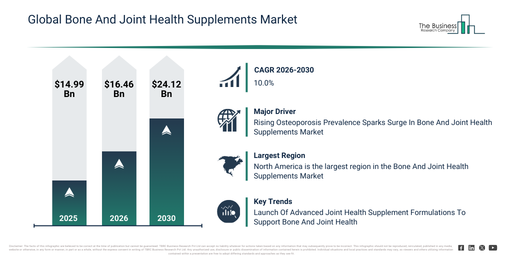
    The market for bone and joint health supplements has experienced notable expansion over recent years. Its value is projected to rise from $14.99 billion in 2025 to $16.46 billion in 2026, representing a compound annual growth rate (CAGR) of 9.8%. Several factors drove growth during the historical period, including a higher incidence of osteoporosis, a growing number of arthritis cases, increased public awareness regarding bone health, an aging demographic, and a rising demand for products fortified with calcium.

    The market for bone and joint health supplements is anticipated to experience rapid expansion over the coming years, with projections indicating it will reach $24.12 billion by 2030, achieving a compound annual growth rate (CAGR) of 10.0%. This forecasted growth is driven by advancements in supplement formulation technologies, the increasing influence of e-commerce platforms, a growing shift toward personalized nutrition, a rising demand for plant-based supplement options, and higher overall healthcare spending. Key emerging trends shaping this period include the development of tailored supplements for bone and joint health, a focus on plant-derived and herbal ingredients, products designed to combat joint inflammation, nutritional supplements formulated for specific age groups, and innovations that enhance ingredient bioavailability.

    Download A Free Sample Report For Comprehensive Market Insights:

    https://www.thebusinessresearchcompany.com/sample.aspx?id=8182&type=smp&utm_source=BlogsPR&utm_medium=Paid&utm_campaign=Jul_PR

    Bone And Joint Health Supplements Market Growth Momentum: Which Factors Are Influencing Demand?

    The rising occurrence of osteoporosis is anticipated to drive expansion in the bone and joint health supplements market moving forward. Individuals with low calcium intake face a higher risk of developing this condition. A lifelong shortage of calcium plays a contributing role in osteoporosis development. This disorder involves changes in bone quality or structure, as well as decreases in bone mass and bone mineral density. Bone and joint health supplements are formulated to slow bone loss and potentially enhance bone density, thereby reducing fracture risk. For example, in June 2025, the Royal Osteoporosis Society, a UK non-profit, reported that 3.5 million people in the UK are believed to have osteoporosis. This condition results in 500,000 broken bones annually across the UK, incurring costs exceeding £4.5 billion. Additionally, half of women and 20% of men over 50 will experience a bone fracture due to osteoporosis. Consequently, a growing prevalence of osteoporosis is set to boost the bone and joint health supplements market.

    Bone And Joint Health Supplements Market Segment Landscape: Which Areas Lead Market Development?

    The bone and joint health supplements market covered in this report is segmented –

    1) By Type: Vitamin D, Vitamin K, Calcium, Collagen, Omega-3 Fatty acids, Glucosamine-Chondroitin, Other Type

    2) By Form Type: Tablets, Capsules, Liquid, Powder, Other Forms

    3) By Application Type: Dietary Supplements, Functional Foods And Beverages, Other Application Types

    4) By Distribution Channel Type: Supermarkets Or Hypermarkets, Pharmacies, Health Stores, Convenience Stores, Internet Retailing, Other Distribution Channels

    Subsegments:

    1) By Vitamin D: Vitamin D2, Vitamin D3

    2) By Vitamin K: Vitamin K1, Vitamin K2

    3) By Calcium: Calcium Carbonate, Calcium Citrate

    4) By Collagen: Type I Collagen, Type II Collagen

    5) By Omega-3 Fatty Acids: EPA (Eicosapentaenoic Acid), DHA (Docosahexaenoic Acid)

    6) By Glucosamine-Chondroitin: Glucosamine Sulfate, Chondroitin Sulfate

    7) By Other Type: Herbal Supplements, Other Nutraceuticals

    Bone And Joint Health Supplements Market Trends Reshaping Industry Growth

    Key players in the bone and joint health supplements sector are concentrating on developing innovative technologies, such as undenatured type II collagen formulations, which are designed to enhance joint health, boost mobility, and slow down cartilage deterioration. Unlike hydrolyzed collagen, these formulations preserve collagen’s natural triple-helix structure and function through an “oral tolerance” mechanism—requiring small daily doses of around 40 mg—to regulate immune responses in the gut and thus minimize cartilage degradation in joints. A case in point is the April 2025 launch of Qualia Joint Health by Qualia Life Sciences, a US-based nutraceutical firm. This advanced supplement incorporates clinically validated components, such as native type II collagen, eggshell membrane, hyaluronic acid, glucosamine, and L-carnitine, which collectively foster cartilage production, joint lubrication, tendon strength, and healthy aging, all within a synergistic formula aimed at sustaining daily flexibility and joint endurance.

    Bone And Joint Health Supplements Market Industry Leaders And Market Competition

    Major companies operating in the bone and joint health supplements market are Nature’s Bounty Incorporated, The Procter & Gamble Company, Amway Corporation, BASF SE, Archer Daniels Midland Company, Reckitt Benckiser Group PLC, Pfizer Incorporated, Vita Life Sciences Limited, Glanbia PLC, Nutramax Laboratories Consumer Care Incorporated, Koninklijke DSM N.V., Xtend-Life Incorporated, Bergstrom Nutrition Incorporated, BioScience Nutrition Incorporated, Herbs Nutriproducts Private Limited, Arazo Nutrition Incorporated, Vitawin International Holdings Limited, Pure Encapsulations LLC, Abbott Laboratories Incorporated, NutriScience Innovations LLC, Optimum Nutrition Inc., Rainbow Light Nutritional Systems Inc., Schiff Nutrition International Inc., Solgar Vitamin and Herb Co. Inc., Source Naturals Inc., Sports Research Corporation, Swanson Health Products Inc., Twinlab Consolidation Corporation, USANA Health Sciences Inc., Vitacost.com Inc.

    Access The Complete Bone And Joint Health Supplements Market Report:

    https://www.thebusinessresearchcompany.com/report/bone-and-joint-health-supplements-global-market-report?utm_source=BlogsPR&utm_medium=Paid&utm_campaign=Jul_PR

    Bone And Joint Health Supplements Market Geographic Distribution And Regional Opportunities

    North America was the largest region in the bone and joint health supplements market in 2025. Asia-Pacific is expected to be the fastest-growing region in the forecast period. The regions covered in the bone and joint health supplements market report are Asia-Pacific, South East Asia, Western Europe, Eastern Europe, North America, South America, Middle East, Africa.

    Get in touch with us:

    The Business Research Company: https://www.thebusinessresearchcompany.com/?utm_source=BlogsPR&utm_medium=Paid&utm_campaign=home_page_test

    Americas: +1 310-496-7795

    Asia: +44 7882 955267 & +91 8897263534

    Europe: +44 7882 955267

    Email us at: marketing@tbrc.info

    Follow us on:

    LinkedIn: https://in.linkedin.com/company/the-business-research-company

    YouTube: https://www.youtube.com/channel/UC24_fI0rV8cR5DxlCpgmyFQ

    Global Market Model: https://www.thebusinessresearchcompany.com/global-market-model
  • Blood Cancer Drugs Market Expansion Is Opening New Pathways For Strategic Investment

    Blood Cancer Drugs Market Expansion Is Opening New Pathways For Strategic Investment

    Through market attractiveness analysis, total addressable market evaluation, company benchmarking matrices, interactive Excel dashboards, expanded supply chain intelligence, emerging startup coverage, and detailed product insights, The Business Research Company’s 2026 market reports provide more actionable and strategically valuable research.

    Blood Cancer Drugs Market CAGR Analysis And Future Market Development

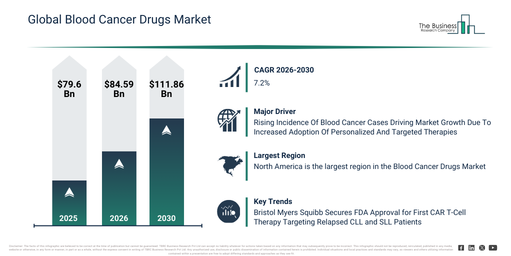
    The blood cancer drugs market has experienced significant expansion in recent years, with projections indicating an increase from $79.6 billion in 2025 to $84.59 billion in 2026, reflecting a compound annual growth rate (CAGR) of 6.3%. This historic growth has been driven by rising rates of leukemia and lymphoma, the continued use of chemotherapy, the growing number of oncology hospitals, the availability of monoclonal antibodies, and enhanced diagnostic techniques.

    The blood cancer drugs market is projected to experience robust expansion over the coming years, reaching an estimated $111.86 billion by 2030, with a compound annual growth rate (CAGR) of 7.2%. This anticipated growth during the forecast period is driven by advances in precision oncology, a heightened uptake of stem cell therapies, innovations in biologic treatments, increased healthcare spending, and the broadening of cancer screening initiatives. Key trends shaping this period include a greater reliance on targeted therapies for blood cancers, a broader application of immunotherapy for hematologic malignancies, the emergence of combination treatment strategies, a stronger emphasis on personalized cancer care, and consistently better survival rates among patients with blood cancers.

    Download A Free Sample Report For Comprehensive Market Insights:

    https://www.thebusinessresearchcompany.com/sample.aspx?id=2587&type=smp&utm_source=BlogsPR&utm_medium=Paid&utm_campaign=Jul_PR

    Blood Cancer Drugs Market Expansion Drivers: What Is Shaping Future Growth?

    The global rise in blood cancer case numbers is anticipated to propel the blood cancer drug market forward in the coming period. Blood cancers encompass a set of malignant disorders, including leukemia, lymphoma, and myeloma, which impact the blood and bone marrow, necessitating prolonged, specialized therapies such as chemotherapy, immunotherapy, targeted agents, and stem cell transplants. This uptick in disease prevalence stems from factors like aging demographics, genetic alterations, environmental exposures, and lifestyle-associated hazards. The escalating count of blood cancer diagnoses fuels a heightened demand for novel blood cancer medications that provide better survival rates, reduced adverse effects, enhanced patient well-being, and tailored treatment approaches. For example, in October 2025, Blood Cancer United, a US-based advocacy group focused on blood cancer information, reported that around 66,890 individuals were projected to be diagnosed with leukemia, with roughly 475,323 people living with or in remission from the condition in the United States, and about 23,540 fatalities anticipated from leukemia in 2025. Consequently, the rising global incidence of blood cancer cases is fostering expansion in the blood cancer drug market.

    Blood Cancer Drugs Market Segments: Where Are The Largest Growth Opportunities?

    The blood cancer drugs market covered in this report is segmented –

    1) By Blood Cancer Type: Leukemia, Lymphoma

    2) By Drugs: Rituxan Or Mabthera (Rituximab), Gleevec Or Glivec (Imatinib), Revlimid (Lenalidomide), Velcade (Bortezomib), Tasigna (Nilotinib), Pomalyst (Pomalidomide), Vidaza (Azacitidine), Kyprolis (Carfilzomib), Adcetris (Brentuximab Vedotin), Other Drugs

    3) By Treatment Approaches: Chemotherapeutic, MAbs/Targeted Therapies, Immunotherapeutic

    Subsegments:

    1) By Leukemia: Acute Lymphoblastic Leukemia (ALL), Chronic Lymphocytic Leukemia (CLL), Acute Myeloid Leukemia (AML), Chronic Myeloid Leukemia (CML), Other Types of Leukemia

    2) By Lymphoma: Hodgkin Lymphoma, Non-Hodgkin Lymphoma (NHL), Burkitt Lymphoma, Follicular Lymphoma, Mantle Cell Lymphoma, Other Types of Lymphoma

    Blood Cancer Drugs Market Strategic Trends: What Is Defining The Next Phase Of Growth?

    Major players in the blood cancer drugs market are intensifying efforts to develop novel therapeutics and secure FDA clearance as a strategic move to strengthen their market position. The FDA approval process grants formal permission from the U.S. Food and Drug Administration for a drug to be legally marketed and sold within the country. A notable example occurred in March 2024 when Bristol Myers Squibb, a U.S.-based pharmaceutical company, obtained FDA approval for its pioneering CAR T-cell therapy intended for adults with relapsed or refractory chronic lymphocytic leukemia (CLL) or small lymphocytic lymphoma (SLL). This accelerated approval permits its use in patients who have undergone at least two prior lines of therapy, including a Bruton tyrosine kinase inhibitor and a B-cell lymphoma 2 inhibitor. Data from the TRANSCEND CLL 004 trial revealed that Breyanzi achieved a complete response rate of 20% and a median response duration of 35.3 months among those who responded.

    Blood Cancer Drugs Market Major Participants And Competitive Dynamics

    Major companies operating in the blood cancer drugs market are Amgen Inc., AstraZeneca PLC, Bayer AG, Eli Lilly and Company Inc., Johnson & Johnson, Novartis AG, Pfizer Inc., AbbVie Inc., Takeda Pharmaceutical Company Limited, F. Hoffmann-La Roche Ltd., Bristol-Myers Squibb Company, Astellas Pharma Inc., Merck & Co. Inc., Gilead Sciences Inc., Sanofi S.A., Eisai Co. Ltd., Jazz Pharmaceuticals plc, Kyowa Kirin Co. Ltd., Menarini Group, Millennium Pharmaceuticals Inc., Mundipharma International Limited, Mylan N.V., Ono Pharmaceutical Co. Ltd., Otsuka Pharmaceutical Co. Ltd., Pharmacyclics LLC, Seattle Genetics Inc., Servier Laboratories, Shire plc, Spectrum Pharmaceuticals Inc., Taiho Pharmaceutical Co. Ltd., Teva Pharmaceutical Industries Ltd., Tolero Pharmaceuticals Inc., UCB S.A.

    Access The Complete Blood Cancer Drugs Market Report:

    https://www.thebusinessresearchcompany.com/report/blood-cancer-drugs-global-market-report?utm_source=BlogsPR&utm_medium=Paid&utm_campaign=Jul_PR

    Blood Cancer Drugs Market Largest Region By Revenue And Market Share

    North America was the largest region in the blood cancer drugs market in 2025. Middle East is expected to be the fastest-growing region in the blood cancer drugs market during the forecast period. The regions covered in the blood cancer drugs market report are Asia-Pacific, South East Asia, Western Europe, Eastern Europe, North America, South America, Middle East, Africa.

    Get in touch with us:

    The Business Research Company: https://www.thebusinessresearchcompany.com/?utm_source=BlogsPR&utm_medium=Paid&utm_campaign=home_page_test

    Americas: +1 310-496-7795

    Asia: +44 7882 955267 & +91 8897263534

    Europe: +44 7882 955267

    Email us at: marketing@tbrc.info

    Follow us on:

    LinkedIn: https://in.linkedin.com/company/the-business-research-company

    YouTube: https://www.youtube.com/channel/UC24_fI0rV8cR5DxlCpgmyFQ

    Global Market Model: https://www.thebusinessresearchcompany.com/global-market-model
  • Blood Based Biomarkers Market Trends Are Creating New Opportunities For Industry Leaders

    Blood Based Biomarkers Market Trends Are Creating New Opportunities For Industry Leaders

    Delivering more actionable and strategically valuable research, The Business Research Company’s 2026 market reports feature market attractiveness analysis, total addressable market evaluation, company benchmarking matrices, interactive Excel dashboards, expanded supply chain intelligence, emerging startup coverage, and detailed product insights.

    Blood Based Biomarkers Market Expansion From $28.93 Billion In 2026 To $45.5 Billion In 2030

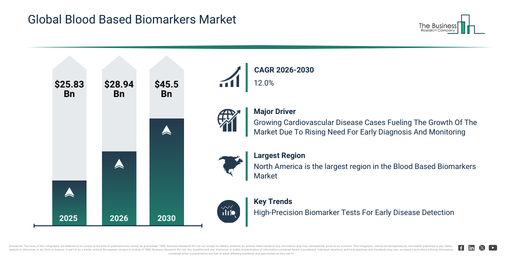
    The blood-based biomarkers market has experienced swift expansion in recent years. Its projected value is set to rise from $25.83 billion in 2025 to $28.94 billion in 2026, reflecting a compound annual growth rate (CAGR) of 12.0%. Historical growth can be traced to developments in molecular diagnostics, the implementation of cancer screening initiatives, validation efforts for biomarkers, improvements in hospital diagnostic facilities, and an uptick in research funding.

    The blood based biomarkers market is anticipated to experience swift expansion in the years ahead, reaching a value of $45.5 billion by 2030 with a compound annual growth rate (CAGR) of 12.0%. This predicted growth in the forecast period is driven by factors such as the expansion of liquid biopsy, the application of AI-powered analytics for biomarkers, the rising need for chronic disease monitoring, the increasing adoption of personalized medicine, and the growth of point-of-care testing. Key trends shaping this forecast period include a greater acceptance of non-invasive diagnostic methods, an extension of precision oncology uses, heightened utilization for early disease identification, growing demand for customized treatment surveillance, and the integration with clinical decision support systems.

    Download A Free Sample Report For Comprehensive Market Insights:

    https://www.thebusinessresearchcompany.com/sample.aspx?id=24176&type=smp&utm_source=BlogsPR&utm_medium=Paid&utm_campaign=Jul_PR

    Blood Based Biomarkers Market Development Factors: Which Trends Are Supporting Demand?

    The anticipated expansion of the blood-based biomarkers market is being driven by the rising prevalence of cardiovascular diseases. These diseases encompass a range of disorders that impact the heart and blood vessels, such as coronary artery disease, heart failure, and stroke. Their increasing occurrence is largely linked to heightened risk factors, including poor dietary habits and growing obesity rates. Through the analysis of measurable substances in the blood, blood-based biomarkers facilitate the diagnosis and monitoring of cardiovascular conditions by offering critical information on disease progression, risk evaluation, and treatment effectiveness. For example, in September 2024, the National Center for Biotechnology Information, a US-based government agency, announced a global health research initiative. This initiative projected a 90% surge in cardiovascular disease rates from 2025 to 2050, with cardiovascular deaths anticipated to hit 35.6 million by 2050. Consequently, the increasing number of cardiovascular disease cases is fueling the growth of the blood-based biomarkers market.

    Blood Based Biomarkers Market Segment Analysis: What Are The Major Market Categories?

    The blood based biomarkers market covered in this report is segmented –

    1) By Type: Genetic Biomarkers, Protein Biomarkers, Metabolic Biomarkers, Cell-Based Biomarkers, Epigenetic Biomarkers

    2) By Technology: Next-Generation Sequencing, Polymerase Chain Reaction, Immunoassays, Mass Spectrometry, Other Technologies

    3) By Application: Cancer, Cardiovascular Diseases, Neurological Diseases, Immunological Diseases, Other Applications

    4) By End Users: Hospitals And Clinics, Diagnostic Laboratories, Research And Academic Institutes, Other End Users

    Subsegments:

    1) By Genetic Biomarkers: Deoxyribonucleic Acid (DNA) Mutations, Ribonucleic Acid (RNA) Expression Profiles, Single Nucleotide Polymorphisms (SNPs), Copy Number Variations (CNVs), Gene Fusions

    2) By Protein Biomarkers: Enzymes, Hormones, Cytokines, Tumor Markers, Acute Phase Proteins

    3) By Metabolic Biomarkers: Lipid Profiles, Amino Acid Levels, Glucose And Lactate Levels, Organic Acids, Metabolite Panels

    4) By Cell-Based Biomarkers: Circulating Tumor Cells (CTCs), Immune Cell Profiling, Stem Cells, Platelets, Endothelial Cells

    5) By Epigenetic Biomarkers: Deoxyribonucleic Acid (DNA) Methylation Patterns, Histone Modifications, Non-Coding Ribonucleic Acid (RNA), Chromatin Accessibility, Epigenetic Enzyme Activity

    Blood Based Biomarkers Market Transformation Trends: Which Innovations Are Driving Change?

    Key players in the blood-based biomarkers market are prioritizing technological innovation, specifically the development of highly precise blood biomarker tests that assist doctors in diagnosing Alzheimer’s disease. These high-accuracy tests rely on specific blood-based biomarkers to detect diseases or track health conditions with exceptional precision and dependability. In October 2023, Quanterix, a life sciences firm headquartered in the United States, introduced LucentAD p-Tau 217, a high-accuracy blood biomarker test designed to support physicians in diagnosing Alzheimer’s disease in adults experiencing cognitive decline. The test analyzes phosphorylated tau protein at threonine 217, a biomarker strongly linked to Alzheimer’s pathology, especially amyloid accumulation in the brain. With an accuracy rate exceeding 90%, the LucentAD p-Tau 217 test meets rigorous diagnostic standards and is meant to complement other diagnostic methods, not replace them.

    Blood Based Biomarkers Market Leading Companies Driving Competitive Growth

    Major companies operating in the blood based biomarkers market are Siemens Healthineers AG, Agilent Technologies Inc, Eisai Co Ltd, Sysmex Corporation, Exact Sciences Corporation, Guardant Health, Quanterix Corporation, Illumina Inc, QIAGEN NV, GENFIT, Foundation Medicine Inc, Adaptive Biotechnologies Corporation, GRAIL LLC, Biodesix Inc, Cleveland Diagnostics Inc, Creative Diagnostics, Epigenomics AG, C2N Diagnostics, Diadem srl, Proteomedix AG

    Access The Complete Blood Based Biomarkers Market Report:

    https://www.thebusinessresearchcompany.com/report/blood-based-biomarkers-global-market-report?utm_source=BlogsPR&utm_medium=Paid&utm_campaign=Jul_PR

    Blood Based Biomarkers Market Regional Analysis And Leading Geography

    North America was the largest region in the blood-based biomarkers market in 2025. Asia-Pacific is expected to be the fastest-growing region in the forecast period. The regions covered in the blood based biomarkers market report are Asia-Pacific, South East Asia, Western Europe, Eastern Europe, North America, South America, Middle East, Africa.

    Get in touch with us:

    The Business Research Company: https://www.thebusinessresearchcompany.com/?utm_source=BlogsPR&utm_medium=Paid&utm_campaign=home_page_test

    Americas: +1 310-496-7795

    Asia: +44 7882 955267 & +91 8897263534

    Europe: +44 7882 955267

    Email us at: marketing@tbrc.info

    Follow us on:

    LinkedIn: https://in.linkedin.com/company/the-business-research-company

    YouTube: https://www.youtube.com/channel/UC24_fI0rV8cR5DxlCpgmyFQ

    Global Market Model: https://www.thebusinessresearchcompany.com/global-market-model
  • Blepharitis Market Growth Is Reshaping Competitive Advantage Across The Industry

    Blepharitis Market Growth Is Reshaping Competitive Advantage Across The Industry

    Enhanced with market attractiveness analysis, total addressable market evaluation, company benchmarking matrices, interactive Excel dashboards, expanded supply chain intelligence, emerging startup coverage, and detailed product insights, The Business Research Company’s 2026 market reports deliver more actionable and strategically valuable research.

    Blepharitis Market Forecast Highlighting Growth From $1.09 Billion To $1.72 Billion

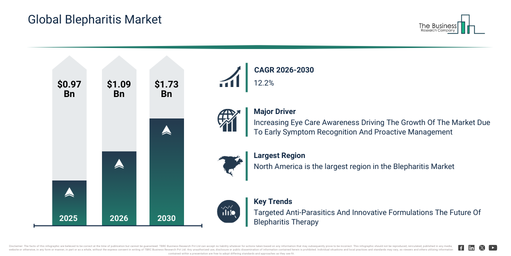
    The blepharitis market has seen swift expansion over the last few years. Its value is expected to climb from $0.97 billion in 2025 to $1.09 billion in 2026, reflecting a compound annual growth rate (CAGR) of 12.5%. This historical growth has been driven by factors such as inadequate eyelid hygiene, bacterial infections, visits to ophthalmology clinics, an aging demographic, and ongoing eye irritation.

    The blepharitis market is projected to experience rapid expansion in the coming years, reaching $1.73 billion by 2030 with a compound annual growth rate (CAGR) of 12.2%. This anticipated growth during the forecast period is driven by rising screen time, digital eye strain, growing awareness of preventive eye care, management of chronic conditions, and expansion of outpatient ophthalmology services. Key developments shaping this period include enhanced recognition of chronic ocular disorders, increased availability of lid hygiene and eye cleanser products, higher diagnosis rates of meibomian gland dysfunction, more emphasis on sustained symptom control, and a shift toward non-invasive therapeutic approaches.

    Download A Free Sample Report For Comprehensive Market Insights:

    https://www.thebusinessresearchcompany.com/sample.aspx?id=24484&type=smp&utm_source=BlogsPR&utm_medium=Paid&utm_campaign=Jul_PR

    Blepharitis Market Industry Drivers: What Is Driving Revenue Growth?

    The rising focus on eye health is anticipated to boost the blepharitis market in the coming period. Eye health encompasses various services, treatments, and practices designed to preserve and enhance vision and overall ocular well-being. A heightened understanding of eye care is essential, given that good vision plays a key role in a person’s independence, education, productivity, and quality of life, with uncorrected vision issues interfering with daily routines, school performance, and work efficiency. By facilitating early detection of symptoms, encouraging consistent eyelid cleanliness, and aiding in the prevention of complications like dry eye and styes through appropriate and timely intervention, blepharitis management becomes an integral part of effective eye care. As an example, a report from the Association of Optometrists (AOP), a UK-based organization, indicated in October 2024 that the number of individuals in the UK experiencing sight loss is expected to reach around 2.8 million by 2035, reflecting a 27% rise from 2022. Consequently, the growing awareness of eye care is fueling expansion in the blepharitis market.

    Blepharitis Market Segment Breakdown: Which Categories Generate The Most Revenue?

    The blepharitis market covered in this report is segmented –

    1) By Type: Anterior Blepharitis, Posterior Blepharitis, Mixed Blepharitis

    2) By Treatment: Eye Cleansers, Artificial Tears, Antibiotic Therapy

    3) By Diagnosis: Physical Examination, Comprehensive Eye Examination, Other Diagnosis

    4) By Application: Acute Blepharitis Management, Chronic Blepharitis Long-Term Care, Bacterial Blepharitis Treatment

    Subsegments:

    1) By Anterior Blepharitis: Staphylococcal Blepharitis, Seborrheic Blepharitis

    2) By Posterior Blepharitis: Meibomian Gland Dysfunction (MGD), Rosacea-Associated Blepharitis

    3) By Mixed Blepharitis: Combination Of Anterior And Posterior Features, Chronic Mixed Blepharitis

    Blepharitis Market Growth Trends: What Is Influencing The Future Outlook?

    Major players in the blepharitis sector are intensifying their efforts to create novel therapeutic approaches, including targeted antiparasitic drugs and cutting-edge ophthalmic formulations, as a strategy to secure a competitive advantage. Advanced ophthalmic formulations represent state-of-the-art drug delivery systems and compositions crafted to enhance treatment efficacy, safety, and patient comfort for eye disorders. As an example, in July 2023, Tarsus Pharmaceuticals Inc., a biopharmaceutical firm based in the United States, received approval for XDEMVY (lotilaner ophthalmic solution) 0.25% to address Demodex blepharitis. Previously designated as TP-03, XDEMVY is the inaugural FDA-approved therapy that specifically targets Demodex mites, which are the primary cause of Demodex blepharitis. Its endorsement was grounded in robust clinical data derived from two essential trials—Saturn-1 and Saturn-2—that included 833 participants. In these studies, the drug demonstrated notable symptom alleviation and a superior rate of complete collarette resolution relative to a placebo. The prescribed usage is one drop in each eye twice daily over a six-week period. XDEMVY is typically well tolerated, with most reported adverse effects involving mild stinging or burning upon application.

    Blepharitis Market Key Players And Strategic Industry Positioning

    Major companies operating in the blepharitis market are OcuSept Ltd., Alcon Inc., Théa Pharmaceuticals Ltd., Bausch Health Companies Inc., Tarsus Pharmaceuticals Inc., URSAPHARM Arzneimittel GmbH, Scope Ophthalmic Ltd., Santen Pharmaceutical Co. Ltd., NovaBay Pharmaceuticals Inc., Harrow Inc., MiBo Medical Group, Nicox SA, Visufarma S.p.A., OCuSOFT Inc., Lumenis Ltd., Bruder Healthcare Company, I-MED Pharma Inc., KALA Pharmaceuticals Inc., Aerie Pharmaceuticals Inc., Oyster Point Pharma Inc., Dompé Farmaceutici S.p.A., Laboratoires Théa S.A., Ophtecs Corporation, Sentiss Pharma Pvt. Ltd., Ajanta Pharma Ltd.

    Access The Complete Blepharitis Market Report:

    https://www.thebusinessresearchcompany.com/report/blepharitis-global-market-report?utm_source=BlogsPR&utm_medium=Paid&utm_campaign=Jul_PR

    Blepharitis Market Geographic Analysis: Where Is Demand Growing The Fastest?

    North America was the largest region in the blepharitis market in 2025. Asia-Pacific is expected to be the fastest-growing region in the forecast period. The regions covered in the blepharitis market report are Asia-Pacific, South East Asia, Western Europe, Eastern Europe, North America, South America, Middle East, Africa.

    Get in touch with us:

    The Business Research Company: https://www.thebusinessresearchcompany.com/?utm_source=BlogsPR&utm_medium=Paid&utm_campaign=home_page_test

    Americas: +1 310-496-7795

    Asia: +44 7882 955267 & +91 8897263534

    Europe: +44 7882 955267

    Email us at: marketing@tbrc.info

    Follow us on:

    LinkedIn: https://in.linkedin.com/company/the-business-research-company

    YouTube: https://www.youtube.com/channel/UC24_fI0rV8cR5DxlCpgmyFQ

    Global Market Model: https://www.thebusinessresearchcompany.com/global-market-model
  • Bladder Cancer Drugs Market Forecast Signals New Revenue Opportunities Through 2030

    Bladder Cancer Drugs Market Forecast Signals New Revenue Opportunities Through 2030

    Through market attractiveness analysis, total addressable market evaluation, company benchmarking matrices, interactive Excel dashboards, expanded supply chain intelligence, emerging startup coverage, and detailed product insights, The Business Research Company’s 2026 market reports provide more actionable and strategically valuable research.

    Bladder Cancer Drugs Market Revenue Growth Supported By A CAGR Of 8.89% Through 2030

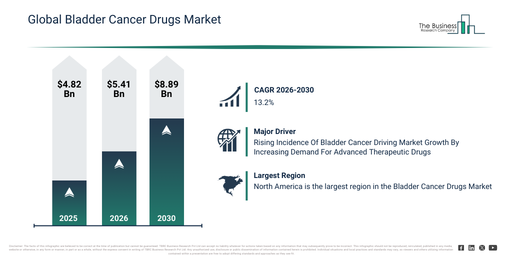
    In recent years, the bladder cancer drugs market has seen swift expansion. It is anticipated to climb from $4.82 billion in 2025 to $5.41 billion in 2026, achieving a compound annual growth rate (CAGR) of 12.2%. This historical growth has been driven by a rise in bladder cancer incidence, well-established chemotherapy regimens, hospital-based oncology care, the application of BCG therapy, and enhancements in cancer diagnosis rates.

    The market for bladder cancer drugs is projected to experience significant expansion in the coming years. It is forecasted to reach $8.89 billion by 2030, progressing at a compound annual growth rate (CAGR) of 13.2%. This anticipated growth during the forecast period is driven by several key factors, including advancements in personalized oncology, innovations within immuno-oncology, the improvement of healthcare infrastructure, the rise of cancer screening initiatives, and a growing preference for minimally invasive treatment options. Among the notable developments shaping this period are the increasing integration of immunotherapy drugs, the wider application of targeted therapies specific to bladder cancer, the broadening scope of intravesical treatments, a heightened emphasis on addressing cancer at early stages, and the ongoing creation of combination therapeutic regimens.

    Download A Free Sample Report For Comprehensive Market Insights:

    https://www.thebusinessresearchcompany.com/sample.aspx?id=2586&type=smp&utm_source=BlogsPR&utm_medium=Paid&utm_campaign=Jul_PR

    #Bladder Cancer Drugs Market Growth Factors: Which Forces Are Supporting Market Expansion?

    The anticipated rise in bladder cancer cases is set to boost the demand for bladder cancer drugs in the future. Bladder cancer, a malignant disease, requires prompt diagnosis and effective management to address tumor growth, recurrence, and spread. Higher incidence rates are largely attributed to aging populations and cumulative environmental factors, including tobacco use and workplace carcinogens. This increasing disease burden fuels the expansion of the bladder cancer drug market by creating a greater need for advanced therapies that enhance survival rates, lower recurrence risks, and deliver personalized care. For example, in June 2023, the American Cancer Society, a US-based nonprofit focused on cancer elimination, reported an estimated 82,290 new bladder cancer cases in the United States for 2023, broken down into 62,420 cases among men and 19,870 among women. Consequently, the rising prevalence of bladder cancer is propelling the growth of the bladder cancer drugs market.

    The expansion of the pharmaceutical industry is expected to drive the bladder cancer drugs market forward. This sector encompasses the discovery, development, and manufacturing of drugs and medicines by public and private organizations. Growth in the pharmaceutical industry is driven by heightened investment in oncology research, increased production capacity, and a global surge in demand for cutting-edge treatment options. A stronger pharmaceutical sector supports the advancement of bladder cancer drugs by encouraging research, development, and investment in novel therapies, thereby improving outcomes for patients through access to a wider array of effective and targeted treatments. As an example, in April 2025, Eurostat, the statistical office of the EU based in Luxembourg, noted that compared to 2023, imports of medicinal and pharmaceutical products rose by 0.5 percent in 2024, while exports climbed by 13.5 percent, boosting the trade surplus from $210 billion (€157 billion) to $260 billion (€194 billion). Thus, the ongoing growth of the pharmaceutical industry is accelerating the bladder cancer drugs market.

    Bladder Cancer Drugs Market Segmentation: How Is The Market Structured Across Key Categories?

    The bladder cancer drugs market covered in this report is segmented –

    1) By Type: Non-Muscle-Invasive Bladder Cancer, Muscle-Invasive Bladder Cancer

    2) By Application: Low-Grade Tumors, High-Grade Tumors

    3) By Distribution Channel: Hospital Pharmacy, Retail Pharmacy, Other Distribution Channels

    Subsegments:

    1) By Non-Muscle-Invasive Bladder Cancer: Intravesical Therapy, Immunotherapy Drugs, Chemotherapy Drugs, Bacillus Calmette–Guérin (BCG) Therapy

    2) By Muscle-Invasive Bladder Cancer: Chemotherapy Drugs, Immunotherapy Drugs, Targeted Therapy Drugs, Neoadjuvant and Adjuvant Therapy

    Bladder Cancer Drugs Market Competitive Landscape And Leading Companies

    Major companies operating in the bladder cancer drugs market are Eli Lilly and Company, Bristol-Myers Squibb Company, Pfizer Inc., Celgene Corporation (a subsidiary of Bristol-Myers Squibb Company), AstraZeneca PLC, Sanofi S.A., F. Hoffmann-La Roche Ltd., Novartis International AG, Johnson & Johnson, Merck & Co. Inc., Boehringer Ingelheim International GmbH, Bayer AG, Asieris Pharmaceuticals Co. Ltd., Asana BioSciences LLC, Array BioPharma Inc., Amgen Inc., Adaptimmune Therapeutics plc, UroGen Pharma Ltd., Seagen Inc., Incyte Corporation, AbbVie Inc., Eisai Co. Ltd., Ipsen S.A., Janssen Pharmaceutica NV, Kyowa Kirin Co. Ltd., Ono Pharmaceutical Co. Ltd., Pierre Fabre S.A., Taiho Pharmaceutical Co. Ltd.

    Access The Complete Bladder Cancer Drugs Market Report:

    https://www.thebusinessresearchcompany.com/report/bladder-cancer-drugs-global-market-report?utm_source=BlogsPR&utm_medium=Paid&utm_campaign=Jul_PR

    Bladder Cancer Drugs Market Global Footprint: Which Region Holds Market Leadership?

    North America was the largest region in the bladder cancer drugs market in 2025. The Middle East is expected to be the fastest-growing region in the bladder cancer drugs market during the forecast period. The regions covered in the bladder cancer drugs market report are Asia-Pacific, South East Asia, Western Europe, Eastern Europe, North America, South America, Middle East, Africa.

    Get in touch with us:

    The Business Research Company: https://www.thebusinessresearchcompany.com/?utm_source=BlogsPR&utm_medium=Paid&utm_campaign=home_page_test

    Americas: +1 310-496-7795

    Asia: +44 7882 955267 & +91 8897263534

    Europe: +44 7882 955267

    Email us at: marketing@tbrc.info

    Follow us on:

    LinkedIn: https://in.linkedin.com/company/the-business-research-company

    YouTube: https://www.youtube.com/channel/UC24_fI0rV8cR5DxlCpgmyFQ

    Global Market Model: https://www.thebusinessresearchcompany.com/global-market-model
  • Bisphosphonates Market Growth Is Accelerating As Industry Transformation Continues

    Bisphosphonates Market Growth Is Accelerating As Industry Transformation Continues

    Delivering more actionable and strategically valuable research, The Business Research Company’s 2026 market reports feature market attractiveness analysis, total addressable market evaluation, company benchmarking matrices, interactive Excel dashboards, expanded supply chain intelligence, emerging startup coverage, and detailed product insights.

    Bisphosphonates Market Value Expansion And Long-Term Growth Outlook

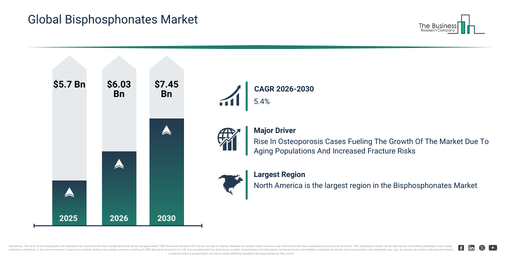
    The bisphosphonates market has experienced robust expansion over the past few years. Between 2025 and 2026, its value is projected to rise from $5.7 billion to $6.03 billion, reflecting a compound annual growth rate (CAGR) of 5.8%. This historical growth has been driven by an increasing elderly demographic, widespread occurrence of postmenopausal osteoporosis, routine bone density evaluations conducted by physicians, management of osteoporosis within hospital settings, and the uptake of injectable bisphosphonate treatments.

    The projected value of the bisphosphonates market indicates notable expansion over the coming years, reaching $7.45 billion by 2030 with a compound annual growth rate (CAGR) of 5.4%. This upward trend during the forecast period is driven by factors such as the growing elderly demographic, a shift toward home-based osteoporosis management, a preference for long-acting formulations, heightened awareness of bone health, and the rising availability of generic medications. Key developments shaping the market include increasing demand for osteoporosis therapies, wider adoption of long-acting injectable options, broader market penetration of generic bisphosphonate drugs, a stronger emphasis on preventing fractures, and the integration of combination therapies targeting bone health.

    Download A Free Sample Report For Comprehensive Market Insights:

    https://www.thebusinessresearchcompany.com/sample.aspx?id=24483&type=smp&utm_source=BlogsPR&utm_medium=Paid&utm_campaign=Jul_PR

    Bisphosphonates Market Demand Drivers: What Is Fueling Industry Growth?

    The growing incidence of osteoporosis is anticipated to drive expansion within the bisphosphonates market in the near future. Osteoporosis is defined as a medical state in which bones become weakened, fragile, and more susceptible to fractures. This condition is becoming more widespread largely because of the aging global population, given that bone density naturally declines with age, further exacerbated by lifestyle choices and a lack of adequate preventive measures. By decelerating the process of bone resorption, bisphosphonates serve to fortify bones and diminish fracture risk, offering an effective treatment for osteoporosis. For example, data from Healthy Bones Australia, a research and advocacy organization focused on bone health based in Australia, indicated in August 2024 that there were an estimated 193,482 osteoporosis and osteopenia-related fractures in 2023, with projections suggesting a 34% increase to 237,632 fractures by 2033. Consequently, the escalating prevalence of osteoporosis is fueling the expansion of the bisphosphonates market.

    The heightened focus on research initiatives and clinical trials is expected to accelerate the progress of the bisphosphonates market moving ahead. Clinical trials involve systematic studies with human subjects aimed at assessing the safety, effectiveness, and possible adverse effects of novel treatments, pharmaceuticals, or medical devices. The uptick in such research and clinical experiments is mainly spurred by a growing need for innovative therapies to meet shifting healthcare demands and enhance patient outcomes. When clinical studies and trials specifically involve bisphosphonates, they contribute to the progression of bone health therapies by thoroughly examining their effectiveness, safety profile, and long-term consequences in managing and halting disorders like osteoporosis and bone metastases. As reported by the Association of the British Pharmaceutical Industry (ABPI), a UK-based trade organization, the number of industry-led clinical trials in the United Kingdom increased from 411 in 2022 to 426 in 2023 as of December 2024. Thus, the surge in research activities and clinical trials is poised to propel the bisphosphonates market forward.

    Bisphosphonates Market Segmentation Trends And Revenue Drivers

    The bisphosphonates market covered in this report is segmented –

    1) By Type: Alendronate, Ibandronate, Risedronate, Zoledronic Acid

    2) By Route Of Administration: Oral, Intravenous

    3) By Distribution Channel: Hospital Pharmacies, Retail Pharmacies, Online Pharmacies, Other Distribution Channels

    4) By Application: Osteoporosis, Paget’s Disease, Bone Metastasis, Other Application

    5) By End-User: Hospitals, Clinics, Homecare Settings, Pharmaceutical Retail

    Subsegments:

    1) By Alendronate: Oral Tablets, Once-Weekly Formulation, Combination With Vitamin D, Generic Alendronate

    2) By Ibandronate: Oral Tablets, Monthly Oral Formulation, Intravenous Injection, Generic Ibandronate

    3) By Risedronate: Immediate-Release Tablets, Delayed-Release Tablets, Weekly And Monthly Dosing, Combination With Calcium

    4) By Zoledronic Acid: Intravenous Infusion, Annual Dosing, Oncology Use, Osteoporosis Use, Generic Zoledronic Acid

    Bisphosphonates Market Industry Leaders: Which Organizations Are Driving Competition?

    Major companies operating in the bisphosphonates market are Merck & Co. Inc., Novartis AG, Teva Pharmaceutical Industries Ltd., Sun Pharmaceutical Industries Ltd., Apotex Inc., Aurobindo Pharma Ltd., Dr. Reddy’s Laboratories Ltd., Cipla Ltd., Alkem Laboratories, Strides Pharma Science Limited, GSK plc, Viatris Inc., Sandoz, Lupin Limited, Zydus Lifesciences Ltd., Torrent Pharmaceuticals Ltd., Glenmark Pharmaceuticals Ltd., Hikma Pharmaceuticals PLC, Fresenius Kabi, Alembic Pharmaceuticals Ltd.

    Access The Complete Bisphosphonates Market Report:

    https://www.thebusinessresearchcompany.com/report/bisphosphonates-global-market-report?utm_source=BlogsPR&utm_medium=Paid&utm_campaign=Jul_PR

    Bisphosphonates Market Regional Distribution: Which Areas Drive Market Expansion?

    North America was the largest region in the bisphosphonates market in 2025. Asia-Pacific is expected to be the fastest-growing region in the forecast period. The regions covered in the bisphosphonates market report are Asia-Pacific, South East Asia, Western Europe, Eastern Europe, North America, South America, Middle East, Africa.

    Get in touch with us:

    The Business Research Company: https://www.thebusinessresearchcompany.com/?utm_source=BlogsPR&utm_medium=Paid&utm_campaign=home_page_test

    Americas: +1 310-496-7795

    Asia: +44 7882 955267 & +91 8897263534

    Europe: +44 7882 955267

    Email us at: marketing@tbrc.info

    Follow us on:

    LinkedIn: https://in.linkedin.com/company/the-business-research-company

    YouTube: https://www.youtube.com/channel/UC24_fI0rV8cR5DxlCpgmyFQ

    Global Market Model: https://www.thebusinessresearchcompany.com/global-market-model
  • Bisphosphonate Drug Market Outlook Highlights The Next Major Growth Opportunities

    Bisphosphonate Drug Market Outlook Highlights The Next Major Growth Opportunities

    Enhanced with market attractiveness analysis, total addressable market evaluation, company benchmarking matrices, interactive Excel dashboards, expanded supply chain intelligence, emerging startup coverage, and detailed product insights, The Business Research Company’s 2026 market reports deliver more actionable and strategically valuable research.

    Bisphosphonate Drug Market Expected To Reach $7.04 Billion By 2030 At 5.8% CAGR

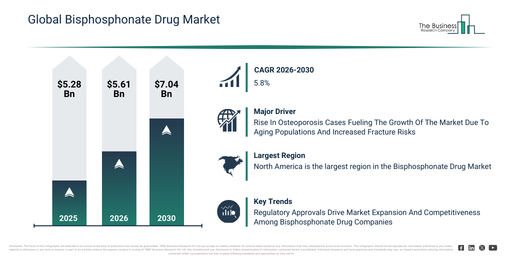
    The bisphosphonate drug market has experienced robust expansion in recent years, with its value projected to increase from $5.28 billion in 2025 to $5.61 billion in 2026, reflecting a compound annual growth rate of 6.2%. This upward momentum in the historical period has been largely driven by factors such as the rising incidence of osteoporosis, the growing number of elderly individuals, the implementation of standardized bone care protocols in hospitals, the establishment of targeted fracture prevention initiatives, and the widespread adoption of oral bisphosphonate therapies.

    The bisphosphonate drug market is anticipated to experience robust expansion over the coming years. By 2030, it is projected to reach $7.04 billion, driven by a compound annual growth rate (CAGR) of 5.8%. This forecasted growth is fueled by factors such as the rising elderly population, broader adoption of injectable therapies, enhanced supportive care in oncology, wider availability of generic medications, and an increasing emphasis on bone health prevention. Key developments shaping this period include the growing application of these drugs in managing postmenopausal osteoporosis, a notable transition toward long-acting injectable formats, the proliferation of generic bisphosphonate options, an expansion in treatments for cancer-induced bone loss, and a heightened focus on minimizing fracture risks.

    Download A Free Sample Report For Comprehensive Market Insights:

    https://www.thebusinessresearchcompany.com/sample.aspx?id=24482&type=smp&utm_source=BlogsPR&utm_medium=Paid&utm_campaign=Jul_PR

    Bisphosphonate Drug Market Growth Drivers: What Factors Are Accelerating Expansion?

    The rising occurrence of osteoporosis is expected to boost the expansion of the bisphosphonates drug market in the coming years. Osteoporosis involves weakened bones that become more susceptible to fractures as a result of reduced bone density. This condition is becoming more common, driven largely by the aging global population since bone density naturally diminishes with age, along with lifestyle habits and a lack of adequate preventive measures. Bisphosphonate drugs address osteoporosis by decelerating bone breakdown, thereby strengthening bones and lowering fracture risks. A case in point is provided by Healthy Bones Australia, a body focused on bone health research and advocacy, which reported in August 2024 that approximately 193,482 fractures linked to osteoporosis and osteopenia occurred in 2023, with projections indicating a 34% increase to 237,632 fractures by 2033. Consequently, the growing prevalence of osteoporosis is fueling the growth of the bisphosphonates drug market.

    Bisphosphonate Drug Market Segment Analysis Highlighting Growth Areas

    The bisphosphonate drug market covered in this report is segmented –

    1) By Type: Alendronate, Risedronate, Zoledronic Acid

    2) By Mode Of Delivery: Oral, Intravenous

    3) By Distribution Channel: Hospital Pharmacies, Retail Pharmacies, Online Pharmacies, Other Distribution Channels

    4) By Application: Postmenopausal Osteoporosis, Men With Osteoporosis, Paget’s Disease, Bone Loss Caused By Cancer Treatment, Glucocorticoid Induced Osteoporosis, Other Applications

    5) By End User: Hospitals, Clinics, Homecare Settings, Other End Users

    Subsegments:

    1) By Alendronate: Oral Alendronate Tablets, Effervescent Alendronate Tablets, Alendronate Combination Drugs, Generic Alendronate, Branded Alendronate

    2) By Risedronate: Immediate-Release Risedronate Tablets, Delayed-Release Risedronate Tablets, Risedronate Combination Drugs, Generic Risedronate, Branded Risedronate

    3) By Zoledronic Acid: Intravenous Zoledronic Acid, Single-Dose Infusion, Multiple-Dose Regimens, Generic Zoledronic Acid, Branded Zoledronic Acid

    4) By Other Types: Ibandronate (Oral And IV Forms), Etidronate, Pamidronate, Tiludronate, Experimental Or Pipeline Bisphosphonates

    Bisphosphonate Drug Market Trends: What Is Shaping Future Industry Growth?

    Key players within the bisphosphonate drug sector are prioritizing the acquisition of regulatory approvals to extend their product portfolios, strengthen their competitive position, and adhere to evolving safety and effectiveness standards. These approvals are official authorizations provided by government health bodies, permitting companies to legally distribute and market their medications after demonstrating their safety and efficacy through rigorous testing. As an example, in March 2025, Celltrion, Inc., a biopharmaceutical firm based in South Korea, secured U.S. FDA clearance for its biosimilars, STOBOCLO (denosumab-bmwo) and OSENVELT (denosumab-bmwo). STOBOCLO is designed to address osteoporosis-related conditions, covering the management of osteoporosis in postmenopausal women and men, glucocorticoid-induced osteoporosis, and bone loss in individuals undergoing specific cancer treatments. In contrast, OSENVELT has been sanctioned for cancer-related skeletal events, encompassing the prevention of bone issues in patients with multiple myeloma or bone metastases, the treatment of giant cell tumor of bone, and the control of hypercalcemia of malignancy.

    Bisphosphonate Drug Market Leading Companies: Who Holds Significant Market Presence?

    Major companies operating in the bisphosphonate drug market are Mylan N.V., Sandoz International GmbH, Fresenius Kabi AG, Lupin Limited, Glenmark Pharmaceuticals Ltd., Torrent Pharmaceuticals Ltd., Cadila Pharmaceuticals Ltd., Alembic Pharmaceuticals Ltd., Micro Labs Ltd., Wockhardt Ltd., Macleods Pharmaceuticals Ltd., Emcure Pharmaceuticals Ltd., Intas Pharmaceuticals Ltd., Granules India Ltd., IPCA Laboratories Ltd., Jubilant Pharmova Ltd., Accord Healthcare Ltd., Aarti Drugs Ltd., Shilpa Medicare Ltd., Indoco Remedies Ltd., Unichem Laboratories Ltd., Alvogen Inc., Perrigo Company plc, ANI Pharmaceuticals Inc., Endo International plc

    Access The Complete Bisphosphonate Drug Market Report:

    https://www.thebusinessresearchcompany.com/report/bisphosphonate-drug-global-market-report?utm_source=BlogsPR&utm_medium=Paid&utm_campaign=Jul_PR

    Bisphosphonate Drug Market Leading Geography: Which Region Generates The Most Revenue?

    North America was the largest region in the bisphosphonate drug market in 2025. Asia-Pacific is expected to be the fastest-growing region in the forecast period. The regions covered in the bisphosphonate drug market report are Asia-Pacific, South East Asia, Western Europe, Eastern Europe, North America, South America, Middle East, Africa.

    Get in touch with us:

    The Business Research Company: https://www.thebusinessresearchcompany.com/?utm_source=BlogsPR&utm_medium=Paid&utm_campaign=home_page_test

    Americas: +1 310-496-7795

    Asia: +44 7882 955267 & +91 8897263534

    Europe: +44 7882 955267

    Email us at: marketing@tbrc.info

    Follow us on:

    LinkedIn: https://in.linkedin.com/company/the-business-research-company

    YouTube: https://www.youtube.com/channel/UC24_fI0rV8cR5DxlCpgmyFQ

    Global Market Model: https://www.thebusinessresearchcompany.com/global-market-model
  • Bispecific T-Cell Engagers Market Trends And Growth Drivers Point To Strong Future Potential

    Bispecific T-Cell Engagers Market Trends And Growth Drivers Point To Strong Future Potential

    Through market attractiveness analysis, total addressable market evaluation, company benchmarking matrices, interactive Excel dashboards, expanded supply chain intelligence, emerging startup coverage, and detailed product insights, The Business Research Company’s 2026 market reports provide more actionable and strategically valuable research.

    Bispecific T-Cell Engagers Market Size And Revenue Forecast Through 2030

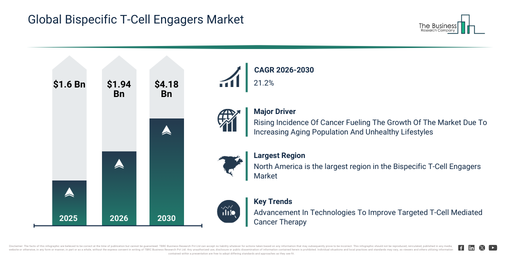
    The market for bispecific T-cell engagers has experienced explosive growth over the past few years. Valued at $1.6 billion in 2025, it is projected to reach $1.94 billion by 2026, reflecting a compound annual growth rate (CAGR) of 21.3%. This historic expansion has been driven by several factors, including the limited effectiveness of traditional cancer treatments, a higher prevalence of hematologic cancers, a deeper comprehension of immune-oncology pathways, early authorization of bispecific antibodies by regulators, and heightened funding for oncology research.

    The bispecific T-cell engagers market is forecasted to experience remarkable expansion over the coming years. By 2030, its value is projected to reach $4.18 billion, driven by a compound annual growth rate (CAGR) of 21.2%. This anticipated growth during the forecast period is fueled by factors like the broadening application of these therapies in solid tumor indications, progress in antibody engineering platforms, an increasing number of successful clinical outcomes for T-cell engagers, higher spending on cancer immunotherapy, and a rise in strategic alliances and licensing agreements. Key trends expected to shape this period include a growing use of bispecific T-cell engagers for hematologic malignancies, a stronger emphasis on targeted immunotherapy and precision oncology, an expansion of clinical trials focused on solid tumors, greater investment in antibody engineering and novel formats, and more collaborations between biotechnology companies and research institutions.

    Download A Free Sample Report For Comprehensive Market Insights:

    https://www.thebusinessresearchcompany.com/sample.aspx?id=27226&type=smp&utm_source=BlogsPR&utm_medium=Paid&utm_campaign=Jul_PR

    Bispecific T-Cell Engagers Market Growth Factors Supporting Long-Term Expansion

    The growing prevalence of cancer is forecasted to drive the expansion of the bispecific T-cell engagers market in the future. Cancer is defined as a category of illnesses marked by the unregulated proliferation and spread of abnormal cells, which have the ability to infiltrate and harm bodily tissues. This increase in cancer cases is driven by influences like aging populations and unhealthy behaviors, as old age leads to greater mutation buildup over time, and detrimental practices such as smoking, poor nutritional habits, and physical inactivity elevate cancer susceptibility. Bispecific T-cell engagers aid in cancer treatment by binding concurrently to both T cells and cancer cells, thereby effectively linking the immune system to tumor targets; this action activates the patient’s own T cells to identify, target, and eliminate malignant cells with considerable precision. For example, in February 2024, the World Health Organization (WHO), a Switzerland-based intergovernmental organization, reported that there were an estimated 20 million new cancer cases in 2022, which are projected to surge by 77%, reaching over 35 million cases by 2050. Consequently, the increasing frequency of cancer is fueling the growth of the bispecific T-cell engagers market.

    Bispecific T-Cell Engagers Market Segment Performance And Strategic Opportunities

    The bispecific t-cell engagers market covered in this report is segmented –

    1) By Product Type: Monoclonal Antibodies, Bispecific Antibodies, Other Product Types

    2) By Application: Hematologic Malignancies, Solid Tumors, Other Applications

    3) By End-User: Hospitals, Specialty Clinics, Research Institutes, Other End-Users

    Subsegments:

    1) By Monoclonal Antibodies: IgG1 Monoclonal Antibodies, IgG2 Monoclonal Antibodies, IgG4 Monoclonal Antibodies, Chimeric Monoclonal Antibodies, Humanized Monoclonal Antibodies

    2) By Bispecific Antibodies: T Cell Engagers, Dual Specific Antibodies, Trispecific Antibodies, Bispecific IgG Antibodies, Tandem Single Chain Variable Fragment Antibodies

    3) By Other Product Types: Fusion Proteins, Recombinant Proteins, Peptide Therapeutics

    Bispecific T-Cell Engagers Market Industry Trends Shaping Future Revenue Growth

    Major players in the bispecific T-cell engagers market are concentrating on developing innovative methods, such as improving cytolytic synapse formation, to boost the targeted elimination of cancer cells. The formation of a cytolytic synapse involves a T cell establishing a specialized junction with a target tumor cell to deliver lethal signals that result in the tumor cell’s death. As an example, in May 2024, Amgen Inc., a biopharmaceutical firm based in the United States, introduced IMDELLTRA (tarlatamab-dlle), which is the first and sole DLL3-targeting bispecific T-cell engager therapy approved by the Food and Drug Administration (FDA), a U.S. government agency, for extensive-stage small cell lung cancer (ES-SCLC). This therapy works by activating the patient’s own T cells to target DLL3-expressing tumor cells, thereby providing a novel targeted immunotherapy option for patients whose disease has advanced following platinum-based chemotherapy.

    Bispecific T-Cell Engagers Market Key Players: Which Companies Shape Industry Competition?

    Major companies operating in the bispecific t-cell engagers market are Pfizer Incorporated, Johnson & Johnson, F. Hoffmann-La Roche AG, AbbVie Incorporated, Sanofi S.A., Amgen Incorporated, Regeneron Pharmaceuticals Incorporated, Ipsen S.A., Genmab A/S, Evotec SE, Akeso Inc., Immunocore Holdings Public Limited Company, MacroGenics Incorporated, Zymeworks Inc., Zenas BioPharma Limited, Candid Therapeutics Inc., BPS Bioscience Inc., Alloy Therapeutics Inc., AP Biosciences Inc., Medigene AG.

    Access The Complete Bispecific T-Cell Engagers Market Report:

    https://www.thebusinessresearchcompany.com/report/bispecific-t-cell-engagers-global-market-report?utm_source=BlogsPR&utm_medium=Paid&utm_campaign=Jul_PR

    Bispecific T-Cell Engagers Market Regional Outlook: Where Are The Largest Opportunities Located?

    North America was the largest region in the bispecific T-cell engagers market in 2025. Asia-Pacific is expected to be the fastest-growing region in the forecast period. The regions covered in the bispecific t-cell engagers market report are Asia-Pacific, South East Asia, Western Europe, Eastern Europe, North America, South America, Middle East, Africa.

    Get in touch with us:

    The Business Research Company: https://www.thebusinessresearchcompany.com/?utm_source=BlogsPR&utm_medium=Paid&utm_campaign=home_page_test

    Americas: +1 310-496-7795

    Asia: +44 7882 955267 & +91 8897263534

    Europe: +44 7882 955267

    Email us at: marketing@tbrc.info

    Follow us on:

    LinkedIn: https://in.linkedin.com/company/the-business-research-company

    YouTube: https://www.youtube.com/channel/UC24_fI0rV8cR5DxlCpgmyFQ

    Global Market Model: https://www.thebusinessresearchcompany.com/global-market-model
  • Bi-Specific MAbS Market Expansion Is Reshaping Competitive Dynamics Across The Industry

    Bi-Specific MAbS Market Expansion Is Reshaping Competitive Dynamics Across The Industry

    Delivering more actionable and strategically valuable research, The Business Research Company’s 2026 market reports feature market attractiveness analysis, total addressable market evaluation, company benchmarking matrices, interactive Excel dashboards, expanded supply chain intelligence, emerging startup coverage, and detailed product insights.

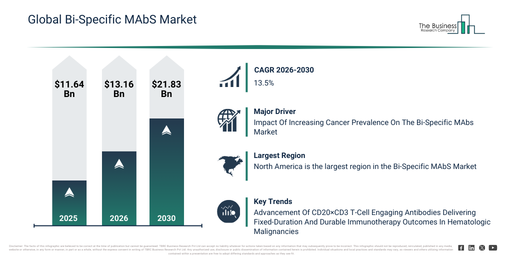
    Bi-Specific MAbS Market Growth From $13.16 Billion In 2026 To $21.82 Billion By 2030 At A CAGR Of 13.5%

    The bi-specific mabs market has undergone rapid expansion in recent years. From $11.64 billion in 2025, it is projected to reach $13.16 billion in 2026, reflecting a compound annual growth rate (CAGR) of 13.0%. Growth during the historical period has been driven by the initial approval of bsabs therapies, a rising prevalence of hematological cancers, the early adoption of monoclonal antibodies, significant investment in oncology research and development, and an increase in hospital-based clinical trials.

    The market for bi-specific monoclonal antibodies is anticipated to experience robust expansion over the coming years. By 2030, its size is projected to reach $21.83 billion, driven by a compound annual growth rate (CAGR) of 13.5%. This forecasted growth is propelled by factors such as the integration of advances in gene and cell therapy, an expanding pipeline of bi-specific antibodies, increased funding for research and development targeting rare diseases, broader adoption of precision medicine approaches, and the emergence of novel delivery platforms for bi-specific antibodies. Key trends shaping this period include a growing focus on tumor immunotherapy applications, the creation of multi-targeted bi-specific antibodies, progress in treatments for hemophilia and other rare diseases, improvements in both in vitro and in vivo platforms, and a rise in collaborative efforts between pharmaceutical and biotechnology companies.

    Download A Free Sample Report For Comprehensive Market Insights:

    https://www.thebusinessresearchcompany.com/sample.aspx?id=3390&type=smp&utm_source=BlogsPR&utm_medium=Paid&utm_campaign=Jul_PR

    Bi-Specific MAbS Market Demand Drivers Creating New Revenue Opportunities

    The projected rise in cancer and other chronic illnesses is expected to drive expansion within the bispecific monoclonal antibodies market during the forecast period. These antibodies are designed to address a range of conditions, including various cancers, infectious diseases, central nervous system disorders, and autoimmune diseases. They are regarded as more effective than traditional monoclonal antibodies (moAbs) because they can engage two or more tumor antigens on cells to impede cancer progression. As an example, the American Cancer Society (ACS), a US-based voluntary health organization, noted in its Cancer Facts & Figures 2023 report that an estimated 609,820 cancer-related deaths are predicted in the USA for 2023. Consequently, the growing burden of chronic diseases like cancer is expected to boost demand for bispecific MAbs to manage these conditions more effectively.

    Bi-Specific MAbS Market Segment Landscape And Growth Potential

    The bi-specific mabs market covered in this report is segmented –

    1) By Drug: Catumaxomab (Removab), Blinatumomab, Duligotumab, Emicizumab, Amivantamab, Faricimab, Teclistamab

    2) By Product Type: In Vivo, In Vitro

    3) By Indication: Cancer, Haemophilia A, Ophthalmic

    4) By End Use: Hospitals, Research Institutes, Other End-Users

    Subsegments:

    1) By Catumaxomab (Removab): Cancer Therapy, Targeting EpCAM and CD3

    2) By Blinatumomab: Acute Lymphoblastic Leukemia (ALL) Treatment, Targeting CD19 and CD3

    3) By Duligotumab: Oncology Treatments, Targeting Epidermal Growth Factor Receptor (EGFR)

    4) By Emicizumab: Hemophilia A Treatment, Targeting Factor IXa and Factor X

    5) By Amivantamab: Non-Small Cell Lung Cancer (NSCLC) Therapy, Targeting EGFR And MET

    6) By Faricimab: Ophthalmology Treatment (Wet Age-related Macular Degeneration, Diabetic Macular Edema), Targeting Angiopoietin-2 And VEGF-A

    7) By Teclistamab: Multiple Myeloma Treatment, Targeting BCMA and CD3

    Bi-Specific MAbS Market Trends Driving Strategic Industry Expansion

    Leading industry players in the bi-specific mAbs sector are pushing forward with innovations like CD20 × CD3 T-cell engaging bispecific antibodies, aiming to address the growing need for more potent, ready-to-use immunotherapies in blood cancers that feature defined treatment durations. This type of bispecific antibody operates by linking T cells to B cells through attachment to CD3 on T cells and CD20 on B cells, enabling T-cell-driven destruction of cancerous B cells with precision—a sharp contrast to standard monoclonal antibodies, which focus solely on B cells or T-cell checkpoints, by employing a targeted immune response. A case in point is Roche AG, a biopharmaceutical firm from Switzerland, which in June 2023 introduced Columvi (glofitamab-gxbm), a CD20×CD3 bispecific T-cell engager. Columvi features a distinctive 2:1 structural design with two CD20-binding sites and one CD3-binding site, administered as a fixed-duration course lasting about 8.5 months, crafted to achieve lasting remission in individuals with relapsed or refractory diffuse large B-cell lymphoma (DLBCL). Its time-limited regimen allows for a potential break from treatment after therapy ends, setting it apart from ongoing treatment protocols, with clinical data revealing robust efficacy coupled with a tolerable safety profile.

    Bi-Specific MAbS Market Competitive Landscape: Who Are The Leading Companies?

    Major companies operating in the bi-specific mabs market are F. Hoffmann-La Roche AG, Amgen Inc, Johnson & Johnson, Kyowa Kirin, Zai Lab, Alphamab Oncology, Celldex Therapeutics, Biocon, EpimAb Biotherapeutics, ABL Bio, Takeda Pharmaceuticals, Innovent Biologics, Merck & Co Inc, Eli Lilly Company Inc., AbbVie Inc, Bayer AG, Pfizer Inc, Novartis AG, GlaxoSmithKline, AstraZeneca, Cytiva, Bristol Myers Squibb, AbCellera, BioMarin Pharmaceuticals, Sanofi S.A., Novo Nordisk A/S, Aspen Pharmacare, Baxter International

    Access The Complete Bi-Specific MAbS Market Report:

    https://www.thebusinessresearchcompany.com/report/bi-specific-mab-global-market-report?utm_source=BlogsPR&utm_medium=Paid&utm_campaign=Jul_PR

    Bi-Specific MAbS Market Geographic Landscape: Which Region Dominates Industry Growth?

    North America was the largest region in the bi-specific MAbs market in 2025. The regions covered in the bi-specific mabs market report are Asia-Pacific, South East Asia, Western Europe, Eastern Europe, North America, South America, Middle East, Africa.

    Get in touch with us:

    The Business Research Company: https://www.thebusinessresearchcompany.com/?utm_source=BlogsPR&utm_medium=Paid&utm_campaign=home_page_test

    Americas: +1 310-496-7795

    Asia: +44 7882 955267 & +91 8897263534

    Europe: +44 7882 955267

    Email us at: marketing@tbrc.info

    Follow us on:

    LinkedIn: https://in.linkedin.com/company/the-business-research-company

    YouTube: https://www.youtube.com/channel/UC24_fI0rV8cR5DxlCpgmyFQ

    Global Market Model: https://www.thebusinessresearchcompany.com/global-market-model
  • Bisoprolol Market Forecast Reveals Where Future Industry Value Will Be Created

    Bisoprolol Market Forecast Reveals Where Future Industry Value Will Be Created

    Enhanced with market attractiveness analysis, total addressable market evaluation, company benchmarking matrices, interactive Excel dashboards, expanded supply chain intelligence, emerging startup coverage, and detailed product insights, The Business Research Company’s 2026 market reports deliver more actionable and strategically valuable research.

    Bisoprolol Market Expansion Outlook: What Revenue Opportunities Lie Ahead?

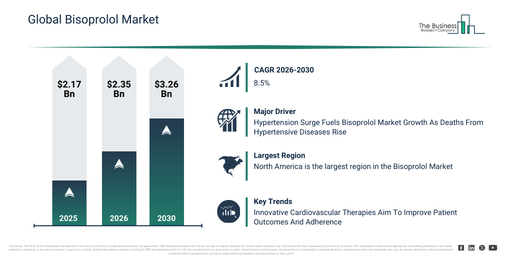
    The bisoprolol market has experienced substantial growth in recent years. Projections indicate it will increase from $2.17 billion in 2025 to $2.35 billion in 2026, reflecting a compound annual growth rate (CAGR) of 8.5%. This past expansion was driven by factors such as a high prevalence of hypertension, the well-documented clinical effectiveness of beta-blockers, an aging demographic, the expansion of hospital-based cardiac care, and broad prescribing patterns among physicians.

    The bisoprolol market is projected to experience robust expansion in the coming years, reaching a value of $3.26 billion by 2030, with a compound annual growth rate (CAGR) of 8.5%. This anticipated growth over the forecast period is driven primarily by an increasing prevalence of cardiovascular diseases, broader availability of generic medications, expanded outpatient cardiac care services, growth in pharmacy networks, and enhanced programs for treatment adherence. Key trends shaping the market include a rising incidence of cardiovascular disorders, greater application of beta-blockers in managing chronic conditions, a shift toward generic cardiovascular drug adoption, an expansion of both retail and hospital pharmacy channels, and an intensified emphasis on sustained blood pressure management.

    Download A Free Sample Report For Comprehensive Market Insights:

    https://www.thebusinessresearchcompany.com/sample.aspx?id=18977&type=smp&utm_source=BlogsPR&utm_medium=Paid&utm_campaign=Jul_PR

    Bisoprolol Market Expansion Supported By Key Demand Factors

    The growing occurrence of hypertension is anticipated to boost the expansion of the bisoprolol market in the coming period. Hypertension refers to a health condition where blood pressure levels remain consistently higher than the normal physiological range. This condition is becoming more common due to inactive lifestyles and escalating obesity rates. The bisoprolol market aids in controlling hypertension by decreasing blood pressure, lessening the heart’s workload, and enhancing circulation. As an example, in February 2024, the Singapore Ministry of Health, a government health body in Singapore, reported that the prevalence of hypertension among adults climbed to 36.1% in 2023, up from 33.0% in 2022, marking a notable yearly increase. Consequently, the rising prevalence of hypertension is fueling the advancement of the bisoprolol market.

    Bisoprolol Market Categorization By Product Type And Application

    The bisoprolol market covered in this report is segmented –

    1) By Type: Tablet, Capsule

    2) By Distribution Channels: Hospital Pharmacies, Retail Pharmacies, Other Distribution Channels

    3) By Application: High Blood Pressure, Coronary Heart Disease, Angina Pectoris, Other Applications

    Subsegments:

    1) By Tablet: Immediate-Release Tablets, Extended-Release Tablets

    2) By Capsule: Immediate-Release Capsules, Extended-Release Capsules, Hard Gelatin Capsules

    Bisoprolol Market Growth Trends Influencing Competitive Dynamics

    Key players in the bisoprolol market are actively working on advanced solutions, such as fixed-dose combinations and extended-release formulations, to boost patient compliance, improve cardiovascular results, and overcome drawbacks of standard treatments. Fixed-dose combinations merge two or more active drugs into a single tablet to streamline therapy, whereas extended-release formulations gradually release the drug over an extended period, offering sustained effects and less frequent dosing. For example, in June 2025, Cadila Pharmaceuticals Limited, a pharmaceutical firm based in India, launched Biscado (Bisoprolol) in India, marking its entry into the beta-blocker therapy arena for managing cardiovascular conditions. This highly cardioselective beta-1 adrenergic blocker is indicated for hypertension, angina, and chronic heart failure by lowering heart rate and blood pressure, thereby reducing cardiac strain. Clinical evidence supports it with studies demonstrating notable decreases in mortality, sudden cardiac death, and heart failure hospitalizations. Biscado is provided with once-daily dosing and as fixed-dose combinations alongside other antihypertensive drugs, aligning with global cardiovascular treatment protocols and enhancing patient adherence across India.

    Bisoprolol Market Company Landscape And Strategic Competition

    Major companies operating in the bisoprolol market are Merck & Co. Inc., Abbott Healthcare Pvt Ltd, Novartis AG, Teva Pharmaceutical Industries Ltd, Aurobindo Pharma Limited, Intas Pharmaceuticals Limited, Cipla Limited, Hikma Pharmaceuticals, Lupin Limited, Dr. Reddy’s Laboratories Limited, Glenmark Pharmaceuticals Limited, Alkem Laboratories Limited, Ipca Laboratories Limited, Medreich Limited, Alembic Pharmaceuticals Limited, Accord Healthcare Limited, Zydus Lifesciences Limited, Zentiva Group, Taj Pharmaceuticals Limited, Torrent Pharmaceuticals Limited, Suanfarma, Rusan Healthcare Limited, VHB Lifesciences Limited, Synnat Pharmaceuticals, Vidakem Lifesciences Pvt Ltd, Pluviaendo Pharmaceuticals

    Access The Complete Bisoprolol Market Report:

    https://www.thebusinessresearchcompany.com/report/bisoprolol-global-market-report?utm_source=BlogsPR&utm_medium=Paid&utm_campaign=Jul_PR

    Bisoprolol Market Largest Region: Which Geography Holds The Highest Market Share?

    North America was the largest region in the bisoprolol market in 2025. The regions covered in the bisoprolol market report are Asia-Pacific, South East Asia, Western Europe, Eastern Europe, North America, South America, Middle East, Africa.

    Get in touch with us:

    The Business Research Company: https://www.thebusinessresearchcompany.com/?utm_source=BlogsPR&utm_medium=Paid&utm_campaign=home_page_test

    Americas: +1 310-496-7795

    Asia: +44 7882 955267 & +91 8897263534

    Europe: +44 7882 955267

    Email us at: marketing@tbrc.info

    Follow us on:

    LinkedIn: https://in.linkedin.com/company/the-business-research-company

    YouTube: https://www.youtube.com/channel/UC24_fI0rV8cR5DxlCpgmyFQ

    Global Market Model: https://www.thebusinessresearchcompany.com/global-market-model