Category: Healthcare Services

  • Renal Toxicity – Absorption, Distribution, Metabolism, And Excretion (ADME) Toxicology Testing Market Research 2026: Market Size, Trends, Segments And Growth Forecast

    Renal Toxicity – Absorption, Distribution, Metabolism, And Excretion (ADME) Toxicology Testing Market Research 2026: Market Size, Trends, Segments And Growth Forecast

    Backed by market attractiveness analysis, total addressable market sizing, company benchmarking matrices, interactive Excel dashboards, wider supply chain intelligence, emerging startup coverage, and detailed product-level insights, The Business Research Company’s 2026 market reports are designed to offer research that is more actionable and strategically valuable than ever.

    Renal Toxicity – Absorption, Distribution, Metabolism, And Excretion (ADME) Toxicology Testing Market Poised To Hit $2.78 Billion By 2030 With A 12.9% CAGR

    The renal toxicity – absorption, distribution, metabolism, and excretion (adme) toxicology testing market has expanded quickly in recent years. This market is projected to expand from $1.52 billion in 2025 to $1.71 billion in 2026, demonstrating a compound annual growth rate (CAGR) of 12.7%. Historically, this expansion is attributable to various factors such as an increase in preclinical drug safety testing, a rise in nephrotoxicity related drug failures, the expansion of CRO services, heightened regulatory safety requirements, and broader adoption of in vitro assays.

    The renal toxicity – absorption, distribution, metabolism, and excretion (adme) toxicology testing market size is projected to experience substantial growth over the next few years. It is anticipated to reach $2.78 billion by 2030, exhibiting a compound annual growth rate (CAGR) of 12.9%. This expansion during the forecast period is primarily fueled by the increasing number of biologics and complex drugs, the widespread adoption of predictive toxicology models, the ongoing expansion of organ on chip platforms, advancements in precision medicine research, and the rising demand for AI-based safety analytics. Key emerging trends expected within this period include kidney organoid-based toxicity assays, AI-assisted nephrotoxicity prediction models, high-throughput renal screening platforms, biomarker-driven renal safety panels, and microphysiological kidney-on-chip systems.

    Get A Free Sample Report With In-Depth Market Insights:

    https://thebusinessresearchcompany.com/sample_request?id=32674723&type=smp&name=Renal%20Toxicity%20%E2%80%93%20Absorption%2C%20Distribution%2C%20Metabolism%2C%20And%20Excretion%20%28ADME%29%20Toxicology%20Testing%20Market%20Report%202026&utm_source=Blogs&utm_medium=Paid&utm_campaign=Oct_PR

    Renal Toxicity – Absorption, Distribution, Metabolism, And Excretion (ADME) Toxicology Testing Market Demand Drivers Opening New Revenue Streams

    The increasing occurrence of kidney ailments is anticipated to drive the expansion of the renal toxicity-absorption, distribution, metabolism, and excretion (ADME) toxicology testing market in the future. These conditions are characterized by damage to the kidneys, compromising their ability to filter blood and maintain the body’s equilibrium. The rise in kidney-related disorders is linked to the growing incidence of diabetes, which harms renal blood vessels and hinders their filtering capacity. Renal toxicity ADME/toxicology testing plays a crucial role in identifying and assessing potential kidney damage resulting from various drugs or chemicals, thereby facilitating prompt intervention and the creation of safer therapeutic options. For instance, in 2025, according to the American Cancer Society, a US-based professional organization, approximately 80,980 new cases of kidney (renal) cancer are expected to be diagnosed in the US, with an estimated 14,510 deaths resulting from the disease. Consequently, the escalating prevalence of kidney-related disorders is propelling the growth of the renal toxicity-absorption, distribution, metabolism, and excretion (ADME) toxicology testing market.

    Renal Toxicity – Absorption, Distribution, Metabolism, And Excretion (ADME) Toxicology Testing Market Segments: Where Is Growth Concentrated?

    The renal toxicity – absorption, distribution, metabolism, and excretion (adme) toxicology testing market covered in this report is segmented –

    1) By Test Type: In Vitro Renal Toxicity Testing; In Vivo Renal Toxicity Testing; In Silico Renal Toxicity Modeling

    2) By Method: Biochemical and Enzymatic Assays; Cell Based Renal Assays; Biomarker Based Toxicity Analysis; Histopathology and Imaging; Pharmacokinetic and Drug Metabolism Studies

    3) By Stage of Drug Development: Discovery and Lead Optimization; Preclinical Development; Clinical Development; Post Marketing Safety Studies

    4) By Technology: High Throughput Screening Platforms; Organ On Chip and Microfluidic Systems; Omics Based Toxicology Platforms; Artificial Intelligence and Predictive Modeling Tools; Digital Pathology and Imaging Systems

    5) By End User: Pharmaceutical and Biotechnology Companies; Contract Research Organizations; Academic and Research Institutes; Regulatory Laboratories

    Subsegments:

    1) By In Vitro Renal Toxicity Testing: Primary Renal Cell Assays; Immortalized Renal Cell Line Assays; Three Dimensional Renal Cell Cultures; Kidney Organoid Models; Transporter Interaction Assays; Biomarker Based Nephrotoxicity Assays; High Content Imaging Assays; Microphysiological Kidney System Models

    2) By In Vivo Renal Toxicity Testing: Acute Renal Toxicity Studies; Subacute Renal Toxicity Studies; Subchronic Renal Toxicity Studies; Chronic Renal Toxicity Studies; Renal Biomarker Evaluation Studies; Histopathological Kidney Assessment; Dose Response Toxicity Studies; Recovery and Reversibility Studies

    3) By In Silico Renal Toxicity Modeling: Quantitative Structure Activity Relationship Modeling; Machine Learning Based Toxicity Prediction; Physiologically Based Pharmacokinetic Modeling; Virtual Screening for Nephrotoxicity; Read Across Toxicity Modeling; Systems Biology Based Toxicity Modeling

    Renal Toxicity – Absorption, Distribution, Metabolism, And Excretion (ADME) Toxicology Testing Market Trends Powering Strategic Industry Growth

    Leading companies in the renal toxicity-absorption, distribution, metabolism, and excretion (ADME) toxicology testing market are prioritizing the development of innovative solutions, such as low-drug-absorbing microfluidic chips, to enhance the predictive accuracy of kidney toxicity while reducing dependence on animal testing. A low-drug-absorbing microfluidic chip refers to a lab-on-a-chip device specifically designed for renal toxicity assessment that minimizes unintended drug absorption by its material, thereby ensuring a more accurate simulation of kidney functions and reliable measurement of drug effects on renal cells. For instance, in September 2024, Emulate Inc., a US-based biotechnology company, introduced the chip-R1 rigid chip, aiming to improve kidney toxicity testing with more accurate and reliable outcomes. This chip is engineered for precise ADME and toxicology modeling in non-stretch organs like the liver and kidney, utilizing low-drug-absorbing plastics and a thin, porous polycarbonate membrane to prevent compound loss and enhance drug recovery for lipophilic compounds. Its benefits include robust high shear stress support (up to 2.3 dyn/cm²), preactivated surfaces for streamlined workflows, and improved cellular crosstalk, while advantages encompass better reproducibility, accurate toxicity detection, and compatibility with existing organ-chip hardware to accelerate human-relevant preclinical testing.

    Renal Toxicity – Absorption, Distribution, Metabolism, And Excretion (ADME) Toxicology Testing Market Key Participants And Competitive Landscape

    Major companies operating in the renal toxicity – absorption, distribution, metabolism, and excretion (adme) toxicology testing market are Thermo Fisher Scientific Inc., Eurofins Scientific SE, Agilent Technologies Inc., WuXi AppTec Co. Ltd., Charles River Laboratories International Inc., PerkinElmer Inc., Beckman Coulter Inc., Bio-Rad Laboratories Inc., Pharmaron Beijing Co. Ltd., Simulations Plus Inc., GVK Biosciences Pvt. Ltd., Promega Corporation, Syngene International Ltd., SAI Life Sciences Ltd., QPS Holdings LLC, Southern Research Institute, BioIVT LLC, TCG Lifesciences Pvt. Ltd., Frontage Laboratories Inc., Symeres, TSRL Inc., BOC Sciences LLC, Vivisciences Preclinical CRO.

    View The Full Renal Toxicity – Absorption, Distribution, Metabolism, And Excretion (ADME) Toxicology Testing Market Report:

    https://thebusinessresearchcompany.com/report/renal-toxicity-absorption-distribution-metabolism-and-excretion-adme-toxicology-testing-market-report?utm_source=Blogs&utm_medium=Paid&utm_campaign=Oct_PR

    Renal Toxicity – Absorption, Distribution, Metabolism, And Excretion (ADME) Toxicology Testing Market Geographic Analysis: Where Is Demand Rising Fastest?

    North America was the largest region in the renal toxicity-ADME toxicology testing market in 2025. Asia-Pacific is expected to be the fastest-growing region in the forecast period. The regions covered in the renal toxicity – absorption, distribution, metabolism, and excretion (adme) toxicology testing market report are Asia-Pacific, South East Asia, Western Europe, Eastern Europe, North America, South America, Middle East, Africa.

    Reach Out To Our Team:

    The Business Research Company: https://www.thebusinessresearchcompany.com/

    Americas: +1 310-496-7795

    Asia: +44 7882 955267 & +91 8897263534

    Europe: +44 7882 955267

    Email us at: marketing@tbrc.info

    Follow us on:

    LinkedIn: https://in.linkedin.com/company/the-business-research-company

    YouTube: https://www.youtube.com/channel/UC24_fI0rV8cR5DxlCpgmyFQ

    Global Market Model: https://www.thebusinessresearchcompany.com/global-market-model
  • Regenerative Therapies For Osteoarthritis Market Growth Forecast Through 2030: Market Size And Trends In 2026

    Regenerative Therapies For Osteoarthritis Market Growth Forecast Through 2030: Market Size And Trends In 2026

    Backed by market attractiveness analysis, total addressable market sizing, company benchmarking matrices, interactive Excel dashboards, wider supply chain intelligence, emerging startup coverage, and detailed product-level insights, The Business Research Company’s 2026 market reports are designed to offer research that is more actionable and strategically valuable than ever.

    Regenerative Therapies For Osteoarthritis Market Expansion Outlook: What Revenue Opportunities Are Ahead?

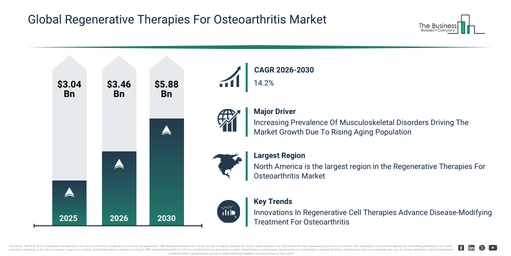
    The regenerative therapies for osteoarthritis market size has seen rapid growth in recent years. It is anticipated to increase from $3.04 billion in 2025 to $3.46 billion in 2026, exhibiting a compound annual growth rate (CAGR) of 13.9%. The expansion observed historically can be attributed to the rising prevalence of osteoarthritis, the growth of the aging population, the limitations associated with pain relief drugs, an increase in sports injuries, and a demand for non-surgical treatment options.

    The market for regenerative therapies for osteoarthritis is anticipated to experience swift expansion over the coming years. It is projected to reach $5.88 billion by 2030, exhibiting a compound annual growth rate (CAGR) of 14.2%. This growth during the forecast period can be attributed to factors such as increased biologic therapy adoption, the expansion of regenerative clinics, growing clinical evidence support, a rising demand for cartilage restoration, and higher investment in cell therapy research. Key trends expected in the forecast period encompass stem cell-based joint repair therapies, platelet-rich plasma treatment protocols, scaffold-based cartilage regeneration, minimally invasive regenerative injections, and personalized biologic therapy plans.

    Get A Free Sample Report With In-Depth Market Insights:

    https://thebusinessresearchcompany.com/sample_request?id=15649960&type=smp&name=Regenerative%20Therapies%20For%20Osteoarthritis%20Market%20Report%202026&utm_source=Blogs&utm_medium=Paid&utm_campaign=Oct_PR

    Regenerative Therapies For Osteoarthritis Market Opportunity Drivers: What’s Unlocking New Revenue Potential?

    The regenerative therapies for the osteoarthritis market is anticipated to grow due to the increasing prevalence of musculoskeletal disorders. These disorders are conditions that affect bones, joints, muscles, and connective tissues, leading to pain and limitations in mobility and dexterity. The rising occurrence of musculoskeletal disorders is largely fueled by an aging population, as older individuals often experience higher rates of joint degeneration and inflammatory conditions impacting musculoskeletal structures. Consequently, the increasing incidence of musculoskeletal disorders drives demand for regenerative therapies, which offer advanced treatment options for joint restoration and tissue repair in osteoarthritis patients. For instance, according to the Office for Health Improvement & Disparities, a UK-based government agency, in January 2024, it was reported that 18.4% of individuals aged 16 and above in 2023 had a long-term musculoskeletal (MSK) condition, an increase from 17.6% in 2022. Therefore, the expanding prevalence of musculoskeletal disorders is a significant factor propelling the growth of the regenerative therapies for the osteoarthritis market.

    Regenerative Therapies For Osteoarthritis Market Segmentation: How Does The Market Break Down By Category?

    The regenerative therapies for osteoarthritis market covered in this report is segmented –

    1) By Therapy Type: Stem Cell Therapy; Platelet Rich Plasma Therapy; Tissue Engineering; Gene Therapy; Other Therapy Types

    2) By Distribution Channel: Direct Manufacturer Supply; Hospital And Clinic Procurement Channels; Specialty Medical Distributors

    3) By Application: Knee Osteoarthritis; Hip Osteoarthritis; Hand Osteoarthritis; Other Applications

    4) By End User: Hospitals; Ambulatory Surgical Centers; Specialty Clinics; Other End Users

    Subsegments:

    1) By Stem Cell Therapy: Autologous Stem Cell Therapy; Allogeneic Stem Cell Therapy; Mesenchymal Stem Cell Therapy; Adipose Derived Stem Cell Therapy; Bone Marrow Derived Stem Cell Therapy

    2) By Platelet Rich Plasma Therapy: Leukocyte Rich Platelet Rich Plasma Therapy; Leukocyte Poor Platelet Rich Plasma Therapy; Activated Platelet Rich Plasma Therapy; Non Activated Platelet Rich Plasma Therapy; Pure Platelet Rich Plasma Therapy

    3) By Tissue Engineering: Scaffold Based Tissue Engineering; Hydrogel Based Tissue Engineering; Biodegradable Matrix Tissue Engineering; Cell Seeded Tissue Engineering; Three Dimensional Tissue Engineering

    4) By Gene Therapy: Viral Vector Gene Therapy; Non Viral Vector Gene Therapy; In Vivo Gene Therapy; Ex Vivo Gene Therapy; Targeted Gene Therapy

    5) By Other Therapy Types: Hyaluronic Acid Therapy; Growth Factor Therapy; Chondrocyte Implantation Therapy; Peptide Based Therapy; Immunomodulatory Therapy

    Regenerative Therapies For Osteoarthritis Market Innovation Trends Shaping Future Development

    Leading companies in the regenerative therapies for the osteoarthritis market are concentrating on developing advanced solutions, such as allogeneic mesenchymal stem cell (MSC) osteoarthritis therapies, to address the increasing demand for disease-modifying treatments. These allogeneic mesenchymal stem cell (MSC) osteoarthritis therapies utilize donor-sourced stem cells to regulate inflammation and aid cartilage regeneration in affected joints, offering a ready-to-use and scalable option compared to patient-derived cells, thereby enabling standardized dosages and broader adoption. For instance, in December 2025, Cipla Limited, an India-based pharmaceutical company, collaborated with Stempeutics Research, an India-based research and product development company, to introduce Ciplostem, a novel allogeneic MSC treatment specifically for knee osteoarthritis. This therapy is administered as a single intra-articular injection containing 25 million cultured adult human bone marrow-derived MSCs co-formulated with hyaluronic acid. It is designed to act at the cellular level to diminish inflammation, impede disease progression, enhance joint function, and assist in preserving cartilage quality for patients with Grade II and III knee OA. The main characteristics of this therapy include its off-the-shelf availability (eliminating the need for individualized preparation), its cellular-level mechanism of action contrasting with mere symptomatic relief, and its potential for sustained improvement in joint health when compared to standard regimens.

    Regenerative Therapies For Osteoarthritis Market Competitive Overview And Top Companies

    Major companies operating in the regenerative therapies for osteoarthritis market are Stryker Corporation, Smith & Nephew plc, MiMedx Group Inc, Anika Therapeutics Inc, Regentis Biomaterials Ltd, Zomedica Corp, Biosplice Therapeutics Inc, Tissue Regenix Group plc, Co.don AG, MEDIPOST Co Ltd, Ampio Pharmaceuticals Inc, Kolon TissueGene Inc, Mesoblast Limited, Orgenesis Inc, Hyalex Orthopaedics Limited, Orthocell Limited, Jellagen Limited, Hyalogic LLC, Bionaut Labs Inc, and Regeneus Limited.

    View The Full Regenerative Therapies For Osteoarthritis Market Report:

    https://thebusinessresearchcompany.com/report/regenerative-therapies-for-osteoarthritis-market-report?utm_source=Blogs&utm_medium=Paid&utm_campaign=Oct_PR

    Regenerative Therapies For Osteoarthritis Market Top Region: Where Does Most Revenue Come From?

    North America was the largest region in the regenerative therapies for osteoarthritis market in 2025. Asia-Pacific is expected to be the fastest-growing region in the forecast period. The regions covered in the regenerative therapies for osteoarthritis market report are Asia-Pacific, South East Asia, Western Europe, Eastern Europe, North America, South America, Middle East, Africa.

    Reach Out To Our Team:

    The Business Research Company: https://www.thebusinessresearchcompany.com/

    Americas: +1 310-496-7795

    Asia: +44 7882 955267 & +91 8897263534

    Europe: +44 7882 955267

    Email us at: marketing@tbrc.info

    Follow us on:

    LinkedIn: https://in.linkedin.com/company/the-business-research-company

    YouTube: https://www.youtube.com/channel/UC24_fI0rV8cR5DxlCpgmyFQ

    Global Market Model: https://www.thebusinessresearchcompany.com/global-market-model
  • Sports Drug Testing Market Valued At $41.16 Billion In 2026: Key Trends And Growth Drivers

    Sports Drug Testing Market Valued At $41.16 Billion In 2026: Key Trends And Growth Drivers

    Built to provide research that’s more actionable and strategically valuable, The Business Research Company’s 2026 market reports include market attractiveness analysis, total addressable market sizing, company benchmarking matrices, interactive Excel dashboards, broader supply chain intelligence, emerging startup tracking, and in-depth product insights.

    “#Sports Drug Testing Market Growth Analysis: How Will Revenue Trend Over The Forecast Period?#

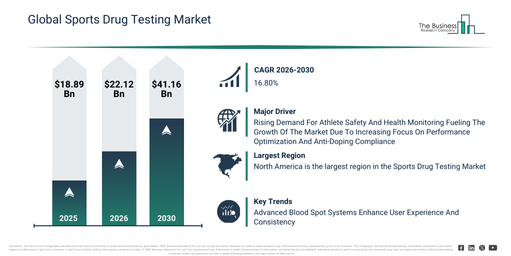
    The sports drug testing market size has seen swift expansion recently. It is projected to escalate from $18.89 billion in 2025 to $22.12 billion in 2026, exhibiting a compound annual growth rate (CAGR) of 17.1%. This historical growth can be linked to heightened awareness of anti-doping rules, increased involvement in international sports competitions, a stronger emphasis on fair play within professional sports, a rise in doping infractions globally, and increased funding for sports facilities and athlete development programs.

    The sports drug testing market is projected to experience substantial expansion in the coming years, with its size expected to reach $41.16 billion in 2030, demonstrating a compound annual growth rate (CAGR) of 16.8%. This projected growth during the forecast period is fueled by several factors, including an increasing need for precise and swift testing solutions, the wider implementation of biological passport programs, enhanced government backing for anti-doping efforts, heightened media scrutiny regarding athlete performance integrity, and strengthened partnerships between sports federations and testing organizations. Key trends anticipated within this period encompass progress in high-sensitivity testing technologies, developments in portable on-site testing devices, improvements in long-term biomarker monitoring approaches, breakthroughs in AI-driven result analysis, and novel genetic and molecular detection techniques.

    Get A Free Sample Report With In-Depth Market Insights:

    https://thebusinessresearchcompany.com/sample_request?id=16106176&type=smp&name=Sports%20Drug%20Testing%20Market%20Report%202026&utm_source=Blogs&utm_medium=Paid&utm_campaign=Oct_PR

    Sports Drug Testing Market Industry Drivers: What’s Behind The Revenue Growth?

    The future expansion of the sports drug testing market is anticipated to be fueled by the increasing need for athlete safety and health monitoring. This monitoring encompasses a structured assessment of athletes’ physiological, biochemical, and metabolic parameters to guarantee secure involvement, avert injuries, and identify banned substances that could unfairly boost performance. The heightened demand for athlete safety and health monitoring stems from a growing recognition of the misuse of performance-enhancing drugs and health hazards associated with sports, as both athletic organizations and participants strive for equitable competition and injury avoidance. Sports drug testing contributes to athlete safety and health monitoring by identifying and stopping the use of performance-enhancing drugs, thereby maintaining the honesty of competitive sports and promoting the overall health and well-being of athletes. As an illustration, the International Testing Agency, an independent organization located in Switzerland, reported in June 2025 that in 2024, more than 44,400 urine and blood samples were gathered from athletes representing 216 nationalities. This represented an increase of more than 10% over 2023, with 4.6% of these samples taken out-of-competition and 45.4% collected during 1,100 international sports events. Consequently, the expanding need for athlete safety and health monitoring is a key factor propelling the growth of the sports drug testing market.

    Sports Drug Testing Market Segment Analysis: What Are The Core Market Categories?

    The sports drug testing market covered in this report is segmented –

    1) By Product Type: Equipment, Urine Testing Devices, Rapid Testing Devices, Oral Fluid Testing Devices, Immunoassay Analyzers, Consumables, Chromatography Instruments, Assay Kits, Alcohol Breath Analyzers

    2) By Sample Type: Urine, Oral Fluid, Hair, Breath, Blood, Other Sample Types

    3) By End User: Drug Testing Laboratories, Pain Management Centers, Hospitals, Government Departments, Drug Rehabilitation Centers, Other End-Users

    Subsegments:

    1) By Equipment: Analytical Instruments, Mass Spectrometers, PCR Instruments, Centrifuges

    2) By Urine Testing Devices: Urine Collection Cups, Urine Sample Analyzers, Dip Cards for Urine Testing, Urine Drug Screening Panels

    3) By Rapid Testing Devices: Single-Panel Rapid Test Kits, Multi-Panel Rapid Test Kits, Saliva-Based Rapid Tests, Urine-Based Rapid Tests

    4) By Oral Fluid Testing Devices: Oral Swab Collection Kits, Oral Fluid Analyzers, Lab-Based Oral Fluid Test Systems, Portable Oral Fluid Screening Devices

    5) By Immunoassay Analyzers: ELISA Analyzers, CLIA Analyzers, Automated Immunoassay Systems, Benchtop Immunoassay Analyzers

    6) By Consumables: Reagents, Buffers and Controls, Sample Collection Tubes, Test Cartridges

    7) By Chromatography Instruments: Gas Chromatography Systems, Liquid Chromatography Systems, High-Performance Liquid Chromatography (HPLC), Ultra-High-Performance Liquid Chromatography (UHPLC)

    8) By Assay Kits: Drug Detection Assay Kits, Hormone Detection Kits, Performance-Enhancing Drug Kits, Multi-Drug Screening Kits

    9) By Alcohol Breath Analyzers: Fuel Cell Breathalyzers, Semiconductor Breathalyzers, Portable Breathalyzers, Professional-Grade Breath Testing Systems

    #Sports Drug Testing Market Growth Trends: What’s Shaping The Future Outlook?

    Leading entities within the sports drug testing market are concentrating on creating sophisticated products, including next-generation dried blood spot (DBS) technology, to elevate operational efficiency, enrich user interaction, and refine sample integrity. This next-generation dried blood spot (DBS) technology represents advanced systems engineered to streamline and unify the process of gathering capillary blood samples for diagnostic assessments, thereby reducing errors occurring before analysis. An illustration of this trend is Tasso Inc., a US-based healthcare technology company, which introduced its next-generation technology for dried blood spot sample collection in February 2025. Their new product range presents a small, integrated device engineered for nearly discomfort-free self-sampling. It incorporates a straightforward, two-stage procedure intended to lessen mistakes by users and enhance the uniformity of samples. Furthermore, it integrates advanced chemical stabilization for samples and built-in tracking functions, guaranteeing superior specimens for applications such as clinical trials, monitoring from a distance, and decentralized diagnostic methods.

    Sports Drug Testing Market Key Participants And Competitive Landscape

    Major companies operating in the sports drug testing market are UCLA Health, Kings College London, China Anti-Doping Agency (CHINADA), LGC Assure, Psychemedics Corporation, United States Anti-Doping Agency (USADA), Seibersdorf Laboratories GmbH, International Doping Test And Management AB, Qatar Anti-Doping Laboratory (QADL), Canadian Centre for Ethics in Sport (CCES), Sports Medicine Research And Testing Laboratory, Drug Free Sport International Inc., Aegis Sciences Corporation, Comprehensive Drug Testing Inc., Any Lab Test Now LLC, Clearidium Inc., Australian Sports Drug Testing Laboratory (ASDTL), Turkish Doping Control Centre, Japan Anti-Doping Agency (JADA), Brazilian Doping Control Laboratory (LBCD)

    View The Full Sports Drug Testing Market Report:

    https://thebusinessresearchcompany.com/report/sports-drug-testing-market-report?utm_source=Blogs&utm_medium=Paid&utm_campaign=Oct_PR

    Sports Drug Testing Market Geographic Analysis: Where Is Demand Accelerating Fastest?

    North America was the largest region in the sports drug testing market in 2025. Asia-Pacific is expected to be the fastest-growing region in the forecast period. The regions covered in the sports drug testing market report are Asia-Pacific, South East Asia, Western Europe, Eastern Europe, North America, South America, Middle East, Africa.

    Reach Out To Our Team:

    The Business Research Company: https://www.thebusinessresearchcompany.com/

    Americas: +1 310-496-7795

    Asia: +44 7882 955267 & +91 8897263534

    Europe: +44 7882 955267

    Email us at: marketing@tbrc.info

    Follow us on:

    LinkedIn: https://in.linkedin.com/company/the-business-research-company

    YouTube: https://www.youtube.com/channel/UC24_fI0rV8cR5DxlCpgmyFQ

    Global Market Model: https://www.thebusinessresearchcompany.com/global-market-model”

  • Virtopsy Market Growth Forecast Through 2030: Market Size And Trends In 2026

    Virtopsy Market Growth Forecast Through 2030: Market Size And Trends In 2026

    Backed by market attractiveness analysis, total addressable market sizing, company benchmarking matrices, interactive Excel dashboards, wider supply chain intelligence, emerging startup coverage, and detailed product-level insights, The Business Research Company’s 2026 market reports are designed to offer research that is more actionable and strategically valuable than ever.

    Virtopsy Market Expansion Outlook: What Revenue Opportunities Are Ahead?

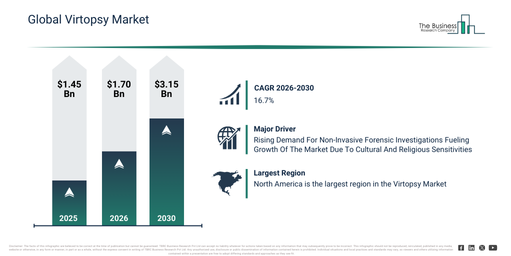
    The virtopsy market has shown substantial expansion in recent times. Its size is projected to increase from $1.45 billion in 2025 to $1.70 billion in 2026, achieving a compound annual growth rate (CAGR) of 17.0%. This historical growth can be linked to the greater acceptance of non-invasive autopsy methods, the escalating need for precise forensic investigations, the increased deployment of advanced medical imaging systems, the burgeoning requirement for more rapid post-mortem procedures, and a rising preference for body preservation in autopsy practices.

    The virtopsy market is projected to experience substantial growth in the upcoming years, with its valuation expected to reach $3.15 billion by 2030, driven by a compound annual growth rate (CAGR) of 16.7%. This expansion during the forecast period is primarily attributed to the increasing integration of artificial intelligence in virtual autopsy, the rising demand for digital forensic documentation, the expanding deployment of high-resolution imaging technologies, growing investment in healthcare digitization, and a heightened emphasis on efficient forensic workflow automation. Significant trends in this period include advancements in three-dimensional imaging technologies, innovations in artificial intelligence-based forensic analysis, developments in robotic scanning systems, ongoing research and development in digital pathology tools, and improvements in integrated forensic data management systems.

    Get A Free Sample Report With In-Depth Market Insights:

    https://thebusinessresearchcompany.com/sample_request?id=59280523&type=smp&name=Virtopsy%20Market%20Report%202026&utm_source=Blogs&utm_medium=Paid&utm_campaign=Oct_PR

    Virtopsy Market Opportunity Drivers: What’s Unlocking New Revenue Potential?

    The increasing need for forensic investigations that do not involve invasion is projected to fuel the expansion of the virtopsy market in the future. These non-invasive methods involve imaging technologies like CT scans and MRI, which allow for the examination of bodies or evidence without physical cuts or tissue damage, thereby maintaining their original condition for proper analysis. This growing demand stems primarily from the necessity to keep bodies or evidence undisturbed throughout forensic examinations. Virtopsy facilitates these non-invasive forensic investigations by employing sophisticated imaging technologies, such as CT and MRI, to assess bodies without resorting to conventional autopsy procedures. This approach enhances the precision of investigations, safeguards evidence, and minimizes procedural dangers. For example, in November 2024, the National Institute of Justice, a US-based research, development, and evaluation entity of the United States Department of Justice, indicated that the New Mexico Office of the Medical Investigator (OMI) performs CT scans on nearly all incoming bodies, decreasing full autopsy rates from 80–85 % to about 50 %, even while processing around 4,500 cases each year. Consequently, the escalating requirement for non-invasive forensic investigations is a key driver for the growth of the virtopsy market.

    Virtopsy Market Segmentation: How Does The Market Break Down By Category?

    The virtopsy market covered in this report is segmented –

    1) By Component: Hardware, Software, Services

    2) By Technology: Computed Tomography, Magnetic Resonance Imaging, Three Dimensional Surface Scanning, Angiography, Others

    3) By Deployment Mode: On Premise, Cloud Based

    4) By Application: Forensic Pathology, Clinical Research, Education And Training, Veterinary Forensics, Others

    5) By End-User: Hospitals, Forensic Laboratories, Academic And Research Institutes, Others

    Subsegments:

    1) By Hardware: Imaging Systems, Robotic Scanning Tools, High Resolution Scanners, Digital Angiography Equipment, Three Dimensional Surface Scanning Devices

    2) By Software: Forensic Visualization Software, Digital Reconstruction Platforms, Image Processing Solutions, Data Analytics Software, Workflow Automation Systems

    3) By Services: Installation Services, Maintenance And Support Services, Training And Education Services, Cloud Based Data Management Services, Forensic Consultation Services

    Virtopsy Market Competitive Overview And Top Companies

    Major companies operating in the virtopsy market are Siemens Healthineers AG, FUJIFILM Holdings Corp., Shimadzu Corporation, Canon Medical Systems Corporation, Virtual Autopsy UK Ltd., Virtopsy Canada Inc., Alrize Global Tech Pvt. Ltd., Advanced Detection Solutions LLC, Forensic Radiology Group LLC, Thanato Group, Digital Autopsy UK, iQ IMAGE, RMS Scanning

    View The Full Virtopsy Market Report:

    https://thebusinessresearchcompany.com/report/virtopsy-market-report?utm_source=Blogs&utm_medium=Paid&utm_campaign=Oct_PR

    Virtopsy Market Top Region: Where Does Most Revenue Come From?

    North America was the largest region in the virtopsy market in 2025. Asia-Pacific is expected to be the fastest-growing region in the forecast period. The regions covered in the virtopsy market report are Asia-Pacific, South East Asia, Western Europe, Eastern Europe, North America, South America, Middle East, Africa.

    Reach Out To Our Team:

    The Business Research Company: https://www.thebusinessresearchcompany.com/

    Americas: +1 310-496-7795

    Asia: +44 7882 955267 & +91 8897263534

    Europe: +44 7882 955267

    Email us at: marketing@tbrc.info

    Follow us on:

    LinkedIn: https://in.linkedin.com/company/the-business-research-company

    YouTube: https://www.youtube.com/channel/UC24_fI0rV8cR5DxlCpgmyFQ

    Global Market Model: https://www.thebusinessresearchcompany.com/global-market-model
  • Sports Psychology Services Market Size Forecast From 2026 To 2030: Key Industry Trends

    Sports Psychology Services Market Size Forecast From 2026 To 2030: Key Industry Trends

    Built to provide research that’s more actionable and strategically valuable, The Business Research Company’s 2026 market reports include market attractiveness analysis, total addressable market sizing, company benchmarking matrices, interactive Excel dashboards, broader supply chain intelligence, emerging startup tracking, and in-depth product insights.

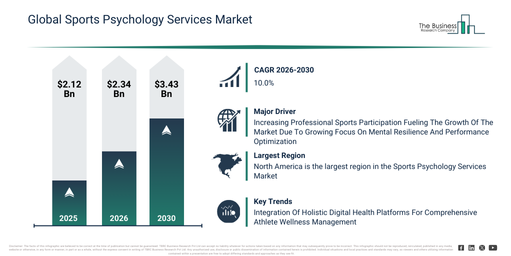
    Sports Psychology Services Market Poised To Hit $3.43 Billion By 2030 With A 10% CAGR

    The sports psychology services market has seen considerable growth in recent years. Its value is set to increase from $2.12 billion in 2025 to $2.34 billion in 2026, maintaining a compound annual growth rate (CAGR) of 10.3%. This historical growth can be attributed to several factors, including a heightened awareness of athlete mental health, an intensified focus on performance enhancement, the rising adoption of sports counseling programs, expanding participation in competitive sports, and an increasing demand for stress and anxiety management among athletes.

    The sports psychology services market size is anticipated to experience substantial growth in the coming years. Its value is projected to climb to $3.43 billion by 2030, demonstrating a compound annual growth rate (CAGR) of 10.0%. This expansion during the forecast period is driven by factors such as the increasing integration of digital mental training tools, a rise in the adoption of personalized psychological coaching, growing demand for data-driven performance assessments, the wider use of virtual and remote therapy platforms, and a heightened emphasis on the holistic well-being of athletes. Significant trends expected in this period include technological progress in digital mental training platforms, innovations in AI-supported performance psychology tools, advancements in biofeedback and neurofeedback systems, continued research and development in cognitive performance enhancement methods, and improvements in immersive VR-based mental conditioning tools.

    Get A Free Sample Report With In-Depth Market Insights:

    https://thebusinessresearchcompany.com/sample_request?id=89924882&type=smp&name=Sports%20Psychology%20Services%20Market%20Report%202026&utm_source=Blogs&utm_medium=Paid&utm_campaign=Oct_PR

    Sports Psychology Services Market Expansion Drivers: What’s Shaping Future Growth?

    Rising professional sports involvement is anticipated to fuel the expansion of the sports psychology services market. This engagement refers to individuals pursuing organized athletic endeavors as their main profession, undergoing intense training and competing at top-tier levels. The rise in professional sports participation is due to greater media exposure and attractive sponsorship opportunities, which draw in more athletes with promises of financial security and worldwide recognition. Sports psychology services bolster this participation by offering mental preparation techniques designed to sharpen concentration, handle competitive pressure, and boost overall performance reliability. For example, data from August 2024, published by the Bureau of Labor Statistics, a US-based federal government agency, indicates that the employment of athletes and sports competitors in the United States is expected to increase by 5% between 2024 and 2034. Consequently, the growing participation in professional sports is a key factor propelling the expansion of the sports psychology services market.

    Sports Psychology Services Market Segment Trends And Revenue Contributors

    The sports psychology services market covered in this report is segmented –

    1) By Service Type: Performance Enhancement, Counseling, Mental Skills Training, Rehabilitation, Other Service Types

    2) By Delivery Mode: In-Person, Online Or Telehealth

    3) By Provider Type: Independent Sports Psychologists, Sports Psychology Clinics, Sports Performance Centers, University And Institutional Providers, Multidisciplinary Wellness Centers

    4) By Application: Individual Athletes, Teams, Coaches, Other Applications

    5) By End-User: Professional Sports, Amateur Sports, Educational Institutions, Other End-Users

    Subsegments:

    1) By Performance Enhancement: Goal Setting And Achievement Planning, Focus And Concentration Improvement Sessions, Competitive Strategy Development Programs, Reaction Time And Agility Training, Motivation And Confidence Building Programs

    2) By Counseling: Stress And Anxiety Management Counseling, Career Transition And Retirement Counseling, Personal Development And Self Awareness Sessions, Team Dynamics And Interpersonal Counseling, Emotional Resilience Support Programs

    3) By Mental Skills Training: Visualization And Imagery Training Programs, Attention And Concentration Enhancement Sessions, Cognitive Behavioral Techniques For Athletes, Mindfulness And Relaxation Skill Development, Performance Anxiety Reduction Programs

    4) By Rehabilitation: Post Injury Psychological Recovery Sessions, Rehabilitation Motivation And Support Programs, Mental Recovery Planning For Athletes, Coping Strategy Development For Injured Athletes, Resilience And Confidence Restoration Programs

    5) By Other Service Types: Nutritional Psychology Counseling Sessions, Sleep And Recovery Optimization Programs, Stress Management Workshops For Teams, Sports Related Trauma Counseling, Integrative Mental Health Enhancement Programs

    Sports Psychology Services Market Strategic Trends: What Defines The Next Growth Phase?

    Key companies active in the sports psychology services market are prioritizing the development of innovative solutions, such as integrated digital health platforms, to offer comprehensive support for athletes’ mental and physical well-being. Integrated digital health platforms are defined as extensive software systems that merge multiple digital health services and tools into a single interface, thereby enabling the collection, management, analysis, and sharing of health data across patients, providers, and care settings. A case in point is October 2023, when CaringWire LLC, a US-based digital health platform provider, partnered with the U.S. Council for Athletes’ Health (USCAH) to introduce Holistic Athlete Health Solutions (HAHS). This platform links athletes to telehealth providers and features self-paced online courses and webinars on topics related to sports health, general wellness, and mental resilience. The solution is specifically designed to fit seamlessly into existing athletic department programs, providing continuous 24/7 access to care that supports the physical, mental, and emotional needs of modern athletes.

    Sports Psychology Services Market Company Landscape And Competitive Strategy

    Major companies operating in the sports psychology services market are California Baptist University (CBU), United States Olympic & Paralympic Committee, Conscious Mind Solutions, Discovery Sport & Performance Lab, ORKA Performance, Premier Sport Psychology, Performance in Mind, Jo Hopkins Consulting, KPEX Consulting, Flourish & Thrive, Grow Wellness Group, SportPsych Consulting, Athlete Mind Performance (AMP), The Performance Pursuit Consulting, Head In The Game, Pete Jackson Sport Psychology, Focus Perform, Clark Performance Consulting, University of Wisconsin–Green Bay, Nudge Sports, Tacomi Training Solutions Pvt. Ltd.

    View The Full Sports Psychology Services Market Report:

    https://thebusinessresearchcompany.com/report/sports-psychology-services-market-report?utm_source=Blogs&utm_medium=Paid&utm_campaign=Oct_PR

    Sports Psychology Services Market Largest Region: Which Geography Holds The Biggest Share?

    North America was the largest region in the sports psychology services market in 2025. Asia-Pacific is expected to be the fastest-growing region in the forecast period. The regions covered in the sports psychology services market report are Asia-Pacific, South East Asia, Western Europe, Eastern Europe, North America, South America, Middle East, Africa.

    Reach Out To Our Team:

    The Business Research Company: https://www.thebusinessresearchcompany.com/

    Americas: +1 310-496-7795

    Asia: +44 7882 955267 & +91 8897263534

    Europe: +44 7882 955267

    Email us at: marketing@tbrc.info

    Follow us on:

    LinkedIn: https://in.linkedin.com/company/the-business-research-company

    YouTube: https://www.youtube.com/channel/UC24_fI0rV8cR5DxlCpgmyFQ

    Global Market Model: https://www.thebusinessresearchcompany.com/global-market-model
  • Smart Hospital Command Center Market Forecast Insights: The Road To $6.27 Billion By 2030

    Smart Hospital Command Center Market Forecast Insights: The Road To $6.27 Billion By 2030

    Featuring market attractiveness scoring, total addressable market sizing, company benchmarking matrices, interactive Excel dashboards, deeper supply chain intelligence, emerging startup tracking, and granular product-level insights, The Business Research Company’s 2026 market reports are built to deliver research that is both more actionable and more strategically valuable.

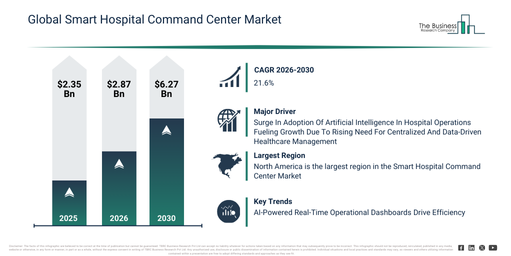
    Smart Hospital Command Center Market Forecast: Value Set To Climb From $2.87 Billion To $6.27 Billion

    The smart hospital command center market has seen exponential growth in recent years. Its value is forecast to expand from $2.35 billion in 2025 to $2.87 billion in 2026, achieving a compound annual growth rate (CAGR) of 21.9%. Historically, this growth can be linked to increasing hospital digitalization, a growing demand for real-time operational visibility, a rising focus on patient safety and quality improvement, the expanding adoption of data analytics in healthcare, and the increasing need for coordinated emergency response.

    The smart hospital command center market size is expected to undergo significant growth in the coming years. It is projected to reach $6.27 billion in 2030, showing a compound annual growth rate (CAGR) of 21.6%. This expansion during the forecast period is attributed to the increasing integration of artificial intelligence in hospital operations, growing investments in smart healthcare infrastructure, a rising need for predictive analytics for patient flow management, the expanding implementation of connected medical devices, and a stronger focus on operational efficiency and resource optimization. Key trends anticipated in the forecast period include technological advancements in real-time monitoring platforms, innovations in artificial intelligence-powered decision support systems, developments in integrated hospital automation solutions, research and developments in digital health analytics, and new approaches in digital twin-based hospital operations management.

    Get A Free Sample Report With In-Depth Market Insights:

    https://thebusinessresearchcompany.com/sample_request?id=72148221&type=smp&name=Smart%20Hospital%20Command%20Center%20Market%20Report%202026&utm_source=Blogs&utm_medium=Paid&utm_campaign=Oct_PR

    Smart Hospital Command Center Market Industry Drivers: What’s Behind The Revenue Growth?

    The swift incorporation of artificial intelligence (AI) into hospital operations is anticipated to drive the future expansion of the smart hospital command center market. Artificial intelligence (AI) in hospital operations refers to employing machine learning algorithms and automation to streamline administrative duties such as scheduling, staffing, inventory management, and resource allocation, thereby boosting efficiency and reducing operational expenses. The adoption of artificial intelligence (AI) in hospital operations is increasing due to the growing need to optimize intricate administrative and operational workflows. Smart hospital command centers aid artificial intelligence (AI) in hospital operations by utilizing real-time data integration and predictive analytics that improve responsiveness across various hospital services. For instance, in September 2025, data from the Assistant Secretary for Technology Policy, a US-based government office, showed that in 2024, 71% of hospitals reported using predictive AI integrated with the electronic health record (EHR), an increase from 66% in 2023, with roughly 7 in 10 hospitals confirming predictive AI usage in 2024. Therefore, the quick integration of artificial intelligence (AI) in hospital operations is fostering the growth of the smart hospital command center market.

    Smart Hospital Command Center Market Segment Analysis Spotlighting Growth Areas

    The smart hospital command center market covered in this report is segmented –

    1) By Component: Software, Hardware, Services

    2) By Deployment Mode: On-Premises, Cloud-Based

    3) By Application: Patient Flow Management, Resource Allocation, Clinical Operations, Asset Management, Communication And Coordination, Others

    4) By End User: Large Hospitals, Medium Hospitals, Small Hospitals

    Subsegments:

    1) By Software: Real-Time Analytics Platforms, Hospital Workflow Automation Systems, Patient Flow Management Software, Digital Communication And Coordination Tools, Integrated Dashboard And Visualization Software, Clinical Decision Support Solutions, Resource Allocation Optimization Software

    2) By Hardware: Centralized Monitoring Systems, Internet Of Things Enabled Devices, Servers And Data Storage Units, Networking And Connectivity Equipment, Control Room Display Panels, Sensor Based Tracking Devices, Integrated Command Center Consoles

    3) By Services: Implementation And Integration Services, Training And Education Services, Maintenance And Technical Support Services, Consulting And Workflow Optimization Services, System Upgradation And Enhancement Services, Remote Monitoring And Management Services, Customization And Configuration Services

    #Smart Hospital Command Center Market Growth Trends: What’s Shaping The Future Outlook?

    Leading companies within the smart hospital command center market are concentrating on creating sophisticated solutions, such as real-time predictive analytics, to bolster operational efficiency, streamline patient movement, and enhance clinical decision-making across health systems. Real-time predictive analytics denotes software-powered functionalities that consistently compile and examine live hospital information to predict demand, pinpoint obstacles, and facilitate preemptive operational actions. For instance, in October 2024, GE HealthCare Technologies Inc., a US-based medical technology company, introduced the Hospital Pulse Tile for its Command Center Software. This launch integrates real-time predictive analytics to deliver system-wide insight into capacity, staffing levels, patient flow, and the effectiveness of care delivery. The Command Center employs advanced analytics and AI to transform complex hospital data into practical insights, empowering leaders to anticipate patient surges, optimize resource deployment, and minimize delays in care.

    Smart Hospital Command Center Market Leading Companies And Competitive Benchmarking

    Major companies operating in the smart hospital command center market are IBM Corporation, Oracle Corporation, Honeywell International Inc., Siemens Healthineers AG, Koninklijke Philips N.V., GE HealthCare Technologies Inc., Palantir Technologies Inc., Huron Consulting Group Inc., Dedalus Group, Allscripts Healthcare Solutions Inc., Everbridge Inc., Ascom Ltd., Care Logistics LLC, Spok Holdings Inc., TeleTracking Technologies Inc., LeanTaaS Inc., Qventus Inc., Connexall, Pointcore, Epic Systems Corporation

    View The Full Smart Hospital Command Center Market Report:

    https://thebusinessresearchcompany.com/report/smart-hospital-command-center-market-report?utm_source=Blogs&utm_medium=Paid&utm_campaign=Oct_PR

    Smart Hospital Command Center Market Largest Region By Revenue And Market Share

    North America was the largest region in the smart hospital command center market in 2025. Asia-Pacific is expected to be the fastest-growing region in the forecast period. The regions covered in the smart hospital command center market report are Asia-Pacific, South East Asia, Western Europe, Eastern Europe, North America, South America, Middle East, Africa.

    Reach Out To Our Team:

    The Business Research Company: https://www.thebusinessresearchcompany.com/

    Americas: +1 310-496-7795

    Asia: +44 7882 955267 & +91 8897263534

    Europe: +44 7882 955267

    Email us at: marketing@tbrc.info

    Follow us on:

    LinkedIn: https://in.linkedin.com/company/the-business-research-company

    YouTube: https://www.youtube.com/channel/UC24_fI0rV8cR5DxlCpgmyFQ

    Global Market Model: https://www.thebusinessresearchcompany.com/global-market-model
  • Sleep Disorder Market Growth To $65.51 Billion By 2030: What’s Driving The Expansion?

    Sleep Disorder Market Growth To $65.51 Billion By 2030: What’s Driving The Expansion?

    Built to provide research that’s more actionable and strategically valuable, The Business Research Company’s 2026 market reports include market attractiveness analysis, total addressable market sizing, company benchmarking matrices, interactive Excel dashboards, broader supply chain intelligence, emerging startup tracking, and in-depth product insights.

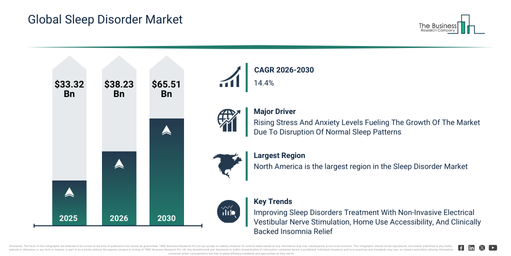
    Sleep Disorder Market Size And Revenue Outlook Through 2030

    The sleep disorder market has experienced substantial expansion in recent years. It is projected to grow from $33.32 billion in 2025 to $38.23 billion in 2026, demonstrating a compound annual growth rate (CAGR) of 14.7%. The market’s historical growth can be attributed to factors such as increasing awareness about sleep health, a rising prevalence of insomnia and sleep apnea, greater adoption of sleep diagnostic services, an expanding geriatric population, an increase in stress and lifestyle-related sleep issues, and the growing usage of smartphones and wearable devices for sleep tracking.

    The sleep disorder market is projected to experience substantial expansion over the upcoming years. Its valuation is anticipated to reach $65.51 billion by 2030, exhibiting a compound annual growth rate (CAGR) of 14.4%. This anticipated growth during the forecast period can be primarily ascribed to factors such as the increasing availability of telemedicine services for sleep-related conditions, the growing embrace of wearable sleep tracking devices, a surge in home-based diagnostic assessments, the proliferation of cognitive behavioral therapy applications, and heightened governmental efforts to promote awareness of sleep health. Key trends defining this forecast period encompass advancements in wearable devices for sleep monitoring, enhancements in home-based tools for sleep diagnosis, progress in AI-powered sleep analysis, novel developments in non-invasive treatments for sleep apnea, new approaches in telemedicine for sleep consultations, and creative improvements in cognitive behavioral therapy applications.

    Get A Free Sample Report With In-Depth Market Insights:

    https://thebusinessresearchcompany.com/sample_request?id=66780852&type=smp&name=Sleep%20Disorder%20Market%20Report%202026&utm_source=Blogs&utm_medium=Paid&utm_campaign=Oct_PR

    Sleep Disorder Market Growth Factors Behind Sustained Expansion

    Rising stress and anxiety levels are anticipated to fuel the expansion of the sleep disorder market moving ahead. These levels denote the occurrence of psychological strain and undue concern in a population, frequently stemming from environmental, societal, or financial pressures. An uptick in stress and anxiety is observed, driven by work-related pressures where individuals contend with increased workloads, stringent deadlines, and employment instability. Such levels contribute to sleep disorders by interfering with regular sleep cycles and making it harder to initiate or maintain sleep. Furthermore, they deteriorate general health through hindering restorative sleep, which results in tiredness, reduced mental function, and an elevated susceptibility to chronic illnesses. For example, in May 2024, data from the American Psychiatric Association (APA), a US-based professional organization, indicated that 43% of U.S. adults reported feeling more anxious in 2024 compared to the prior year, an increase from 37% in 2023 and 32% in 2022. Consequently, the escalation of stress and anxiety levels is propelling the expansion of the sleep disorder market.

    Sleep Disorder Market Segment Analysis And Revenue Potential

    The sleep disorder market covered in this report is segmented –

    1) By Disorder Type: Insomnia, Sleep Apnea, Restless Legs Syndrome, Narcolepsy, Circadian Rhythm Disorders

    2) By Treatment: Cognitive Behavioral Therapy, Medication Therapy, Psychiatric Treatment, Behavioral Treatment

    3) By Diagnostic Method: Polysomnography, Home Sleep Testing, Actigraphy, Sleep Diaries, Questionnaires and Screening

    4) By Distribution Channel: Retail Pharmacies, Online Sales, Hospital Pharmacies

    5) By End-User: Hospitals And Sleep Centers, Home Care Settings, Academic

    Subsegments:

    1) By Insomnia: Acute Insomnia, Chronic Insomnia, Onset Insomnia, Maintenance Insomnia, Behavioral Insomnia, Medication-Induced Insomnia

    2) By Sleep Apnea: Obstructive Sleep Apnea, Central Sleep Apnea, Complex Sleep Apnea Syndrome, Mild Sleep Apnea, Moderate Sleep Apnea, Severe Sleep Apnea, Pediatric Sleep Apnea, Treatment-Resistant Sleep Apnea

    3) By Restless Legs Syndrome: Primary Restless Legs Syndrome, Secondary Restless Legs Syndrome, Mild Restless Legs Syndrome, Moderate Restless Legs Syndrome, Severe Restless Legs Syndrome, Intermittent Restless Legs Syndrome, Chronic Persistent Restless Legs Syndrome

    4) By Narcolepsy: Narcolepsy Type 1, Narcolepsy Type 2, Idiopathic Hypersomnia, Pediatric Narcolepsy, Treatment-Resistant Narcolepsy, Secondary Narcolepsy

    5) By Circadian Rhythm Disorders: Delayed Sleep Phase Disorder, Advanced Sleep Phase Disorder, Shift Work Sleep Disorder, Jet Lag Disorder, Irregular Sleep-Wake Rhythm Disorder, Non-24-Hour Sleep-Wake Disorder

    Sleep Disorder Market Industry Trends Fueling Future Revenue Growth

    Leading companies in the sleep disorder market are directing their efforts towards developing advanced therapeutic technologies, such as electrical vestibular nerve stimulation (VeNS) methods. The objective is to provide non-pharmacological treatment options designed to enhance sleep quality, regulate circadian rhythms, and support patients dealing with chronic insomnia. The electrical vestibular nerve stimulation (VeNS) method itself describes a non-invasive therapeutic approach that administers low-level electrical pulses to the vestibular nerve. This nerve is a critical neural pathway influencing brain regions involved in sleep regulation, without the need for surgical intervention or pharmaceutical drugs. For example, in October 2024, Neurovalens Ltd., a health-tech company based in the UK, launched Modius Sleep. This FDA-cleared non-invasive device is engineered to treat chronic insomnia by employing electrical vestibular nerve stimulation (VeNS). This headset-style medical device is intended to be worn for about 30 minutes each evening. It works by sending safe electrical pulses to the vestibular nerve, thereby influencing the hypothalamus and brainstem areas that control circadian rhythm and sleep patterns, which helps users to fall asleep more quickly and sustain sleep for longer periods.

    Sleep Disorder Market Leading Players And Competitive Positioning

    Major companies operating in the sleep disorder market are Johnson & Johnson, Merck & Co. Inc., Pfizer Inc., Sanofi S.A., GlaxoSmithKline plc, Eli Lilly and Company, Takeda Pharmaceutical Company Limited, Teva Pharmaceutical Industries Ltd., Otsuka Holdings Co. Ltd., Biogen Inc., Union Chimique Belge S.A., Sun Pharmaceutical Industries Ltd., Eisai Co. Ltd., Jazz Pharmaceuticals plc, Aurobindo Pharma Ltd., Dr. Reddy’s Laboratories Limited, H. Lundbeck A/S, Sumitomo Pharma Co. Ltd., Neurocrine Biosciences Inc., Harmony Biosciences Holdings Inc., Vanda Pharmaceuticals Inc.

    View The Full Sleep Disorder Market Report:

    https://thebusinessresearchcompany.com/report/sleep-disorder-market-report?utm_source=Blogs&utm_medium=Paid&utm_campaign=Oct_PR

    Sleep Disorder Market Regional Distribution: Which Areas Power Market Growth?

    North America was the largest region in the sleep disorder market in 2025. Asia-Pacific is expected to be the fastest-growing region in the forecast period. The regions covered in the sleep disorder market report are Asia-Pacific, South East Asia, Western Europe, Eastern Europe, North America, South America, Middle East, Africa.

    Reach Out To Our Team:

    The Business Research Company: https://www.thebusinessresearchcompany.com/

    Americas: +1 310-496-7795

    Asia: +44 7882 955267 & +91 8897263534

    Europe: +44 7882 955267

    Email us at: marketing@tbrc.info

    Follow us on:

    LinkedIn: https://in.linkedin.com/company/the-business-research-company

    YouTube: https://www.youtube.com/channel/UC24_fI0rV8cR5DxlCpgmyFQ

    Global Market Model: https://www.thebusinessresearchcompany.com/global-market-model
  • Sensorimotor Neuropathy Market Forecast: Breaking Down The Numbers Behind Future Expansion

    Sensorimotor Neuropathy Market Forecast: Breaking Down The Numbers Behind Future Expansion

    Built to provide research that’s more actionable and strategically valuable, The Business Research Company’s 2026 market reports include market attractiveness analysis, total addressable market sizing, company benchmarking matrices, interactive Excel dashboards, broader supply chain intelligence, emerging startup tracking, and in-depth product insights.

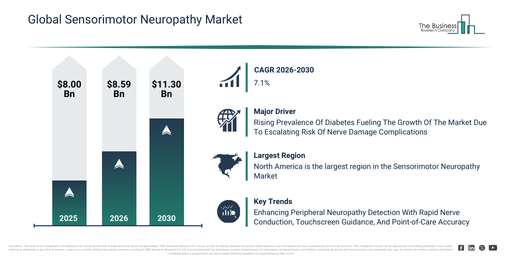
    Sensorimotor Neuropathy Market Growth Potential: How Will Market Size Shift Through 2030?

    The sensorimotor neuropathy market has experienced substantial growth in recent years. It is anticipated to expand from $8.00 billion in 2025 to $8.59 billion by 2026, achieving a compound annual growth rate (CAGR) of 7.4%. This historical growth can be attributed to factors such as the increasing prevalence of diabetes, an expanding geriatric population, heightened awareness of neuropathy complications, the development of hospital and clinical infrastructure, and the rising adoption of diagnostic technologies.

    The sensorimotor neuropathy market is projected to experience robust expansion over the coming years, reaching $11.30 billion in 2030, exhibiting a compound annual growth rate (CAGR) of 7.1%. This anticipated growth during the forecast period is primarily driven by escalating research and development efforts, increased investment in neurotherapeutics, greater integration of genetic testing, the expansion of personalized medicine solutions, and the rising adoption of digital and remote monitoring technologies. Key trends influencing the market in this timeframe include advancements in molecular genetic testing, the development of minimally invasive therapies, innovations in neuroprotective drug design, the increasing utilization of artificial intelligence in diagnostics, and the broadening of patient-centric and telemedicine solutions.

    Get A Free Sample Report With In-Depth Market Insights:

    https://thebusinessresearchcompany.com/sample_request?id=45932717&type=smp&name=Sensorimotor%20Neuropathy%20Market%20Report%202026&utm_source=Blogs&utm_medium=Paid&utm_campaign=Oct_PR

    Sensorimotor Neuropathy Market Growth Catalysts And Demand Drivers

    The increasing occurrence of diabetes is anticipated to propel the growth of the sensorimotor neuropathy market in the future. Diabetes is defined as a chronic health condition that affects how the body converts food into energy, characterized by elevated blood sugar levels resulting from defects in insulin production or action. The prevalence of diabetes is rising due to a surge in obesity rates, which are driven by sedentary lifestyles and increased consumption of processed high-sugar and high-fat foods, consequently reducing physical activity levels. Sensorimotor neuropathy aids diabetic patients by facilitating targeted sensorimotor training, which improves gait stability, ankle proprioception, and overall quality of life through enhanced balance and reduced fall risk. For instance, in 2025, according to the International Diabetes Federation, a Belgium-based health organization, in 2024, approximately 589 million adults aged 20-79 were living with diabetes. This total number is projected to reach 853 million by 2050, with more than 4 in 5 adults with diabetes residing in low and middle-income countries. Therefore, the rising prevalence of diabetes is driving the growth of the sensorimotor neuropathy market.

    Sensorimotor Neuropathy Market Segment Landscape: Which Areas Lead Development?

    The sensorimotor neuropathy market covered in this report is segmented –

    1) By Type: Diabetic Neuropathy, Hereditary Neuropathy, Charcot-Marie-Tooth Disease, Guillain-Barré Syndrome, Chronic Inflammatory Demyelinating Polyneuropathy (CIDP), Toxic Neuropathy, Infectious Neuropathy

    2) By Treatment: Medications, Physical Therapy, Occupational Therapy, Transcutaneous Electrical Nerve Stimulation (TENS), Surgery

    3) By Diagnosis: Electromyography And Motor Nerve Conduction Test, Specialized Deoxyribonucleic Acid Blood Tests, Molecular Genetic Testing, Other Diagnosis

    4) By Distribution Channel: Hospital Pharmacies, Retail And Online Pharmacies

    Subsegments:

    1) By Diabetic Neuropathy: Insulin Related Neuropathy, Glucose Induced Neuropathy, Chronic Diabetes Induced Neuropathy, Peripheral Neuropathy, Autonomic Neuropathy

    2) By Hereditary Neuropathy: Charcot Marie Tooth Disease, Hereditary Sensory Neuropathy, Familial Amyloid Polyneuropathy, Genetic Peripheral Neuropathy, Hereditary Motor Neuropathy

    3) By Charcot-Marie-Tooth Disease: Type One Demyelinating, Type Two Axonal, Intermediate Form, Dominant Form, Recessive Form

    4) By Guillain-Barré Syndrome: Acute Inflammatory Demyelinating Polyneuropathy, Acute Motor Axonal Neuropathy, Acute Motor Sensory Axonal Neuropathy, Miller Fisher Syndrome, Other Variants

    5) By Chronic Inflammatory Demyelinating Polyneuropathy: Typical Chronic Inflammatory Demyelinating Polyneuropathy, Multifocal Acquired Demyelinating Sensory And Motor Neuropathy, Distal Acquired Demyelinating Symmetric Neuropathy, Other Forms, Treatment Responsive Type

    6) By Toxic Neuropathy: Alcohol Induced Neuropathy, Drug Induced Neuropathy, Heavy Metal Induced Neuropathy, Chemical Exposure Neuropathy, Other Toxin Related Neuropathy

    7) By Infectious Neuropathy: Viral Induced Neuropathy, Bacterial Induced Neuropathy, Fungal Induced Neuropathy, Parasitic Induced Neuropathy, Other Infection Related Neuropathy

    Sensorimotor Neuropathy Market Trends Shaping Long-Term Demand

    Leading companies active in the sensorimotor neuropathy market are concentrating on developing sophisticated diagnostic technology, particularly enhanced nerve conduction devices with improved user interfaces. The aim is to advance early detection, objective assessment, and monitoring of nerve damage linked to peripheral neuropathy. Nerve conduction devices with better user interfaces refer to systems that merge quantitative nerve signal measurement with intuitive displays and guided operational processes, enabling clinicians to perform accurate evaluations efficiently at the point of care. For instance, in January 2023, NeuroMetrix Inc., a US-based medical device company, introduced the DPNCheck 2.0 peripheral neuropathy testing device, which is an enhanced nerve conduction device equipped with an improved user interface. This updated system measures sural nerve conduction velocity and response amplitude, both recognized biomarkers of peripheral neuropathy, and features an easy-to-use, large touchscreen display that guides clinicians through the test while presenting real-time results more clearly than earlier models. The device also includes enhanced temperature compensation to ensure consistent performance across various clinical environments.

    Sensorimotor Neuropathy Market Competitive Landscape: Who Leads The Industry?

    Major companies operating in the sensorimotor neuropathy market are Johnson & Johnson, Merck & Co Inc., Pfizer Inc., Abbvie Inc., Sanofi S.A, Novartis AG, Astrazeneca plc, Abbott Laboratories, Glaxosmithkline plc, Eli Lilly Company, Takeda Pharmaceutical Company Ltd., Teva Pharmaceutical Industries Ltd., Viatris Inc., Biogen Inc., Intas Pharmaceutical Limited, Ucb S.A., Sun Pharmaceutical Industries Ltd., Aurobindo Pharma Limited, Dr.Reddy’s Laboratories Limited, Cipla Limited, Lupin Limited, Torrent Pharmaceuticals Ltd., Alembic Pharmaceutical Limited, Boehringer Ingelheim International GmbH, Otuska Pharmaceutical Co. Ltd.

    View The Full Sensorimotor Neuropathy Market Report:

    https://thebusinessresearchcompany.com/report/sensorimotor-neuropathy-market-report?utm_source=Blogs&utm_medium=Paid&utm_campaign=Oct_PR

    Sensorimotor Neuropathy Market Geographic Landscape: Which Region Leads Industry Growth?

    North America was the largest region in the sensorimotor neuropathy market in 2025. Asia-Pacific is expected to be the fastest-growing region in the forecast period. The regions covered in the sensorimotor neuropathy market report are Asia-Pacific, South East Asia, Western Europe, Eastern Europe, North America, South America, Middle East, Africa.

    Reach Out To Our Team:

    The Business Research Company: https://www.thebusinessresearchcompany.com/

    Americas: +1 310-496-7795

    Asia: +44 7882 955267 & +91 8897263534

    Europe: +44 7882 955267

    Email us at: marketing@tbrc.info

    Follow us on:

    LinkedIn: https://in.linkedin.com/company/the-business-research-company

    YouTube: https://www.youtube.com/channel/UC24_fI0rV8cR5DxlCpgmyFQ

    Global Market Model: https://www.thebusinessresearchcompany.com/global-market-model
  • Remote Patient Monitoring Market Analysis: $63.75 Billion Market Size In 2026 And Future Growth Prospects

    Remote Patient Monitoring Market Analysis: $63.75 Billion Market Size In 2026 And Future Growth Prospects

    Featuring market attractiveness scoring, total addressable market sizing, company benchmarking matrices, interactive Excel dashboards, deeper supply chain intelligence, emerging startup tracking, and granular product-level insights, The Business Research Company’s 2026 market reports are built to deliver research that is both more actionable and more strategically valuable.

    Remote Patient Monitoring Market Expansion Outlook: What Revenue Opportunities Are Ahead?

    The remote patient monitoring market has witnessed significant growth in recent years. This market is projected to expand from $55.24 billion in 2025 to $63.75 billion in 2026, demonstrating a compound annual growth rate (CAGR) of 15.4%. Historically, this expansion is attributed to an increasing prevalence of chronic conditions, a steadily aging global populace, a heightened demand for healthcare services delivered at home, the broader integration of telehealth solutions, and an intensified emphasis on decreasing hospital readmission rates.

    The remote patient monitoring market is projected to experience substantial expansion over the upcoming years. Its valuation is set to reach $111.93 billion by 2030, exhibiting a compound annual growth rate (CAGR) of 15.1%. This anticipated growth stems from several factors, including the increasing occurrence of chronic and lifestyle-related conditions, a rising need for in-home healthcare services, greater patient understanding of the advantages of remote monitoring, a global increase in healthcare spending, and an intensified focus on care that is value-based and outcome-oriented. Significant developments during this period are expected to encompass breakthroughs in wearable sensor technologies, novelties in remote monitoring platforms and software, enhancements in integrating remote patient data with electronic health records, progress in predictive analytics for patient monitoring, and advancements in artificial intelligence-powered clinical decision support.

    Get A Free Sample Report With In-Depth Market Insights:

    https://thebusinessresearchcompany.com/sample_request?id=11955371&type=smp&name=Remote%20Patient%20Monitoring%20Market%20Report%202026&utm_source=Blogs&utm_medium=Paid&utm_campaign=Oct_PR

    Remote Patient Monitoring Market Development Factors: What’s Supporting Demand?

    The increasing incidence of chronic diseases is anticipated to drive the growth of the remote patient monitoring market in the future. Chronic diseases are long-term health conditions, including hypertension, diabetes, and cardiovascular disorders, that necessitate continuous monitoring and ongoing management. The rise in their prevalence stems from aging populations combined with widespread unhealthy lifestyle patterns like physical inactivity, poor nutrition, tobacco use, and excessive alcohol consumption, which collectively lead to long-term risks such as obesity, hypertension, and diabetes. Remote patient monitoring supports chronic disease management by continuously tracking patients’ vital signs, symptoms, and treatment adherence from home. It improves patient outcomes by allowing for early detection of complications, timely interventions, and personalized care adjustments. For instance, in June 2024, data from the National Health Service, a UK-based government department, revealed that 3,615,330 individuals registered with a general practitioner (GP) were diagnosed with non-diabetic hyperglycemia or pre-diabetes (a condition characterized by elevated blood sugar levels, not severe enough to be classified as diabetes) in 2023, marking an 18% increase from 3,065,825 cases in 2022. Therefore, the expanding prevalence of chronic diseases is propelling the growth of the remote patient monitoring market.

    Remote Patient Monitoring Market Segment Breakdown: Which Categories Lead On Revenue?

    The remote patient monitoring market covered in this report is segmented –

    1) By Component: Devices, Services, Software

    2) By Application: Chronic Disease Management, Post-Acute Care Monitoring, Preventive Care And Wellness, Home Health Monitoring, Rehabilitation Monitoring

    3) By End User: Hospitals, Clinics, Home Healthcare Providers, Ambulatory Care Centers, Long-Term Care Facilities

    Subsegments:

    1) By Devices: Remote Monitoring Sensors, Wearable Health Trackers, Blood Pressure Monitors, Blood Glucose Monitors, Pulse Oximetry Devices, Electrocardiogram Devices, Temperature Monitoring Devices, Smart Scales, Multi-Parameter Monitoring Devices

    2) By Services: Installation Services, Maintenance Services, Training Services, Technical Support Services, Remote Monitoring Services, Data Management Services, Consultation Services

    3) By Software: Patient Data Management Software, Clinical Decision Support Software, Remote Monitoring Platforms, Mobile Health Applications, Cloud-Based Analytics Software, Alert And Notification Software, Electronic Health Record Integration Software

    Remote Patient Monitoring Market Transformation Trends: What Innovations Are Driving Change?

    Major companies in the remote patient monitoring market are dedicating efforts to developing advanced remote monitoring products, aiming to enhance patient care, improve clinical decision-making, and expand accessibility to medical-grade data. Remote vital signs monitoring systems refer to wearable devices that offer continuous and accurate tracking of crucial physiological parameters for use in clinical, emergency, and home settings. For instance, in May 2024, Sempulse Corporation, a US-based medical device manufacturer, launched the FDA 510(k)-cleared Halo Vital Signs Monitoring System. This miniature wearable device integrates with the LiveCharts mobile app and the Command Cloud platform to allow for centralized data visualization and management. The solution’s capabilities include a reusable design suitable for both home and clinical environments, cloud-based data analytics for prioritizing patient care, and the ability to continuously monitor vital signs even during patient activity.

    Remote Patient Monitoring Market Industry Leaders And Competitive Landscape

    Major companies operating in the remote patient monitoring market are Siemens AG, Abbott Laboratories, Medtronic plc, Koninklijke Philips N.V., GE HealthCare Technologies Inc., Boston Scientific Corporation, Baxter International Inc., Roche Diagnostics, Omron Corporation, Shenzhen Mindray Bio-Medical Electronics Co. Ltd., ResMed Inc., Dräger Medical, Dexcom Inc., Teladoc Health Inc., Nihon Kohden Corporation, OSI Systems Inc, Biofourmis Inc., Masimo Corp., VitalConnect Inc., Guangdong Transtek Medical Electronics Co. Ltd.

    View The Full Remote Patient Monitoring Market Report:

    https://thebusinessresearchcompany.com/report/remote-patient-monitoring-market-report?utm_source=Blogs&utm_medium=Paid&utm_campaign=Oct_PR

    Remote Patient Monitoring Market Regional Analysis And Leading Geography

    North America was the largest region in the remote patient monitoring market in 2025. Asia-Pacific is expected to be the fastest-growing region in the forecast period. The regions covered in the remote patient monitoring market report are Asia-Pacific, South East Asia, Western Europe, Eastern Europe, North America, South America, Middle East, Africa.

    Reach Out To Our Team:

    The Business Research Company: https://www.thebusinessresearchcompany.com/

    Americas: +1 310-496-7795

    Asia: +44 7882 955267 & +91 8897263534

    Europe: +44 7882 955267

    Email us at: marketing@tbrc.info

    Follow us on:

    LinkedIn: https://in.linkedin.com/company/the-business-research-company

    YouTube: https://www.youtube.com/channel/UC24_fI0rV8cR5DxlCpgmyFQ

    Global Market Model: https://www.thebusinessresearchcompany.com/global-market-model

  • Remote Cardiac Rehab Platforms Market 2026 Market Size And Growth Forecast: Key Trends To Watch

    Remote Cardiac Rehab Platforms Market 2026 Market Size And Growth Forecast: Key Trends To Watch

    Built to provide research that’s more actionable and strategically valuable, The Business Research Company’s 2026 market reports include market attractiveness analysis, total addressable market sizing, company benchmarking matrices, interactive Excel dashboards, broader supply chain intelligence, emerging startup tracking, and in-depth product insights.

    Remote Cardiac Rehab Platforms Market Growth Potential: How Will Market Size Shift Through 2030?

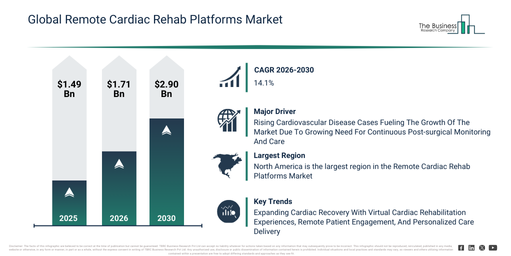
    The market for remote cardiac rehab platforms has shown rapid expansion in recent years. It is expected to increase from $1.49 billion in 2025 to $1.71 billion in 2026, achieving a compound annual growth rate (CAGR) of 14.4%. Historically, this growth can be attributed to the rising occurrence of cardiovascular diseases, an expanding elderly demographic, greater awareness of cardiac health, improvements in telehealth infrastructure, and higher hospital readmission rates.

    The remote cardiac rehab platforms market size is poised for rapid expansion in the coming years. It is projected to grow to $2.90 billion in 2030, at a compound annual growth rate (CAGR) of 14.1%. This growth during the forecast period is attributable to several factors, including the increasing adoption of remote monitoring platforms, a rising patient preference for home-based rehabilitation, greater healthcare expenditure on digital solutions, the expansion of insurance coverage for remote therapy, and the increasing integration of wearable devices with rehab programs. Key trends expected in this period encompass technological advancements in wearable sensors, innovations in digital rehabilitation software, developments in artificial intelligence-driven patient monitoring, ongoing research and development in telecardiology, and the integration of mobile applications with remote rehab platforms.

    Get A Free Sample Report With In-Depth Market Insights:

    https://thebusinessresearchcompany.com/sample_request?id=18707280&type=smp&name=Remote%20Cardiac%20Rehab%20Platforms%20Market%20Report%202026&utm_source=Blogs&utm_medium=Paid&utm_campaign=Oct_PR

    Remote Cardiac Rehab Platforms Market Industry Drivers: What’s Behind The Revenue Growth?

    The increasing incidence of cardiovascular disease is projected to stimulate the expansion of the remote cardiac rehabilitation platforms market moving forward. These rising cases indicate a greater frequency of heart-related conditions, such as coronary artery disease and heart failure, which demand surgical intervention and ongoing management. Advances in surgical techniques coupled with an aging demographic are propelling these increased cardiovascular disease cases, thereby generating a heightened demand for easily accessible post-operative recovery solutions. Remote cardiac rehabilitation platforms are instrumental in establishing holistic recovery programs by enabling real-time oversight of patient vitals and providing guided exercise therapy within home environments. For example, in May 2025, the Japanese Association for Thoracic Surgery, a professional organization based in Japan, stated that Japan carried out 63,427 cardiovascular surgeries in 2023, marking a 3.0% increase from the 61,606 surgeries performed in 2022. Thus, the escalating cardiovascular disease cases are significantly contributing to the growth of the remote cardiac rehabilitation platforms market.

    Remote Cardiac Rehab Platforms Market Segmentation: How Does The Market Break Down By Category?

    The remote cardiac rehab platforms market covered in this report is segmented –

    1) By Component: Software, Hardware, Services

    2) By Delivery Mode: Web-based, Cloud-based, On-premises

    3) By Application: Chronic Heart Failure, Post-Myocardial Infarction, Hypertension, Arrhythmia, Other Applications

    4) By End User: Hospitals and Clinics, Home Care Settings, Cardiac Rehabilitation Centers, Other End Users

    Subsegments:

    1) By Software: Platform, Patient Application, Clinician Dashboard, Administrative And Billing Module

    2) By Hardware: Wearable Devices, Electrocardiogram(ECG) Monitors, Blood Pressure Monitors, Heart Rate Monitors

    3) By Services: Remote Monitoring, Virtual Consultation, Patient Education, Technical Support

    #Remote Cardiac Rehab Platforms Market Growth Trends: What’s Shaping The Future Outlook?

    Companies active in the remote cardiac rehabilitation platforms market are concentrating on creating sophisticated telehealth solutions, including virtual cardiac rehabilitation experiences, to broaden access to crucial rehab programs, boost patient involvement, and facilitate tailored cardiovascular recovery beyond conventional clinical environments. This virtual experience denotes a structured digital care pathway that offers exercise direction, education, symptom tracking, and professional feedback via remote platforms, allowing patients to engage in extensive cardiac rehabilitation from their homes or communities under clinical supervision. As an example, in October 2025, WakeMed Health & Hospitals, a US-based healthcare provider, introduced a virtual cardiac rehabilitation program for individuals recuperating from heart operations or managing long-term heart ailments. This initiative utilizes connected devices, remote observation, and telehealth guidance to assist patients through customized rehabilitation plans, monitor their advancement, and offer immediate clinician assistance, thereby overcoming obstacles like travel, scheduling difficulties, and restricted access to facilities. The introduction of this program highlights the increasing emphasis on integrating virtual experiences into cardiac rehabilitation to improve convenience, patient compliance, and overall health results. By incorporating a virtual cardiac rehabilitation experience into their remote care services, WakeMed and Recora facilitate wider engagement in evidence-based rehabilitation, enhance the continuous nature of care, and support sustained cardiovascular health for a wide range of patients.

    Remote Cardiac Rehab Platforms Market Key Participants And Competitive Landscape

    Major companies operating in the remote cardiac rehab platforms market are Philips Healthcare, Teladoc Health Inc., Sword Health Inc., BioFourmis Inc., Dozee Health, Wellframe Inc., Health Recovery Solutions, Biotricity Inc., Vivalink Inc., Lyfe, Carda Health Inc., Chanl Health Inc., Fourth Frontier, Heartbeat Health Inc., Life365 Inc., Liva Healthcare, Movn Health, Prevounce, Recora LLC, Veta Health Co.

    View The Full Remote Cardiac Rehab Platforms Market Report:

    https://thebusinessresearchcompany.com/report/remote-cardiac-rehab-platforms-market-report?utm_source=Blogs&utm_medium=Paid&utm_campaign=Oct_PR

    Remote Cardiac Rehab Platforms Market Geographic Analysis: Where Is Demand Accelerating Fastest?

    North America was the largest region in the remote cardiac rehab platforms market in 2025. Asia-Pacific is expected to be the fastest-growing region in the forecast period. The regions covered in the remote cardiac rehab platforms market report are Asia-Pacific, South East Asia, Western Europe, Eastern Europe, North America, South America, Middle East, Africa.

    Reach Out To Our Team:

    The Business Research Company: https://www.thebusinessresearchcompany.com/

    Americas: +1 310-496-7795

    Asia: +44 7882 955267 & +91 8897263534

    Europe: +44 7882 955267

    Email us at: marketing@tbrc.info

    Follow us on:

    LinkedIn: https://in.linkedin.com/company/the-business-research-company

    YouTube: https://www.youtube.com/channel/UC24_fI0rV8cR5DxlCpgmyFQ

    Global Market Model: https://www.thebusinessresearchcompany.com/global-market-model